
Join the Department of Comparative Literature and Translation Studies at the School of Language, Literature and Cultural Studies (SLL & CS), CUG, and explore literature, translation, and cultural expressions across languages, regions, and traditions.
Develop strong skills in critical thinking, literary analysis, translation, research, and intercultural understanding while engaging with diverse texts, ideas, and narratives from global and regional perspectives.
Discover how literature and translation connect societies, shape identities, and foster dialogue across cultures. Apply now and begin your journey in the world of humanities and literary studies. Watch more on YouTube for insights, student experiences, and updates. #ComparativeLiterature #TranslationStudies #SLLCS #CUG #CentralUniversityOfGujarat #Humanities #LiteraryStudies #CulturalStudies #Translation #LanguageStudies #HigherEducation #AcademicJourney #UniversityLife
1
2
60
Join the Department of English Studies at SLL & CS, CUG. Explore literature, language & culture from global perspectives. Build skills in critical thinking, writing & analysis. Learn with expert faculty.
Watch: youtu.be/Hm-oo12xetw
#EnglishStudies #SLLCS #CUG #Literature
1
94

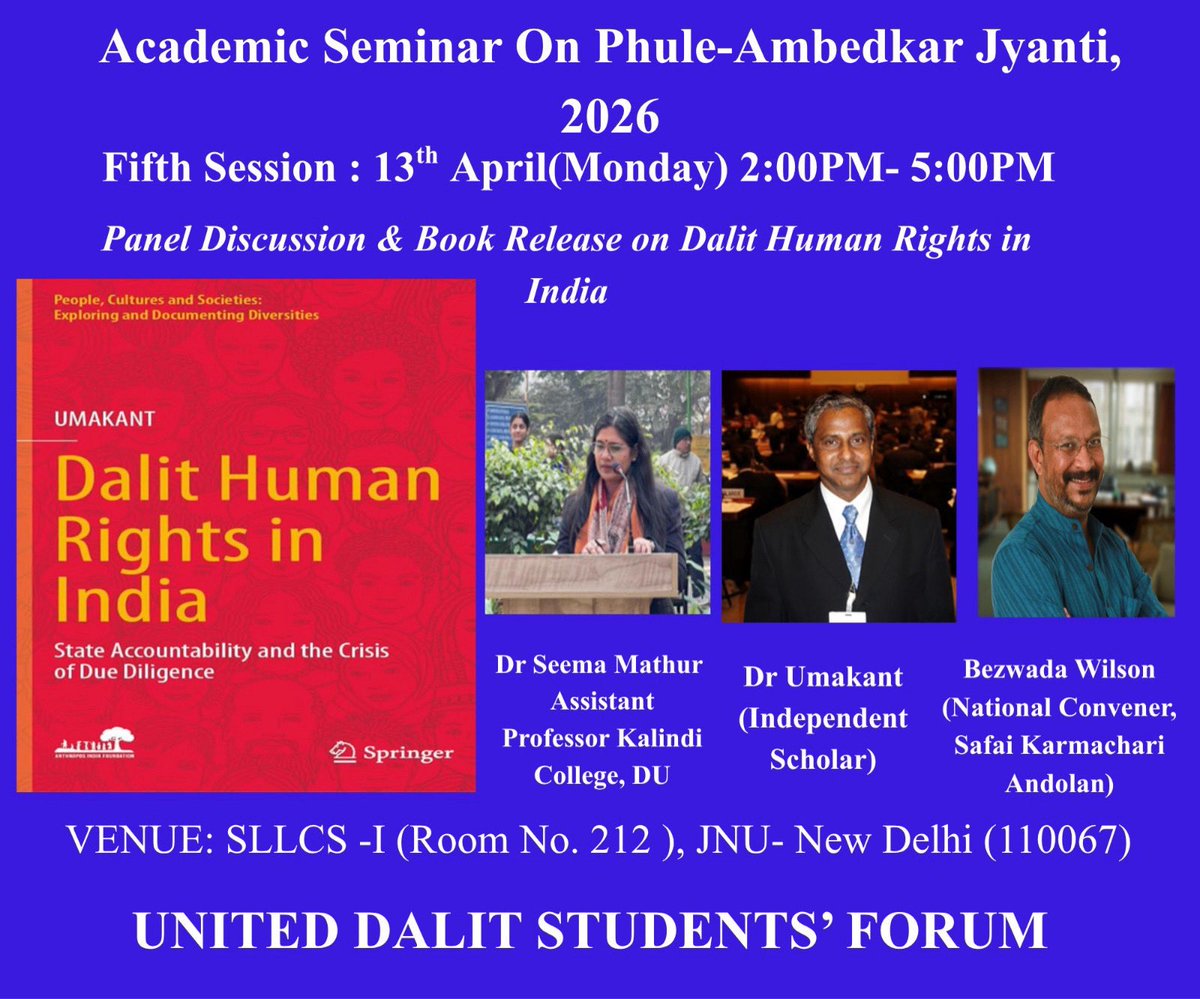
JNU scholar Dr. Umakant has published “Dalit Human Rights in India: State Accountability and the Crisis of Due Diligence” (Springer, 2026).
Book release & discussion with Bezwada Wilson and Prof. Seema Mathur at JNU (SLLCS-1, Room 212, 2–5 PM, April 13, 2025.
#DalitRights #jnu
3
78

7 Nov 2025
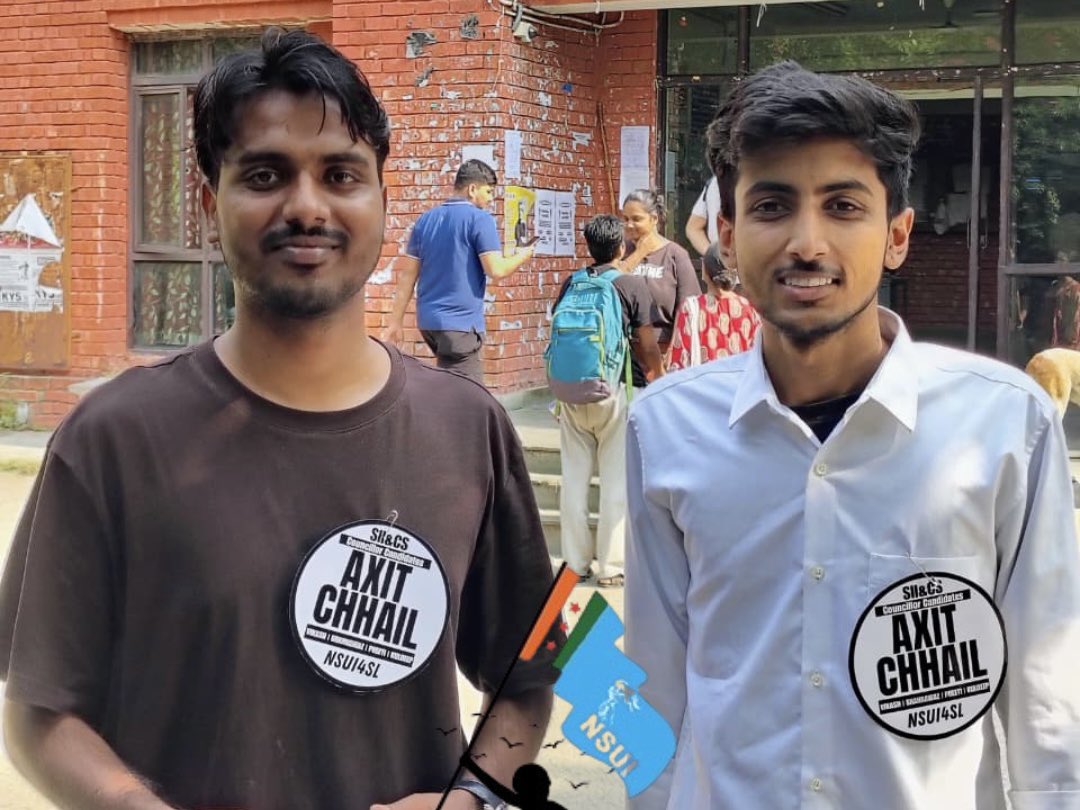
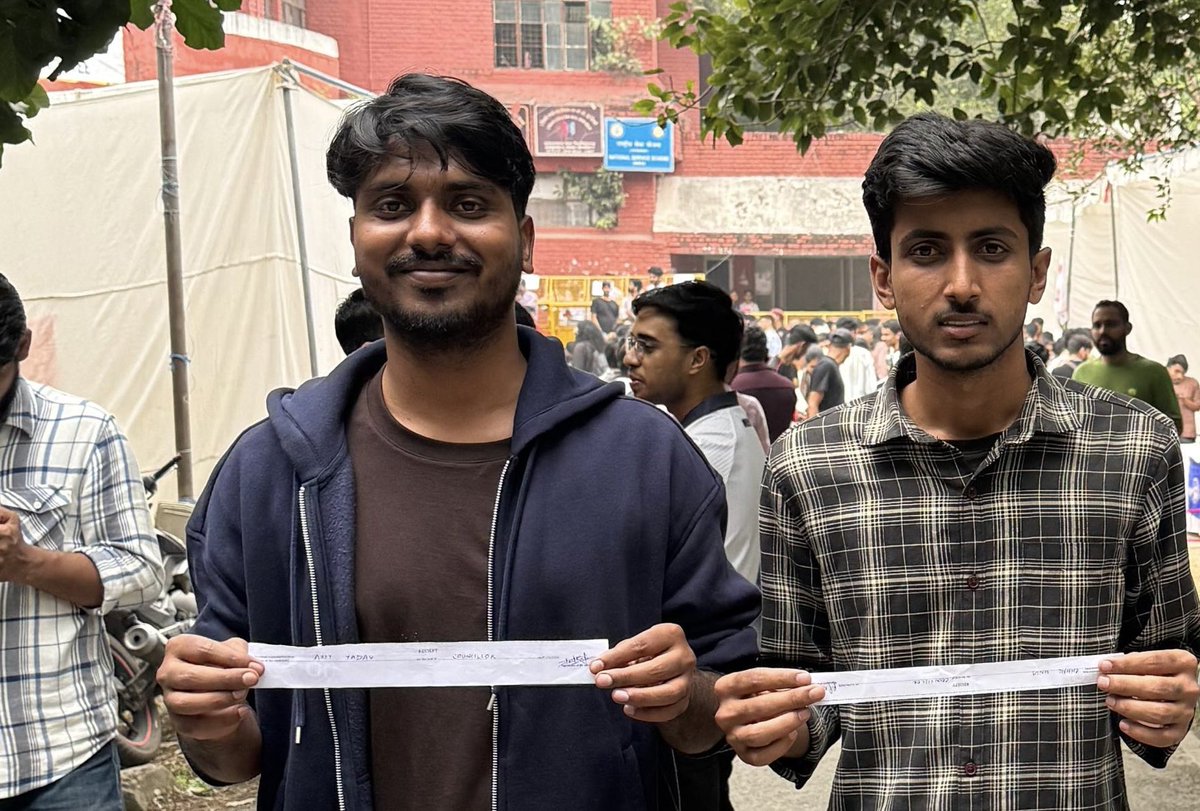
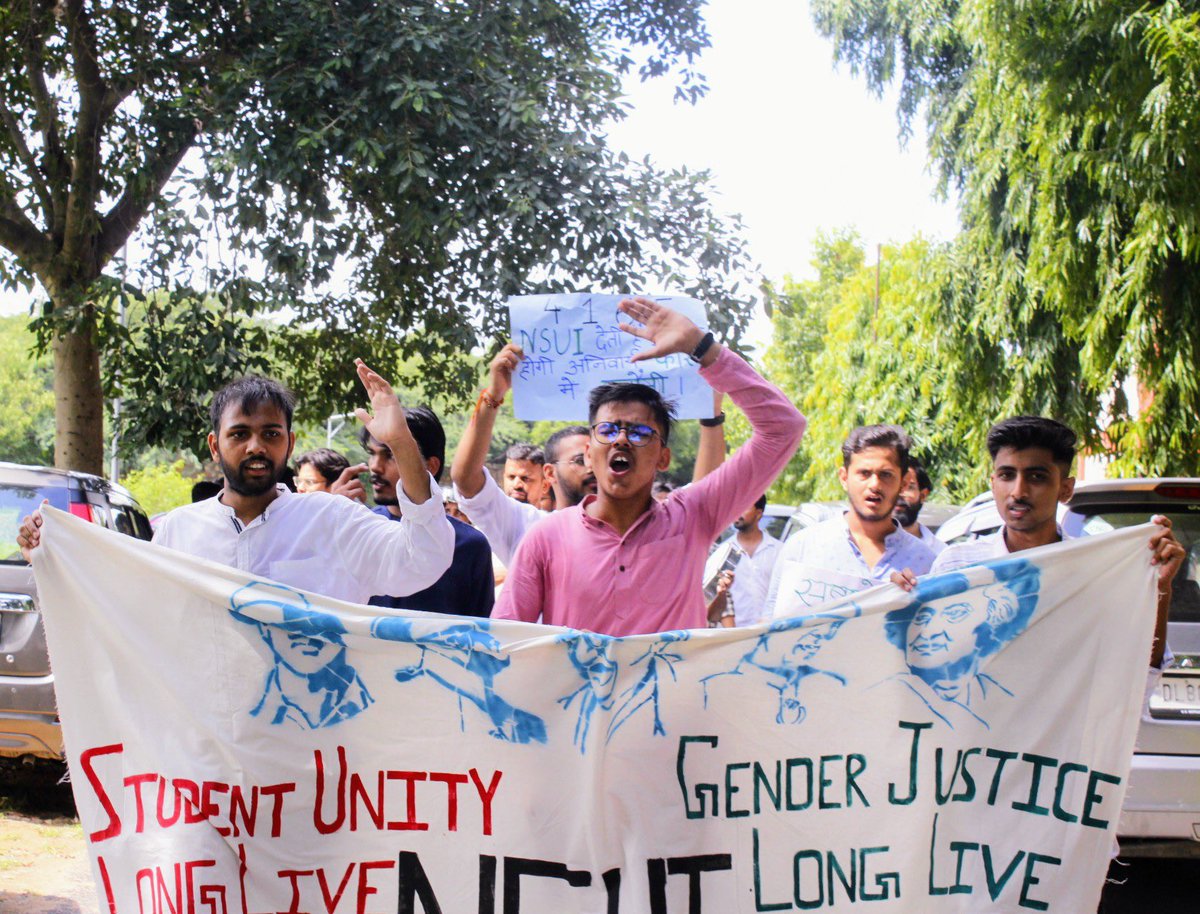
मुझे गर्व है कि @ChhailSinghJNU और Axit Yadav ने SLL&CS काउंसलर चुनाव में शानदार जीत हासिल की, Chhail को SL में सबसे अधिक 774 वोट और Axit को 2nd Highest 664 वोट, मिले!
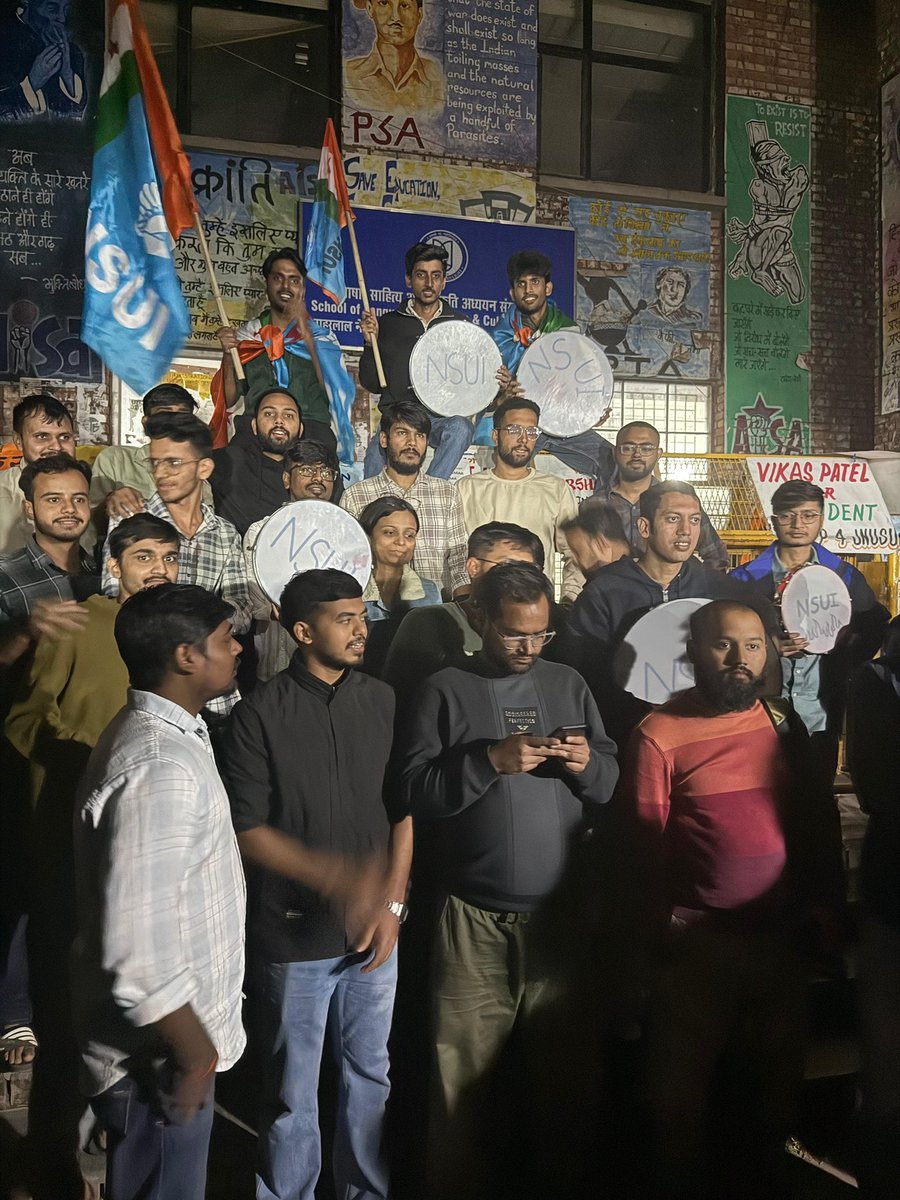
SLL&CS के छात्रों का हृदय से आभार, जिन्होंने NSUI के दोनों उम्मीदवारों को सबसे अधिक वोट देकर चुना, और NSUI को SLL&CS में सबसे बड़ी Single largest पार्टी बना दिया!
यह जीत केवल एक परिणाम नहीं, बल्कि विचारों की क्रांति का परचम है! SLL&CS के छात्रों ने NSUI पर भरोसा जताया, हमारे संघर्ष पर, मेरे पांच साल के एक्टिविज्म पर, और हमारी विचारधारा पर! यह विश्वास हमें JNU में सबसे मजबूत और सबसे बड़ी पार्टी बनाता है, एक ऐसी ताकत जो अन्याय के खिलाफ, फासीवादी नीतियों के खिलाफ, और छात्रों के अधिकारों के लिए हमेशा लड़ेगी!
SLL&CS, NSUI के एक्टिविस्ट्स और छात्रों का धन्यवाद, जिन्होंने हमारे सपनों, हमारे काम, और हमारे संघर्ष के साथ कदम से कदम मिलाया!
Atul Raj और nikhil lodhi के संघर्ष को भी मेरा सलाम!
छैल और अक्षित—विनम्र और मजबूत, और SL के सिपाही है, हमेशा छात्रों के हक और सम्मान के लिए खड़े रहे हैं। ये लड़ाके छात्रों की आवाज हैं, जो वैचारिक क्रांति और सामाजिक न्याय की अलख जगाएंगे!
यह जीत केवल व्यक्तिगत नहीं, बल्कि उस विचार की जीत है जो कहता है - संघर्ष ही सत्ता है, और सत्ता का मकसद है छात्रों का उत्थान!
हमारा आंदोलन जारी रहेगा, क्योंकि JNU की मिट्टी में क्रांति की जड़ें गहरी हैं। SLL&CS के छात्रों, आपने NSUI को ताकत दी—अब हम पूरे JNU को बदलने के लिए तैयार हैं!
जय छात्र शक्ति!
@jnu_nsui_ @nsui @varunchoudhary2 @kanhaiyakumar @Vikash_NSUI_JNU @DharmbeerLamba @NSUIRajasthan
#NSUI #JNU #SLLCS #ChhailSingh #AxitYadav #studentpower
6
19
502

18 Apr 2025
Why Fund Libraries?
School libraries are essential to student success, well-being, & joy.
SLLCs fuel literacy, fight misinformation, and create belonging.
Let’s talk about why we need them now more than ever.
#SchoolLibrariesMatter #rtla #AllTheLiteracies #FutureForward

3
7
119

SLLCS seminar series: 'Narratives of Trauma, Resilience and Resistance: How members of the Hongkonger community co-construct their responses to repression through talk and art' delivered by Mandy Lee, Assistant Professor @TrinityMed1
📅 18 February, 4.00pm @TLRHub
All welcome!
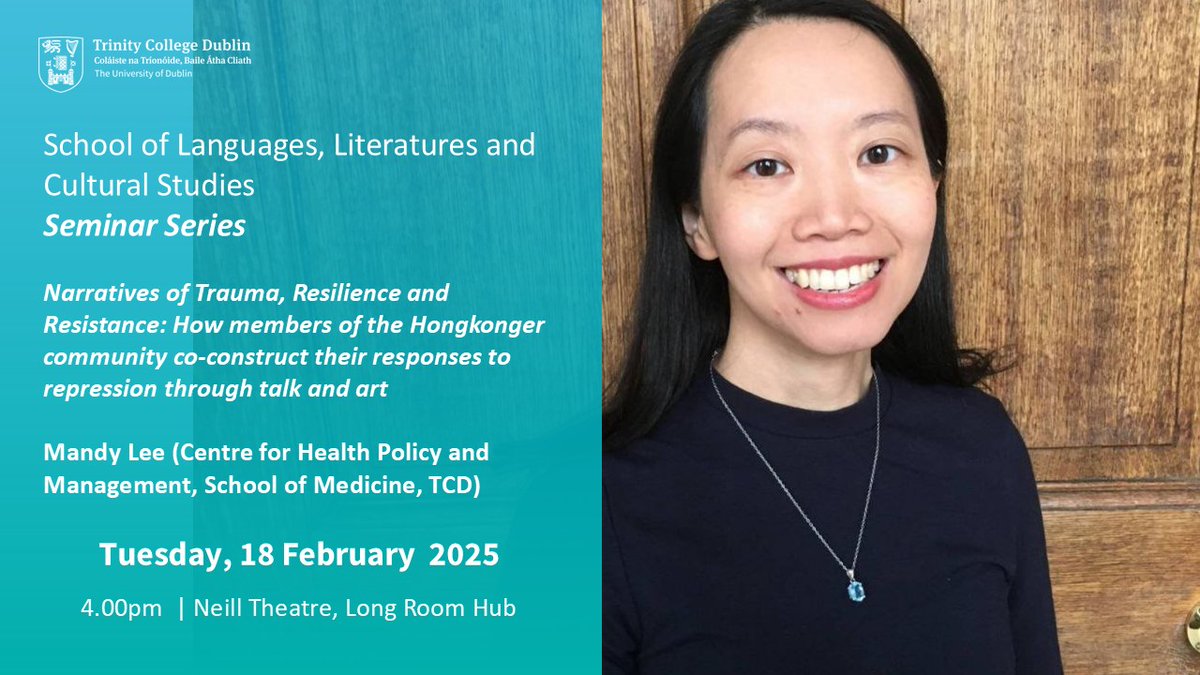
ALT Event information poster with an a headshot of a smiling woman with short dark hair standing in front of a wooden door
2
9
494

5 Oct 2024
Jawaharlal Nehru University (JNU) is one of India's premier institutions for higher education and research. Below are more detailed insights about the university:
1. Establishment and Location:
Established: 1969
Founder: The university was founded by an act of the Indian Parliament, with a vision to promote advanced research and learning in India.
Location: New Mehrauli Road, New Delhi, India. The sprawling 1,019-acre campus is located in the southern part of the city, near the historical Qutub Minar.
2. Administration:
Current Vice-Chancellor: (As of October 2023) Santishree Dhulipudi Pandit.
Chancellor: V. Vijayalakshmi Pandit was its first chancellor.
Governing Body: JNU is governed by a Council chaired by the Vice-Chancellor and is administrated as an autonomous institution.
3. Academic Structure:
JNU is divided into multiple schools and centers, each focusing on specialized areas of study. Some of the prominent ones include:
School of Social Sciences (SSS): Sociology, Political Science, History, Economics, and more.
School of International Studies (SIS): International Relations, Area Studies (Middle East, Central Asia, Africa, Europe).
School of Life Sciences (SLS): Advanced research in biological sciences.
School of Language, Literature, and Culture Studies (SLLCS): Languages like French, German, Chinese, Japanese, Russian, Spanish, and studies in linguistics.
School of Arts and Aesthetics (SAA): Cultural studies, visual arts, cinema studies, and aesthetics.
School of Environmental Sciences (SES).
Atal Bihari Vajpayee School of Management and Entrepreneurship.
JNU offers undergraduate, postgraduate, M.Phil, and Ph.D. programs in a variety of disciplines.
4. Rankings and Recognition:
JNU is regularly ranked among the top universities in India. It has been awarded the title of “University of Excellence” by the University Grants Commission (UGC).
Internationally, JNU is recognized in academic rankings such as QS World University Rankings and Times Higher Education.
In the NIRF rankings, JNU often ranks highly in categories of "Universities" and "Overall Performance".
5. Admissions and Entrance Exams:
Entrance Exams: Admission to JNU’s various programs is competitive and primarily based on entrance exams, conducted either by the university itself or through national exams like CUET (Common University Entrance Test), depending on the course.
JNU’s entrance process is highly selective, with thousands of students applying for limited seats.
JNU is especially known for its Ph.D. programs in humanities, social sciences, and natural sciences.
6. Research Focus:
JNU is renowned for its research output, especially in social sciences, humanities, and life sciences.
It has numerous research collaborations with international institutions and offers scholarships, exchange programs, and fellowships for research students.
The university emphasizes interdisciplinary studies, and many centers are designed to encourage cross-disciplinary research.
7. Campus Life:
JNU is known for its politically active and engaged student community, with a vibrant campus life that includes student-led unions, cultural festivals, debates, and academic talks.
Hostels: JNU provides hostel accommodation for most of its students, including foreign students.
The campus has recreational facilities, including sports complexes, libraries, and cultural centers.
8. Notable Alumni:
JNU has produced numerous distinguished alumni in politics, academia, journalism, and civil services. Some well-known alumni include:
S. Jaishankar – External Affairs Minister of India.
Nirmala Sitharaman – Finance Minister of India.
Prakash Karat – Former General Secretary of the Communist Party of India (Marxist).
Abhijit Banerjee – Nobel Prize-winning economist.
Barkha Dutt – Renowned journalist and TV Anchor.
129
6
107
1,006

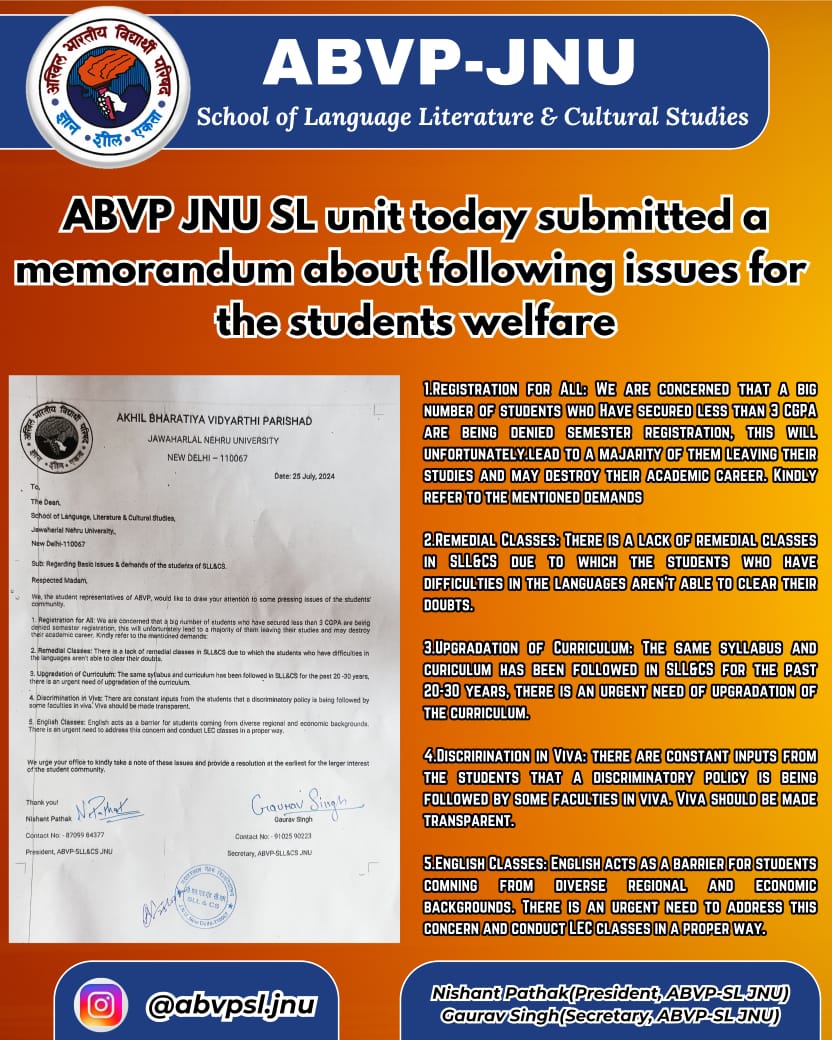
ABVP SL unit submitted a memorandum on 25 July 2024 to the Dean, SLLCS, addressing several critical issues. We highlighted:
Registration for All: Taking into account many common students' issues, a significant number of them with a CGPA below 3 are being denied semester registration, potentially forcing them to abandon their studies and jeopardizing their academic careers. We urged a graceful consideration, and demanded immediate rectification of this issue.
Curriculum Upgradation: While our nation advances with educational reforms such as NEP 2020, the foreign language curriculum at JNU, one of the premier institutions, remains outdated. ABVP put forth the urgent need to modernize the curriculum to align it with contemporary educational standards.
Remedial Classes: The persistent issue of the lack of remedial classes in SLL&CS, which is leaving students struggling with language difficulties unable to clear their doubts. We demanded an urgent change in this situation, highlighting that this gap must be addressed to support equity between all students in their academic pursuits.
Discrimination in Viva: Numerous reports from students indicate that a discriminatory policy is being practiced by some faculty members during vivas. We demanded an assurance of fairness and transparency, in the viva process, and showed the need for urgent reforms in the viva process.
English Classes: English, which should serve as an aid to students, has instead become a hindrance for those from diverse regional and economic backgrounds. We highlighted the urgent need to address this issue and conduct LEC classes effectively and supportively.
ABVP has consistently fought for the welfare of common students in the JNU campus and once more we have shown our commitment. We will keep our work going for the student community.
We shall fight.
We shall win.
Regards
Nishant Pathak
President - ABVP SLL&CS Unit
Gaurav Singh
Secratary - ABVP SLL&CS Unit
4
16
733

13 Dec 2022
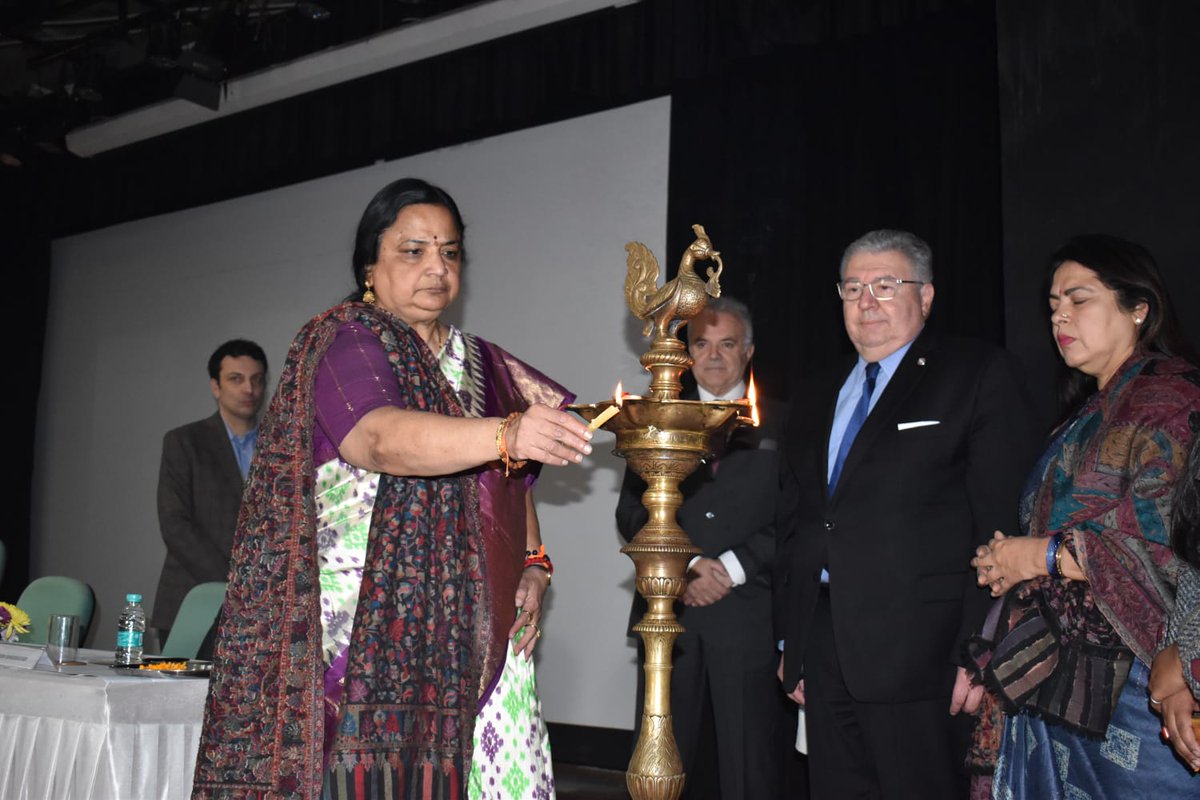
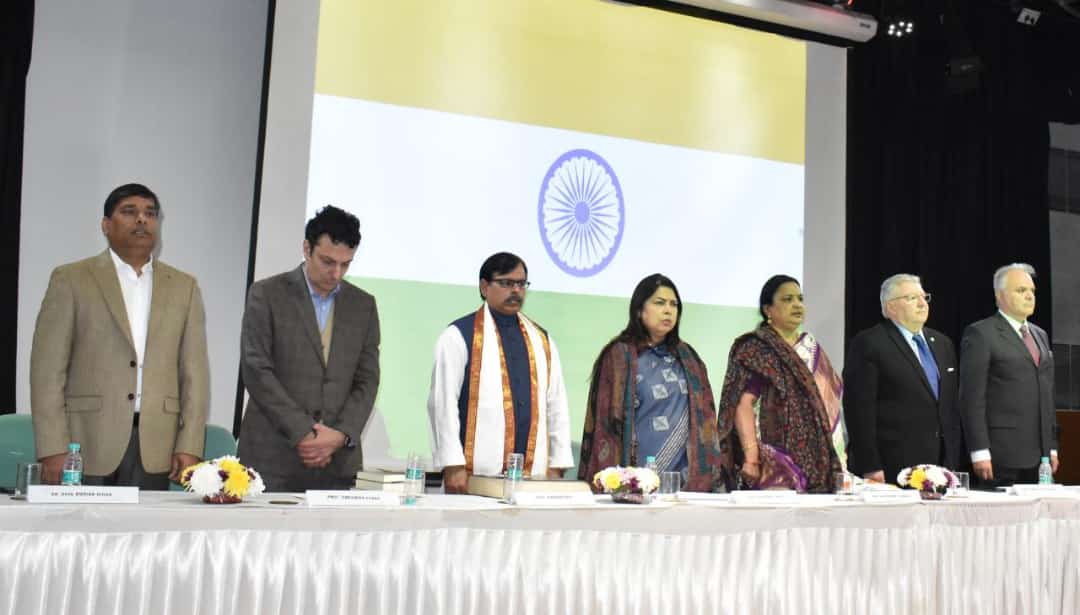
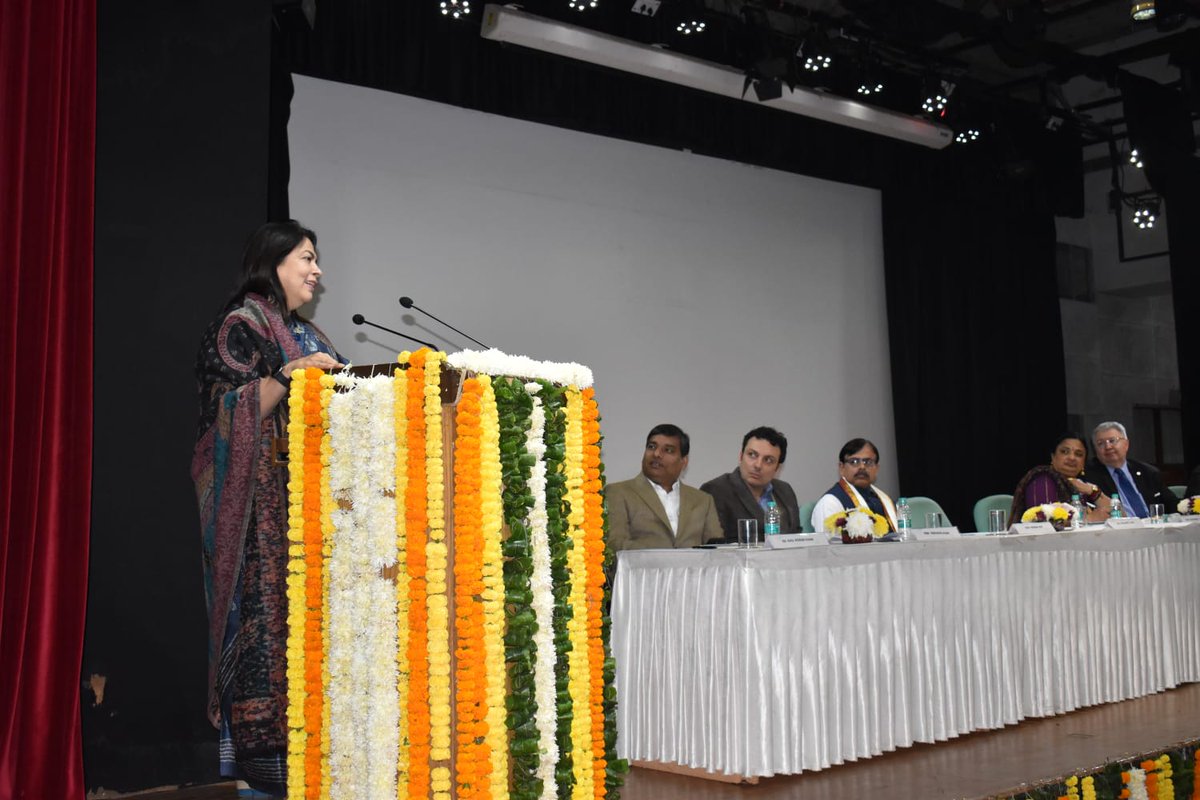
International Conference on the Greek World & India was inaugurated at JNU by Chief Guest Mrs Meenakshi Lekhi MoS External Affairs & Culture, JNU VC Prof. Santishree D. PanditIoannou, HE Ambassador Designate of Greece, Mr Dimitrios Ioannou & Dean SLLCS, JNU Prof Mazhar Asif.

14
5
44

12 Jul 2022
I’d first want to understand is it a saleable business or focused on cash flow? Do you have long term reinvestments you want to make? Assuming most SLLCs are more focused on cash flow to owner - likely nothing is beneficial to having the LLC holding it. My two sats.
1
3

9 Feb 2022
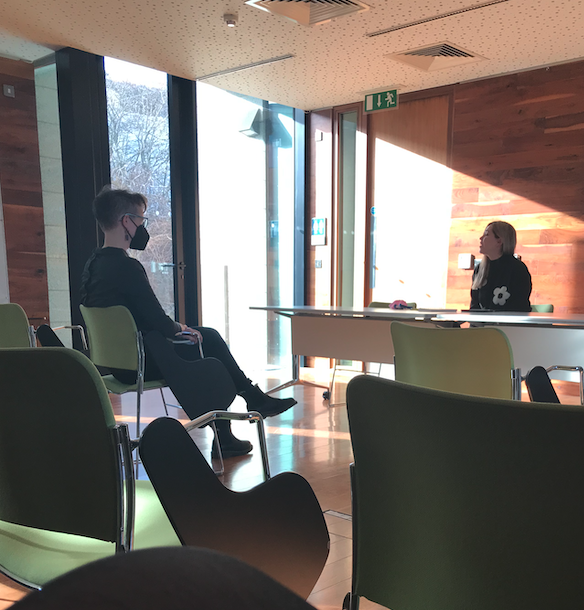
Happy to be back at @TLRHub Coffee Morning today (on a rare Weds free from SLLCS exec committee meetings). Inspired by both @DawsonClara and @Angelikilim - each gave fascinating presentations on their research. (Avian poetics education in incarceration, respectively.)
9
A talk by Prof Edhem Eldem (Collège de France) as part of the SLLCS Research Seminar Series in association with @TLRHub. Tomorrow at 4pm: The Alhambra: A View from the East. #Spain #Orientalism #History #CulturalStudies #19thcentury Everyone welcome!
trinitylongroomhub-ie.zoom.u…
3
5
SLLCS/NMES EVENING LECTURE SERIES 2021:
'GODS, MYTHS & PROPHETS OF THE ANCIENT MIDDLE EAST
Every TUESDAY 6-7pm, commencing 23 MARCH with the final lecture on 18 MAY (9 lectures in total; they will take place online). For further info & Zoom link email worthinm@tcd.ie

2
2

27 Jul 2020
Your OSLA council met virtually this morning to discuss anti-racism & equity in our SLLCs & @ONLibraryAssoc More details coming about the #OSLAequityjourney ASAP #StayTuned
3
9

29 Oct 2019
This first day was a great success, thank you all. Now it’s time to enjoy a nice wine reception. We really want to thank those who sponsored the conference
@TCDFrench
@french_studies
@asmcf
@TLRHub
, the trinity centre for medieval and Renaissance study and the SLLCS at trinity!
2

"Cast your burden on the Lord, and he will sustain you; he will never permit the righteous to be moved." -Psalm 55:22
#sllcs #verseoftheday #bibleverse #encouragement

2


3
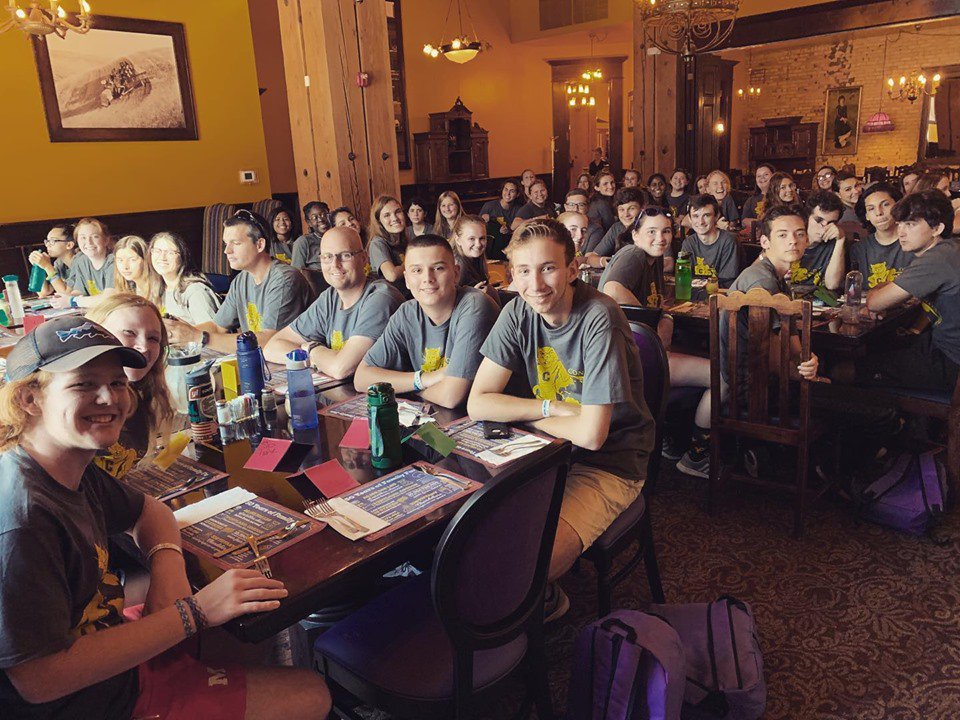
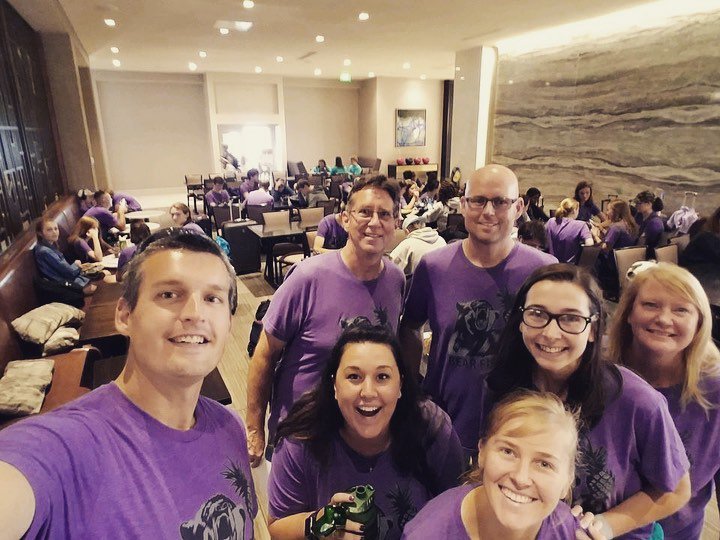
The final @LCMSNYG takes place at 10:30 EST this morning. How have you found our Real. Present. God. in the mass events this week? Watch here:buff.ly/2XQpVQM
#sllcs #LCMSNYG #youth #RealPresentGod

2

1
3
Who's ready to tune in for another @lcmsnyg Mass event tonight?! Livestream starts at 9:30 EST.
buff.ly/2XQpVQM
#LCMSNYG #sllcs #youth #youthgroup #GodsWord #GodsLove #RealPresentGod

2