
🧠 માનવ મગજ | HUMAN BRAIN 🧠
શું તમે જાણો છો કે આપણું મગજ શરીરનું સૌથી શક્તિશાળી અંગ છે? 🤔⚡
તે દરેક વિચાર, લાગણી અને ક્રિયાને નિયંત્રિત કરે છે!
📌 મગજ શું છે?
🧠 મગજ શરીરનું નિયંત્રણ કેન્દ્ર (Control Center) છે
⚡ તે નર્વસ સિસ્ટમ દ્વારા આખા શરીરને સંદેશા મોકલે છે
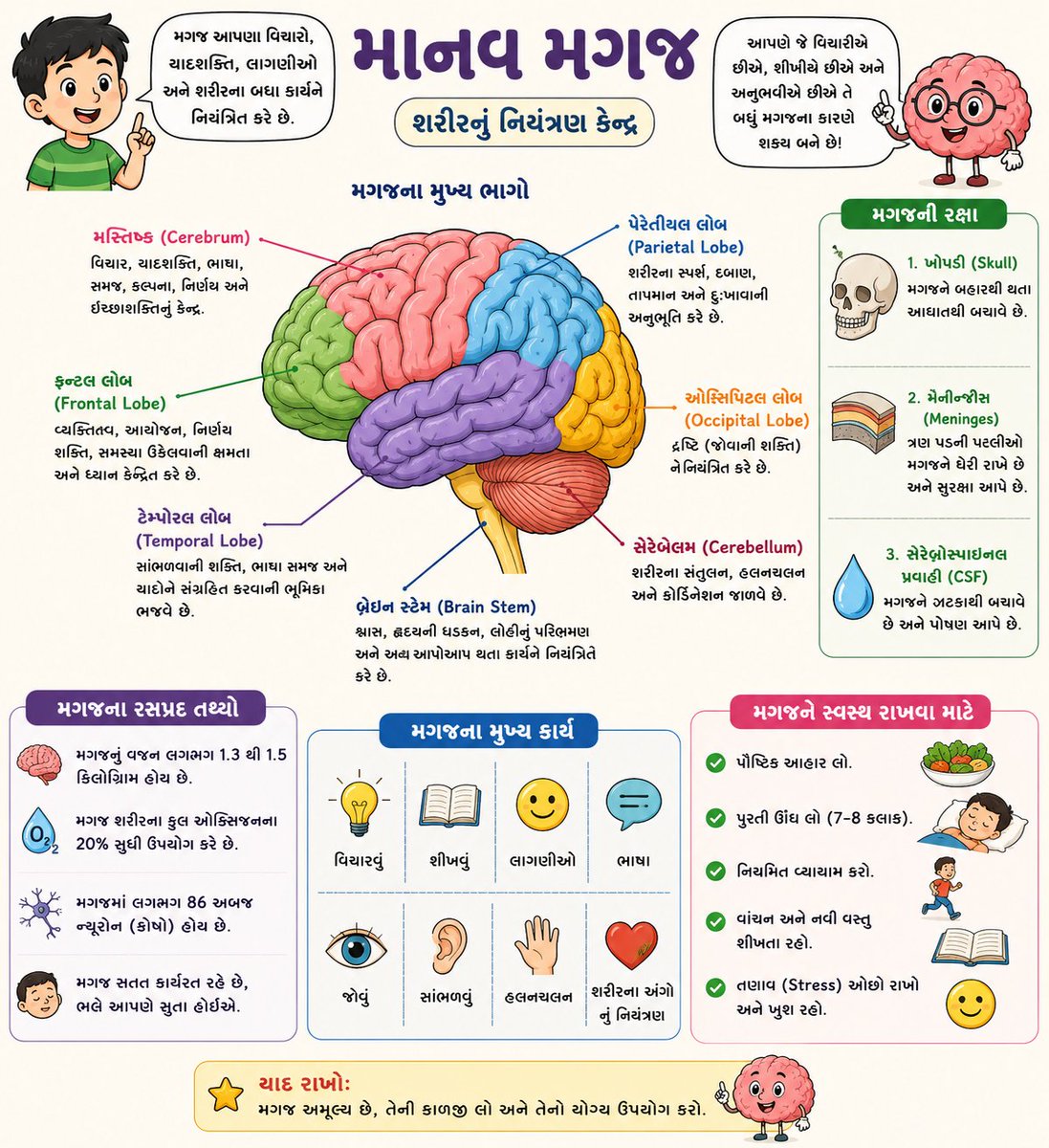
🔬 મગજના મુખ્ય ભાગો:
🟢 Frontal lobe → વિચારશક્તિ, નિર્ણય
🔵 Parietal lobe → સ્પર્શ અને સમજ
🟡 Occipital lobe → દેખાણ (Vision)
🟣 Temporal lobe → સાંભળવું અને યાદશક્તિ
🧠 Cerebellum → સંતુલન અને હલનચલન
🧩 Brain Stem → શ્વાસ અને હૃદય ધબકારા નિયંત્રણ
⚙️ મગજના કાર્ય:
💡 વિચારવું અને શીખવું
🗣️ બોલવું અને સમજવું
👀 જોવું અને યાદ રાખવું
❤️ શરીરના મૂળભૂત કાર્ય નિયંત્રિત કરવું
🥗 મગજને સ્વસ્થ રાખવા:
😴 પૂરતી ઊંઘ લો
🥦 સારો આહાર લો
📚 નિયમિત અભ્યાસ કરો
😌 તણાવ ઓછો રાખો
🌟 મહત્વપૂર્ણ વાત:
તમારું મગજ જેટલું સ્વસ્થ, તમારું જીવન એટલું સફળ! 🚀
👇 આ માહિતી શેર કરો અને બીજા લોકોને પણ શીખવો!
#HumanBrain #Biology #ScienceEducation #GujaratiScience #STEM #BrainFacts #Neuroscience #ScienceMadeEasy #EducationForAll #StudySmart #StudentLife #SciencePoster #LearningScience #HealthScience #KnowledgeIsPower #SchoolEducation #BrainPower #EdTech #ScienceInGujarati #MedicalScience
@students @teachers @biologylovers @scienceenthusiasts @medicalstudents @schoolcommunity @educationforall @learnershub @stemworld @edtechcommunity
3
6
231
🌱🏙️ VERTICAL FARMING | FUTURE OF SMART AGRICULTURE 🏙️🌱
What if we could grow food in skyscrapers instead of fields? 🤔
That’s exactly what Vertical Farming makes possible! 🚀
📌 What is Vertical Farming?
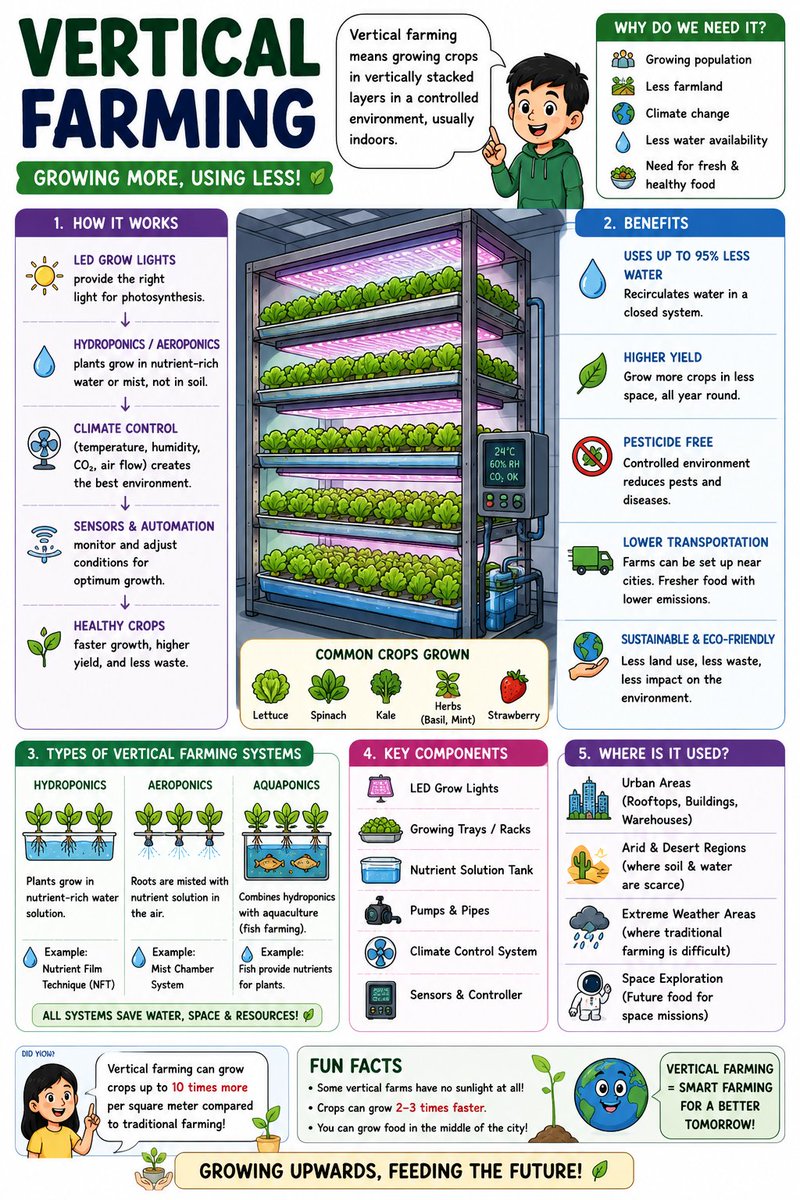
Vertical farming is a modern farming method where crops are grown in stacked layers inside controlled environments like buildings, warehouses, or containers.
⚙️ How It Works:
💡 LED grow lights replace sunlight
💧 Hydroponics/Aeroponics grow plants without soil
🌡️ Climate control maintains perfect temperature & humidity
🤖 Sensors automation optimize growth conditions
🥬 Benefits of Vertical Farming:
💧 Uses up to 95% less water
🌿 Produces pesticide-free crops
📦 Higher yield in less space
🚚 Reduces transportation distance
🌍 Eco-friendly & sustainable farming
🌾 Common Crops:
🥬 Lettuce
🌿 Spinach
🌿 Herbs (Basil, Mint)
🍓 Strawberries
🏙️ Where is it used?
🏢 Urban cities
🌵 Desert regions
❄️ Extreme climates
🚀 Even space missions (future farming!)
🌟 Big Idea:
Grow more food 🍃 using less land 🌍 and less water 💧 — right inside cities!
👇 Share to spread awareness about future farming!
#VerticalFarming #Agriculture #FutureFarming #SmartFarming #Hydroponics #Aeroponics #SustainableAgriculture #ScienceEducation #STEM #EcoFriendly #GreenTechnology #UrbanFarming #FoodSecurity #ScienceMadeEasy #EducationForAll #LearningScience #Agritech #ClimateAction #Innovation #EdTech
@students @teachers @farmers @agriculturelovers @scienceenthusiasts @stemworld @educationforall @learnershub @greenfuture @agritechcommunity
4
5
97
🌡️💧 DRY-BULB & WET-BULB TEMPERATURE | METEOROLOGY SIMPLIFIED 💧🌡️
Ever wondered how weather experts measure air temperature humidity effects together? 🤔
The answer lies in two important scientific terms:
👉 Dry-Bulb Temperature (TDB)
👉 Wet-Bulb Temperature (TWB)
📌 What is Dry-Bulb Temperature?
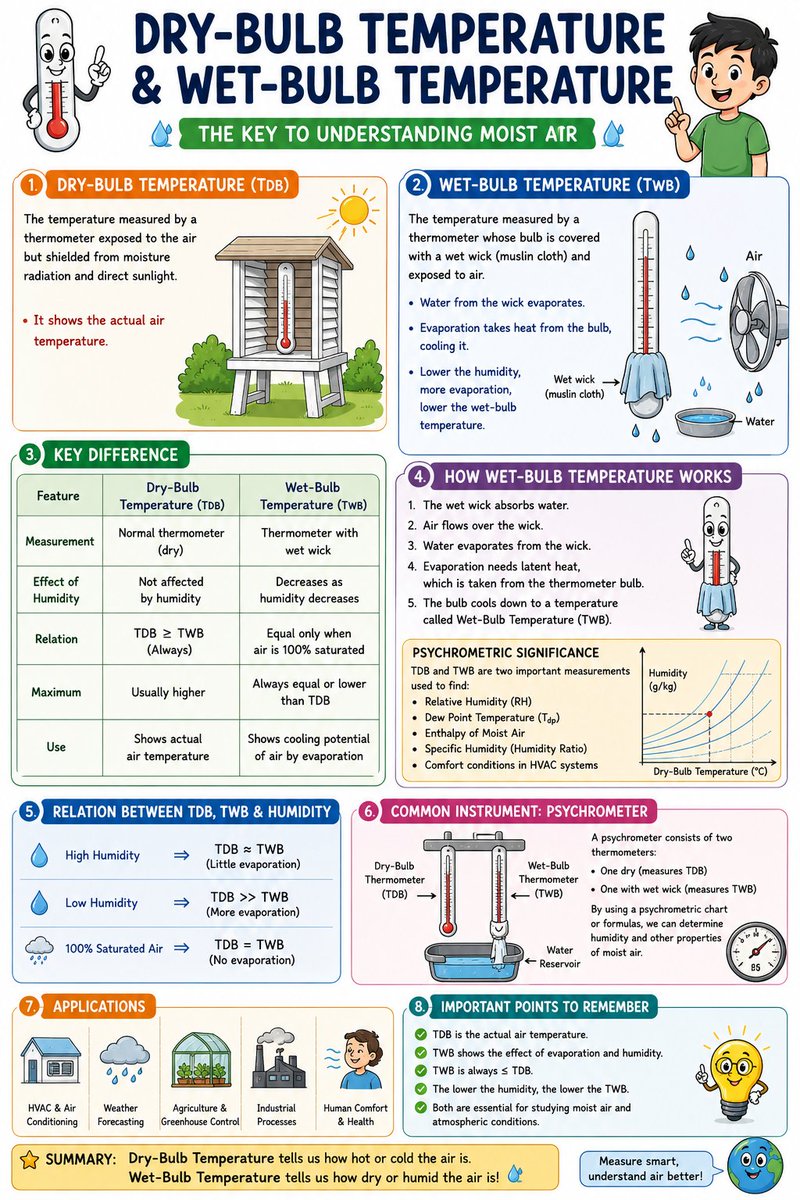
🌡️ It is the actual air temperature measured by a normal thermometer.
☀️ It is not affected by humidity or moisture.
📍 It tells how hot or cold the air really is.
💧 What is Wet-Bulb Temperature?
🌬️ It is measured using a thermometer covered with a wet cloth (wick).
💦 Water evaporates → takes heat away → cooling effect occurs.
📉 It shows how humidity affects cooling of air.
⚖️ Key Difference:
🌡️ Dry-Bulb → Real air temperature
💧 Wet-Bulb → Cooling humidity effect
🌍 Why it is important?
📊 Weather forecasting
🌾 Agriculture & irrigation
🏭 Industrial climate control
❄️ HVAC & air conditioning systems
🧍 Human comfort analysis
🧠 Scientific Insight:
✔ More humidity → less evaporation → TWB closer to TDB
✔ Less humidity → more evaporation → bigger difference
🌟 Understanding these helps us decode real atmospheric conditions scientifically!
👇 Share to help students learn meteorology easily!
#Meteorology #ScienceEducation #Physics #Geography #WeatherScience #DryBulbTemperature #WetBulbTemperature #ClimateScience #STEM #ScienceMadeEasy #EducationForAll #LearningScience #WeatherForecasting #AirHumidity #AtmosphericScience #StudentLife #SciencePoster #KnowledgeIsPower #EdTech #StudySmart
@students @teachers @weatherenthusiasts @scienceenthusiasts @geographylovers @schoolcommunity @educationforall @learnershub @stemworld @edtechcommunity
2
6
156
🧬📚 GROWTH HORMONES IN HUMAN | BIOLOGY SIMPLIFIED 📚🧬
Ever wondered how humans grow taller, stronger, and develop during childhood and puberty? 🤔
The secret lies in a powerful chemical messenger called Growth Hormone (HGH)! ⚡
📌 What are Growth Hormones?
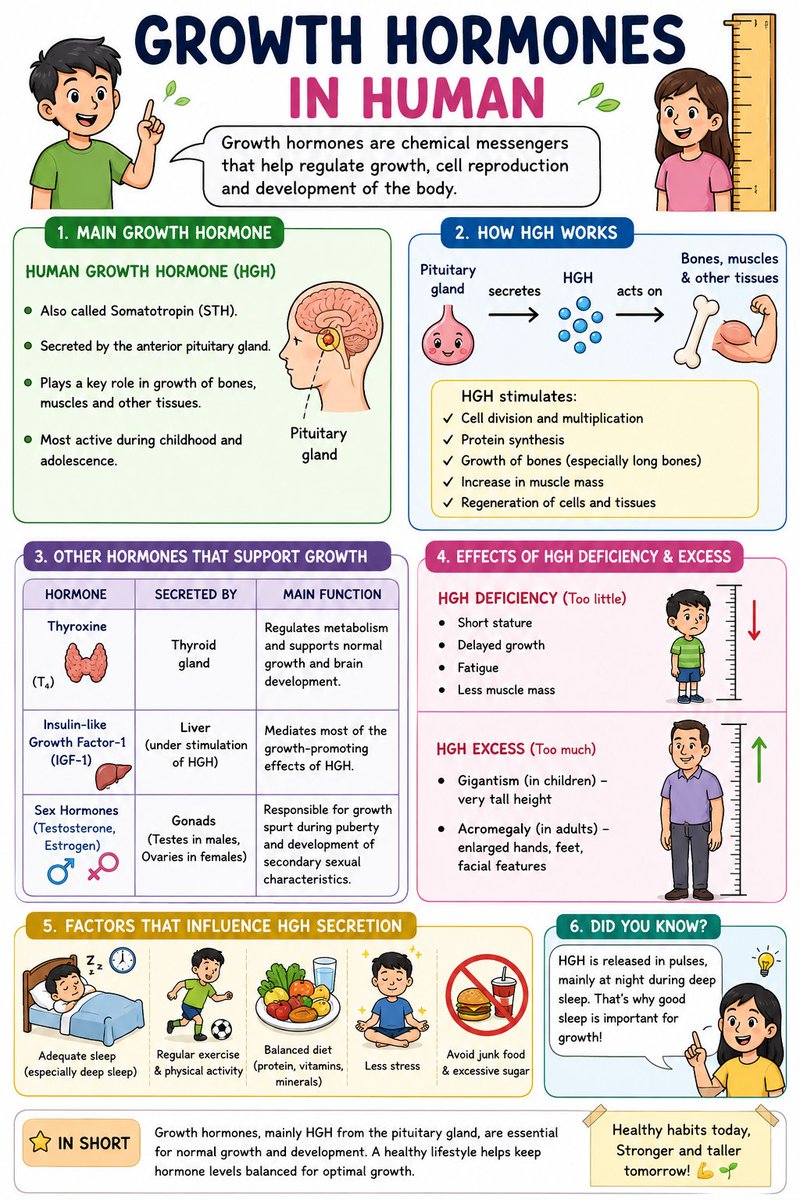
Growth hormones are chemical messengers produced by the pituitary gland that control growth, cell repair, and development in the human body.
🧠 Key Scientific Facts:
🧪 Secreted by the pituitary gland (brain)
🦴 Helps in bone growth & muscle development
🔬 Supports cell division & tissue repair
🌙 Released mostly during deep sleep
⚙️ How HGH Works:
➡️ Pituitary gland releases HGH
➡️ Hormone travels through blood
➡️ Acts on bones, muscles & organs
➡️ Stimulates growth & regeneration
⚠️ Imbalance Effects:
📉 Low HGH → short height, weak muscles, slow growth
📈 High HGH → gigantism (children), acromegaly (adults)
🥗 What boosts healthy growth?
💤 Proper sleep
🏃 Regular exercise
🥦 Balanced diet
😌 Low stress
🌟 Growth is not magic—it’s biology in action!
👇 Share to help students learn science easily!
#Biology #GrowthHormone #HumanBody #ScienceEducation #STEM #HGH #PituitaryGland #HumanPhysiology #MedicalScience #ScienceMadeEasy #StudyBiology #SchoolScience #LearningMadeFun #SciencePoster #EducationForAll #StudentLife #BiologyLovers #KnowledgeIsPower #HealthScience #EdTech
@students @teachers @biologylovers @scienceenthusiasts @medicalstudents @schoolcommunity @educationforall @learnershub @stemworld @edtechcommunity
2
2
102
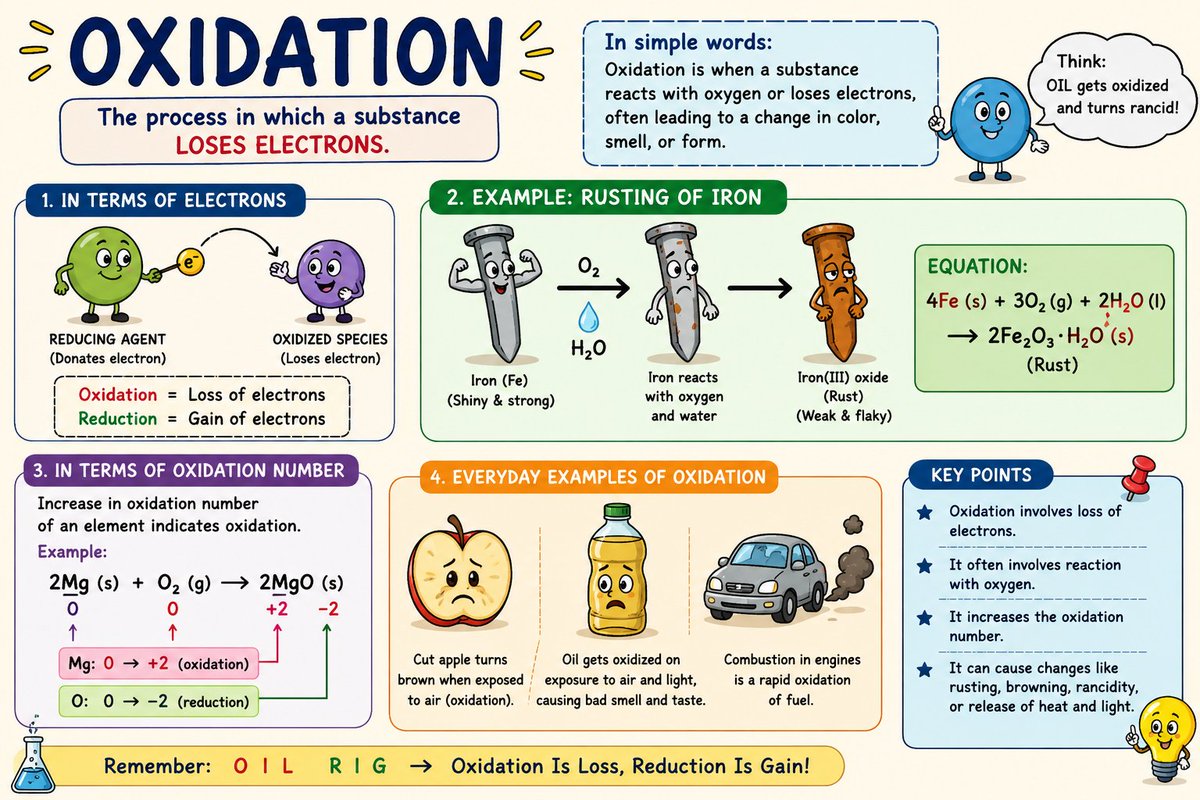
🔥🧪 UNDERSTANDING OXIDATION PROCESS | CHEMISTRY MADE EASY 🧪🔥
Ever wondered why iron rusts, apples turn brown, or fuel burns in engines? 🤔
It’s all because of a powerful chemical process called OXIDATION! ⚡
📌 What is Oxidation?
Oxidation is the process in which a substance loses electrons and often reacts with oxygen. This can lead to changes in color, smell, and properties of materials.
🧠 Key Scientific Ideas:
⚛️ Loss of electrons = Oxidation
⚛️ Gain of electrons = Reduction
⚛️ Remember: OIL RIG → Oxidation Is Loss, Reduction Is Gain
🧲 Real-Life Examples:
🍎 Apple browning when exposed to air
🧲 Iron rusting when it reacts with oxygen & water
🚗 Fuel burning in engines (combustion)
🧴 Oil becoming rancid over time
📊 This concept is important in:
🔬 Chemistry reactions
🏭 Industrial processes
🌍 Environmental science
⚡ Energy production
🎯 Learning chemistry becomes fun when we see it in everyday life!
👇 Share this to help others learn science easily!
#Chemistry #Oxidation #ScienceEducation #STEM #ScienceMadeEasy #ChemistryLovers #PhysicsAndChemistry #SchoolEducation #LearningScience #ScienceFacts #EducationForAll #StudySmart #STEMLearning #StudentLife #SciencePoster #ChemicalReactions #OILRIG #ScienceExplained #KnowledgeIsPower #EdTech
@students @teachers @scienceenthusiasts @chemistrylovers @schoolcommunity @educationforall @learnershub @stemworld @edtechcommunity
3
13
242

Apr 9
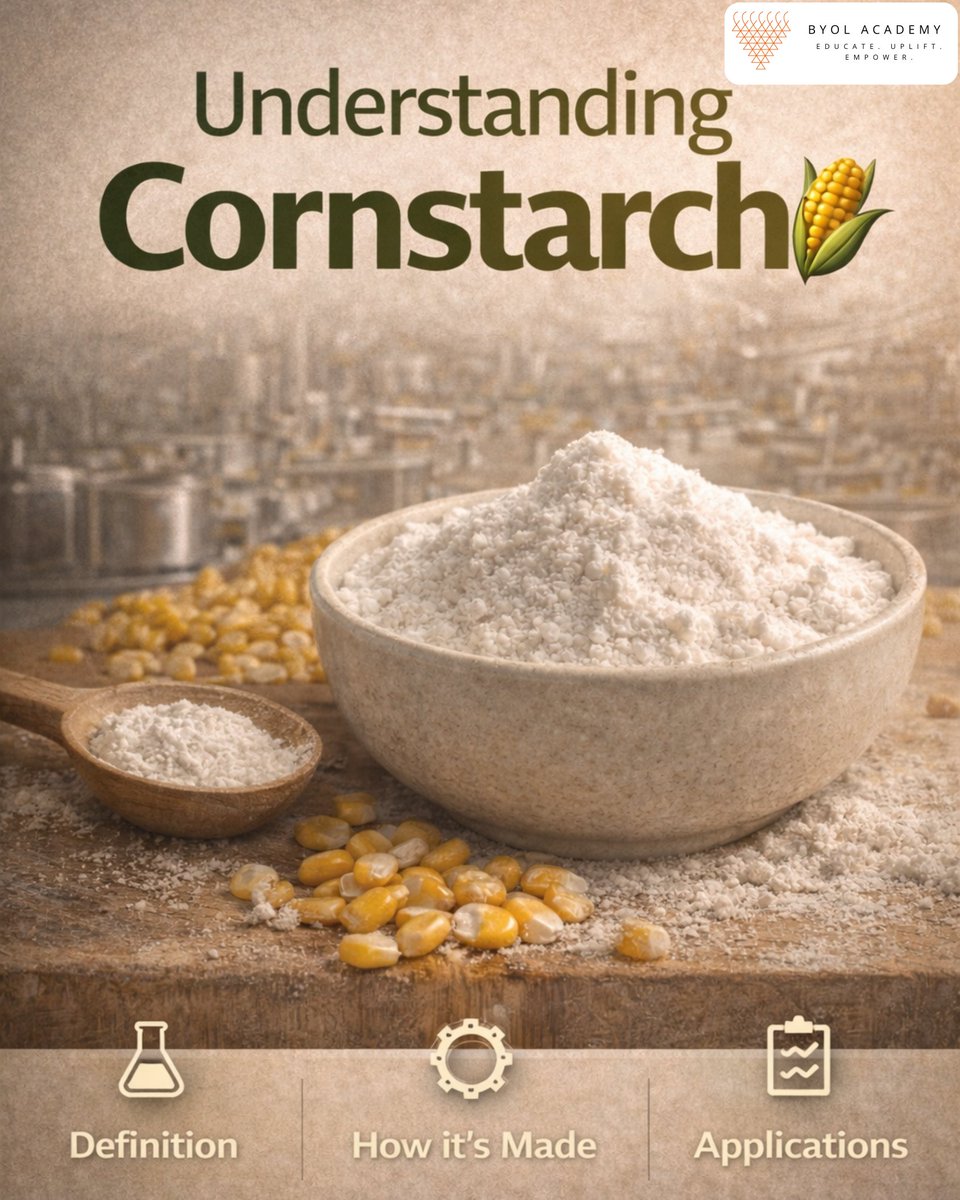
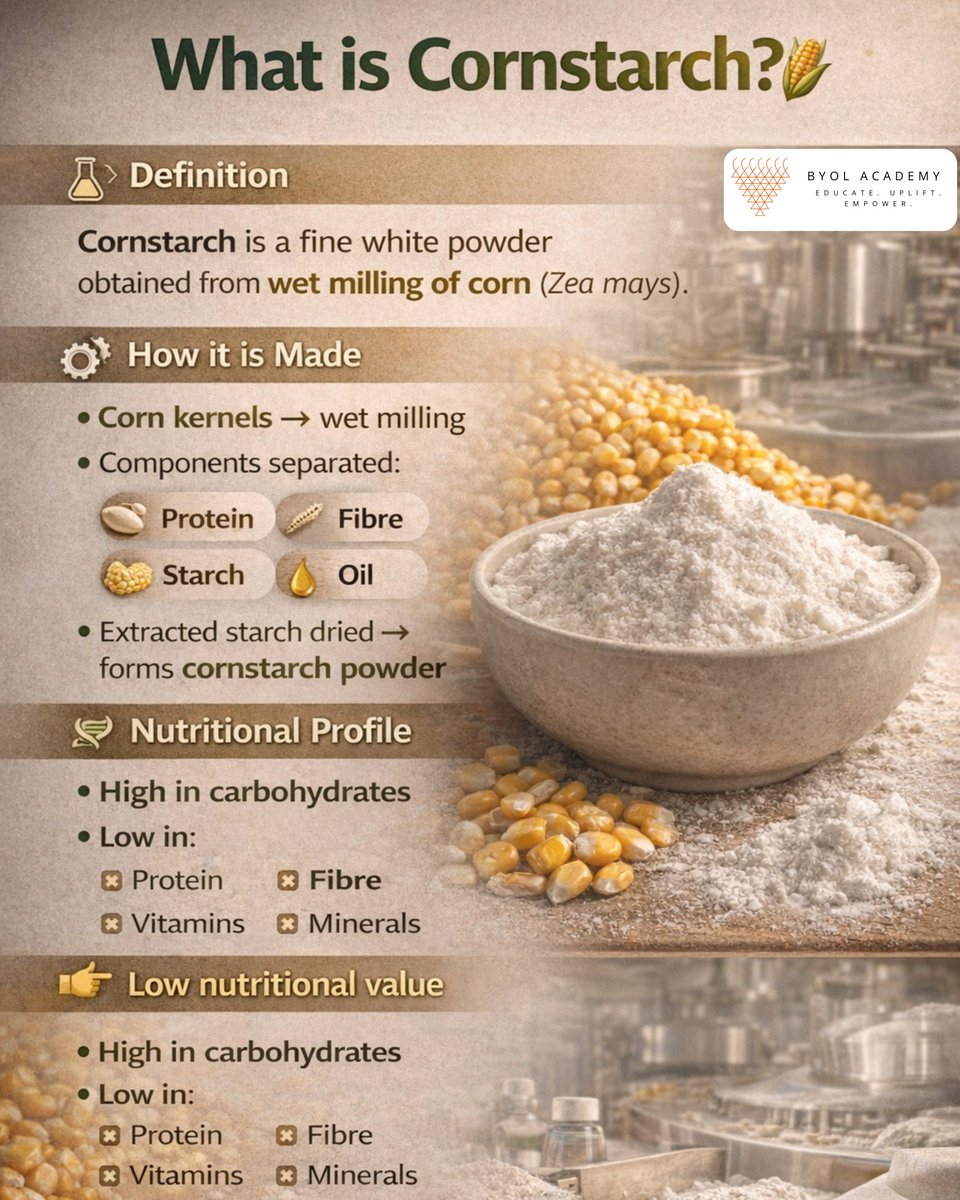
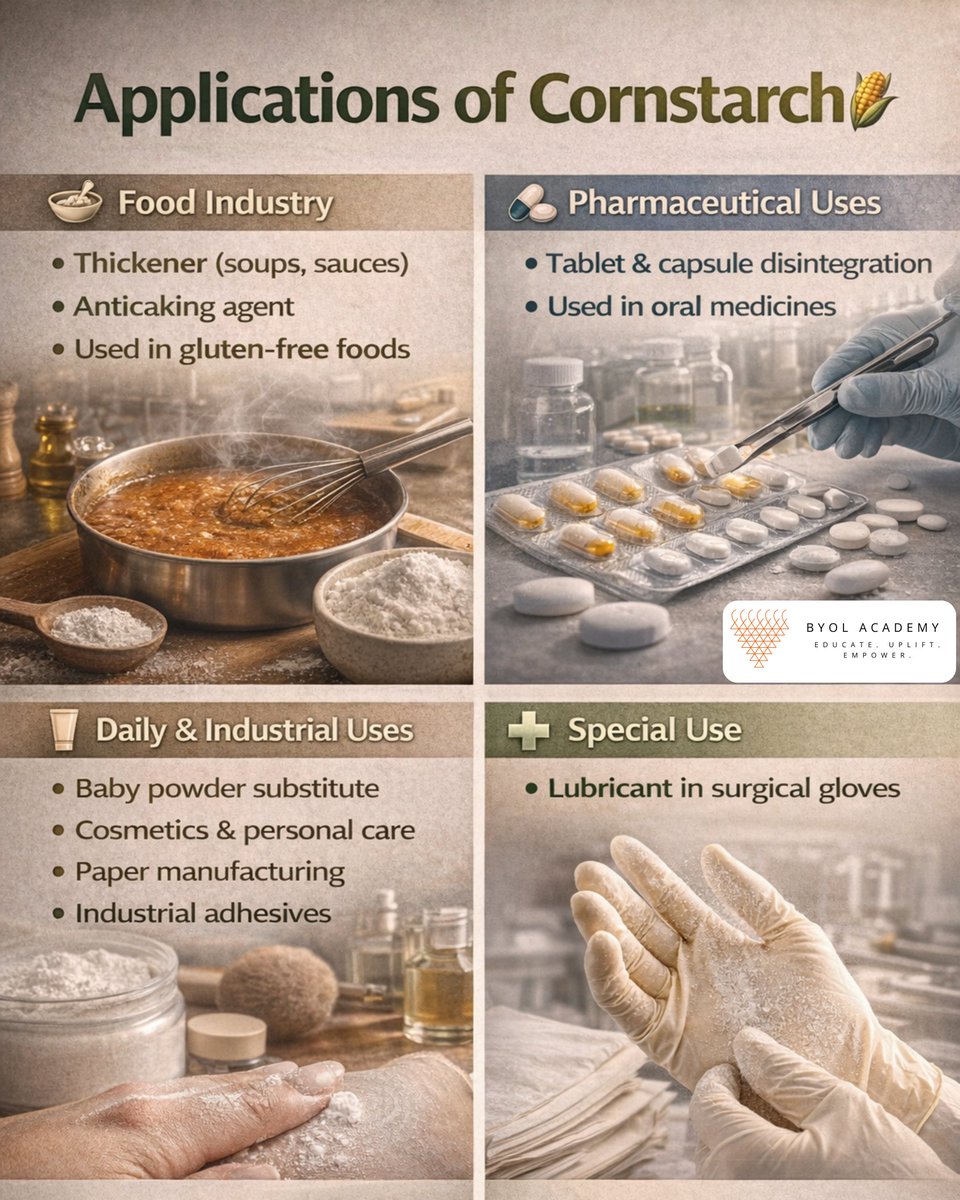
Ever wondered what cornstarch really is? From your kitchen to large-scale industries, this simple white powder plays a powerful role in everyday life. In this series, you’ll explore what cornstarch is, how it is made, and where it is used across food, pharmaceutical, and industrial sectors. Simple concept, real-world applications, and easy understanding, all in one place.
#Cornstarch #FoodScience #LearnWithVisuals #InfographicDesign #EducationalContent #ScienceMadeEasy #FoodIndustry #PharmaUses #IndustrialUses #StudySmart #VisualLearning #EdTech #UPSCNotes #KnowledgePost #DailyLearning
1
6
136

22 Jul 2025
🧬 Chapter 8: Heredity
Ever wondered how your eye color, hair type, and height come from your parents?
Heredity explains how traits pass from one generation to the next and how diversity appears in living beings. 🌱✨
Learn Class 10 Science Heredity with easy animated videos, notes, and quizzes on the ToppersSky App, and master how to write answers effectively in exams. 🖊️✅
📲 Download now and make your study easier!
play.google.com/store/apps/d…
apps.apple.com/in/app/topper…
#Heredity #Class10Science #Genetics #ToppersSky #BoardExamPrep #ScienceMadeEasy #StudySmart
2
30
23 Jun 2025
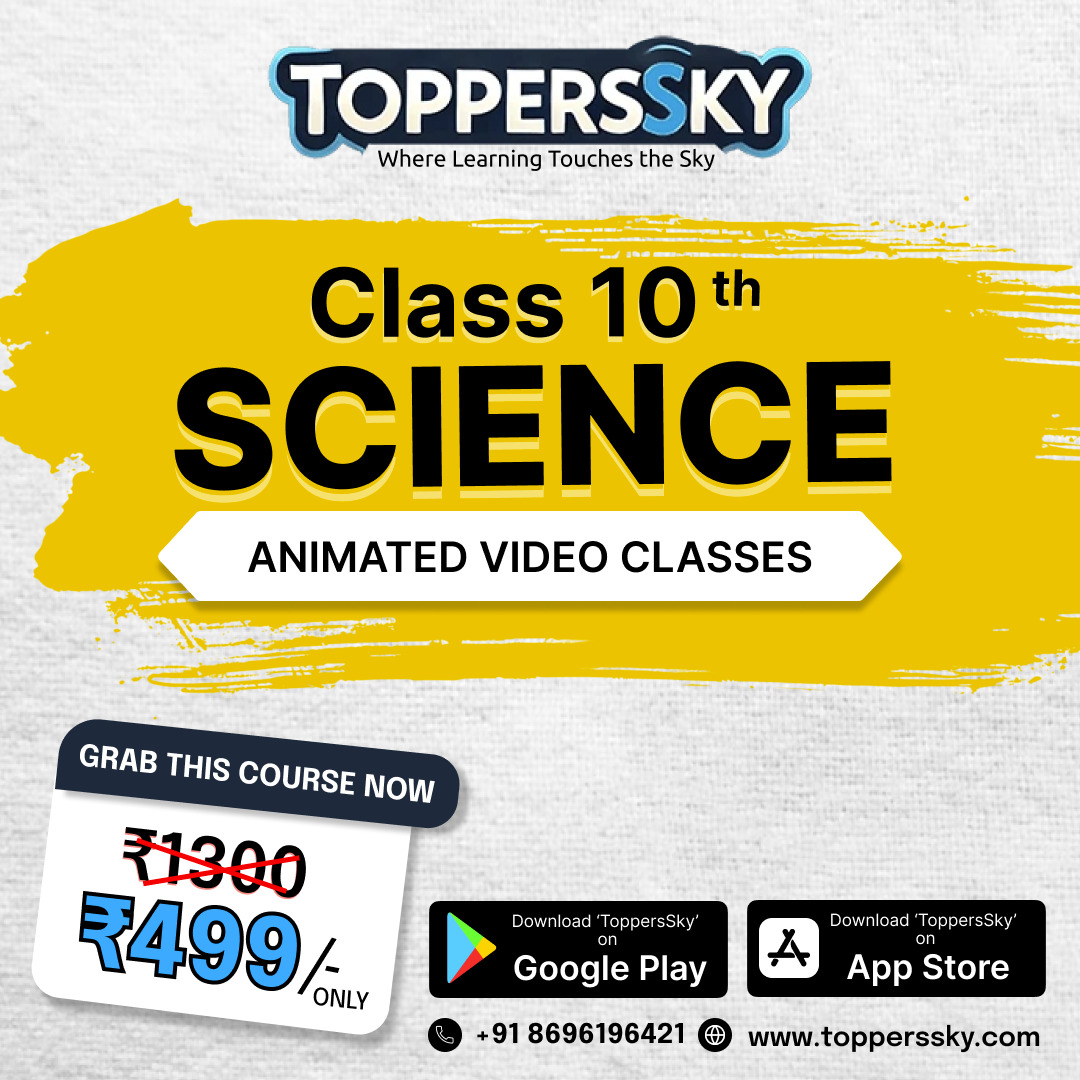
🚀 Class 10th Science Just Got More Fun! 💡
Animated Video Classes now at just ₹499 (was ₹1300)! 🎉
✨ Learn smart, not hard – with ToppersSky
📱 Download now on Google Play & App Store
🌐 Visit: topperssky.com
📞 Call/WhatsApp: 91 8696196421
#ToppersSky #Class10Science #AnimatedLearning #CBSE #RBSE #ScienceMadeEasy #SmartStudy #StudentLife #BoardExamPrep #LearnWithFun #onlineclasses
1
5
13
12 Jun 2025
Download the ToppersSky App now – Just 15 minutes a day is all it takes to master Chapter 2: अम्ल, क्षारक एवं लवण (Acids, Bases and Salts) in just 7 days!
Still confused about pH scale, indicators, or how salts are formed? ToppersSky explains it all with fun animations, complete Q&A, and smart exam strategies!
🔍 What You’ll Get:
✅ Acids, bases & salts concepts explained visually
✅ Real-life applications & simple experiments
✅ NCERT CBSE RBSE complete coverage
✅ Bilingual content (Hindi & English)
✅ Quick revision notes, concept maps & doubt support
💰 Get the Complete Class 10 Science Course for just ₹499!
play.google.com/store/apps/d…
#ToppersSky #Class10Science #AcidsBasesSalts #ScienceMadeEasy #CBSE10 #RBSE #NCERT #AnimatedLearning #15MinutesADay #StudyWithToppersSky #SmartStudy
2
6
25

30 May 2025
9. Want to try?
Drop a “🧪” tag @RowanSci if you want the beginner setup guide or a live walkthrough
Because I myself definitely want a guide and An AMA @RowanSci
I'm super curious about this
#DeSci #MetaAI #OMol25 #ScienceMadeEasy #DrugDiscovery #AI4Science
2
63
26 May 2025
Board exam ka pressure ya 2 pizza ka price?
Class 10 Science ab boring nahi, animated and smart ban gaya hai – सिर्फ ₹499 में!
हर बार किताबें खोलो, रटना शुरू – पर याद भी रहे, ये तो किस्मत वाली बात हो जाती है!
लेकिन अब पढ़ाई का तरीका बदल रहा है – और बच्चे भी!
📱 Mobile पर पूरे Class 10 Science के chapters, Q&A, diagrams, tips – सब कुछ visual style में!
ना भारी किताबें, ना महंगी coaching – बस समझदारी से पढ़ाई।
Download the ToppersSky App now
play.google.com/store/apps/d…
🎯 Study like you watch movies. Score like a topper! Because where learning rises high, it’s **Topper'sSky** 📷
#ToppersSky #TopperBanneKaNayaTareeka #Class10Science #BoardExam2025 #ScienceAnimated #AffordableLearning #SmartPadhoTopperBano #VisualLearning #HindiMediumStudents #ScienceMadeEasy #StudentLife #MotivationForStudents #EducationReel #ReelForStudents #StudyWithToppersSky #CBSE #RBSE #NCERT #Science
3
6
53
24 May 2025
📲 Download the ToppersSky App now – क्योंकि अब Class 10 Science पढ़ना नहीं, एंजॉय करना है!
बस 15 मिनट रोज़, और 7 दिन में पूरा एक चैप्टर—with
✅ मज़ेदार Animation
✅ Complete Q&A
✅ Perfect Exam Writing Tips
✅ NCERT CBSE RBSE syllabus
✅ हिंदी और English दोनों में
💰 पूरी Class 10 Science सिर्फ ₹499 में!
play.google.com/store/apps/d…
🎯 Study like you watch movies. Score like a topper! Because where learning rises high, it’s **Topper'sSky** 📷
#ToppersSky #Class10Science #OurEnvironment #AnimatedLearning #StudySmart #CBSE10 #RBSE #NCERT #ScienceMadeEasy #15MinutesADay #StudyWithToppersSky
1
3
108

20 May 2025
Download the ToppersSky app now!!!!
📚 Are you teaching a Class 10 student?** Are you a *teacher* or a *parent* trying to explain concepts through books?
You take the child into a world of imagination — but without **visuals**, it gets tough to understand.
🎥 On the other hand, the same child watches a 3-hour movie without blinking.
Why? Because **visuals connect, visuals stay**.
Now imagine — what if **books could feel like movies**? ✨
Welcome to the **Topper's App** – ✅ Learn Class 10 Science with **2D & 3D animated videos** ✅ Get clear explanations, important Q&As, and notes ✅ Available on **Android & iOS**
play.google.com/store/apps/d…
🎯 Study like you watch movies. Score like a topper! Because where learning rises high, it’s **Topper'sSky** ☁️🚀
#ToppersSky #VisualLearning #Class10Science #AnimatedEducation #TopperApp #StudySmart #EdTech #ScienceMadeEasy #CBSEPrep #LearnWithFun #TopperBano #MovieStyleLearning
2
6
25
19 May 2025
Download the ToppersSky app now & start scoring more!
🎬 Books se zyada powerful hai visuals!
Class 10th Science is now made easy with animated movie-style lessons! ✨
💡 Learn concepts the smart way — with visuals, examples & real exam tips!
🎯 Limited offer: Full Science Course at just ₹499/- for a limited time! 🔥
play.google.com/store/apps/d…
#ToppersSky #Class10Science #AnimatedLearning #ReflectionAndRefraction #VisualLearning #ScienceMadeEasy #CBSE #NCERT #StudentLife #StudySmart #ExamTips #LearningApp #EdTech #DigitalLearning #2DLearning #3DEducation
2
4
46
17 May 2025
📲 Download the ToppersSky app now & start scoring more!
🎬 Books se zyada powerful hai visuals!
Class 10th Science now made easy with animated movie-style lessons! ✨
💡 Learn concepts the smart way — with visuals, examples & real exam tips!
🎯 Limited offer: Full Science Course at just ₹499/- for a limited time! 🔥
play.google.com/store/apps/d…
#ToppersSky #Class10Science #AnimatedLearning #ReflectionAndRefraction #VisualLearning #ScienceMadeEasy #CBSE #NCERT #StudentLife #StudySmart #ExamTips #LearningApp #EdTech #DigitalLearning #2DLearning #3DEducation
2
6
33
30 Apr 2025
Ace Class 10 Science – Chapter 3: धातु एवं अधातु (Metals and Non-Metals) with ToppersSky! 📚✨
Get animated video lessons, expert exam tips, and full NCERT, CBSE, and RBSE syllabus coverage – all for just ₹499!
🔹 Easy-to-understand explanations of धातु एवं अधातु (Metals and Non-Metals)
🔹 Step-by-step solutions & exam-writing tips
🔹 Topic-wise weightage insights
🔹 Bilingual content (Hindi & English)
📲 Download ToppersSky now and master Chapter 3 with ease! 🎯📖
play.google.com/store/apps/d…
#ToppersSky #Class10Science #DhatuEvamAdhatu #MetalsAndNonMetals #SmartLearning #NCERT #CBSE #RBSE #ScienceEducation #BilingualLearning #ExamPreparation #AnimatedLearning #StudyWithToppersSky #ScienceMadeEasy #LearnWithToppersSky #Class10Preparation
2
5
177

17 Apr 2025
QUANTUM WORLD
🌟 *Quantum theory* sounds wild, but it’s just how tiny things like atoms and particles work! Here’s a super simple breakdown of key terms to get you excited about the quantum world! 🧬✨
- **Quantum Mechanics**: The science of super tiny stuff (like electrons) that acts weird compared to everyday things. It’s all about chances, not certainties! 🎲
- **Superposition**: A particle can be in many states at once—like being here *and* there—until you check it, then it picks one. Like a magic coin! 🪄
- **Wave Function**: A math trick that lists all possible states a particle could be in and how likely each is. Think of it as a probability map! 🗺️
- **Collapse**: When you look at a particle, it “chooses” one state from its options, and the wave function updates. Like popping a bubble! 💥
- **Measurement Problem**: Why does the weird quantum world turn into the normal world we see? How do tiny probabilities become solid reality? 🤔
- **Copenhagen Interpretation**: Says we can’t know what a particle is doing until we look. Just use the math and don’t overthink it! 😎
- **Many-Worlds**: Every choice a particle makes splits the universe, so all possibilities happen in different worlds. Infinite yous! 🌍🌍
- **Objective Collapse**: Thinks particles settle into one state on their own, especially big things, so the world stays normal. No magic needed! ⚖️
- **QBism**: Says quantum stuff is about what *you* think you’ll see, not a fixed reality. It’s all in your head! 🧠
- **Wigner’s Friend**: A puzzle where two people see different truths about the same quantum event. Reality can disagree! 😲
- **Entanglement**: Two particles get linked, so what happens to one affects the other instantly, even far apart. Like cosmic twins! 👯
🚀 Quantum science is like a cosmic game with crazy rules! Want to learn more? 🌌 #QuantumFun #ScienceMadeEasy #TinyWorlds
15 Apr 2025

What does quantum theory really tell us about the nature of reality?
For 100 years, quantum theory has painted the subatomic world as strange beyond words. But bold new interpretations and experiments may help us to finally grasp its true meaning
newscientist.com/article/mg2…
docs.google.com/document/d/1…
1
3
74

8 Apr 2025
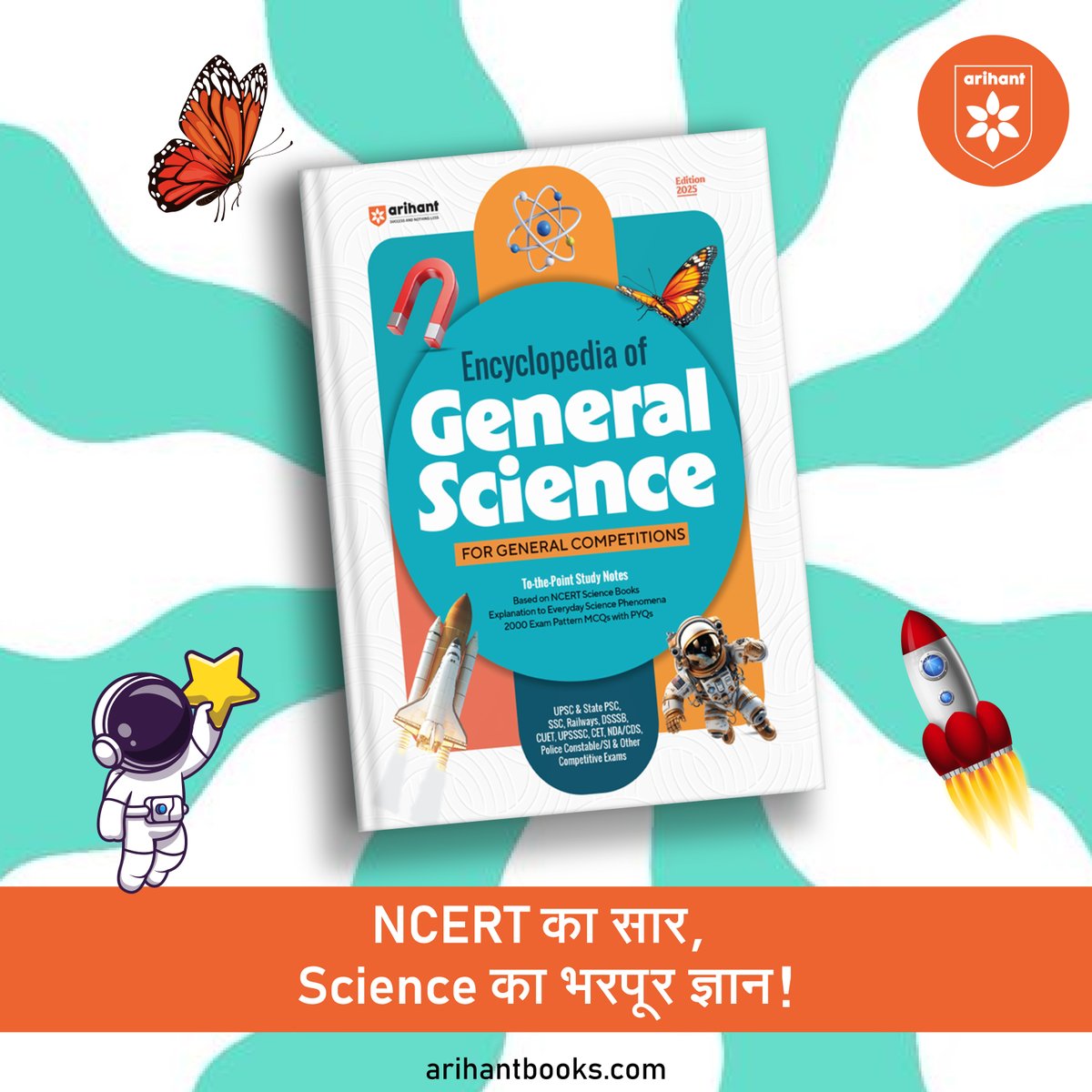
🚀 NCERT का सार, Science का भरपूर ज्ञान!
Gear up for competitive exams with the Encyclopedia of General Science 🧠
📘 Crisp NCERT-based notes
🧪 Everyday science explained
✅ 2000 MCQs with PYQs
#GeneralScience #ArihantBooks #SSCPrep #RailwayExam #ScienceMadeEasy #StudySmart
2
84

3 Apr 2025
Reshma Ben Hirani’s innovative effort makes science engaging in govt schools yespunjab.com/?p=109930
#EducationInnovation #ScienceMadeEasy #ReshmaBenHirani #GujaratSchools #InteractiveLearning #STEMEducation #TeacherAwards #QualityEducation #ScienceGames #InspiringTeachers
40