
pin.it/3Oe2KeUMf
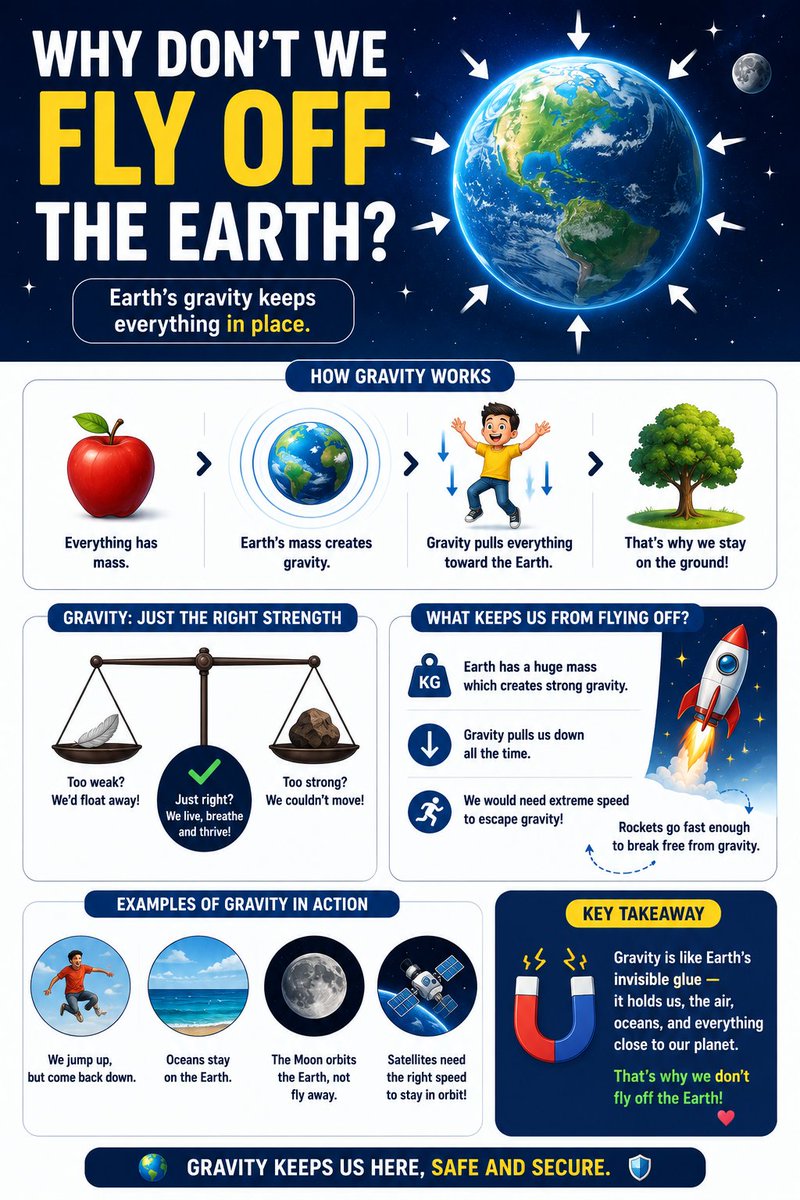
Why Don't We Fly Off The Earth? 🌍🧲
#Gravity #Earth #ScienceFacts #Physics #EarthScience #STEM #Learning #ScienceExplained #PhysicsFacts #Education #PinterestEducation #Infographic #AmazingFacts #SpaceScience
3

We’ve sent rovers to Mars, mapped the Moon, and pushed deep into space — yet most of our own planet’s ocean remains unexplored.
In this video, we DeKode 5 fascinating facts about the ocean: from its role in producing much of the oxygen we breathe, to the immense depths of the Mariana Trench, the world-spanning Mid-Ocean Ridge, and the truth about why Earth really has just one interconnected ocean.
The ocean is Earth’s largest ecosystem, its greatest mystery, and one of the most important systems keeping life on this planet alive.
Created in collaboration with Sea Change Project (@SwatiWild ) as part of our special Ocean Series for World Ocean Day. Dive in, and subscribe to DeKoder for stories that DeKode the environment, science, India, and the world.
Stay tuned for more.
#SaveOcean #OceanMysteries #Sea #OceanSeries #EnvironmentMatters #Oceans #EarthScience #ScienceExplained #Nature #Climate #SeaChangeProject #DeKoder #Climate #WorldOceanDay
1
5
888

खून, फेफड़ों और शरीर के अंदर तक पहुंच गया प्लास्टिक? Microplastic का सच जानिए Hello Doctor के लेटेस्ट एपिसोड में. @Theatultiwari
Full Ep: youtu.be/D0Liv-PcQtk
#Microplastics #PlasticPollution #HumanHealth #EnvironmentalHealth #PublicHealth #HealthPodcast #HelloDoctor #MedicalAwareness #ScienceExplained #HealthEducation #BloodAndLungs #FoodSafety #WaterSafety #PreventiveHealth #AajTakRadio
3
4
6
2,591
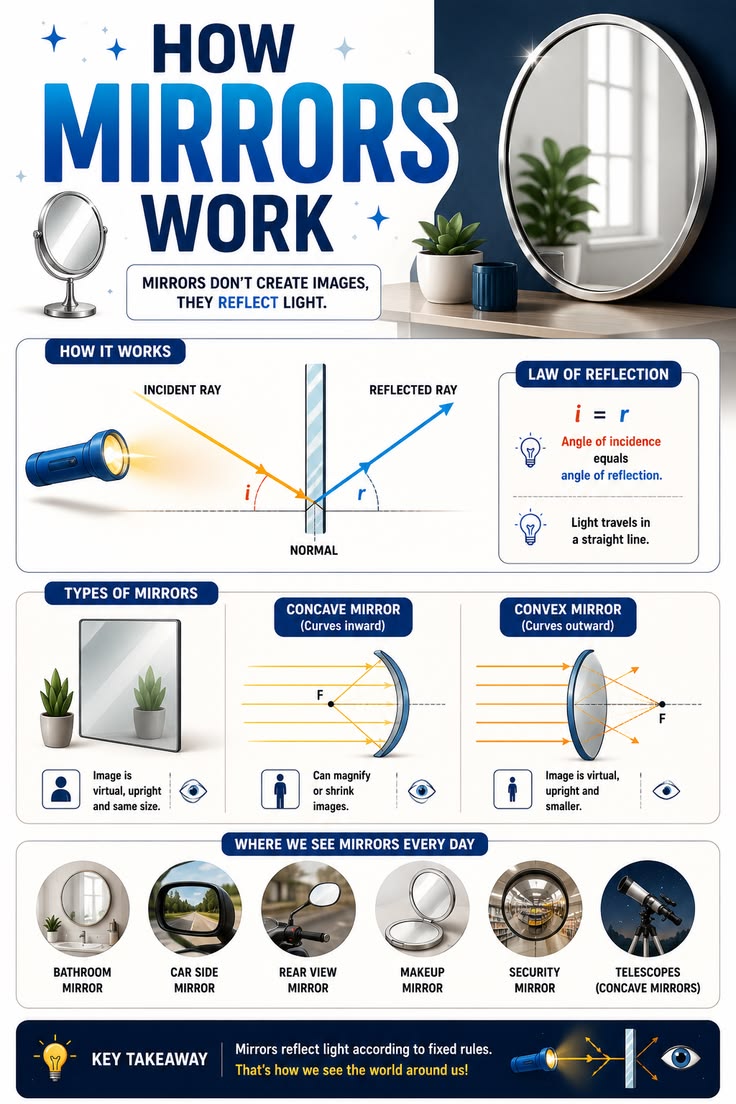

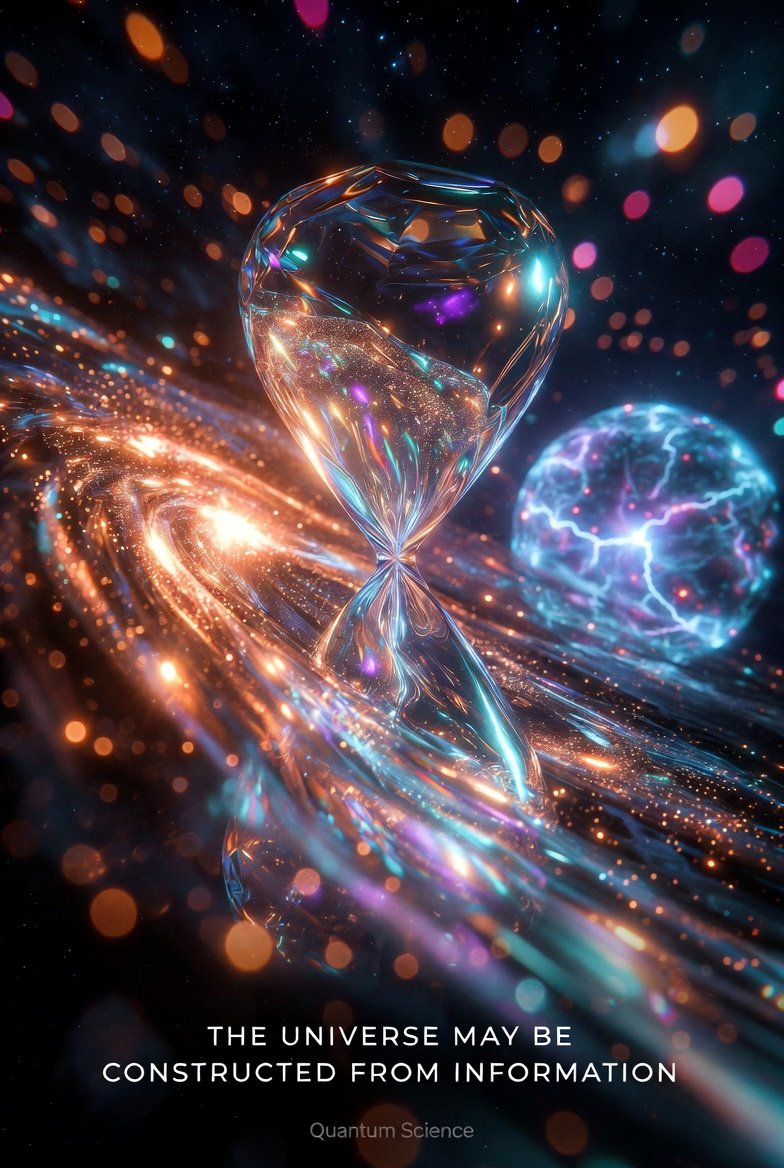
🌌 Is Reality Made of Information?
What if everything we see—the stars, galaxies, planets, time itself, and even our own existence—is not fundamentally made of matter, but of information?
This fascinating idea comes from modern physics and information theory, where some scientists suggest that information may be the deepest layer of reality. Just as every image, video, and computer program is built from binary code, the universe itself may emerge from an underlying network of information.
The hourglass in this image symbolizes time, while the cosmic landscape represents the vast universe. Together, they invite us to consider a profound question: Is reality a physical structure, or is it an informational one?
Physicist John Archibald Wheeler famously proposed the concept of "It from Bit," suggesting that every physical object, every particle, and every event may ultimately derive its existence from information.
While this idea remains a hypothesis rather than a proven fact, discoveries in quantum mechanics, black hole physics, and the holographic principle continue to fuel discussions about the true nature of reality.
Perhaps the universe is not just a collection of atoms and energy. Perhaps, at its deepest level, it is a story written in information.
✨ The more we learn about the cosmos, the more mysterious it becomes.
What do you think? Are we living in a universe built from matter, energy, or information?
#QuantumScience #Physics #Universe #Cosmos #InformationTheory #QuantumMechanics #Space #ScienceFacts #Astrophysics #FutureScience #DidYouKnow #ScienceExplained #Knowledge #UniverseMysteries #Sciencefic
1
48

ભગવાનની મૂર્તિ દૂધ પીવાની ઘટનામાં વિજ્ઞાન જાથાના ચેરમેન જયંત પંડ્યાએ લાઈવ ડેમો બતાવ્યો
મૂર્તિ દૂધ પીવા પાછળ પૃષ્ઠતાણ અને કેશાકર્ષણ જેવા વૈજ્ઞાનિક કારણો
#JayantPandya #VigyanJatha #ScienceDemo #ScientificReason #MilkMiracle #FactCheck #ScienceExplained
2
88

Jun 14
Heat and Anger: Why People Fight More in Hot Weather? Capital TV
#Heatwave #SummerHeat #Psychology #HumanBehavior #HealthNews #ScienceExplained #HeatEffect #AngerManagement #LifestyleNews #capitaltv
2
112
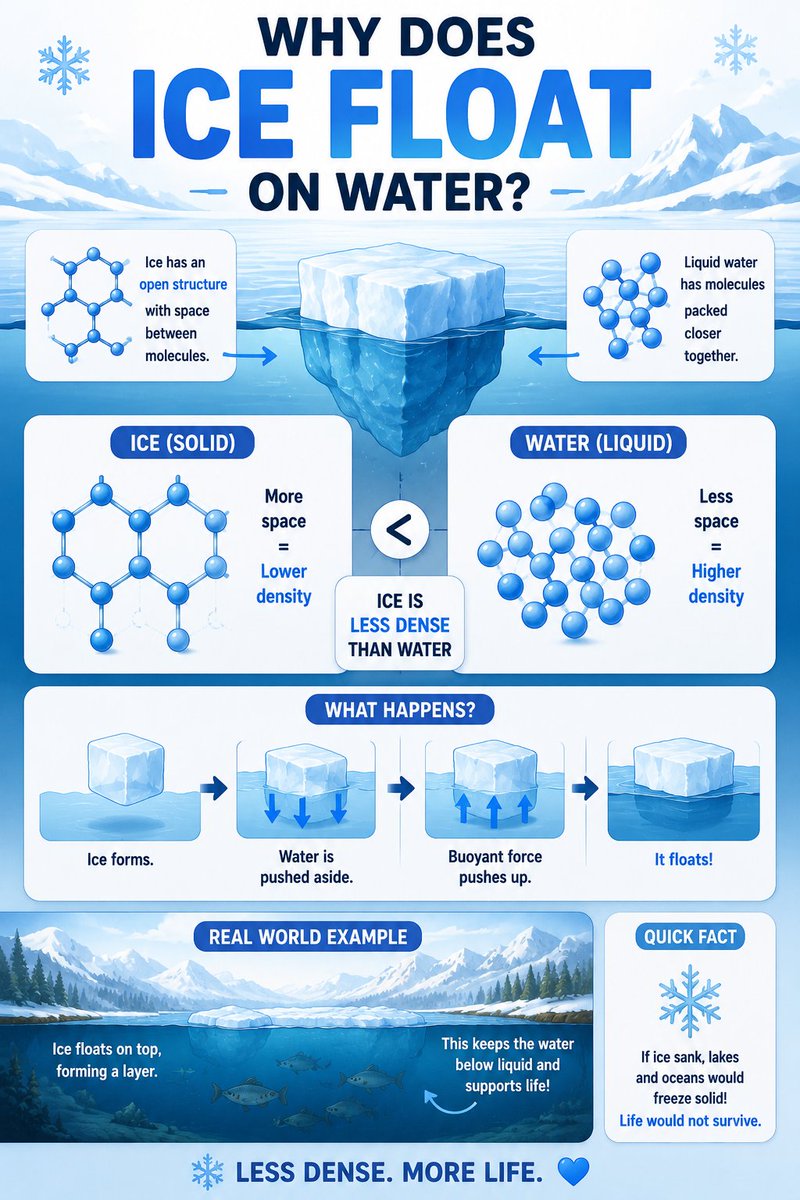
Why Does Ice Float on Water? ❄️💧
pin.it/69WOMfHzW
#Ice #Water #ScienceFacts #Physics #EarthScience #STEM #Learning #Density #ScienceExplained #EverydayScience #Infographic #PinterestEducation #ScienceLovers #AmazingFacts
1
7

Jun 13
Day 4 #journaling
👇
Links in bio 🔗
geezeruk.github.io/unseen-re…
#AncientMysteries #Explorer #Archaeology #LostCities #HistoryTok #ScienceExplained
8

Jun 13
An Explorer's Journal Changed My Life #journaling
👇
Links in bio 🔗
geezeruk.github.io/unseen-re…
#AncientMysteries #Explorer #Archaeology #LostCities #HistoryTok #ScienceExplained
1
11
Jun 13
They Didn't Have Metal Tools: The Göbekli Tepe Mystery #ancienthistory #shorts
The structure That Was Built Before Pyramids
👇
Links in bio 🔗
geezeruk.github.io/unseen-re…
#AncientMysteries #Explorer #Archaeology #LostCities #HistoryTok #ScienceExplained
17
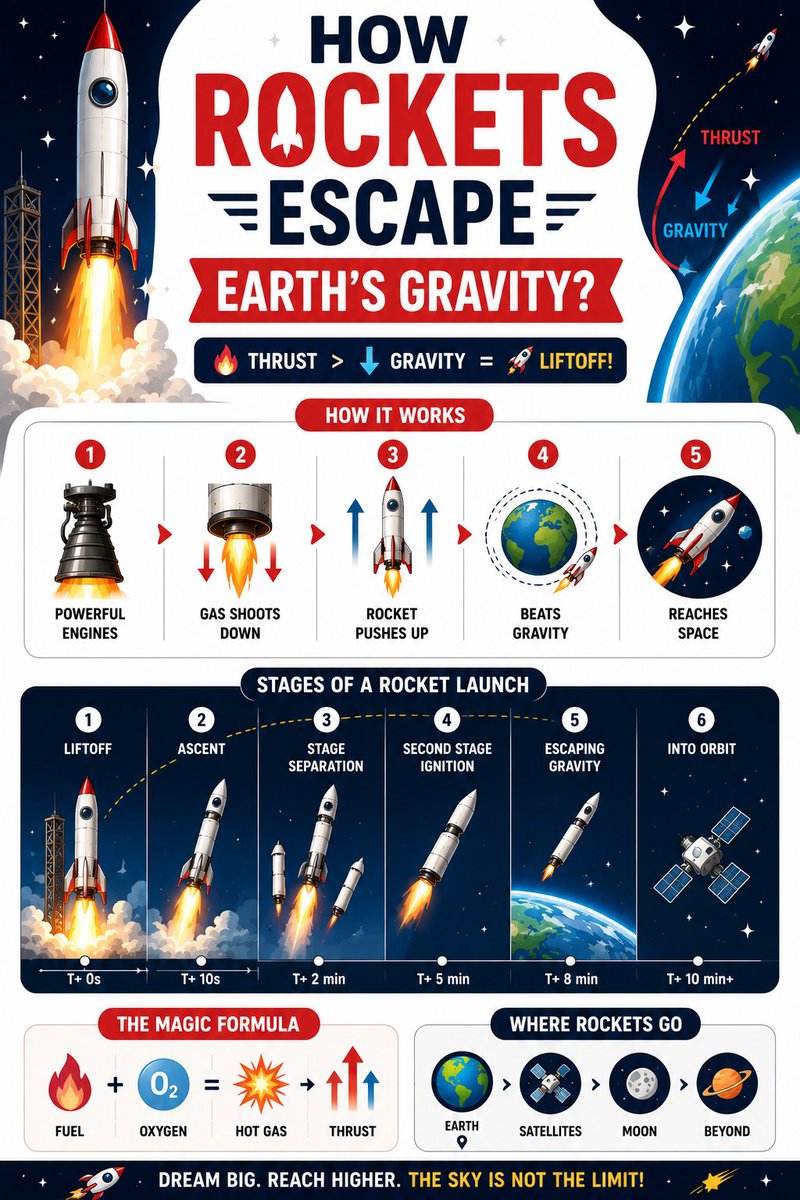
How Rockets Escape Earth's Gravity? 🚀🌍
pin.it/mk8Thz4YV
#Rockets #Space #Astronomy #Physics #NASA #RocketScience #STEM #Science #Learning #SpaceFacts #ScienceExplained #PinterestEducation #Infographic #SpaceLovers
26
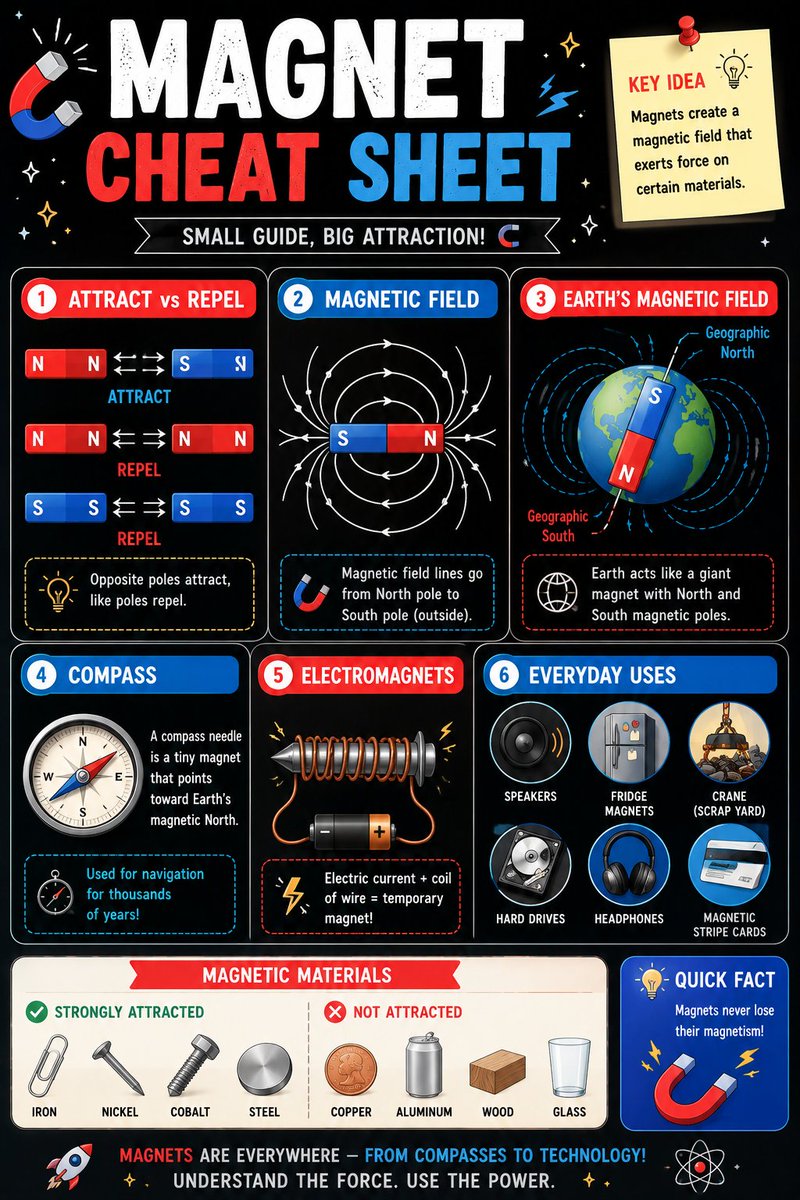
Magnet Cheat Sheet 🧲 | Magnets Explained Simply
pin.it/2CoKAnSBT
#Magnets #Physics #Science #CheatSheet #STEM #Learning #ScienceFacts #PhysicsFacts #StudyNotes #ScienceExplained #PinterestEducation #Infographic #MagneticField
3

Jun 12
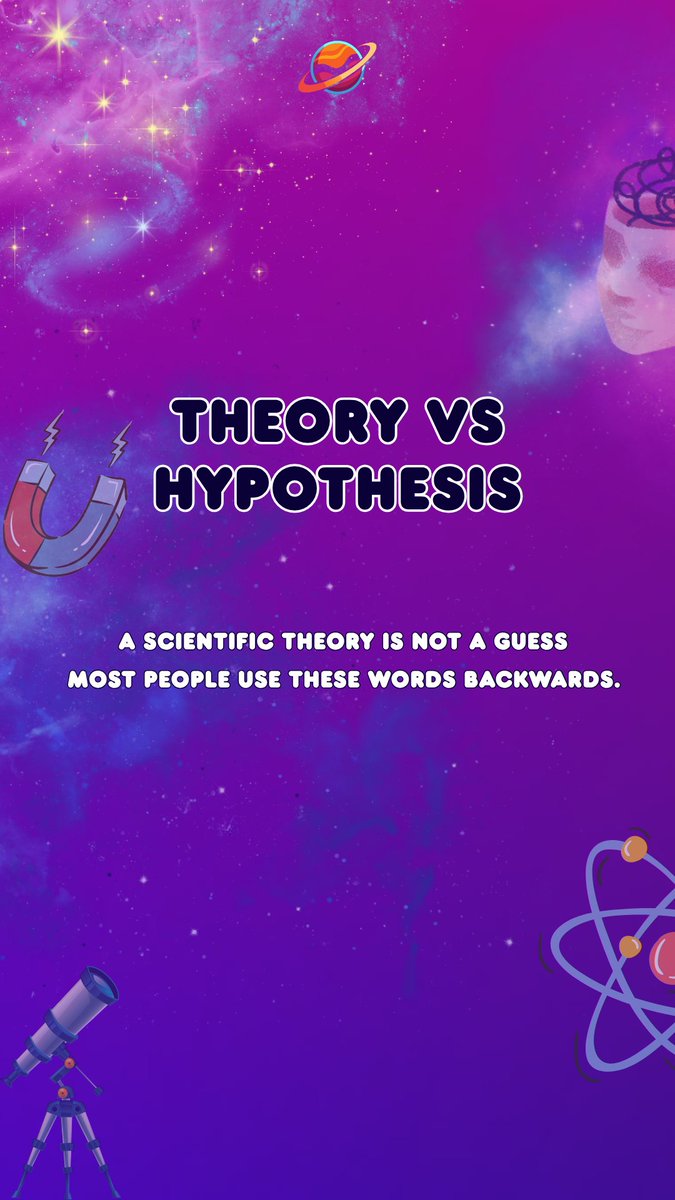
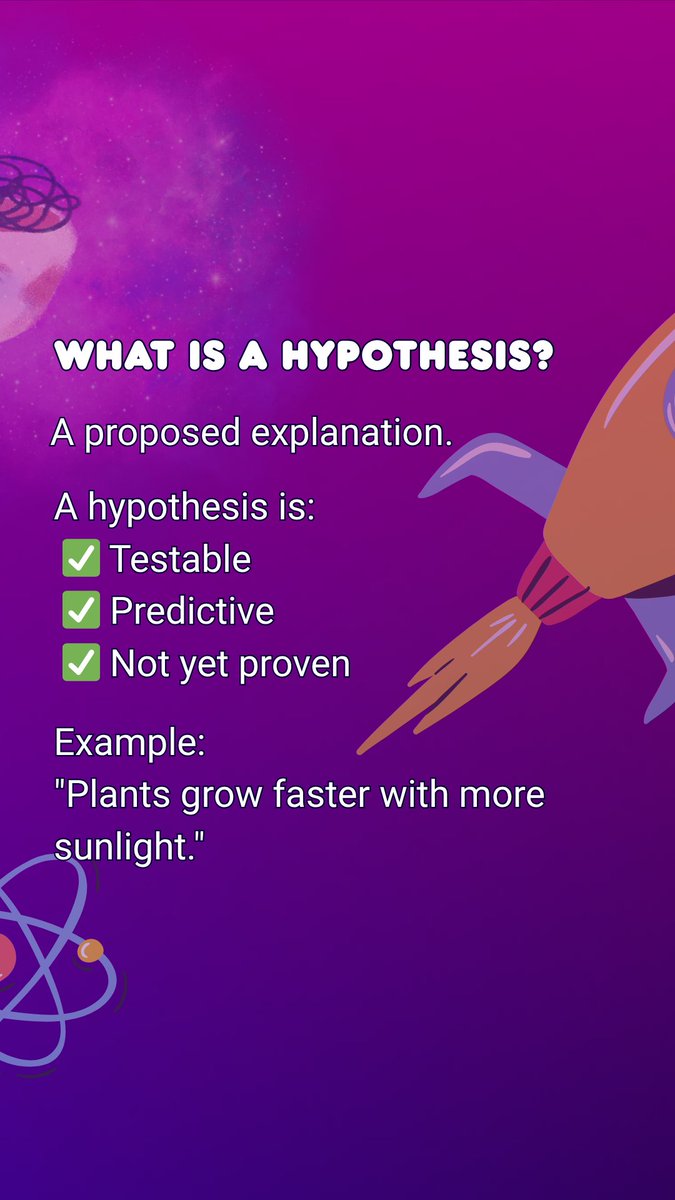
🤔 "It's just a theory."
In everyday conversation, that phrase usually means "it's just a guess."
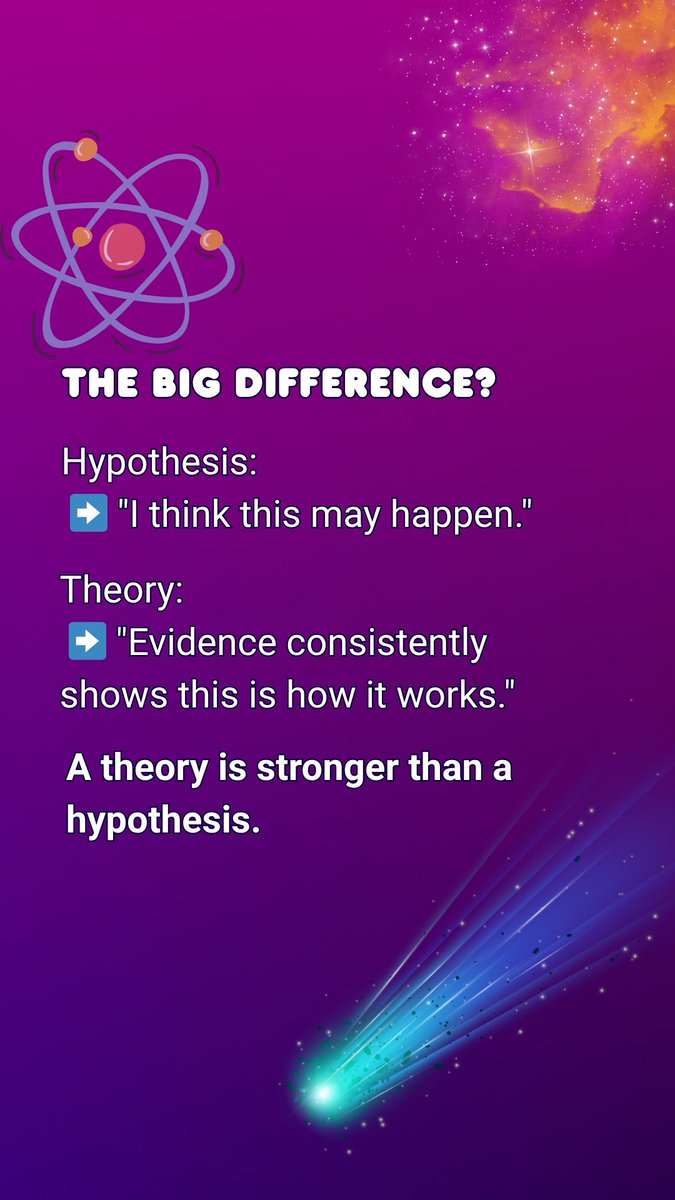
But in science, a theory is one of the strongest forms of knowledge we have.
A hypothesis is a testable idea or prediction.
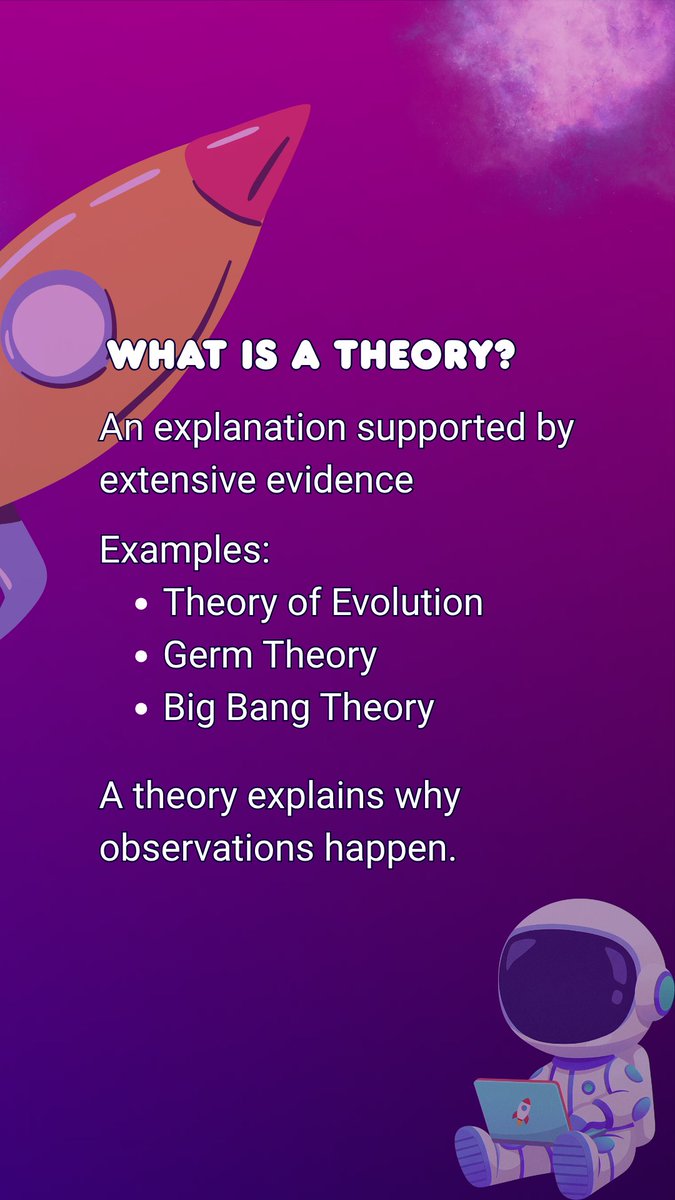
A scientific theory is an explanation that has survived repeated testing, observations, and scrutiny from the scientific community.
For example:
🔬 Germ Theory explains how diseases spread.
🦕 Evolution explains how species change over time.
🌌 The Big Bang Theory explains the evolution of the universe.
Theories aren't guesses.
They're evidence-backed explanations that help us understand reality.
Science advances by testing ideas—not by assuming they're true.
💬 Before today, did you think a theory was just a guess?
What's another science term people often misunderstand?
#ScienceExplained #ScientificMethod #ScienceFacts #STEMEducation #AstronomyFacts #CriticalThinking #LearnScience #DidYouKnow #ScienceCommunication #UniverseExplained #SpaceScience #Education #Astrobitica #ScienceContent #CuriousMinds
3
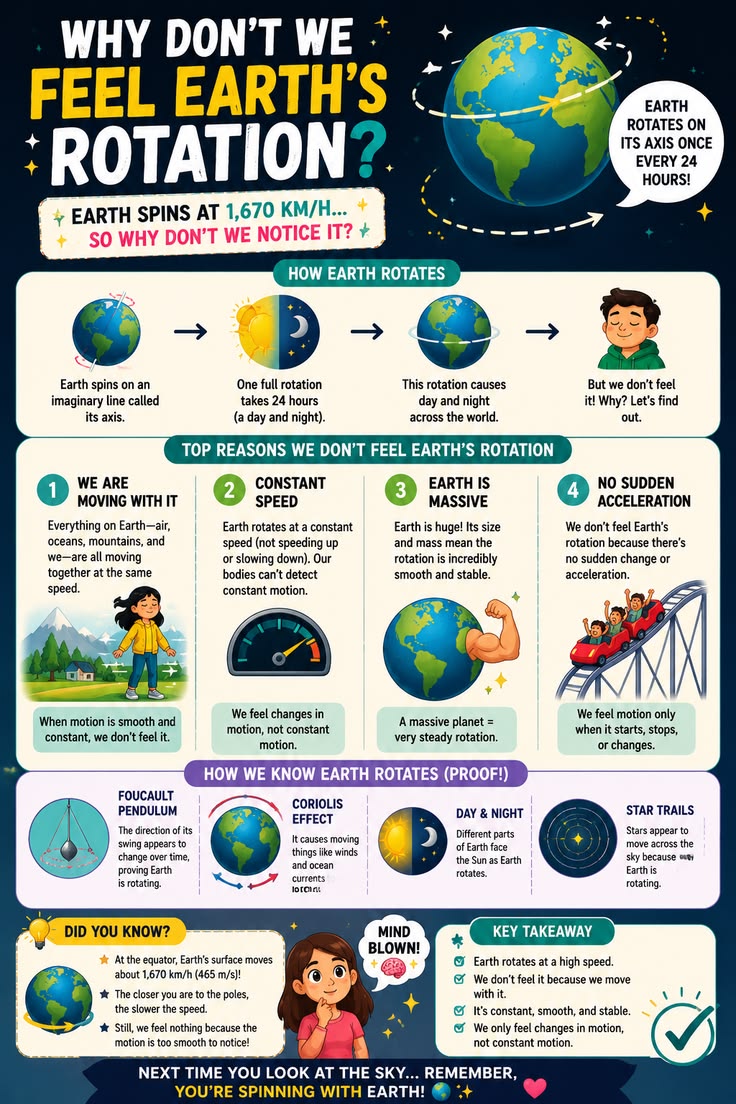
Why Don't We Feel Earth's Rotation? 🌍💫
pin.it/60PmEqDwb
#EarthRotation #ScienceFacts #Physics #EarthScience #STEM #Learning #ScienceExplained #PhysicsFacts #AmazingFacts #Education #PinterestEducation #Infographic #EarthFacts #SpaceScience
3

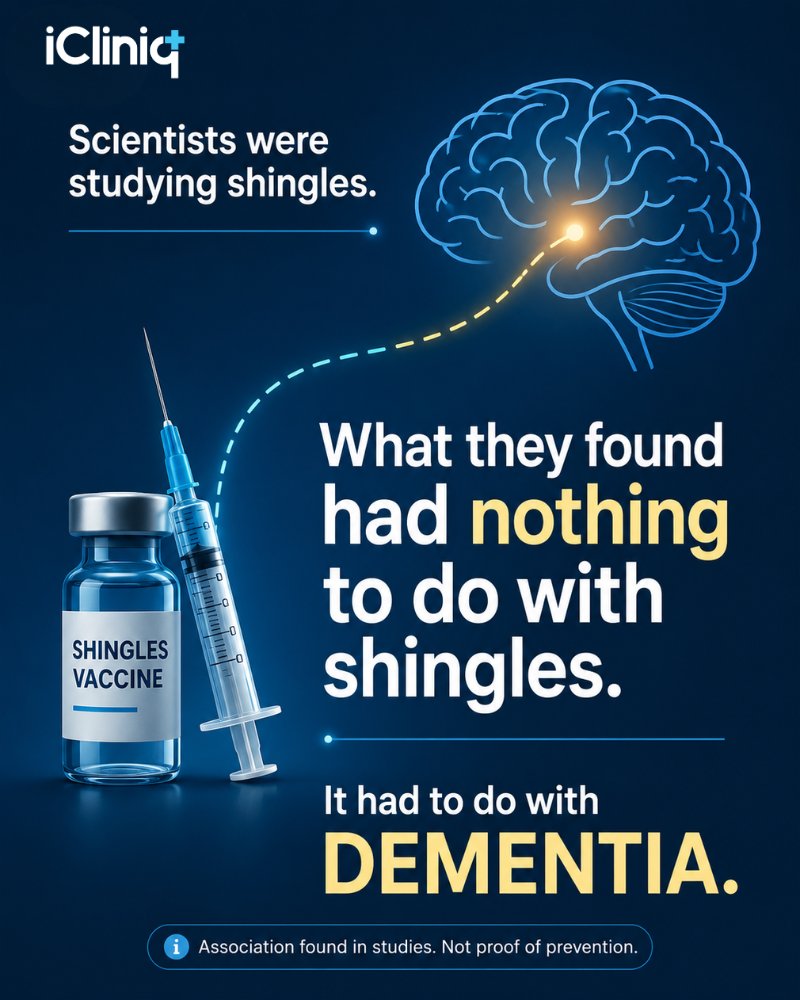
Most people get a shingles vaccine for one reason.
To avoid shingles.
A painful disease that can cause burning nerve pain long after the rash disappears.
That's what the vaccine was designed for.
But then researchers noticed something they weren't expecting.
Years later, older adults who received a shingles vaccine appeared less likely to be diagnosed with dementia than similar adults who didn't.
Not because the vaccine was created for dementia.
Not because anyone was looking for a memory treatment. It was an unexpected finding. And it caught scientists' attention.
Suddenly, a new question emerged: Could protecting the body from certain infections also help protect the brain?
Researchers don't have the answer yet.
What they do have is a growing body of evidence suggesting there may be a connection worth exploring.
Before the headlines run too far ahead, here's what we know:
✓ Some large studies have found an association between shingles vaccination and a lower risk of dementia.
✓ The findings have been strong enough to spark serious scientific interest.
✓ But an association is not the same as proof.
✓ No shingles vaccine has been proven to prevent dementia.
That's an important distinction. Science often advances through surprises.
A medication developed for one purpose reveals an unexpected benefit.
A routine observation leads to an entirely new line of research.
This may be one of those moments.
For now, the shingles vaccine remains exactly what it was designed to be: A proven way to help prevent shingles and its complications.
Whether its story eventually includes brain health is a question researchers are still trying to answer.
And that's what makes this one of the most intriguing medical mysteries being studied today.
Sometimes the most important discoveries begin with a question nobody thought to ask.
#Dementia #BrainHealth #Shingles #Vaccines #HealthyAging #MedicalResearch #Neurology #PreventiveHealth #ScienceExplained
33
pin.it/1J0sqMxrS
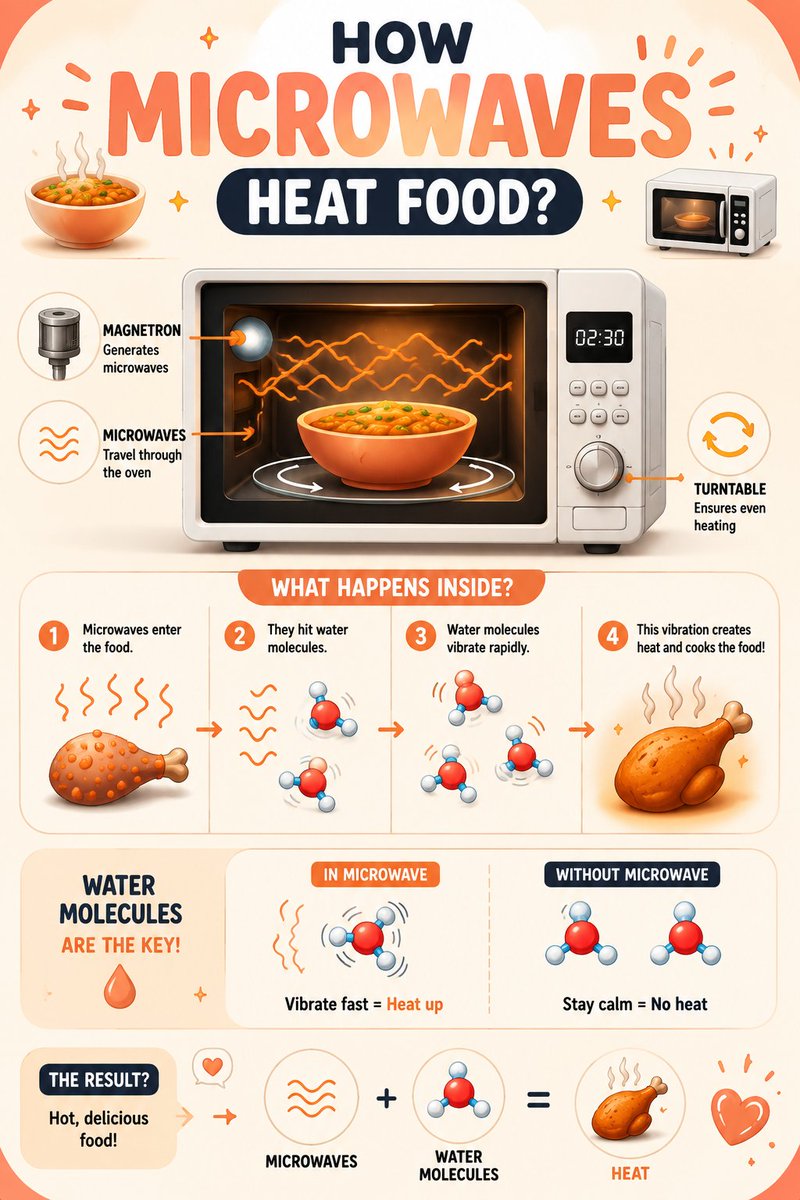
HOW MICROWAVES HEAT FOOD? 🍲⚡
Tiny Water Molecules Do The Magic! 💧
#Microwave #KitchenScience #Physics #Science #Technology #STEM #Learning #ScienceFacts #PhysicsFacts #ScienceExplained #Infographic #PinterestEducation #EverydayScience
1
3
Jun 11
🔬 𝐇𝐨𝐰 𝐝𝐨 𝐬𝐜𝐢𝐞𝐧𝐭𝐢𝐬𝐭𝐬 𝐤𝐧𝐨𝐰 𝐚 𝐬𝐩𝐚𝐜𝐞 𝐝𝐢𝐬𝐜𝐨𝐯𝐞𝐫𝐲 𝐢𝐬 𝐫𝐞𝐚𝐥?
They don't trust it the first time.
One signal isn't enough.
One observation isn't enough.
A discovery must be seen again — sometimes by different telescopes, different observatories, or entirely different teams.
Then comes the real work:
📊 Analyze the data
🔍 Compare the results
⚖️ Test against known physics
🔄 Try to reproduce the finding
If the evidence keeps showing up, matches predictions, and survives scrutiny, confidence grows.
Often, multiple methods are used to confirm the same discovery.
Because in science, facts aren't built on excitement.
They're built on consistent evidence over time.
That's how a possibility becomes a discovery.
And how a discovery becomes knowledge.
🚀 Follow Astrobitica for the science behind how we verify the universe.
#ScienceExplained #Astronomy #SpaceFacts #ScientificMethod #SpaceScience #CriticalThinking #UniverseExplained #Astrobitica
5