
Apr 17
Metro 2039 - Reveal Trailer | PS5 Games #Metro2039 #Metro2039Reveal #PS5Games #MetroUniverse #PostApocalyptic #DystopianFuture #SurvivalHorror #DarkSciFi #UndergroundWorld #NuclearWinter #HiddenTruth #SecretExperiments #DeepState #ShadowGovernment #MindControl #OccultSymbols
#ConspiracyTheory #NewWorldOrder #UndergroundBunkers #ApocalypseLore #TheEconomist #DeFi #DecentralizedFinance #Crypto #Bitcoin #Ethereum #Blockchain #RabbitHole #AliceInWonderland #FinancialSystem #DigitalMoney #Tokenization #Web3 #Conspiracy #HiddenAgenda #GlobalFinance #MonetaryShift #SurveillanceEconomy #FutureOfMoney #CryptoNarrative


1
3
71
Apr 17
Metro 2039 - Reveal Trailer | PS5 Games #Metro2039 #Metro2039Reveal #PS5Games #MetroUniverse #PostApocalyptic #DystopianFuture #SurvivalHorror #DarkSciFi #UndergroundWorld #NuclearWinter #HiddenTruth #SecretExperiments #DeepState #ShadowGovernment #MindControl #OccultSymbols #ConspiracyTheory #NewWorldOrder #UndergroundBunkers #ApocalypseLore #TheEconomist #DeFi #DecentralizedFinance #Crypto #Bitcoin #Ethereum #Blockchain #RabbitHole #AliceInWonderland #FinancialSystem #DigitalMoney #Tokenization #Web3 #Conspiracy #HiddenAgenda #GlobalFinance #MonetaryShift #SurveillanceEconomy #FutureOfMoney #CryptoNarrative

1
4
83
Apr 17
Metro 2039 - Reveal Trailer | PS5 Games #Metro2039 #Metro2039Reveal #PS5Games #MetroUniverse #PostApocalyptic #DystopianFuture #SurvivalHorror #DarkSciFi #UndergroundWorld #NuclearWinter #HiddenTruth #SecretExperiments #DeepState #ShadowGovernment #MindControl #OccultSymbols #ConspiracyTheory #NewWorldOrder #UndergroundBunkers #ApocalypseLore
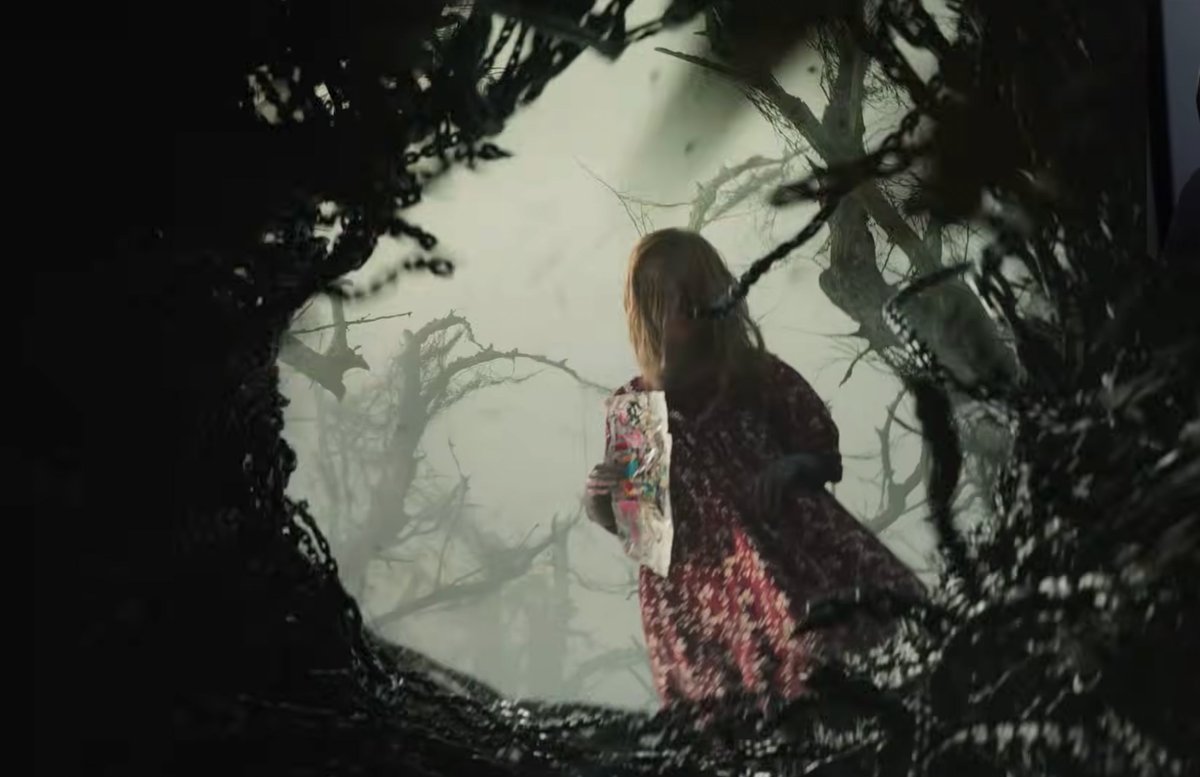
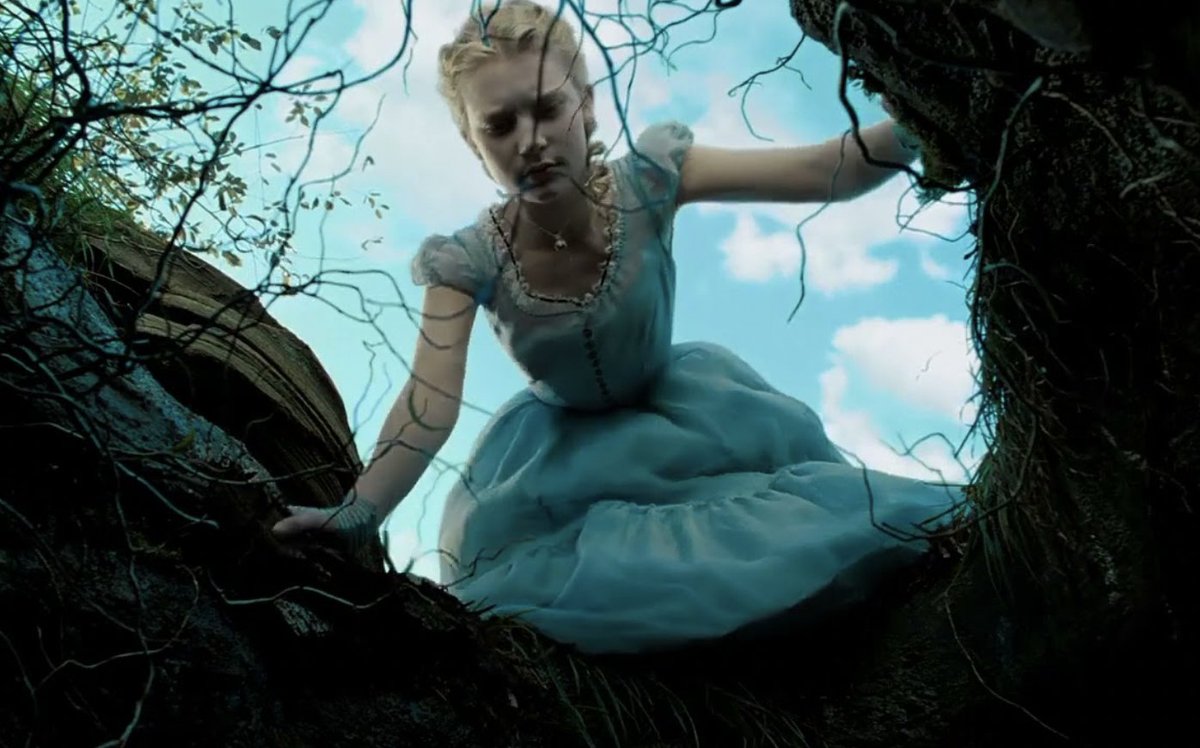


1
1
64

⚡🕳️ EL HOMBRE QUE DIVIDIÓ LA REALIDAD EN DOS MUNDOS 🕳️⚡
En 1984, un hombre anónimo realizó un experimento que, según algunos relatos, nunca debió existir.
Conectó un extraño dispositivo con polos positivos y negativos, generando una señal electromagnética inusual… ⚡
Lo que ocurrió después desafía toda lógica.
Las señales crearon una brecha invisible, como si el tejido mismo de la realidad se hubiese rasgado por un instante.
En ese momento, según los testigos, la realidad se duplicó.
Desde entonces, dos planos comenzaron a coexistir:
✨ uno de luz, estable y visible para todos
🌑 y otro de sombras, oculto y fuera de nuestra percepción
Algunos investigadores creen que aquello no fue solo un experimento científico…
sino el primer viaje en el tiempo documentado de la historia. ⏳
Otros dicen que el hombre desapareció después del experimento…
pero hay quienes aseguran haber visto señales extrañas desde entonces.
Una energía…
una interferencia…
como si alguien siguiera cruzando entre los dos mundos. 👁️
Y la pregunta que queda es inquietante…
¿Y si ese hombre nunca dejó de viajar…
y hoy sigue caminando entre nosotros?
#Misterio #TeoriasConspirativas #Experimento1984 #RealidadOculta #ViajeEnElTiempo #SecretosDelMundo #HistoriaMisteriosa #Conspiracion
#Mystery #ConspiracyTheory #HiddenReality #TimeTravel #UnsolvedMysteries #SecretExperiments #ParallelWorlds #1984Experiment
361
2,714
18,733
891,545

Jan 14
This is where people start whispering about Die Glocke.
According to postwar accounts and later claims attributed to Polish intelligence investigations, Die Glocke (“The Bell”) was an alleged, highly compartmentalised SS research programme operating outside normal military channels — sometimes linked to Hans Kammler, the same figure associated with Germany’s most sensitive late‑war weapons projects. These accounts describe a bell‑shaped device, reported radiation hazards, and references to a mysterious mercury‑like substance referred to as Xerum 525.
Disclaimer: none of this has been independently verified, and much remains speculative — but the logistics and scale of the mercury shipments are historically documented.
So let’s say the quiet uncomfortable part out loud.
Even if every exotic claim is dismissed — antigravity, zero‑point energy, whatever — mercury was undeniably critical to advanced scientific and industrial research, particularly in electrical, vacuum, and high‑energy experimental systems. Its density, conductivity, and behaviour under extreme conditions made it uniquely valuable. If Germany had late‑stage experimental programmes it considered strategically irreplaceable, mercury wouldn’t be optional — it would be foundational.
And suddenly, the submarine makes sense.
That’s why people still say “cough Xerum 525 cough.”
Not because it’s proven.
But because the official explanation only works if you ignore scale, timing, direction, and risk — the same variables intelligence analysts focus on most.
History doesn’t usually hide its secrets in small details.
It hides them in logistics.
And logistics don’t lie. 🔔
The mainstream historical view is that the mercury was purely for conventional munitions production. This post is speculative and considered a conspiracy theory; it is not intended to mislead or claim certainty.
#DieGlocke #TheBell #Xerum525 #WWIIHistory #BlackProjects #HiddenHistory #QuestionTheNarrative #HistoricalAnomalies #ForbiddenHistory #SecretExperiments #UnsolvedHistory #QuestionEverything
Jan 13

Fascinating WWII detail that doesn’t get enough attention.
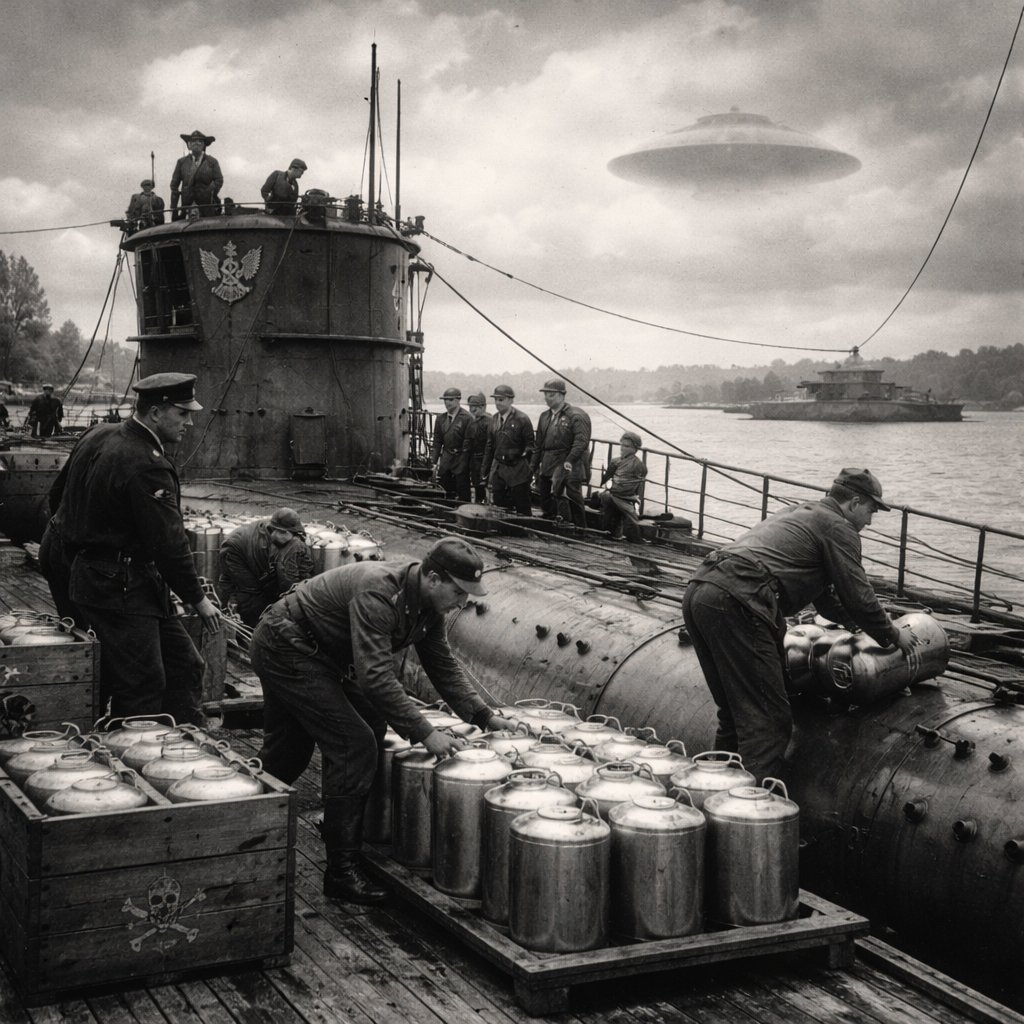
Germany was running submarines full of liquid mercury.
U-864 went down off Norway in 1945 with 67 tons of mercury on board, in almost 2,000 steel flasks in the keel. U-859 was carrying another 31 tons.
The current historian narrative is that this was for explosives and primers…
Sure. Mercury fulminate and related compounds are used in the manufacturing process for that.
But it’s the actual volume that makes the current narrative awkward, especially given these subs were moving away from Germany at the end of the war.
You don’t load tens of tons of a dense, incredibly toxic metal into submarines, late in a losing war, move it secretly across dangerous routes, just to top up conventional munitions. It’s completely illogical. You reserve that kind of pipeline for things you consider strategically irreplaceable.
At minimum, the scale makes it hard to casually wave away any discussion of nuclear-adjacent use cases. Even if you stay agnostic on the exact role, the numbers themselves don’t math with “just standard primers.”
What interests me is the fact that someone, in a room somewhere, decided that that much liquid mercury was one of the most important operations during the same time they were losing the war.
Those who know understand what that mercury was for. 🔔▲
2
91

26 Oct 2025
EXCLUSIVE: 'UFO-like' craft seen at secret US test base...
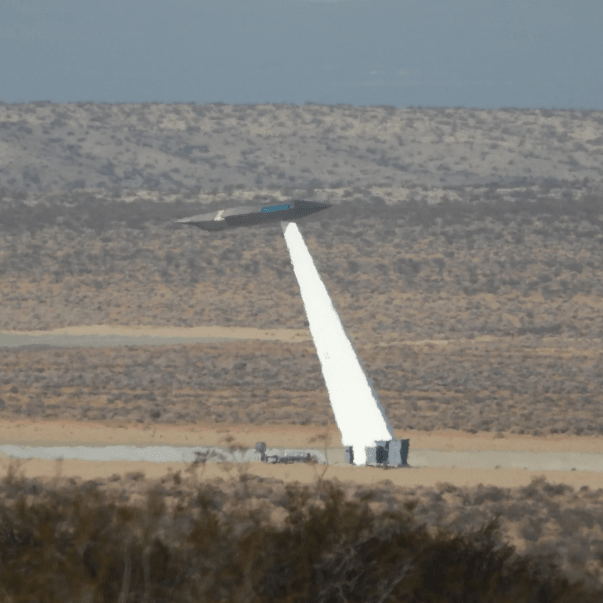
UF-WOAH!!!!..... Bombshell footage shows mystery ‘UFO-like’ aircraft being tested in secret experiments at US weapons base "Skunk Works"
THE SUN: For years, the testing facility has been known for housing secret objects due to its history of developing classified technology
BOMBSHELL: Video footage shows a mysterious “UFO-like” aircraft being tested during secret experiments at a US military-linked base.
Investigative YouTuber Anders Otteson told The Sun how he camped on public land overlooking defence firm Lockheed Martin’s Helendale radar-testing facility, where he filmed the unknown object.....
the-sun.com/news/15390497/
#UFO, #MysteryAircraft, #SkunkWorks, #LockheedMartin, #Helendale, #SecretTesting, #UFOSighting, #MilitaryBase, #ClassifiedTech, #Bombshell, #SecretExperiments, #Aerospace, #UnknownObject, #RadarTesting, #Conspiracy, #UFOFootage, #Investigative, #YouTuber, #AndersOtteson, #TheSun, #MysteryCraft, #USMilitary, #SecretBase, #UFONews, #Aviation, #TopSecret, #UFOEvidence, #MilitaryTech, #Unidentified, #AerospaceMystery, #SecretFacility, #UFOConspiracy, #ExperimentalCraft, #HiddenTech, #UFOInvestigation, #SkunkWorksSecrets, #MysteryFlight, #Classified, #UFOReveal, #SecretProject, #MilitarySecrets, #UFOVideo, #AerospaceTech, #Unexplained, #UFOTesting, #SecretAircraft, #ConspiracyTheory, #UFOReport, #MilitaryMystery
1
4
179


27 May 2025
I could not believe my eyes
Uri claims he was shown evidence of aliens during secret experiments at the Goddard Space Flight Centre.
He said: "After driving with Wernher Von Braun we took three flights of stairs down into the building and were given orange coats like the ones for Antarctic expeditions (with blue NASA embroidered badges).
"Heavy, thick freezer doors were opened. I could not believe my eyes but I always knew it since I was 5.
I will say it again & again, over & over, Dr Wernher von Braun SHOWED me alien bodies that were somewhat very similar to the ones in this amazing animation,their shape & decayed/injured state is exactly what I have witnessed.
They were being kept inside a massive, refrigerated room – at least three flights of stairs beneath a building that is situated on a well-known NASA base! (Are they still being kept there? I don’t know…but look back at some at my previous posts on this subject, I have made it very clear where this was!)
Before we went in von Braun asked me to put on an orange, Antarctic-style warm coat - with the circular blue NASA logo on it - and he also put one on too. Heavy metal door opens !
Inside it smelled like a hospital.
I could see what looked like heavy, glass containers, with lifeless bodies lying inside them.
It was a shocking sight! Like when you see an accident that has happened, and you feel like something has hit you in the stomach.
The containers looked like thick, triple-glazed, transparent coffins that were misted with frost along all of the edges and corners.
The bodies were small, thin & very frail looking…but disturbingly familiar.
They looked uncannily like us -enough for me to feel repulsed and sorry for seeing these “victims”.
Some had either been severely injured or had decomposed a lot.
None of your cynical & sceptical scoffing comments will change what I have seen. To add to the bizarrity every 6 month or so since I was a child I feel a gentle sharp jolt in one of my arms and a mark shows up and disappears within a few days!
Friends, please let me know your comments!
#Aliens #UFOs #ConspiracyTheory #NASA #WernherVonBraun #SecretExperiments #GoddardSpaceFlightCenter #AlienBodies #Extraterrestrial #UnbelievableWitness #Truth #Paranormal #Mystery #SpaceExploration #AlienEvidence #HiddenTruths #Awakening #Disclosure #CosmicReality #StrangeExperiences #UFOsighting #AlienLife #BelieveItOrNot #CommentYourThoughts
195
277
1,590
191,215
10 May 2025
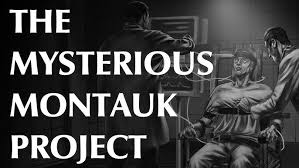
THE HARROD REPORT >>> AMERICAN SECRETS >>> The Montauk Project: Unraveling the Mysteries of Camp Hero
Nestled at the eastern tip of Long Island, New York, Camp Hero State Park is a picturesque expanse of windswept cliffs, dense forests, and sandy beaches. Beneath its serene surface, however, lies a shadowy legacy that has fueled one of America’s most enduring conspiracy theories: the Montauk Project.
This abandoned military base, once known as Fort Hero, is accused of hosting secret government experiments involving mind control, time travel, extraterrestrial contact, and even child abductions. From its Cold War origins to its starring role in Stranger Things, the Montauk Project has captivated conspiracy theorists, urban explorers, and pop culture enthusiasts alike.
This article delves into the history, allegations, evidence, and cultural impact of Camp Hero, separating fact from fiction in a tale that blurs the line between science and science fiction.
A Military Past Shrouded in Secrecy
Camp Hero’s story begins during World War II, when it was established in the early 1940s as Fort Hero, a coastal defense installation designed to protect New York from German U-boats. Armed with massive 16-inch artillery guns and concrete bunkers, the base was a formidable outpost.
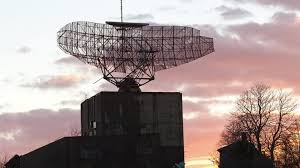
During the Cold War, it evolved into a key air defense site, housing a SAGE (Semi-Automatic Ground Environment) radar tower to monitor for Soviet aircraft. The 415-acre base, strategically positioned at Montauk Point, was decommissioned in 1981, and in 1984, it was transferred to the New York State Parks system, becoming Camp Hero State Park in 2002.
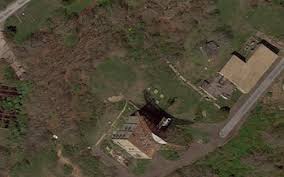
Today, the park is a haunting relic of its military past. Visitors can wander trails that lead to rusted gun emplacements, sealed bunkers, and the towering radar structure, now a looming silhouette against the Atlantic horizon. Underground tunnels, some accessible only to urban explorers, snake beneath the site, their purpose unclear.
The 1984 deed transferring the land to New York State included a curious clause: the federal government retained ownership of everything below the surface.
This detail, combined with the site’s restricted areas and eerie atmosphere, has fueled speculation that Camp Hero’s story didn’t end with its decommissioning.
#MontaukProject #CampHero #ConspiracyTheories #LongIslandMysteries
The Montauk Project: A Conspiracy is Born
The Montauk Project entered public consciousness in 1992 with the publication of The Montauk Project: Experiments in Time by Preston Nichols and Peter Moon. Nichols, a self-proclaimed electrical engineer and parapsychologist, claimed to have recovered repressed memories of his role as a technical director at Montauk Air Force Station.
His book alleges that the U.S. government conducted a series of clandestine experiments at Camp Hero during the 1970s and 1980s, building on technologies from the infamous Philadelphia Experiment—a 1943 conspiracy theory claiming the U.S. Navy teleported the USS Eldridge.
The Montauk Project’s alleged experiments are as varied as they are outlandish, encompassing mind control, time travel, teleportation, and contact with extraterrestrial or interdimensional beings.
Nichols’ narrative, expanded in subsequent books, paints a chilling picture of a government willing to push ethical boundaries in pursuit of scientific breakthroughs.
While the claims lack verifiable evidence, they’ve resonated with a public wary of government secrecy, especially given the U.S.’s documented history of covert programs like MK-Ultra, a CIA mind-control initiative.
#MontaukConspiracy #SecretExperiments #MindControl #TimeTravel
The Allegations: What Was the Montauk Project?
The Montauk Project’s conspiracy theories revolve around several core accusations, each more sensational than the last:
1. Mind Control and Psychological Warfare
At the heart of the Montauk Project are claims of psychological experiments aimed at manipulating human consciousness.
Nichols alleged that scientists used electromagnetic radiation, psychoactive drugs, and a device called the “Montauk Chair” to amplify psychic abilities.
The chair, supposedly powered by the SAGE radar tower’s 425 MHz frequency, was used to project thoughts or control minds.
Local residents reported headaches and disrupted radio and television signals during the 1970s, which some attribute to the radar’s emissions.
The most disturbing allegations involve the “Montauk Boys,” a group of children and teenagers—often claimed to be orphans or runaways—subjected to psychological and physical abuse to implant subconscious commands or enhance psychic powers.
These claims echo MK-Ultra’s documented use of LSD and hypnosis, lending a veneer of plausibility, though no declassified documents link MK-Ultra to Montauk.
#PsychologicalWarfare #MontaukBoys #MKUltra #GovernmentSecrets
2. Time Travel and Teleportation
The Montauk Project is frequently tied to the Philadelphia Experiment, with Nichols and another key figure, Al Bielek, claiming that Montauk experiments advanced teleportation technology.
Bielek, who said he recovered memories after watching a 1988 film about the Philadelphia Experiment, alleged he teleported to Montauk in 1968 and participated in time-travel experiments.
Stories include opening wormholes, sending people to different eras, and even altering historical events like the Civil War.
These claims, while fantastical, draw on the allure of quantum physics and the government’s interest in exotic technologies during the Cold War.
However, they remain unsupported by physical evidence or credible witnesses.
#TimeTravelConspiracy #PhiladelphiaExperiment #Wormholes #QuantumPhysics
3. Extraterrestrial and Interdimensional Contact
Some Montauk Project theories venture into the extraterrestrial, alleging that Camp Hero was a hub for contact with aliens or interdimensional beings.
|Nichols claimed experiments opened portals that summoned entities, including a creature dubbed “Junior,” said to have inspired the Demogorgon in Stranger Things.
The 2008 “Montauk Monster,” a decomposed carcass that washed ashore near Ditch Plains Beach, is cited by some as evidence of genetic experiments, possibly linked to the nearby Plum Island Animal Disease Center.
Experts, however, identified the creature as likely a raccoon, debunking extraterrestrial theories.
#MontaukMonster #AlienConspiracy #InterdimensionalBeings #PlumIsland
4. Child Abduction and Human Experiments
Among the darkest accusations are claims that the government abducted vulnerable children for experimentation.
Survivors like Stewart Swerdlow and Larry James, interviewed in Christopher Garetano’s 2014 documentary Montauk Chronicles, allege they were subjected to torture, sexual abuse, and mind-altering drugs to test psychic abilities or break their psyches.
Swerdlow claims he was trained as a psychic spy after surviving genetic experiments.
These accounts, while harrowing, rely on anecdotal testimony and lack corroboration.
#HumanExperiments #ChildAbduction #MontaukChronicles #EthicalViolations
5. Underground Facilities and Ongoing Operations
A persistent claim is that Camp Hero sits atop a vast network of underground tunnels and chambers not documented in official blueprints.
Urban explorer Brian Minnick provided footage of such structures, suggesting they were used well past the base’s 1981 closure.
A geophysicist analysis commissioned by Garetano found evidence of unrecorded structures beneath the site, raising questions about their purpose.
The government’s retention of subsurface rights in the 1984 deed adds to speculation that secret operations continue.
#UndergroundTunnels #SecretBases #ColdWarRelics #GovernmentCoverup
Key Figures and Their Stories
The Montauk Project’s narrative hinges on a handful of individuals whose claims have shaped its mythology:
Preston Nichols: The architect of the Montauk Project story, Nichols claimed to have worked on the experiments, recovering memories of his involvement. His books, co-authored with Peter Moon, blend technical jargon with science fiction, encouraging speculation. Critics, including UFO researcher Jacques Vallée, argue that Nichols’ reliance on “recovered memories” undermines his credibility, as such memories are often unreliable or influenced by suggestion.
Al Bielek: Bielek’s fantastical tales of teleportation and time travel, triggered by a 1988 film, made him a central figure in Montauk lore. He claimed to have worked on both the Philadelphia Experiment and Montauk Project, but his accounts lack supporting evidence.
Christopher Garetano: A Long Island native and filmmaker, Garetano has investigated the Montauk Project through Montauk Chronicles and a 2017 History Channel documentary, The Dark Files. He believes some experimentation, possibly involving vulnerable youths, may have occurred, though he distances himself from extraterrestrial claims.
Stewart Swerdlow and Larry James: These alleged survivors provide firsthand accounts of abuse and experimentation, but their stories remain unverified, relying on personal testimony.
#PrestonNichols #AlBielek #ChristopherGaretano #MontaukSurvivors
Stranger Things and Pop Culture Influence
The Montauk Project’s cultural impact is perhaps best seen in Stranger Things, the Netflix series that draws heavily on its lore.
Originally pitched as Montauk by creators Matt and Ross Duffer, the show was set to take place on Long Island before being relocated to the fictional Hawkins, Indiana.
The Hawkins National Laboratory, where children like Eleven undergo psychic experiments, mirrors Camp Hero’s alleged activities.
Themes of government conspiracies, mind control, and interdimensional portals—embodied by the Upside Down—echo Montauk’s mythology.
The Duffer brothers have acknowledged the Montauk Project as a key inspiration, citing its eerie atmosphere and conspiracy culture.
Beyond Stranger Things, the Montauk Project has appeared in media like the Discovery Channel’s Mysteries of the Abandoned (2003) and The Dark Files (History Channel).
It remains a staple of conspiracy culture, discussed on platforms like Reddit and X, where users speculate about “astral fields” and “orgone energy” in connection to Montauk.
The 2008 Montauk Monster incident further cemented the area’s reputation as a hotbed of the bizarre.
#StrangerThings #MontaukInspiration #PopCultureConspiracy #NetflixSeries
Evidence and Skepticism: Fact or Fiction?
The Montauk Project’s allure lies in its blend of historical ambiguity and tantalizing possibilities, but its claims face significant scrutiny:
Supporting Evidence
Government Precedent: The U.S.’s history of unethical experiments, such as MK-Ultra and the Tuskegee syphilis study, lends plausibility to claims of covert research, though no declassified documents tie these programs to Montauk.
Regional Context: The proximity of Brookhaven National Laboratory (60 miles away) and Plum Island Animal Disease Center, both Department of Energy facilities, is cited as circumstantial evidence of a regional network of secret research.
Local Anomalies: Reports of high power consumption at the decommissioned base, restricted access to certain areas, and the discovery of undocumented underground structures suggest something unusual may have occurred.
Witness Testimonies: Accounts from alleged survivors like Swerdlow and James, while unverified, add a human element to the narrative, resonating with those skeptical of government transparency.
Skeptical Perspective
Lack of Evidence: The Montauk Project’s claims originate primarily from Nichols’ books, widely considered speculative or fictional. No physical evidence—documents, equipment, or artifacts—supports allegations of time travel, extraterrestrial contact, or mind control.
Questionable Sources: The reliance on “recovered memories,” a discredited psychological technique, undermines the credibility of Nichols, Bielek, and others. The Montauk narrative also borrows heavily from earlier conspiracies like the Philadelphia Experiment, suggesting a pattern of embellishment.
Debunked Incidents: The Montauk Monster was identified as a raccoon, and no credible evidence supports claims of ongoing secret operations at Camp Hero.
Official Denials: The U.S. government and New York State Parks system deny any clandestine activities, attributing the site’s mystique to its abandoned state and Cold War history.
#ConspiracyEvidence #Skepticism #GovernmentDenials #MontaukMyth
Visiting Camp Hero Today
For those intrigued by the Montauk Project, Camp Hero State Park is open to the public from sunrise to sunset, offering hiking trails, ocean views, and historical markers.
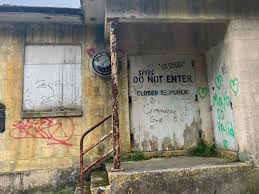
The radar tower and abandoned bunkers are visible but fenced off, with “Do Not Enter” signs warning of safety hazards. Visitors report an eerie atmosphere, amplified by the site’s isolation and conspiracy lore, though many, like blogger Kriss MacDonald, experience nothing paranormal.
The park charges an $8 vehicle fee from April to November, waived with an Empire Pass.
Urban explorers and conspiracy enthusiasts are drawn to the site, but trespassing in restricted areas is discouraged.
The sealed bunkers and rumored tunnels remain off-limits, preserving the mystery.
Montauk’s small-town charm, with its fishing village vibe and nearby Ditch Plains Beach, contrasts with the base’s ominous reputation, making it a unique destination for curious travelers.
#CampHeroStatePark #MontaukTourism #UrbanExploration #LongIslandAdventures
Cultural Impact and Public Perception
The Montauk Project’s staying power reflects broader societal themes: distrust of government, fascination with the unknown, and the allure of forbidden knowledge.
Local residents, like Montauk Chamber of Commerce president Paul Monte, acknowledge that Cold War activities likely occurred but view the more outlandish claims as embellished.
The site remains a draw for tourists, filmmakers, and conspiracy theorists, who see Camp Hero as a symbol of hidden truths.
On platforms like X, the Montauk Project continues to spark debate, with users linking it to everything from Stranger Things to alleged psychic experiments.
Recent posts mention “astral fields” and “orgone energy,” reflecting the theory’s evolution in fringe circles.
While skeptics dismiss these claims as fantasy, believers argue that the lack of transparency about Camp Hero’s underground structures and post-1981 activities justifies suspicion.
#ConspiracyCulture #XPlatformDebates #MontaukLegacy #PublicPerception
A Mystery That Has Endured
The Montauk Project is a paradox—a conspiracy theory rooted in a real place with a documented military history, yet spun into a web of fantastical claims.
The U.S. government’s history of secretive experiments lends a kernel of plausibility, but the absence of hard evidence relegates the Montauk Project to the realm of modern mythology.
Its influence on Stranger Things and pop culture ensures its relevance, while Camp Hero’s abandoned bunkers and sealed tunnels keep the questions alive.
Whether Camp Hero was a hub of mind-bending experiments or simply a Cold War relic, its story captivates because it taps into universal fears: the unknown, the unseen, and the possibility that truth lies just out of reach.
For those who visit, the park offers a chance to walk the line between history and legend, to stand where conspiracies were born, and to decide for themselves what secrets, if any, lie beneath Montauk’s windswept cliffs.
1
3
249

9 Jan 2025
MKUltra: CIA's Secret Mind Control Program @MichellePozzie @realalylegge
#MKUltra #CIA #MindControl #Declassified #Documentary #History #Conspiracy #SecretExperiments #ColdWar #GovernmentSecrets
2
4
2,280

16 Dec 2024
Project Blue Beam: Secrets of Alien Deception Revealed #UFOResearch #AlienAbduction #ProjectBlueBeam #ConspiracyTheories #TechTruth #SecretExperiments #HumanInvolvement #Aliens #ParanormalMysteries #OutOfThisWorld #Drones #NewJersey #UFO #UFOs
1
436

28 Nov 2024
Area 51 Secrets: Terrifying Effects of Nuclear Chemical Tests
Disturbing claims suggest that early nuclear and chemical tests left horrifying effects on test subjects, leading to the secrecy surrounding Area 51. Could these experiments explain the base’s mysterious reputation? Dive into the chilling history and decide what’s fact or fiction.
#Area51 #NuclearTests #SecretExperiments #GovernmentSecrets #ConspiracyTheories #Paranormal #UFOs #UnexplainedMysteries #BreakingNews #HiddenTruths
21
24
145
11,046

8 Aug 2024
Хөөрхөн эрэмбэлж 🥰 #GalacticEncounter
#EtherealVisitors
#UnidentifiedFlyingObjects
#GovernmentCoverUp
#SecretExperiments
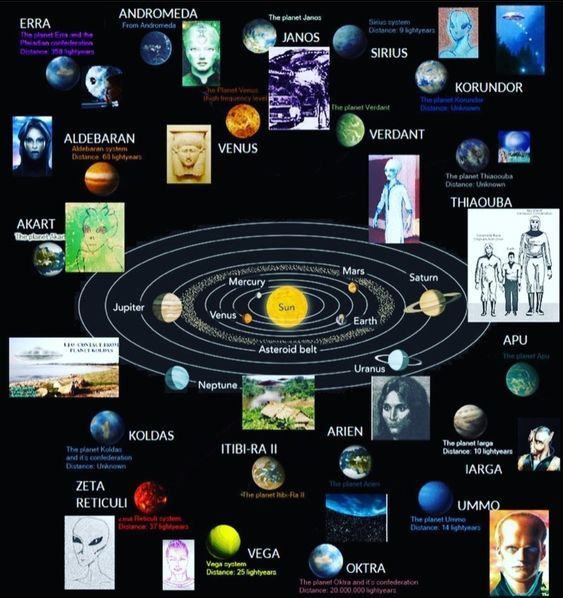
2
2
164
8 Aug 2024
Үнэмшилгүй ч сонирхолтой байна аа 😀 #ALIENS
#Extraterrestrial
#AlienLife
#UnknownBeings
#SpaceExploration
#CosmicMysteries
#GalacticEncounter
#EtherealVisitors
#UnidentifiedFlyingObjects
#GovernmentCoverUp
#SecretExperiments
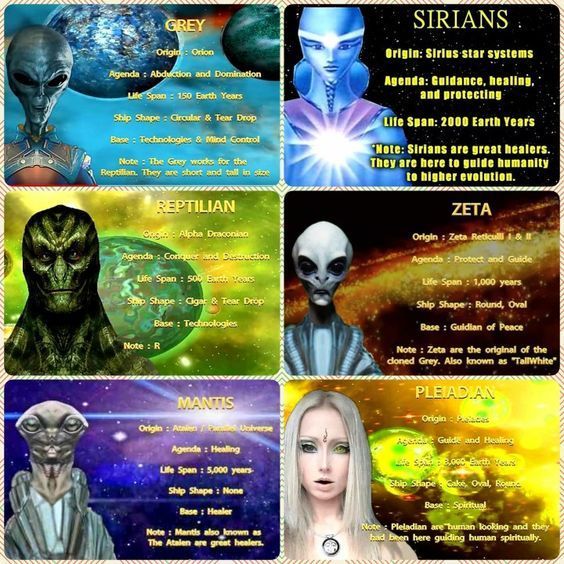
1
4
5
262

1 Mar 2023
𝐌𝐞𝐭𝐚𝐛𝐢𝐨𝐭𝐚 Battelle 𝐃𝐨𝐃 CIA 𝐔𝐤𝐫𝐚𝐢𝐧𝐞 Georgia Lugar Center Fort Detrick
#SecretExperiments
#BioWeapons
#Biolabs

1
2
35

There is new King in @StargazeZone Town. Ähm. Swamp? So anyway - congrats to this smooth mutation drop.
Can't wait for the #secretexperiments on Saturday

1
1
4

25 Jun 2022
Relevant and Revelatory. #octaviannothing #revolutionarywar #government #secretexperiments #slavery #elite #mtanderson @M_T_anderson #booksmakeusbetter #humanrights #scotus #injustice #history #onepercent
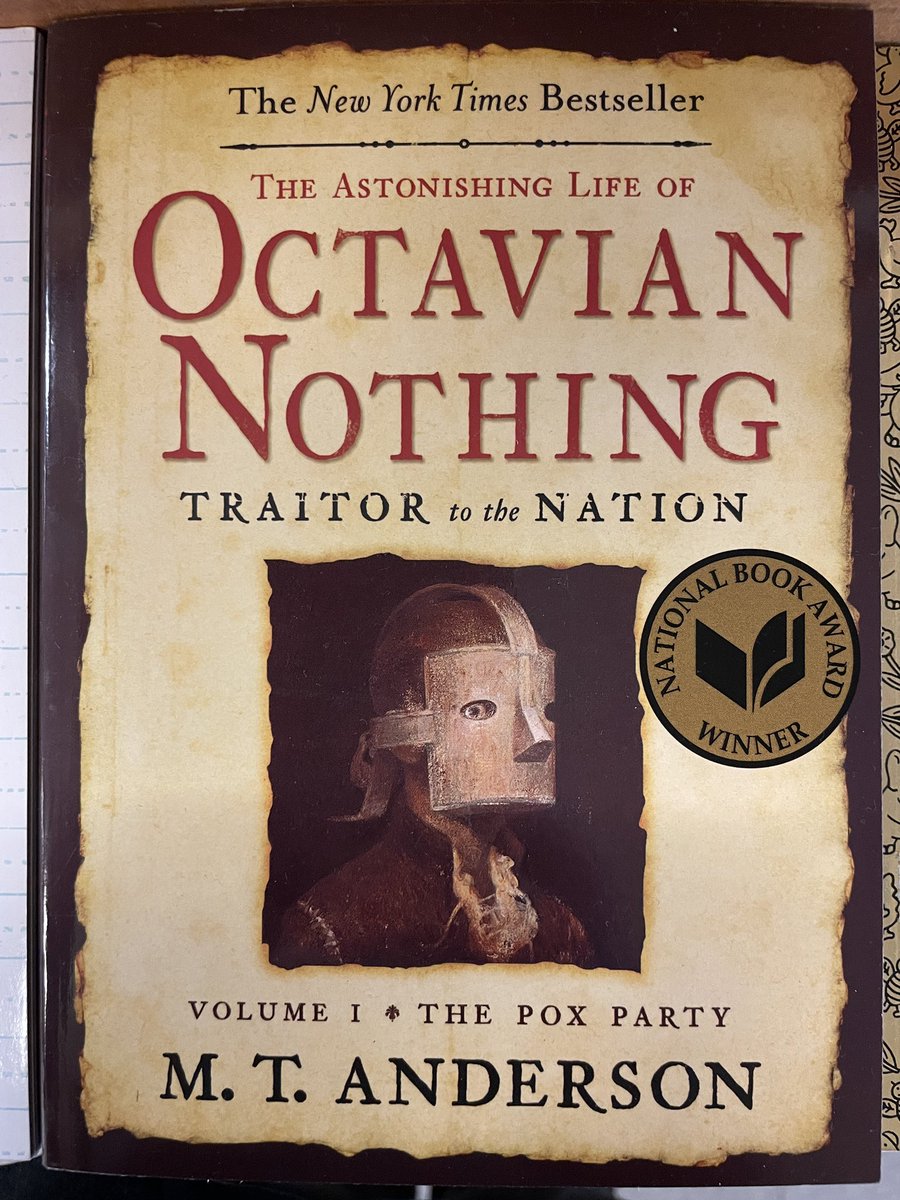
1

10 Aug 2018
HOY HOY HOY viernes en @23robadors junto a SECRET EXPERIMENTS y algún invitado sorpresa , haciendo la clásica #hiphopsession con banda. Habrá #openmic
#barcelona #raval #robadors23 #hiphop #rap #livemusic #secretexperiments #friday #openmic

2
3

5 Jan 2018
This is interesting in so many ways, 2 minutes you won't regret hearing.
#shergar #secretexperiments #informers
5 Jan 2018

Simon McGarr #TuppenceWorth Episode 21 Trailer echochamberpod.com/2018/01/0…
1
3

12 Jan 2017
npr.org/series/417162462/wor… #SecretExperiments #WWII Nonconsensual #HumanExperimentation America has a history of this! A decades long history!