
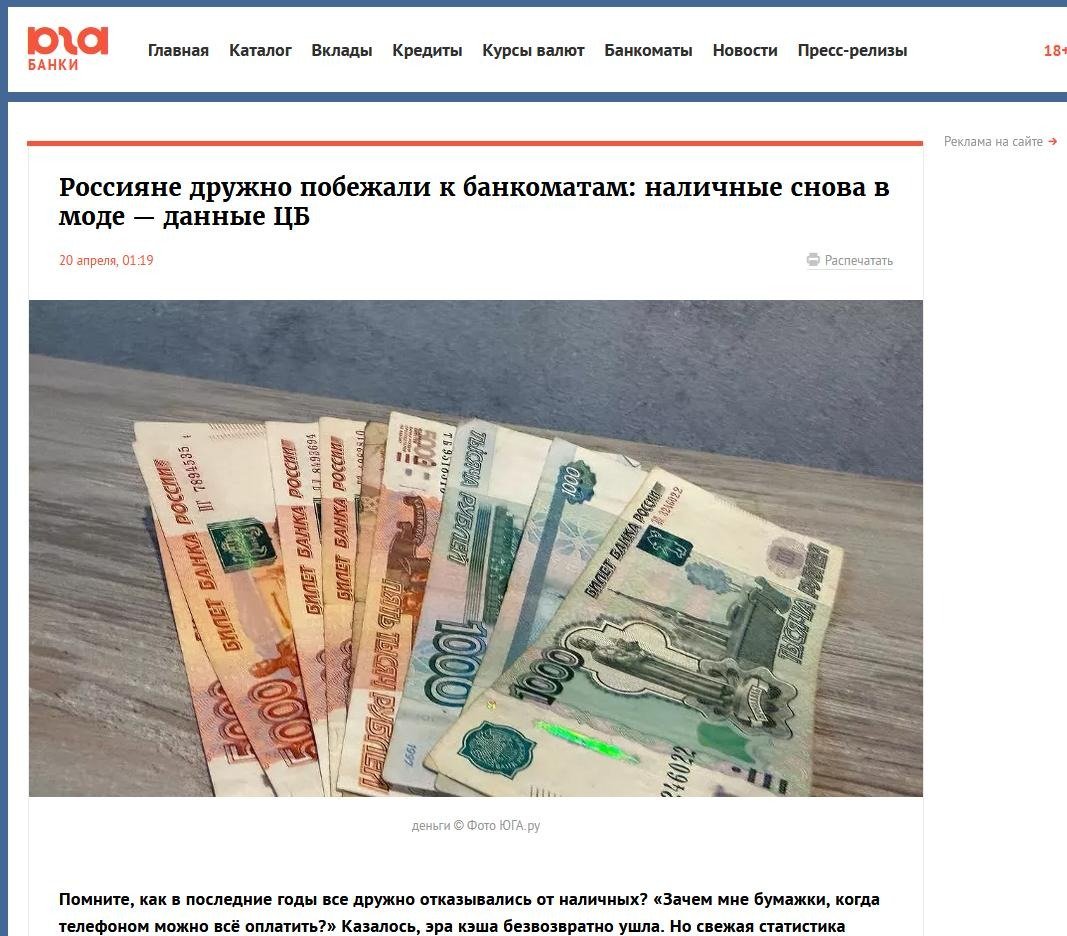
Under the mattress: Russia’s banking crisis goes nationwide across 69 regions. 💳❌
The Central Bank of Russia has officially confirmed a massive behavioral shift among the population: Russians are abandoning digital bank accounts and returning to hard cash at an unprecedented scale.
Driven by rising institutional distrust and fears of asset freezes, a massive cash bleed is draining liquidity out of domestic lenders. From January to June, a record-breaking 1.09 trillion rubles has vanished from the formal banking loop into physical circulation. This systemic "mattress hoarding" is now a verified reality across 69 federal regions, signaling that the structural crisis within Russia's credit institutions is accelerating far faster than the Kremlin can hide.
#BankRun #CashEconomy #RussiaUpdate #EconomicCrisis #FinancialSystem #Rubles #LiquidityCrunch
17

Jun 12
You’re not imagining it. You are working harder, but keeping less. 🛑 What if the problem isn’t your spending, but a system designed to keep you under pressure? Let’s talk about a different vision for taxes, the economy, and your financial future.
#SystemicChange #TaxReform #Economy #WorkingClass #FinancialSystem #CostOfLiving #WealthGap #RethinkTheSystem #EconomicJustice
2

Jun 12
کیا بجٹ کی فائلیں آن لائن مل سکتی ہیں؟
بجٹ پیش ہونے سے پہلے لیک ہو جائے تو کیا ہوگا؟
#FiscalPolicy #BudgetLeak #Governance #FinancialSystem
3

Digital assets aren’t the future anymore… they’re the foundation of the next financial system. 🌎💰
The biggest wealth transfers in history often reward those who recognize the shift before the crowd. #DigitalAssets #Crypto #XRP #Bitcoin #Blockchain #FinancialSystem
34

Jun 11
5

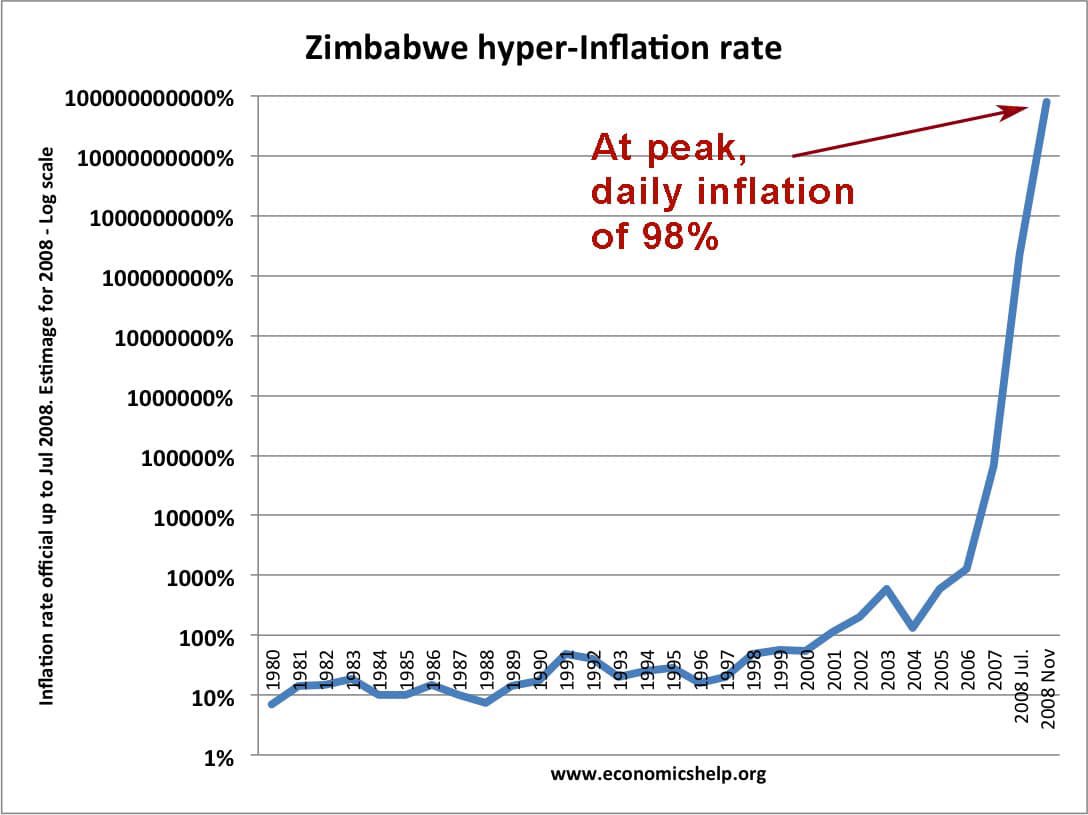
WARNING: The Inflation Trap Is Closer Than You Think.
Zimbabwe’s chart is a brutal reminder of how fast a currency can collapse once money printing gets out of control. Inflation doesn’t rise in a straight line — it can go from “manageable” to disaster very quickly.
The lesson for the USA is simple: printing endlessly has consequences. When trust in the currency erodes, the pain shows up everywhere — groceries, rent, wages, savings, and business costs.
This is why hard assets matter. Sound money matters. Fiscal discipline matters.
#Hyperinflation #Inflation #USDollar #MoneyPrinting #FederalReserve #Gold #Silver #PreciousMetals #HardAssets #Economy #FinancialSystem #Macro #Markets #WealthProtection #CurrencyDebasement #InflationWarning #USA #Geopolitics #Investing #WallStreetBullion
2
91

Jun 11
AI deepfakes emerging as new threat to financial systems, warns Centre
mumbaipress.com/ai-deepfakes…
#AIDeepfake #newthreat #financialsystem #warncentre #NewsUpdate #mumbaipress #mumbairaabta
9

Jun 11
The ONLY way that 1% of the Global population can CONTROL 99% of the Population is :
By OWNING the #FinancialSystem & ALL #Media
Control of these 2 Tools is imperative
They simply put cannot do it without the Control of the Banks & ALL the Media .
15

Jun 11
Spared another day🤠🇺🇸♠️
#AnimalsLover #petlover #animalloverforlife
#trump #maga #fypシ゚viral #fypシ゚ #financialsystem #qfs
18

Jun 10
They keep trying to keep my voice hidden and the truth buried,but I won’t relent till people know what’s coming
#Globalreset #fyp #financialsystem
1
170

Jun 10
Global Capital Market Growth: Plaza Accords & Financial System Restructure
Plaza Accords, Mar-a-Lago Accords... they're restructuring the financial system. Bretton Woods established the USD as the global reserve currency. We're at the beginning of global capital market growth. Buying the dips has always paid off. #FinancialSystem #BrettonWoods #GlobalMarkets #InvestmentStrategy #EconomicHistory #PlazaAccords #MarALagoAccords #CapitalMarkets
7

Government programs may lead to full bank account access in 3-4 years, mirroring trends in China and Russia. Advanced fraud detection could expose every mistake, trapping individuals. #FinancialSystem #PrivacyConcerns
1
5

What is the World Federation Government? Who controlled the world's treasury? Discover the truth.
Watch here: zurl.co/tDVY9
Like Share Comment Subscribe
#FederalReserve #Treasury #DeepState #FinancialSystem #NewEarth #KimGoguen
18
36
26,490

Are We On The Cusp Of Economic Collapse?
Watch this reel and decide for yourself. Then be sure to check out the full Episode 188 of the Eyes Open Podcast on this page for the complete discussion and analysis.
#EyesOpenPodcast #EconomicCollapse #Economy #FinancialCrisis #MarketCrash #Inflation #Recession #DebtCrisis #News #CurrentEvents #QuestionEverything #EconomicNews #FinancialSystem #WorldEvents
16

Nigeria doesn’t lack capital.
What we face is a crisis of allocation, priorities, and accountability.
And until that is addressed…
we will continue to see growth on paper, and strain in reality.
🔍 Read more evidence-based insights and policy recommendations:
🌐 allianceforethics.org
#EconomicPolicy #NigeriaEconomy #PublicFinance #SMEs #FinancialSystem #PolicyReform #AllianceForEthics
4

Jun 7
🚨 INTEL REPORT: TIER 1–5 STRUCTURE EXPOSED – The Invisible Engine Behind the Global Currency Reset
🚨 You've heard about the GCR.
But have you ever been shown how the system is allegedly structured behind the scenes?
A viral intel narrative is drawing attention to the hidden Tier 1–5 hierarchy said to be driving the Global Currency Reset.
Who moves first?
Who benefits first?
And why do some believe the public was never meant to understand how the game is played?
💣 This isn't just a story about currencies.
It's a story about power, influence, financial control, and the battle for the future of the global monetary system.
🚨 THE TIER SYSTEM. THE RESET. THE PLAYERS. THE TIMELINE.
👉 FULL STORY NOW LIVE:
amg-news.com/intel-report-ti…
📢 Join Telegram:
t.me/AMGNEWS2022
🌐 Real Stories. True Journalism:
amg-news.com
#GCR #GlobalCurrencyReset #FinancialSystem #EconomicSovereignty #CurrencyReset #EconomicReform #FinancialNews #BreakingNews #Patriots #AMGNews
23
39
2,360

Jun 7
TRANSMISSION FROM 2038
The Future History of Money
Today, while browsing an old archive, I found a prediction written more than a decade ago.
At the time, most people laughed at it.
Now it reads like history.
The prediction claimed Bitcoin would experience one final great crash.
$60,000 → $50,000 → $40,000 → $30,000
Panic would spread across the market.
Retail investors would sell.
Headlines would declare crypto dead again.
But while the crowd was fleeing, governments, sovereign funds, and major institutions were accumulating everything.
Especially the United States.
Then regulation arrived.
Not prohibition.
Permission.
Legal frameworks. Institutional adoption.
Crypto entered its largest bull market in history.
But this cycle was different.
Most digital assets no longer belonged to individuals.
They belonged to nations.
That was the objective.
The next phase was the digitization of money itself.
The dollar was once backed by gold.
Now digital currencies were becoming backed by strategic crypto reserves — Bitcoin and other approved assets.
Not because governments loved crypto.
Because the old system was breaking.
Global debt was accelerating.
Fiat required endless expansion.
Something had to change.
Cash disappeared gradually.
Limits first: $5,000 → $2,000 → $1,000 → lower.
Then incentives to convert into digital money.
People received more value in digital form.
Most accepted willingly.
Within a decade, cash became obsolete.
Blockchain was never the final product.
It was the testing layer.
The foundation of a new economic operating system.
Every transaction. Every purchase. Every signal.
Visible in real time.
For the first time, the economy became observable as it truly was.
AI systems no longer needed broad interest-rate tools.
They could stimulate specific sectors directly.
Struggling industry? Boost demand instantly.
Targeted incentives. Cashback loops. Dynamic consumption routing.
No delays. No meetings. No guesswork.
Then automation accelerated.
AI replaced entire categories of jobs.
Universal Basic Income became inevitable.
But it wasn’t cash.
It was programmable digital money.
Restricted by category. Controlled by policy logic.
Some called it control.
Others called it efficiency.
Either way, it worked.
Economic policy became personalized.
Each citizen lived inside a slightly different version of the economy.
Governments invested trillions into AI.
Not for chatbots.
For economic operating systems.
The first nation to achieve AGI-level coordination would control the most powerful economic infrastructure in history.
Countries began subscribing to AI economies like cloud services.
Economies-as-a-Service.
Governance-as-a-Platform.
Borders faded in relevance.
Systems merged. Rules standardized. Markets synchronized.
Not through war.
Through technology.
And the final conclusion of the prediction was simple:
Humanity cannot become interplanetary while fragmented into hundreds of disconnected economies.
To reach the stars, the entire planet must eventually synchronize its resources.
Back then, it sounded impossible.
Now, in 2038, it sounds inevitable.
#Bitcoin #Crypto #Blockchain #AI #AGI #FutureOfMoney #FutureOfFinance #DigitalDollar #CBDC #Economics #Macro #Finance #Technology #Automation #UBI #Futurism #FutureTech #DigitalEconomy #GlobalEconomy #MonetaryReset #CryptoTwitter #TechTwitter #Innovation #Prediction #SciFi #FinancialSystem #ArtificialIntelligence #FutureHistory #2038 #XPost
94

Jun 7
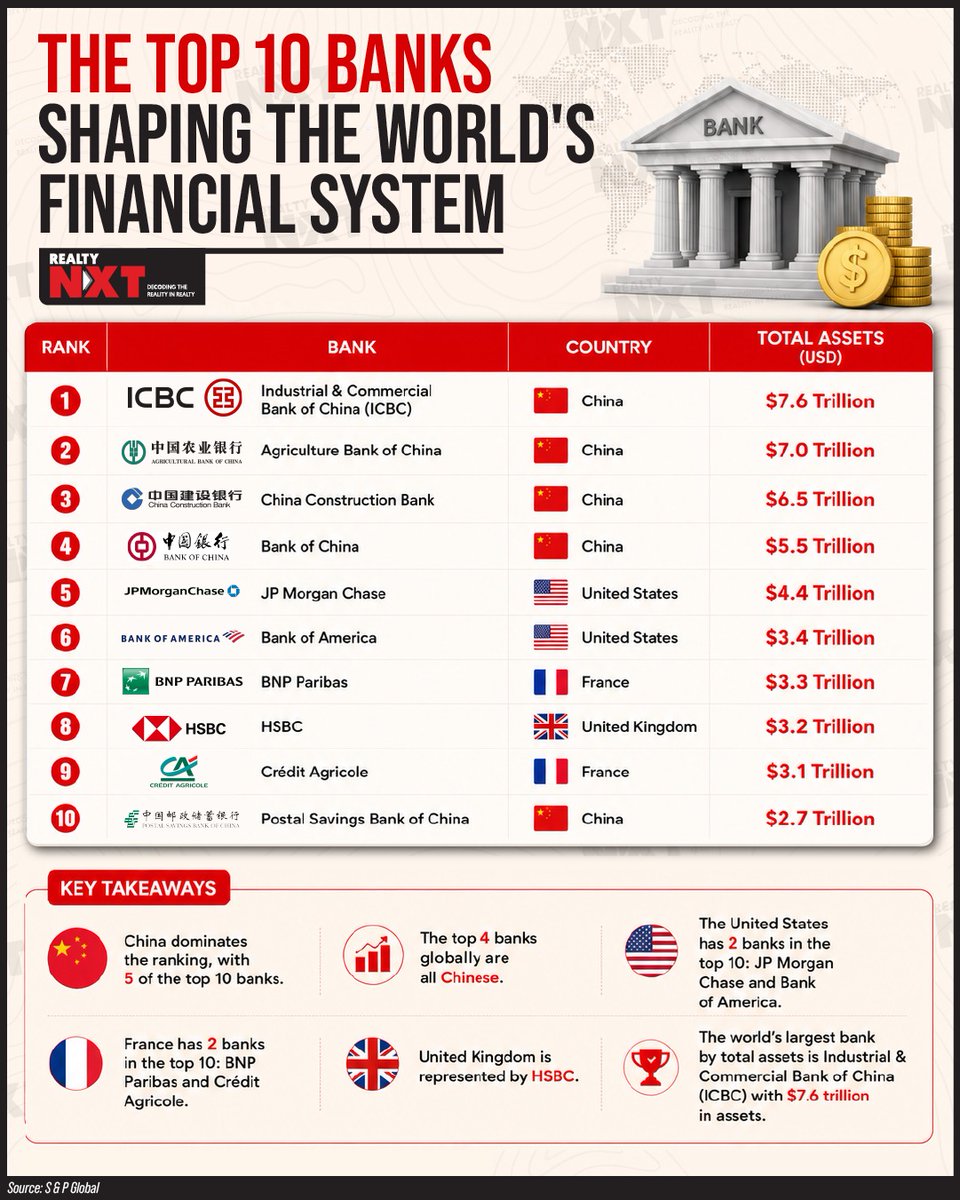
#Exclusive | China leads the world's banking rankings with 5 of the top 10 banks by assets, headed by ICBC at $7.6 trillion.
Source: S&P Global.
#RealtyNXT #GlobalBanking #TopBanks #ICBC #BankingSector #FinancialSystem #GlobalFinance #ChinaBanks
1
31

Jun 7
#Watch | অস্থির পরিস্থিতিতেও বর্তমান ত্রৈমাসিকে দেশের বিকাশ হারের ইঙ্গিত অনুসারে ভারতের অর্থনীতির ভিত্তি মজবুত, জানালেন প্রধানমন্ত্রী নরেন্দ্র মোদীর অর্থনৈতিক উপদেষ্টা সঞ্জীব স্যান্যাল
#IndianEconomy #FinancialSystem #PMEAC #EconomicAdvisoryCouncil #FinancialAdvisoryCouncil #NarendraModi #SanjeevSanyal #DDBanglaNews
21
Jun 7
#Watch | পশ্চিম এশিয়া সংকটের প্রেক্ষিতে সারা বিশ্ব যখন টালমাটাল অর্থনৈতিক পরিস্থিতিতে দেশের বিকাশ বজায় রাখতে প্রধানমন্ত্রী নরেন্দ্র মোদীর পৌরোহিত্যে আর্থিক উপদেষ্টা পরিষদের বৈঠক
#IndianEconomy #FinancialSystem #PMEAC #EconomicAdvisoryCouncil #FinancialAdvisoryCouncil #NarendraModi #DDBanglaNews
16