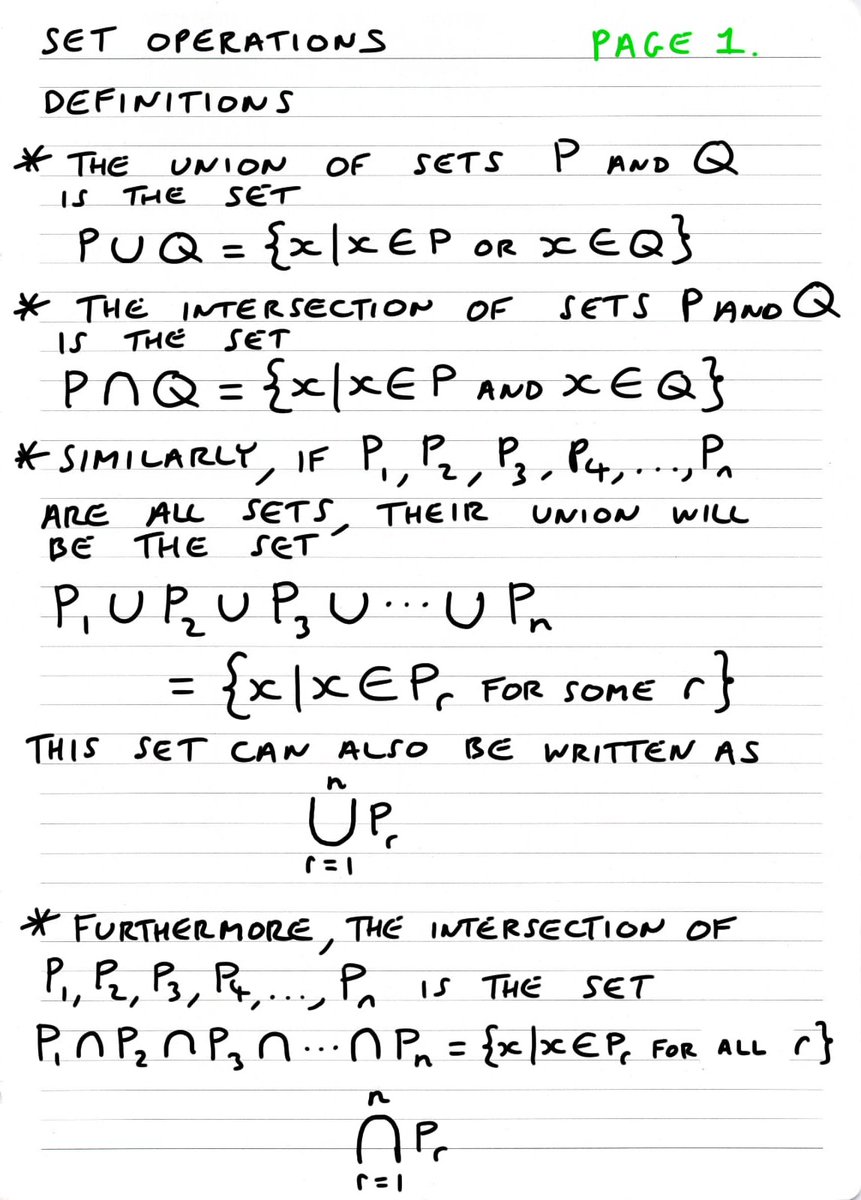





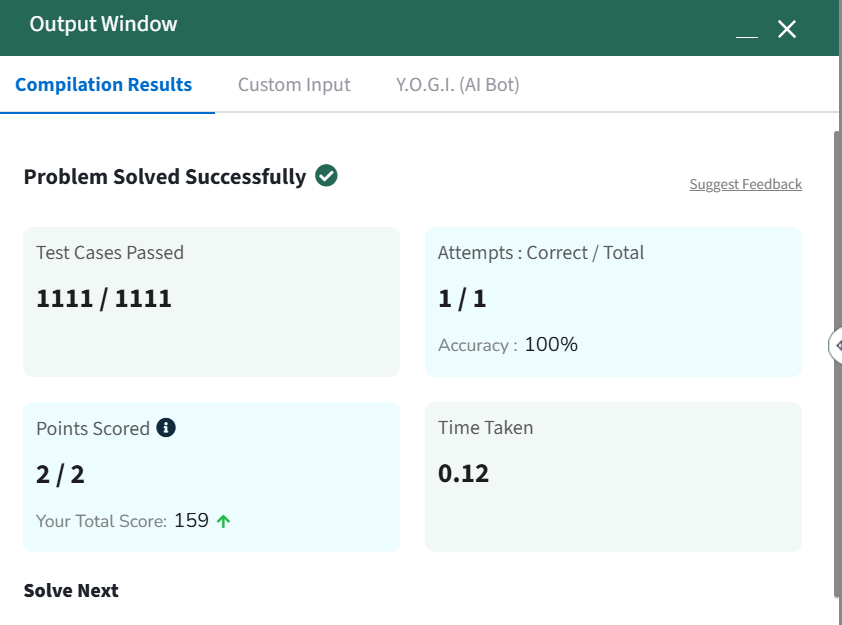

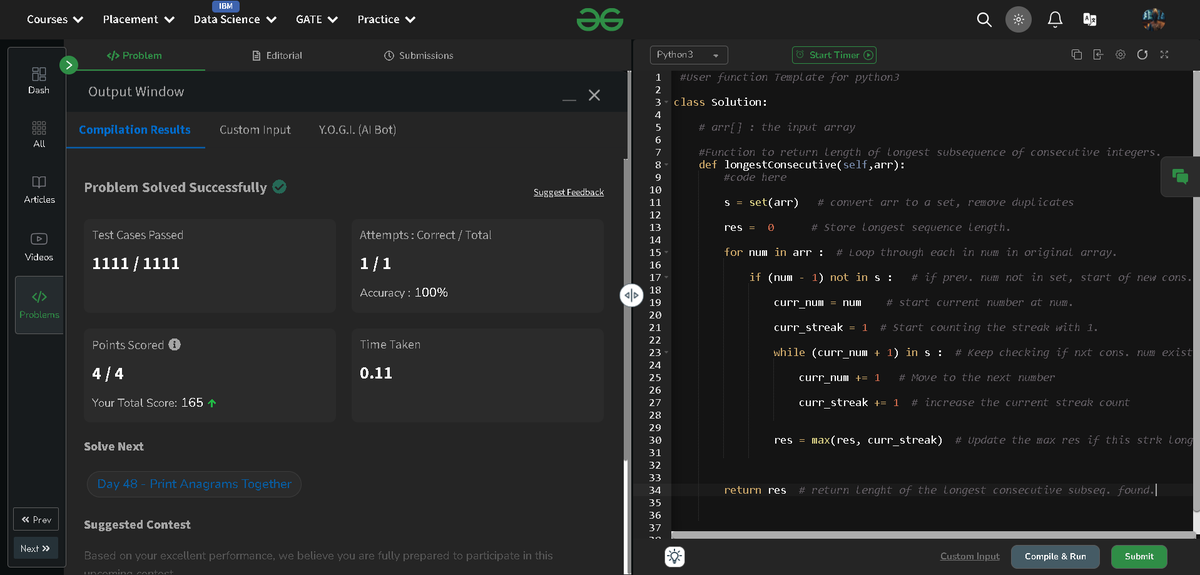
ALT Approach : * Convert the array to a set: This helps remove duplicates and allows faster lookup. * Loop through each element in the array: Check if it's the start of a sequence (by checking if the previous element is not in the set). *Count the consecutive sequence: If the next consecutive number exists in the set, keep counting. * Track the longest sequence: Update the longest sequence found as we go through the array.
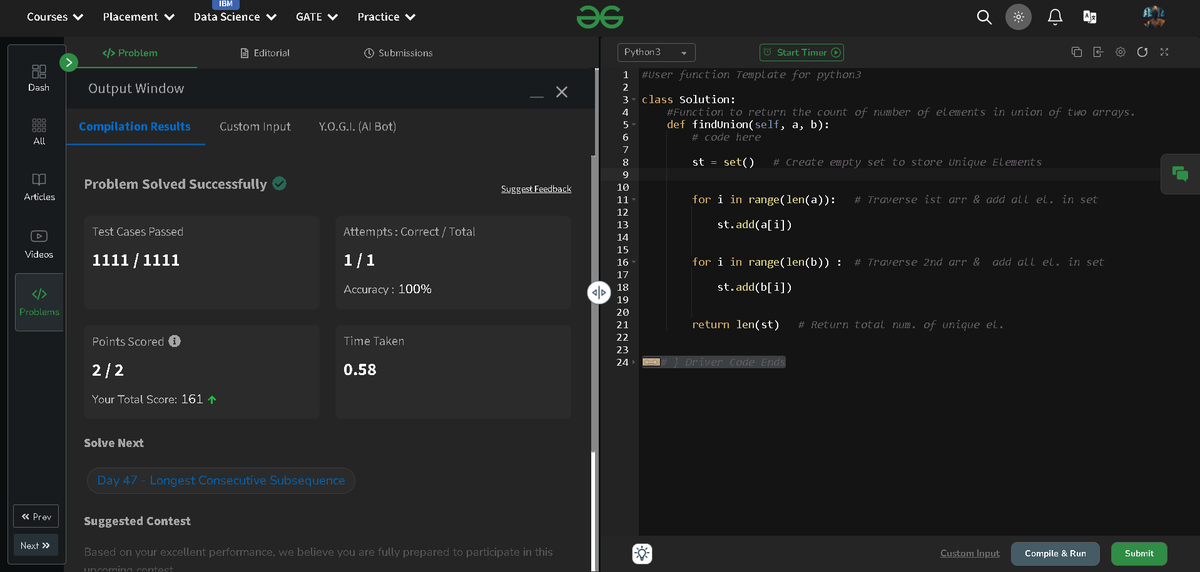
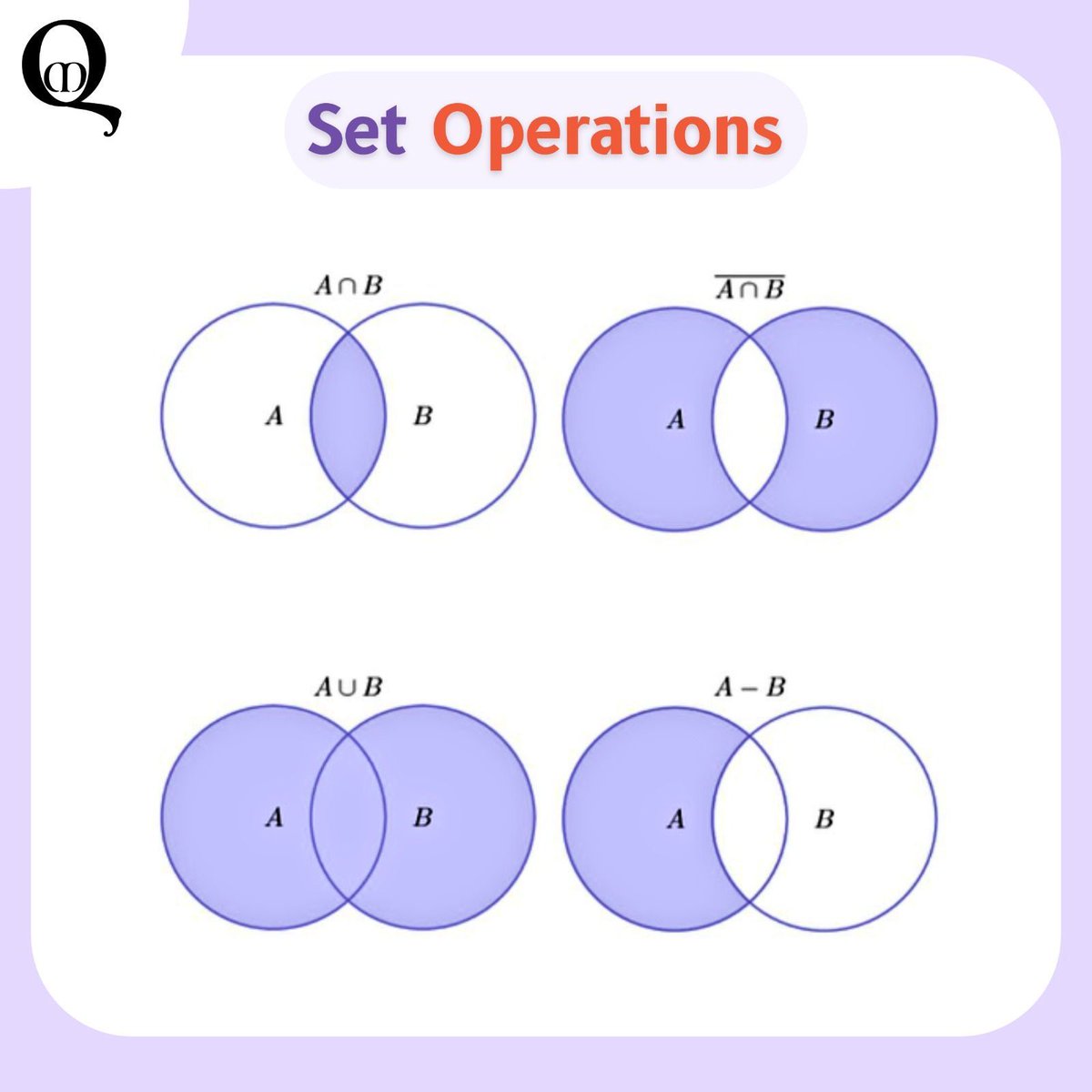
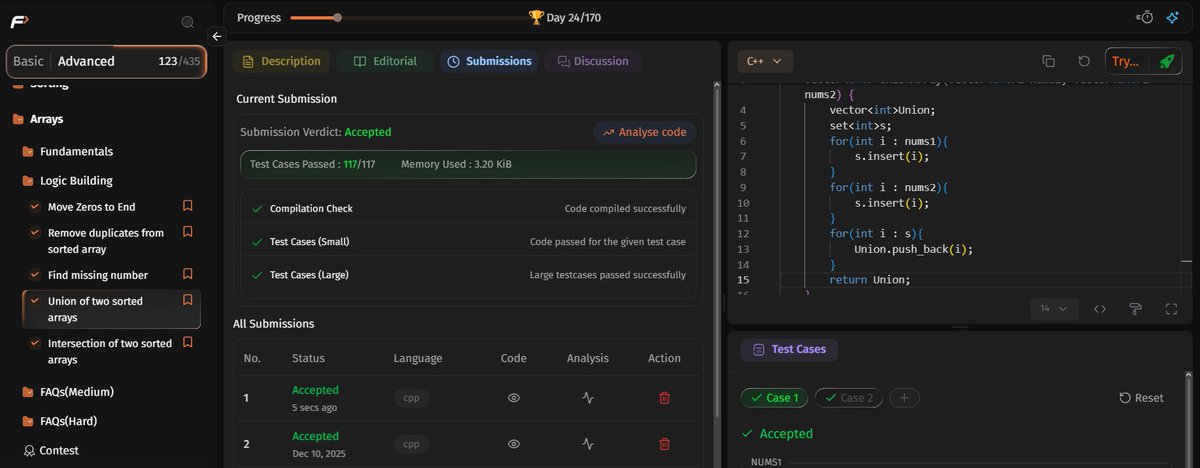
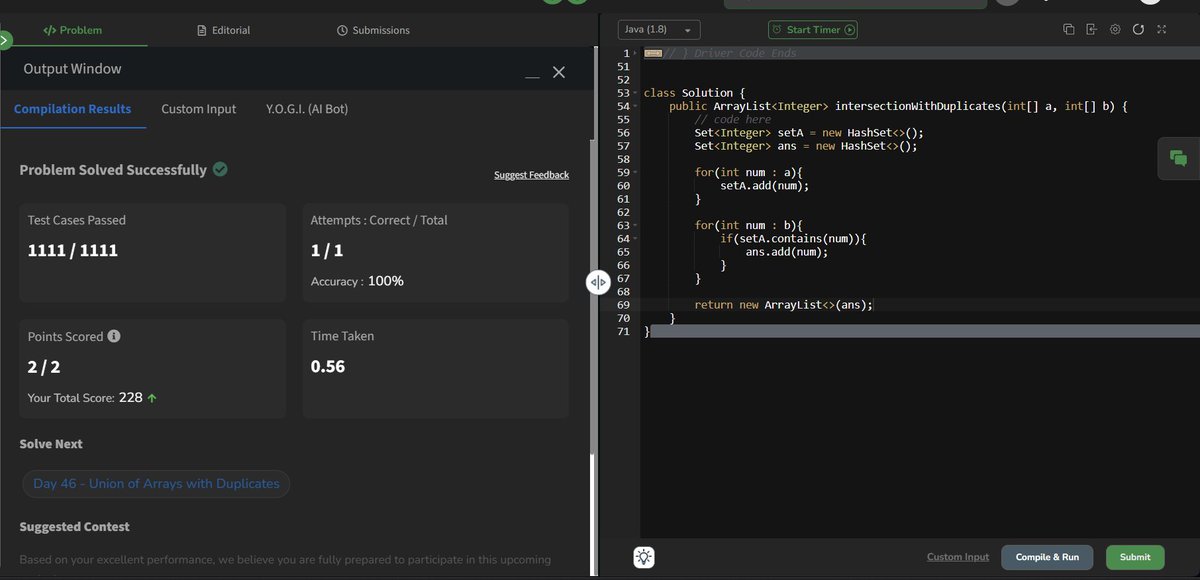
ALT Approach: Use a set to store unique elements from both arrays. First loop through array a and add each element to the set. Then loop through array b and do the same. Since sets store only unique values, all duplicates will be automatically filtered out. Return the length of the set = count of unique union elements. Time Complexity: O(n m) — Traverses both arrays once. Space Complexity: O(n m) — In the worst case, all elements are unique.
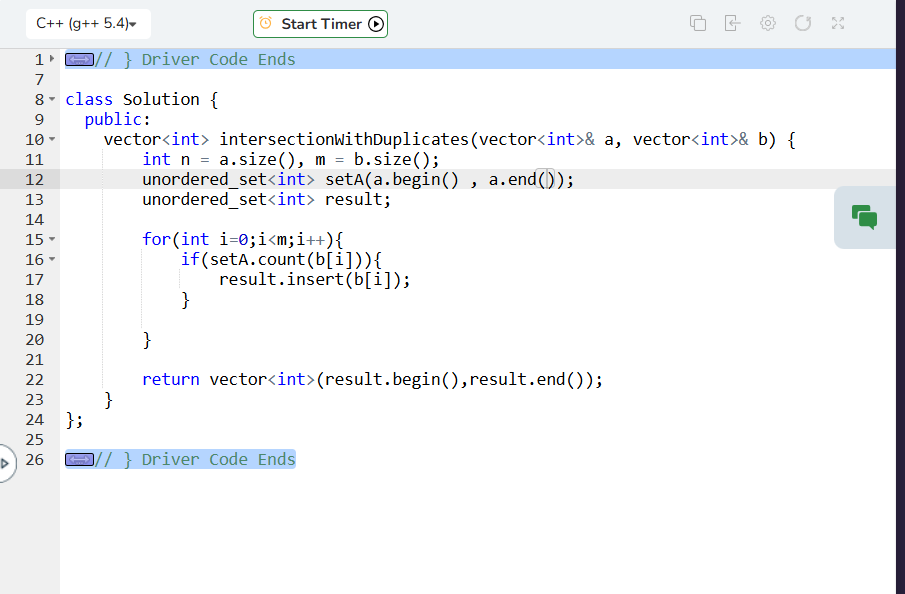
![Approach:
Convert array a to a set to remove duplicates and allow O(1) lookups.
Iterate through each element of b.
If element is found in set_a, add it to result and remove it from set_a to avoid duplicates in final answer.
Why it works:
Sets ensure no repetition and fast lookup.
Removing matched element from the set guarantees uniqueness in the output.
Time Complexity: O(n m)
Creating the set: O(n)
Traversing b[]: O(m)
Space Complexity: O(n) for the set and result list.](https://venexa.site/media/GqHN51_WsAASjM6.png)
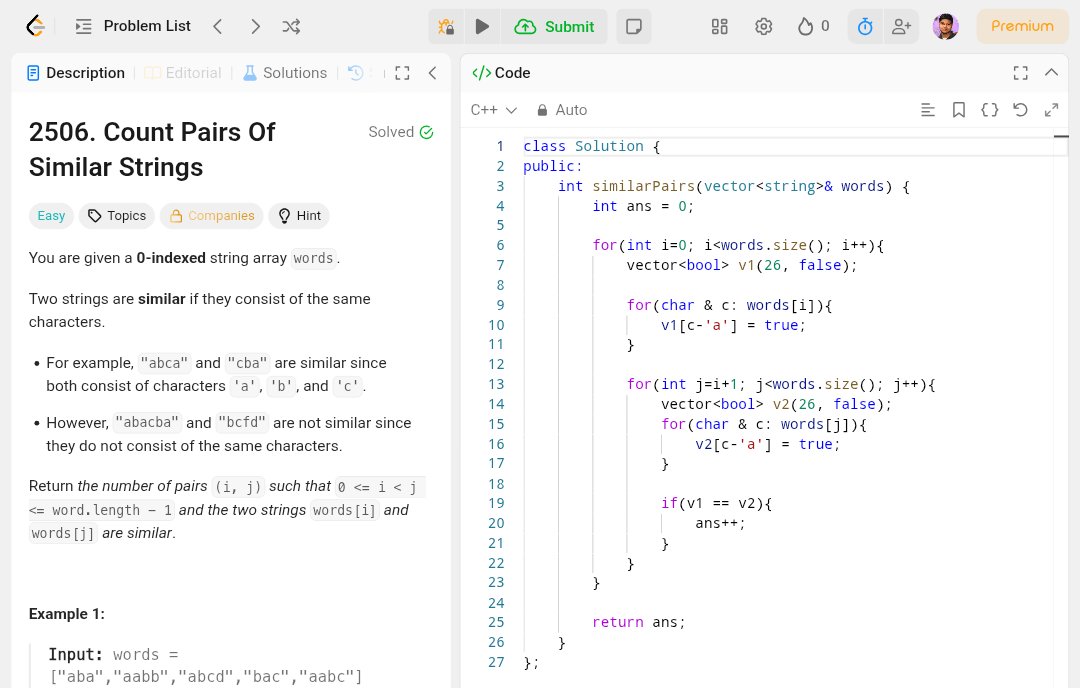
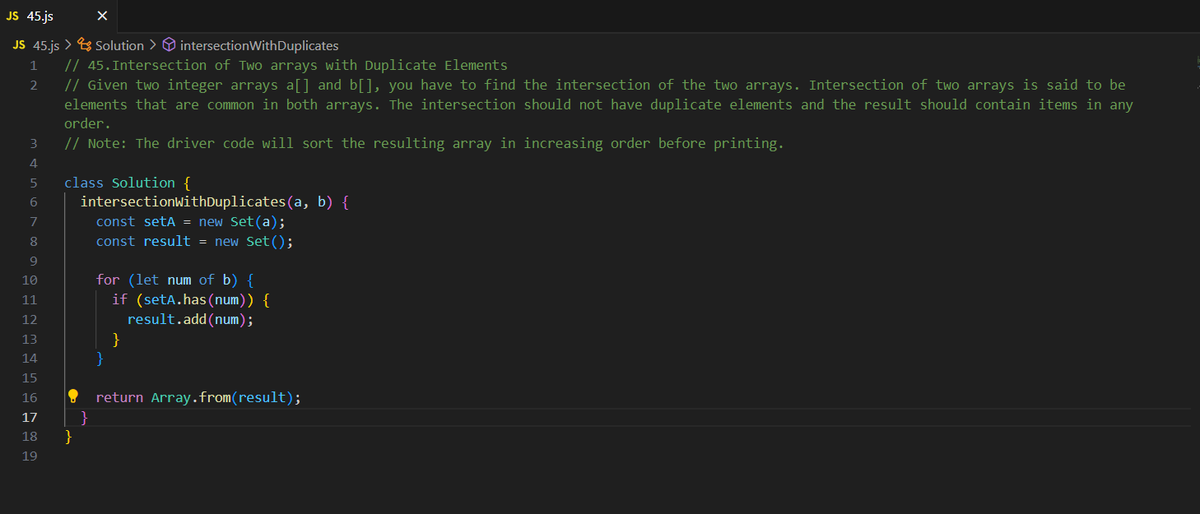
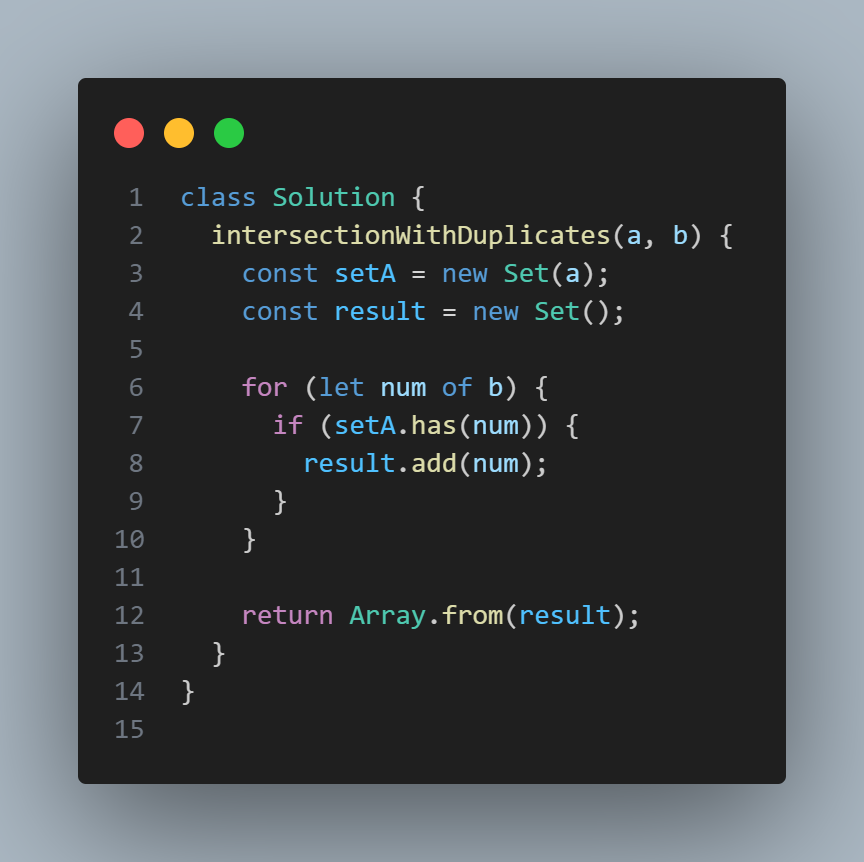
ALT Approach: Convert array a to a set to remove duplicates and allow O(1) lookups. Iterate through each element of b. If element is found in set_a, add it to result and remove it from set_a to avoid duplicates in final answer. Why it works: Sets ensure no repetition and fast lookup. Removing matched element from the set guarantees uniqueness in the output. Time Complexity: O(n m) Creating the set: O(n) Traversing b[]: O(m) Space Complexity: O(n) for the set and result list.

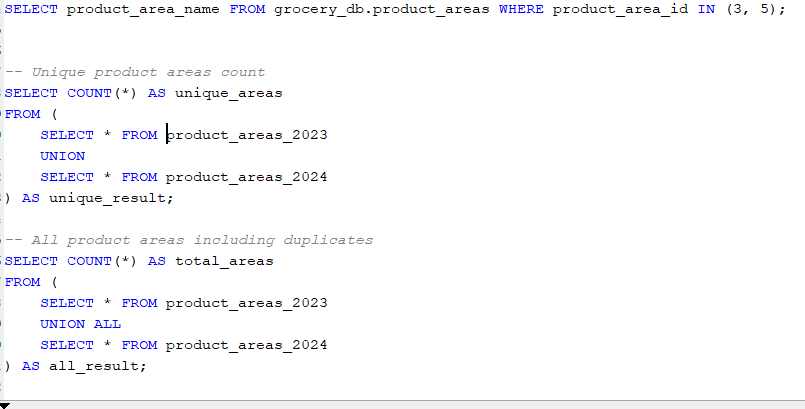
ALT Implementation of Union and Union All Statements.