
Advance Publication
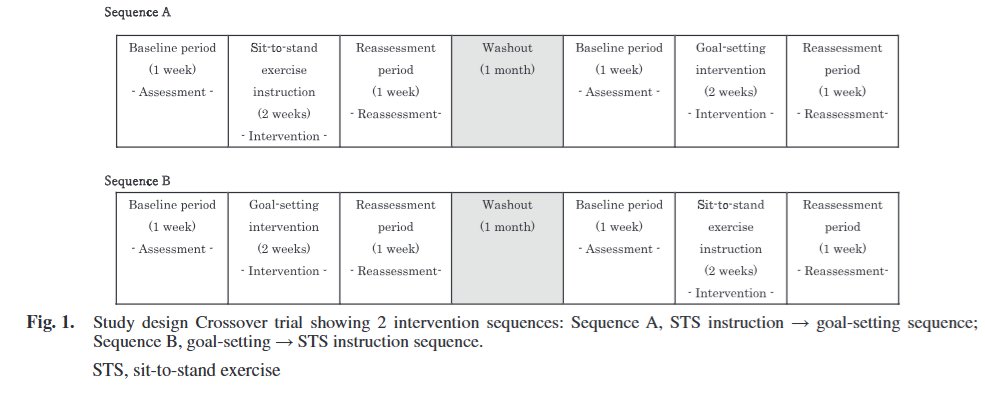
Effects of Sit-to-stand Exercise Instruction and Goal-setting on Reducing Sitting Time in Chronic Stroke Survivors: A Randomized Crossover Trial
doi.org/10.1298/ptr.25-E1036…
#ChronicStroke #SedentaryBehavior #SitToStand #CrossoverTrial
78

youtu.be/mim6KgNDDb0?si=8a6j…
🚨🚨🚨
✨️ #Hanging
✨️ #DeepSquat
✨️ #SitToStand
✨️ #HipMobility
✨️ #Isometrics & #Core #Stability
Easy? NO! Worth it? 💯 % 🎯 Reverse Aging?
#StayFit my quickest favorite exercise is #Squats
🚨🚨🚨 #StartSlowly🚨🚨🚨
10 seconds, 30 seconds, minutes, etc...
#Squats = #GreatMobility
#StayFit #MobilityTraining
#BackPain #KneePain #JointPain
🚨 #NotMedicalAdvice
1
2
606



13 Aug 2025
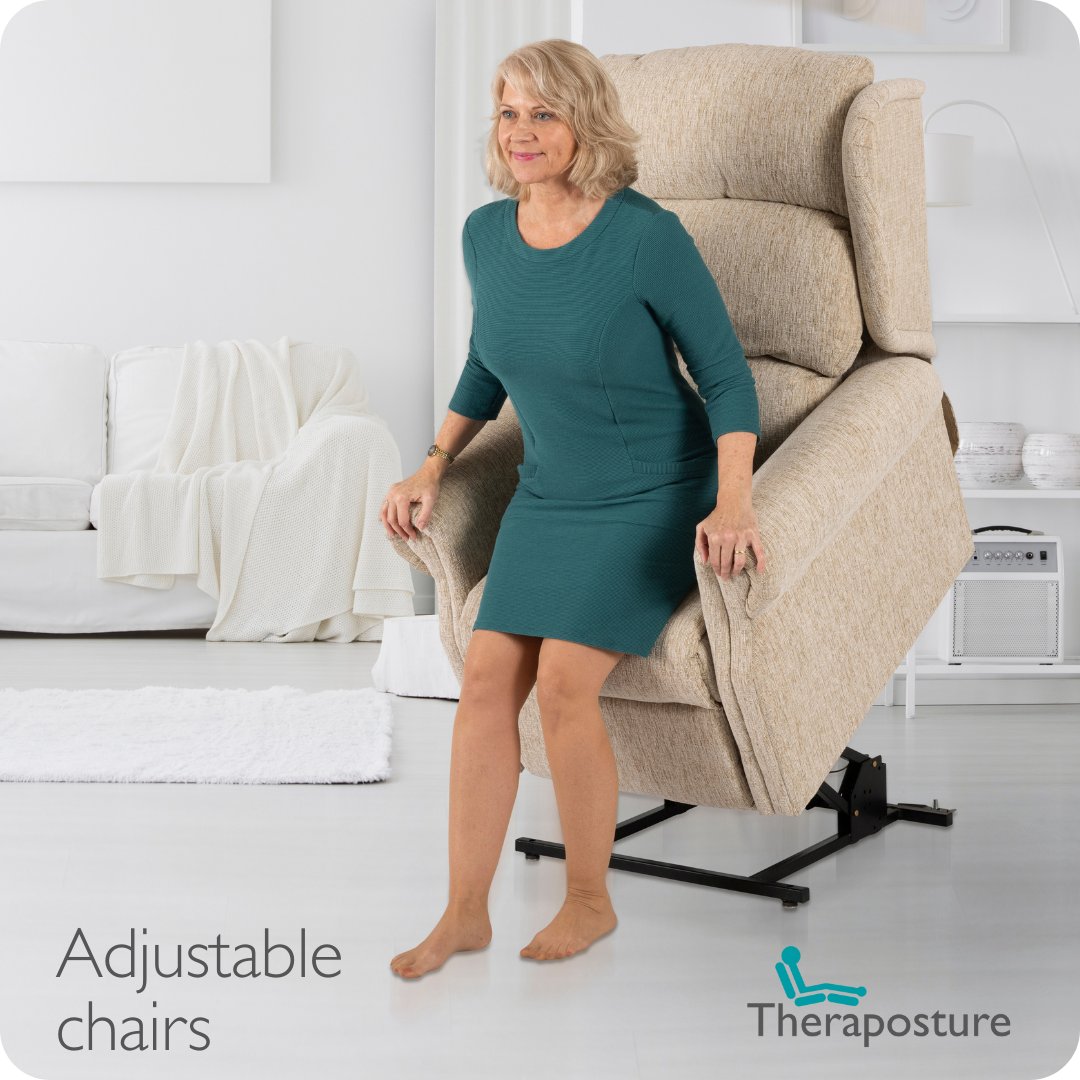
Struggling to get up from a chair?
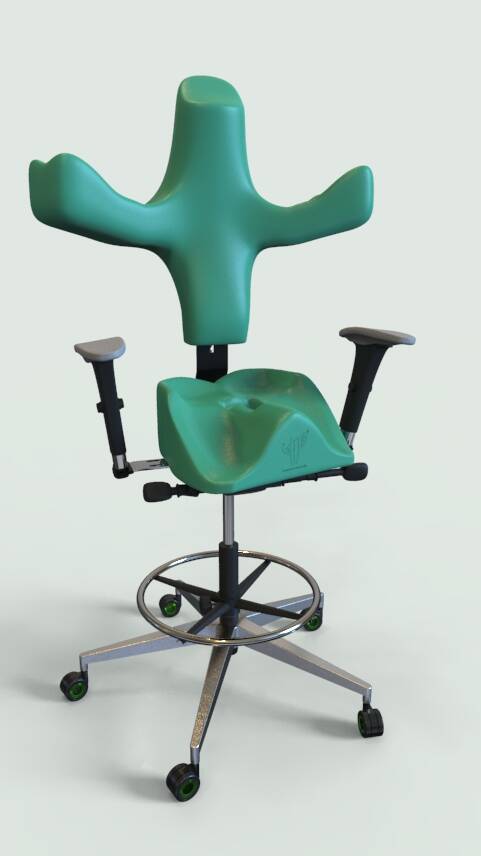
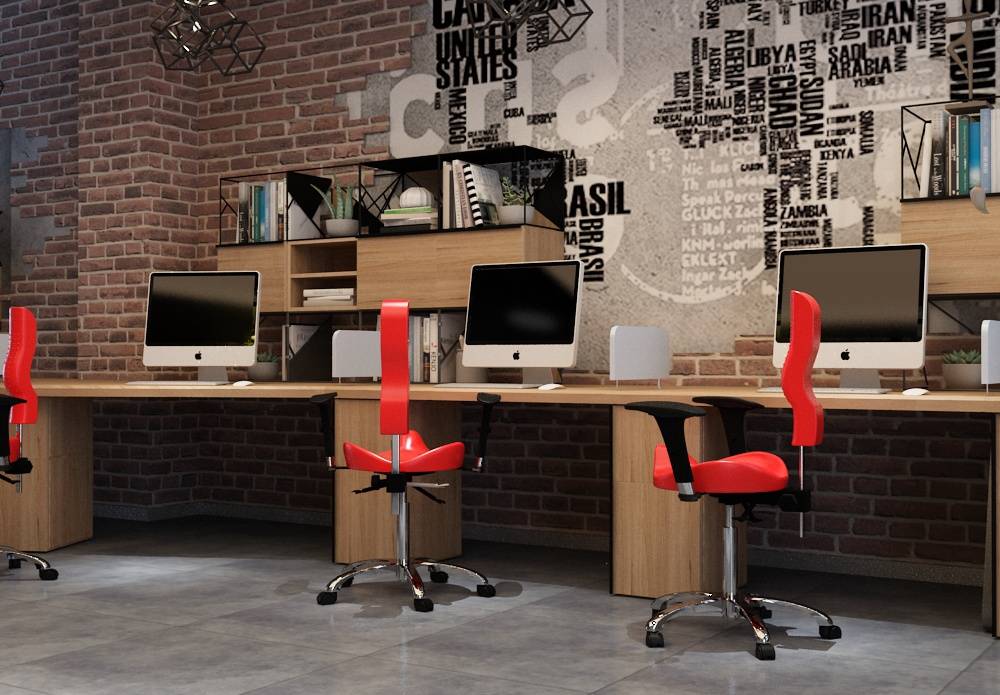
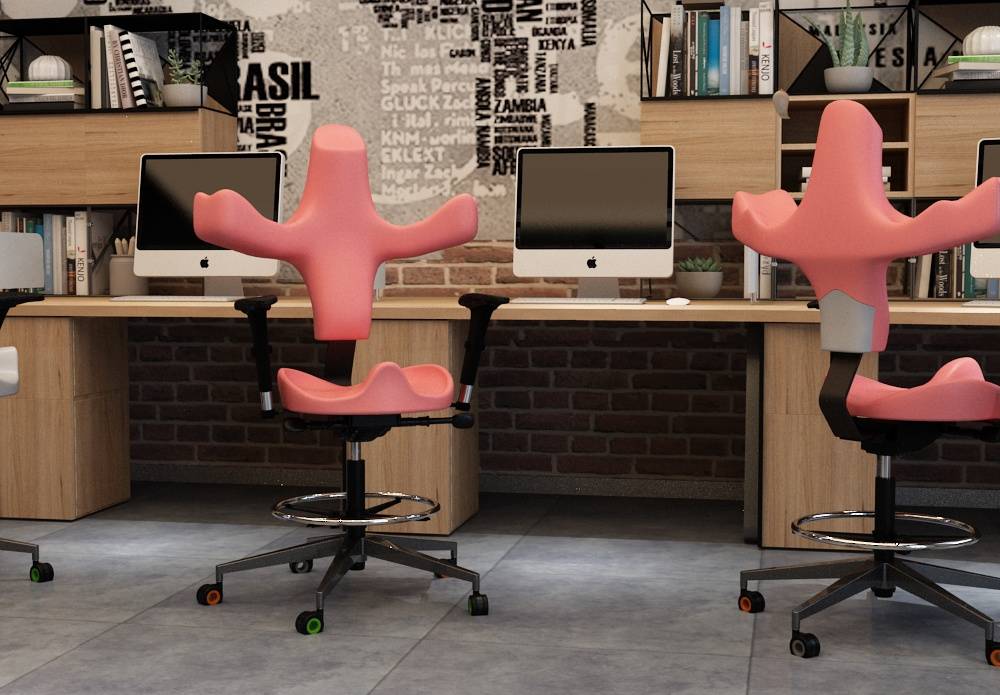
Theraposture’s adjustable chairs provide smooth, safe sit-to-stand support.
🪑 Designed for comfort and independence at home.
More: theraposture.co.uk/rise-and-…
#SitToStand #AdjustableChair #MobilitySupport
1
1
3
34

24 Jun 2025
1
1
1,178

6 May 2025
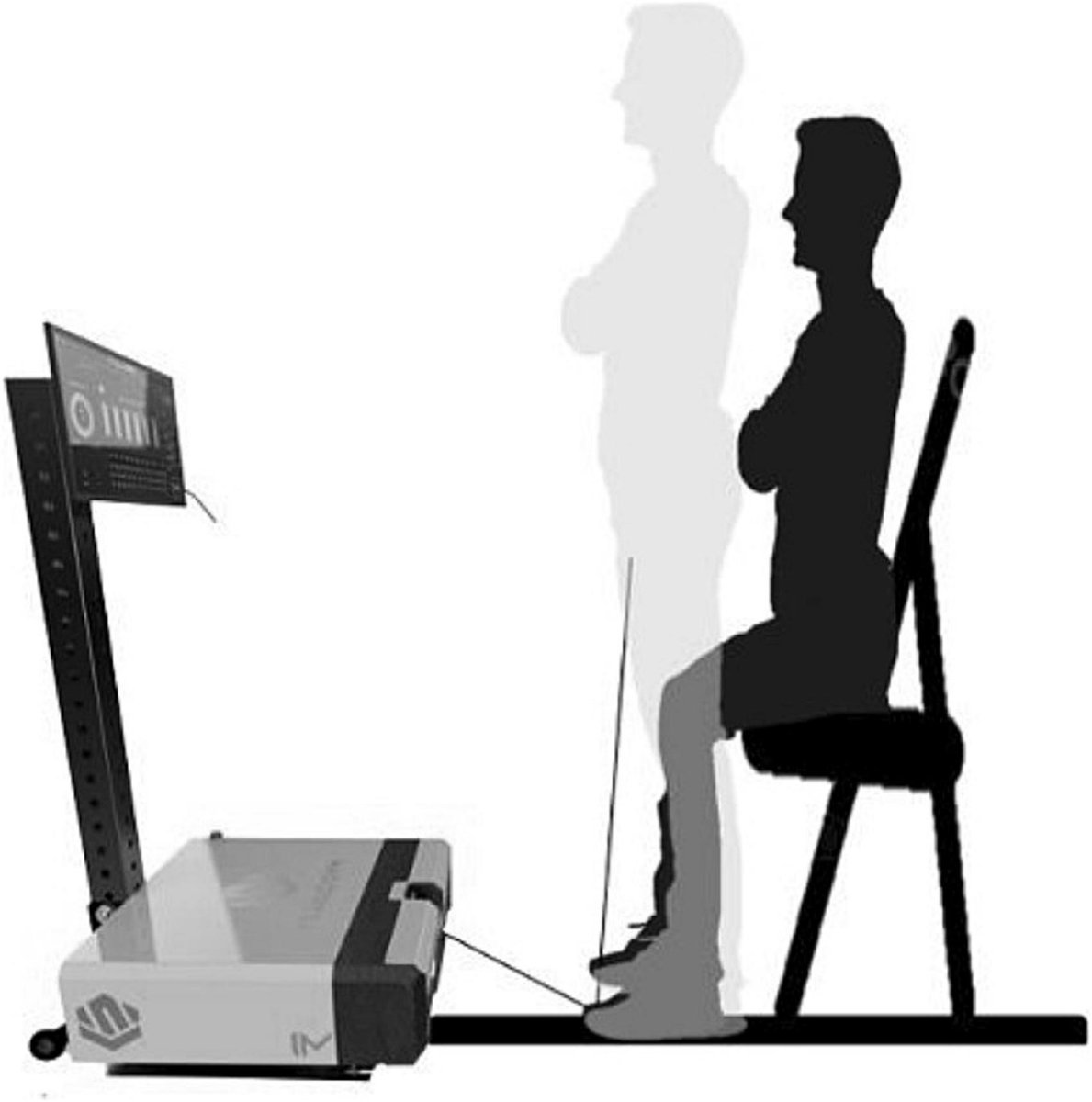
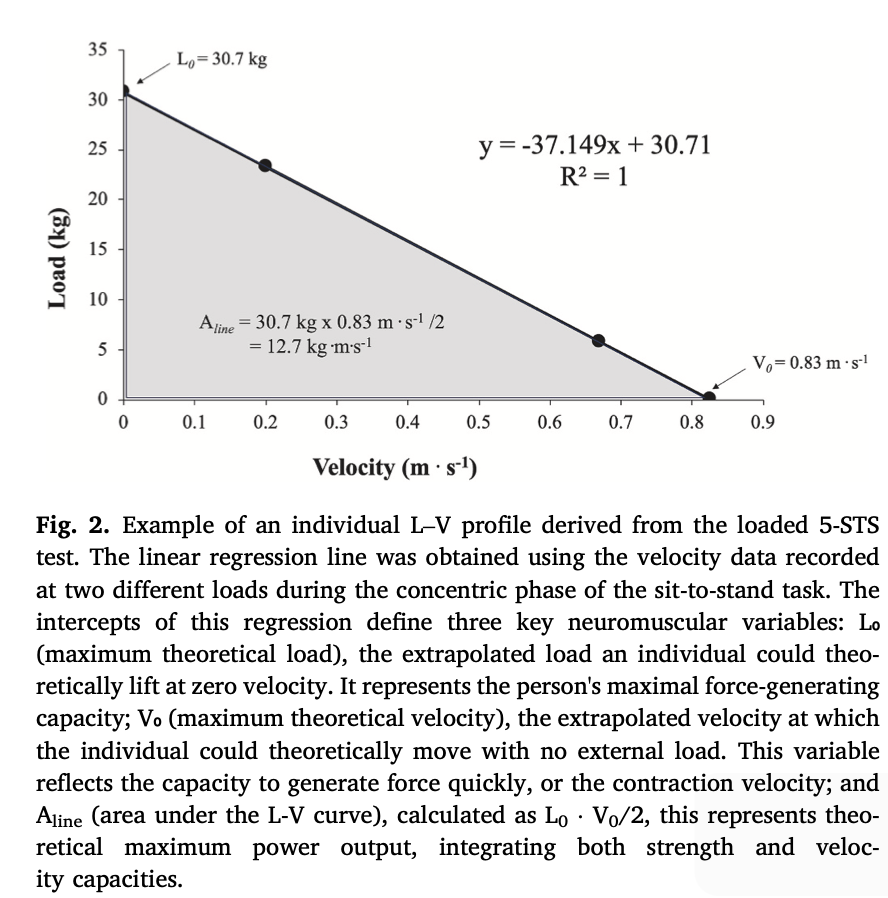
🚀Outstanding study in older adults using our functional electromechanical dynamometer M1 MYOQUALITY 🏋🏼♂️
#MuscleQuality #HealthyAging #Biomechanics #Gerontology #ExerciseScience #FEMD #LoadVelocity #SitToStand #ResearchInnovation
5 May 2025

🚨#Newpaper Assessment of muscle function deterioration in aging populations: Insights from the load-velocity relationship during the loaded sit-to-stand test
👉🏽 pubmed.ncbi.nlm.nih.gov/4031…
👨🏽⚕️ @djlupion
3
105

Live in Action: Sit-to-Stand Training at Brain Health Clinic! 🧠
Watch patients across districts practice the Sit-to-Stand exercise at our Brain Health Clinics! This simple yet powerful movement strengthens leg muscles, improves balance, and boosts mobility—and the best part? You can do it at home with just a chair! 🪑
Take a seat, stand tall, and feel the strength grow. Small steps, big benefits! 💪
#BrainHealthClinic #SitToStand #StrengthAndBalance #KarnatakaBrainHealth #StayActive #NIMHANS #BrainHealth
1
1
4
125

20 Oct 2024
Old Age and the Significance of Hand Grip Strength, Gait Speed, Sit-to-Stand, and Balancing
As we age, maintaining physical function becomes crucial for preserving independence and quality of life. Four key physical metrics—hand grip strength, gait speed, sit-to-stand ability, and balancing—are critical indicators of overall health and functional ability in older adults. These activities not only reflect the state of an individual’s musculoskeletal system but are also linked to broader health outcomes, including the risk of mortality, cardiovascular diseases, and disability. Understanding the muscle fibers involved in these activities and how they deteriorate with age is essential for developing strategies to preserve physical function as we grow older.
Hand Grip Strength
Hand grip strength is one of the simplest yet most powerful predictors of overall health in older adults. A strong grip reflects the functional integrity of the forearm muscles and the broader musculoskeletal system. It has been shown to correlate with lower risks of all-cause mortality, cardiovascular disease, and disability. The muscles primarily responsible for grip strength include the flexor digitorum profundus, flexor digitorum superficialis, and the forearm flexors, all of which are composed of a mix of Type I (slow-twitch) and Type II (fast-twitch) muscle fibers.
As people age, there is a natural decline in muscle mass and strength, a condition known as sarcopenia. This decline disproportionately affects Type II muscle fibers, which are responsible for fast and powerful movements. In contrast, Type I fibers, which are more resistant to fatigue, tend to be preserved longer. The loss of Type II fibers explains why older adults often experience a reduction in their ability to perform rapid, forceful actions like gripping, which can impact daily activities such as opening jars or holding onto objects.
Gait Speed
Gait speed, or walking speed, is another important metric of physical health in older adults. It reflects overall mobility and can be an indicator of cardiovascular health, balance, and muscle function. A decline in gait speed is often associated with higher risks of falls, hospitalization, and mortality. The muscles involved in walking include the quadriceps, hamstrings, calf muscles (gastrocnemius and soleus), and the gluteal muscles, which work together to produce the cyclical motions of walking.
As with grip strength, aging leads to a loss of muscle mass and strength, particularly in the lower limbs. Type II fibers, which are essential for quick, powerful movements like brisk walking or regaining balance after a stumble, are affected the most. The resulting decline in muscle power reduces gait speed and increases the risk of falls.
Sit-to-Stand Ability
The sit-to-stand test is a measure of lower body strength and endurance, involving the quadriceps, gluteal muscles, and hamstrings. This activity requires a coordinated effort between the lower body muscles and balance, making it a useful predictor of mobility and independence in older adults. The ability to rise from a chair without using one’s hands is closely tied to the strength of Type II muscle fibers, as these fibers are critical for generating the power needed to stand up quickly and efficiently.
With age, the loss of muscle mass and strength, particularly in the Type II fibers, makes it more challenging to perform sit-to-stand motions. This decline increases the likelihood of falls and reduces an individual's ability to perform daily activities independently, leading to an increased reliance on caregivers or assistive devices.
Balancing
Balancing is an essential function that relies on muscle strength, proprioception, and coordination. It involves multiple muscle groups, including the core muscles (abdominals and lower back), hip stabilizers, and the muscles of the legs and feet. The cerebellum, vestibular system, and proprioceptive feedback from muscles and joints all work together to maintain balance.
Aging affects balance through the weakening of the muscles involved, particularly the core and lower body muscles. The loss of Type II fibers plays a role in reducing the body’s ability to make quick, corrective movements needed to maintain balance. Additionally, decreased proprioception and slower neural responses contribute to the higher risk of falls in older adults.
Maintaining Muscle Function with Age
While aging naturally leads to a decline in muscle mass and strength, there are strategies that can slow down or even reverse this process, helping older adults maintain their grip strength, gait speed, sit-to-stand ability, and balance. Key interventions include:
1. Strength Training: Regular resistance training is one of the most effective ways to combat sarcopenia. Exercises that target both upper and lower body muscles, especially those that focus on Type II muscle fibers, can significantly improve grip strength, gait speed, and sit-to-stand ability. Weightlifting, bodyweight exercises like squats, and resistance bands are excellent options.
2. Aerobic Exercise: Maintaining cardiovascular health through regular aerobic exercise, such as walking, swimming, or cycling, helps preserve endurance and overall mobility. Aerobic activities also promote blood flow to the muscles, which is critical for maintaining muscle function.
3. Balance and Flexibility Exercises: Yoga, tai chi, and balance training can improve coordination and proprioception, reducing the risk of falls. These activities help strengthen the core and lower body muscles, which are essential for maintaining balance.
4. Protein-Rich Diet: Proper nutrition, particularly a diet high in protein, supports muscle repair and growth. Adequate protein intake is especially important for older adults who are at risk of muscle loss. Protein supplements or high-protein foods like lean meats, dairy, and legumes can help meet daily requirements.
5. Regular Physical Activity: Remaining physically active in daily life, such as engaging in household chores, gardening, or walking, can help maintain muscle function. Staying active prevents prolonged periods of inactivity, which can accelerate muscle loss.
6. Fall Prevention Programs: Participating in programs designed to improve strength, balance, and coordination can significantly reduce the risk of falls. These programs often combine strength training, balance exercises, and flexibility routines.
Conclusion
Maintaining hand grip strength, gait speed, sit-to-stand ability, and balance are critical for older adults to preserve their independence and quality of life. These functions are largely dependent on the health of muscle fibers, particularly Type II fibers, which are susceptible to age-related decline. However, through a combination of strength training, aerobic exercise, balance exercises, and proper nutrition, it is possible to slow down the loss of muscle mass and preserve physical function well into old age.
Hashtags:
#Aging #HandGripStrength #GaitSpeed #SitToStand #Balance #Sarcopenia #StrengthTraining #HealthyAging #FunctionalFitness #PreventFalls #ActiveLifestyle
2
26

20 Sep 2024
I’m always intrigued by the various finess test. This one is how many squats to a chair or couch can you do in 30 seconds. I think the benchmark for men over 65 is 11 and that number varies depending on the source. It’s not something to freak out about, but instead it gives you a starting point to improve upon. #startwhereyouare #bepatientwithyourself #agingshouldntsuck #afriendlynudge #sittostand #abalancedyou
2
2
44
2,605

6 Sep 2024
The One Simple Thing That Helps Sit To Stands
#BobandBrad #SittoStand #Howto
youtu.be/6vvLZJRy_qg #stayinghealthyandfit #feelbetterfaster #homeexerciseprogram #seflcare #physicaltherapyathome #improvequalityoflife #stopbackpain #stopkneepain
4
330

11 Aug 2024
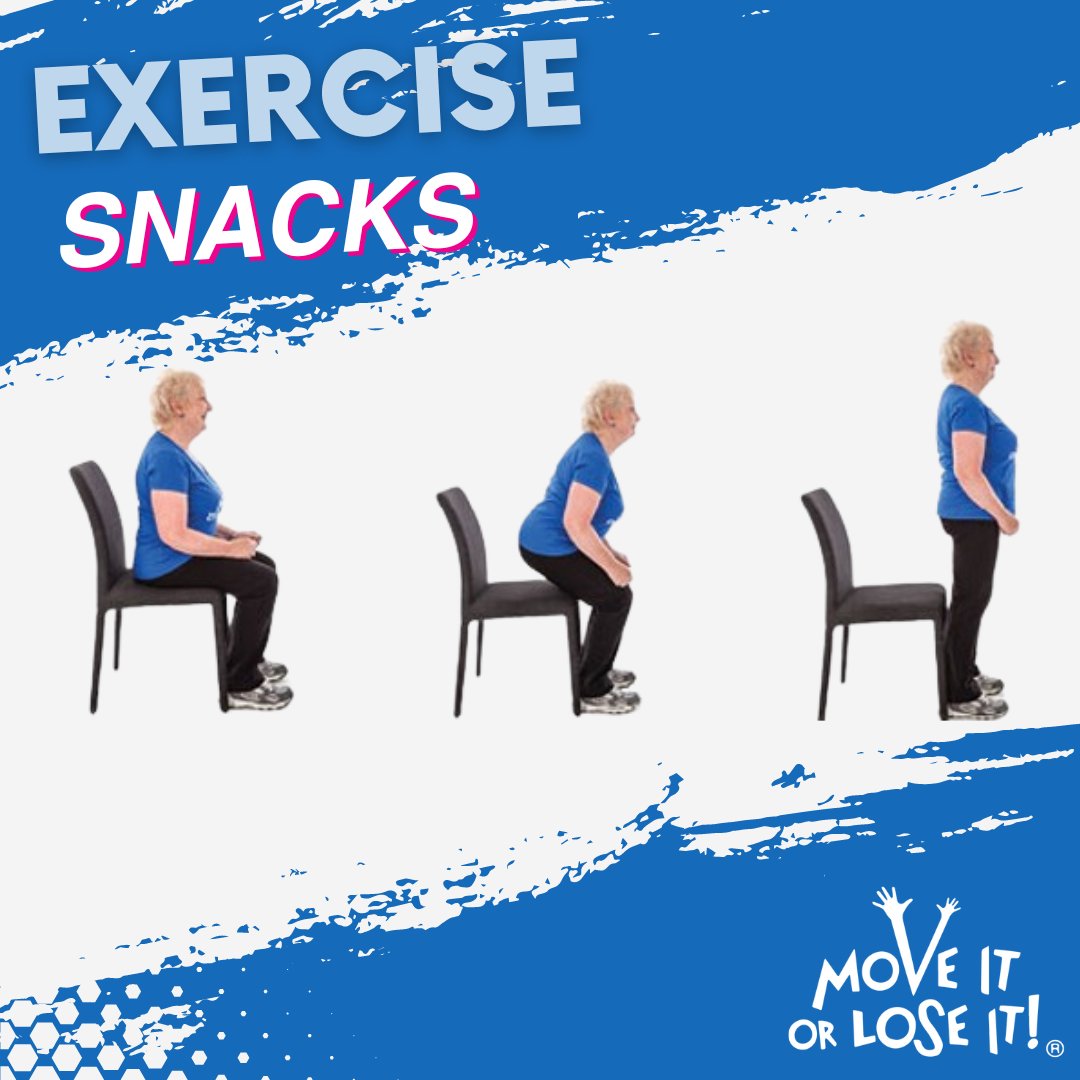
#Exercisesnacking makes exercise more accessible, especially for #olderadults who struggle to find the time to exercise, have low motivation or aren't able to do longer workouts. Click here for our #sittostand video tutorial & try your new snack today: youtu.be/J7BcXbsy1_Q?si=nzG4…
2
2
94
4 Jul 2024
7 Advantages To A Sit To Stand Chair
#BobandBrad #SittoStand #Chair #Howto #LiftChair
youtu.be/JPhdAyrSwCg #stayinghealthyandfit #feelbetterfaster #homeexerciseprogram #seflcare #physicaltherapyathome #improvequalityoflife
2
391

31 Mar 2024
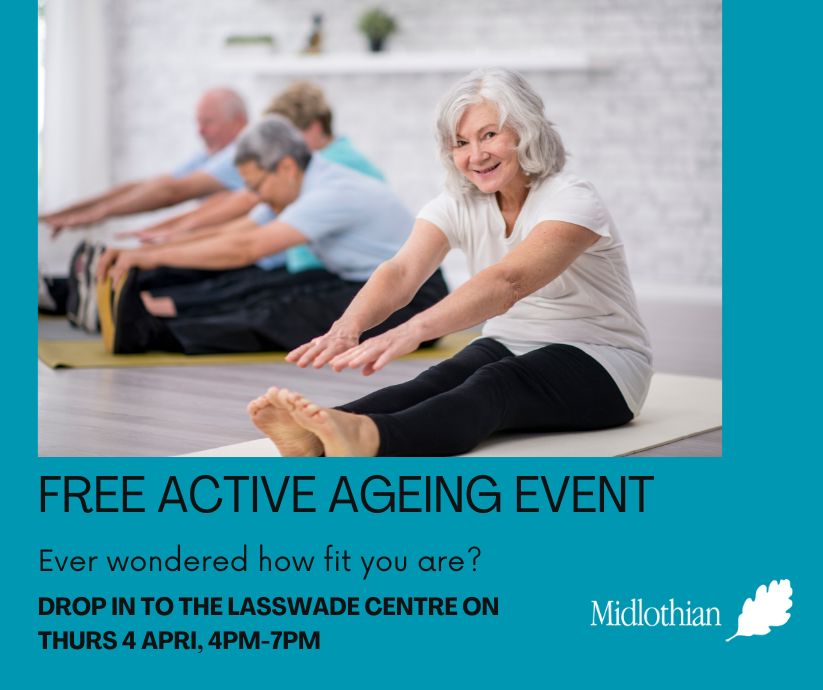
📣FREE ACTIVE AGEING EVENT
📅 Thurs 4 April, 4pm-7pm
📍Lasswade Centre
What is your grip strength & how many times can you sit to stand in 30 seconds? Lots more including Heather from Citizens Advice . For more Ageing Well events: midlothian.gov.uk/ageing-wel…
#ageingwell #sittostand
1
707

12 Feb 2024
Another great idea to prescribe exercise from a Medical Oncologist.
Small ways to slowly embed exercise into cancer care can pave the way to make big changes in patient outcomes 💪
#SitToStand
4
26
1,915
23 Jun 2023
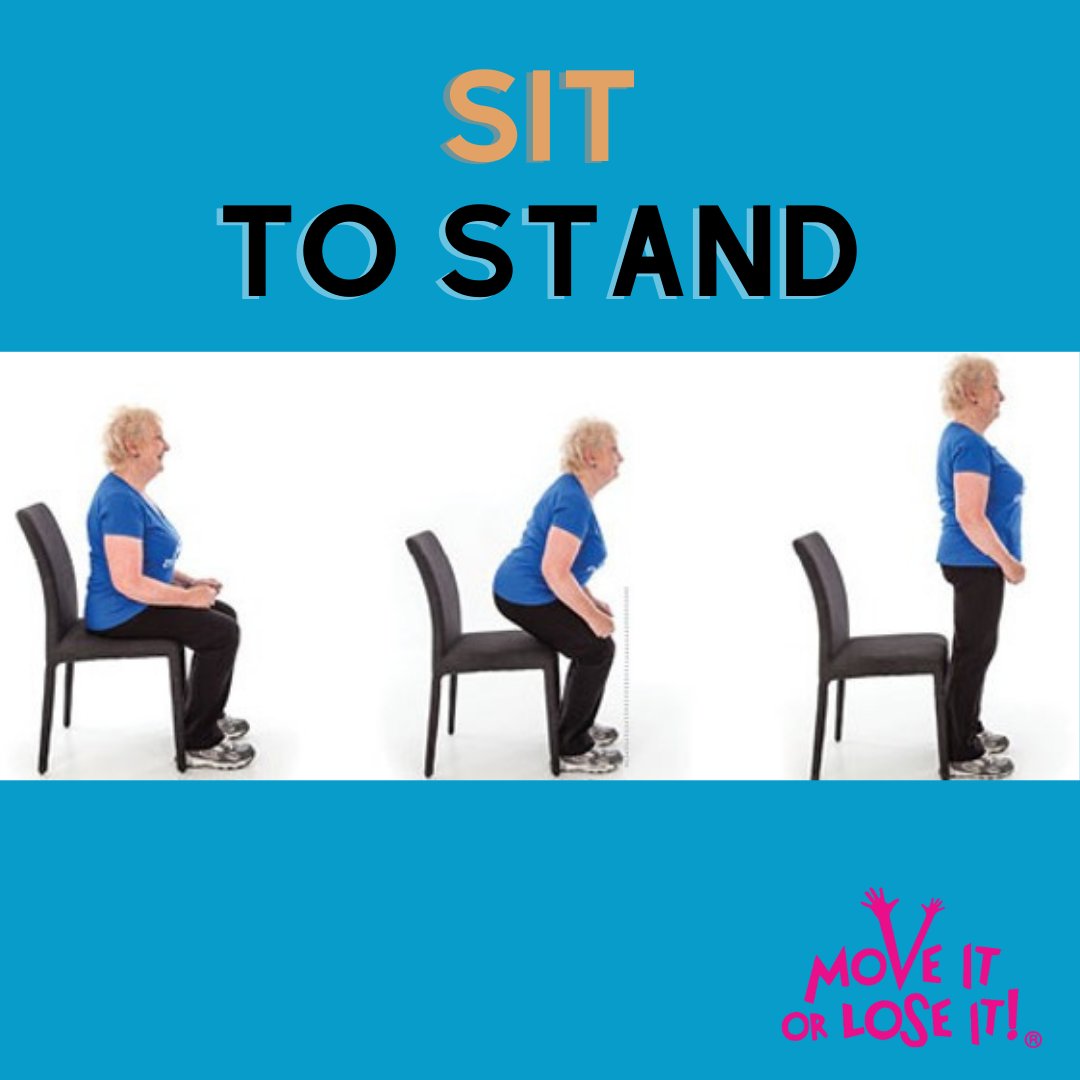
Research has shown that for 65-80 year olds, the #sittostand exercise can have the same effect on improving #strength as using expensive gym equipment!
Click here for a demonstration by @FABSJULIE youtu.be/J7BcXbsy1_Q#
#Activeageing #Healthyageing #Happyageing #Strength
1
2
95

13 Jun 2023
Congratulations @alicen_whitaker on your publication in @PhysRep. Use of #forcesensor reduced #measurement error with #sittostand in healthy adults and those with and without #stroke. Excited #DPT students #Katelyn and #Kailie earned first pub! #REACHLab physoc.onlinelibrary.wiley.c…
4
26
2,352

Why do nurses wait for physio to get someone up?
I've practiced #lietosit #sittostand with nurses/students present #improvefunction
I mobilise folks to the toilet to assist & review sequencing/balance
This isn't about who's job is it #dignity #basiccare
4
8
884