
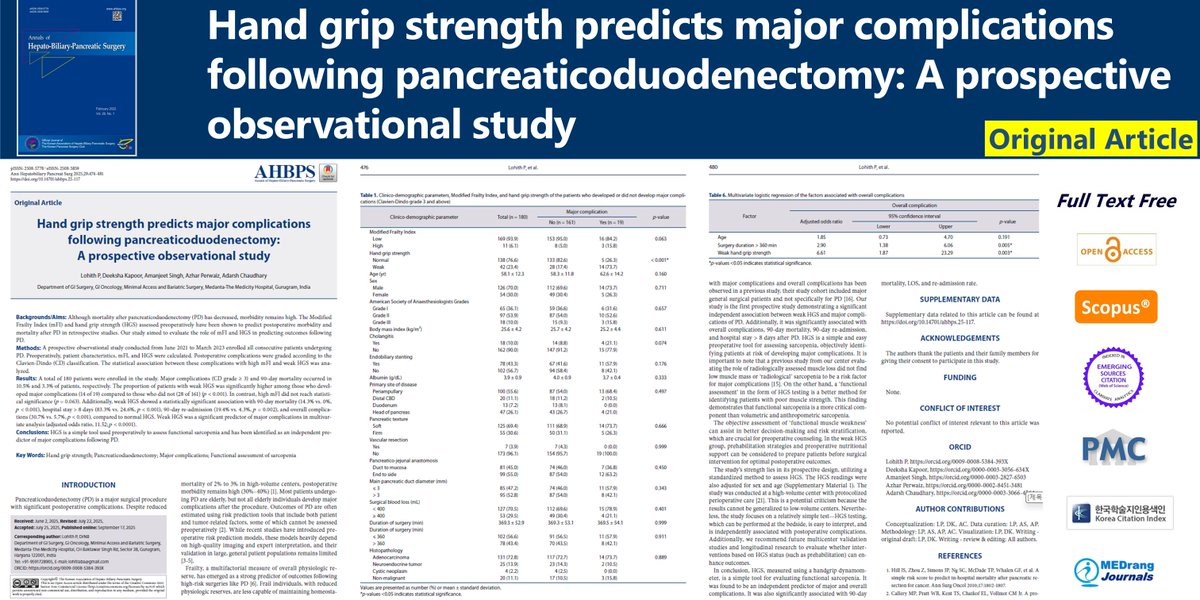
Hand grip strength predicts major complications following pancreaticoduodenectomy: A prospective observational study
🌷doi.org/10.14701/ahbps.25-11…
Ann Hepatobiliary Pancreat Surg 2025;29(4). Lohith P
#HandGripStrength #Pancreaticoduodenectomy #FunctionalAssessmentOfSarcopenia
3
16
1,134
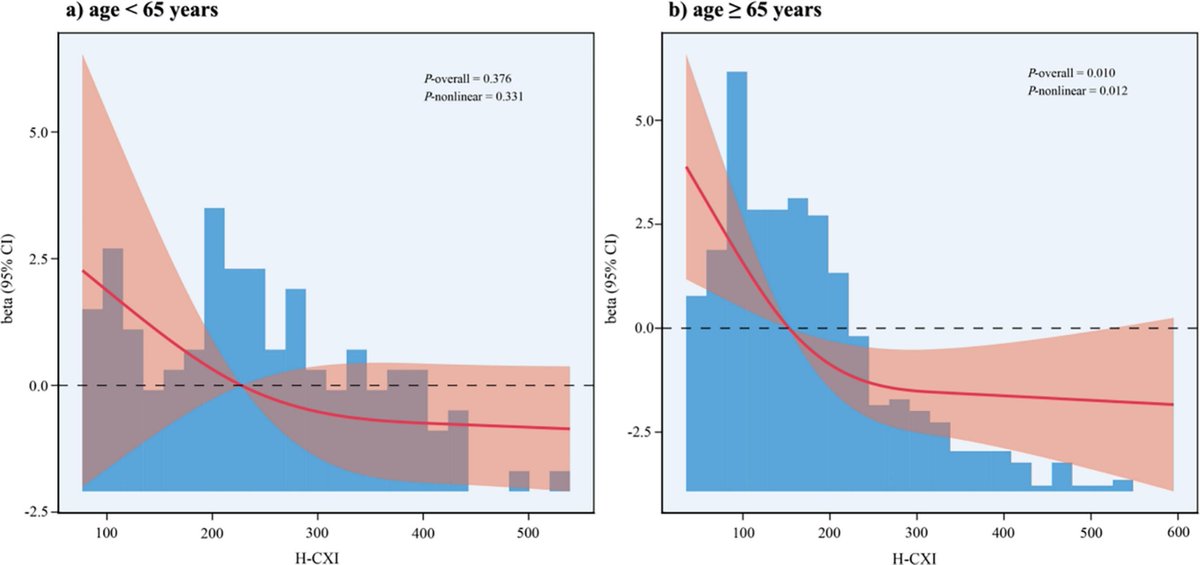
Handgrip strength-based cachexia index with frailty in cancer survivors: Evidence from health and retirement study geriatriconcology.net/articl… @WilliamDale_MD @myCARG #GeriOnc #OlderAdults #OncoAlert #SIOG #YoungSIOG #Elsevier #HandgripStrength #Cachexia
#Frailty
1
7
10
1,361

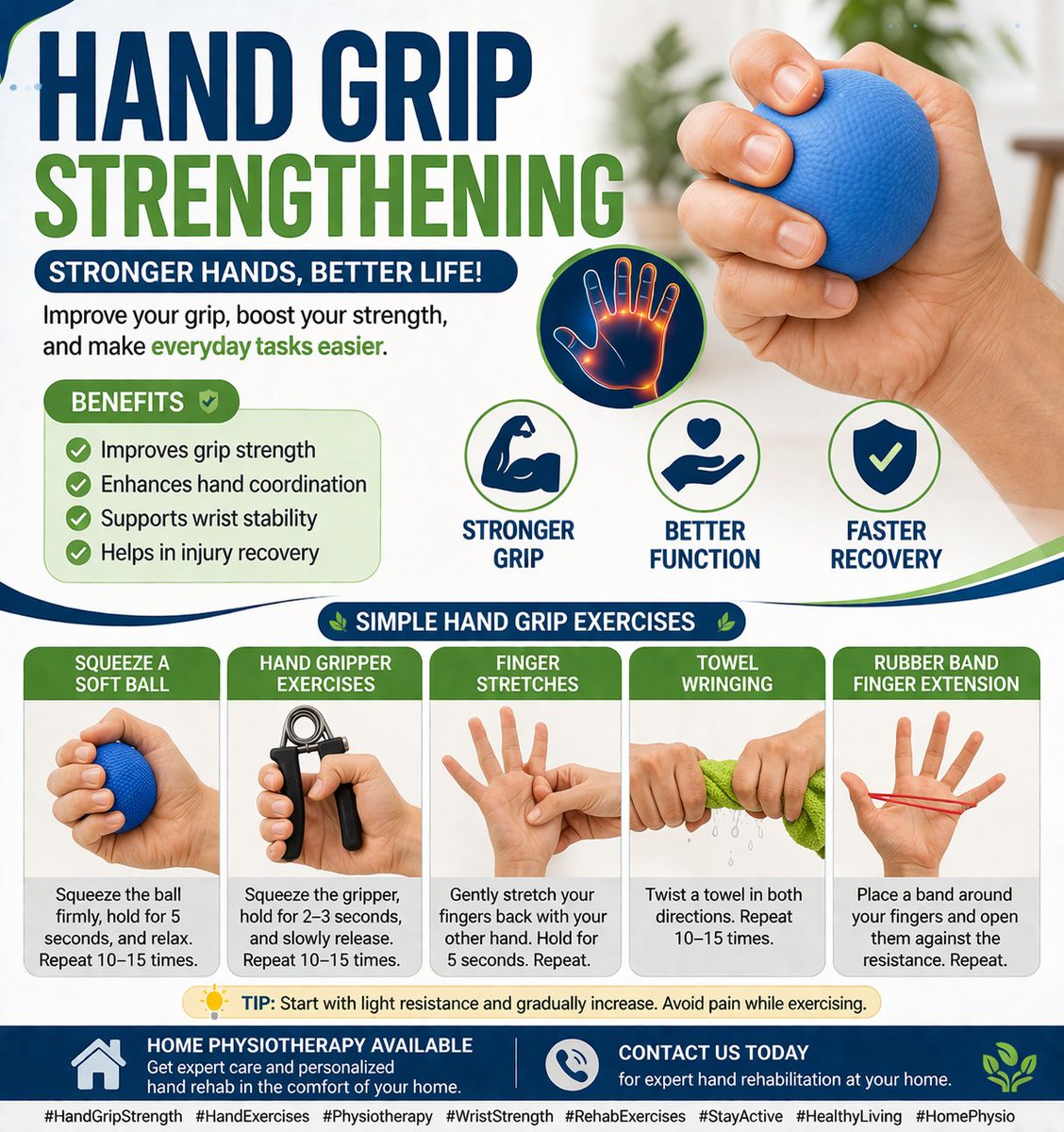
✋ Strong grip = Better daily function!
Try:
✔️Soft ball squeeze
✔️Hand gripper
✔️Finger stretches & Towel wringing 💪
Build strength, improve control & stay active ✨
#HandGripStrength #HandExercises #Physiotherapy #WristStrength #Rehab #StayActive
ALT Hand grip strengthening
1
3
92

7 Aug 2025
🔓 Open Access Alert!
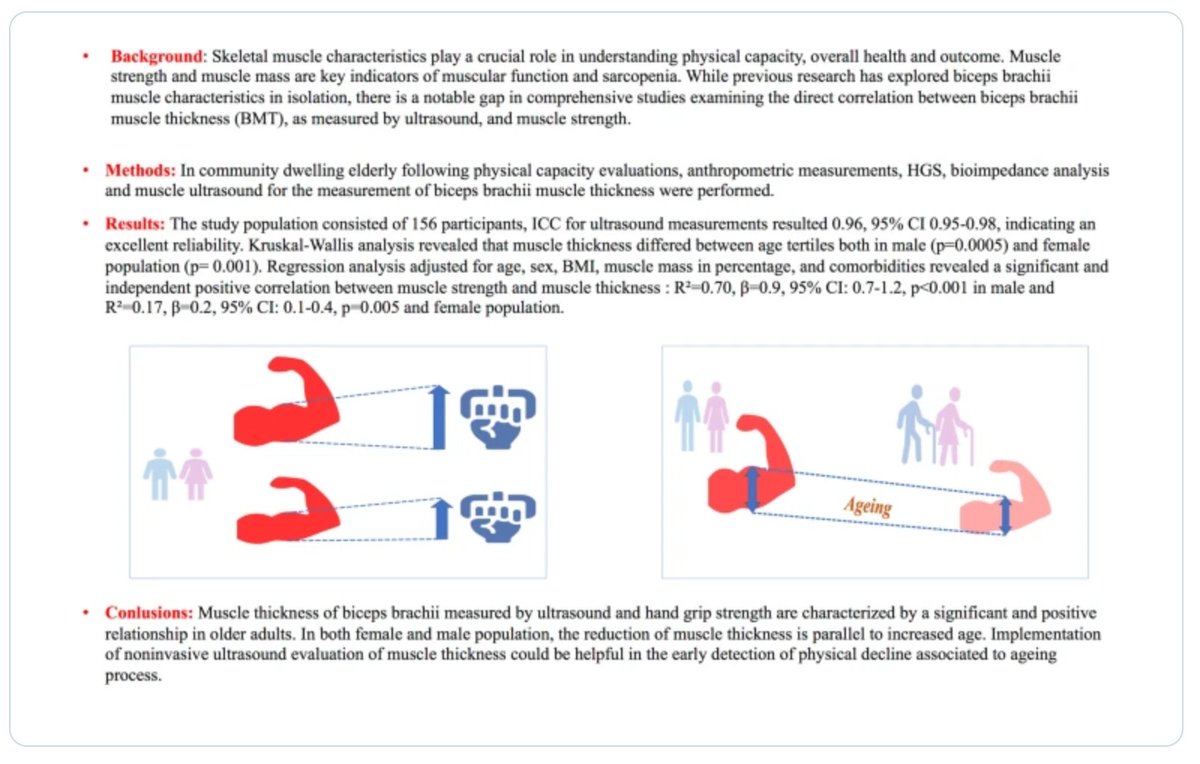
"Unraveling functional decline: the relationship between muscle strength and ultrasound evaluation of biceps brachii thickness" by Maria Chiara Brunese, Klara Komici et al.
This study explores how ultrasound-assessed muscle thickness relates to handgrip strength in the elderly—offering valuable insights into age-related functional decline. A promising non-invasive approach to monitor muscle health!
📖 Read the full OA article here: rdcu.be/ezD6o
#MuscleStrength #MuscleUltrasound #HandgripStrength #Elderly #MuscleThickness #AgingResearch #OpenAccess #Sarcopenia
2
4
514

2 May 2025
📣 New Podcast! "Pediheart Podcast #339: How Can Handgrip Strength Inform The Assessment Of Children?" on @Spreaker #bioimpedance #bodycomposition #cardiologia #cardiologie #cardiology #cpet #exercisephysiology #handgripstrength #hgs #medicine spreaker.com/episode/pedihea…

3
246

6 Apr 2025
📢 NEW STUDY PUBLISHED!
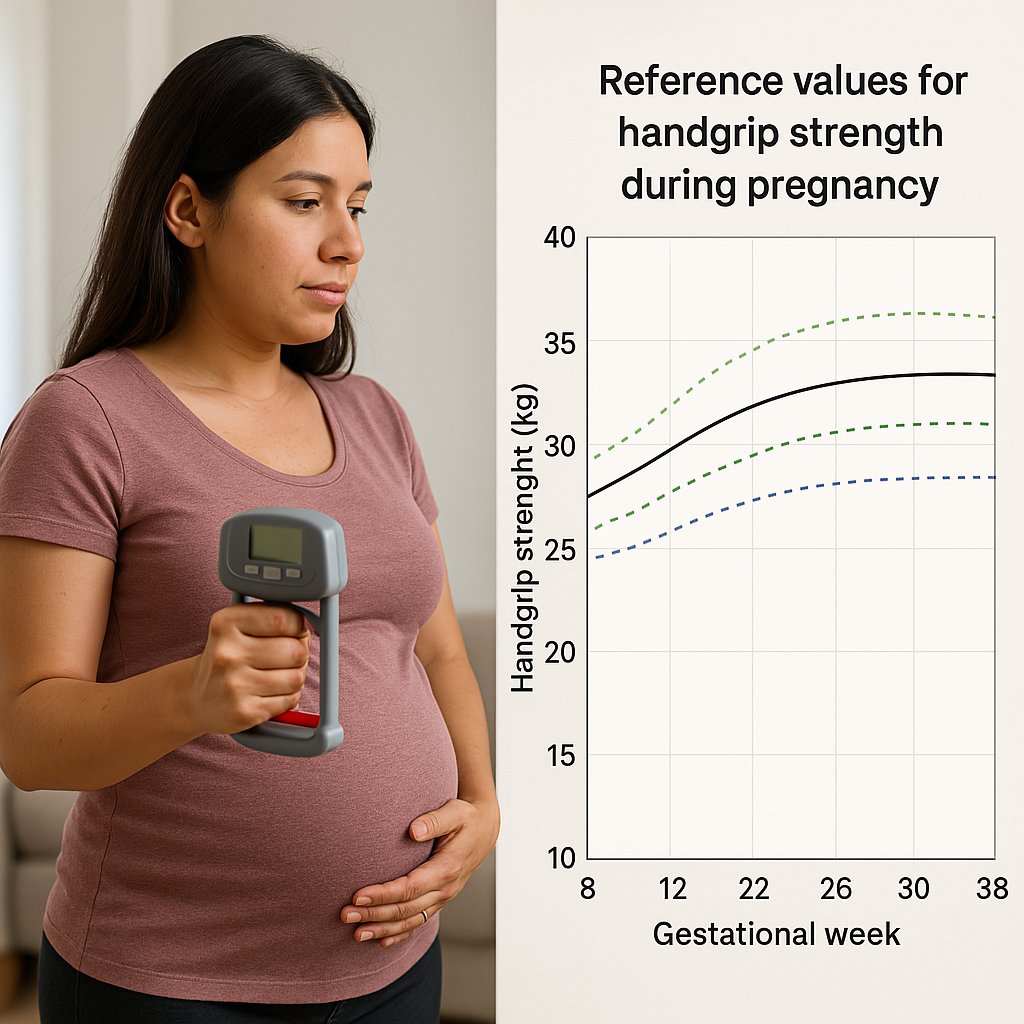
✋🏽🤰 For the first time, national reference values for handgrip strength during pregnancy are available — a simple, powerful tool to assess maternal health.
🇨🇴 Based on a nationally representative survey of 1000 Colombian women, this research provides trimester- and gestational week-specific norms (both absolute and normalized by height).
📊 These benchmarks can help monitor maternal strength and identify risks during pregnancy — with implications for birth outcomes, gestational hypertension, and nutritional status.
📍 Published in @OrgEspen
🔗 Read more: [sciencedirect.com/science/ar…]
#SaludMaterna #EmbarazoSaludable #MuscleStrength #HandgripStrength #PublicHealth #Nutrition #PregnancyResearch #Colombia #GestationalHealth #ClinicalNutrition #WomensHealth
14
55
2,697

11 Mar 2025
May I ask how do you assess PEM? With fatigue ratio in Handgripstrength?
1
2
160

25 Oct 2024
Lovely to see other #RDs at the 1st @BDA_Oncology #prehab network event 💻 @KrishnaKholiaRD @neilbibby87 @denizkarpuzural @AndrianaP11
📞Primarily virtual service
✅Tools and outcomes used- #PGSGA #MUST #handgripstrength #BIA #wellbeingsurvey #30STS #6MWT
#timedupandgotest
1
2
7
543

20 Oct 2024
Old Age and the Significance of Hand Grip Strength, Gait Speed, Sit-to-Stand, and Balancing
As we age, maintaining physical function becomes crucial for preserving independence and quality of life. Four key physical metrics—hand grip strength, gait speed, sit-to-stand ability, and balancing—are critical indicators of overall health and functional ability in older adults. These activities not only reflect the state of an individual’s musculoskeletal system but are also linked to broader health outcomes, including the risk of mortality, cardiovascular diseases, and disability. Understanding the muscle fibers involved in these activities and how they deteriorate with age is essential for developing strategies to preserve physical function as we grow older.
Hand Grip Strength
Hand grip strength is one of the simplest yet most powerful predictors of overall health in older adults. A strong grip reflects the functional integrity of the forearm muscles and the broader musculoskeletal system. It has been shown to correlate with lower risks of all-cause mortality, cardiovascular disease, and disability. The muscles primarily responsible for grip strength include the flexor digitorum profundus, flexor digitorum superficialis, and the forearm flexors, all of which are composed of a mix of Type I (slow-twitch) and Type II (fast-twitch) muscle fibers.
As people age, there is a natural decline in muscle mass and strength, a condition known as sarcopenia. This decline disproportionately affects Type II muscle fibers, which are responsible for fast and powerful movements. In contrast, Type I fibers, which are more resistant to fatigue, tend to be preserved longer. The loss of Type II fibers explains why older adults often experience a reduction in their ability to perform rapid, forceful actions like gripping, which can impact daily activities such as opening jars or holding onto objects.
Gait Speed
Gait speed, or walking speed, is another important metric of physical health in older adults. It reflects overall mobility and can be an indicator of cardiovascular health, balance, and muscle function. A decline in gait speed is often associated with higher risks of falls, hospitalization, and mortality. The muscles involved in walking include the quadriceps, hamstrings, calf muscles (gastrocnemius and soleus), and the gluteal muscles, which work together to produce the cyclical motions of walking.
As with grip strength, aging leads to a loss of muscle mass and strength, particularly in the lower limbs. Type II fibers, which are essential for quick, powerful movements like brisk walking or regaining balance after a stumble, are affected the most. The resulting decline in muscle power reduces gait speed and increases the risk of falls.
Sit-to-Stand Ability
The sit-to-stand test is a measure of lower body strength and endurance, involving the quadriceps, gluteal muscles, and hamstrings. This activity requires a coordinated effort between the lower body muscles and balance, making it a useful predictor of mobility and independence in older adults. The ability to rise from a chair without using one’s hands is closely tied to the strength of Type II muscle fibers, as these fibers are critical for generating the power needed to stand up quickly and efficiently.
With age, the loss of muscle mass and strength, particularly in the Type II fibers, makes it more challenging to perform sit-to-stand motions. This decline increases the likelihood of falls and reduces an individual's ability to perform daily activities independently, leading to an increased reliance on caregivers or assistive devices.
Balancing
Balancing is an essential function that relies on muscle strength, proprioception, and coordination. It involves multiple muscle groups, including the core muscles (abdominals and lower back), hip stabilizers, and the muscles of the legs and feet. The cerebellum, vestibular system, and proprioceptive feedback from muscles and joints all work together to maintain balance.
Aging affects balance through the weakening of the muscles involved, particularly the core and lower body muscles. The loss of Type II fibers plays a role in reducing the body’s ability to make quick, corrective movements needed to maintain balance. Additionally, decreased proprioception and slower neural responses contribute to the higher risk of falls in older adults.
Maintaining Muscle Function with Age
While aging naturally leads to a decline in muscle mass and strength, there are strategies that can slow down or even reverse this process, helping older adults maintain their grip strength, gait speed, sit-to-stand ability, and balance. Key interventions include:
1. Strength Training: Regular resistance training is one of the most effective ways to combat sarcopenia. Exercises that target both upper and lower body muscles, especially those that focus on Type II muscle fibers, can significantly improve grip strength, gait speed, and sit-to-stand ability. Weightlifting, bodyweight exercises like squats, and resistance bands are excellent options.
2. Aerobic Exercise: Maintaining cardiovascular health through regular aerobic exercise, such as walking, swimming, or cycling, helps preserve endurance and overall mobility. Aerobic activities also promote blood flow to the muscles, which is critical for maintaining muscle function.
3. Balance and Flexibility Exercises: Yoga, tai chi, and balance training can improve coordination and proprioception, reducing the risk of falls. These activities help strengthen the core and lower body muscles, which are essential for maintaining balance.
4. Protein-Rich Diet: Proper nutrition, particularly a diet high in protein, supports muscle repair and growth. Adequate protein intake is especially important for older adults who are at risk of muscle loss. Protein supplements or high-protein foods like lean meats, dairy, and legumes can help meet daily requirements.
5. Regular Physical Activity: Remaining physically active in daily life, such as engaging in household chores, gardening, or walking, can help maintain muscle function. Staying active prevents prolonged periods of inactivity, which can accelerate muscle loss.
6. Fall Prevention Programs: Participating in programs designed to improve strength, balance, and coordination can significantly reduce the risk of falls. These programs often combine strength training, balance exercises, and flexibility routines.
Conclusion
Maintaining hand grip strength, gait speed, sit-to-stand ability, and balance are critical for older adults to preserve their independence and quality of life. These functions are largely dependent on the health of muscle fibers, particularly Type II fibers, which are susceptible to age-related decline. However, through a combination of strength training, aerobic exercise, balance exercises, and proper nutrition, it is possible to slow down the loss of muscle mass and preserve physical function well into old age.
Hashtags:
#Aging #HandGripStrength #GaitSpeed #SitToStand #Balance #Sarcopenia #StrengthTraining #HealthyAging #FunctionalFitness #PreventFalls #ActiveLifestyle
2
26

Using Project Baseline Health Study’s detailed demographic, occupational, social and clinical data, @DukeOrtho investigators found new variables associated with #HandGripStrength and others that corroborate previous research.
🗞️ @SciReports ➡️ nature.com/articles/s41598-0…
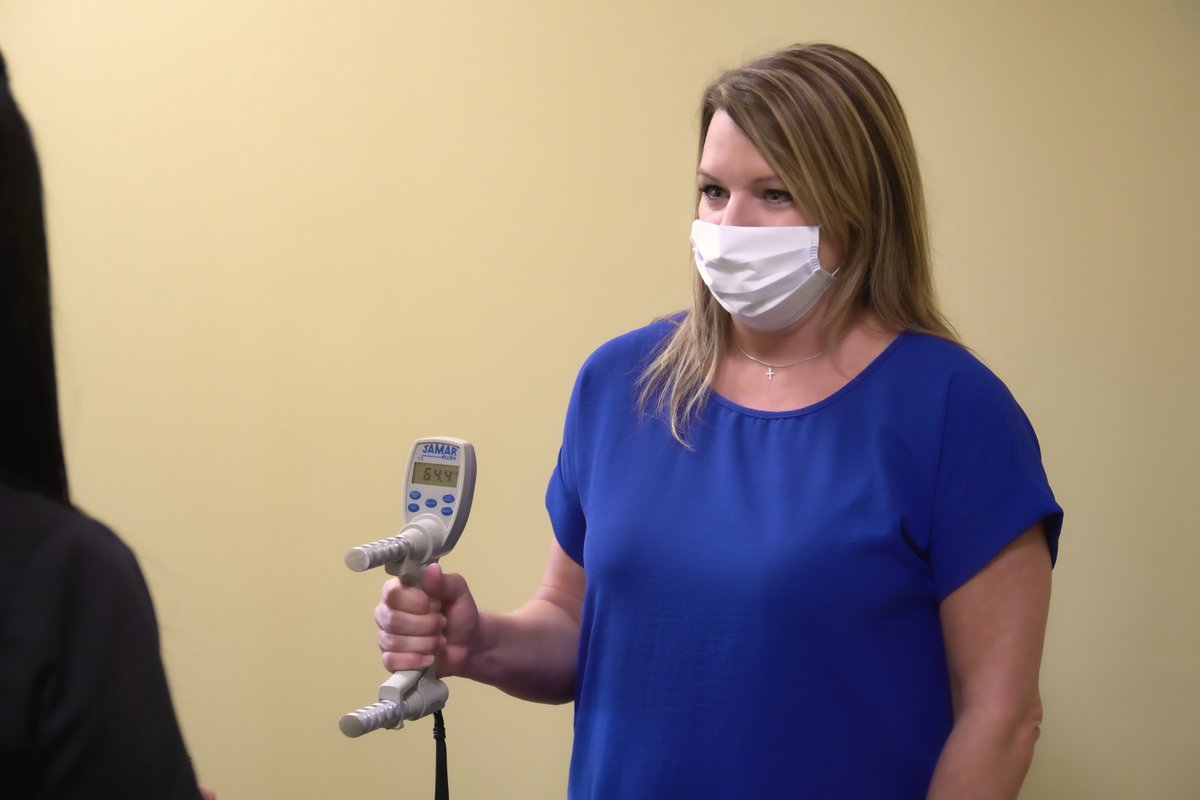
ALT Project Baseline Health Study participant performs the hand grip strength assessment during a study visit at Duke CTSI's research site in Kannapolis.
2
2
704

24 Jan 2024
Hand Grip Strength
The ME Association has the following information on this subject in #MedicalMatters as low handgrip strength occurs in ME/CFS:
meassociation.org.uk/medical…
#pwME #MECFS #MyalgicE #MyalgicEncephalomyelits #LongCovid #PostCovid #HandGripStrength #HGS
24 Jan 2024

Nature: Low handgrip strength (HGS) is associated with worse functional outcomes in Long Covid
"This study aimed to identify the distribution and possible associations of dynapenia with functional assessments in patients with Long Covid"
Read the research here: nature.com/articles/s41598-0…
#pwME #MECFS #MyalgicE #MyalgicEncephalomyelits #LongCovid #PostCovid #HandGripStrength #HGS
2
13
1,043
24 Jan 2024
Nature: Low handgrip strength (HGS) is associated with worse functional outcomes in Long Covid
"This study aimed to identify the distribution and possible associations of dynapenia with functional assessments in patients with Long Covid"
Read the research here: nature.com/articles/s41598-0…
#pwME #MECFS #MyalgicE #MyalgicEncephalomyelits #LongCovid #PostCovid #HandGripStrength #HGS
2
7
1,651

24 Jan 2024
Poor handgrip strength in midlife linked to cognitive decline #Dementia #HandGripStrength
health.harvard.edu/mind-and-…
24 Jan 2024

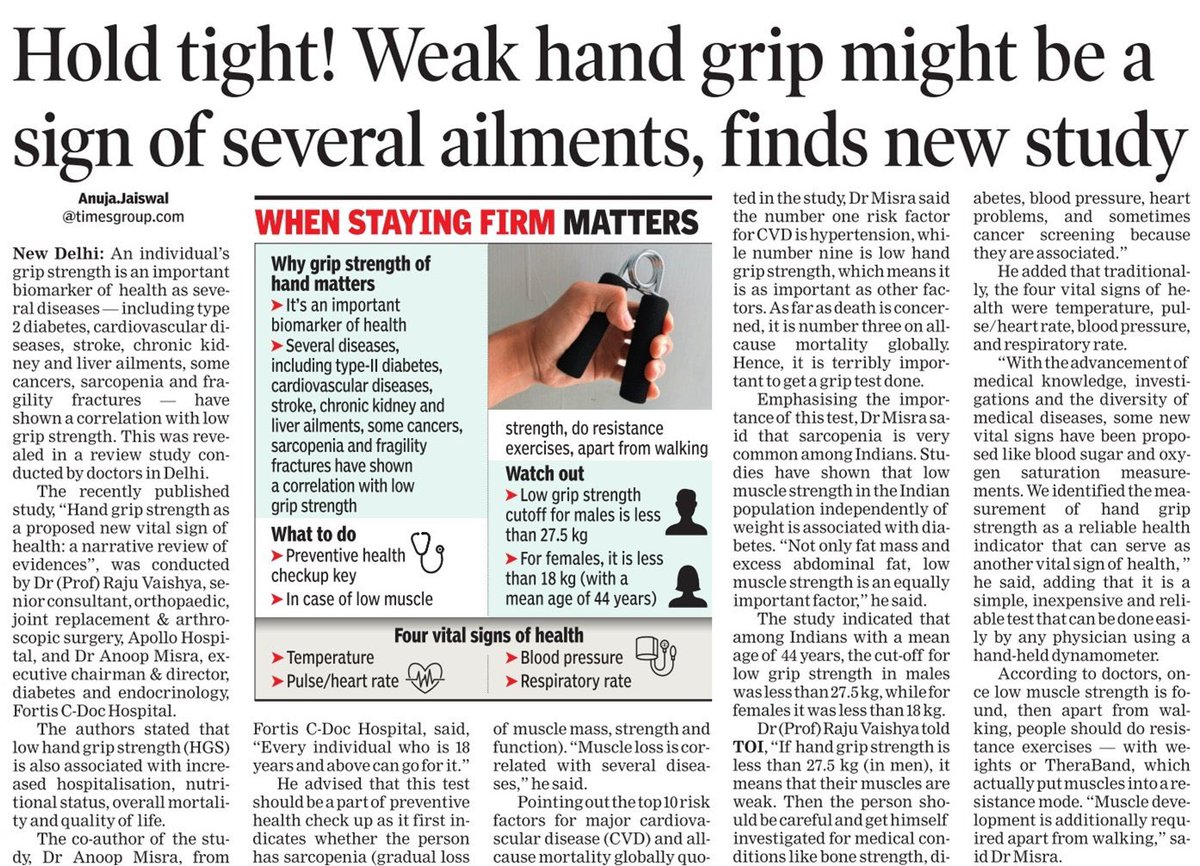
An individual’s grip strength of the hand is an important biomarker of health, as several diseases, including type 2 diabetes, cardiovascular diseases, stroke, chronic kidney and liver ailments, some cancers, sarcopenia and fragility fractures, have shown a correlation with low grip strength. This was revealed in a review study conducted by doctors in Delhi. @docanoopmisra @raju_vaishya #fortishospital #apollohospital
1
3
433

24 Jan 2024
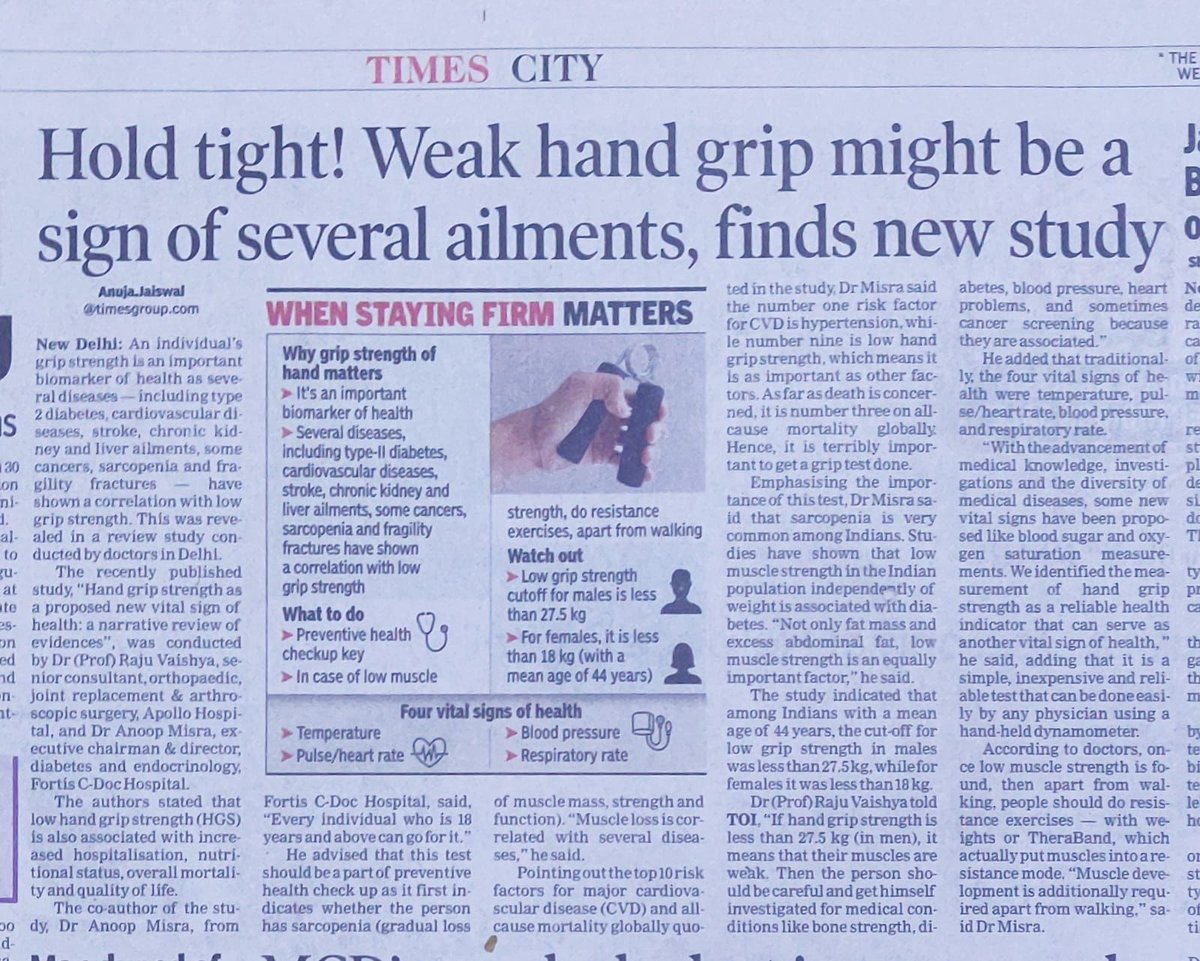
#Handgripstrength, if low, is a risk factor for #cardiovasculardisease and #death, as published by us in an article recently. We (myself alongwith Raju Vaishya) propose that this should be considered as a #vitalsign. Please read nicely written story @AnujaJaiswalTOI
2
7
23
1,774

22 Jan 2024
Exploring the link between handgrip strength and survival rates in chronic kidney disease patients 🤝. New systematic review with dose-response meta-analysis predicting all-cause mortality based on grip strength 📊💪. #CKD #HandgripStrength tandfonline.com/doi/full/10.…
9
9
111

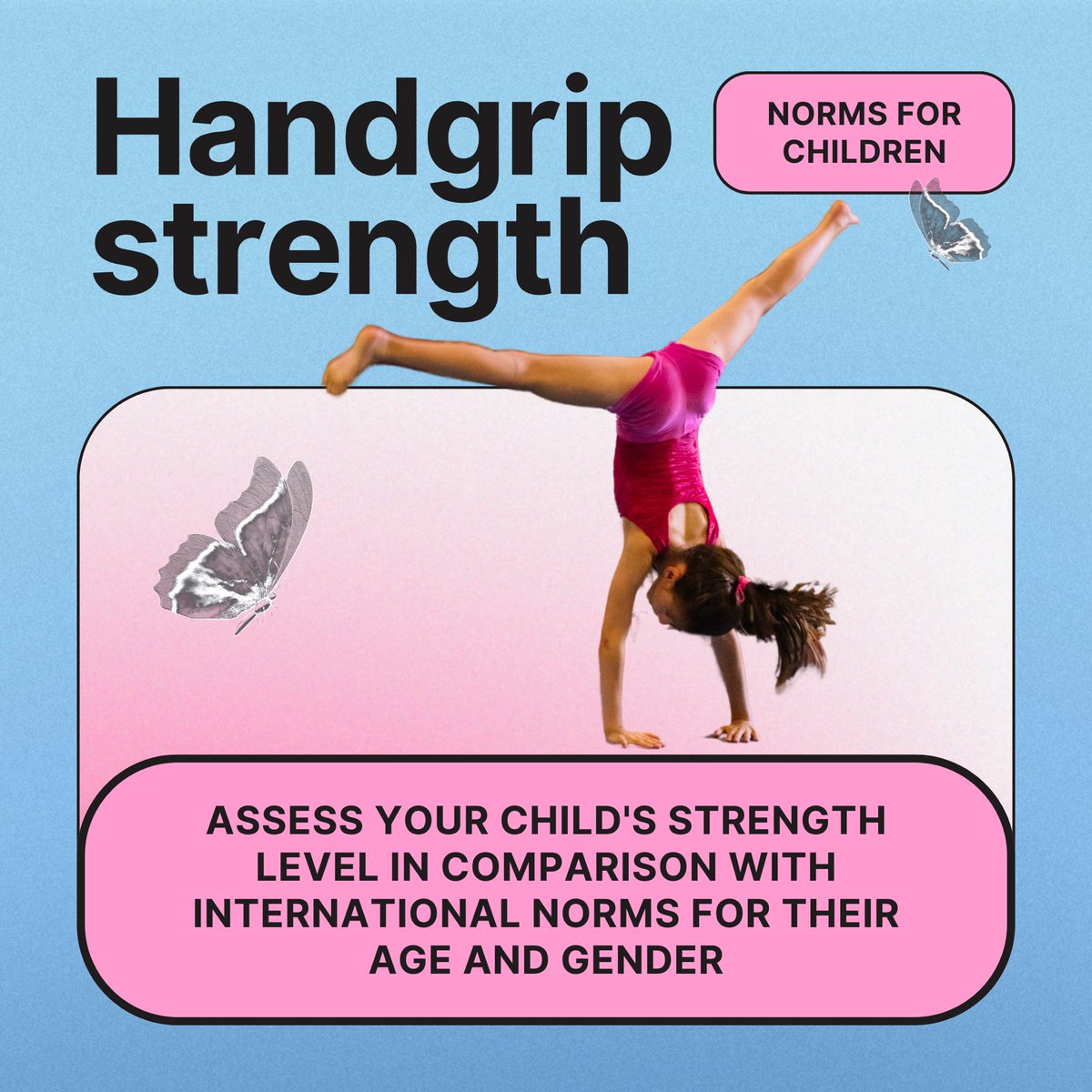
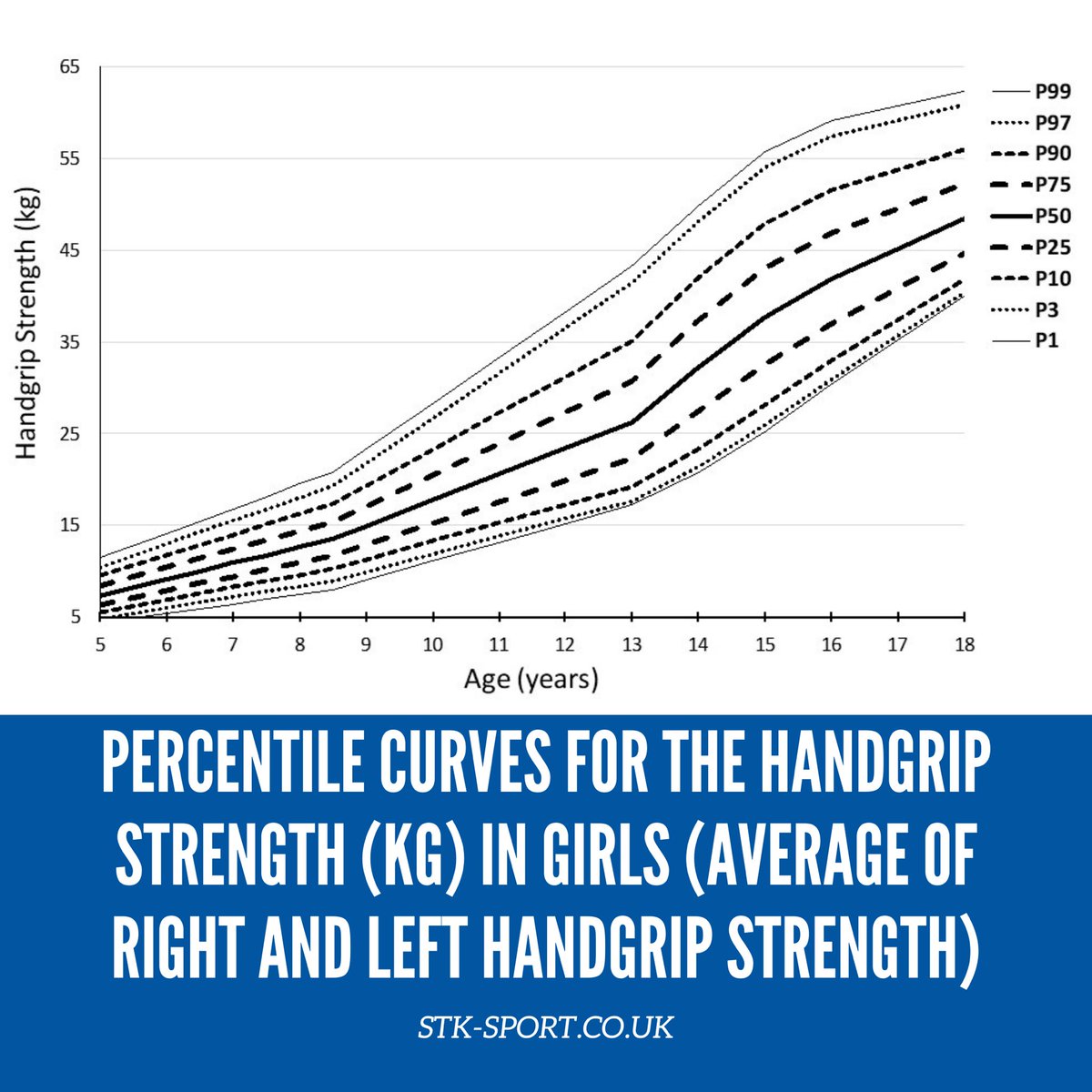
🤸♂️ Strengthening little hands is key to your child's development! Assess their handgrip strength with our reference norms at stk-sport.co.uk/gymnastics-s…
✅ Unlock their potential and build a strong foundation! #Gymnastics #HandgripStrength #UnlockPotential
2
3
148

10 Jan 2024
What Your Handgrip Strength Says About Your General Health youtu.be/EBERWDZH2vU?si=RRSQ… via @YouTube
#Handgripstrength #Bodybuilding #HealthandFitness
25
10 Jan 2024
We propose #handgripstrength as a new #vitalsign, see our (Raju Vaishya/our team) paper.
We had previously suggested #bloodglucose as a vital sign
So two new vital signs suggested, apart from #pulse, #bloodpressure, #temperature, and #respiration.
drive.google.com/file/d/1hLm…
1
1
14
596
8 Dec 2023
Coping with #Weakness and reduced #HandGripStrength
How do you manage to open packages and other everyday
items? i.e.canned foods, bottles, etc
Dr Charles Shepherd, MEA Hon. Medical Adviser has written the following information about reduced hand grip strength:
meassociation.org.uk/medical…
#pwME #MECFS #MyalgicE #MyalgicEncephalomyelitis #LongCovid #PostCovid
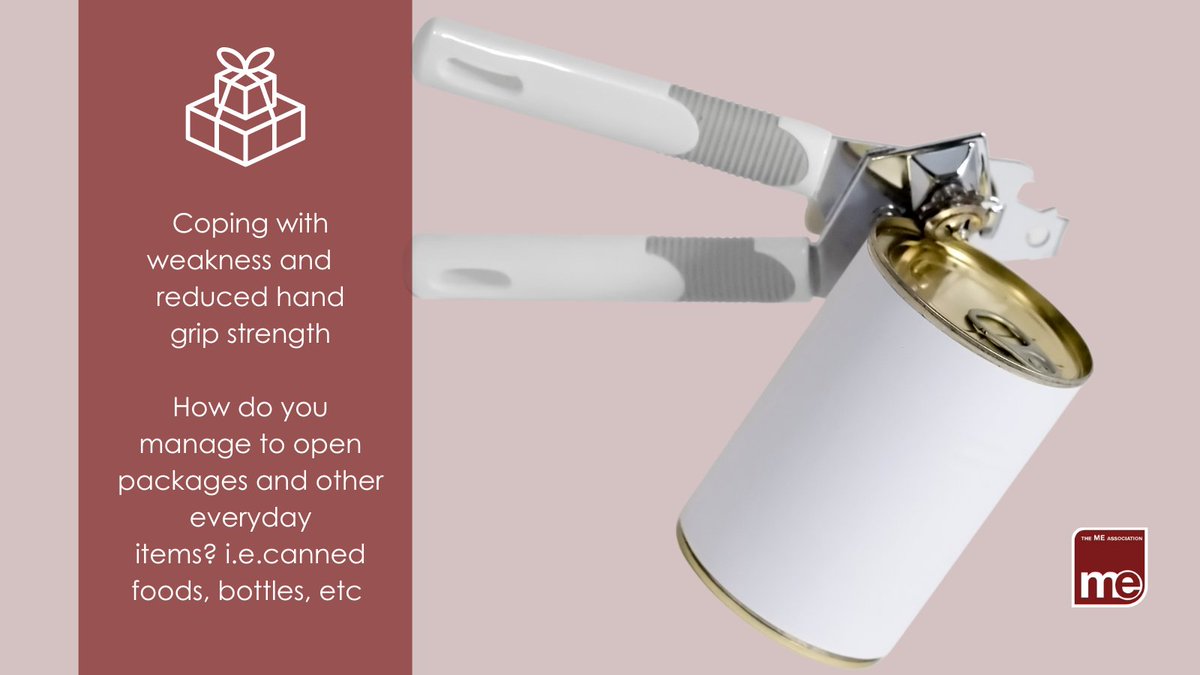
ALT IMAGE DESCRIPTION: A picture of a canned food item with a can opener. Wording underneath a package icon - Coping with weakness and reduced hand grip strength. How do you manage to open packages and other everyday items? i.e.canned foods, bottles, etc The ME Association Logo (bottom right).
3
5
22
2,204

9 Aug 2023
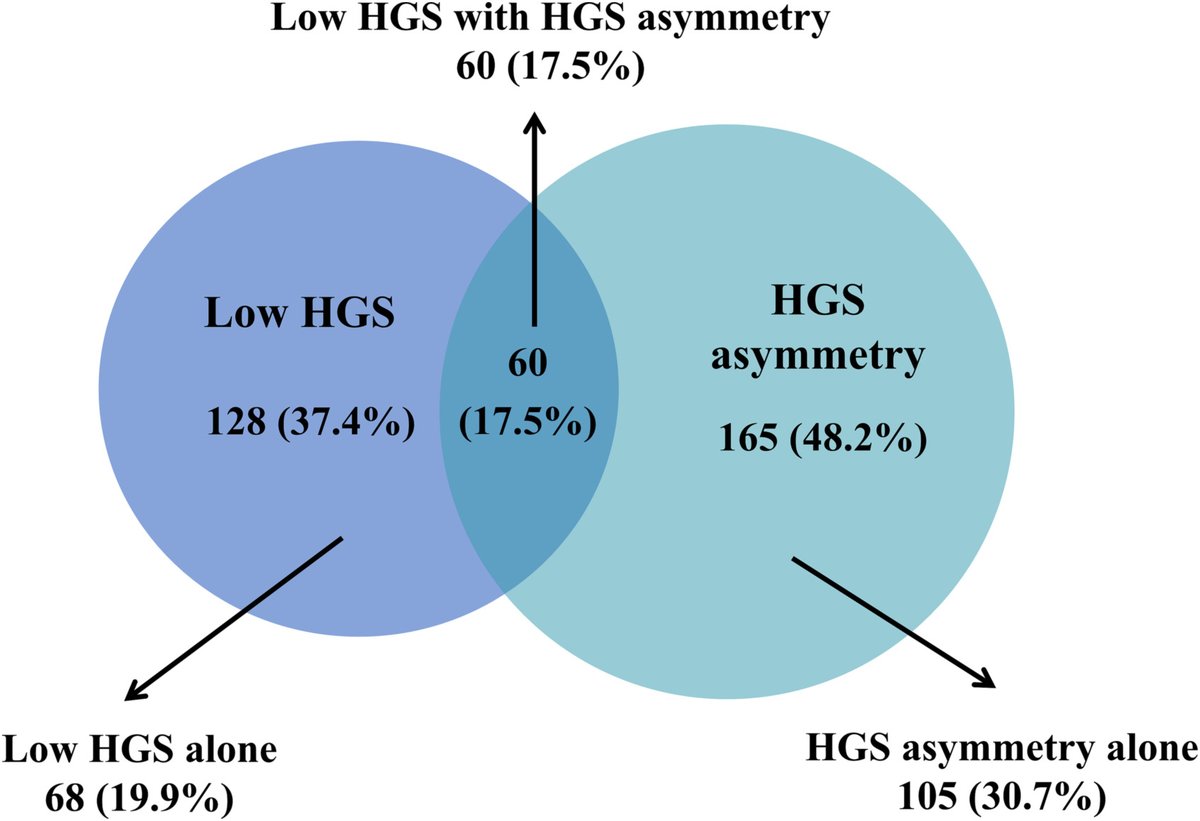
Preoperative low handgrip strength (HGS) with HGS asymmetry is associated with adverse outcomes among older adults with gastric cancer geriatriconcology.net/articl… @WilliamDale_MD @rochgerionc @myCARG #GeriOnc #OlderAdults #OncoAlert #SIOG #YoungSIOG #HandgripStrength #HGS #Frailty
8
20
2,326