
In a world where productivity is often prioritized over recovery, Sleepagotchi flips the script: better sleep = better performance, better health, and a better life.🌙 Sleep smarter.
🎮 Stay motivated.
📈 Wake up stronger.
#Sleepagotchi #SleepTech #Wellness #Biohacking
1

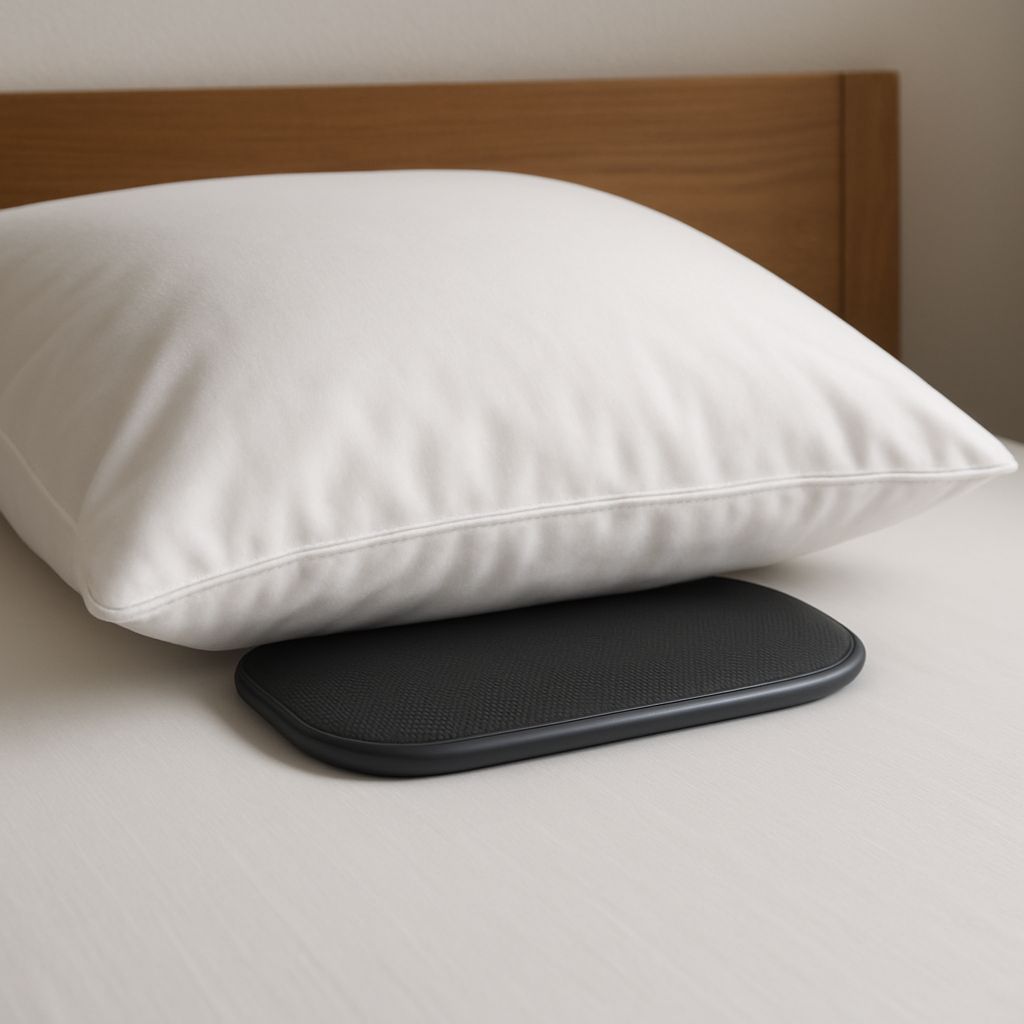
Struggling with uncomfortable earbuds at night? The Peace Duo Under-Pillow Speaker uses bone conduction technology to deliver private audio through your pillow, ensuring a restful sleep without disturbing your partner. With extended battery life and Bluetooth connectivity, it's a game-changer for side sleepers seeking comfort and quality sound.
#SleepTech #PeaceDuo #BoneConduction #SleepAid #TechNews #Jabees
thedailytechfeed.com/peace-d…
8

Дэрний доор хийдэг얇ан speaker нойргүйдлийн эсрэг шийдэл болж чадна — чихэвч зүүхгүйгээр podcast, бороoны дуу сонсох боломжийг олгодог. Хэт их бодолтой хүмүүст зориулсан энэ төхөөрөмж дэрний дор нимгэнээр тавигдаж, хамтрагчид саад болохгүй чимээ үүсгэдэг. Нойргүйдлийн шийдлийг earbuds-гүйгээр хайж байсан хэрэглэгчдийн дунд эрэлт нэмэгдэж байна. #Технологи #SleepTech #Гаджет

26

21h
AAST membership for 2026 is open!
Get 22 free CECs, exclusive education, networking opportunities, and advocacy for the sleep technology profession—all for just $70 for the remainder of 2026.
Join or renew today. hubs.la/Q04l5bZj0
#AAST #SleepTech #RPSGT

9


Jun 12
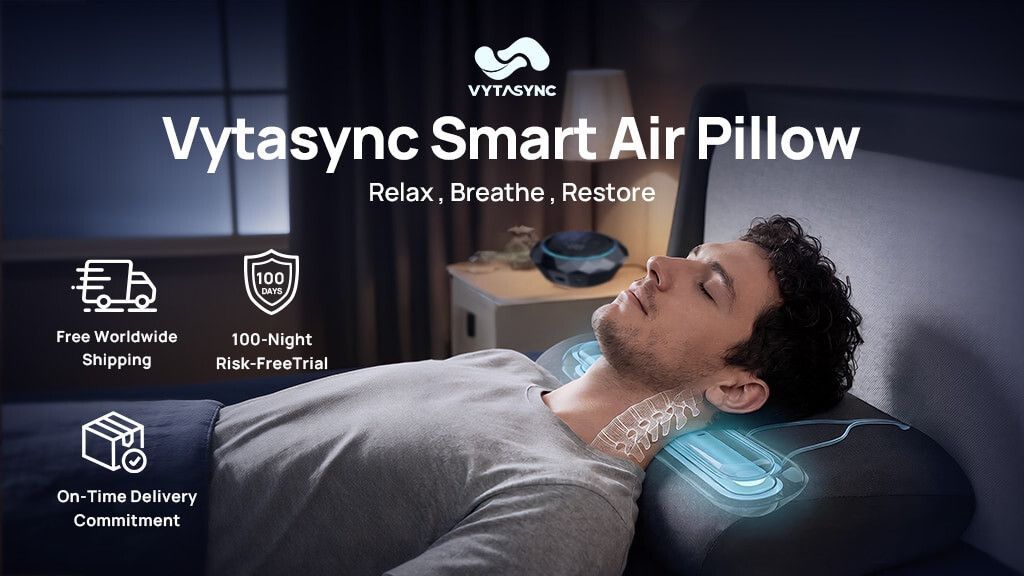
😴💨 What if your pillow helped you relax before you even fell asleep?
Vytasync combines smart airbag technology, guided breathing, and adaptive neck support to help ease tension, promote relaxation, and create a more comfortable sleep experience. 🌙✨
Better nights start here.
Back it here 👇
buff.ly/01V0Qdz
#Kickstarter #SleepTech #SmartHome #WellnessTech #BetterSleep #Innovation #HealthyLiving #SleepBetter
13

തണുപ്പിൽ പാദങ്ങൾക്ക് ചൂടുനൽകും, കൂർക്കംവലി തിരിച്ചറിയും; ഇതാണ് മാന്ത്രിക കിടക്ക
#EightSleep #Pod5 #SmartBed #SleepTech #Innovation #TechNewsMalayalam #SmartHome #BioHacking #GadgetUpdates #KeralaTech #GoodSleep #FuturisticTech
etvbharat.com/ml/health/eigh…
6

Jun 11
Discover Sleepagotchi, the app that gamifies your health. Collect NFTs, explore magical worlds, and build the perfect sleep routine. The better you sleep, the more you earn. 🌌🛌
Start your journey here: sleepagotchi.com/
#SleepTech #Crypto #Rewards #SleepAgotchi
11

Jun 11
It's live and already funded. 🎉
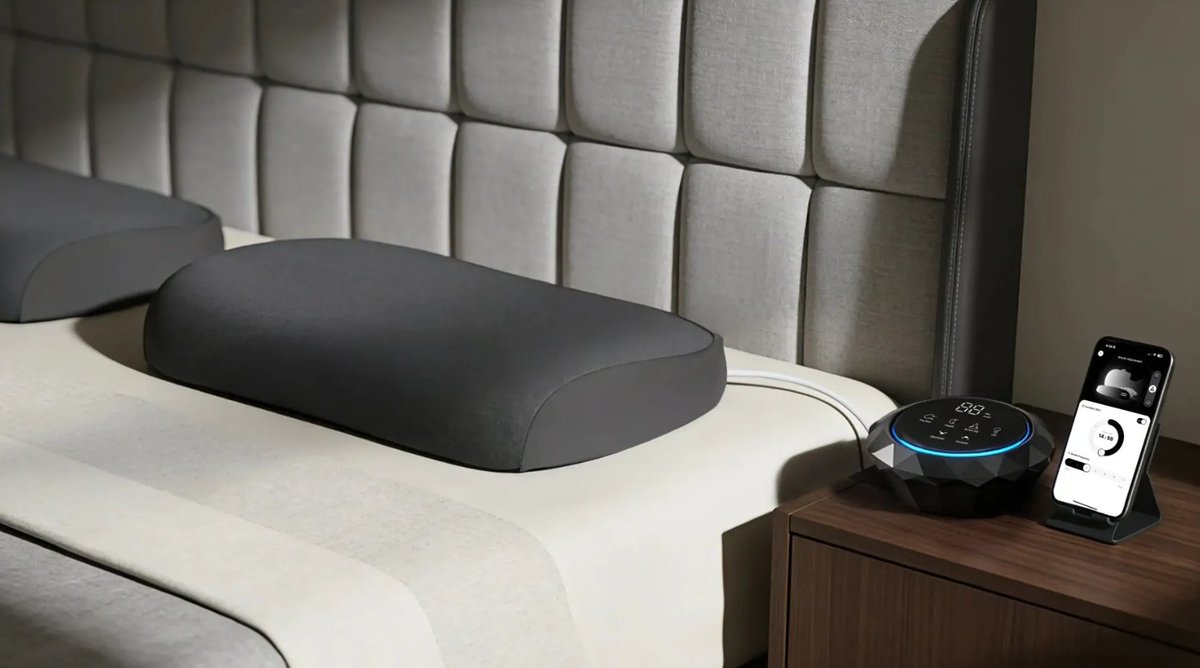
We reviewed the Vytasync Smart Air Pillow before launch. Now it's on Kickstarter and blowing past its goal.
gizmocrowd.com/post/vytasync…
A smart inflatable pillow that guides your breathing and decompresses your neck while you sleep. No effort required. Early Bird pricing starts at $262 — 40% off retail, capped at 50 units per version.
Back it before the spots are gone!
#gizmocrowd #kickstarter #smartpillow #sleeptech #cervicalhealth #crowdfunding #sleeptight
2
7

Jun 11
💤 Introducing Dream Turntable – the newest way to fall asleep on Raychel APP
Spin the on‑screen record, pick your white noise, and let the visuals sound carry you into deep rest.
🎧✨ Now live in v1.3.1
👉 raychel.netverse.cc
#SleepTech #WhiteNoise #DreamTurntable #Sleep
13

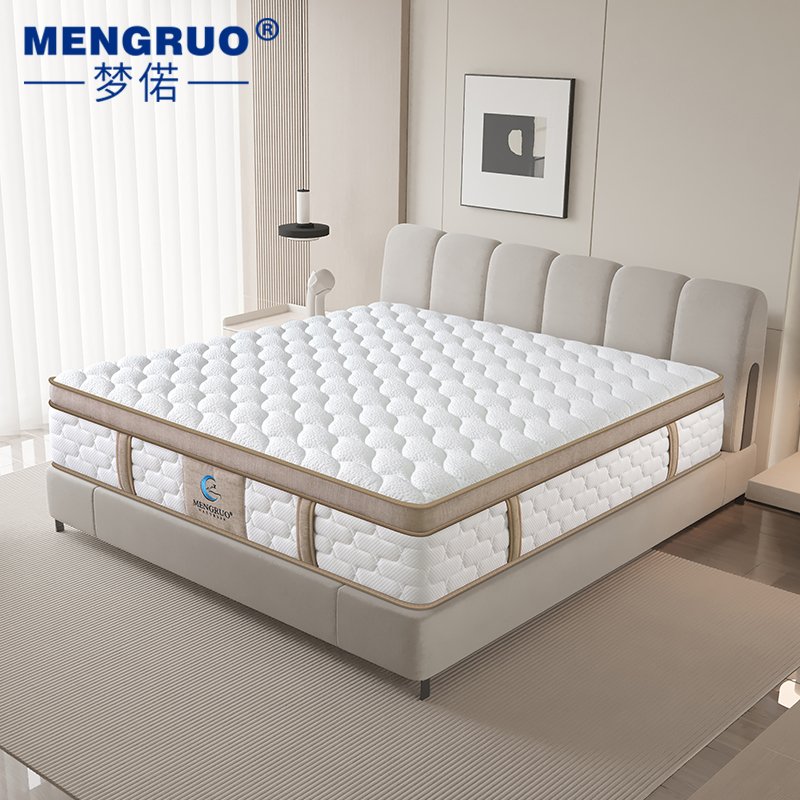
Memory foam: 😅 Hot
Innerspring: 🤨 Bouncy
Our Hybrid: 🧠❄️😴 Perfect balance
Don't choose between comfort and support. Get both.
#SleepTech #HybridMattress #MattressReview #SleepHack #BetterSleep #CoolingMattress #BedroomEssentials
12

Jun 10
Sleep cooler — temperature‑regulating blanket keeps nights comfortable. ❄️ #CoolingBlanket #SleepTech #Innovation #Lifestyle community.designtaxi.com/top…
191

Jun 10
$SNBR Sleep Number Waking Up! 🚀 Up 31%
🔹 Big rebound as traders jump into this beaten-down smart mattress and sleep tech name 🛏️
🔹 Company makes adjustable Sleep Number smart beds, bedding, and sleep-tracking technology 😴
🔹 Recent reports around potential Chapter 11 planning have created extreme volatility ⚠️
🔹 Company also secured $55M in added liquidity as it works through debt pressure 💰
🔹 Tiny market cap heavy volume creating a high-risk momentum setup 🔥
Can $SNBR keep squeezing higher? 👀
#SNBR #Stocks #Momentum #SleepTech #SmallCaps #Trading
Not financial advice. For informational purposes only.
2
505

Jun 10
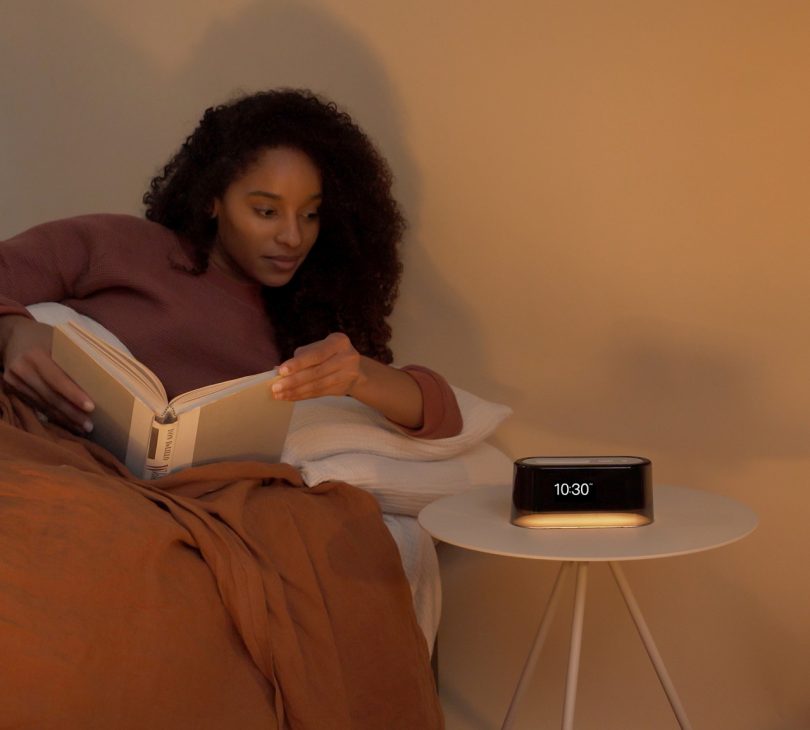
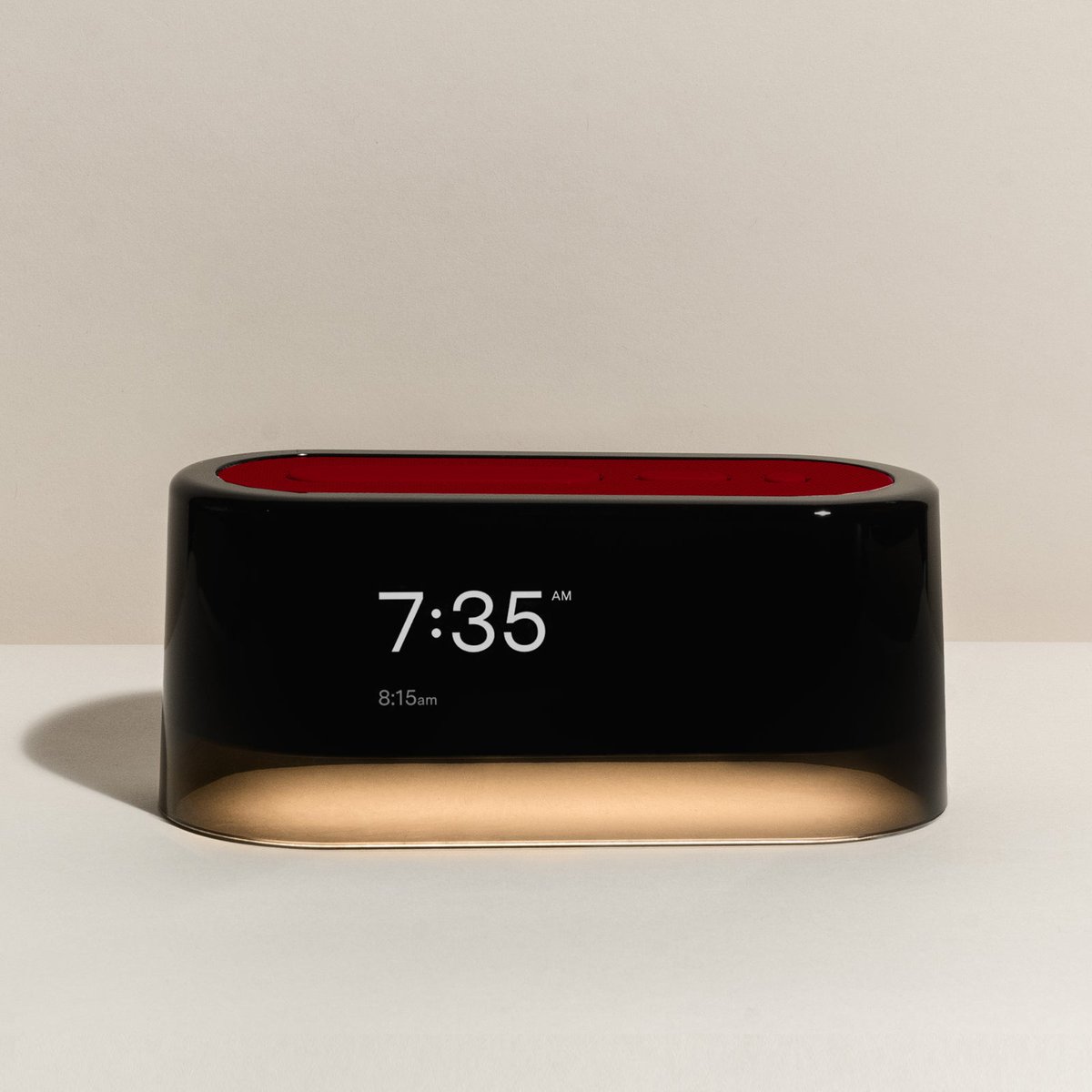
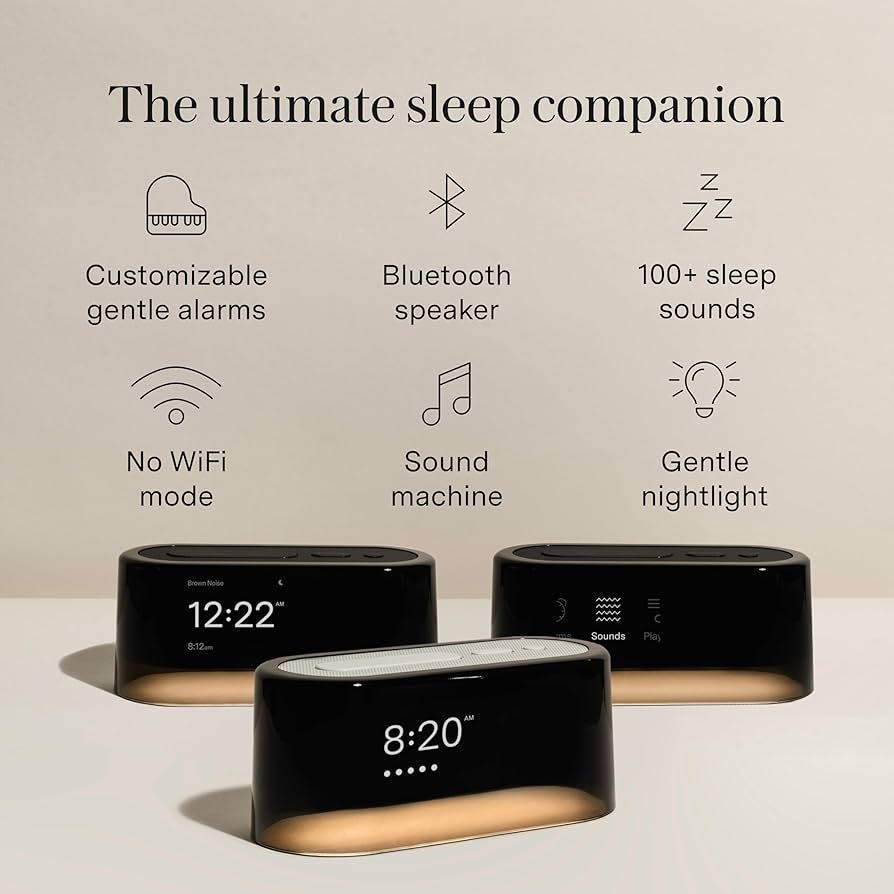
🎵 A gentler way to wake up.
Loftie uses relaxing sounds at night and a two-stage alarm that eases you into the morning instead of shocking you awake.
👉 See it in "10 Creative Alarm Clocks to Help You Wake Up" - youtube.com/watch?v=0cU2JsNx…
#AlarmClock #SleepTech
9

Jun 9
🏥 HEALTH, FITNESS & WEARABLES ROUNDUP — June 09, 2026
1️⃣ OURA RING 5 LAUNCHED — 40% SMALLER WITH NEW HEALTH FEATURES
The latest generation of the Oura Ring has officially arrived, marking the most significant redesign in the product's history. At 40% smaller than its predecessor, the Ring 5 is now closer to the size of a traditional wedding band — making it one of the most discreet health trackers on the market. Alongside the compact redesign, Oura has introduced brand new health monitoring features that build on the ring's reputation for sleep and recovery tracking. Bloomberg's Mark Gurman provides a generation-by-generation breakdown of how Oura has evolved from a niche biohacking gadget to a mainstream wellness staple.
@BloombergTV
2️⃣ HIDDEN SMARTWATCH SLEEP FEATURES — APNEA DETECTION AND AI INSIGHTS
While most people use their smartwatch for basic step counting and sleep staging, a new BGR guide reveals five underappreciated sleep tracking features that are built into many modern devices but rarely used. These include sleep apnea screening, which can flag potential breathing disruptions during the night, and AI-powered insights that correlate sleep quality with daily activity patterns, stress levels, and recovery scores. The article highlights how unlocking these features can transform a standard smartwatch into a more comprehensive health monitoring tool without requiring additional hardware.
@BGR
3️⃣ HYDROSENSE TECHNOLOGY DEPLOYED FOR SEATTLE FIREFIGHTERS
Innovosens AB has announced a collaboration with the Seattle Fire Department to deploy its HydroSense™ monitoring system across the organisation. The wearable technology tracks critical health metrics for firefighters — including hydration levels, nutrition markers, physical performance, and real-time physiological data — during high-intensity operations. Firefighters routinely face extreme conditions that push the body beyond normal stress thresholds, making continuous health monitoring essential for both safety and long-term wellbeing. The deployment represents a growing trend of using consumer-grade biosensors in professional emergency response settings.
@innovosensAB
4️⃣ SUPPRESSED REPORT: NO SAFE LEVEL OF ALCOHOL CONSUMPTION
A major report commissioned by the US Congress has finally been published after being suppressed for some time. The study concludes that there is no protective or safe level of alcohol consumption — challenging the widely held belief that moderate drinking, particularly red wine, offers cardiovascular benefits. The research was commissioned to provide an evidence-based assessment of alcohol's health impacts, and despite the study's adherence to its mandate, its findings were initially held back before eventual release. The publication adds to a growing body of evidence questioning the health benefits of any alcohol intake.
@EricTopol
5️⃣ GENERATIVE AI AS A COMPUTING MODEL FOR MEDICINE — THE LANCET
Researchers from the Temerty Centre for AI in Medicine at the University of Toronto have published a viewpoint in The Lancet Digital Health proposing a new approach to medical AI. Rather than treating clinical data as free-text language, the paper advocates for direct tokenisation of medical data — breaking laboratory results, vital signs, medications, and diagnostic codes into discrete units similar to how words are tokenised in language models. This approach could allow generative AI models to reason more precisely about patient data, potentially improving diagnostic accuracy and treatment recommendations while reducing the noise that comes from treating structured clinical data as unstructured text.
@UofT_TCAIREM
6️⃣ THE FRAGMENTED HEALTH DATA PROBLEM — SEVEN APPS, ZERO CONNECTION
A viral thread highlighting the problem of fragmented health data resonated with thousands of users. The core observation is simple: most people generate health data across multiple apps — sleep tracking, fitness, nutrition, mood logging — but these apps don't communicate with each other. Your sleep tracker doesn't know about your stress levels, your fitness app is unaware of your recovery status, and your mood log sits completely isolated. Each app collects the data you produce but learns nothing from the full picture, and users get nothing meaningful in return. The post highlights why integrated wellness platforms that can synthesise data across categories are the next frontier in personal health technology.
@OGFIGO
💭 The wearable health market is maturing rapidly — from Oura's compact redesign to firefighters using biosensors on the job. But the real bottleneck isn't hardware; it's integration. We're generating more health data than ever, yet it remains siloed across apps that don't talk to each other. The next breakthrough in personal health won't come from another sensor — it'll come from platforms that can connect the dots across sleep, activity, nutrition, and recovery into one actionable picture.
Which health data insight surprised you the most this week? 👇
#HealthTech #WearableHealth #Biohacking #Longevity #DigitalHealth #SleepTech #HealthAI
174

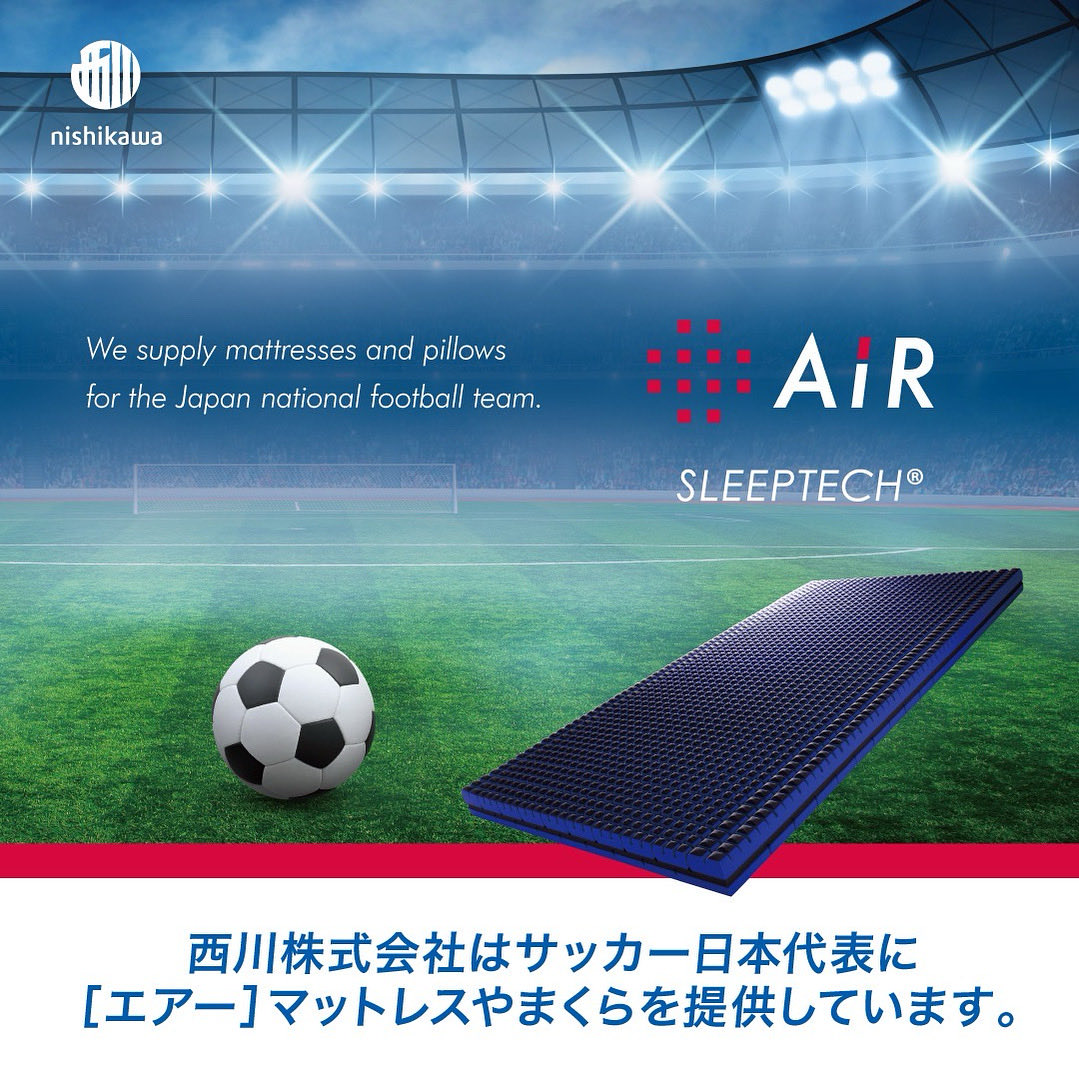
西川株式会社はSAMURAI BLUE(サッカー日本代表)にマットレスやまくらを提供しています。
SAMURAI BLUE(サッカー日本代表)の活動は、開催地間の移動距離が極めて長く、
時差や気候変動への対応も求められるため、
選手のパフォーマンスに直結します。
[エアー]をはじめとする最新の睡眠ソルーションを駆使し、
選手の心身の「リカバリー」を支えるべく、マットレスやまくら、
クッションなどを通して、選手をサポートいたします。
#nishikawa #西川 #西川エアー #サッカー日本代表 #コンディショニング #睡眠の大切さ #リカバリー #アスリートサポート #SLEEPTECH
10
18
2,852

Jun 9
🌙💜 Sleepagotchi is building more than just a sleep tracker.
Με το νέο Sleep Coach MVP, οι χρήστες μπορούν να αναλύουν τα μοτίβα του ύπνου τους και να λαμβάνουν εξατομικευμένες συμβουλές για καλύτερη ξεκούραση και απόδοση μέσα στην ημέρα.
✅ Track your sleep habits
✅ Get AI-powered insights
✅ Improve your daily routine
✅ Be part of a growing Web3 wellness ecosystem
Το project συνεχίζει να εξελίσσεται, συνδυάζοντας υγεία, gamification και AI σε μία μοναδική εμπειρία. 🚀😴
#Sleepagotchi #Web3 #AI #SleepTech #Crypto #Airdrop #DePIN #Wellness #HealthTech
Ή πιο σύντομο για X:
> 😴 Sleep is more than rest — it's data, recovery and growth.
Sleepagotchi's Sleep Coach MVP helps users understand their sleep patterns and turn them into actionable insights.
A very interesting mix of AI, wellness and Web3. 🚀💜
#Sleepagotchi #AI #Web3 #SleepTech #CryptoCommunity
11
Jun 9
Discover Sleepagotchi, the app that gamifies your health. Collect NFTs, explore magical worlds, and build the perfect sleep routine. The better you sleep, the more you earn. 🌌🛌
Start your journey here: sleepagotchi.com/
#SleepTech #Crypto #Rewards #SleepAgotchi
5

Coway has launched a playful animated campaign called 'BED TASTE SOCIETY' to highlight its new BEREX R Series smart mattresses.
#SleepTech
mugglehead.com/coway-launche…
25
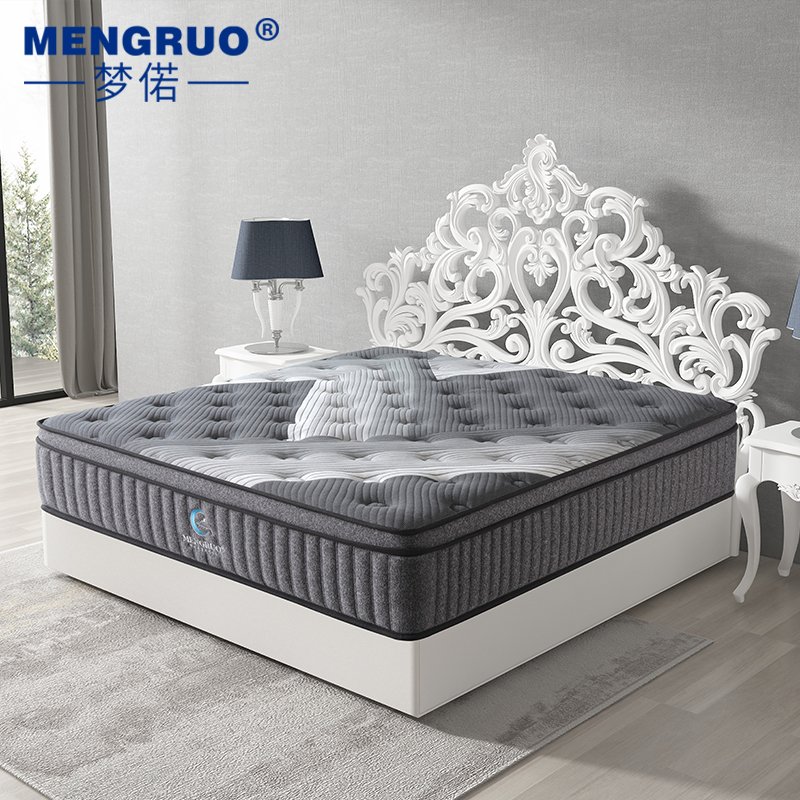
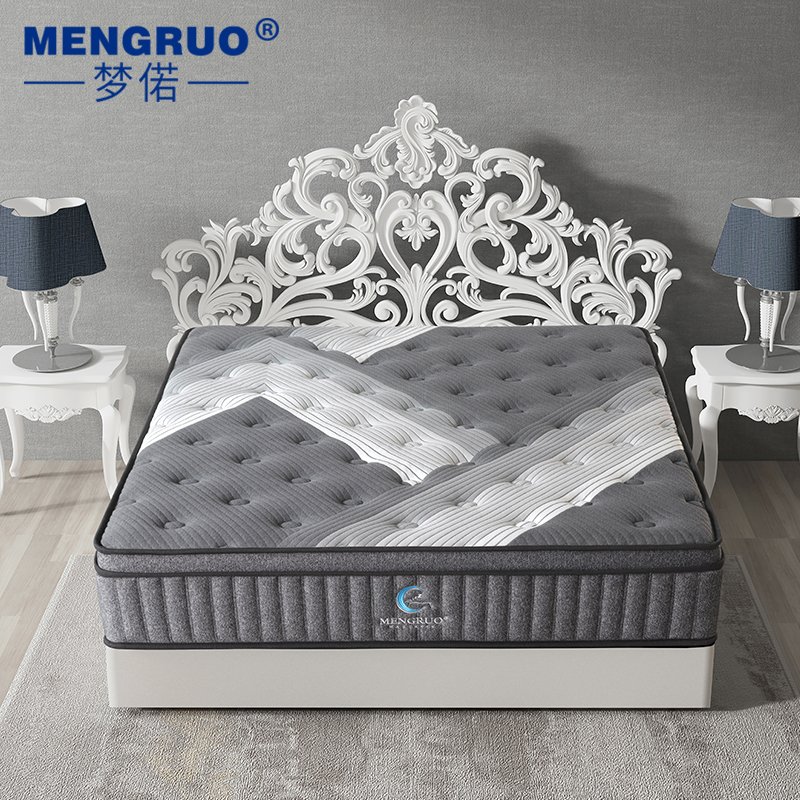
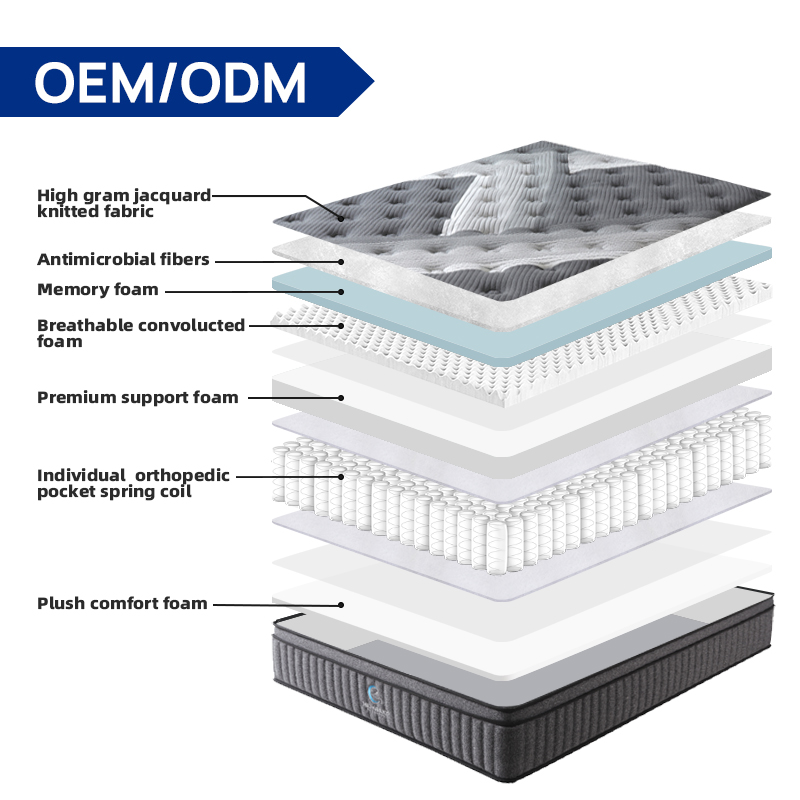
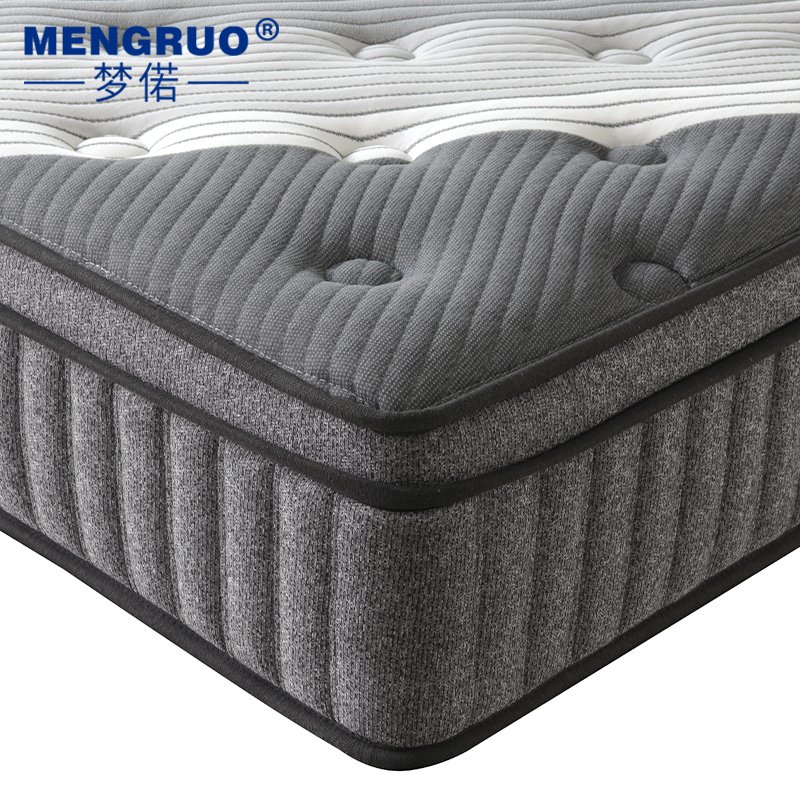
Looking for a mid-to-high end mattress line?
Our hybrid series sells itself.
#WholesaleMattress #HybridFoamSpring #SleepTech #B2B
6