
Jun 11
☀️Stunning Solar Photos!
SV503: s.click.aliexpress.com/e/_c3… Main lens: SV503 paired with an SV229 solar filter SC571CC camera.
Sunspots are clearly visible.
#SVBONY #SV503 #SolarObservation
1
38

This fantastic video of the sun. Having the great weather we have had and clear skys during the day, Rob Johnson managed to image the sun every day at mid day for about a week.
#thesun #sunspot #solarobservation #liverpoolastronomicalsociety #followformore instagram.com/reel/DZAIYbvo9…
46

May 29
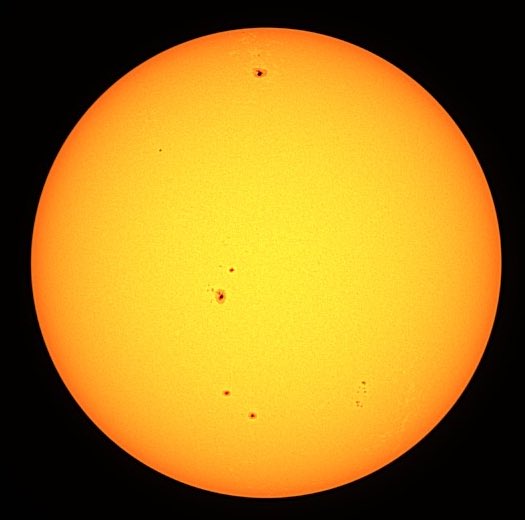
El Sol hoy 29 de mayo 2026 con el telescopio inteligente más pequeño el Dwarf mini @dwarflab #dwarfmini desde la ventana de mi despacho en la Facultad, @fisicas_ucm @observaucm @DMontesG @unicomplutense
#solarobservation #solarphotography
10
23
1,695

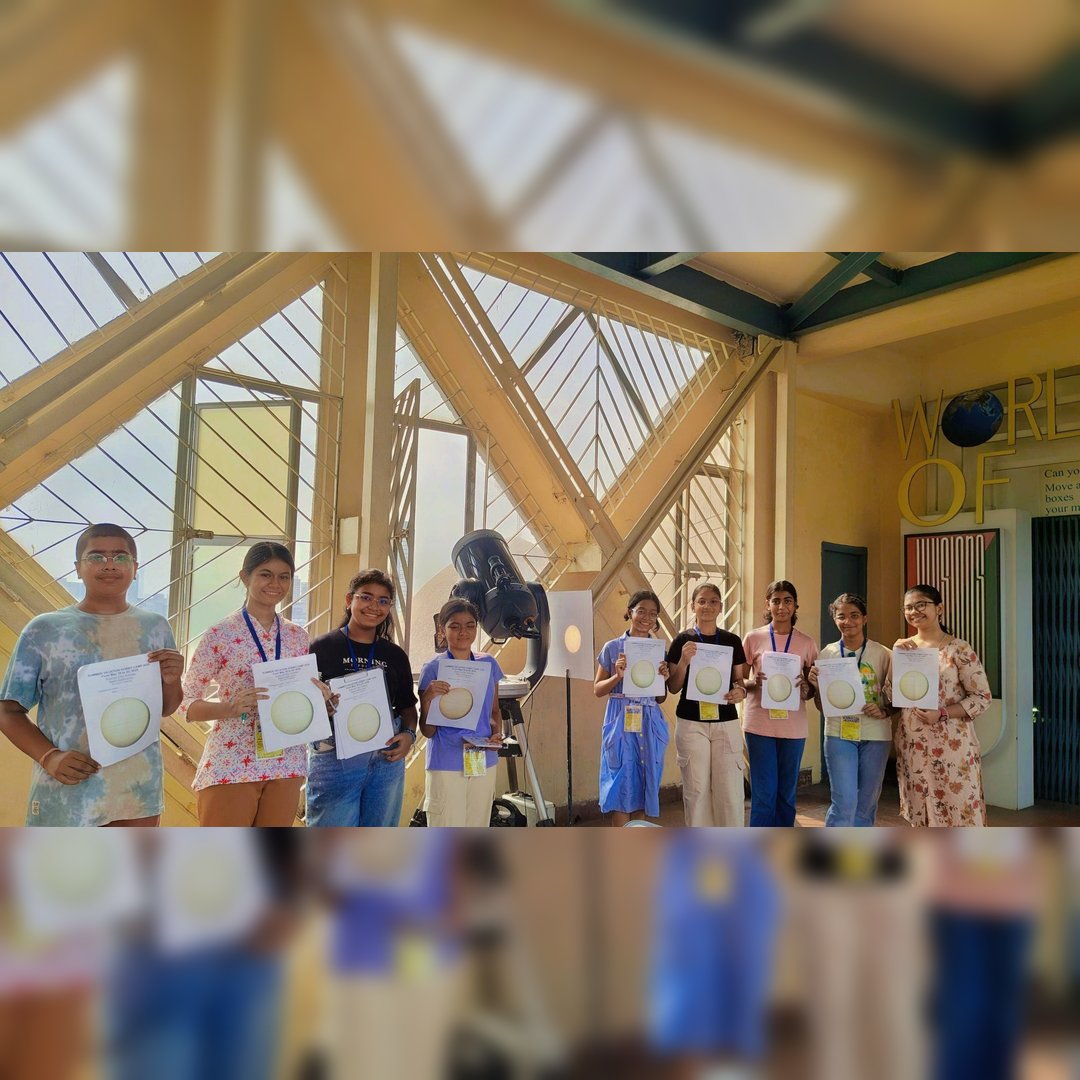
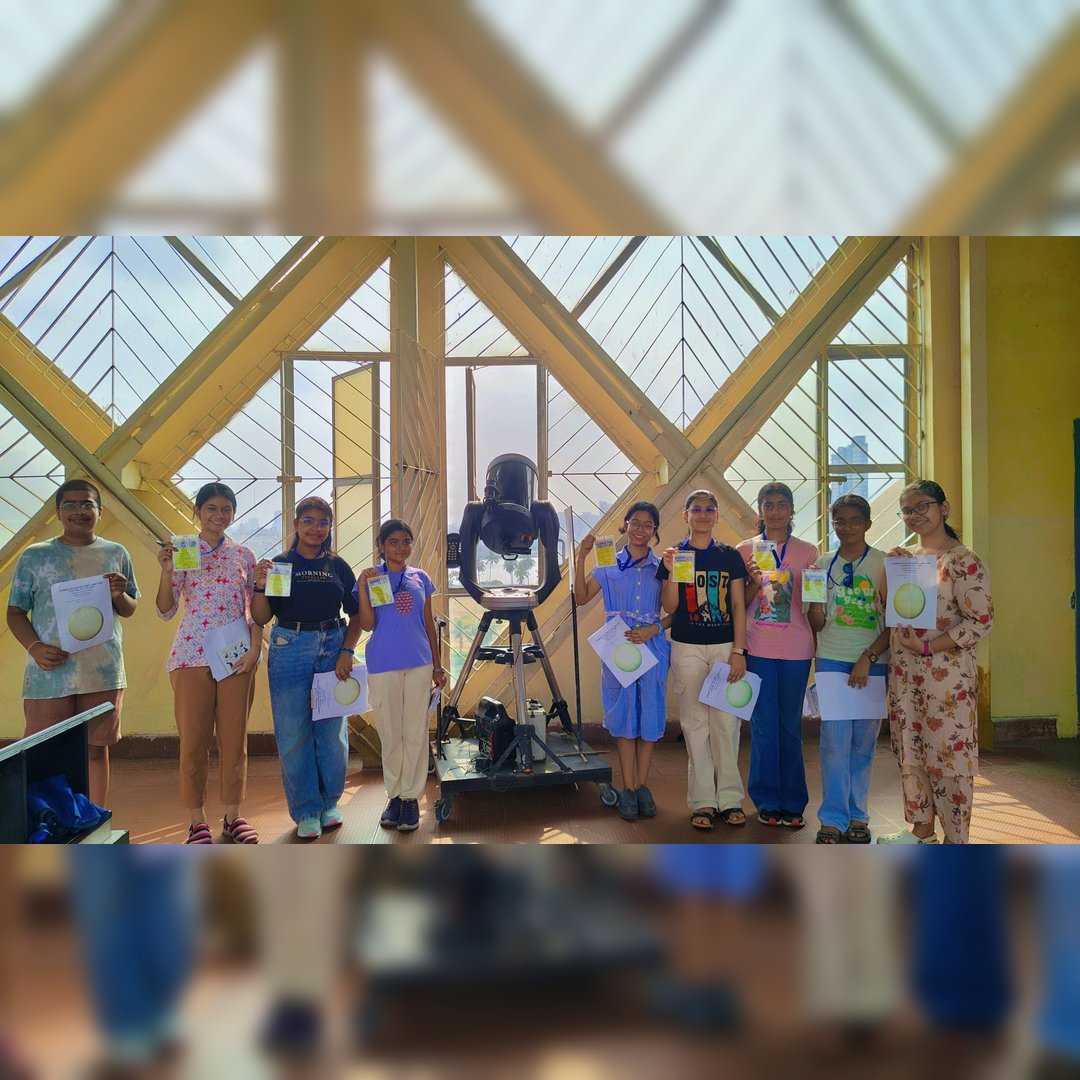
🌞🔭 Astronomy Workshop at @ScienceCityKol, a unit of @ncsmgoi, @MinofCultureGoI, gave students a chance to observe sunspots and explore solar science through hands-on skywatching. ☀️✨
#AstronomyWorkshop #SolarObservation #ScienceCityKolkata #NCSM #STEMLearning
16

Solar Fire Up Close: How to Safely Photograph the Sun with a Dobsonian Telescope (Without Going Blind!)
The Sun is the most powerful and dangerous object you can observe in the sky. One wrong move without proper protection, and you could permanently damage your eyes. But with the right setup, backyard astronomers can capture breathtaking details of our star – from massive sunspots to the subtle boiling of solar granulation.
I recently set up my Celestron StarSense Dobsonian telescope for safe white-light solar observing and imaging. Here’s exactly how you can do it too:
1. Safety First – Never Skip This
Always use a high-quality, full-aperture solar filter designed specifically for your telescope. Never use eyepiece solar filters, sunglasses, or homemade solutions. Direct sunlight through an unfiltered telescope is extremely hazardous – it can focus intense light and heat that destroys retinas or camera sensors in seconds.
2. Gear You Need
- Dobsonian telescope (like the Celestron StarSense series)
- Certified full-aperture solar filter (white-light or Baader-style)
- DSLR or mirrorless camera (Nikon, Canon, etc.) with T-ring adapter
- Optional: 2x Barlow lens for extra magnification
3. Quick Setup
- Secure the solar filter firmly over the front of the telescope tube.
- Attach your camera directly to the focuser.
- Aim carefully by watching the telescope’s shadow until it becomes the smallest, most circular shape (never look through the finder or eyepiece without filters in place).
4. What You’ll See
On the camera’s live-view screen you’ll see the brilliant yellow-white disk of the Sun. Look closely for dark sunspots – regions of intense magnetic activity that can be larger than Earth. With a Barlow lens, the view becomes even more dramatic, revealing fine solar granulation that looks like grains of rice or orange peel across the surface.
Don’t be surprised if the image wiggles and dances – that’s atmospheric turbulence (“seeing”) at work, reminding us that even our closest star is viewed through Earth’s restless atmosphere.
This method lets you safely study and photograph solar activity from your own terrace or backyard. It’s an incredible way to connect with our nearest star and understand the dynamic forces shaping our solar system.
The Sun changes every day – today’s sunspots may vanish in a week. Grab your Dobsonian, add the right filter, and start exploring safely!
Have you tried solar observing yet? Drop your setups, tips, or photos in the comments!
#Astronomy #SolarObservation #DobsonianTelescope #Sunspots #BackyardAstronomy #SolarImaging
1
1,046

Students of A Grade Classis, immersed themselves in #Astronomy, exploring the cosmos and basking in the joy of #SolarObservation, embracing the wonders of #SpaceScience!
@narottamsahoo @InfoGujcost @dstGujarat @IndiaDST @karandi65 @CollectorAmr @ddoamreli
28
28
129

Students of A Grade Classis, immersed themselves in #Astronomy, exploring the cosmos and basking in the joy of #SolarObservation, embracing the wonders of #SpaceScience!
@narottamsahoo @InfoGujcost @dstGujarat @IndiaDST @karandi65 @CollectorAmr @ddoamreli
20
23
123
Students of ShivKumari Vidyalaya,#MotaJinjuda
immersed themselves in #Astronomy, exploring the cosmos and basking in the joy of #SolarObservation, embracing the wonders of #SpaceScience!
@narottamsahoo @InfoGujcost @dstGujarat @IndiaDST @karandi65 @CollectorAmr @ddoamreli
27
29
235
Students of ShivKumari Vidyalaya,#MotaJinjuda
immersed themselves in #Astronomy, exploring the cosmos and basking in the joy of #SolarObservation, embracing the wonders of #SpaceScience!
@narottamsahoo @InfoGujcost @dstGujarat @IndiaDST @karandi65 @CollectorAmr @ddoamreli
25
31
181

Apr 18
🚨🌑 BREAKING: Just Days After Artemis II, NOAA Captures the New Moon Crossing the Sun
By SPACETRACKER.SPACE
🛰️🌞 Subtitle:
While NASA’s Artemis II just completed its historic crewed lunar flyby and return to Earth, NOAA’s solar-watch satellites caught another stunning reminder of lunar motion: the New Moon passing across the Sun on April 17, 2026 in coronagraph-style imagery. Artemis II launched April 1 and splashed down April 10, marking NASA’s first crewed lunar flyby of the Artemis era.
Post text:
🚨🌑 BREAKING
Space didn’t stay quiet after Artemis II.
Just one week after NASA’s Artemis II crew returned from its Moon mission, NOAA imagery captured the New Moon crossing above the Sun on April 17, 2026 in a striking space-based view.
What your video shows is a beautiful reminder of orbital geometry:
🌑 The Moon moves between Earth and the Sun
🌞 From a solar-monitoring viewpoint, it appears to slide across the Sun’s field
🛰️ NOAA’s GOES system continuously watches both Earth and solar activity, and NOAA explains that solar eclipses occur when the Moon passes between Earth and the Sun.
Why this hits hard right now:
🚀 Artemis II proved humans can travel out toward the Moon and come home safely
🌑 NOAA then caught the Moon itself in motion from space
📈 Same Moon, two different stories in one week:
one with astronauts, one with pure celestial mechanics
Your video analysis:
The clip shows the Moon entering the Sun-monitoring instrument’s view, briefly darkening part of the solar scene before moving onward. It feels like a cosmic encore to Artemis II — a quiet visual reminder that the Moon is not just a destination, but an active moving body shaping what our spacecraft and satellites see every day.
Closer for X:
From human flight around the Moon to the Moon crossing the Sun in NOAA imagery, April 2026 has turned into a powerful reminder that cislunar space is no longer abstract — it is active, visible, and alive.
Analysis by SpaceTracker.space
Hashtags:
#BreakingNews #ArtemisII #NASA #NOAA #Moon #NewMoon #Sun #SolarObservation #SpaceWeather #GOES #Astronomy #Space #SpaceTracker
3
7
535

Apr 6
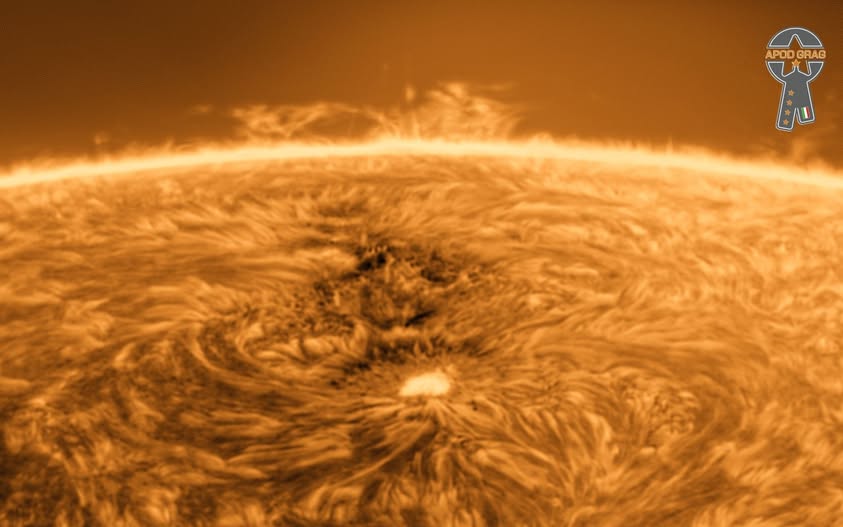
APOD Solar image with my Svbony Sv503
Credit:Francisco Perez
#svbony #SolarImage #Astrophotography #SolarObservation #SvbonySv503
9
262
students of #HapyHome Pre School,
immersed themselves in #Astronomy, exploring the cosmos and basking in the joy of #SolarObservation, embracing the wonders of #SpaceScience!
@PMOIndia @CMOGuj @arjunmodhwadia
@narottamsahoo @InfoGujcost @dstGujarat @IndiaDST @karandi65
2
3
43
students of #HapyHome Pre School,
immersed themselves in #Astronomy, exploring the cosmos and basking in the joy of #SolarObservation, embracing the wonders of #SpaceScience!
@PMOIndia @CMOGuj @arjunmodhwadia
@narottamsahoo @InfoGujcost @dstGujarat @IndiaDST @karandi65
5
6
61
Here is a quick look at the sun. On Thursday the 5th of March our member Peter Bienias had a look at our sun. You can see several sun spots.
#sunspot #thesun #solarobservation #liverpoolastronomicalsociety #followformore
instagram.com/p/DVvXHJeCDwp/…
51

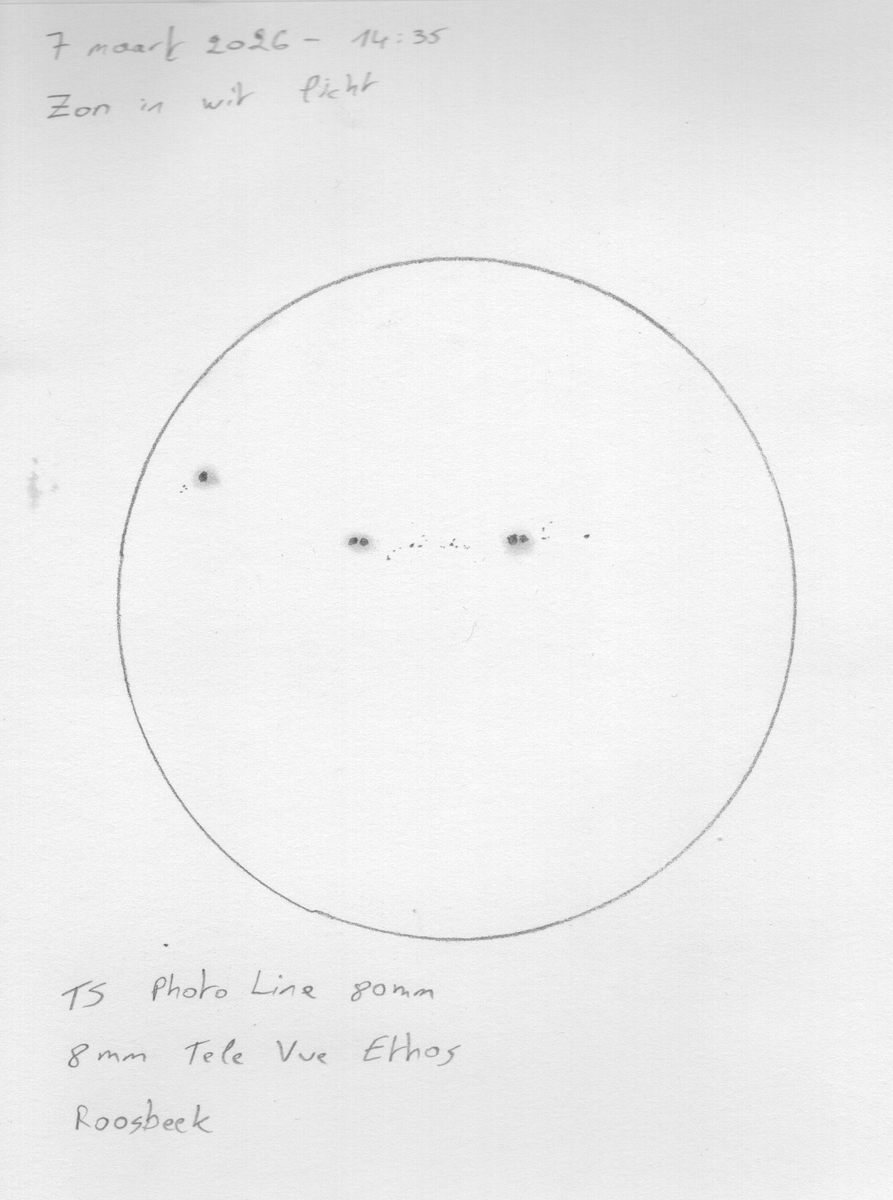
☀️ Solar observing today under a sky full of Sahara dust!
White‑light sketch turned out nicely, but H‑alpha was a total bust—no prominences at all.
Still a rewarding session with the TS Optics 80mm.
🔗 deepskywim.blogspot.com/2026…
#SolarObservation #Sunspots #Sketching #SolarActivity
4
51

Feb 24
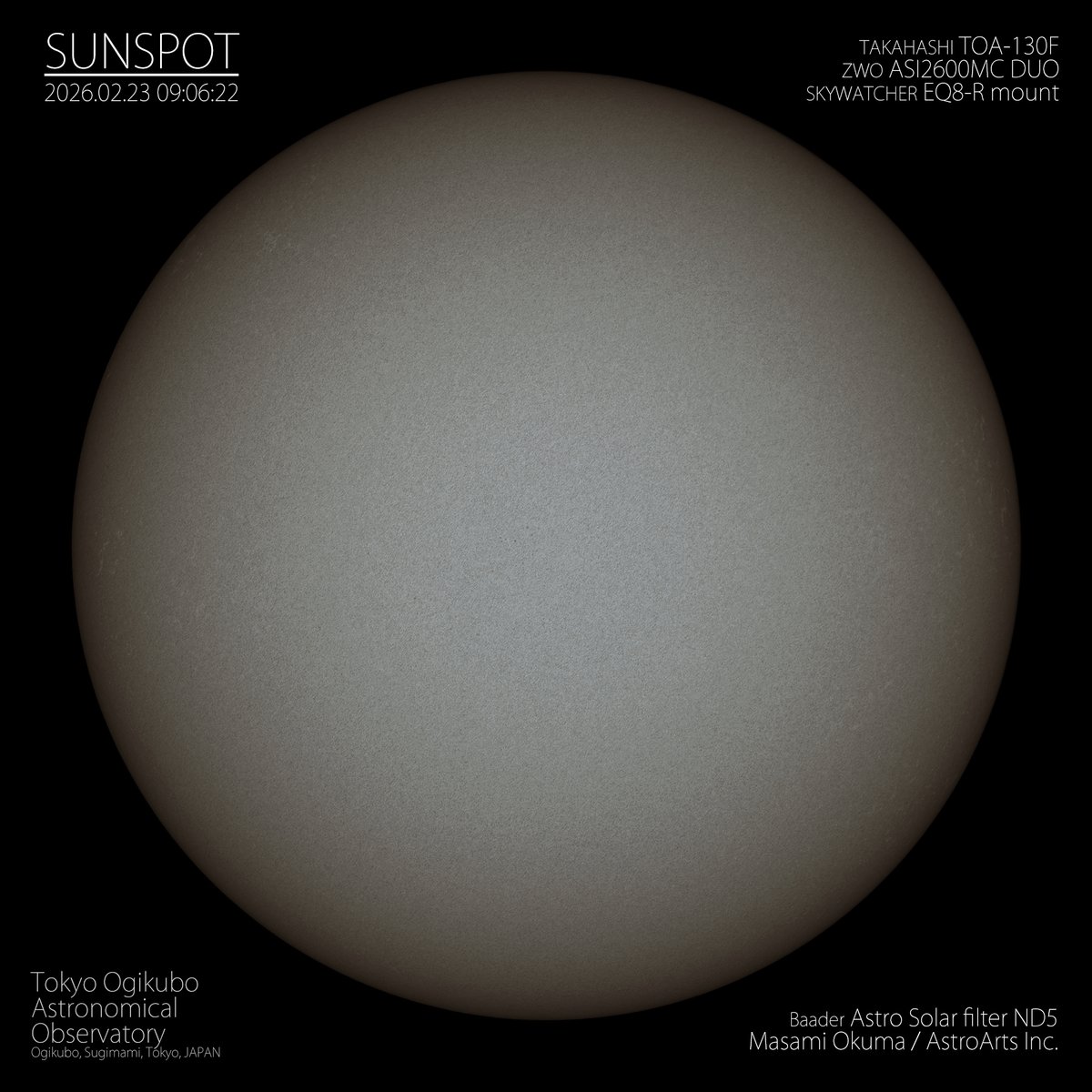
2月23日朝の太陽。ひさしぶりの無黒点太陽。まあ、たまたまなんでしょうけど…まだ極小期には早すぎるし…大騒ぎすることもないでしょう😌
#Solarobservation #太陽観察
1
9
88
1,788
#Jesingpara Kanya Shala,Amreli rocked #NationalScience Day!
Students immersed themselves in #Astronomy, exploring the cosmos and basking in the joy of SolarObservation, embracing the wonders of #SpaceScience!
@PMOIndia @CMOGuj @arjunmodhwadia
@narottamsahoo @InfoGujcost
2
4
42
#Jesingpara Kanya Shala,Amreli rocked #NationalScience Day!
Students immersed themselves in #Astronomy, exploring the cosmos and basking in the joy of SolarObservation, embracing the wonders of #SpaceScience!
@PMOIndia @CMOGuj @arjunmodhwadia
@narottamsahoo @InfoGujcost
4
6
51

Feb 12
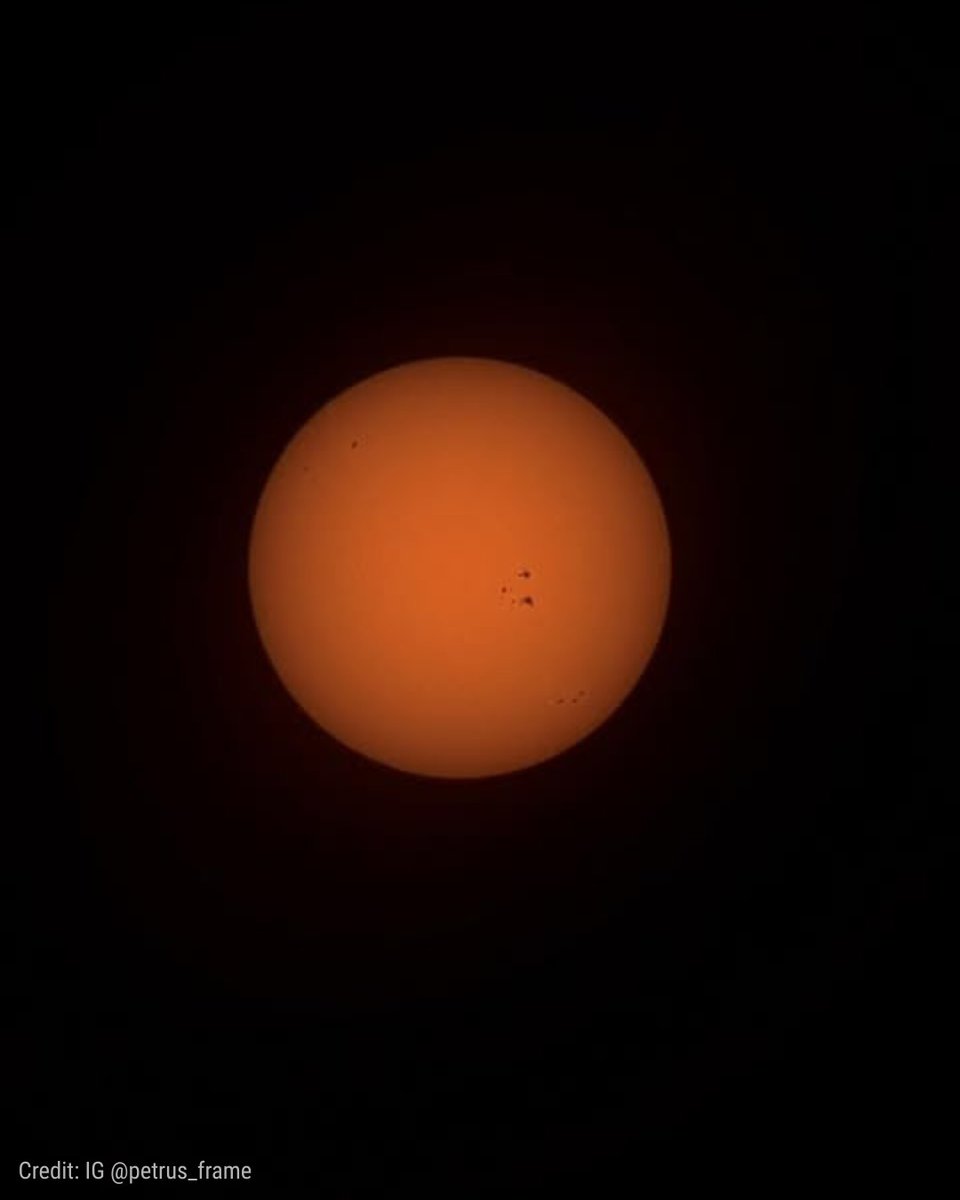
Our home star – captured by IG @ petrus_frame using the Seestar S30 ☀️
🔭 Seestar S30 📍 Nettetal, Germany
👉 ZWO Seestar S30: ow.ly/hife50XkZ7F
#Astroshop #Omegon #Astronomy #Astrophotography #Astropics #Nightsky #Starrysky #Sun #SolarObservation #Sunspots
30

Feb 12
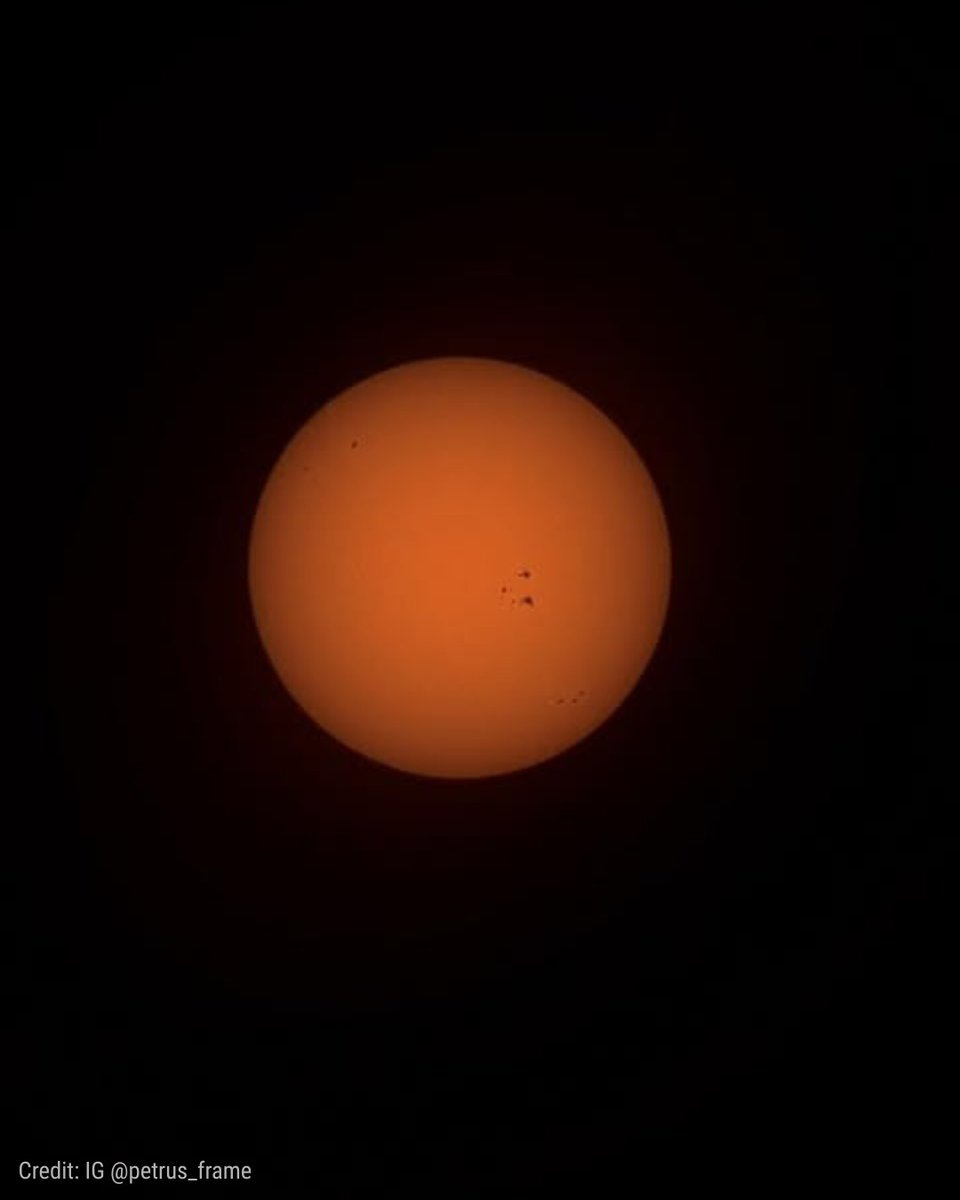
Our home star – captured by IG @ petrus_frame ☀️
📍 Nettetal, Germany
#Astroshop #Omegon #Astronomy #Astrophotography #Astropics #Nightsky #Starrysky #Sun #SolarObservation #Sunspots
9