
𝐅𝐫𝐨𝐦 𝐌𝐞𝐦𝐨𝐫𝐢𝐳𝐚𝐭𝐢𝐨𝐧 𝐭𝐨 𝐌𝐞𝐚𝐧𝐢𝐧𝐠𝐟𝐮𝐥 𝐋𝐞𝐚𝐫𝐧𝐢𝐧𝐠 — 𝐀𝐫𝐞 𝐖𝐞 𝐑𝐞𝐚𝐥𝐥𝐲 𝐂𝐡𝐚𝐧𝐠𝐢𝐧𝐠 𝐭𝐡𝐞 𝐖𝐚𝐲 𝐏𝐚𝐤𝐢𝐬𝐭𝐚𝐧 𝐋𝐞𝐚𝐫𝐧𝐬?
Pakistan’s education system says it has moved “beyond rote learning” — but what’s really happening inside classrooms?
At a recent @PIDEpk seminar, experts unpacked the country’s shift toward Student Learning Outcomes (SLOs) and exposed the widening gap between policy promises and classroom realities, especially in KP and Islamabad.
🔍 Key insight: SLOs don’t automatically create better thinkers.
Dr Aliya Khalid (@khalidaliya1) @UniofOxford reminded us that they only work when curriculum, teaching practices, assessment systems, and teacher support change together. Instead, sudden shifts in examination patterns — especially in Grades 9–10 — have increased anxiety for both teachers and students, without adequate preparation.
🎓 Linking education to Pakistan’s future workforce,
Dr Nadeem Javaid (@nadeemjavaid75) Vice Chancellor #PIDE stressed that reforms must fit our social context and intentionally build creativity, problem-solving, and critical thinking — especially in an AI-driven world.
⚠️ But the biggest roadblock?
Dr Ahsan Ul Haq Satti (@sattiahsan1) #PIDE highlighted that curriculum, pedagogy, and assessment are still misaligned. High-stakes exams and overloaded syllabi often reduce SLOs to paperwork, while true learning remains sidelined — revealing deep learning gaps and the political challenges behind exam reform.
The session, moderated by Dr Faheem Jehangir (@FaheemJehangir), Dean (Policy, PIDE), made one message clear:
➡️ Pakistan doesn’t just need new policies — it needs classrooms that actually teach students to think.
@betterpakistan, @PlanComPakistan, @EduMinistryPK, @GovtofPakistan, @Kalhorozulfiqar, @ShujaatSohal
#EducationReform #StudentLearningOutcomes #PakistanEducation #HumanCapital #CriticalThinking #TeachingForUnderstanding
1
10
305

29 Nov 2024
क्या आप जानते हैं कि परख राष्ट्रीय सर्वेक्षण के जरिए देश भर में शैक्षणिक स्तर की जांच की जाएगी?
परख सर्वेक्षण के लिए जरिए कक्षा तीन, छह और नौ के विद्यार्थियों का शैक्षणिक स्तर परखा जाएगा। यह सर्वे बताएगा कि प्रदेश में पढ़ने वाले बच्चों का शैक्षणिक स्तर कैसा है। राष्ट्रीय स्तर पर शैक्षिक स्तर से संबंधित रैंकिंग जारी करने के लिए परख राष्ट्रीय सर्वेक्षण 4 दिसंबर को होगा।
#RajasthanEducationDepartment #PARAKHSurvey2024 #EducationalAssessment #AcademicEvaluation #QualityEducation #EducationForAll #NationalSurvey #StudentLearningOutcomes #PARAKHIndia #ShikshaKaNayaAayam #TransformingEducation
72%
हां, मुझे पता है
13%
नहीं, जानकारी नहीं है
8%
आज ही जाना
7%
अधिक जानकारी चाहिए
195 votes • Final results
2
2
20
3,965

18 Apr 2024
Family engagement has a powerful impact on students' academic success, which is why we emphasize the importance of strategic #ParentSchoolCommunication within the districts we work with. Learn how you can improve #StudentLearningOutcomes: familyengagementlab.org/blog…
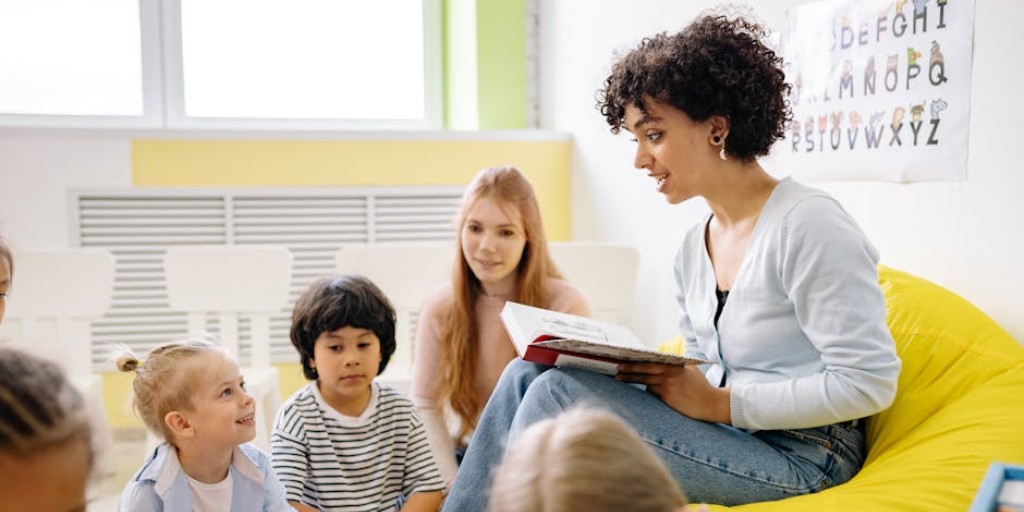
ALT Woman Reading A Book To The Children
2
35

15 Feb 2024
📢OPEN #JOB ALERT @MerrittCollege - Staff Assistant / #Instruction (#AlliedHealth & #PublicSafety)
⏳APP DEADLINE: FEB 28, 2024🔻
bit.ly/3uDj1k3
.
#academicoperations #academicprograms #studentlearningoutcomes #instructionalneeds #institutionallearningoutcomes #ILO
1
28
16 Jan 2024
Last week, Family Engagement Lab Co-Founder @vidya_sundaram connected with @eschoolnews to discuss tips for schools to engage with families & improve #studentlearningoutcomes. A hint on Vidya's biggest tip? Our #familyengagement tool FASTalk. Learn more: ow.ly/36gc50QqzLJ
2
2
812

2 Dec 2022
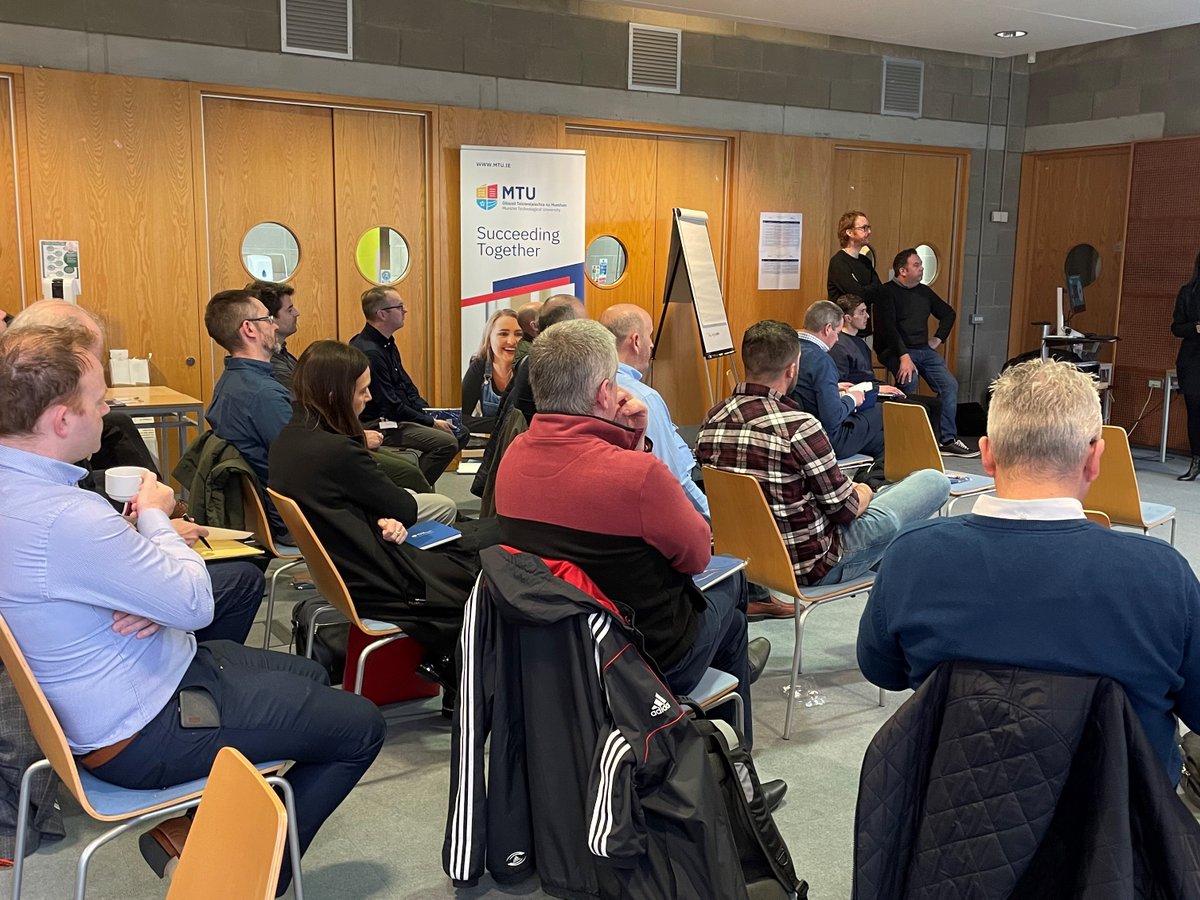
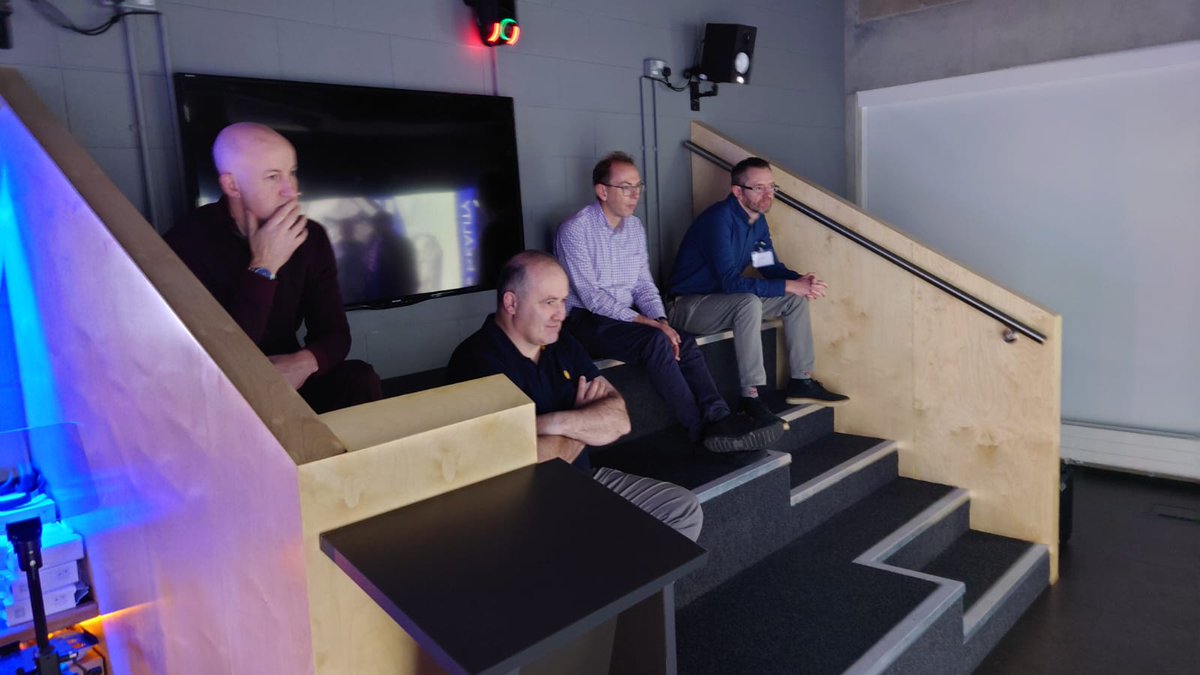
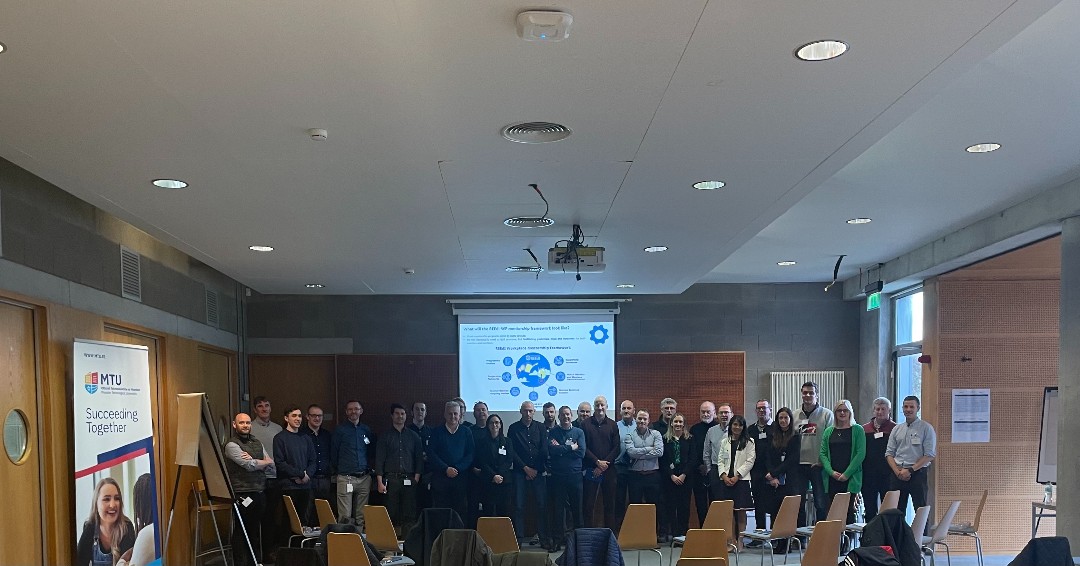
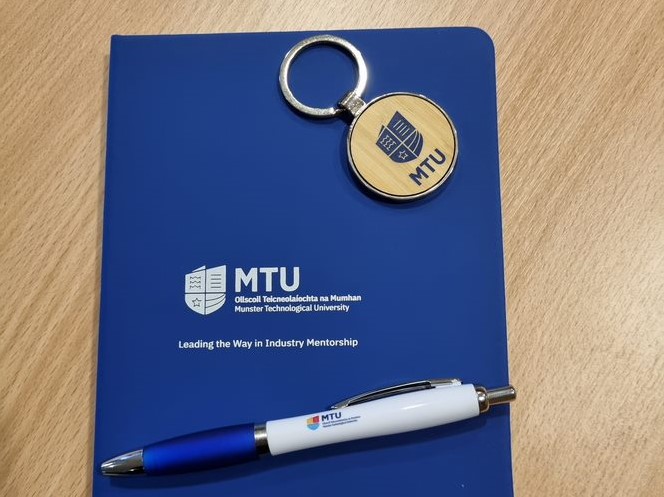
@MTU_ie and @REEdIDept were delighted to welcome Industry Colleagues to the Kerry Campus for an engaging workshop on the topic of Industry and Student Mentorship.
#mentorship #learningcommunity #workplacements #studentlearningoutcomes #excellence #AR #VR
4
7

Texas laws establish new requirements on how to help students who don't pass STARR. Learn how to create a course of action to help all students pass STARR this year.
Register for FEV Tutor's Lunch and Learn! hubs.li/Q01qxn5R0. #studentlearningoutcomes #STARR #tutoring
1

25 Jun 2022
Attaining Strong Learning Outcomes Using Modern Pedagogies in Teaching Image Processing and Computer Vision
#teachingpedagogies #OutcomeBasedEducation #StudentLearningOutcomes #studentlearning #NEP2020 #OBE
@AICTE_INDIA @ugc_india @IIITB_official
igi-global.com/chapter/attai…
3
24 Jun 2022
Our edited book on "Development of #EmployabilitySkills Through Pragmatic Assessment of #StudentLearningOutcomes" is published now by @igiglobal
#OBE #NEP2020
@IIITB_official @AICTE_INDIA @ugc_india @ms_aicte @mamidala90 @adsahasrabudhe
igi-global.com/book/developm…
1
1
4

5 May 2022
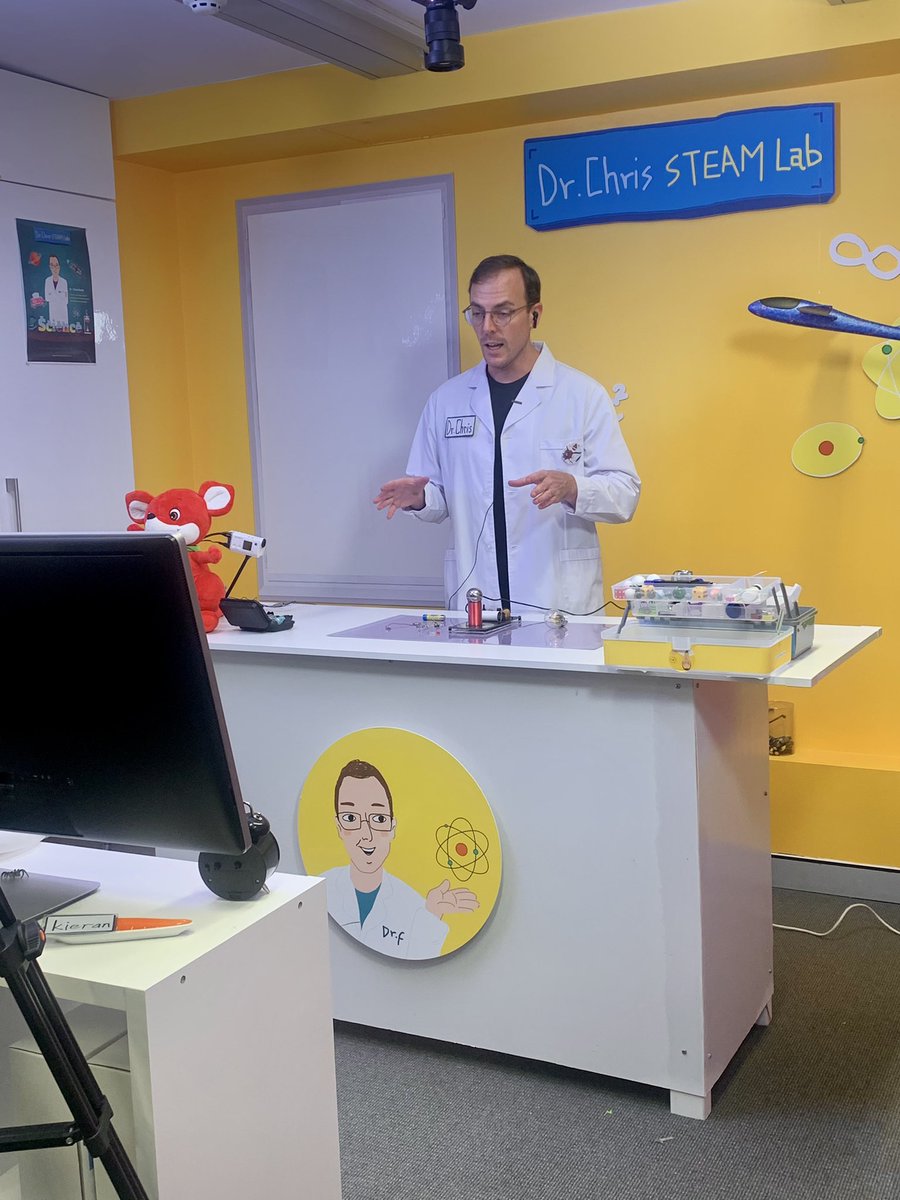
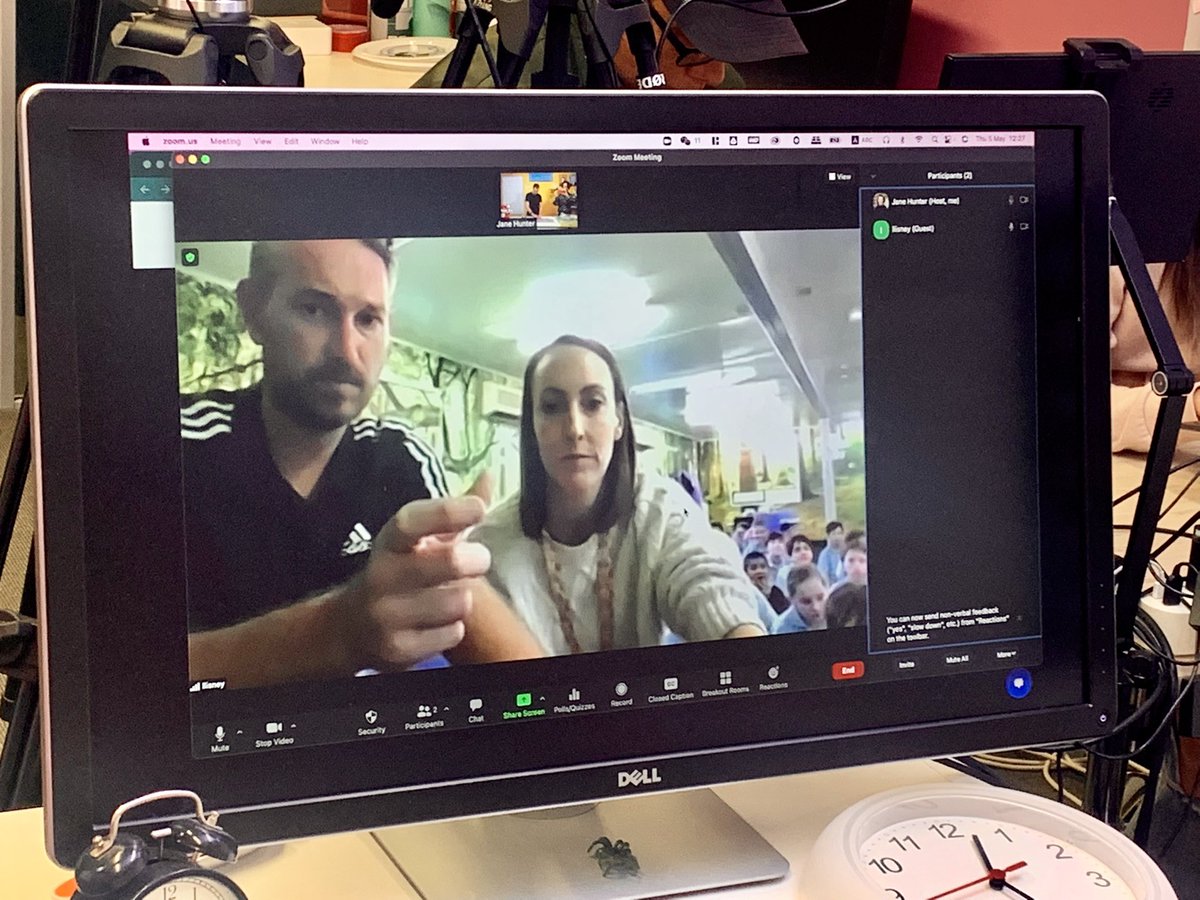
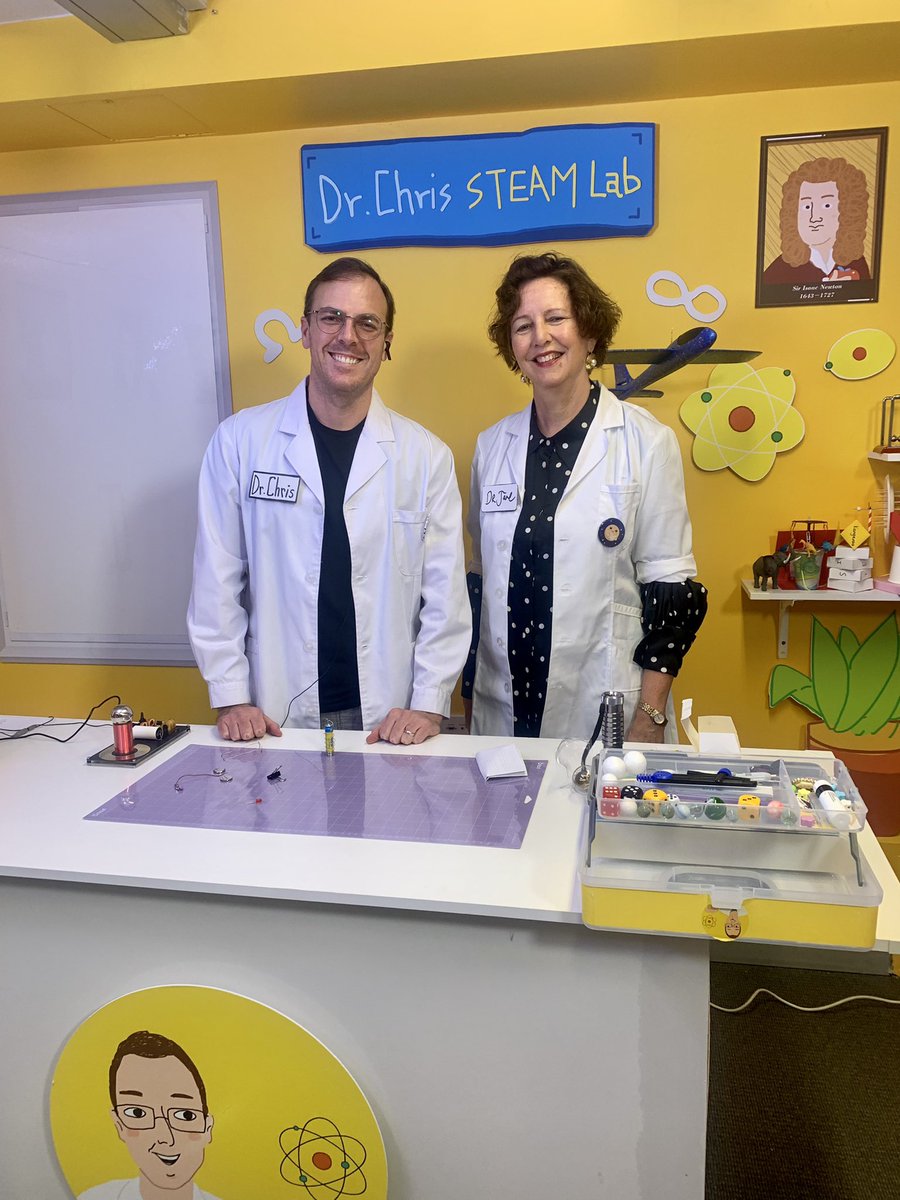
Talking #electricity #energy #Integratedstem #studentlearningoutcomes #highpossibilityclassrooms with @csferrie #quantumphysicist today with 110 Stage 3 students & their fab teachers @NSWEducation @UTSEngage @UTSFass @schoolofintedn @UTSFEIT @UTS_CREDS
1
3
11

3 Dec 2021
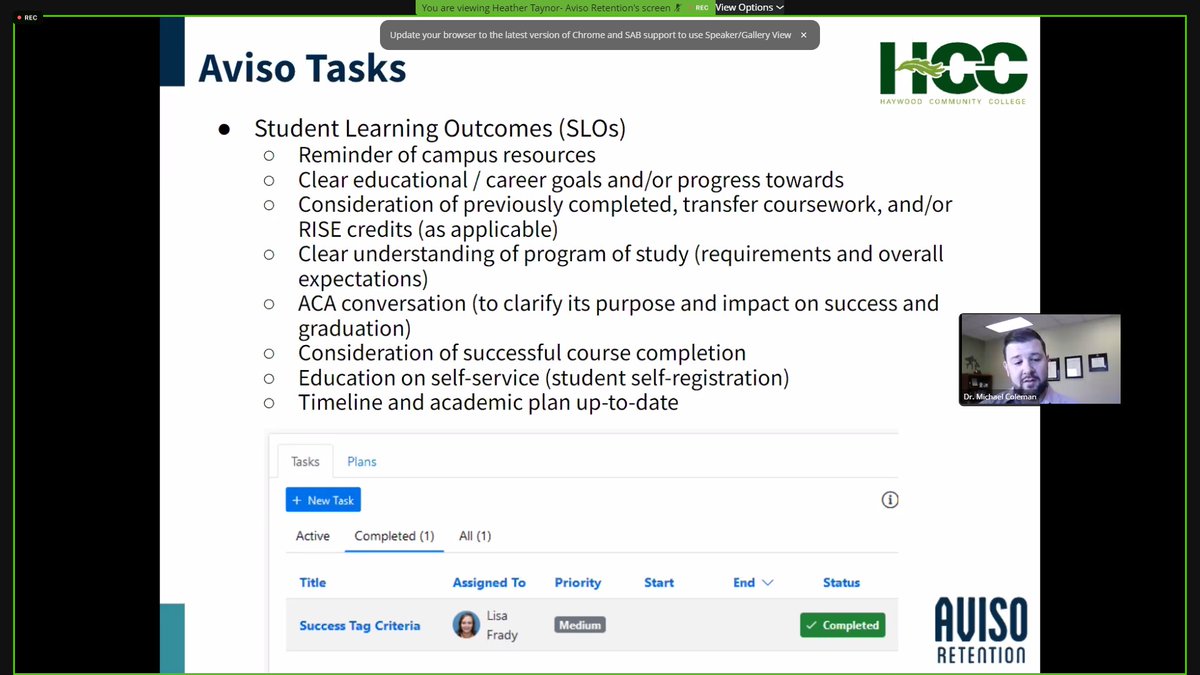
Kicking off #sacscoc2021 with a great talk by Dr. Michael Coleman about Student Learning Outcomes using AVISO
#aviso #studentlearningoutcomes
1
2

7 May 2021
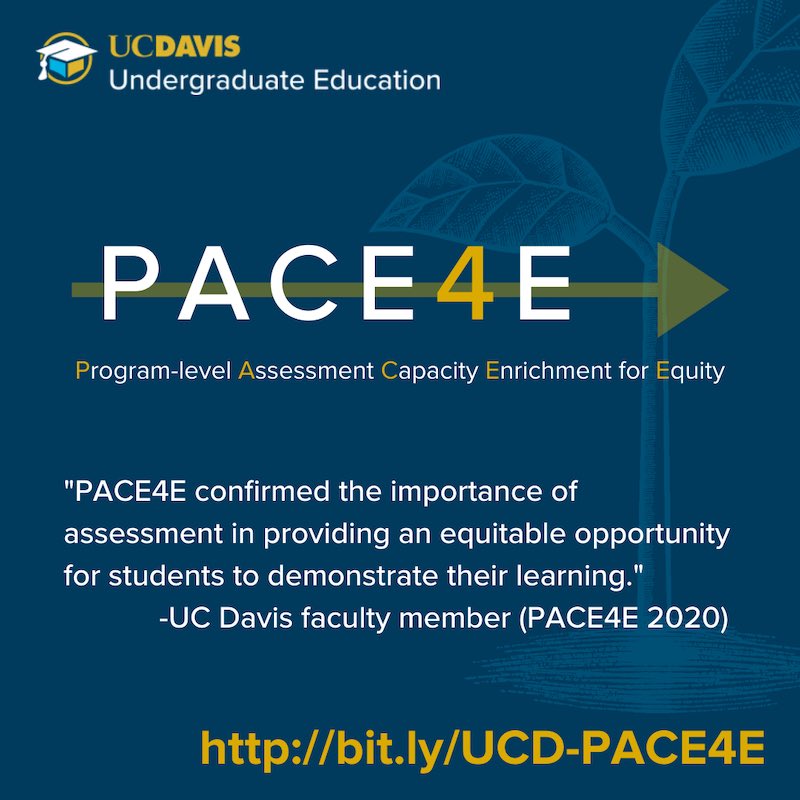
@ucdavis faculty: Curious about how to enact your commitment to #EducationalEquity? Join the @AggieAssessment team to grow your capacity for #EquityCenteredAssessment of #StudentLearningOutcomes via #PACE4E! Applications open 05.10.21! @karamoloney @UCD_Diversity @UCDavis_CEE
2
4

14 Apr 2021
#OSCEBiH commends the efforts of all involved in developing this draft curricula, in line with the #BiH Common Core Curricula defined on #StudentLearningOutcomes. We will continue to work with Sarajevo Canton MoE towards #inclusive and quality #education. #BoljeObrazovanje
3
5

22 Sep 2020
#Transparency #Clarity of #StudentLearningOutcomes => #Equity. We need to intentionally engage students in our #Assessment practices in meaningful ways. Join us for more engaging and challenging conversations.
@njankow @UCDavis_CEE @UCD_Diversity
2
21 Sep 2020
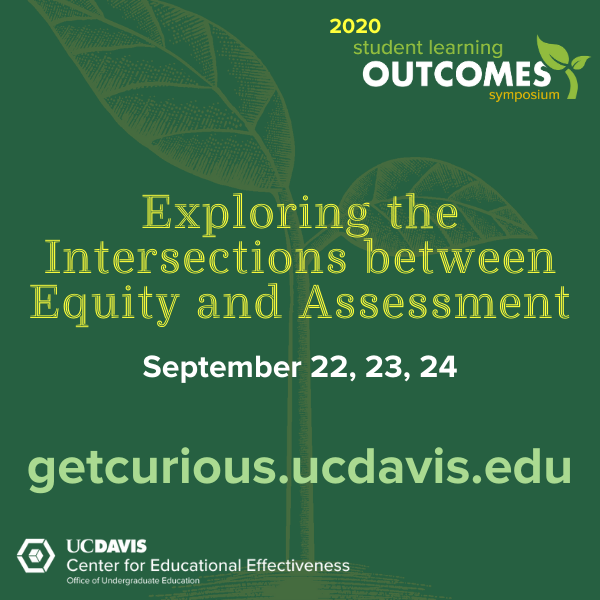
We are excited about our first online (but fourth annual) symposium about student learning, which starts tomorrow! Speakers include: @Chancellor_May @Renetta_Tull @curious_aggies @njankow & many more! #CuriousAboutLearning #EquitableAssessment #StudentLearningOutcomes
5
8

10 Feb 2020
“Trauma: experiences or situations that are emotionally painful and distressing and that overwhelm people’s ability to cope, leaving them powerless” - The Center for Nonviolence and Social Justice #CCCCOImplicitBiasTraining #StudentLearningOutcomes
5
7 Feb 2020
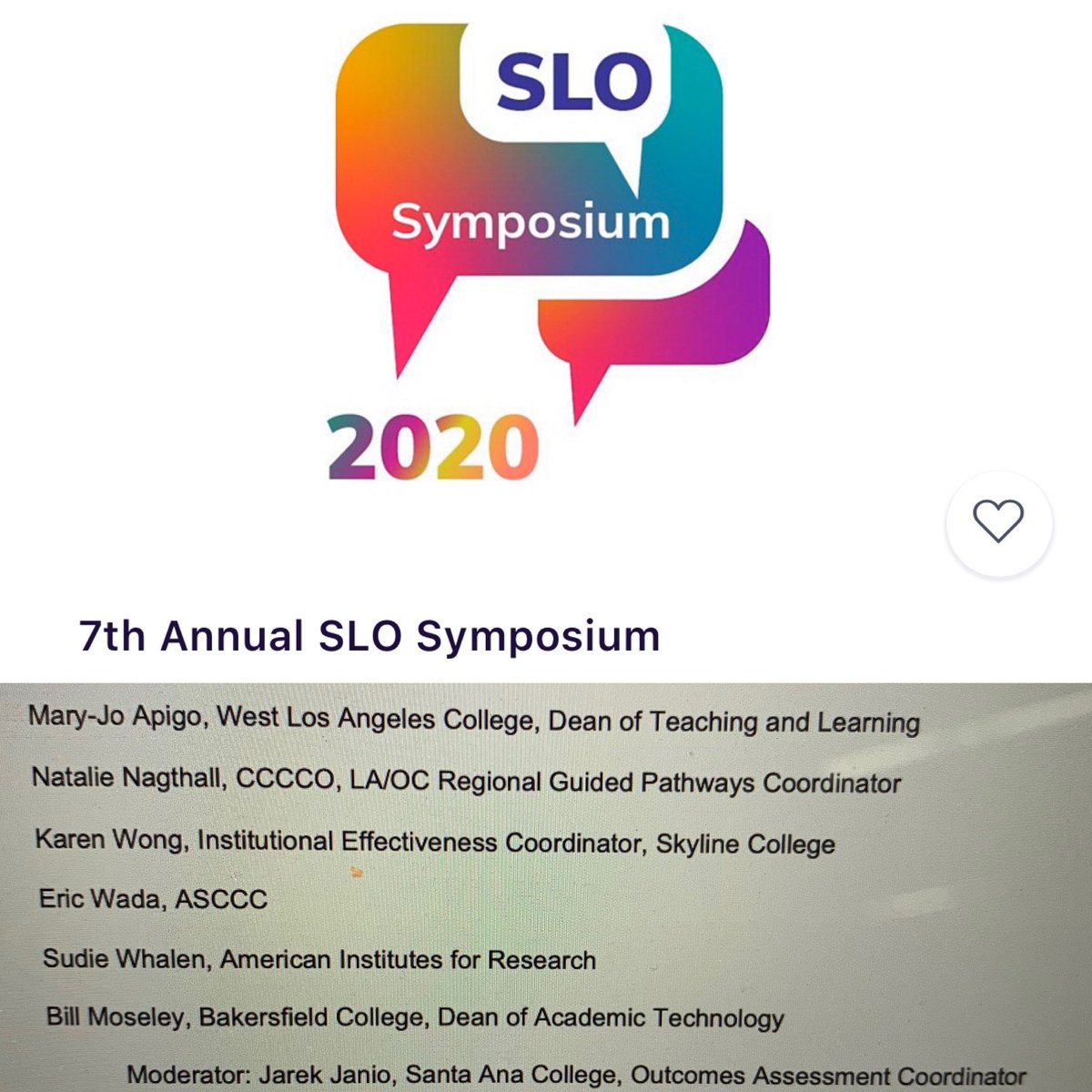
Glad I got to participate alongside an amazing panel of educators to talk about #GPPillar4 and #StudentLearningOutcomes at the #SLOSymposium! #OccupyLearning
3
10

31 Jan 2020
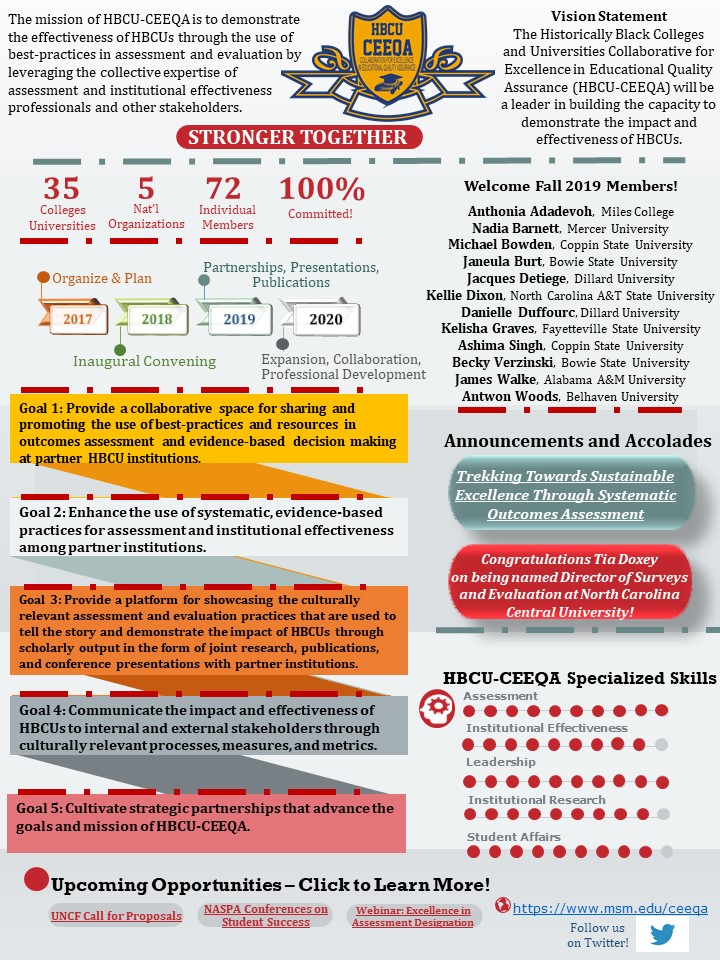
Sharing on the last day of the first month of the new decade @HBCU_CEEQA At-A-Glance. Thankful for our members and partners. Take a look. Get involved. Ask us how. #equity #assessment #accountability #studentlearningoutcomes #HBCUs
4
2

Let's take a look at item analysis and how it can inform exam design and improve student learning outcomes. #itemanalysis #examdesign #studentlearningoutcomes #gradescope bit.ly/2nyKjWp
2
2

18 Sep 2019
I drafted a 7 page document of learning outcomes that will be reviewed by the entire campus and used to evaluate all GE courses. I can’t lie - I had Deb Gilchrist in my ear saying “in order to” the whole time I was writing. #iloveacademia #studentlearningoutcomes
1
2