
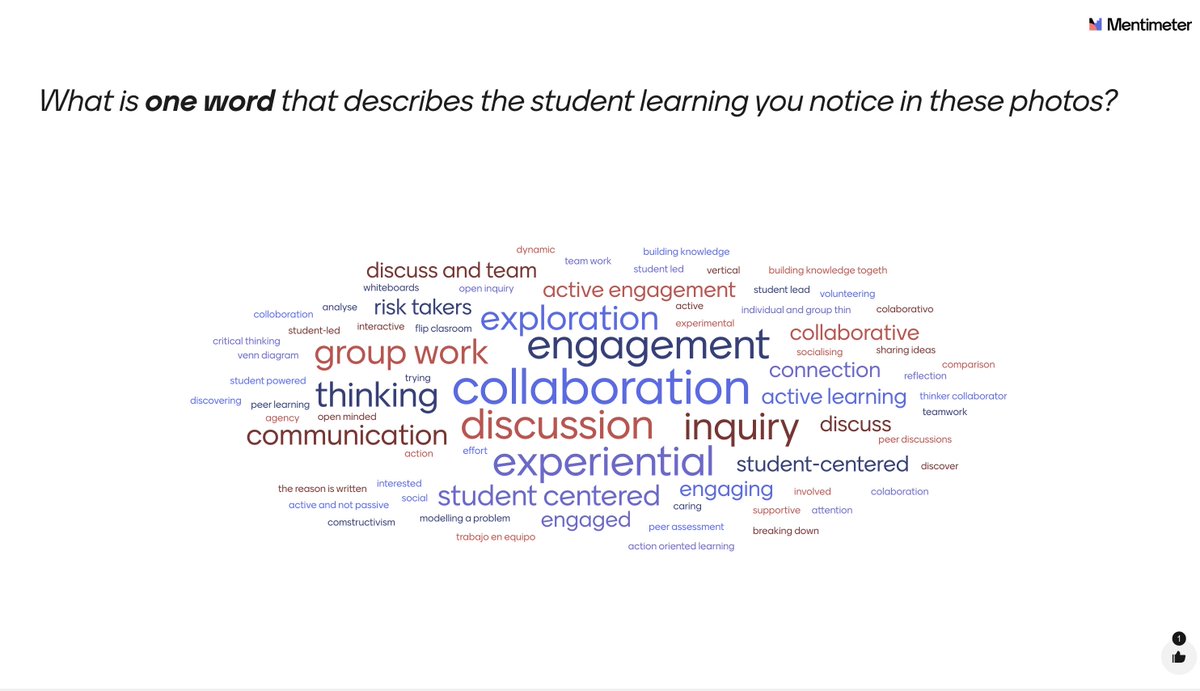
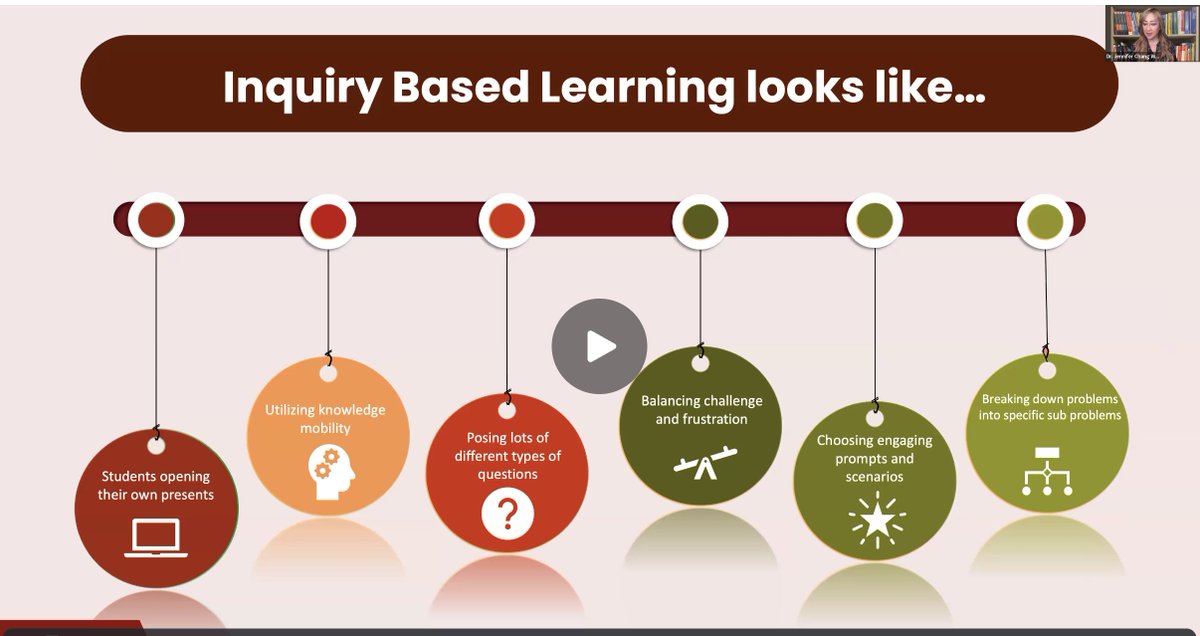
Why Inquiry Belongs in DP Mathematics! 🌟 Experience inductive learning with @TaylanCeltik in our IB webinar. #ConceptBasedMath #InquiryBasedLearning #IBMathematics #DPMaths #MathsEducation #DeepLearning #TeachingForUnderstanding #IBDP #StudentCentered #MathChat
4
One of the best parts of my work: seeing teachers connect AI to daily classroom life. Grateful to support education in Hong Kong. 🙏 #AIPoweredPedagogy #AIinEducation #HongKongTeachers #TeacherPD #TeachingForUnderstanding #EducationHongKong
21

𝐅𝐫𝐨𝐦 𝐌𝐞𝐦𝐨𝐫𝐢𝐳𝐚𝐭𝐢𝐨𝐧 𝐭𝐨 𝐌𝐞𝐚𝐧𝐢𝐧𝐠𝐟𝐮𝐥 𝐋𝐞𝐚𝐫𝐧𝐢𝐧𝐠 — 𝐀𝐫𝐞 𝐖𝐞 𝐑𝐞𝐚𝐥𝐥𝐲 𝐂𝐡𝐚𝐧𝐠𝐢𝐧𝐠 𝐭𝐡𝐞 𝐖𝐚𝐲 𝐏𝐚𝐤𝐢𝐬𝐭𝐚𝐧 𝐋𝐞𝐚𝐫𝐧𝐬?
Pakistan’s education system says it has moved “beyond rote learning” — but what’s really happening inside classrooms?
At a recent @PIDEpk seminar, experts unpacked the country’s shift toward Student Learning Outcomes (SLOs) and exposed the widening gap between policy promises and classroom realities, especially in KP and Islamabad.
🔍 Key insight: SLOs don’t automatically create better thinkers.
Dr Aliya Khalid (@khalidaliya1) @UniofOxford reminded us that they only work when curriculum, teaching practices, assessment systems, and teacher support change together. Instead, sudden shifts in examination patterns — especially in Grades 9–10 — have increased anxiety for both teachers and students, without adequate preparation.
🎓 Linking education to Pakistan’s future workforce,
Dr Nadeem Javaid (@nadeemjavaid75) Vice Chancellor #PIDE stressed that reforms must fit our social context and intentionally build creativity, problem-solving, and critical thinking — especially in an AI-driven world.
⚠️ But the biggest roadblock?
Dr Ahsan Ul Haq Satti (@sattiahsan1) #PIDE highlighted that curriculum, pedagogy, and assessment are still misaligned. High-stakes exams and overloaded syllabi often reduce SLOs to paperwork, while true learning remains sidelined — revealing deep learning gaps and the political challenges behind exam reform.
The session, moderated by Dr Faheem Jehangir (@FaheemJehangir), Dean (Policy, PIDE), made one message clear:
➡️ Pakistan doesn’t just need new policies — it needs classrooms that actually teach students to think.
@betterpakistan, @PlanComPakistan, @EduMinistryPK, @GovtofPakistan, @Kalhorozulfiqar, @ShujaatSohal
#EducationReform #StudentLearningOutcomes #PakistanEducation #HumanCapital #CriticalThinking #TeachingForUnderstanding
1
10
305

25 Apr 2024
This is bound to be an excellent episode! #interdisciplinaryliteracy #science #teachingforunderstanding
25 Apr 2024

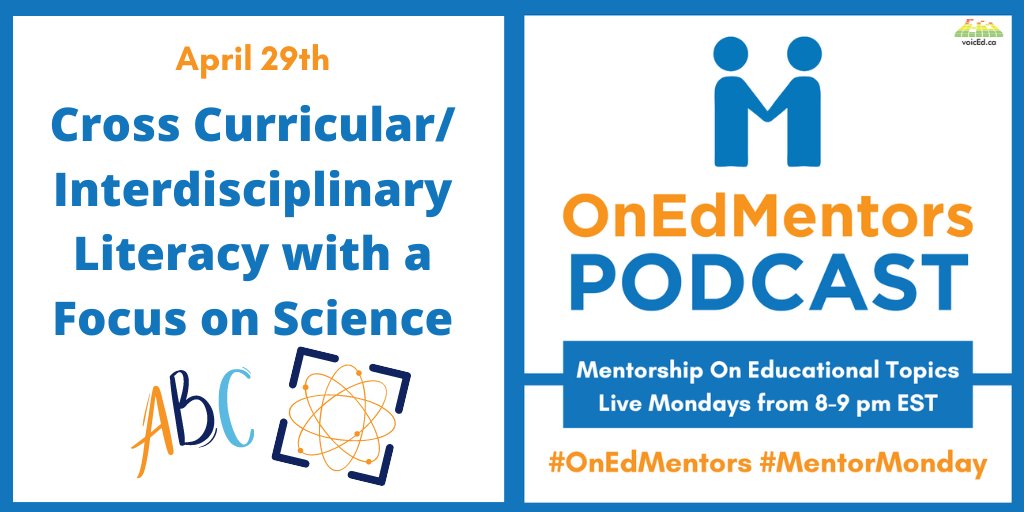
This Monday, tune in to #OnEdMentors from 8:00-9:00 pm EST on voicEd.ca to hear host @iamnoadaniel and a panel of: @scilitsandra @LionelSandner @GraziellaSadler @KarenFilewych discussing Cross Curricular/Interdisciplinary Literacy with a Focus on Science. #science
4
4
475

5 Mar 2024
As an educator, I've always advocated for the crucial alignment between instruction and assessments. This principle isn't novel, but its implementation often falls short in many educational environments due to various constraints.
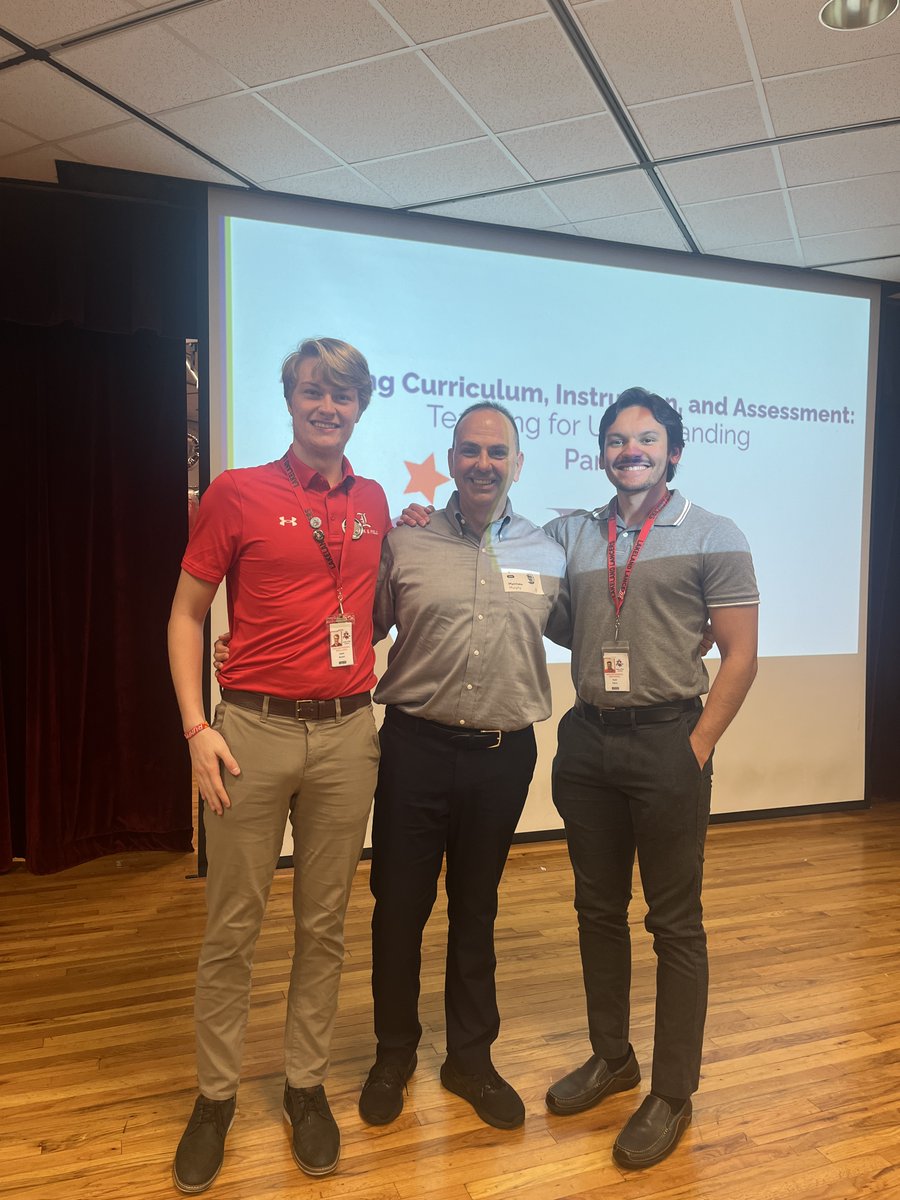
It's refreshing and commendable to witness the Lakeland School District taking significant strides in this direction. Their commitment to ensuring that assessments are not merely an afterthought but an integral part of the instructional design is a bold step toward meaningful educational reform.
Aligning assessments with instruction enhances learning outcomes and ensures equity in assessment. It encourages educators to focus on the core competencies and skills students need to succeed rather than teaching to the test.
I am currently collaborating with the district on this transformative journey. Our goal is not just to change how assessments are designed but to foster a culture where continuous improvement in teaching and learning is the norm.
Kudos to the Lakeland School District for leading by example. Their dedication to revisiting and refining their approach to education serves as an inspiration to districts nationwide. It's a reminder that significant advancements in educational practices are within reach with the proper focus and commitment.
Let's take this opportunity to engage in meaningful discussions on how we can all contribute to aligning assessments with instruction in our respective domains. #TeachingForUnderstanding
1
1
13
1,139
3 Nov 2023
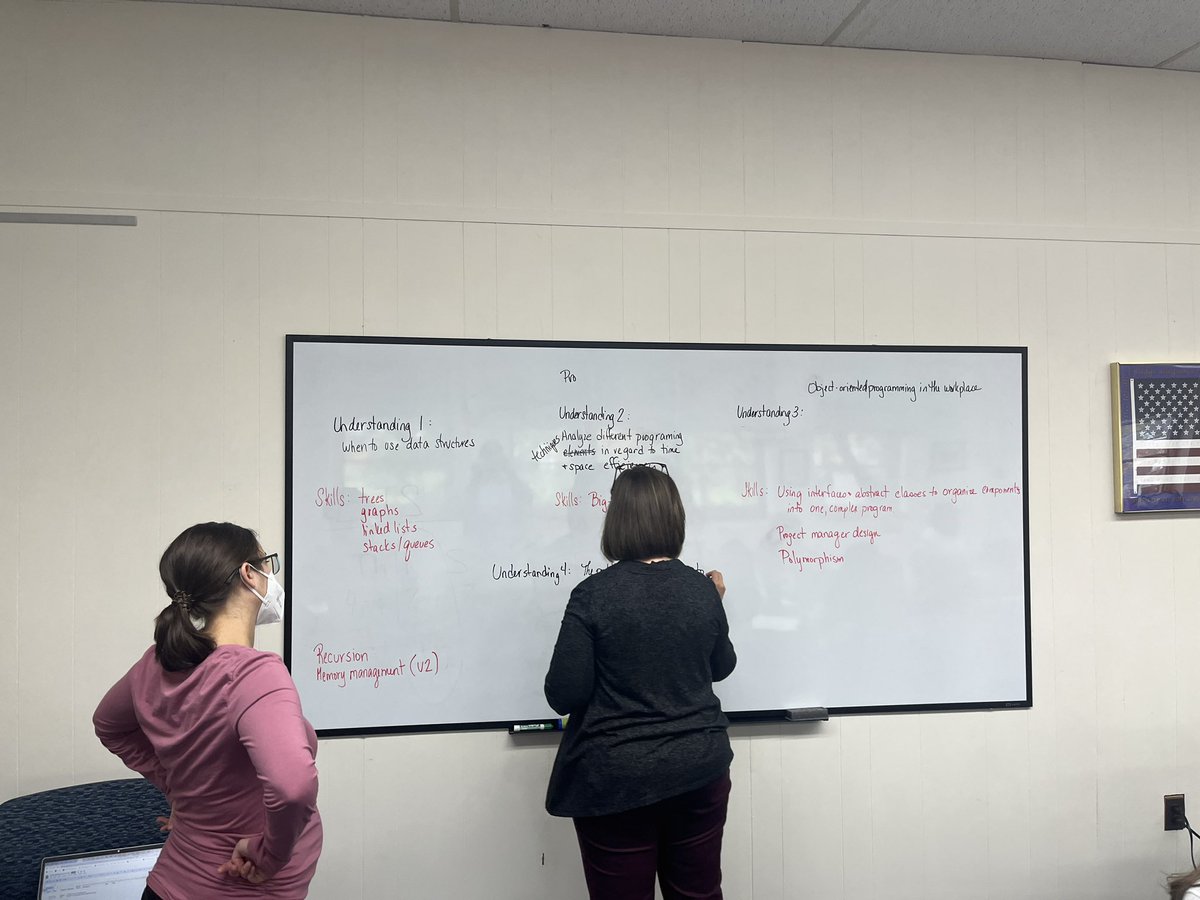
I firmly believe that a guaranteed and viable curriculum is the cornerstone of successful school districts. Let's ensure students receive a high-quality education, fostering deep understanding and lifelong learning. I love this work! #EducationForAll #TeachingForUnderstanding
5
624

20 Oct 2023
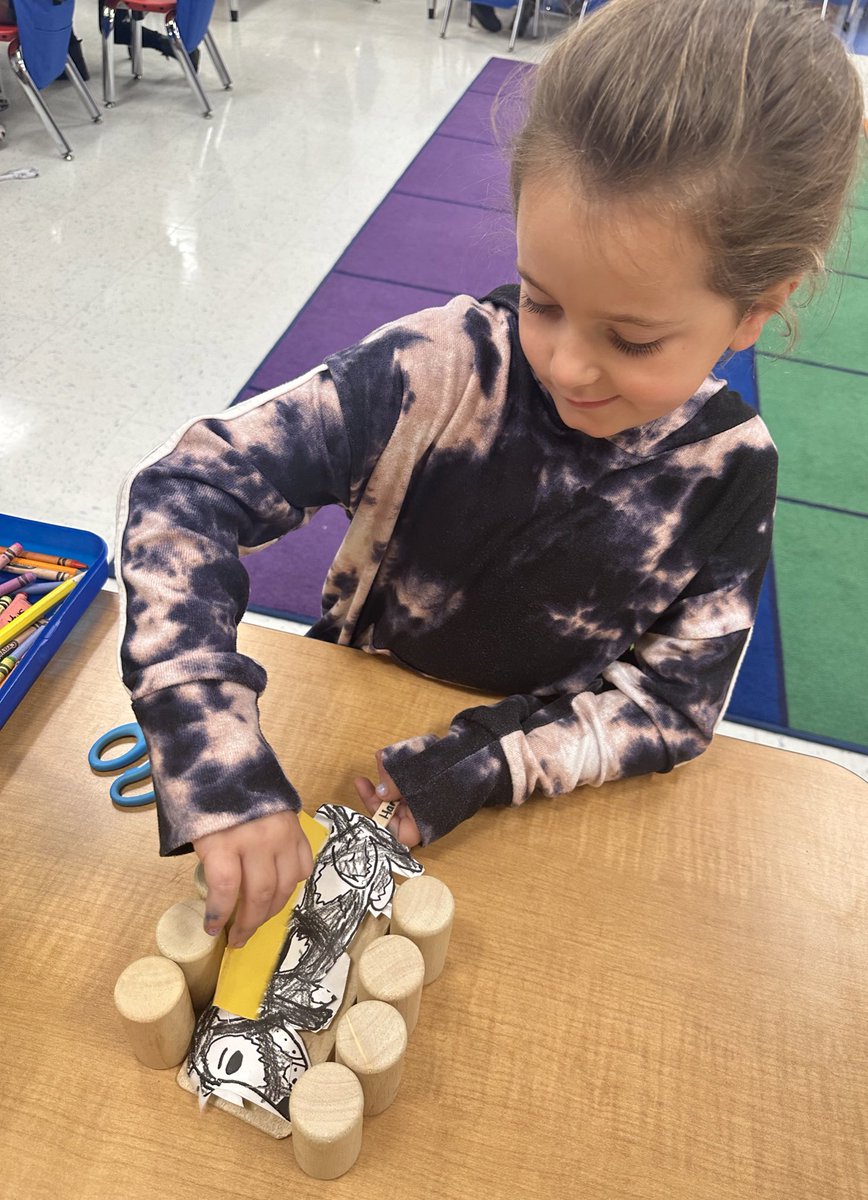
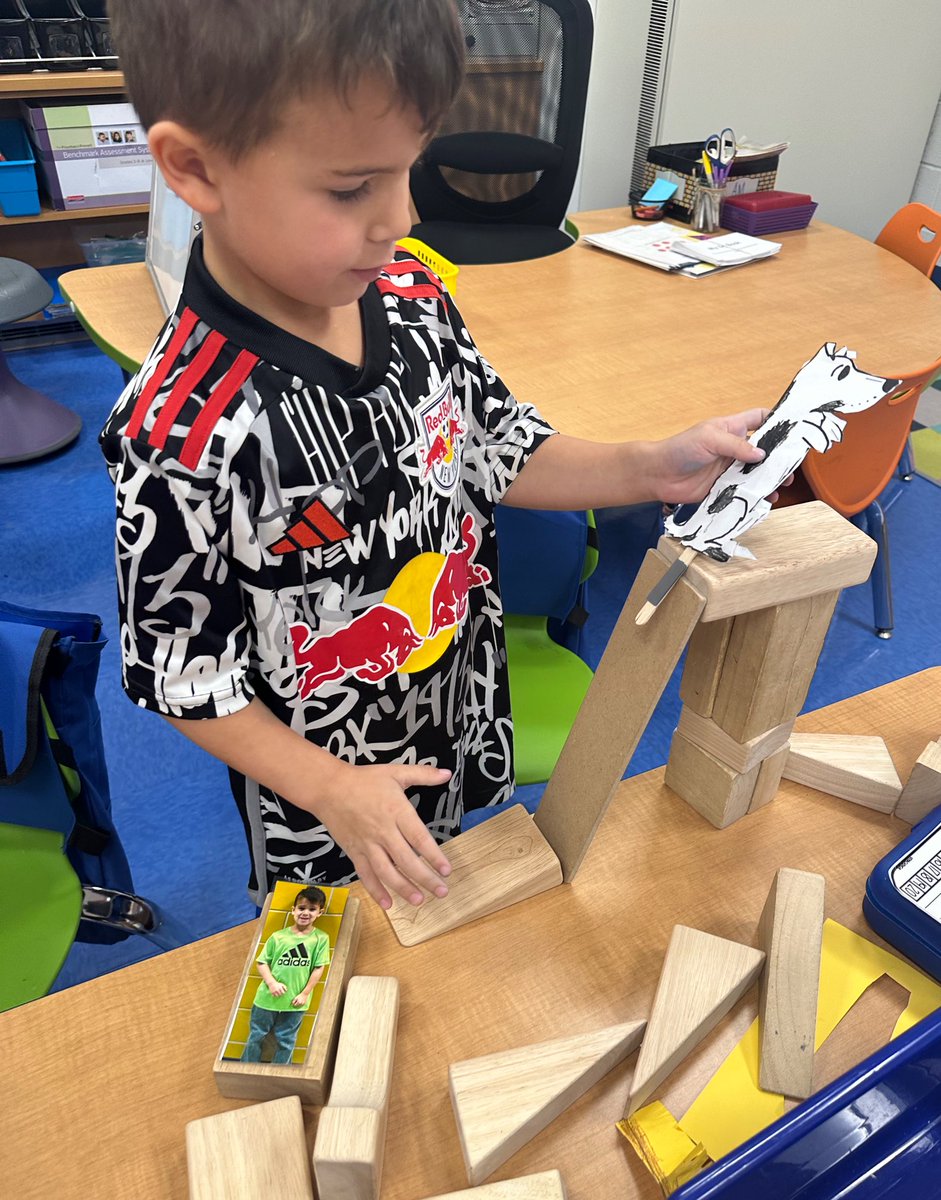
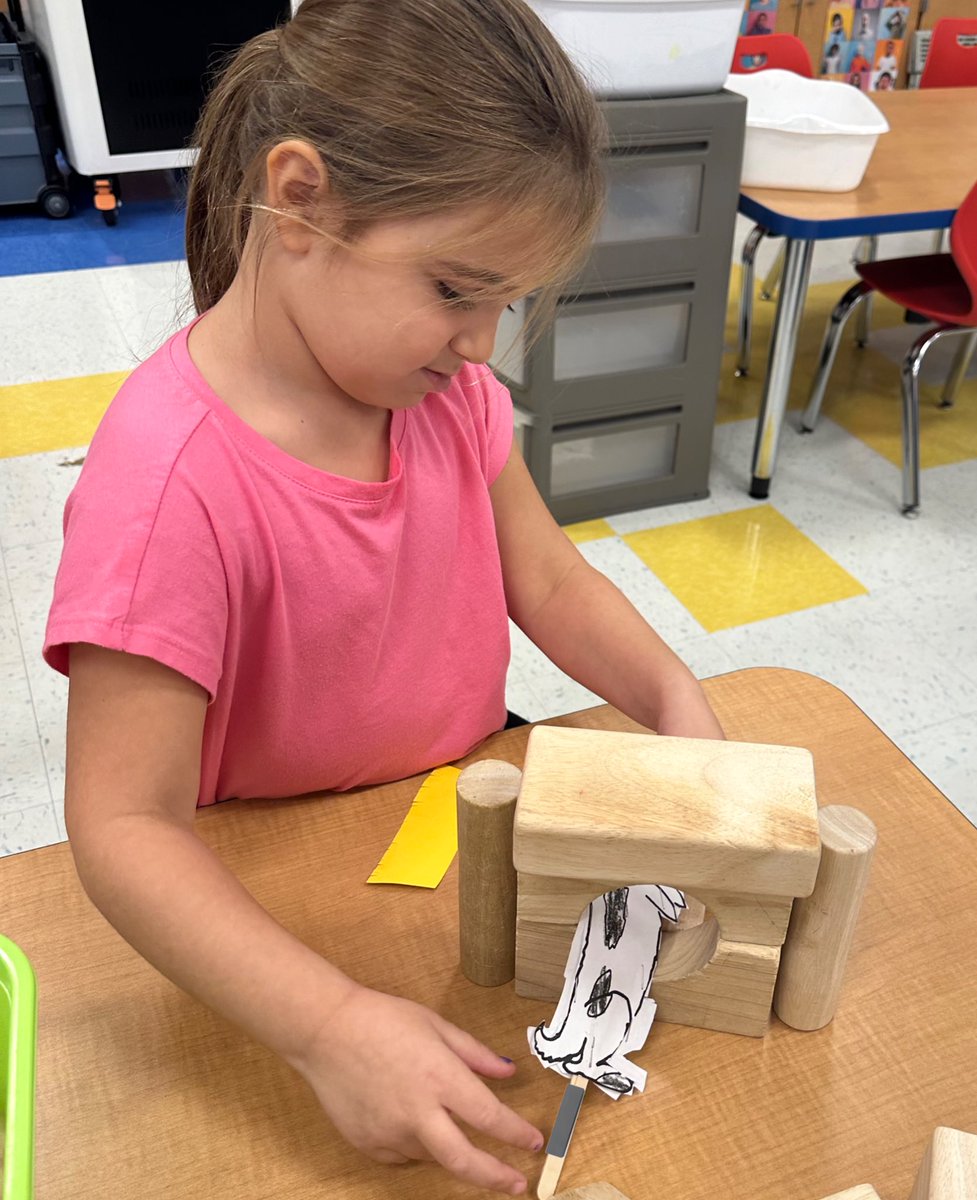
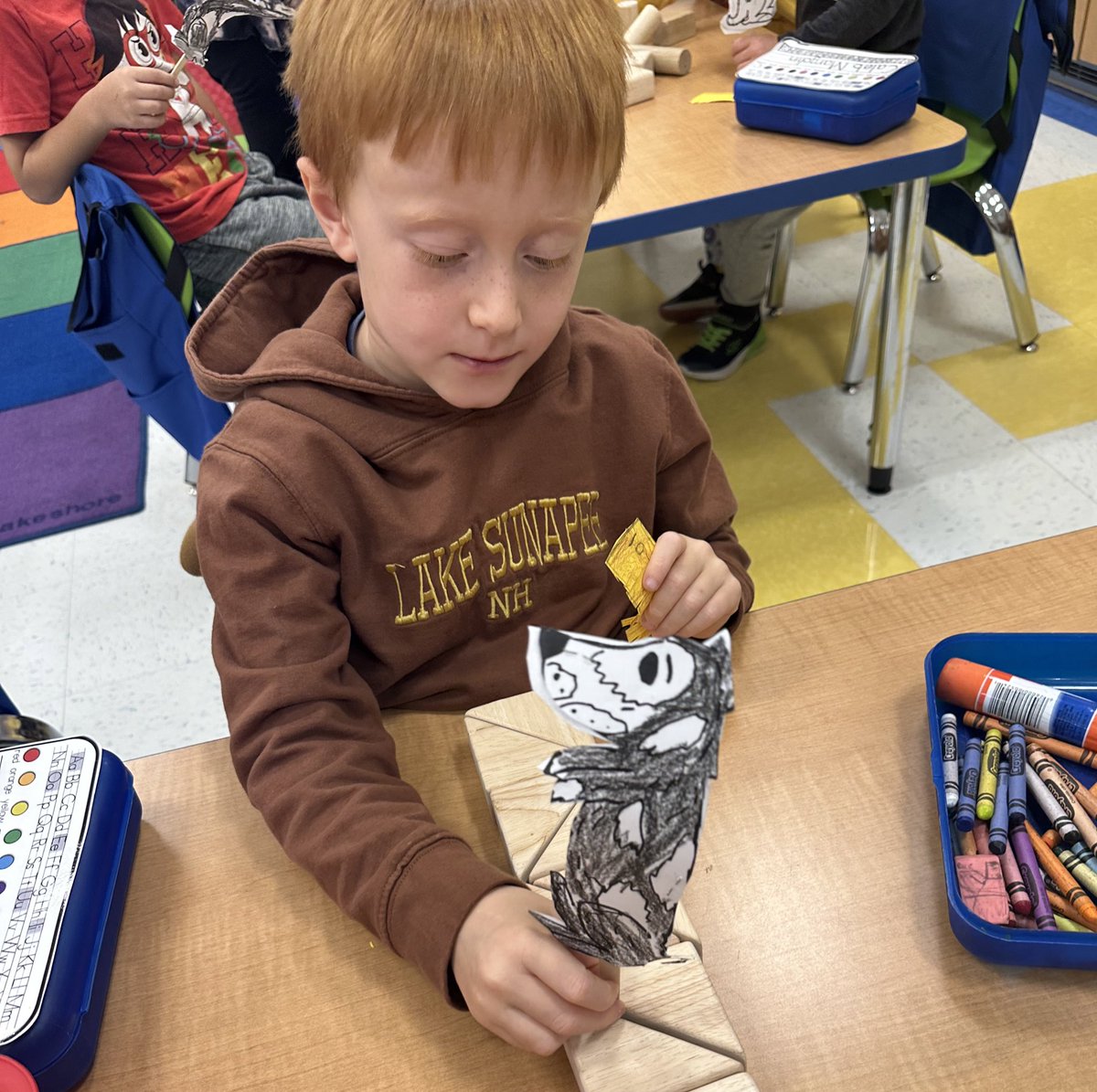
Ss retell Harry the Dirty Dog using blocks which replicated main parts of the story🐶🐾
📸 1: Harry in the bath
📸 2: Harry going down the coal chute
📸 3: Harry at the dog park
📸 4: Harry walking through town past the café
#TeachingForUnderstanding @Hubbard_School
7
171
29 Sep 2023
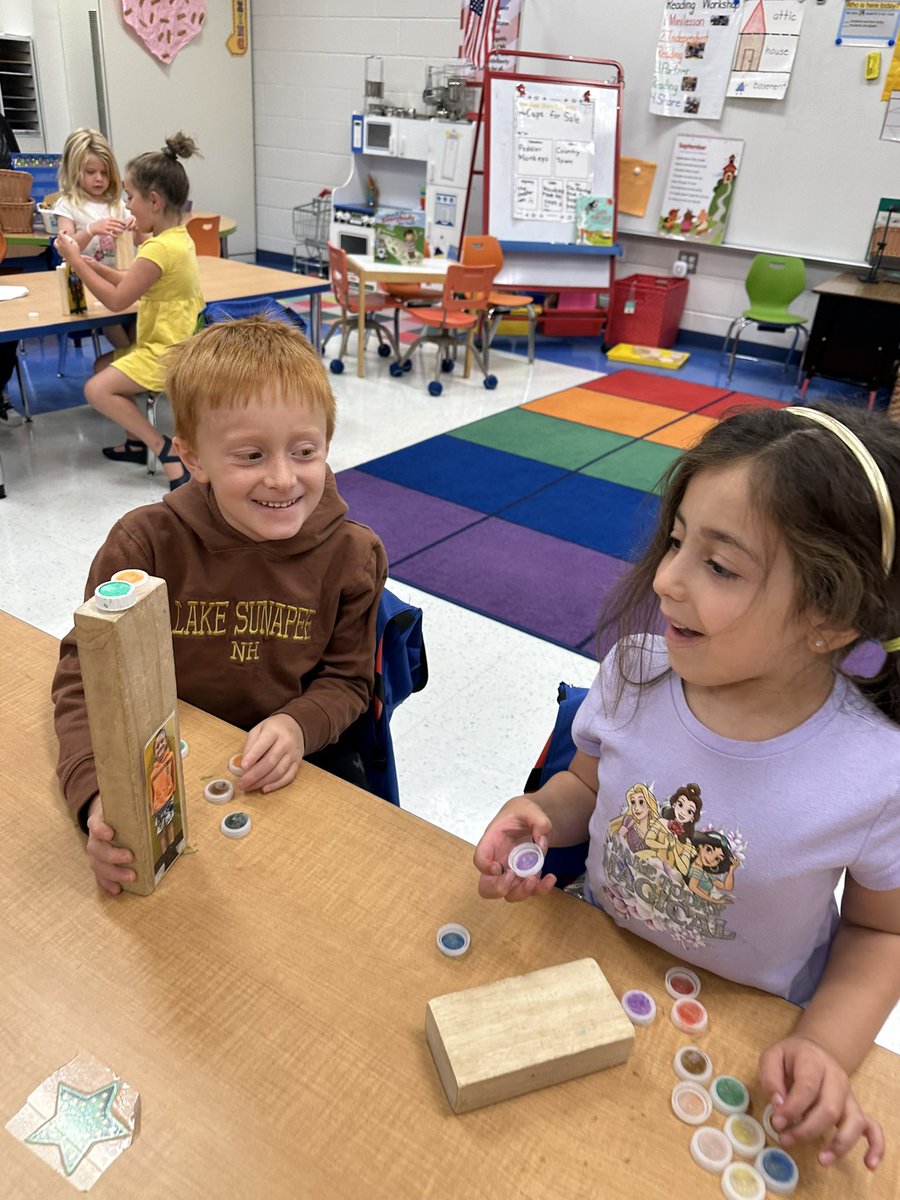
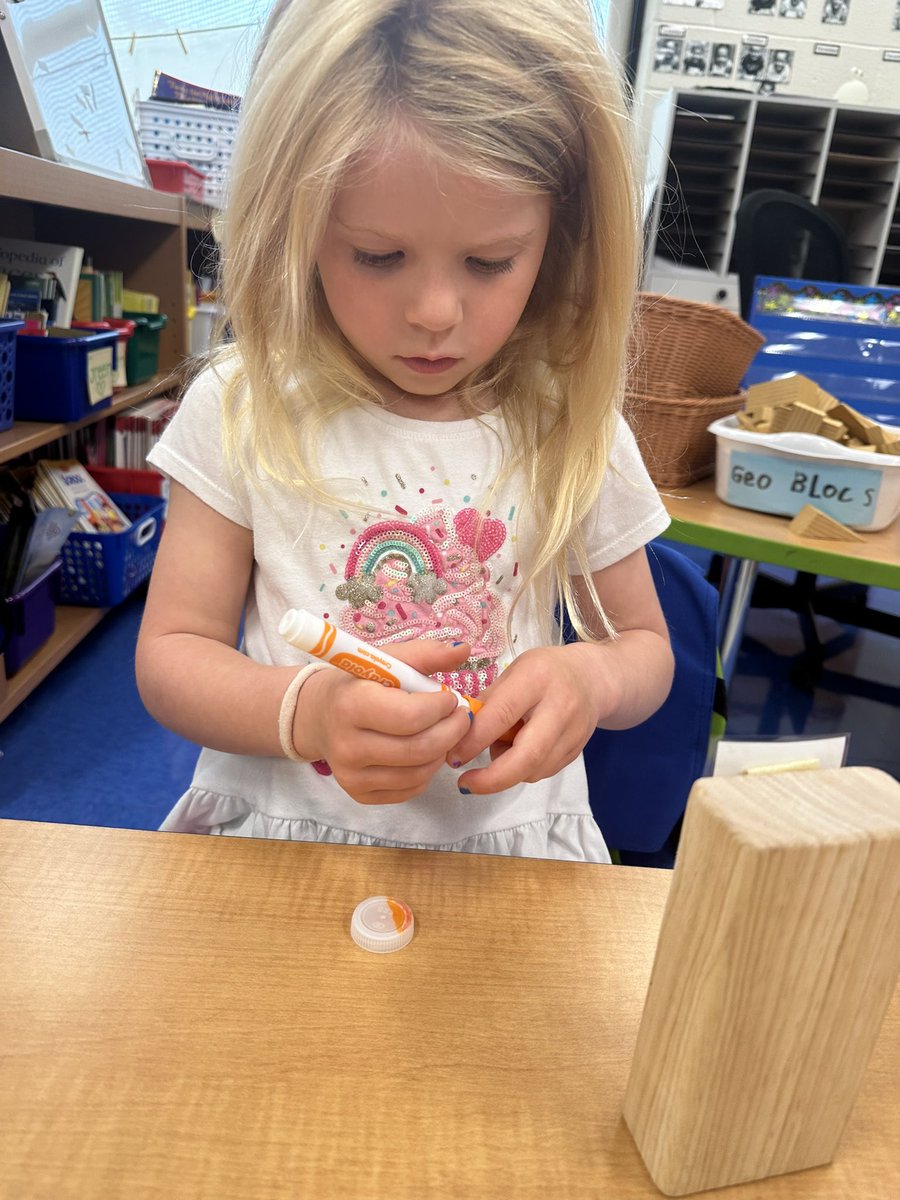
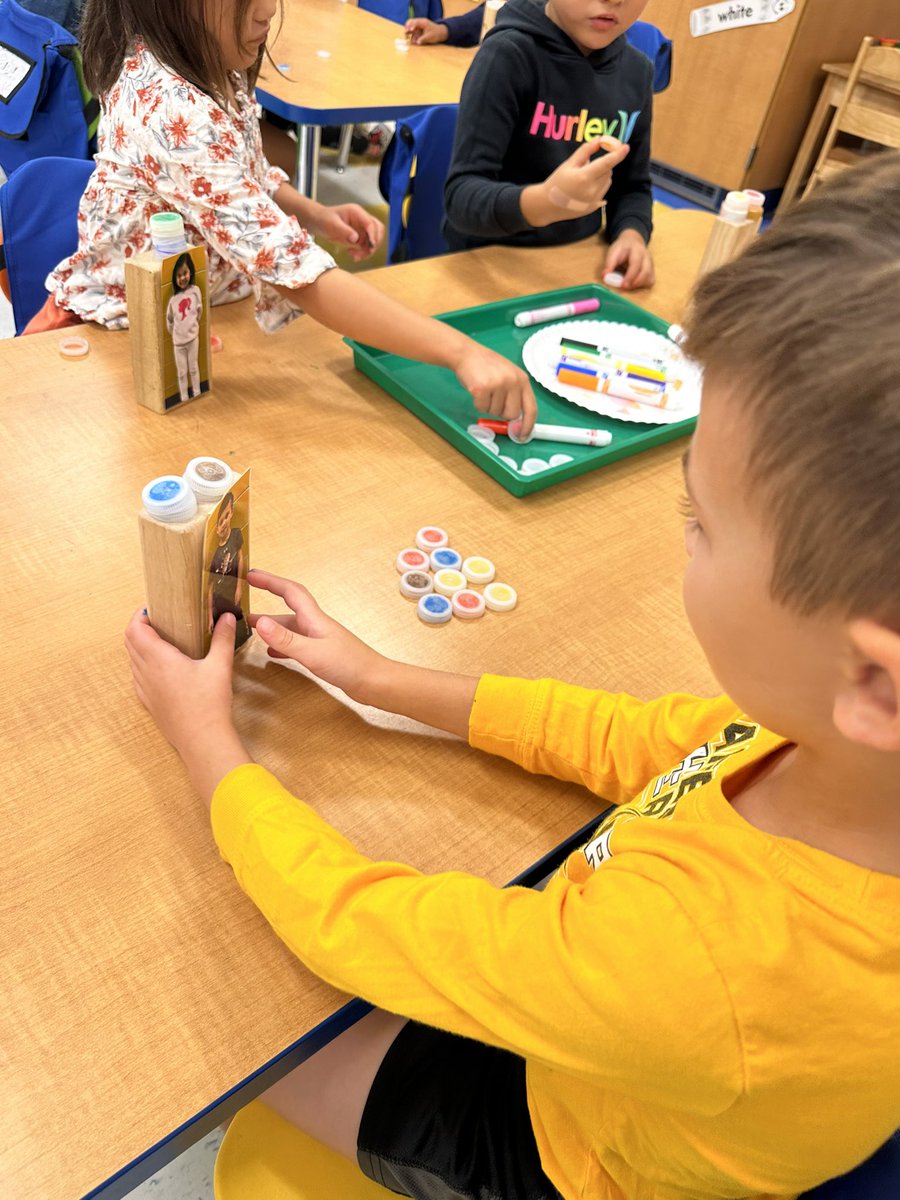
“Caps! Cape for sale! Fifty cents a cap!”
One focus of this weeks 🌟book was retelling. But wait… there is a twist! K-H recreated the story with themselves as the peddler! #TeachingForUnderstanding
@Hubbard_School
1
7
170

18 Sep 2023
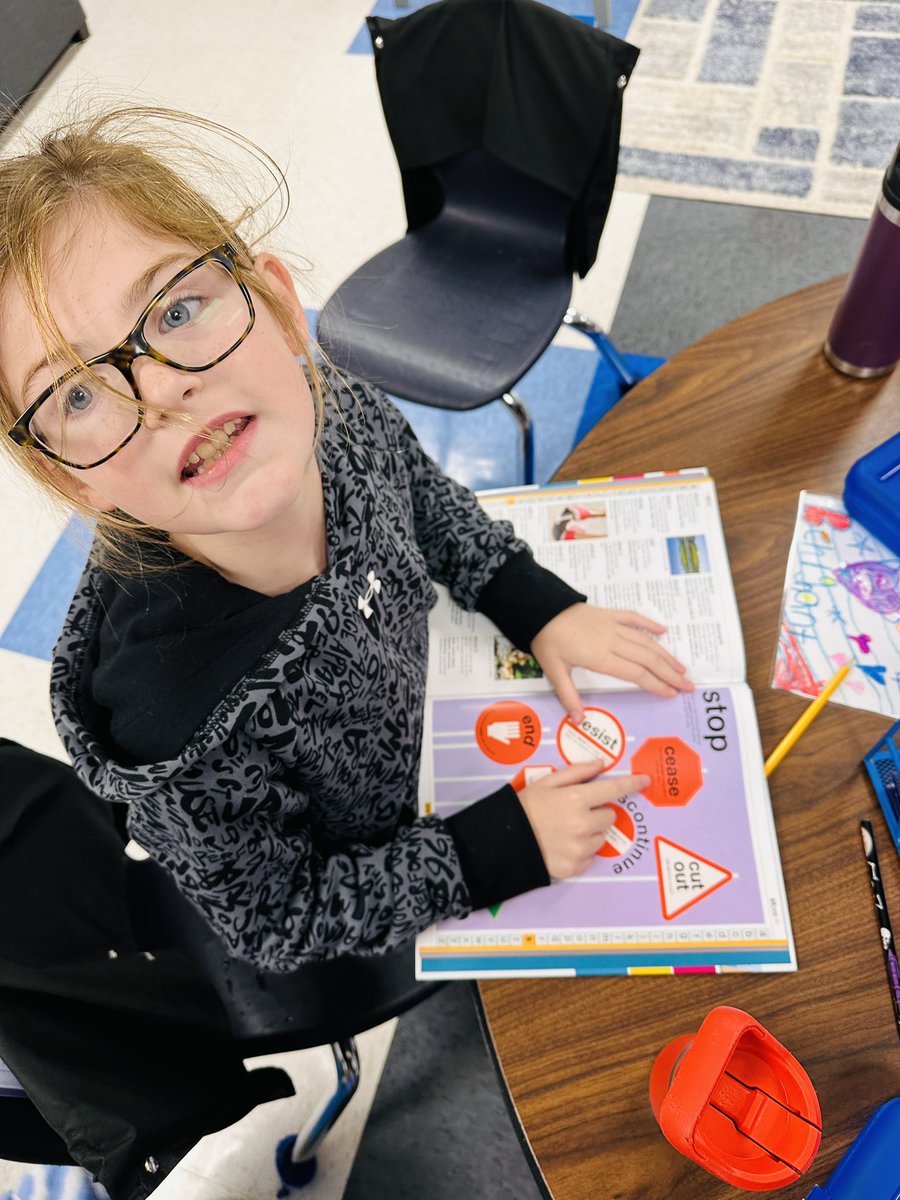
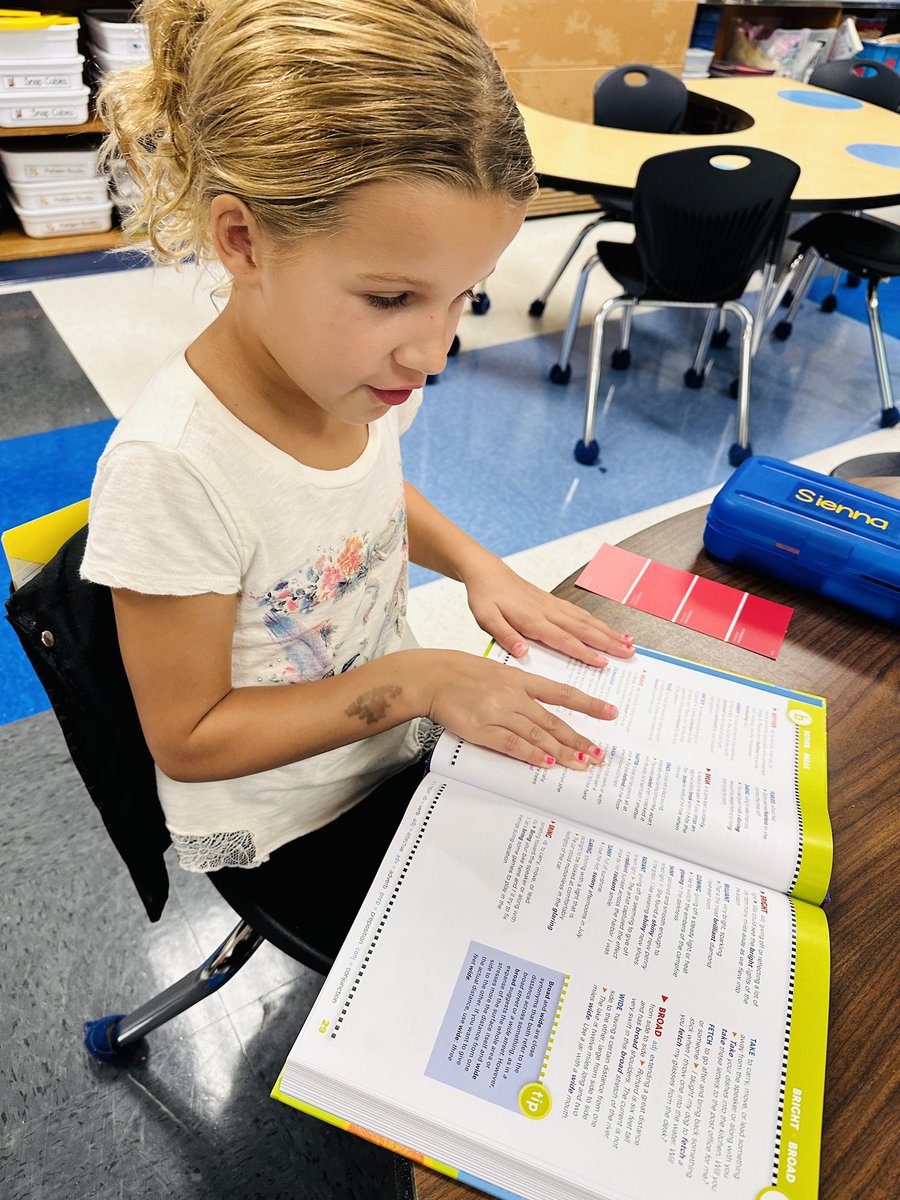
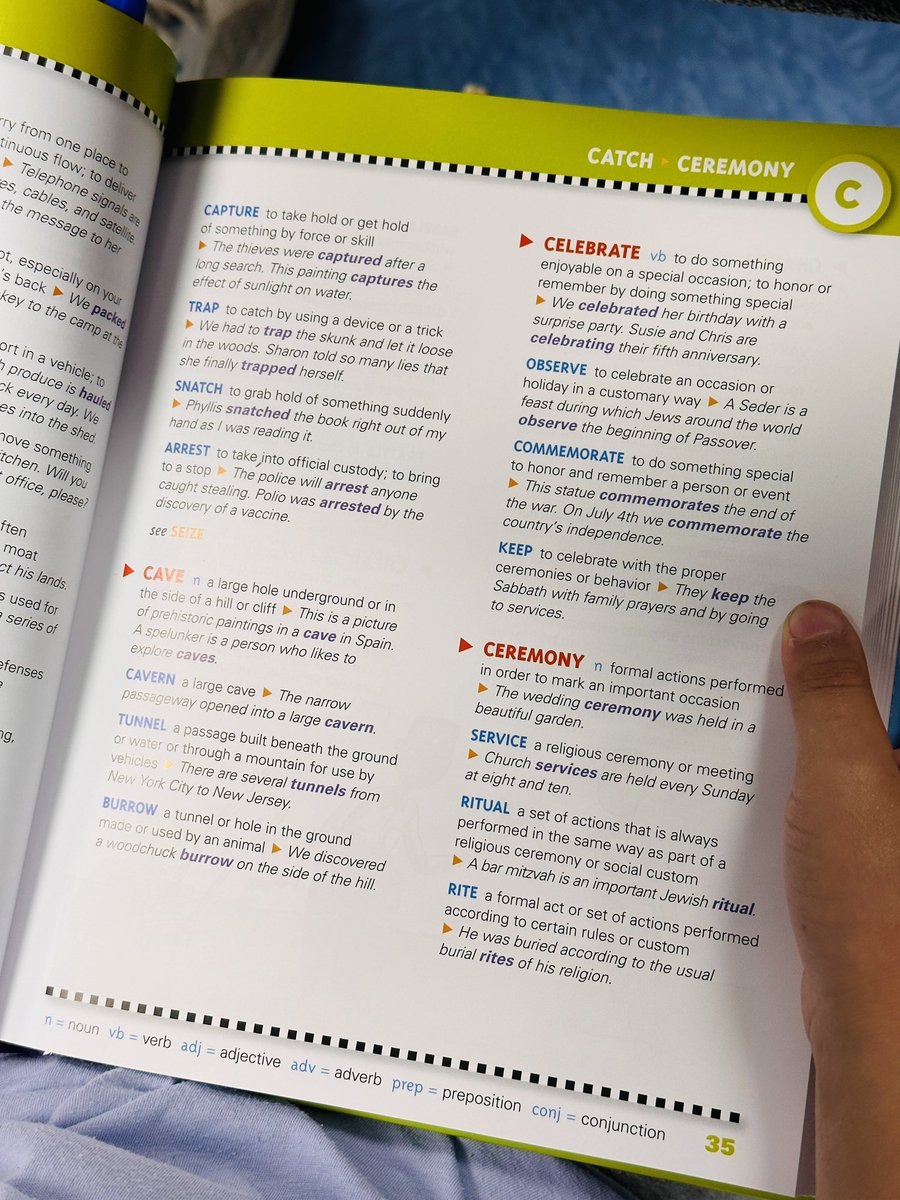
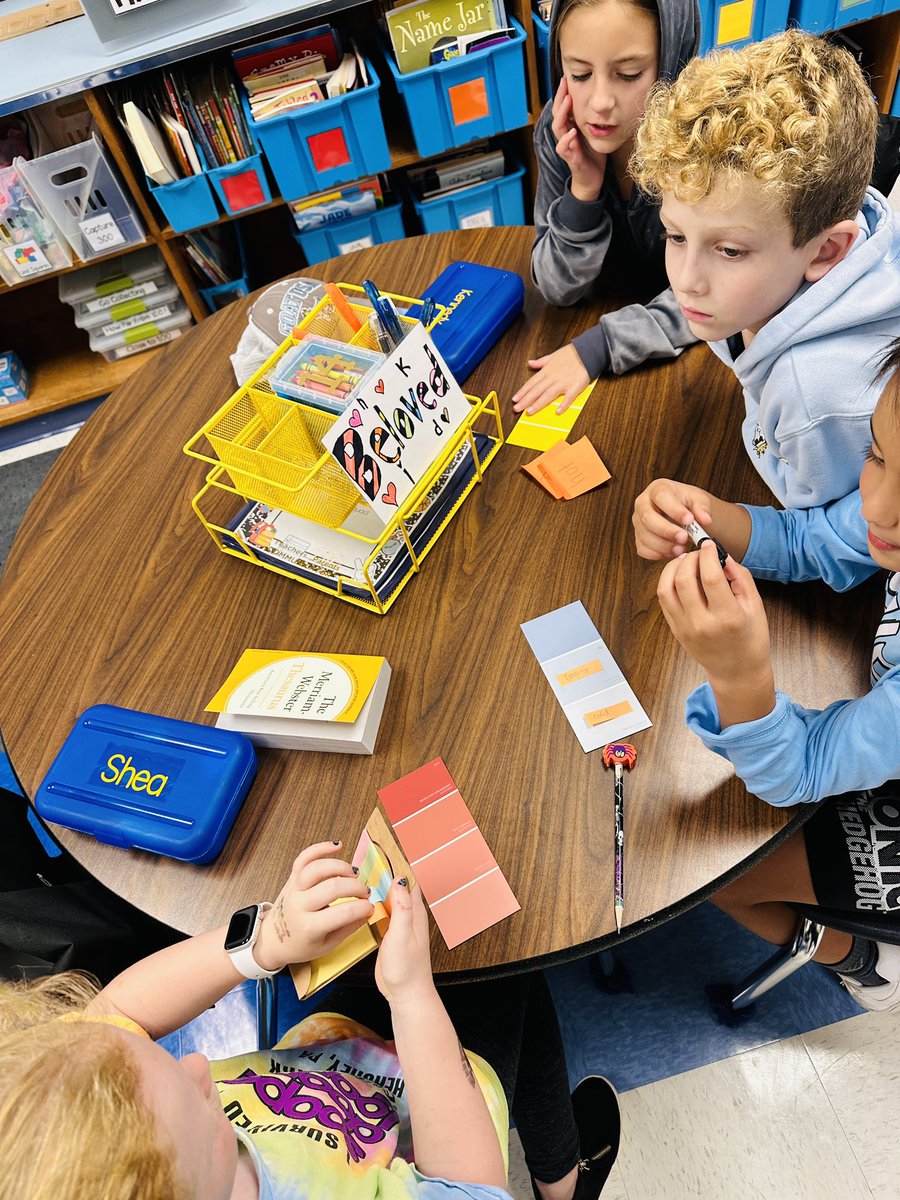
Understanding the power of word choice is critical to molding great writers, speakers, and communicators. By teaching shades of meaning, students have a visual to support their acquisition and storage of vocabulary. #TeachingForUnderstanding #HubbardSchoolRocks #3LeeSquad
1
5
200
18 Sep 2023
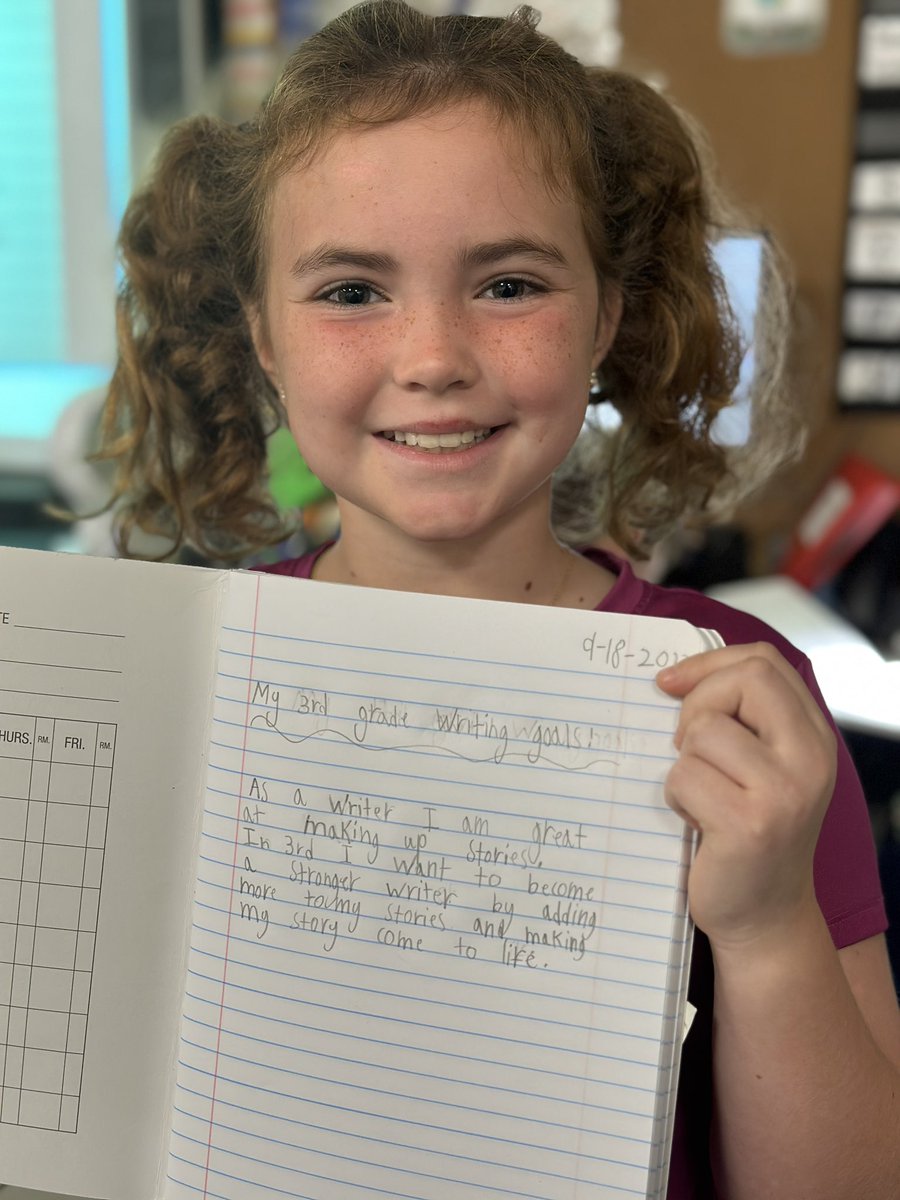
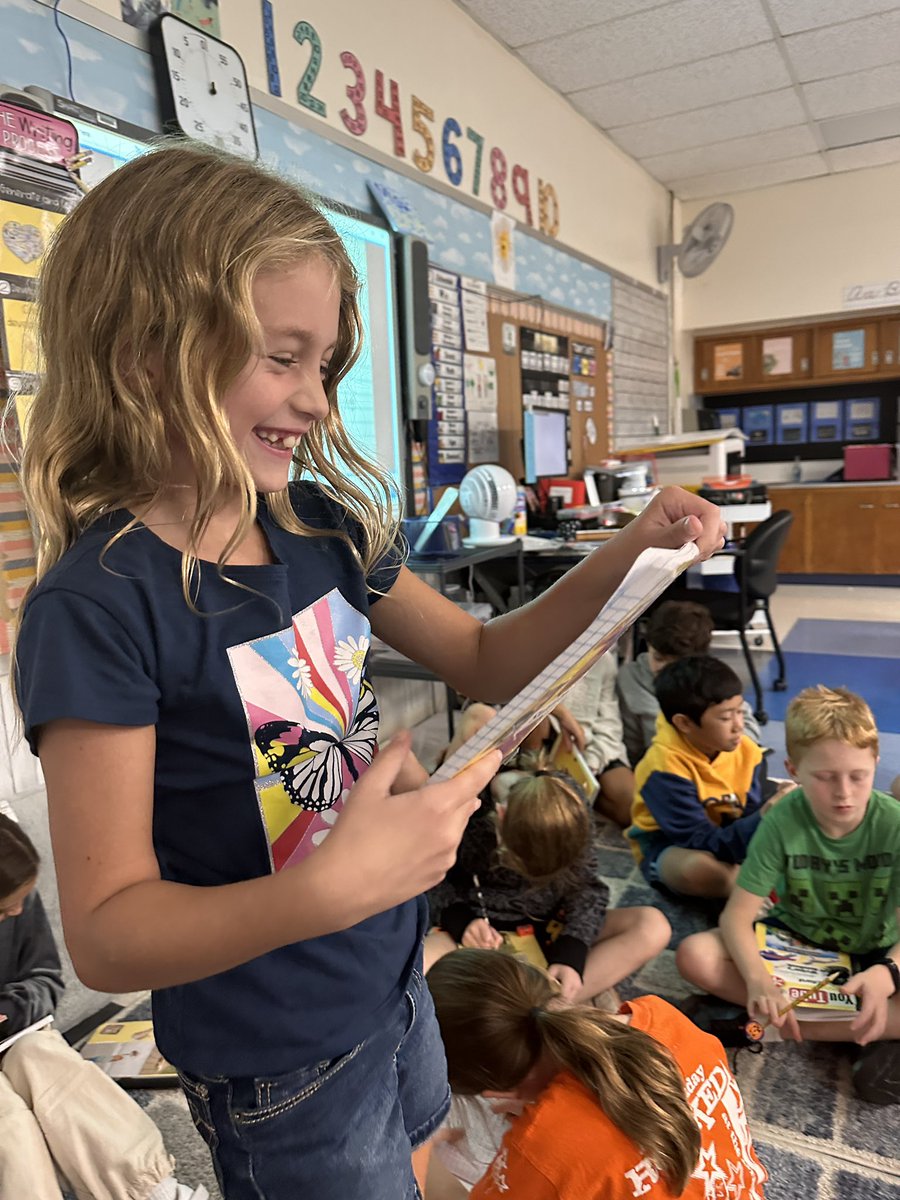
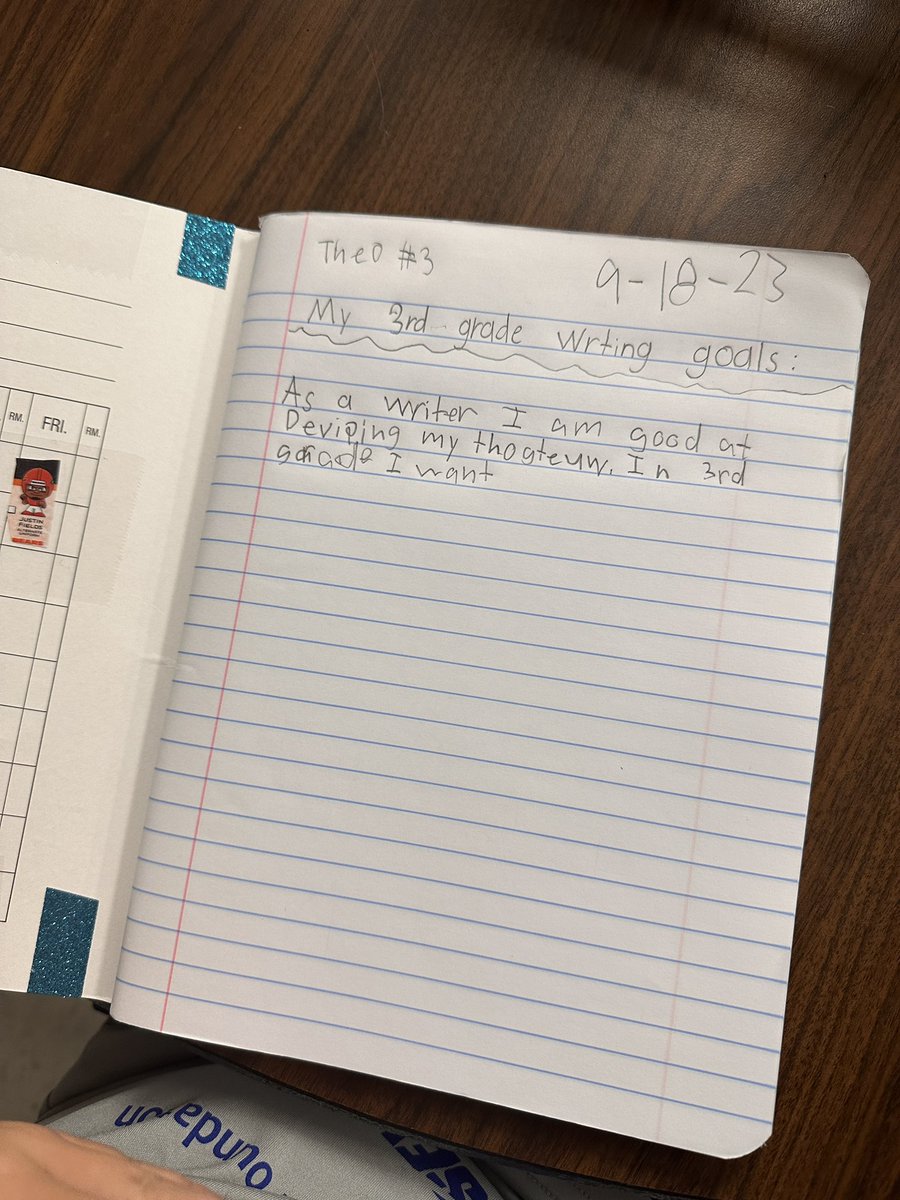
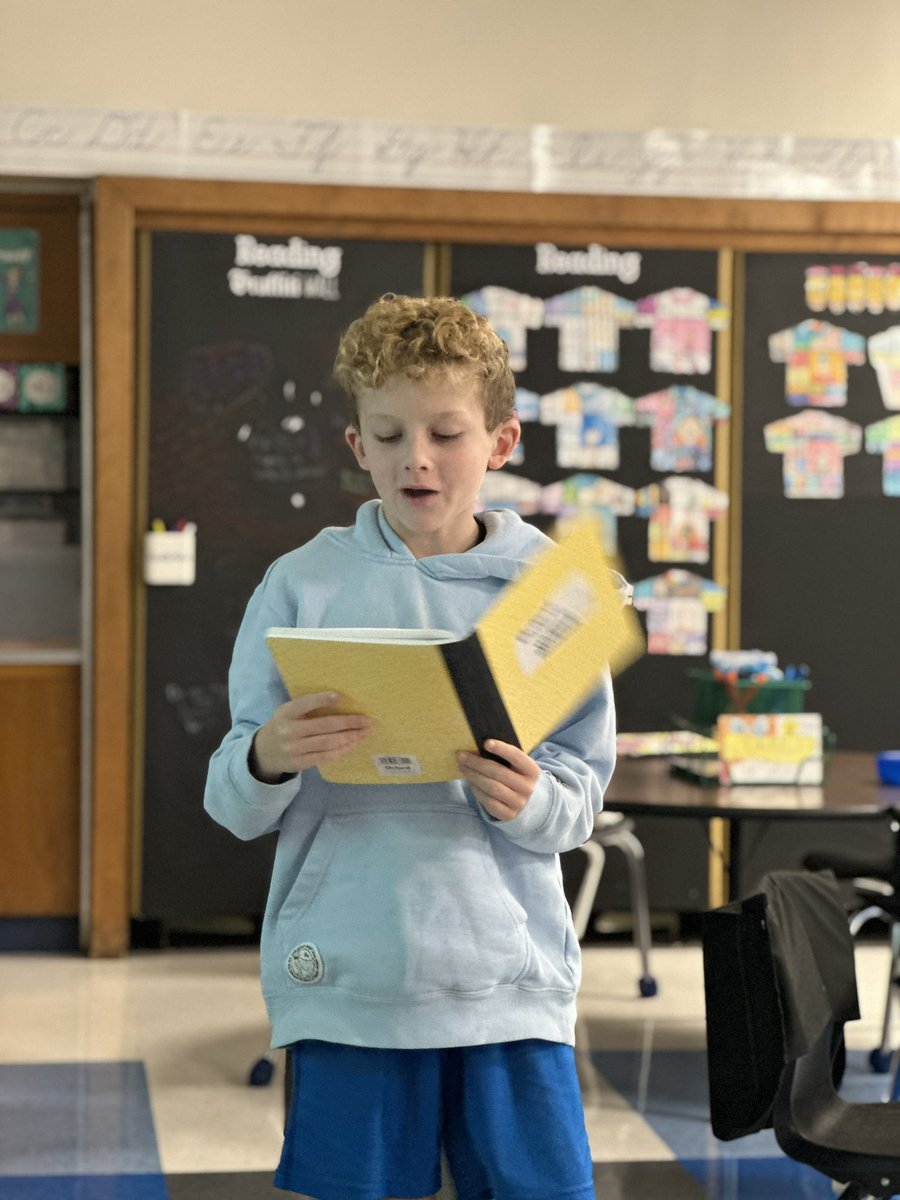
“As a writer, I am good at _____. In third grade, I want to be a stronger writer by _____.” Ss in 3L identify their strengths, name them, and will work from their strengths! I can’t wait to see what these ss will accomplish 💪🏼 #TeachingForUnderstanding #HubbardSchoolRocks
9
200
21 Jun 2023
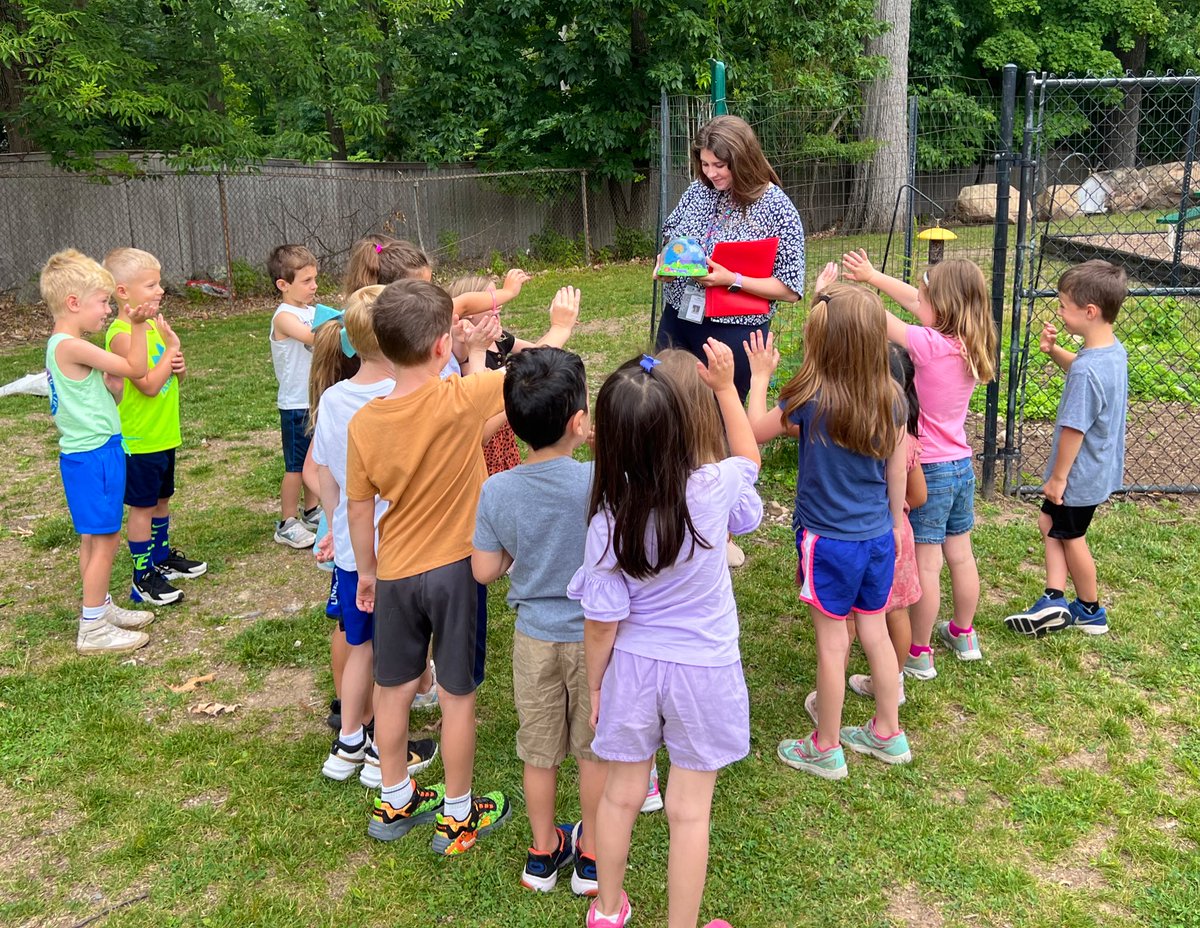
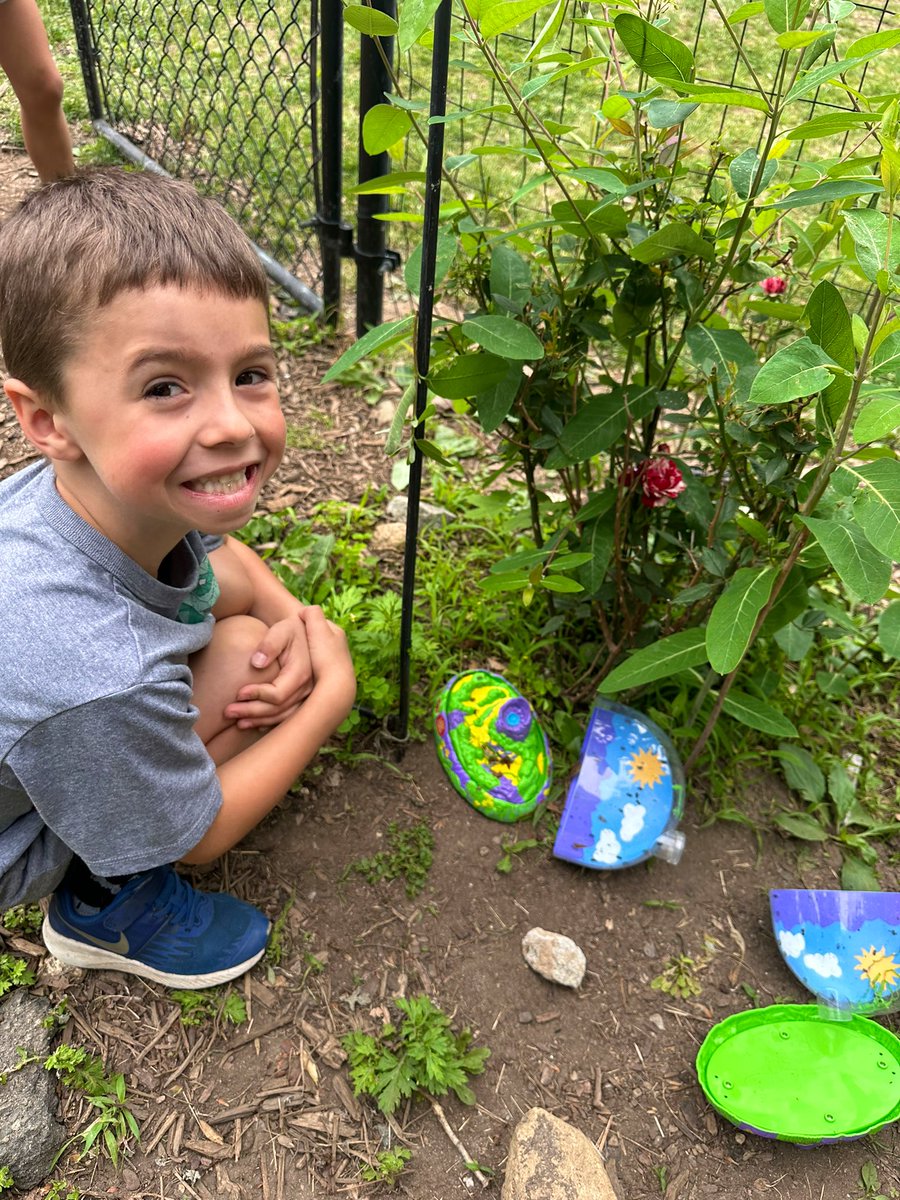
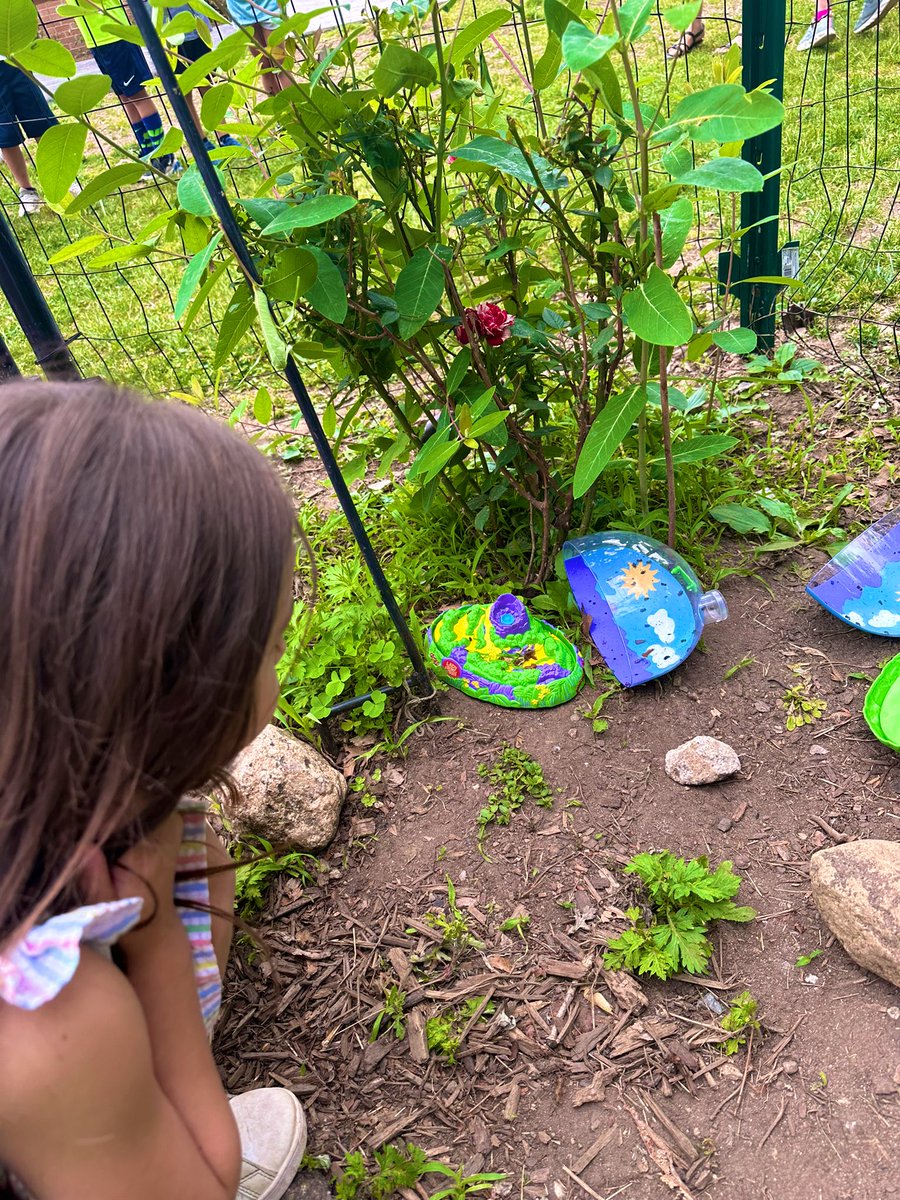
Our lady bugs are ready to spread their wings! 🐞The opportunity to observe and watch the ladybug life cycle unfold day by day was exciting & sparked K-H scientists curiosities and wonders even more! @Hubbard_School #MomentsLikeThese #TeachingForUnderstanding
12
250

17 May 2023
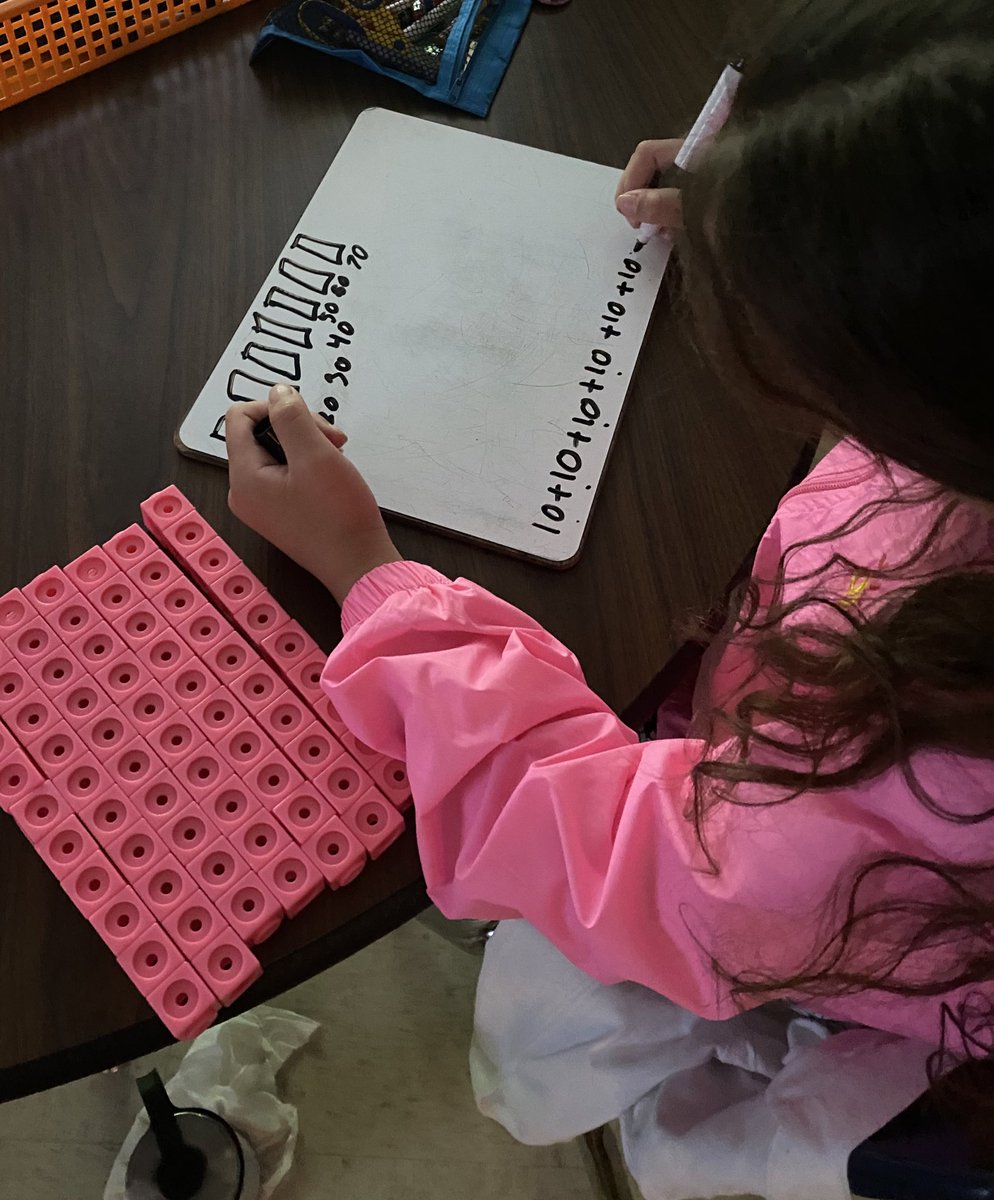
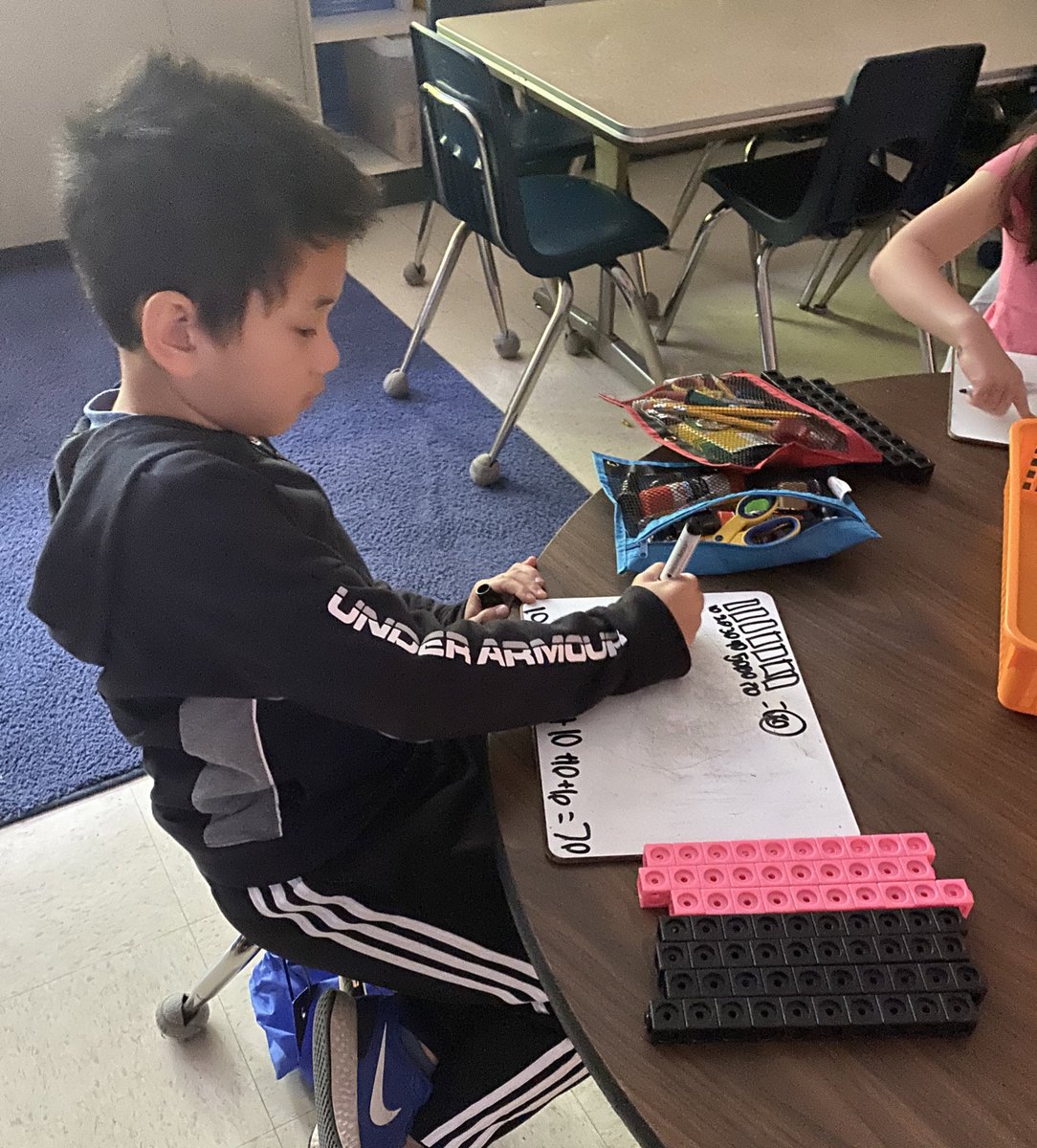
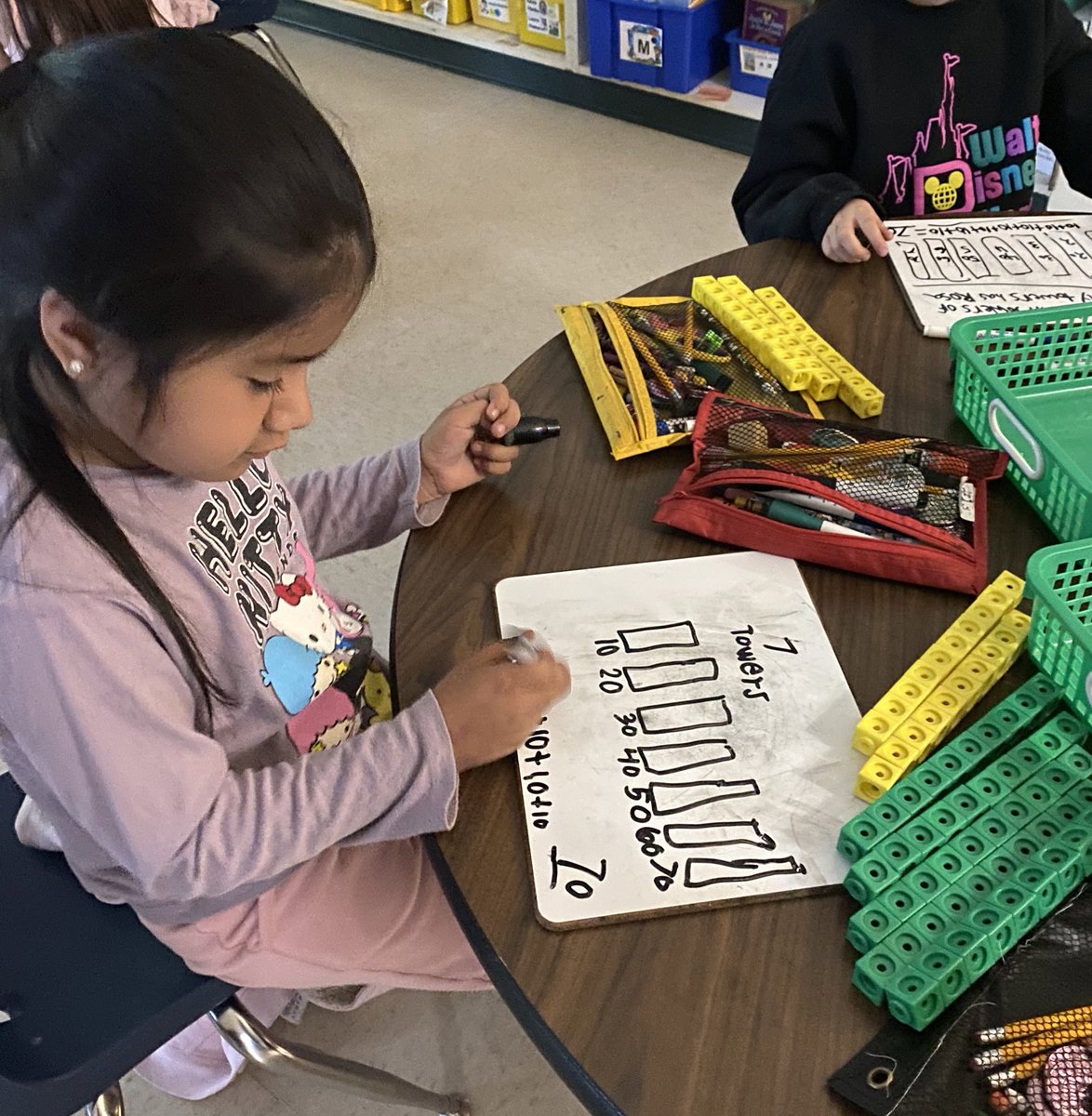
Skip counting & adding with 10 is easy when you…
⭐️build it 🧮
⭐️draw it ✏️
⭐️count it ✋
⭐️write it ➕
@Hubbard_School @ramseyNJschools #CPA #teachingforunderstanding
13
338

4 Apr 2023
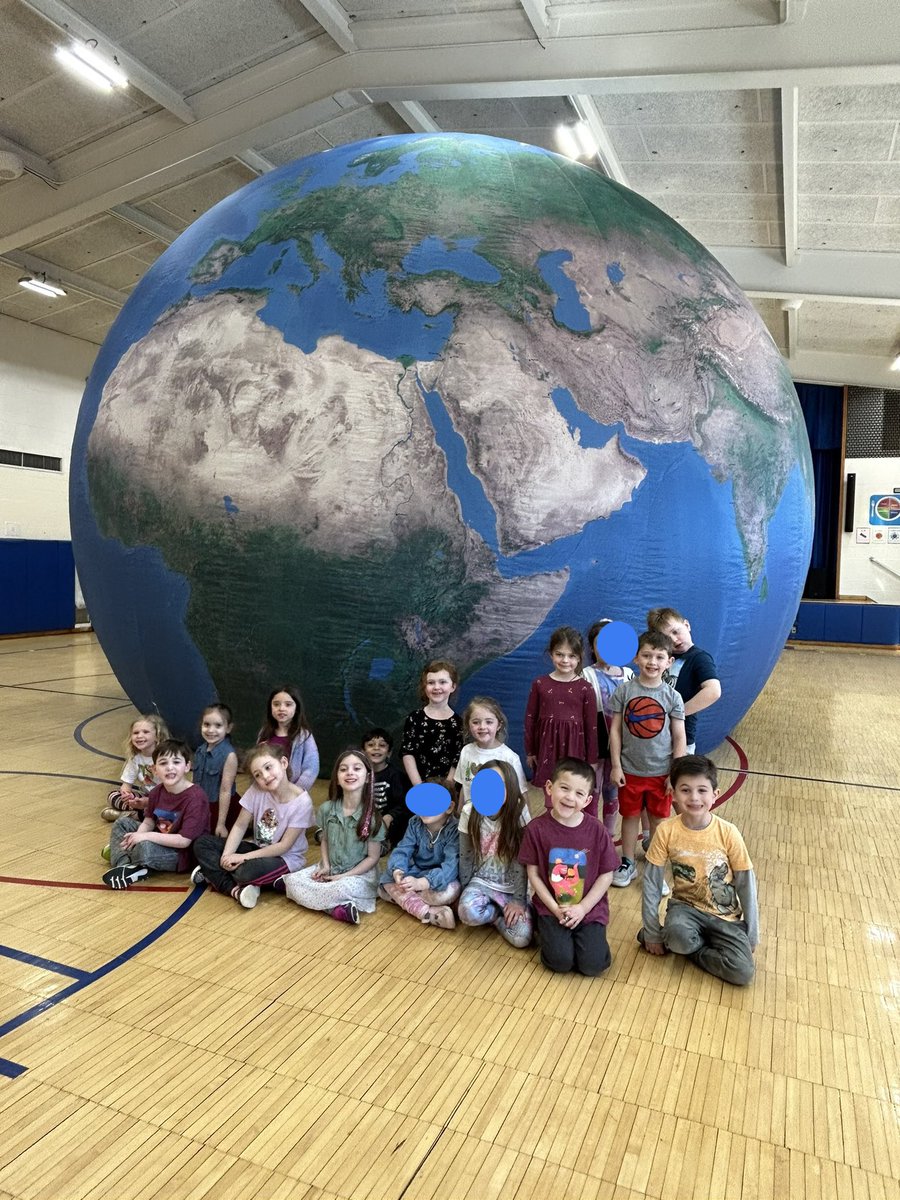
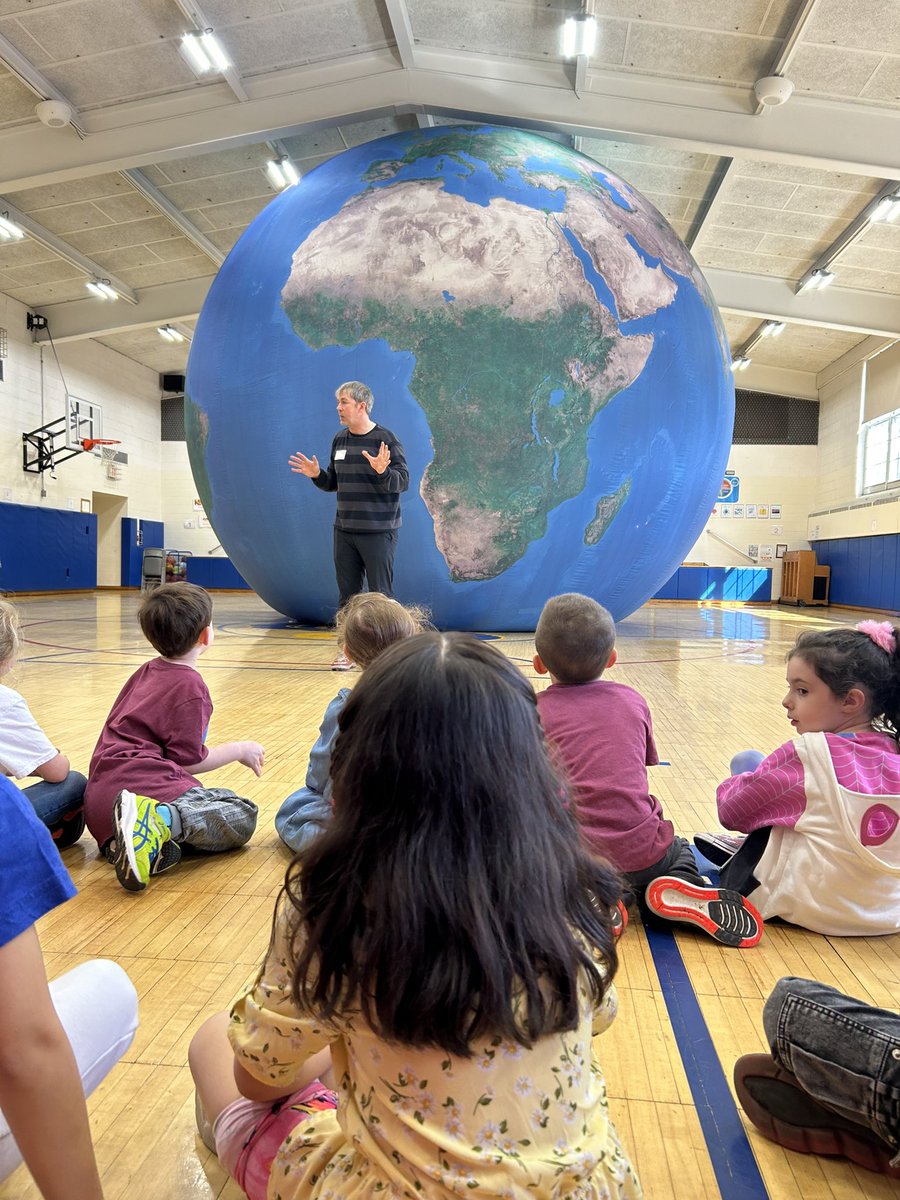
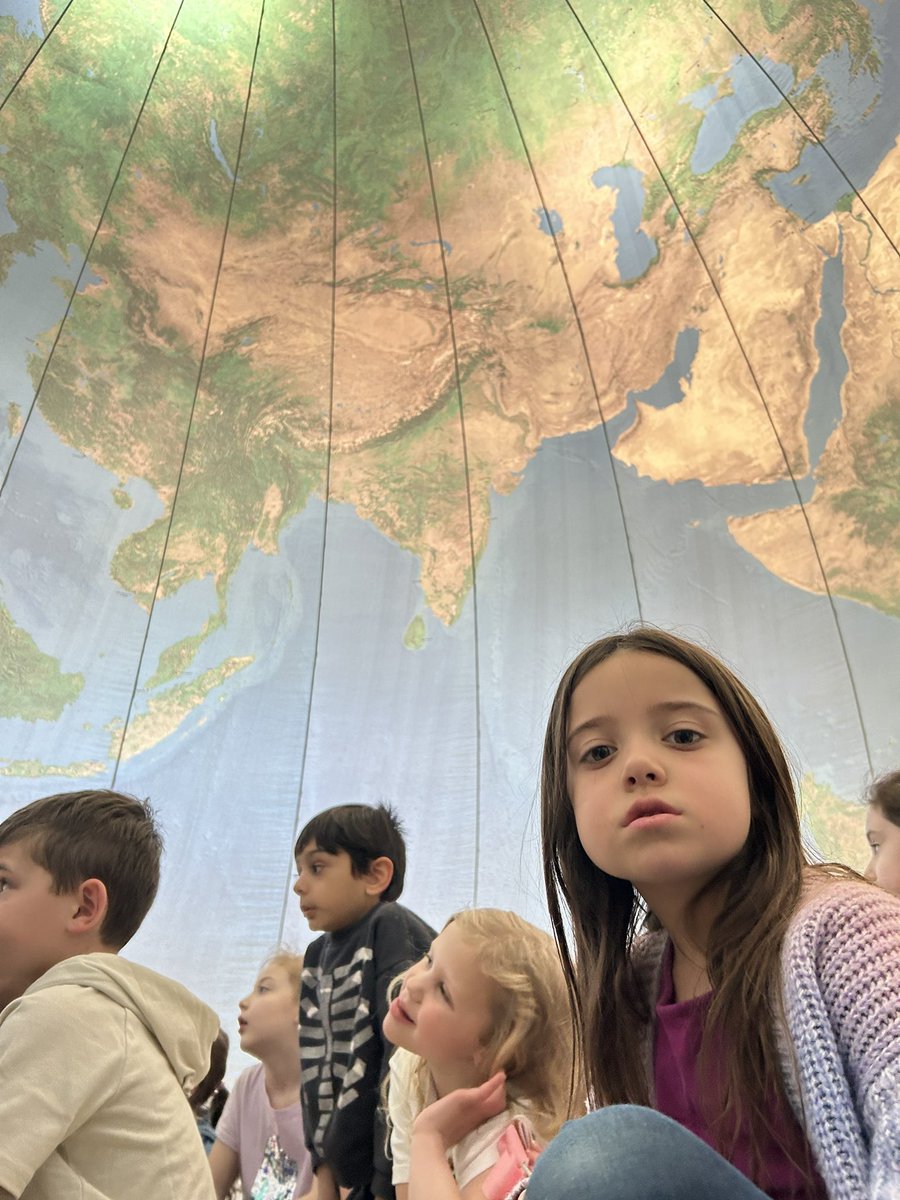
Thanks Tisdale PTO for being us this awesome experience! We learned all about this beautiful planet we live on! 🌎 @TisdaleSchool #TeachingForUnderstanding

6
462

1 Apr 2023
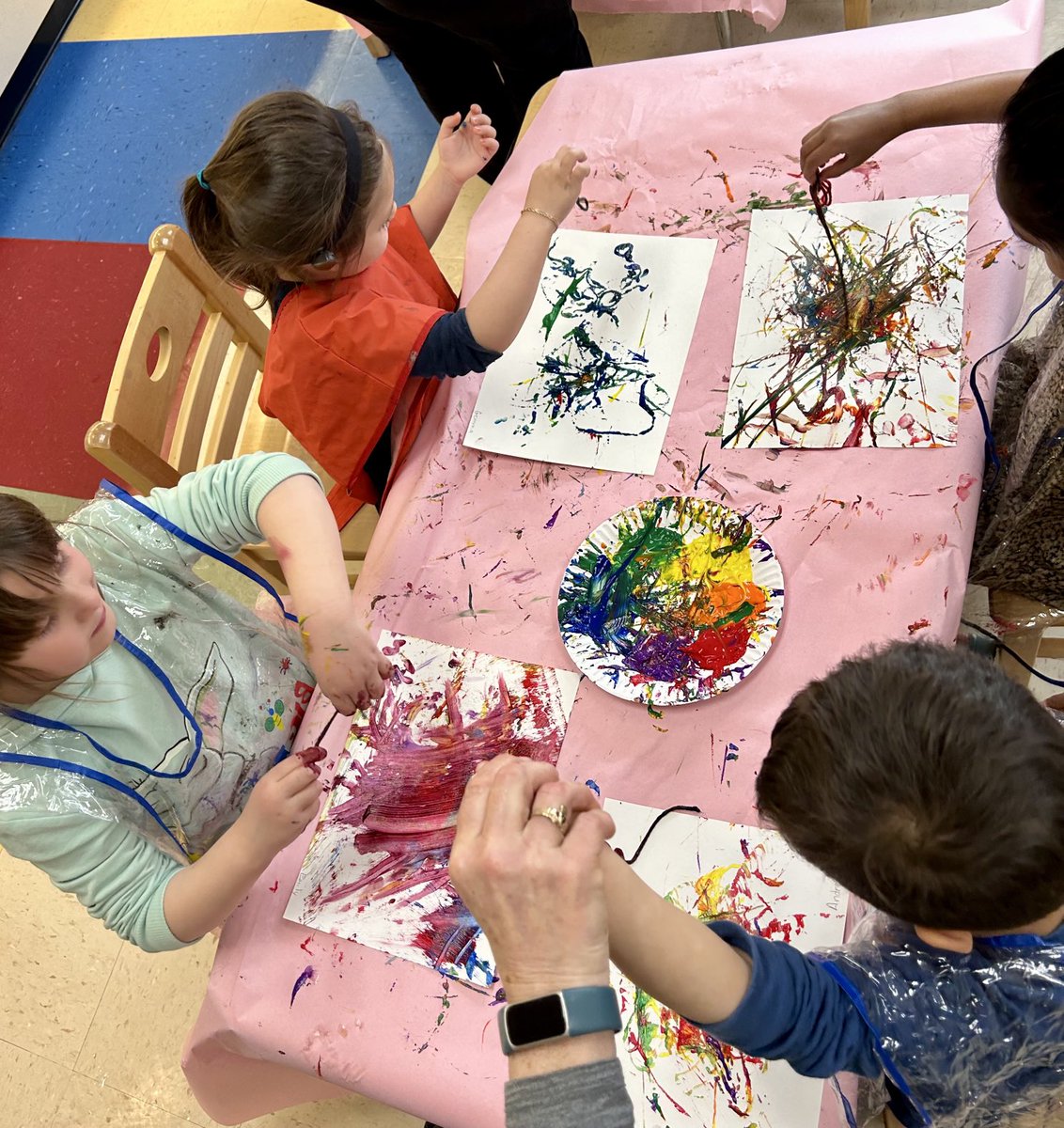
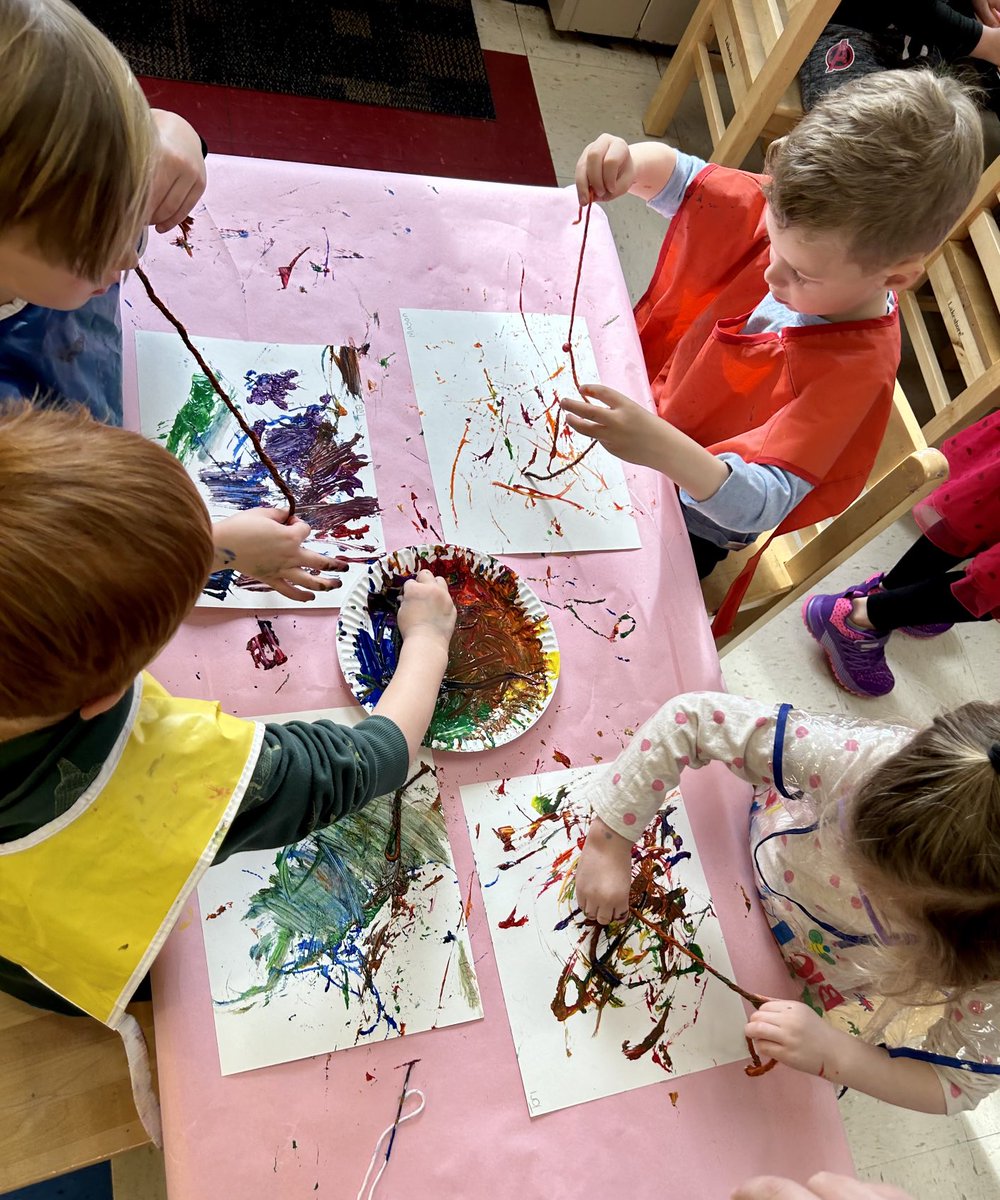
Smudging, dropping, crinkling, wiping, blobbing, smearing, squeezing, and pushing just to name a few… yarn art allows students to focus on the process! “What happens if….?” #teachingforunderstanding @Hubbard_School
9
288
24 Feb 2023
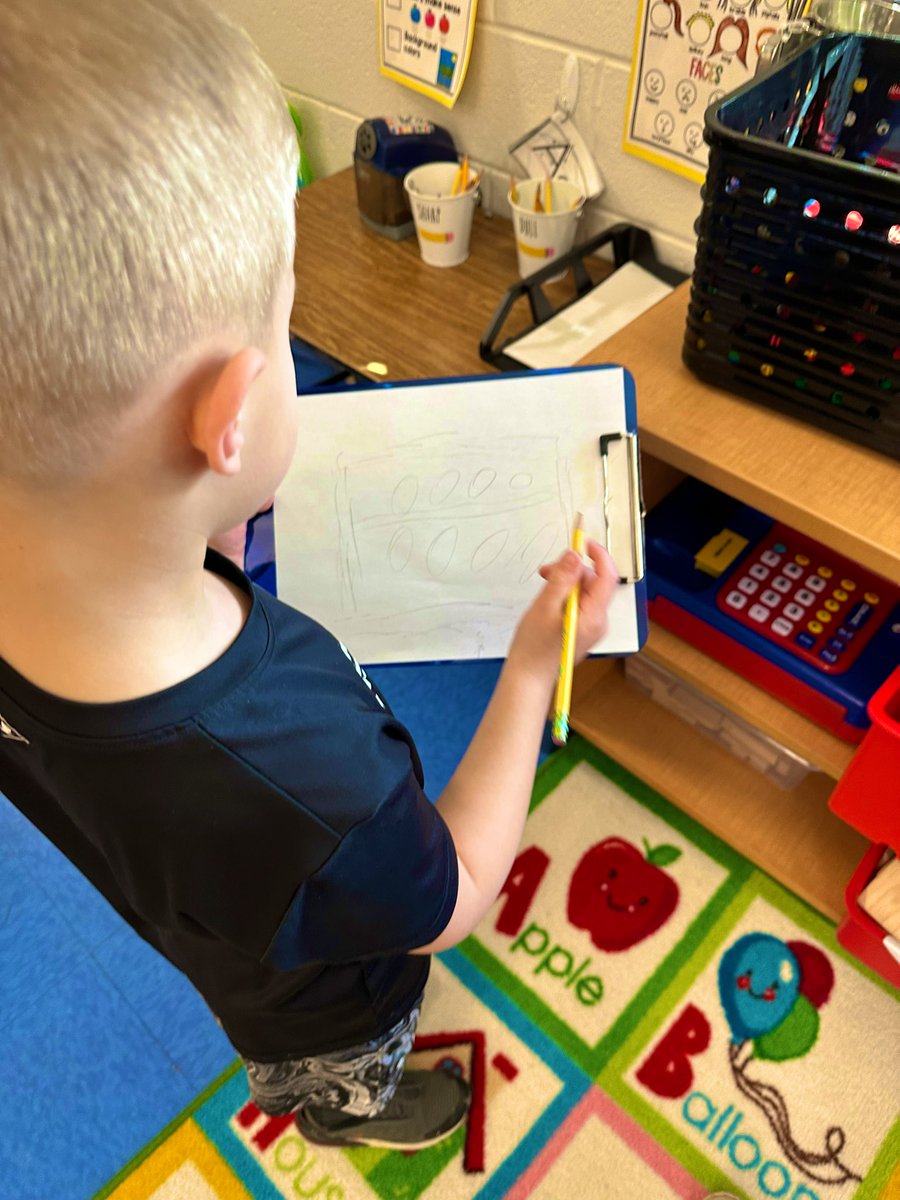
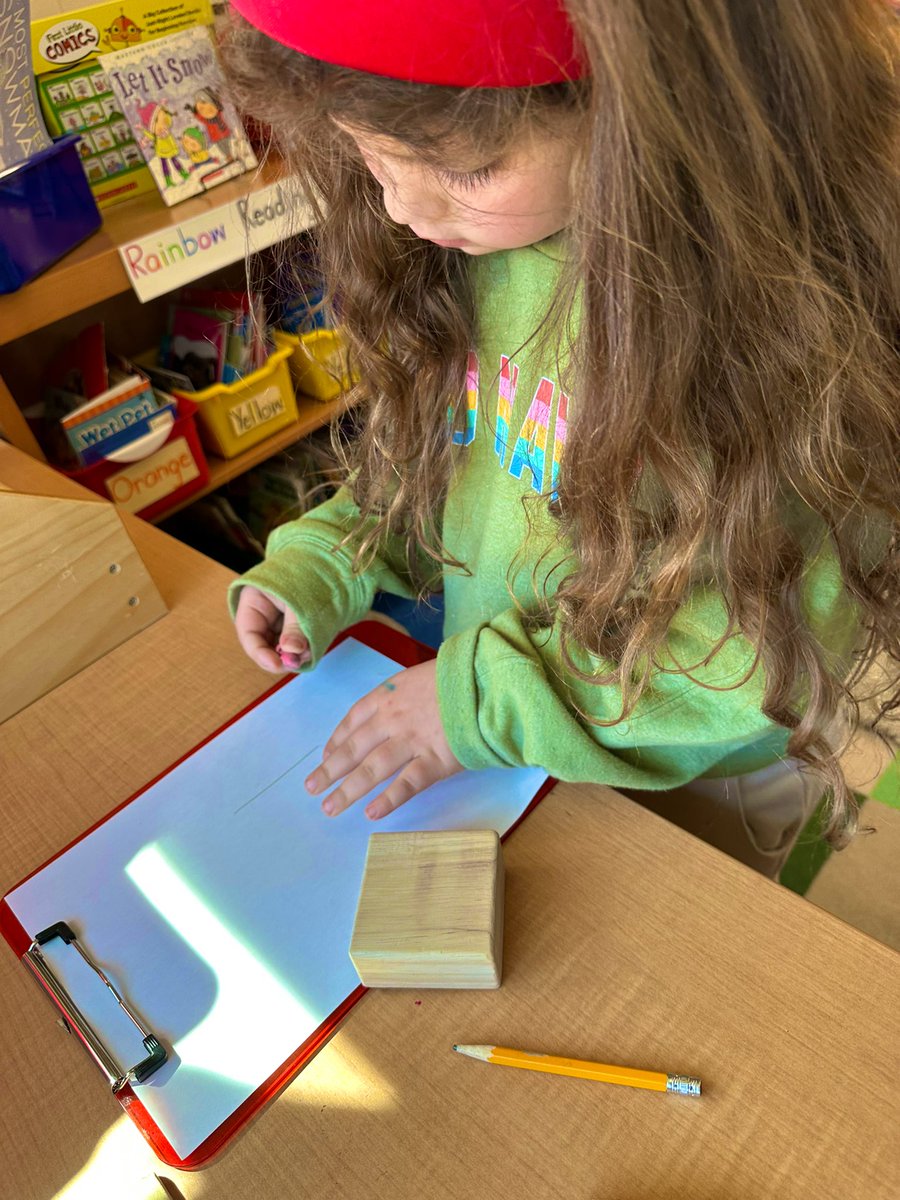
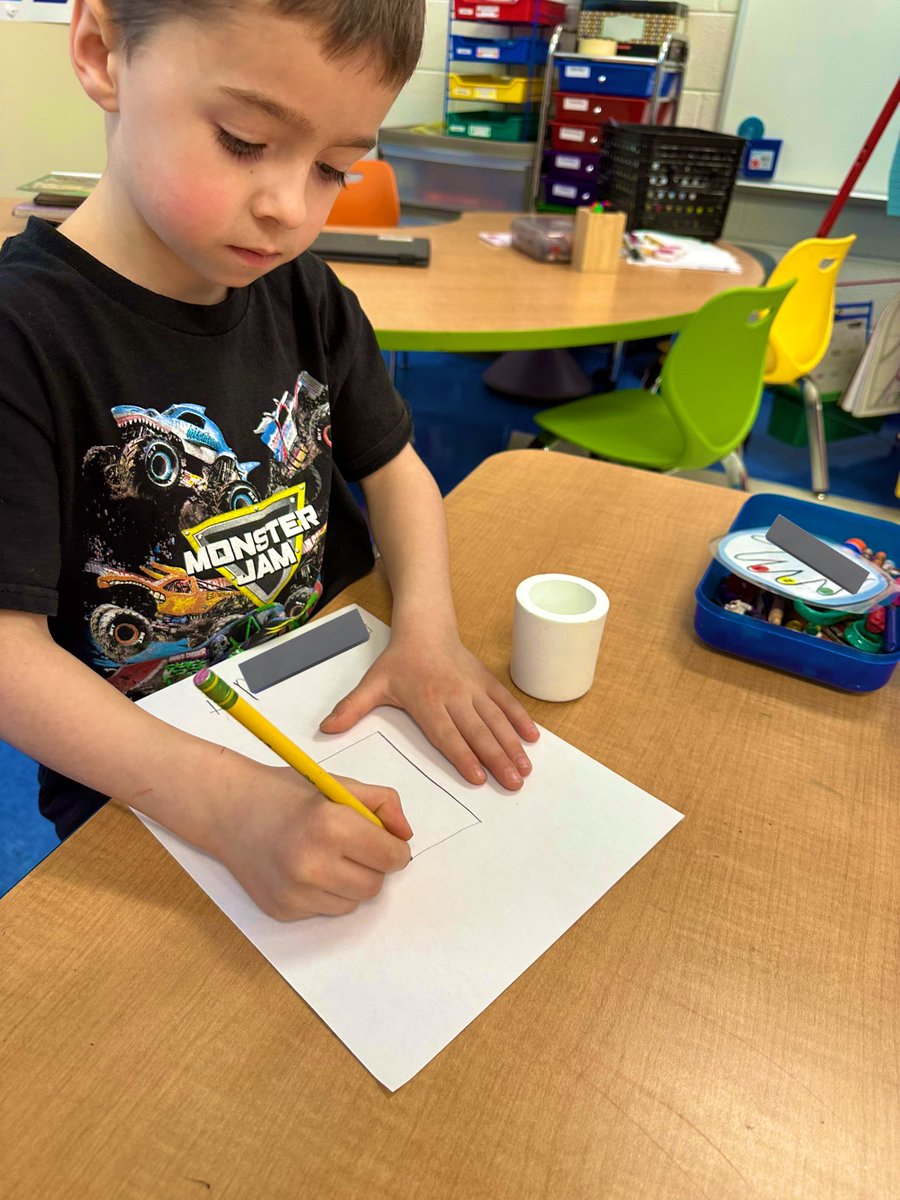
Matheticians explore 3-D shapes as they went on a scavenger hunt around our classroom & drew a 3-D shape they saw! #TeachingForUnderstanding @Hubbard_School @ramseyNJschools
7
1,038

6 Feb 2023
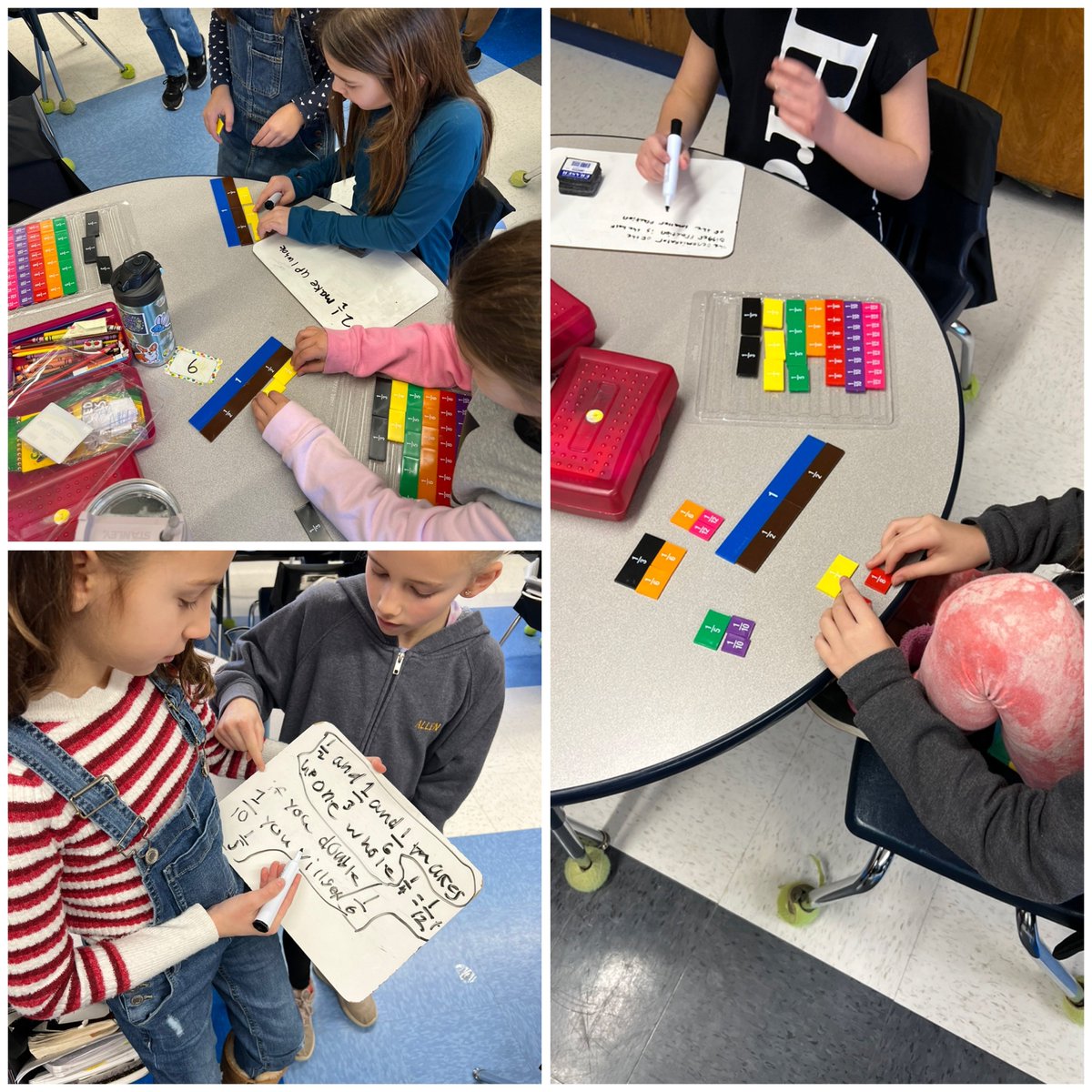
Third grade mathematicians are having a blast exploring fractions using fraction tiles! They are building, creating, and comparing fractions! They are noticing some awesome things! #teachingforunderstanding #CPA
10
326
30 Jan 2023
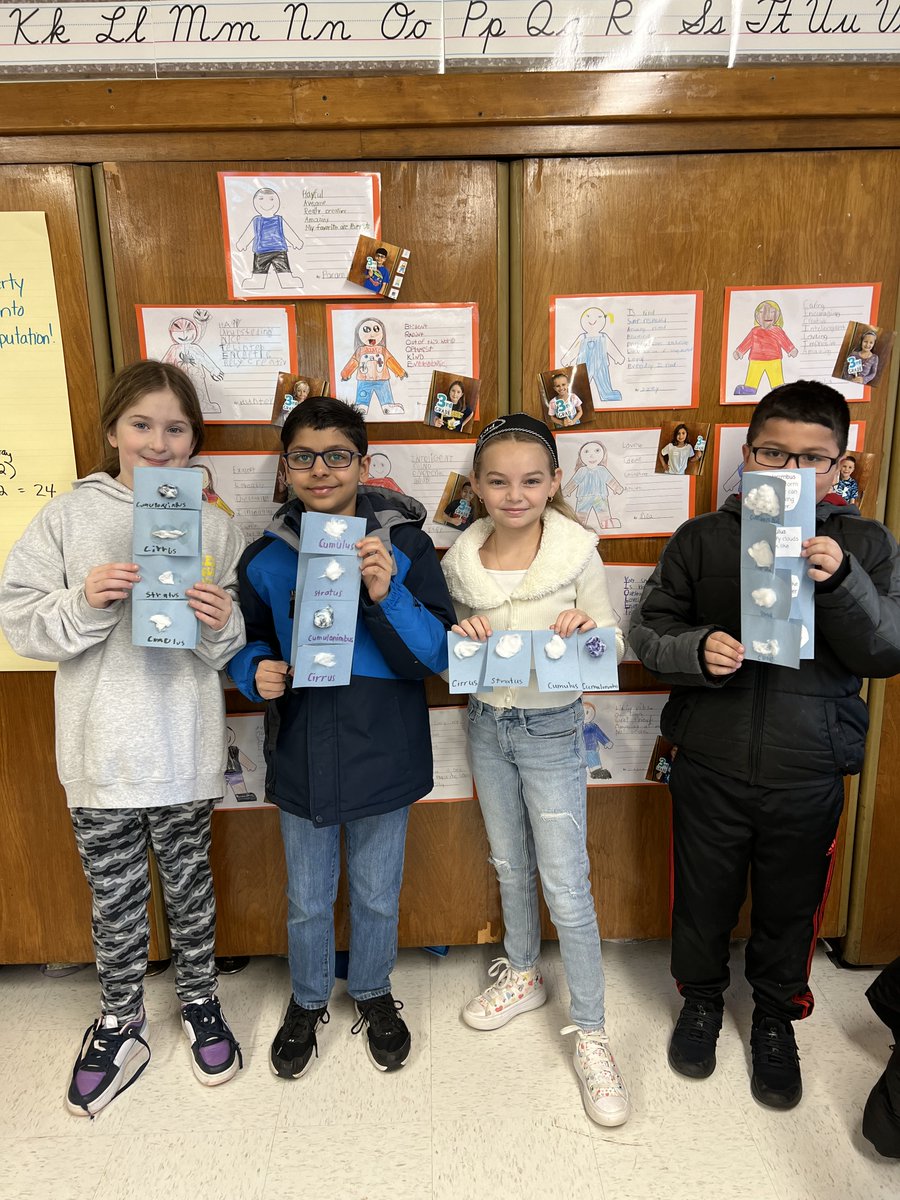
Ss had a blast learning about types of clouds and creating a cloud flipbook! #teachingforunderstanding
1
15
459

25 Jan 2023
Thank you to the nursery staff at @stlucysabronhil who invited us along to deliver SEAL training this afternoon #StagesofEarlyArithmeticalLearning #TeachingforUnderstanding
1
3
430
23 Jan 2023
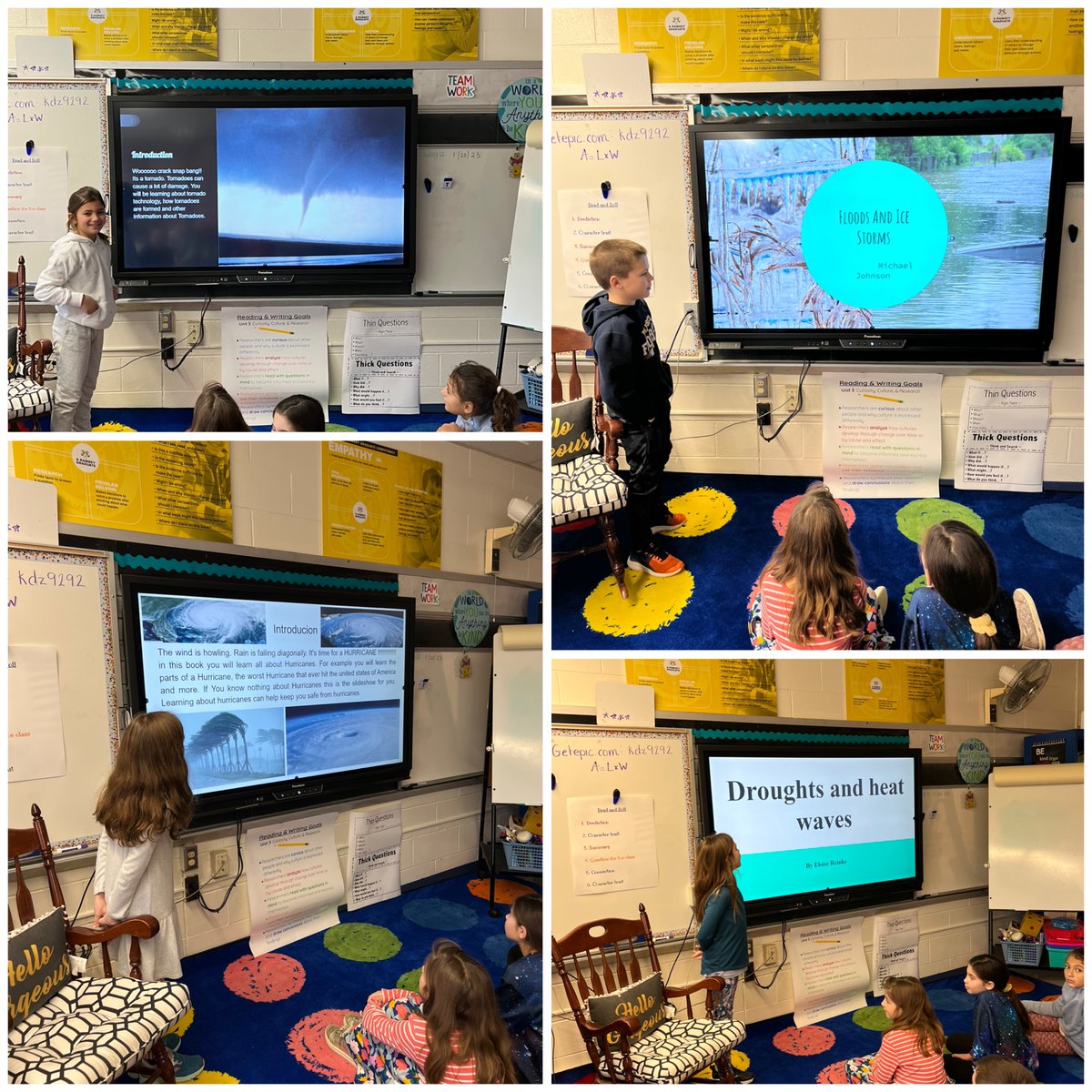
3C loved learning all about different types of extreme weather from their classmates! Ss had a blast researching and sharing their knowledge with their friends! Reading, writing, science AND presentation skills! #teachingforunderstanding #profileofaramseygraduate
14
445

11 Jan 2023
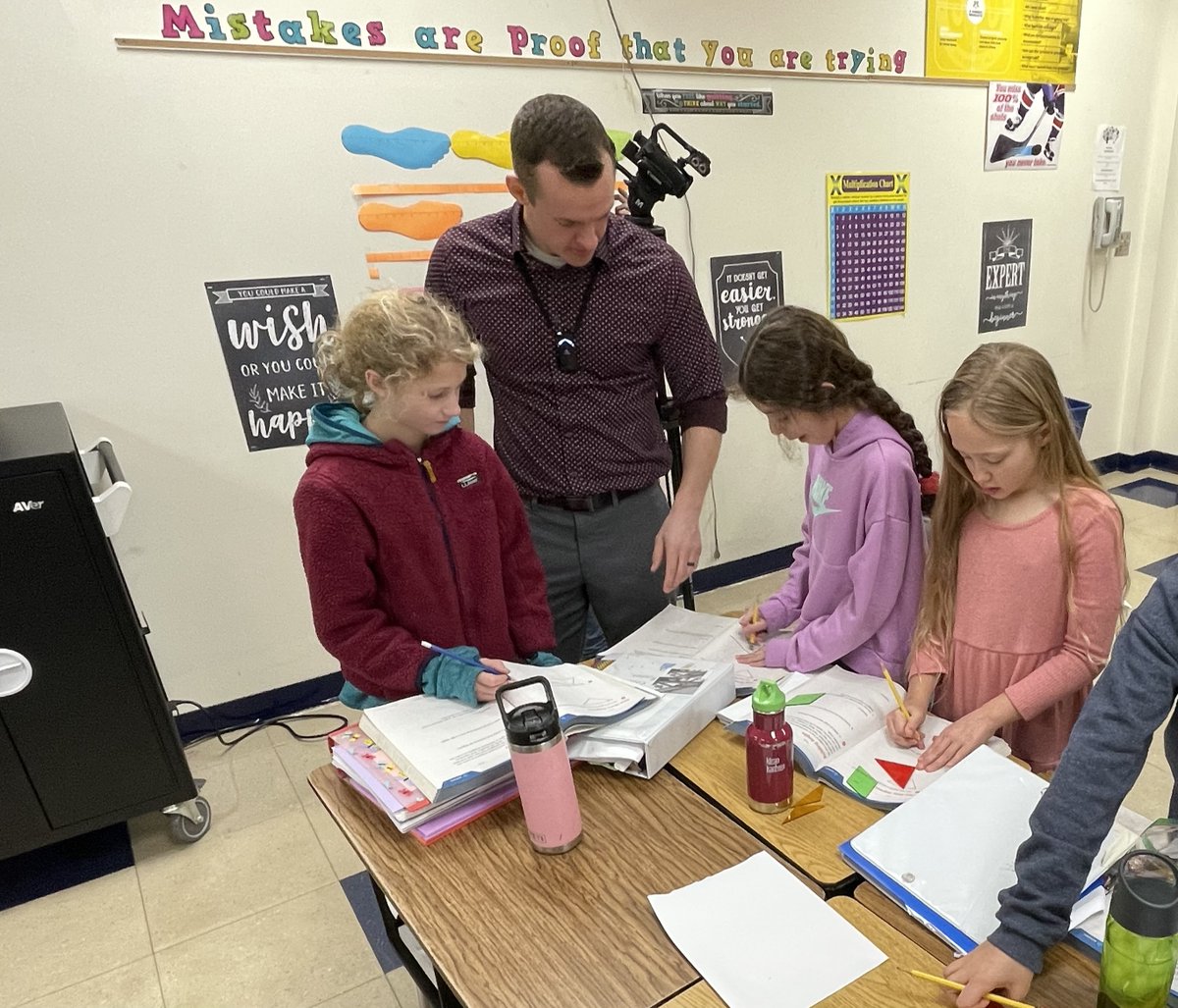
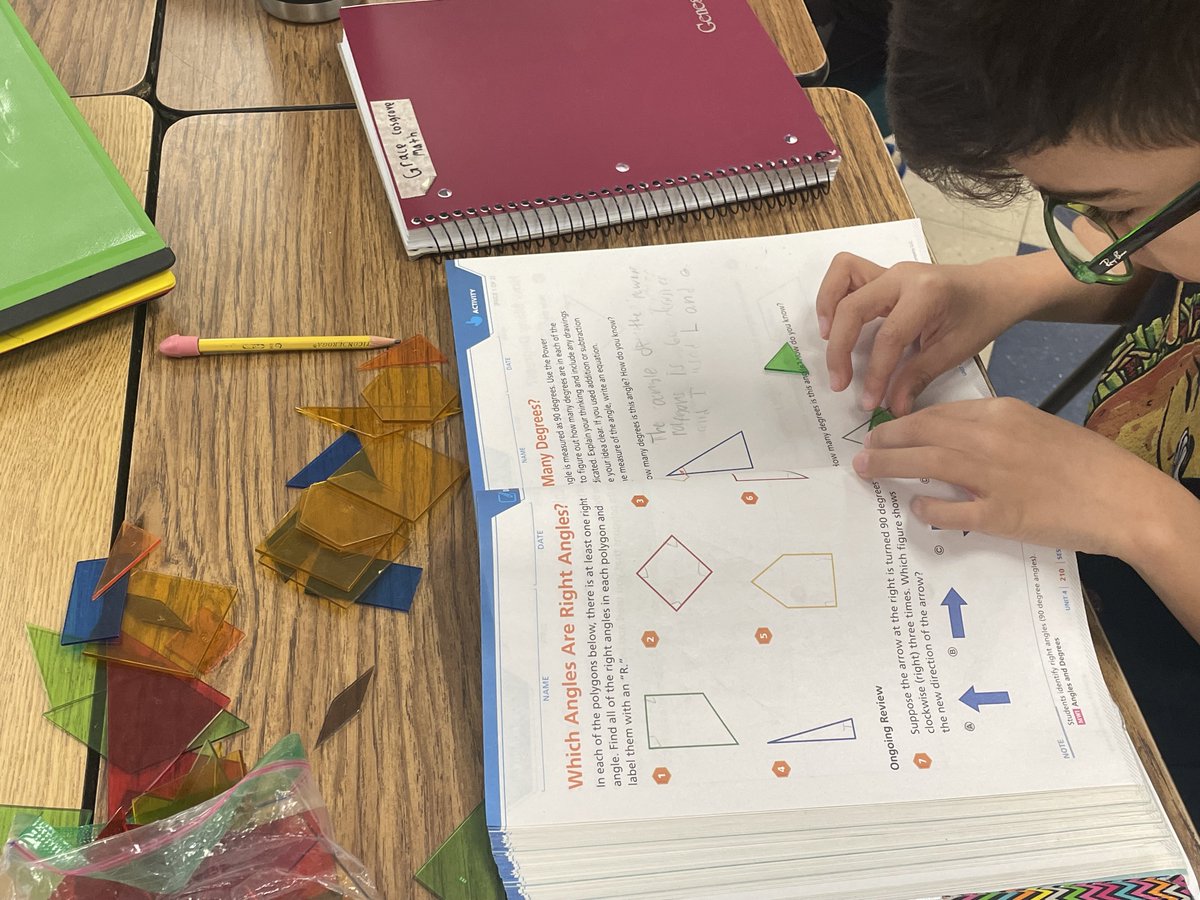
Students in Adam Ramsden’s 4th-grade class used the properties of power polygons to explore and logically determine unknown angle measures.
Students recognized patterns, used tools and models, and articulated their reasoning. @datersocial #TeachingforUnderstanding Go Rams! 🐏💪
3
10
1,159