
Early $KAS investor in 2022 when no one was talking about it.
I remember being in the group chats with wolfie etc and asking 'when more exchange listings'
We were buying it on Txbit exchange which is no longer around
2
135

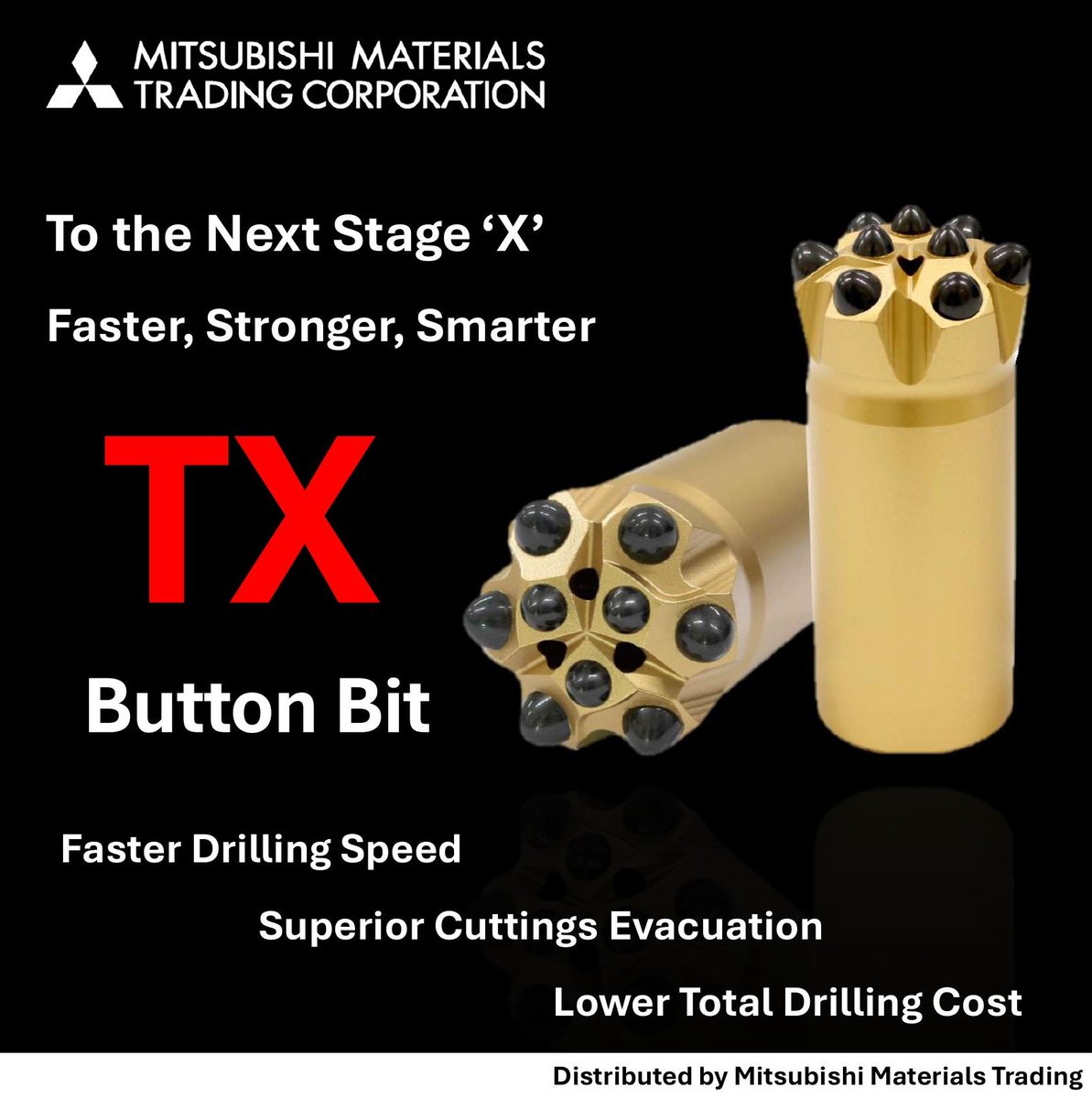
🚀 TXビット — 削孔の次のステージへ “X”
過酷な現場でも、掘削をもっとスムーズに。
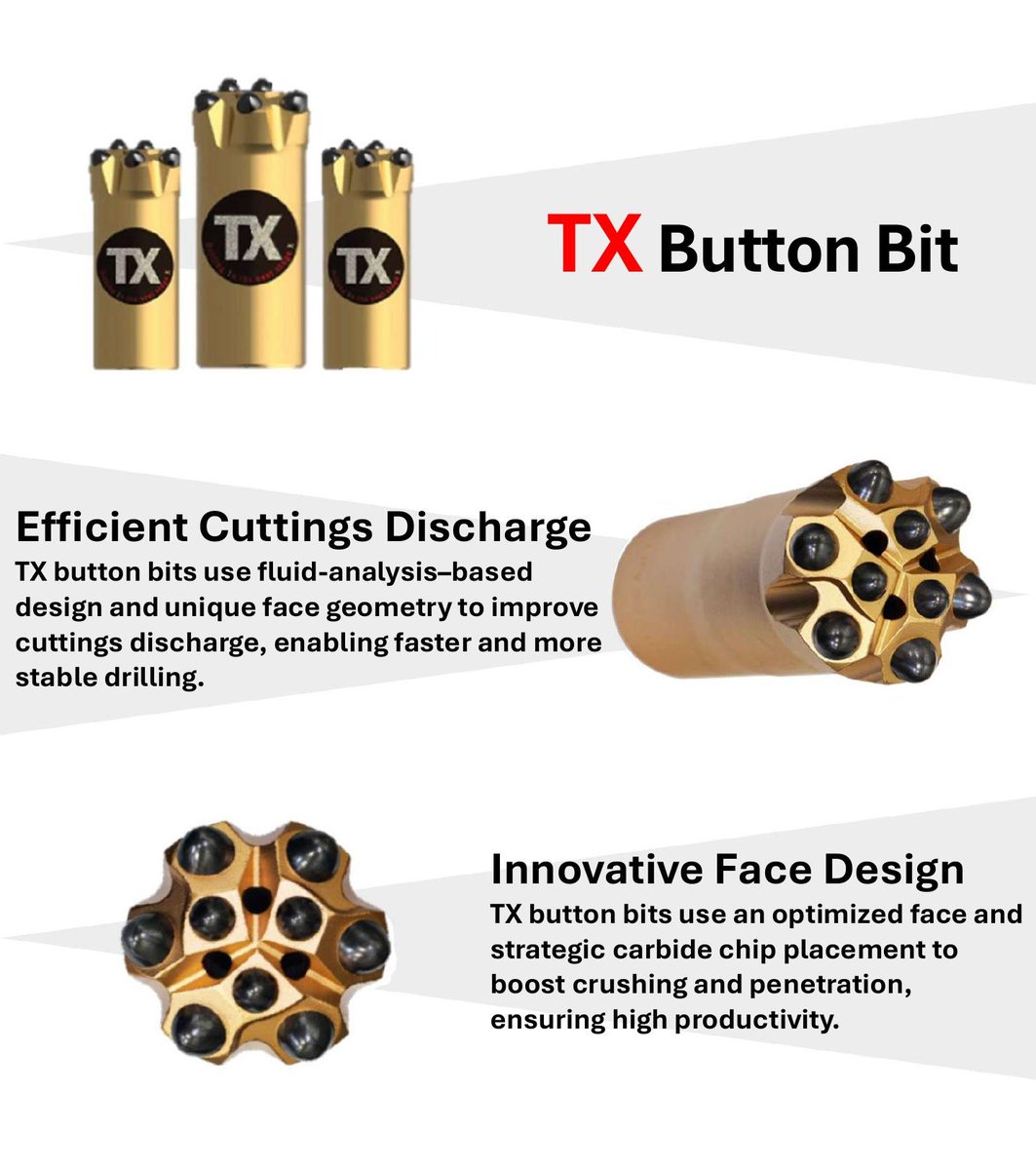
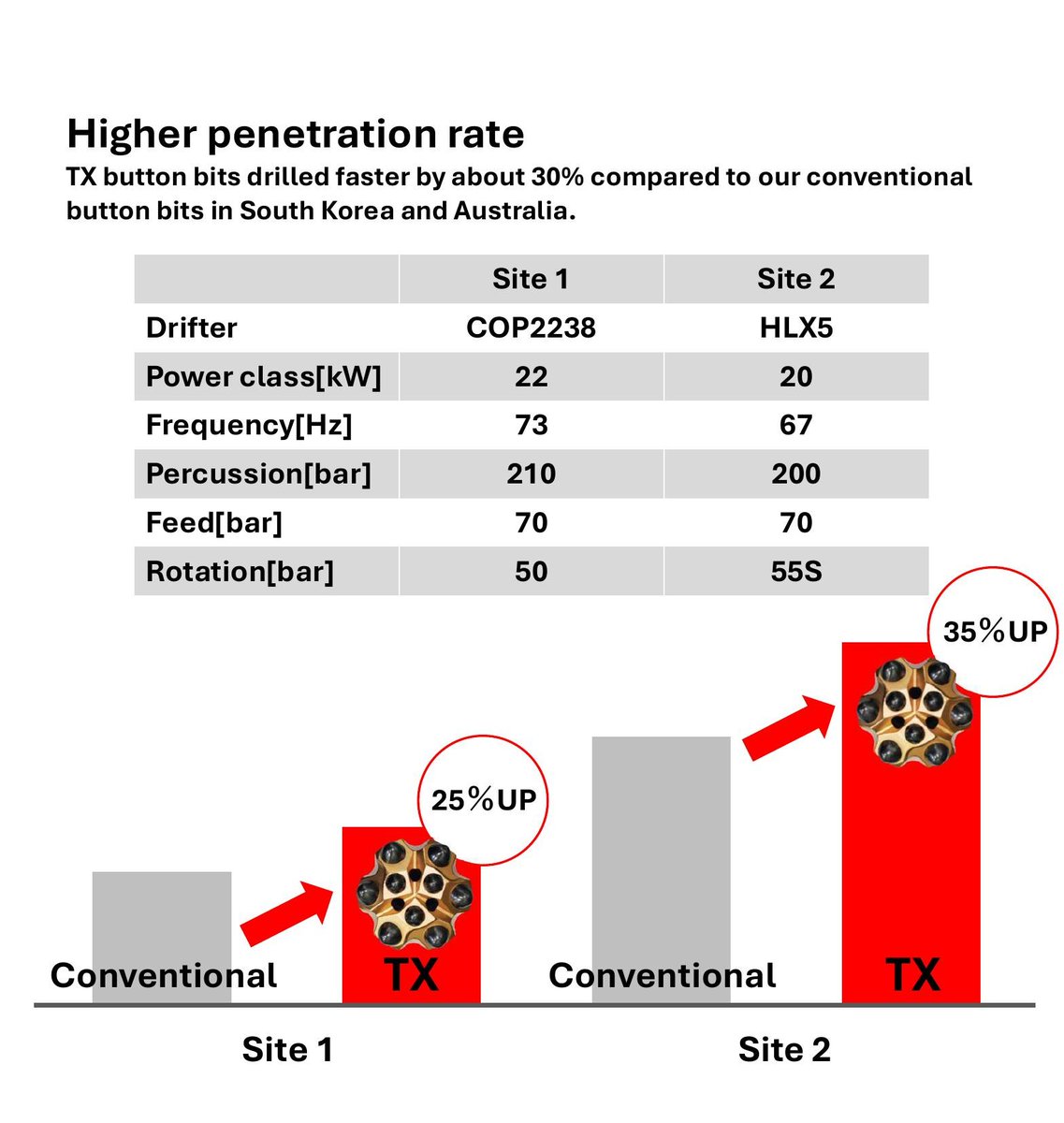
TXビットは高出力ドリフター向けに最適化され、最大30%の高速穿孔も狙える設計です。
✅ 掘進スピードUP
✅ 切粉が抜けて詰まりにくい(排出性◎)
✅ トータル掘削コスト低減
#TXBit #UGDrilling #RockTools #Drilling #Mining #Tunnelling
2
2
117

(1/2)Fair launch and why it matters
And why a fair launch doesn't matter if the network isn't absolutely sound.
A fair launch proof of work network in this day and age starts out with imense friction.
1.
There are no wallets, there are no market places, there are no usecases. It's just a good, a commodity produced in search for a buyer.
2. Gamenet
For the earliest miners who joined, all they knew was that they throw money at #kaspa and had the chance to get somewhere between 1-1000 kas per block won.
The primodial soup market was the discord.
Some asked for $kas, some put it out for sale, sometimes they matched, a miner had to be a salesmen first and then a producer.
3.
2 weeks in
Sudden death happened, the dag was shattered by the memory bug the network was paused and solomined during the fix and at the same time the era of gamenet ended.
The 500 kas per block era started. The solo mined kaspa was sent to the burn adress.
As the bug that could have killed the network resolved and gamenet ended, we got to a doge-like issuance, super inflationary.
The variance diminished but the inflation was the same.
At the same time you needed to throw different kinds of money at it if you wanted to compete in this war of hashrate.
First mining was CPU a month later there was GPU.
4.
~6 months in
Market places like TXBit, Exbitron and TradeOgre opened up for systemic real-time pricing which gave minees some light, but
little did the miners and traders know about the struggles of these early cexes.
Not your keys not your coins.
This was about the time when issuance changed again, this time for the chromatic geometric issuance which gave some hint about how scarce kaspa would become. Allt the worst chaos was now over,
Demand of coins grew faster than the mining network, miners could now calculate revenue and costs with ease, expand their GPU-mining.
Life was simple, started to look easy.
5.
then Ethereum went POS and vast amounts of industrial GPU miners sought profitability for their rigs, enter kaspa.
Hashrate spiked, profitability grew thin but demand of coins continued to grow.
Maybe we could still live happily ever after?
Knives, bow and arrow or a spears are meaningless in a gunpowder fight.
Looking back, the first asics were weak but at the time of their launch they 10x:ed the yield per watt of a GPU and yet again you were forced to change the form of money you have to spend to compete for the kas.
The early asic war:
Ks1, ks2, goldshell, dragonball, ks3, ks5l, ks5m, ks5.
They came and went obsolete as soon as the next arrived. Miners had to sell their asics shortly after they had bought them to buy a more efficient one. More and more coins got sold for hyper efficient asics that got overproduced and drowned the market in abundance.
Diminishing returns, between the ks1 and ks5 was 1 year, then it took a full year to produce antminer KS7 which was 100% more efficient.
Released when the bear was already here.
6.
Mining was never easy, numerous potential events could have killed the network before it started trading at billions. A scarcity wave will by nature create a wave of abundance, an action and an equal opposite reaction.
Here it does not matter how much efficient hashpower you hold at any time. If the demand of coins is net negative you will have to shut off if you mine for profit, you compete with the cheapest electricity and zealots who mine at a loss on faith and conviction.
7.
Kaspa did survive a fair launch, in this day and age with all the surrounding competition in this space.
Every single kas had an honest cost anchored to its creation, every second every block. Fair launch means something.
It means those who dump on you with profit worked extremely hard to do so. The game is fair, the unfair bit is information asymmetry.
2
13
52
3,718


23 Oct 2025
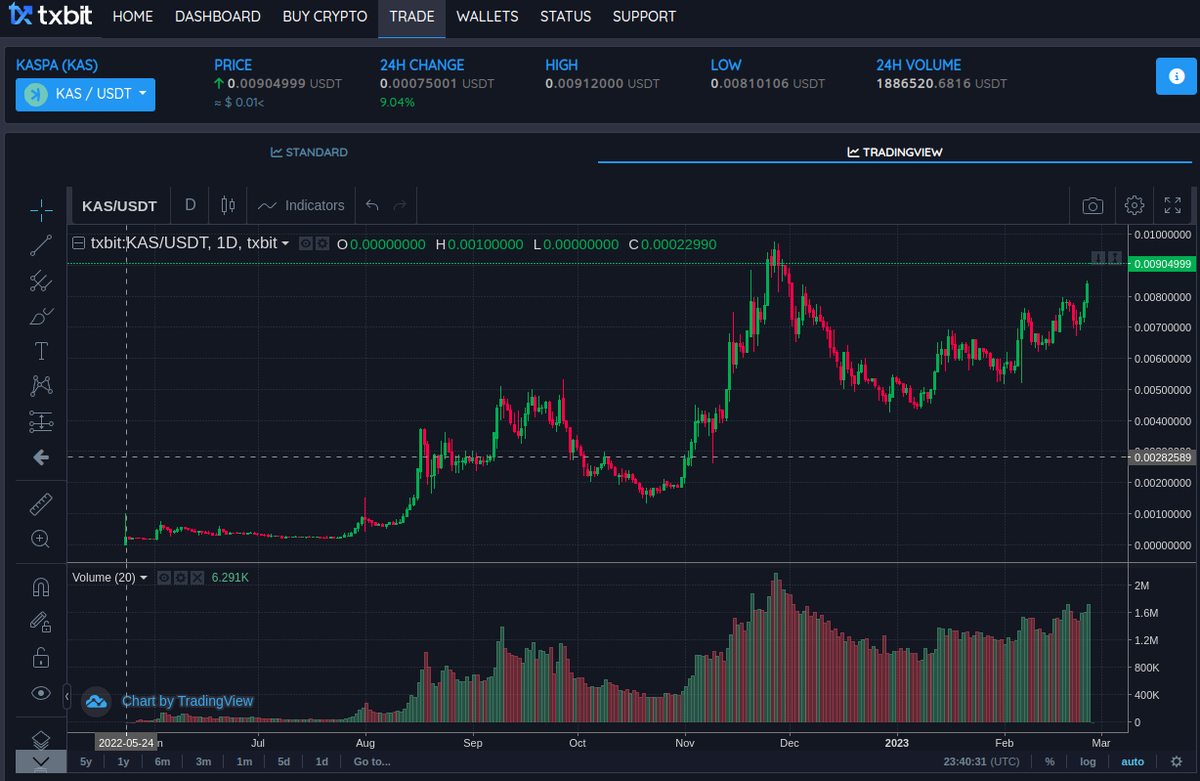
Buying a token that’s only available on SafeTrade reminds me of the ‘ole TXbit days. Those were good times.
Nock Nock
8
355



17 Oct 2025
Was only QUBIC. Kaspa was listed first on exbitron and txbit. But l like how safrtrade is doing great with new paradigms projects like NPC or QTC
1
2
113

6 Oct 2025
Bankrupted Crypto Exchanges.
(The bottom line is: Not your keys, Not your crypto)
1. MtGox: 2014
70% of global BTC trades on this exchanges at peak. 850,000 Bitcoin lost
2. QuadrigaCX: 2018
CEO’s death led to frozen funds due to inaccessible wallets. 76,000 BTC lost.
3. Youbit (South Corean Exchange):
Multiple hacks
4. Cointed: 2018
(Based in Europe)
5. Australian Crypto Exchanges (ACX): 2021
Regulatory and operational issues led to liquidation.
6. Voyager Digital: 2022
7. FTX: 2022
8. Bittrex: 2023
SEC Law suits
9. Txbit: 2023
Other exchanges those were failed due to several factors:
1. Bitcoinica: 2012 (43,000 BTC lost)
2. Blockfi: 2022
3. Celdius: 2022
4. Cryptopia: 2019
5. Bitgrail: 2018
6. Einstein: 2017
7. Vircurex: 2014
8. BTC-e: 2018
9. Cryptsy: 2016
10. Bitfinex
11. Three Arrows Capital: 2022
12. Core Scientific: 2022
13. Babel Finance: 2022
14. Hodlnaut: 2022
15. Zipmex: 2022
16. Fcoin: 2020
17. Blockchain Global: 2021
18. ACX: 2020
19. Virwox: 2020. ( I made over 100 BTC transactions through Virwox back in days)
The list is not ending🤔.
The bottom line is: Not your keys, Not your crypto.
** You guys are sharing lot of unnecessary contents. This is very useful post for many to understand how you have to be careful with your investments in exchanges. I request you to share it for everyone! I’m not getting paid from X, or I don’t bother about X’s little revenue!**
✍️CryptoXDElon
4
8
1,306

9 Sep 2025
Haha. Mine is Fjord, a guy from Norway:))). Initially was listed on a shitty exchange, I forgot the name:)). Txbit? There was listed also OCTA and many which the names I cannot remember now, haha:))
1
1
97

31 Aug 2025
x.com/oneforonehaha/status/1…
1. CMF is dead after Yonatan killed it with his bare hands while JH was cheering from the sidelines, and now he uses the fact it's inactive to prove a point?
2. "What is the previous time of "donation for listing"? Where did that get us listed on? Isn't the *community* always proud of never paying the listing fee?"
You'd expect the freaking executive director of the goddamn Kaspa ecosystem foundation to know the history of Kaspa at least a little bit, jeeze. We paid for several listings with community funding: Exbitron, txbit, MEXC, Gato.io, etc..
30 Aug 2025

With my respect for the community:
(1) When was the last time we saw a successful crowdfunding/fundraising?
(2) What is the previous time of "donation for listing"? Where did that get us listed on? Isn't the *community* always proud of never paying the listing fee?
(3) CMF balance = 0, kaspa:qpyr8yp7jmantyaatyqtpwuzv3fcthe2r7jz6n55nl4hdd0288e8jljunnqgv, last withdrawal of ~2 $KAS on 6 days ago.
(4) Dev Fund received a TOTAL amount of ~1200 $KAS donation for the past 6 month (1 March 2025-31 August 2025). kaspa:precqv0krj3r6uyyfa36ga7s0u9jct0v4wg8ctsfde2gkrsgwgw8jgxfzfc98. With a total balance around ~$100,000.
The MONTHLY grant @Kaspa_KEF offered to mainnet (not @kasplex) related devs/researchers are ~$22,000.
(5) Finally, may I dare to ask from your honorable "level of honesty", among the above "notoriously generous donation", how much is your conrtibution?
----
I understand people have reasons not to donate; the price movement was not very pleasant. But again, there is no reason to point fingers at KEF, which makes the biggest contribution for now.
Such personal attack will just get shame for your self-claimed "community".
4
3
27
4,935

28 Aug 2025
Pour ma part un gars sur twitter chillait #kaspa plusieurs fois par jours. Le nom m'a parlé pour une raison personnelle.
J'ai regardé. J'ai aimé.
Le bon temps du $kaspa sub centimes sur TXBit, du minage GPU (à l'époque 200 kaspa/j easy), et du 1bps.
@kaspaunchained
27 Aug 2025

How did you first discover Kaspa?
2
179

25 Aug 2025
Fue gracias a mi círculo, sin ninguna duda, especialmente los mineros.
Ellos controlaban ese nicho, yo no llegaba a ese nivel, pero tenía parámetros muy muy buenos según lo que me decían, por lo que investigábamos día y noche, vimos mucha ineficiencia.
Para que te hagas una idea lo early, el primer CEX donde comprábamos Kaspa ya no existe. Txbit. Jaja
En general fue increíble, pero muy duro, porque el timing fue horrible, todo bajando y esto subiendo.
Difícil de asimilar, pero muy buenos recuerdos
1
1
131

8 Aug 2025
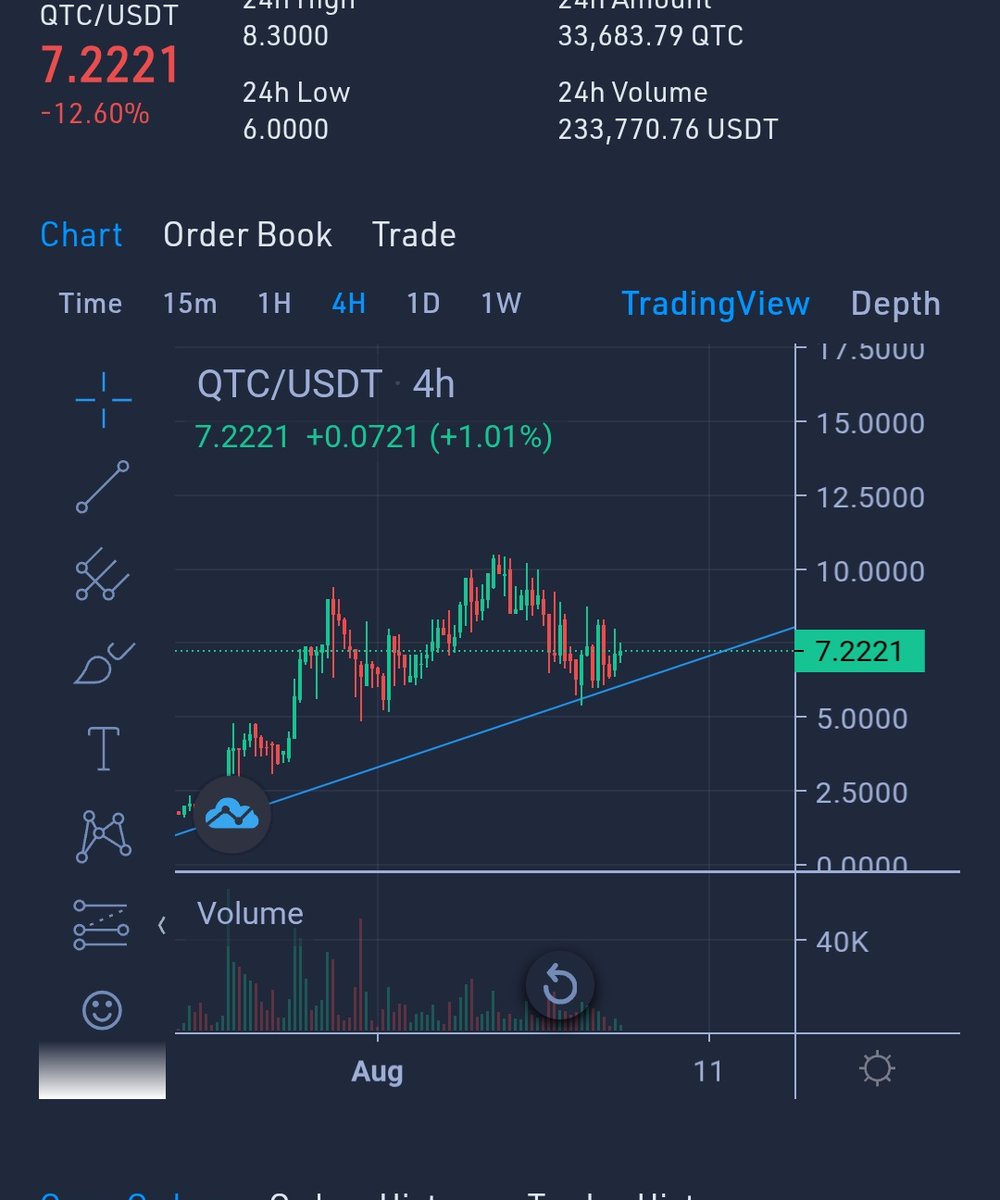
$QTC coiling and ready for the next leg up...👀
AMA this afternoon should clear up any FUD...
I'm a $KAS OG and remember when it was just trading on #txbit and similar FUD those looking for cheaper entries...
Great opportunity to add on this dip currently around 15m MC
Much higher... 🚀🚀🚀
@qubitcoinx
1
5
29
815

2 Aug 2025
No VC means Binance can not get millions of token for free. Since they can not earn day 1, they look somewhere else.
I gave dozen thousands to the community pool in 2022, 2023 to enable txbit listing & other underground CEX but Binance... shit... they can afford!
2
174

17 Jul 2025
I maxed out the 140,000 $kas non kyc daily withdrawal limits on Txbit for months in 2022 😉
1
10
201


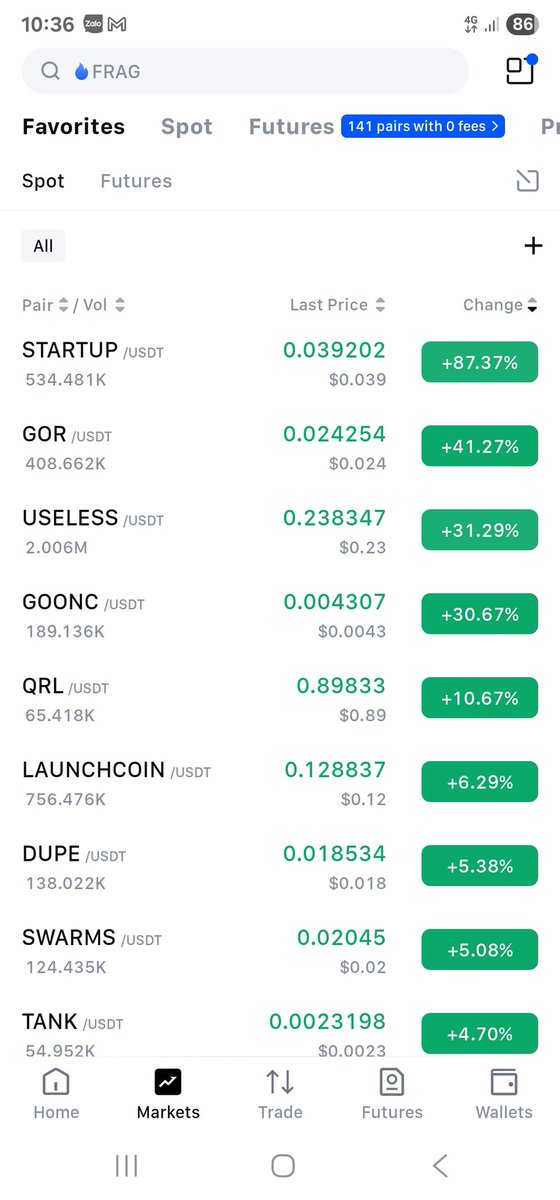
Ae lúc nào cũng hô chưa có alts season. Mặc dù mình nói nó xảy ra cỡ 6 7 lần rồi. Và market nó sẽ mãi Trend season kiểu này. Đừng mơ all market.
Đầu 2025 đến giờ có 2 lần Season rồi là cú AI Agent và giờ là ICM. Nửa tháng có bé x10
Dưới đây là bài mình đăng cho ae ở Telegram về Alts Season. Nên đừng trách market hay MM. Giờ sóng nó diễn ra ở sàn to rất khó, và all coin rất khó vì quá nhiều.
"Mỗi sáng thức dậy là 1 đáy mới.
Alts season nó đã diễn ra tầm 6-7 lần rồi. Có điều rằng chúng ta đòi Alts Ss toàn diện cơ.
Điều đó là không có. 3 vạn token 2021 so với 30 triệu triệu token hiện tại là không thể có Atls ss nào đâu.
Market nó sẽ ở dạng này và chỉ chạy trend ngắn và cút.
AE đã trải qua
Solana Season
AI GPU Season
Depin Season
Rwa Season
Pow Season
Bitcoin Eco Season
Meme Season
Musk Trump Season
Top Coin Season
AI Agent Season
....
Và sau mỗi Season nó chỉ sót lại vài kẻ Winner ko bị chết đi.
Nên ae nào cố chấp, ko chịu chấp nhận nên rời bỏ market. Vì các Season nó xảy ra chủ yếu ở Dex, Bot hay Sàn Cỏ như Mexc, Xeggex, Txbit...
Ở BNB nó chỉ xảy ra với mấy con gần như ko ai ôm.
Hãy tập chấp nhận và khi có thứ mới là bay vào Tợp ngay
Câu nói của Tù nhân CZ giờ cũ rồi
Phải đổi lại
"Nếu bạn không Hold, Bạn sẽ giàu"
Giờ Alts Ss nó chỉ xảy ra ở 1 mảng. 1 mảng cũng đủ hàng vạn con rồi. Chứ bơm sao 30 triệu con."
5
2
36
8,075

27 Jun 2025
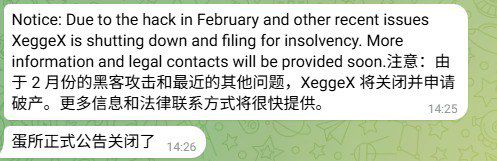
没想到 #Xeggex 蛋所也要关门了,估计是黑客风波的余震还没缓过来吧。 让人不禁怀念 #Txbit 的辉煌岁月,从没被黑客光顾,主动关闭交易所,还把用户余额全退,堪称功成身退的典范!
Txbit 眼光确实毒辣。19-22 年 PoW 热得像夏日煎锅!以太坊领衔,$ETC 从$5 飙到$170,$RVN 涨近 30 倍,$XMR 翻 5 倍,显卡一卡难求!
2022 年 9 月 15 日以太坊转 PoS,一鲸落万物生,$KAS 从$0.0001 冲到$0.01,百倍神话!$ALPH、$DNX、$CLORE、$P3 D、$KLS 也百花齐放,10 倍、100 倍币扎堆!很多人不解 Txbit 为啥退出,现在看,PoW 从 23 年起渐凉,Xeggex 也难逃大环境。
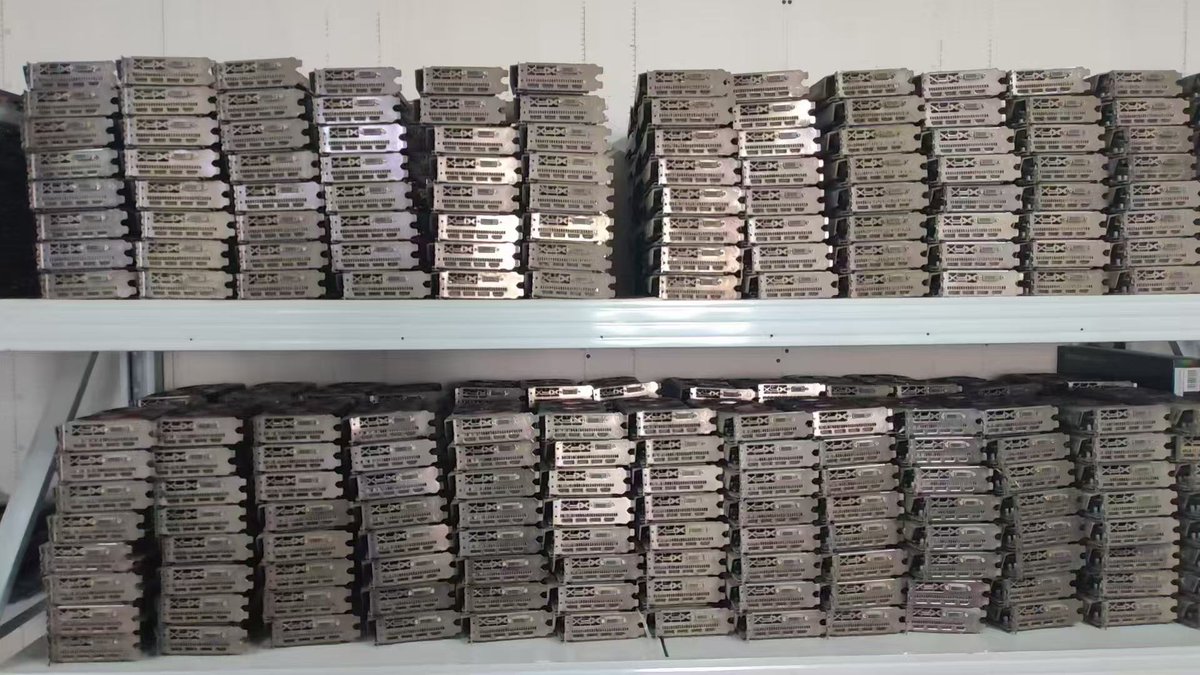
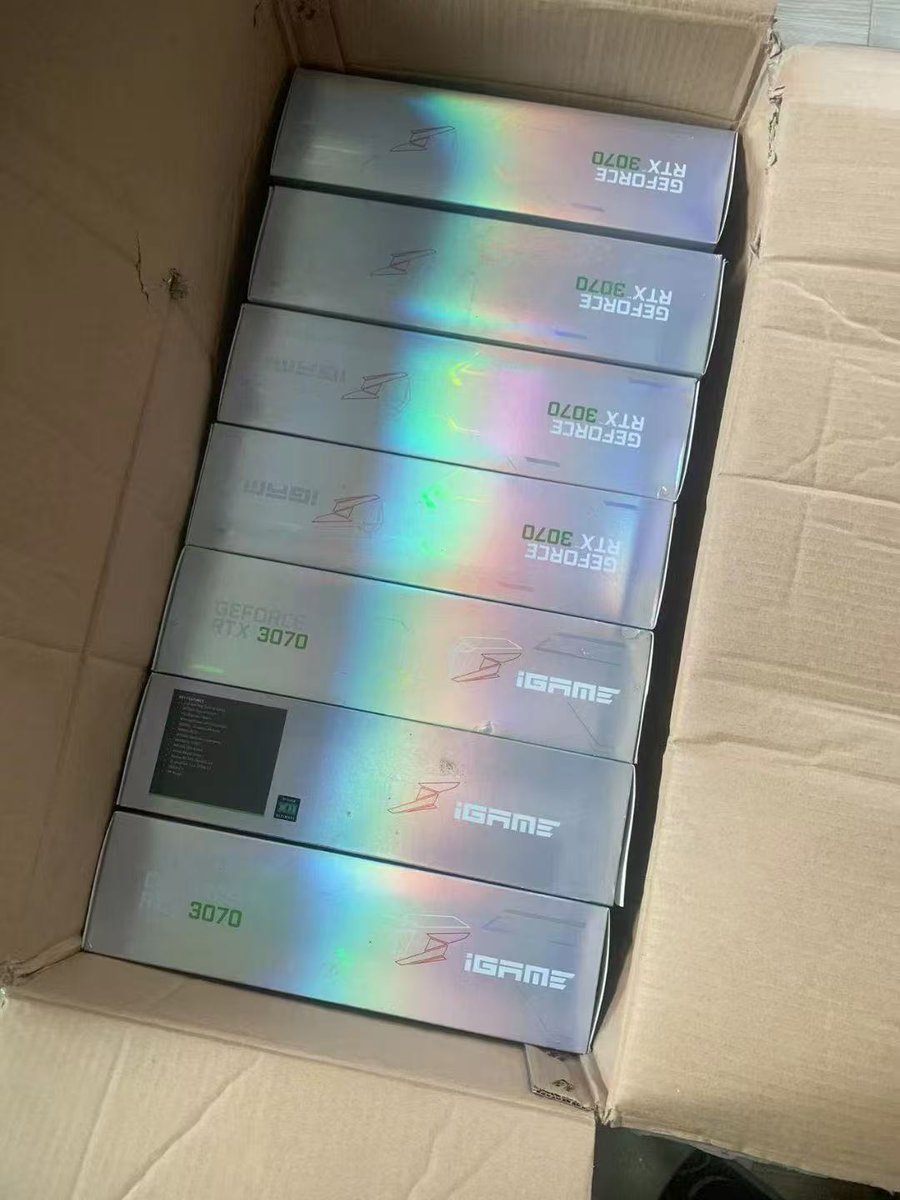
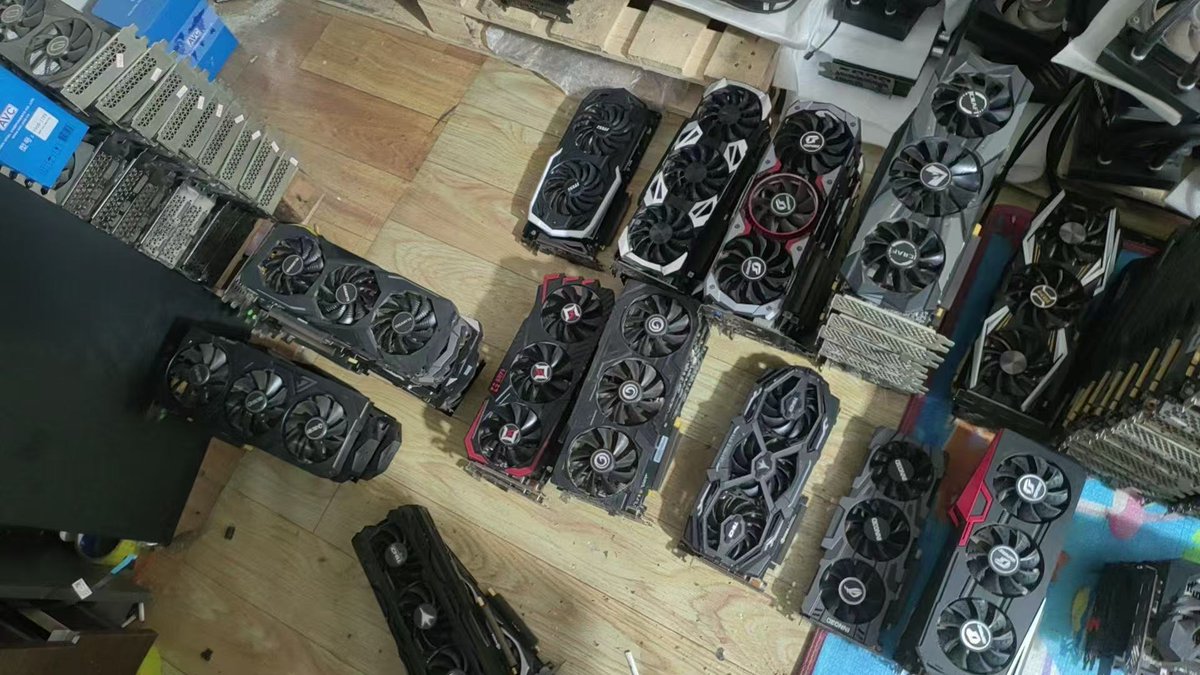
回想 2022 年,虽然身处熊市,但是 pow 币圈的狂欢年!那时候的我们,还不知道啥叫撸毛、啥叫 KOL,推特(哦,那会儿还叫 Twitter)只是查资料的工具,根本没想过运营账号。每天泡在矿池的 QQ 群、微信群,聊新币、比矿池手续费、吐槽哪款矿机连接不稳,甚至扒拉哪个工具在偷算力。 闲暇时,还得逛遍商城,淘便宜显卡、CPU、硬盘,恨不得把家改成矿场!
那段日子忙碌又充实。研究新算法、组装机器、上算力,忙完一通,机器就能默默替你「打工」,等着币哗哗入账。币安、OKX?那时都不咋用,Txbit 是主场,偶尔上 Gate 或 Mexc。每天盯着算力曲线和钱包余额,那种满足感,简直是 PoW 矿工的巅峰体验!
可时代变迁太快,PoW 的光环褪去,交易所接连退场,曾经的热闹只剩回忆。致敬 2022 年那个为挖矿熬夜、为新币疯狂的自己! 如今,币圈新赛道层出不穷,DeFi、AI、Memecoin 轮番上阵,我们也得裹挟着潮流向前冲。未来会怎样?谁知道呢,埋头干就对了! #PoW #币圈回忆录
6
1
10
1,881