

Sir Timothy John Berners-Lee, also known as TimBL, is an English computer scientist best known as the inventor of the World Wide Web. He calls it football apparently.
12

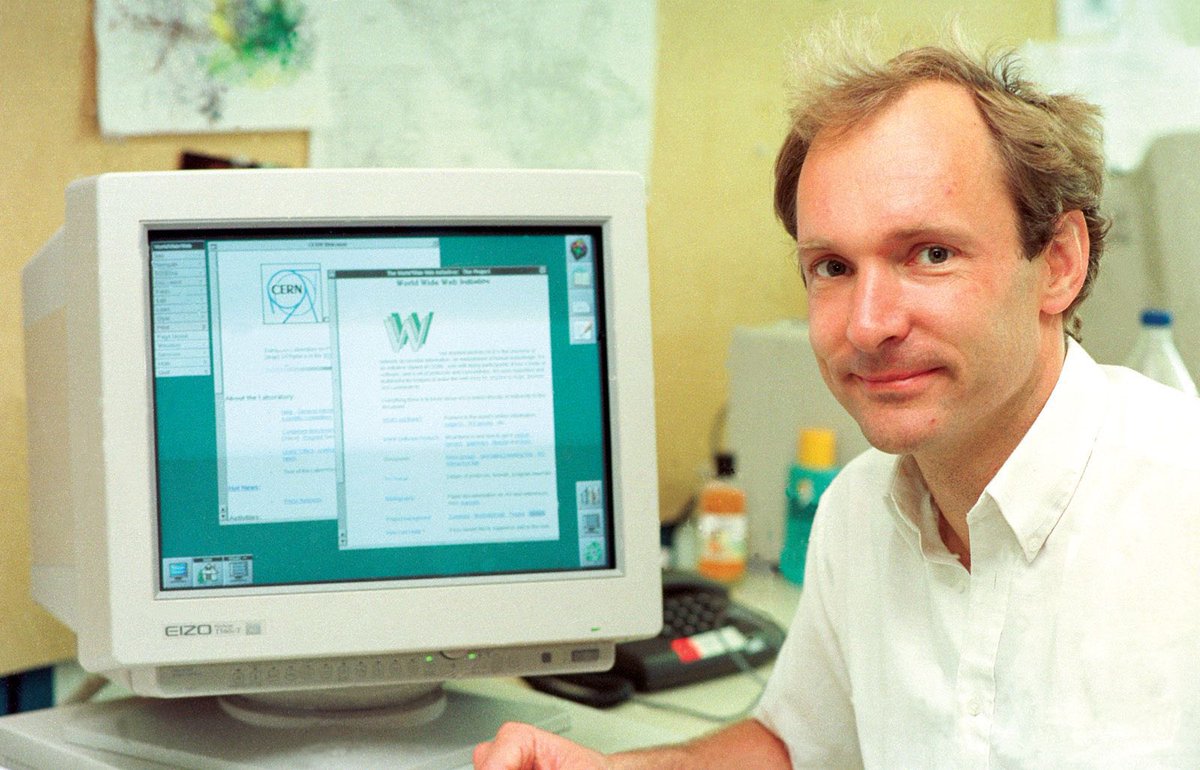
Tim Berners-Lee. Sir Timothy John Berners-Lee (born 8 June 1955), also known as TimBL, is an English computer scientist best known as the inventor of the World Wide Web, HTML, the URL system, and HTTP
1
78


Happy Birthday, @timberners_lee! 🌐🎂🐧
Thank you for inventing the #WorldWideWeb, #HTML, the #URL system, #HTTP, and the #opensource #dataprivacy initiative @project_solid. Your innovations have transformed #tech and changed the world.
@CERN #timbernerslee #WWW #LPI #TimBL

2
142

JOKES ON YOU LOL!
Sir Timothy John Berners-Lee (born 8 June 1955), also known as TimBL, is an English computer scientist best known as the inventor of the World Wide Web.
2
10
2,296

Mar 19
berners-lee.eth is the play for legacy
formal surname domains > personal nicknames when you're thinking generational wealth and inheritance
timbl works for him personally but the full name carries institutional weight and clearer succession rights
1
253

Jan 9
Yep!!!
The filesystem is about as graph-native as it gets. In Unix, inodes act as nodes, while directory entries form labeled edges that connect them. What this model lacked was a globally resolvable naming and linking mechanism—one that could abstract connectivity beyond a single machine or filesystem.
That gap is exactly what TimBL (@timberners_lee) addressed with the World Wide Web: URIs provide global identifiers, and hyperlinks introduce first-class, network-scale edges, extending the filesystem’s inherently graph-oriented model to the Internet.
And as the icing on the cake, this approach extends naturally to structured data residing within files—what many have yet to fully understand as the Internet-scale Semantic Web (based on this Giant Global Graph).
Thanks to LLMs, this power has finally found a route to escape velocity. If the World Wide Web felt like an explosion, what’s coming next is on an entirely different scale!
#SemanticWeb #AWWW #FileSystem #LinkedData #AI #LLMs #Web
3
172


29 Dec 2025
「Netscape Navigator」
この言葉に、なぜか胸がキュッとなったあなた。
モデム音が脳内で「ピーヒョロロ…」と鳴ったなら、ほぼ確定です。
なんだか懐かしい。
というより、思い出したくない黒歴史まで一緒に蘇る。そんな予感がしたなら、ぜひ本書を手に取ってみてほしい。
インターネットの始まりは、1969年。
ARPNETで送られたのは、たった5文字の「login」。実際に受け取れたのは「lo」の2文字だったという。
本当は「login」と打つ予定だったのに、途中でシステムが落ちた、という説もある。インターネットの原点が、まさかの通信エラーとは。
人類の進歩、最初からつまずいている。親近感すら覚えるレベルだ。
その後、1991年にウェブ(web)が考案された。世界がひっくり返る大発明だが、当時はまだ「ナニソレ?オイシイの?」程度の扱いだったらしい。
人類はいつも、革命を地味に始める。
本書によれば、「エンジンを作ったのは米軍、アクセルを踏んだのはTimBL」と覚えておけばいいという。
なるほど。インターネットは軍用車両に、理想主義者が全力でアクセルを踏み込んだ結果だったわけだ。
しかもTimBLは、誰からもお金を取らずにこの仕組みを広めた。「みんなで自由に使っていいよ」と。
結果、私たちは今、無料で世界中の猫動画とエロ動画を見続けている。人類の感謝の方向性は、だいたいズレている。
1991年には、たった1つしかなかったウェブサイト。それが爆発的に増え始めたのが1994年頃だ。
起爆剤となったのが、WebブラウザMosaic。そして、そのMosaicを作った男が、後にNetscape Navigatorを発表する。
そう、ネスケである。
「ネスケ」という響きに、懐かしさと同時に、「回線が遅くて画像が上から下へ表示されていった記憶」まで思い出したあなた!
あなたはもう、この本を読む準備が整っている。
29 Dec 2025

あなたはiPhoneユーザーだろうか。
私は違う。堂々たるAndroid派である。
我が家の子どもたちは、iPhoneを使い、高校ではiPadを使い、娘に至ってはMacBookを溺愛している。
家の中はリンゴ、リンゴ、リンゴ。
気分はほぼ青森県だ。
一方、私はというとAndroid、そしてWindows。
リンゴ農園の真ん中に立つ、ただ一人のじゃがいもである。
だから正直、Apple製品の何がそんなに人を惹きつけるのか、さっぱり理解できなかった。
オシャレ?洗練?直感的?
いやいや、こっちは戻るボタンが欲しいんだよ、と。
そんな私でも知っている有名な話がある。
スティーブ・ジョブズが『弓と禅』を愛読していた、という話だ。
実は私も『弓と禅』を読み、心を揺さぶられた一人である。
多少なりとも武道を嗜んでいる身としては、
「わかる……わかるぞ、この感覚……」
などと、一人でうなずいていた。
だが、同時に大きな疑問も湧いた。
なぜジョブズが、弓と禅???
リンゴと弓、まったく結びつかない。
現代版ウィリアム・テルの話だったか?
その疑問は長年、私の頭の片隅に置き去りにされていた。
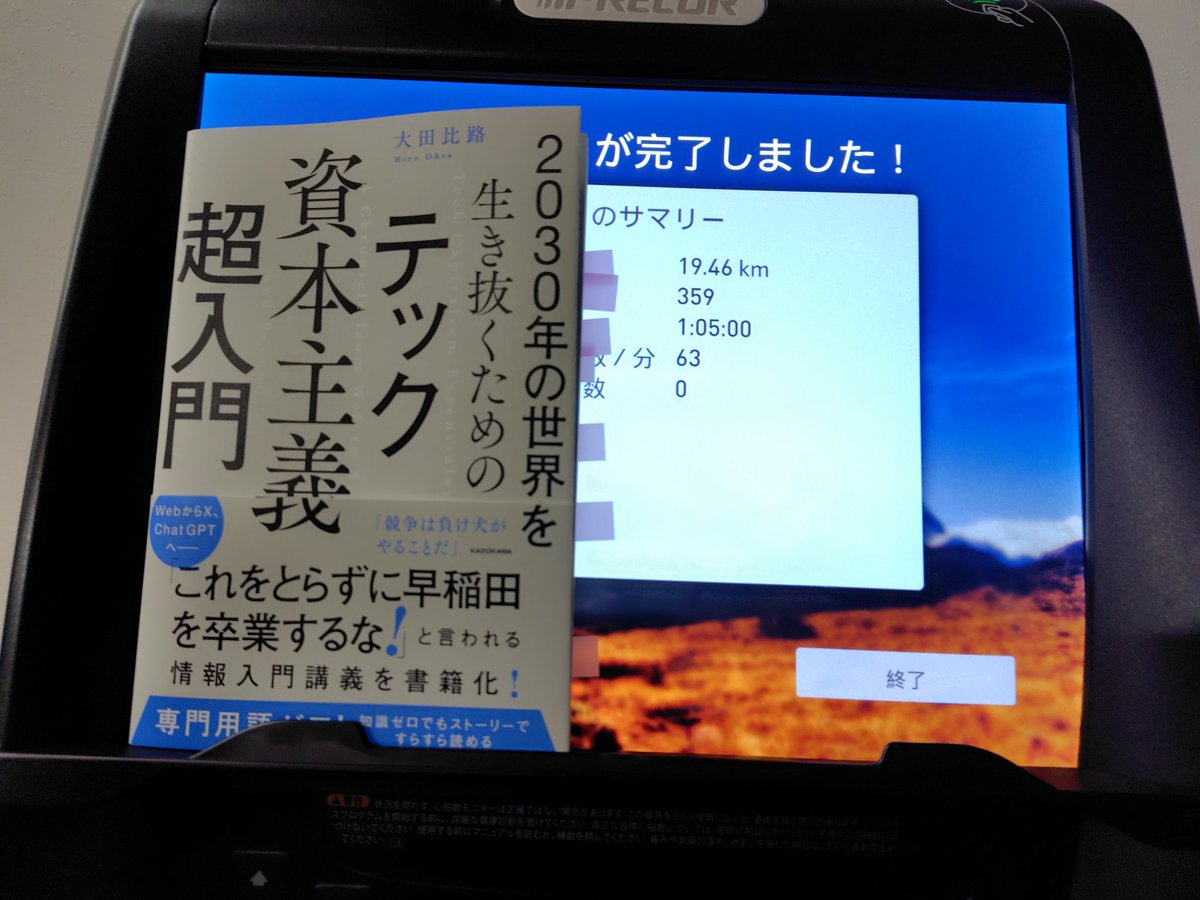
大田比路(@xlix)(著)『2030年の世界を生き抜くための テック資本主義超入門』を読むまでは……。
本書によれば、ジョブズは実際に禅を学んでいたという。
そして、その思想がMacintosh、iPhone、iPodの設計思想につながっている。
言われてみれば、なるほど。
あの異様なまでのシンプルさ。
余計なものを一切置かない潔さ。「説明書を読まなくても使える」という、謎の自信。
完成したiPodを水に沈めて
「あぶくが出た分だけ、まだ無駄がある」
と言ったとか言わなかったとか。それは別の人の話だとか。
ジョブズの逸話は真偽不明なものも多いが、とにかく無駄を許さないホモ・サピエンスだったという点だけは、ほぼ確定事項だろう。
「今ここ」に集中する禅の思想が、「テック資本主義」に直結しているとは、正直考えたこともなかった。
「テック資本主義」のはじまり
☆━━━━━━…‥・
ホモ・サピエンスが言葉を使い始めた。
それが「テック資本主義」のはじまりだという。
初手からスケールが宇宙。
気分はもう人類史ダイジェスト版だ。
本書は、言葉の誕生からフィクションの発明、国家の成立、そして気づけばインターネットに支配される現在までを、
「いや、そこまで説明してくれる?」
という丁寧さで描いてくれる。
人類は言葉を手に入れ、言葉は物語(フィクション)を生み、そのフィクションをみんなで信じた結果、国家が生まれた。
考えてみれば、国境も、お金も、会社も、全部「そういうことにしよう」と全員が納得した壮大な思い込みである。
著者は言う。
ホモ・サピエンスのイマジネーションは、もはや現実そのものだ、と。
なるほど。
つまりこの世界は、
妄想力の高い人たちが勝ち残ってきた結果なのだ。
そう考えると、妄想癖も悪くない。
むしろ、将来有望ですらある。
私はここで少しだけ姿勢を正した。
本書は、早稲田大学で実際に人気を博した講義を一般向けに書き起こしたものらしい。
そりゃ人気も出るわけだ。
だって、内容は知的なのに、読んでいるうちに「俺もホモ・サピエンスの一員だったな」と思わせてくれるのだから。
興味のある人には、当然おもしろい。
だが、興味がない人でも逃げ切れない。
なぜなら、スマホを持った瞬間、我々はすでにテック資本主義の構成員として契約完了しているからだ。
著者は最後に、こう記している。
「この不確実性の世界のなかで、自分のイマジネーションをささやかながら信じてみればいい。それが、あなたの抱くべき唯一の答えである」
なるほど。
禅だ。
深い。
さらに「それでも道に迷ったら、Google Mapに聞けばいい」と。
悟りとGPS。
無心とナビ。
これが、『令和版・弓と禅』なのかもしれない。
–
『2030年の世界を生き抜くための テック資本主義超入門』はツナグ図書館を通じてご恵贈いただきました。この場を借りて感謝申し上げます。
2
3
9
534

25 Dec 2025
Says the guy using the world wide web.
“Sir Timothy John Berners-Lee (born 8 June 1955), also known as TimBL, is an English computer scientist best known as the inventor of the World Wide Web, HTML, the URL system, and HTTP.”
11
161

20 Dec 2025
He gave it to be free Sir Timothy John Berners-Lee also known as TimBL, is an English computer scientist best known as the inventor of the World Wide Web, HTML, the URLsystem, and HTTP. He is a professorial research fellow at the University of Oxford and a professor emeritus
1
4
421

15 Dec 2025
Sir Timothy John Berners-Lee (born 8 June 1955),[1] also known as TimBL, is an English computer scientist best known as the inventor of the World Wide Web, HTML, the URL system, and HTTP.
Without which the internet could never have existed
3
5
83

4 Oct 2025
Pnggunaan ETANOL praktik internasional
Tpi dgn pnambahan ETANOL di BBM membuat mesin² kendaraan bermotor menjadi banyak kerusakan. Murnikan dri bhn cmpuran ETANOL, masyarakat sdh rgi dgn /tamina dgn d br BBM oplosan yg mraup keuntungan triliunan tp tdk ada timbl blik untuk rakyat
2
754

27 Aug 2025
Lolcow indeed. American exceptionalism is fine and a good thing; this thing, this complaint… isn’t.
The internet is one thing, but the UK co-invented packet switching and TimBL invented the web. But the web isn’t British. And the net isn’t American. Many countries have been instrumental in the development of the net and web.
11
8
15,404

3 Aug 2025
Sir Timothy John Berners-Lee (born 8 June 1955), also known as TimBL, is an English computer scientist best known as the inventor of the World Wide Web, the HTML, the URL system, and HTTP.
1
2
23
21 Jul 2025
4/
We (@OpenLink) have long aligned our core product philosophy, architecture, and implementation with the powerful connectivity stack unleashed by the Web.
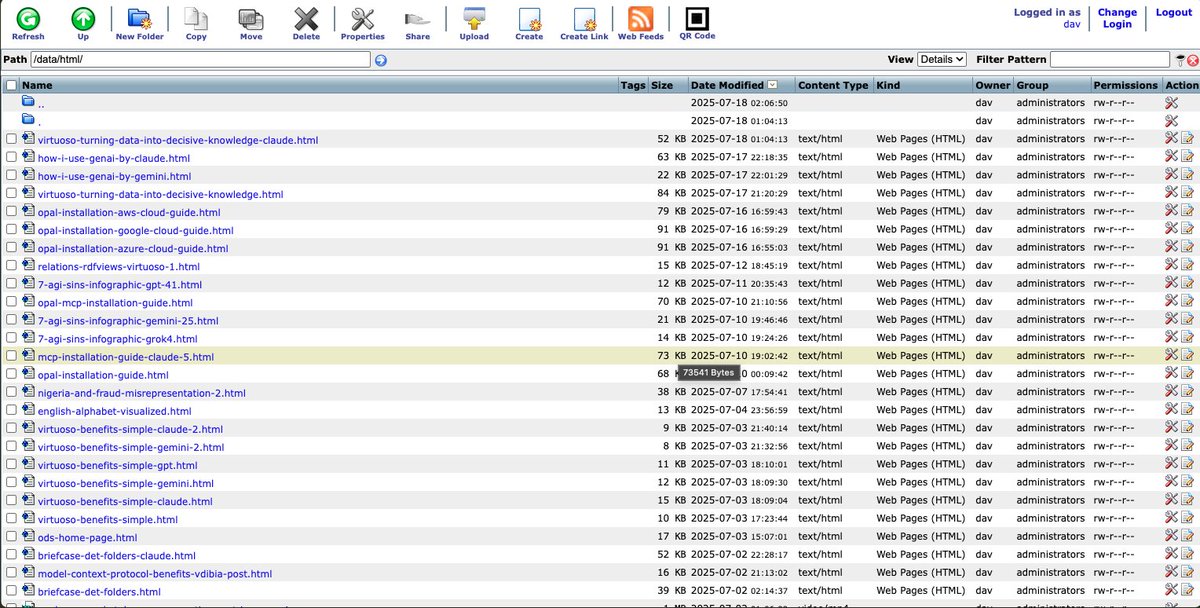
Take Virtuoso’s WebDAV Filesystem as an example—it embodies everything covered in this thread.
Our public /html/ folder keeps the original Web spirit alive.
It’s our “create, save, share” zone.
Simple. Local. Global.
📂 openlinksw.com/data/html/
Similar to how TimBL (@timberners_lee) shares his Web architecture notes → w3.org/DesignIssues/, but with a twist that doubles as a Knowledge Graph entry point while also supporting a variety of feed formats (RSS, Atom, and OPML).
1
1
3
102

20 Jul 2025
Sir Timothy John Berners-Lee(born 8 June 1955),[1] also known as TimBL, is an English computer scientist best known as the inventor of the World Wide Web, the HTML, the URL system, and HTTP. He is a professorial research fellow at the University of Oxford[2] and a professor
1
8
220

18 Jun 2025
Here are 15 cypherpunks and privacy advocates on X you might want to tag for the Kaspa conversation:
@adam3us (Adam Back)
@zooko (Zooko Wilcox-O’Hearn)
@moxie (Moxie Marlinspike)
@ioerror (Jacob Appelbaum)
@brianbehlendorf (Brian Behlendorf)
@NickSzabo4 (Nick Szabo)
@paulkocher (Paul Kocher)
@bramcohen (Bram Cohen)
@timbl (Tim Berners-Lee)
@Snowden (Edward Snowden)
@EFF (Electronic Frontier Foundation)
@runasand (Runa Sandvik)
@josephbonneau (Joseph Bonneau)
@radar (Matt Zimmerman)
@juliansanchez (Julian Sanchez)
These folks have all contributed to the cypherpunk movement or privacy tech in meaningful ways, and some are still active voices in the space today.
134