
Apr 23
While Ministers thumping chest on records.Temple admin personal greed & time2build rapport VVIP.For some locals merely business&others nuisance -traffic jam,garbage, unregulated crowd.Most of pilgrims treat it as a picnic,reels &social media frenzy.True essence of Pilgrimage lost
1
2
41
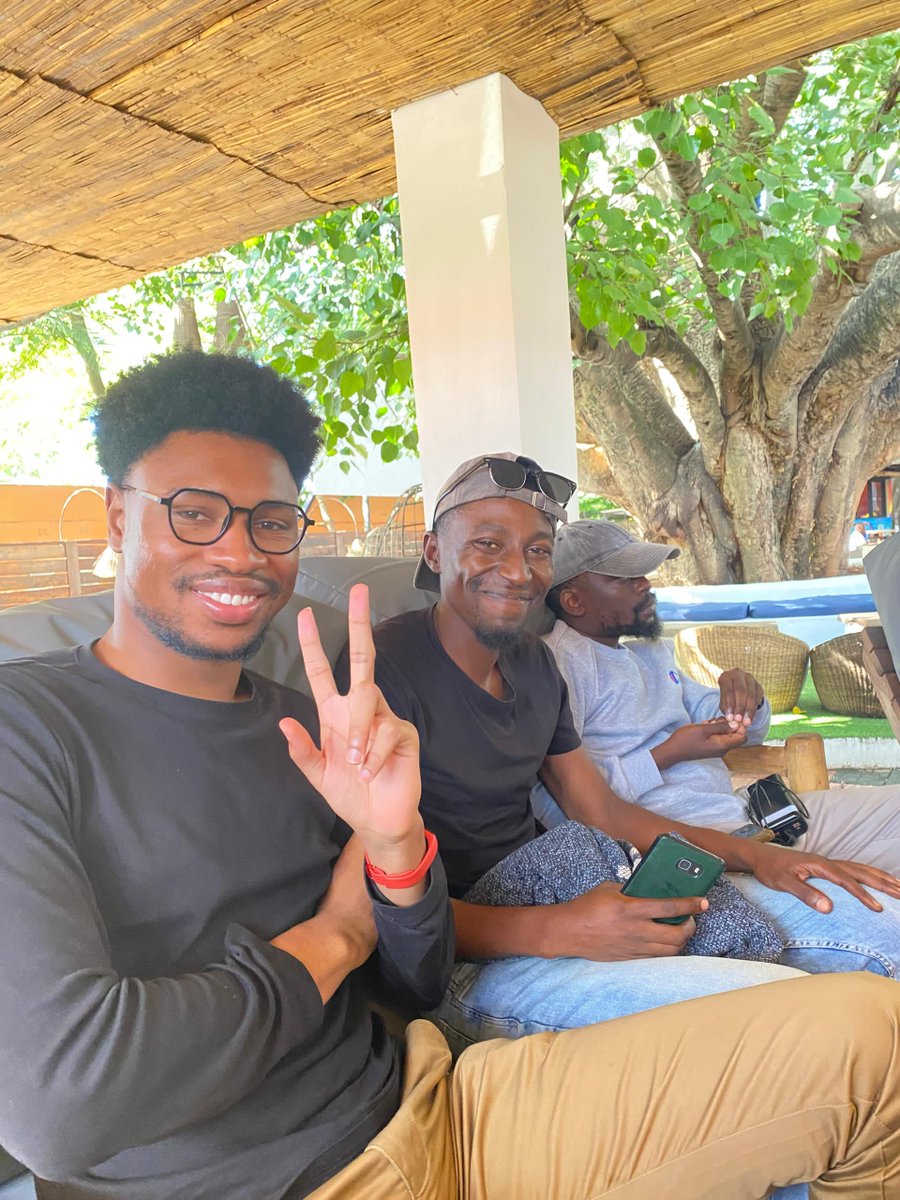
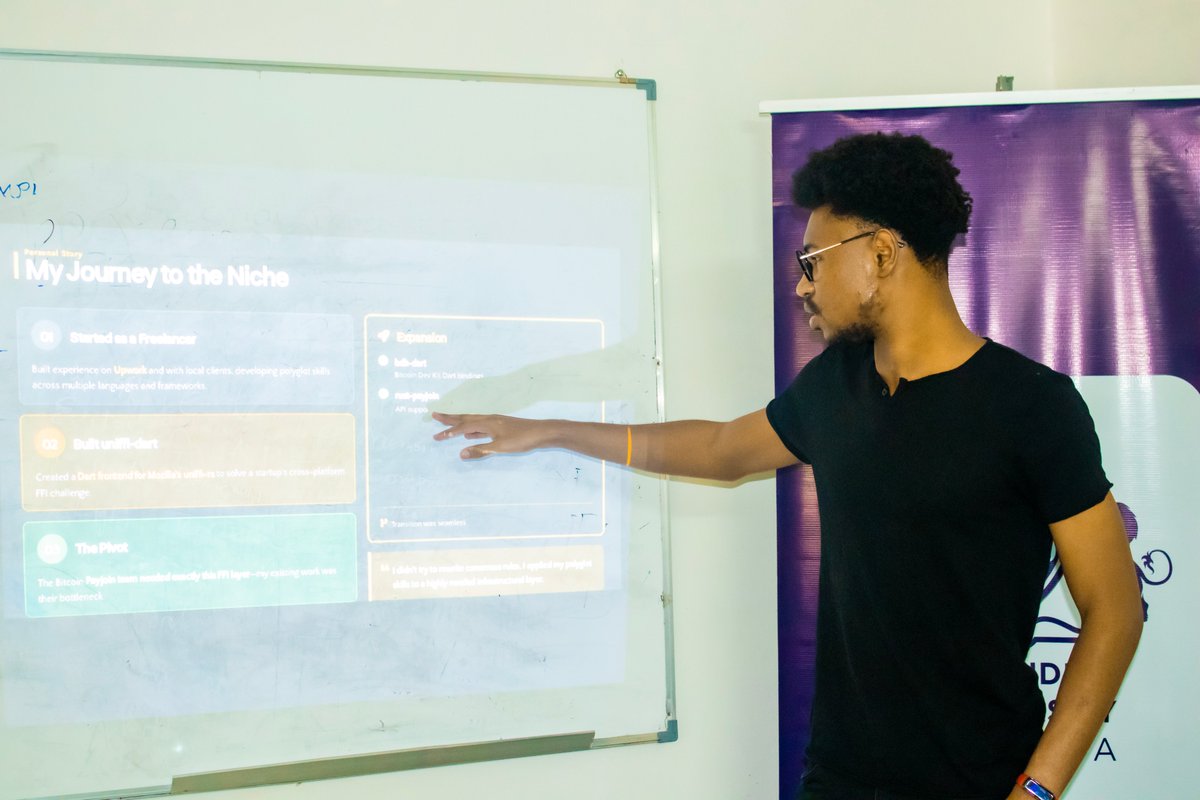
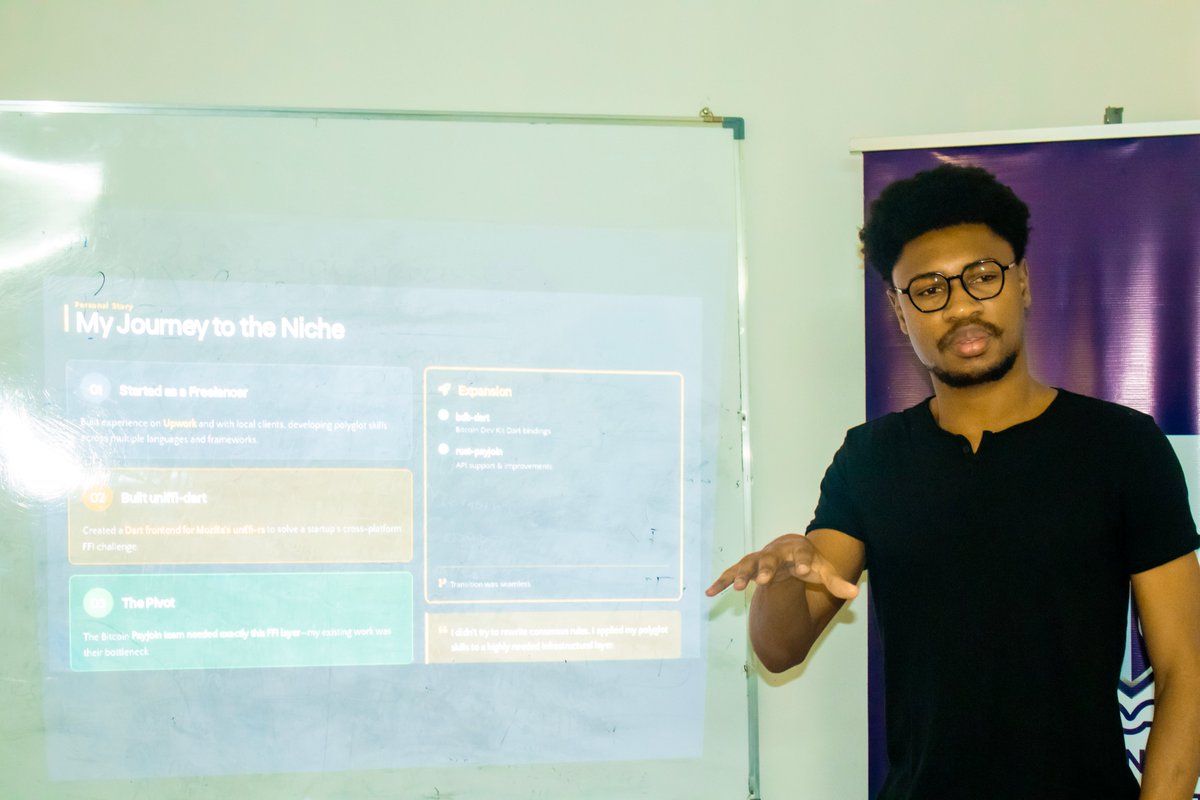
Proud to spotlight our member @0chavic:
• @btrust_builders Developer Grant recipient
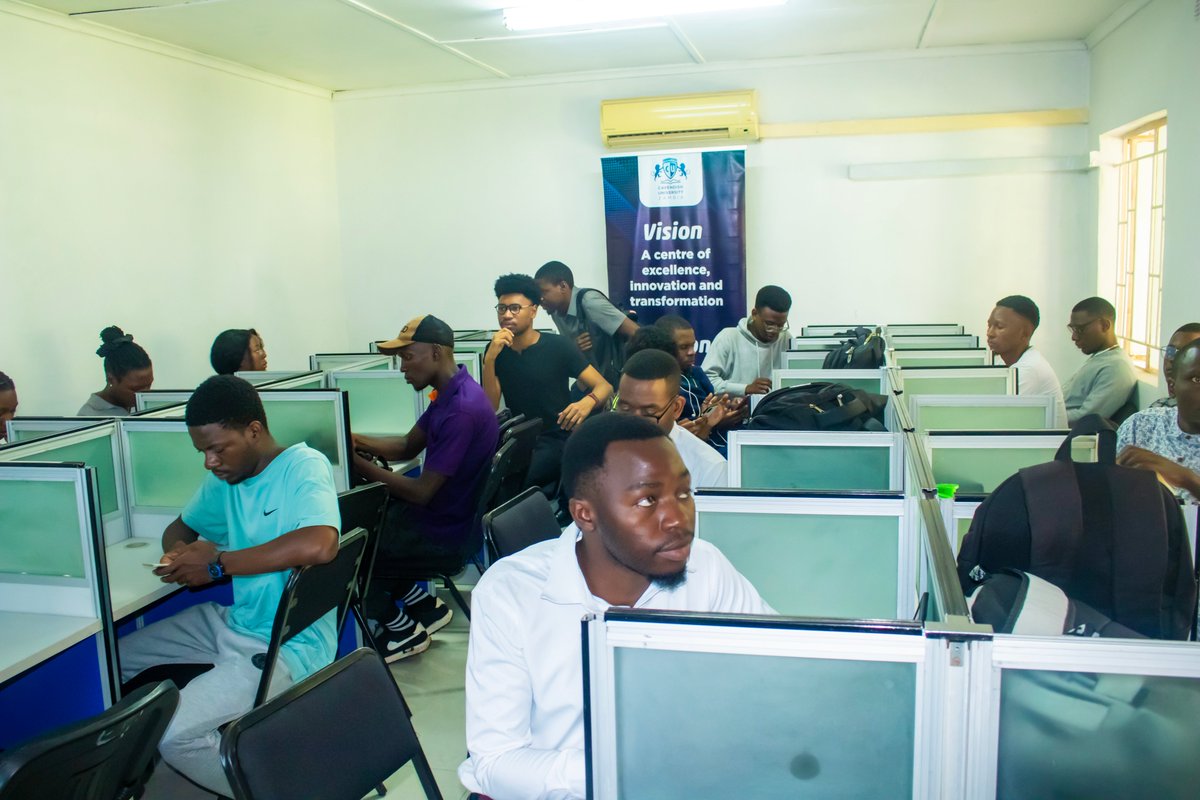
• Speaker at Bitcoin OSS Campus Ignition (our university outreach)
• Winner @Breez_Tech Time2Build Global Challenge
• Author of UniFFI-Dart
• Contributor to rust‑payjoin @payjoindevkit
1
10
35
1,333

Feb 4
January's Feel the Breez is out ⚡️
This month's recap includes: @DeblockApp unlocking instant value transfer for 300K Europeans, </time2build> challenge winners crowned, @spark ELI5, and more.
Let's dive in 👇
Feb 3

January’s Feel the Breez just dropped⚡️
→ 300,000 Bitcoiners w/ @DeblockApp
→ </time2build> Winners Announced
→ @spark: ELI5
→ Lightning in the Wild w/ @PortalOnX
Full newsletter 👇
newsletter.breez.technology/…
Ft: @DeblockApp_FR, @evento_so, @PortalOnX, @aaaljaz, @briimhd, @lightspark, @PlanBElsalvador, @TheGuySwann, @stephanlivera, @roy_breez, @dannystagg
7
10
1,485
Feb 3
January’s Feel the Breez just dropped⚡️
→ 300,000 Bitcoiners w/ @DeblockApp
→ </time2build> Winners Announced
→ @spark: ELI5
→ Lightning in the Wild w/ @PortalOnX
Full newsletter 👇
newsletter.breez.technology/…
Ft: @DeblockApp_FR, @evento_so, @PortalOnX, @aaaljaz, @briimhd, @lightspark, @PlanBElsalvador, @TheGuySwann, @stephanlivera, @roy_breez, @dannystagg
3
11
27
2,736

Jan 30
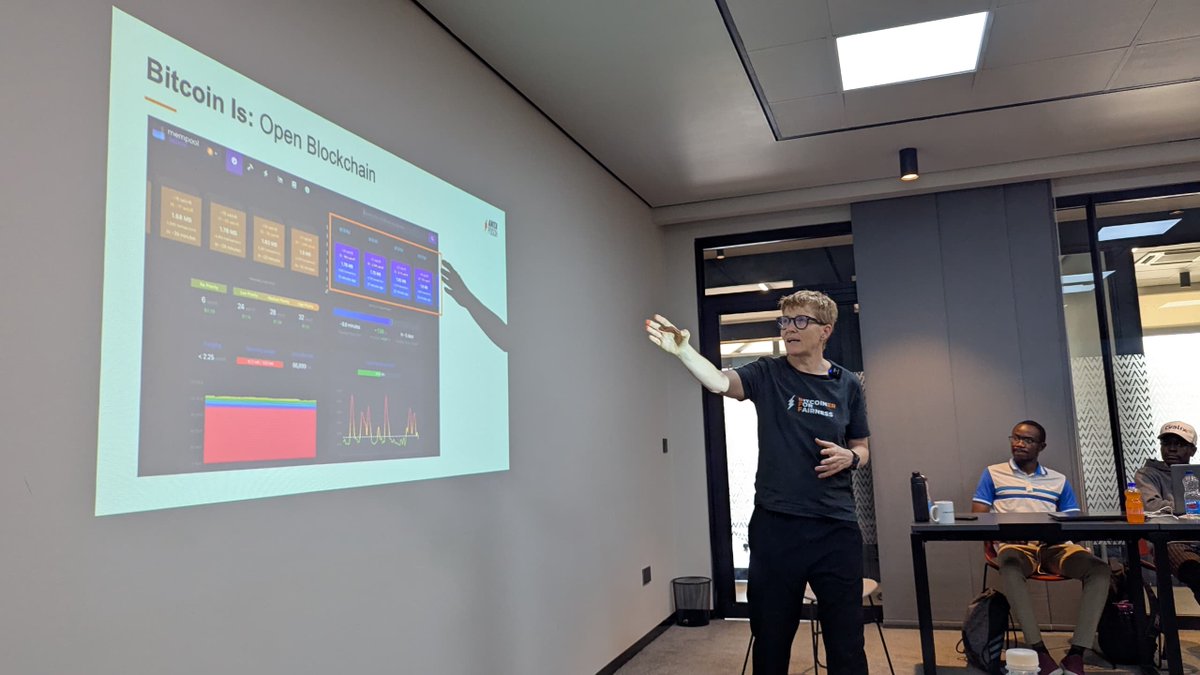
@anitaonl (of @BFFbtc) was the catalyst behind the 2025 launch of @bitdevszambia. Since then, the community has delivered, incl. Zambia’s first Lightning Dev Bootcamp with @FreeRoutingAf. Members also in global @ChaincodeLabs ₿OSS Challenge among @Breez_Tech Time2Build winners
Jan 22

Across the continent, BitDevs communities have grown in places like Abuja🇳🇬 (@BitDevsAbuja), Lagos🇳🇬 (@BitDevsLagos), Kaduna🇳🇬 (@BitDevsKaduna), Uyo🇳🇬 (@BitDevsUyo), Goma🇨🇩 (@bitdevsGoma) Gitega🇧🇮 (@bitdevsgtga), Cotonou🇧🇯 (@BitdevsCotonou), Nairobi🇰🇪 (@BitDevsNBO), Kampala 🇺🇬 (@BitDevsKLA), Mauritius 🇲🇺 (@BitDevsMRU), Zambia 🇿🇲 (@bitdevszambia), and more.
Most BitDevs communities across Africa are supported by Btrust, which provides funding and hands‑on operational support to ensure consistency, sustainability, and access to resources.
A number of locations are supported independently by organizations such as @BitcoinZambia and other local partners.
Each community is locally run, shaped by its own context, but connected by shared values.
5
9
915

Jan 28
Bitcoin Apps For Everyone with Danny Stagg, Aljaz, & Brianna | SLP714
@dannystagg, @briimhd & @aaaljaz join me to discuss the results of @breez_tech’s ‘Time2Build’ challenge, Breez’s nodeless SDK, and how developers can integrate Bitcoin & Lightning easily.
(00:00) - Intro
(01:04) - Time2Build challenge overview
(02:07) - What is Breez Nodeless SDK?
(03:09) - Brianna’s experience of building @evento_so using Breez SDK
(09:02) - Aljaz’s @BtcpayServer plugin
(12:48) - How does Aljaz’s BTCPay plugin help the end user?
(16:00) - What does implementing the plugin unlock?
(19:23) - Vibe coding Bitcoin payments with Breez SDK
(21:30) - AI, MCP and documentation
(24:54) - UX and design considerations for Evento
(29:47) - @evento_so wallet
(34:07) - Comparing @Liquid_BTC & @spark implementations
(35:23) - Excitement around Bitcoin and L2 developments
(41:14) - Closing thoughts
10
9
27
8,322

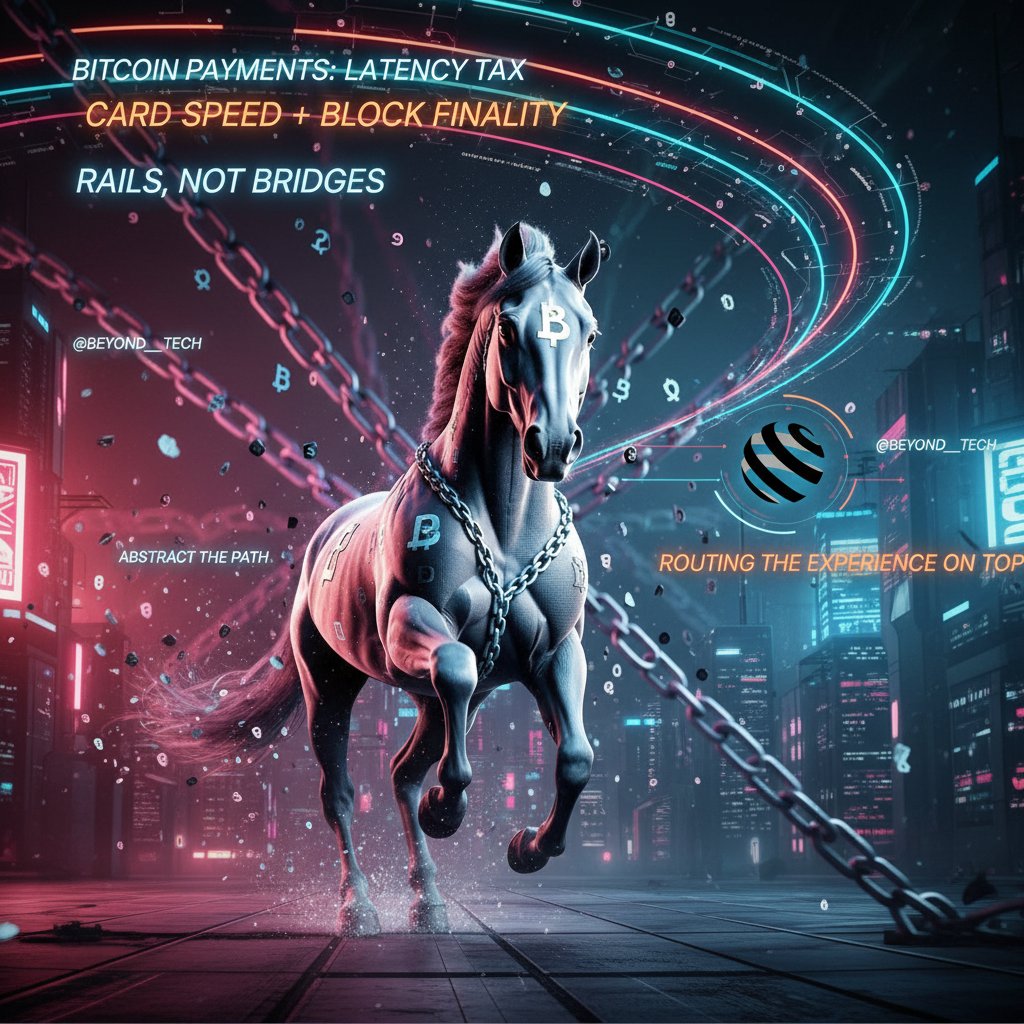
bitcoin payments are still paying the latency tax. everyone wants card speed with block finality, and the market solved it with custodial wrappers and hopium. @beyond__tech is attacking it from a different angle: rails, not bridges. they’re treating btc like the settlement layer and routing the experience on top of it.
the mechanic isn’t “make bitcoin fast,” it’s abstract the path. ordinals to 70 chains via layerzero, park synthetic collateral on aave, earn, then round-trip back with security intact. users think they’re “spending btc.” what the system is actually doing: move liquidity through the fastest pipes available, reconcile to bitcoin when the dust settles. it’s payments as orchestration, not teleportation.
the quiet signal that this isn’t vapor is the portal x breez win at the time2build challenge, with tether in the stack. awards don’t make code safer, but they do tell you the plumbing holds under pressure. echoporr mint and mainnet are the moment when this stops being a demo and becomes infrastructure. tge in q1 is just the social unlock for distribution.
the connecting thread is commoditizing cross-chain until it disappears. wrappers become receipts, rouying becomes invisible, bitcoin remains the source of truth. the upside is obvious: kill the wait, expand utility, let $btc flow into real commerce. the uncomfortable truth is the abstraction risk. every time you hide the hops, you hide the failure modes. layerzero messages, oracle assumptions, reconciliation windows this is where the ghosts live.
7
7
50
Jan 23
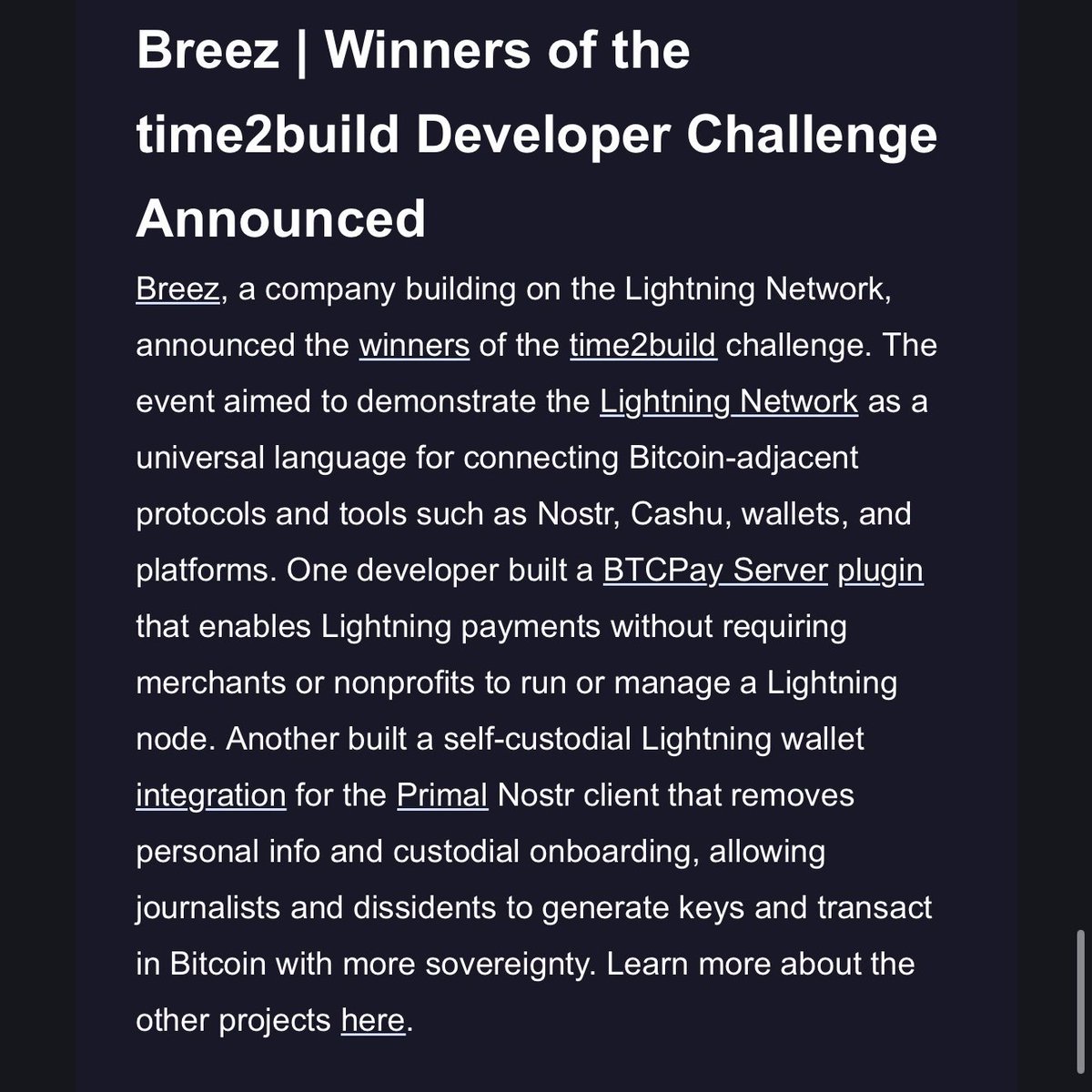
ICYMI: Last week we announced the winners of </time2build>, our global developer challenge bringing bitcoin to open-source apps worldwide.
Thanks for the shout-out, @HRF 🙏

Jan 15
It’s time to build.
Two months ago, we asked developers to bring bitcoin to open-source apps. And they delivered.
Today, we’re proud to announce the winners of </time2build> 🧵👇
ALT Announcing the winners of Breez's global developer challenge, </time2build>.
4
7
1,497

Jan 16
NEW: $22,000 distributed across 12 bitcoin projects during "Time2Build" contest 🏆
- 50 projects participated
- Goal: bring bitcoin to open-source apps people already use
- Using Breez SDK to add Lightning features
Jan 15
This was a global effort.
Thank you to:
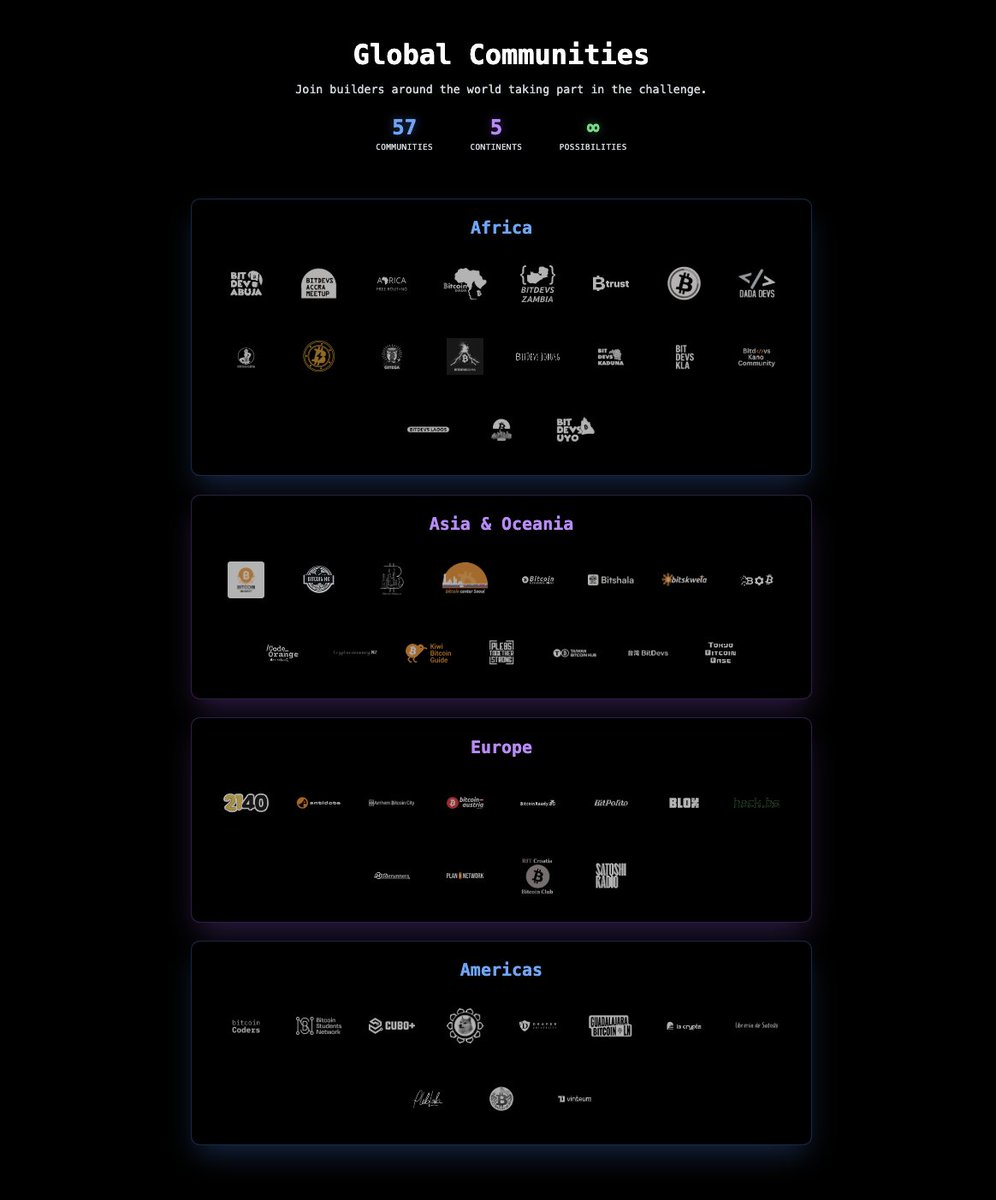
→ the 50 developer communities who participated in the challenge
→ our partners: @tether @lightspark @spark @FulgurVentures @planb_network @draper_u @PlebLab @geyserfund
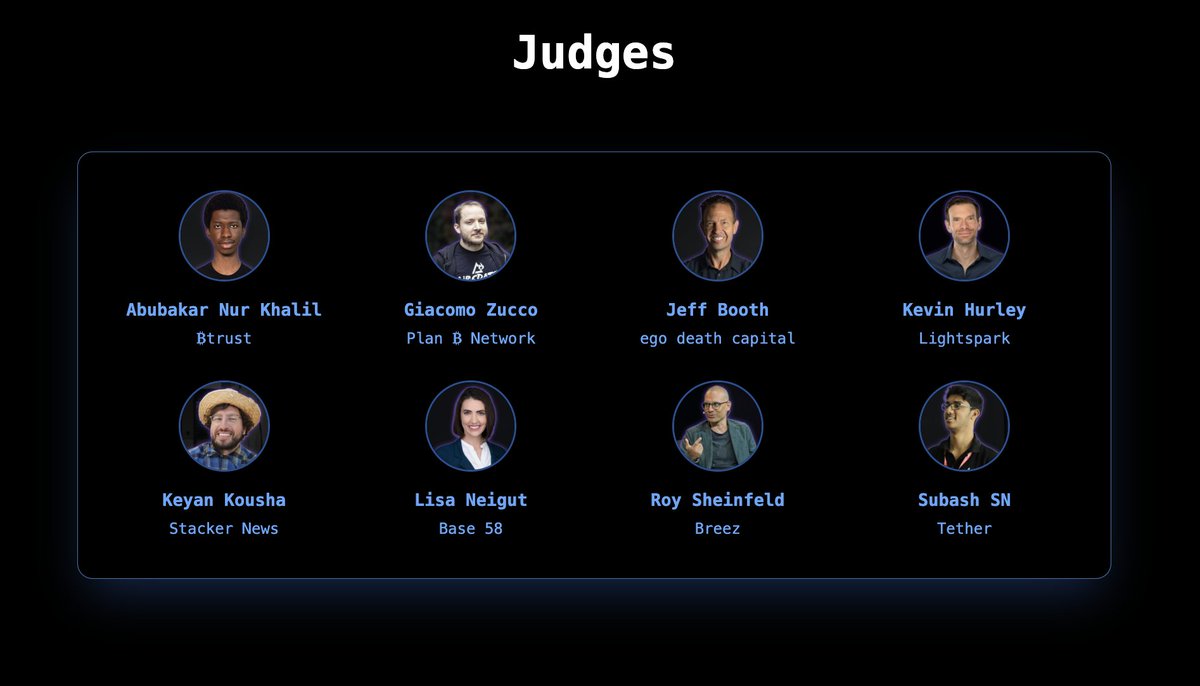
→ our judges: @ihate1999 @giacomozucco @JeffBooth @kphur @k00bideh @niftynei @roy_breez @pingsns
We couldn’t have done this without your help 🙏
1
5
14
1,324

We're the Top Prize Winners alongside friends @h4ckbs🥳for </time2build> 2025!
By integrating @Breez_Tech SDK into Portal, you can use Lightning⚡️as the common language to allow identity, reputation, & value to travel together across apps🔥
Checkout the Tap-to-Pay demo below👇
10 Dec 2025

Tap-to-Pay is coming for Bitcoin.
We Integrated @Breez_Tech Wallet SDK into the Portal app.
We use Nostr IDs and show off what an NFC powered Bitcoin, Lightning & @CashuBTC app can do.
This is JUST the start.
The possibilities are endless. Can you see them??👀
2
4
12
1,109

Jan 16
⚡️ Time2Build: projects integrating the Lightning Network into open-source apps awarded
@Breez_Tech has announced the winners of the 2025 edition of Time2Build, the developer competition focused on integrating self-custodial Lightning Network payments into open-source apps using the Breez SDK. More than 50 developer communities from around the world took part in the initiative.
The submitted projects ranged from plugins to tools and integrations designed for practical, long-term use.
The organizers emphasized that future developments will depend on the continued participation of builders in areas such as messaging apps, wallets, and new innovative applications. For Breez, this is only the beginning: the “build” era has officially begun.
Atlas21 article in the first comment. ⬇️
1
2
3
498

Jan 16
⚡️ Time2Build: premiati i progetti che integrano il Lightning Network nelle app open source
@Breez_Tech ha annunciato i vincitori dell’edizione 2025 di Time2Build, la competizione per sviluppatori dedicata all’integrazione di pagamenti Lightning Network self-custodial in app open source, utilizzando il Breez SDK. All’iniziativa hanno partecipato oltre 50 comunità di sviluppatori da tutto il mondo.
I progetti presentati hanno spaziato dalla creazione di plugin a strumenti e integrazioni pensati per un utilizzo concreto e duraturo.
Gli organizzatori hanno sottolineato che gli sviluppi futuri dipenderanno dalla partecipazione continua dei builder in settori come app di messaggistica, wallet e nuove applicazioni innovative. Per Breez è solo l’inizio: l’era del “costruire” è ufficialmente aperta.
L'articolo di Atlas21 nel primo commento. ⬇️
1
1
2
182

Love seeing 2 Cashu projects among the @Breez_Tech Time2Build 2025 winners
- Backend for Nutshell Mints adds @spark support for Nutshell Cashu mint
- CDK Payment Processor using Spark for Lightning
Congrats 👏
Jan 15
It’s time to build.
Two months ago, we asked developers to bring bitcoin to open-source apps. And they delivered.
Today, we’re proud to announce the winners of </time2build> 🧵👇
ALT Announcing the winners of Breez's global developer challenge, </time2build>.
1
7
33
7,898

Jan 15
La @libdesatoshi fue parte de este reto y cumplió. Gracias a @Breez_Tech ⚡️
- Time2Build: Meet the 2025 Winners by Danny S 💻blog.breez.technology/time2b…
1
1
5
213

Jan 15
Two of our members are among the winners of the Breez Time2Build challenge. A huge achievement, especially building under conditions where power was sometimes available for only ~3 hours a day.
Proud.
Jan 15
It’s time to build.
Two months ago, we asked developers to bring bitcoin to open-source apps. And they delivered.
Today, we’re proud to announce the winners of </time2build> 🧵👇
ALT Announcing the winners of Breez's global developer challenge, </time2build>.
2
5
12
990

Jan 15
Time2Build 2025 Winners: Breez Awards Bitcoin Prizes for Lightning Integrations in BTCPay Server, Primal, and More bitcoinmagazine.com/business… via @bitcoinmagazine @Breez_Tech
4
14
35
19,460

Jan 15
We are so inspired by the creativity and talent shown in the </time2build> competition. A massive thank you to
@Breez_Tech for the partnership, and a huge shoutout to the winners for pushing the boundaries of what’s possible on @spark.
Let’s keep growing this ecosystem! 🚀
Jan 15
It’s time to build.
Two months ago, we asked developers to bring bitcoin to open-source apps. And they delivered.
Today, we’re proud to announce the winners of </time2build> 🧵👇
ALT Announcing the winners of Breez's global developer challenge, </time2build>.
1
3
19
3,038

💫 Amazing Time2Build competition from the wonderful people @Breez_Tech
Congrats to all the winners!
✨ Shoutout to @dannystagg, @MiyaharaUmi and @roy_breez for creating something special.
blog.breez.technology/time2b…
3
3
11
850