
Feb 20
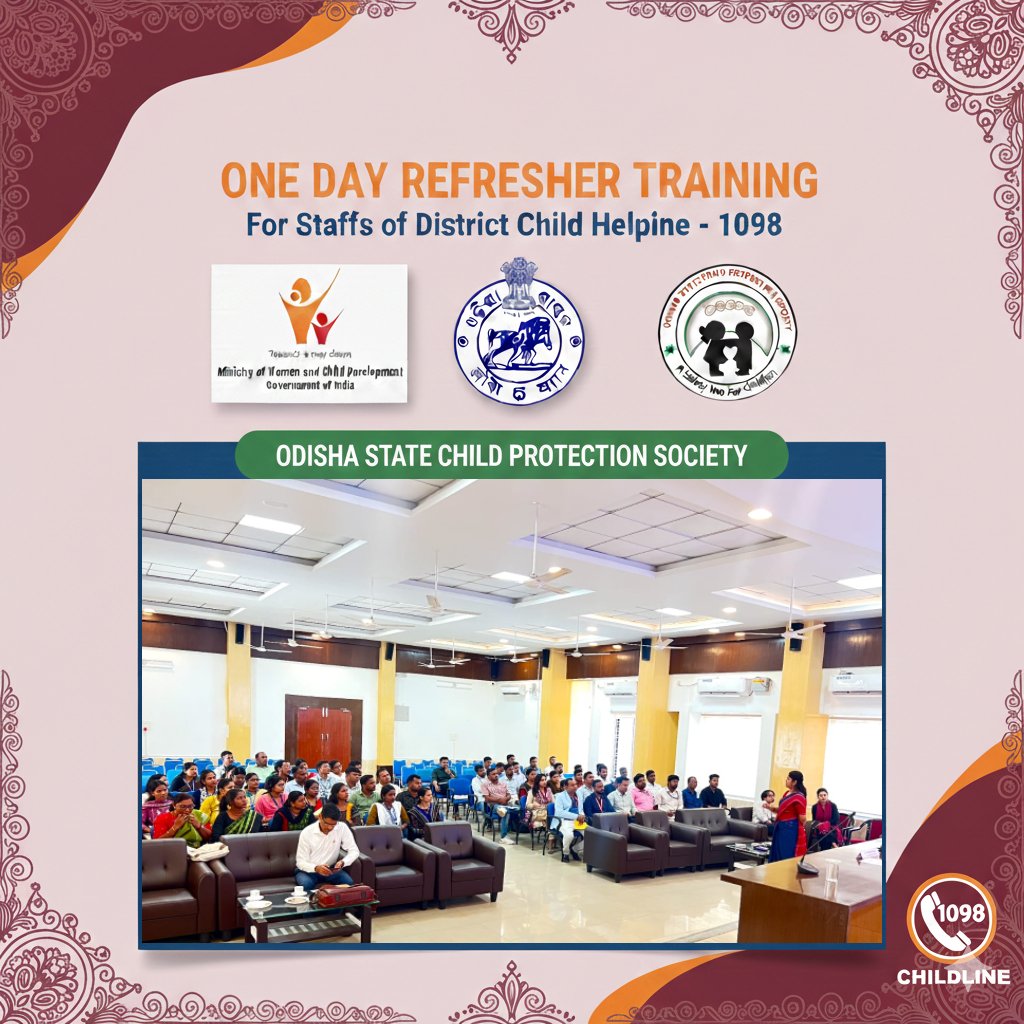
To enhance service delivery and response mechanisms, a One Day Refresher Training was organized for District & State Child Helpline (1098) staff.
Capacity building today ensures stronger child protection tomorrow.
#ChildSafety #1098Helpline #TrainingForChange #OSCPS #WCDOdisha
2
75

13 Nov 2025
Meet Mujeeb ur Rehman, a dedicated trainee of the Automobile Technology (Motorcycle Mechanic) trade from SZABIST ZABTech TTC Hub, Balochistan.
Mujeeb transformed his passion for mechanics into a promising career through hard work, commitment, and the practical skills he gained during his training.
His journey stands as an inspiring example of youth empowerment and the impact of technical education in shaping successful futures. 🔧🏍️
@Official_BPPPA @btevta @dpr_gob
#SuccessStory #SZABISTZABTech #TTC #WeBuildSkills #HubBalochistan #SkillDevelopment #VocationalTraining #TechnicalEducation #YouthEmpowerment #AutomobileTechnology #MotorcycleMechanic #InspiringJourney #SZABIST #ZABTech #TrainingForChange
1
5
176

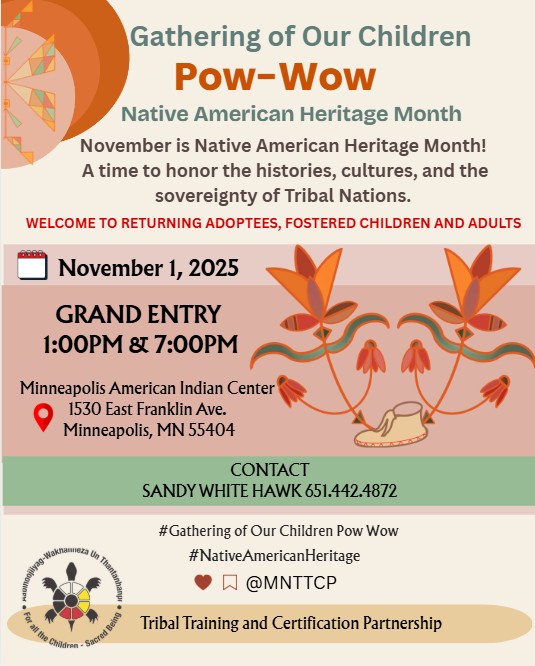
November is Native American Heritage Month, a time to honor the histories, cultures, and contributions of Indigenous peoples across the United States.
#mnttcp #NativeAmericanHeritage #TribalChildWelfare
#ChildWelfare #TribalTraining #TribalCertification
#TrainingForChange
1
45

24 Oct 2025
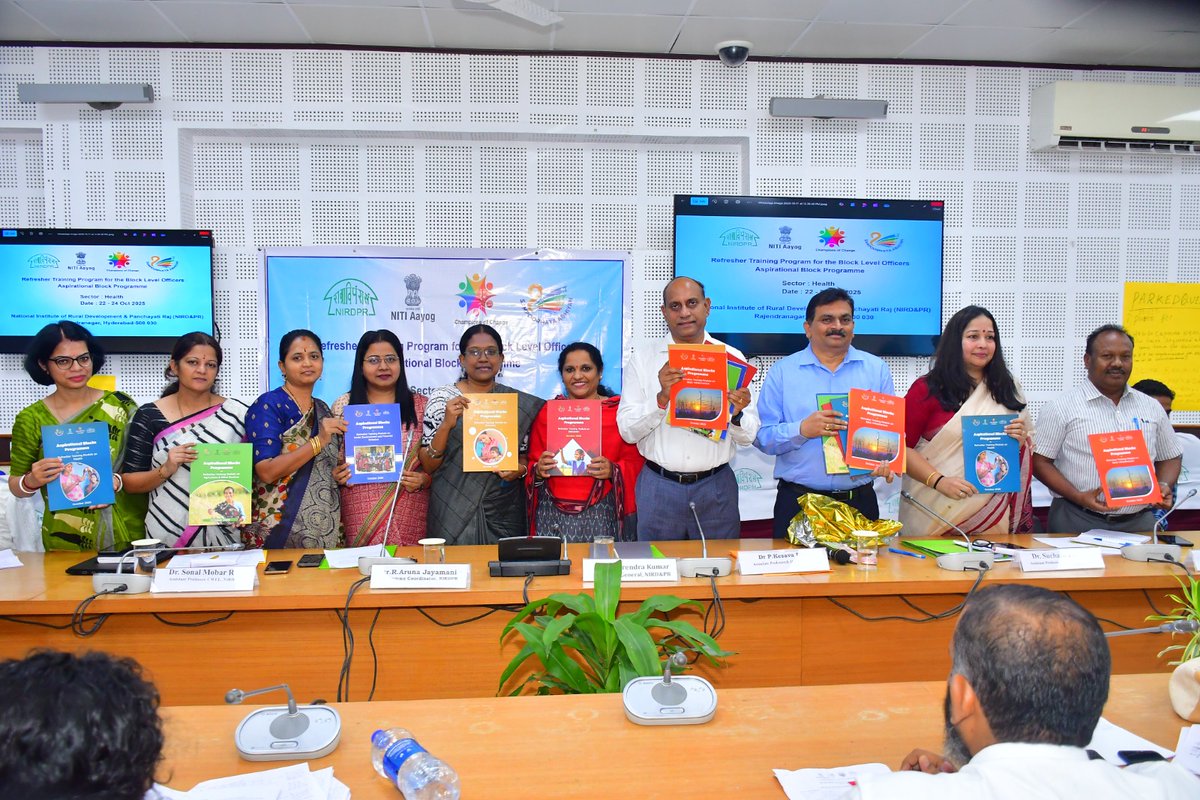
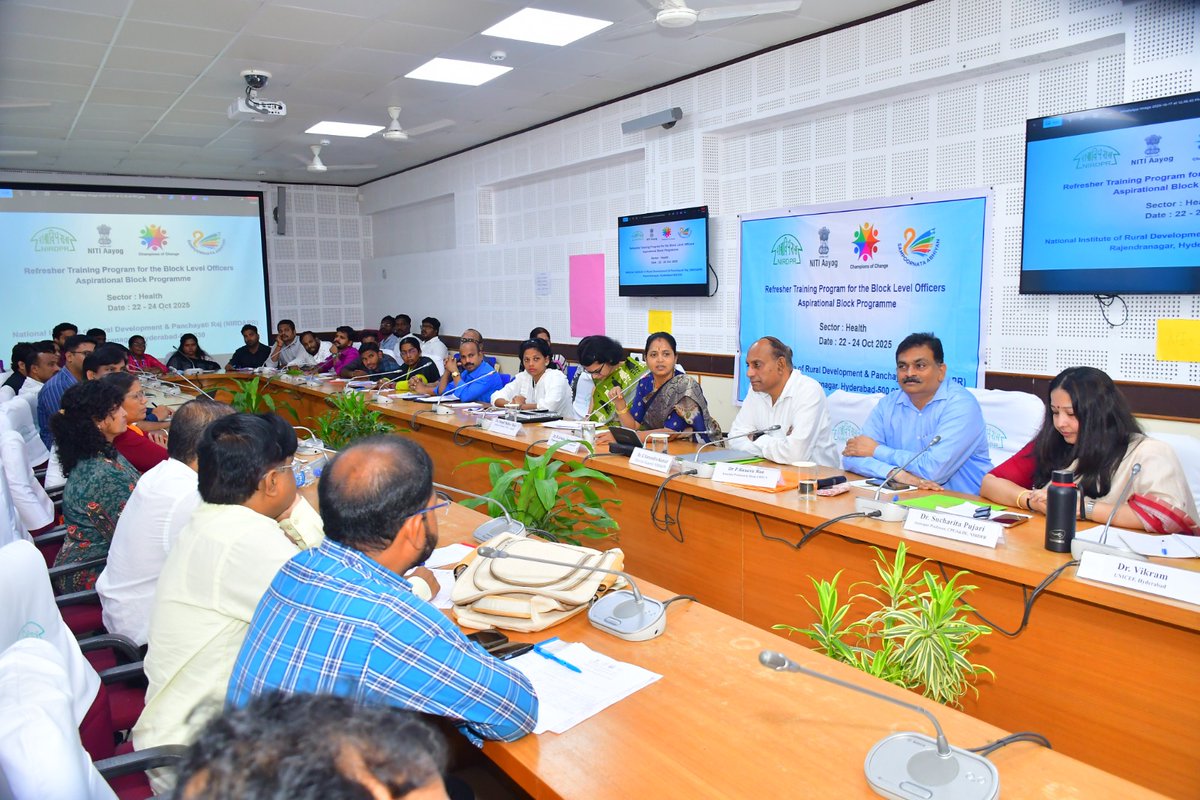
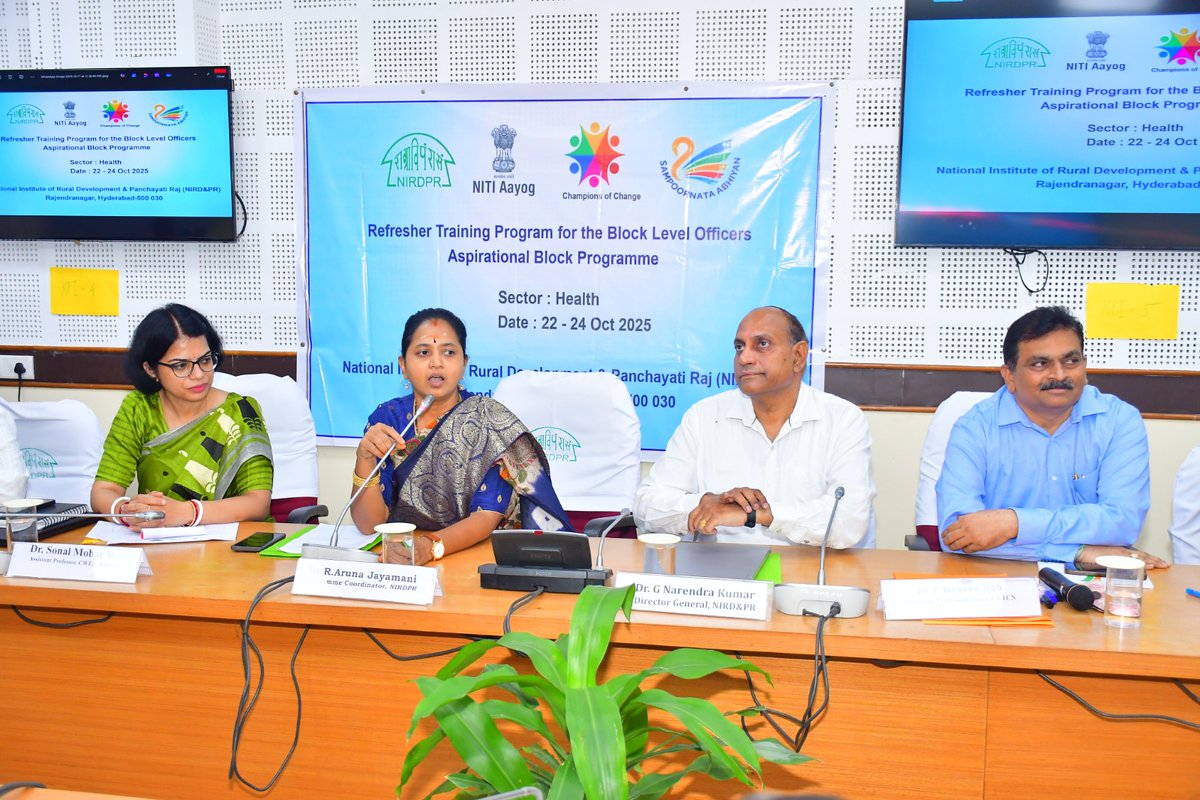
Dr. @G_NarendraKumar, IAS, Director General, NIRDPR, released six Thematic Modules of the Refresher Training Programme for Aspirational Block Officials — a milestone under the Aspirational Blocks Programme (ABP) of @NITIAayog.
📚 Modules cover:
1️⃣ Nutrition
2️⃣ Agriculture & Allied Services
3️⃣ Health
4️⃣ Education
5️⃣ Social Development & Financial Inclusion
6️⃣ Basic Infrastructure
These modules—developed by NIRDPR faculty & validated by experts—strengthen capacity building and promote holistic rural development. 🌿
#NIRDPR #NITIAayog #AspirationalBlocksProgramme #ABP #RuralDevelopment #SkillIndia #CapacityBuilding #TrainingForChange #Governance #SustainableDevelopmentGoals #KnowledgeSharing #IndiaDevelopment
2
5
167

24 Oct 2025
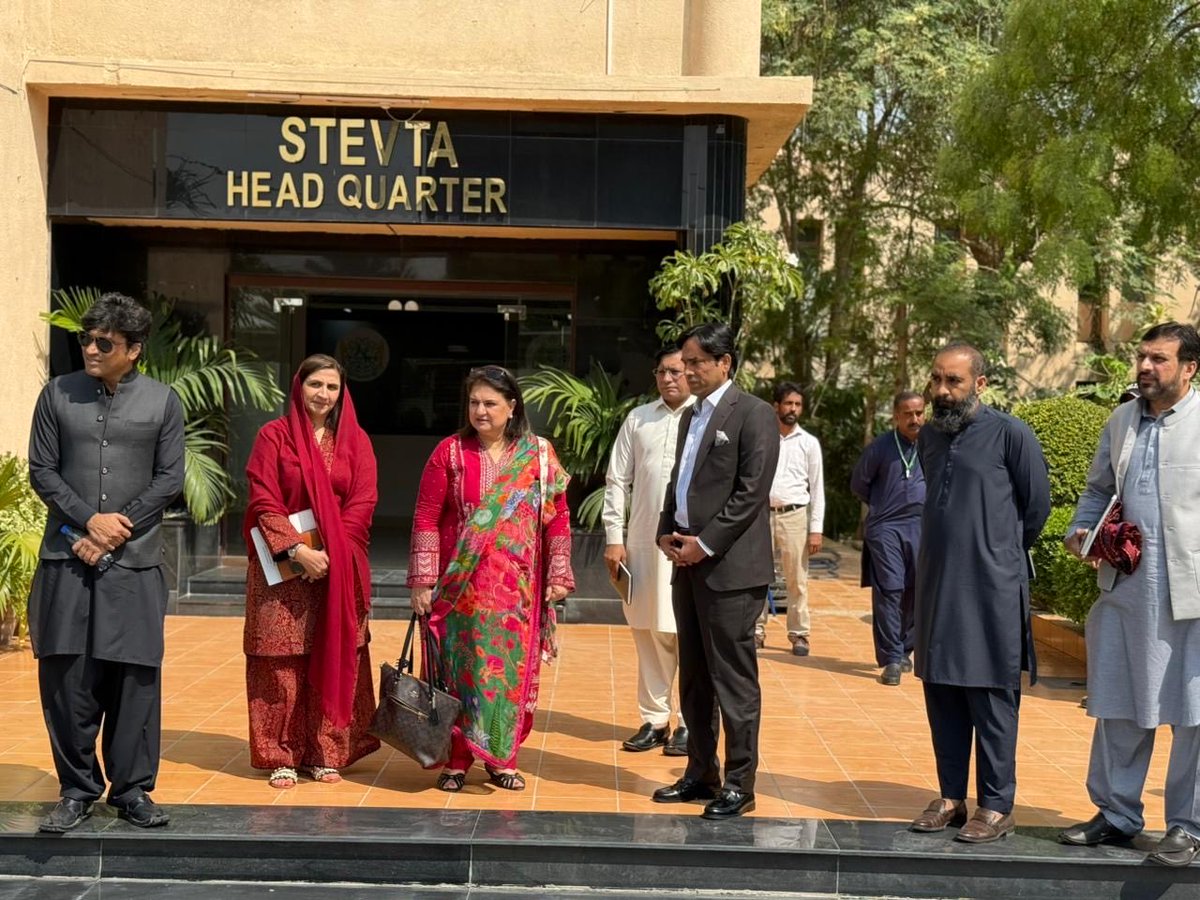
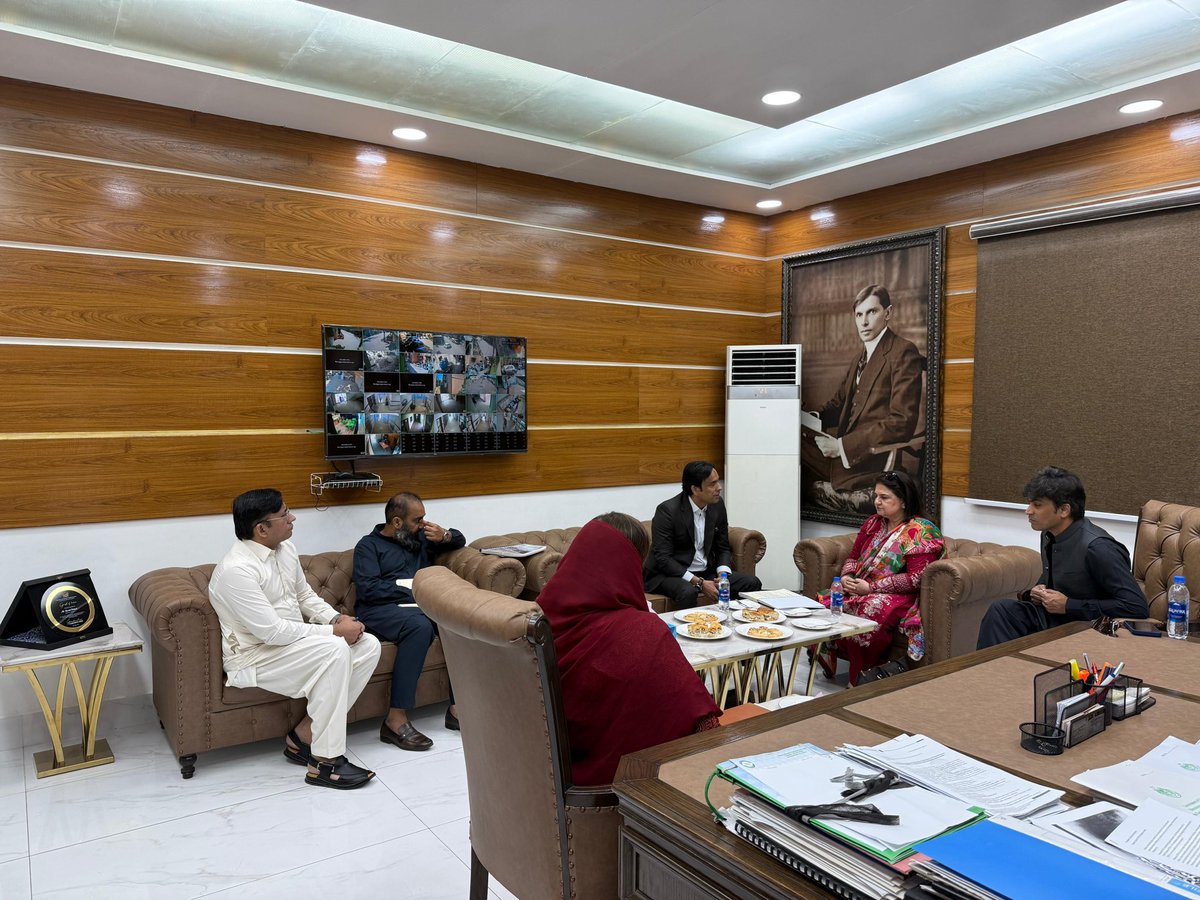
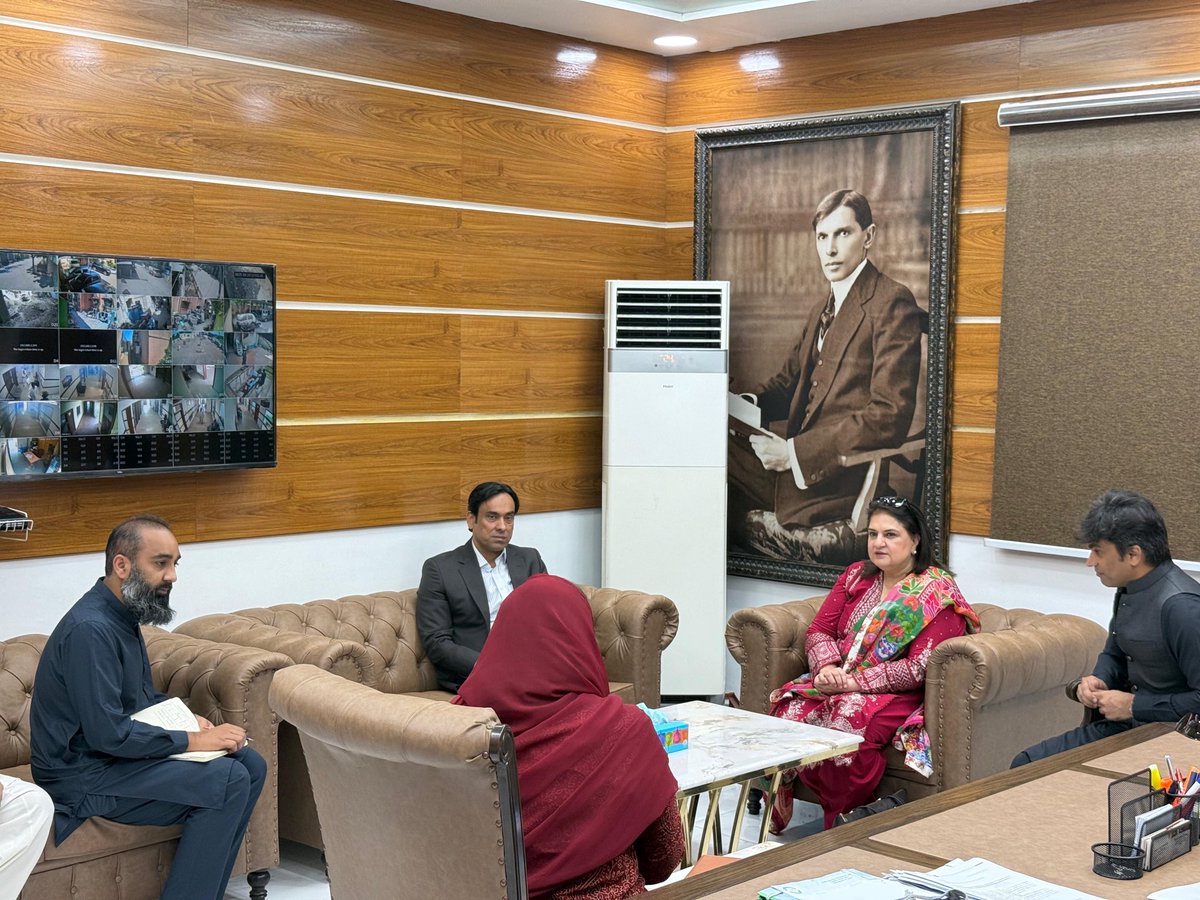
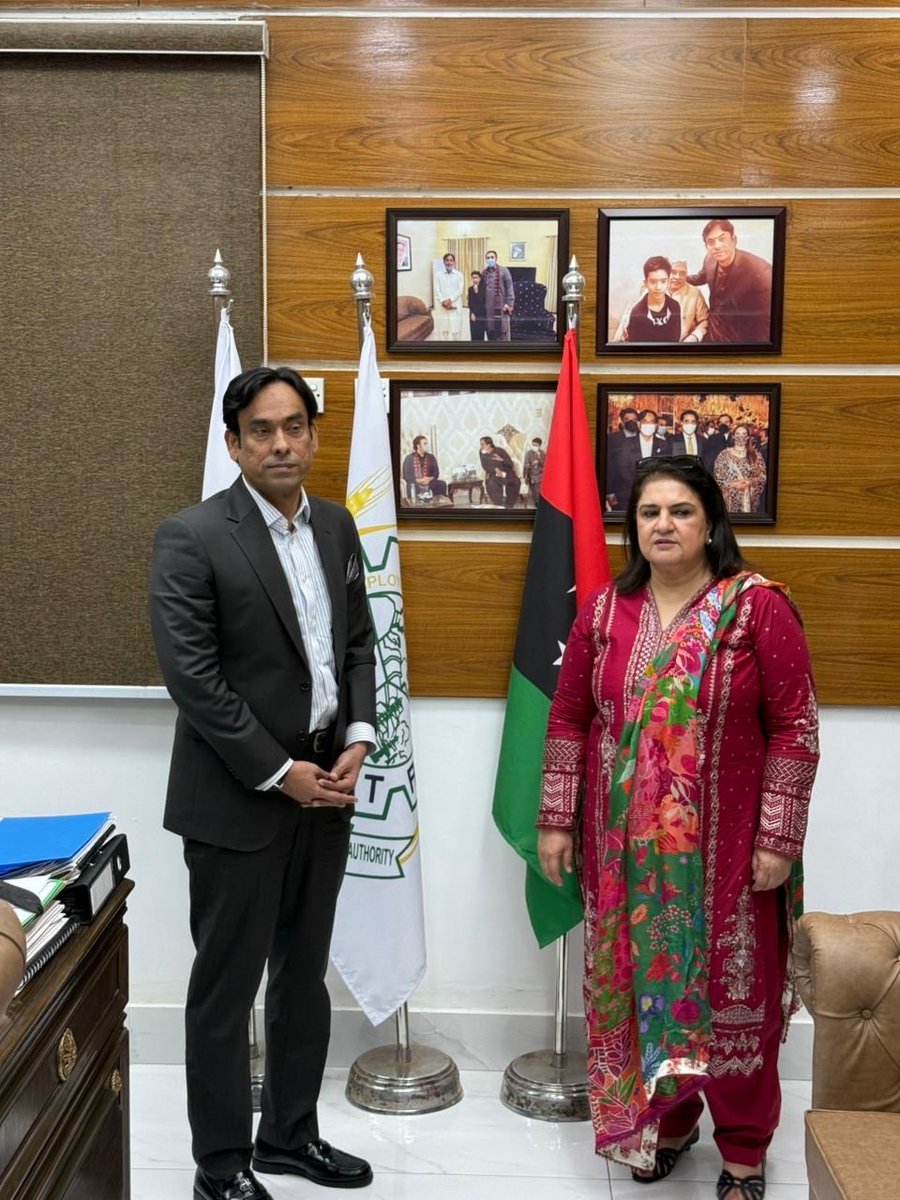
چیئرپرسن بینظیر انکم سپورٹ پروگرام سینیٹر روبینہ خالد نے آج سندھ ٹیکنیکل ایجوکیشن اینڈ ووکیشنل ٹریننگ اتھارٹی (STEVTA) کا دورہ کیا۔دورے کا اہتمام اسٹیوٹا کے چیئرمین جنید بلند نے کیا، ملاقات میں دونوں اداروں کے درمیان سکل ڈیولپمنٹ اور ہنرمند پروگرامز کے اشتراک پر تفصیلی تبادلۂ خیال ہوا۔
چیئرپرسن بی آئی ایس پی نے اسٹیوٹا کی کوششوں کو سراہتے ہوئے کہا کہ “ہنرمند نوجوانوں کی تیاری معاشی خودمختاری کی بنیاد ہے، اور بی آئی ایس پی چاہتا ہے کہ اپنے مستحق بینیفیشریز کو ہنر مند بنا کر روزگار کے قابل بنایا جائے۔”
چیئرمین اسٹیوٹا جنید بلند نے اپنے خیالات کا اظہارکرتے ہوئے کہا کہ “ہم بی آئی ایس پی کے مشن میں مکمل طور پر شریک ہیں، اور اسٹیوٹا اپنے تمام وسائل بی آئی ایس پی کے بینیفیشریز کی اسکل ٹریننگ اور روزگار کے مواقع بڑھانے کے لیے فراہم کرے گا۔”
#BISP #RubinaKhalid #STEVTA #SkillDevelopment #VocationalTraining #TrainingForChange
2
5
17
758

4 Oct 2025
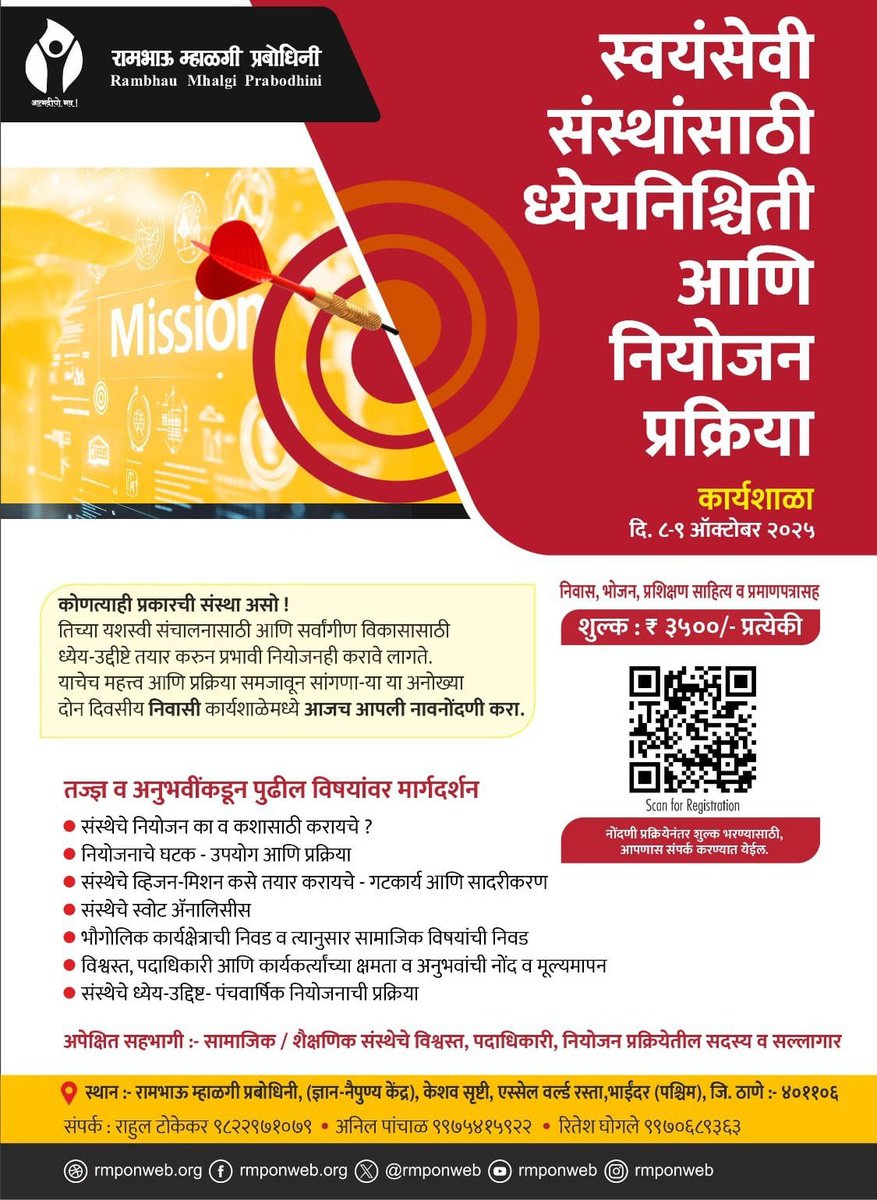
स्वयंसेवी संस्थांसाठी ध्येयनिश्चिती आणि नियोजन प्रक्रिया कार्यशाळा.
📅 दि. ८-९ ऑक्टोबर २०२५
📍 रामभाऊ म्हाळगी प्रबोधिनी
👥 अपेक्षित सहभागी
सामाजिक व शैक्षणिक संस्थांचे विश्वस्त, पदाधिकारी, सल्लागार व नियोजन प्रक्रियेत सक्रिय सदस्य
सुविधा : निवास भोजन प्रशिक्षण साहित्य प्रमाणपत्र
शुल्क : ₹३५००/- (प्रत्येकी)
📞 संपर्क –
राहुल टोकेकर: ९८२२९७१०७९
अनिल पांचाळ: ९९७५४१५९२२
रितेश घोगले: ९९७०६८९३६३
✅ आजच नोंदणी करा आणि आपल्या संस्थेच्या उज्ज्वल भविष्यासाठी पहिले पाऊल टाका!
-------------------
Workshop on Goal Setting and Planning Process for Voluntary Organizations
📅 Date: 8–9 October 2025
📍 Venue: Rambhau Mhalgi Prabodhini
👥 Expected Participants:
Trustees, office bearers, advisors, and active members involved in the planning process of social and educational organizations.
Facilities Provided: Accommodation Meals Training Materials Certificate
Fees: ₹3500/- (per participant)
📞 Contact:
Rahul Tokekar – 9822971079
Anil Panchal – 9975415922
Ritesh Ghogale – 9970689363
✅ Register today and take the first step towards a bright future for your organization!
#Workshop #LeadershipDevelopment #GoalSetting #PlanningProcess #RambhauMhalgiPrabodhini #NonProfitTraining #SocialChange #CapacityBuilding #SkillDevelopment #OrganizationalGrowth #TeamBuilding #VisionToAction #NGOLeadership #SocialImpact #EmpowerYourTeam #TrainingForChange #DevelopmentJourney #FutureReady #VolunteerLeadership #SocialInitiative
2
124

27 Sep 2025
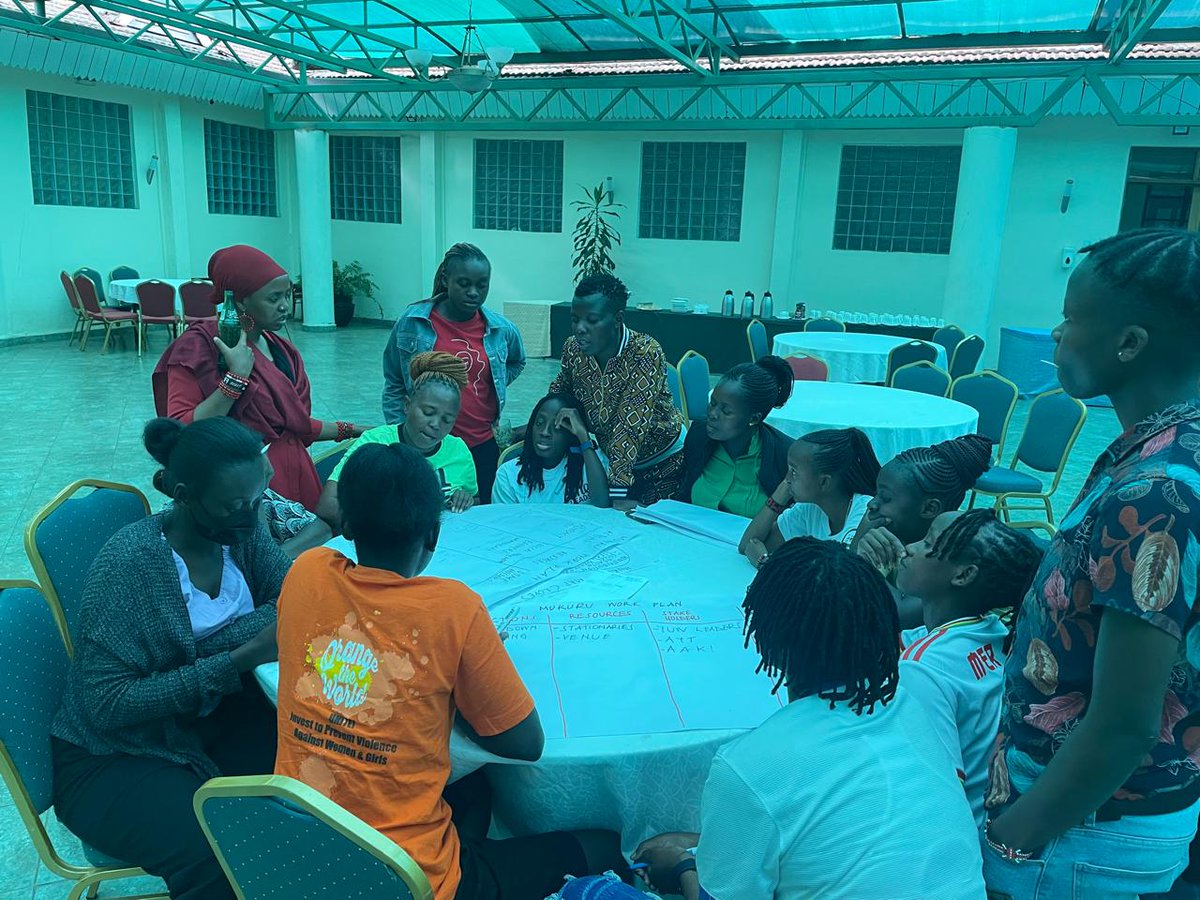
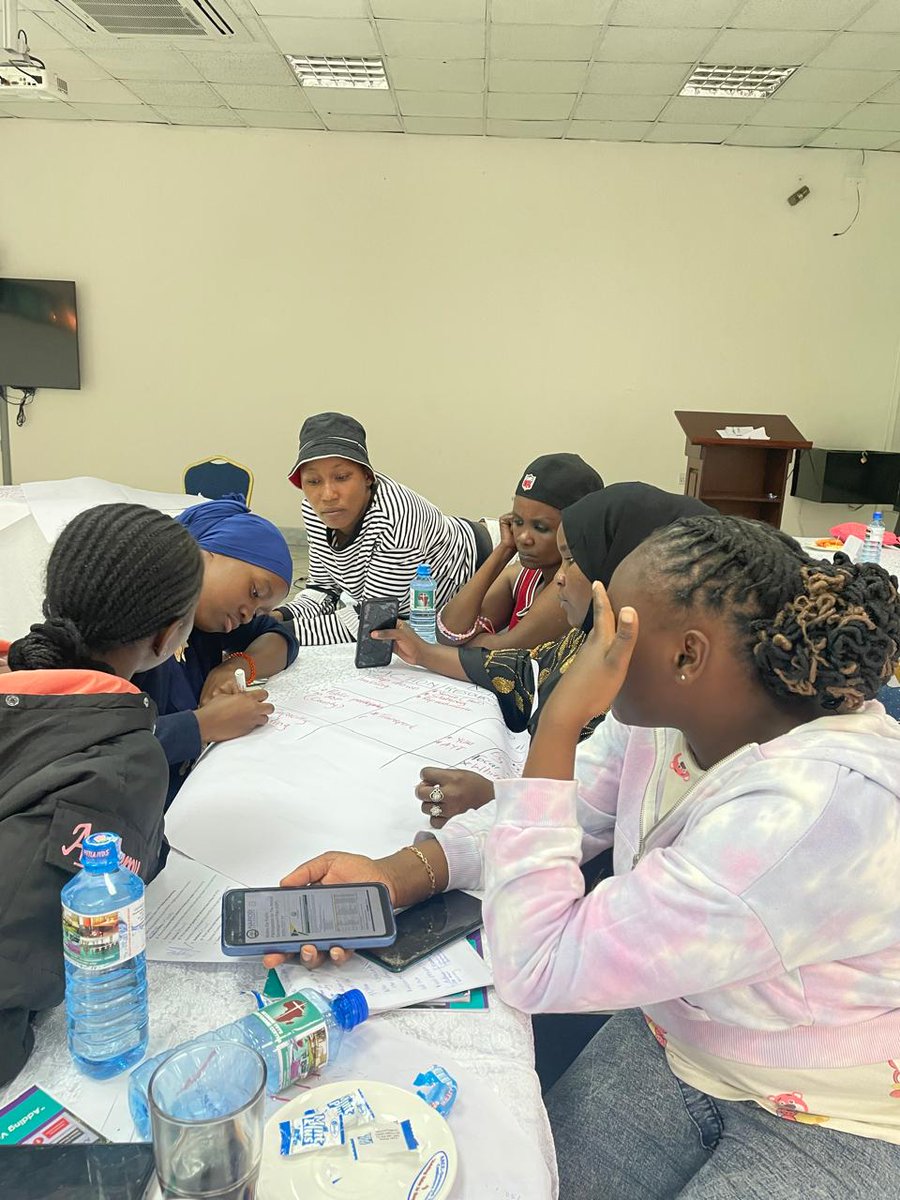
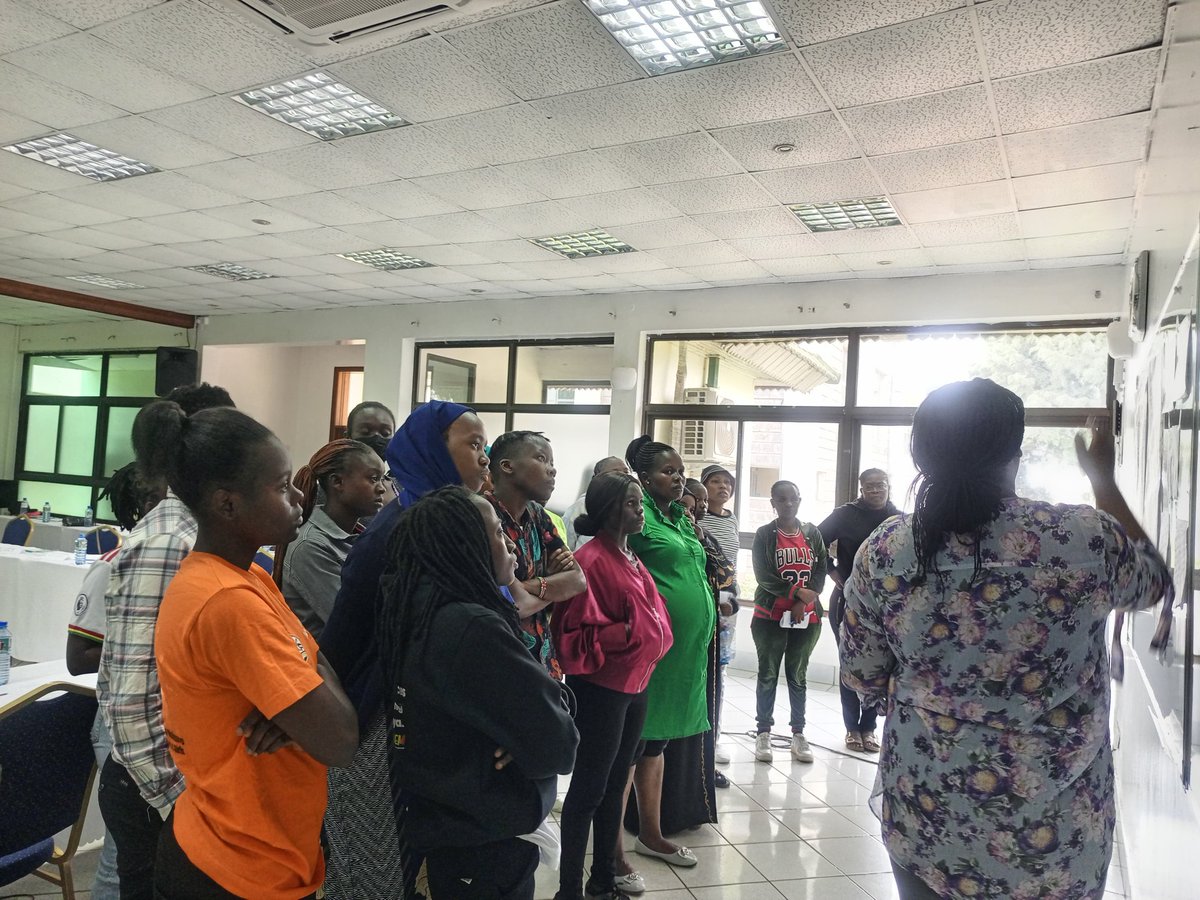
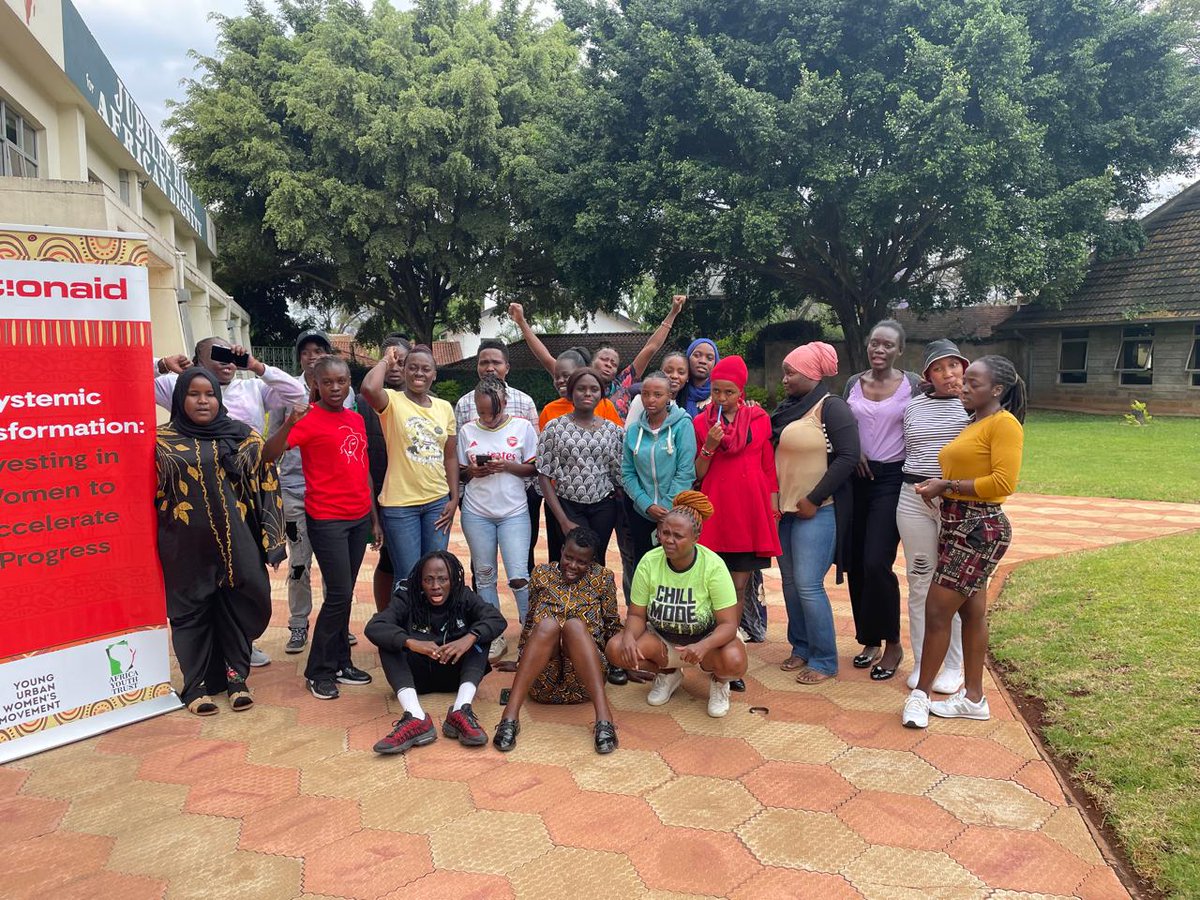
The last day of our Social Accountability training brings together lessons from Neoliberalism, Macro, and Microeconomics. Empowered, informed, and ready to make a difference! Let’s turn knowledge into action. #EconomicSystems #TrainingForChange @ayt_org @ActionAid_Kenya @JudiA9
3
13
18
180
16 Sep 2025
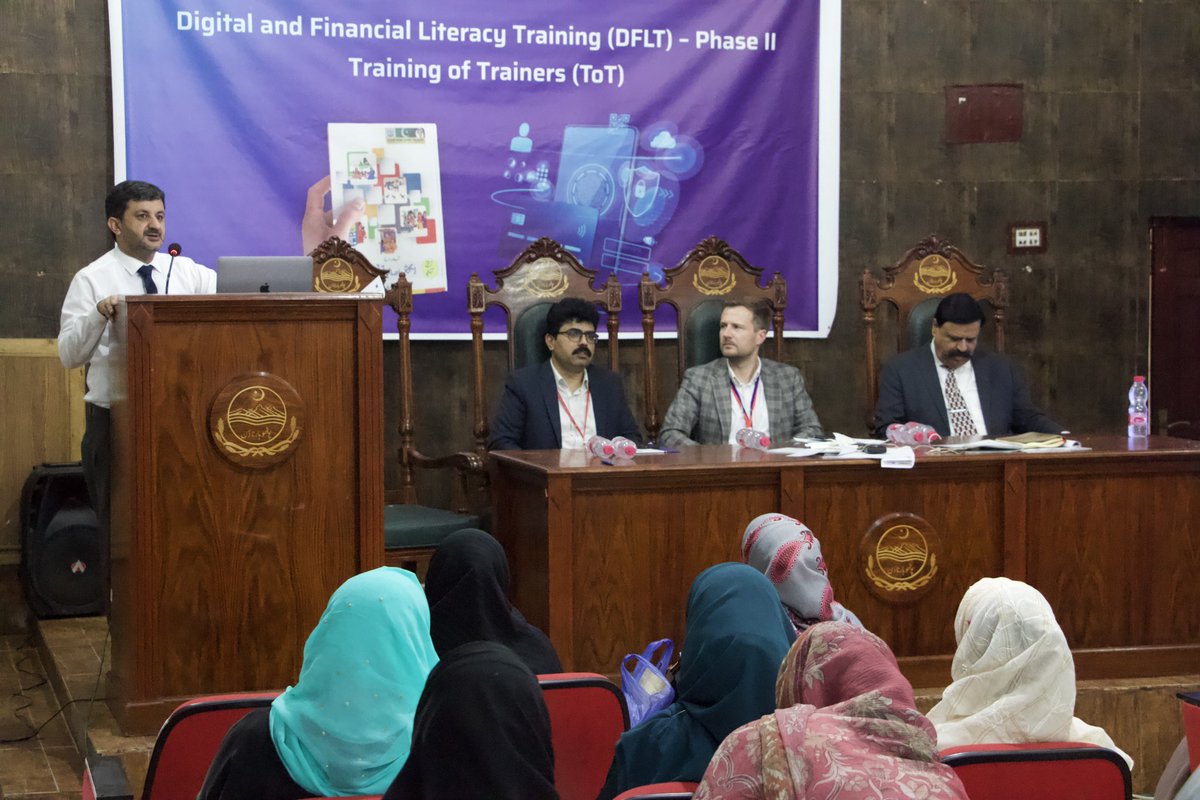
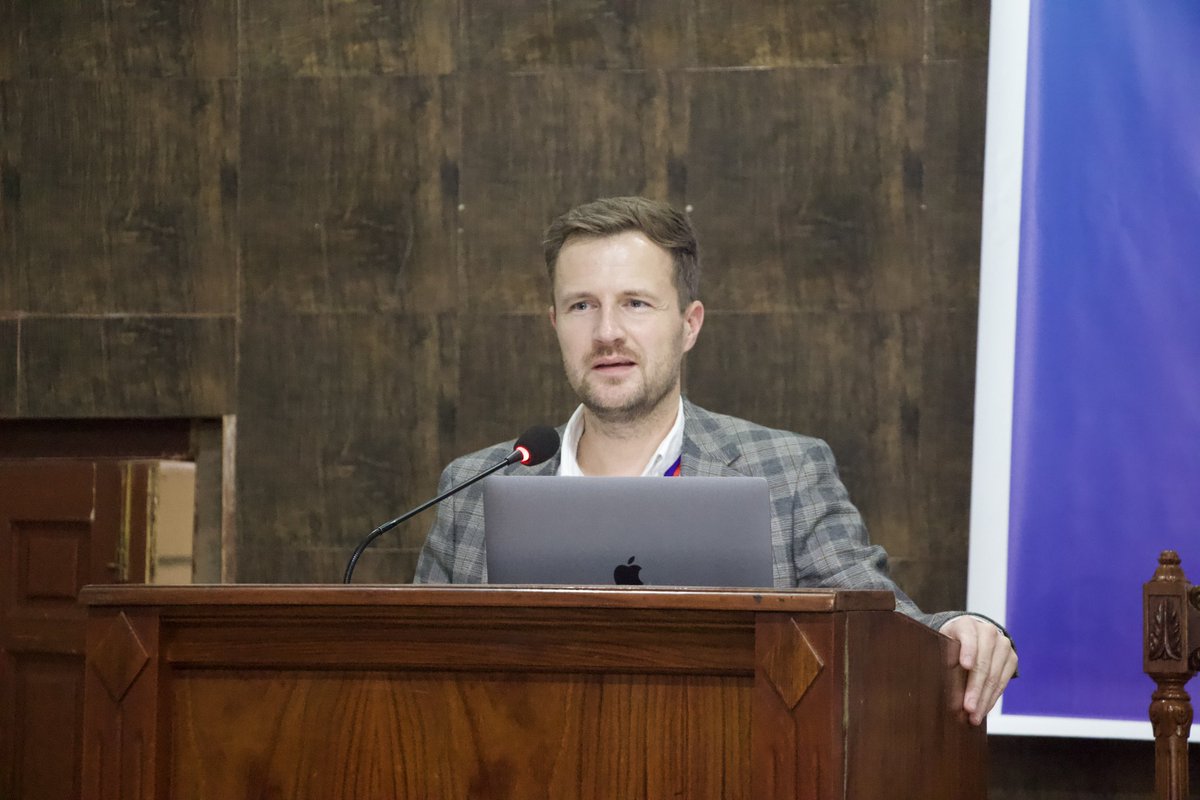
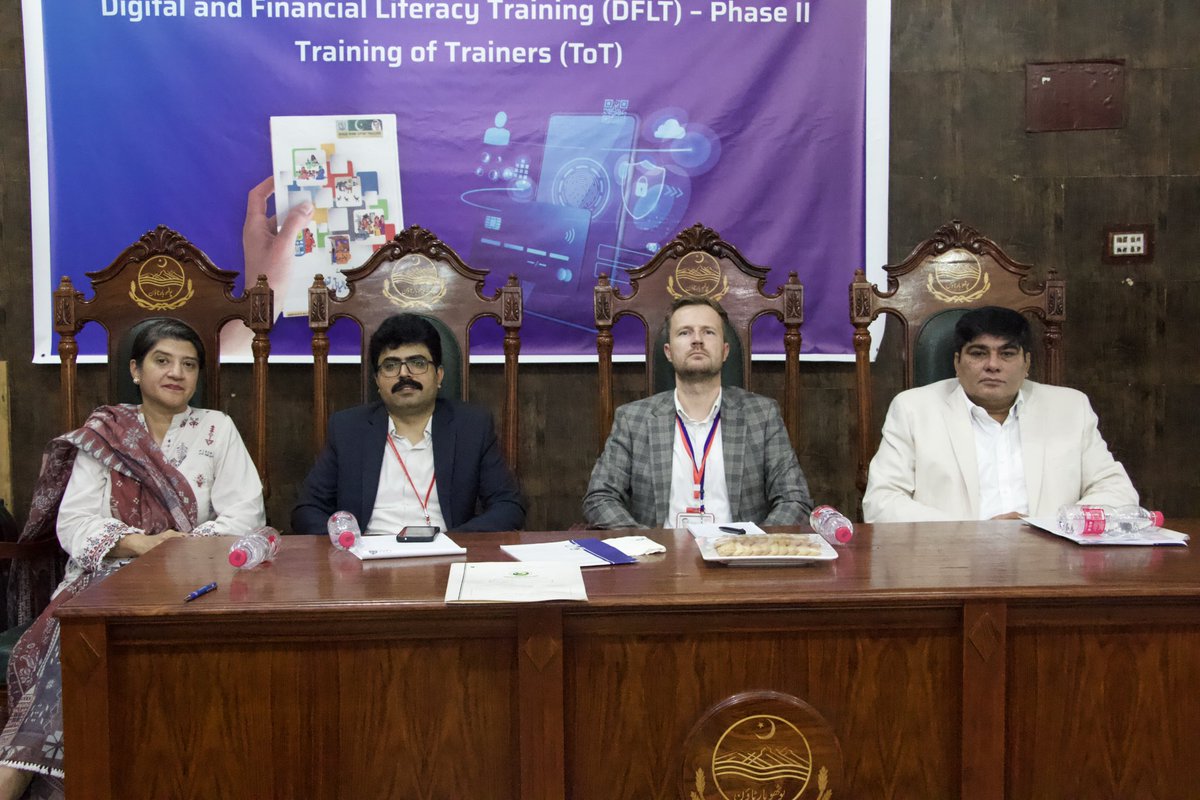
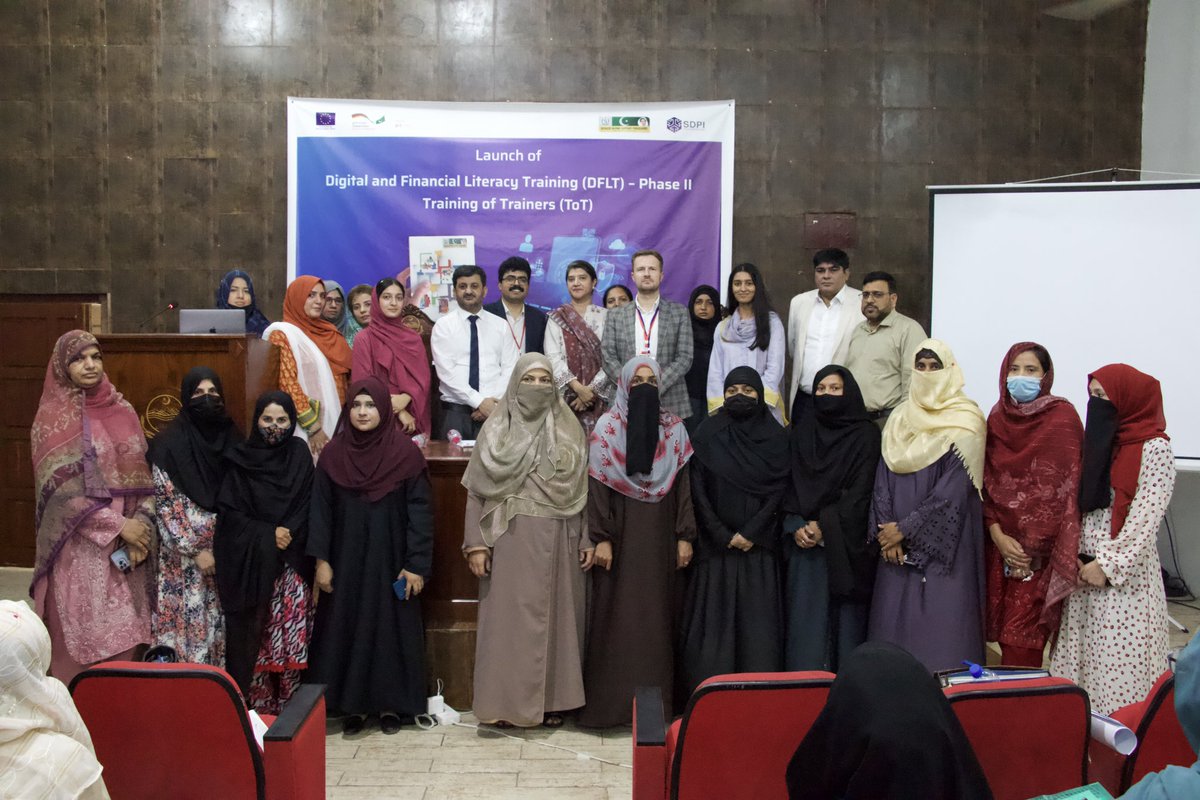
BISP organized a Refresher Training for the trainers of DFLT Phase-I, with the objective of strengthening the delivery of digital and financial literacy.
The session was attended by Mr. Muhammad Idrees Mian, Director General Cash Transfer Wing, and Mr. Frank Schneider, Senior Advisor Social Protection (GIZ), along with other officials from BISP and GIZ. Their presence reflected a strong commitment to empowering beneficiaries through capacity building.
Digital and financial literacy is vital for advancing financial inclusion and equipping beneficiaries with the knowledge to effectively use social protection wallets. This refresher training marks an important step towards the successful launch of DFLT Phase-II by updating trainers’ knowledge and enhancing their understanding of BISP’s new initiatives.
#BISP #DigitalTransformation #FinancialInclusion #CapacityBuilding #DFLT #Empowerment #SocialProtection #GIZ #TrainingForChange
1
13
681

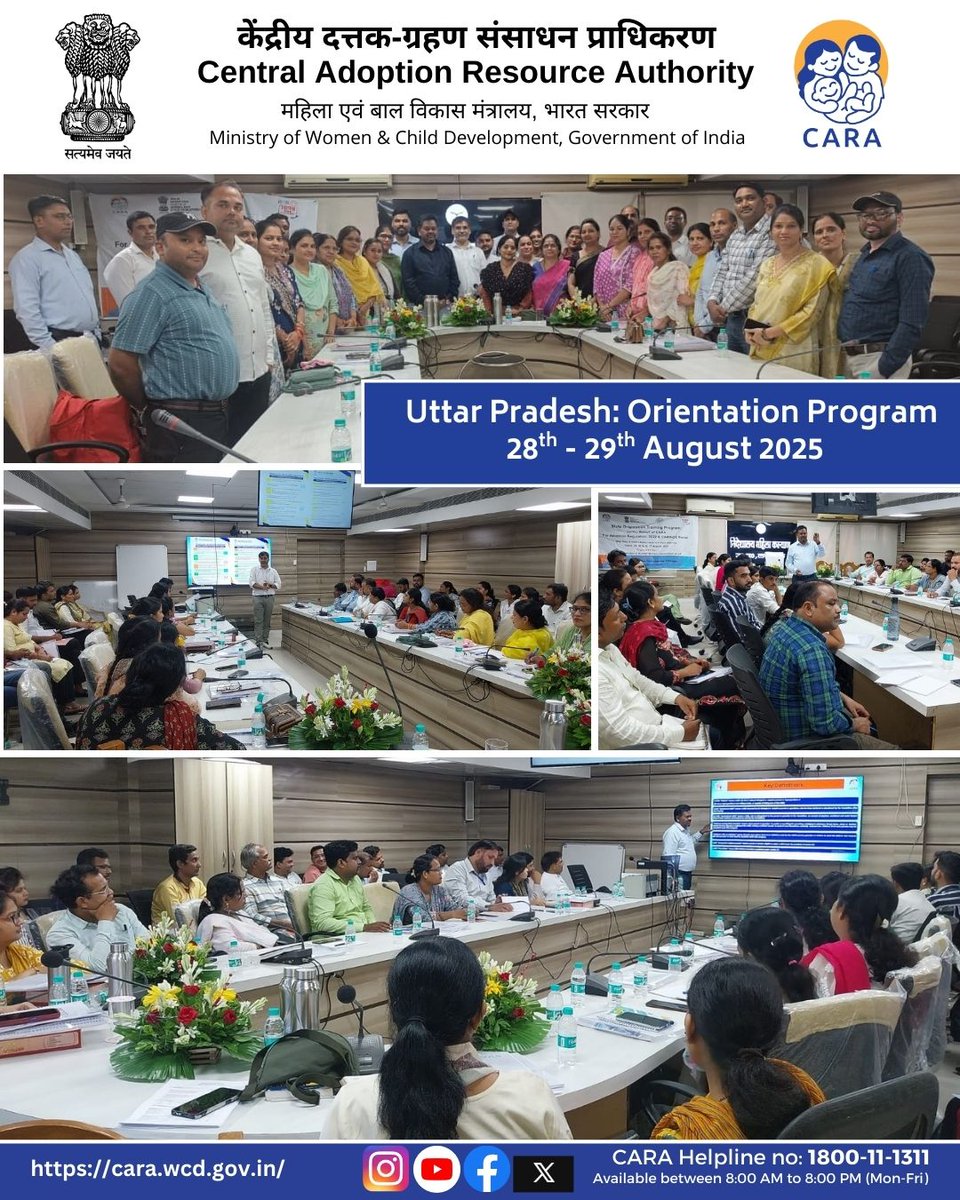
राज्य प्रशिक्षण कार्यक्रम – उत्तर प्रदेश
"दत्तक ग्रहण विनियम 2022" और CARINGS पोर्टल पर आधारित राज्य स्तरीय ओरिएंटेशन प्रशिक्षण 28 और 29 अगस्त 2025 को उत्तर प्रदेश में सफलतापूर्वक सम्पन्न हुआ। इस कार्यक्रम में SAA और DCPU से जुड़े हितधारकों ने दो बैचों में सक्रिय सहभागिता की और दत्तक प्रक्रिया को और अधिक पारदर्शी, प्रभावी और संवेदनशील बनाने की दिशा में कदम बढ़ाया। 👶🏻 हर बच्चे को एक स्नेहमयी गोद मिले – यही हमारा उद्देश्य है। #AdoptionMatters #दत्तकग्रहण #CARAINDIA #childwelfare #TrainingForChange #UttarPradesh
@MinistryWCD @SPNIWCD_MWCD
4
109

2 Aug 2025
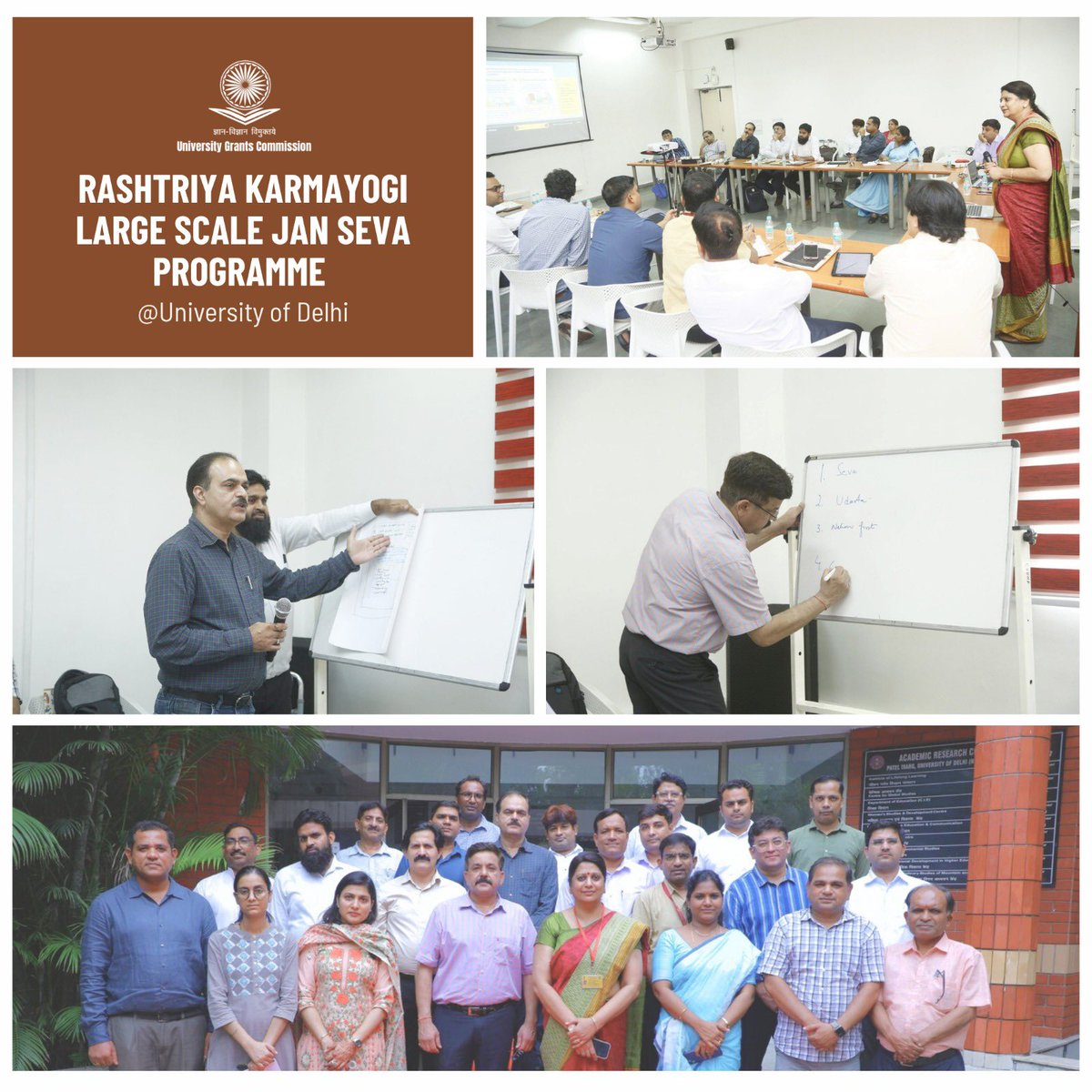
📸 Glimpses from Batch 1 of Phase II – Rashtriya Karmayogi Large Scale Jan Seva Programme (RK-LSJSP)
From 30th July to 1st August 2025, the University of Delhi hosted an intensive 3-day training programme for Master Trainers nominated by Central Universities and Inter-University Centres (IUCs) from the North Zone.
#RashtriyaKarmayogi #CapacityBuilding #HigherEducation #MasterTrainers #CBC #TrainingForChange #CivilServiceReform #LeadershipDevelopment #NEP2020
1
4
14
1,250

मास्टर ट्रेनर्स हेतु आयोजित चार दिवसीय प्रशिक्षण कार्यक्रम का उद्देश्य महिला नेतृत्व को सक्षम बनाना और विकास कार्यों में उनकी भागीदारी को सशक्त रूप से बढ़ाना है।
माननीय मुख्यमंत्री श्री नायब सिंह सैनी जी के नेतृत्व में विकास एवं पंचायत विभाग, हरियाणा इस संकल्प की पूर्ति हेतु प्रतिबद्ध है।
हमारी इस पहल की सराहना के लिए ग्राम पंचायत फतेहपुर बिल्लौच की सरपंच श्रीमती सरोज सैनी जी, आपका हार्दिक आभार।
#WomenLeadership #RuralEmpowerment #PanchayatiRaj #HaryanaVikas #DigitalGovernance #CapacityBuilding #GrassrootsLeadership #EmpoweredWomenEmpowerIndia #TrainingForChange #WomenInGovernance #CMHaryana #VikasPanchayatHaryana #MasterTrainers #InclusiveDevelopment #mopr #nilokheri
3
3
182

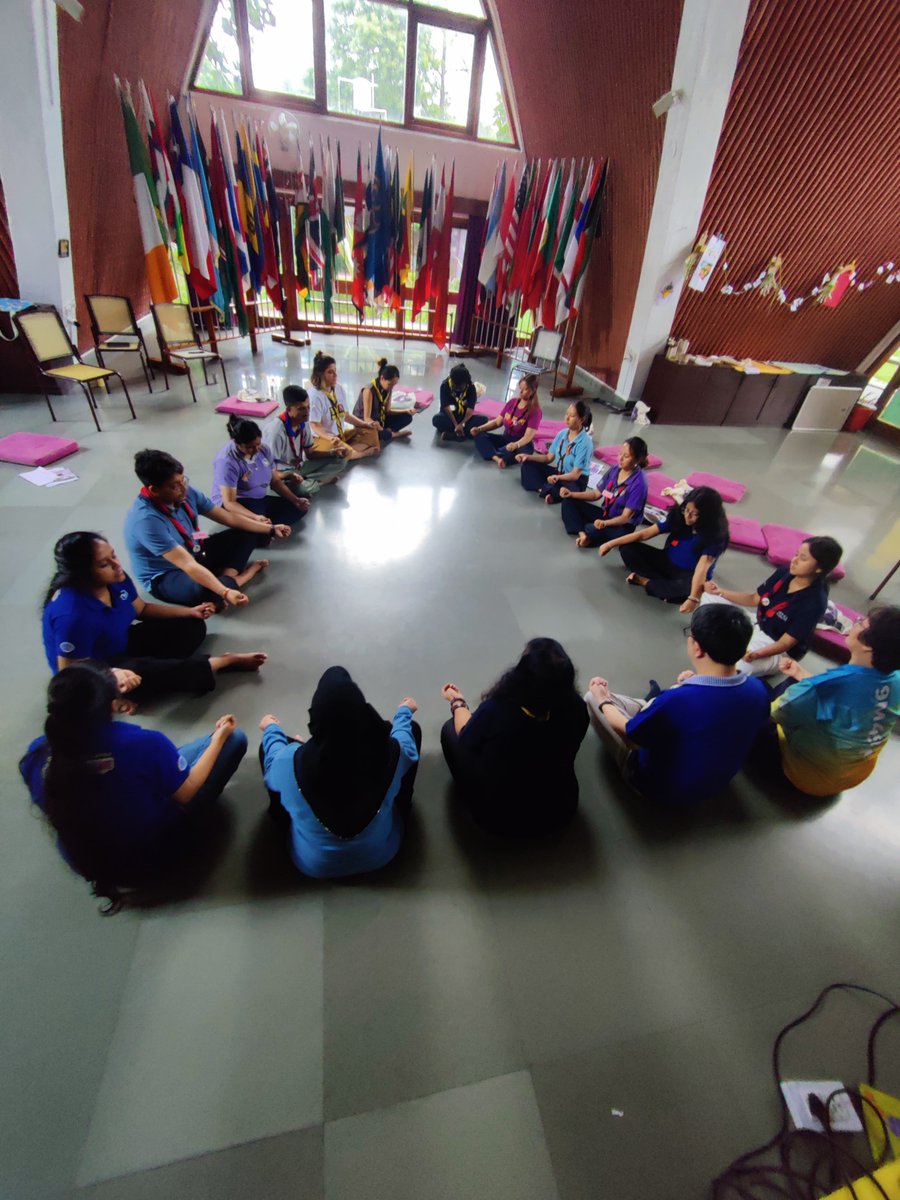
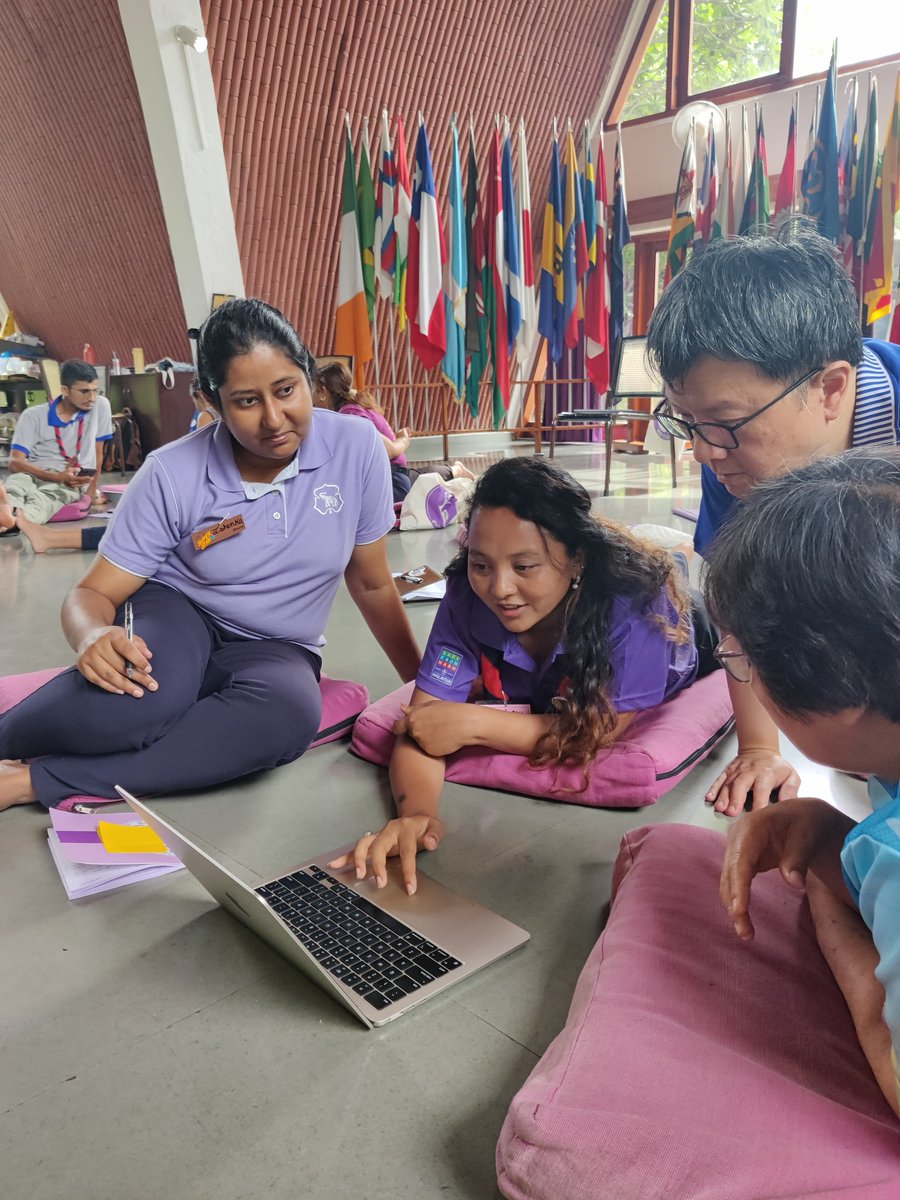
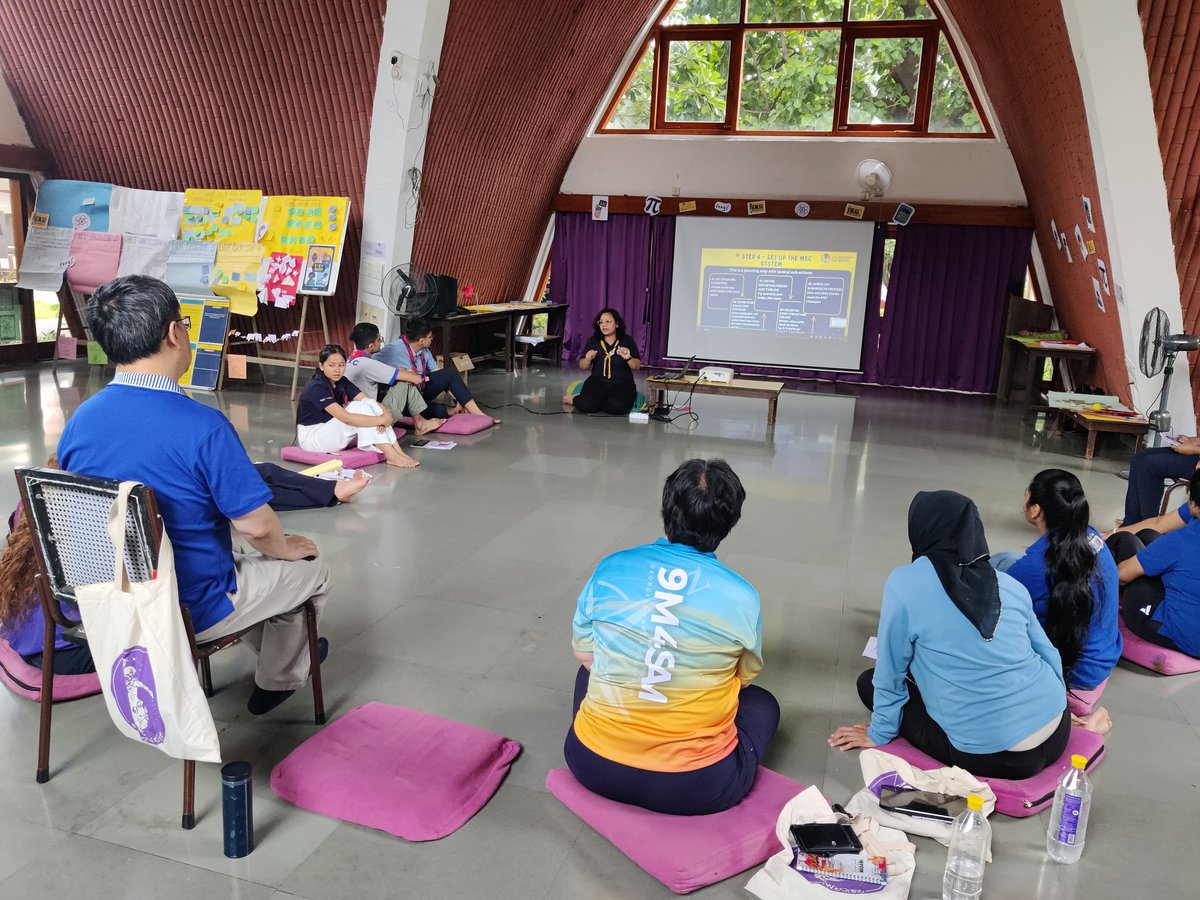
📢 Day 5 Recap from our Sangam World Centre in Pune (India)!
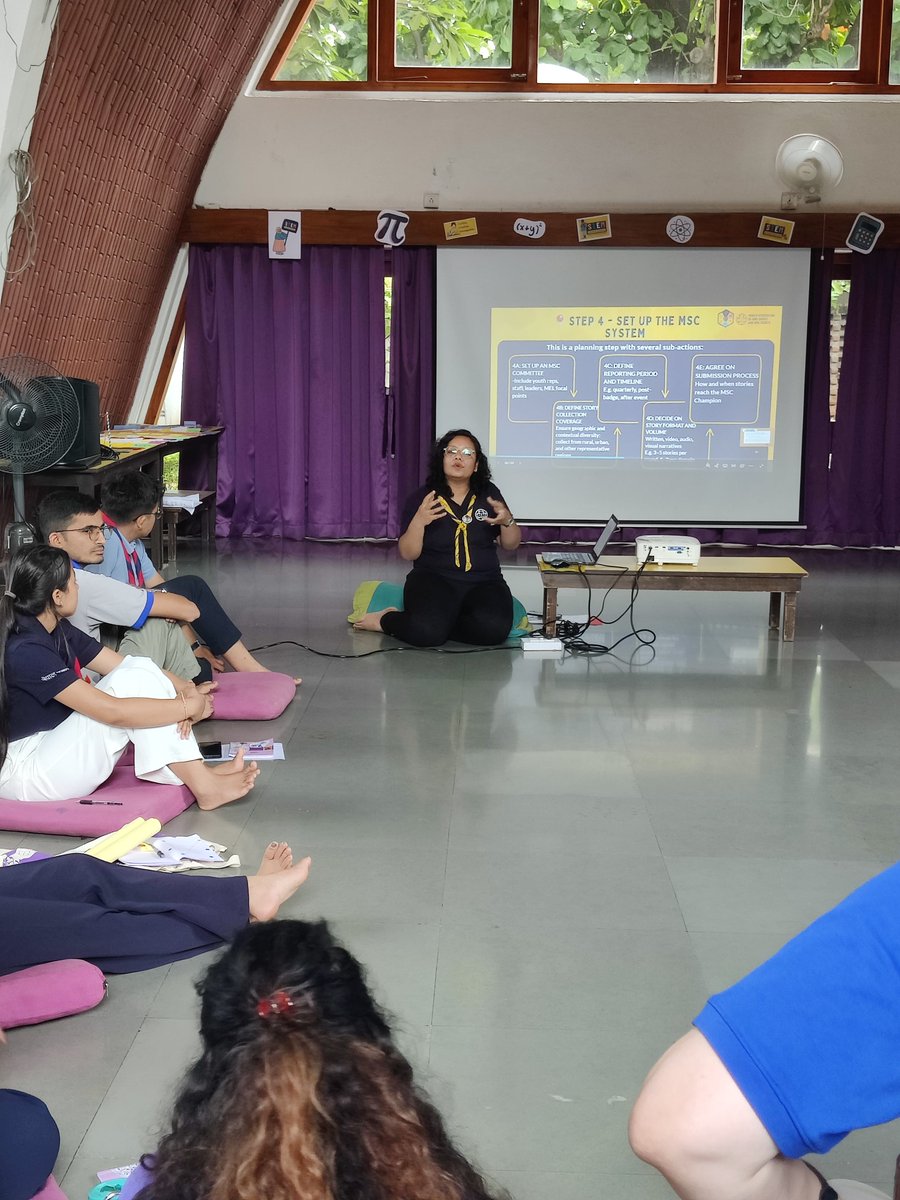
Our Master Trainers explored two powerful tools for impactful program delivery—Facilitation Methods and the Most Significant Change (MSC) technique. 🎆 🧮
They:
👉 Identified common facilitation pitfalls through interactive forum theatre
👉Differentiated training from facilitation using the GAL framework
👉Discovered dynamic methods to deliver engaging sessions
👉Began tailoring STEM content to their national contexts
The MSC Training – a reflective, story-based method to capture meaningful impact across WAGGGS – remained the session highlight. From roleplaying story collection to forming MSC Committees, participants left with practical skills to spotlight real change led by girls and young women. 💪 ☀️
These tools will empower our trainers to deliver not just content, but transformation. 💖
#STEMChangemakersWAGGGS #FacilitationSkills #MSC #ImpactMeasurement #YouthLeadership #GirlGuides #GirlScouts #TrainingForChange #WAGGGSImpact
2
10
379

4 Jun 2025
Talking about mental health saves lives.
We offer training to help communities feel confident supporting each other.
💬 Would you be interested in free training?
Drop a message or sign up for updates here: forms.office.com/e/N2V1mWSCX…
#MentalHealthMatters #TrainingForChange

1
4
312

3 Jun 2025
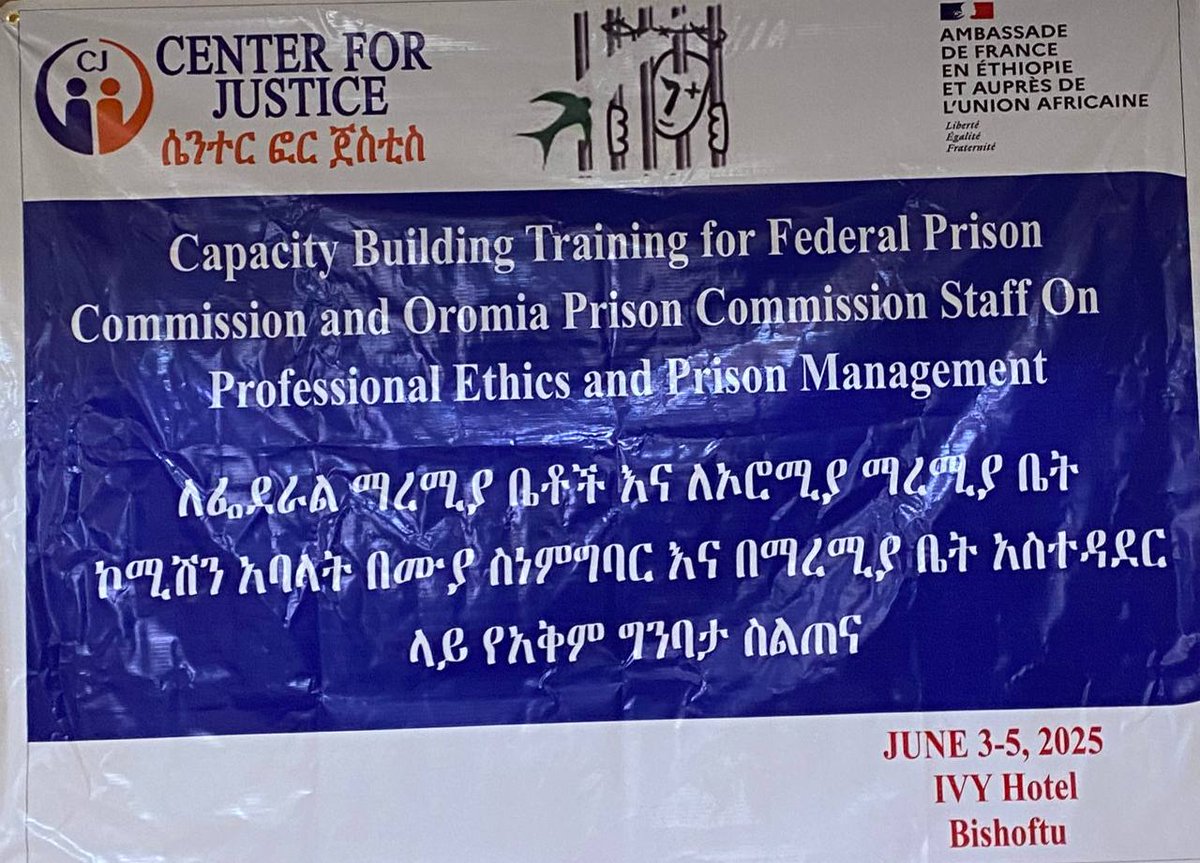
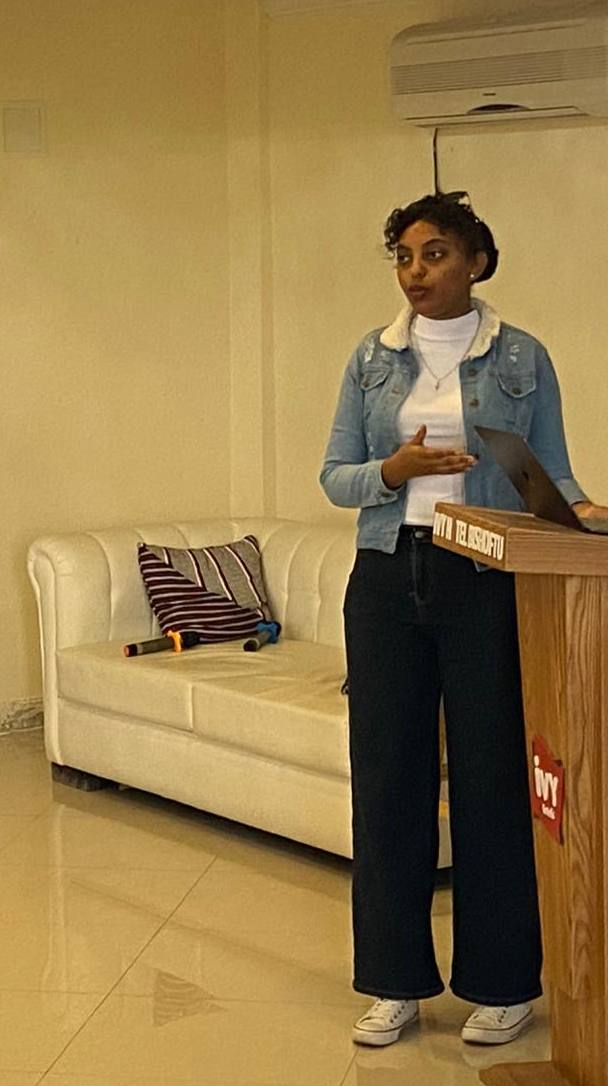
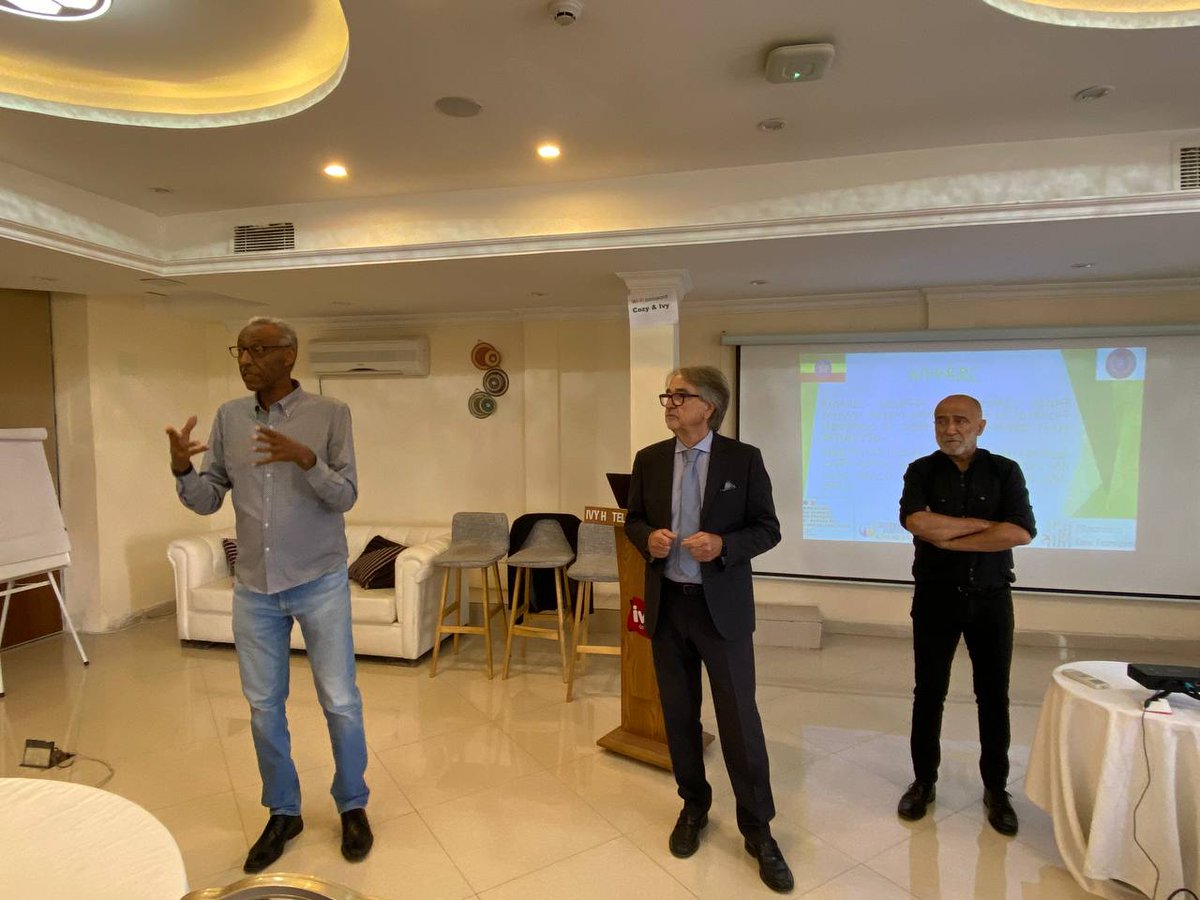
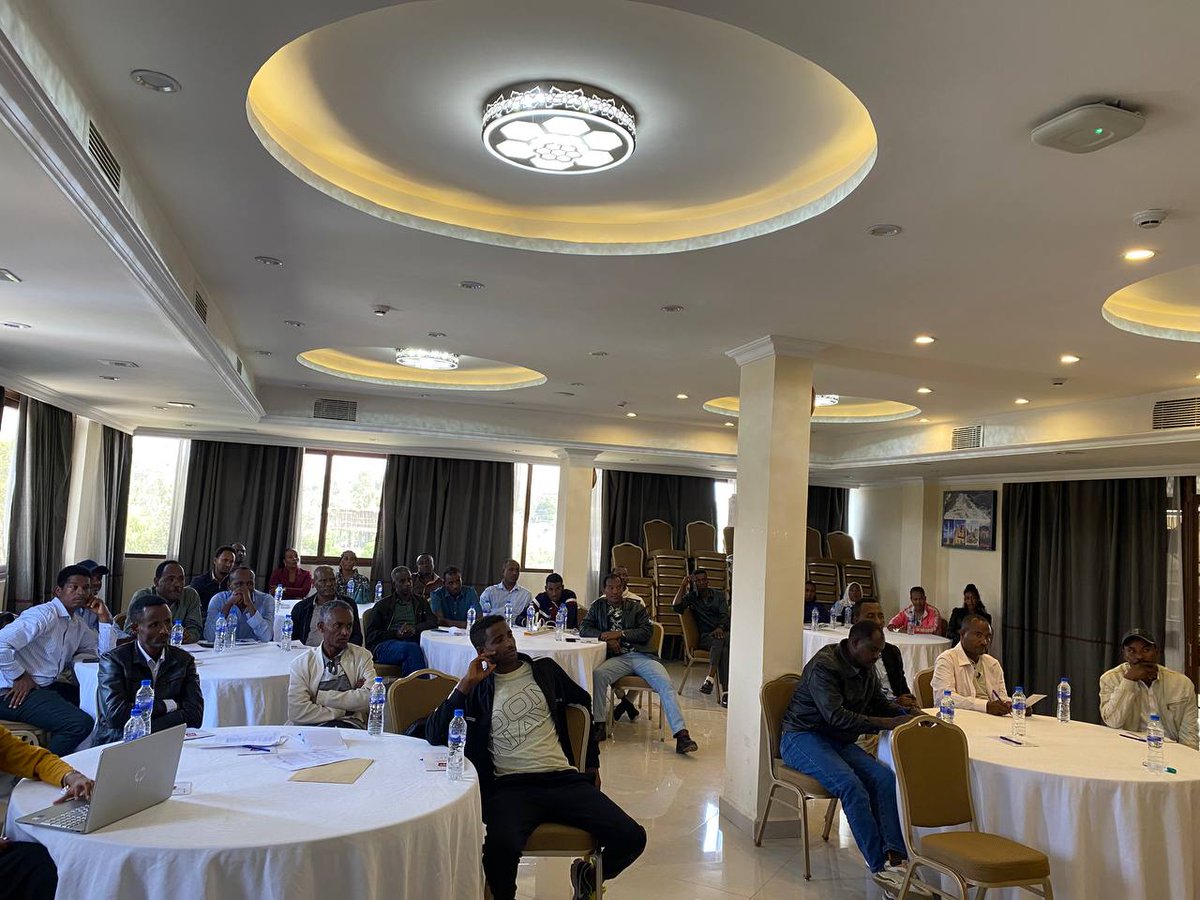
CJ organized capacity building training on prison management and professional ethics in partnership with PRSF with the financial support of the French Embassy!
#PrisonReform #TrainingForChange #PartnershipForProgress #SupportFromFrance #PrisonOfficerTraining
4
33

14 May 2025
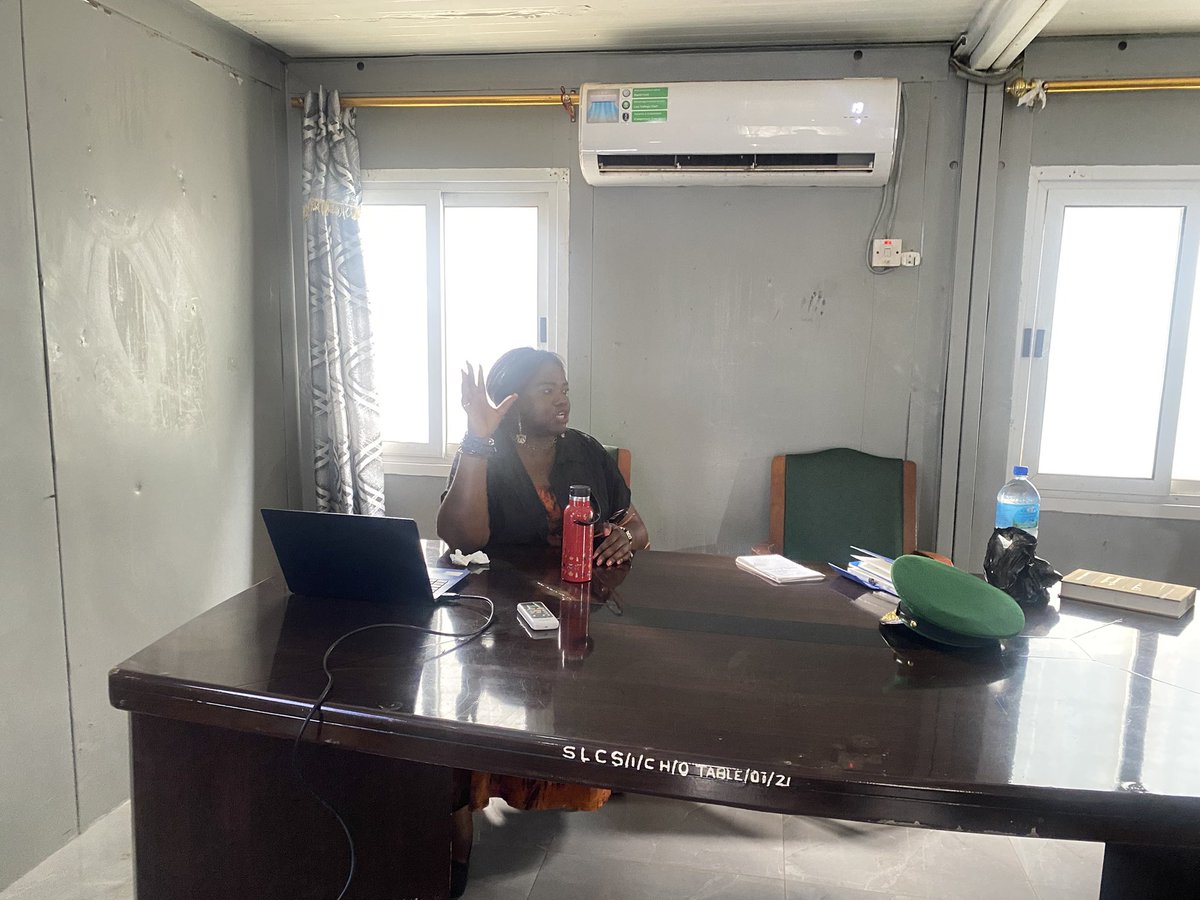
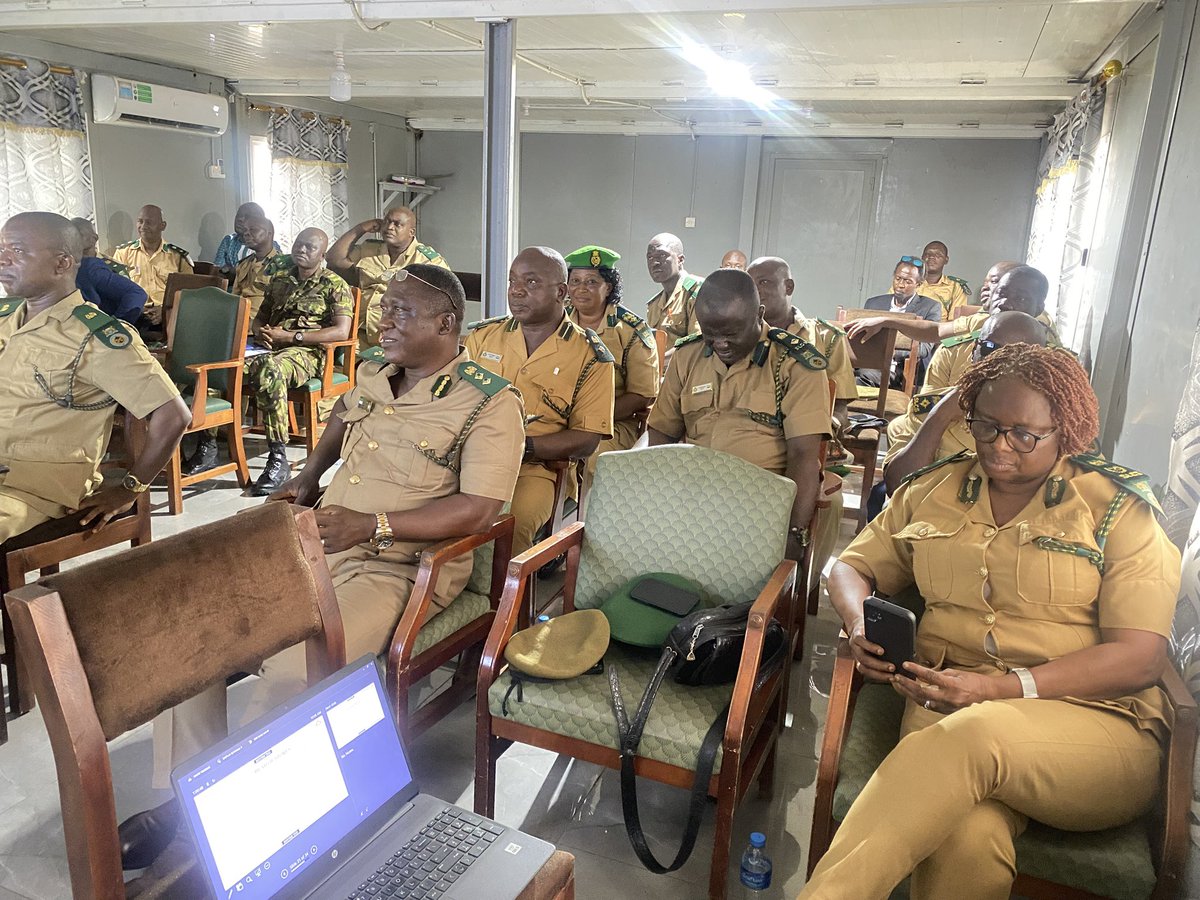
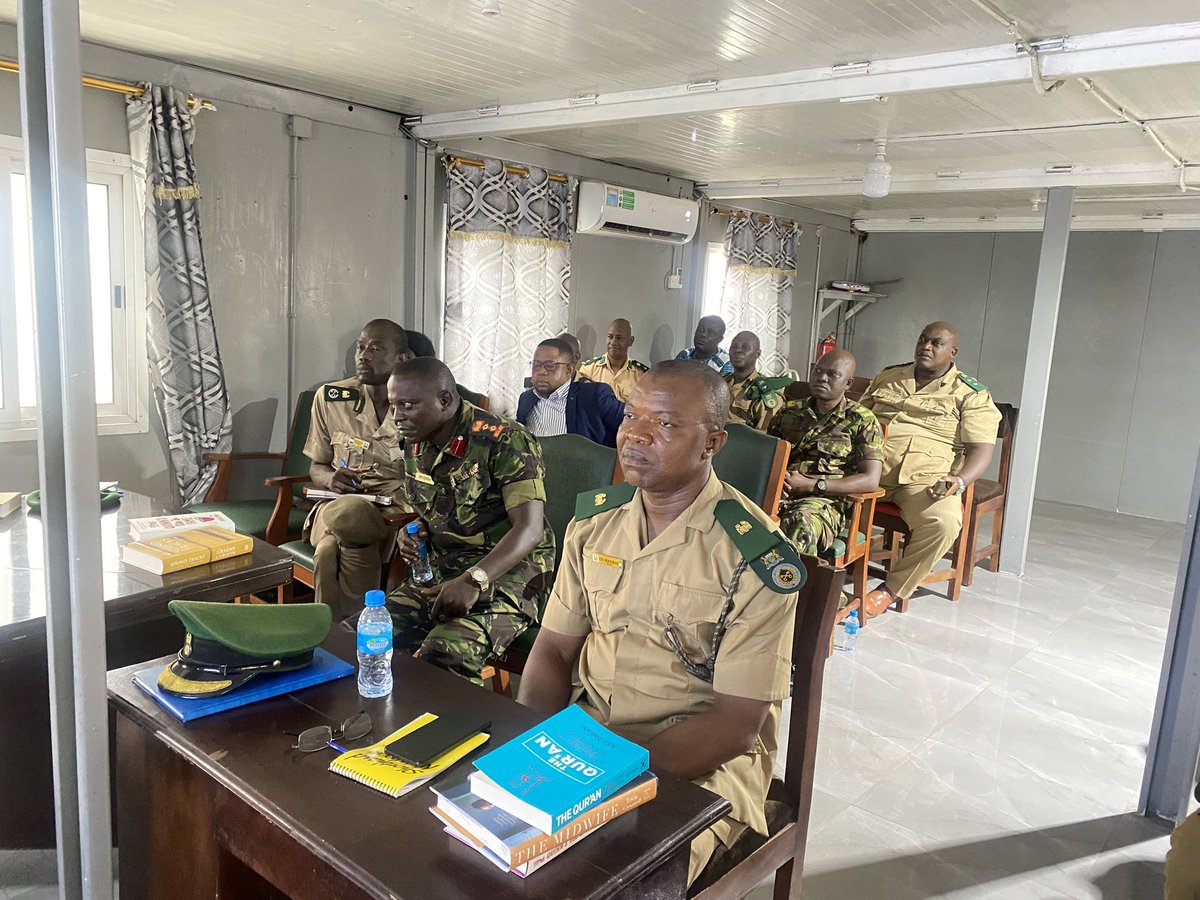
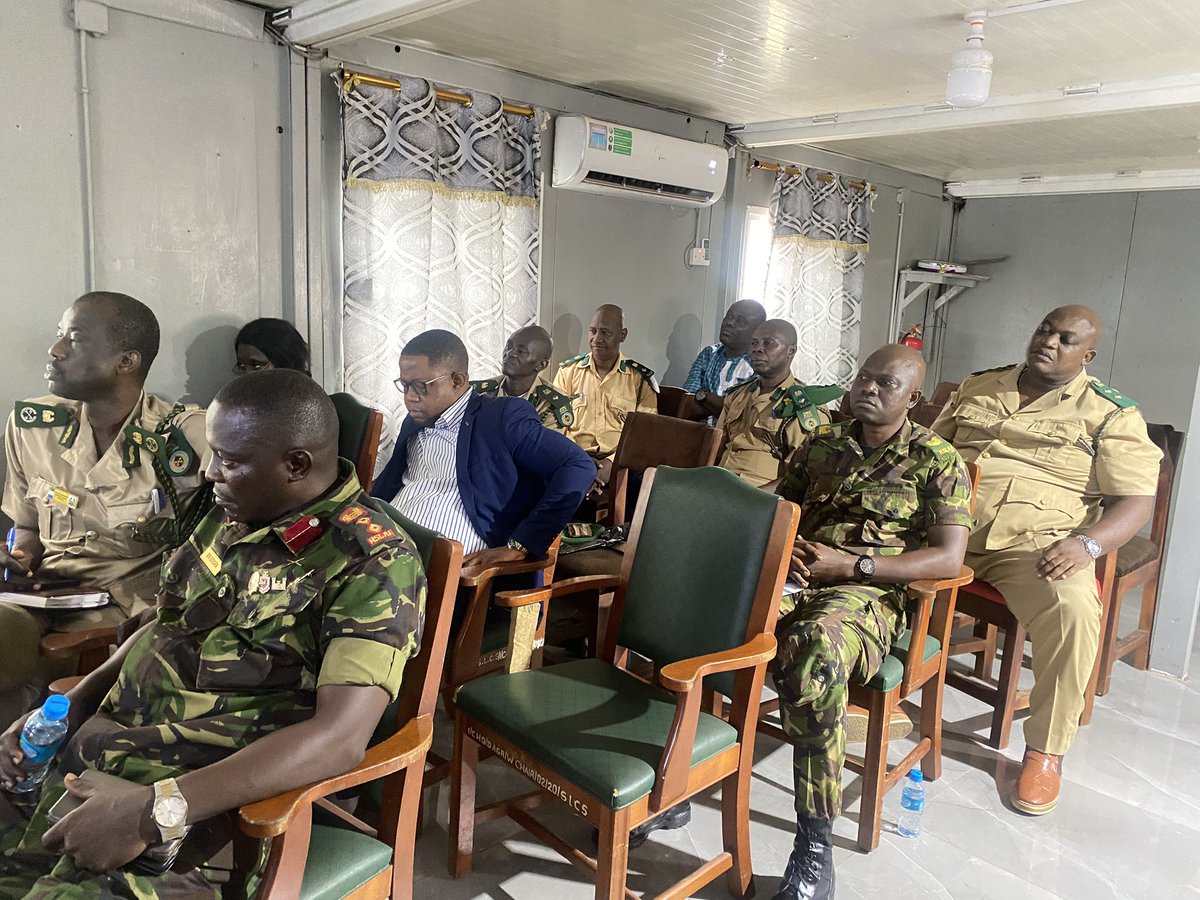
Transforming Institutional Wellness through Trauma-Informed Training. This past week, I had the privilege of facilitating a transformative session with senior management and frontline officers from the Correctional Services at King Harnan Road, Freetown. The response from the participants including Deputy Director General Madam Susan Baby Koker was powerful, the discussions were honest, and the need urgent provision of resources was made crystal clear.
Correctional facilities are more than just secure environments — they are human spaces where trauma, both past and present, walks in every day with staff and inmates alike. During our session:
• Participants openly reflected on how trauma affects leadership, decision-making, and interpersonal dynamics.
• Senior officers acknowledged the impact of unaddressed trauma in institutional culture.
• Many expressed a renewed understanding of mental health, resilience, and the importance of psychological safety in the workplace.
I told the leadership team why institution should consider this training
• Trauma-informed frameworks improve team cohesion and morale.
• Staff learn strategies to manage stress, conflict, and burnout.
• It enhances leadership effectiveness and empathy in challenging environments.
The feedback from this session was clear: “We should have had this training years ago.”
If you are in leadership, HR, or institutional planning — now is the time to embed trauma-informed practices into your organizational’s foundation.
Let’s create safer, healthier, and more responsive institutions for our workforce.
#TraumaInformedCare #InstitutionalWellness #CorrectionalServices #MentalHealthMatters #LeadershipDevelopment #OrganizationalCulture #TrainingForChange
3
4
167

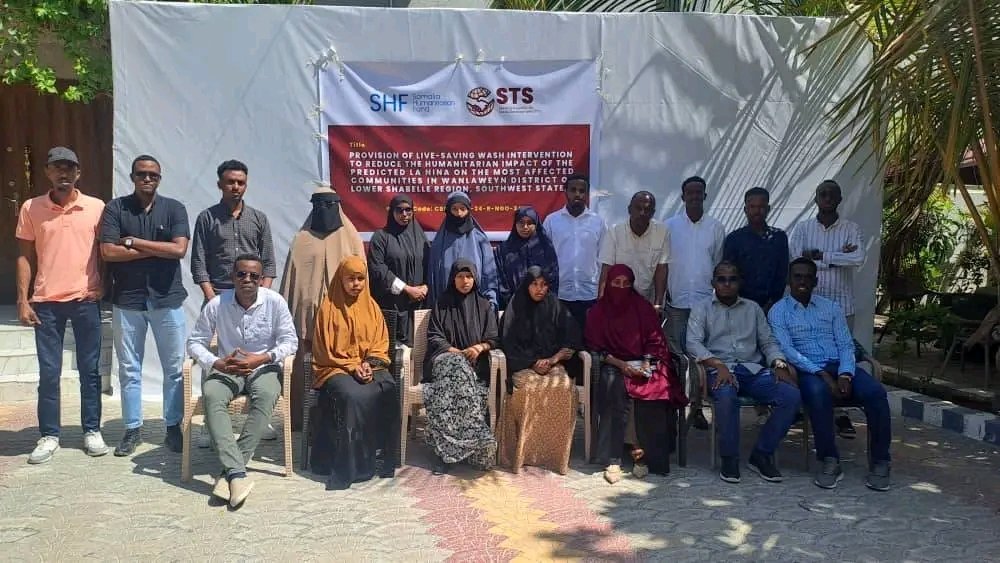
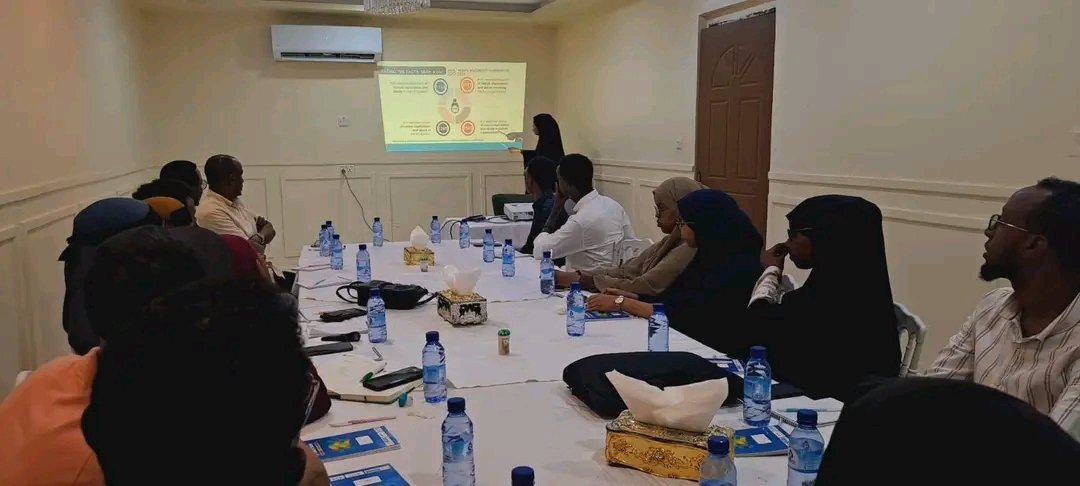
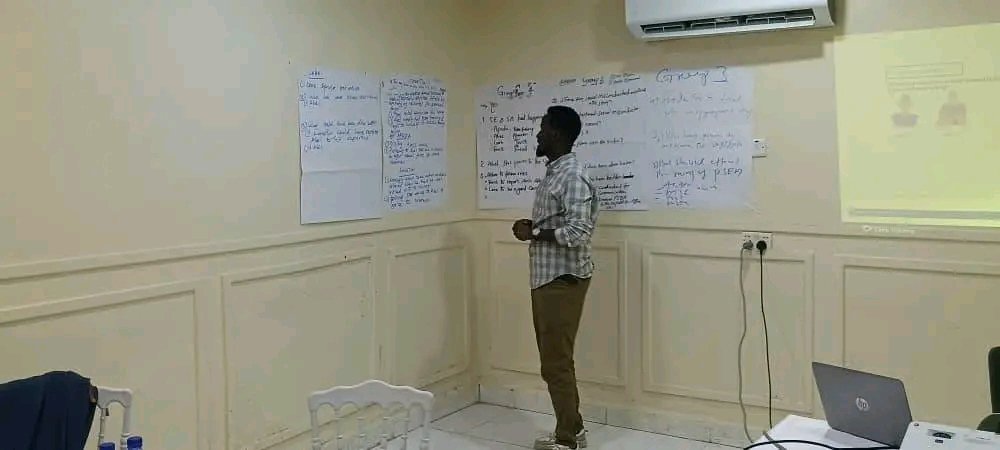
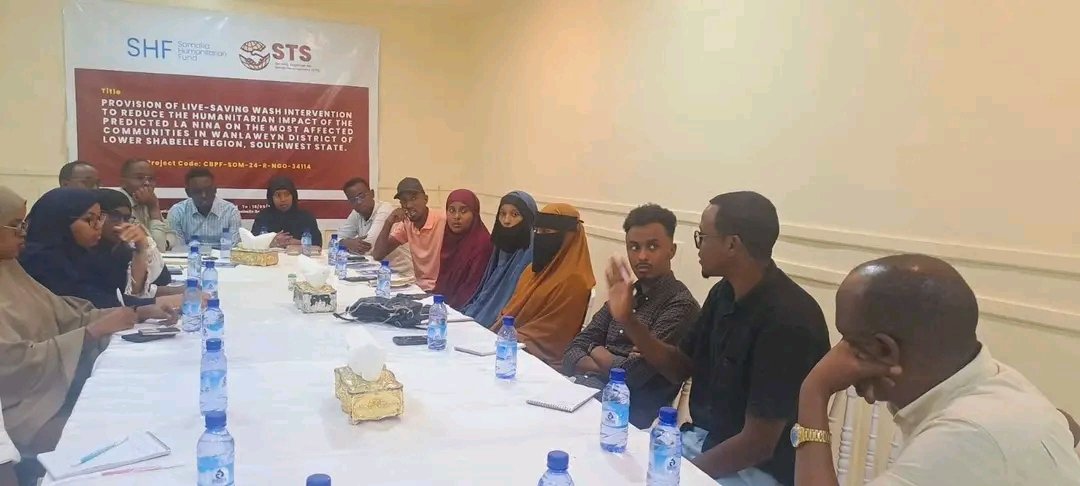
Together, we will continue working towards a safer and more secure environment for everyone.
#PSEA #TrainingForChange #STS #SafetyFirst #inclusionmatterstoeveryone
1
2
52

28 Mar 2025
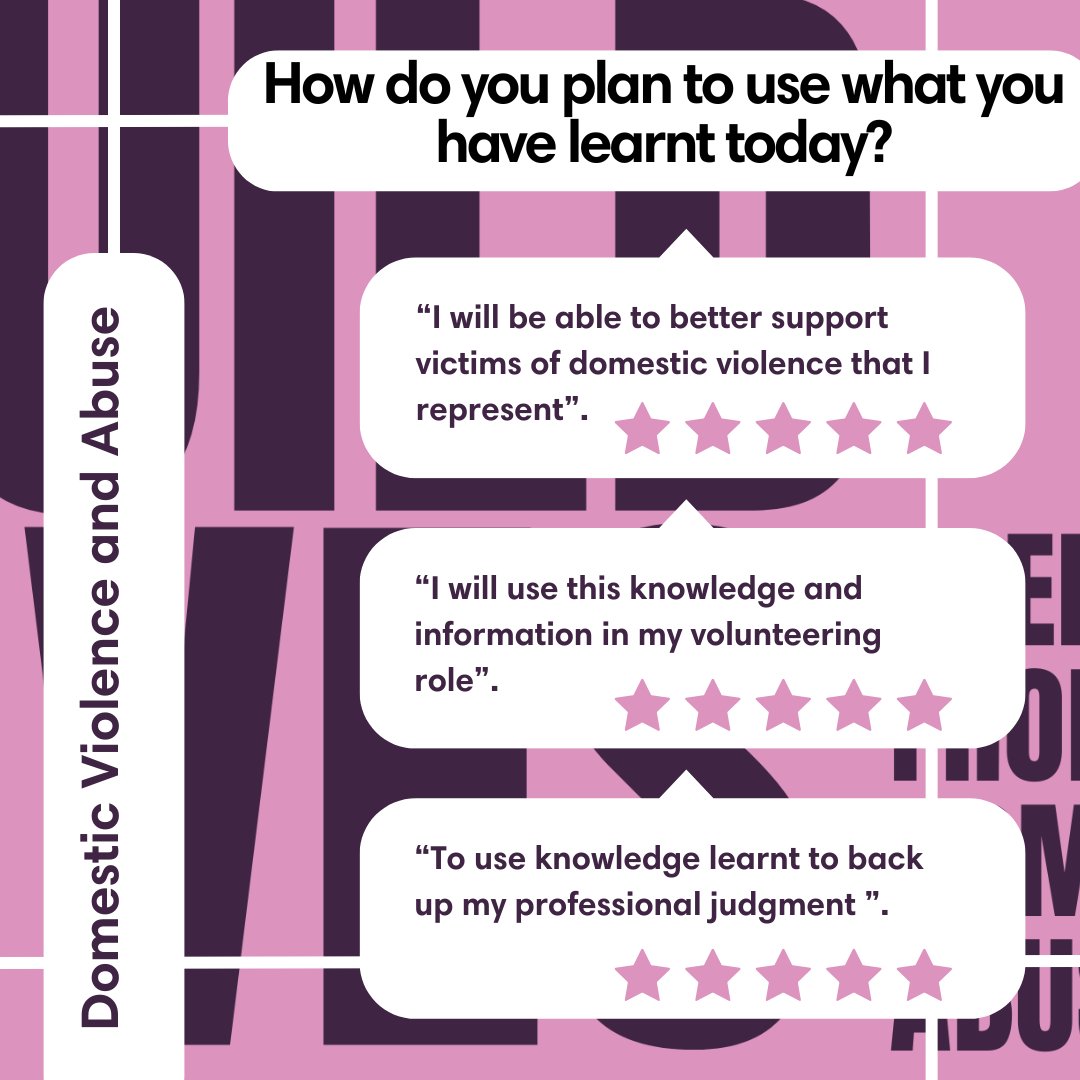
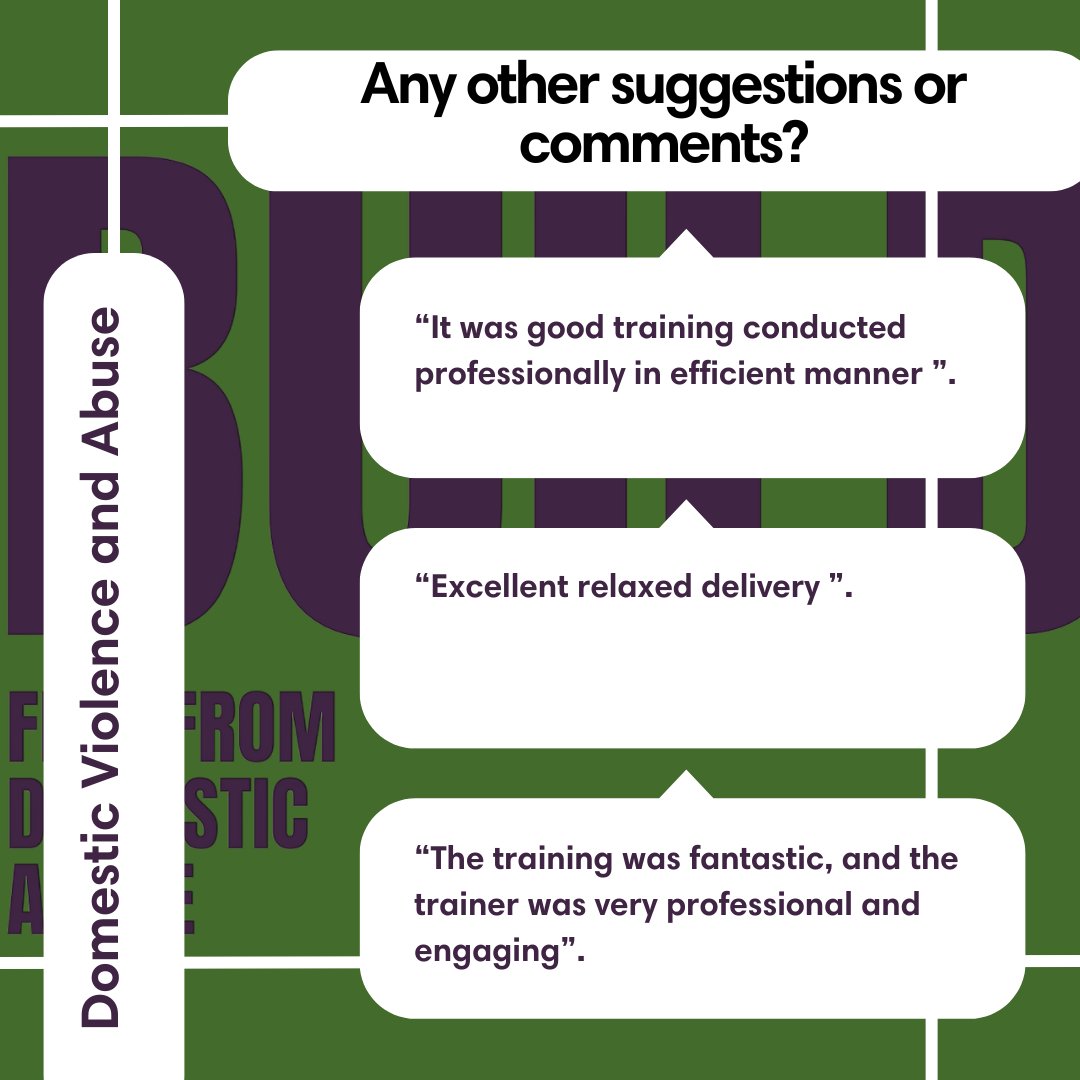
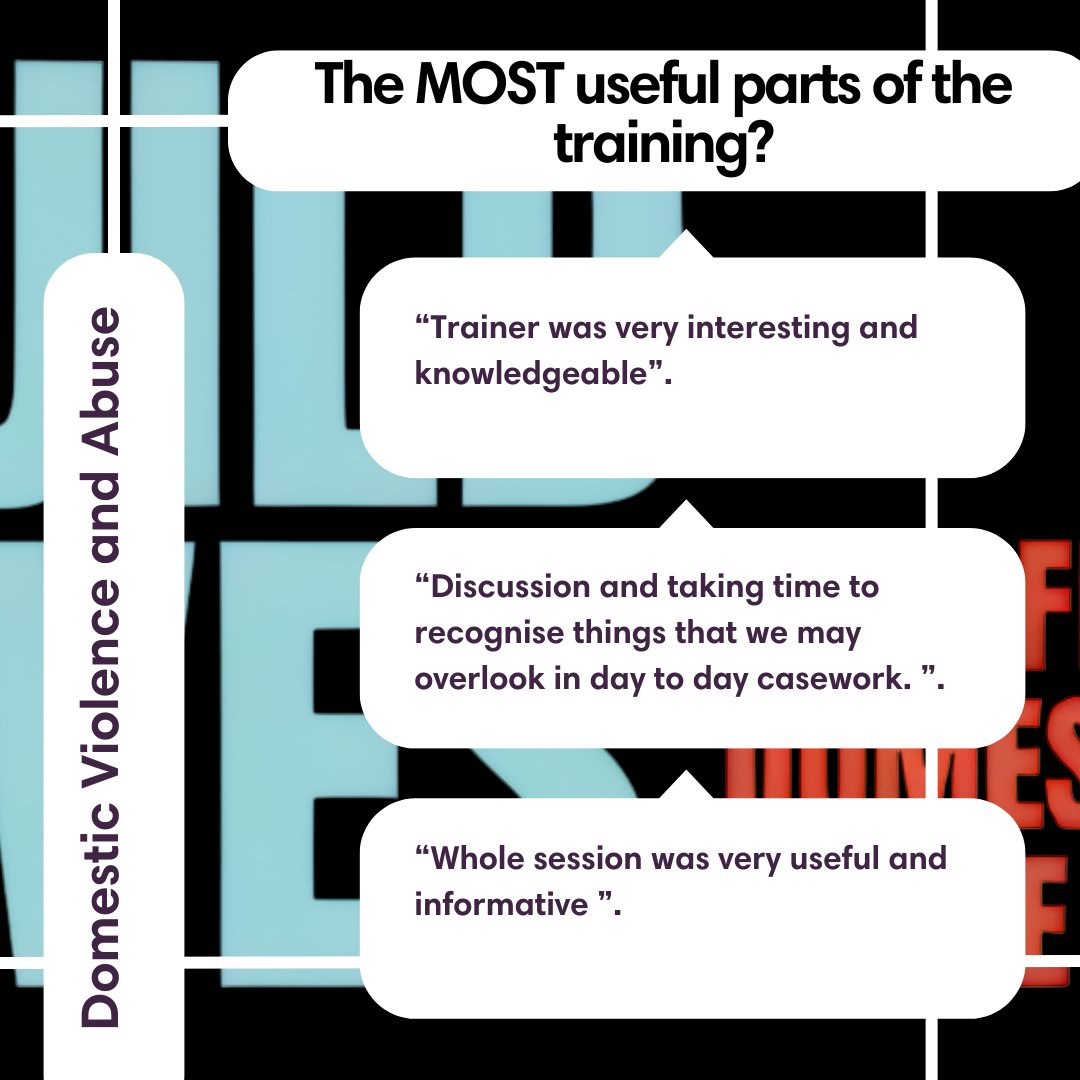
Post 2: Domestic Violence and Abuse Training Feedback
💬 Your Feedback Matters! 💬
We've received incredible feedback on our #DomesticViolence and Abuse Training. Together, we can make a difference in the fight to #EndDomesticViolence. 🙌
#TrainingFeedback #TrainingForChange
1
1
62

28 Mar 2025
with an engaging session on advanced aquaculture practices
#SustainableAquaculture #TrainingForChange #NERCorMS #NaCSA #NihrinFoundation
@narendramodi @PIB_India @mygovindia @MDoNER_India @NEC_GoI
7
58

21 Mar 2025
Honoring the Changemakers! 🌟🎓
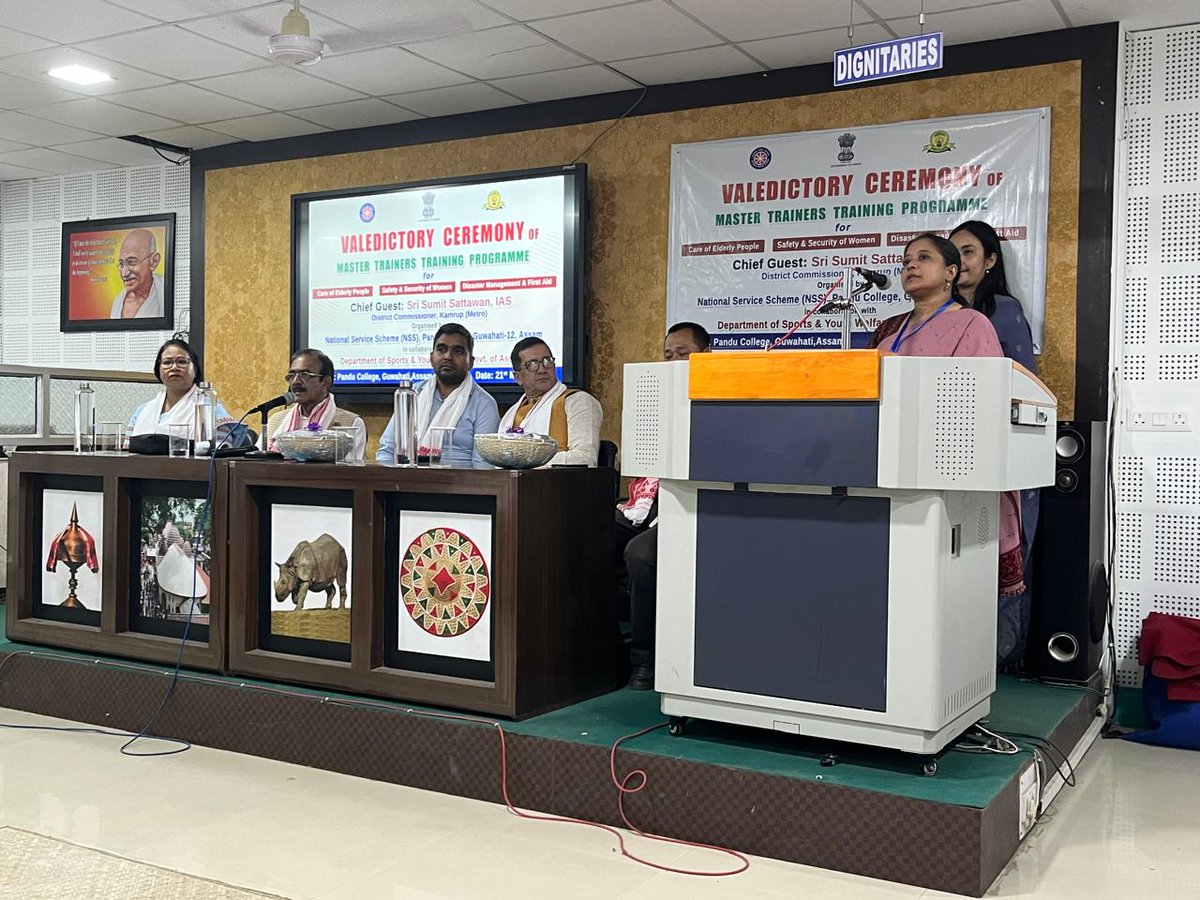
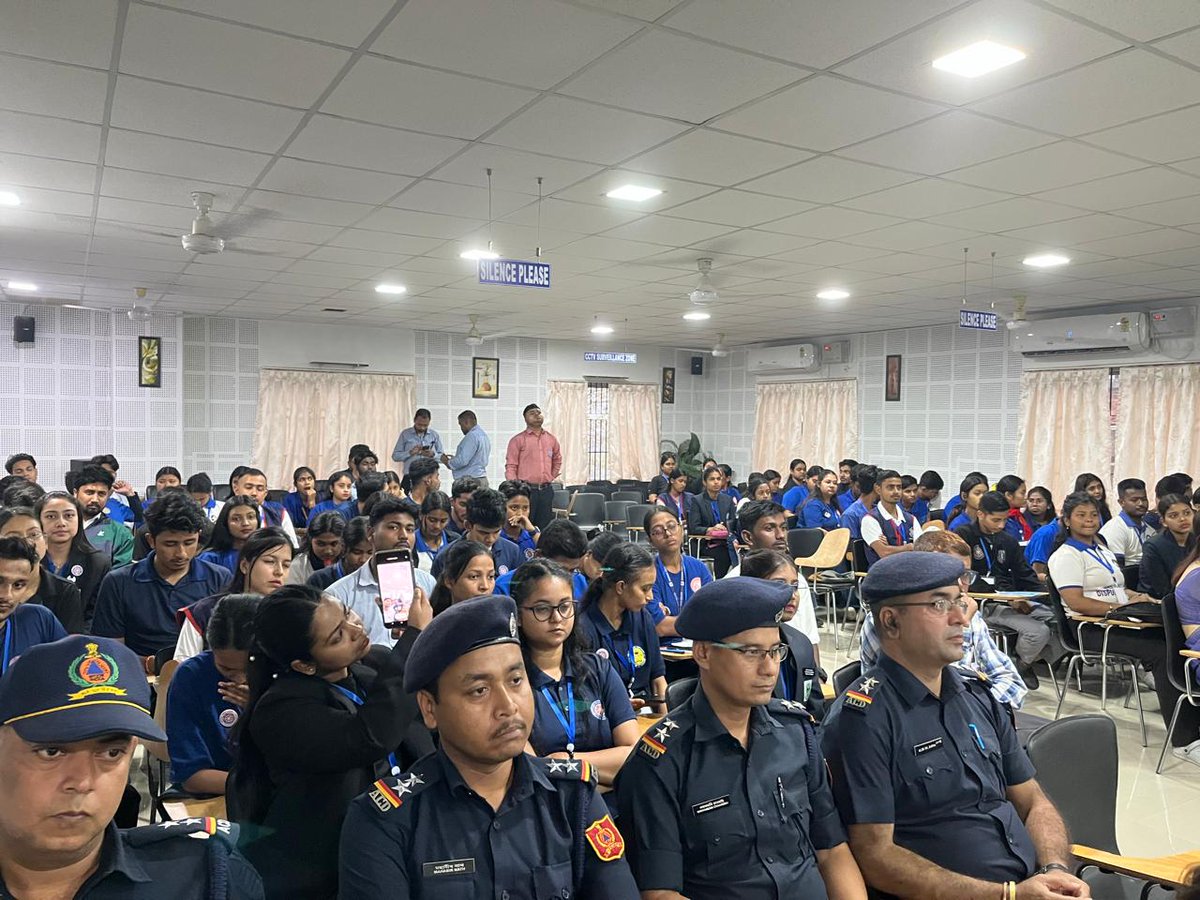
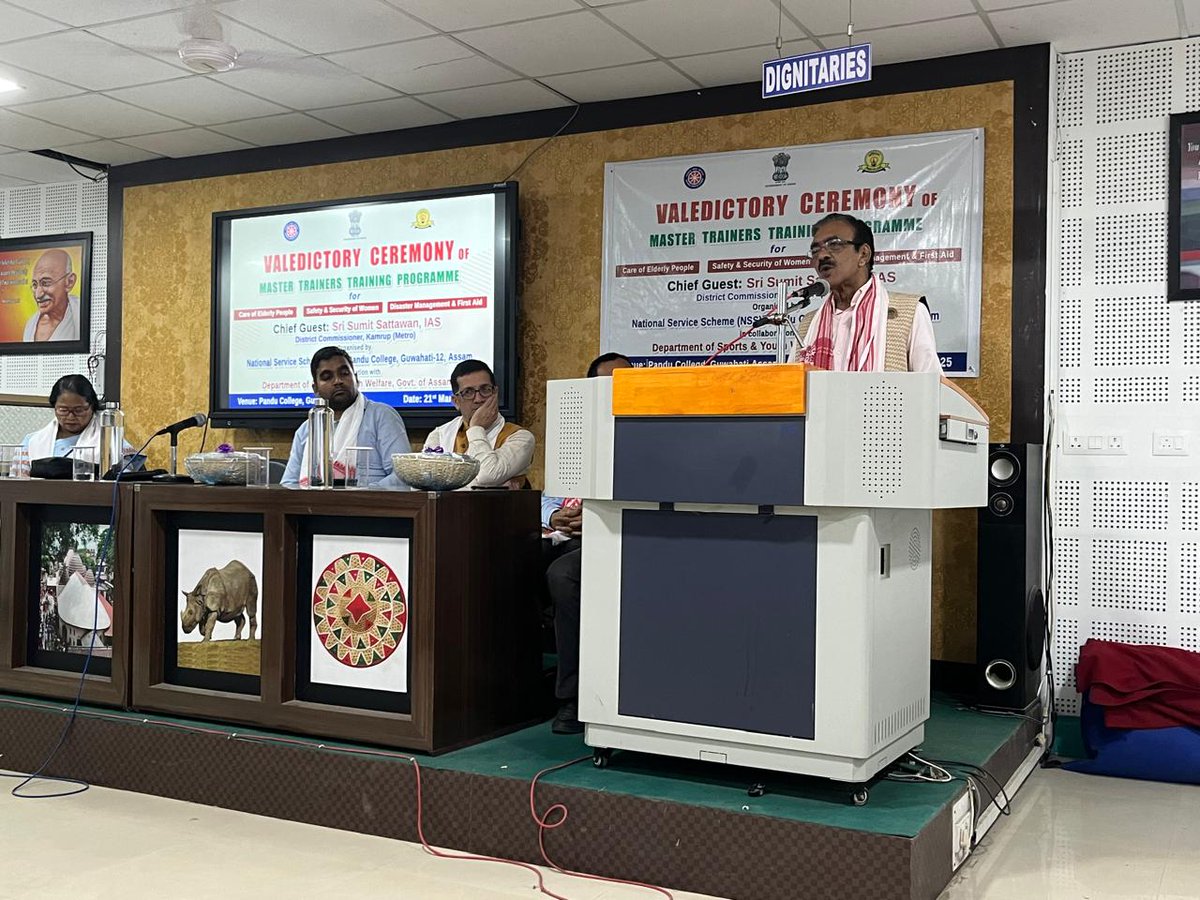
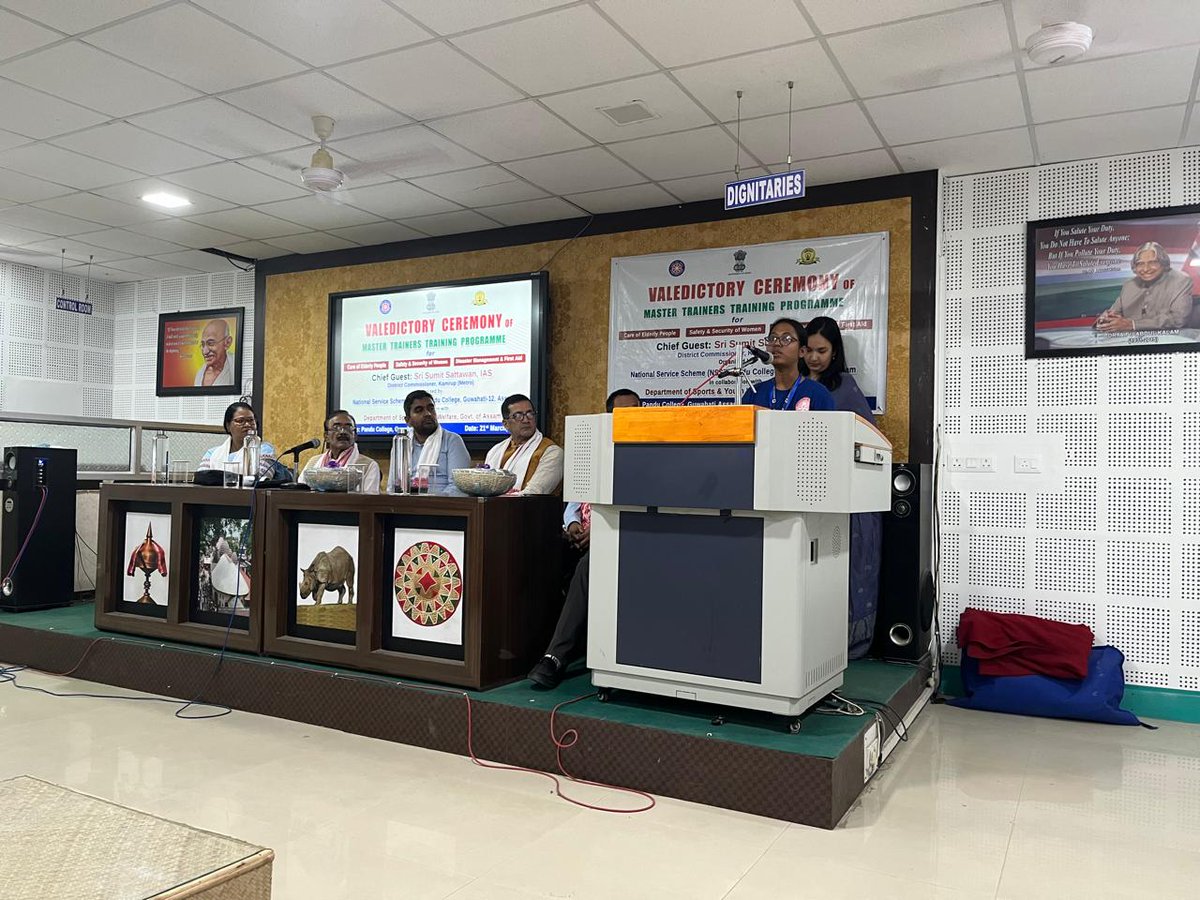
The Valedictory Ceremony of the Master Trainers Training Programme on Care of Elderly People, Safety & Security of Women, and Disaster Management & First Aid was successfully held at Pandu College, Guwahati on 21st March 2025.
Graced by Chief Guest Sumit Sattawan, IAS (District Commissioner, Kamrup Metro), the event marked the culmination of a transformative initiative organized by NSS Guwahati, Pandu College, in collaboration with The Department of Sports and Youth Welfare, Govt. of Assam.
A step forward in empowering communities with knowledge and preparedness! 👏🏼✨
#ValedictoryCeremony #EmpoweringCommunities #TrainingForChange #Assam
@PMOIndia @CMOfficeAssam @himantabiswa @CSAssam_ @afiindia @Abhinav_Bindra @GorlosaNandita @mansukhmandviya @YASMinistry @BFI_official @IndiaSportsHub @RahulBose1 @ProKabaddi @AssamOlympic @Media_SAI @SAIGuwahati @kheloindia @ddsportschannel @Sentinel_Assam @Pijush_hazarika @jayanta_malla @AjantaNeog @ATULBORA2 @ranojpeguassam @JogenMohanAssam @RanjeetkrDass @keshab_mahanta @urkhaogwrabrah3 @cmpatowary @rupaksarmahbjp @Olympics @NssPanducollege @_NSSIndia @nss_rdguwahati @nssiitg @GUCampusNSSUnit
1
4
5
145

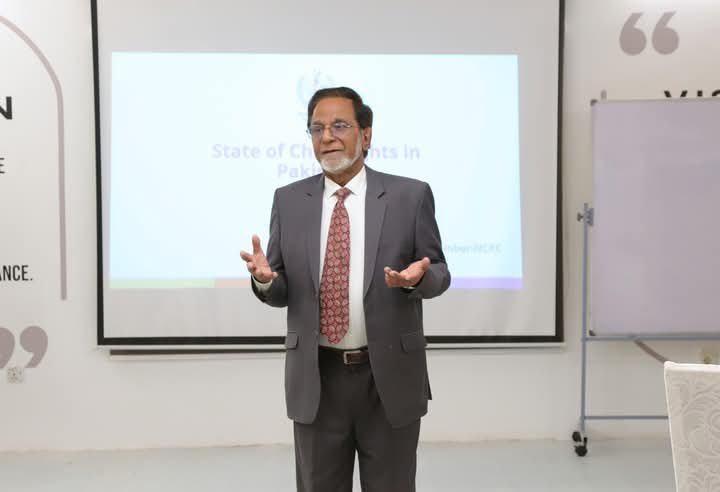
Member ICT Khalid Naeem NCRC, delivered a lecture on “Introduction to UNCRC, Child Rights in Pakistan, and the Role/Mandate of NCRC” during a training workshop held on March 3-4, organized by Pak Mission Society (PMS) in collaboration with NCRC.
The session focused on:
✅ Raising awareness about Pakistan’s commitments under the UNCRC.
✅ Understanding key child rights challenges and legal protections.
✅ Highlighting the role of NCRC in policy advocacy and child protection.
Collaborations like these help build a stronger framework for child rights awareness and enforcement across Pakistan.
#ChildRights #NCRC #UNCRC #ProtectOurChildren #TrainingForChange
1
2
112