
Feb 19
Aviation Safety Lapse: 9 AAIB Investigation Reports ‘Missing’ From Official Records; Only 23 Per Cent Of Probes Completed In Last 3 Years
#AviationSafety #AAIB #AirCrashInvestigation #SafetyOversight #TransparencyIssues #IndiaAviation @dhairyagajara
freepressjournal.in/india/av…
2
4
114

Ahmedabad News : વિવાદોનું બીજું નામ બનેલી ગુજરાત યુનિવર્સિટી ફરી વિવાદમાં આવી | VTV Digital
#ahmedabad #GujaratUniversity #RecruitmentControversy #EducationNews #UniversityRecruitment #GujaratNews #StaffHiring #TransparencyIssues #BreakingNews #VTVDigital
5
462

21 Nov 2025
آئی ایم ایف کا دھماکا!اشرافیہ بے نقاب!!ملک کی تباہی کا ذمہ دار کون؟
کرپشن کا بڑا انکشاف!شوگر مافیا ایکسپوزڈ!15 سخت شرطیں سامنے آگئیں!
#IMFPakistan #PakistanEconomy #IMFReport #EconomicUpdate #IMFConditions #ExpressNews #PakistanBusiness #EconomicChallenges #FiscalReforms #TransparencyIssues #RealEstatePakistan #CashTransactions #InflationUpdate #EconomicStability #PolicyReforms
1
719

8 Nov 2025
Nothing says "trust issues" quite like an architect who thinks transparent floors are a good idea😏🔍 At least now I know what ants feel like! #TransparencyIssues
#architecture #cityscape #glass #viewpoint #modern #urban #sky #perspective #design #height #transparent #observation

3
33
218

وزارت خزانہ کا آئی ایم ایف کی کرپشن اینڈ ڈائیگناسٹک اسسمنٹ رپورٹ پر عدم اطمینان
#IMFReport #PakistanEconomy #FinanceMinistry #IMFControversy #CorruptionAssessment #IMF2025 #PakistanNews #EconomicPolicy #IMFvsPakistan #GovernmentResponse #DiagnosticReport #PakistanFinance #GlobalEconomy #IMFReforms #TransparencyIssues #AbbTakk
Join Our WhatsApp Channel : whatsapp.com/channel/0029VaC…
1
173

The post claims that Judge Aileen Cannon sealed evidence in the Trump assassination case involving Ryan Routh, citing “exceptionally grave damages to U.S. National Security,” and questions what’s being hidden. Here’s the analysis:
Fact Check on Sealing Evidence: Yes, this is true. On August 1, 2025, Judge Cannon issued an order sealing certain evidence in the case of United States v. Ryan Wesley Routh (Case No. 24-80116-CR-CANNON), as shown in the attached court documents. This action was taken under the Classified Information Procedures Act (CIPA), which allows courts to protect classified information that could harm national security if disclosed. The order specifies that the material remains with the Classified Information Security Officer and is sealed to prevent unauthorized release. #CIPA #NationalSecurity #CourtOrder
Context of the Case: Ryan Routh allegedly attempted to assassinate Donald Trump on September 15, 2024, near a golf course in Florida. Evidence, including cell phone data from his vehicle, shows he stalked Trump’s locations from August 18 to September 15, 2024. Routh pleaded not guilty on September 30, 2024, and a preliminary trial date was set for November 18, 2024. The sealed evidence likely pertains to sensitive details about the plot or its implications. #RyanRouth #AssassinationAttempt #LegalProceedings
Judge Cannon’s Role: Aileen Cannon, a Trump-appointed judge, has a history of controversial rulings, including dismissing Trump’s classified documents case in July 2024, which some critics have accused of favoring him. Her decision to seal this evidence has reignited debates about her impartiality, especially given her past scrutiny and the ethics complaints dismissed in 2022. The sealing order’s reliance on national security claims aligns with CIPA but raises questions about transparency. #AileenCannon #JudicialBias #TransparencyIssues
What’s Being Hidden?: The court documents don’t specify the evidence’s content, but the “exceptionally grave damages” phrasing suggests it could involve intelligence sources, methods, or foreign connections—possibly unverified theories about state actors like Ukraine, as speculated online. Routh’s note offering a bounty for Trump’s killing (publicized by the DOJ on September 23, 2024) adds fuel to conspiracy theories, though no concrete evidence supports foreign involvement yet. #ConspiracyTheories #HiddenEvidence #Speculation
Broader Context: The sealing echoes past controversies, such as the JFK assassination records, which were fully declassified on March 18, 2025, under Trump’s directive via the JFK Assassination Records Collection Act of 1992. This highlights a pattern of delayed transparency, often justified by national security concerns (as per Executive Order 13526). Critics argue that this over-classification hides uncomfortable truths, a view shared by figures such as Senator Rand Paul. #JFKRecords #OverClassification #GovernmentSecrecy
4
9
18
1,091

23 Jul 2025
[Climate Risk, Cryptocurrency]
🇺🇸 SEC | SEC Response to Court Directive on Climate-Related Disclosure Rules
• U.S. Court of Appeals orders SEC to provide status update on Climate-Related Disclosure Rules litigation
• SEC asserts no intention to revisit rules but faces criticism for lack of transparency
• Commission's avoidance of legal obligations under the guise of conserving 'Commission time and resources'
• SEC seeks to shift responsibility to the court, neglecting required rulemaking process
• Commission criticized for failing to engage in statutory obligations and seeking to avoid necessary regulatory work
#FinancialRegulation #ClimateRelatedDisclosureRules #LegalObligations #RegulatoryFramework #JudicialOversight #TransparencyIssues #ClimateRisk #Cryptocurrency
sec.gov/newsroom/speeches-st…
1
34

24 May 2025
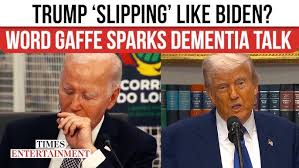
TRUMP'S DEMENTIA WATCH HAS BEGUN >>> The Curious Case of Trump’s Disappearing Transcripts: A Transparency Paradox
In a move that has raised eyebrows and sparked debate, the Trump White House has removed a comprehensive database of official transcripts from its website, replacing them with a curated selection of YouTube videos.
This shift, occurring in the first months of President Donald Trump’s second term in 2025, has drawn criticism from journalists, researchers, and transparency advocates who argue it undermines accountability.
Coupled with reports of Trump’s increasingly erratic public statements, the decision fuels speculation about the administration’s priorities and the president’s cognitive health.
As the White House touts itself as “the most transparent in history,” the absence of detailed records tells a different story.
cnn.com/2025/05/22/media/don…
The Transcript Purge: What’s Missing?
For decades, White House websites have served as repositories for searchable, text-based transcripts of presidential remarks, press briefings, and public appearances.
These records are vital for journalists, historians, and the public to hold administrations accountable.
However, as reported by CNN on May 22, 2025, the Trump administration has quietly removed the “remarks” section from its website, replacing it with a limited set of fewer than 50 YouTube videos covering the first 120 days of Trump’s second term.
This is a stark contrast to the comprehensive transcript databases maintained by previous administrations, including those of Presidents Barack Obama and Joe Biden.
HuffPost senior White House correspondent S.V. Dáte first noted this trend earlier in 2025, observing that the administration was selectively omitting Trump’s “most unhinged comments” from its records.
In response, White House communications director Steven Cheung dismissed Dáte’s concerns, telling him to “stop beclowning yourself.”
Yet, the complete removal of transcripts—save for Trump’s inaugural address—has intensified scrutiny.
Official stenographers continue to record Trump’s remarks, including media interactions, but these records are no longer publicly accessible.
Even YouTube videos, which the White House now relies on, fail to capture all of Trump’s public statements, leaving significant gaps in the public record.
The absence of press briefing transcripts is equally notable.
Only the transcript of press secretary Karoline Leavitt’s first briefing in January 2025 remains on the White House website.
This selective documentation contrasts sharply with the Biden administration, which, despite its own transparency misstep involving altered “garbage” remarks about Trump supporters, maintained a robust archive of transcripts.
Trump’s Public Statements: A Pattern of Incoherence?
The transcript purge coincides with growing concerns about Trump’s mental acuity, as highlighted in a May 4, 2025, USA Today opinion piece.
At 78, Trump has exhibited increasingly incoherent and rambling speech, often veering into factual inaccuracies or confusion.
During a Time magazine interview in the Oval Office, Trump struggled to respond to a question about John Adams’ maxim that the U.S. is a government of laws, not men, asking,
Time: “Mr. President, you were showing us the new paintings you have behind us.
You put all these new portraits.
One of them includes John Adams. John Adams said we’re a government ruled by laws, not by men.
Do you agree with that?”
Trump: “John Adams said that? Where was the painting?”
Time: “It’s right here.”
usatoday.com/story/opinion/c…
In another exchange, Trump claimed to have “completed” the U.S.-Mexico border wall while admitting he wanted to build more, despite only 458 miles of the nearly 2,000-mile border being addressed during his first term, mostly through repairs.
Perhaps most striking was Trump’s response to a reporter’s question about a Moscow car bombing that killed a Russian general.
#LOL... So, where did that Moscow car bombing happen?
Aboard Air Force One recently, he had this exchange with reporters.
Reporter: “There was a car bomb in Moscow this morning that killed a Russian general, do you have any reaction to that?”
Trump: “Who killed what?”
Reporter: "Russian general killed by a car bomb."
Trump: “Wow, no, I just heard. You’re just telling me that for the first time.
Where did this take place?”
#ROFLMAO... It took place in Moscow, grandpa, the guy literally just said it!
Such moments, detailed in the USA Today piece, have fueled comparisons to Biden’s perceived cognitive decline, which was a focal point during his presidency.
Unlike Biden, whose challenges were partly attributed to a lifelong stutter, Trump’s lapses appear more frequent and disconnected, prompting questions about his fitness for office.
A notable example occurred on May 19, 2025, when Trump mislabeled Joe Biden’s stage 4 prostate cancer diagnosis as “stage 9,” a nonexistent classification, during a press briefing.
As reported by People magazine, Trump expressed sympathy but incorrectly stated that Biden’s condition should have been “notified a long time ago” because “to get to stage 9, it’s a long time.”
people.com/donald-trump-says…
This misstatement, combined with reports of Trump receiving only 12 daily intelligence briefings since his inauguration—compared to the expected daily norm—has intensified speculation about his cognitive capacity.
@ElonMusk's X.com Platform Users Weigh In: Alarm and Skepticism
Some have referenced his 2019 Atlantic article on Trump’s personality disorders, arguing they render him unfit for the presidency.
On X, users have expressed a mix of alarm, sarcasm, and skepticism about the transcript purge and Trump’s behavior.
@svdate, who has closely tracked the issue, reiterated concerns about the White House “hiding the vast majority of the transcripts of [Trump’s] remarks,” linking to a HuffPost article for context.
@DemocraticWins amplified the narrative, claiming the limited intelligence briefings suggest Trump’s staff believes he “can’t handle the workload.”
Meanwhile,@gtconway3d, suggested staff interventions during interviews indicate an effort to shield Trump’s “sundowning” from public view.
These sentiments, while not conclusive, reflect a growing public perception that the transcript purge may be an attempt to obscure Trump’s erratic behavior.
Some users, like @PalmerReport, pointed to Trump’s defensiveness, noting his late-night rants about “acing two cognitive exams”
Transparency or Visibility?
The White House defends its approach, with Leavitt insisting that Trump’s remarks are “live on the website for every person in the world” to access via video.
Yet, as CNN notes, live streams and YouTube videos are not equivalent to searchable transcripts, which allow for precise analysis and fact-checking.
The selective curation of videos, often including partisan content, suggests a focus on “visibility” over transparency, aligning with Trump’s preference for image-driven communication.
Former White House stenographer Beck Dorey-Stein, in a 2018 New York Times op-ed, argued that Trump’s aversion to recorded facts stems from his dismissal of critical reporting as “fake news.”
The transcript purge has elevated the importance of independent databases like Factba.se, which archives presidential statements.
Founder Bill Frischling told CNN that such platforms are critical for maintaining a “free and independent record” of Trump’s words, especially given the administration’s selective disclosures.
mindsitenews.org/2025/04/01/…
Implications for Accountability
The removal of transcripts impacts journalists and researchers most directly, limiting their ability to scrutinize Trump’s statements.
This is particularly concerning given his history of inflammatory and factually inaccurate remarks, which demand rigorous fact-checking.
The Biden administration’s transparency misstep—altering a transcript despite stenographer objections—drew criticism, but its broader commitment to public records contrasts with Trump’s approach.
The selective omission of “unhinged” remarks, as Dáte described, suggests an intent to control the narrative, potentially shielding Trump from scrutiny over his cognitive lapses.
The Bigger Picture: Cognitive Concerns and Governance
The transcript purge cannot be divorced from broader questions about Trump’s mental fitness.
While Biden’s age and debate struggles dominated headlines, Trump’s recent behavior—described as “wholly detached from reality” by USA Today—has shifted the focus.
His factual inaccuracies, such as the “stage 9” cancer claim, and apparent confusion in interviews raise questions about his ability to handle complex policy issues.
The limited intelligence briefings, as reported on X, further suggest that his staff may be managing his workload to accommodate perceived limitations.
Key Takeaways....
Transparency Undermined:
The removal of White House transcripts, replaced by selective YouTube videos, limits public access to Trump’s full remarks, hindering accountability.
Cognitive Concerns:
Trump’s incoherent statements and factual missteps, like the “stage 9” cancer claim, fuel speculation about his mental decline.
Independent Records Vital:
Platforms like Factba.se are increasingly critical for preserving an unfiltered record of presidential statements.
As the Trump administration prioritizes visibility over detailed documentation, the disappearance of transcripts signals a broader challenge for democratic accountability.
In an era where every word matters, the absence of a comprehensive record leaves the public reliant on incomplete glimpses of the president’s actions and words.
#Trump #WhiteHouse #Transcripts #Transparency #DonaldTrump #MentalDecline #CognitiveHealth #Biden #CancerDiagnosis #Accountability #PoliticalNews #WhiteHouseRecords #Journalism #FactChecking #PresidentialRemarks #GovernmentTransparency #Media #USPolitics #TrumpAdministration #PublicRecords #Stenographers #PressBriefings #PoliticalAccountability #TransparencyIssues #CognitiveConcerns #WhiteHouseWebsite #Factba #PoliticalCommunication #TrumpStatements #Governance
4
1
3
227

14 May 2025
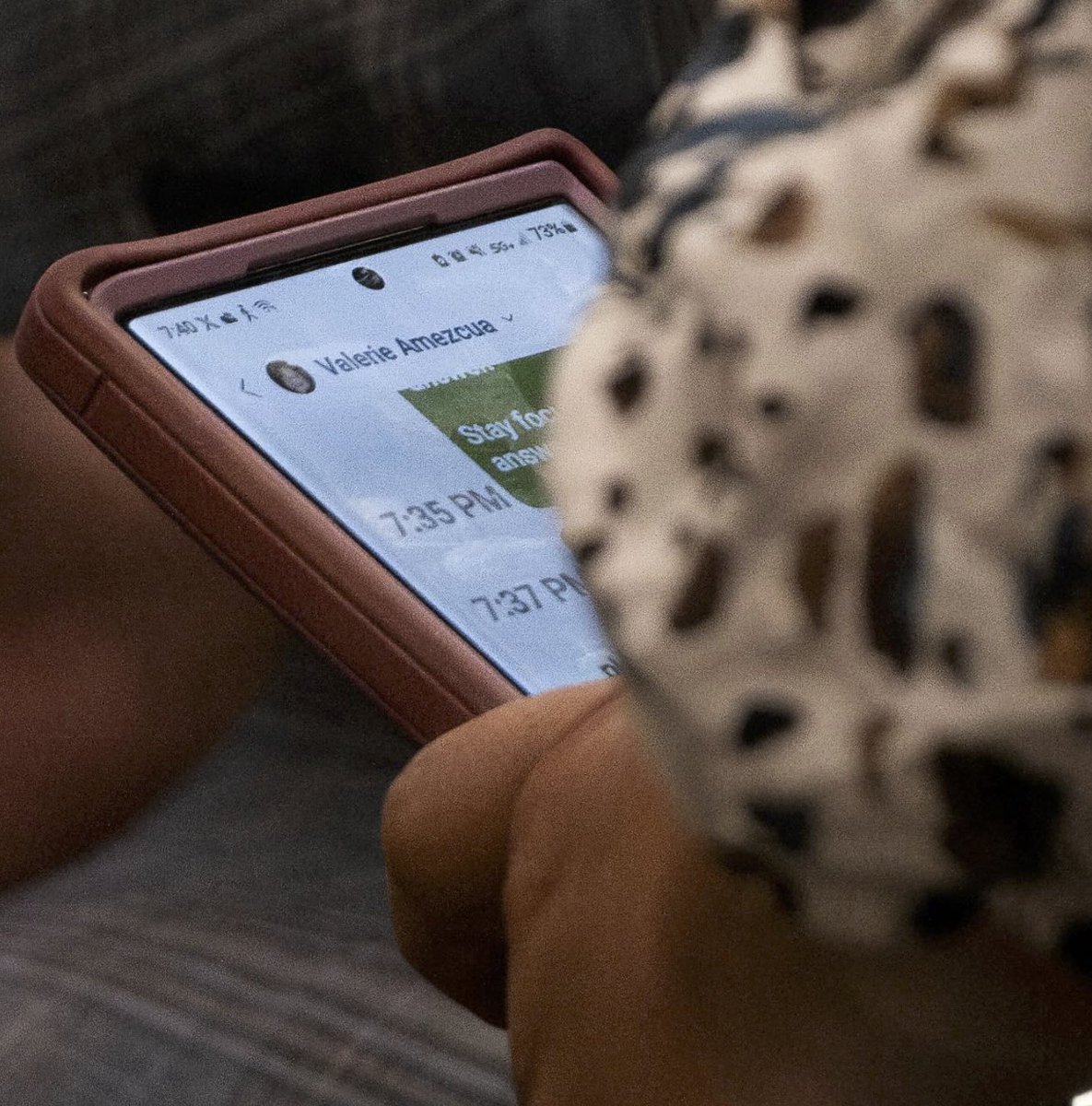
The @CityofSantaAna is claiming that @MayorValAmezcua and her aide do not have text messages between Feb '23 and Feb '25.
Here's a photo of her aide's phone in Sept '24.
She is clearly texting the mayor.
#TransparencyIssues
2
7
282

14 May 2025
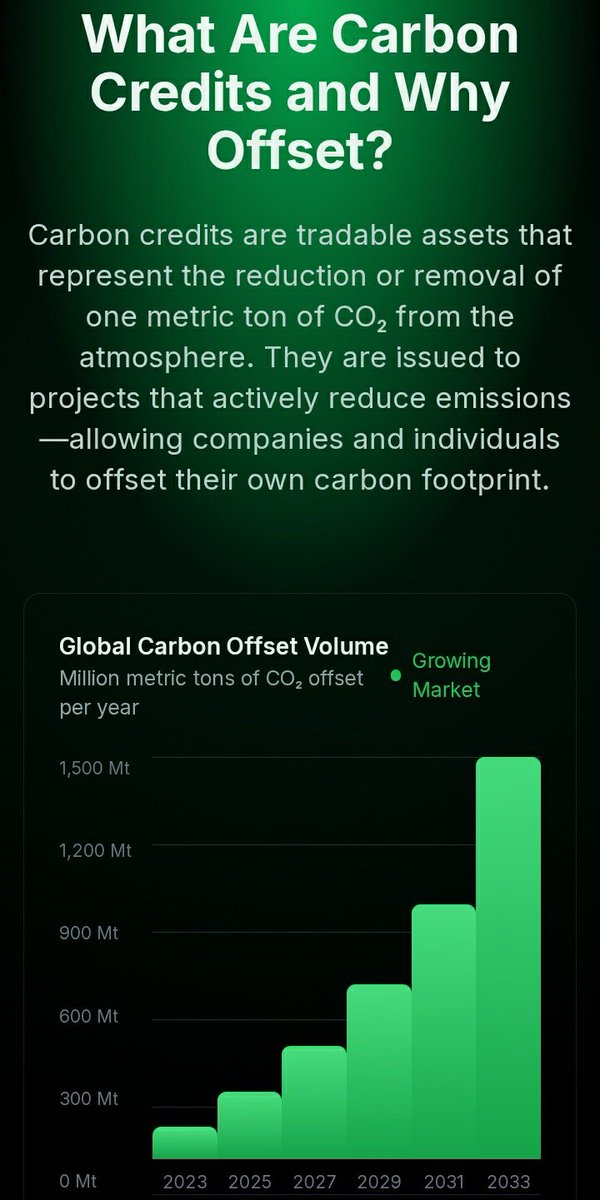
But here's the snag: the current carbon credit market lacks clear oversight. Quality(are the emission reductions real?) and additionality (would the reduction have happened anyway?) concerns breed skepticism & hinder real impact.🧵 #CarbonMarket #TransparencyIssues #OffsetOnchain
1
14
51

14 Apr 2025
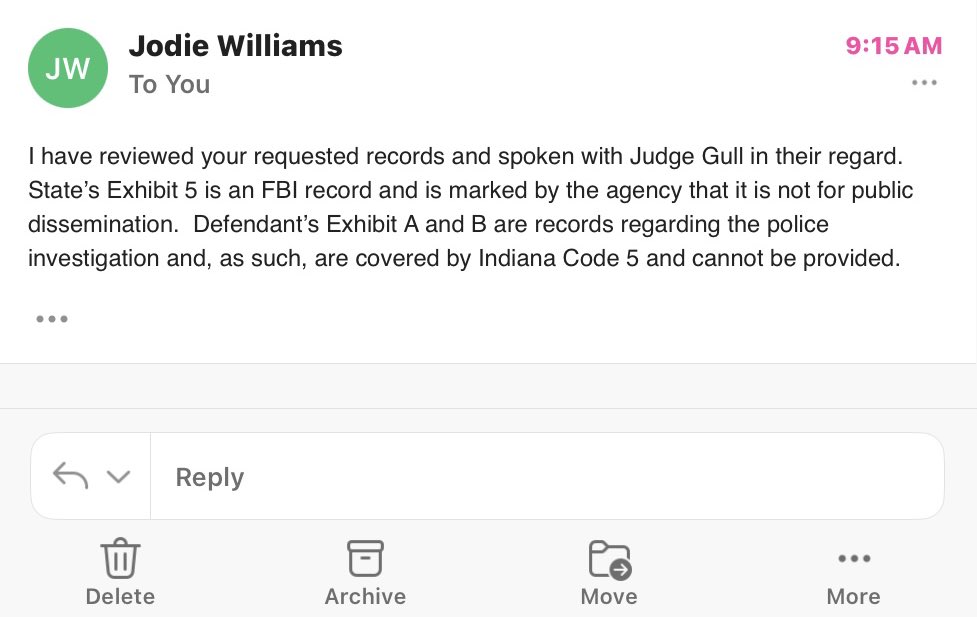
This is beyond insane. Did they think the public was going to just accept this?
#Gullshit
#transparencyissues
#DELPHI
14 Apr 2025

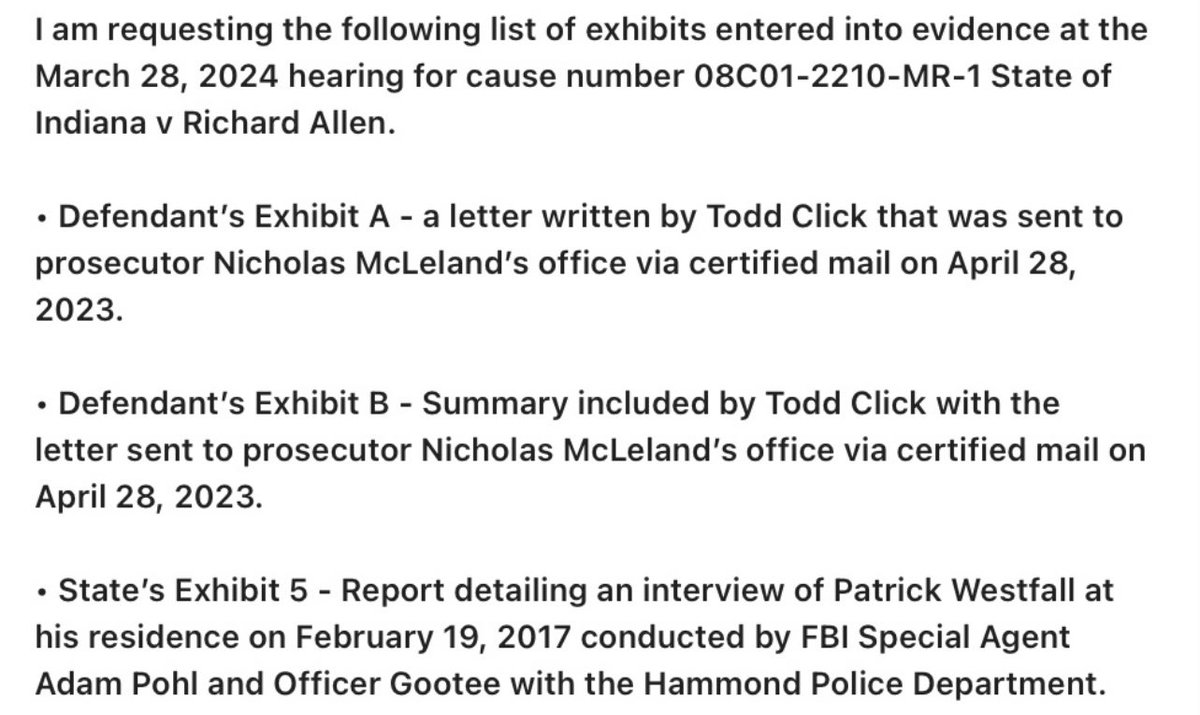
Judge Gull is quite literally hiding all exhibits filed throughout the entire #RichardAllen case that mentions anything or anyone other than Rick. These are public exhibits that were entered into evidence at a public hearing. Pic on the left is the denial - pic on the right is what I requested from her on 4/7/2025.
1
1
27
661

5 Mar 2025
🚀 Cat in a Dog's World ( $MEW )
1️⃣ What is #MEW?
$MEW is a memecoin on the Solana blockchain and the native token of the project Cat in a Dog's World (CIDW). What sets $MEW apart is its cat-themed branding, which contrasts with the popular dog-themed tokens like Dogecoin and Shiba Inu. The token currently has no inherent utility and is primarily driven by speculation and community engagement.
#MEW #Memecoin #Solana
2️⃣ How does it work?
$MEW is a memecoin that does not offer a fixed functionality within the CIDW ecosystem. The price is determined by trader speculation and the level of community engagement, with social media playing a large role in price movements.
#CryptoSpeculation #MemecoinMarket #CommunityDriven
3️⃣ What is $MEW?
$MEW is the native token of Cat in a Dog's World, but it does not have a clearly defined application or use case within the ecosystem. It is mainly traded as a speculative asset, depending on the hype and popularity within the crypto community.
#CryptoToken #MEWToken #SpeculativeAssets
4️⃣ Benefits of $MEW:
🔹 Speculative profit opportunities: The price is heavily influenced by community hype.
🔹 Community involvement: $MEW grows in value as the community becomes more engaged.
🔹 Cat-themed: It stands out from other memecoins like Dogecoin and Shiba Inu.
#MemecoinCommunity #Cryptospeculation #CatCoin
5️⃣ Use cases of $MEW:
🔹 Speculation: $MEW can be traded on exchanges for profit based on market fluctuations.
🔹 Community activity: The value of $MEW is partly driven by community involvement and hype.
🔹 Collectible item: The unique branding as a cat-themed coin makes $MEW appealing to memecoin collectors.
#MemecoinTrading #SpeculativeAssets #CryptoCollectibles
6️⃣ Security:
It is important to note that $MEW has no whitepaper, which raises concerns about transparency and the long-term vision of the project. Additionally, little is known about the development team behind $MEW, which presents risks for investors.
#CryptoRisks #TransparencyIssues #InvestingCaution
7️⃣ Interoperability:
$MEW is built on the Solana blockchain, meaning it benefits from the fast transactions and low costs of this network. However, its usability within other ecosystems is yet to be defined.
#Solana #BlockchainIntegration #CryptoInteroperability
8️⃣ Why choose $MEW?
$MEW offers an opportunity for speculative investments and collectors interested in memecoins with a unique theme. However, it is important to understand that the value of $MEW is highly dependent on community hype and market volatility.
#MemecoinInvestment #SpeculativeCoin #CryptoHype
9️⃣ Want to buy $MEW?
$MEW is easy to buy on #Bitvavo:
✅ More than 350 #Altcoins available
✅ Up to €100,000 #AccountGuarantee
✅ Registered with De Nederlandsche Bank (#DNB)
✅ Sign up via the link below and trade up to €10,000 completely #Free!
🔗 bitvavo.com/invite?a=02D3B10…
#CryptoJournaal #CryptoChartsNL #Bitcoin #Crypto #Exchange
🔟 Useful resources and extra information:
Want to dive deeper into the world of #CatInaDogsWorld or looking for the latest updates and developments?
These links will help you stay up to date:
🔹Official Website: mew.xyz/
🔹X (Twitter): @mew x.com/mew
#CryptoResources #StayInformed
❗ Important note:
🔹 This post is purely for educational purposes and not financial advice!
🔹 Only invest what you are willing to lose:
#Crypto-investments can be volatile, and you may lose part or all of your investment.
🔹 Always do your own research (#DYOR):
Conduct thorough research on #crypto-assets, platforms, and wallets before investing.
🔹 Understand the risks of volatility:
The value of #cryptocurrencies can change rapidly, so be prepared for price fluctuations.
🔹 Keep your private keys safe:
Losing your private keys can lead to losing access to your crypto assets.
🔹 Use reliable platforms:
Make sure you trade crypto through reliable and regulated exchanges or wallets that meet the necessary security standards.
#CryptoRules #CryptoSafety #CryptoRisks #Dyor

1
2
293

27 Feb 2025
Yikes, naming government employees publicly sparks fierce debate—Elon’s approach with DOGE is bold, but the backlash shows how divisive it can be. Transparency vs. privacy: a tough balance! #DOGEDebate #TransparencyIssues #PublicAccountability
32
21 Feb 2025
🚀 Cat in a Dog's World ( $MEW )
1️⃣ Wat is #MEW?
$MEW is een memecoin op de Solana blockchain en de native token van het project Cat in a Dog's World (CIDW). Wat $MEW onderscheidt, is het kattenthema, dat haaks staat op de populaire honden-themed tokens zoals Dogecoin en Shiba Inu. De token heeft momenteel geen inherente utility en wordt voornamelijk gedreven door speculatie en communitybetrokkenheid.
#MEW #Memecoin #Solana
2️⃣ Hoe werkt het?
$MEW is een memecoin die geen vaste functionaliteit biedt binnen het ecosysteem van CIDW. De prijs wordt bepaald door de speculatie van handelaren en de mate van betrokkenheid van de community, waarbij social media een grote rol speelt in de prijsbewegingen.
#CryptoSpeculation #MemecoinMarket #CommunityDriven
3️⃣ Wat is $MEW?
$MEW is de native token van Cat in a Dog's World, maar heeft geen duidelijk gedefinieerde toepassing of nut binnen het ecosysteem. Het wordt voornamelijk verhandeld als speculatief middel, afhankelijk van de hype en de populariteit binnen de cryptogemeenschap.
#CryptoToken #MEWToken #SpeculativeAssets
4️⃣ Voordelen van $MEW:
🔹 Speculatieve winstkansen: De prijs wordt sterk beïnvloed door communityhype.
🔹 Gemeenschapsbetrokkenheid: $MEW groeit in waarde naarmate de community sterker betrokken raakt.
🔹 Kattenthema: Het onderscheidt zich van andere memecoins zoals Dogecoin en Shiba Inu.
#MemecoinCommunity #Cryptospeculation #CatCoin
5️⃣ Toepassingen van $MEW:
🔹 Speculatie: $MEW kan worden verhandeld op exchanges voor winst op basis van marktfluctuaties.
🔹 Communityactiviteit: De waarde van $MEW wordt mede bepaald door communitybetrokkenheid en hype.
🔹 Verzamelaarsobject: De unieke branding als kattenthema maakt $MEW interessant voor memecoinverzamelaars.
#MemecoinTrading #SpeculativeAssets #CryptoCollectibles
6️⃣ Veiligheid:
Het is belangrijk te weten dat $MEW geen whitepaper heeft, wat vragen oproept over de transparantie en de langetermijnvisie van het project. Bovendien is er weinig bekend over het ontwikkelteam achter $MEW, wat risico’s met zich meebrengt voor investeerders.
#CryptoRisks #TransparencyIssues #InvestingCaution
7️⃣ Interoperabiliteit:
$MEW is gebouwd op de Solana blockchain, wat betekent dat het profiteert van de snelle transacties en lage kosten van dit netwerk. Echter, de bruikbaarheid binnen andere ecosystemen is nog niet gedefinieerd.
#Solana #BlockchainIntegration #CryptoInteroperability
8️⃣ Waarom kiezen voor $MEW?
$MEW biedt een kans voor speculatieve investeringen en verzamelaars die geïnteresseerd zijn in memecoins met een uniek thema. Het is echter belangrijk om te begrijpen dat de waarde van $MEW sterk afhankelijk is van communityhype en de volatiliteit van de markt.
#MemecoinInvestment #SpeculativeCoin #CryptoHype
9️⃣ Zelf $MEW kopen?
$MEW is eenvoudig te kopen op #Bitvavo:
✅ Meer dan 350 #Altcoins beschikbaar
✅ Tot €100.000 #Accountgarantie
✅ Geregistreerd bij De Nederlandsche Bank (#DNB)
✅ Meld je aan via onderstaande link en handel tot €10.000 helemaal #Gratis!
🔗 bitvavo.com/invite?a=02D3B10…
#CryptoJournaal #CryptoChartsNL #Bitcoin #Crypto #Exchange
🔟 Handige bronnen en extra informatie:
Wil je dieper duiken in de wereld van #CatInaDogsWorld of ben je op zoek naar de nieuwste updates en ontwikkelingen?
Deze links helpen je op weg om altijd op de hoogte te blijven:
🔹Officiële Website: mew.xyz/
🔹X (Twitter): @mew x.com/mew
#CryptoResources #StayInformed
❗ Belangrijke opmerking:
🔹 Deze post is puur bedoeld voor educatieve doeleinden en geen financieel advies!
🔹 Investeer alleen wat je bereid bent te verliezen:
#Crypto-investeringen kunnen volatiel zijn, en je kunt mogelijk een deel of al je investering verliezen.
🔹 Altijd zelf onderzoek doen (#DYOR):
Doe grondig onderzoek naar #crypto-assets, platforms en wallets voordat je investeert.
🔹 Begrijp de risico’s van volatiliteit:
De waarde van #cryptocurrencies kan snel veranderen, dus wees voorbereid op prijsschommelingen.
🔹 Bewaar je private keys veilig:
Het verlies van je private keys kan leiden tot verlies van toegang tot je crypto-activa.
🔹 Gebruik betrouwbare platforms:
Zorg ervoor dat je crypto handelt via betrouwbare en gereguleerde exchanges of wallets die voldoen aan de nodige beveiligingsnormen.
#CryptoRules #CryptoSafety #CryptoRisks #Dyor

1
2
321

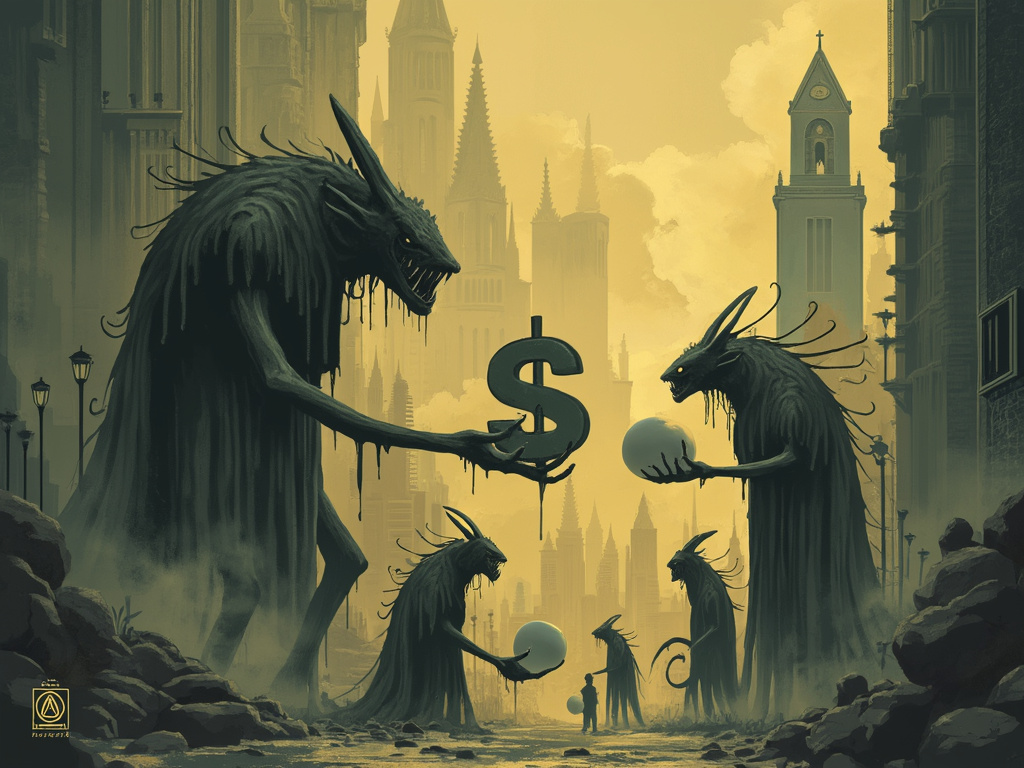
The move comes amid longstanding concerns over EF transparency, especially regarding its treasury management. #TransparencyIssues #TreasuryManagement #EFTransparency #FinancialAccountability
3
114
7 Jan 2025
🚀 Cat in a Dog's World ( $MEW )
1️⃣ Wat is #MEW?
$MEW is een memecoin op de Solana blockchain en de native token van het project Cat in a Dog's World (CIDW). Wat $MEW onderscheidt, is het kattenthema, dat haaks staat op de populaire honden-themed tokens zoals Dogecoin en Shiba Inu. De token heeft momenteel geen inherente utility en wordt voornamelijk gedreven door speculatie en communitybetrokkenheid.
#MEW #Memecoin #Solana
2️⃣ Hoe werkt het?
$MEW is een memecoin die geen vaste functionaliteit biedt binnen het ecosysteem van CIDW. De prijs wordt bepaald door de speculatie van handelaren en de mate van betrokkenheid van de community, waarbij social media een grote rol speelt in de prijsbewegingen.
#CryptoSpeculation #MemecoinMarket #CommunityDriven
3️⃣ Wat is $MEW?
$MEW is de native token van Cat in a Dog's World, maar heeft geen duidelijk gedefinieerde toepassing of nut binnen het ecosysteem. Het wordt voornamelijk verhandeld als speculatief middel, afhankelijk van de hype en de populariteit binnen de cryptogemeenschap.
#CryptoToken #MEWToken #SpeculativeAssets
4️⃣ Voordelen van $MEW:
🔹 Speculatieve winstkansen: De prijs wordt sterk beïnvloed door communityhype.
🔹 Gemeenschapsbetrokkenheid: $MEW groeit in waarde naarmate de community sterker betrokken raakt.
🔹 Kattenthema: Het onderscheidt zich van andere memecoins zoals Dogecoin en Shiba Inu.
#MemecoinCommunity #Cryptospeculation #CatCoin
5️⃣ Toepassingen van $MEW:
🔹 Speculatie: $MEW kan worden verhandeld op exchanges voor winst op basis van marktfluctuaties.
🔹 Communityactiviteit: De waarde van $MEW wordt mede bepaald door communitybetrokkenheid en hype.
🔹 Verzamelaarsobject: De unieke branding als kattenthema maakt $MEW interessant voor memecoinverzamelaars.
#MemecoinTrading #SpeculativeAssets #CryptoCollectibles
6️⃣ Veiligheid:
Het is belangrijk te weten dat $MEW geen whitepaper heeft, wat vragen oproept over de transparantie en de langetermijnvisie van het project. Bovendien is er weinig bekend over het ontwikkelteam achter $MEW, wat risico’s met zich meebrengt voor investeerders.
#CryptoRisks #TransparencyIssues #InvestingCaution
7️⃣ Interoperabiliteit:
$MEW is gebouwd op de Solana blockchain, wat betekent dat het profiteert van de snelle transacties en lage kosten van dit netwerk. Echter, de bruikbaarheid binnen andere ecosystemen is nog niet gedefinieerd.
#Solana #BlockchainIntegration #CryptoInteroperability
8️⃣ Waarom kiezen voor $MEW?
$MEW biedt een kans voor speculatieve investeringen en verzamelaars die geïnteresseerd zijn in memecoins met een uniek thema. Het is echter belangrijk om te begrijpen dat de waarde van $MEW sterk afhankelijk is van communityhype en de volatiliteit van de markt.
#MemecoinInvestment #SpeculativeCoin #CryptoHype
9️⃣ Zelf $MEW kopen?
$MEW is eenvoudig te kopen op #Bitvavo:
✅ Meer dan 350 #altcoins beschikbaar
✅ Tot €100.000 #accountgarantie
✅ Geregistreerd bij De Nederlandsche Bank (#DNB)
✅ Handel tot €10.000 helemaal #gratis!
🔗 bitvavo.com/invite?a=02D3B10…
#CryptoJournaal #CryptoChartsNL #Altcoins #Bitcoin #Crypto #Exchange
🔟 Belangrijke opmerking:
🔹 Investeer alleen wat je bereid bent te verliezen: #Crypto-investeringen kunnen volatiel zijn, en je kunt mogelijk een deel of al je investering verliezen.
🔹 Altijd zelf onderzoek doen (DYOR): Doe grondig onderzoek naar #crypto-assets, platforms en wallets voordat je investeert.
🔹 Begrijp de risico's van volatiliteit: De waarde van #cryptocurrencies kan snel veranderen, dus wees voorbereid op prijsschommelingen.
🔹 Bewaar je private keys veilig: Het verlies van je private keys kan leiden tot verlies van toegang tot je crypto-activa.
🔹 Gebruik betrouwbare platforms: Zorg ervoor dat je crypto handelt via betrouwbare en gereguleerde exchanges of wallets die voldoen aan de nodige beveiligingsnormen.
#CryptoRules #CryptoSafety #CryptoRisks #Dyor

1
3
3
556

16 Dec 2024
🚨 Chrystia Freeland's Questionable Legacy: A Thread of Controversies 🇨🇦
🧵 1. **Economic Mismanagement**: Critics argue that under Freeland's watch as Finance Minister, Canada's debt doubled, inflating annual interest by $50B . Is this the fiscal prudence we need? #DebtCrisis #CanadianEconomy 📉💰
🧵 2. **Pandemic Relief or Recklessness?**: Over $350B borrowed for COVID relief, but where did it all go? Lack of transparency raises eyebrows. #PandemicSpending #WhereDidTheMoneyGo 🤔🚨
🧵 3. **Foreign Affairs Faux Pas**: Her time in Foreign Affairs included controversial arms deals linked to neo-Nazi groups in Ukraine. How ethical is Canada's foreign policy? #EthicsInForeignPolicy #ControversialAlliances 🇺🇦⚔️
🧵 4. **WEF Ties**: As a WEF Trustee, Freeland's involvement with bodies like the Agile Nations Charter, which some say are ghost organizations, raises questions about influence and transparency. #WEFInfluence #TransparencyIssues 🌍💼
🧵 5. **Family Shadows**: Her defense of her grandfather's Nazi collaboration past has been a stain on her public image. Can personal history influence political decisions? #MoralQuestions #LegacyMatters 👴🏻🔥
🧵 6. **Public Disconnect**: Many on X feel Freeland is disconnected from the everyday Canadian's financial struggles, leaving a legacy of debt and high living costs. #OutOfTouch #PublicPerception 🧑🤝🧑💸
🧵 7. **Experience or Lack Thereof?**: Critics point to her limited administrative experience before becoming Finance Minister. Was she truly equipped for the role? #LeadershipQualifications #AdministrativeExperience 🏢❓
#ChrystiaFreeland #CanadianPolitics #LegacyDebate
3
365
16 Dec 2024
🚨 Chrystia Freeland's Questionable Legacy: A Thread of Controversies 🇨🇦
🧵 1. **Economic Mismanagement**: Critics argue that under Freeland's watch as Finance Minister, Canada's debt doubled, inflating annual interest by $50B . Is this the fiscal prudence we need? #DebtCrisis #CanadianEconomy 📉💰
🧵 2. **Pandemic Relief or Recklessness?**: Over $350B borrowed for COVID relief, but where did it all go? Lack of transparency raises eyebrows. #PandemicSpending #WhereDidTheMoneyGo 🤔🚨
🧵 3. **Foreign Affairs Faux Pas**: Her time in Foreign Affairs included controversial arms deals linked to neo-Nazi groups in Ukraine. How ethical is Canada's foreign policy? #EthicsInForeignPolicy #ControversialAlliances 🇺🇦⚔️
🧵 4. **WEF Ties**: As a WEF Trustee, Freeland's involvement with bodies like the Agile Nations Charter, which some say are ghost organizations, raises questions about influence and transparency. #WEFInfluence #TransparencyIssues 🌍💼
🧵 5. **Family Shadows**: Her defense of her grandfather's Nazi collaboration past has been a stain on her public image. Can personal history influence political decisions? #MoralQuestions #LegacyMatters 👴🏻🔥
🧵 6. **Public Disconnect**: Many on X feel Freeland is disconnected from the everyday Canadian's financial struggles, leaving a legacy of debt and high living costs. #OutOfTouch #PublicPerception 🧑🤝🧑💸
🧵 7. **Experience or Lack Thereof?**: Critics point to her limited administrative experience before becoming Finance Minister. Was she truly equipped for the role? #LeadershipQualifications #AdministrativeExperience 🏢❓
@StephenPunwasi @ronmortgageguy @Concern70732755
#ChrystiaFreeland #CanadianPolitics #LegacyDebate
16 Dec 2024

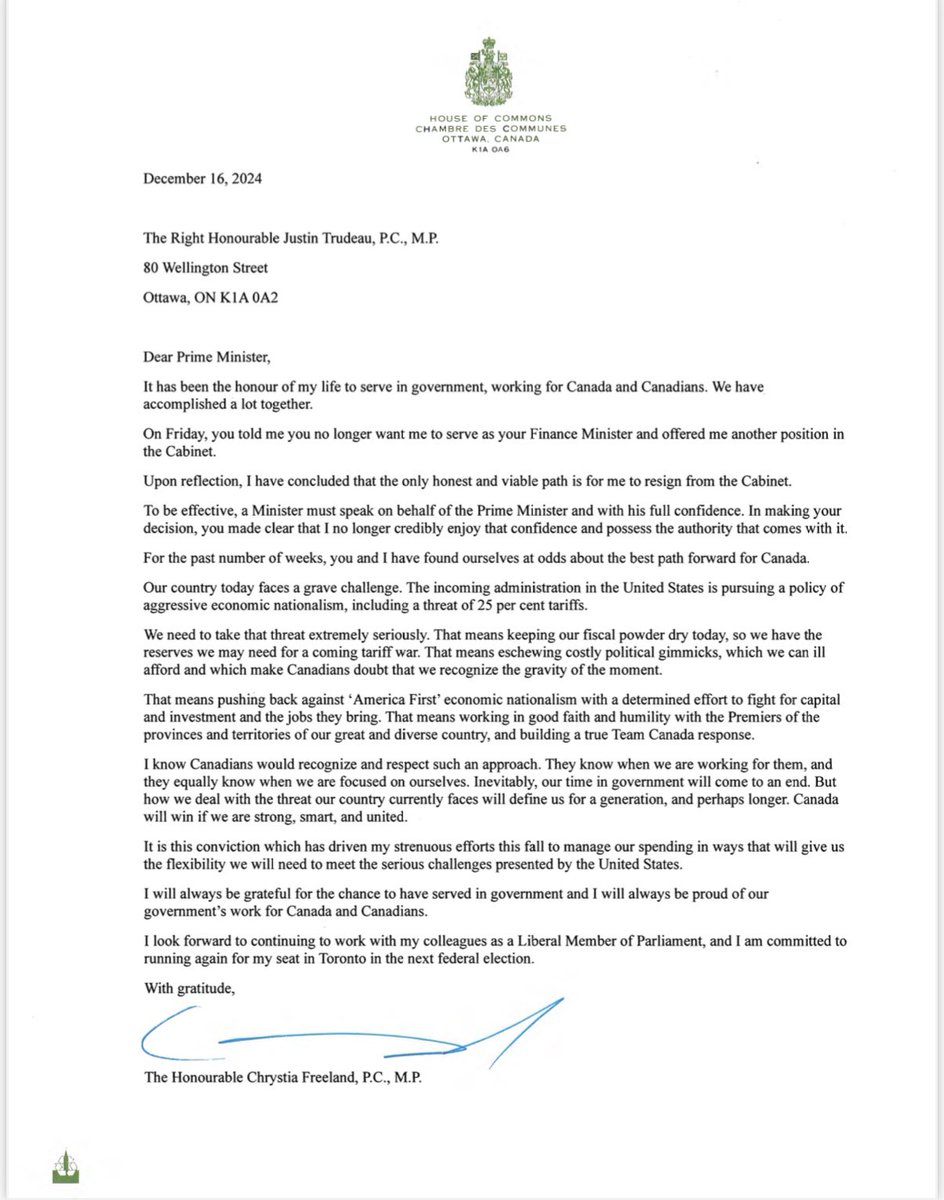
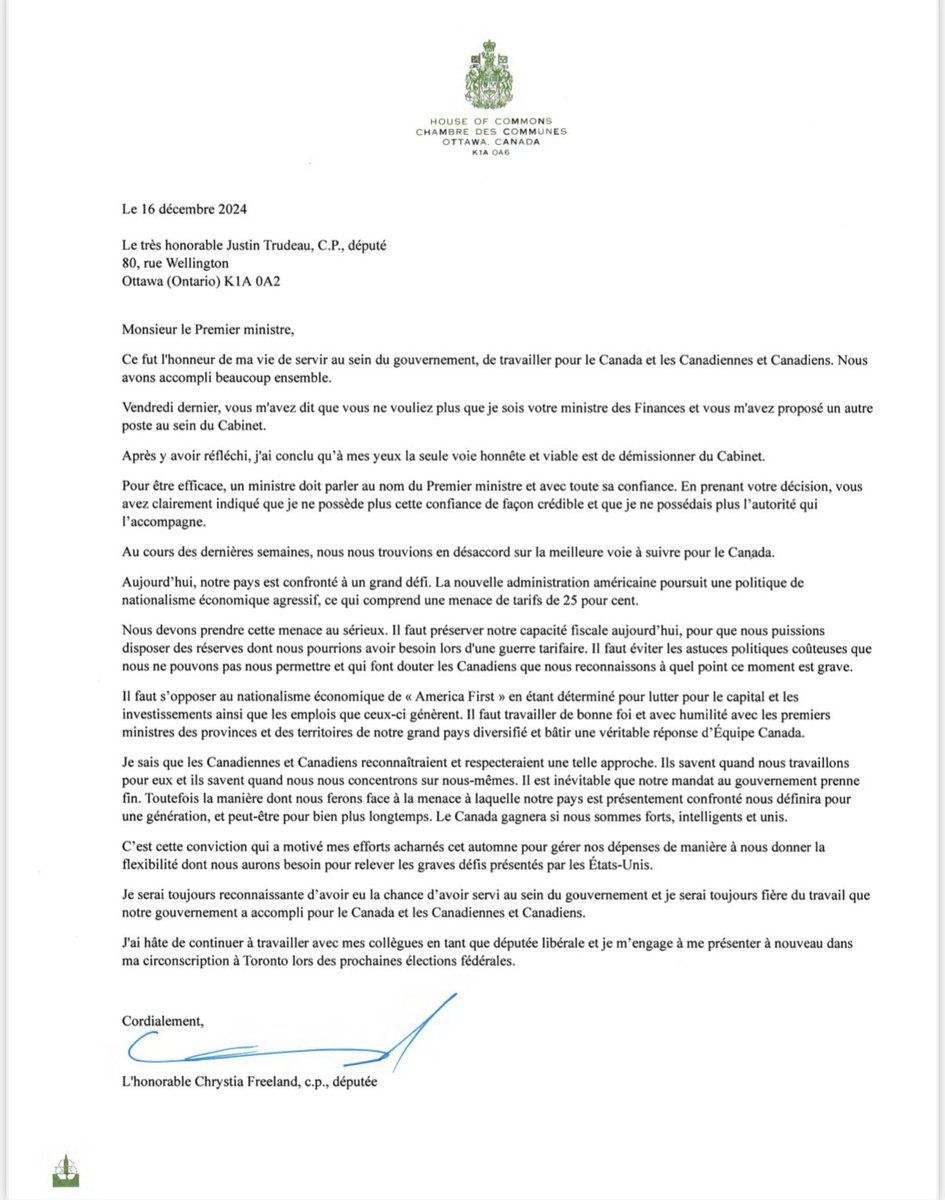
See my letter to the Prime Minister below // Veuillez trouver ma lettre au Premier ministre ci-dessous
2
482

12 Dec 2024
Do you still think Obama isn’t running the White House? 🤔
Joe just handed over $10 BILLION to Iran right after the Election! 💸🇮🇷
#ObamaLegacy #IranDeal #SecretPayments #PoliticalInfluence
August 4, 2016: The Wall Street Journal exposed that the Obama Administration secretly airlifted $400 MILLION in CASH to Iran in January! 📰✈️💰
#ObamaCashTransfer #TransparencyIssues #Politics
1
1
2
368

7 Sep 2024
🚨Byju's faces another blow as BDO Global quits over the company’s failure to provide essential documents during insolvency.📉🔍
.
.
.
#Byjus #FinancialCrisis #BDOResignation #TransparencyIssues #Insolvency #AuditControversy #ByjuRaveendran
Read👇
republicbiz.com/companies/st…
2
3
2,307