
28 Aug 2025
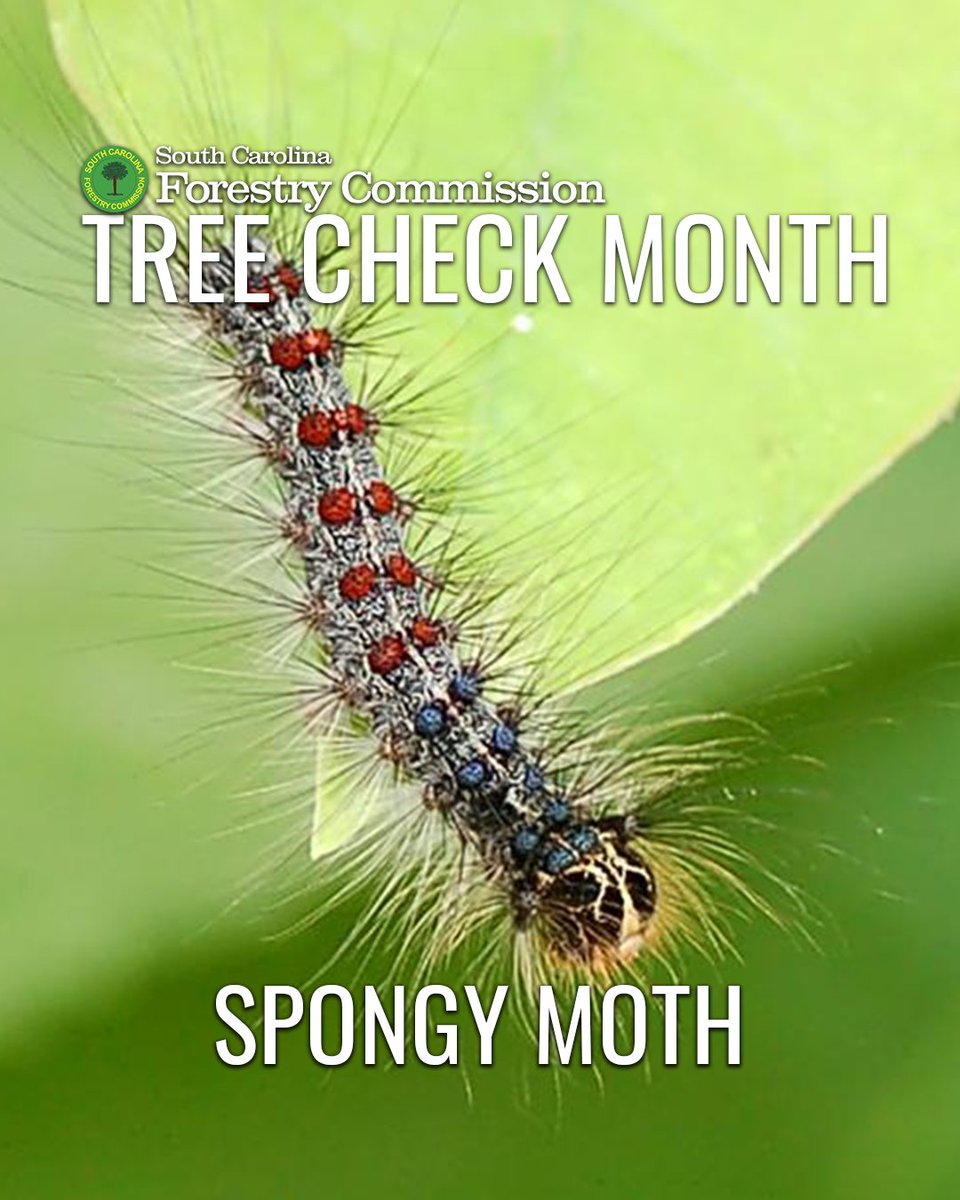
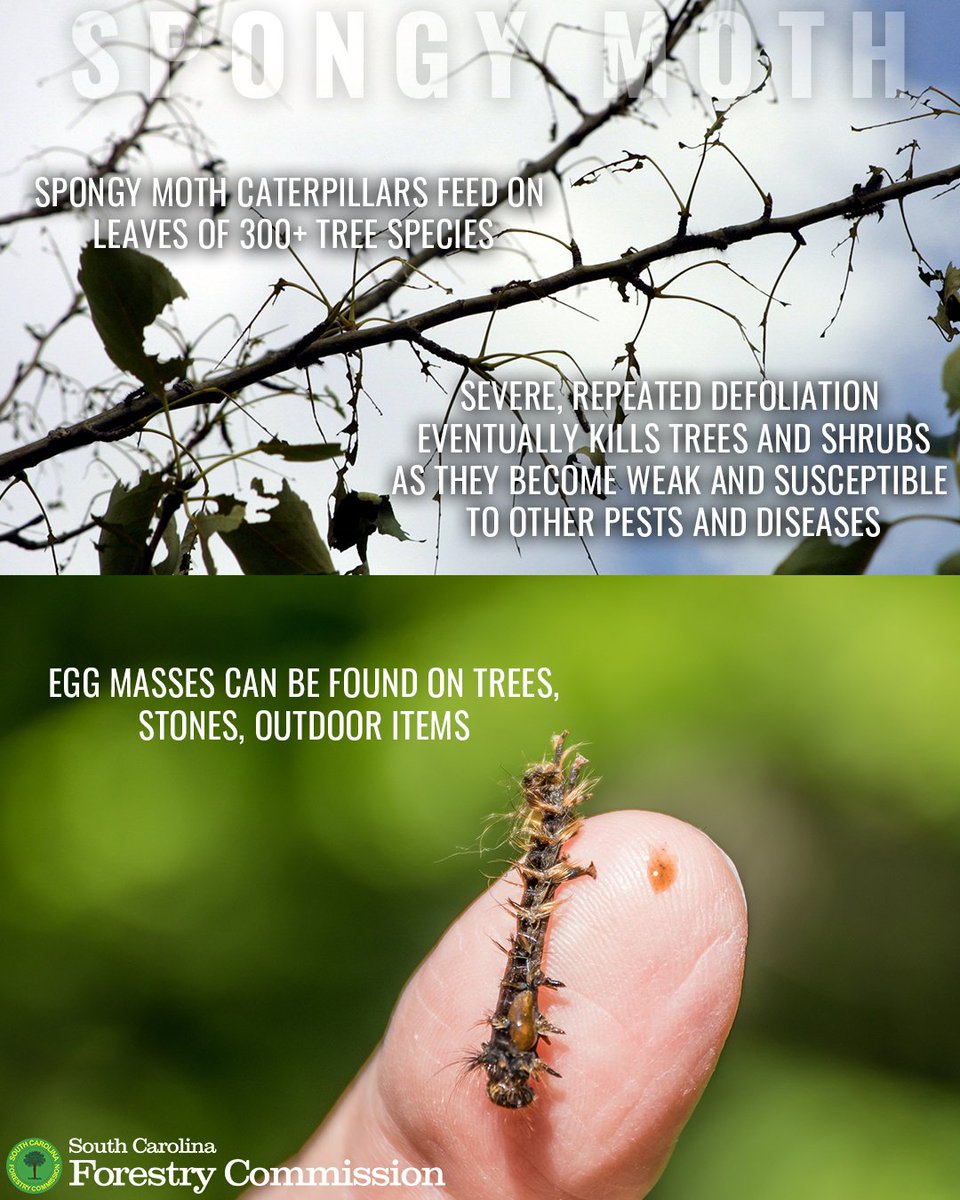
Our final #TreeCheckMonth feature is the real life very hungry caterpillar. 🐛 The spongy moth (Lymantria dispar), formerly known as gypsy moth, originated in Europe and has been one of the most destructive defoliators of deciduous forests in the northeastern U.S. and southeastern Canada. The caterpillars feed on the leaves of more than 300 species of trees and shrubs, eventually killing them.
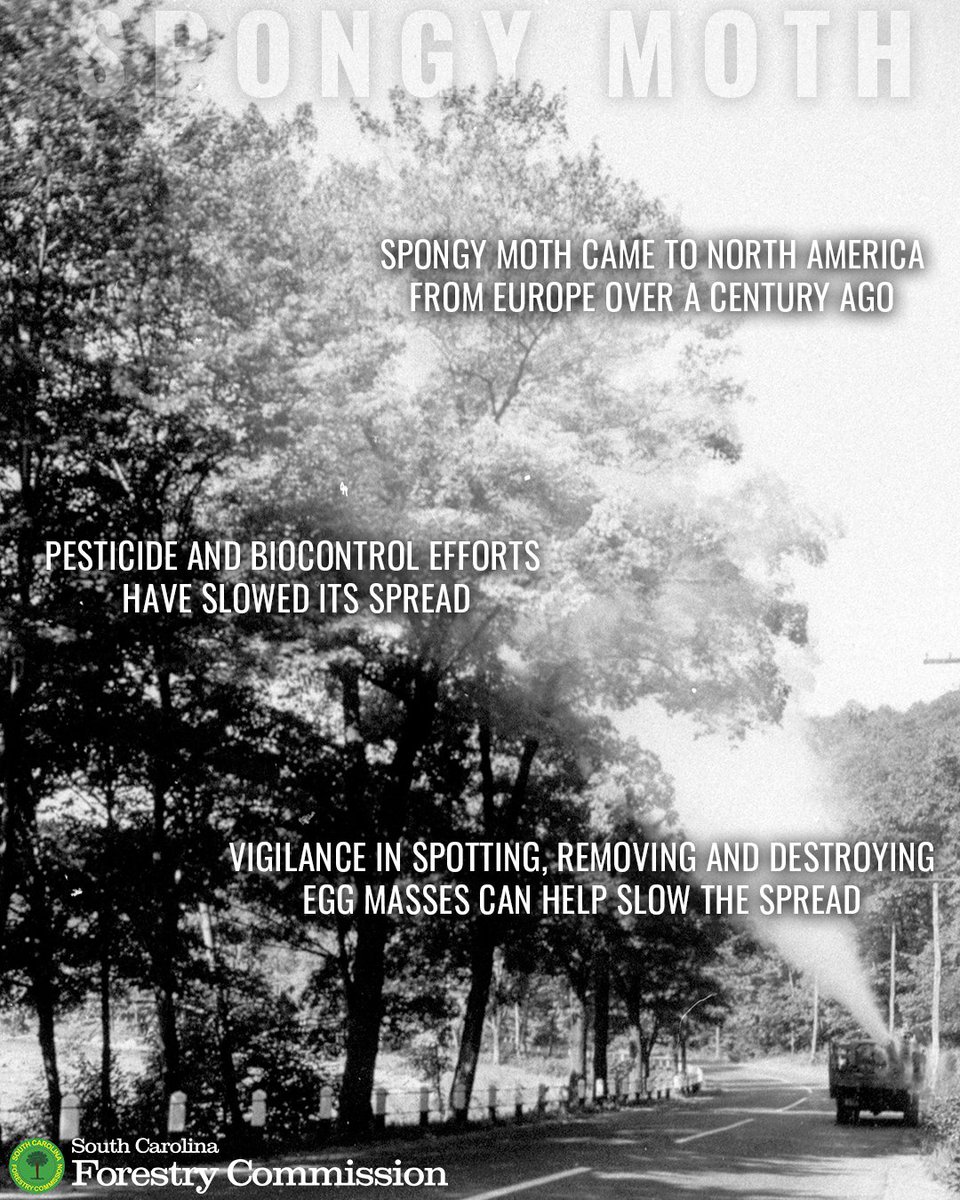
Although egg masses and isolated individuals have been occasionally found in South Carolina, the spongy moth has not established in SC. It ranges from the northeastern states west to Wisconsin and south to Virginia. Isolated populations appear in North Carolina occasionally. Efforts to control it using pesticides and biocontrol have slowed its spread.
The larvae are active from spring until mid-summer. The adults emerge in the late summer and mate, and the females lay their egg masses.
APPEARANCE:
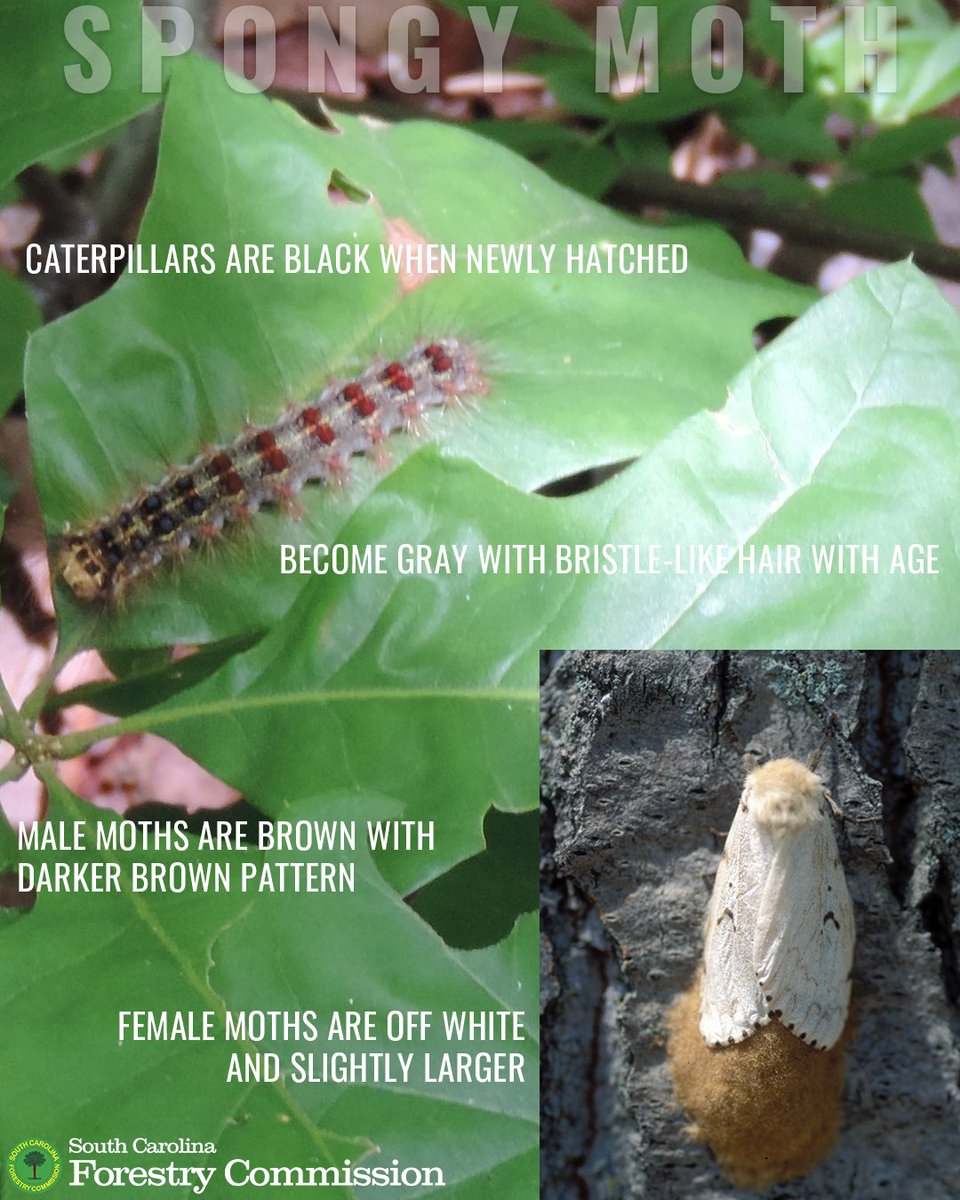
-Egg masses (late summer, winter and spring) can be found on trees, stones, patio furniture, children’s toys and lawn equipment and other outdoor surfaces.
-Each egg mass holds up to 1,000 eggs and is covered with yellowish “hair," measuring about 1.5" long and 3/4" wide.
-Caterpillars (spring) are black and hairy when newly hatched. As they age, they become mottled yellow to gray color with tufts of bristle-like hairs. They also have a distinctive color pattern along their backs with five pairs of blue dots followed by six pairs of red dots.
-Adult male moths (summer) are brown with a darker brown pattern and a 1.5" wingspan. Females are off white and have a 2" wingspan but do not fly.
SYMPTOMS:
Severe defoliation in outbreak years can make a forest so bare in the summer that you'd think it's winter. You can hear the caterpillars feeding and the ground will be covered with frass (droppings/debris). You can also hear the frass falling.
More info:
scfc.gov/wp-content/uploads/…
aphis.usda.gov/plant-pests-d…
Photos courtesy of (via Bugwood.org):
Jon Yuschock
Daniel Herms
Richard Gardner
Landesforstpräsidium Sachsen
Karla Salp, Washington State Department of Agriculture
USDA Forest Service
1
2
258

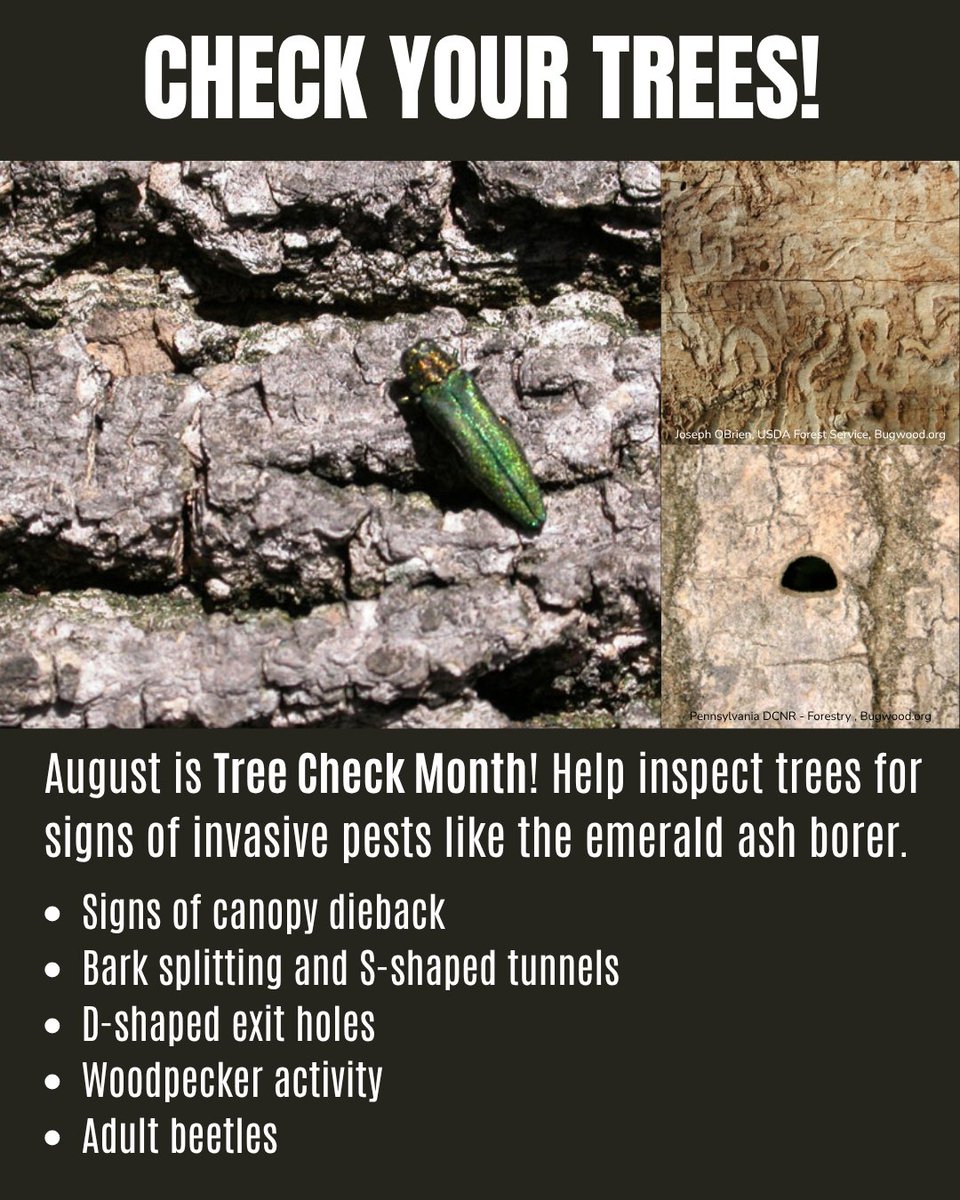
During Tree Check Month, keep an eye out for the Emerald Ash Borer (EAB)—one of the most destructive forest pests in North America. It targets ash trees, and the damage can be devastating if left unchecked.
Here’s what to look for:
🍃 Canopy dieback, especially near the top of the tree
🪓 Bark splitting that reveals S-shaped galleries beneath the surface
🕳️ Small, D-shaped exit holes about ⅛ inch wide
🪶 Increased woodpecker activity as they feed on larvae
💚 Shiny, metallic green adult beetles (½ inch long) active in summer
If you spot any of these signs, especially on ash trees, report your findings to your local or state forestry agency or the @USDA.
Help stop the spread:
- Don’t move firewood
- Inspect your ash trees regularly
- Clean your gear after time outdoors
Let’s protect our trees before it’s too late. 🌳
#EmeraldAshBorer #TreeCheckMonth #InvasiveSpecies #ForestHealth #PlayCleanGo #DontMoveFirewood #CheckYourAsh
1
40

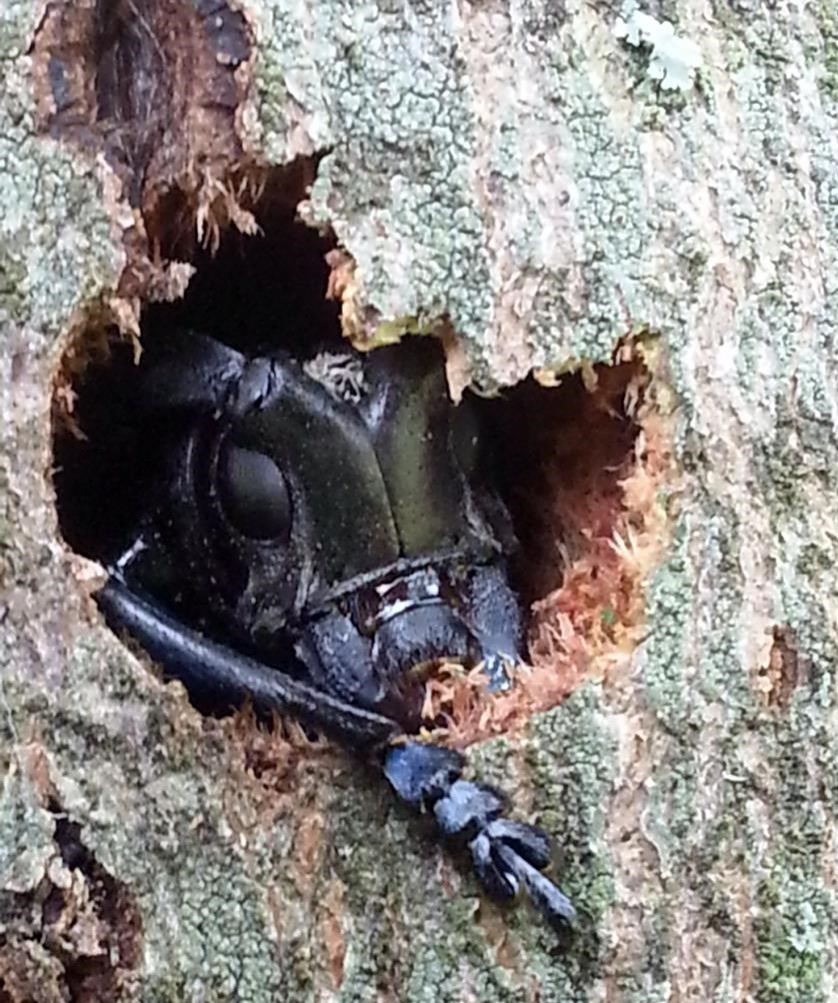
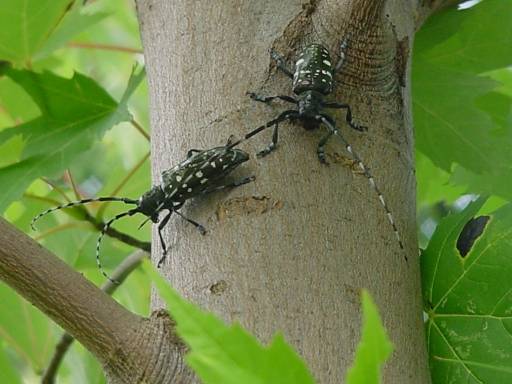
🪲August #ForeignPestOfTheMonth: Asian Longhorned Beetle.
Thanks to Agriculture Quarantine Inspections, we can detect and stop invasive pests like ALB before they establish and spread.🛑🌎📸
Report signs:
Asianlonghornedbeetle.com
#AQI #ALB #TreeCheckMonth
#ProtectingAgriculture
ALT Asian longhorned beetle
13
38
4,788

18 Aug 2025
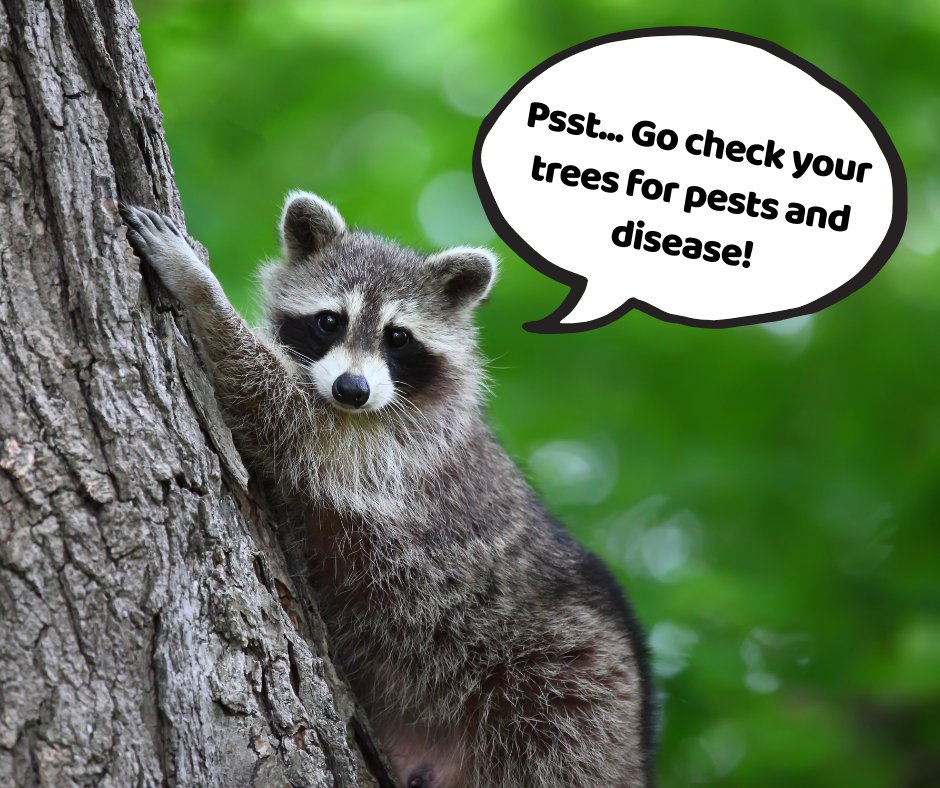
This month, take a walk around your property or neighborhood. If something doesn’t look right, reach out to your state forestry agency or a certified arborist for advice. #TreeCheckMonth
3
49
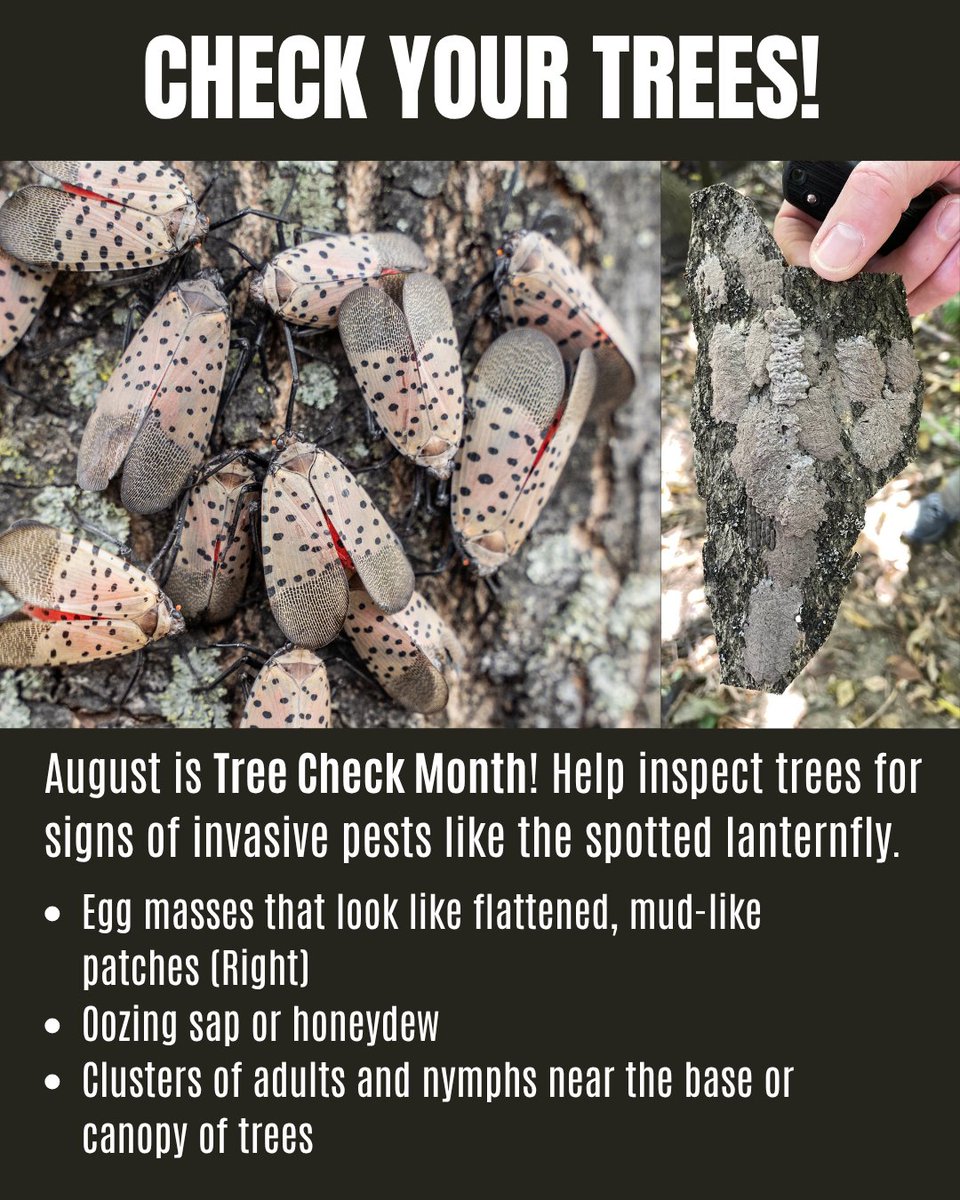
The Spotted Lanternfly may look beautiful, but it’s causing serious harm to trees, vineyards, and agriculture across North America.
As part of Tree Check Month, take time to inspect trees and outdoor surfaces for signs of this invasive hitchhiker:
What to look for:
🪰 Adults or nymphs clustered on tree trunks or in the canopy
🥚 Egg masses that look like flat, mud-like smears on bark, rocks, vehicles, or patio furniture
💧 Oozing sap or sticky honeydew buildup, sometimes accompanied by black sooty mold
Favorite hosts include: Tree of Heaven (Ailanthus altissima), walnut, maple, birch, grape vines.
📸 If you spot any signs, report them to your state agriculture agency or the @usdagov .
🚫 And remember: Don't accidentally move this pest! Check your gear and vehicle before you travel—and don’t move firewood.
#SpottedLanternfly #TreeCheckMonth #InvasiveSpecies #PlayCleanGo #ProtectOurForests #StopTheSpread #dontmovefirewood
1
3
2,095

18 Aug 2025
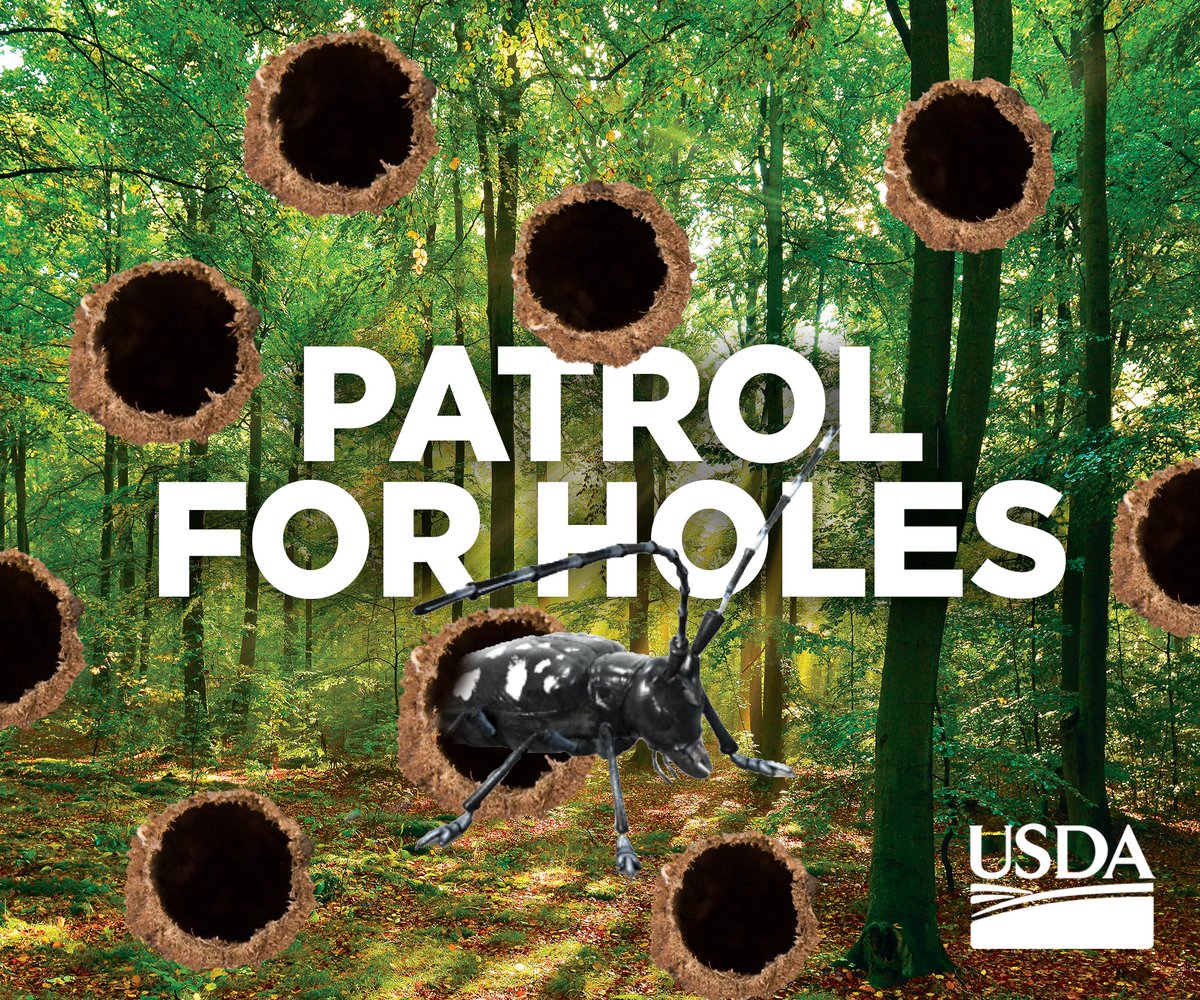
The Asian longhorned beetle is an invasive insect that can make big holes in our tree populations by making dime-sized holes in trees themselves. If you see perfectly round holes in trees, report the damage ASAP. aphis.usda.gov/plant-pests-d…
#TreeCheckMonth #ALB
4
4
665

1 Aug 2025
August is Tree Check Month! Help protect Canada’s forests by checking the trees in your yard, local parks and trails for invasive pests. You can make a big impact – learn how. #TreeCheckMonth #PlantHealth #InvasiveSpecies
ow.ly/9jWn106hEgA
3
4
3
1,679
August is #TreeCheckMonth for Asian longhorned beetle. Look for the beetle and the damage it causes by checking your trees. Learn why it’s important to look now and what signs to watch for: aphis.usda.gov/news/agency-a…
#USDA #APHIS #ALB
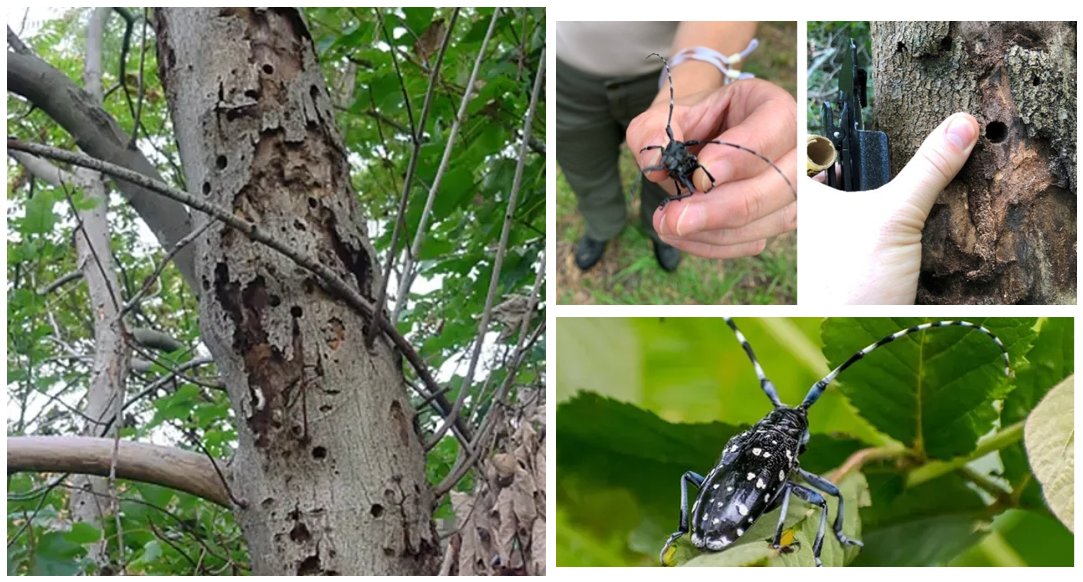
ALT Images of Asian longhorn beetle. Tree damage caused by Asian longhorned beetle.
1
3
4
427

31 Aug 2024
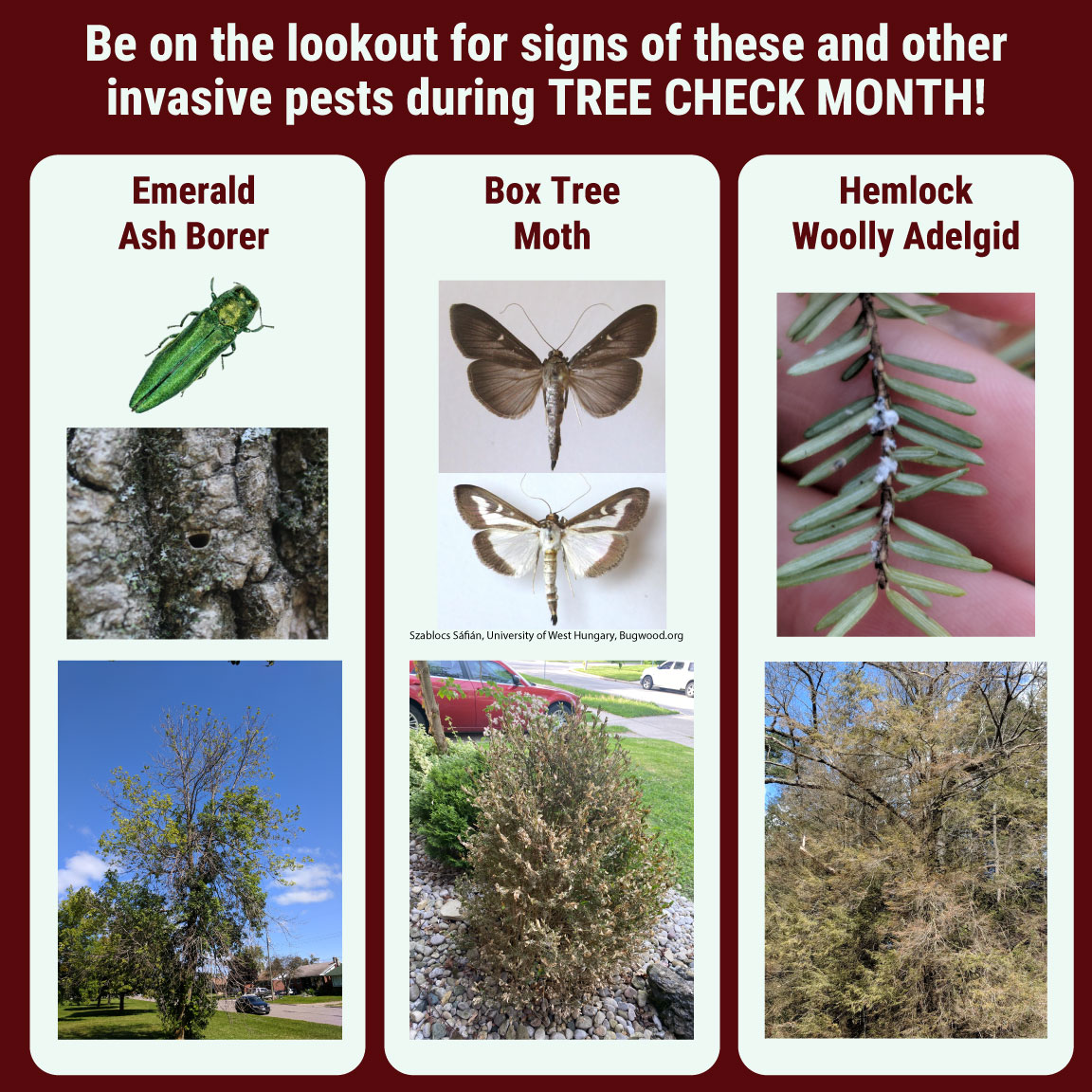
If you're spending time outdoors, be on the lookout for signs of invasive insects such as the emerald ash borer, box tree moth, and hemlock woolly adelgid.
Report sightings to the Canadian Food Inspection Agency or EDDMapS. More: bit.ly/46qSV2c
#TreeCheckMonth
5
8
315

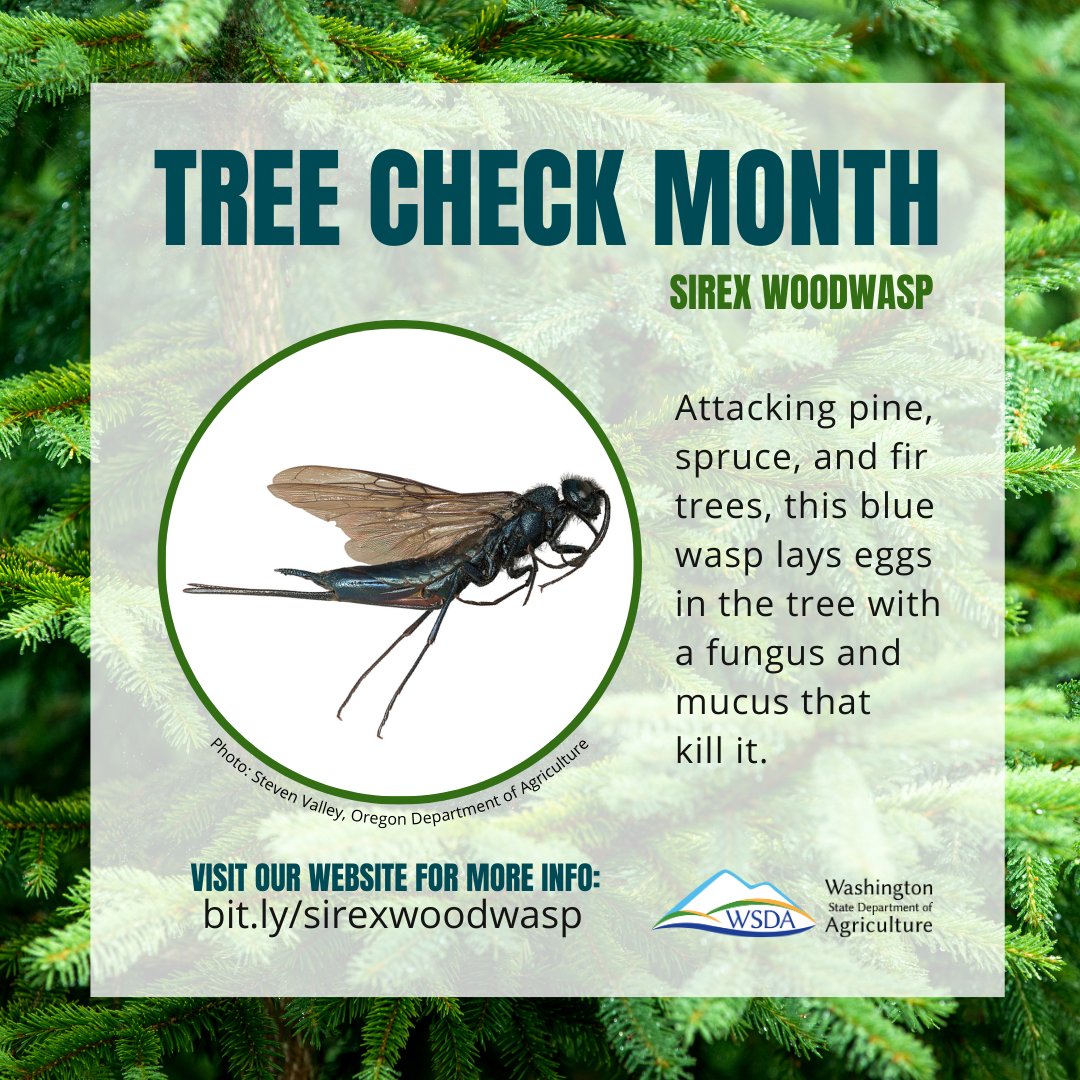
You may think this blue beauty looks pretty - or dangerous. But that long "stinger" is only used to lay eggs in wood. With the eggs comes a fungus and toxic mucus that kills the tree. Learn more at bit.pulse.ly/howzg2lffj #TreeCheckMonth #InvasiveSpecies
1
129
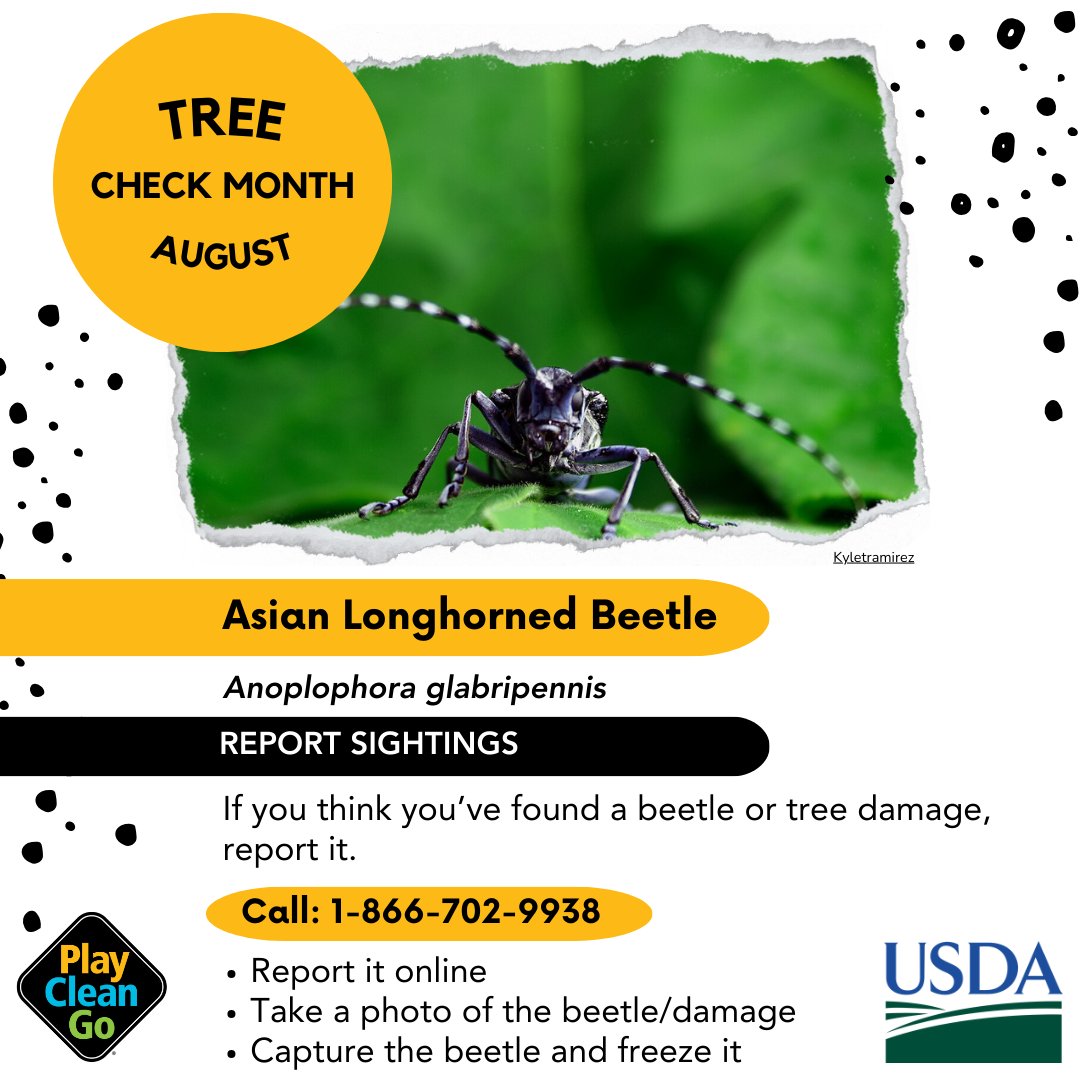
🌳 August is Tree Check Month! @USDA_APHIS is asking everyone to inspect their trees for signs of the #AsianLonghornedBeetle. If you find a beetle or tree damage, report it using the hotline at 1-866-702-9938 or online at APHIS's reporting page. #TreeCheckMonth #InvasiveSpecies
4
5
372

27 Aug 2024
August is #TreeCheckMonth! Here's how you can ensure your trees are in top shape:
🍃Inspect Leaves Bark: Look for any unusual spots, holes, or peeling
🪲Check for Pests: Keep an eye out for webs, egg cases, or droppings
🌳Assess Growth: Ensure your trees are growing healthy
1
22
43
1,812

23 Aug 2024
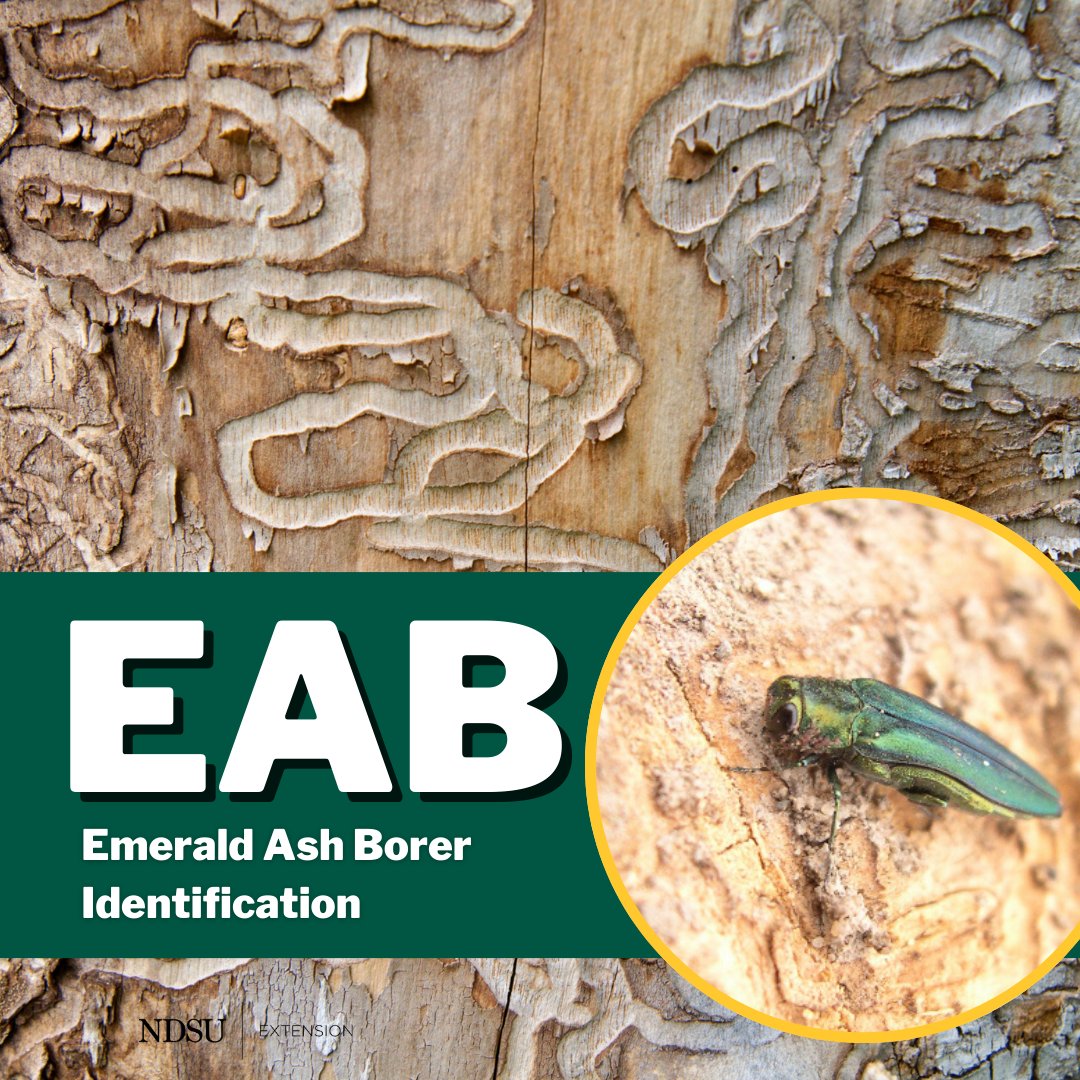
A good #TreeCheckMonth reminder - Emerald Ash Borer continues to spread to new states and counties.
Check your ash trees for signs of damage and ask us about preventative measures.
#EAB
23 Aug 2024

Emerald Ash Borer has been detected in LaMoure County.
Learn how to identify and management strategies >>> ndsu.edu/agriculture/extensi…
1
1
105
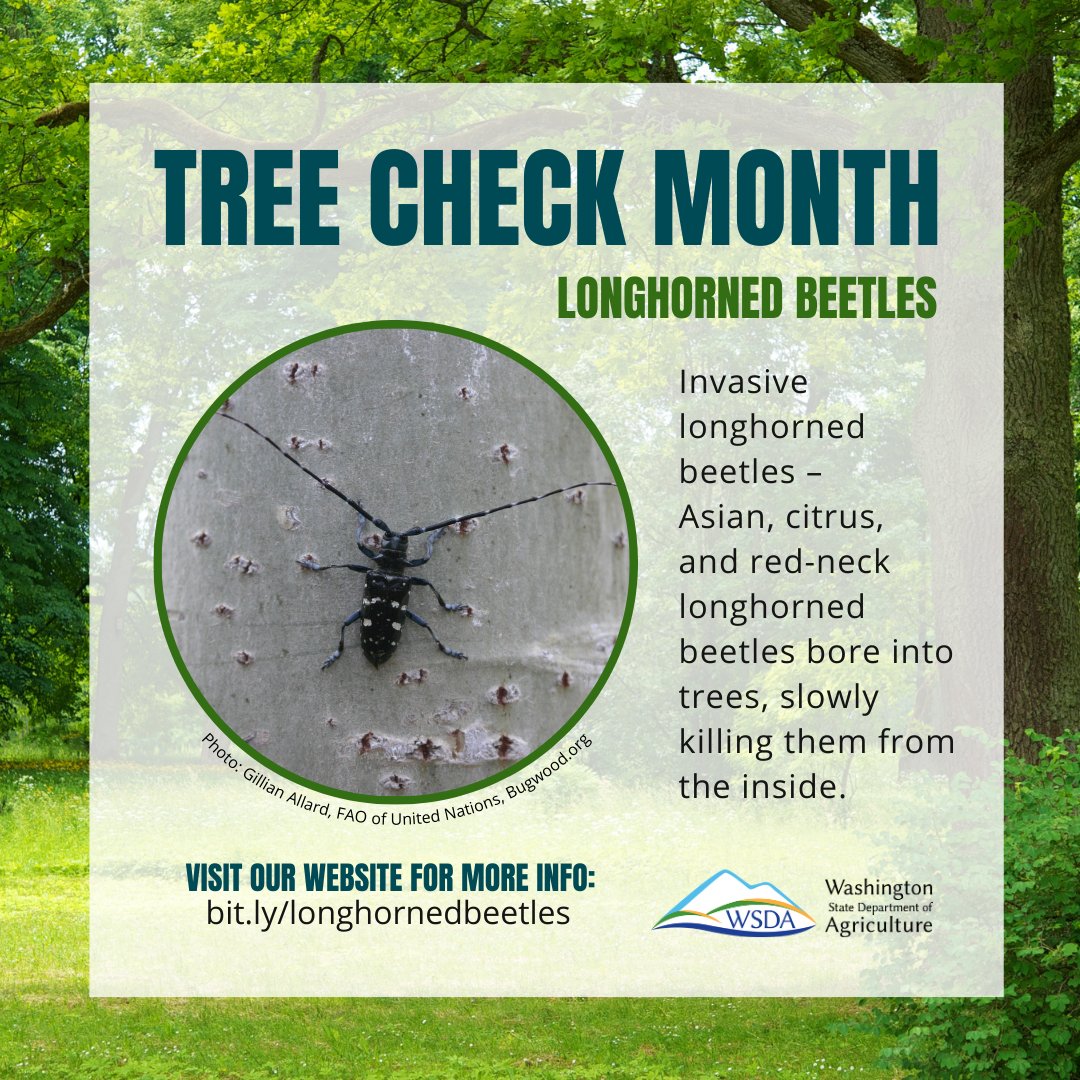
Not to be confused with our native banded alder borer or white-spotted sawyer, invasive longhorned beetles threaten our hardwood trees. Learn more about these three species and report suspected sightings at bit.pulse.ly/lv4hx8ybvg #TreeCheckMonth #InvasiveSpecies @wainvasives
1
3
176

21 Aug 2024
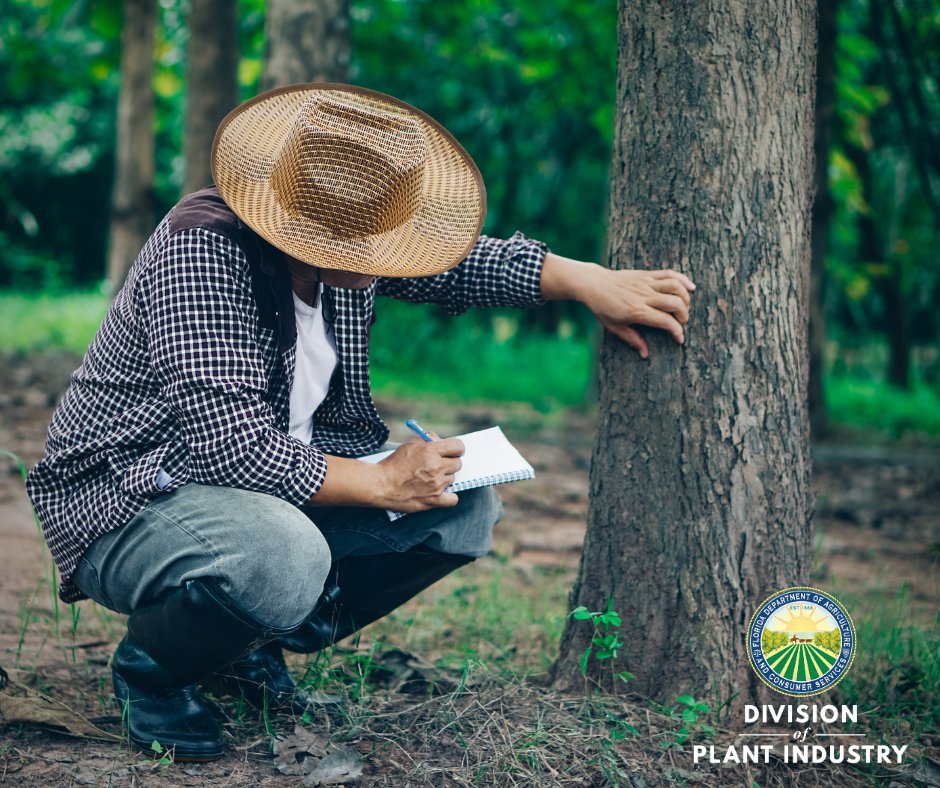
🗓️ Before #TreeCheckMonth ends, here's a friendly reminder to inspect your trees!
If you’re stumped, 📸 snap a photo and send us a sample. DPI's entomology, nematology, plant pathology, and botany experts are happy to assist!
🌐 bit.ly/DPISample
1
5
117

15 Aug 2024
#DYK that the @InspectionCan dubbed August as #TreeCheckMonth to remind Canadians of the importance of protecting our plants and trees from invasive species. Trees play a vital role in human and animal health, so it is important to keep our trees healthy!
2
133
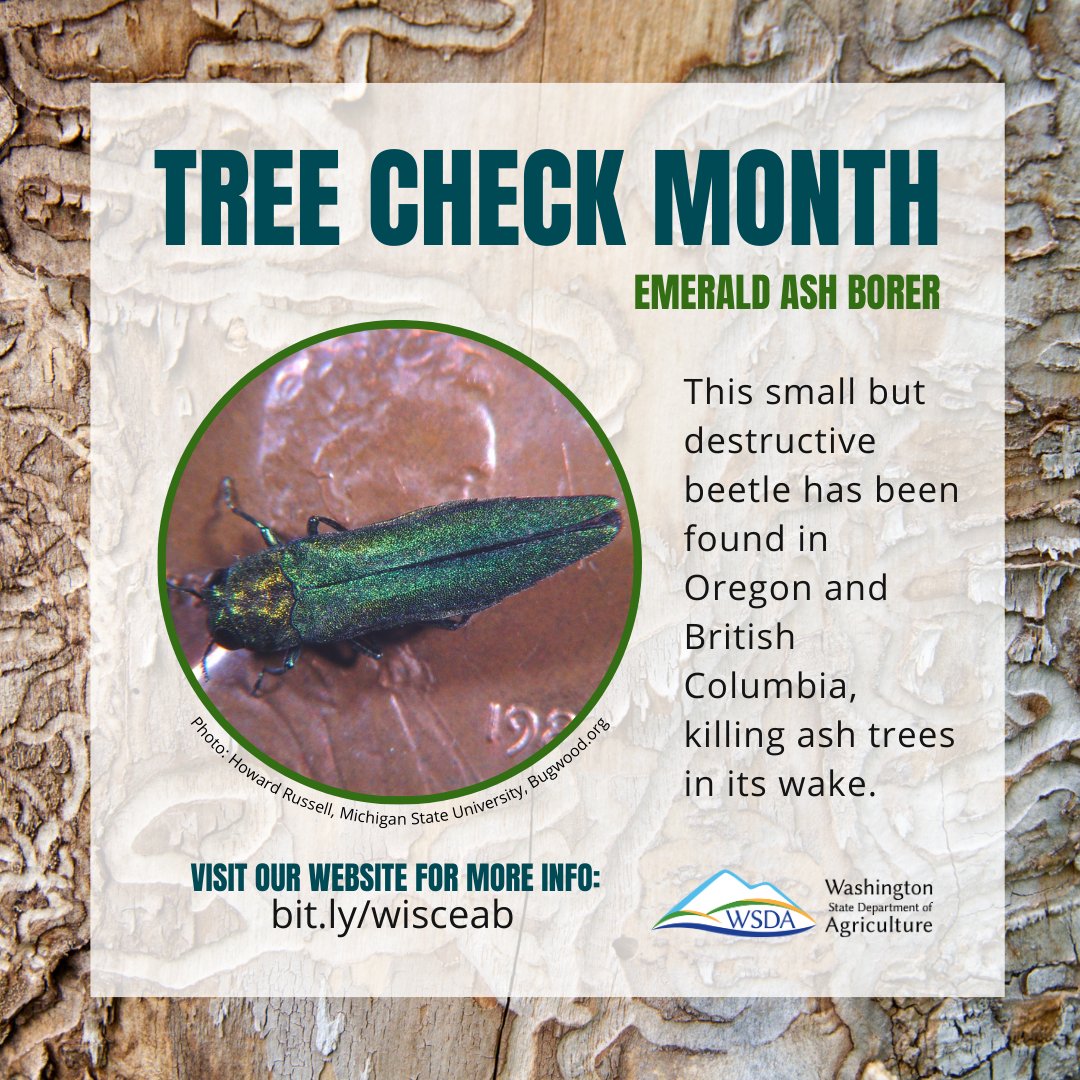
Emerald ash borer has been detected on both sides of Washington in Oregon and British Columbia. It kills virtually all ash trees wherever it establishes. Learn more about this invasive pest at bit.ly/wisceab. #TreeCheckMonth #InvasiveSpecies #DontMoveFirewood #EAB
1
1
3
328
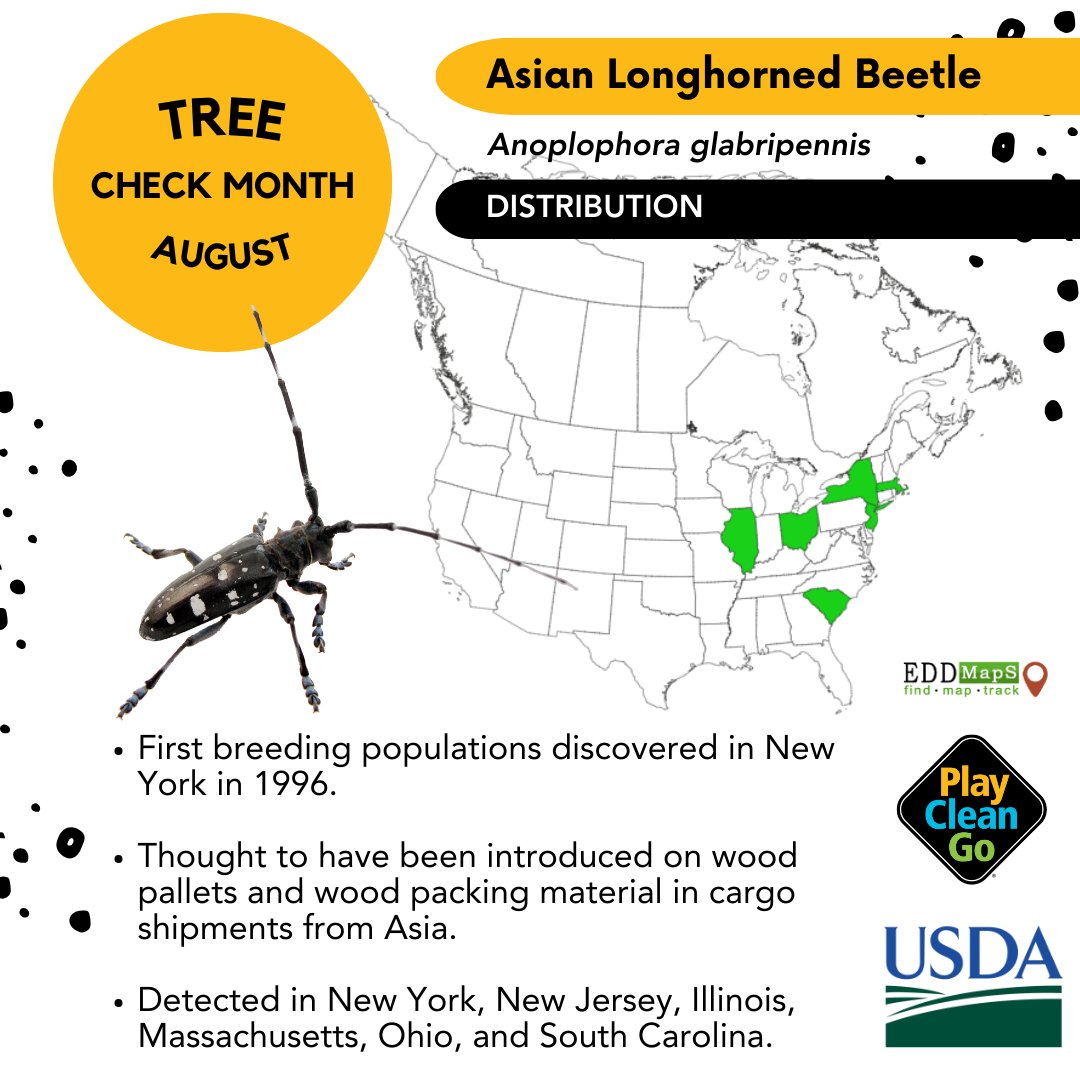
🌳 August is Tree Check Month! @USDA_APHIS urges you to inspect your trees for the #AsianLonghornedBeetle (ALB). First discovered in New York in 1996, ALBs have spread to five more states and Ontario. #TreeCheckMonth #InvasiveSpecies #ProtectOurForests #DontMoveFirewood
1
2
45
13 Aug 2024
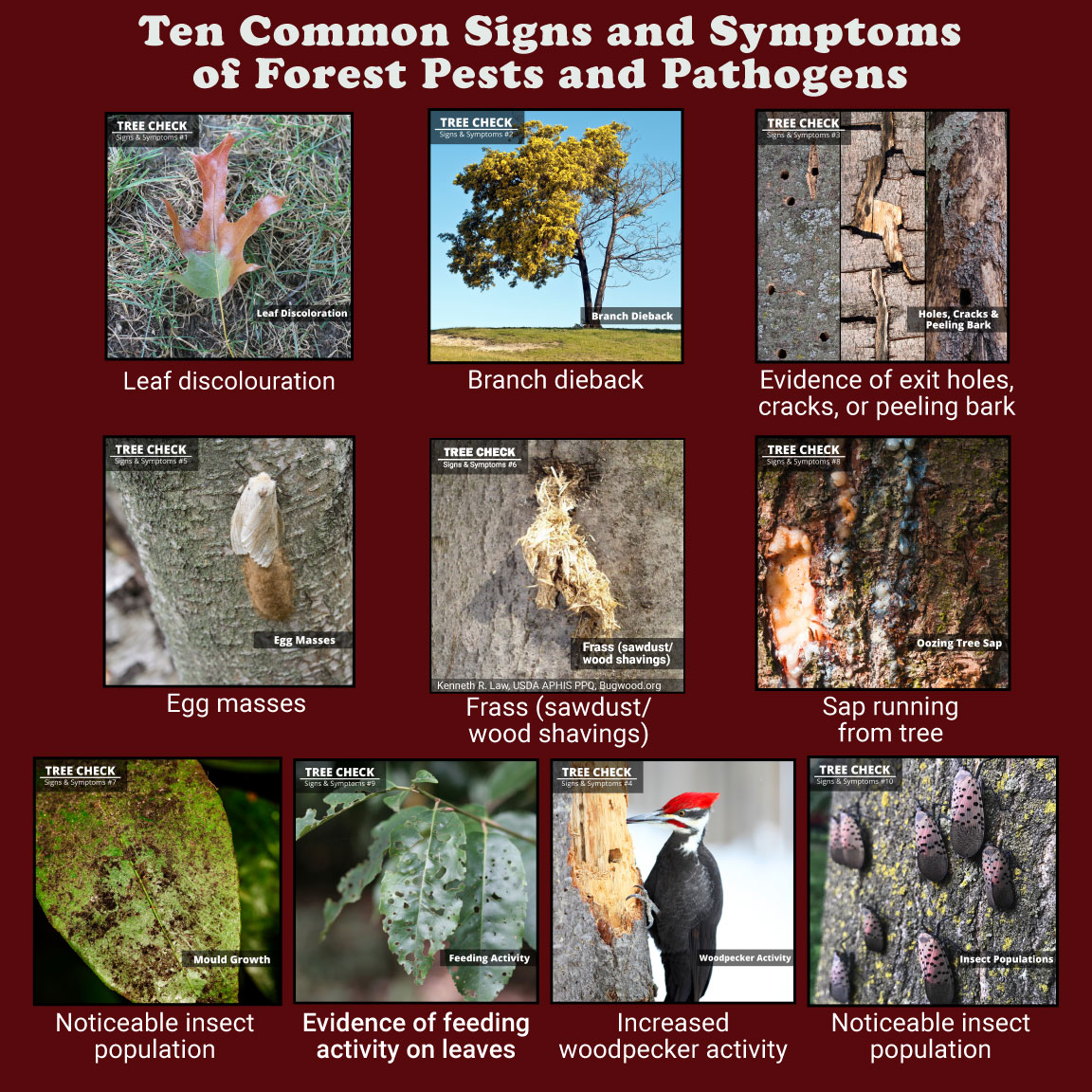
It's tree check month! There are at least 10 signs and symptoms of invasive species to look out for when performing a tree check. If you find anything suspicious, report it to the Canadian Food Inspection Agency by clicking here: bit.ly/46qSV2c
#TreeCheckMonth
2
3
189

13 Aug 2024
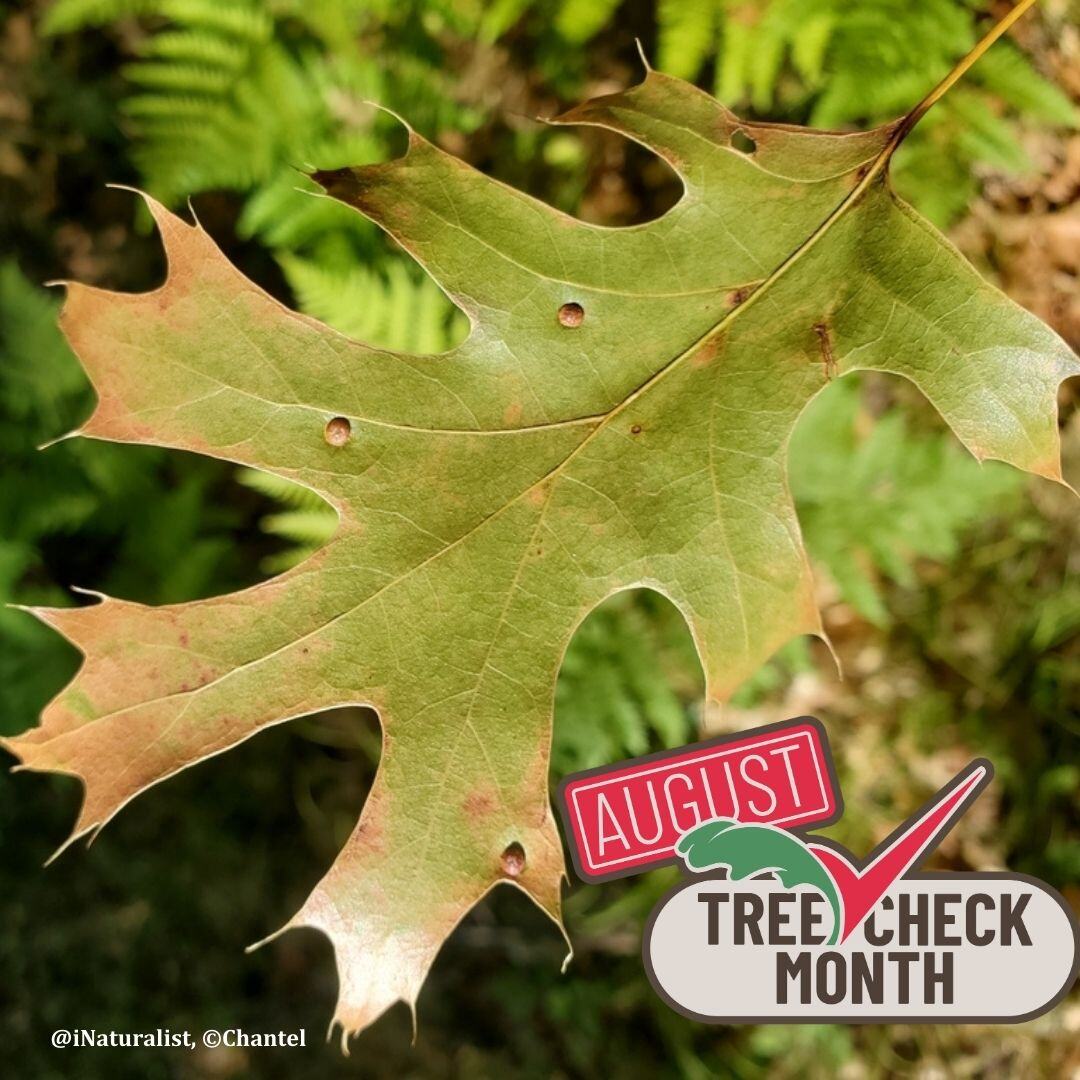
Is your Oak OK? 🌳
Help prevent the spread of Oak Wilt by not pruning oak trees from April to November, not moving firewood, checking oak trees for signs of oak wilt and reporting any suspected signs to @InspectionCan.
#TreeCheckMonth #BuyLocalBurnLocal
3
4
981