
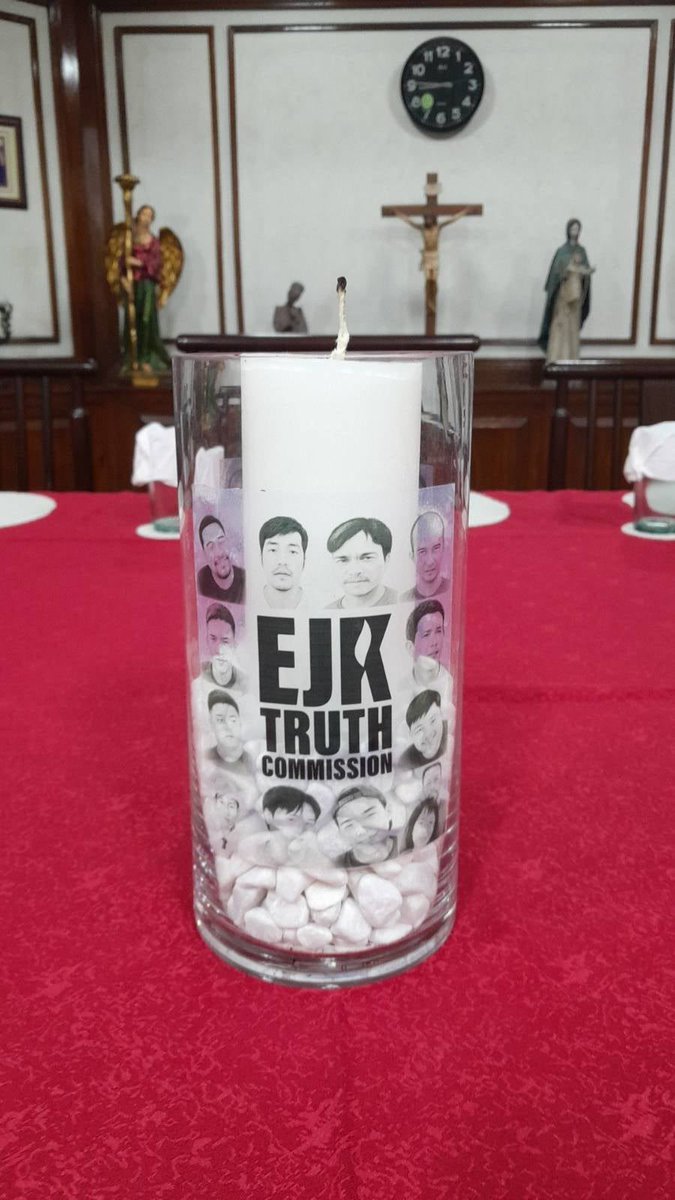
FINALLY!! Magkakasigurado na ring safe ang sinumang madadamay sa EJK o mga inaabuso dahil meron ng EJK Truth Commission! Kase never naging tama ang EJK sa daming inusenteng buhay ang nawala!!!!!! Oras na para gumising!
#TruthCommission #EJKTruthCommision #Manlaban
3
3
10
5,317

May 27
Finally! It’s about time that independent, civilian-led truth commission is organized to shed light and bring justice to all victims of extra-judicial killings. May justice ultimately prevail.
#TruthCommission
#EJKTruthCommission #Manlaban
2
85

May 27
Walang "tamang timing" sa hustisya,ang mahalaga ay lumabas ang katotohanan.
Panahon na para ibalik ang dignidad ng mga biktima at suportahan ang EJK Truth Commission. Isang hakbang para panagutin ang may sala.
#Manlaban para sa katotohanan.
#TruthCommission #EJKTruthCommission
4
902

May 27
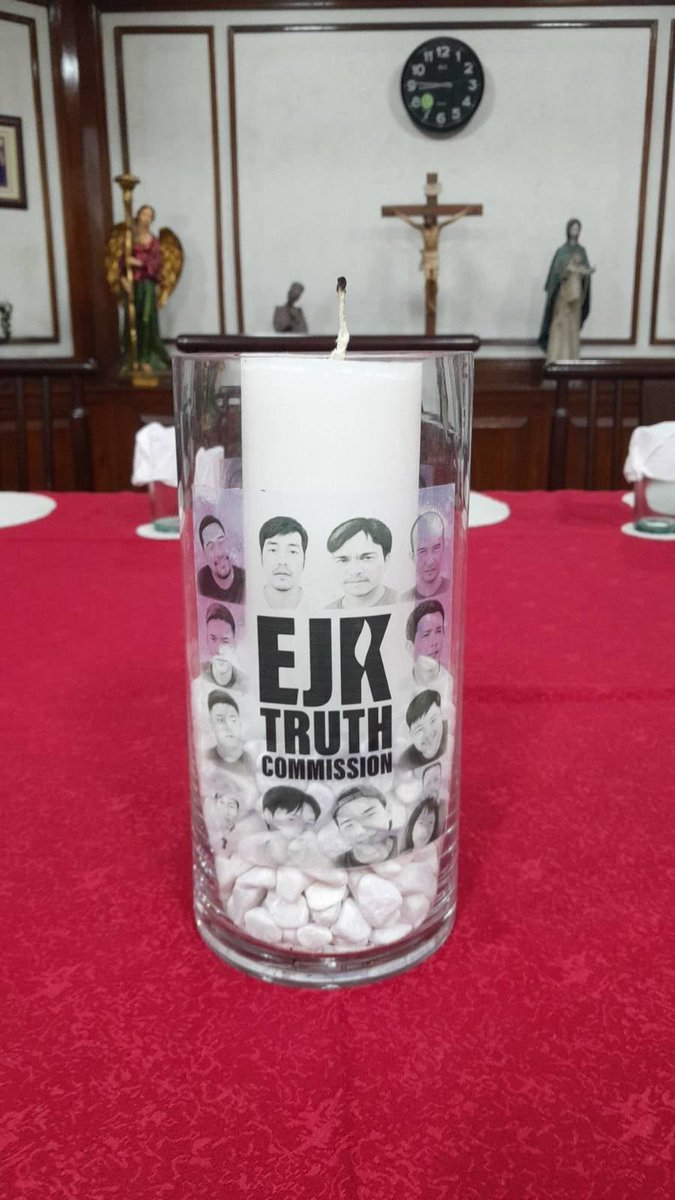
Ang powerful nung idea na bukas ang #TruthCommission para ilawan ang katotohanan. Kung gusto natin ng tunay na hustisya, kailangan ding maibalik ang dignidad ng mga namatay at marinig ang mga boses na nawala. #Manlaban para sa katotohanan!!! #EJKTruthCommission ☝🏻
3
12
877

May 27
Hindi kailanman naging tama ang EJK. Kaya mahalaga ang EJK Truth Commission para mabigyan ng boses ang mga namatay, mailabas ang katotohanan, at masigurong hindi na ito maulit. Suportahan natin ito. Manlaban para sa katotohanan.
#TruthCommission #EJKTruthCommission #Manlaban
4
865

May 27
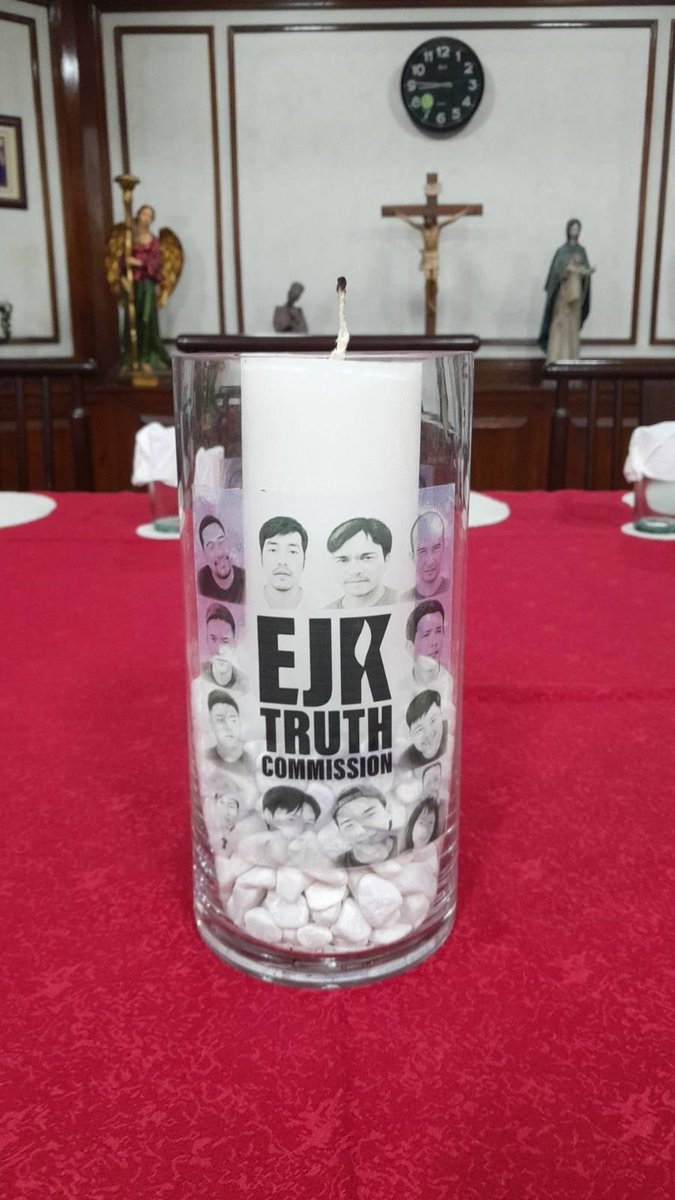
Firm believer of "No justice, no peace", and there will never be justice hangga't hindi lumalabas ang katotohanan. Kaya I support this #EJKTruthCommission. #Manlaban para sa katotohanan.
#TruthCommission
2
86

May 17
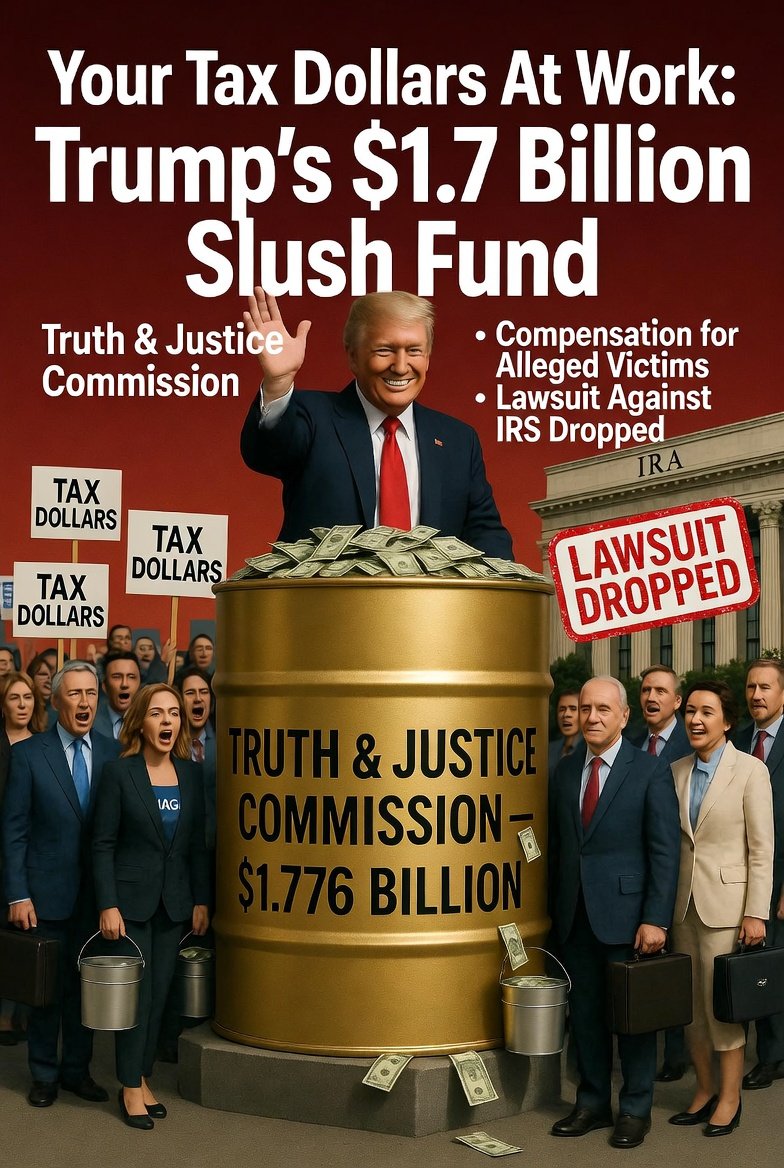
YOUR TAX DOLLARS AT WORK... The "President Donald J. Trump Truth and Justice Commission" would include five commissioners -- four of whom are appointed by the attorney general -- that Trump would have the right to remove without cause....
THE DON'S $1.7 BILLION "SLUSH FUND"... The Department of Justice is finalizing a deal to launch a so-called "Truth and Justice Commission" and establish a compensation fund of $1,776,000,000 to pay claims made by alleged victims of government "weaponization" in exchange for President Donald Trump dropping his ongoing lawsuit against the Internal Revenue Service...
"TRUTH COMMISSION" TO COMPENSATE ALLIES... Sources told ABC News that the proposed deal -- which is likely to face legal hurdles and has already been criticized by Democrats as a "slush fund" for Trump's allies -- arose after months of deliberations between the White House and DOJ officials who originally attempted to craft a legal justification for the settlement to compensate Trump directly....
abcnews.com/US/trump-adminis…
FILED UNDER:
#TrumpSlushFund, #TaxDollarsAtWork, #TruthAndJusticeCommission, #DOJDeal, #TrumpCompensationFund, #1776Billion, #GovernmentWeaponization, #TrumpVsIRS, #SlushFund, #TrumpAlliesPaid, #FakeNewsSettlement, #DemocratsCriticize, #ABCNewsReport, #TrumpLawsuitDropped, #JusticeForVictims, #MAGAFund, #PoliticalPayoff, #TaxpayerMoney, #TrumpAdministration, #DOJScandal, #TruthCommission, #CompensationScheme, #WeaponizedGov, #Trump2025, #SlushFundExposed, #1Point7Billion, #IRSSettlement, #TrumpDropsLawsuit, #DemocratsOutraged, #WhiteHouseDOJ, #AllegedVictims, #PayoffScheme, #TrumpTruthFund, #TaxpayerBurden, #GovernmentCorruption, #MAGAJustice, #FakeTruthCommission, #TrumpCritics, #BigMoneyDeal, #PoliticalSlushFund, #DOJFinalizing, #TrumpWinsAgain, #LegalHurdles, #ABCNews, #ConservativeCompensation, #DeepStatePayback, #TrumpFund, #JusticeForTrump, #TaxpayerFunded, #SlushFundForTrump
4
210

May 10
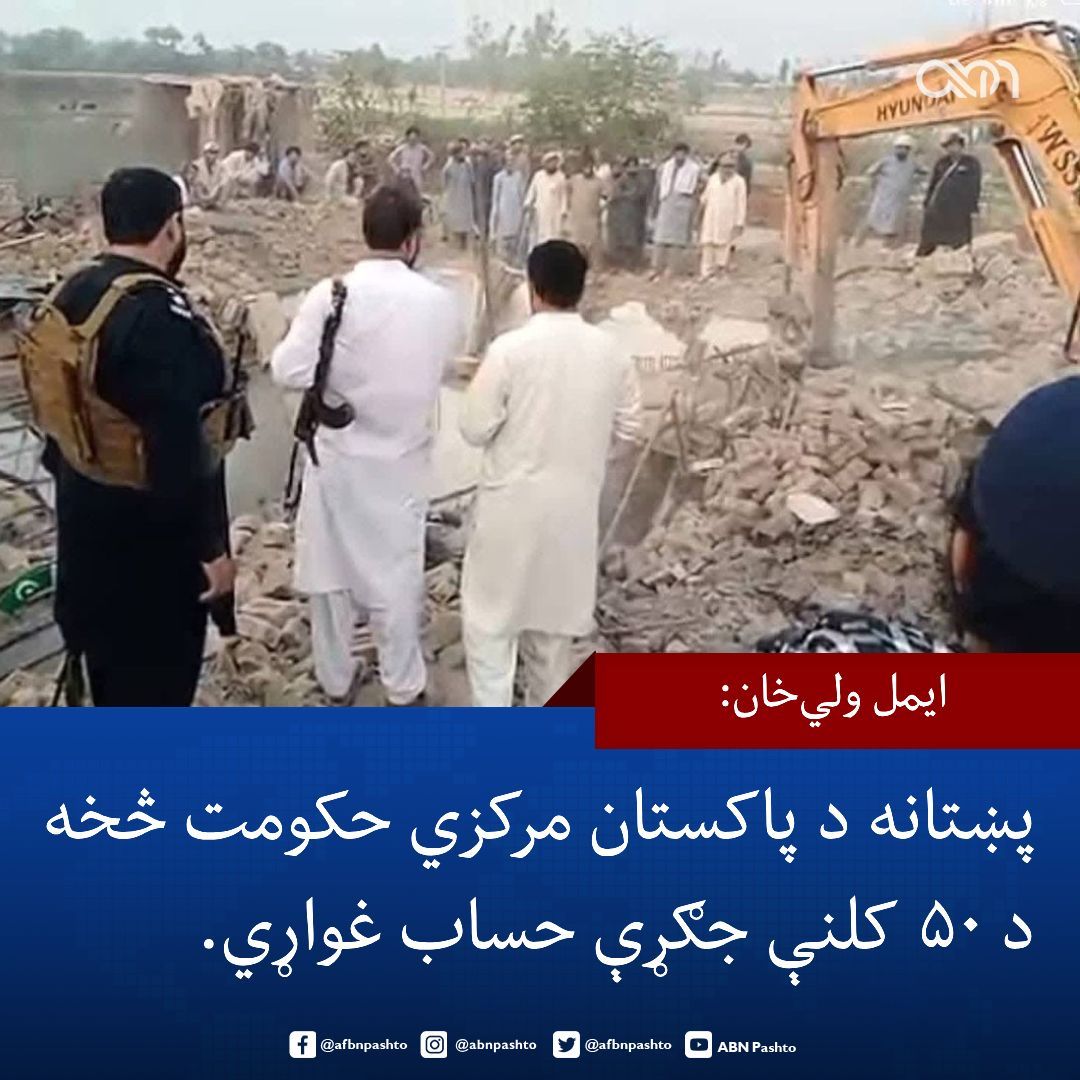
د پښتونخوا عوامي نشنل ګوند مشر ایمل ولي خان، په بنو کې پر امنیتي پوسته د شوي برید په غبرګون کې د پاکستان پر ریاستي تګلارو سره په نيوکه وايي، په داسې حال کې چې په ټول پاکستان کې جشنونه روان دي، خو له بنو څخه راووتلو خبرونو وښودله چې د پښتنو ژوند د پاکستان ریاست لپاره څومره "ارزښت" لري.
خان په خپل تازه پیغام کې ویلي، پښتانه هم غواړي جشنونه ولمانځي، خو په داسې حال کې چې لا هم د خپلو عزیزانو جسدونه پورته کوي، دا ورته ستونزمنه ده.
ایمل ولي خان وايي، چې مرکزي او ولایتي حکومتونه د ترهګرۍ د له منځه وړلو لپاره د سنجیده ګامونو پر ځای، یو بل ته د پړې ګوته نیسي او یواځې پر یو بل په تورونو لګولو بسنه کوي.
نوموړي غوښتنه وکړه چې یو د "حقایقو او پخلاینې کمیسیون" دې جوړ شي، ترڅو پښتنو ته دا مالومه شي چې په تېرو ۵۰ کلونو کې هغوی چا او ولې وژلي دي؟
هغه وایي چې موږ په ځلونو د ترهګرۍ د ختمولو غوښتنه کړې، خو د پښتنو وینه لا هم په بې رحمۍ بهېږي او څوک یې پوښتنه نه کوي.
دا په داسې حال کې ده چې نن په بنو کې د يو ځانمرګي برید په ترڅ کې لسګونه پاکستاني عسکر ووژل شول.
#ABN | #AimalWaliKhan | #BannuAttack | #ANP | #PashtunLivesMatter | #TruthCommission | #KhyberPakhtunkhwa | #StopTerrorism
1
10
1,080

Apr 22
Why not institute a #TruthCommission
Let everyone know what's the truth in stories of Haath Katro Khamb and So called Saints and Reformers, as also stories of Jhadu Matki, breast tax and Towers of Skulls, Motive of Mehmud Gaznavi and export of Slaves
1
1
3
108

The FBI searched Epstein’s island, his NY mansion, and his Florida estate... but they forgot to search the 10,000 acre ranch in New Mexico? Now we find out 33 guns and ammo went missing in 2018 and the FBI didn't even care. It’s not "incompetence" when it happens this many times, it’s protection. New Mexico is finally doing what the feds refused to do. #EpsteinFiles #ZorroRanch #TruthCommission
5
164

Feb 6
The solution to ending terrorism lies in accountability but those ruling us have made even demanding accountability a crime. Shame!
#TruthCommission or #StepAside
9
26
949
Feb 6
#RemoveMohsinNaqvi as the first step #TruthCommission as the only step!

Mohsin Naqvi should be sacked immediately #IslamabadBlast
1
6
30
1,778

Jan 15
Plight of #Pashtuns in #Pakistan - caught in an unending cycle of death, displacement & devastation. PM @CMShehbaz & @GovernmentKP have no time for the families from #Tirah #Khyber forced to leave their homes in the freezing cold. #PashtunsThrownToTheWolves
#TruthCommission
Jan 15

ضلع خیبر وادی تیراہ کے لوگ انتہائ مشکل میں ہیں،نقل مکانی کے دوران بچے خواتین بوڑھے گزشتہ چار دنوں سے بے یارو مددگار سخت سردی میں کھلے آسمان تلے روڈوں پر ہیں @BushraGohar @MianIftikharHus
11
27
1,900

Jan 15
🎂Happy Birthday to Bull Buchanan! #BullBuchanan #B2 #RightToCensor #TruthCommission #WWE #NXT #ECW #NWA #WCW #TNA #ROH #AEW #MLW #LuchaLibreAAA #CMLL #NewJapan #NJPW #ProWrestlingNoah #AJPW
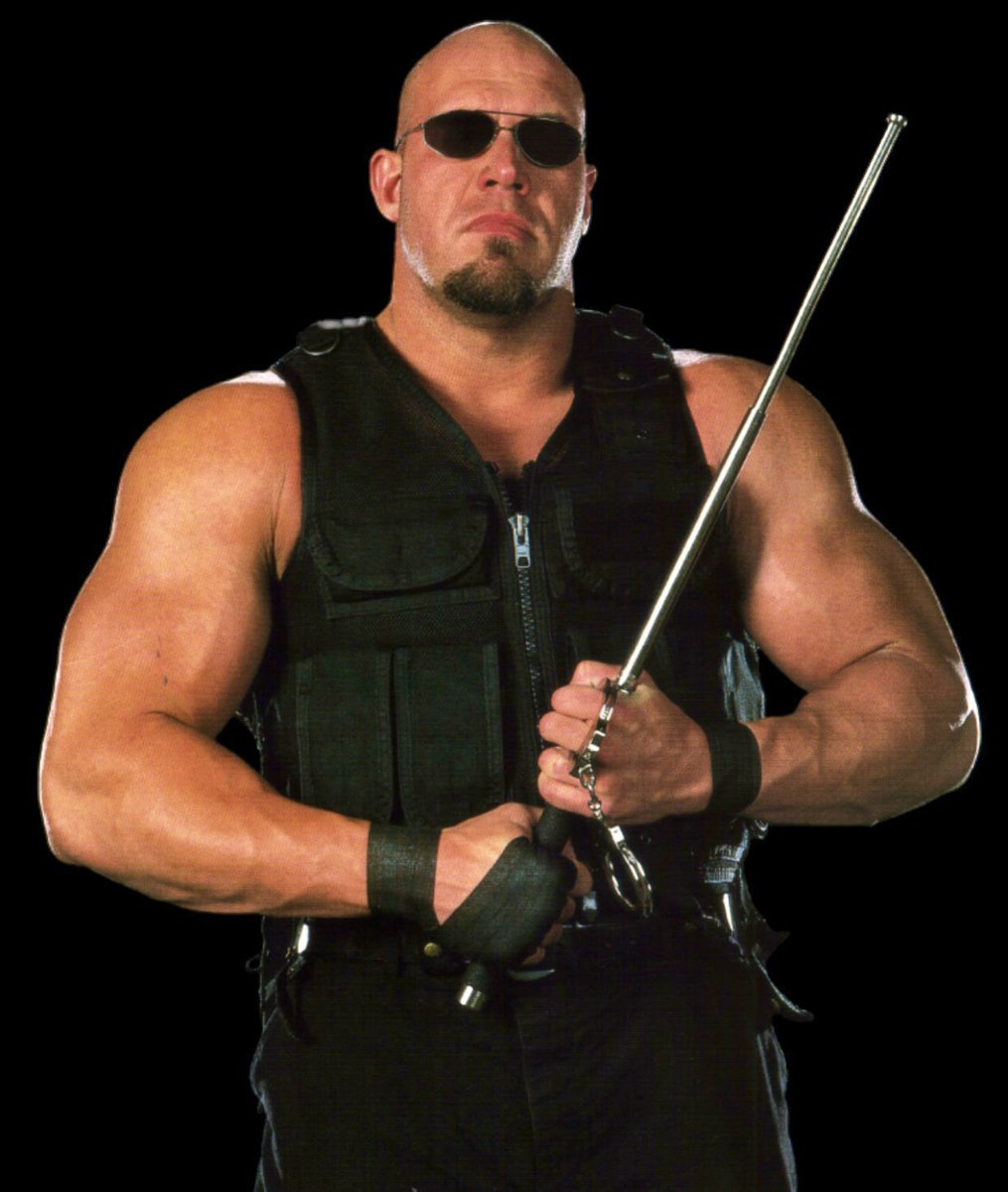
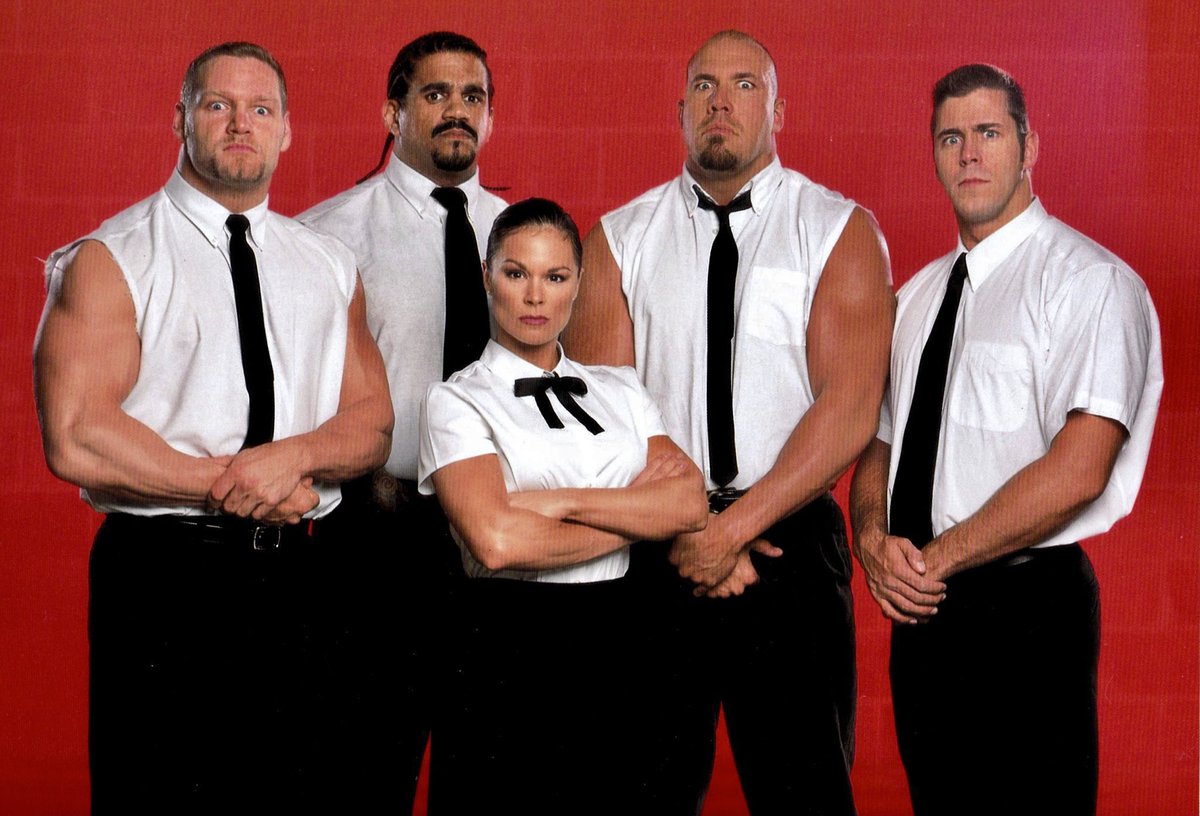
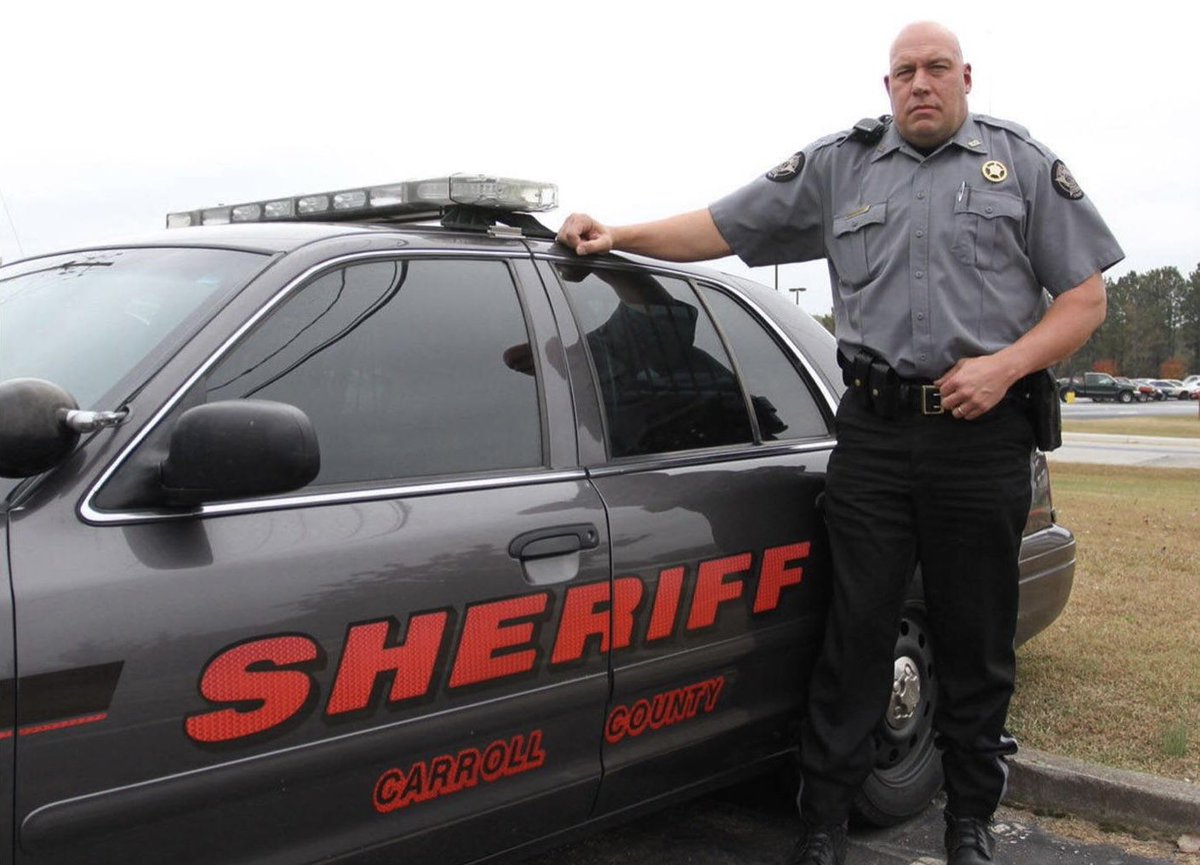
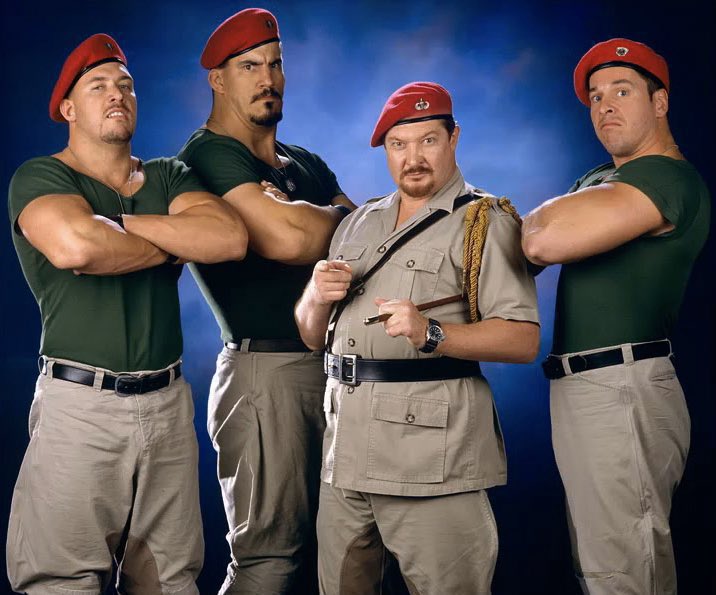
1
2
497

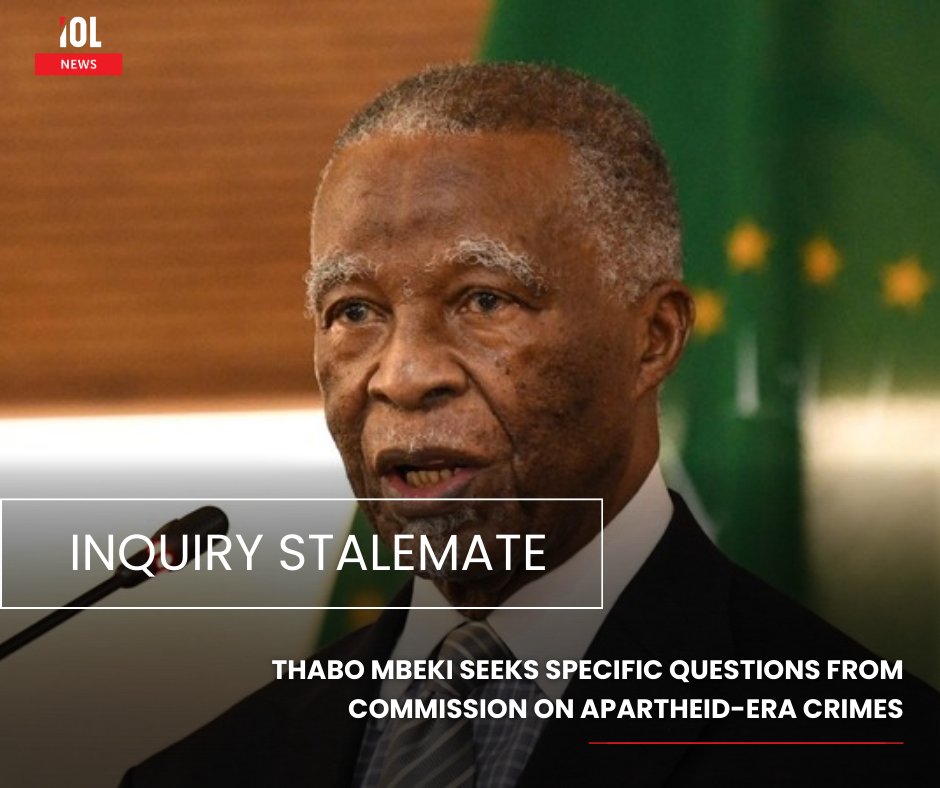
Former President Thabo Mbeki seeks specific queries from the TRC commission to meet the January 12 deadline, citing his ousting in 2008.
#ThaboMbeki #TRC #TruthCommission #Ramaphosa
Read on tinyurl.com/yz2873zm
1
699

23 Dec 2025
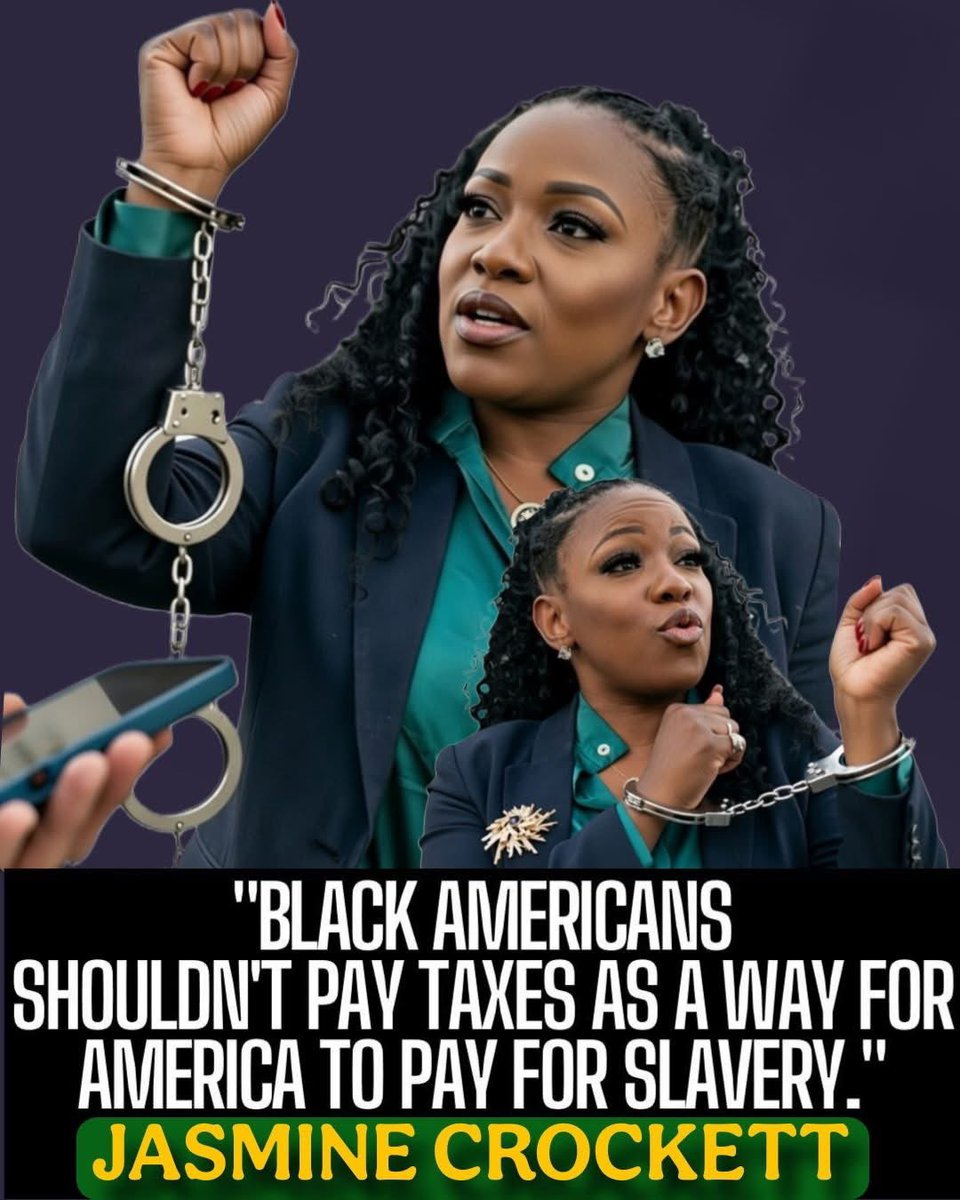
Rep. Jasmine Crockett on Reparations and a Resolution for Racial Healing
U.S. Representative Jasmine Crockett (D-TX) has discussed reparations in the context of broader policy exploration, while also co-introducing a separate, non-binding resolution focused on racial healing.
In an April 2024 interview on the Black Lawyers Podcast, Crockett referenced a reparations concept that originated outside Congress—a proposal, initially floated by a celebrity, for a temporary federal tax exemption for Black Americans. She described it as one idea among many to consider, noting it could “put money back in your pocket” and might encounter less resistance than direct cash payments. At the same time, she emphasized its limitations, including that it would offer little benefit to individuals who already owe little or no federal income tax due to low income. Crockett did not propose or sponsor legislation to enact such a policy and made clear it was something to “think through a lot” as part of studying reparations, not an endorsed plan.
Separately, in June 2025, Crockett co-introduced a non-binding concurrent resolution with Rep. Lateefah Simon (D-CA) and Sen. Cory Booker (D-NJ) calling for the creation of a United States Commission on Truth, Racial Healing, and Transformation. The resolution urges Congress to establish a commission to examine the historical and ongoing impacts of slavery and systemic racism in the United States, drawing on truth and reconciliation models used in other countries. The proposal does not include direct reparations, tax exemptions, or cash payments.
Historical Context
Slavery has existed across many civilizations for thousands of years. During the transatlantic slave trade (16th–19th centuries), European powers transported an estimated 10.7 to 12.5 million Africans to the Americas; roughly 388,000 were taken directly to what is now the United States, with the majority sent to Brazil and the Caribbean. African intermediaries were often involved in capturing and selling enslaved individuals.
Arab and Muslim-led slave trades, including Trans-Saharan, Indian Ocean, and Ottoman routes, operated for more than a millennium and enslaved an estimated 10 to 18 million Africans. Europeans did not invent slavery but expanded the transatlantic system into a racialized, hereditary form. European nations later led major abolition efforts, while abolition in parts of the Muslim world occurred later. Is it still happening?
#Reparations #JasmineCrockett
#SlaveryHistory #RacialHealing
#TruthCommission #Congress
#USPolitics #CivilRights
#HistoricalContext #PublicPolicy
4
1
3
240
11 Dec 2025
The consequences of generals doing politics whether they are later convicted for their crimes or not … imprisonment of one general is tooo small a price for the damage caused. #EndTalibanProject #TruthCommission
11 Dec 2025

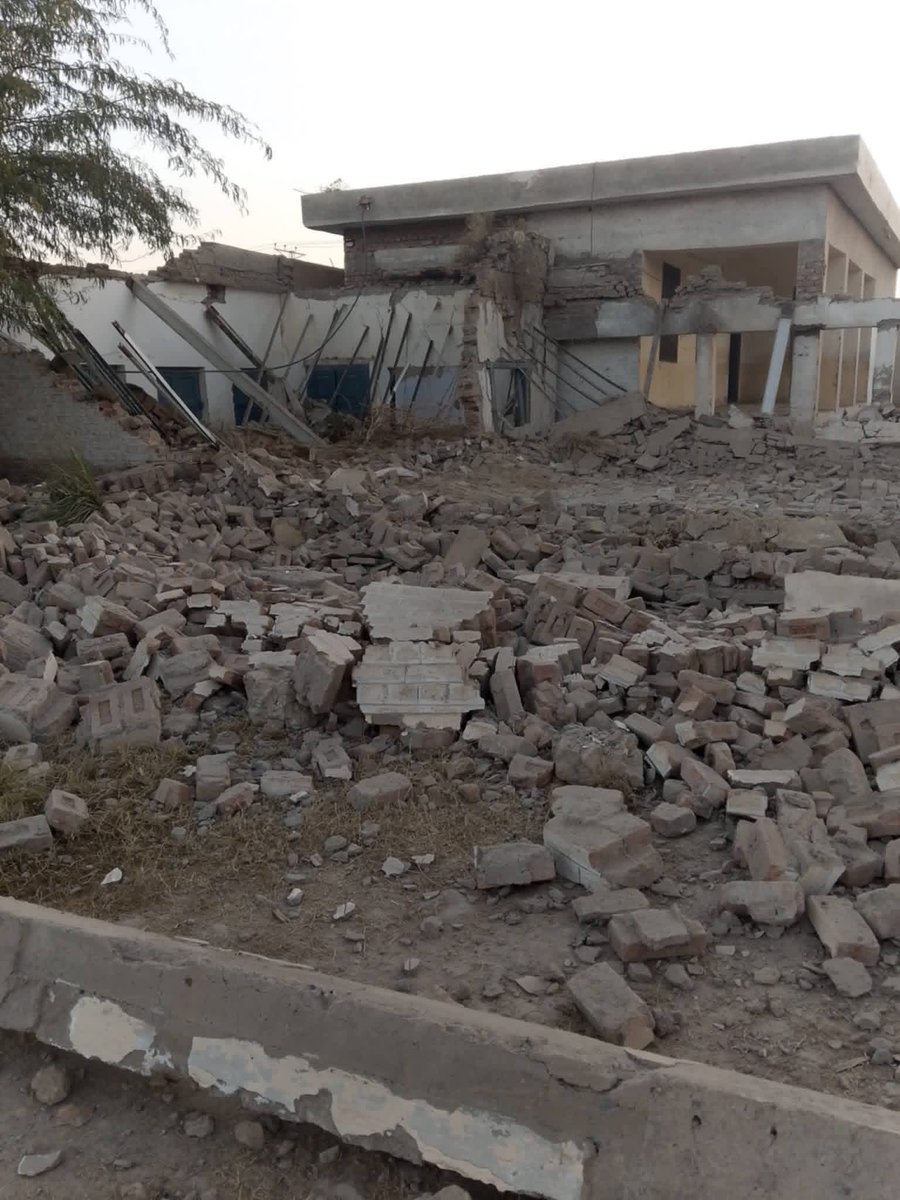
Taliban terrorists have blown up a govt high school Ayaz Kot in Khushali, Mir Ali, North Waziristan when security forces blew up the home of a Taliban operative in the area. "Project Taliban" remains the biggest threat to the future of our children and our areas.
1
8
909
11 Dec 2025
Did the convicted #GeneralFaiz act alone? What about the main directors, manipulators & political engineers of the #Hybrid & #HybridPlus system? The violation of laws & Constitution won’t end if accountability is selective. #TruthCommission #RestoreDemocracy
2
2
1,659
16 Nov 2025
حسّاس ادارے کے لوگوں کا بھی نام لکھیں، ورنہ پورے حسّاس ادارے کا احتساب مانگنا ضروری ہو جائے گا۔
#TruthCommission
1
13
805
15 Nov 2025
#Pakhtunkhwa Provincial & Federal Govts have failed to protect lives in the Province. Have failed to take responsibility for the havoc unleashed by Taliban terrorists, resettled & allowed to terrorise locals. How are Taliban operating checkpoints on main roads? #TruthCommission
3
7
590