gm fam 🌞👋
The sleep tracking industry has a broken promise.
Most wearables are great at showing you what happened.
They're terrible at explaining why, or what to do next.
@sleepagotchi is taking a different path. They're building what they call the "intelligence layer for the wellness economy."
The core idea is straightforward:
1. Connect your wearables (Whoop, Oura, Apple Watch)
2. AI agents analyze your biometric data
3. You get personalized insights, not more charts
The architecture? Four AI agents working together:
· Sleep Coach (live now) – explains why your sleep quality changed
· Wellness Agent – tracks mood, diet, caffeine, alcohol
· Meal Planner – turns data into recipes
· Shopping Agent – orders what you need
The new CEO, Kenny Wood (Transformers, Formula 1), puts it simply: "Users generate the world's most valuable biometric data daily, yet they own none of it."
Sleepagotchi's answer: user-owned health data. Tokenized. Permissioned. You decide who accesses it.
2M users. 78% open within 10 minutes of waking. $100K beta revenue. $6.5M from Sfermion, 1kx, 6th Man Ventures.
The game got people in the door. The AI wellness ecosystem is where they're going.
Less tracking. More action.
#Sleepagotchi #AIWellness #UserOwnedData #HealthFi #Web3 #DePIN

45
1
68
257

Jun 11
gm @sleepagotchi fam 🌞
Most people still think @sleepagotchi is just a sleep app with a cute Dino.
They're missing the point.
The game was the on-ramp. The destination is much bigger .
What's actually being built:
4 AI agents working together:
• Sleep Coach → explains why your sleep quality dropped
• Wellness Agent → tracks mood, diet, caffeine, alcohol
• Meal Planner → turns data into recipes
• Shopping Agent → orders what you need
Your Apple Watch, Oura, or Whoop feeds the system. You own the insights. $SLEEP token powers it all .
2M users. 78% open within 10 mins of waking. $100K beta revenue. $6.5M from Sfermion, 1kx, GSR .
Kenny Wood (Transformers, Formula 1) just joined as CEO .
Sleepagotchi isn't a sleep app anymore.
It's becoming the intelligence layer for the wellness economy .
Wake up. 😴
#Sleepagotchi @NucleusCodes #AIWellness #UserOwnedData

Jun 10

gsleep fam 🌞
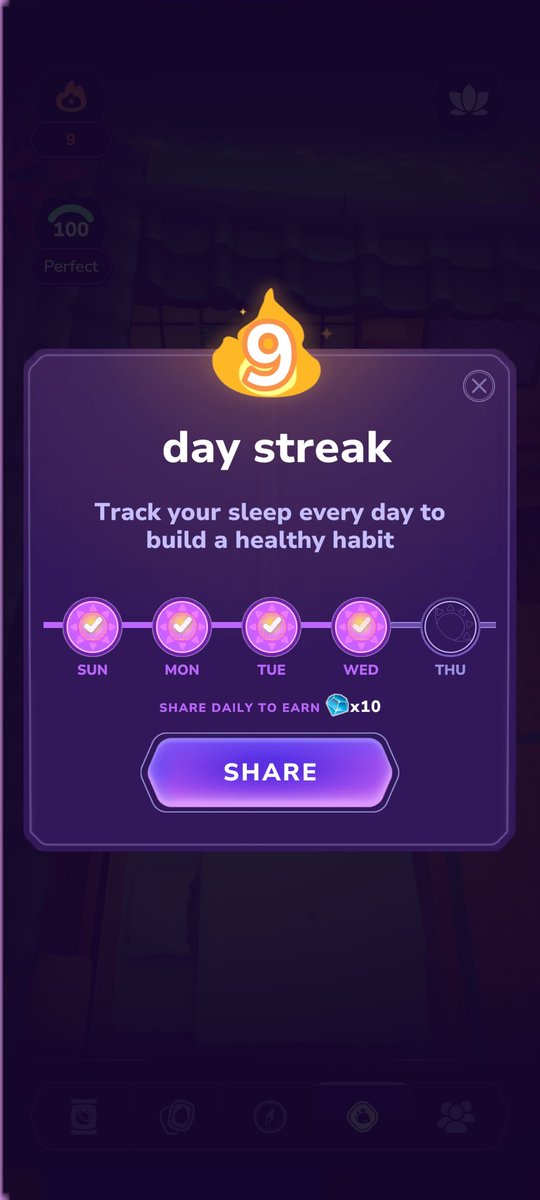
Day 9. Still going. 😴💚
No missed nights. No excuses.
Just showing up. Every single day.
@sleepagotchi isn't just tracking my sleep. It's building my consistency.
9 days down. A lifetime to go.
Small streak. Big habit.
Who else is stacking days? Drop your streak below 👇
#Sleepagotchi #DinoStreak @NucleusCodes #Consistency
8
1
24
487
Jun 7
gSleep fam 🌞💚
Just finished my first week with @sleepagotchi's AI Sleep Coach.
What changed:
• Not just tracking numbers anymore. The AI actually explains why my sleep quality dropped on Wednesday (too much caffeine after 4PM).
• Connected my Apple Watch → now my HRV and sleep stages feed into the coach
• My Dino Gotchi evolved twice just from staying consistent
The crazy part? They're building 4 AI agents total:
1. Sleep Coach (live now)
2. Wellness Agent (coming soon - tracks mood, diet, recovery)
3. Meal Planner (turns data into recipes)
4. Shopping Agent (orders what you need)
Kenny Wood (Transformers, Formula 1) just joined as CEO.
$6.5M from 1kx, Collab Currency, GSR.
Loyalty Program is live → Sleep Points → airdrop at TGE.
Not a hype app. An actual habit builder.
Are you tracking with Whoop, Oura, or Apple Watch? 😴
#Sleepagotchi #AIWellness @NucleusCodes #HealthFi #UserOwnedData

Jun 6
gSleep fam ☕🌞
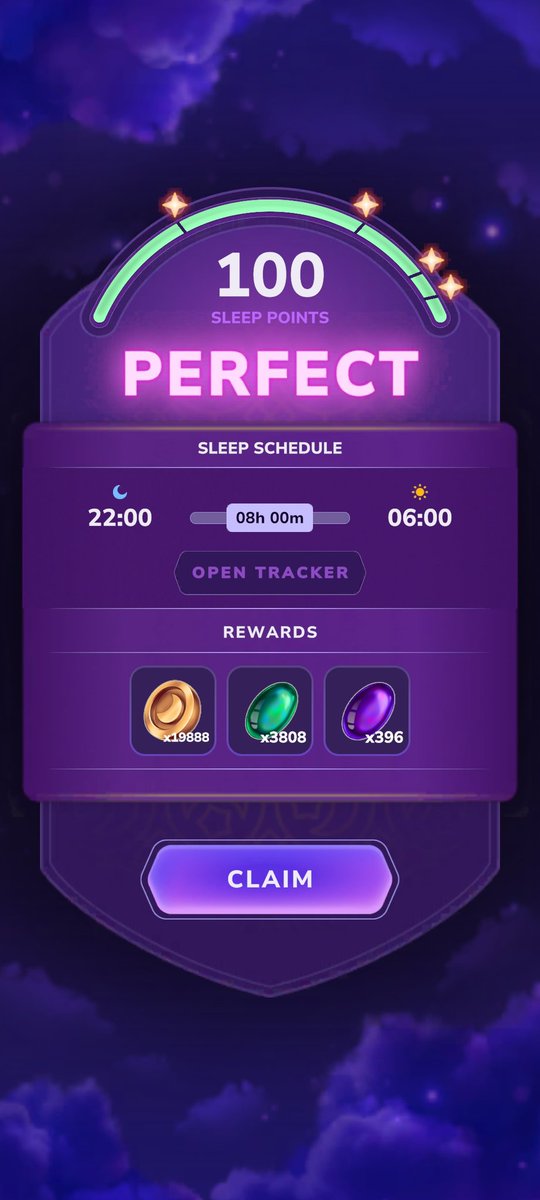
Just claimed my perfect sleep rewards on @sleepagotchi.
What happened last night:
• Fought some darklings 🗡️
• Added cute stuff to my Dino's room 🦕
• Listened to those soothing meditation sounds 🎧
Woke up with vSLEEP and actually feeling well-rested. This gamified sleep thing? Kinda works.
How are you using the Sleepagotchi app? 😴💚
#Sleepagotchi #gm @NucleusCodes #Web3Wellness #sleep
3
1
44
326

Mar 8
AI is rapidly taking over the entertainment stack - from Hollywood studios to UGC platforms.
But most #LLMs, #VLMs and generative models are hitting the same wall: high-quality, licensed data.
Today’s AI stack still relies on messy web datasets where:
🔸️rights are unclear
🔸️structure is chaotic
🔸️users have zero control.
That’s exactly the problem @getoro_xyz is trying to solve.
ORO is building a new data layer for AI - a global network of user-contributed datasets where:
🔸️users own their data
🔸️access is granted through a protocol
🔸️usage is tracked on-chain
🔸️value generated from the data flows back to contributors.
For users, this looks like #DataQuests: connect your data sources, contribute to dataset creation, and earn rewards when AI systems actually use your data.
For AI companies, studios and platforms, #ORO provides:
🔸️ licensed user-level datasets
🔸️ transparent data provenance
🔸️ a clean alternative to large-scale scraping.
If #AI is the new compute layer,
ORO is betting on becoming the #DataLayer powering it.
Because in the long run, the real moat in AI may not be the models themselves - but the networks that own the data they’re trained on.
#AI #Web3 #Crypto #DePIN #DataEconomy #UserOwnedData
3
39
283

Jan 18
EarnOS and a New Way to Operate Web3
EarnOS is approaching Web3 from a very different angle.
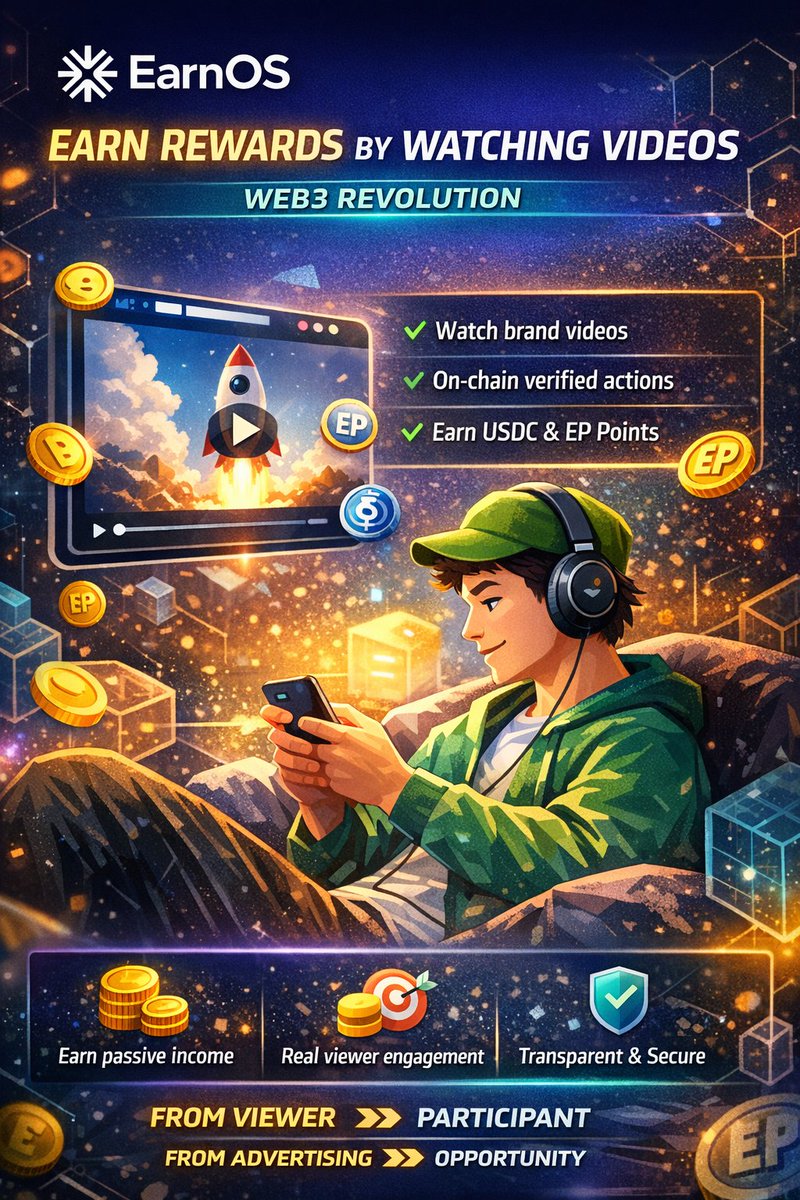
Instead of building only for native blockchain users, it brings Web3 value into the most familiar daily actions — like watching videos.
Rather than passive Web2 advertising, EarnOS turns every view into a valuable, rewarded action.
🎥 Watch videos – but no longer “for the platform”
On EarnOS, rewarded video viewing is completely reimagined:
Users watch content provided by brands
Viewing actions are transparently verified
Rewards are distributed directly to participants
No more:
watch → data extracted → users get nothing
Instead:
every minute of attention = a unit of value
EarnOS optimizes the experience by:
Short, easy-to-consume videos
No complex blockchain knowledge required
Web2 users can participate like using a normal app
Blockchain stays in the background.
The value stays with the users.
⚙️ Optimized for both users and brands
With EarnOS:
Users are fairly rewarded for their attention
Brands reach real viewers with real engagement
The system reduces spam and fraud while improving campaign efficiency
Advertising is no longer just a “cost” —
it becomes a two-sided value-sharing mechanism.
🌱 Conclusion: When attention becomes an asset
EarnOS is not just about earning rewards from watching videos.
It is building a model where:
Attention is properly valued
Users are respected
Web3 operates naturally and accessibly
👉 From viewer → participant
👉 From advertising → opportunity
👉 From Web2 → Web3
Tags:
#EarnOS #Web3 #WatchToEarn #UserOwnedData
@earnos_io
1
4
45

Jan 6
Hello world 👋
Meet Zavv — identity, access and ownership, re-imagined.
Every day people are asked to give up far more data than necessary just to get access.
We believe identity, access, and ownership should work differently.
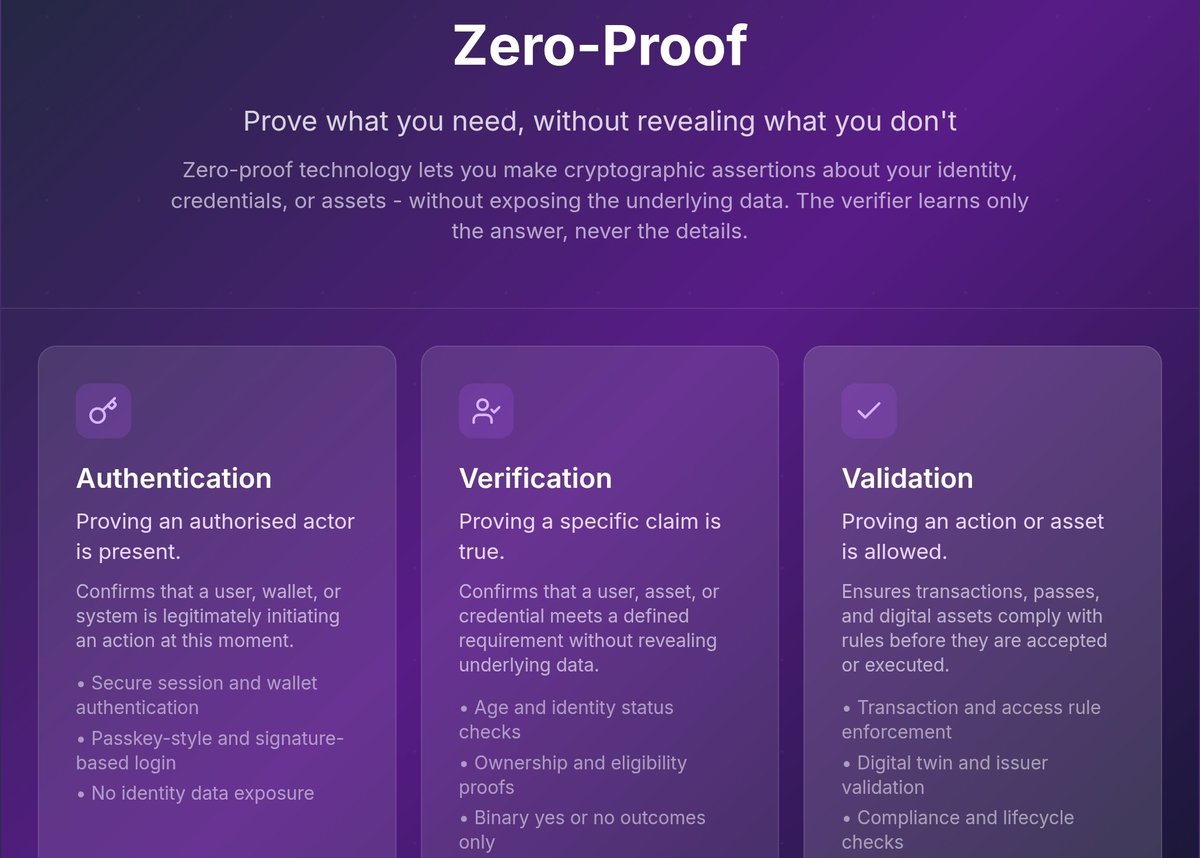
Zavv is privacy-first infrastructure that lets people prove who they are, what they’re eligible for, and what they own — without oversharing personal data — while giving businesses the trust and auditability they need.
With Zavv, users can:
🔹 Prove eligibility and ownership, not expose raw data
🔹 Sign in using their wallet via QR and explicit approval
🔹 Control what’s shared, when, and with whom
🔹 See a clear, auditable history of access and ownership use
For businesses, Zavv enables compliant, real-world verification and access flows built around user consent, minimised data, and verifiable outcomes — not data hoarding.
This goes beyond login.
It’s identity, access, and ownership you control.
More updates soon.
Visit our website at zavv.network for more information!
#Zavv #DigitalIdentity #DigitalOwnership #PrivacyByDesign #UserOwnedData #AccessControl #IdentityWallet #ZeroProof #DigitalTwin #Xahau #Web3 #XRP #XRPLEDGER #XRPL #Blockchain #EverNode @XahauNetwork @EvernodeXRPL @DecentralizedID @W3C @trustoverip @OpenWalletOrg @owasp
35
5
35
989

Jan 6
Privacy Revolution in Curious Browser: How User-Owned Data Changes the Game
1/4: In 2026, data privacy isn't optional—it's essential. @curiousbrowser leads with a user-owned model, flipping the script on Big Tech's surveillance. Founded in 2024, it ensures your info stays yours, using blockchain for immutable control. No more hidden tracking; every data point is encrypted and user-governed. This privacy-first ethos, inspired by breaches like Discord's, integrates AI without compromising security. CEO David Tomasian emphasizes: "Your mind is your asset." #PrivacyBrowser #Curious
2/4: Technical backbone: FHEML via Privasea partnership enables computations on encrypted data. Homomorphic encryption allows AI (Adam/Eve) to learn without accessing raw info—e.g., pattern recognition on ciphertexts. Zero-knowledge proofs verify actions like logins without revealing details. On-device storage minimizes cloud risks, with blockchain backups for recovery. This setup exceeds GDPR, offering true sovereignty. Compared to Tor, Curious adds usability with seamless Web3 features.
3/4: Real-world impact: Bots are eliminated via ImHuman's facial biometrics, minting private NFTs for access. Advertisers benefit from authentic engagements, seeing 2x conversions. Users? Peace of mind plus rewards—earn crypto for private shares. In depth: The system uses multi-party computation for group learnings, distributing trust. Advisory board (Kooistra, Stuivinga) ensures legal compliance, making it enterprise-ready.
4/4: Future outlook: As AI proliferates, Curious's model could standardize privacy in browsers. Challenges include encryption overhead (solved via hardware acceleration), but benefits outweigh. It democratizes data, empowering individuals in an AI-driven world. Join at curiousbrowser.com. What's your biggest privacy concern online? #UserOwnedData #BlockchainPrivacy
Jan 5

Blockchain's Integration in Curious Browser: Decentralizing Search and Rewards
1/6: @curiousbrowser redefines search by weaving blockchain into its fabric, creating a decentralized ecosystem where every query adds value. Launched in Zurich in 2024 by CEO David Tomasian, it addresses the flaws of centralized browsers: data monopolies and bot-infested ads. Through blockchain, Curious ensures 100% real users, boosting ad authenticity and conversions. This isn't hype—it's a crypto-native platform that incentivizes curiosity, turning passive scrolling into rewarded exploration. Key: decentralization via smart contracts for transparent reward distribution. #BlockchainBrowser #CuriousThread
2/6: Technically, the integration uses a hybrid model: Ethereum-compatible chains for tokenomics and IPFS-like storage for decentralized content. When you browse, queries are routed through a peer-to-peer network, verified by nodes. Rewards? Users earn CUR tokens (hypothetical based on project hints) for high-engagement activities, like solving community puzzles or validating info. Smart contracts automate payouts, using oracles for real-world data feeds. This mirrors DeFi but for information—your curiosity fuels the economy, with governance via DAO elements for feature vote.
3/6: Privacy synergy: Blockchain pairs with FHEML from partner Privasea, allowing encrypted searches. Data remains on-chain but obfuscated, preventing leaks. For example, ad targeting happens via zero-knowledge proofs—advertisers see aggregated interests without personal IDs. This contrasts with Google's cookie tracking, offering true pseudonymity. The ImHuman partnership mints soulbound NFTs for user verification, ensuring bot-free interactions. In tests, this has led to 50% higher trust in community-driven content
2
97

> Web3 works best when users truly own their identity and data.
@idOS_network 🤝 @wallchain is aligning privacy-first identity with scalable execution. 🌐🔐
#idOS #Wallchain #Web3Infrastructure #UserOwnedData #Decentralization

1
1
3
10

24 Dec 2025
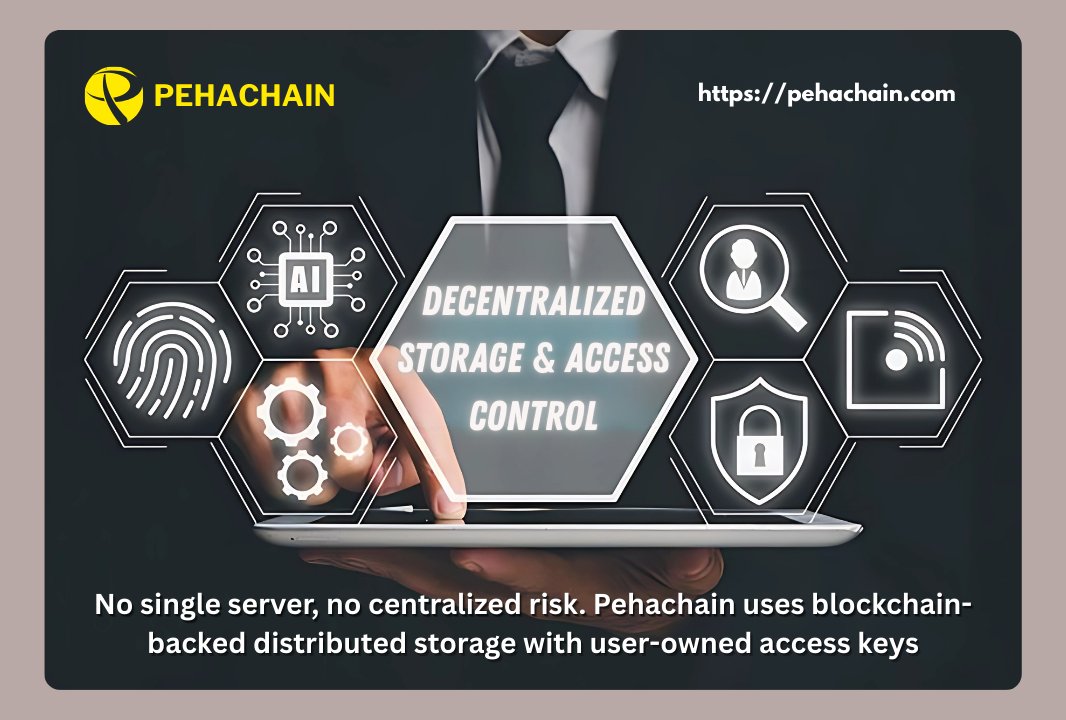
🔐 Decentralized Storage. Total Control. True Ownership.
In a world where data breaches, censorship, and centralized failures are becoming the norm, Pehachain is redefining how data is stored, accessed, and protected.
🚫 No central servers
🚫 No single point of failure
✅ Fully decentralized architecture
Powered by blockchain technology, Pehachain enables distributed storage, user-owned access keys, and permissionless access control, ensuring your data remains private, secure, and entirely under your control—always.
With zero-trust security, end-to-end encryption, and self-sovereign identity, Pehachain delivers the infrastructure needed for the next generation of Web3, AI, and decentralized applications.
👉 Request a demo today : forms.gle/SMc3EZRXhnVaftTN7
Learn more about our solution: pehachain.com
#PEHACHAIN #DecentralizedStorage #BlockchainPowered #Web3Infrastructure #DataOwnership #DigitalAutonomy #SelfSovereignIdentity #ZeroTrust #ZeroTrustSecurity #DistributedSystems #DecentralizedNetwork #TrustlessTechnology #BlockchainSecurity #PrivacyFirst #SecureStorage #EncryptedData #UserOwnedData #CensorshipResistance #EdgeSecurity #DePIN #Web3Security #AIandBlockchain #NextGenTech #FutureOfWeb3 #DecentralizedCloud #OpenWeb #CyberSecurity #PrivacyByDesign
For more updates, follow us on Twitter: x.com/moneyverseai
For more updates, follow us on Telegram: t.me/moneyverseai
5
36

22 Dec 2025
ust discovered the
@SantaBrowser
flash tournament on Xeet and this is one of those ideas that clicks instantly.
Top 75 users on the leaderboard will share $30K in Santa tokens, and the earning mechanic is refreshingly simple. You earn by browsing the internet like you already do every day.
Santa Browser takes a privacy first approach while quietly turning normal online behavior into rewards. No intrusive tracking. No weird missions. Just browse, stay protected, and accumulate value over time.
The adoption metrics make it even more convincing.
Over 2M users already using the browser.
2,500 plus cashback partners connected.
More than 10M points distributed across the ecosystem.
This feels like a real product solving a real habit, not just another incentive loop.
If you care about privacy and like the idea of earning from everyday internet usage, this is worth exploring:
xeet.ai/signals/santa-browse…
@SantaBrowser
#PrivacyFirst #Web3Browser #EarnOnline #CryptoRewards #UserOwnedData #Onchain

2
1
36

21 Dec 2025
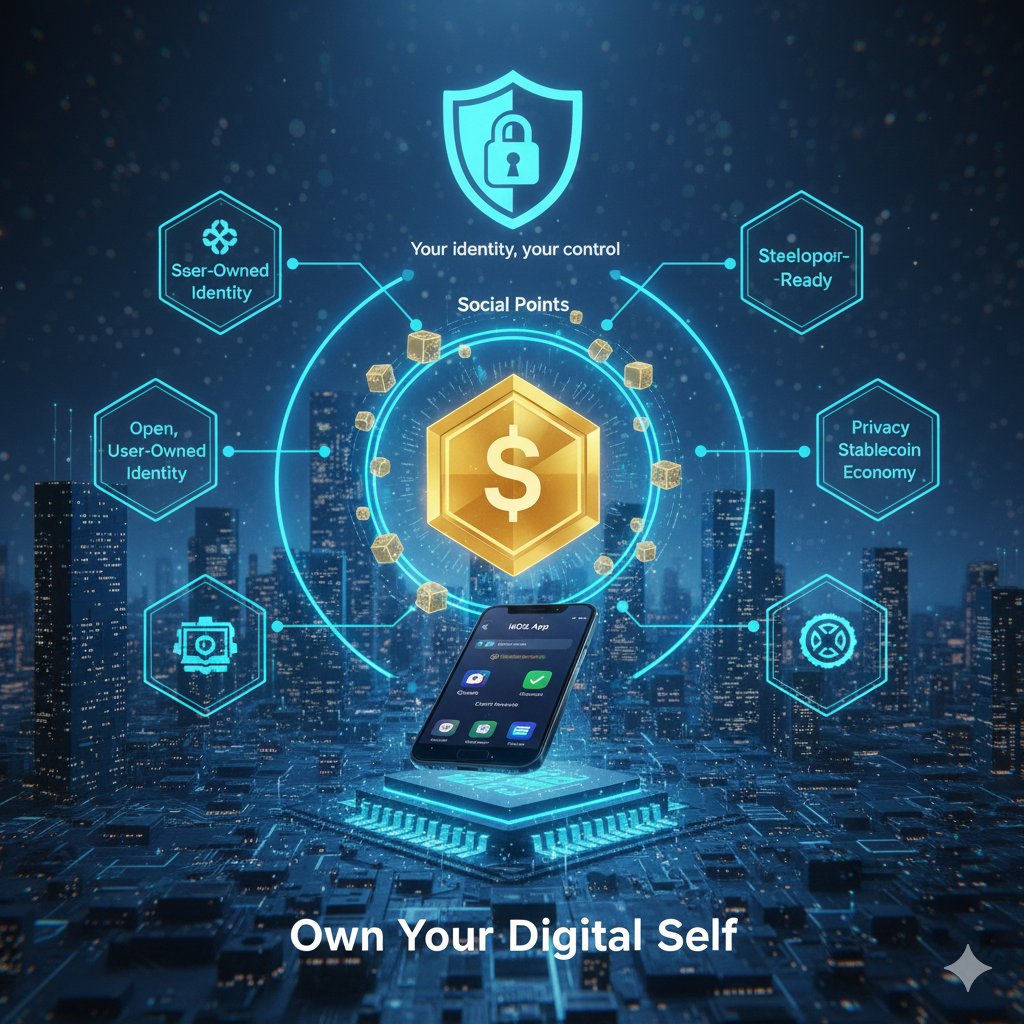
Your identity, your control, your rewards. 🔐
@idOS_network is redefining decentralized identity with the launch of the $IDOS token powering community incentives, governance, and secure, privacy-first verification.
With the idOS App now live, users can earn Social Points, complete quests, and engage with an open identity layer built for the stablecoin economy and beyond.
Why idOS?
✅ Open, user-owned identity
✅ No unnecessary cookies or tracking
✅ Built-in token utility & incentives
✅ Developer-ready & privacy by design
Ready to own your digital self and earn while doing it?
👉 Explore the app and join the movement.
#idOS #DecentralizedIdentity #IDOSToken #Web3 #PrivacyFirst #SelfSovereignIdentity #TokenUtility #SocialPoints #IdentityLayer #Stablecoin #DeFi #CryptoRewards #UserOwnedData #DigitalFreedom @wallchain
7
2
7
48

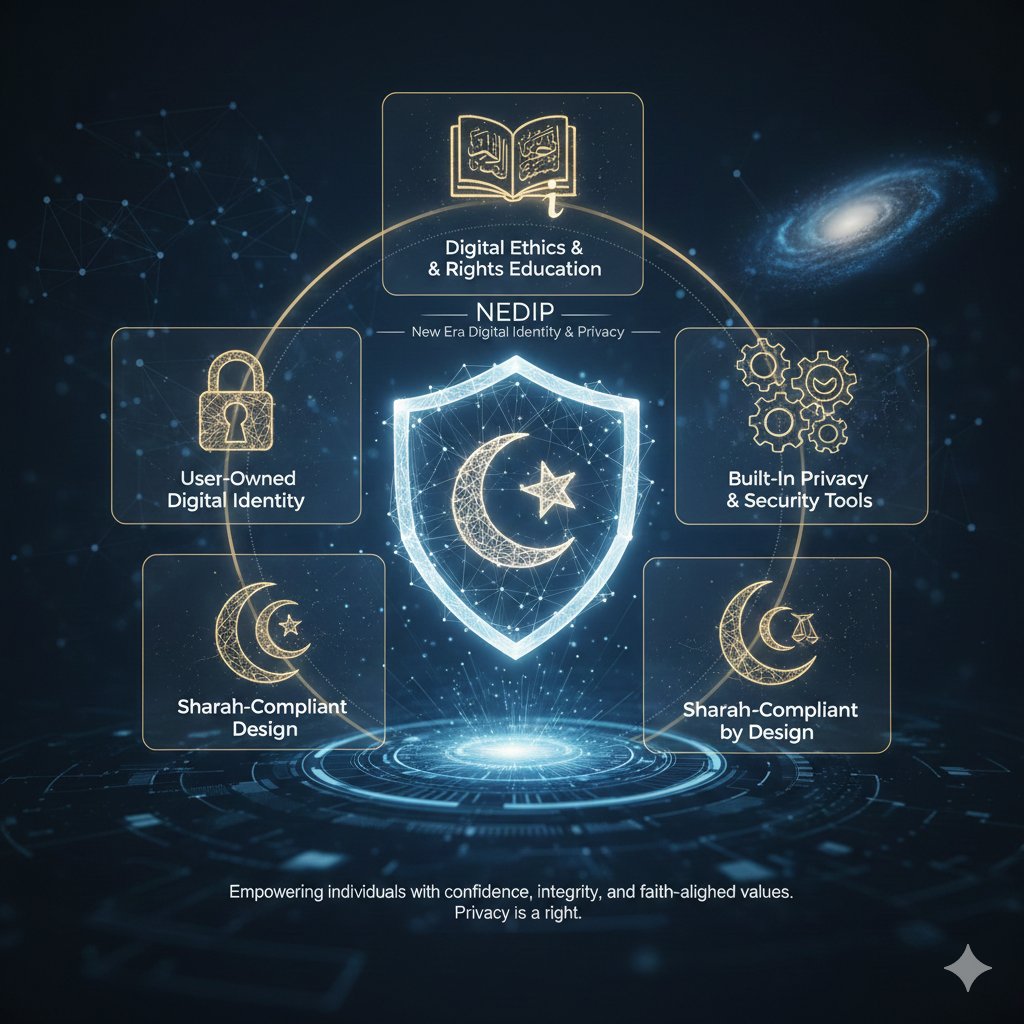
🛡️🌐 NEDIP — New Era Digital Identity & Privacy
A next-generation digital identity platform designed to give individuals full ownership of their personal data while upholding privacy, ethics, and Islamic values.
🔐 User-Owned Digital Identity
Take control of your personal information with secure, consent-based data management.
📖 Digital Ethics & Rights Education
Learn how to protect your digital presence through guided resources grounded in ethical and Islamic principles.
🧩 Built-In Privacy & Security Tools
Seamless, user-friendly tools that safeguard identity without compromising usability.
🌙 Shariah-Compliant by Design
Developed with Islamic ethical standards at its core transparency, trust, and accountability.
NEDIP empowers individuals to engage in the digital world with confidence, integrity, and faith-aligned values—where privacy is a right, not a privilege.
sidrastart.com/project/92df4…
@jesyl25
@mulord92
@noumanmh
@maljefairi
#NEDIP #DigitalIdentity #DataPrivacy #UserOwnedData
#CyberSecurity #PrivacyTech #EthicalTech
#ShariahCompliant #IslamicEthics #TrustByDesign
#Web3Identity #DigitalRights #FaithAlignedTech
1
1
58

19 Dec 2025
Your data has value because you create it.
@MyStandardDotIO puts data ownership back in the hands of users, allowing them to control, manage, and benefit from the data they choose to share.
Ownership is the future. 📊✊
#MyStandard #DataOwnership #UserOwnedData #Web3
5
3
7
31

13 Dec 2025
Identity should follow you.
I accepted constant re-verification.
Thought it was normal.
Then I tried @idOS_network.
Verified once. Done.
Days later, new app.
Instant access. No documents.
My data stayed with me.
Nothing leaked. Nothing repeated.
It felt calm.
Intentional. Respectful.
Identity supported my work.
It did not interrupt me.
Going back felt outdated.
Honestly unnecessary.
If you value time and control,
try identity done right.
Build once.
Verify once.
Move freely.
Credit @idOS_network
#Web3Identity #UserOwnedData #idOS
4
1
7
84
12 Dec 2025
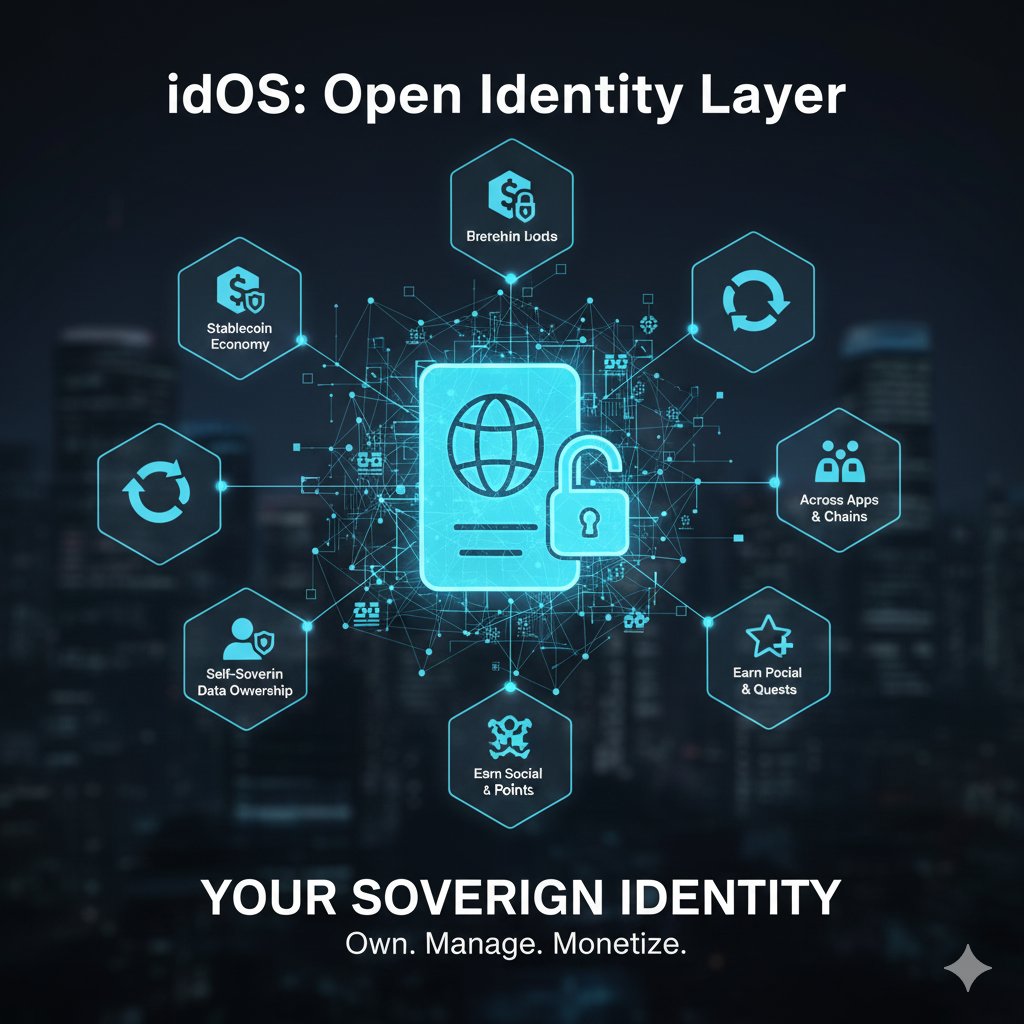
Decentralized identity just got simpler and more rewarding. Meet @idOS_network , the open identity layer for the stablecoin economy and beyond. 🪪🔓
With the idOS App now live, users can earn Social Points and complete quests while controlling their own data across apps, chains, and platforms.
No more fragmented logins. Just one sovereign identity that you own, manage, and monetize.
#idOS #DecentralizedIdentity #SelfSovereignIdentity #Web3 #Privacy #Stablecoins #DigitalIdentity #Blockchain #Crypto #UserOwnedData @wallchain
3
4
46

24 Nov 2025
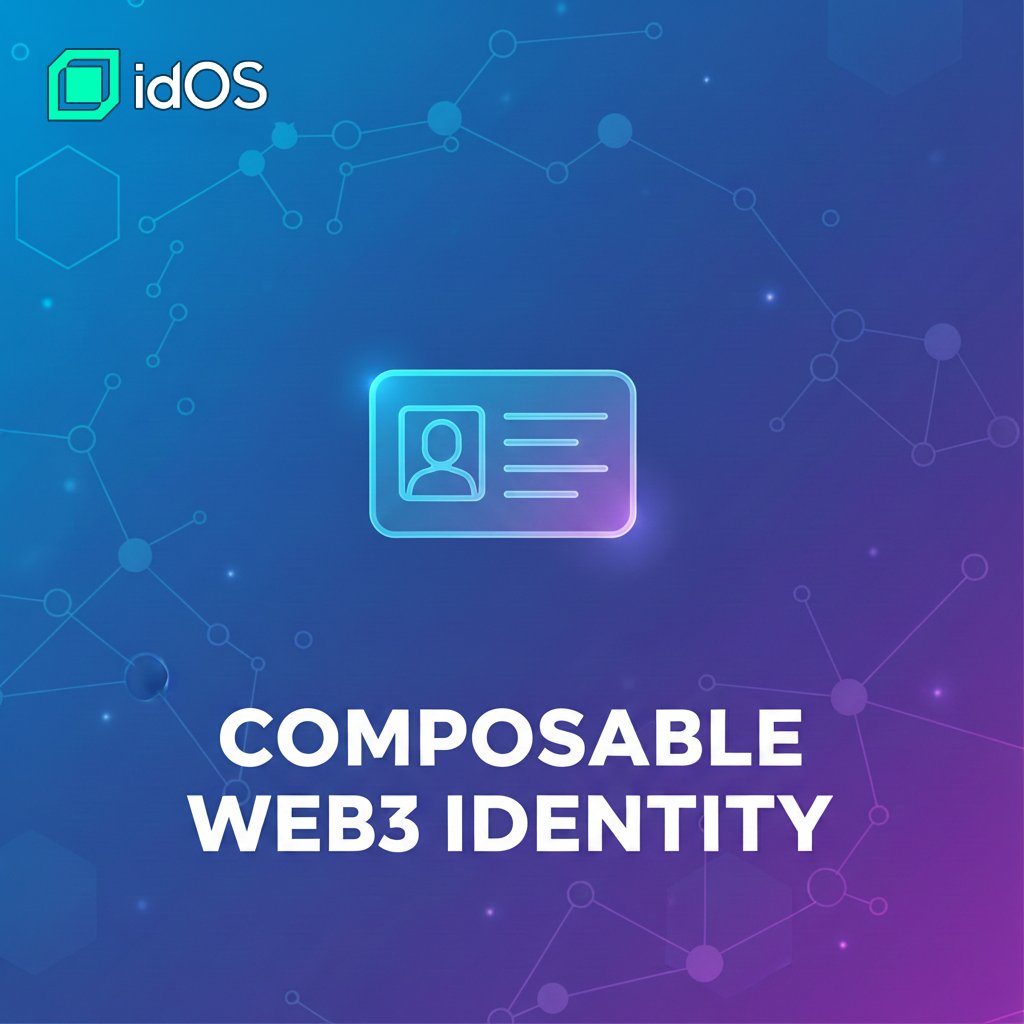
🔹 How idOS Enables Composable Identity Across Web3
One of the most underrated features of idOS is composability — the ability for identity data to move across apps, evolve over time, and unlock new use cases without forcing users to repeat verification steps.
Here’s how it works in practice:
🎮 1. A Game Generates Reputation
A Web3 game can issue a credential representing in-game history, trustworthiness, or anti-cheat status.
This is stored in idOS as an encrypted, portable credential.
📈 2. Another App Uses That Reputation
A social platform can request access (with user consent) and build a social score based on that same reputation — without asking the user to verify anything again.
✅ No re-KYC.
✅ No duplicate onboarding.
✅ Just consent.
💳 3. A Lending Protocol Consumes the Score
A DeFi lending app can request access to the social score credential → the user approves → the protocol uses it for risk modeling or credit lines.
✅ Still no KYC.
✅ Still no data resubmission.
✅ The identity simply composes across apps.
🔄 Composability = Better UX Better Ecosystems
idOS turns identity into reusable building blocks:
✅ One-time verification
✅ Credentials that evolve
✅ User-controlled sharing
✅ Apps building on each other’s trust signals
This is how Web3 moves from siloed KYC to interoperable identity.
@idOS_network
#Web3 #Reputation #Composability #PortalbleIdentity #UserOwnedData #conghuan1999
22
23
93

17 Nov 2025
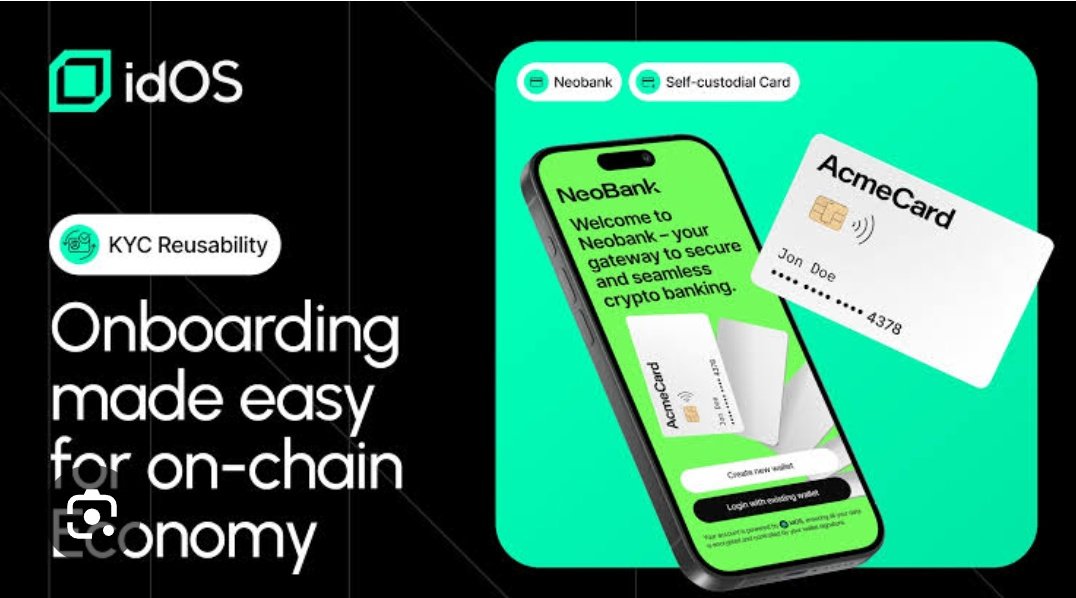
🧩 The missing identity layer for Web3 is finally here.
@idOS_network @wallchain are building a safer on-chain world where:
Your KYC & credentials stay encrypted and user-owned
dApps can request only the specific data needed
MEV bots can’t exploit identity-based transactions
No more handing data to centralized platforms.
No more risking privacy just to join an airdrop or DeFi protocol.
Own your identity. Reuse it across chains.
Web3 should be permissionless — and IdOS makes trust permissionless too.
#idOS #Wallchain #Web3Identity #DeFiSecurity #UserOwnedData
1
4
5
31

14 Nov 2025
The Frictionless On-Ramp for Creators
Web3 creators grind for eyeballs, but traditional ads?
Soul-crushing approval loops and 30% platform cuts.
OpenAD flips it: Permissionless means upload your NFT drop banner, tag 300M labeled users, and go live—zero KYC hurdles.
Picture a Solana meme coin team: They integrated via our SDK, hit 20K impressions in Day 1 without a single rejection email.
Echoing @Aylab_io's take, "Web3 ads = privacy rewards over exploitation."
No more begging agencies; just pure, traceable flow.
This is how solopreneurs outpace corps—raw access, real results.
Ready to ditch the velvet rope?
#OpenAD #Web3Creators #PermissionlessAds #NFTMarketing #SolanaEcosystem #CryptoAds #UserOwnedData #DecentralizedAds
3
119

1 Nov 2025
@idOS_network makes it real: 👉
one verified ID, infinite access, total control.
👇
. . No repeated KYC.
No platform lock-in.
Just portable trust that grows with you. 🚀
#idOS #Web3 #IdentityReimagined #DeFi #Crypto #UserOwnedData #AirdropHunters #Builders

3
1
2
20

22 Oct 2025
KYC is broken — built for an outdated world of silos and repetition. In today’s decentralized era, identity needs a reset: private, reusable, and fully user-owned.
@idOS_network is pioneering the new standard for Web3 identity—where you verify once and stay in full control of your data across every app, chain, and ecosystem.
Forget endless re-verifications and data leaks. True onchain adoption demands decentralized, compliant, and user-sovereign identity solutions. This is the future of finance—secure, seamless, and powered by YOU.
Join the movement driving the identity revolution with idOS. Let’s build a better, trustless financial system together.
#Web3Identity #DecentralizedID #UserOwnedData #idOS #KYCRevolution
22 Oct 2025

KYC is outdated and can't keep up with today's use cases.
We have two options.
But if we want wide adoption of onchain rails, we really have only one.
Let's build a better financial system!
6
2
10
131