
Jun 13
Every agency wants five stars.
We do too. But in household staffing, a rating usually captures only one side: the family’s experience.
The worker’s side is often less visible.
That is why MaidProvider chooses worker protection over five stars.
Five stars matter. They simply come second to the standard.
Read our Human essay:
maidprovider.ph/humanplus/wo…
Documented. Visible. Lived.
#MaidProviderPH #TheHumanPlusStandard #KasambahayPH #WorkerProtection
5

Kuwait’s decision to restrict new domestic worker recruitment from Kenya, Uganda, Nigeria, Rwanda and several other African countries raises important questions about labour migration, worker protection and bilateral relations.
At this stage, it is important to distinguish between confirmed facts and speculation.
What is confirmed is that Kenya is among the countries affected by the new restrictions, while countries such as Ethiopia and South Africa remain on the approved recruitment list.
The reasons are likely more complex than a single diplomatic disagreement.
Several factors could be at play:
Worker Protection Disputes
Over the years, Kenya has repeatedly raised concerns about the treatment of domestic workers in parts of the Gulf region. Cases involving unpaid wages, passport confiscation, contract substitution, abuse and unexplained deaths have periodically strained relations and triggered demands for stronger safeguards.
Recruitment and Regulatory Compliance
Gulf countries periodically review labour-sending nations based on compliance with recruitment regulations, worker documentation systems, training standards and bilateral labour agreements. Administrative concerns can sometimes lead to temporary restrictions or policy changes.
Bilateral Labour Agreements
Countries that maintain active labour agreements, streamlined verification systems and strong government-to-government recruitment frameworks often enjoy preferential access to overseas labour markets. Ethiopia, for example, has invested heavily in formal labour migration structures following previous bans and reforms.
Market Demand and Labour Costs
Employers also influence recruitment patterns. Differences in wage expectations, language skills, training systems and worker availability can affect which countries remain preferred sources of labour.
Diplomatic and Policy Considerations
Labour migration has increasingly become part of broader diplomatic relationships. Decisions that appear purely administrative sometimes reflect wider policy discussions between governments.
Whatever the reason, the consequences for Kenya are significant.
Thousands of Kenyan families depend on overseas employment opportunities for income, remittances and economic mobility. Any restriction affecting access to Gulf labour markets has a direct impact on household livelihoods and foreign exchange inflows.
The bigger question now is whether the restriction is temporary or signals a more fundamental shift in Kuwait’s labour recruitment strategy.
If it is driven by policy or regulatory concerns, Kenya may need to engage diplomatically and address any identified issues. If it reflects a broader restructuring of Kuwait’s labour market, the country may need to diversify overseas employment opportunities beyond traditional destinations.
Either way, clarity from both governments will be critical.
#Kenya #Kuwait #LabourMigration #DiasporaJobs #ForeignEmployment #Remittances #WorkerProtection #GulfJobs #LabourMobility #KenyaDiaspora #EconomicOpportunity #MigrationPolicy #Employment #Africa #InternationalLabour
81

Racial harassment is not a cost of doing business in hospitality.
It is not barroom noise. It is not workplace drama. It is not less serious because the worker is paid by the hour, depends on tips, works off the books, or lacks a formal Human Resources department.
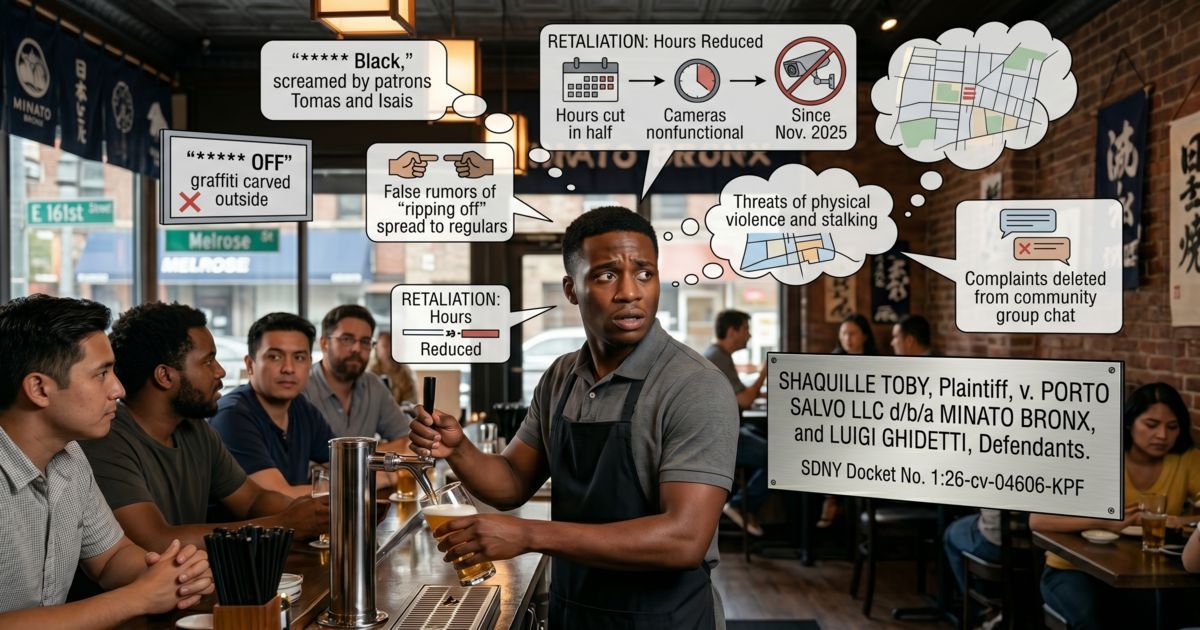
That is the civil-rights issue inside the federal complaint filed in *Shaquille Toby v. Porto Salvo LLC d/b/a Minato Bronx and Luigi Ghidetti*, SDNY Case No. 26-cv-04606.
According to the complaint, Shaquille Toby, a Black bartender at Minato Bronx, was paid $11 per hour plus tips, entirely off the books. He allegedly worked in a restaurant environment with no meaningful HR protection, no stable internal reporting structure, and no reliable management response when racial harassment escalated.
The complaint alleges that a former bartender and a handyman who frequented the restaurant repeatedly subjected him to racial slurs, spread damaging accusations about him among regulars, and helped poison the workplace and customer environment against him. It further alleges that racist graffiti remained carved into a bench outside the restaurant.
Then, according to the complaint, the abuse escalated.
Physical intimidation. Threats. Schedule-stalking. A violent confrontation. An alleged knife incident where another worker had to intervene.
The legal issue is not limited to who uttered the slurs. The issue is what management allegedly knew, what it controlled, and what it failed to correct.
Employers cannot avoid responsibility simply because the alleged racial abuse comes from a former employee, handyman, regular, customer, vendor, or other workplace-adjacent actor. If management knows third parties are using the workplace to racially degrade, threaten, or endanger an employee, the obligation is corrective action.
The retaliation allegations matter too.
Mr. Toby allegedly complained. According to the complaint, the response was reduced hours, unstable pay, removed duties, communication blackout, selective scrutiny, fabricated accusations, sexualized humiliation, reputational attack, and eventual non-recall after the restaurant allegedly reopened.
That is how retaliation often works in low-wage workplaces. It does not always arrive as a formal termination letter. It can arrive through fewer shifts, lost tips, silence, embarrassment, unstable pay, false accusations, and being quietly left off the schedule.
Civil-rights law exists for these workplaces too.
A Black worker’s dignity, safety, privacy, reputation, and economic security are not optional conditions of employment.
They are exactly what anti-discrimination law exists to protect.
Read the legal commentary: When Racism Becomes a Workplace Safety Threat buff.ly/rTmUDCZ
#CivilRights #EmploymentLaw #RaceDiscrimination #Retaliation #HostileWorkEnvironment #Section1981 #NYSHRL #NYCHRL #WorkplaceRights #HospitalityWorkers #WorkerProtection #NewYorkLaw #Bronx #TheSandersFirmPC #EricSandersEsq
2
4
487

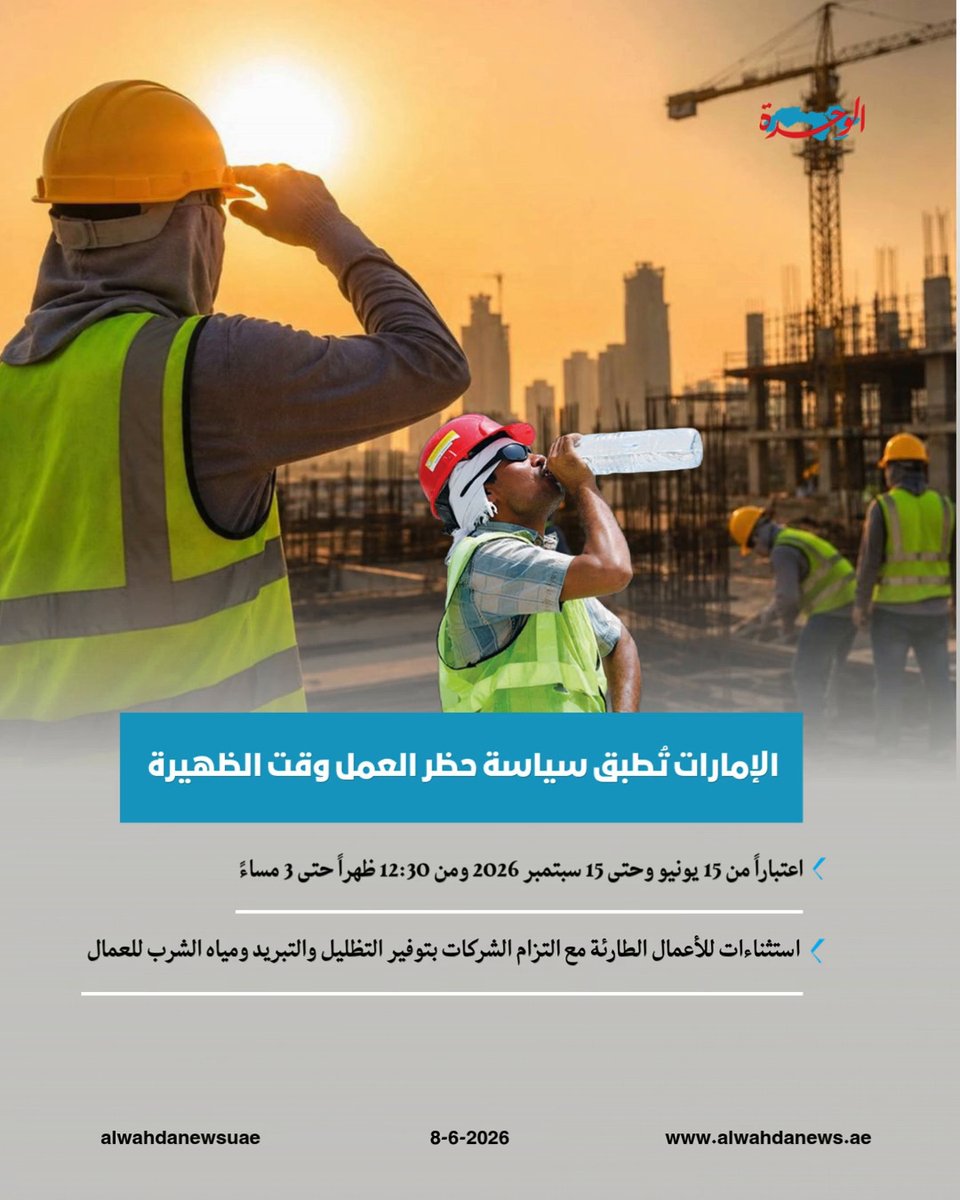
أعلنت وزارة الموارد البشرية والتوطين بدء تطبيق سياسة حماية العمال من الإجهاد الحراري من 15 يونيو حتى 15 سبتمبر 2026، بحظر العمل في الأماكن المكشوفة من 12:30 ظهراً إلى 3:00 مساءً.
السياسة تسمح باستثناءات محدودة للأعمال الضرورية مع تصاريح، وتلزم الشركات بتوفير الظل والتبريد والمياه، في إطار التزام الدولة بصحة وسلامة العمال.
#حماية_العمال #الإجهاد_الحراري #سلامة_مهنية #موارد_بشرية #جريدة_الوحدة
#WorkerProtection #HeatStress #MOHRE #OccupationalSafety #alwahda_news
@alwahdanewsuae
alwahdanews.ae
79

Four Years After P&O Ferries Scandal UK Government Proposes New Worker Protections afloat.ie/port-news/ferry-ne… #FerryWorkers #WorkerProtection #FairPay #SeafarersRights #FerryIndustry

79

May 29
ICC ପକ୍ଷରୁ ଶିଳ୍ପ ସୁରକ୍ଷା ଓ ବୃତ୍ତିଗତ ସ୍ୱାସ୍ଥ୍ୟ ଉପରେ ସମ୍ମିଳନୀ ; ଶ୍ରମିକ ସୁରକ୍ଷାରେ 'ଶୂନ୍ୟ ସହନଶୀଳତା' ନୀତିକୁ ଗୁରୁତ୍ୱ | ICC Hosts Conference on Industrial Safety and Occupational Health; Emphasis on ‘Zero Tolerance’ Policy for Worker Protection #ICC #IndustrialSafety #suramapadhi #OccupationalHealth #WorkerProtection #ZeroTolerance #OdishaNews #BreakingNews #PublicSafety #CommunityUpdates #WorkplaceSafety #prameyanews7
72

May 29
SAFETY NORMS IGNORED?
Workers Seen Without Safety Gear at Govt Site in Calangute
A viral video from Calangute has raised serious questions over worker safety at an ongoing government project. Social activist Rajendra Sawant alleged that workers were seen painting at heights without safety gear or harnesses.
He has urged authorities and contractors to immediately enforce proper safety norms and ensure worker protection at all public project sites.
#Calangute #WorkerSafety #RajendraSawant #GoaNews #GoaUpdates #SafetyNorms #GovernmentProject #LabourSafety #PublicIssue #ConstructionSafety #GoaDevelopment #CurrentAffairs #ViralVideo #WorkerProtection #CivicConcern
2
227

Apr 16
ଖରା ଅଧିକ ଥିବା ବେଳେ କାମ କରିବା ଉଚିତ ନୁହେଁ । ନିୟମ ଉଲ୍ଲଂଘନ କଲେ କାମ କରାଉଥିବା ଲୋକଙ୍କ ବିରୋଧରେ କାର୍ଯ୍ୟାନୁଷ୍ଠାନ ହେବ କହିଲେ ଶ୍ରମ କମିଶନର ଇନ୍ଦ୍ରମଣି ତ୍ରିପାଠୀ
#HeatwaveAlert #NoWorkInExtremeHeat #LabourCommissionerOdisha #HeatSafety #WorkerProtection #OdishaLabour #AvoidMiddayWork #OTV
2
10
851

Mar 12
Employee Rights | 5 நாட்கள் உண்ணாவிரதம் இருந்தும் நியாயம் கிடைக்கவில்லை! ஊழியர் குமுறல்!
#EmployeeRights #WorkplaceDiscrimination #CancerAwareness #LaborLaw #WorkerProtection #CorporateEthics #WorkplaceHealth #SocialJustice #zeetamilnews
137

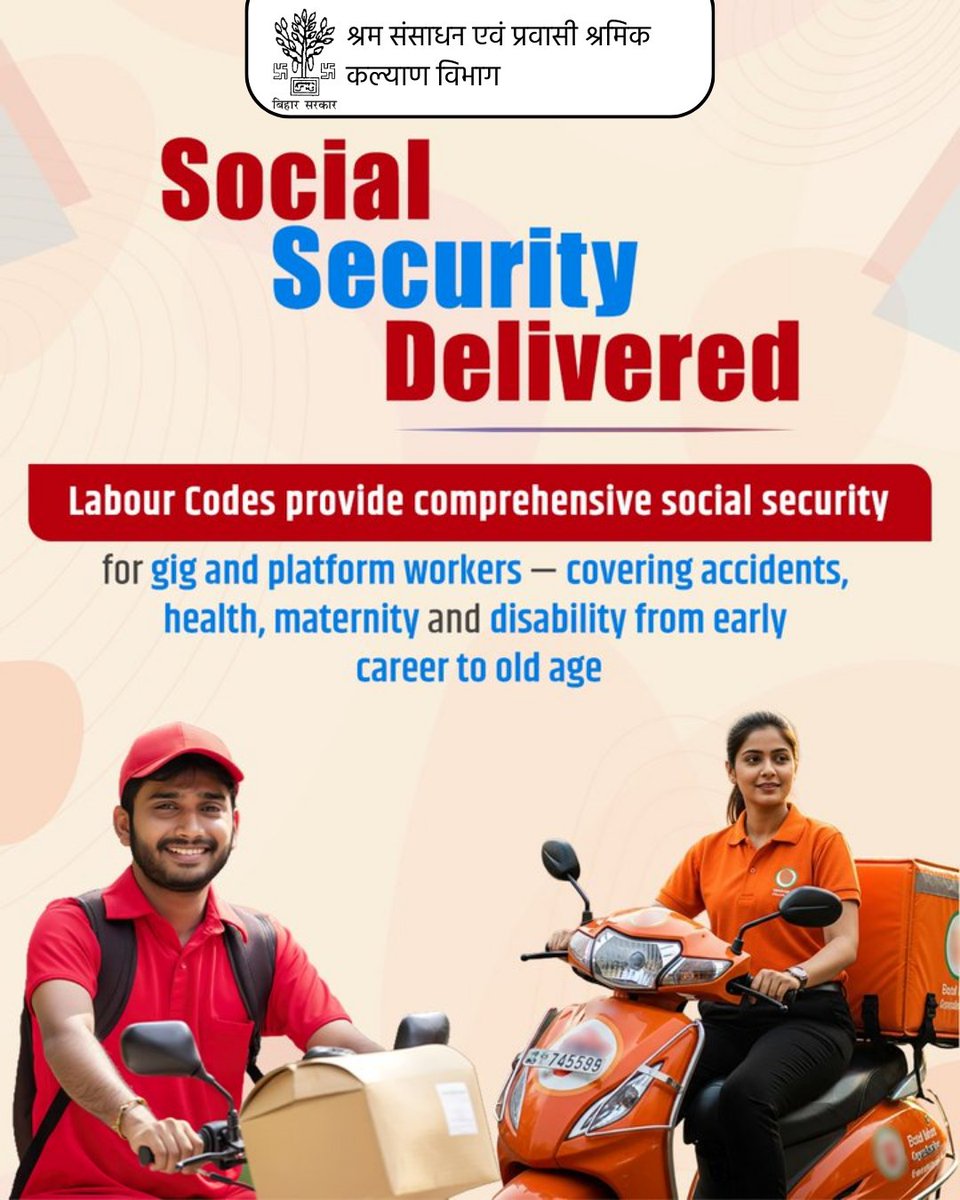
From accident cover to health, maternity and disability benefits - the Labour Codes bring gig & platform workers into the fold of strong social security for lifelong protection.
@IPRDBihar @mlaarrah
#LabourCodes
#SocialSecurity
#GigWorkers
#PlatformWorkers
#WorkerProtection
3
236

Riders in Nigeria get a safety boost
@chowdeck has partnered with @mycovergenius to automatically insure 20,000 delivery riders with personal accident coverage, no sign-ups or paperwork needed.
This move sets a new standard for gig worker protection in Africa’s on-demand economy.
Could embedded insurance become the norm for gig platforms?
Read more: innovation-village.com/chowd…
#InnovationVillage #AfricaTech #GigEconomy #Insurtech #WorkerProtection #StartupEcosystem #NigeriaTech
3
359

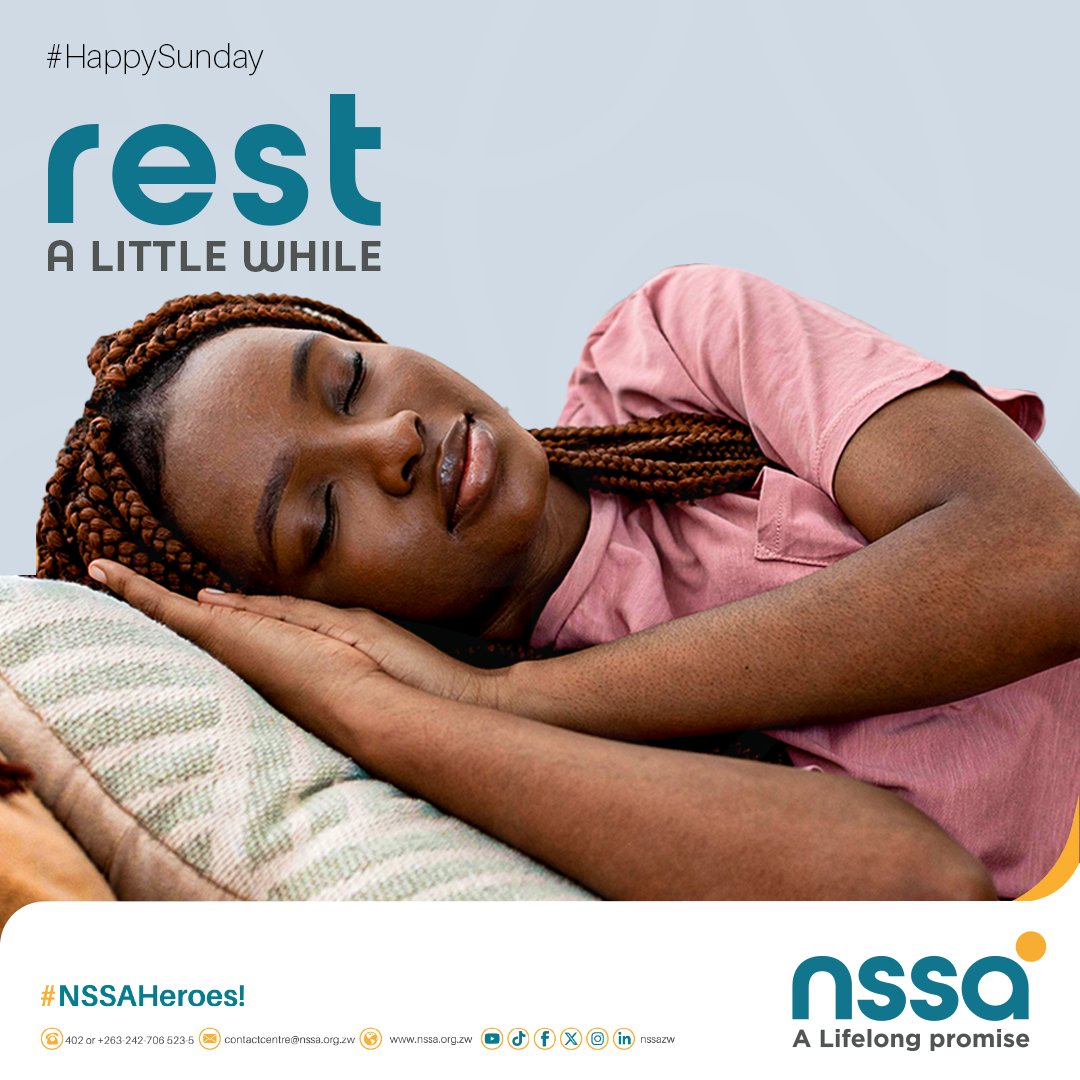
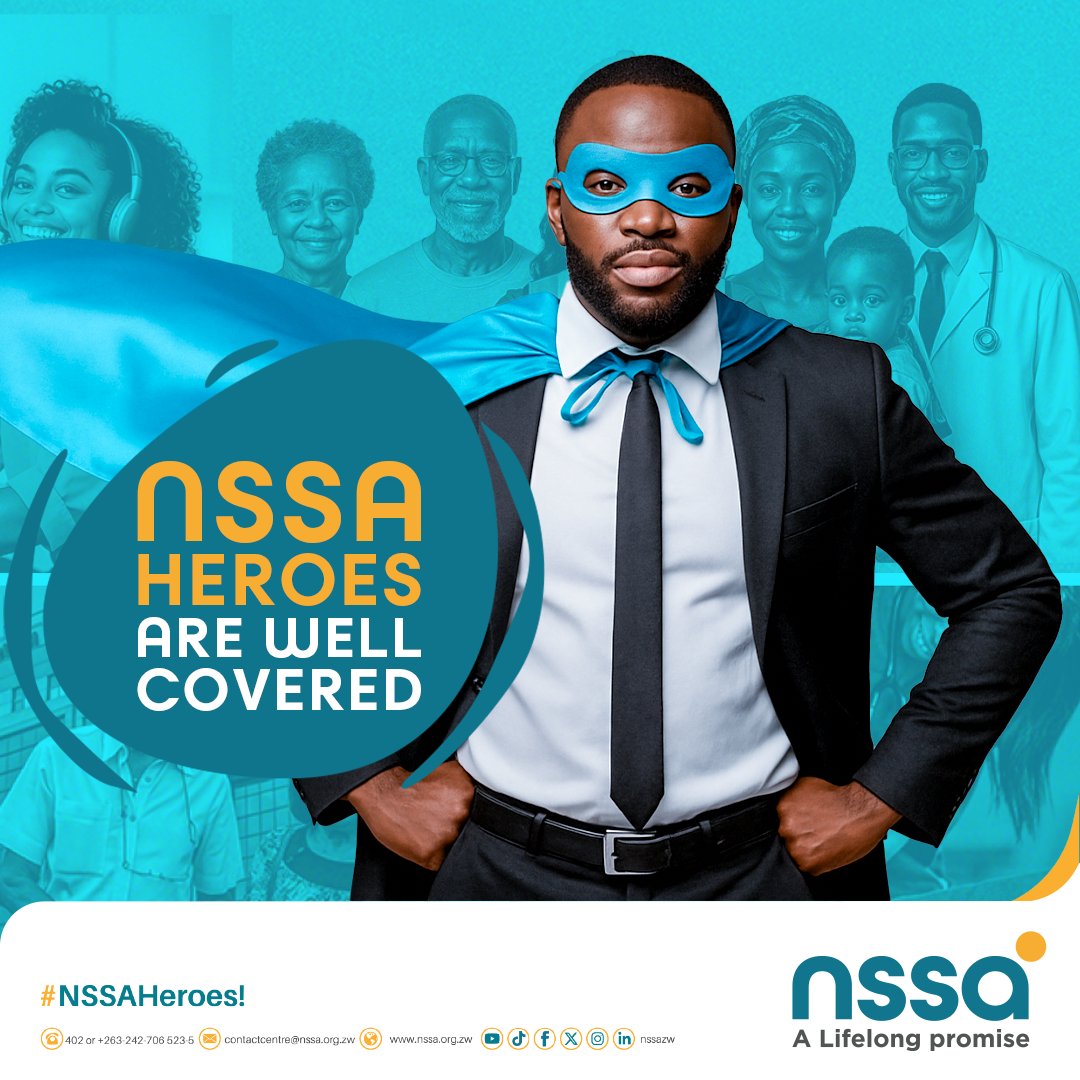
Sundays are for rest but also for reflection. Take a moment to appreciate the work you do and the protection in place for you through NSSA. Staying informed about your rights and benefits helps secure your future.
Take a rest today.
#NSSA #SocialSecurityZW #WorkerProtection #OSH
3
84
APWCS covers workplace injuries, occupational diseases & work-related death.
To claim, submit: WCIF 14, medical report, ID/passport, payslip (month of injury), bank statement & decision sheet (pneumoconiosis cases).
#NSSA #APWCS #WorkerProtection
1
6
138
Month of Love 💖
Love protects.
Register on the portal.
Prioritise safety & health at work.
Comply with social security.
At NSSA, we protect Zimbabwe’s workforce.
Choose love that secures the future.
#NSSA #MonthOfLove #WorkerProtection #OSH

4
97

Jan 12
Delivery rider assaulted, forced to squat as punishment inside Zepto store in Delhi yespunjab.com/?p=205038
#GigWorkerSafety #ZeptoNews #DeliveryRiderAssault #DelhiCrime #RishabhKumar #GigEconomyRights #WorkerProtection #LabourNewsIndia #PlatformWorkers #WorkplaceViolence #SocialSecurityForWorkers #IndiaNews
38

Jan 5
Ensuring hotel employee safety is increasingly becoming a legal mandate. But meeting compliance for panic buttons in every room is complex. Find out how to deliver real peace of mind, not just check a box. #HotelSafety #WorkerProtection iotforall.com/iot-panic-butt…
2
93
31 Dec 2025
RJD's Manoj Jha writes to PM Modi seeking protection of gig workers’ rights yespunjab.com/?p=200295
#GigWorkers #RJD #ManojKumarJha #LabourRights #PMModi #PlatformWorkers #DeliveryWorkers #FairWages #SocialSecurity #UnionRights #IndiaNews #DigitalEconomy #WorkerProtection
23
22 Dec 2025
Haryana Assembly passes bill to reduce compliance burden on small establishments yespunjab.com/?p=196549
#HaryanaLabourReforms #SmallBusinessIndia #HaryanaEconomy #WorkerProtection #AnilVij #HaryanaBusiness #ShopsBill2025 #EmploymentOpportunities #OvertimeRules #BusinessReforms #HaryanaVidhanSabha
@anilvijminister
13

2 Dec 2025
Starbucks agreed to a record $38.9 million as settlement after New York City found the company repeatedly violated laws requiring stable schedules for fast-food workers. A three-year investigation revealed several breaches, prompting payments to more than 15,000 employees
#Starbucks #WorkerRights #NYC #LabourLaws #SchedulingLaw #FastFoodWorkers #UnionSupport #WorkerProtection #USNews #LabourJustice #CNBCTV18Digital #ZohranMamdani #BernieSanders
3
2,172

28 Nov 2025
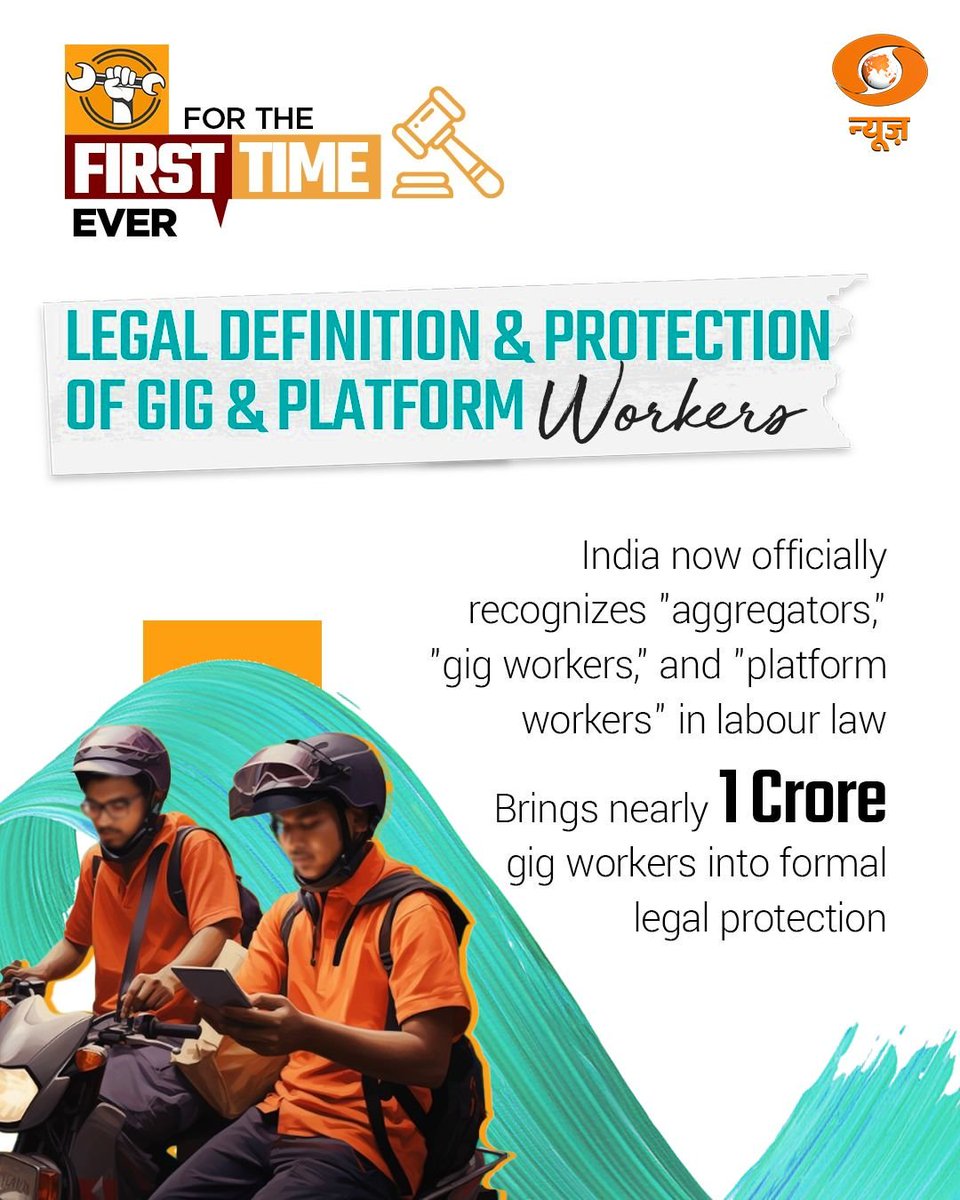
LEGAL DEFINITION AND PROTECTION FOR GIG & PLATFORM WORKERS
India now officially recognises aggregators, gig workers, and platform workers under labour law.
This brings nearly 1 crore gig workers under formal legal protection for the first time.
#GigWorkers #PlatformWorkers #LabourReforms #WorkerProtection #NewLabourLaws
1
4
585