
Jun 13
High EQ contributes to better job performance AND greater happiness.
EQ exercises boosted productivity and earned better evaluations from management.
Emotional capability makes people work better and feel better.
#EmotionalIntelligence #WorkPerformance #Happiness
6
Jun 12
Research shows teachers with high EQ perform better overall.
EQ is closely linked to performance, especially recognizing and managing emotions in yourself and others.
In any role involving people, EQ predicts excellence.
#EmotionalIntelligence #WorkPerformance #SelfAwareness
13
Jun 11
EQ matters in the workplace for two clear reasons: it increases job satisfaction for high-EQ employees AND those who work with them, and it's directly linked to job performance.
Invest in EQ. Invest in results.
#EmotionalIntelligence #JobSatisfaction #WorkPerformance
4

Apr 13
#StressAwarenessMonth 🧠
#WorkPerformance pressure taking a toll on your #mentalhealth? #AudioVisualEntrainment (AVE) can help improve #focus, reduce #stress & support #workplacewellness.
mindalive.com/collections/bu…
#MindAlive #PeakPerformance #WorkPerformance #WorkLifeBalance
3
56
Feb 20
Use different sessions on one of our DAVID devices to enhance brain performance and reduce work stress!
Learn more: mindalive.com/collections/bu…
#MindAlive #BusinessPerformance #WorkPerformance #WorkPlaceWellness #AudioVisualEntrainment #CranioElectroStimulation
2
27

6 Aug 2025
The #slaveant #Formica #fusca (#Formicinae): about its general #biology, their #longlived #queens and #workers and the role of #individualism in a colony.
Formica rufa is a widespread and common ant species in Europe. Its #colonies are often #polygynous, meaning that several active queens live in one #nest. The nests are built underground. The species is often used by other ant species to found their colonies. Sometimes also pupae are stolen by ant species and young workers are subsequently forced to work in the predating ant's colony. That's why the species is named slave ant.
As with many other ant species, various #myrmecophilous species, such as #mites, nematodes, or specially adapted insect species, live in the nest of Formica fusca.
An interesting biological peculiarity that can generally be found in ants is the unusually long #lifespan of the queens, and sometimes also of the workers, related to other insects. The queens of Formica fusca can live for over 15 years, but the workers also reach an age of more than eight years.
This is unusual, because insects are known for their short lifespans, at least as adults.
In general, very small animals tend to have a shorter life expectancy because their #bodysurface area is rather large relative to their body volume. This means that heat #energy is more easily dissipated to the outside, which is why these animals suffer from a constant lack of energy and die more quickly from exhaustion. The difference is clearly visible when comparing shrews and elephants. Insects often have more effective protection against evaporation than shrews, namely in the form of their chitinous cuticle. However, the fact that completing their life cycle, especially mating, egg laying, and possibly brood care, consumes so much additional #lifeenergy that the protective effect of the chitinous cuticle is insufficient in the long run.
But why do queen ants, like those in Formica fusca, live so long? Well, one reason for this is that they can concentrate fully on egg production and don't have to waste any further energy.
But why then do the workers of Formica fusca also live so long?
This is seemingly due to the fact that the workers are quite large compared to other native ant species. But also, because Formica fusca is relatively insensitive to rapidly changing #environmentalfactors. Furthermore, the individual demands on each worker and their #workperformance appear to be lower than in other ant species. However there must also be factors at the molecular genetic level that slow down the aging processes.
In their review, the authors D. E.L. Promislow al. (2022) provide an overview of external and molecular genetic factors of life expectancy in insects. Starting with information on aging in the very well-researched #dipteran species Drosophila melanigaster, they also include research results on other insect species, discussing the various aspects that influence life expectancy in insects in much more detail than is possible my short #article.
Ants are often viewed more as functioning machines than as #sociallyorganized individuals. But this is incorrect. Individual behavior, such as #laziness or #diligence, has rather long been known in ants.
The authors C. Carere et al. (2018) scientifically examined the topic of "Individual #behavioraltype and #groupperformance in Formica fusca ants." In their study, they established the connection between individual behavior and group performance using experimental approaches. Worker groups were separated based on their similar individual behavior tendencies and their behavior related to the transport of offspring cocoons was documented.
© #StefanFWirth, #Berlin August 2025
References:
D. E.L.Promislow al. (2022) :
doi.org/10.1146/annurev-ento…
C. Carere et al. (2018):
doi.org/10.1016/j.beproc.201…
#Photos:
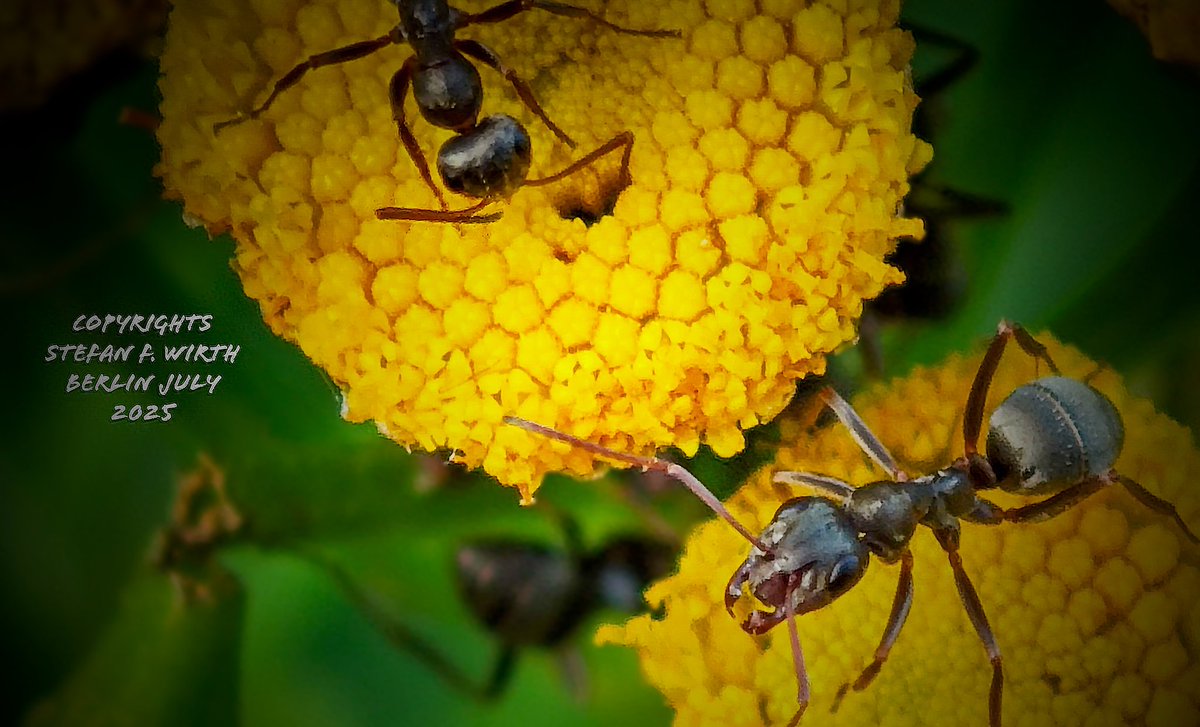
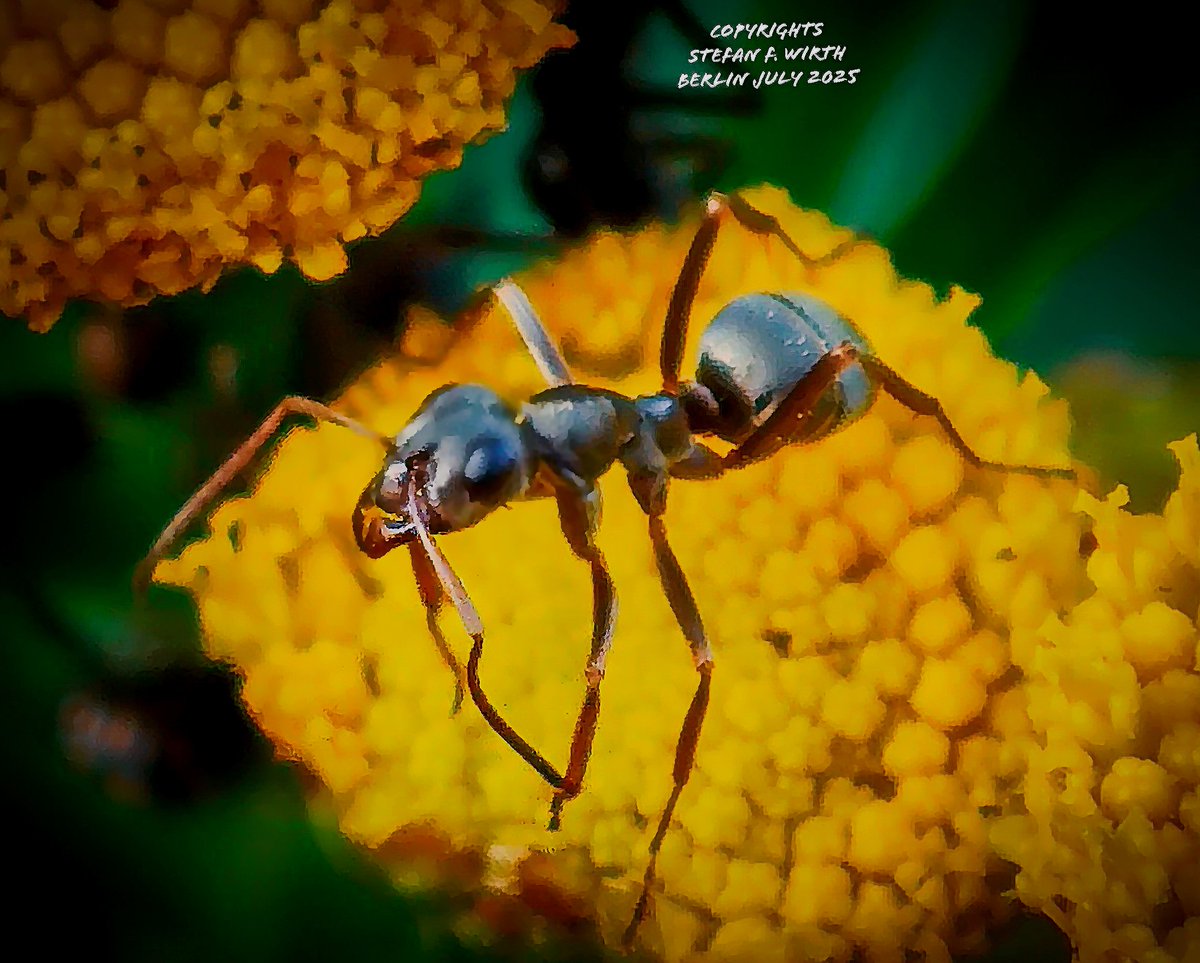
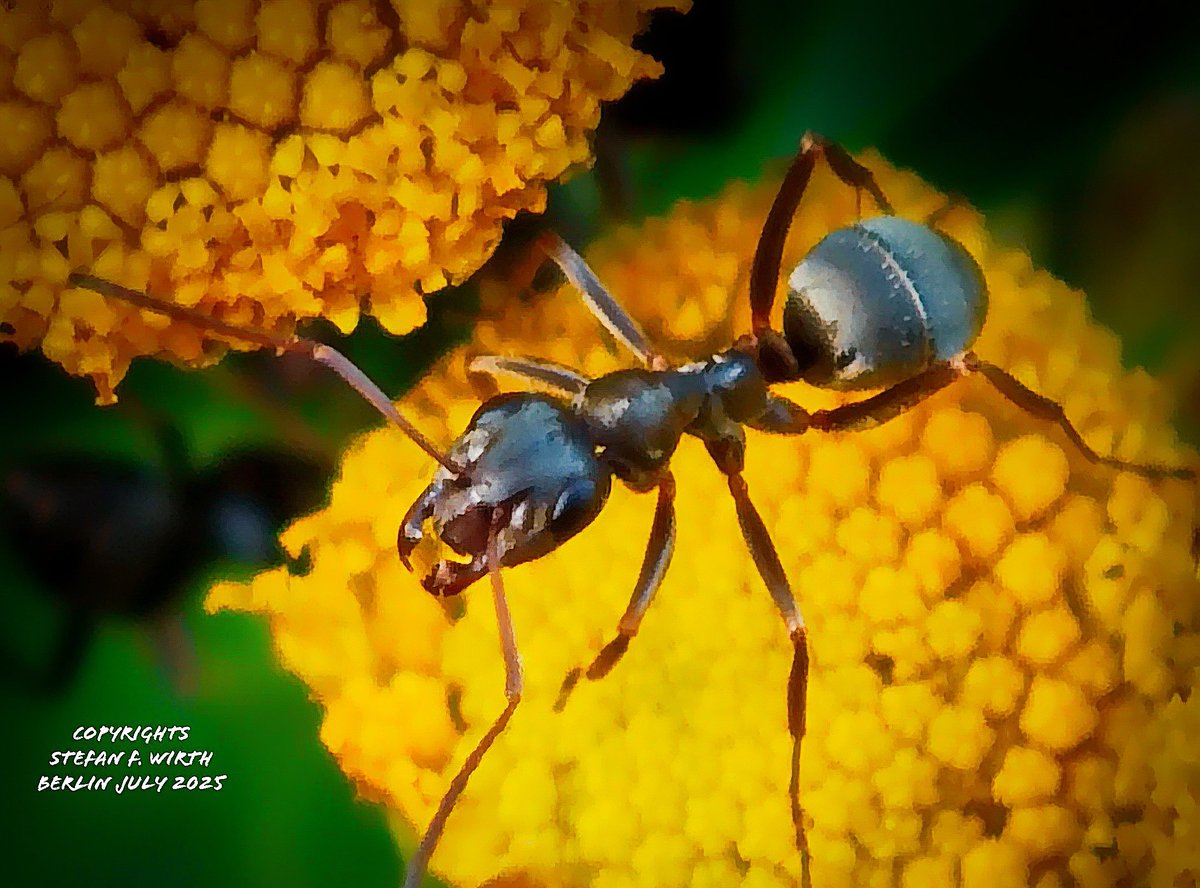
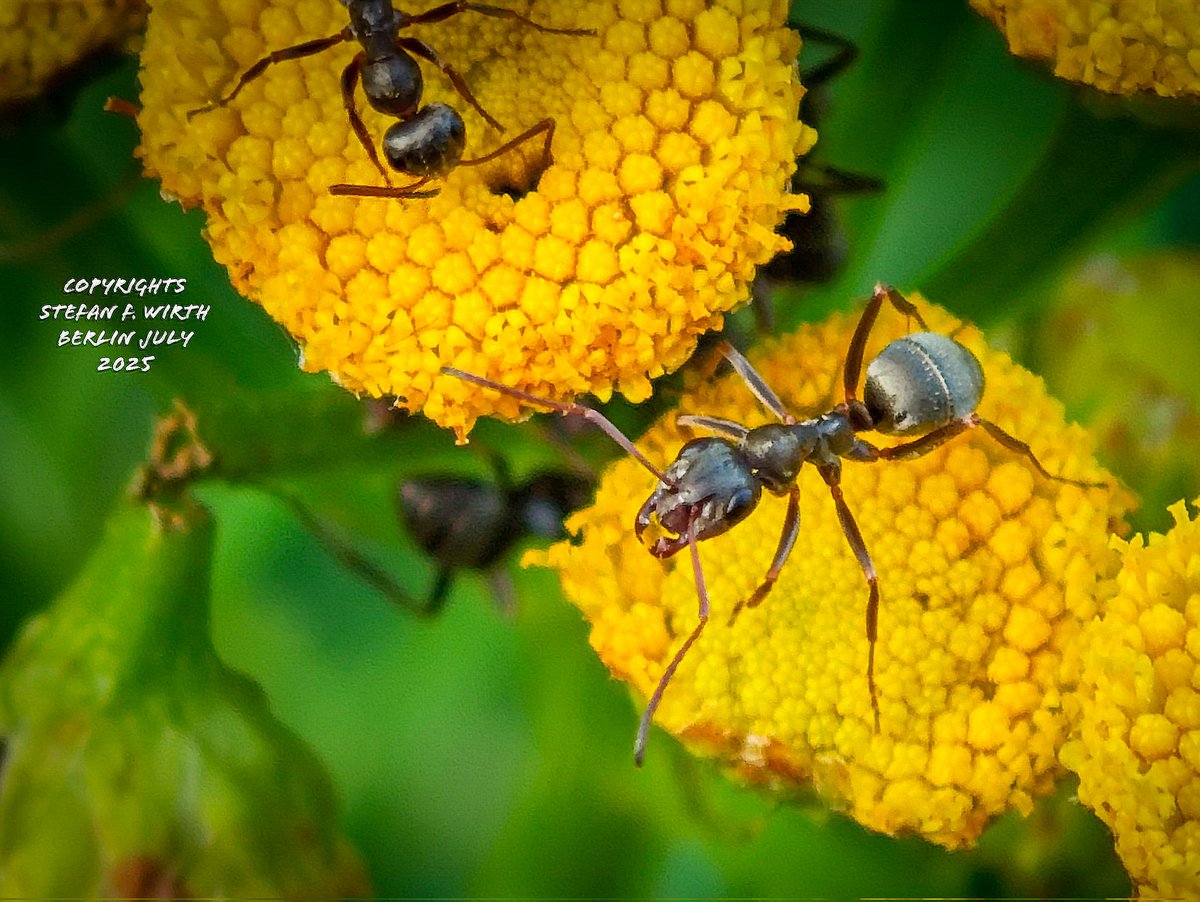
F. fudca workers on common #tansy guarding #aphids of #Metopeurum #fuscoviride on a dry #meadow nearby urban #park Goethepark in Berlin © S.F. Wirth, 2025
1
22
271
1,541

30 Apr 2025
BloomPath @BloompathAI Raises $1.3M in Pre-Seed Round
#SaaS #AI #TeamManagement #CareerDevelopment #EngineeringTeams #WorkPerformance #Productivity #AIPlatform #PreSeed #Funding
thesaasnews.com/news/bloompa…
1
3
42

11 Mar 2025
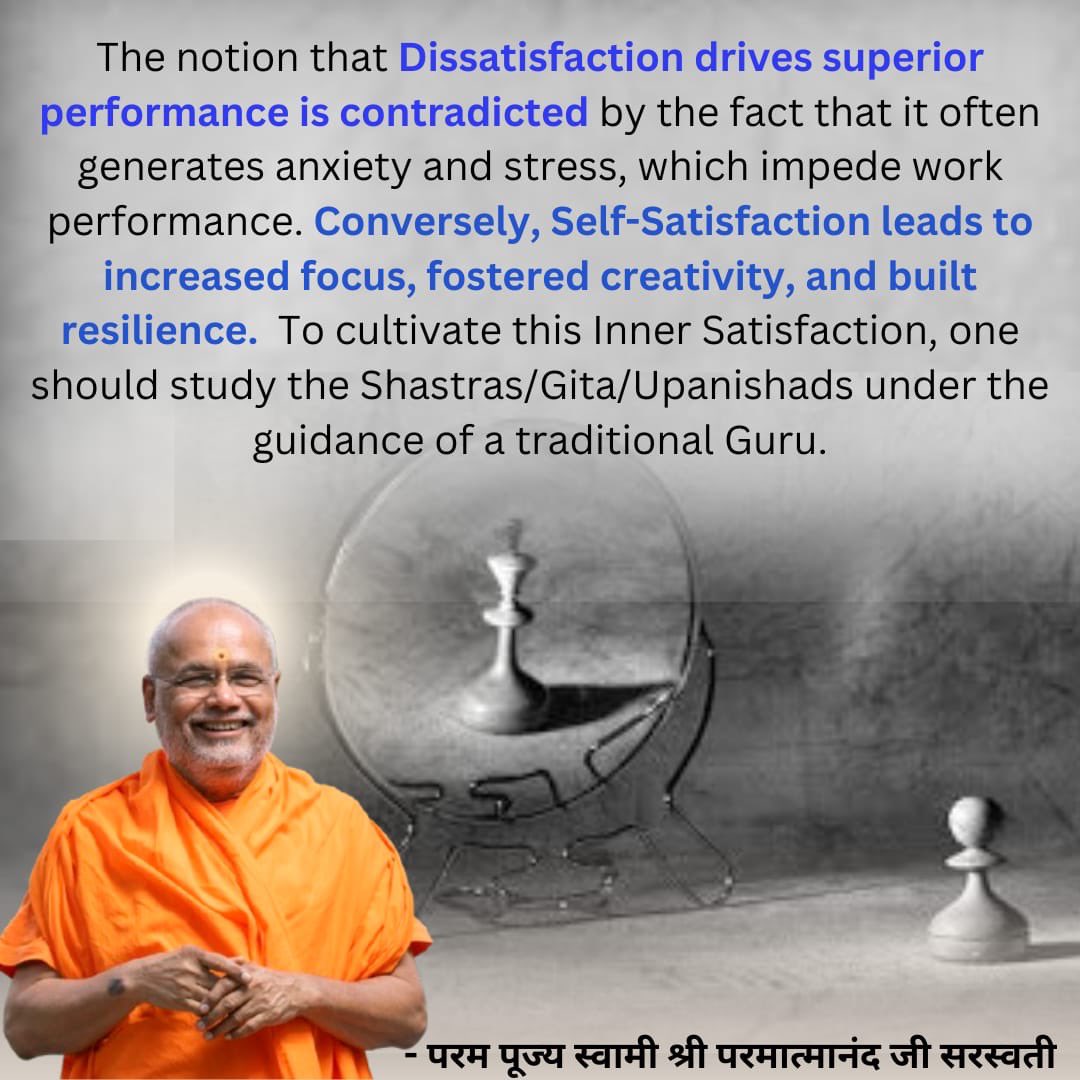
The notion that #Dissatisfaction drives superior #performance is contradicted by the fact that it often generates #anxiety and #stress, which impede work performance. Conversely, Self satisfaction leads to increased #focus, fostered #creativity, and built #resilience. To cultivate this inner #satisfaction, one should #study the shastras/Geeta/Upanishads under the guidance of traditional #Guru.
#selfsatisfaction #satisfiedlife #geetagyan #workperformance
@alok_bhatt
1
2
10
317


13 Jan 2025
📢 New Paper Alert: "Things at Work: How Things Contribute to Performing Work" by Jörgen Sandberg et al.
✨ Discover how "things" like tools & algorithms co-create outcomes in biotech work.
🔗 onlinelibrary.wiley.com/doi/…
#WorkPerformance #Innovation #Biotech #JMS
5
277

15 Nov 2024
Awetumn Sefton Park yesterday, late afternoon.
What a treat in between a very long and successful today.
Make time for yourself, everyday, always.
#Workperformance #performance #Breathwork #Liverpool

1
8
29
1,785

16 Oct 2024
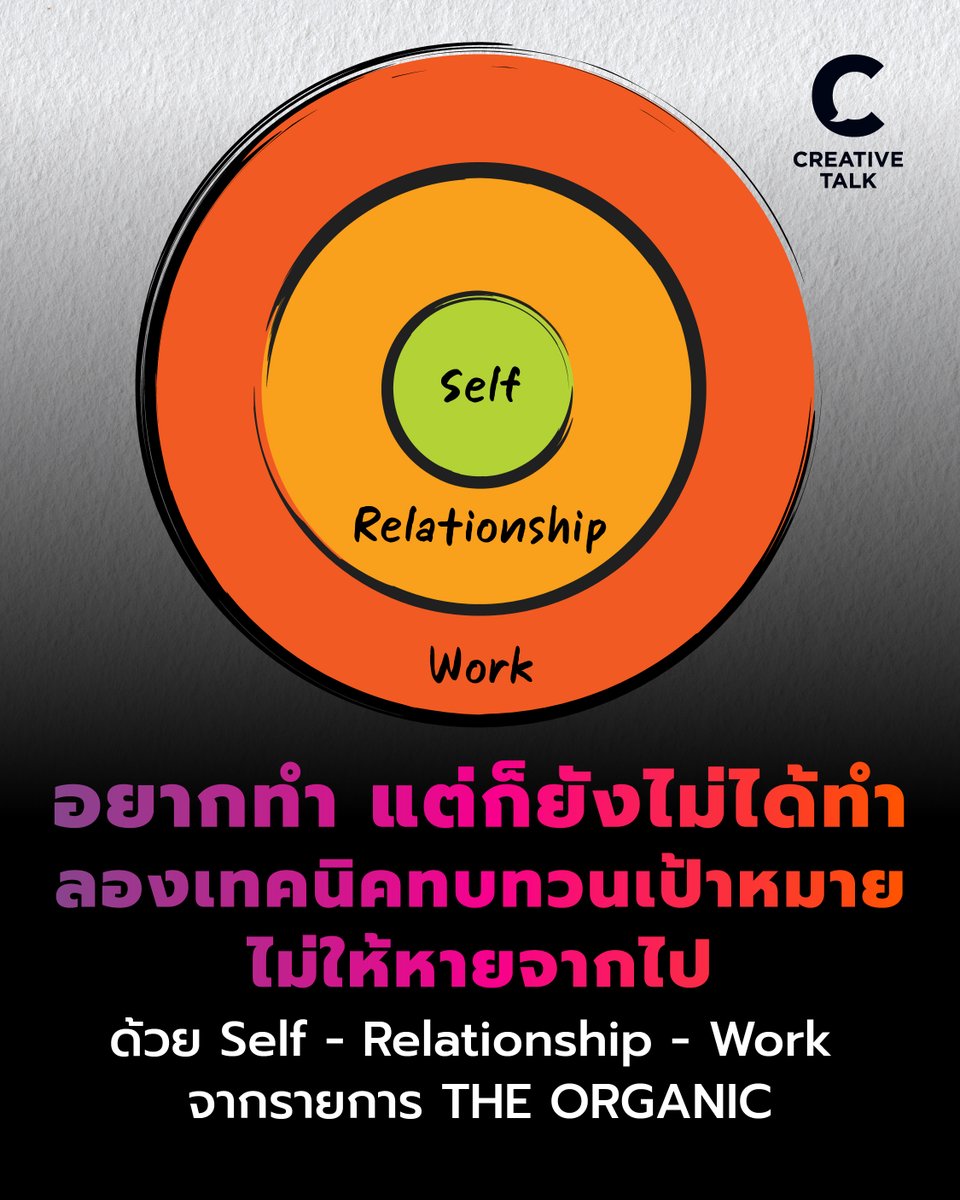
อยากทำ แต่ก็ยังไม่ได้ทำ ลองเทคนิคทบทวนเป้าหมาย ไม่ให้หายจากไป แก้ด้วย Self - Relationship - Work จากรายการ THE ORGANICE
bit.ly/4f3iUQz
#THEORGANICE #ทบทวน #เป้าหมาย
#Checklist #Goal #Value #Relationship #Activities #WorkPerformance #Listof2024 #ส่งท้ายปี #ลับคมความคิด
1
1
139

10 Sep 2024
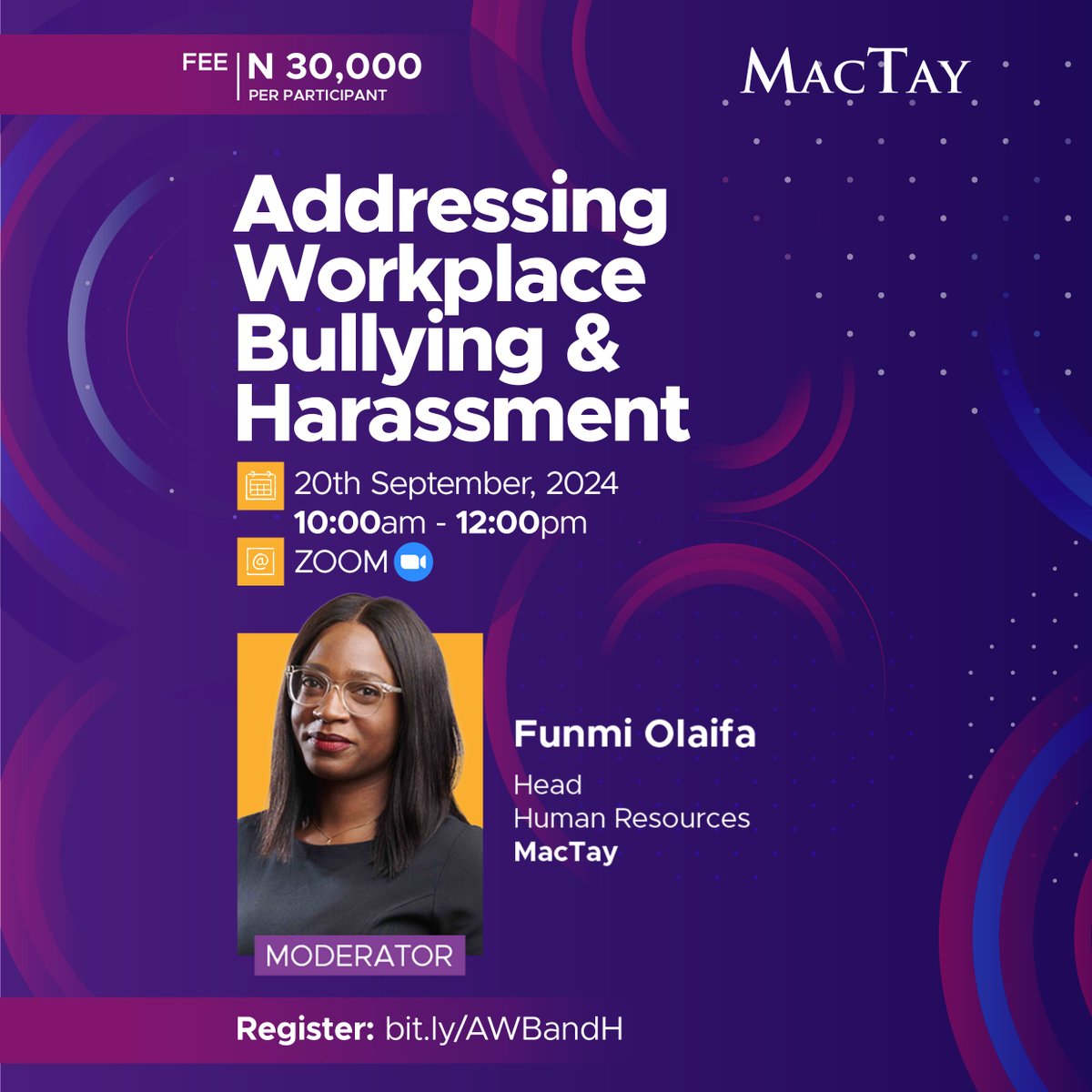
Workplace bullying and harassment are insidious problems that negatively impact productivity, morale, and the well-being of employees. Yet, many organizations struggle to recognize or act on the warning signs. The effects ripple through teams — lowering engagement, increasing turnover, and fostering toxic environments.
Meet Funmi Olaifa, Head of Human Resources at MacTay and our moderator for the upcoming webinar on Addressing Workplace Bullying & Harassment.
📅 Date: 20th September 2024
⏰ Time: 10:00 AM - 12:00 PM
Platform: Zoom
Registration Fee: ₦30,000 per participant
🔗 Register Now: bit.ly/AWBandH
#MacTay #workplaceharassment #workperformance #employeemorale
4
5
163

4 Sep 2024
3 Warning Signs of Poor #WorkPerformance (and How to Turn Things Around!) #sme #smallbusinesstips #businesstips businesspartnermagazine.com/…
2
10

6 Aug 2024
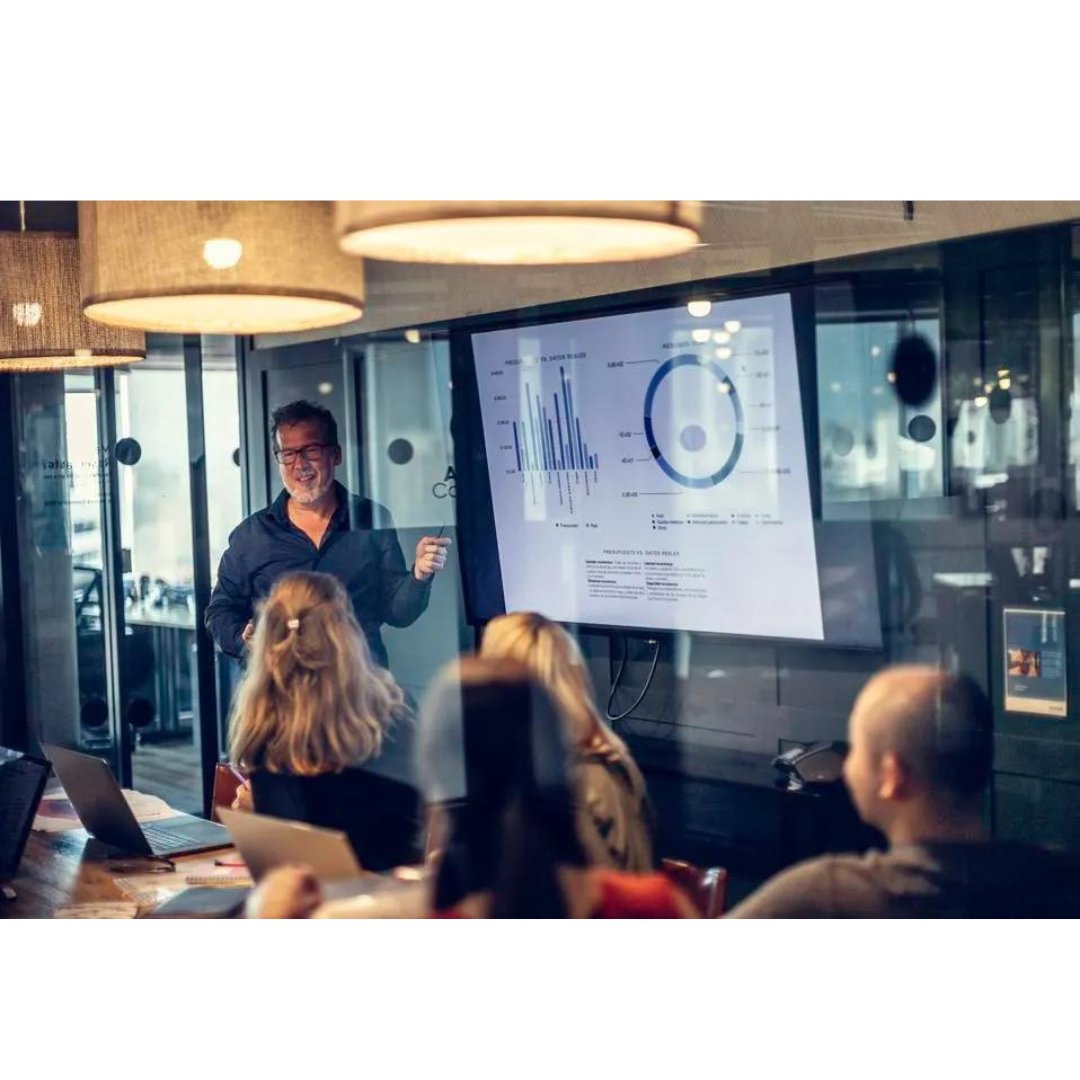
How To Harness The Power Of KPIs For Business Success
forbes.com/sites/forbesfinan…
#success #KPIs #entrepreneurship #management #workperformance #strategies #motivation #datadriven #mindfit #institute #mindfitinstitute
1
7

16 Jul 2024
Read the full article here: caregiversmartsolutions.com/…
Let’s foster a greater understanding of the caregiving experience and work together to make positive changes in the workplace!
#Caregiving #WorkPerformance #CaregiverSupport #WorkLifeBalance #EmployeeWellbeing
1
2
45

16 Jul 2024
🔊 It's D-Day!
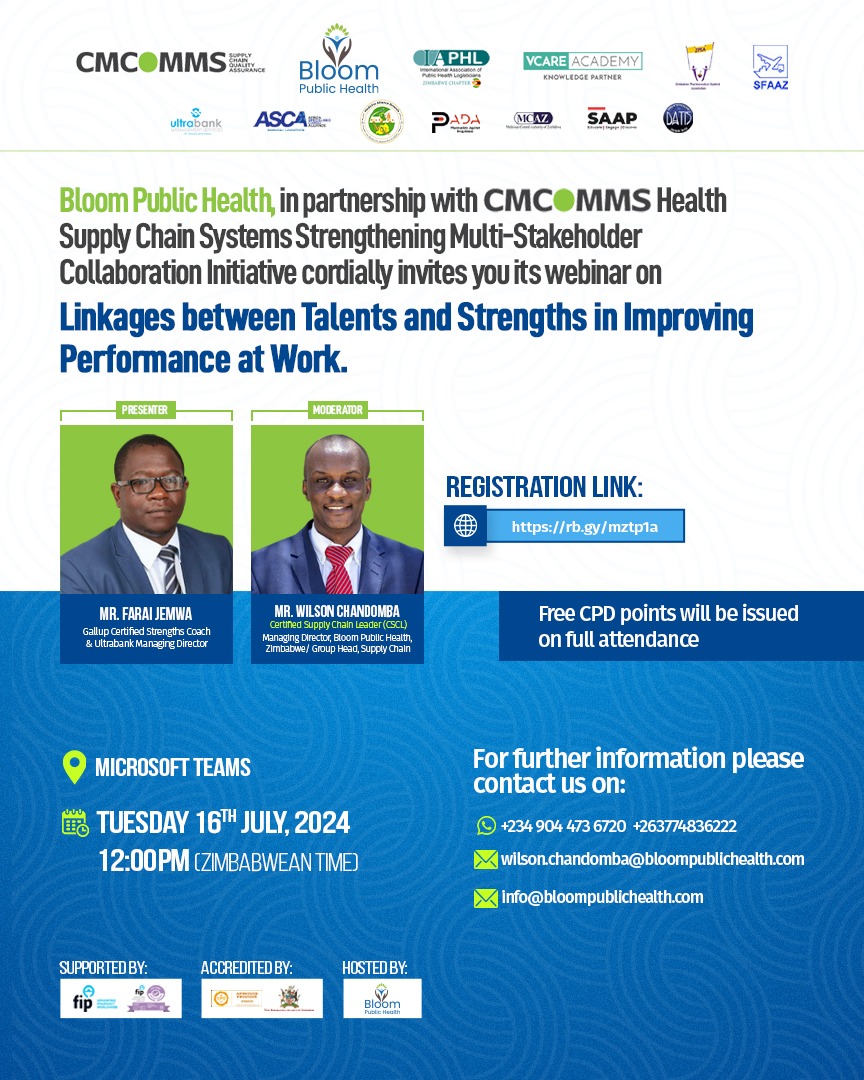
Seize the #opportunity to #register now for this #webinar, if you want to gain insights on the linkages between #talents and #strengthsin improving #workperformance.
Click:rb.gy/mztp1a
#webinar #talents #strengths #workperformance
15 Jul 2024

📷 It's Happening Tomorrow!
Join us for an enlightening #webinar on Linkages between #Talents and #Strengths in Improving #Performance at #Work.
Date 📷: July 16, 2024
Time📷: 11am GMT
Register now: rb.gy/mztp1a
1
2
58

Are you ready to take your career to the next level?
Check out our latest post featuring actionable tips to help you enhance your #workperformance.
Read the full blog: blogs.yoroflow.com/tips-to-i…
#workflowautomation
1
2
32

3 Jul 2024
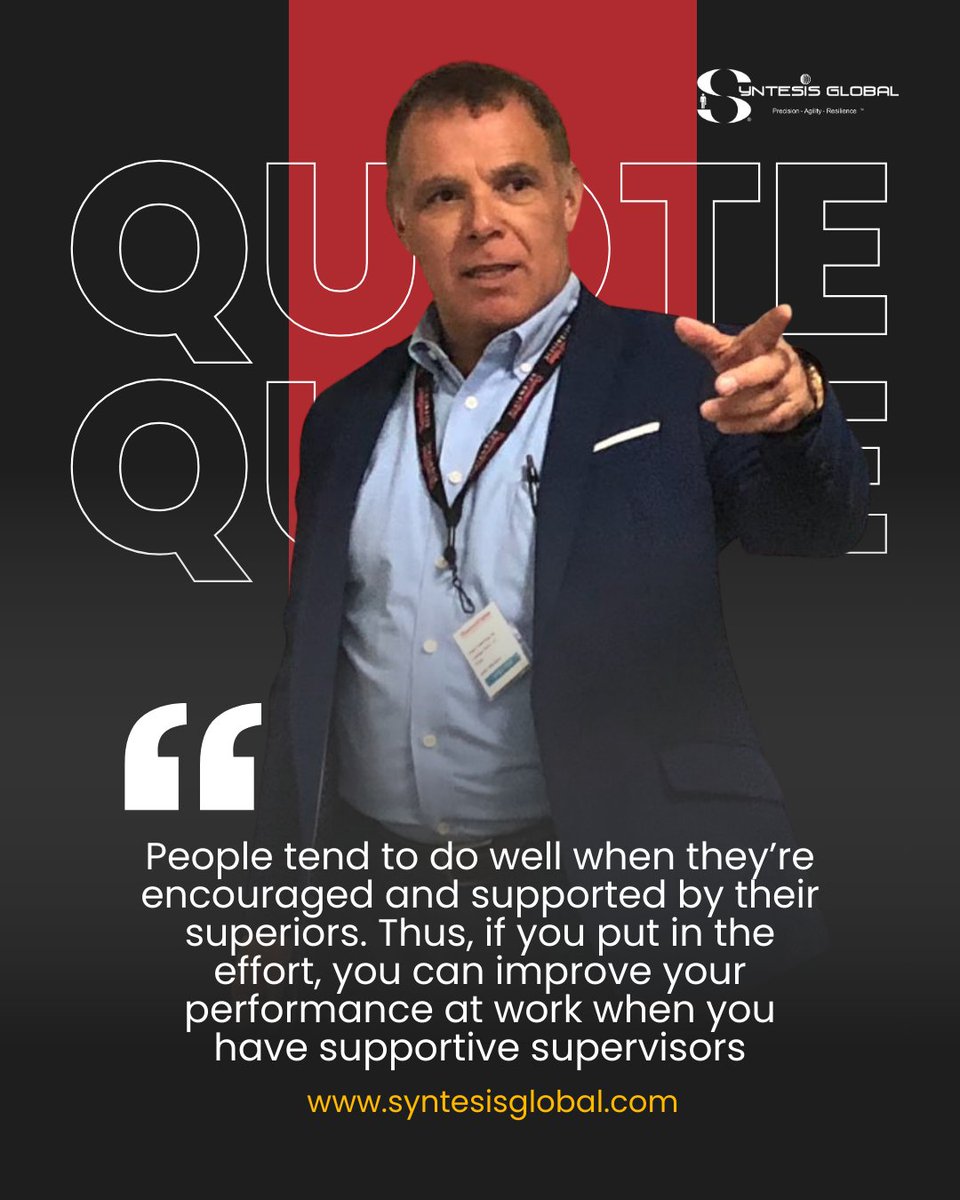
Good performance is key to success in life. Whether at work or school, excelling leads to more opportunities and freedom. You can achieve great things and unlock your potential with support and encouragement.
#PerformanceMatters #SuccessInLife #WorkPerformance
4
20

31 May 2024
THE WORKPERFORMANCE WAS SO GOOD THEIR OUTFITS WERE SO GOOD OMG
THEIR VOCALS IN EMPTY BOX WERE AMAZING AND, HONGJOONG?!,,!,?
4
13
223