
Jun 11
most people would point to ken thompson as the example (which I've made a video about)
but arguably xcodeghost is the more interesting modern equivalent
1
4
99

Mar 19
Ever heard of the “trusting trust” problem? Imagine you have source code you fully trust, you compile it, and the resulting binary shows unexpected or malicious behaviour.
How is this possible?
What if the compiler, or the build environment, secretly modifies the source code or the compilation process to insert malicious code?
This is exactly what happened in attacks like SolarWinds, XcodeGhost, and many others.
The solution…? Naively, one might think: just build the compiler from reviewed source code. The problem is that to build it from source, you need… a compiler. It’s a classic chicken-and-egg issue.
Enter “bootstrapping”: the process of building a compiler starting from a small, human-readable, trusted “seed” that is iteratively expanded until you reach a full modern compiler toolchain.
1
1
13
1,566

25 Dec 2025
Don’t do this! It’s designed to catch compromised development tools (see also: XcodeGhost)
2
597

26 Nov 2025
Remember the "XcodeGhost" or "Masque Attack" malware waves?
Both happened inside the supposedly impenetrable walled garden. The idea that a closed system is automatically safe is a myth.
When flaws are found, they can have a massive impact precisely because everyone is in the same basket.
1
2
80
14 Nov 2025
The 'Unhackable iPhone' Myth: What Apple Users Need to Know About Real Security Threats
Look, I get it. You dropped a grand on your iPhone 15 Pro, and Apple's marketing team has been whispering sweet nothings in your ear about how secure it is. The walled garden. The privacy labels. That smug little "Designed in California" engraving on the back. It all feels pretty safe, right?
Here's the thing, though and I'm not saying this to be a jerk but that feeling of invincibility? It's exactly what makes iPhone users some of the juiciest targets out there.
The Security Theater We've All Bought Into
Apple's done something brilliant, honestly. They've convinced millions of people that owning an iPhone is basically like having a digital fortress in your pocket. And sure, compared to a lot of Android devices (especially the cheap ones), iPhones do have some solid security features baked in. But somewhere along the way, "better security" got twisted into "unhackable," and that's where things get dangerous.
I've lost count of how many times I've heard someone say, "I don't need antivirus I have an iPhone." Or my personal favorite: "iPhones can't get viruses." It's like watching someone walk through a bad neighborhood at 2 AM counting cash because they're wearing a really nice jacket. The jacket might be quality, but it's not a force field.
The reality? iPhones get hacked. They get infected with malware. They get compromised in ways that would make most people's skin crawl. And the worst part is that Apple users are often the last to know because they've been lulled into this false sense of security.
When Reality Comes Knocking (Or Hacking)
Let's talk about Pegasus for a second. You know, that NSO Group spyware that literally turned iPhones into surveillance devices? Yeah, that one. It exploited zero-click vulnerabilities meaning you didn't even have to click on a sketchy link. Just receiving a message was enough. Your iPhone could be completely compromised without you doing a single thing wrong.
And this wasn't some theoretical vulnerability that researchers found in a lab. This was actively used against journalists, activists, politicians, and regular people around the world. Apple patched it, sure. But here's the kicker by the time they patched it, how many iPhones had already been compromised? How many people were walking around thinking they were perfectly safe?
Then there's the whole Pegasus situation that keeps coming back like a bad penny. In 2023, Apple sent threat notifications to users in over 150 countries warning them they'd been targeted with mercenary spyware. These weren't low-level scammers trying to steal credit card numbers. These were nation-state level attacks hitting iPhone users specifically because wait for it they thought their iPhones were secure.
The Malware Menu Nobody Talks About
"But iPhones don't get malware!" Except they do. They absolutely do.
Remember XcodeGhost? That was the malware that infected legitimate apps in the App Store you know, Apple's supposedly iron-clad, review-everything-twice App Store. Developers in China downloaded a compromised version of Xcode (Apple's own development tool), and boom, hundreds of apps got infected. We're talking apps with hundreds of millions of users. WeChat, Didi (China's Uber), even some banking apps. All approved by Apple's review process.
Or how about the enterprise certificate abuse? Scammers figured out they could get enterprise certificates (meant for companies to distribute internal apps) and use them to install malware on regular iPhones. No jailbreak needed. No App Store required. Just a clever workaround that exploited Apple's own system.
And don't even get me started on the malicious profiles and configuration exploits. People install what they think are legitimate VPN profiles or enterprise apps, and suddenly their iPhone is phoning home to a server in who-knows-where, leaking everything from passwords to photos.
The point isn't that these vulnerabilities exist every system has vulnerabilities. The point is that iPhone users are often blindsided by them because they've been told over and over that these things don't happen to iPhones.
The Social Engineering Elephant in the Room
You want to know the easiest way to hack an iPhone? Ask politely.
I'm serious. Most iPhone compromises don't happen through some genius hacker finding a zero-day exploit in iOS. They happen because someone clicks on a phishing link, enters their Apple ID credentials on a fake website, or installs a sketchy profile because it promised free apps.
Apple's built this reputation for security, but they can't patch human nature. And honestly, iPhone users might be more vulnerable to social engineering precisely because they feel so secure. It's like having a state-of-the-art security system on your house but leaving the front door unlocked because you can't imagine anyone would try to break in.
I've seen people with iPhones fall for the most obvious phishing scams the fake "Your iCloud storage is full" emails, the "Apple Support" calls claiming there's suspicious activity on their account, the text messages saying their package couldn't be delivered. They click, they enter their credentials, and suddenly someone in another country is scrolling through their photos and reading their messages.
The Jailbreak Paradox
Here's something that doesn't get enough attention: a lot of iPhone users jailbreak their devices to get around Apple's restrictions. And look, I get the appeal. You want to customize your phone, install apps Apple won't allow, tweak things that iOS keeps locked down. But the second you jailbreak your iPhone, you're basically throwing most of its security advantages out the window.
Jailbreaking removes the sandbox protections that keep apps from accessing stuff they shouldn't. It lets you install apps from sketchy repositories that have zero oversight. It disables security features that Apple built in specifically to protect you. And then and this is the ironic part jailbroken iPhone users often still claim their phones are more secure than Android devices.
It's like buying a tank, removing all the armor because it looks cooler without it, and then bragging about how safe you are.
The Update Problem Nobody Wants to Admit
Apple's really good at pushing out security updates. Genuinely, they are. But here's what they don't advertise: by the time Apple patches a vulnerability, it's often been actively exploited for weeks or months. Sometimes longer.
Zero-day exploits are called "zero-day" because developers have had zero days to fix them before they're discovered (or more accurately, before they're publicly revealed they've often been used privately for a while). And in that window between discovery and patch, your "unhackable" iPhone is sitting there with a massive security hole that sophisticated attackers absolutely know about and are exploiting.
Plus, not everyone updates immediately. Some people ignore those update notifications for weeks. Some people have older iPhones that Apple's stopped supporting. That iPhone 8 from 2017? Apple dropped support for it with iOS 17. If you're still using it, you're not getting security patches anymore. Your phone might work fine, but it's about as secure as leaving your diary open on a park bench.
The iCloud Weak Link
Let me throw something at you: your iPhone's security is only as strong as your iCloud security. And for a lot of people, that's not saying much.
Think about it. Two-factor authentication isn't enabled by default on Apple IDs. A shocking number of people reuse passwords across multiple sites. Recovery email addresses are often old accounts nobody checks anymore. Security questions are easy to guess or can be found through a quick social media search (seriously, stop posting about your first pet, the street you grew up on, and your mother's maiden name).
Someone doesn't need to hack your iPhone directly if they can just hack your iCloud account. Once they're in, they can access your photos, your messages (if you use iMessage), your contacts, your calendar, your notes basically everything you think is safely locked away in your pocket.
The Celebgate hack back in 2014? That wasn't sophisticated iPhone exploitation. That was credential stuffing and phishing attacks targeting iCloud accounts. But everyone focused on the celebrity aspect and missed the bigger lesson: your iPhone's security means nothing if your cloud security is garbage.
What Apple Isn't Telling You
Apple's marketing is brilliant. They've positioned privacy and security as core brand values, and they're not lying they do care about these things more than a lot of their competitors. But (and this is a big but) they're also a company that wants to sell products. And scared customers don't buy as many products as confident customers.
So they emphasize the positives. The encryption. The secure enclave. The privacy nutrition labels. The App Store review process. All real things, all genuinely helpful. But they downplay the negatives. The vulnerabilities they're constantly patching. The attacks that succeed despite their protections. The ways that user behavior can undermine every security feature they've built.
When Apple sends those threat notifications about mercenary spyware, they're very careful about the language they use. "You're being targeted by state-sponsored attackers" sounds a lot less alarming than "Your iPhone has been compromised by military-grade spyware." But the reality is often closer to the second statement.
The Android Comparison That Misses the Point
Every time iPhone security comes up, someone inevitably says, "But it's still more secure than Android!" And okay, fine, in a lot of cases, that's true. The average iPhone probably is more secure than the average Android phone, especially those cheap devices running ancient versions of Android with zero security patches.
But that's like saying your house is safer than your neighbor's house because their lock is broken. Cool, congrats, you win the security comparison. But your door still isn't unpickable. Your windows can still be broken. Someone can still get in if they really want to.
The Android comparison has become this weird security blanket for iPhone users. "I don't need to worry about security because I'm not using Android." Meanwhile, actual threats are slipping right past them because they're too busy feeling superior to pay attention.
So What's an iPhone User to Do?
Here's the thing I'm not trying to convince you to switch to Android or buy a flip phone and live off the grid. iPhones are genuinely good devices with solid security features. But that security only works if you understand its limitations and act accordingly.
Turn on two-factor authentication for your Apple ID. Seriously, do it right now. Use actual authenticator apps, not SMS-based 2FA if you can help it. Use strong, unique passwords for everything. Get a password manager if you haven't already 1Password and Bitwap are solid choices, or you can use Apple's built-in iCloud Keychain if you trust it.
Update your iPhone when Apple pushes out security patches. Don't wait. I know updates can be annoying, and sometimes they break things, but the alternative is walking around with known vulnerabilities on your device.
Be skeptical of everything. That text from "Apple" saying your account is locked? Probably fake. That call from "Apple Support"? Almost definitely a scam. That urgent email about suspicious activity? Check it directly through the Apple website, not through any links in the email.
Don't jailbreak your phone unless you really, really know what you're doing and understand the security implications. And if you do jailbreak, please stop telling people how secure your iPhone is. You've voided that warranty, both literally and figuratively.
Learn to recognize phishing attempts. If something seems urgent, emotional, or too good to be true, it probably is. Take a breath. Think about what they're asking you to do. Check the sender's actual email address, not just the display name. Look for typos, weird formatting, generic greetings instead of your actual name.
The Uncomfortable Truth
The "unhackable iPhone" myth isn't just wrong it's dangerous. It creates complacency. It makes people less vigilant. It turns iPhone users into soft targets because they assume their device is protecting them when the reality is much more complicated.
Apple's built a really good security system. They patch vulnerabilities faster than most companies. They've made privacy a genuine priority. But they can't protect you from yourself. They can't patch human gullibility or social engineering or just plain not paying attention.
The best security isn't a device feature it's a mindset. It's assuming that threats exist, that your device isn't invincible, that you need to stay informed and alert. It's understanding that "better security" doesn't mean "perfect security."
Your iPhone can be hacked. It can get malware. It can be compromised in ways you wouldn't expect. That doesn't make it a bad phone. It makes it a normal phone. A phone that exists in a world where threats are real and constant and evolving.
The question isn't whether your iPhone can be hacked. The question is whether you're going to keep believing it can't be, right up until the moment you discover it has been.
Sources
NSO Group and Pegasus Spyware: amnesty.org/en/latest/resear…
Apple Threat Notifications (2023): support.apple.com/en-us/1021…
XcodeGhost Malware: fireeye.com/blog/threat-rese…
iOS Vulnerabilities Database: cve.mitre.org/cgi-bin/cvekey…
Celebgate and iCloud Security: wired.com/2014/09/eppb-iclou…
Apple Security Updates: support.apple.com/en-us/HT20…
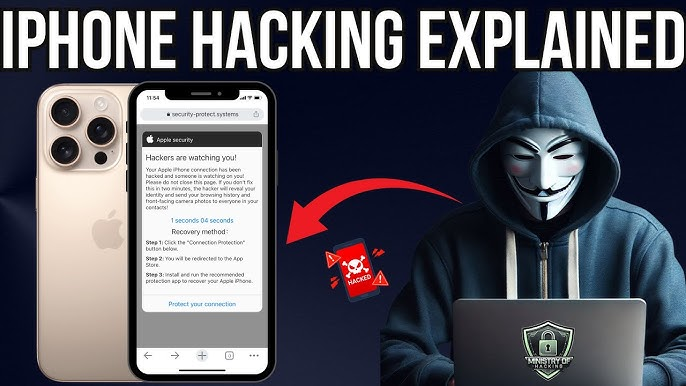
13
4
58
3,355


23 Jun 2025
Apple: XcodeGhost iOS malware, discovered in September 2015, spread through altered copies of Apple’s Xcode development environment, and, when iOS apps were compiled, third-party code was injected into those apps. Users downloaded infected apps from the iOS App Store.
7/19
1
1
3
226

4 Mar 2025
必应搜索出现字节跳动 AI 代码编辑器 Trae 山寨站点,排名第一,各位开发者下载时请仔细辨别。
该山寨站点疑似 AI 编辑器类导航,但托管的安装包并非来自字节,如果后续投毒可能会再次引发类似 XcodeGhost 这类事件。
查看全文:ourl.co/108150
2
9
1,874

22 Feb 2025
Cont…
Apple (App Store): Strict vetting—apps need Apple’s nod, reducing malware odds (though not zero—XcodeGhost slipped in 2015). No sideloading keeps it tight, but you’re locked to Apple’s curated garden.
•Samsung/Google (Play Store): Looser review—millions of apps, some dodgy (e.g., 2024 Play Store malware reports spiked 15%, per AV-Test). Samsung’s Galaxy Store adds another layer, but sideloading’s an option, risking APKs from “Unknown Sources.”
•Xiaomi/Oppo: Play Store plus their own app stores (e.g., Xiaomi’s GetApps), often riddled with ads and trackers. Less oversight means higher privacy risks.
Hardware Integration
•Apple: Hardware and software are one—Secure Enclave stores Face ID/Touch ID data, isolated from the main chip. Seamless, consistent, hard to crack.
•Samsung: Knox integrates with Qualcomm/Exynos chips, sandboxing sensitive tasks. Not as uniform as Apple (varies by model), but robust—government-grade for flagships.
•Google Pixel: Titan M2 mimics Apple’s enclave, encrypting keys on-chip. Tight OS-hardware link, but Google’s data habits dilute it.
•Xiaomi/Oppo: Basic hardware security (e.g., fingerprint sensors), no standout privacy features. Cheaper chips often skip advanced encryption.
The Comparison
•Apple: Wins on default privacy—closed system, long updates, less data harvesting. Best for “set it and forget it” users who trust Cupertino. Weakness: You’re in Apple’s walled garden, and it’s not immune to breaches (e.g., iCloud leaks).
•Samsung: Strong contender—Knox and update longevity close the gap. More control than iOS, but Google’s Android roots mean data’s less private unless you tweak settings (e.g., disable Google Assistant tracking). Good for tinkerers.
•Google Pixel: Fast updates, decent hardware security, but Google’s ad-driven model (80% of revenue) means your data’s the product—location, searches, all fair game.
•Xiaomi/Oppo: Lag behind—cost-cutting trumps privacy. Bloatware, spotty updates, and lax app oversight make them riskier, especially for budget buyers.
Your Context
Since you’re in the UK, GDPR forces all these players to play nicer with data (fines hit £20M for breaches). Apple’s edge shines here—its ATT hit ad firms hard (Meta lost $10B in 2022). Samsung’s catching up with One UI 6 (Android 14), adding permission prompts, but Android’s fragmentation and Google’s appetite blunt it. Xiaomi/Oppo? Compliance feels grudging—privacy’s an afterthought.
What’s your vibe—do you lean Apple for ease, Samsung for flexibility, or dodge the lot for a dumb phone? I can zoom in if you’ve got a specific angle!
1
78

19 Apr 2024
Analysis of Mobile Malware Threats Across Operating Systems
The evolution of mobile devices has brought unparalleled convenience and connectivity to billions globally. However, this progress also ushered in significant security threats, notably through various families of mobile malware. This comprehensive analysis delves deep into the malware ecosystems affecting major mobile operating systems like Android, iOS, and others, providing a detailed overview of their mechanisms, impacts, and the broader implications on cybersecurity.
Introduction to Mobile Malware
Mobile malware encapsulates various forms of malicious software specifically designed to target mobile devices, such as smartphones, tablets, and other handheld devices. These malicious entities are crafted by cybercriminals to perform a range of unauthorized activities, including data theft, unauthorized surveillance, ad fraud, and the deployment of ransomware. Unlike their desktop counterparts, mobile malware often exploits the unique aspects of mobile communications, such as SMS and MMS, app permissions, and even hardware elements like cameras and motion sensors.
The growth in mobile malware can be attributed to several factors: the exponential increase in mobile device usage worldwide, the sensitive data frequently stored on these devices, and the always-connected nature of these devices which provides a constant vector for attack. Mobile operating systems, primarily Android and iOS, have their own security challenges and vulnerabilities, which are often targeted by cybercriminals using sophisticated attack vectors. These range from simple phishing schemes and malicious apps to complex network exploits and system-level vulnerabilities that can bypass traditional security measures.
Android Malware: A Persistent Threat
Android's widespread adoption has made it a prime target for cybercriminals. As an open-source platform, Android offers significant customization and flexibility, which unfortunately also opens up numerous vulnerabilities. Malware creators exploit these to craft sophisticated threats that can evade detection and harness the extensive permissions often granted to applications.
Notable Android Malware Families
1. Xavier Malware: This sophisticated malware quietly collects sensitive user data and has capabilities to download and execute other malicious codes. It often masquerades as legitimate apps in third-party app stores, exploiting the trust of unsuspecting users.
2. AbstractEmu Android Malware: A rootkit malware capable of gaining root access to the device, allowing it unparalleled control over the device’s functions. It can hide its presence effectively, making detection particularly challenging for standard antivirus applications.
3. Agent Smith Malware: Named after the iconic antagonist from "The Matrix" film series, this malware covertly replaces legitimate apps with malicious versions without the user's knowledge. It primarily spreads through third-party app stores and affects devices at a massive scale, leveraging its propagation to force intrusive ads or steal banking information.
4. Android Adups Backdoor: Originally discovered pre-installed on numerous low-cost Chinese smartphones, this backdoor sends personal user information to third-party servers without consent. Its capability to download and install apps remotely presents a significant threat to user privacy and device security.
5. BRATA Android RAT (Remote Access Trojan): BRATA is an advanced RAT that specifically targets financial apps to steal banking credentials. It uses real-time screen streaming to capture sensitive user input, like passwords and PINs, directly from the user’s device.
6. BlackRock Android Malware: Extremely dangerous due to its wide range of targeted apps, BlackRock is designed to steal credit card information and banking credentials from over 300 popular apps, including financial, shopping, and social media applications.
The variety and sophistication of Android malware necessitate continuous vigilance and sophisticated security measures from both users and developers.
iOS Malware: Exploiting the Fortified Garden
Despite Apple's tight control over app distribution and its robust security architecture, iOS is not immune to malware. The platform's popularity, particularly among high-value targets like corporate executives and government officials, makes it a lucrative target for attackers.
iOS-Specific Threats
1. AceDeceiver Malware: This malware exploits design flaws in Apple’s DRM protection mechanism (FairPlay) to infect devices even without jailbreaking. It tricks users into installing a malicious app through computer-based software pretending to be iTunes.
2. AdThief Malware: Also known as "Spad," this malware infects jailbroken iOS devices and hijacks revenue by rerouting advertisement calls from the device. It has reportedly stolen revenues from millions of ads, showcasing the financial impact of seemingly benign permissions granted to malicious apps.
3. Keydnap Malware: Targets macOS but can affect iOS devices through continuity features that integrate Apple's device ecosystem. It steals credentials from macOS’s Keychain access, providing attackers with passwords, banking details, and other sensitive information stored on the device.
4. XcodeGhost Malware: This unique malware was embedded into hundreds of legitimate apps through a counterfeit version of Xcode, Apple’s official tool for developing iOS and macOS apps. It affects even non-jailbroken devices and can steal information, receive commands from an attacker’s server, and force apps to display malicious pop-ups.
These iOS-specific malware examples highlight the need for rigorous security practices, even in highly controlled environments. Despite Apple's efforts, the ingenuity of cybercriminals means that the threat landscape is continually evolving.
Malware on Other Mobile Operating Systems
While Android and iOS dominate the market and, consequently, the focus of malware developers, other mobile operating systems are not without risks. Less popular platforms like Windows Mobile, BlackBerry OS, and various Linux-based platforms have encountered their share of malware, although these are generally less sophisticated due to the smaller user base and lower economic incentives for attackers.
The threats to these platforms often mirror those faced by more popular systems, exploiting similar vulnerabilities in software architecture, application security, and user behavior. However, the lack of frequent updates and smaller development communities can exacerbate these vulnerabilities, leaving devices unprotected for longer periods.
Mitigation Strategies and Future Outlook
Combatting mobile malware requires an integrated approach involving technology providers, app developers, cybersecurity experts, and end users. Effective strategies include:
- Enhanced Detection Techniques: Leveraging machine learning and behavioral analysis to detect unusual activity patterns associated with malware.
- User Education and Awareness: Programs to inform users about the risks of installing apps from untrusted sources, recognizing phishing attempts, and understanding app permissions.
- Security-First Design: Encouraging developers to incorporate security as a foundational aspect of app development, not an afterthought.
As mobile technology evolves, so too does the nature of the threats it faces. Future advancements in AI and cybersecurity are expected to play a crucial role in preemptively identifying and neutralizing threats before they can cause harm.
Conclusion
The landscape of mobile malware is vast and complex, with new threats emerging as quickly as older ones are mitigated. Understanding the scale and intricacies of these threats is essential for anyone relying on mobile technology. With vigilant security practices, ongoing education, and robust technological defenses, it is possible to protect against these pervasive and evolving threats, securing our mobile interactions for the future.
2
134


17 Mar 2024
It’s because it wasn’t a plugin system at all, it was just a way to inject code into Xcode. Which at best is completely undocumented, at worst is a disaster for security. They let the security thing slide until XcodeGhost gave them a big scare.
2
3
210
11 Jan 2024
XcodeGhost
A perfect study of how Apple’s ecosystem is not 100% perfect is the XcodeGhost virus. It exploited an infected version of the Xcode development app. So, any apps made with this compromised version of Xcode would contain and spread XcodeGhost to whatever device it’s installed onto, including iPhones.
The scary part about XcodeGhost is that it’s designed to steal user data without impacting the physical device.
2
9
1,237

10 Oct 2023
-البرنامج له نسخه مكركه اسمها #XcodeGhost ، بعض المبرمجين حملوه وبرمجوا ونزلوا التطبيقات عن طريقه, وبسبب هذي الحركه تقريبًا 4000 تطبيق صار عليه برامج ضارة ويقدرون الهاكرز يدخلون عن طريقها ….👇🏻
1
3
669

29 Jun 2023
It’s not true on iOS either. There is a history of malware ending up on the App Store. XcodeGhost situation comes to mind.
1
3
573

13 Dec 2022
Any malicious developer can hide “features” in their app. xcodeghost malware is an example of this. the attack surface is no larger if each authority is working to remove malicious actors.
1

28 Nov 2022
XCodeGhost
Safari leaking all your browser data
2021 WebKit exploits
Over 60% of ios 15 updates addressed code execution bugs, with POOR disclosures from apple about which exploits were used in the wild.
Let's not pretend a singular point of failure for security is better.
1
1
14

Ken Thompsonの件、HNではDelphiのstdlibを変更することで全てのコンパイル結果にvirusが入った事件や、2015年のiOSの改竄したxcodeによる XcodeGhostの事件が紹介されている。
またDavid A. Wheelerによる防衛方法も。dwheeler.com/trusting-trust/
1
2




4 Apr 2022
value - be brand specific
cheap os patent - android is open source not cheap
security - Lol lemme list pegasus, xcodeghost, keyraider jokes on you.
3