🅦🅔🅚🅝🅞🅦 retweeted

2
2
5

Apr 27
3/3 🔬 Không chỉ dừng ở tính toán, hệ thống 3D-BNN còn hứa hẹn giúp nghiên cứu & điều trị bệnh thần kinh, phát triển chip neuromorphic & giao diện não-máy thế hệ mới. Ranh giới giữa sinh học và silicon đang dần xóa nhòa.
#Princeton #Neuromorphic #BrainMachine
77

Apr 2
Neuralink Trials Expand
Neuralink's trials have expanded to 2 as of 2026. #Neuralink #BrainMachine #ScienceNews #Neurotech
2

pubmed.ncbi.nlm.nih.gov/3805…
Here are the top 3 takeaways from the article “A perspective on translating genomic discoveries into targets for #brainmachine interface and deep brain stimulation devices” (published in WIREs Mechanisms of Disease, 2024):
1. #Genomic discoveries from large-scale studies (like #GWAS) offer a powerful way to overcome key limitations in brain-computer interface (BCI) and deep brain stimulation (DBS) therapies for mental illnesses.
The authors argue that major challenges in developing effective BCI-based #neuropsychiatric treatments—such as uncertainty about which brain regions/frequencies to target, which patients to treat, lack of reliable feedback, and gaps in understanding brain function—can be addressed by leveraging insights from genetics. These studies reveal biological mechanisms underlying altered brain function across psychiatric disorders, providing a more precise foundation for refining device targets and improving treatment outcomes.
2. There is notable overlap between genetic findings and current DBS targets, creating a promising pathway to translate #genomics into practical BCI/DBS applications.
The paper highlights how mechanisms identified in genetic research align with existing deep brain stimulation targets used in clinical practice. This convergence suggests that genomic data can help validate, expand, or prioritize brain targets for both DBS and emerging BCI technologies, potentially leading to more biologically informed and effective interventions for mental health conditions.
3. Integrating genomics with other modalities (RNA sequencing, brain imaging) and addressing translational challenges is essential for turning these discoveries into reliable therapies.
The authors propose a multi-modal approach (as illustrated in Figure 2) to identify and validate potential targets for #DBS and #BCI devices. They emphasize the need to tackle ongoing hurdles in both fields—including technical constraints in BCI (e.g., power limits) and the broader need for #interdisciplinary efforts—to ensure that these genomic insights lead to safe, effective, and personalized treatments. This intersection represents a novel, underexplored perspective for advancing neuropsychiatric care.
8


23 Dec 2025
That moment where one internal representing brainmachine tells billions of other brainmachines to sit softly in their selves. To untether emotions from given selves.
22

27 Nov 2025
#IndustryUpdate
#Brainmachine interfaces & neurological enhancement tech are transforming healthcare with real-time mental state feedback and improved cognitive abilities.
At #PrismMultimedia,we stay aligned with emerging innovations shaping the future of creativity & #technology
2
30

19 Nov 2025
Ik gebruik zelf wel eens een Brainmachine, bijv. als ik niet in slaap kan komen. Werkt als een tierelier en ik slaap dan als een blok. Heeft daarnaast nog een hoop andere interessante programma’s .
1
4
284

12 Oct 2025
#Doomflowers Update
AutoFac Brainmachine...

The @xAI MACROHARD project will be profoundly impactful at an immense scale 😉
Our goal is to create a company that can do anything short of manufacturing physical objects directly, but will be able to do so indirectly, much like Apple has other companies manufacture their phones.
56

6 Sep 2025
If peter thiel wins all ur brainrot slops carved into my memory will prob b identified as mind virus thru brainmachine inferface
5
244

9 Aug 2025
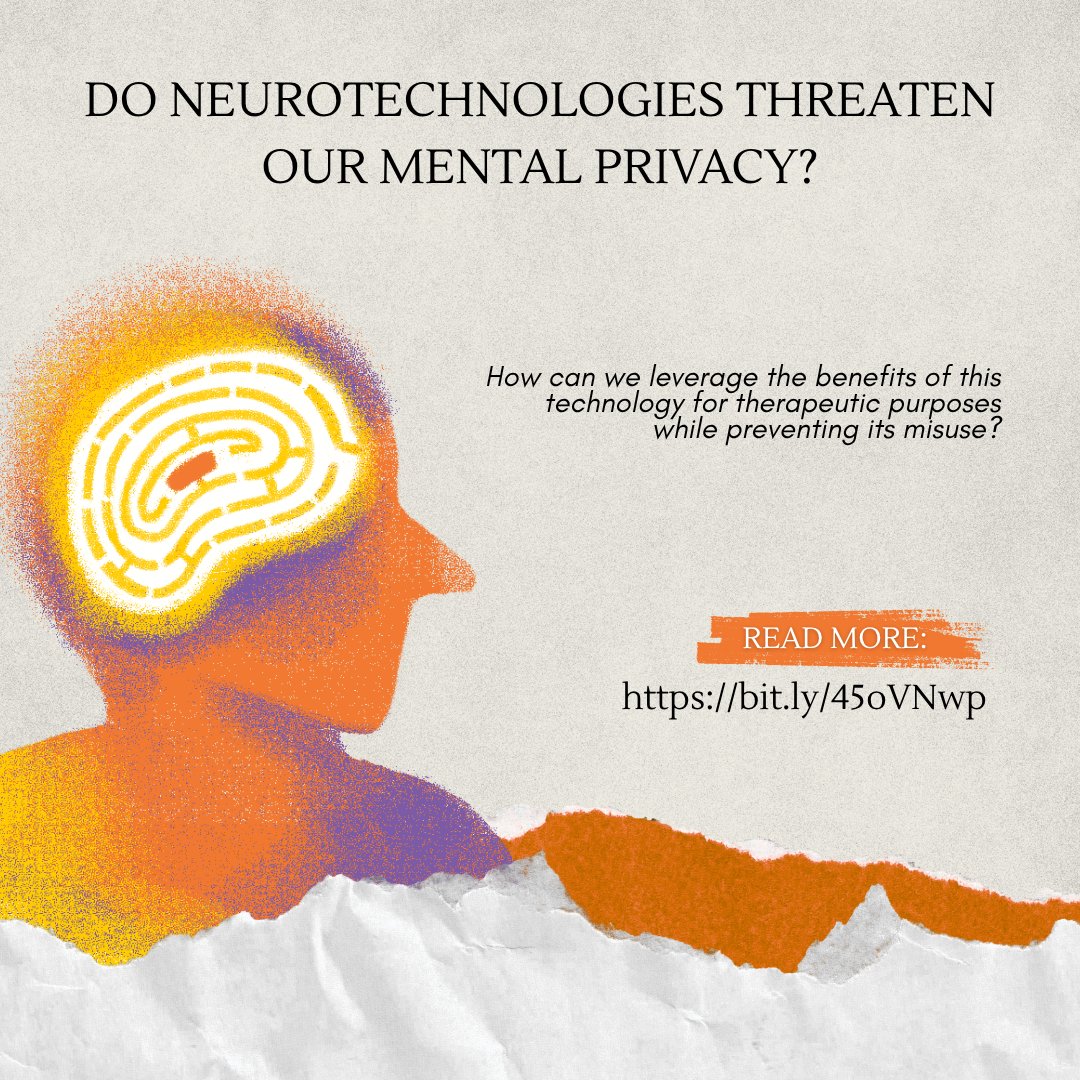
As brain-computer interfaces go mainstream, mental privacy is on the line with need to balance innovation and protection
#neuroscience #brain #brainmachine #bci #stroke #innovation #future #eeg #AI #neuroethics #PRIVACY #CognitiveRights #neurology
miragenews.com/do-neurotechn…
2
5
234

9 Jul 2025
🧠⚡️ Neuralink mind‑control robots are real — and they’re here NOW.
Is this the future of human-machine synergy? What would you do with a telepathic robot?
🎥 Watch now: youtu.be/Dij‑BjUuVwA
#Neuralink #NeuroTech #AI #BrainMachine #SmartAIHustle
2
3
6
92

20 Jun 2025
3/4 of us will take the mark and be lost in the harvest.
Is the new AI brainmachine interface called Darnel....by chance?
Could be.
Matthew 13:40 YLT98
[40] ‘As, then, the darnel is gathered up, and is burned with fire, so shall it be in the full end of this age,
1
40

27 May 2025
🔥 ELON STRIKES AGAIN:
Neuralink raises $600M — now valued at $9 BILLION
Are we ready to merge with AI?
The future is no longer sci-fi, it’s startup-funded.
#ElonMusk #Neuralink #TechNews #AI #BrainMachine
1
35
29 Apr 2025
The senators call on the Federal Trade Commission to "act decisively" in investigating and regulating products like Elon Musk's Neuralink.
#brainmachine #neurotech #BCI #DBS #innovation #future #AI #cognitiverights @DBSThinkTank @dbssocietyorg
futurism.com/brain-implant-c…
1
37

28 Apr 2025
🔴 Neuralink might restore sight to the blind…
but who’s restoring the sight of humanity, blinded by greed and control?
Be careful: not every miracle comes without a hidden cost.
#Neuralink #ElonMusk #TechEthics #Future #BrainMachine #Innovation #AI #Transhumanism #Humanity #WakeUp #ThinkTwice
1
43
22 Apr 2025
For this is the century of the Brain 🧠
From Mind to Machine ...how #neuroscience paved the way for AI—a revolutionary tech that sees, writes, drives, creates, and even diagnoses diseases... tiny.cc/cebh001
#brain #brainmachine #innovation #AI #future @DBSThinkTank
41
3 Apr 2025
Big question remains: whether implanted #BCIs will progress from breakthrough demonstrations into breakout products, the kind that help many people.
#brain #brainmachine #innovations #future #neurotech #BCI @dbssocietyorg @DBSThinkTank
technologyreview.com/2025/04…
1
89