
My russian skills have all evolved from watching BrainMaps gameplays and sketches 💔
1
3
889

Jan 21
Dive into the efficiency of NewMind Assessments!
Our qEEG Reports feature offers quick, easy-to-read brainmaps, complete with interpretations and custom protocols.
It's about making complex data accessible and actionable for every clinician: newmind.tech/functional-neur…
#neurofeedback #braintraining #brainmap #qEEG
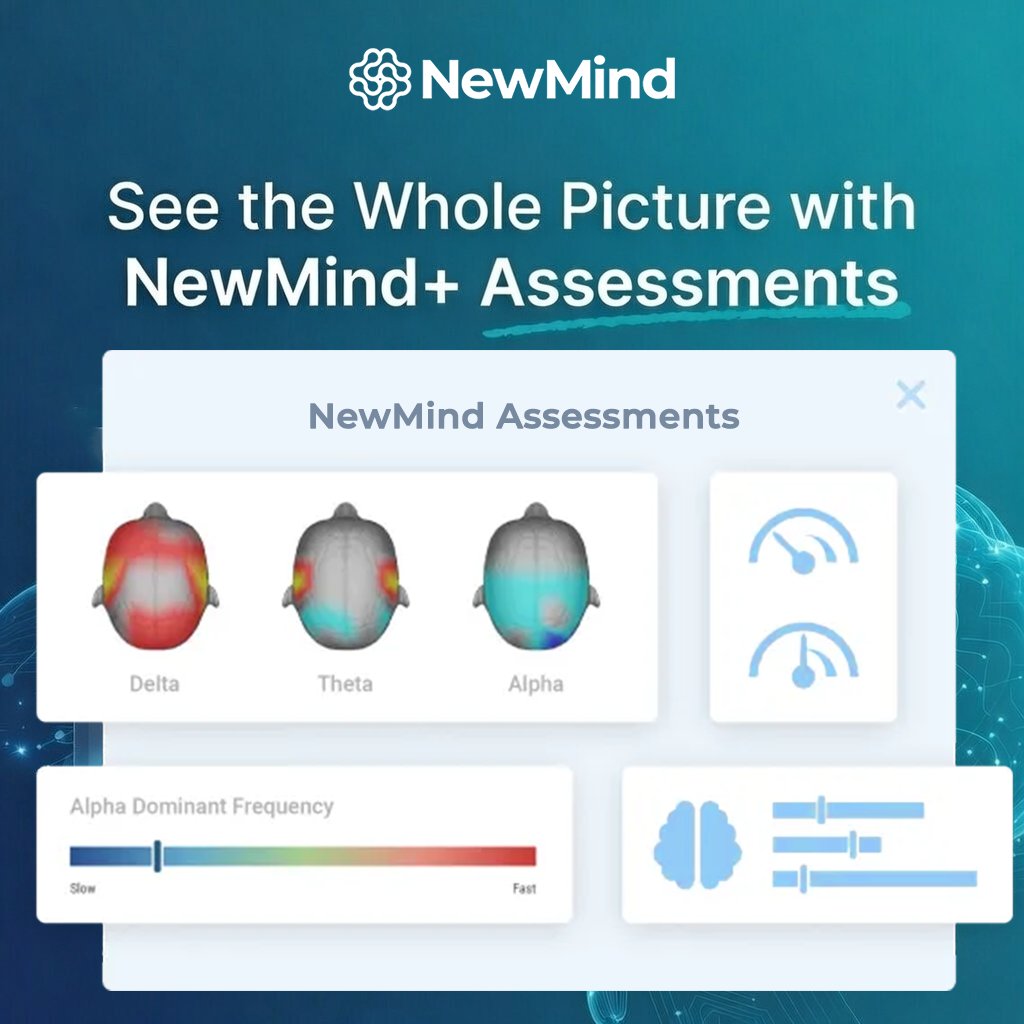
ALT Explore NewMind Assessments
4
46

✨ Visualize the unseen! Check out our curated neuroimaging image repository — a treasure trove for visualization and analysis.
🔗 Browse today: nitrc.org #NeuroImages #BrainMaps #NeuroTech #DataVisualization
1
2
74

29 Oct 2025
Days are not far when companies will become so big that they will control everything and governments will move accordingly to their wishes.
Samsung in South Korea is an example where they control around 30% of South Korea's GDP. In the era of capitalism sooner or later we will see these kind of companies in every nation.
Imagine a company using AI to brainmaps you and can keep you alive forvever in digital form or some biomedical company inventing immortality in some form. They will soon control the world.
Democracy isn't a very long concept. Society can take turns. 😅
2
49

25 Sep 2025
Recognizing the importance of 5-HT2A is fine, but the overclaims here are painful to read - this is obviously more marketing than science.
In neuro, we don't know how NTs integrate across systems. We don't have subcellular receptor resolution, can't track real-time expression or modulation. We can't even do this reliably in animal models. And you're claiming programmable mental states from the molecular level?
Your ML approach sounds like aggregating BrainMaps, Allen Brain Atlas, NeuroSynth, and other open datasets with trip reports. The field has been doing this for years, and the results aren't that strong because we lack the deeper understanding - the actual neurobiological mechanisms needed as prerequisites. You'd need to integrate receptor distributions at the subcellular level, their intracellular cascades, their effects on brain activity both locally and globally, plus the connectome, structural heterogeneities, glial contributions, and validated computational frameworks like neural field models. We're nowhere close to that level of integration.
The comparisons to mRNA vaccines and CRISPR are baseless. Those technologies worked because we understood the underlying biology. With consciousness and mental states, we don't even have agreed-upon measurement frameworks.
Yes, different psychedelics produce distinct phenomenology - DMT entities, ibogaine memory replays, etc. But that diversity doesn't mean you've found a programmable substrate. You're correlating receptor binding with subjective reports and calling it revolutionary.
The hypothesis is indeed a holy grail: predict mental states from receptor distributions at subcellular resolution, their signaling cascades, local and global network effects, drug manipulation, brain connectome, structural heterogeneities, glial dynamics, computational models, etc. That's the aspiration the field has had for decades. Presenting it as achieved is premature and undermines legitimate neuroscience research and neurotechnology as a field.
1
5
164

4 Jul 2025
SRA 'Smirnov taught American Intel attendees how to use EEGs to remotely measure brainwaves,demonstrated the software to create brainmaps,and to send a synthetic TP message to a target brain..see ao 'Dark City'.3/4 #UFOs #mkultra #psi #uaps #orbs #aliens #mindcontrol #uap #UAPx


4 Jul 2025

SRA '..in the '90s,Igor Smirnov of the Moscow Institute of Psycho-Correction gave closed sessions to American Intel services reg.the latest incarnations of LIDA to remotely implant thoughts in minds,even over the phone,2/4 #UFOs #mkultra #psi #uaps #orbs #aliens #mindcontrol #uap

2
2
246

21 Dec 2024
2024’s top 10 advances in biology
Table of Contents:
1. Longevity
2. AlphaFold 3
3. Brainmaps
4. Foundation models
5. mRNA lipid nanoparticles
6. Non-invasive continuous monitoring
7. AI drug discovery
8. Spatial proteomics
9. Organoids
10. Self-regulating insulin
#DeSci 👇
20 Dec 2024

2024's top 10 advances in biology (🧵)
1. Progress in longevity
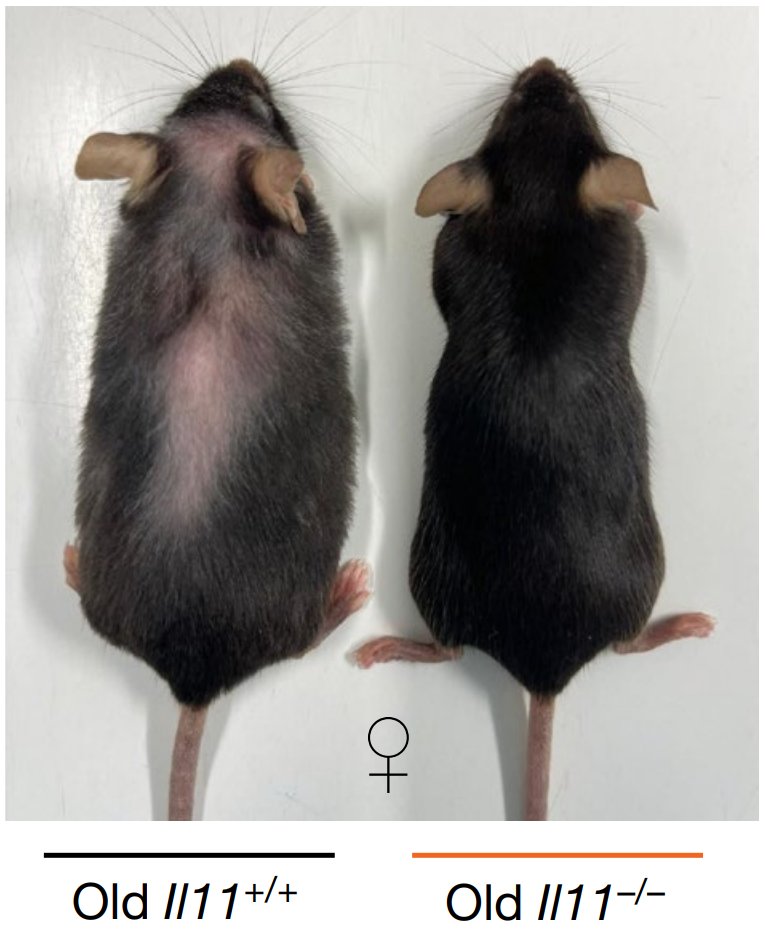
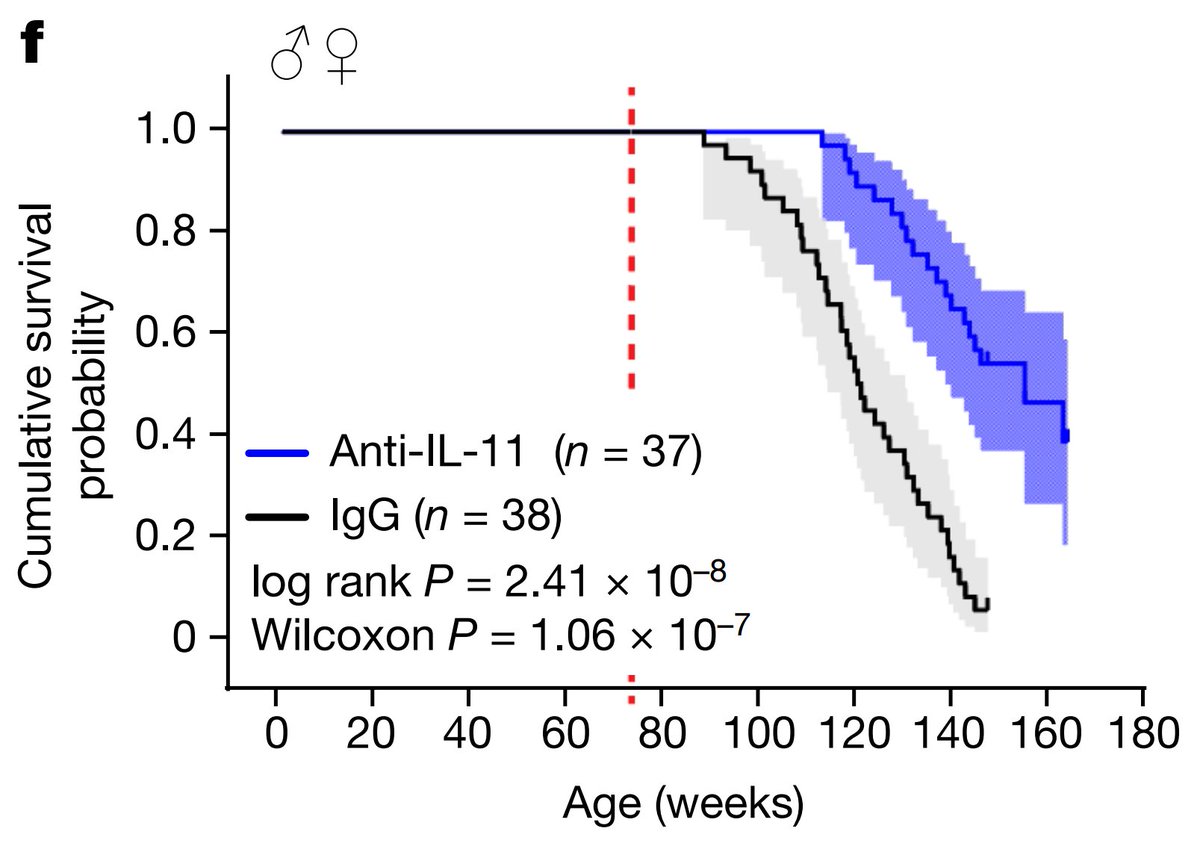
Blocking the pro-inflammatory cytokine, IL11, extended healthspan and lifespan (in mice!)
Old mice without IL11 look healthier, they're stronger, and they live longer
nature.com/articles/s41586-0…
5
11
61
9,888

26 May 2024
Не совсем видео блогеры, поэтому это были ребята, кто играл в майнкрафт. Лололошка(кстати подсела на его сериалы…), shadowptiestok, brainmaps, demastee, Shurikworld. А потом меня затянуло на аниме 😔✌️
1
3
213
3 Apr 2024
Dive into the efficiency of NewMind ! Our qEEG Reports feature offers quick, easy-to-read brainmaps, complete with interpretations and custom protocols. It's about making complex data accessible and actionable for every clinician. #MentalHealth bit.ly/3VZXuLD
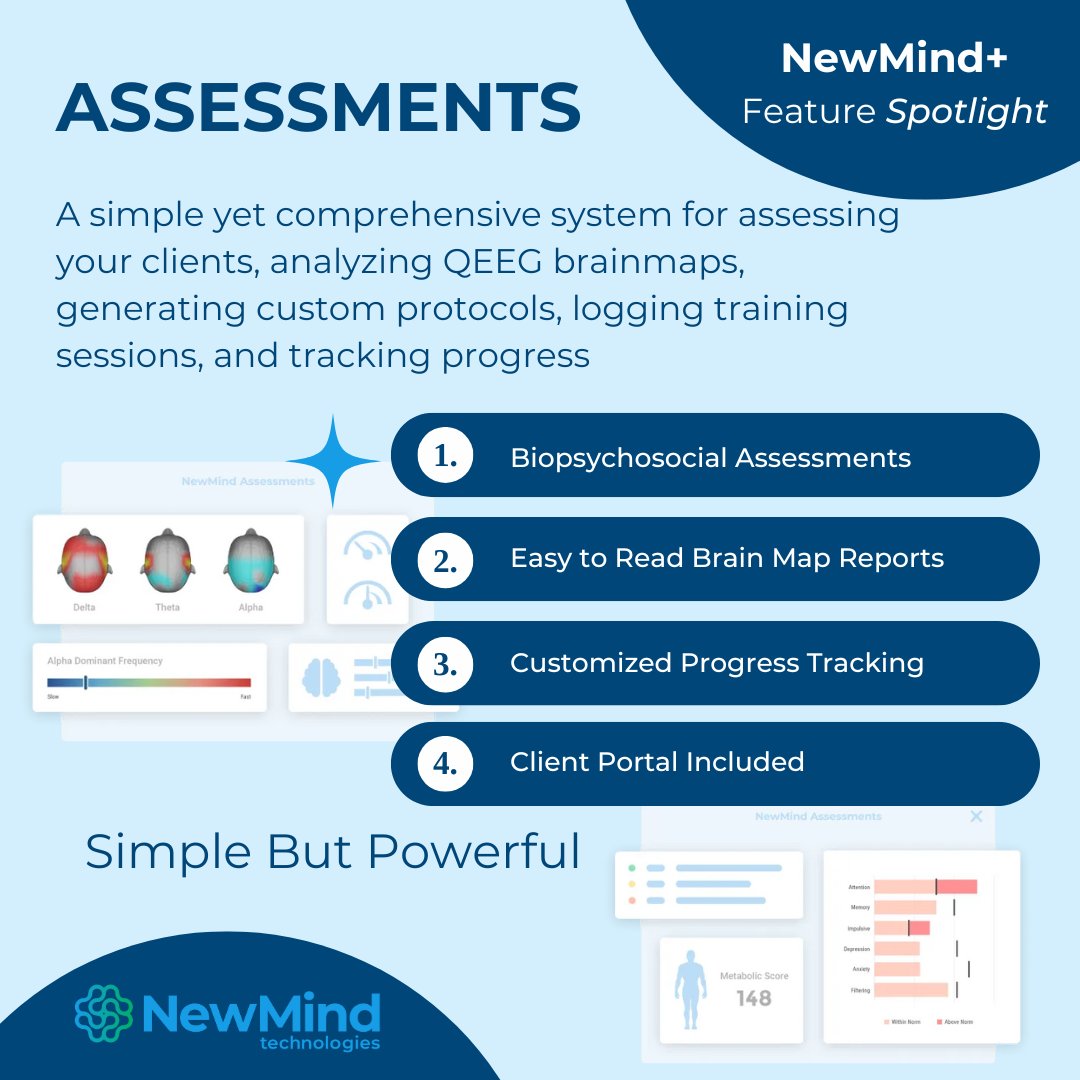
ALT NewMind Feature Spotlight -- Assessments
4
65

I have a kind of ghastly fascination with today's politics, where we spend billions fighting terrorists - & funding terrorism.
Our political systems situate us in tribal brainmaps & trap us in fight-or-flight. Which is why they have to go. This is what we should be demolishing.

4
43

15 Oct 2023
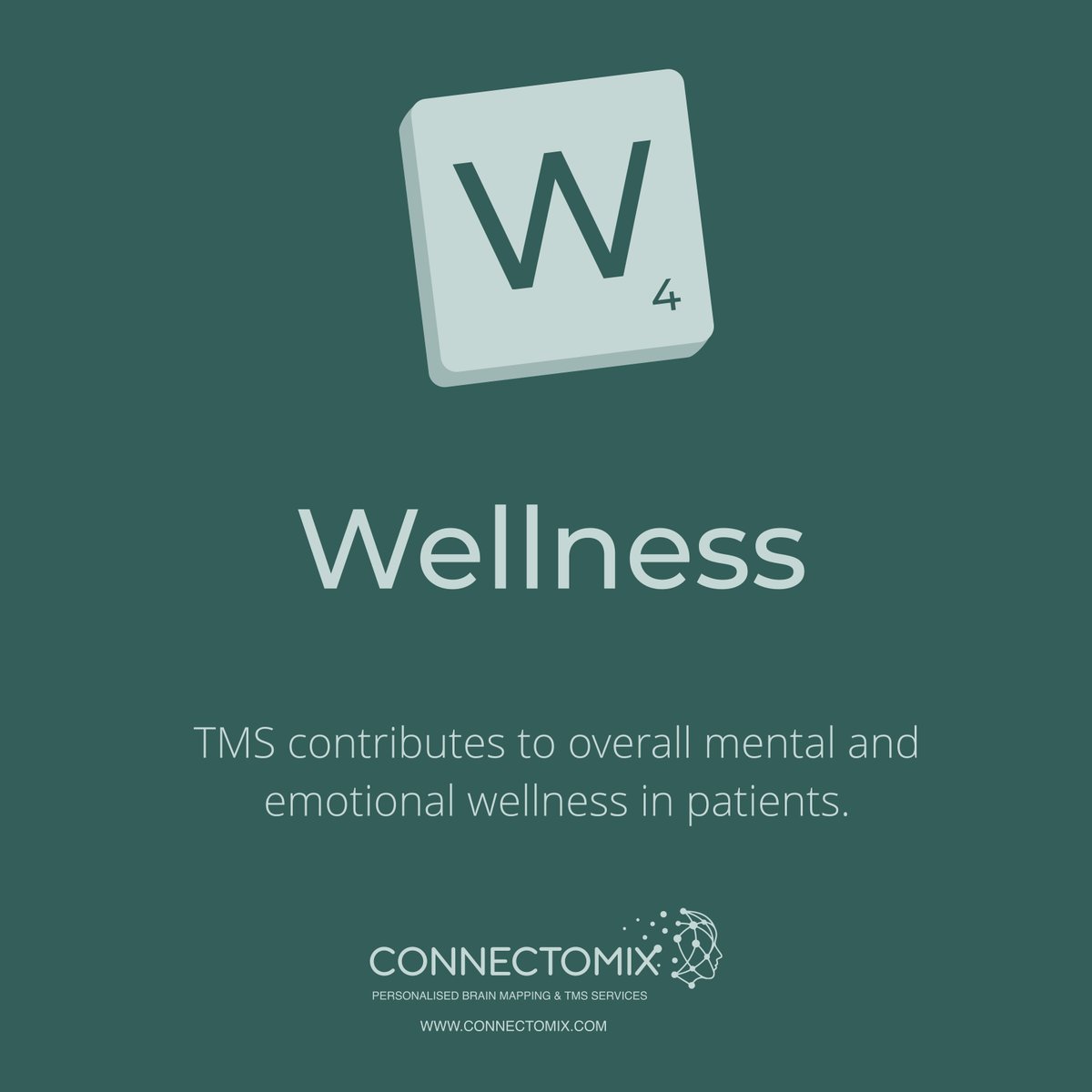
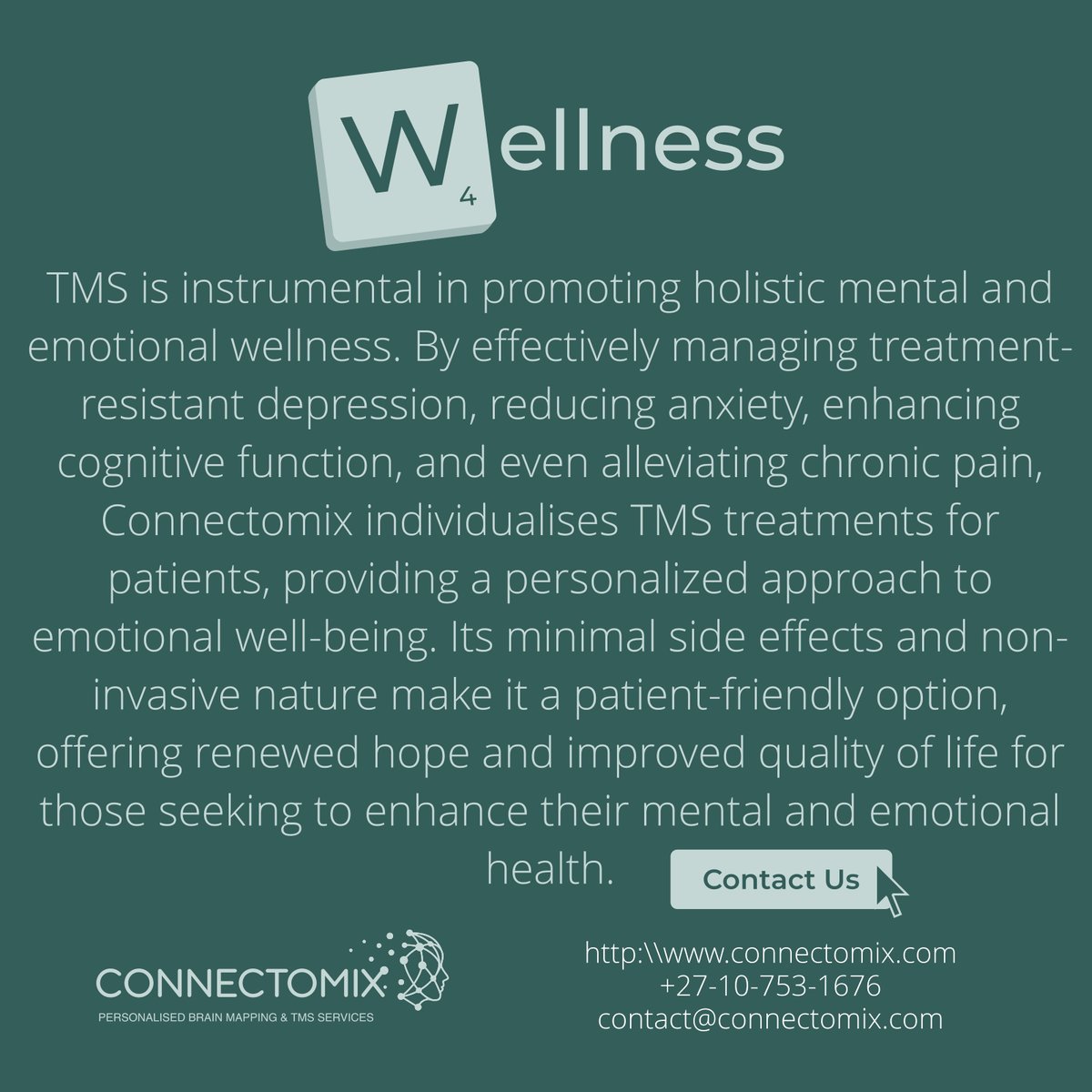
enhance their mental and emotional health.
#brainmaps #neuroscieentnce #mentalhealth #mentalwellness #mentalhealthmatters #depressiontreatm

2
15

4 Sep 2023
Can anyone recommend an app that helps me plan my project timeline
Like brainmaps and detailed planning
Really need to up my productivity.
4
1
2
378

29 Aug 2023
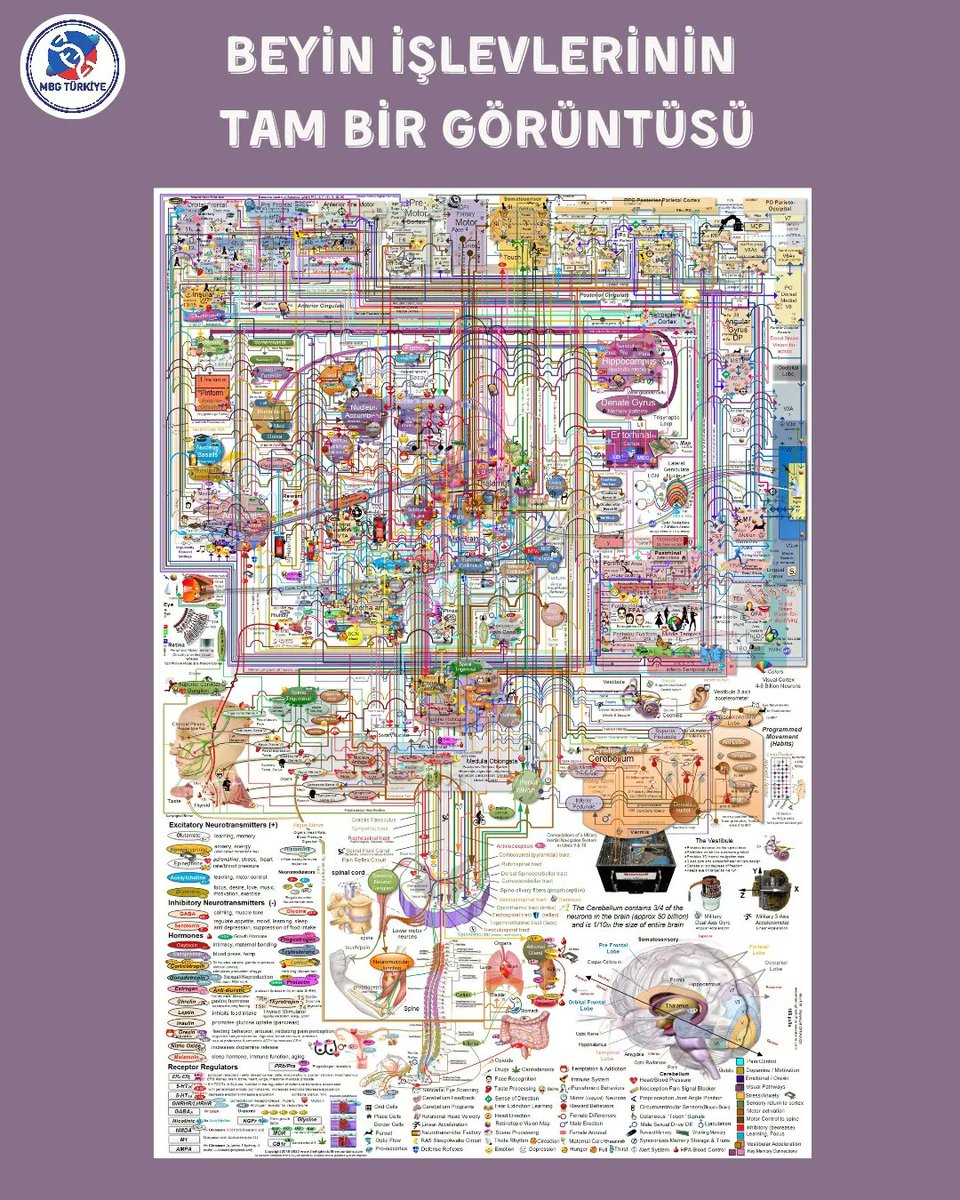
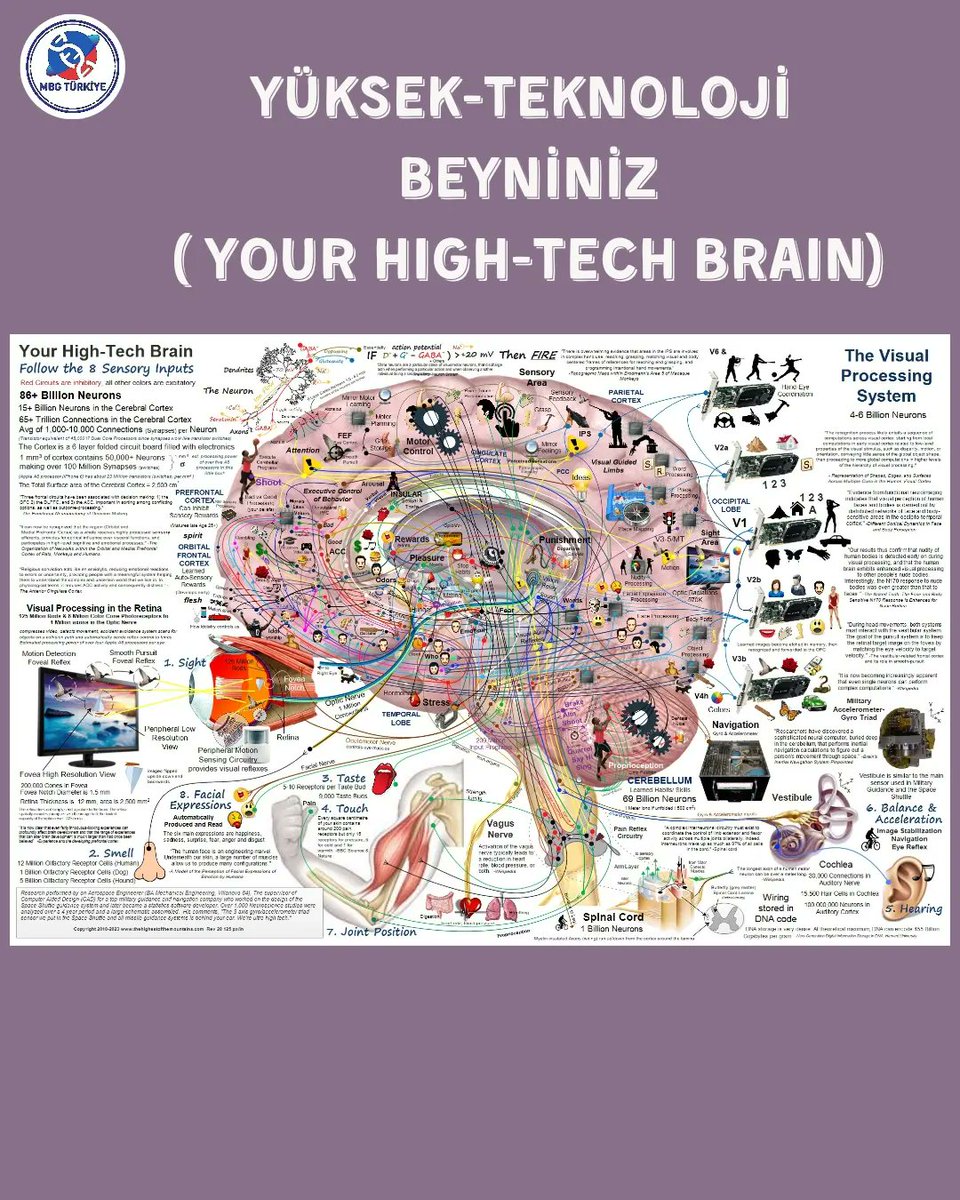
Karşınızda Yüksek Teknoloji Beyninizin Tüm İşlevlerinin Bulunduğu Harika Beyin Haritaları
Bu inanılmaz beyin haritaları, bir Uzay Mekiği Yönlendirme Sistemi Mühendisi ve Yazılım Geliştiricisi tarafından altı yıllık tam zamanlı araştırmanın sonucudur ve herhangi bir şirket, din veya bilimsel kuruluş tarafından finanse edilmemiştir.
Bir insan beyni 80 milyardan fazla nöron yani sinir hücresi içerir. Her bir nöron ise binlerce nöron ile sinaptik bağlantı oluşturmaktadır. Bu 80 milyar nörondan yaklaşık 16 milyarı ise serebral kortekste bulunmakta. Senkronize motor becerilerinizi ve alışkanlıklarınızı depolayan ve kontrol eden bir alan olan beyincik de geri kalan 60 milyar nöronun çoğunu içermekte. Milyarlarca sinir hücresi ve aralarında daha fazla temas noktası yani sinaptik bağlantılar, beynimize hiçbir süper bilgisayarın eşleşemeyeceği yetenekleri sağlar. Ve tabii ki beyni anlamada da inanılmaz bir karmaşıklığa neden olur. Biz ise hâlâ beyni ve bu karmaşıklığı anlamaya çalışıyoruz.
MBGTürkiye ailesi olarak bu harika çalışmanın beyni anlamamıza yardımcı olacağını düşünüyor ve beyindeki işlevlerin tamamının yer aldığı bu çalışma hakkında daha fazlasını öğrenmeniz ve haritayı büyüterek daha net incelemeniz için kaynak linkini aşağıya bırakıyoruz.
Keyifli İncelemeler 😊
Kaynak: Brain Maps (thehighestofthemountains.com)
#brain #beyin #sinirbilim #neuroscience #brainmaps #technology #teknoloji #bilim #science
1
1
16
1,152


16 Jul 2023
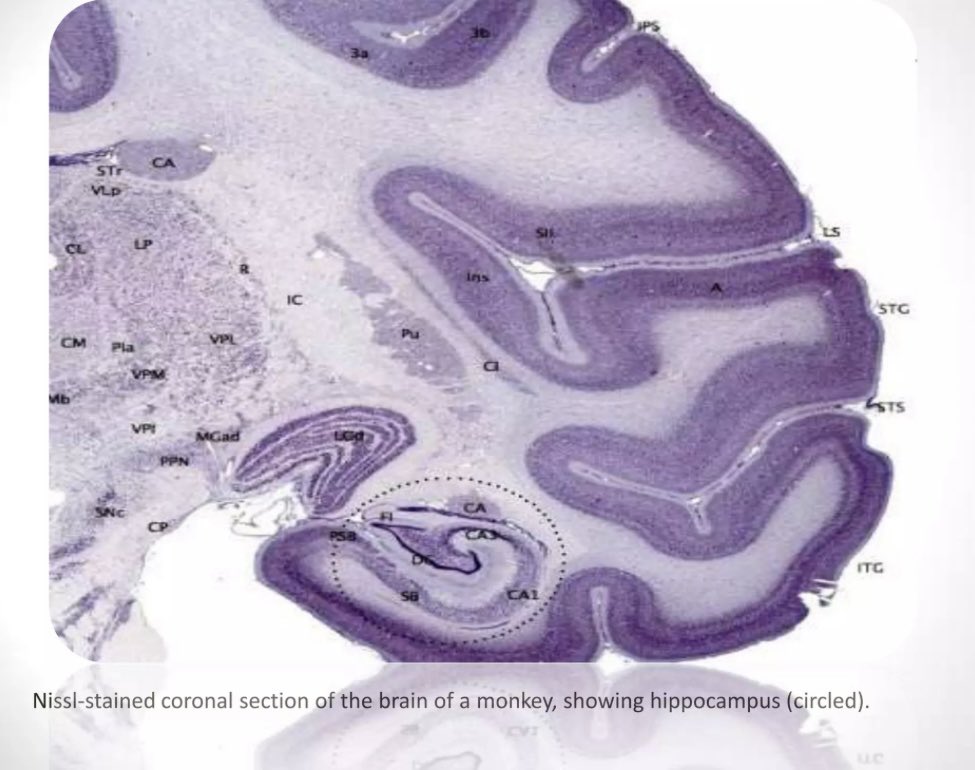
Good look at its location in the circle from BrainMaps
7
29
4,059

29 May 2023
AI could revolutionize our understanding of the brain by creating brain maps from scans. Check out this article on Bollyinside for more info: bollyinside.com/news/latest-… #AI #neuroscience #brainmaps
1
1
267

21 Jan 2023
1
1
2
131

ayayay! well spotted! even after your tweet it took us a minute to find the 2 😅
We had 2 rhesus macaques, one from the Brain Museum with poor resolution (given the amount of folding) and a super nice one from BrainMaps.
We'll fix the figure. Thank you 🥰 and happy new year!
1
77

11 Oct 2022
#Scientists have brought together more than 40 existing #brainmaps to help researchers find correlations between patterns across different #brain regions, spatial scales, modalities, and #brainfunctions. Their data is open access on #github. bit.ly/3yrVukU #neuromaps
2
2

10 Sep 2022
Jinteki Corporation makes clones that are more like the Blade Runner replicants, engineered people, though they have a barcode tattoo to make them easy to identify
Haas-Bioroid makes bioroids, fully mechanical people with programmed personalities modeled on human brainmaps
1
5