
CB1 receptors are often framed only as the mechanism behind the "high" of cannabis. That is a technically accurate description, but it is also a massive oversimplification of their role in human biology.
New research published last month in Cell Communication and Signaling suggests these receptors may be fundamental gatekeepers for brain repair.
Researchers at Complutense University looked at a mouse model of CNS injury. They specifically removed CB1 receptors from newly formed oligodendrocytes, the cells responsible for building the myelin sheath that protects our nerves.
The results were definitive. Without CB1 signaling, these cells could not mature. Remyelination stalled, neuroinflammation spiked, and motor function failed to recover.
We have to be disciplined with this data. This is preclinical work. No specific cannabinoid was tested, and we cannot leap from "receptor absence impairs repair" to "cannabis treats MS." The evidence does not support that yet.
However, it does show that the endocannabinoid system is involved in neurological repair at a structural, mechanistic level.
For my patients with MS who ask if cannabis can do more than just manage symptoms like pain or spasticity, the honest answer remains: "we do not know." But studies like this prove that the question is worth investigating.
Here's a full clinical breakdown of the study and its implications: cedclinic.com/cb1-receptor-m…
#CannabinoidScience #MultipleSclerosis #Neurology #MedicalCannabis #CB1 #MyelinRepai
1
2
6
296

Mar 18
THE U.S. GOVERNMENT PATENTED CANNABINOIDS FOR BRAIN PROTECTION. WHY IS NO ONE TALKING ABOUT IT?
In 2003, the U.S. government was awarded Patent 6,630,507: "Cannabinoids as Antioxidants and Neuroprotectants." It specifically mentions CBD, THC, and other cannabinoids as having the potential to:
✅ Reduce oxidative stress
✅ Protect brain cells
✅ Support recovery from stroke, trauma, and neurodegenerative diseases.
What is oxidative stress?
Your cells naturally produce free radicals — unstable molecules — when making energy.
Stress, poor diet, smoking, pollution, alcohol, UV exposure, and infections increase free radicals.
• When your body can't neutralize them fast enough, oxidative stress occurs.
Over time, oxidative stress damages
DNA, proteins, and cell membranes, contributing to:
• Faster aging
• Chronic inflammation
• Low immunity
• Brain & nerve decline.
Cannabinoids act as powerful antioxidants, and help neutralize free radicals, calm inflammation, and protect your cells — sometimes even more effectively than classic antioxidants like vitamins C & E. Why the patent?
Researchers realized cannabinoids could protect your cells and brain. That's why the government and pharma positioned early to secure rights for medicinal use.
That’s why I grow my own
landracebureau.com
#cannabinoidscience #oxidativestress #neuroprotection #brainhealth #cellularhealth #antioxidants #endocannabinoidsystem
#plantmedicine #healthyaging
52
824
1,901
123,393

Feb 13
🚨 Larry Smith’s Parkinson’s Response to Rick Simpson Oil (RSO)👇
A Real-Time Demonstration of Full-Spectrum Cannabinoid Neuropharmacology in Motor Dysfunction
The attached video shows Larry Smith, a patient diagnosed with Parkinson’s disease, administering Rick Simpson Oil (RSO) and documenting the change in his motor function shortly after dosing.
At baseline, Larry exhibits visible tremor and rigidity, hallmark features of Parkinsonian motor circuit disruption. After consuming a small amount of RSO, tremor amplitude decreases and voluntary motor control visibly improves.
To understand why this could occur, we have to understand what RSO is.
Rick Simpson Oil is a full-spectrum cannabis extract. Unlike THC distillate or CBD isolate, it preserves the plant’s complete phytochemical matrix, including:
• Δ9-THC
• CBD
• CBG
• CBN
• Minor cannabinoids
• Terpenes
• Flavonoids
This matters because Parkinson’s disease is not a single-pathway disorder.
It involves:
• Degeneration of dopaminergic neurons in the substantia nigra
• Basal ganglia circuit imbalance
• Dysregulated GABA and glutamate signaling
• Chronic neuroinflammation
• Microglial activation
• Oxidative stress
The endocannabinoid system (ECS) directly interfaces with these mechanisms.
CB1 receptors are densely concentrated in the basal ganglia, the same motor-control network disrupted in Parkinson’s disease. CB2 receptors modulate immune and inflammatory signaling in the central nervous system.
Cannabinoids influence:
• Dopaminergic tone
• GABAergic and glutamatergic transmission
• Neuroinflammatory cytokine expression
• Microglial activation states
• Synaptic plasticity
Preclinical research demonstrates that cannabinoids reduce neuroinflammation and oxidative stress in models of neurodegeneration. Small human studies and observational trials have reported improvements in tremor severity, sleep quality, anxiety, and overall quality of life in Parkinson’s patients using cannabis extracts.
A Brazilian case report published in the Brazilian Journal of Biology followed a 77-year-old patient with advanced Parkinson’s disease who had minimal response to years of levodopa therapy. After introducing RSO, clinicians observed improvements in mobility, assisted walking, swallowing function, mood, and engagement.
In chronic pain research, full-spectrum cannabis extracts consistently outperform single-molecule isolates in symptom reduction, suggesting that multi-cannabinoid formulations may provide broader therapeutic signaling.
Why might full-spectrum matter?
Single-molecule isolates target narrow pathways.
Full-spectrum extracts engage multiple receptor systems simultaneously, including CB1, CB2, TRPV1, 5-HT1A, and PPAR-γ pathways, creating broader neuromodulatory and anti-inflammatory effects.
In complex neurological disorders, multi-target pharmacology can be more physiologically aligned than single-receptor approaches.
For many patients, full-spectrum cannabis formulations have demonstrated measurable symptomatic relief where conventional therapies provided limited benefit.
RSO is not positioned as a universal solution but growing clinical observation, mechanistic plausibility, and patient-reported outcomes suggest it is a legitimate therapeutic option worth serious consideration and continued research.
Larry’s experience reflects a broader pattern emerging in cannabinoid science:
When modulation is network-based, outcomes can be network-level.
For some patients, that modulation translates into real functional improvement.
And that matters.
#RSO #Parkinsons #LarrySmith #Neuropharmacology #CannabinoidScience


Feb 13

This man has Parkinson's disease and tries medical marijuana for the first time to help get relief 🌿✨️😌
2
1
4
664

I just published a new article breaking down the real science behind liquid THC & hemp for:
• Pain
• Anxiety
• Sleep
• Long-term healthspan
Read here 👉 MedfordLongevityCenter.com
James B. Jefferson, M.E.S., Kinesiology
#Longevity #Healthspan #CannabinoidScience #PainRelief
3
2
41

Jan 13
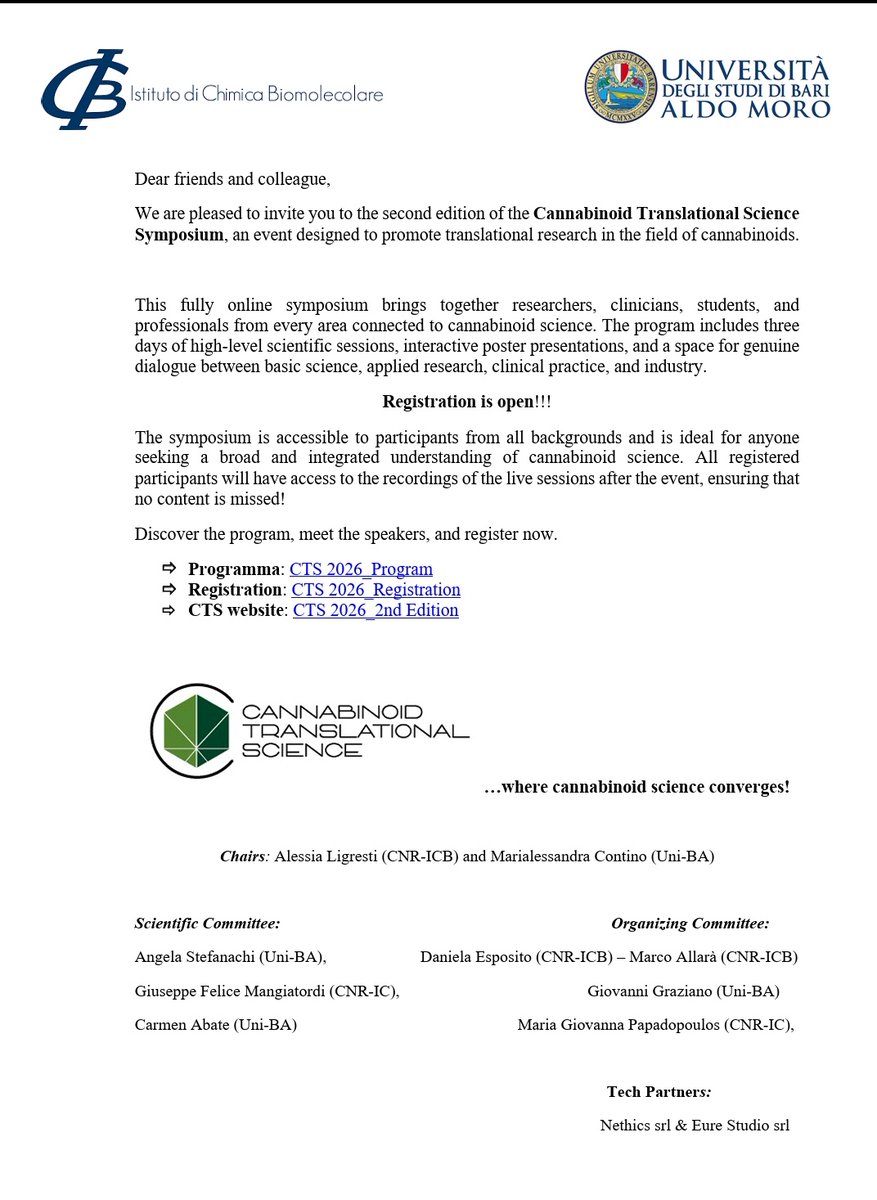
Exciting news! The 2nd edition of the Cannabinoid Translational Science Symposium is officially here!
Join 3 days of high-level science & dialogue. 🔬
✅ Fully online ✅ Live recordings available ✅ Registration is OPEN!
#CannabinoidScience #CTS2026
Details here⬇️
2
4
93

Enhance your practice with insights into #cannabinoidscience, led by Kent E. Vrana, PhD, FAAAS, FASPET! Earn quick credit in this microlearning activity by testing your knowledge and gaining new skills. bit.ly/3Zxq4aa
1
4
117
Stay ahead in the evolving world of #cannabinoidscience!
Understanding the science is key to making informed decisions and optimizing patient outcomes. Kent E. Vrana, PhD, FAAAS, FASPET, provides a concise overview in our newest activity.
🔗 bit.ly/3Zxq4aa
1
2
117

25 Sep 2025
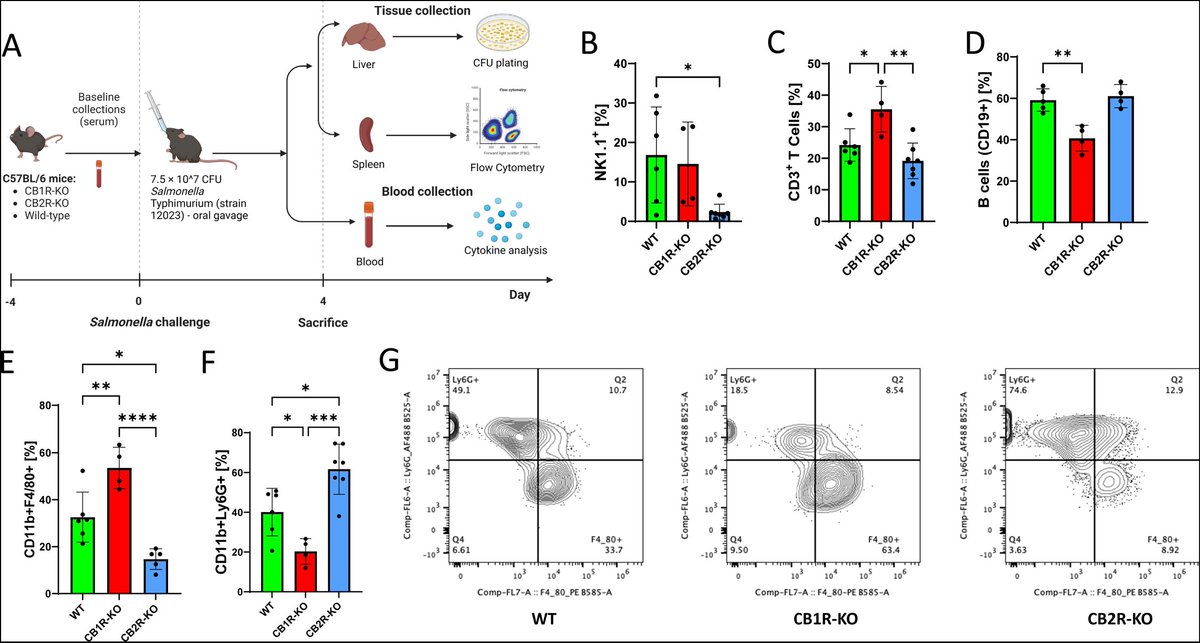
Loss of cannabinoid receptors weakens immune defenses against #Salmonella. This #mBio study shows how CB1R and CB2R differently shape infection outcomes and #microbiota. doi.org/10.1128/mbio.02088-2… @UF_IFAS @UF_MCS @mjedelmann #CannabinoidScience #Immunology
5
7
1,132

🎙️ New Episode Alert! 🎙️
In this High5 episode, Dr. @zivacooper of @UCLACannabis shares details on a new CMCR-funded study comparing CBG, THC, and their combination.
Could CBG enhance THC’s therapeutic effects at low doses—without the side effects? This large, multi-dose study is designed to find out. Hear what researchers are discovering across multiple endpoints.
🎧 Listen now: f.mtr.cool/murhskftci
#CBG #THC #CannabinoidScience #CannabisResearch #High5Podcast #CMCR
1
3
219
New Episode Alert! 🎙️
In this episode of High5, Dr. @zivacooper of @UCLACannabis dives into the rich chemistry of the cannabis plant. 🌿
While THC and CBD get most of the attention, cannabis contains hundreds of other compounds—some of which may offer therapeutic benefits without intoxication. Hear how researchers are beginning to unlock their potential with support from CMCR.
🎧 Listen now: f.mtr.cool/bjdjywwrus
#CannabinoidScience #MedicinalCannabis #High5Podcast #ZivaCooper #CMCR
1
6
323

9 May 2025
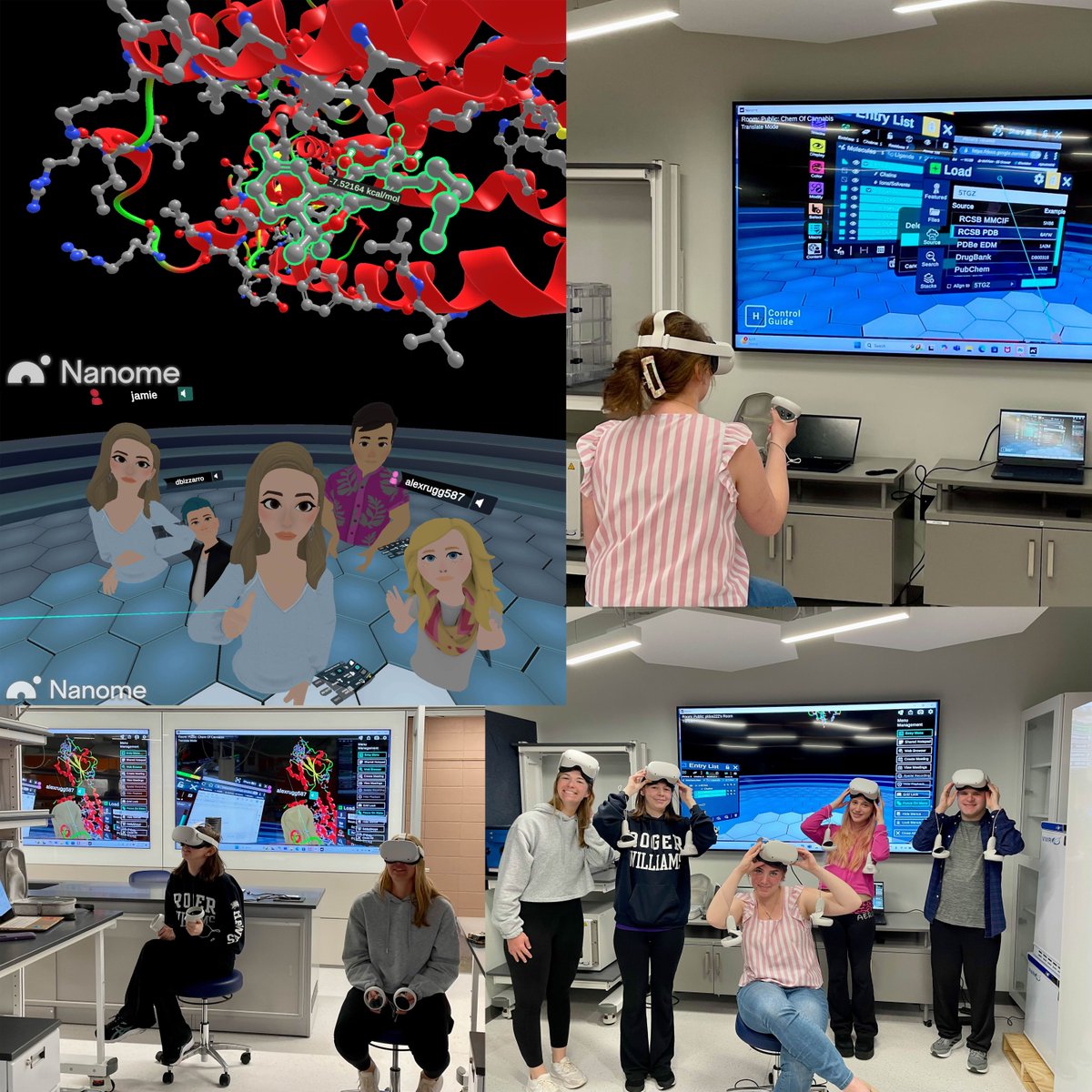
Shout-out to Dr. Karla-Sue Marriott and the students at Roger Williams University for using Nanome in their Chemistry of Cannabis course to explore how compounds like THC and Rimonabant interact with CB1 and CB2 cannabinoid receptors in VR! #CannabinoidScience #HigherEdInnovation
5
9
524

🧬 Beyond CB1 & CB2:
Emerging evidence links GPCRs like GPR55, GPR18, & others to the endocannabinoid system. Could they be the missing pieces in cannabinoid pharmacology? 🔍🌱
Read more: liebertpub.com/doi/10.1089/c…
#CannabinoidScience #GPCR #EndocannabinoidSystem
2
6
206

7 Apr 2025
"THCA, CBDA, HHC—oh my! Navigating cannabinoids can feel like alphabet soup. Luckily, we’ve got the *quality* part down to a science. 🌿 #CannabinoidScience #B2BWellness
2
44
29 Mar 2025
"Did you know CBDA Isolate isn’t just pure—it’s also incredibly versatile? Perfect for formulations needing a clean start. 🌿 #CannabinoidScience #B2BWellness
1
40
19 Mar 2025
"THCA Crumble with 77% potency? That’s how we roll. Perfect for clients who need quality and consistency. 🌿 #CannabinoidScience #B2BWellness
1
38

CTS Day 3 Highlights: The Grand Finale! ✨
A heartfelt thank you to all our speakers and participants for making this event truly special. We can’t wait to continue this journey together at CTS 2026! 👏
#CTS2025 #Day3Highlights #CannabinoidScience #GPR55 #SeeYouIn2026
2
53
🌟 Day 3: The Future of Cannabinoid-Based Therapies 🌟
#CannabinoidScience #CannabinoidTherapies #EndocannabinoidSystem #Psychiatry #CannabisResearch #DrugDiscovery #CannabinoidTranslationalScienceSymposium #Polypharmacology #ClinicalResearch
@CNRsocial_
3
277
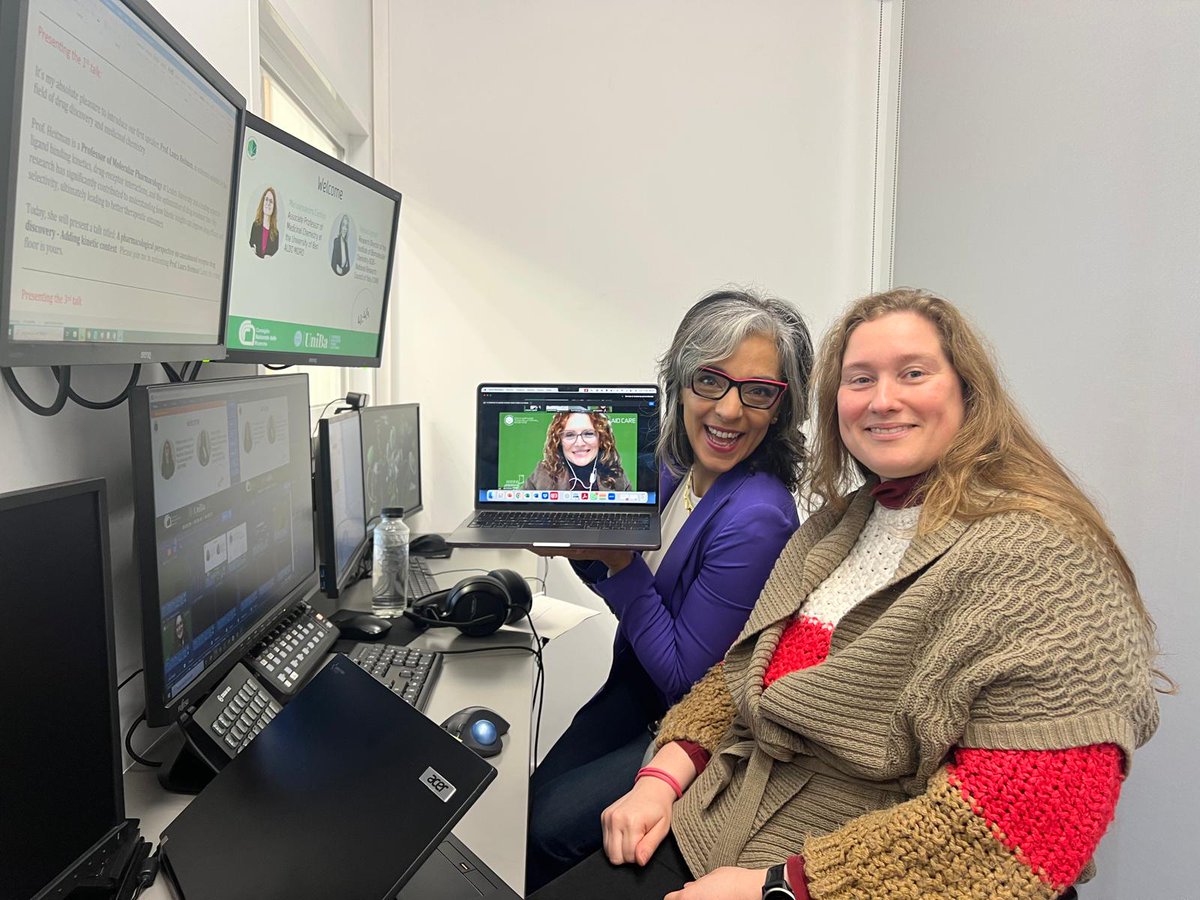
Day 2 of the @ctscannabinoids Symposium is underway!
A heartfelt thank you to all of today’s speakers and participants for your continued contributions to making this symposium a memorable experience!
#CannabinoidScience #ScientificEvent
@CannaReporter @CNRsocial_
2
42
🌟 Day 2: Advancing Cannabinoid Therapies 🌟
#CannabinoidScience #CannabinoidTherapies #PainManagement #CannabisResearch #CannabinoidMedicines #CannabinoidTranslationalScienceSymposium #ChronicPain #NewbornBrainDamage #CannabinoidPharmacology
@CNRsocial_
2
294
🌟 Day 1: Tackling Neuroinflammation with Cannabinoids 🌟
#CannabinoidScience #AlzheimersResearch #Neuroinflammation #Cannabinoids #MedicalResearch #CannabinoidTranslationalScienceSymposium #CannabinoidTherapies #CannabinoidResearch
@CNRsocial_
1
3
190