
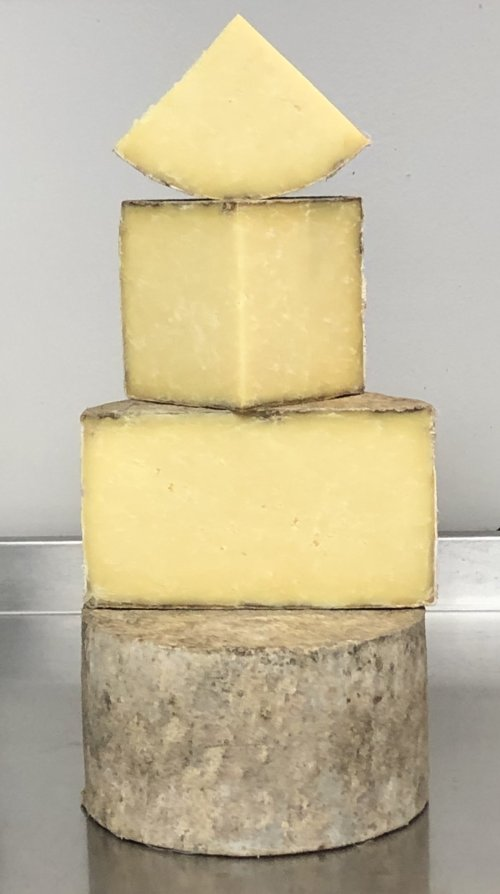

US cheeses frequently dominate in world cheese competitions. In fact, the most decorated cheesemaker in the world is Sid Cook from Wisconsin, with over 800 awards.
Next time you choose to open your mouth and act like a pompous jackoff, at least bother to know what you're talking about.
Jun 14

It's impossible to explain to a Yank what Cheddar cheese is like. Their only reference point is liquidised knob cheese in a spray can. We should be mindful of their limitations.
16

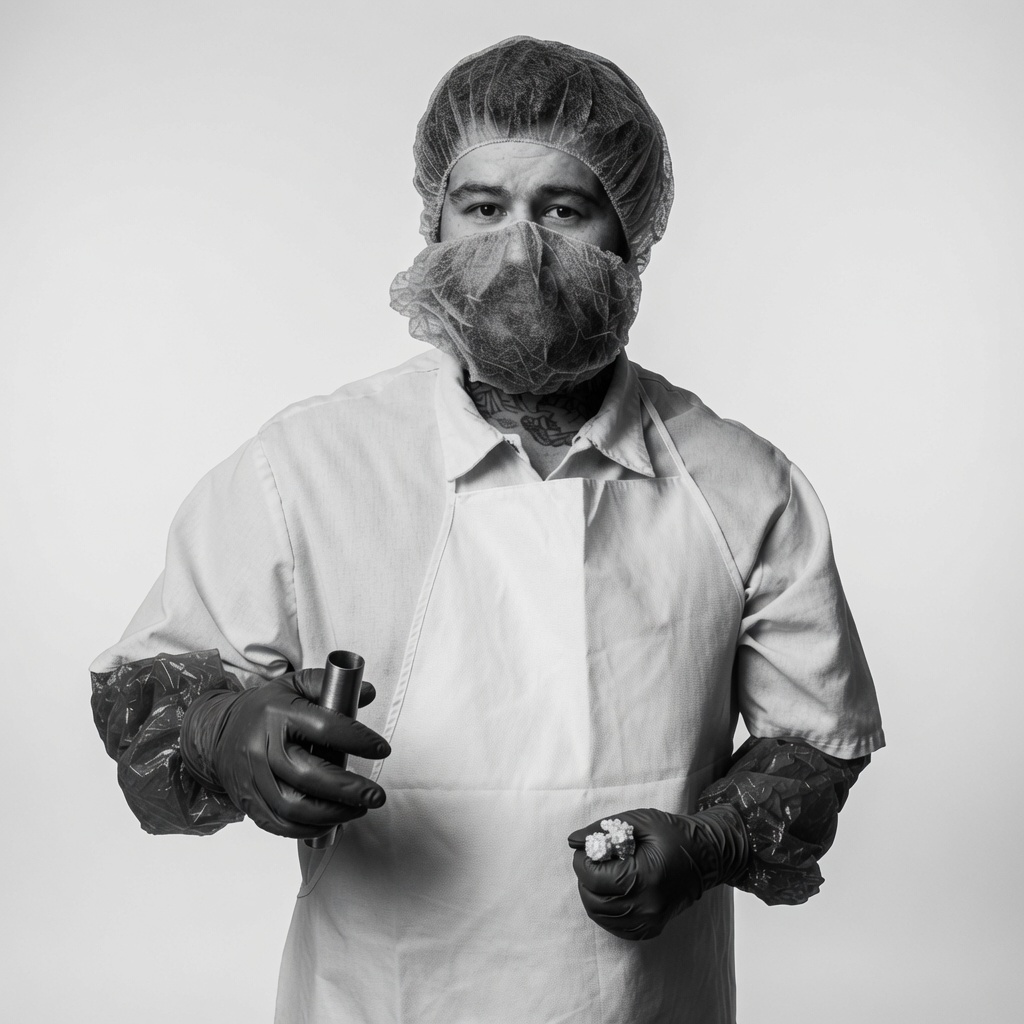

I have creamery and cheesemaker about 300 yards from my nearest Aldi in West Yorkshire and a monthly market brings the cheese stall to town over 60 cheeses with 20 changing each visit
1
38


Just about every great cheesemaker of Europe came and settled in my state (Wisconsin).
1
45

Jun 15
and I'm the son a cheesemaker, and a good cheddar is perfect raw, it's wasted melting it, you miss the flavour and texture.
1
4
300

Original and "real" are two different things.
What Makes a Cheddar "Real"?
To be authentic cheddar, a cheesemaker must perform the traditional cheddaring process. After the milk is curdled and the liquid whey is drained away, the remaining warm curds are not just immediately pressed into molds. Instead:
The curds are cut into massive, heavy blocks.
The cheesemaker repeatedly stacks, turns, and flips these blocks on top of one another.
The sheer weight of the stacking presses even more moisture out of the bottom blocks, while the heat builds up acidity.
Finally, the compressed blocks are run through a mill to be broken into small, finger-sized pieces, mixed with coarse salt, and pressed into its final shape to age.
Any cheesemaker in the world doing this is making real cheddar.
1
9


Jun 14
Don't be retarded, a Philadelphia cheesemaker won gold at the Mondial du Fromage last year too, not in a just American category.
11
139

Jun 14
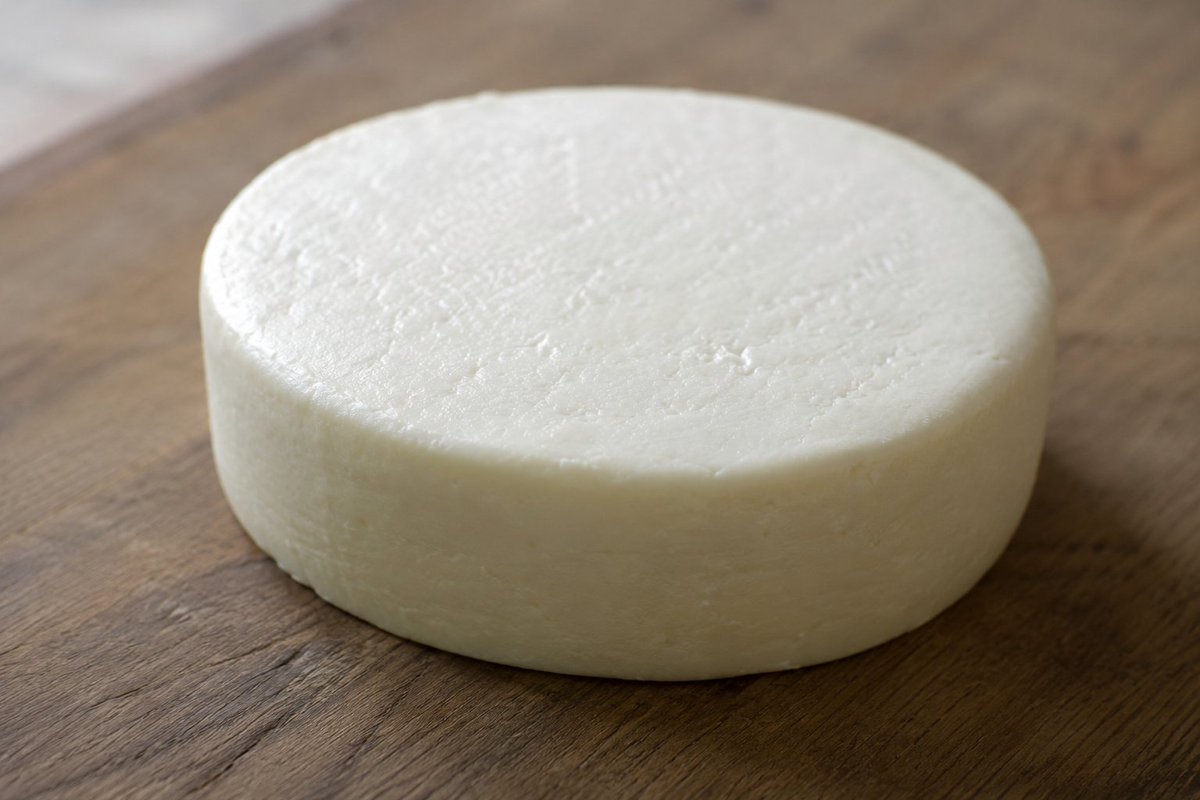
This is a 1-kilogram wheel of cheese.
In its raw form — fresh curd, unsalted, unaged — it sells for around $3 at a farmer's market. If it's pressed and aged for three months into a basic table cheese, it fetches $15. If it's crafted into a young Gouda with a wax rind and proper culture, you're looking at $40.
If it's aged eighteen months into a proper Parmigiano-Reggiano, that kilogram is worth $35 — but the wheel it came from took two years of daily care, precise temperature, and a cheesemaker who inherited the recipe from his grandfather.
If it's transformed into a hand-cave-aged Comté from the Jura mountains, selected by an affineur who taps each wheel with a small hammer and listens — actually listens — to what the cheese is telling him, that kilogram commands $80.
And if it's a perfectly matured Époisses, washed in Marc de Bourgogne, wrapped in spruce bark, carried by refrigerated courier to a three-star restaurant in Paris where it arrives at precisely 16°C and is served at the exact moment of peak fermentation — that kilogram is worth $400, and the sommelier pairs it with a Burgundy that costs more than your flight to France.
The milk was the same on day one.
What changed was patience, knowledge, environment, and the refusal to sell too early.
40
111
775
66,635

The Somerset cheesemaker is growing its seven-year partnership with Aldi, with listings across the UK, US and Australia.
express.co.uk/news/uk/221544…
10

Whether you're a home cheesemaker or a commercial dairy producer, we've got the perfect mould solution for you! Available in multiple configurations and sizes to suit every need.
Quality equipment for quality cheese! 🧀
#CheeseMould #Cheesemaking #DairyEquipment #DairyProducer

1

Jun 13
Any roadside smoked meat in MI and any small cheesemaker off the highway in WI. See if a friend will take you for a hands free drive in a Tesla. German’s minds are blown.
5
304

Karen Krainz Edison retweeted

Jun 11
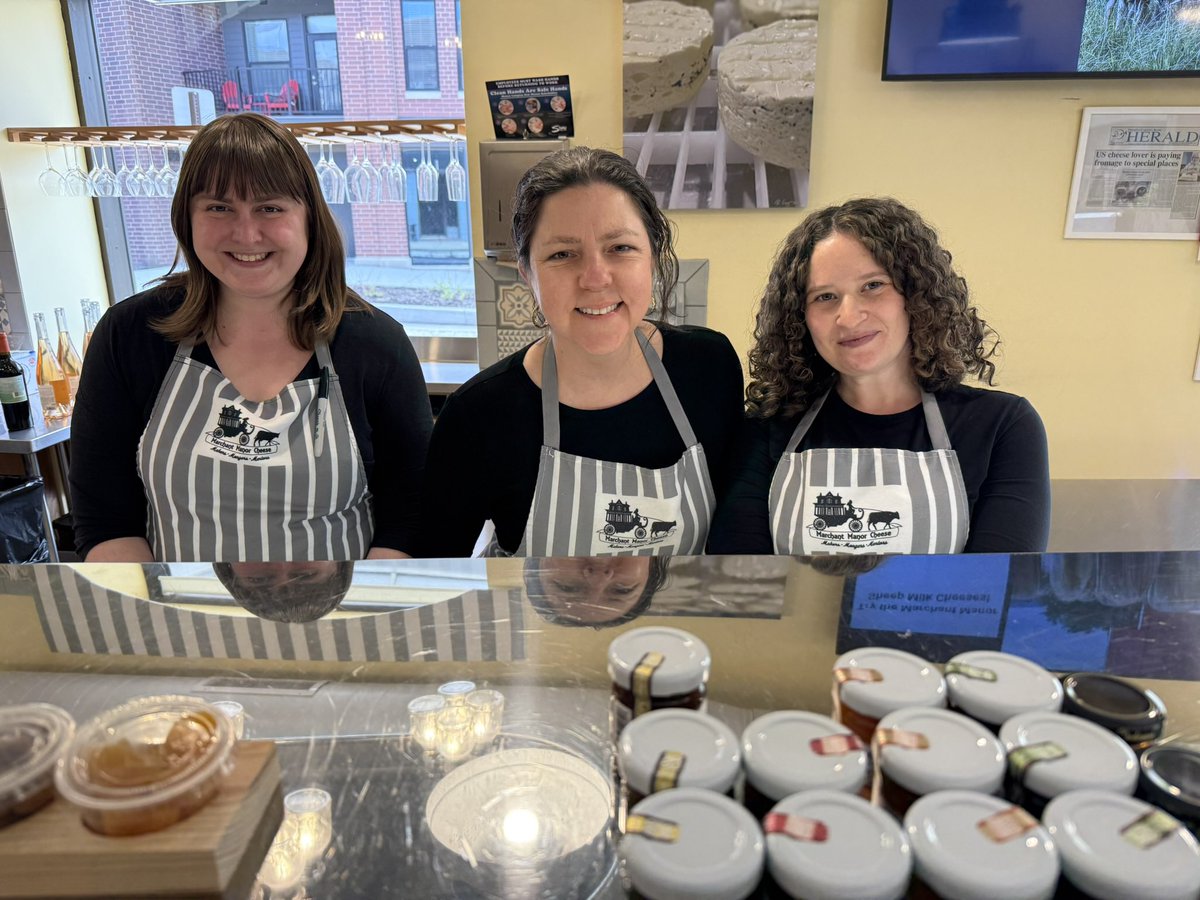
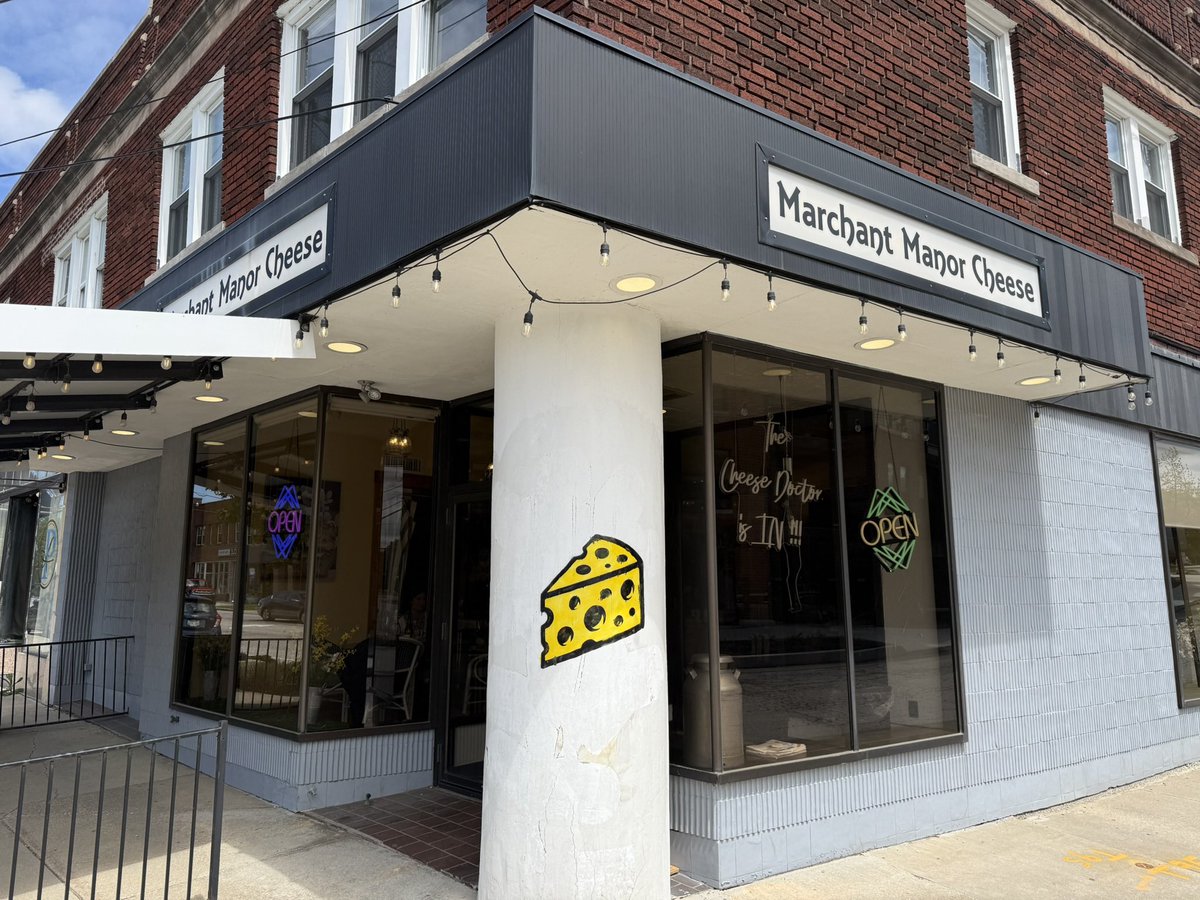
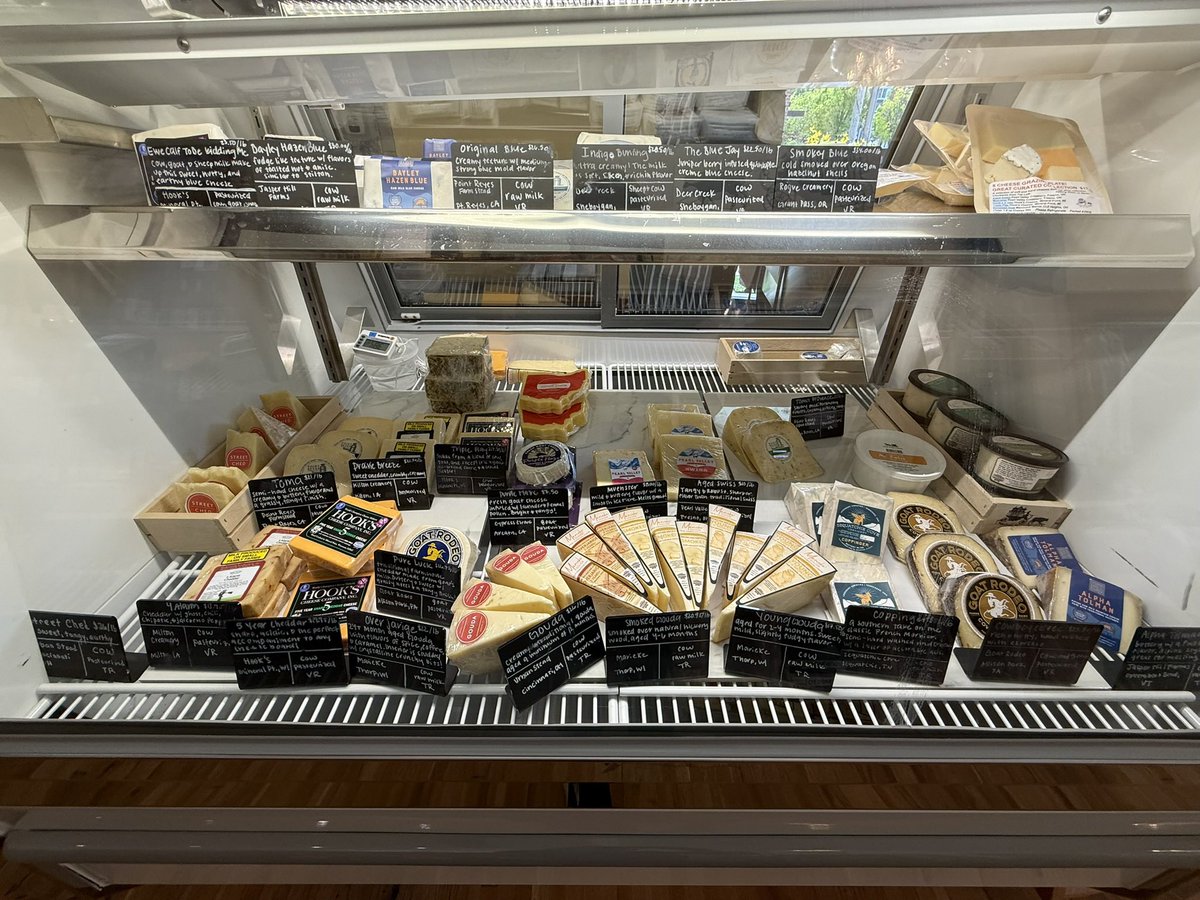
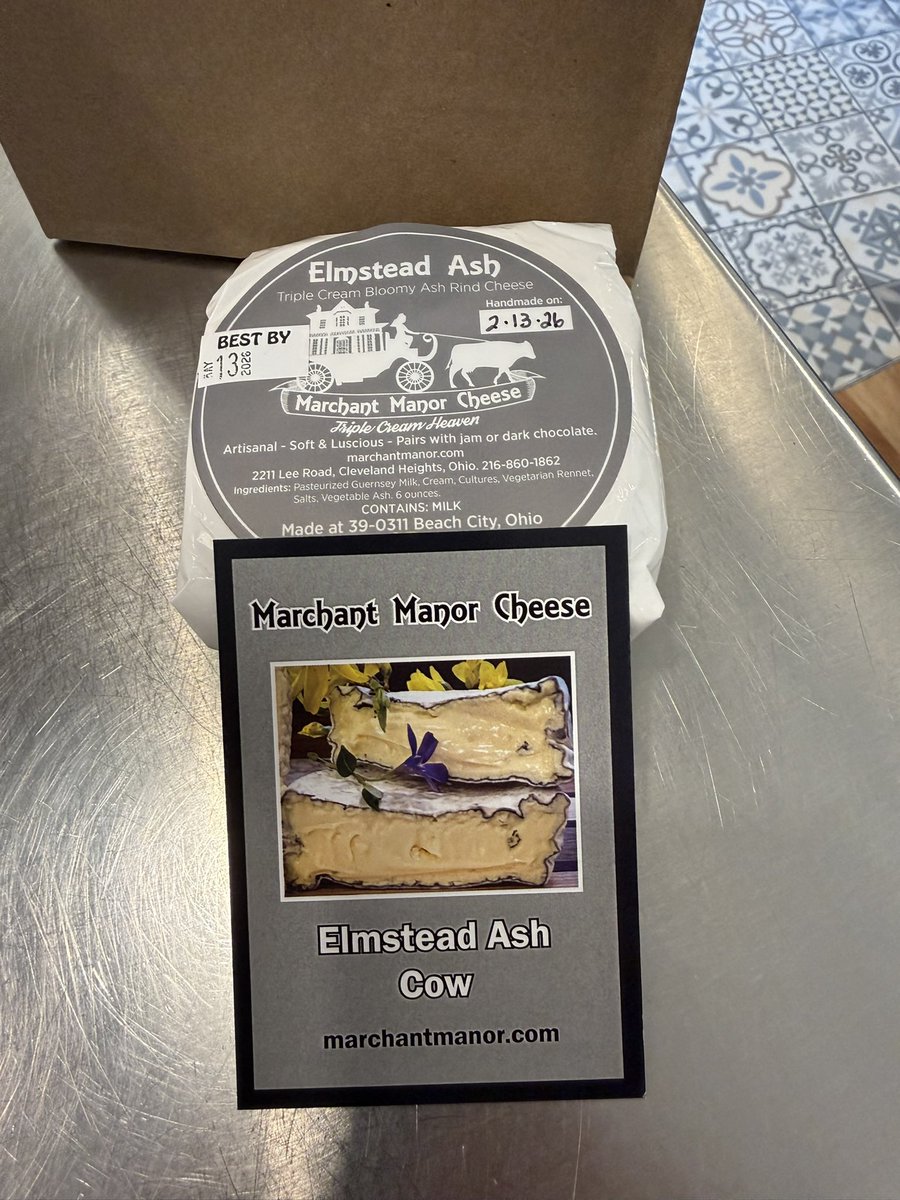
Visited Marchant Manor Cheese at 2211 Lee Rd. in CLE Hts. and learned about this outstanding shop founded by cheesemaker Kandice Marchant. Thanks to Ilona Ike, Rebecca Groynom, and Sasha Friedlander for sharing its story and helping commemorate the visit. marchantmanor.com
1
1
22
1,064

Widow sues cheesemaker over husband's death from Valentine’s Day reblochon
gbnews.com/news/sussex-news-…
3
4
6,170