

Mar 31
Pues naruto se está codeon con el y eso que su anime terminó en 2017 y su manga en 2014 XD
1
96

Mar 11
📌 Optimum for Cloud Services:📌
@get_optimum
Energy Savings in Data Centers CodeOn Tech and their RLNC (Random Linear Network Coding) tech is revolutionizin' energy use in cloud services
🔸It's a network coding method that optimizes data transfer n storage. Instead of old-school ways, RLNC mixes data packets w/ linear algebra, lettin' u recover info even w/ losses, no extra retransmits needed
🔸Perf for data centers where data volumes r huge. Main perk: cuttin' energy use by 20-50%! In enterprise-level SANs (storage area networks), RLNC reduces data redundancy n optimizes storage/transmission
🔸In data centers where power costs for coolin' n data handlin' r massive, this means real savings
🔸Source: arXiv paper on Storage Area Networks w/ Network Coding. Everyday vibe: think 'bout services like Netflix or Google Drive. They guzzle tons of energy on video streamin' n file storin'
🔸W/ RLNC, data transfer gets way more efficient – less traffic, less server load. End result? Cheaper for providers, n potentially lower subs for us, slashin' electric bills in data centers. Energy savin' straight-up impacts CO2 cuts
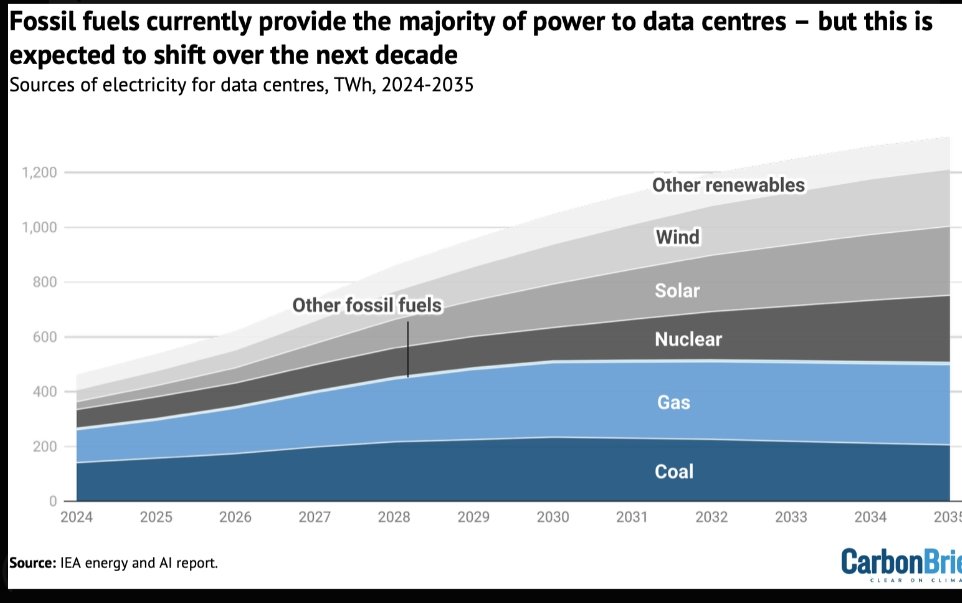
🔸Here's a graph example showin' US data center CO2 emission forecasts: w/ optimizations like RLNC, emissions could drop thx to shiftin' to renewables n boostin' efficiency.(Source: Carbon Brief analysis based on IEA data. RLNC speeds this trend, droppin' energy use by 20-50% n thus CO2.)
🔸Real-life eg: a big cloud provider handlin' streamin' services rolled out RLNC in their enterprise SAN data center. It slashed energy costs on data storage by 30-40%, cut electric bills, n reduced heat output (less coolin' needed)
🔸Same for Google Drive: efficient file codin' lightens server load, makin' the service greener n quicker. CodeOn Tech makes RLNC avail for real apps in clouds n wireless nets
N Optimum integrates it into high-perf infra for blockchains n clouds – total turbo boost for data!Optimize ur cloud w/ Optimum
Check it: getoptimum.xyz/ n docs: docs.getoptimum.xyz/Whatcha
11
18
432

MERRY JUST SAID CODEON IS CANON WE WIN 🎉🎉🎉🎉🎉🎉🎉🎉
1
2
74

తిరుపతి పట్టణంలోని CODEON టెక్నాలజీ ఇన్స్టిట్యూట్ లో ఈరోజు ఈగల్ (EAGLE) టీమ్ ఆధ్వర్యంలో డ్రగ్స్ నిరోధక అవగాహన కార్యక్రమం విజయవంతంగా నిర్వహించబడింది.
#APPolice
#AndhraPradeshPolice
#VizagCityPolice
#vizayanagarampolice
#KakinadaDistrictPolice
#HomeMinisterAnitha
#appolice100
23
50


Jan 1
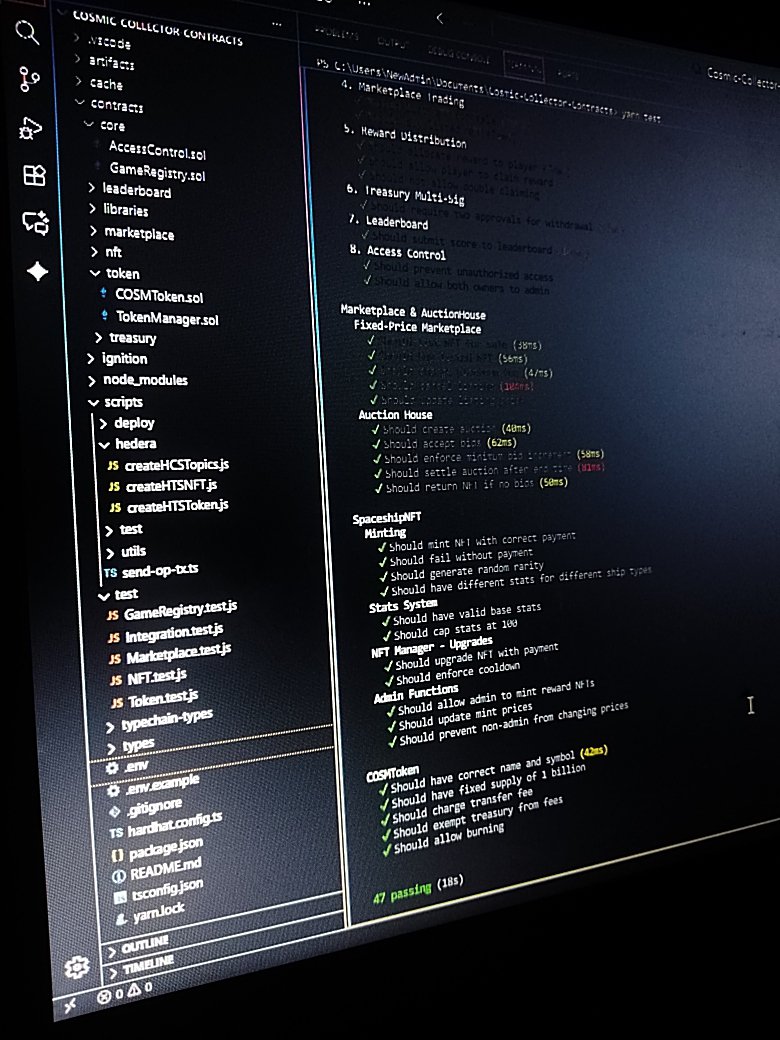
Hi, I’m Kenechukwu; a blockchain developer obsessed with where this tech is heading. I work with Rust, Solidity, C , JavaScript, and Python, and I’m currently building Codeon: a smart contract auditing & analysis tool designed to help devs ship safer, smarter code.
2
9
605

29 Dec 2025
【骨伝導×集音器】
骨伝導ワイヤレスに
聞こえをサポートする集音機能を搭載した
WeatherlyJapan KIKOE BONE、CODEON
の2製品をご紹介しております😊
集音機は個人でも感じ方に差が出ると言われておりますので、ぜひe☆イヤホン全店でお試しください👂
⬇️ブログ⬇️
e-earphone.blog/?p=1539356
1
9
21
7,464

29 Dec 2025
【#eイヤ大阪日本橋本店】
\絶賛発売中/
誰かと会うのが、楽しみになる ――
#WeatherlyJapan
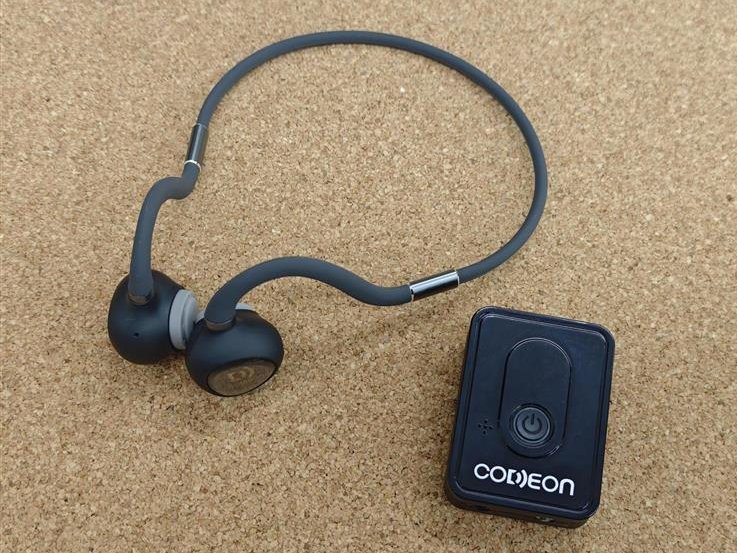
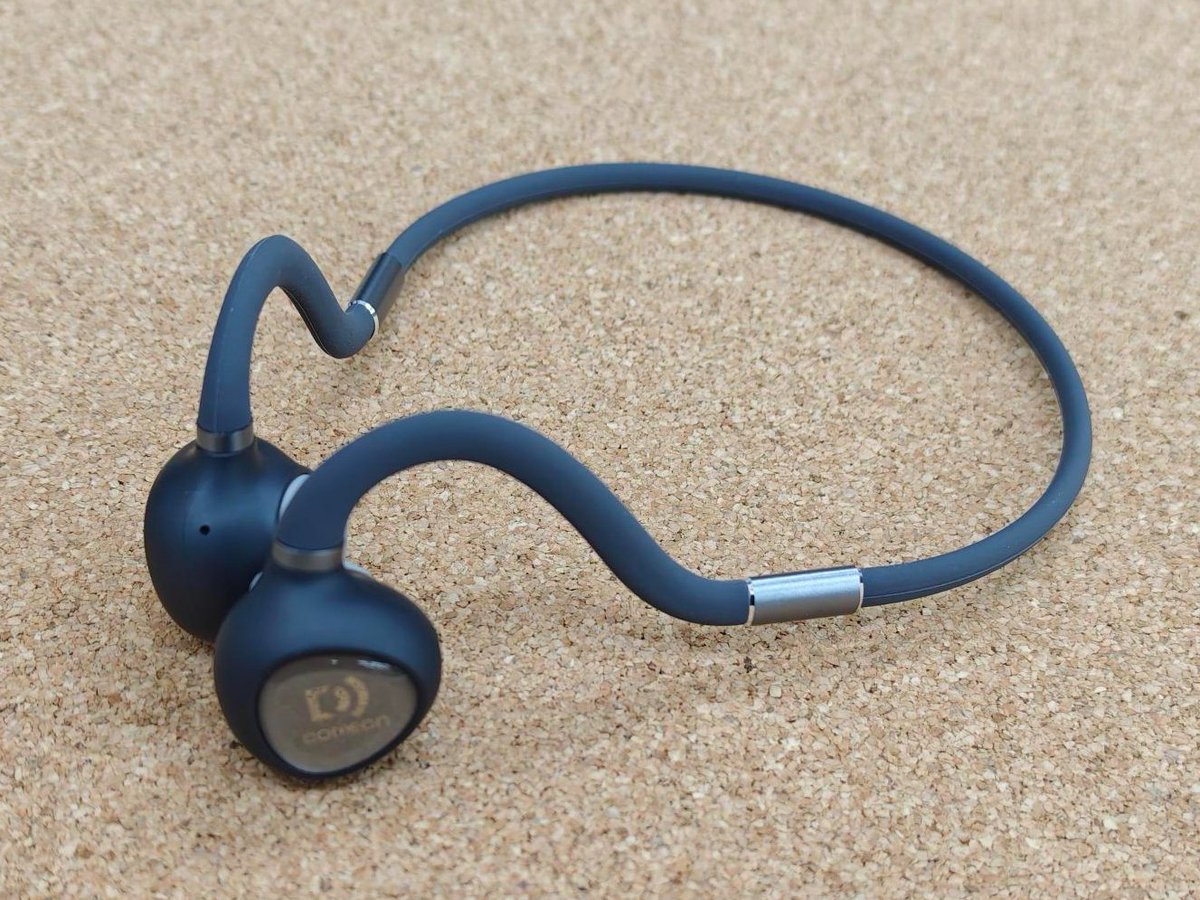
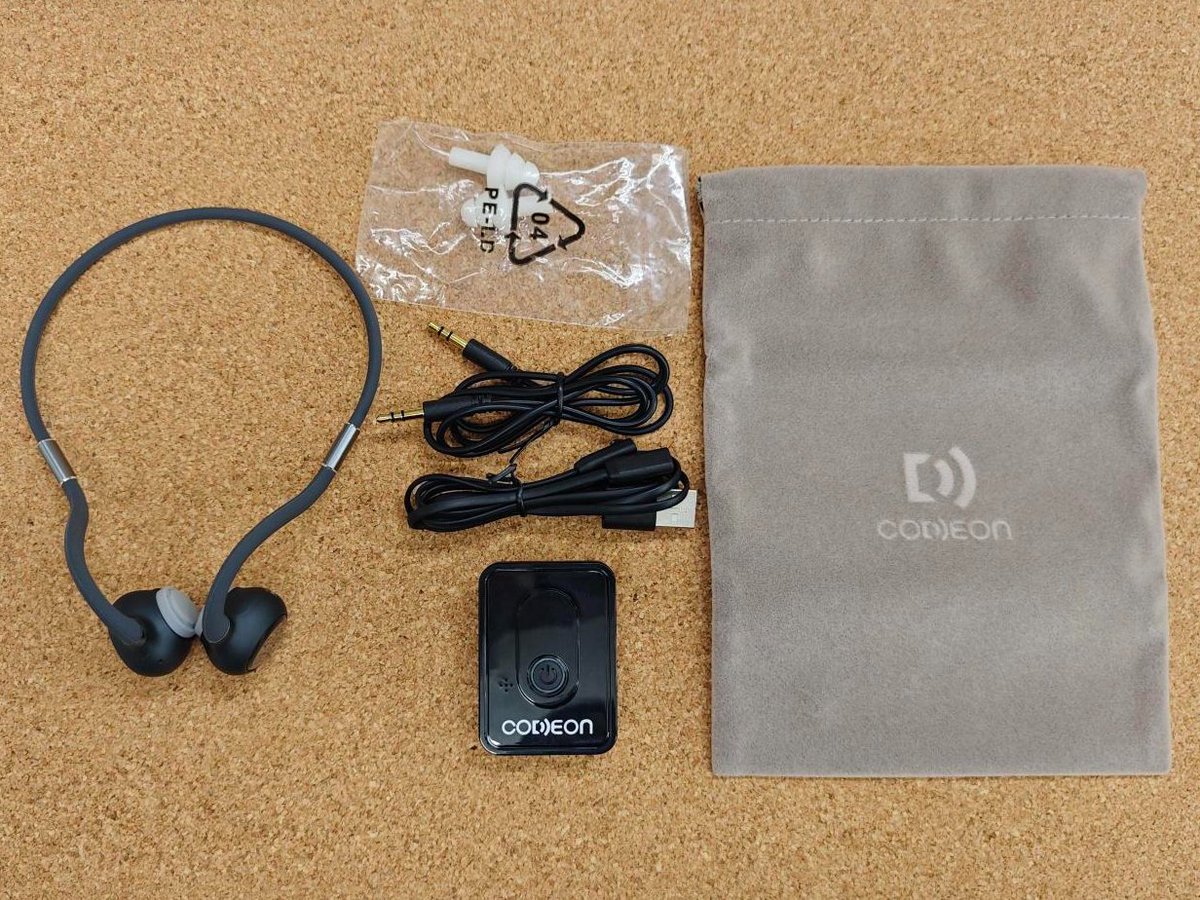
『CODEON 集音器付骨伝導』
当店にてご試聴いただけます!
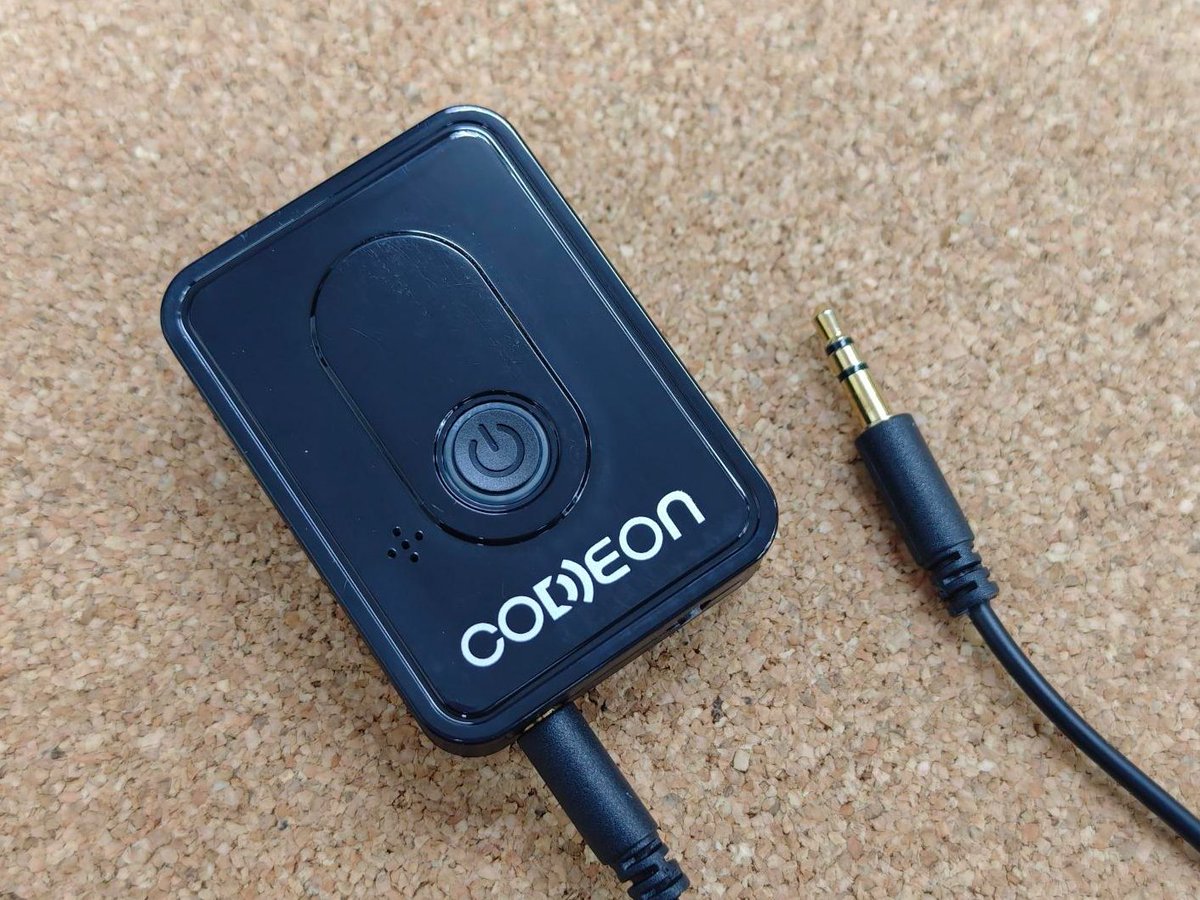
集⾳器で集めた⾳をCODEON本体(⾻伝導ヘッドホン)で聞く事が可能。
⿎膜で聞く通常の⾳ではなく、内⽿に直接⾳が届く⾻伝導で⾳を聞いていただけますので⽿の聞こえが良くない⽅でもクリアに⾳が聞こえます。
(※難聴の種類によります。)
▶CODEONの追求ポイント
・スタイリッシュな⾻伝導イヤホンデザイン
・⻑時間つけても疲れないチタン&シリコン素材
・操作不要のBluetooth接続(⾳声ガイド付)
・⾸かけタイプで落下の⼼配を不要に
▶⾻伝導で内⽿に直接⾳を届ける
・⽿の聞こえが良くない⽅(伝⾳難聴)でもクリアに聞こえる
伝⾳難聴とは外⽿道、⿎膜、⽿⼩⾻に異常がり、⾳がうまく伝わらないことが原因の難聴です。
このため内⽿に直接⾳を伝える⾻伝導は効果があります。
これに対し「感⾳難聴」は蝸⽜や聴神経などの内⽿に異常があり、⾳の電気信号が脳に
うまく伝わらないことが原因の難聴のため、⾻伝導でも⾳がうまく伝わらない可能性があります。
▶だれでも使⽤できる通信機器 / 難しい操作不要
・電源のON/OFF、通信状態を⾳声で教えてくれる
ご⾼齢者が苦⼿をされるBluetooth通信。
スマホの設定画⾯など細かい操作が難しく使⽤を敬遠されがちです。
CODEONは、操作はボタンを押すだけ。
接続は⾳声が教えてくれるのでどなたでも利⽤できる通信機器として製造開発されました。
▶⽿を塞がずにできる
・⽿に挿⼊しないので負担を軽減/外部の⾳も聞こえる ⾻伝導ヘッドフォンのために⽿を塞がずに、ナイロン部分があたるだけ。 外部のおとを聞きながらテレビの視聴なども⾏えます。
▶集⾳器+ヘッドフォンを同時充電可能
・毎⽇の充電をより簡単に、マグネット充電を採⽤。
⼆股のマグネット式USB充電ケーブルを採⽤。
⼀度で集⾳器/本体のどちらも充電が可能です。
磁気が⼊っているため近づけるだけでカチャっと装着が可能です。
当店試聴機をご用意しております!
ぜひ大阪日本橋本店でお試しください!!
#eイヤ大阪日本橋本店 #集音器
1
2
10
1,427


Today we begin our acquaintance with the @get_optimum team, which is creating a new fundamental network layer for Web3.
@MurielMedard is a Co-founder of Optimum and NEC Professor of Software Science and Engineering at MIT EECS.
She is one of the world leaders in the field of network coding and co-author of Random Linear Network Coding (RLNC), the technology that became the theoretical basis for @get_optimum.
⚫️Scientific scale:
▪️Member of the National Academy of Engineering (USA)
▪️Member of the Leopoldina Fellowship (Germany), American Academy of Arts and Sciences
▪️Fellow IEEE, Fellow National Academy of Inventors, Fellow Royal Academy of Engineering
▪️Honorary doctorates from the University of Munich, Aalborg University, and BME University of Budapest
⚫️Publications, awards, influence:
Muriel is the recipient of dozens of prestigious awards from the IEEE, ACM, and MIT.
Her research has received over 15 major awards, including the ACM SIGCOMM Test of Time and the IEEE Kobayashi Award.
She served as president of the IEEE Information Theory Society and spent decades shaping the development of information theory worldwide.
⚫️Patents and Industrial Impact:
50 international patents, most of which have been licensed or acquired by industry.
She founded several deep-tech companies:
CodeOn, Nanoping, and now @get_optimum , where she is CEO.
Why Optimum?
Web3 today is fast at computing, but slow at distributing and storing data. Networking is the main bottleneck.
Muriel brought two decades of RLNC research to Web3 to create a new data-processing principle: a fast, reliable, and decentralized memory layer.
RLNC is the basis of Optimum network architectures.
@MurielMedard is that rare combination of world-class scientist, visionary, and practitioner who transforms fundamental theory into practical technologies.
In the next section, we'll meet the rest of the key members of the @get_optimum team♾
@ChandlerOtterbe @kentlinyy @EliLaipson
@blockchainjeff @kishori_konwar
14
100
3,740

15 Nov 2025
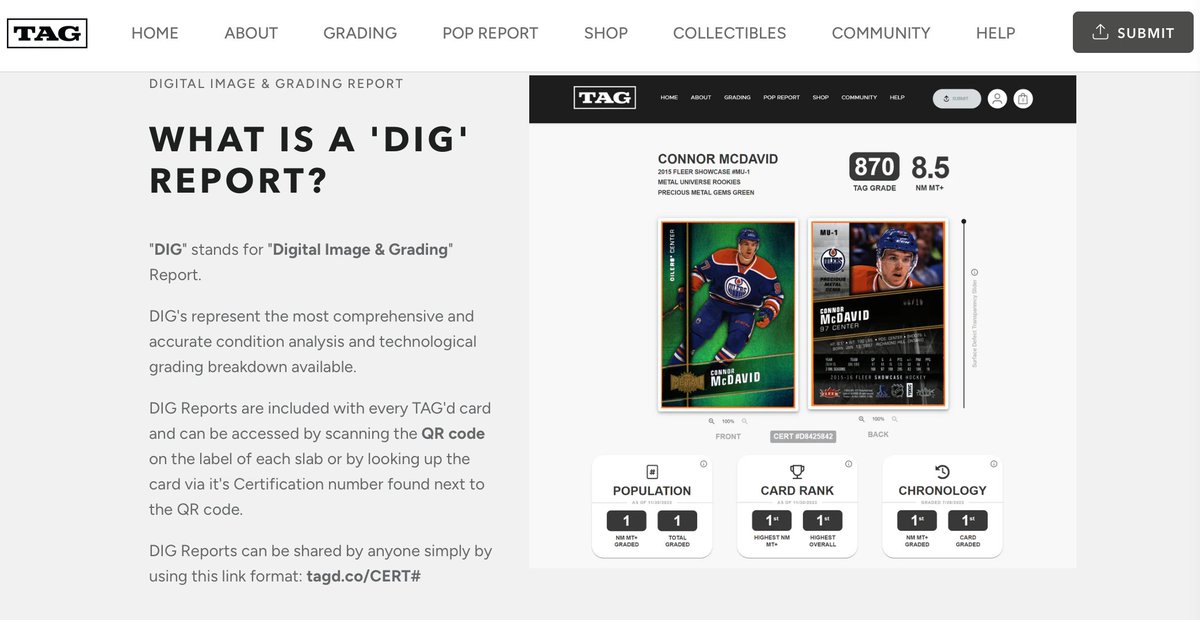
imo, TAG almost there... Authenticating graded cards, with the DIG Report accessible via QR code, but ultimately electronically embedded into the Slab via an embedded NFC Chip accessible via an app on your smartphone. Think GameStop Marketplace with NFC authentication for a physical collectible, with it's digital twin residing on the blockchain. That is what I am thinking...
Why is this a big deal..?
QR codes can be faked. NFC Chips... not so much.
=======
"DIG" stands for "Digital Image & Grading" Report.
DIG's represent the most comprehensive and accurate condition analysis and technological grading breakdown available.
DIG Reports are included with every TAG'd card and can be accessed by scanning the QR codeon the label of each slab or by looking up the card via it's Certification number found next to the QR code.
DIG Reports can be shared by anyone simply by using this link format: tagd.co/CERT#
=======
taggrading.com/pages/dig
15 Nov 2025

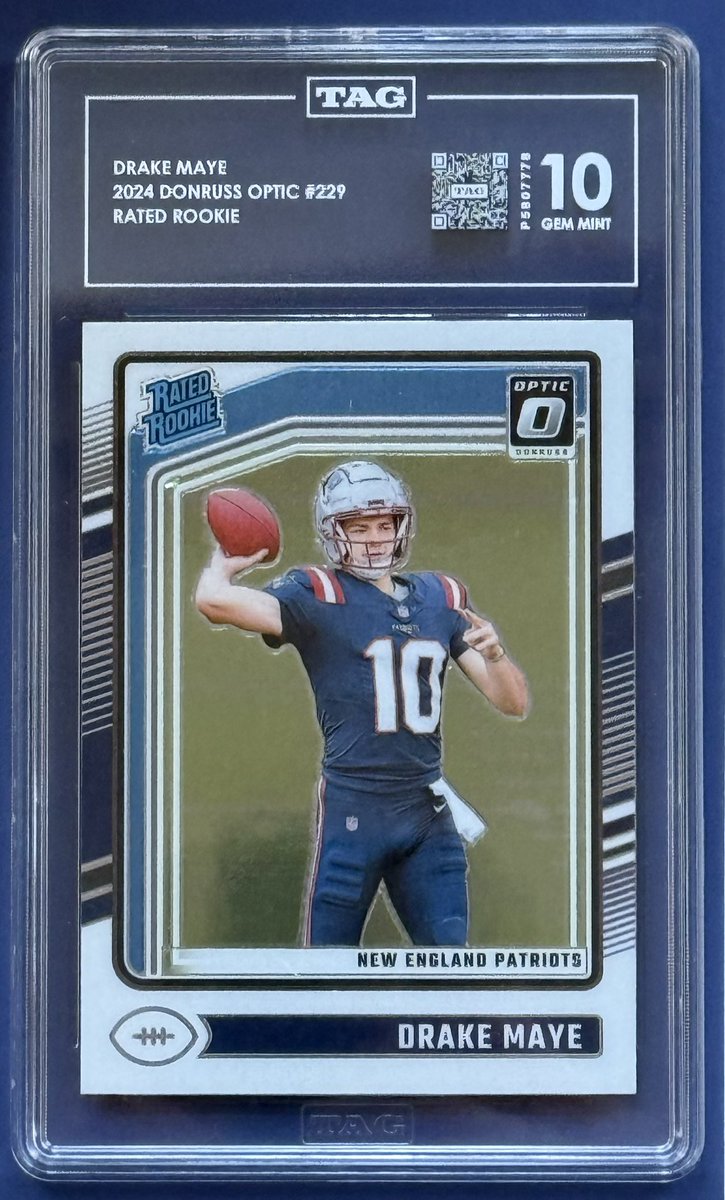
Pretty happy that four of my 2024 Donruss Optic Rated Rookies came back graded 10: Drake Maye, Brock Bowers, Rome Odunze, and Ricky Pearsall.
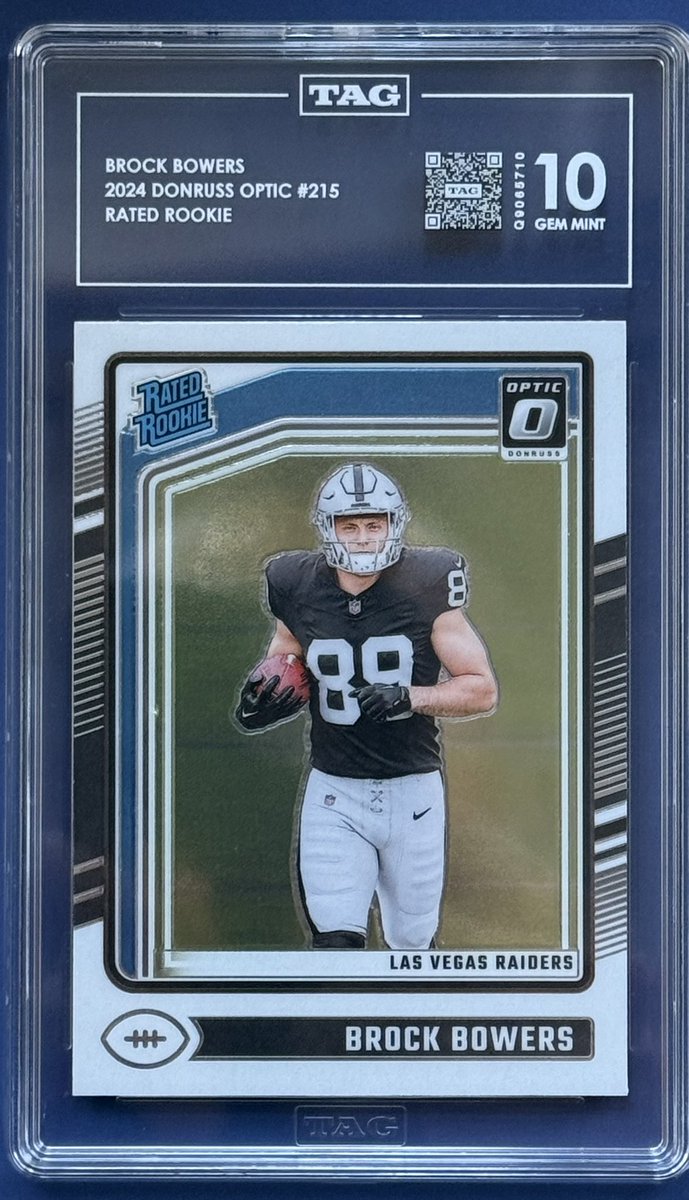
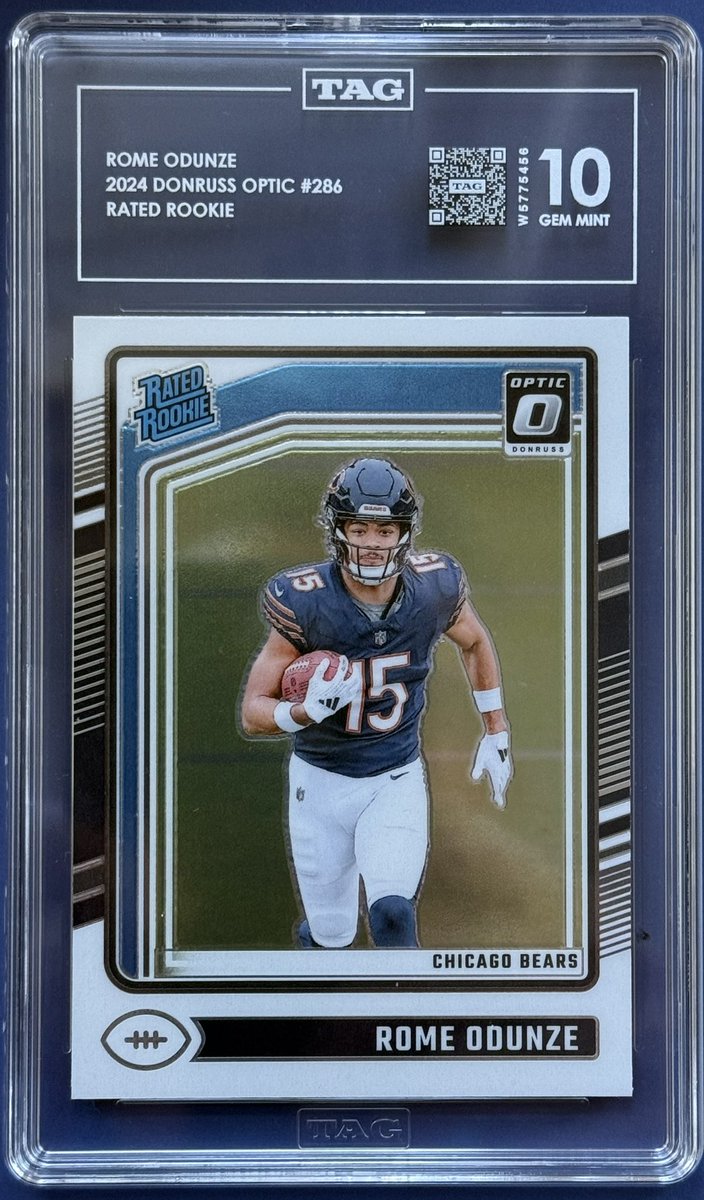
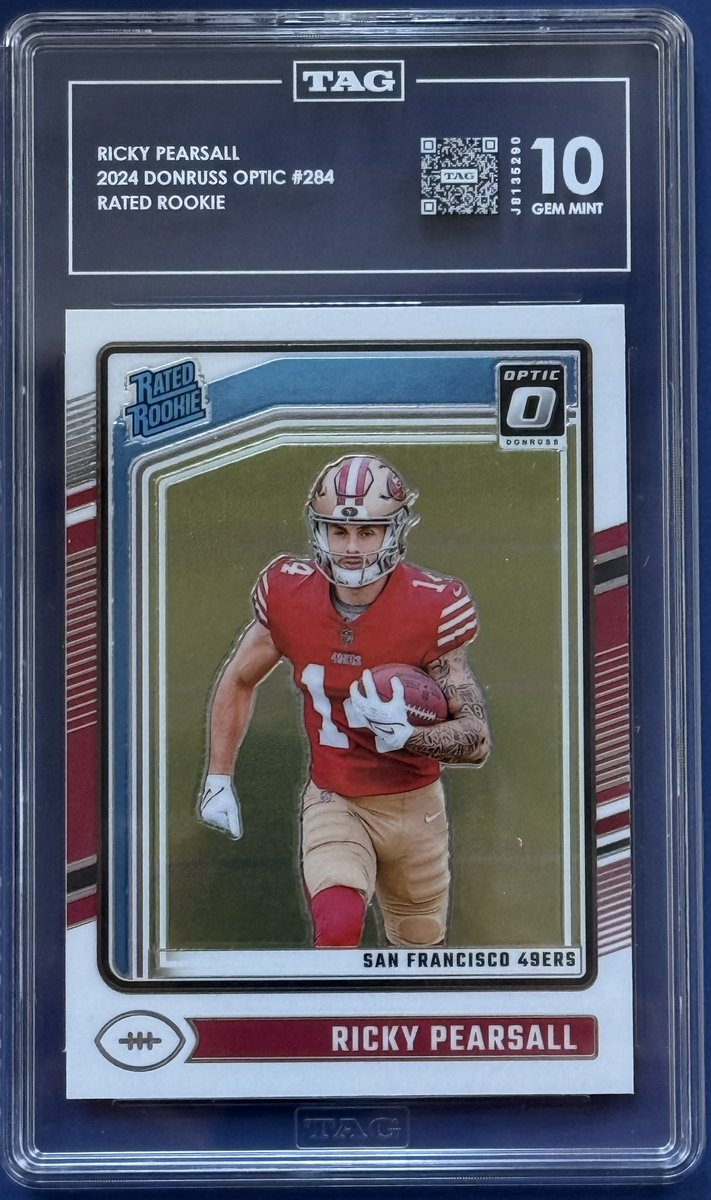
1
8
1,518


6 Oct 2025
Happy Monday💻⚡
A brand-new week is here, packed with endless opportunities to innovate, create, and crush goals.
Every line of code we write, every feature we build, and every bug we squash is a step closer to turning big ideas into reality.
Let’s attack this week with unstoppable energy, focus, and creativity—making magic happen one desktop application at a time🚀🔥💡
#DeveloperLife #SoftwareDevelopment #DesktopApps #CodeOn
22
1
27
304

18 Sep 2025
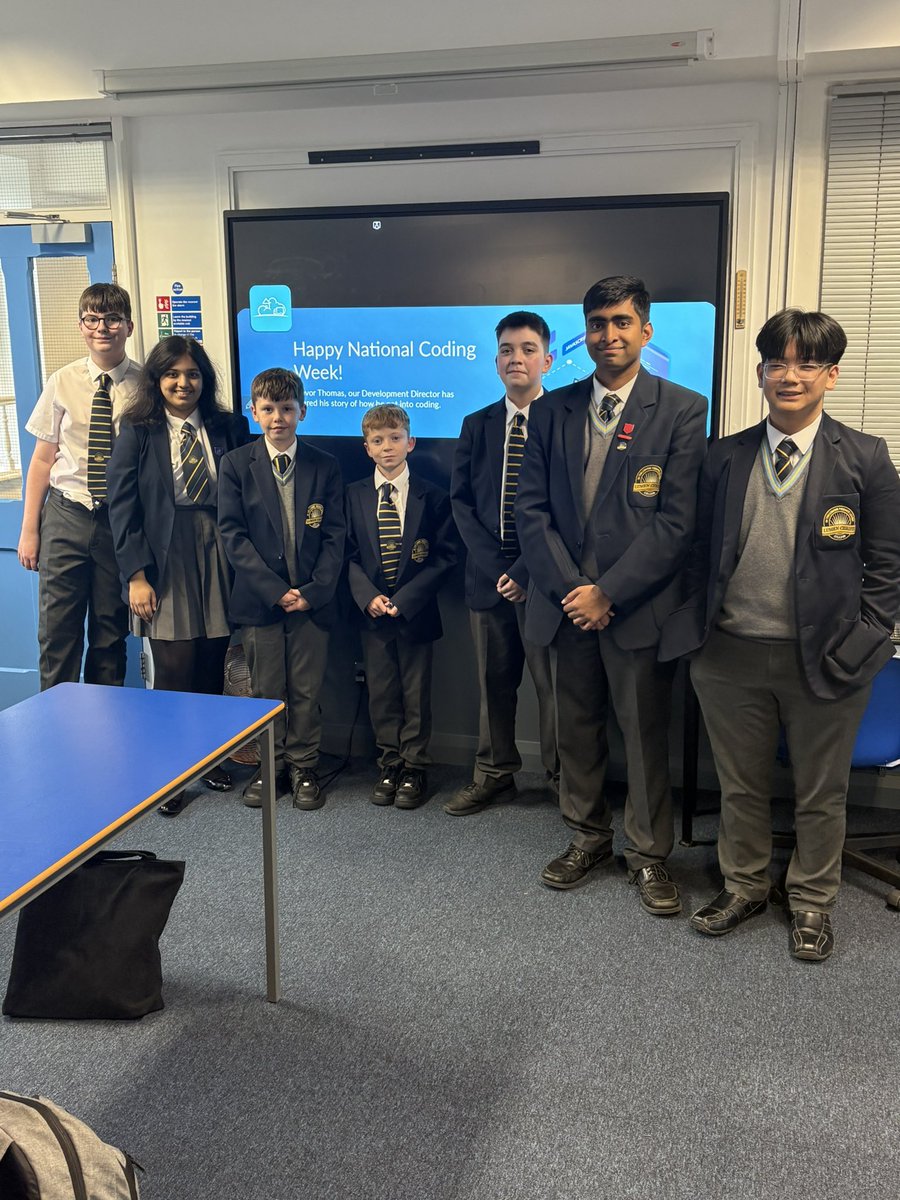
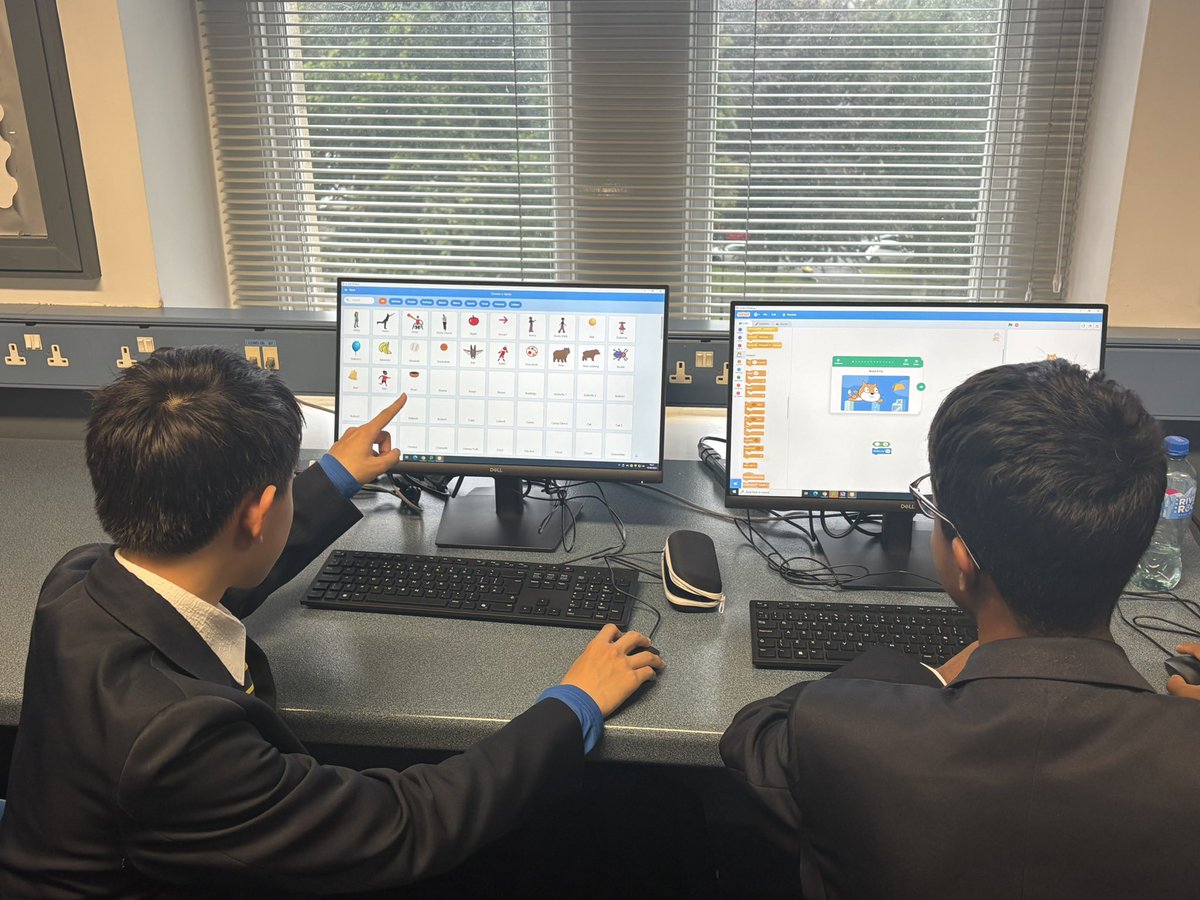
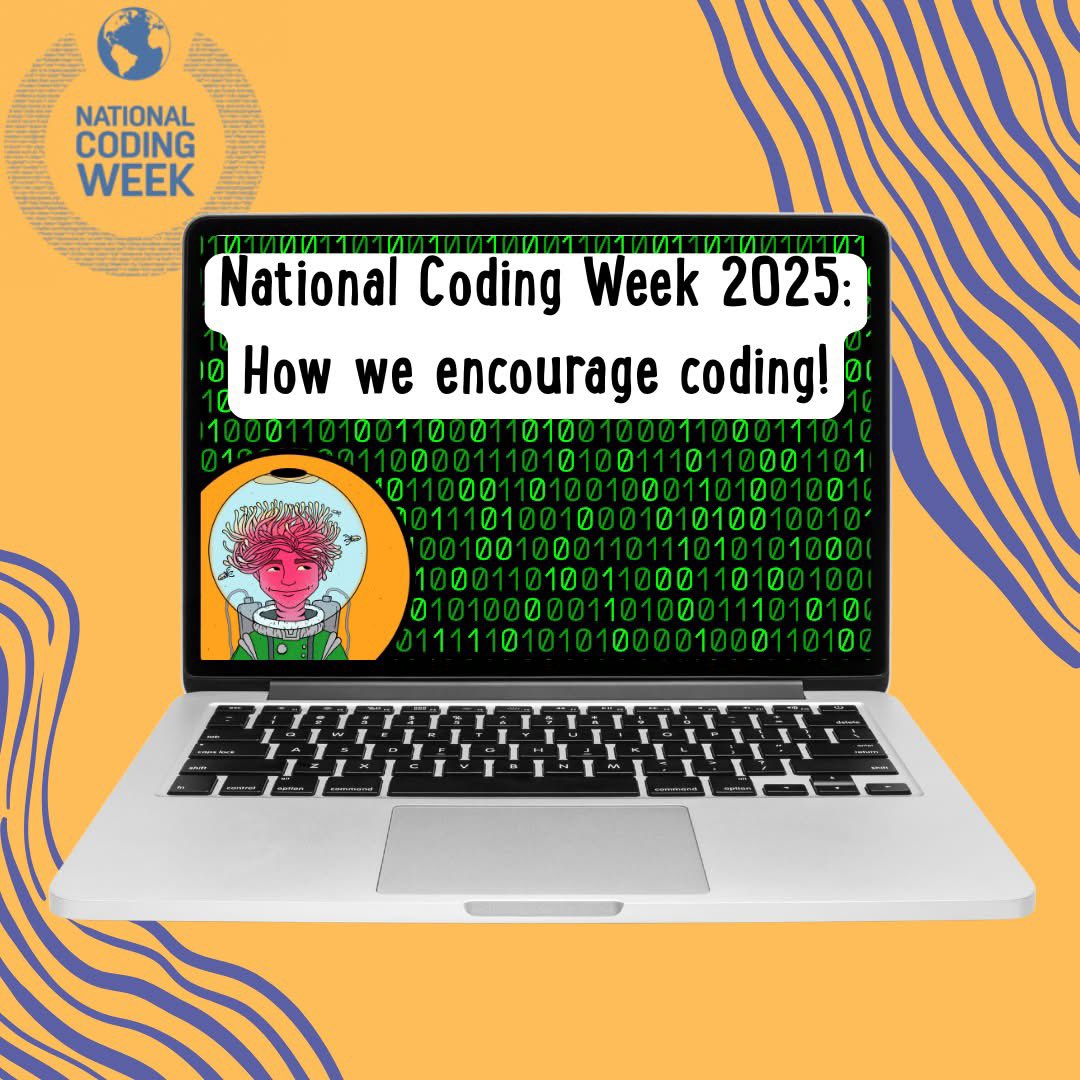
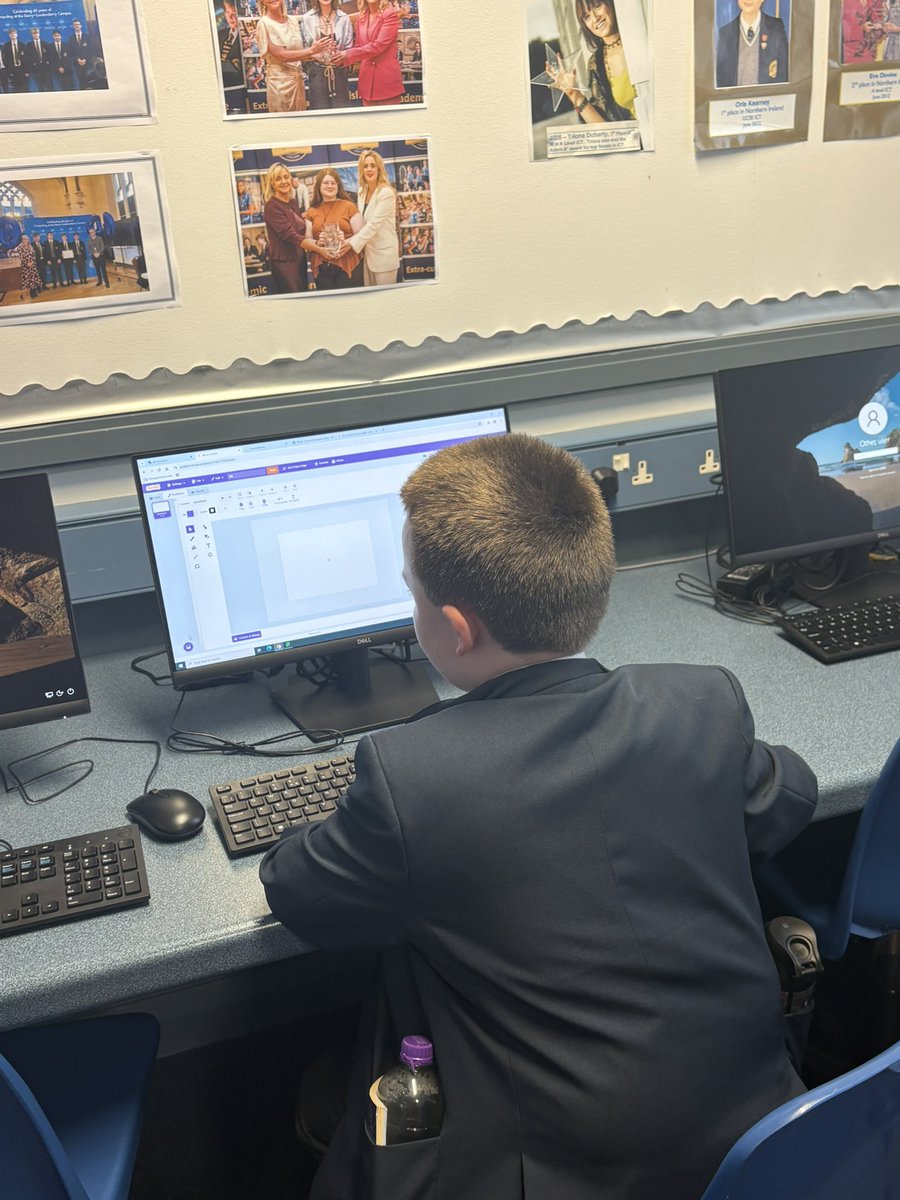
Celebrating National Coding Week with some amazing young coders! 🖥️✨ Today’s after-school Coding Club was full of creativity and problem-solving. Keep coding, future tech leaders! #NationalCodingWeek #CodeOn
1
8
1,988





18 Aug 2025
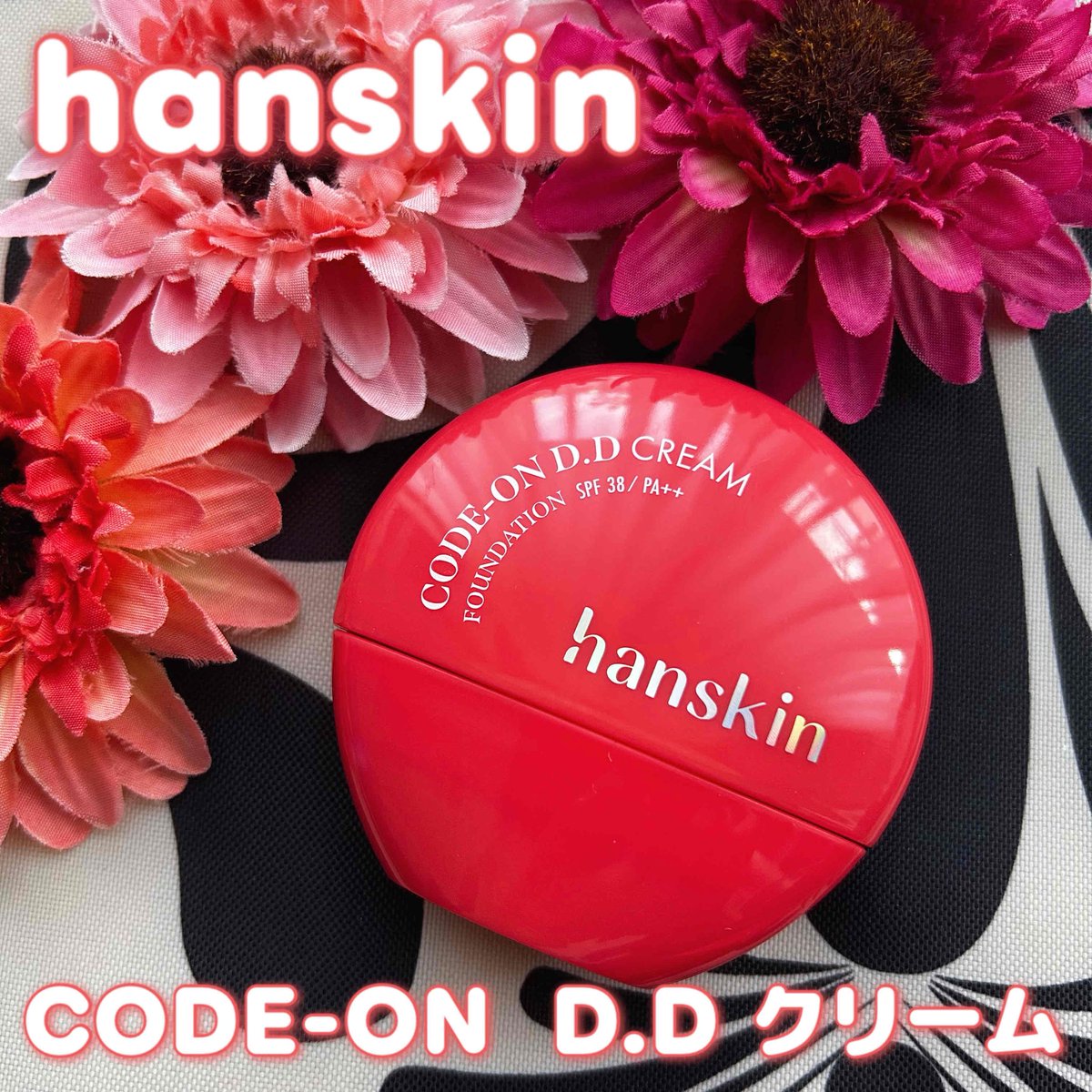
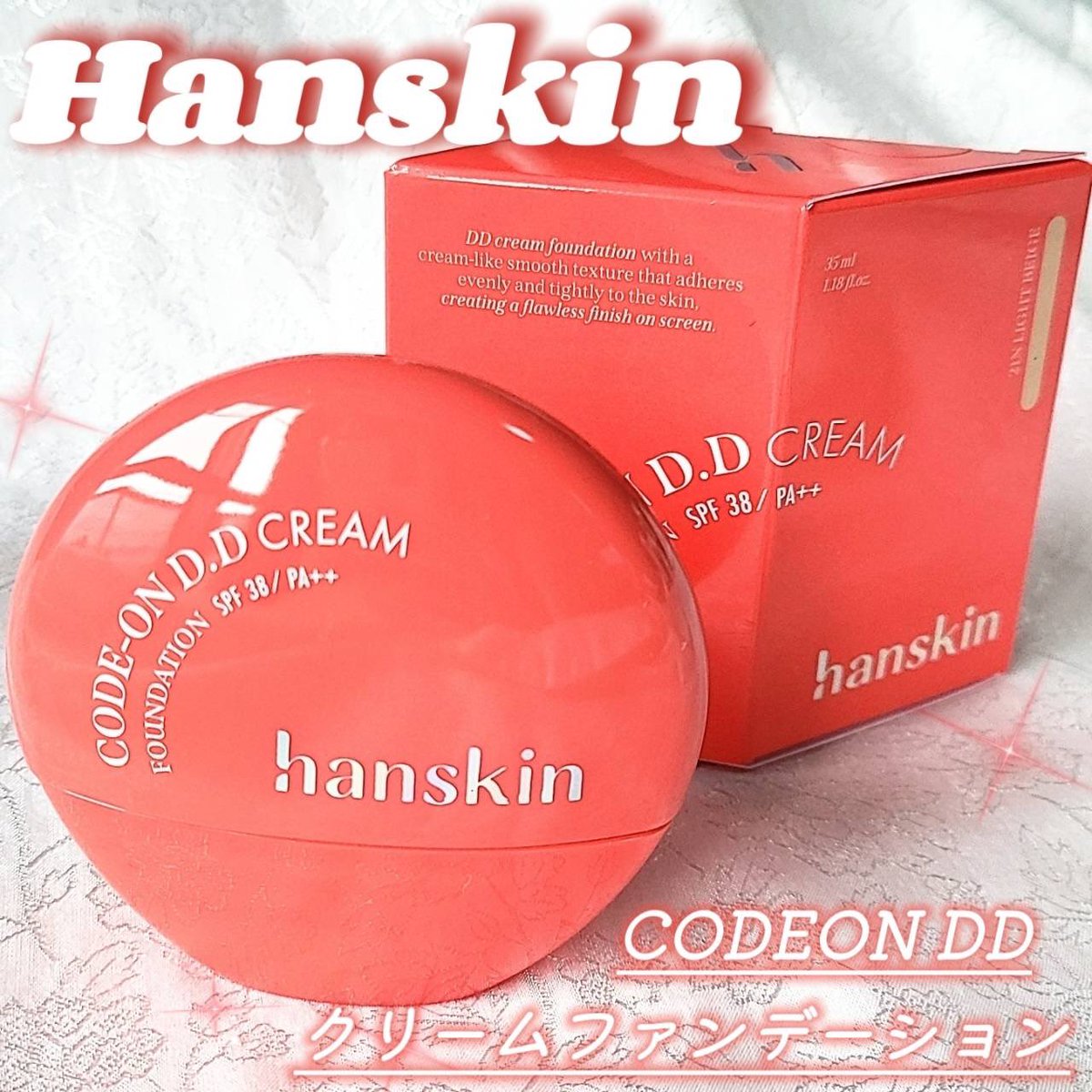
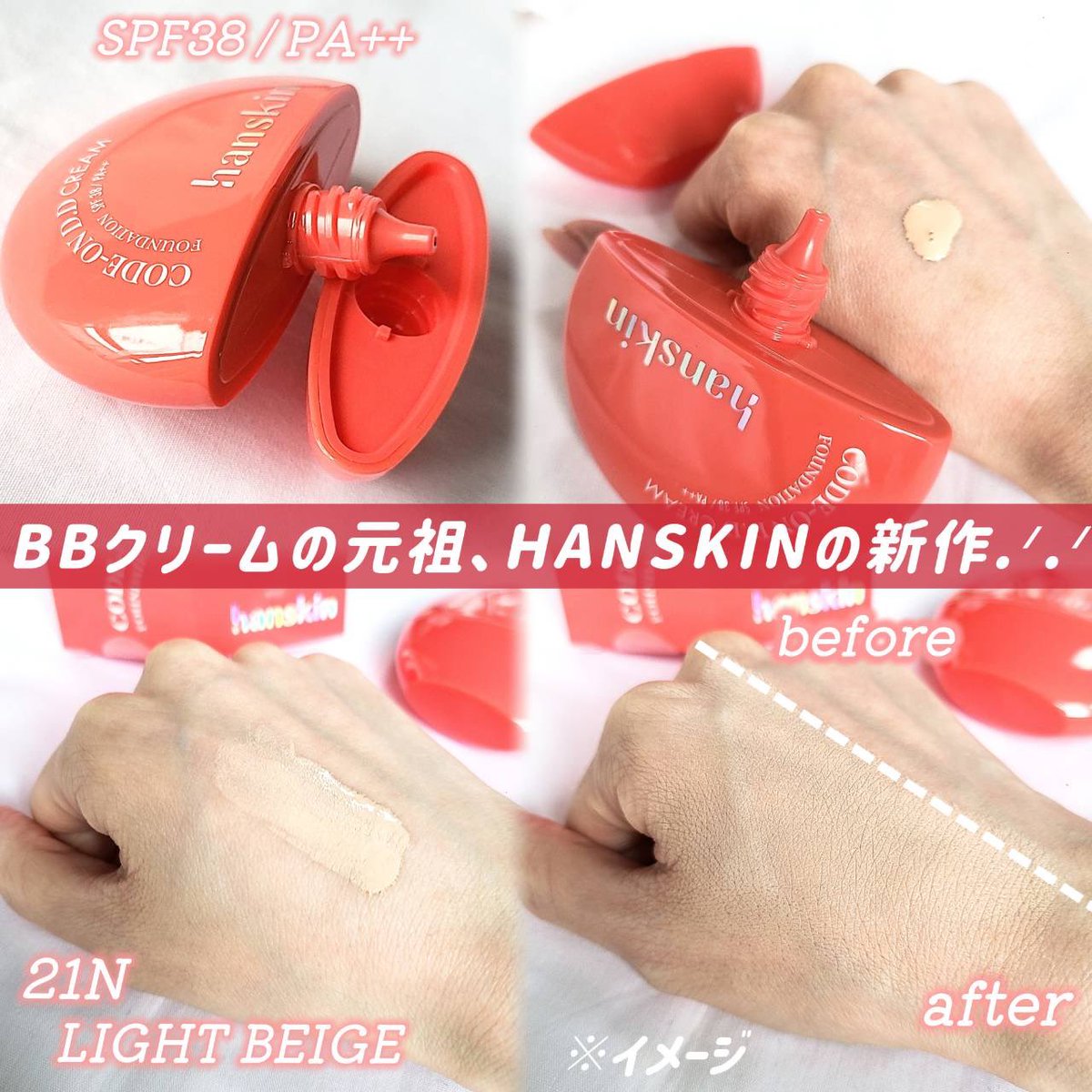
素敵なご縁ありがとうございました🎀
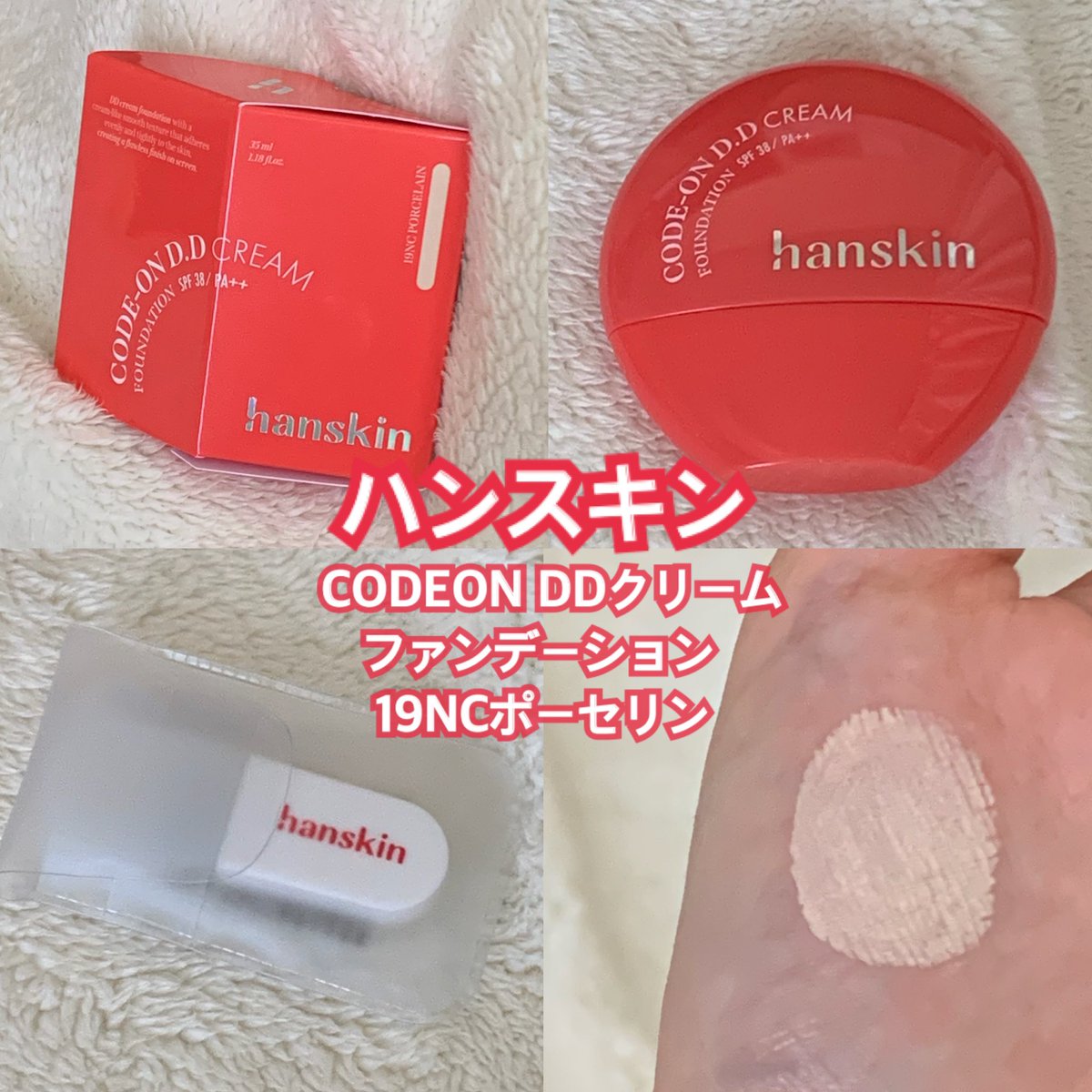
ハンスキン様«@hanskinJP »[PR]
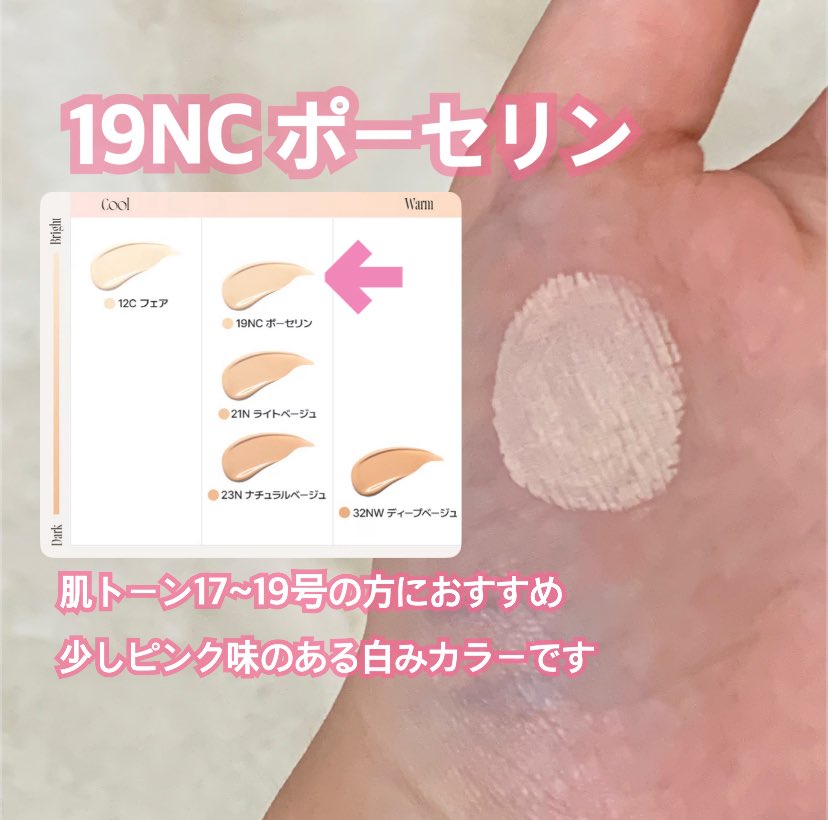
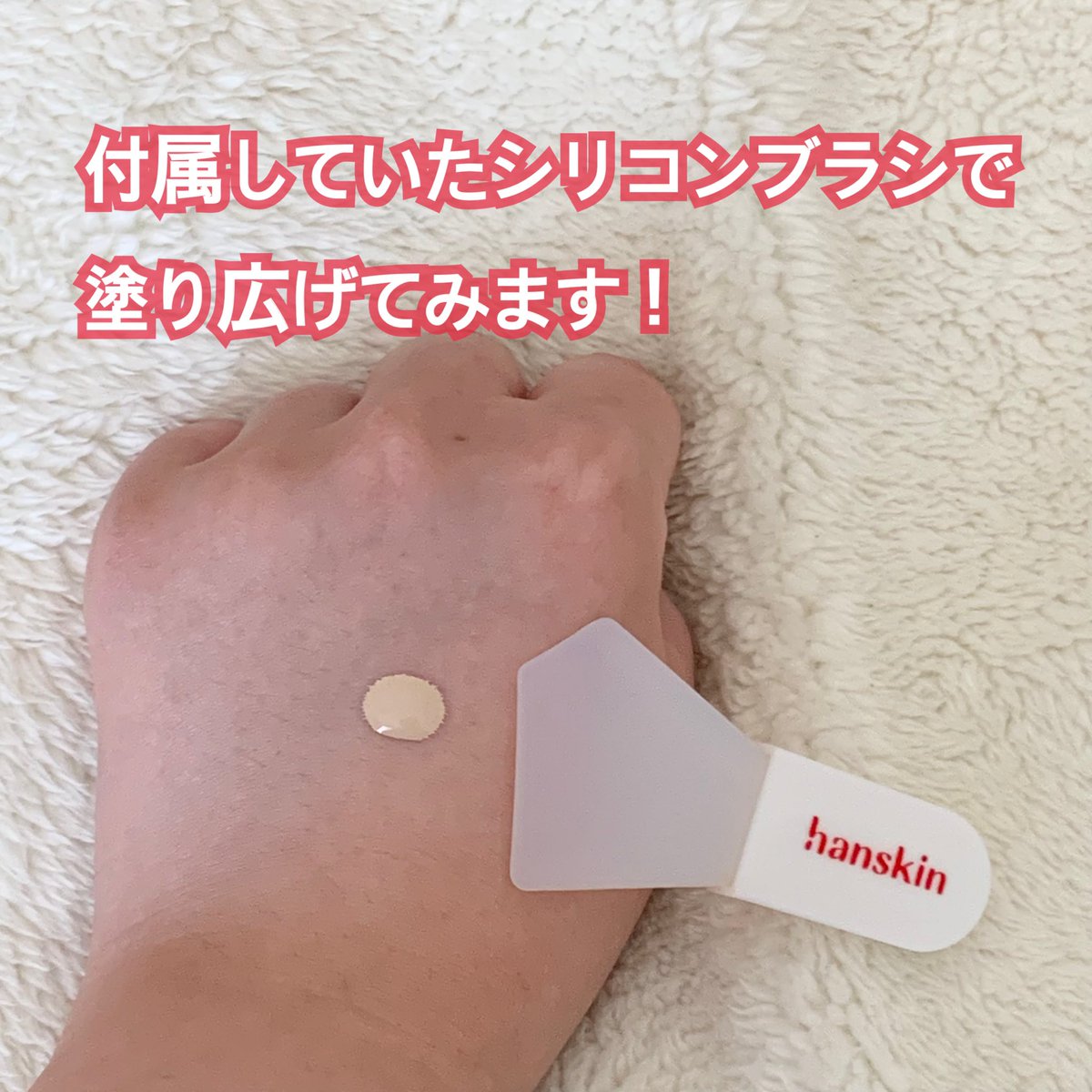
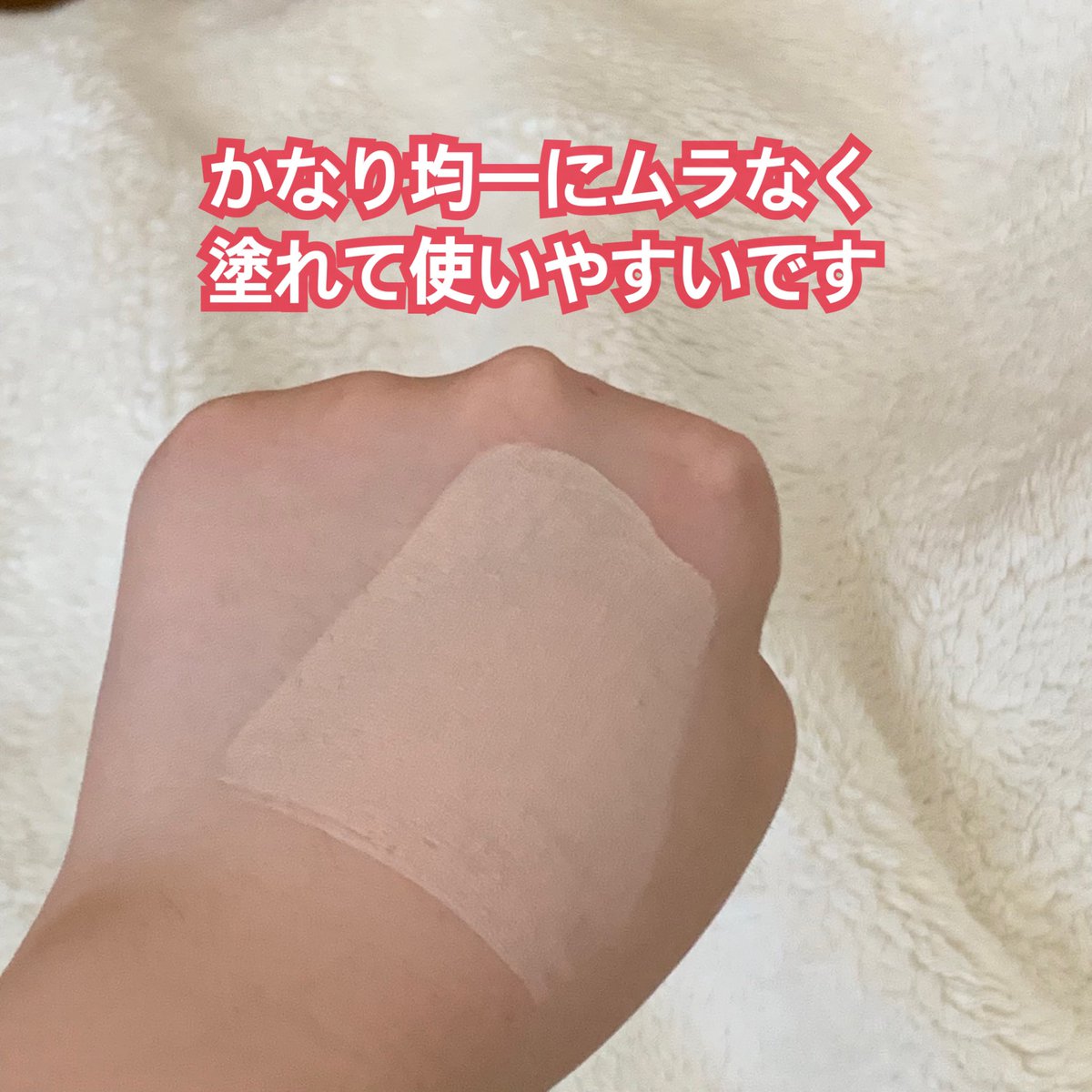
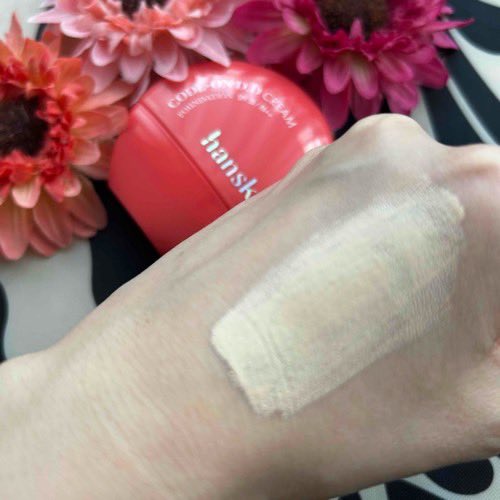
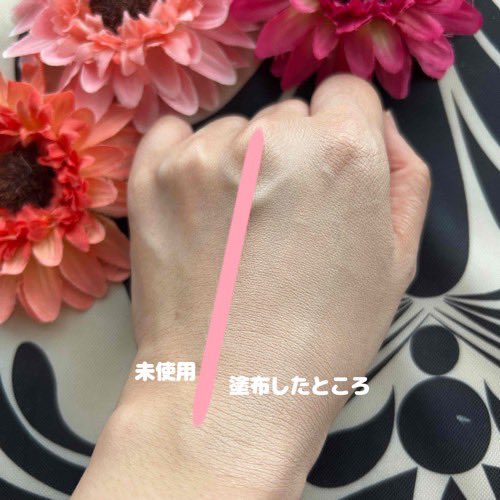
📋¦CODEON DDクリームファンデーション
☑︎クリームのような密着感
☑︎長時間キープ
☑︎水分、毛穴、ハリ感まで3つのスキンケアシナジー成分
☑︎5色展開
☑︎存在感あるパッケージ
▷▷𝒏𝒆𝒙𝒕 #ゆめかの当選報告
1
64
87
1,535