
Jan 24
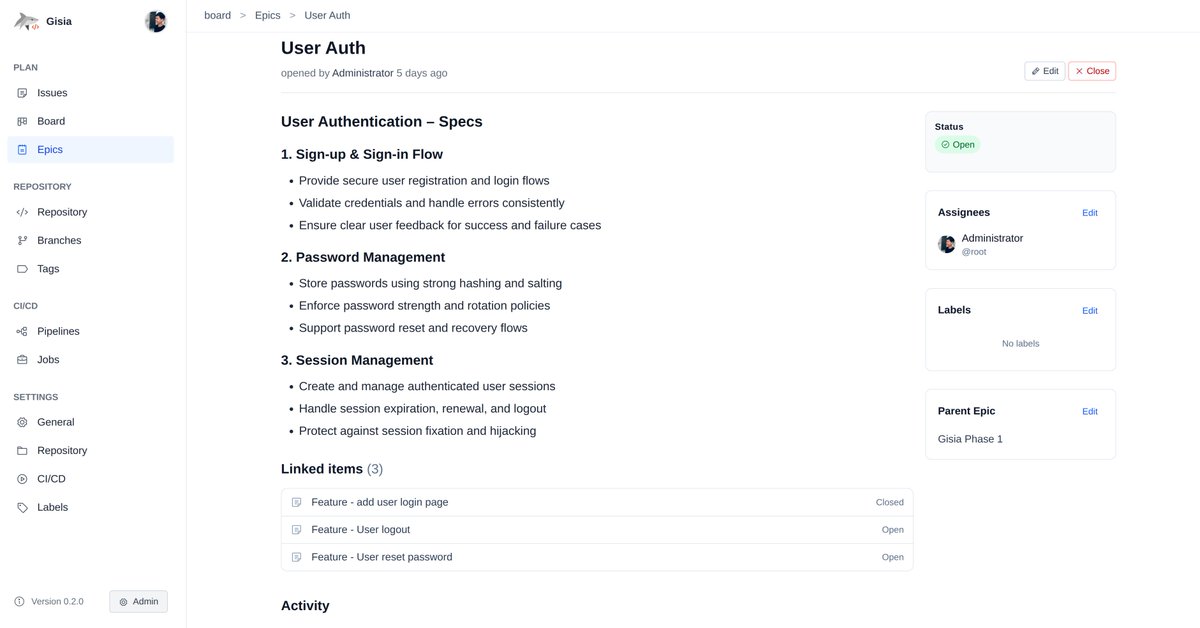
🚀 New in Gitnix: Epic with linked items!
✅ Link issues and epics to parent epics
✅ Inline search & select
github.com/gisiahq/gisia
#buildinpublic
#kanbancoach
#devopsdeveloper
2
56

25 Nov 2025
DevOps for Laravel developers! What an amazing book, articles in devops-with-laravel.io/. Relevant, deep, simple. Save tons of time.
#laraveldevelopers #devopsdeveloper
2
210

22 Nov 2025
Hi everyone,
I am an unemployed web dev and I am here to ship and tweet projects/features until I get a job
Project-2:
medium.com/@yashaspancham/cr…
#devopsdeveloper #opentowork #Kubernetes
2
33

17 Nov 2025
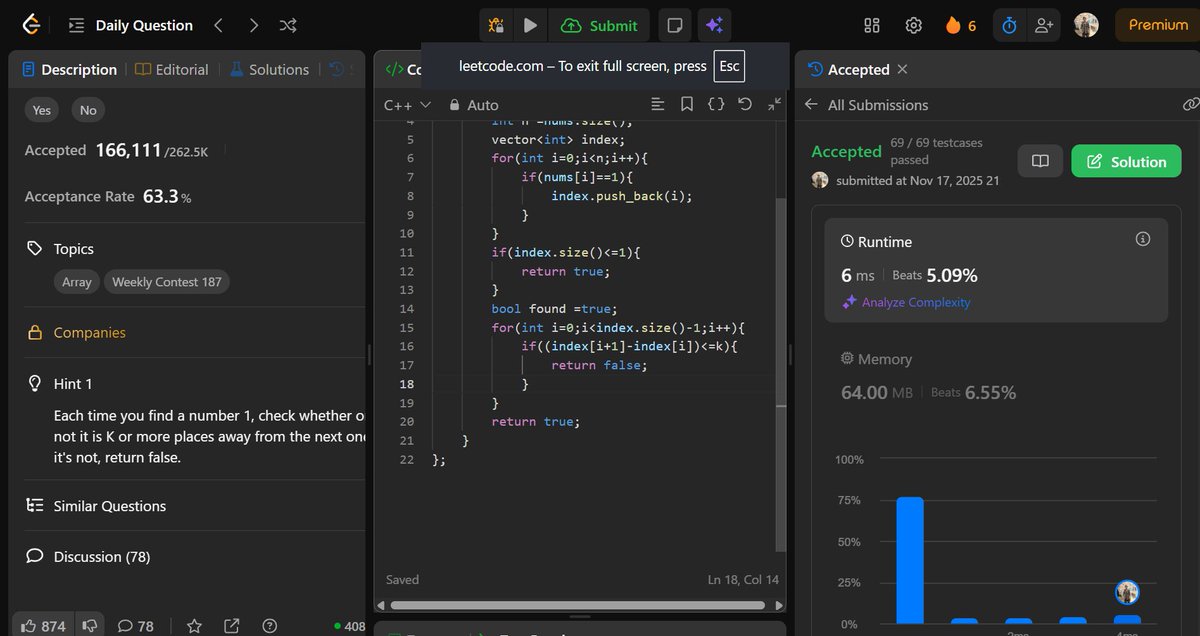
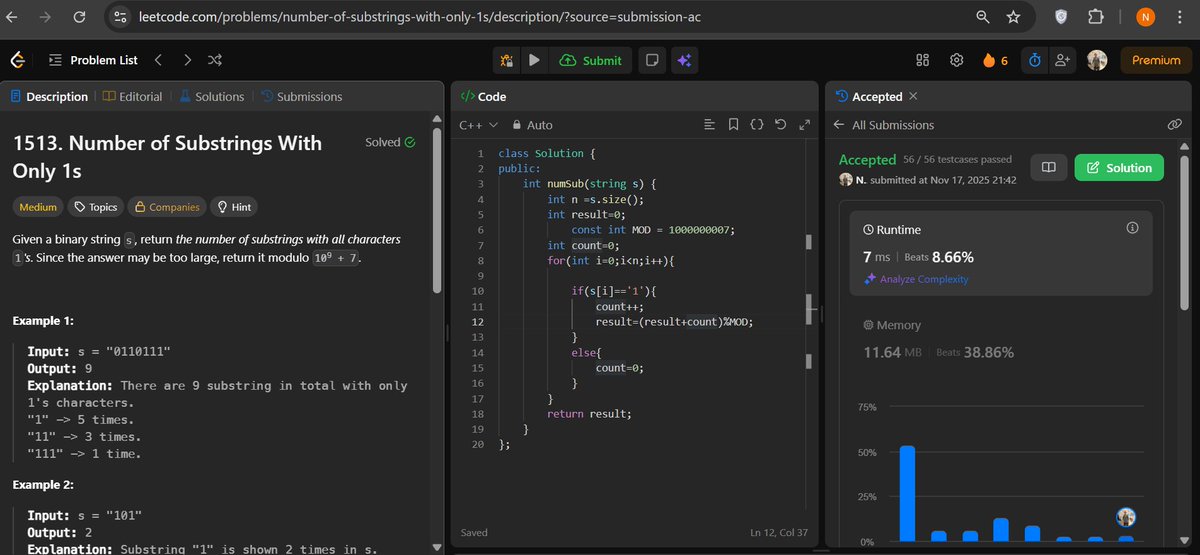
Day 13 and Day 14 of my leetcode journey.
Due to my exam i can't give so much time on X and also leetcode so i tried to solve only POTD on leetcode
#leetcodedaily #dsa #problemsolution #technical #devopsdeveloper #leetcodecontest #Consistency #buildinpublic
6
41

13 Nov 2025
If your microservices aren’t containerized yet, how exactly are you planning to keep them consistent across environments? Docker solves that mess in one shot. 🚢⚙️
#Docker #devopsdeveloper #devop #dockercommands #Development
6
251

5 Nov 2025
Hi @grok,
Show this Tweet in the feed of all DevOps engineers, Any DevOps engineer who is seeing this tweet, please share your roadmap or any tips for the DevOps role.
#Grok #devopsdeveloper
1
1
2
83

30 Oct 2025
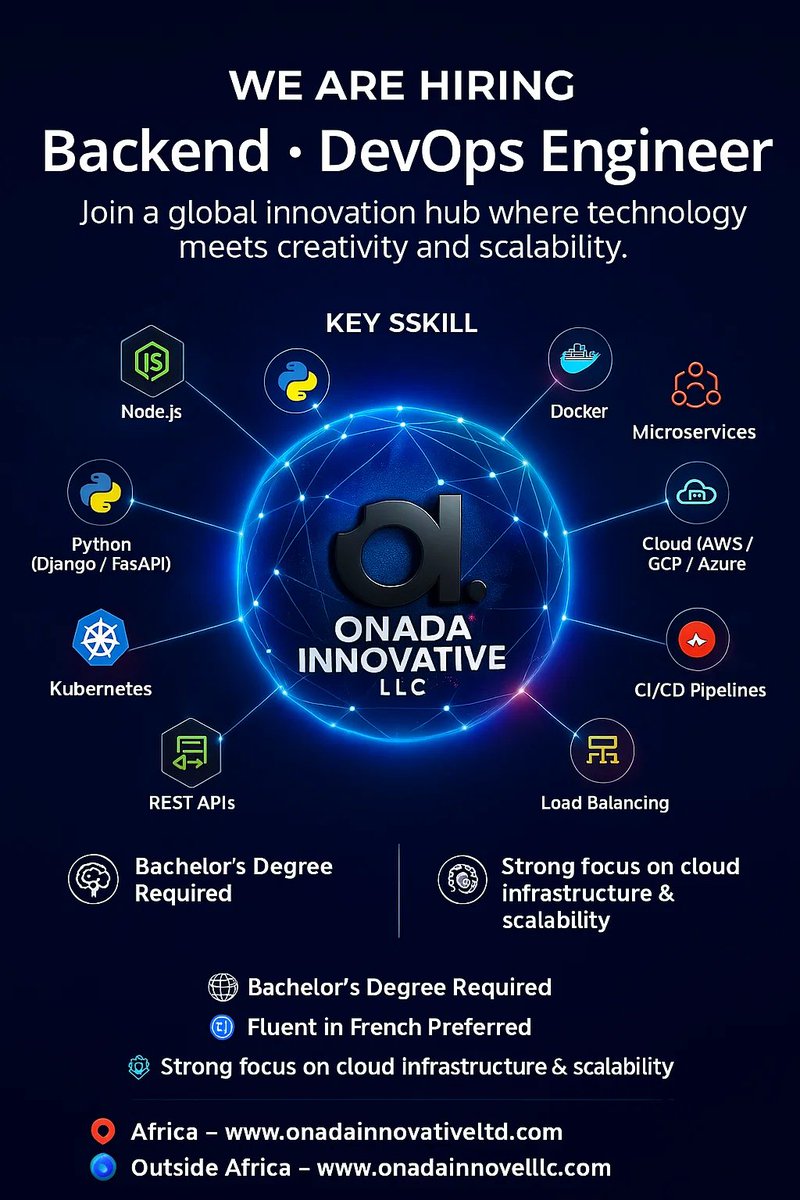
We’re hiring! 🚀
Join Onada Innovative as a Backend / DevOps Engineer and build scalable, secure systems that power the future.
5 years of experience required.
🌍 Apply now:
Africa → onadainnovativeltd.com
Global → onadainnovativellc.com
#TechJobs #devopsdeveloper #onadaInnovative
2
12
212

The pipeline is smooth until someone renames a folder.
Then it’s war. ⚙️
#gamedevhumor #techart #gamedev #devopsdeveloper #pipeline #Coding
5
58

29 Oct 2025
Kubernetes Fundamentals #3
In the earlier posts we have explored what is kubernetes and also it's high level architecture.
In this post lets understand how an application runs in Kubernetes.
Say you have a payment microservice called payment-api. You want two instances of it running at all times for reliability.
Instead of starting servers manually, you tell Kubernetes your intention:
“Please run 2 copies of this container and keep them healthy.”
You do this by creating a Deployment YAML, which might say:
container image: myorg/payment-api:1.0
replicas: 2
listen on port 8080
You apply this to the cluster using
kubectl apply -f deployment.yaml
What happens inside Kubernetes?
1️⃣ API Server receives your request. Kubernetes stores your desired state in etcd.
2️⃣ Scheduler steps in. It looks at all cluster nodes and picks the best two machines that have enough CPU and memory available.
3️⃣ The chosen Worker Nodes get instructions
On each selected node:
- kubelet pulls the container image
- container runtime starts the container
- networking assigns the Pods their IPs
Now you have 2 Pods running your payment service.
Kubernetes keeps it healthy automatically
If one Pod crashes?
A new one is instantly created.
If an entire node fails?
The Scheduler places a replacement Pod on another node.
If traffic increases tomorrow?
You can update replicas to 5 and Kubernetes will scale out smoothly.
Allowing the world to reach it
Inside the cluster, Pods can communicate directly using their IPs. But those IPs change whenever Pods restart.
So Kubernetes gives a stable access point: a Service.
You create a Service for payment-api and Kubernetes load balances traffic to the two Pods behind the scenes.
Users (or other microservices) now send requests to:
payment-api Service → which routes to healthy Pods automatically
#Kubernetes #devopsdeveloper
1
2
25

28 Oct 2025
You woke up this morning..
you have not even confirmed you can talk..
you are running ... `kubectl get pods`
#devopsdeveloper #linuxtechtips
2
2
8
487
28 Oct 2025
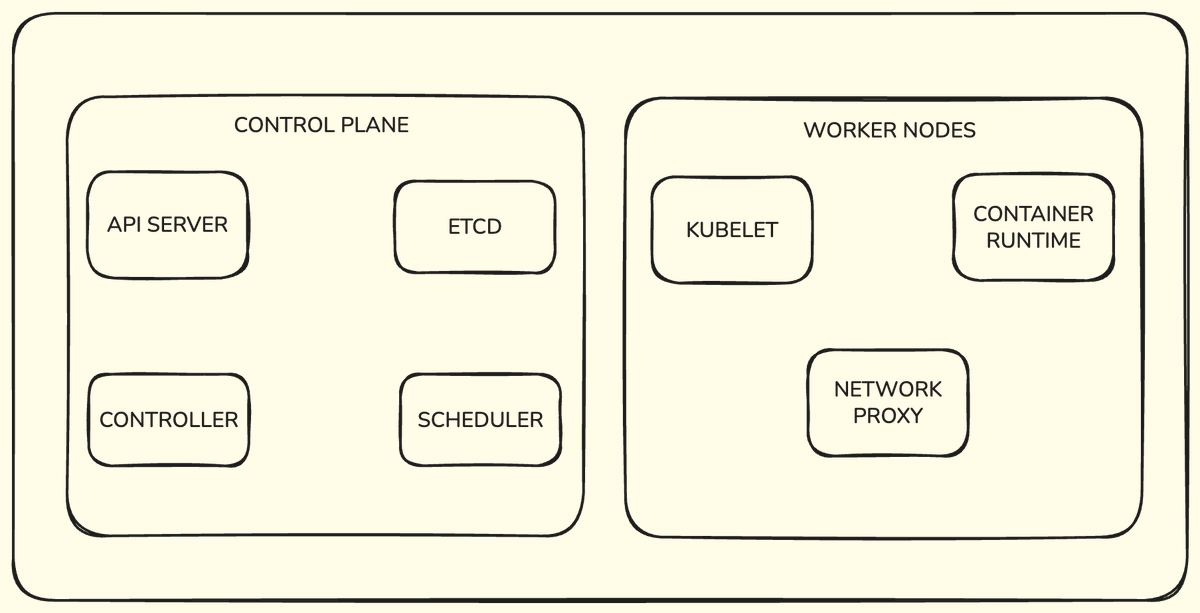
Kubernetes Fundamentals #2
Kubernetes High-Level Architecture
Kubernetes has two major parts that constantly work together: Control Plane and Worker Nodes.
Control Plane
The Control Plane manages everything in the cluster.
It decides where workloads run, keeps checking health and ensures the desired state you define is always maintained.
It is made up of several components, each playing a key role:
1. API Server
- Acts as the front door of Kubernetes
- Receives commands (kubectl, UI, automation)
- Validates and updates the cluster’s state
2. etcd
- It's a reliable key-value database
- Stores all cluster configuration and desired state
- The memory of Kubernetes
3. Scheduler
- Decides which worker node will run each Pod
- Chooses the best fit based on resources and rules
4. Controller Manager
- Continuously checks the cluster state
- Fixes any mismatches automatically (for example, if a Pod dies, it creates a new one)
5. Cloud Controller Manager
Handles cloud-specific tasks like load balancers, storage and node lifecycle (in cloud environments)
Together, these components plan, manage and heal the system.
Worker Nodes
These are the machines that run your application Pods.
Each node includes:
1. kubelet - talks to the Control Plane and ensures containers are running correctly
2. container runtime - pulls images and starts containers (like containerd)
3. networking component - ensures Pods can communicate across the cluster
Worker nodes are the execution layer that follows the Control Plane’s instructions.
Networking — One Cluster, One Network
Kubernetes gives every Pod its own IP address.
Applications communicate with each other without caring where Pods are running.
Even when Pods restart or move to another node, the network layer keeps communication seamless.
This makes the entire infrastructure feel like a single connected system.
In Short
Control Plane = decides and manages
Worker Nodes = run the applications
Networking = keeps everything talking smoothly
#Kubernetes #devopsdeveloper #SoftwareEngineering
2
30

23 Oct 2025
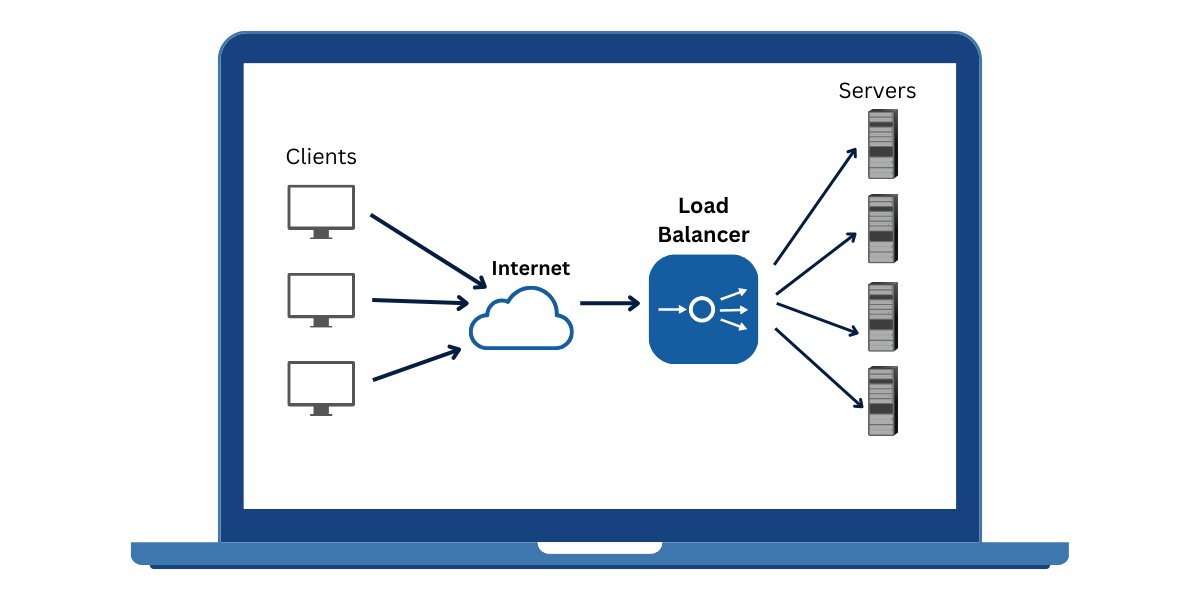
Step 3: Load Balancer
Your request hits our load balancer first.
It decides which server handles your signup based on current traffic.
No single server gets overwhelmed. Smart routing = fast response times.
#CloudComputing #devopsdeveloper #developer
1
2
19

22 Oct 2025
💻✨ Diwali holidays well spent — learning Docker and shipping containers instead of sweets this time!
#FirstPost #connect #dockercommands #Coding #LevelUp #devopsdeveloper #devopspractices #Grind #happydiwali2025 #DiwaliVibes #DeveloperCommunity

3
5

20 Oct 2025
All services in us-east-1 were down now some of them were recovered 😤full Prod down
#AWS #devopsdeveloper #awscloud
202

18 Oct 2025
Some mornings, I just stare at my screen for a while before typing anything.
Not because I’m lost, but because I’m processing how far I’ve come and how much more there is to learn.
It’s strange the deeper you go, the more you realize it’s not just about skill, it’s about patience.
#BuildInPublic #devopsdeveloper
7
88

16 Oct 2025
Your traffic just doubled overnight. Do you scale out (add servers) or up (buy a bigger beast)?
Give reason for your choice in the comments.
#devopsdeveloper #CyberSecurity
100%
Add servers
0%
Buy a bigger beast
1 votes • Final results
2
61

6 Oct 2023
7
103

16 Sep 2023
Top 10 DevOps Tools You Must Know In 2023
Devops tools
gologica.com/elearning/top-1…
#gologica #devopstraining #devopssecurity #devopsdeveloper #devoptools #softwaretesting #onlinetraining #elearning #training #educational #freshers #corporatetraining #technologies
2
19

22 May 2023
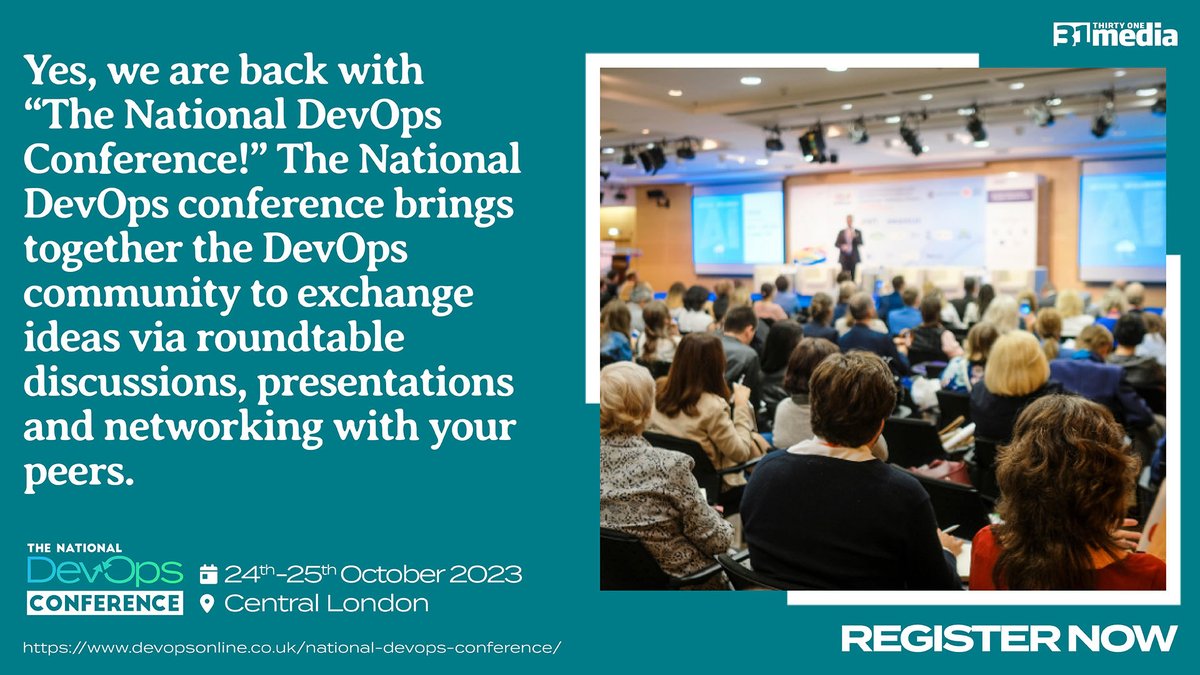
Here is an announcement for you!
31 Media is back with its industry-leading "The National DevOps Conference!"
To learn about the event, visit: bit.ly/3o8K43L #softwaretesting #testing #newtechnology #techcommunity #devops #devopsengineer #devopsdeveloper #technologie
3
243

4 May 2023
Learn #DevOps with #AWS with US…!!!
For More Details: -
Call/What’s App: 9392002299 | 9059002244
Register link: -
swhizz.com/register-now/
#DevOps #DevOps_Coaching #devopsengineer #devopstraining #devopstools #devopstrainingonline #devopscertification #devopsdeveloper #cloud

4
5
31