
Some Ukrainian anti-Ukraine citizens used the EU refugee program to get from the occupied Donbas to Europe, the US and even Canada.
It is a very unfortunate situation that was really impossible to vet people properly.
They supported the RU invasion but haven't moved to Russia.
2

Je suis du Donbas et je n’oublie rien. Je t’en ai parlé dans le commentaire d’avant mais comme tu ne connais rien sur l’Ukraine tu n’as rien compris.
Tous les Ukrainiens sons russophones, je suis une russophone aussi. La grande majorité d’Ukrainiens du Donbas ne veulent pas vivre sous la dictature russe. Car en russie c’est la dictature, en Ukraine, non.
2

Barere Gerald 🇺🇦 retweeted

And yes, Girkin told the truth!
He organized the Donbas uprising.
The troops of the legitimate Ukrainian government arrested and interrogated the invaders, and they confessed everything.
2
20
51
878

Credibility On The Edge
June 2026 is testing every major power to its limit.
Israel struck Hezbollah positions south of Beirut. Tehran fired back at once, openly accusing Washington of lacking both the spine and the seriousness to honor its own diplomatic commitments. Russian forces seized Konstantynivka, collapsing the remnants of Ukraine’s main defensive line in Donbas — even as Putin held direct talks with President Trump. In the English Channel, the British finally boarded a Russian shadow-fleet tanker, proving that sanctions still bite when a government summons the will to enforce them.
Europe, for its part, suffers from a far deeper and more stubborn affliction: unrelenting migratory pressures and borders its own societies no longer possess the will to defend. Historical grievances only compound the paralysis.
Here is the hard truth few in Washington dare utter aloud: credibility is finite. It is accumulated over decades at immense cost in blood and treasure. It can evaporate in days through contradictory signals and a divided national will. Alliances do not live on rhetoric or good intentions. In the end they rest on one brutal question alone — do allies and adversaries alike believe you will actually stand behind your commitments when the shooting begins?
Power respects only power.
For the United States there is only one coherent strategy: ruthless prioritization. Real energy independence. Secure borders. And an uncompromising insistence that capable regional actors shoulder the primary burden in their own neighborhoods. Selective engagement is not isolationism. It is not retreat. It is the cold, disciplined realism of a great power that refuses to bleed itself dry in every regional bonfire ignited by others.
The real question is not whether Washington can ride three horses at once — but how much American credibility has already bled out while it foolishly tries.
What do you think — can Washington restore credible deterrence through ruthless prioritization, or are today’s mixed signals already fatal?
Full article → medium.com/p/ab63a0c287bf?po…
#SovereignRealism #AmericaFirst #StrategicRealism #Credibility #GreatPowerCompetition #ForeignPolicy
今週の国際情勢は「信認の限界」を露呈してる。ベイルート近郊でのイスラエルによるヒズボラ攻撃に対し、イランは即座にワシントンの「二枚舌外交」を非難。ロシアはコンスタンチニーウカを陥落させ、ドンバス防衛線に圧力をかけつつプーティン氏がトランプ大統領と直接通信を交わした。英国はロシアの影のタンカーを拿捕した一方、欧州内部では移民・歴史問題・国境疲労が政治的活力を削いでいる。
それらそれぞれの根底にある厳然なるな事実:
信認(credibility)は有限である。そえはゆっくりと長きにわたって築かれ、高い代償を払って守られ、そして一瞬で失われる性質である。
大国は<力にしか力は従わない>ことを忘れてはならない。
構造的リアリズムの視点から:米国は優先順位を徹底し、エネルギー自立と国境安全を確保し、地域大国に主たる負担を負わせる選択的関与こそが賢明な道だ。
全文はこちら → medium.com/p/ab63a0c287bf?po…
#主権的リアリズム #アメリカファースト #グローバル情勢
38
Luigina Deiana 🇺🇦🌻🚜🌻 retweeted

On angry locals in Rostov...
Since 2014 this region has been the staging post for the war in the Donbas. Military training camps, barracks, storage, drunk russian soldiers on a few days leave.
How do I know? A source in Rostov. For fans of the "separatists" fiction narrative.

Reports of queues building at gas stations in Krasnodar region, while price-gouging is angering locals trying to fill-up in Rostov oblast.
Meanwhile in Moscow, this is how the refinery looks now emergency services say it's "under control"
#UkraineSanctions in action.
1
8
63
1,299

Russia DID NOT have anything there.
Donbas didn't have anything, Ukraine sent tanks against unarmed civilians. You can find videos of it. But you prefer to ignore all of it.
1
6


#UkraineRussiaWar #MilitarySummary
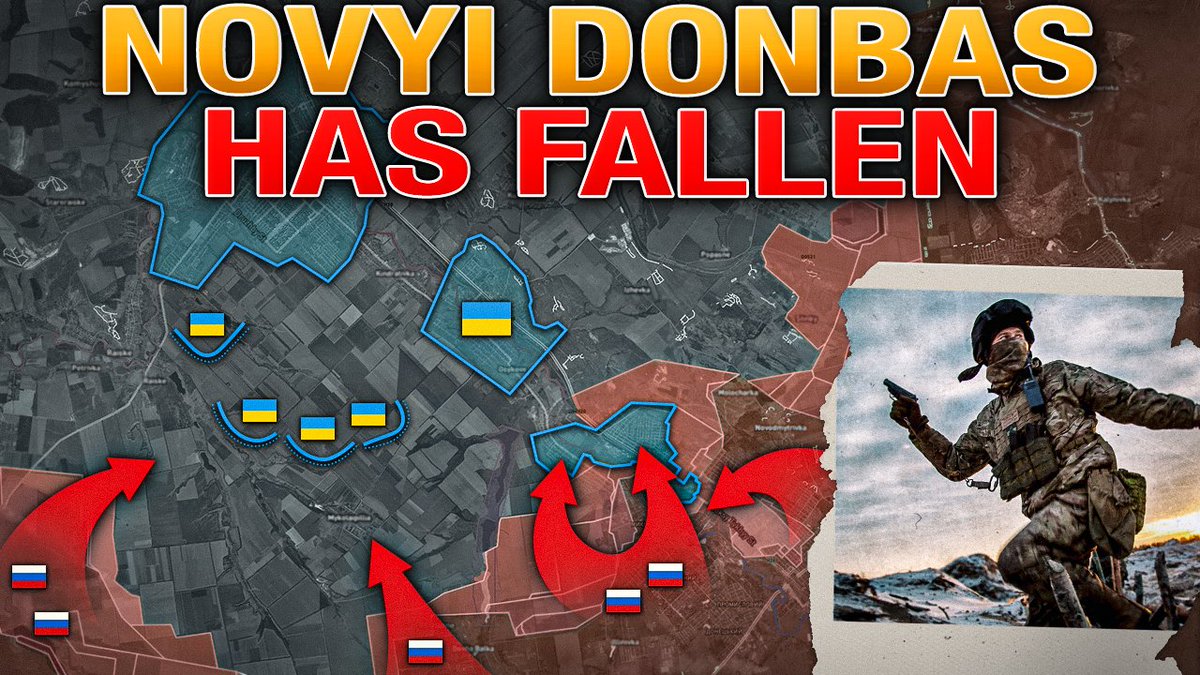
🔴 UKRAINE WAR UPDATE — June 16, 2026
Massive Russian advances across all fronts:
⚔️ Novyi Donbas captured — 3km to Dobropillia
🏙 Konstantynivka: 81st/92nd blocks & Metalurh district captured — city falls in 4-5 days
🌊 Lyman: City cut into 3 pieces — falls in 10-20 days
🏴 Kupiansk: Northern pocket finishing, Oskil crossing planned
🔥 Kharkiv: Bilyi Kolodiaz 25km broad front — northeast collapse begins
📍 Sumy: Kondrativka — third battle, push toward Hotin
📊 G7 Paris: Trump shifts US focus to Ukraine
💥 Moscow oil refinery hit — operations stopped
🎯 Crimea: M14 bridge damaged
#UkraineWar #MilitarySummary #Konstantynivka #Lyman #Moscow #G7
TOTAL WAR🔥Russian Offensive Intensifies Across All Fronts⚔️Lyman & Kostiantynivka Fall💥Military Summary And Analysis For 2026.06.16
Premiere 10:30 PM GMT 3
🇬🇧 YouTube English (youtu.be/2xWwTd3BII4)
🇷🇺 YouTube Russian (youtu.be/zDek89UgPz4)
🇫🇷 YouTube French (youtu.be/zDek89UgPz4)
🇩🇪 YouTube German (youtu.be/NhO9-J9y8d0)
🇷🇸 YouTube Serbia (youtu.be/C7Ekam0el2M)
🇬🇧 Rumble English (rumble.com/v7be0b2-total-war…)
🇬🇧 RuTube English (rutube.ru/video/private/23c2…)
🇬🇧 Odysee English (odysee.com/16.06.2026-(Mai…)
🇷🇺 RuTube Russian (rutube.ru/video/private/e413…)
🇷🇺 Rumble Russian (rumble.com/v7bdplq--16.06.20…)
🇷🇺 VK Video Russian (vkvideo.ru/video-235334656_4…)
🇫🇷 Rumble French (rumble.com/v7bdw5c-frappe-ma…)
🌏Military Summary On Other Platforms🌏
🌐 (tiktok.com/@militarysummary) Facebook (facebook.com/profile.php?id=…)
🤖 Military Summary Android (play.google.com/store/apps/d…)
📱 Military Summary iOs (itunes.apple.com/app/id64774…)
👩💻 Military Summary Map (militarysummary.com/#/map)
👍 Tik-Tok (tiktok.com/@militarysummary)
📐 Our Graphic Designer (t.me/Yaroslav_mntr)
5
6
299

GERMAN CHANCELLOR MERZ SAYS HE AND ZELENSKY HAVE INFORMED TRUMP OF READINESS FOR PEACE TALKS, BUT WARNS RUSSIA'S DEMAND THAT UKRAINE SURRENDER THE FREE PART OF DONBAS REMAINS UNACCEPTABLE. - SOURCES ...
1
78

GERMAN CHANCELLOR MERZ SAYS HE AND ZELENSKY HAVE INFORMED TRUMP OF READINESS FOR PEACE TALKS, BUT WARNS RUSSIA'S DEMAND THAT UKRAINE SURRENDER THE FREE PART OF DONBAS REMAINS UNACCEPTABLE. - SOURCES
3
2
15
7,263
Mike H Ross retweeted

You are talking about Donbas and the territories West to and including Crimea, Don! Get a grip! And you were the prick that gave Putin the Ok on his 2014 invasion of Ukraine when you met him in Helsinki (when, as Obama, you SHOULD have held Putin to the Budapest Memorandum!).
1
3
1
183

G7 just tightened the noose on Russian oil and gas exports, and the Kremlin is now staring down a full-blown fuel crisis that’s only getting worse. While Putin was busy dreaming that Iran’s closure of the Strait of Hormuz would hand him a fat price windfall, Ukrainian drone strikes quietly shredded that fantasy.
In May 2026 alone, Kyiv took out Rosneft’s Syzran refinery — the sixth major plant neutralised in a single month. Central Russia’s refining heartland has been gutted: facilities totalling over 83 million tons per year offline.
That’s a quarter of the country’s entire capacity, more than 30% of gasoline output and 25% of diesel production gone. By last autumn the numbers were already catastrophic — 38% of primary refining capacity, 338,000 tons per day, sitting idle.
Sanctions mean no Western spare parts, no quick fixes. The IEA has slashed its forecast for Russian refining in Q2 2026 to a pathetic 4.
8 million barrels per day. The slide is accelerating.
The pain is everywhere. Sevastopol has been on 20-litre limits since May, then switched to fuel coupons with priority for public transport and a total ban on filling canisters.
Shortages now hit 25 regions from occupied Donbas to the Far East, Siberia, Volga and the North Caucasus. Gasoline prices jumped 5.
6%, diesel 4. 8% in six months according to Rosstat.
To keep the domestic market from exploding, Moscow is slashing crude exports — western ports dropping from 2. 5 million barrels per day in May to just 1.
7 million in June. Meanwhile governors lie through their teeth claiming there’s no shortage, while stations in Moscow and the north quietly ration fuel to stop panic.
1
43

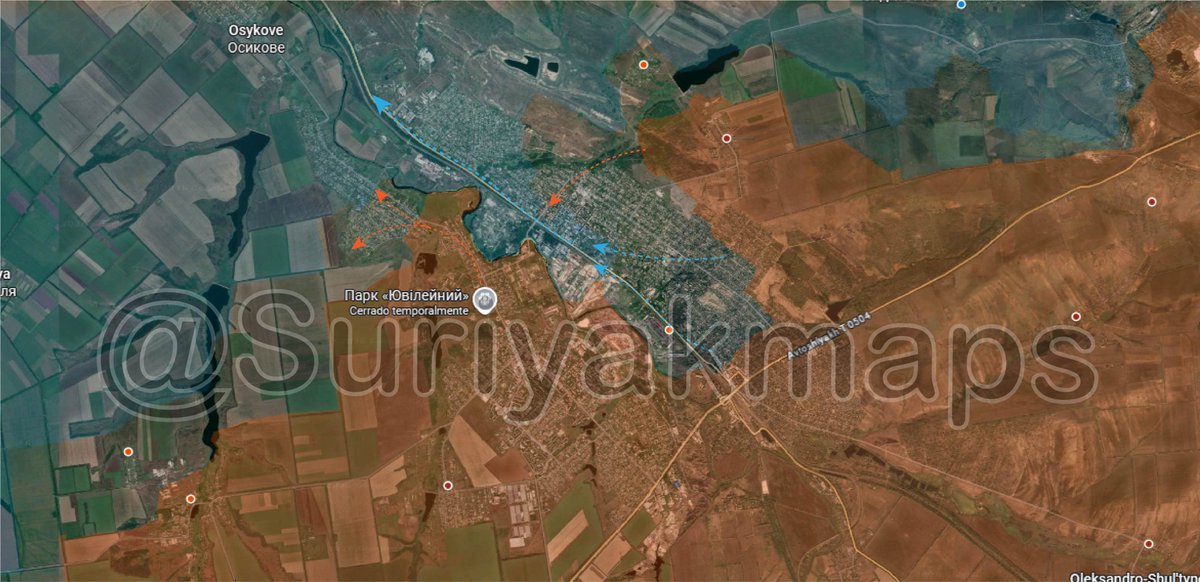
Did anyone expect Kostyantynivka to fall so quickly this month? @EventsUkraine has a grim recent post on just how dire the situation is there for Ukraine, gateway to Kramatorsk-Slovyansk agglomeration, the final piece of Donbas that Ukraine still controls.

Exclusive: Ukrainian army is withdrawing from eastern Kostiantynivka. 🇺🇦🇷🇺
Following the loss of the eastern sector, Russian forces have entered the northern districts of Novoselivka and Chervonyi, cutting off Ukrainian land supply lines to the city. As a result, over the past four days, Ukrainian forces have withdrawn their troops from the Shanghai, Hora, and metallurgical districts, as well as neighborhoods 92 and 81, back to Serhiia Isaieva Street (48°31'47.0“N 37°42'13.5”E). Russian Army is also advancing from Bilousova Street to the intersection with Oleksy Tykhoho (48°32'13.8“N 37°41'15.5”E), increasing pressure on the Ukrainian garrison in the “historic center.”
Currently, only 20% of the city remains under firm Ukrainian control, while 30% remains in a gray zone, where mop-up operations are underway, with isolated Ukrainian troops still present.
Map: [ google.com/maps/d/viewer?mid… ]
1
4
36
2,718

Vestlige land begynte å bistå Ukraina med opplæring, våpen og annet utstyr etter den russiske aggresjonen i 2014, da Russland invaderte Krim og støttet separatister i Donbas. I de første årene var bistanden hovedsakelig rettet mot trening, etterretning, ikke-dødelig utstyr og reform av de ukrainske styrkene. Flere land begynte senere å levere dødelige våpen. Mange vestlige regjeringer og analytikere vurderte at Russland ville komme til å eskalere konflikten ytterligere, klart når en fullskala invasjon ville skje. Og takk og lov for bistanden som ble gitt.
Det stemmer at The New York Times i 2024 skrev om hvordan CIA siden 2014 hadde vært med på å bygge opp et nettverk av etterretningsanlegg i Ukraina.
1
9

Well they won’t be just fighting us. Anyway they can’t take the Donbas I just don’t see them taking on NATO
42

Wirtschaftlich ist der Donbas für die Ukraine eher wichtiger als für Russland. Zur Krim gibt keinen Grund das Russland ein militärisches Vorrecht gegenüber der Ukraine geniessen sollte. Beide Staaten kommen mit ihren anderen Schwarzmeerhäfen aus.
4
Peter Dutczyn retweeted

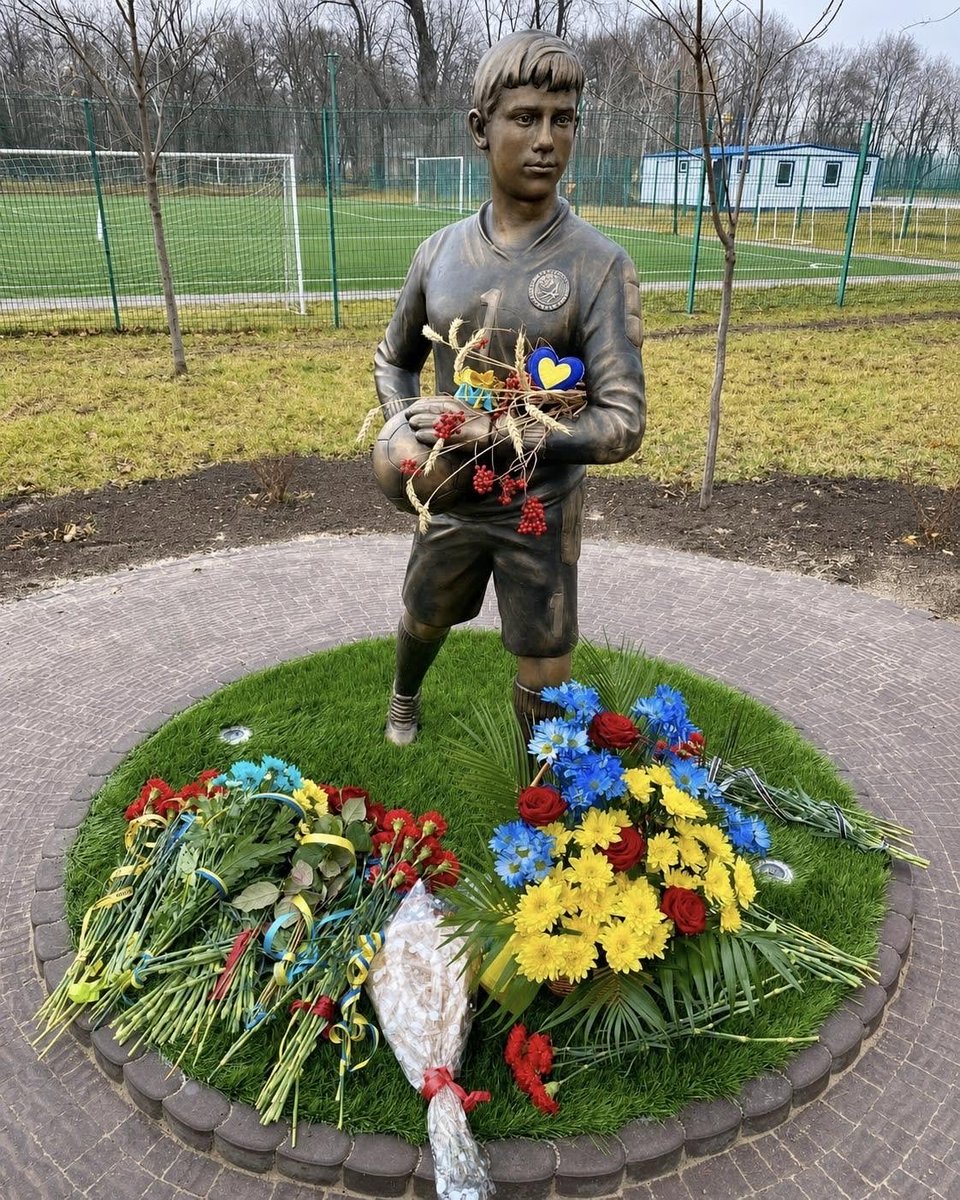
One of the early Ukrainian victims of russian armed aggression in Donbas, Spring 2014
by Pete Dutczyn
On December 11, 2021, a monument to Stepan Chubenko was unveiled in Kramatorsk, Donetsk Region.
Stepan was just 16 years old. A whole life ahead of him. In 2014, he was tortured by the occupiers and then killed in cold blood.
Murdered for having a yellow-and-blue ribbon and the flag of Lviv Karpaty football club in his backpack.
The boy was killed for loving his country.
#killed #victim #Kramatorsk #Donbas #occupiers #Ukraine #boy #football #Karpaty
1
1
1
25