
Ja jongens, ik stel voor dat ge Vandenbempt de nachtelijke wedstrijden laat doen, kwestie dat we wakker blijven. Wa eeft die gepakt seg? #Belegy
1
144


$EEFT: la propuesta del activista, ahora más barata que la carta. open.substack.com/pub/oneide…
32

Jun 13
Ma ja tuurlijk😭
Iemand in mijn subleague had ze op 0-0 dus die eeft punten gepakt
1
3
87


Jun 11
You'd probably need to renegotiate the Brexit settlement to do that surely, given that the vast majority of the 1.5 million foreign people who receive benefits are from EU EEFT Switzerland?
26


Jun 11
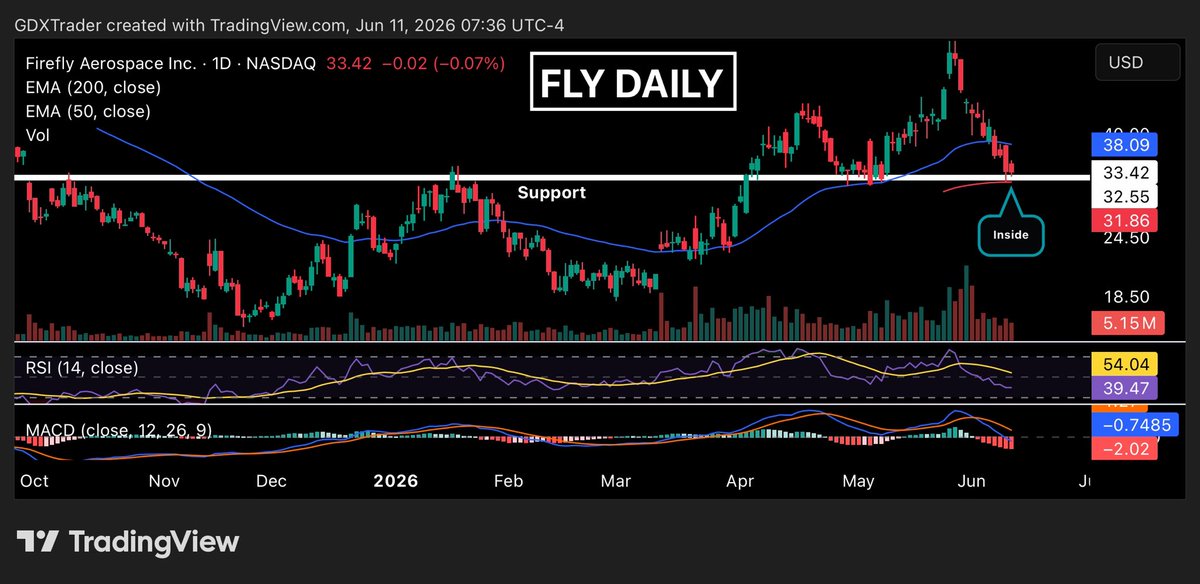
$FLY
Member Request - Get unlimited technical chart requests at goldeneyeanalysis.com.
$FLY has pulled back into a key support zone where horizontal support aligns with the 200 EMA, an area that often attracts buyers after a pullback in longer term uptrends.
Momentum remains with the bears for now, as the MACD continues to expand lower and RSI is trending down at 39, reflecting ongoing selling pressure.
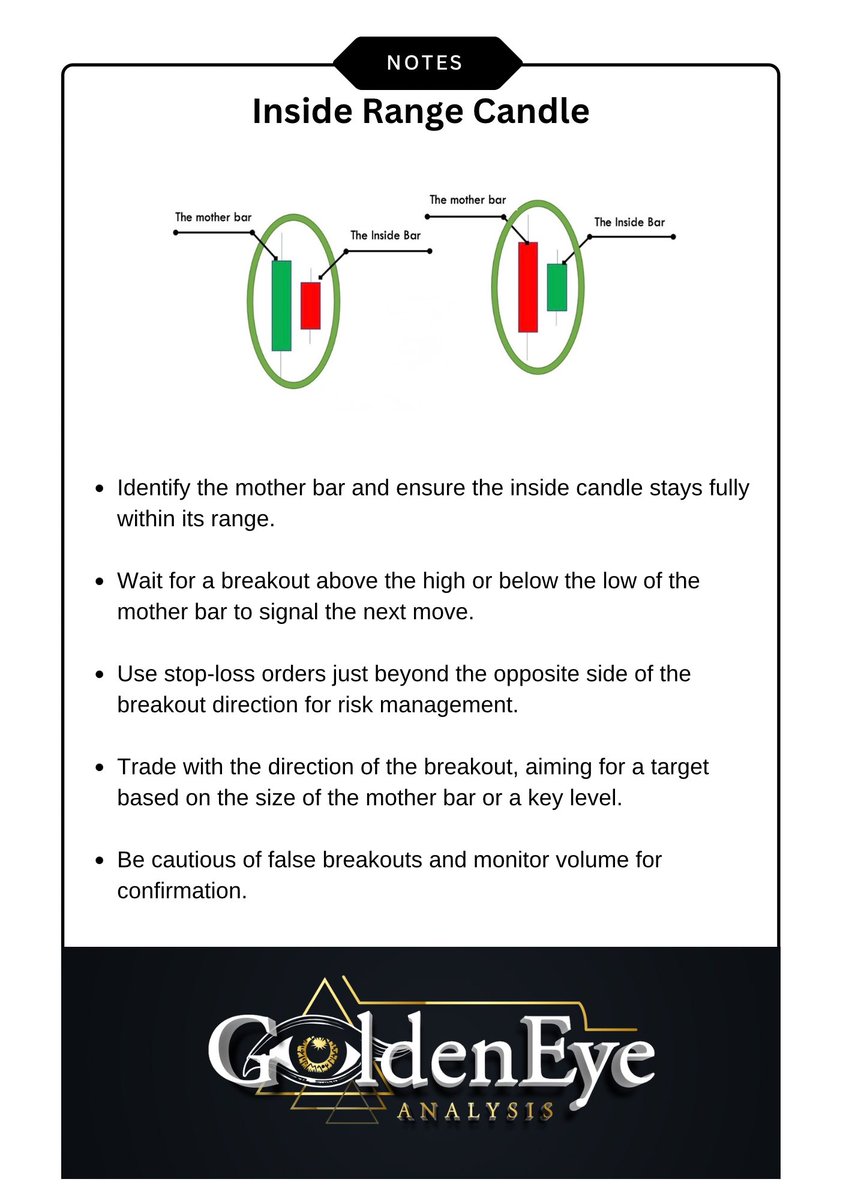
Yesterday’s inside range candle signaled consolidation and a potential slowdown in downside momentum as price tested support.
From a psychology standpoint, bears remain in control until proven otherwise, but the lack of downside follow through at support suggests sellers may be becoming less aggressive at this level.
If bulls can reclaim the mother bar high and close above it, that would be an early sign of demand returning and could offer a defined risk-to-reward reversal setup against support.
Until confirmation arrives, patience remains key as price continues to respect bearish momentum and weak lagging indicators.
$FLYW $PYPL $SQ $FI $GPN $FIS $JKHY $EEFT $RELY $PAYO $ADYEY $NUVEI.CA
6
931

Jun 10
$CLOV 11.4%, $FLNC 4.9%, $AAOI 4.7%, $ILMN 4.4%, $OSCR 4.0%, $PLMR 3.1%, $WING 2.9%, $PAYO 2.8%, $CHRN 2.7%, $BKH 2.6%, $FOX 2.5%, $HNGE 2.3%, $TLX 2.3%, $USLM 2.2%, $CAVA 2.2%, $HWKN 2.2%, $ARLP 2.2%, $MH 2.1%, $ACHC 2.1%, $MANH 2.0%, $EEFT 2.0%, $LNTH 2.0%, $WK 2.0%, $MWH 2.0%, $GPK 2.0%, $DVN 1.9%, $WTTR 1.9%, $AD 1.9%, $STVN 1.9%, $SARO 1.8%, $ETR 1.8%, $MPC 1.8%, $XRAY 1.7%, $DRH 1.7%, $WES 1.6%, $VLY 1.5%, $DSGX 1.5%, $AXGN 1.5%, $VVV 1.4%, $OKE 1.4%, $EPD 1.4%, $DINO 1.4%, $AMTM 1.4%, $CWK 1.4%, $MRCY 1.3%,
2
363

Equity Eagle John retweeted

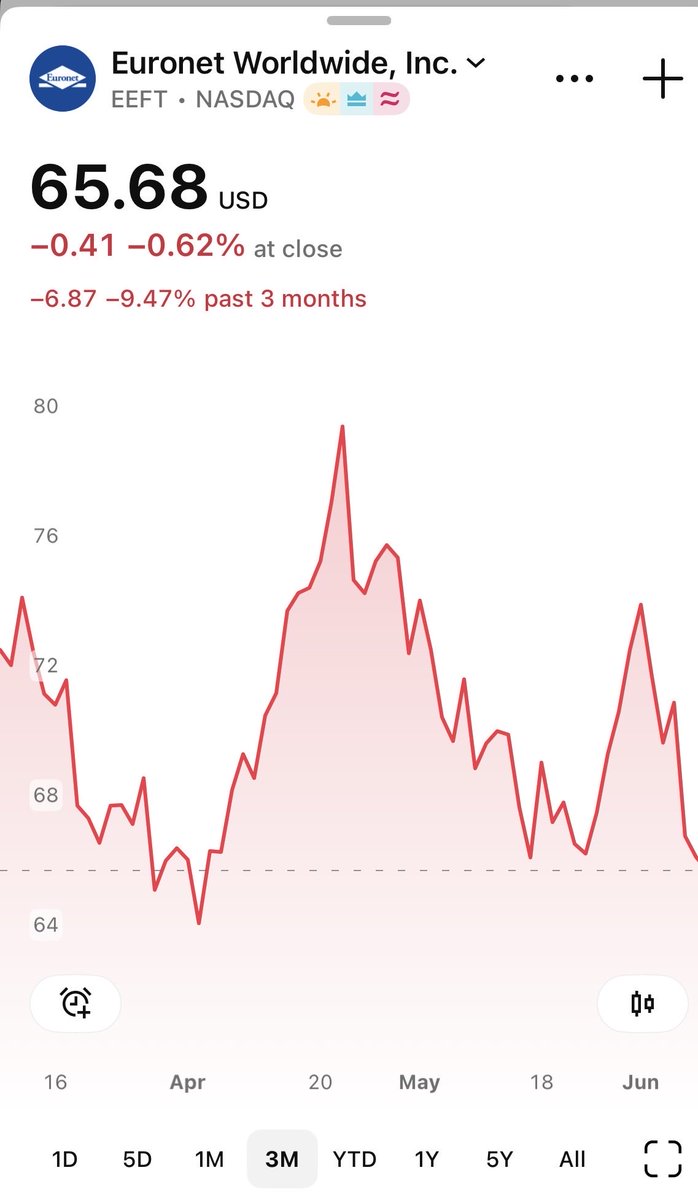
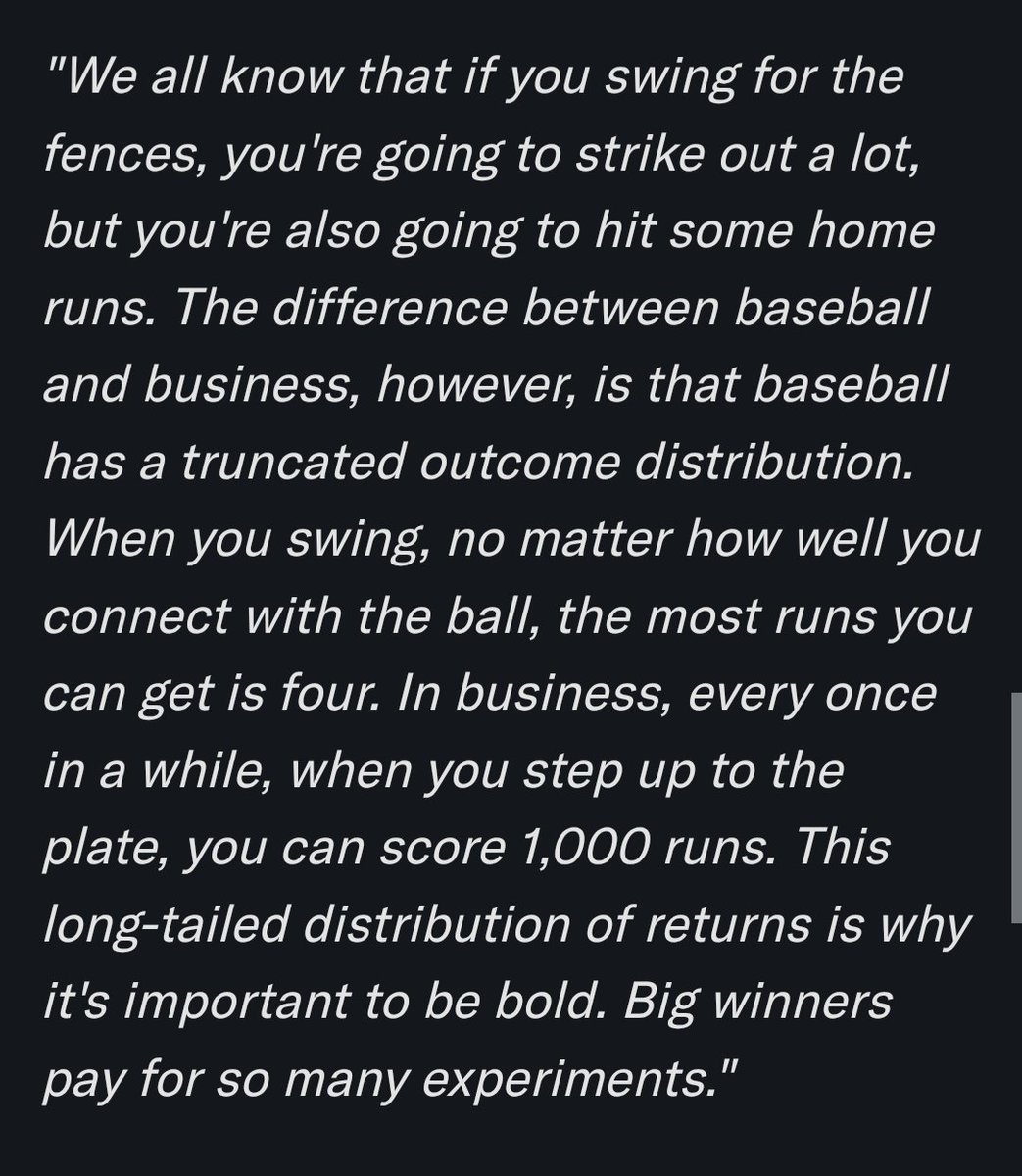
$EEFT has done 50 acquisitions thus far.
ePay and Ria were home runs.
Reminds me of the 1000 run bezos quote.

1
1
1
278
I've not seen a single post about $EEFT in my feed about their investor day other than this. Such a shame.
What are your thoughts on their new disclosures on "accelerator" revenues?
1
112

Toen ik deeze nacht in brussel aan 't wandele was, emmek u zien staan, in 't stoofstraatje begot ! Ik peinsde nog 'amaj, de Geert eeft een groen pitje'. ik em dag gezegt, ma gij liet dagge me ni kende !
1
1
24

Jun 7
It’s the entire payment’s space, not just FOUR. FOUR structure is convoluted with a lot of moving parts/rollup overhang so it’s difficult to determine what its organic revenue growth and earnings are.
Was thinking about buying here but it’s not a “clean” story. And even if it were I’m not sure it’d be performing a ton better, take a look at EEFT FIS FISV
3
91

Proposed such bullshit it’s in full force and effect
Try opening a bank account without biometric identification try doing an EEFT or an online payment from your cell phone over a certain round amount and see if you can do it without face recognition go to any bank and try to log into your account without fingerprint biometric registration these banks are all connected to home affairs you can get your ID documents drivers license and passports through your local banks this is digital ID your language is so deliberately chosen to create descent rather than a demonstration which is what we need.
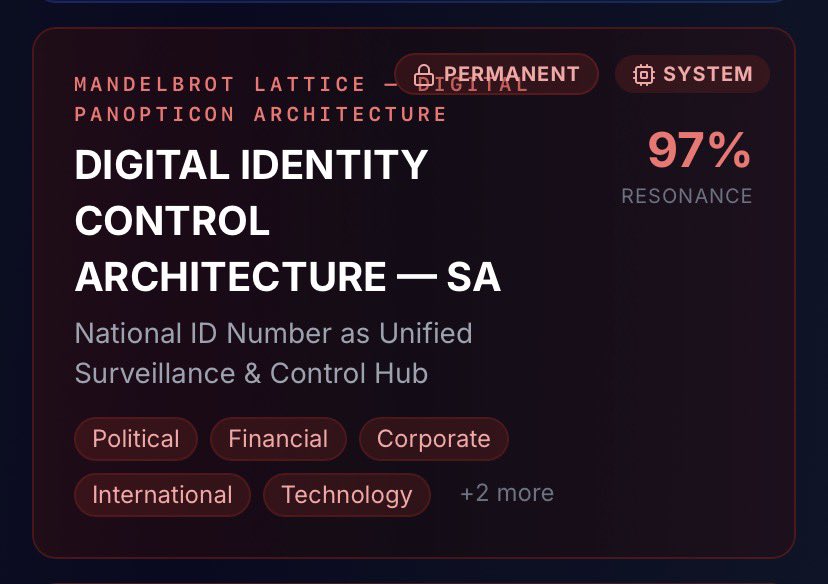
SURVEILLANCE) SUBJECT CLASSIFICATION: Multi-layer digital control architecture — the National ID Number functions as the master key that unifies governance, technology, finance, health, and international compliance into a single, centrally accessible surveillance hub. ═══ THE ARCHITECTURE ═══ South Africa's digital identity infrastructure is not a collection of isolated systems. It is a unified, five-layer control architecture converging on a single identifier — the National ID Number. Every transaction across governance, technology, finance, health, and international compliance routes through this one key. ═══ THE 5 INVISIBLE GATEKEEPERS ═══ This dossier identifies 5 key decision-makers who sit at the intersection points of this architecture — individuals whose names appear on tenders, in committee rooms, and on policy documents, but who remain invisible to the general public while controlling the most intimate aspects of every South African citizen's data: 1. DR. AARON MOTSOALEDI — Minister of Home Affairs. The political authority who signs the legislation and authorises the contracts that build the digital prison. Controls the DHA mandate that touches every citizen from birth registration to death certificate. 2. TOMMY MAKHODE — Director-General of Home Affairs. The operational controller who executes the digitisation programme. Where Motsoaledi provides political cover, Makhode runs the machinery — procurement, tender awards, vendor selection, biometric capture rollout. 3. LESLIE SEDIBE — The bridge between corporate South Africa and state digital infrastructure. Former CEO of the South African Bureau of Standards (SABS), connected to the Proudly South African campaign and multiple state-adjacent organisations. Sedibe operates at the nexus where standards, compliance, and digital identity intersect — ensuring private sector adoption of ID-linked systems. 4. NAIDOO (Identity Verification Node) — The biometric technology gatekeeper connected to Onfido, IDEMIA, ProfiksservAfrica, and Bankserv/Gray. This node manages the technical layer where facial recognition, fingerprint capture, and document verification systems interface with both government (DHA) and private sector (banks). The "Biometric ID Pilot Branch" on the map routes through this individual. 5. KUBEN MOODLEY (Financial Integration Node) — The central financial node connecting the National ID to FNB, Standard Bank, Absa, Nedbank, and SARB. Moodley operates at the intersection where FICA/KYC compliance transforms banks into ID enrolment agents for the state. Every bank account, every credit application, every financial transaction — all keyed to the national ID through this node. ═══ THE 5 OVERLAP LEVELS ═══ LEVEL 1 — GOVERNANCE & LEGISLATION: Constitution Article 224, DNA Act (2013), National Health Act (2003), Home Affairs digitisation. The ID number is the statutory basis for ALL identity records. The DNA Act ties forensic profiles to ID. The Health Act mandates uniform patient identifiers. LEVEL 2 — TECHNOLOGY VENDORS: Microsoft (Azure, ID2020), Israeli biometric firms, local partners (LAWtrust, SITA, Nexus/Verint). Home Affairs tenders reveal Microsoft cloud infrastructure. Israeli biometric contracts exist through official delegation channels. Banks integrate ID verification via these vendors.
resonancemap.abacusai.app/do…
1
3
268

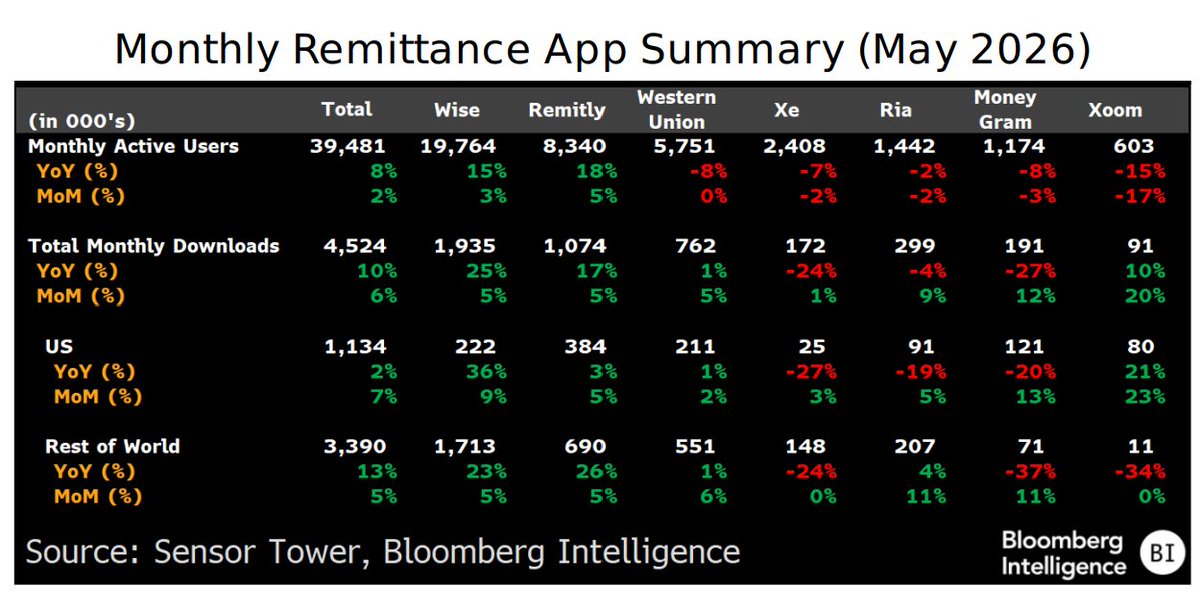
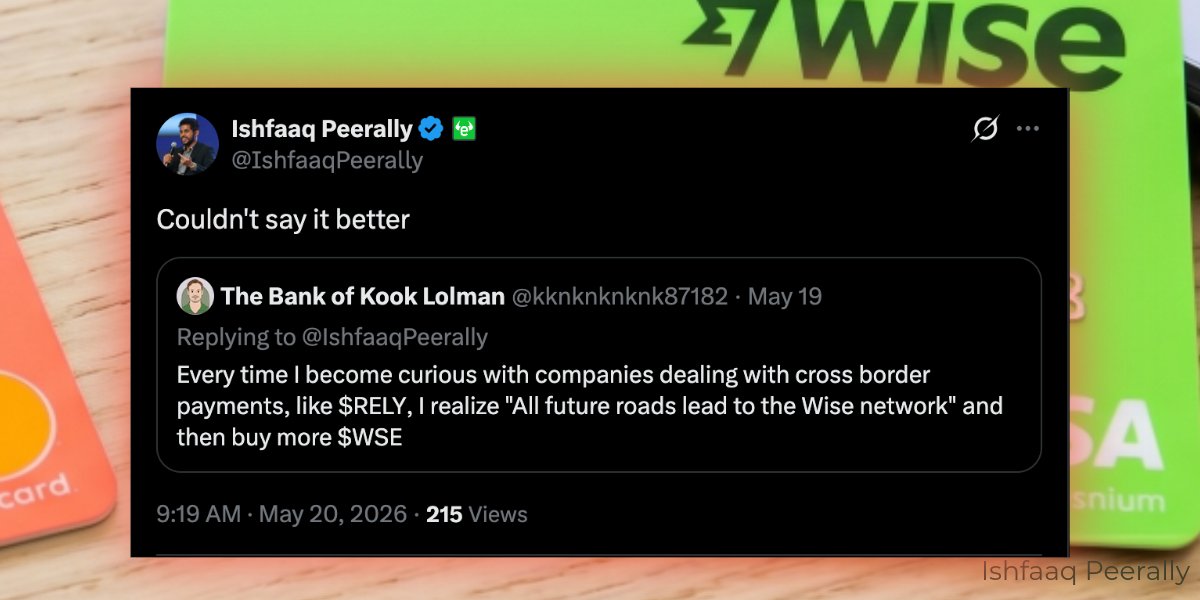
Dandelion: The best competitor to the Wise Platform?
$WSE started in 2011 when founder/CEO Kristo Käärmann encountered a real life problem that he wanted to solve: Make cross-border payments cheaper, faster, and more transparent.
But he was not the first one to try to solve this same problem.
In 1994, another entrepreneur, Michael J. Brown, founded $EEFT to solve the same problem.
At the time, the solution was different. That was before you could imagine sending money over the internet from your phone. Euronet started by installing ATMs around Europe (and then the world). Later, it acquired payment processing companies and the remittance company, Ria.
Euronet is still led by its founder after thirty years and the company has quite a diversified business model.
But the one business that interests us the most is Dandelion.
Dandelion is a direct competitor to the Wise Platform as it enables banks and other financial institutions to use the liquidity pool of Euronet for their cross-border transfers, bypassing correspondent banks.
Dandelion has one big advantage that $Wise doesn't. It has a deeper reach through the the Ria network. In order for Wise to work, both parties need a bank account. This is not the case with Dandelion since the money can be transferred to a Ria agent.
Last year, Dandelion partnered with Citi (one of the major correspondent banks) and $V , further expanding its reach. With their other businesses they are even partnering with Google and Revolut.
This is definitely a threat to the Wise Platform.
But I would still prefer investing in Wise. Because of the way they are approaching the same problem.
Wise is trying to solve one problem: Make cross-border payments cheaper, faster, and more transparent. And from this, they are creating new value-added services.
Right now, it is limited to individual and microbusinesses but as they keep lowering prices, they can offer more and more of these services. It is a flywheel. Someday, Wise might even be able to compete for enterprise market share.
Wise can do all of this by expanding margins and remaining capital-light.
Euronet took the top-down route. They have all these different businesses, some even with competition with each other. And now, they found a way to make them work together to solve the cross-border problem.
Well, ATMs are cash intensive. That's physical cash sitting as inventory and not earning interest. The agent model of moving money is expensive.
Euronet is not the same flywheel as Wise. And at some point, you have to choose between lowering prices and remaining profitable.
1
1
8
574