
17 Nov 2025
In the rush to embrace Artificial Intelligence (AI), we often overlook a crucial truth: sometimes the simplest solution is the most effective.
Recently a healthcare organization was convinced they needed an AI solution to improve their claims processing workflow. After careful analysis, they discovered the real issue wasn't a lack of advanced technology – it was a fragmented process with redundant approval steps and unclear handoffs. By mapping and streamlining the workflow first, eliminating unnecessary touchpoints, and implementing basic automation for repetitive tasks, they achieved a 40% efficiency gain without touching AI at all.
This experience taught them a valuable framework: before jumping to advanced solutions, we must ask: Is the underlying process optimal? Would intelligent automation (using rules-based systems and robotic process automation) suffice? Only then should we consider if AI would add meaningful value. This stepped approach not only saves resources but also reduces cybersecurity risks – each layer of technological complexity introduces new security considerations that must be managed.
The key is maintaining intellectual humility and staying grounded in fundamentals. While AI offers extraordinary capabilities, sometimes what organizations really need is process optimization, clear governance, or improved knowledge sharing. I've seen teams achieve remarkable results simply by documenting tribal knowledge, establishing clear decision rights, and automating routine workflows using existing tools.
This doesn't mean avoiding AI – it means being thoughtful about where and when to apply it. When we do implement AI solutions, they're more likely to succeed because they're building on optimized processes and strong operational foundations. The goal isn't to use the most advanced technology available; it's to solve business problems in the most effective way possible.
What process improvements in your organization might deliver more value than an immediate leap to AI? How do you determine when to optimize existing workflows versus implementing more advanced technological solutions? #ProjectManagement #ProcessOptimization #IntelligentAutomation #EfficientWorkflows #AIThoughtfulness

97

11 Sep 2025
Set Up a Regular Bookkeeping Schedule
Read more 👉 lttr.ai/AaAQy
#bookkeepingschedule #consistencyIskey #financeorganization #efficientworkflows #transcounts

1
4
12

3 Aug 2025
🔹 Advancing data innovation with the #ADD project!
🔹 Simplifies complex data workflows effortlessly
🔹 Enhances accuracy and reduces delays
🔹 Built for integration across diverse platforms
🔹 Scalable and secure by design
🔹 Empowering teams to focus on impact
📣 Follow @add_infofi for the latest updates
#ADDproject #DataInnovation #Automation #SmartData #EfficientWorkflows

3
2
44

12 Jul 2025
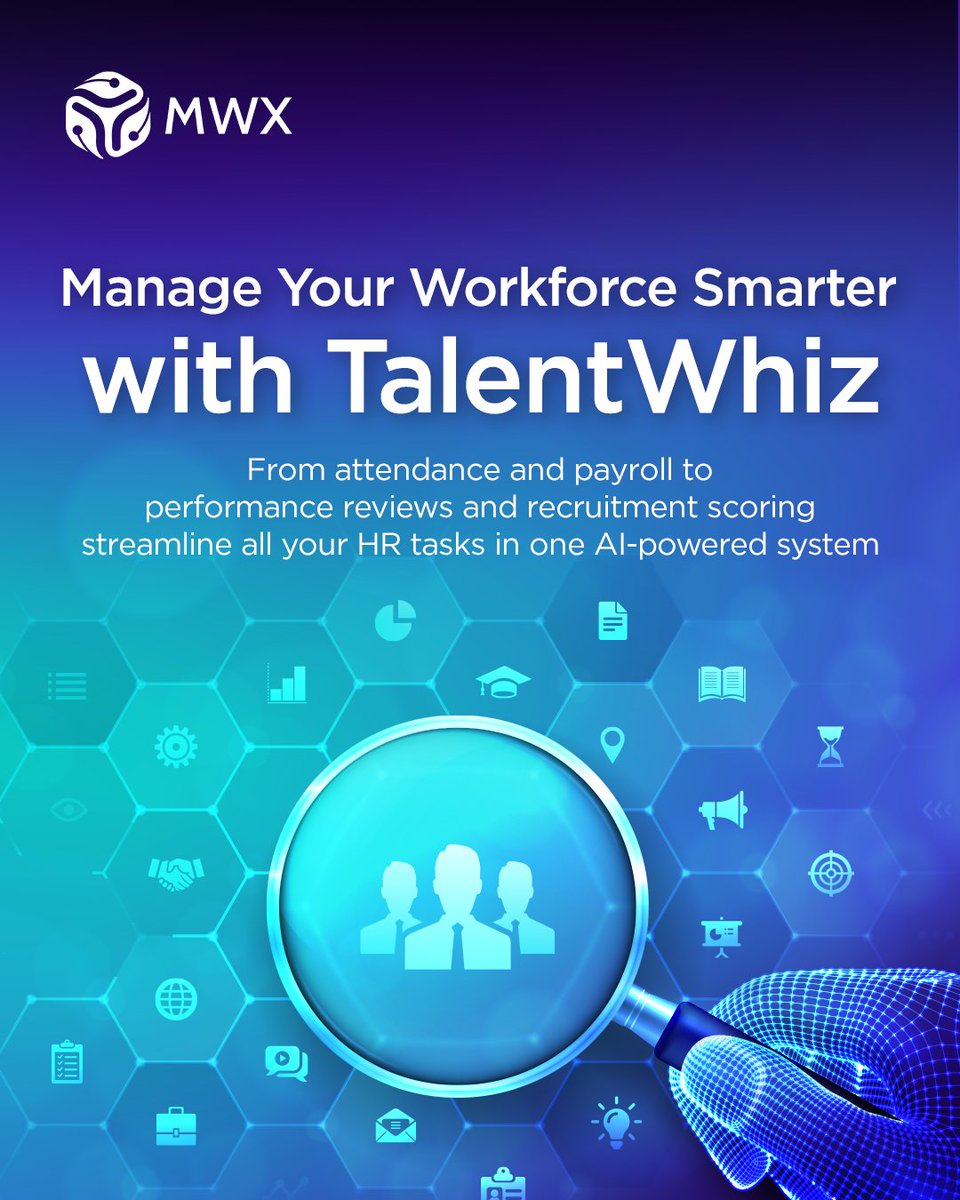
Business efficiency is the key to growth, and MWX makes it seamless.
Upgrade your business operations with smart automation, real-time tracking, and simple tools that scale as you grow. Manage smarter, work faster, and achieve more with less.
Are you ready for the change?
#MWXPlatform #SecureWhiz #SalesWhiz #TalentWhiz #SmartAutomation #AIForBusiness #EfficientWorkflows #ProductivityTools #BusinessGrowth #AllInOnePlatform #WorkSmarter #DigitalSolutions #SMETech



2
3
4
381

2 May 2025
What if your leadership team could focus solely on growth?
Virtual executive assistants free leaders from admin overload—boosting focus, speed, and productivity.
Smart support changes the pace of business.
#LeadershipSupport #VirtualAssistant #EfficientWorkflows #ExecutiveSupport #RealizePossibilities #INUAAI

3
61

24 Feb 2025
Unlock the Potential of Your Customer Data
| ImUrAi's AI-Powered Insights
Gain a deeper understanding of your customers'
preferences, behaviors,
and needs to deliver tailored support
and drive growth.
#ProductivityBoost #AIInBusiness #EfficientWorkflows
imurai.rocksontech.com/

2
3
96


4 Feb 2025
AI-Enhanced Productivity!
Boost operational efficiency and productivity with ImUrAi’s advanced solutions.
#ProductivityBoost #AIInBusiness #EfficientWorkflows

4
8
103

4 Feb 2025
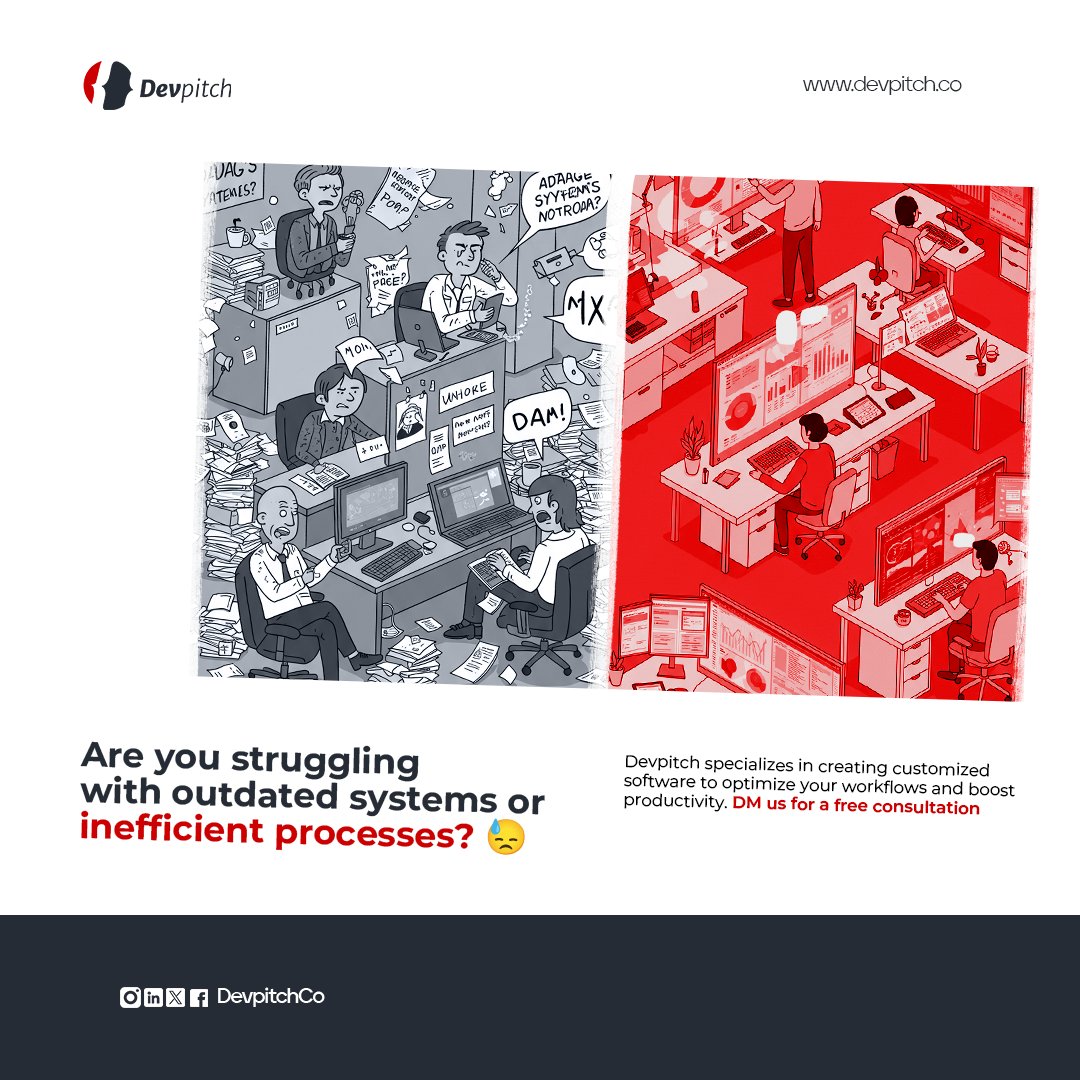
Are outdated systems and inefficient processes slowing down your business? 🤯Is your team drowning in this? 😓
It's time for a change! 🚀
Let Devpitch help you streamline workflows with software solutions.
DM us for a free consultation! #ProductivityBoost #EfficientWorkflows
4
32

14 Jan 2025
A new opportunity for efficiency!
Our automated systems are designed to make your week smoother and more efficient.✔️⚡️
#AutomationSolutions #EfficientWorkflows #Automation

3
28

10 Jan 2025
Transform your mortgage or loan business today. Streamline operations, improve client communication, and drive success with the right CRM: shorturl.at/L4d52 #LoanSuccess #MortgageCRM #ClientFocus #EfficientWorkflows

1
13

Unlock the Power of Freedom: Save Time, Money, and Gain Control with Odoc #Odoc #SaveTime #BusinessFreedom #EfficientWorkflows #NoMiddlemen #SmartContracts #ICP
2
5
749

23 Dec 2024
So the deep work is the focus for the day
My deep work will be to start developing those systems you speak about Matt (@matt_gray_)
Maybe I’ll cold plunge a washcloth on my face. Your version is insane! Hahaha 😆
#DeepWork #FocusMode #SystemsThinking #ProductivitySystems #EfficientWorkflows #WorkSmarter #ProcessImprovement #FlowState #SystemDesign #OrganizedLife #IntentionalWork #FocusAndDiscipline #OptimizeYourLife #StrategicSystems #GetThingsDone #HighPerformanceHabits #SimplifyAndStreamline #MindfulEfficiency #BuildBetterSystems
1
2
177

17 Dec 2024
My bookkeeper loves the Workiz Field Management Service platform! It makes their job easier and mine too as the owner. This platform allows calls to come in, turns landlines into textable numbers, schedules jobs, creates invoices, collects and records payments, and so much more! Workiz simplifies your business operations and boosts efficiency. Click the link below 👇 for a Free demo and see how Workiz can transform your workflow!
workiz.com/partners/partners…
@workizinc
#Workiz #FieldManagement #SmallBusinessTools #LocksmithBusiness #BusinessEfficiency #JobScheduling #InvoicingSoftware #PaymentSolutions #TextableLandlines #ServiceManagement #BusinessGrowth #FieldServiceSoftware #TimeSaver #BookkeeperFriendly #BusinessAutomation #WorkizDemo #FieldServiceTools #ServiceBusinessSuccess #WorkSmarter #SmallBusinessOwner #EfficientWorkflows #JobManagement #LocksmithTools #WorkizFieldService #BusinessSolutions #ProductivityTools
5
87
16 Dec 2024
Is your mortgage business struggling to keep up with client demands? A CRM tailored for you could be the solution. Learn more: shorturl.at/L4d52 #LoanSuccess #MortgageCRM #ClientSolutions #EfficientWorkflows
2
31

Streamline your domain management with these 4 simple strategies! Stay organized, stay ahead. 🚀
#DomainManagement #WebsiteHosting #webhosting #DigitalStrategy #DomainPortfolio #WebDevelopment #Entrepreneurship #EfficientWorkflows #UltaHost #domainnames #domain #hostingprovider

2
40

4 Dec 2024
Unlock seamless productivity with LoopMotion.io! Whether you’re designing in AutoCAD on your desktop or coding on your MacBook Pro, our proximity-powered keyboard and mouse switching technology lets you move your cursor between devices as if they were one. Say goodbye to clutter and hello to efficiency. Perfect for engineers, architects, and anyone who juggles multiple systems at work. Check out our Kickstarter campaign to bring this game-changing tool to your lab or office!
#EngineeringLife #ProductivityHacks #MultiDeviceControl #TechForEngineers #EfficientWorkflows #LabSetup #AutoCAD #MacBookPro #TechInnovation #KickstarterTech #OfficeTech #DesignTools #TechSolutions #WorkspaceOptimization #EngineeringTools .@GamingsetupUK .@KillerSetups .@GamingSetup .@PROGamingSetups

1
3
111

2 Dec 2024
Making complex projects simple with 4D BIM Services
Visit Us: buildinginformationmodelling…
#4DBIMModeling #4DBIMServices #BuildingInformationModeling #ProjectPlanning #BIMEngineering #BIMDesign #EfficientWorkflows #TimelyDelivery #BIMInnovation #AdvancedBIMTools

ALT 4D BIM Modeling Services
2
37

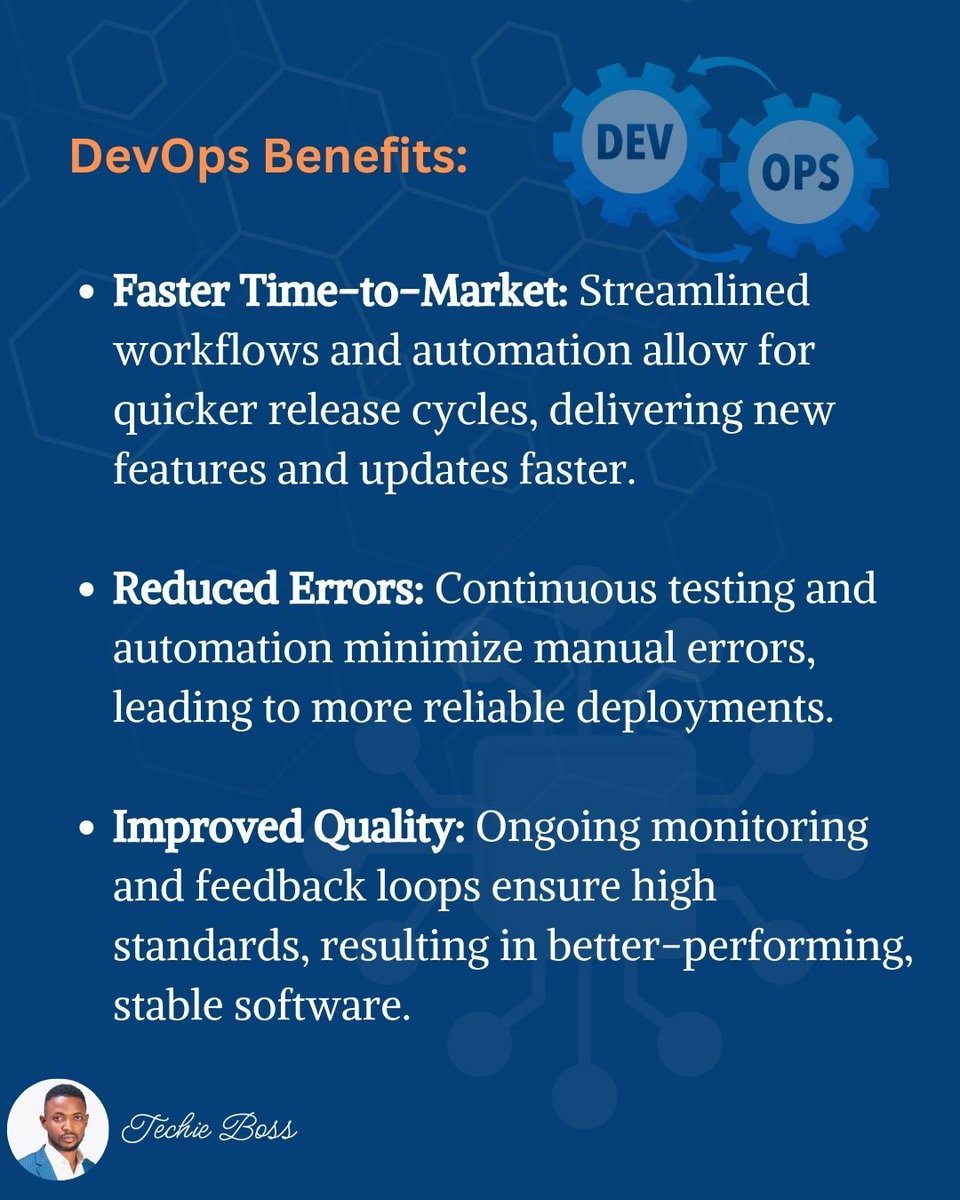
These benefits make DevOps a valuable approach for efficient and quality-focused software delivery.
#DevOpsBenefits #QualityAssurance #ErrorReduction #ContinuousDelivery #AgileDevelopment #Automation #EfficientWorkflows #SoftwareQuality #Innovation
1
1
3
68

Gatnix Simplifying Employee Timesheets with Ease
Gatnix simplifies employee timesheet tracking, offering real-time oversight.
#timetracking #GatnixTimesheets #ProductivityTools #TrackYourTime #ProjectManagement #EfficientWorkflows #TimeManagement #WorkEfficiency
2
3
13