
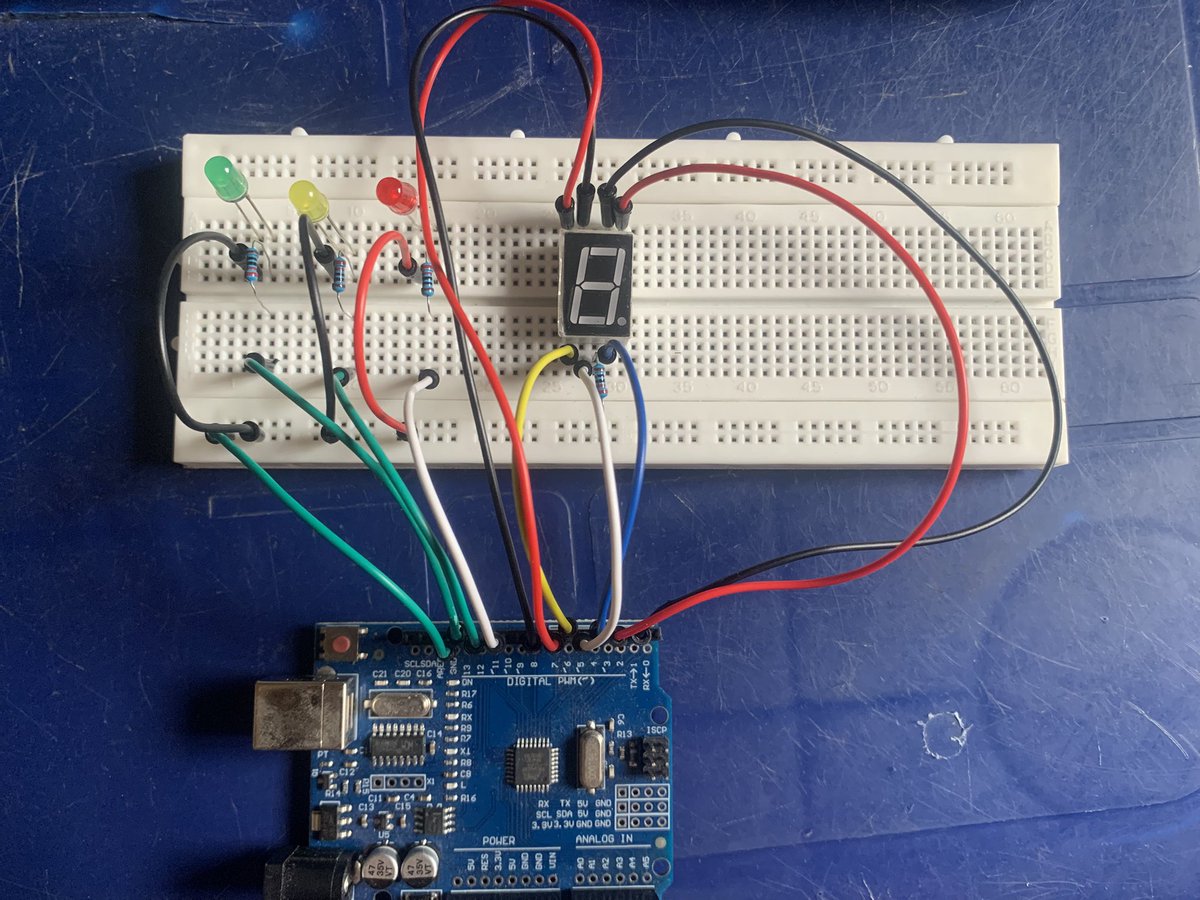
Just completed an Arduino Traffic Light System with a 7-segment countdown display!
🔴 Red: 9→5
🟡 Yellow: 4→1
🟢 Green: 0
Built with Arduino Uno, LEDs, resistors, and a 7-segment display.
🔗 Repo: github.com/Aqelix-ai/Arduino…
#Arduino #EmbeddedSystems ##BuildInPublic
1
1
15

🚨 Hiring: Embedded Software Engineer
🏢 Caterpillar
📍 Mossville, Illinois, United States
💰 Up to $146,000/year
Skills:
✅ Embedded C/C
✅ RTOS
✅ Embedded Linux
✅ Software Debugging & Testing
✅ Hardware-Software Integration
Apply Now 👇
studentscircles.com/caterpil…
#EmbeddedSystems #SoftwareEngineer #TechJobs #EngineeringJobs #Hiring
30
🚀 Hiring: Associate Software Engineer – Embedded
📍 Mayfield Heights, Ohio, United States
💰 $71K – $107K/year
Skills:
✔️ Embedded C/C
✔️ RTOS
✔️ Firmware Development
✔️ Device Drivers
✔️ Microcontrollers
✔️ Software Testing
✔️ Git
✔️ SDLC
Apply Now👇
studentscircles.com/rockwell…
#EmbeddedSystems #SoftwareEngineer #TechJobs #OhioJobs #Hiring
30

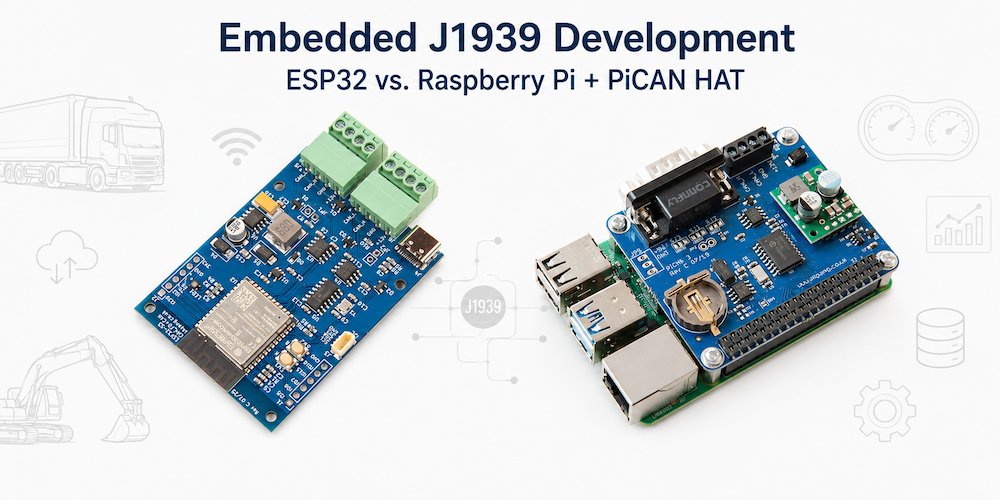
ESP32 or Raspberry Pi for SAE J1939 Development?
When building J1939 applications, the choice between an ESP32 and a Raspberry Pi isn't about which platform is better—it's about choosing the right tool for the job.
✅ ESP32: Real-time, low-power, embedded control, wireless gateways, telematics, CAN FD support
✅ Raspberry Pi PiCAN: Linux, databases, dashboards, cloud connectivity, analytics, fleet management
In this article, we compare both platforms, discuss their strengths and limitations, and explain where each one shines in real-world J1939 applications.
Read the full article:
jcom1939.com/embedded-sae-j1…
#SAEJ1939 #CANBus #ESP32 #RaspberryPi #PiCAN #EmbeddedSystems #IoT #IndustrialIoT #CANFD #Telematics #FleetManagement #MQTT #EdgeComputing #VehicleNetworks #J1939Development #EmbeddedEngineering #AutomotiveEngineering #IndustrialAutomation
10

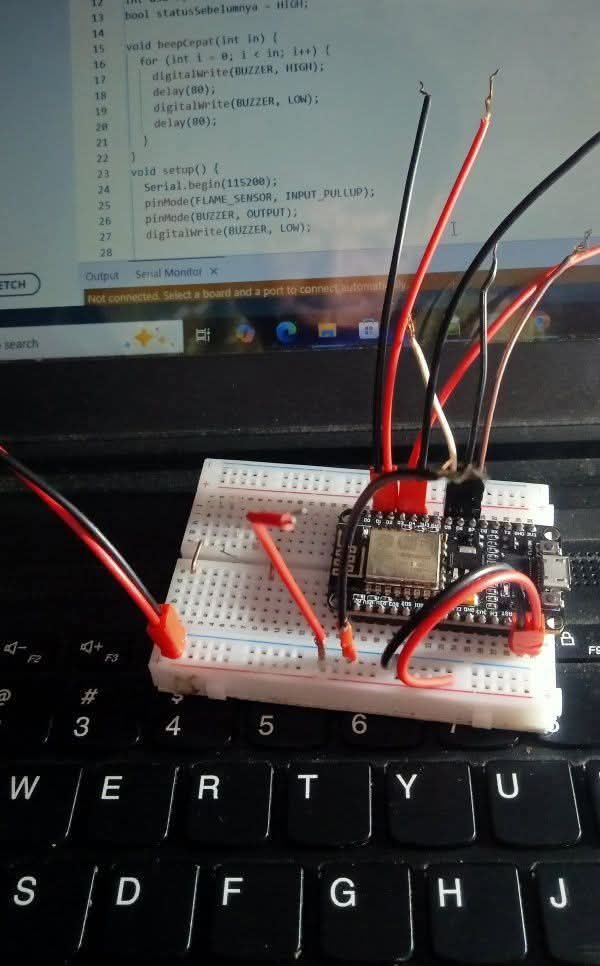
💻🔥 Programming in Progress...
Currently uploading and testing the code for my IoT-based automatic fire detection system using NodeMCU ESP8266. When a flame is detected, the relay instantly activates a water pump to spray water and help extinguish the fire automatically.
From coding to real-world safety solutions, every line of code brings this project one step closer to protecting lives and property. 🚀
✅ Flame detection sensor
✅ NodeMCU ESP8266 controller
✅ Relay-controlled water pump
✅ Automatic fire suppression
✅ Real-time response system
🔽 Download Best ESP8266 eBooks
📕 ebokify.com/esp8266
#ESP8266 #IoTAutomation #FireDetection #EmbeddedSystems #TechProject
1
16

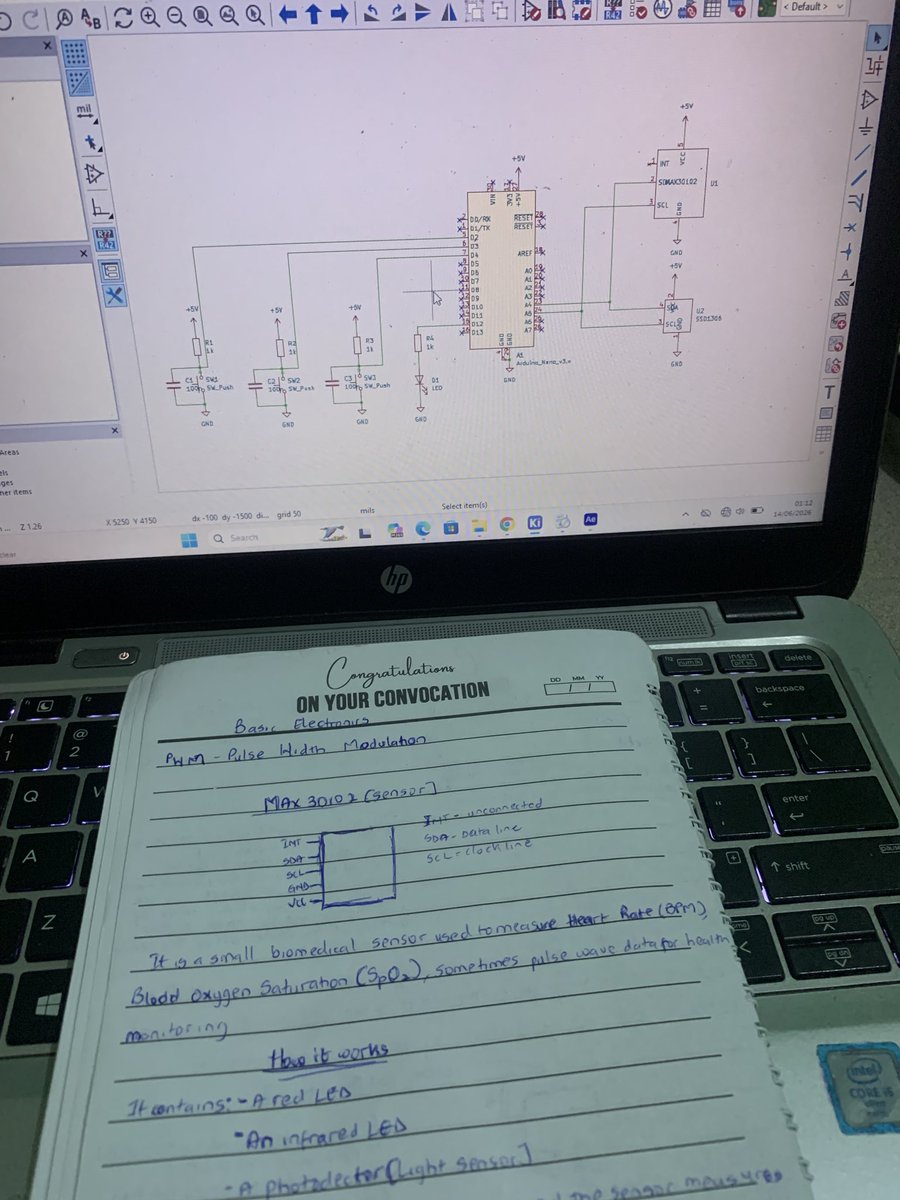
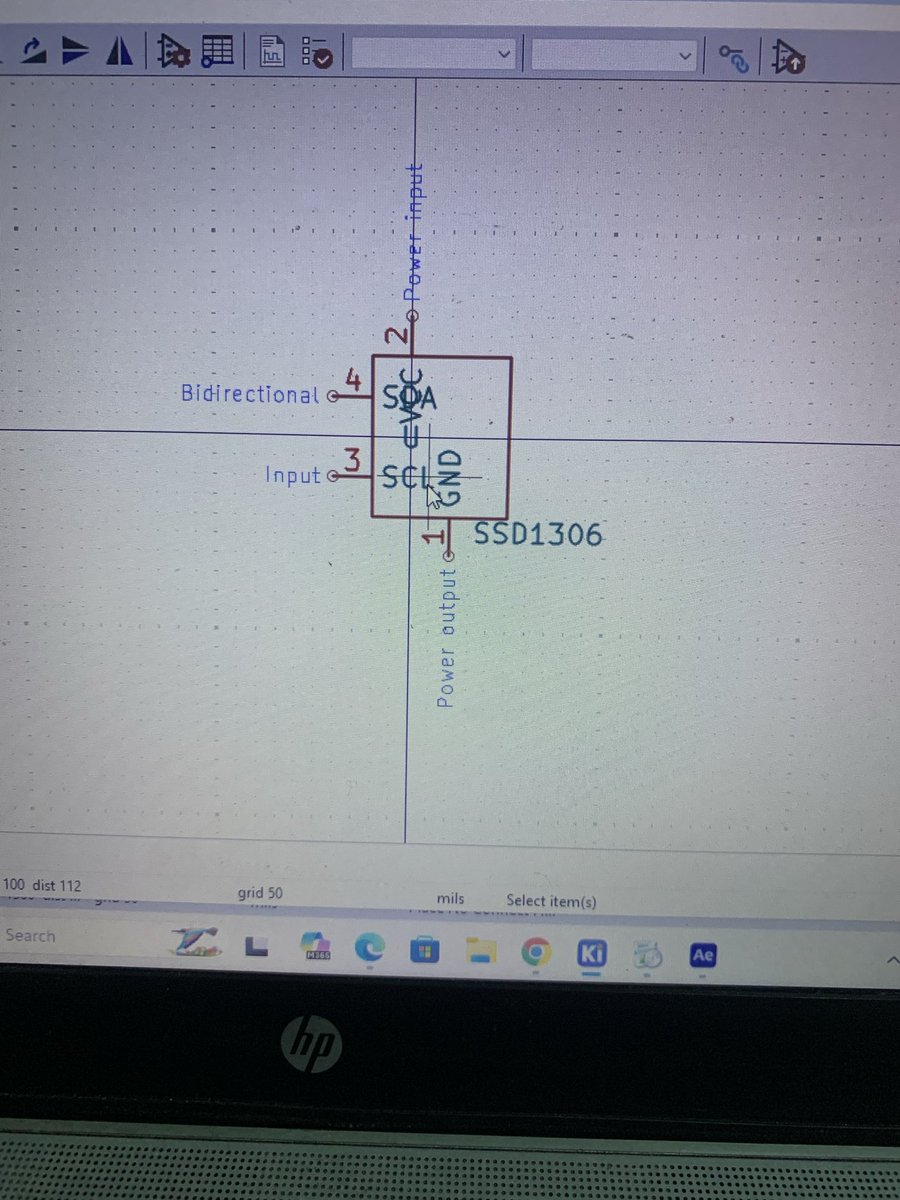
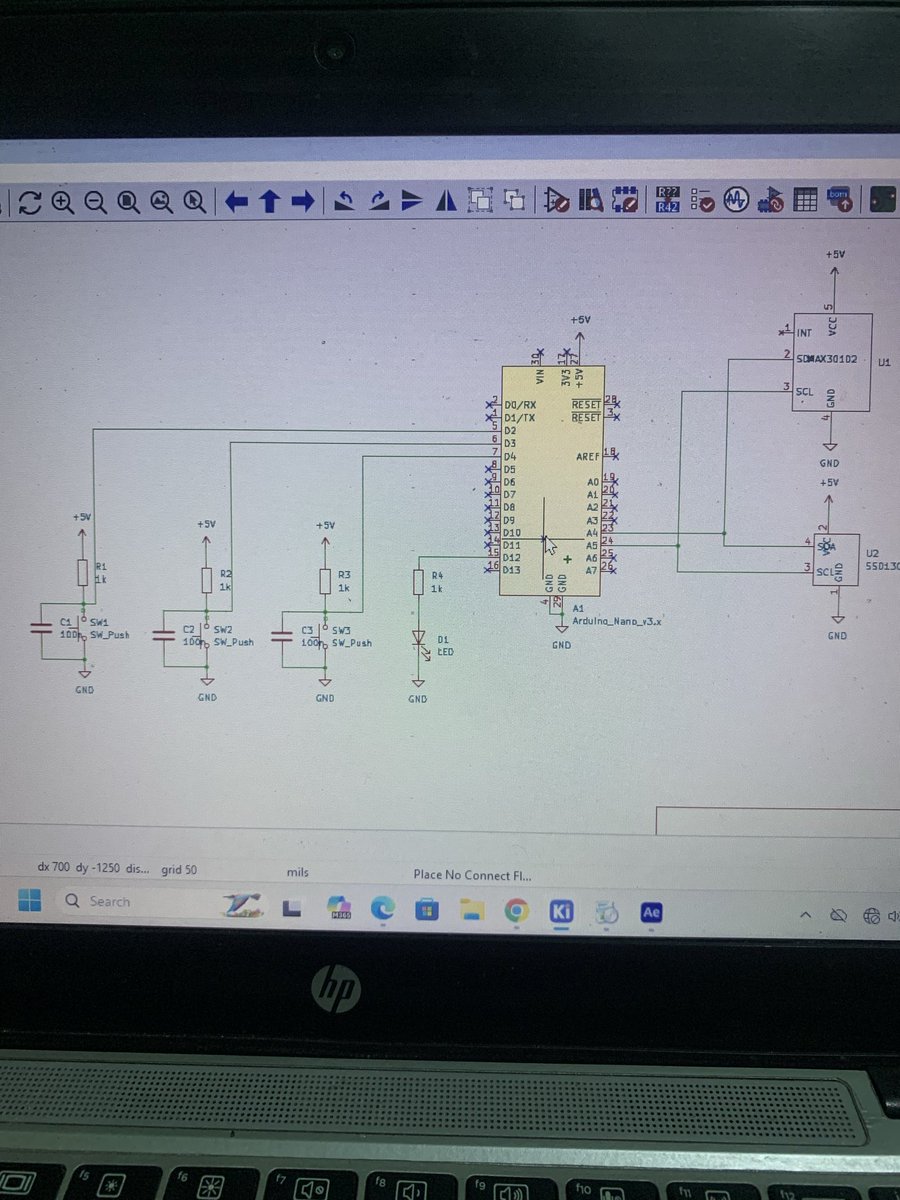
Built a schematic today. 📟
Asked why the MAX30102 uses A4/A5.
Ended up learning I²C, ADCs, and how pulse oximeters measure heart rate and SpO₂. 😂
Engineering is just asking better questions.
#Arduino #EmbeddedSystems #pcb
1
13
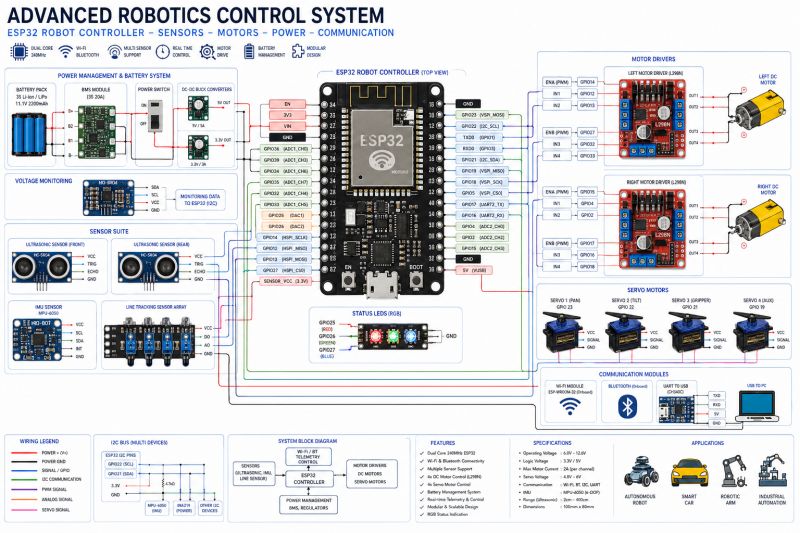
🤖 Every intelligent robot starts with a properly designed control system.
This embedded schematic showcases how sensors, motor drivers, power distribution, and wireless communication combine together to create a functional robotics platform. ⚙️📡
Currently learning deeper about robotics integration and embedded control systems. 🚀
🔽 Download Best ESP32 eBooks
📕 ebokify.com/esp32
#Robotics #EmbeddedSystems #ESP32 #Arduino #IoT #Automation #Engineering #Microcontroller
1
33
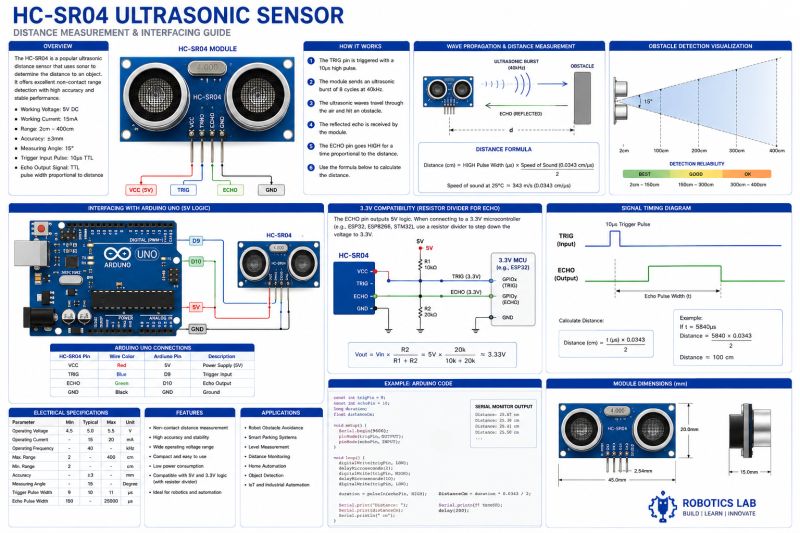
📏 Ever wondered how robots measure distance without touching anything?
The HC-SR04 Ultrasonic Sensor uses sound waves to detect objects and calculate distance in milliseconds. A simple sensor, but it powers countless robotics, automation, and obstacle-avoidance systems.
It's fascinating how a small module can become the "eyes" of a robot. 🤖
Every project teaches something new, and every schematic reveals how intelligent systems actually work behind the scenes.
📕 ebokify.com/arduino
#Robotics #Arduino #ESP32 #Electronics #EmbeddedSystems #IoT #EngineeringStudent
2
25
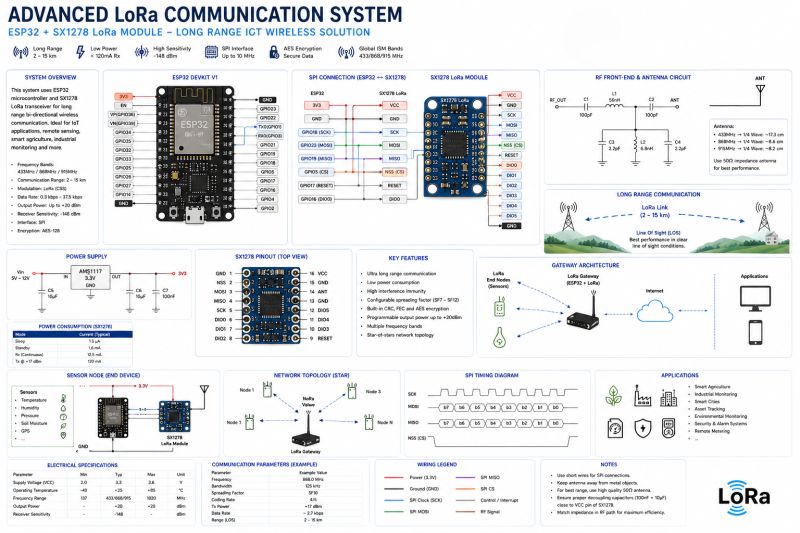
📶 What if your IoT device needed kilometers of range instead of meters?
That's where LoRa changes the game.
LoRa enables ultra-long-range wireless communication while consuming very little power.
Ideal for:
🌾 Smart Agriculture
🏭 Industrial Monitoring
🌍 Remote Sensing
🏠 Smart Cities
IoT isn't only about connectivity.
It's about connectivity where traditional networks fail.
🔽 Download Best ESP32 eBooks
📕 ebokify.com/esp32
#LoRa #IoT #WirelessCommunication #ESP32 #SmartAgriculture #EmbeddedSystems
1
13
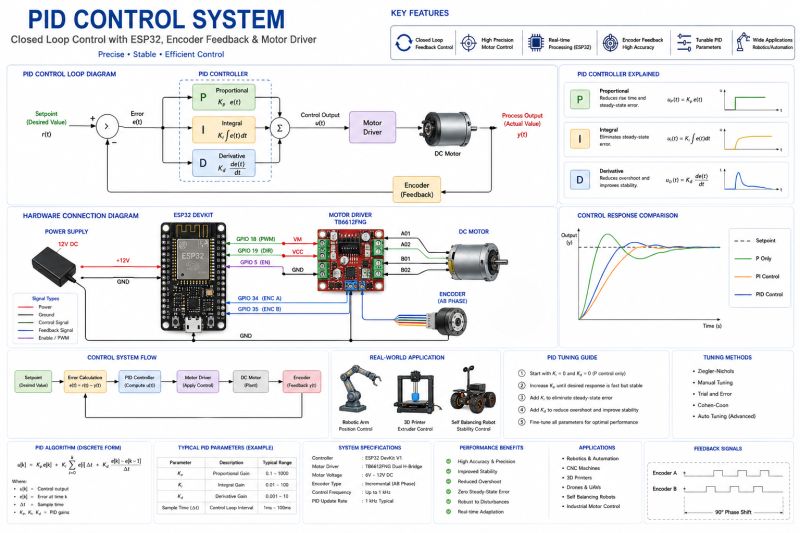
🎯 The secret behind stable robots, drones, and automation systems? PID Control.
A good robot doesn't just move.
It constantly corrects itself.
PID control helps systems minimize error and maintain stability by continuously adjusting output based on feedback.
Used in:
🚁 Drones
🤖 Self-Balancing Robots
⚙️ Industrial Automation
🏭 Process Control Systems
Control systems are where electronics meets intelligence.
🔽 Download Best ESP32 eBooks
📕 ebokify.com/esp32
#PIDControl #ControlSystems #Robotics #Automation #EmbeddedSystems #Engineering
15
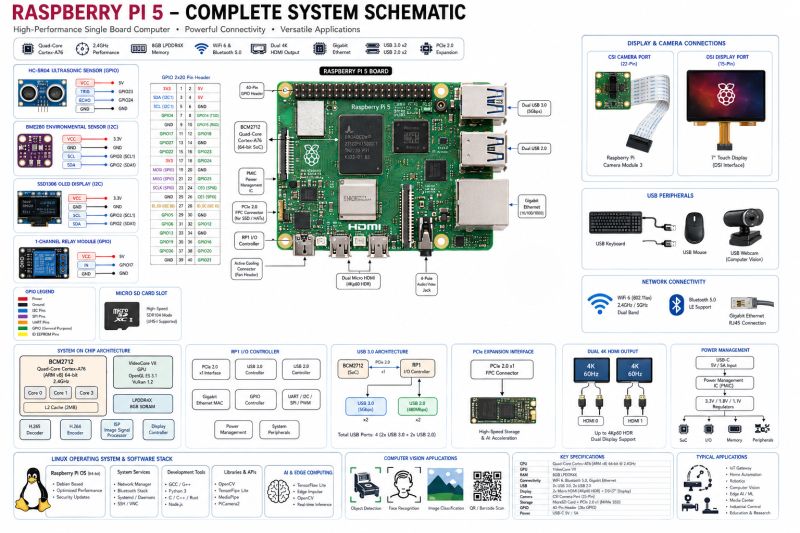
Exploring the Raspberry Pi 5 — a tiny computer with endless possibilities.
The Raspberry Pi 5 is not just another development board. It's a complete single-board computer capable of running operating systems, AI applications, IoT platforms, robotics projects, and even edge computing workloads.
From GPIO interfacing to computer vision and automation, Raspberry Pi bridges the gap between software and hardware innovation.
What makes it powerful?
🔹 Quad-Core 64-bit ARM Cortex-A76 Processor
🔹 Up to 8GB LPDDR4X RAM
🔹 Dual 4K Display Support
🔹 PCIe Expansion Interface
🔹 High-Speed USB 3.0 Connectivity
🔹 Gigabit Ethernet & Wireless Networking
🔹 40-Pin GPIO for Hardware Integration
Currently exploring:
⚙️ Embedded Linux
🤖 Robotics & Automation
📡 IoT Systems
🧠 Edge AI & Computer Vision
🔌 Hardware-Software Integration
The deeper I explore Raspberry Pi, the more I appreciate how a credit-card-sized computer can power real-world innovation—from smart devices to intelligent robotic systems. 🚀
🔽 Download Best Raspberry Pi eBooks
📕 ebokify.com/raspberry-pi
#RaspberryPi5 #RaspberryPi #EmbeddedSystems #Linux #IoT #EdgeAI #ComputerVision #Robotics #Automation #ElectronicsEngineering #HardwareDesign #EngineeringStudent #TechInnovation #AestheticRagib
1
38
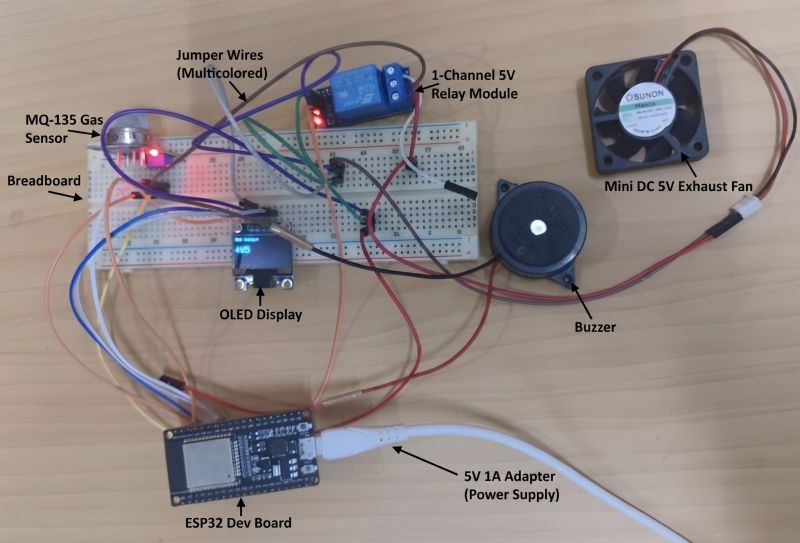
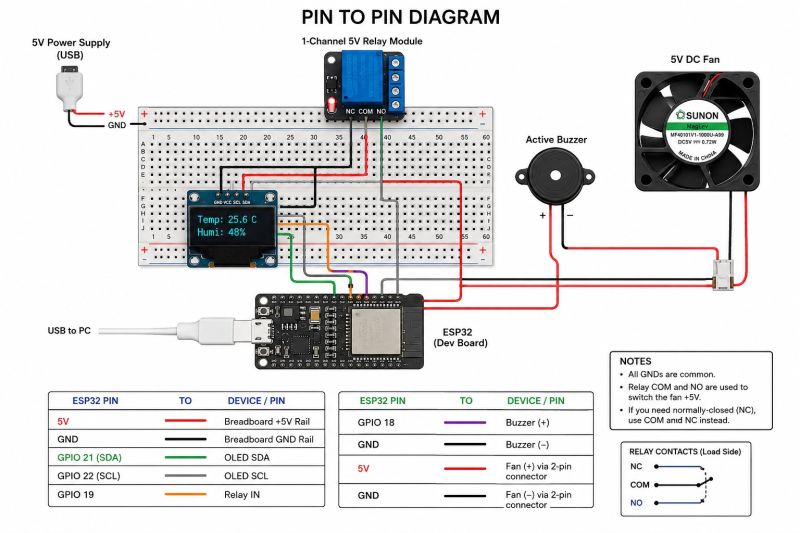
🚀 Excited to share my latest IoT project: Smart Ventilation Controller Using CO₂ and VOC Sensing for Exhaust Fans.
This system continuously monitors indoor air quality and automatically activates an exhaust fan when harmful gas concentrations exceed predefined safety thresholds, helping maintain a healthier indoor environment.
🔹 Features:
✅ Real-time Air Quality Monitoring using MQ135 Gas Sensor
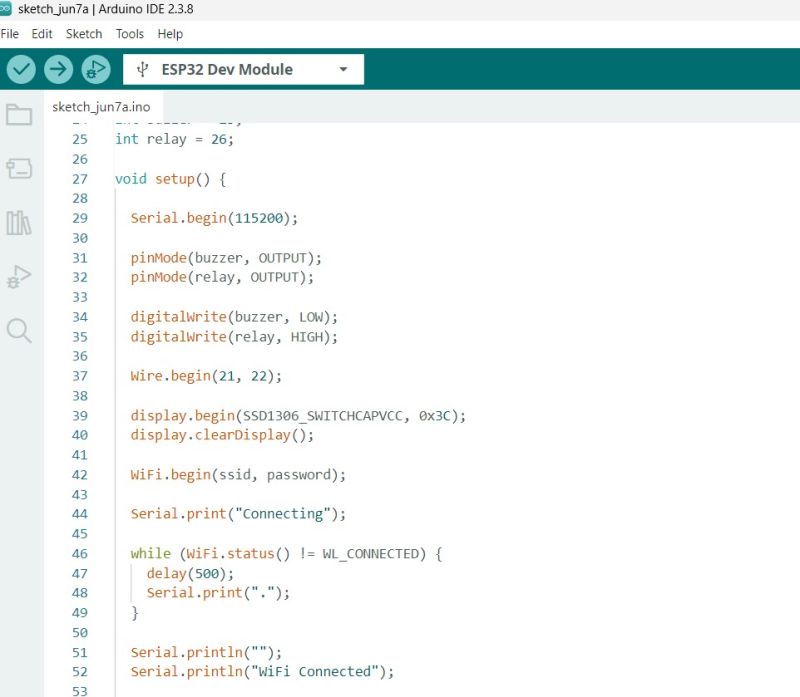
✅ ESP32-based Smart Control System
✅ OLED Display for Live Air Quality Data
✅ Automatic Buzzer Alert for Unsafe Conditions
✅ Relay-Controlled Exhaust Fan Automation
✅ Wi-Fi Enabled IoT Connectivity
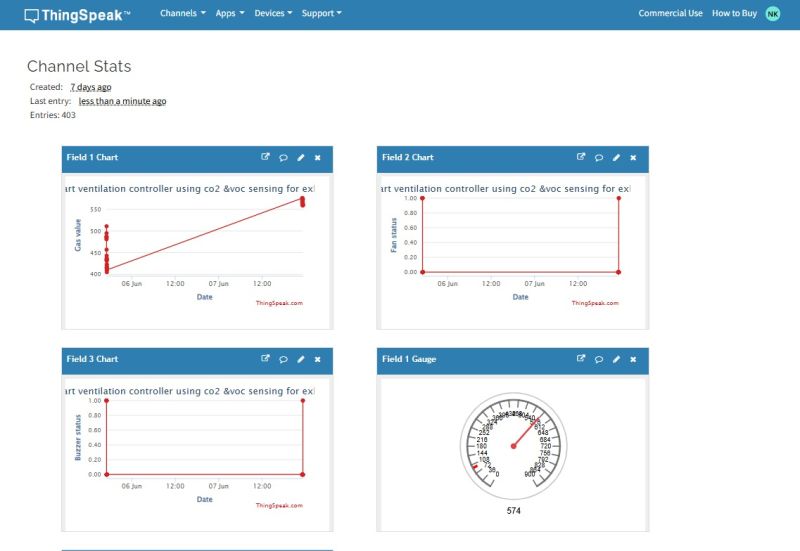
✅ Cloud Monitoring Dashboard with ThingSpeak
✅ Continuous Data Logging and Remote Monitoring
🔧 Technologies Used:
• ESP32 Development Board
• MQ135 Air Quality Sensor
• OLED Display (I2C)
• Relay Module
• DC Exhaust Fan
• Buzzer
• Arduino IDE
• ThingSpeak Cloud Platform
The system collects real-time air quality data, displays it locally on an OLED screen, and uploads it to the cloud for remote monitoring and analysis. When CO₂ and VOC levels rise beyond safe limits, the exhaust fan is automatically activated to improve ventilation.
This project provided valuable hands-on experience in IoT, embedded systems, sensor interfacing, cloud integration, real-time monitoring, and automation technologies.
🔽 Download Best ESP32 eBooks
📕 ebokify.com/esp32
#IoT #ESP32 #MQ135 #ThingSpeak #AirQualityMonitoring #SmartVentilation #EmbeddedSystems #Automation #InternetOfThings #Engineering #Electronics #CloudComputing #SmartSystems #Project #Innovation #CO2Monitoring #VOCDetection #ArduinoIDE #TechProjects #LearningByDoing
19

How Does a Digital Multimeter Work? - Understand the Essentials.
Have you ever wondered what’s actually happening inside your Digital Multimeter (DMM) when you probe a circuit?
While it looks like a simple digital screen replacing an old analogue needle, the "magic" inside is a fascinating process of high-speed translation.
Based on the expert insights from Electronics Notes, here is a breakdown of how your DMM actually works:
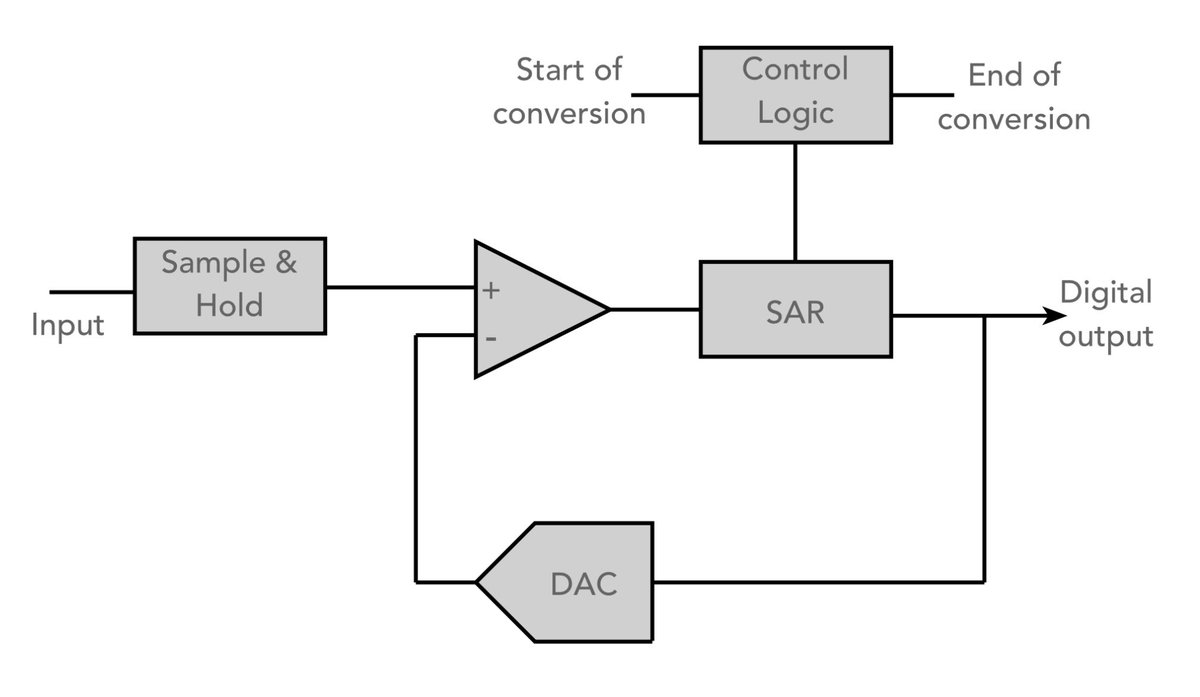
1. The Core: The ADC (Analog-to-Digital Converter)
The heart of every DMM is the ADC. Most general-purpose multimeters use a Successive Approximation Register (SAR).
• Think of it like a game of "Higher or Lower."
• The ADC compares the input voltage to a reference voltage, starting at half-scale and narrowing it down bit-by-bit until it "homes in" on the exact value.
2. Signal Pre-Conditioning
The ADC can only handle a specific, small range of voltage. To measure different things, the DMM "prepares" the signal:
• Voltage: Uses potential divider networks to scale high voltages down to a range the ADC can handle.
• Current: Measures the voltage drop across a known internal resistor (a shunt) and then calculates the current using Ohm’s Law.
• Resistance: Passes a small, known current through the component and measures the resulting voltage drop.
3. Buffering and Averaging
Ever notice why the numbers don’t jump around frantically? The DMM doesn't just show one raw sample. It buffers and averages multiple samples to filter out electrical noise, ensuring the reading you see on the LCD is stable and accurate.
4. The "Settling Time" Factor
When you switch ranges or probes, the internal circuitry needs time to stabilize. This is why the reading might "climb" for a split second before staying still. High-end meters also perform an Auto-Zero to ensure there’s no offset error before giving you the final result.
Pro Tip: Understanding this process helps you realize why "settling time" matters—especially when using computer-controlled test equipment where timing is everything!
🔗 For a full explanation, check the link to my website in the comments.
#Electronics #Engineering #TestEquipment #DigitalMultimeter #EmbeddedSystems #LearningElectronics #electronicsnotes
2
2
48
1,583

Jun 13
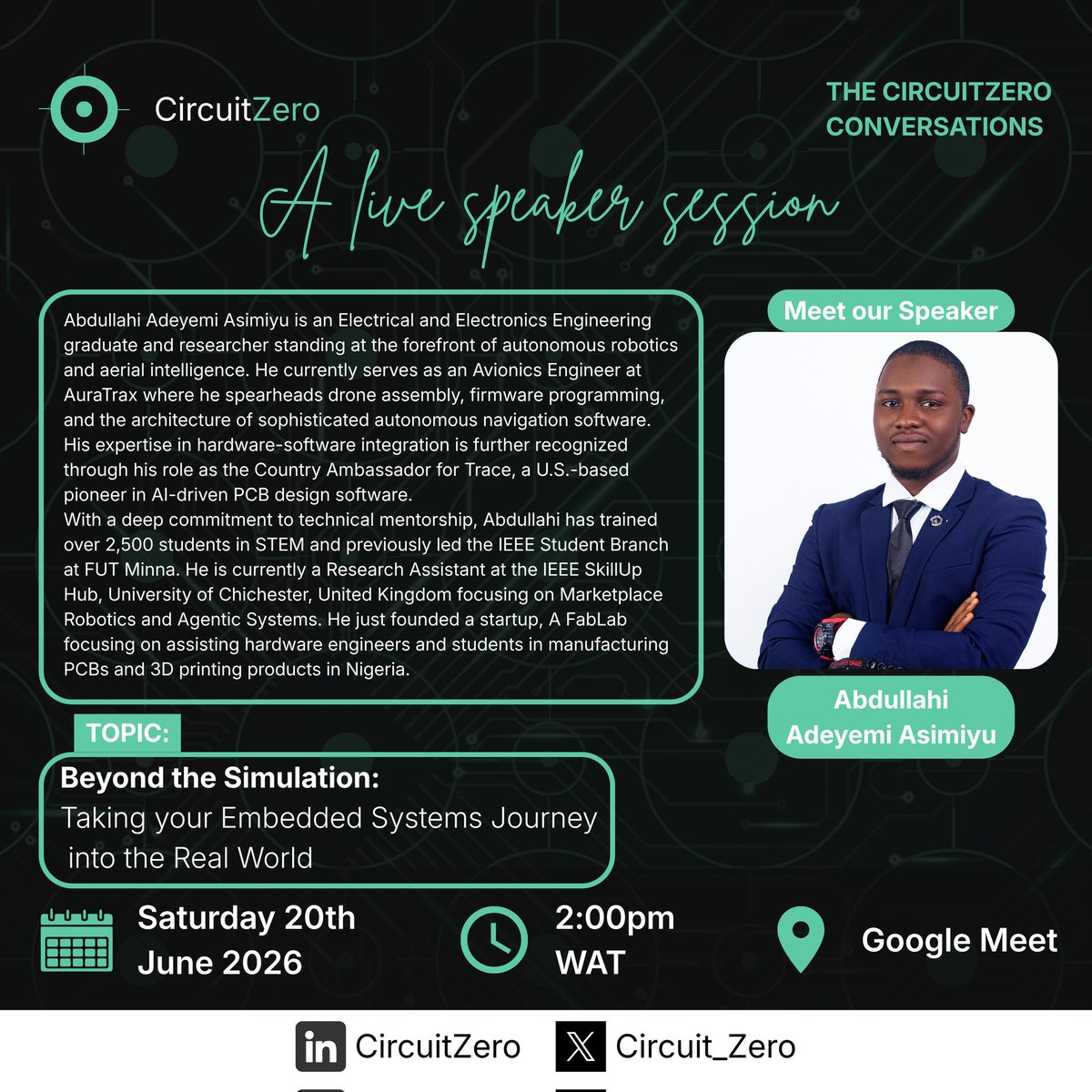
Meet our speaker.
The voice walking us through Beyond the Simulation on June 20.
Register here: forms.gle/8ZRPrUyq36VZ8Gx8A
#CircuitZero #EmbeddedSystems
#Arduino
2
11

Jun 13
Bridging the gap between college learning and industry skills starts with the right guidance. 🚀Gain practical exposure to Embedded Systems, Microcontrollers, LabVIEW, and more to build a strong foundation for your core engineering career. 💡💻#FITA #FITAAcademy #EmbeddedSystems
4

Jun 13
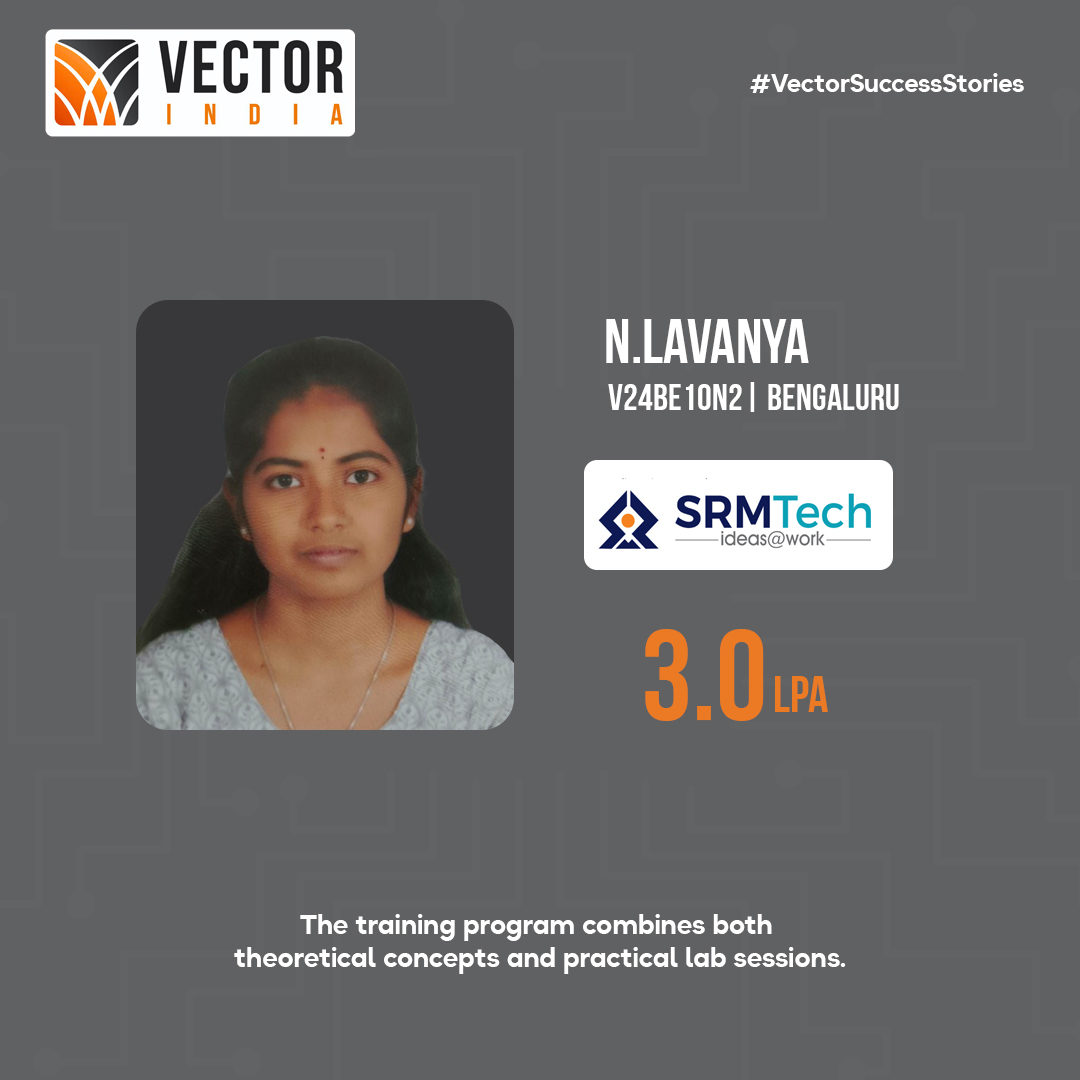
Congratulations to N. Lavanya (V24BE10N2 – Bengaluru) on being placed at SRMTech with a package of 3.0 LPA
#VectorIndia #VectorSuccessStories #PlacementSuccess #EmbeddedSystems #SRMTech #EngineeringCareers #SkillDevelopment #FutureEngineers #CareerGrowth #LearnLeadSucceed

12

Jun 13
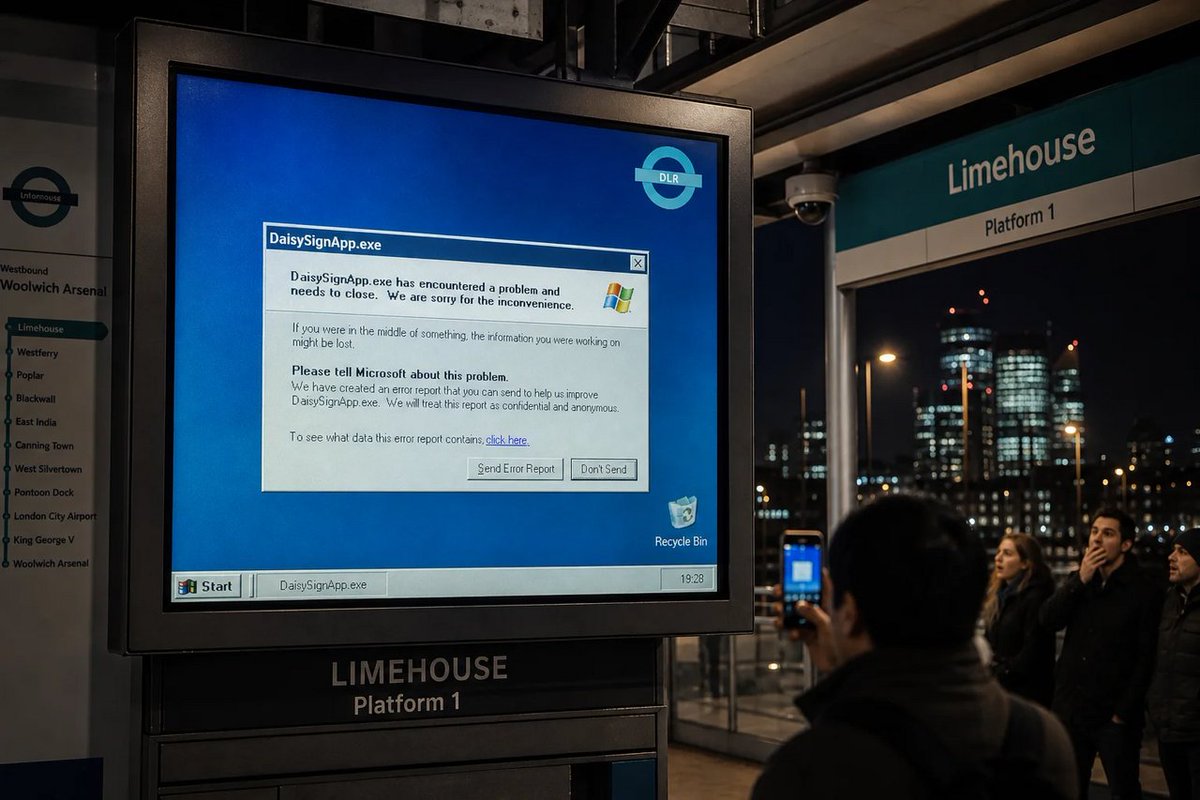
🪟 Nothing screams “modern society” like a train timetable running on Windows XP. The crash isn’t the joke—it's the operational debt we pretend isn’t there.
windowsforum.com/threads/dlr…
#EmbeddedSystems #LegacyWindows #CybersecurityRisk #PublicSignage
9
Jun 13
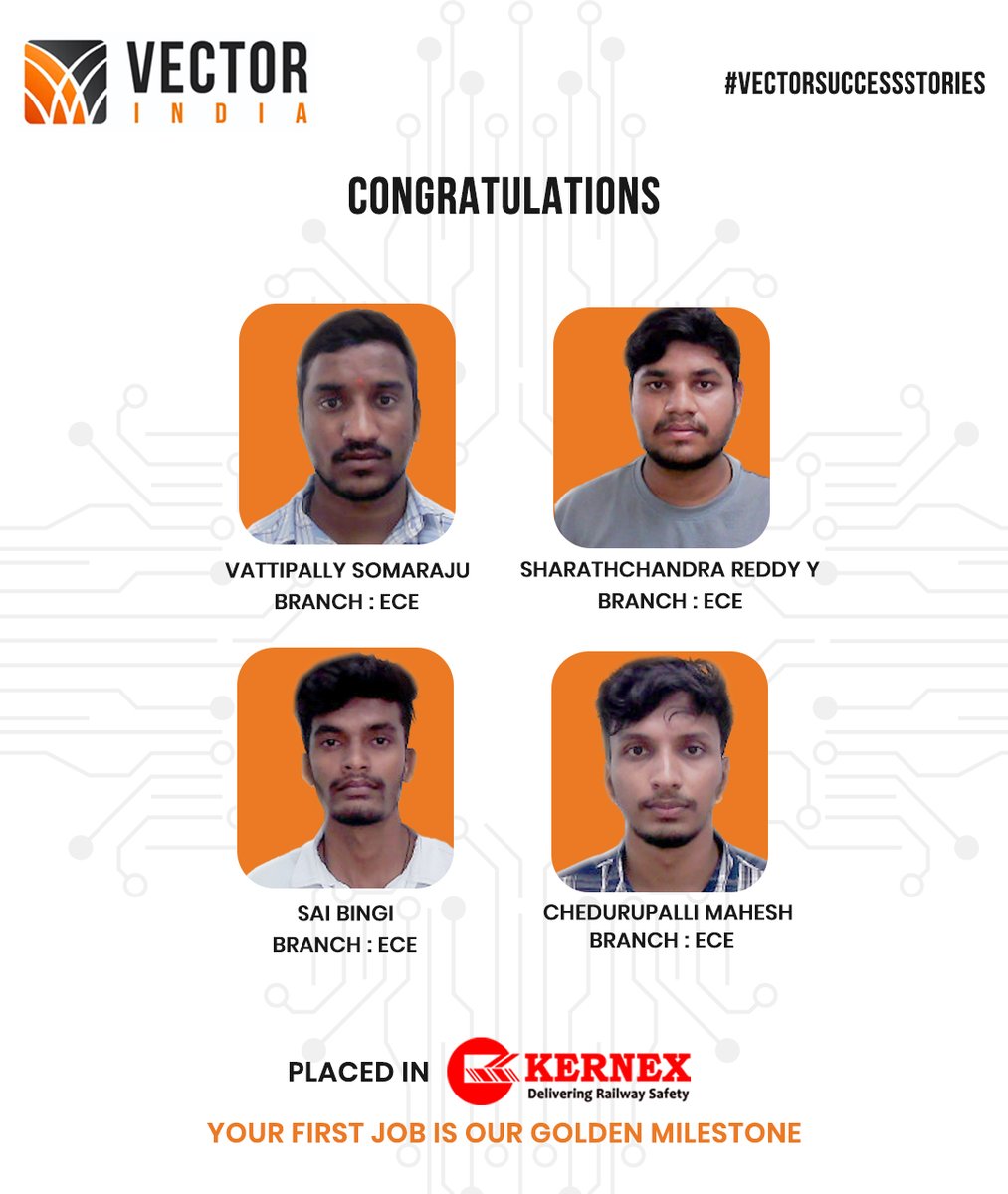
Success begins with the right skills and the determination to achieve! Congratulations to Vattipally Somaraju, Sharathchandra Reddy Y, Sai Bingi, and Chedurupalli Mahesh (ECE) on their placement at KERNEX
#VectorSuccessStories #PlacementSuccess #KERNEX #EmbeddedSystems #ECE
125

Jun 13
We're hiring Linux Device Driver Engineers (4 Years) in Bangalore! If you have expertise in Linux kernel development, I2C, I3C, UART, C, and Git, we'd love to hear from you.
#Hiring #Linux #EmbeddedSystems #DeviceDriver #KernelDevelopment #BangaloreJobs

12

🚀 GigaDevice Ready Stock – MCU & NAND Flash
Available Inventory:
✅ GDQ2BFAA-CQ
✅ GDQ2BFAC-CJ
✅ GDQ2BFAA-CJ
✅ GDP2BFLM-CB
✅ GDP2BFLM-CA
✅ GDQ2BFAA-CE
✅ GDQ3BFAM-CJ
✅ GDQ3BFAM-CQ
✅ GDP1BFLM-CA
NAND Flash:
✅ GD5F1GM7UEYIGR
✅ GD5F2GM7REYIGR
✅ GD5F2GM7UEWIGR
✅ GD5F2GM7UEYIGR
✅ GD5F2GM7UEYIGY
✅ GD5F1GQ5UEYIGR
MCU:
✅ GD32F303RCT6
✅ GD32F307VCT6
Power Management:
✅ NCP45495XMNTWG
✔ Original Parts
✔ Ready Stock
✔ Worldwide Shipping
✔ Support Industrial & Consumer Electronics Projects
📩 Contact Heather Zhou
Email: [zhouhuiling007@gmail.com](mailto:zhouhuiling007@gmail.com)
WhatsApp: 86 13530613127
#GigaDevice #GD32 #MCU #NANDFlash #EmbeddedSystems #IoT #IndustrialControl #Electronics #Semiconductor #MemoryChip #ReadyStock
7