
A strong building is not defined by what you see above the ground.
It's defined by what was done below it.
#CivilEngineering #ConstructionLife #EngineeringLessons #ProjectManagement #BuildBetter #Uganda

1
11

Every new capability introduces new dependencies. Managing those dependencies is becoming a strategic requirement. #EngineeringLessons
25
One thing construction has taught me is that progress is rarely visible every day.
Not all progress is visible. Not all growth is obvious. Just Keep building.
#EngineeringLessons #ConstructionLife #CivilEngineering #GrowthMindset

23

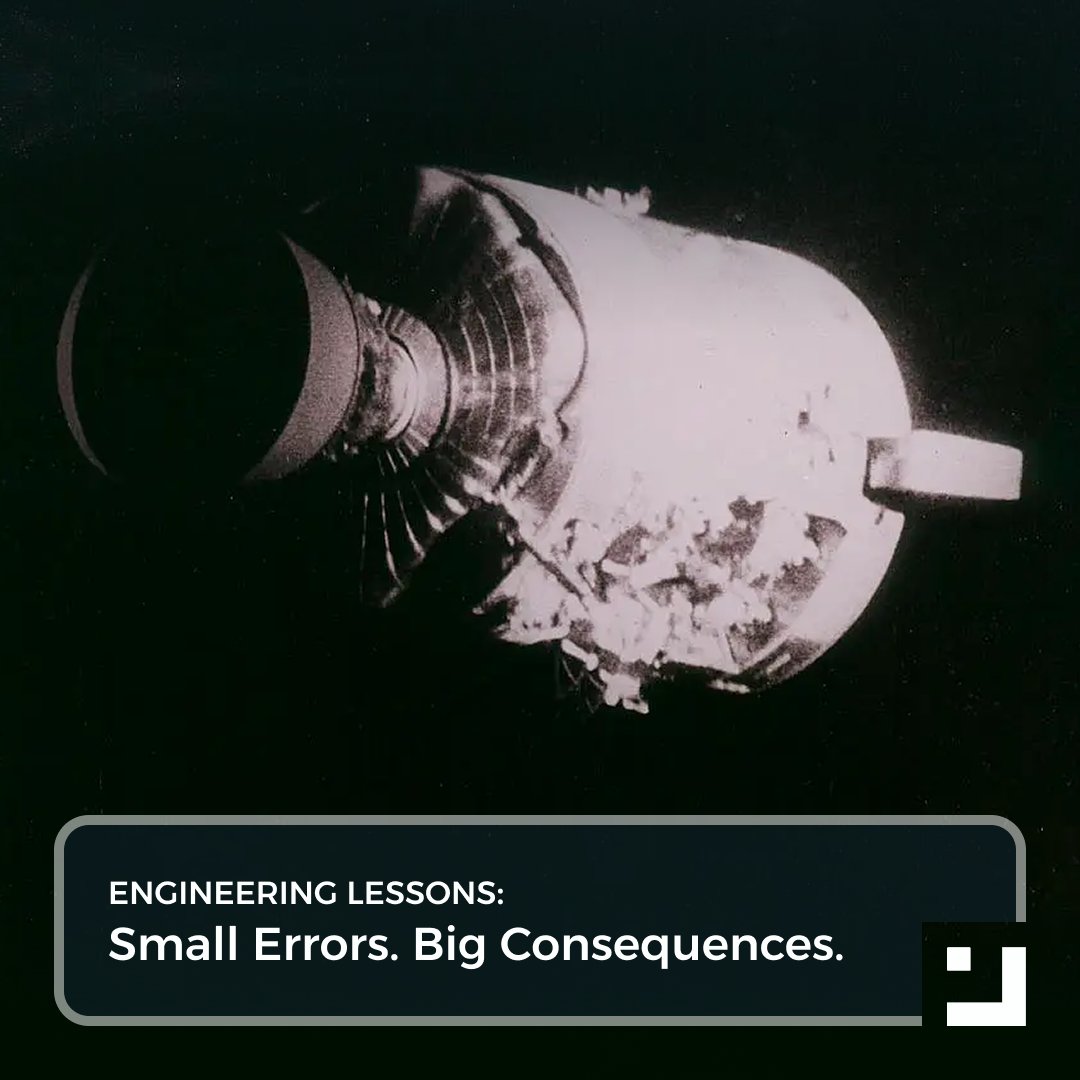
When 1 isn’t equal to 1.
Opening our Engineering Lessons series with Mars Climate Orbiter, lost after a mismatch between imperial and metric units.
A small inconsistency. A major consequence.
Credit: NASA
#EngineeringLessons #SpaceTech
2
31

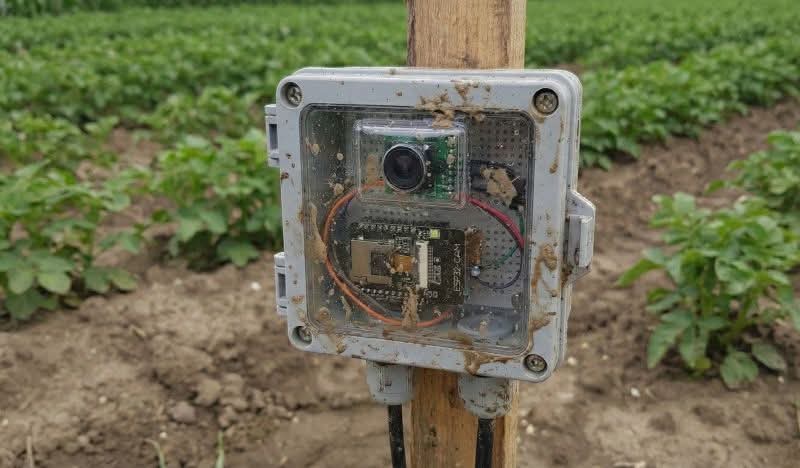
Machine Learning IoT is not plug-and-play. I learned this the hard way.
Most posts make Machine Learning and IoT look simple. Connect a sensor. Train a model. Deploy it. Done.
That version exists only in slides.
When I started building real IoT systems using ESP32 and STM32 with Machine Learning, reality pushed back hard.
I learned one uncomfortable truth early: Models do not fail first. Systems do.
Below are the real failures, fixes, and lessons that shaped how I now engineer ML-powered IoT systems.
Failure 1: A perfect model that collapsed in the field
In controlled conditions, the model performed well. Once deployed:
- Sensor drift appeared
- Environmental noise increased
- Installation conditions changed
The algorithm was not wrong. The assumptions were.
What fixed it:
- Collecting real field data instead of clean lab data
- Normalizing inputs directly on the device
- Rejecting invalid and unstable sensor readings
Lesson: Data quality matters more than model complexity.
Failure 2: A powerful model on constrained hardware
A model that runs smoothly on a PC does not automatically belong on a microcontroller.
- On ESP32 and STM32 hardware:
- Memory became the bottleneck
- Inference latency increased
- Power consumption mattered
What fixed it:
- Choosing simpler models over complex ones
- Using quantized models instead of floating point
- Running ML only where it created real value
Lesson: In IoT, the best model is the one that fits the hardware.
Failure 3: Internet dependency destroyed reliability
Early designs assumed constant connectivity. Reality delivered network drops, latency spikes, and unstable links.
The system became fragile.
What fixed it:
- Edge-first system design
- Local fallback logic
Using ML for prediction, not for safety-critical control
Lesson: Machine Learning should increase reliability, not depend on ideal conditions.
Failure 4: High accuracy with low real-world impact
I once celebrated a model with strong accuracy metrics. Stakeholders did not.
Accuracy did not reduce:
- False alarms
- Maintenance cost
- System downtime
What fixed it:
- Defining success at the system level
- Optimizing for stability and reliability
- Letting engineering logic lead and ML support
Lesson: Accuracy is a metric. Impact is the goal.
What finally worked
Simple models instead of complex ones
Real-world data instead of synthetic perfection
A balance between edge and cloud
Hardware-aware ML design
Combining ML with rule-based control
Final thought
Machine Learning in IoT is not about smarter models. It is about building systems that survive reality.
That mindset shift, from writing code to engineering systems, changed how I build everything.
🔥 Top 6 ESP32 eBooks
ebokify.com/top-6-esp32-eboo…
#MachineLearning #IoT #EdgeAI #EmbeddedSystems #ESP32 #STM32 #TinyML #AIEngineering #EngineeringMindset #SystemsEngineering #RealWorldAI #HardwareMeetsSoftware #EngineeringLessons #LearningByBuilding
2
46

Feb 24
Yesterday’s “quick hack” is today’s technical debt.
Before you refactor anything, write down the constraint that forced the hack in the first place.
Understanding beats blaming.
What old hack are you turning into a lesson this week?
#EngineeringLessons #MorningThoughts
1
3
93


23 Jun 2023
Engineering Dilemmas: Navigating the Balance Between Innovation and Safety
As an engineer, I've learned the importance of anticipating potential problems and taking preventive measures in every project. Risk investigation and mitigation are key. #EngineeringLessons #Titan
1
2
125

15 Oct 2020
Can’t wait till this is me 🥺 I love engineering so much 😩 shoutout to you if you follow me on snap and watch the #engineeringlessons I give lol ☺️
2

19 Jun 2019
4

14 Apr 2014
TECET hosts @BostonGlobe Reporter @neilswidey TRAPPED UNDER THE SEA on 5/29, #engineeringlessons bit.ly/NeilSwidey_TECET #Registertoday
1
4
1