
I’ve been homeless for a couple months. I got kicked out because I am gay and it’s been so hard to get back on my feet. I have a lung condition which makes it hard being outside and being out here is making hard for me to work consistently because I get sick constantly. Pls Help.

I’m not sure what to do and I’m lost right now. I do have a plan. I am asking for your support in anyway if you can. I am homeless and gay. I got kicked out for being myself and now I’m grinding to stability.
CA:$iamien22
PP:ienthegenius
V:ienkent
1
148
183
2,727
ᛝ 𝗥𝗜𝗢𝗡𝗔 ᛝ retweeted

May 30
POV: you opened my private page 💕 ¿do u like my feet?
onlyfans.com/truekimtylor/c8
2
900
49
22,571


I like soccer, and I love the World Cup, but every time I watch it's the same question: why can't these fuckers aim?
Headers, sure, harder to control. But these guys have spent their whole life training to kick a ball into a large goal and usually miss by 10-20 feet?
NBA CLOUTBOY retweeted

The Japanese doesn't smell like dead feet left out in the sun to rot and isn't picking my pocket while he's distracting me with his words.
1
6
237

@NBA is an embarrassment, protecting this clown, bro literally looked at Brunson’s feet and then put his big freak show size foot in the way
ivy ꣑୧ retweeted

10h
Them freaks had a week long discussion about Jennie’s feet but 👃🏽 is a sensitive topic I see
2
45
435
4,210
rau retweeted

Jan 29
POV: Your friend finally let you admire his feet and his dick
303
10,590
66,332
2,275,653
Tyree retweeted

Okay, so we've got a better angle. The refs are going to consider this an unnatural body turn and landing with feet split, so that's why the held off on the landing space foul.
105
96
691
112,656


MenToes&Feet retweeted

Jun 12
I’ve got a hot date tonight.
You’ll be spending your evening exactly where I left you: staring at my feet and slapping your stick
DM for customs and calls up until I leave.
#cashmaster #soles #footfetish #feet #bigfeet #foot #socks

5
41
359
3,869

😂😂😂😂😂😂 ‘his runs’
culers bro, that is winger leave him man he go beat dey do run in, is he a striker?😭 its 433 ffs, of course the ball needs to get to his feet.

You’re playing him as a ball-to-feet winger, what exactly do you expect?
Raphinha’s best attributes are his runs in behind, his ball-striking and his clinicality in the box. Brazil have no passers/creators, and have him slugging it out 40-yards from goals.
Non-Suicidally Empathetic retweeted

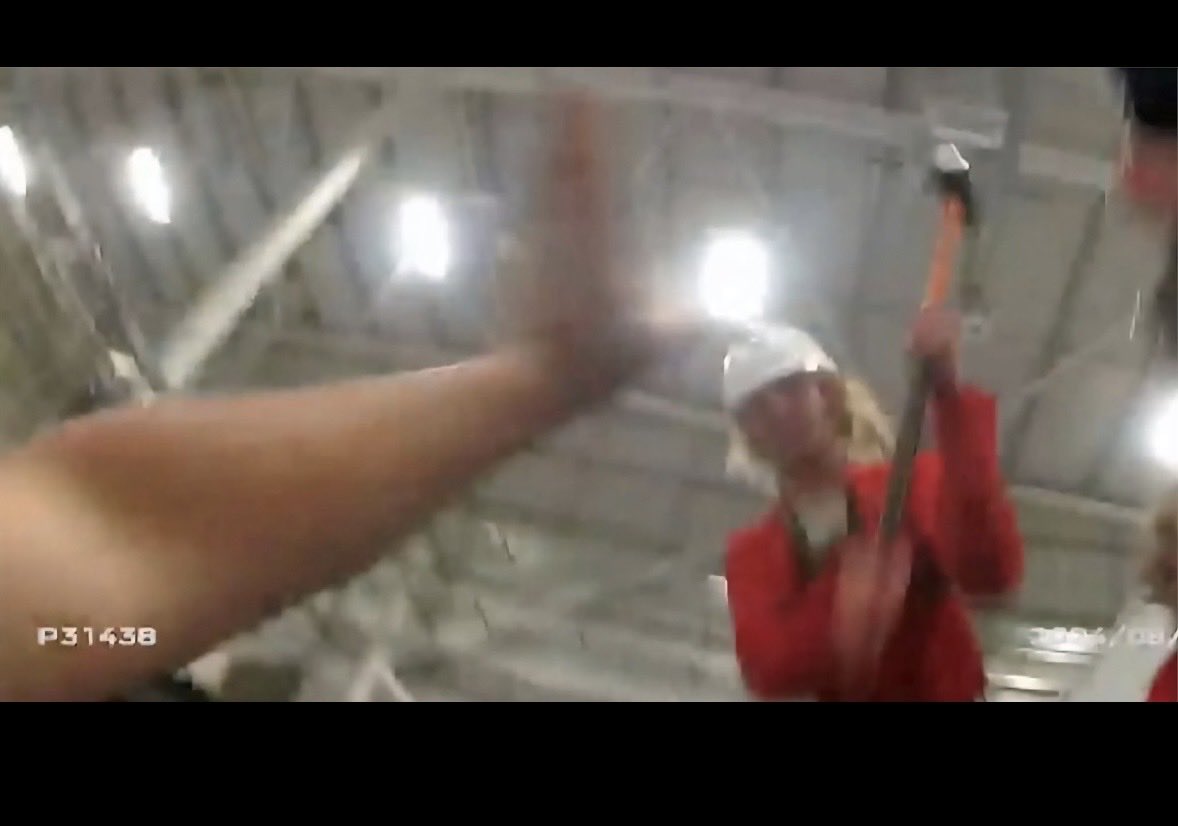
This is Samuel Corner, sledgehammer raised, ready to strike the police woman lying at his feet, arm held out in a vain plea for mercy. Samuel Corner is not a martyr nor a "young activist", he's just a common-or-garden thug.
186
1,002
5,305
69,832

Agreed, but watching him catch it 20 feet from the bucket every possession is wild to me. At least, roll that dude in a two man game and I would imagine it’s an alley or a three point shooter open every possession.
1
1

22s
Julian went like a maximum of 1 foot out while facing the basket, in his natural motion. Brunson turned 90° and stretched his feet at least 2 feet
2

Attributing the lack of continuity to a singular cause (i.e. Islam) is overly simplistic.
The lingua franca of the Middle East regularly changed.
Akkadian gave way to Imperial Aramaic, Imperial Aramaic was replaced by Classical Syriac and Koine Greek, etc.
The spread of Arabic can be regarded as the latest phase in a long pattern of linguistic change.
Moreover, the various Arabic "dialects" (some would argue they are separate languages) still retain features inherited from the languages which were spoken in the respective regions prior to Arabic becoming dominant.
Moreover, it's worth noting that most of the Middle East had already been Hellenized and later adopted Christianity prior to the spread of Islam.
Christianity was hardly any better in Islam in its view of pre-Christian heritage.
Medieval Christians treated classical pagan temples as supply stores of "spolia."
Rather than going through the trouble of mining fresh stone from mountain quarries, medieval labourers would break the marble from pagan temples and heat the marble in lime kilns to make quicklime, which was the main component in Roman concrete.
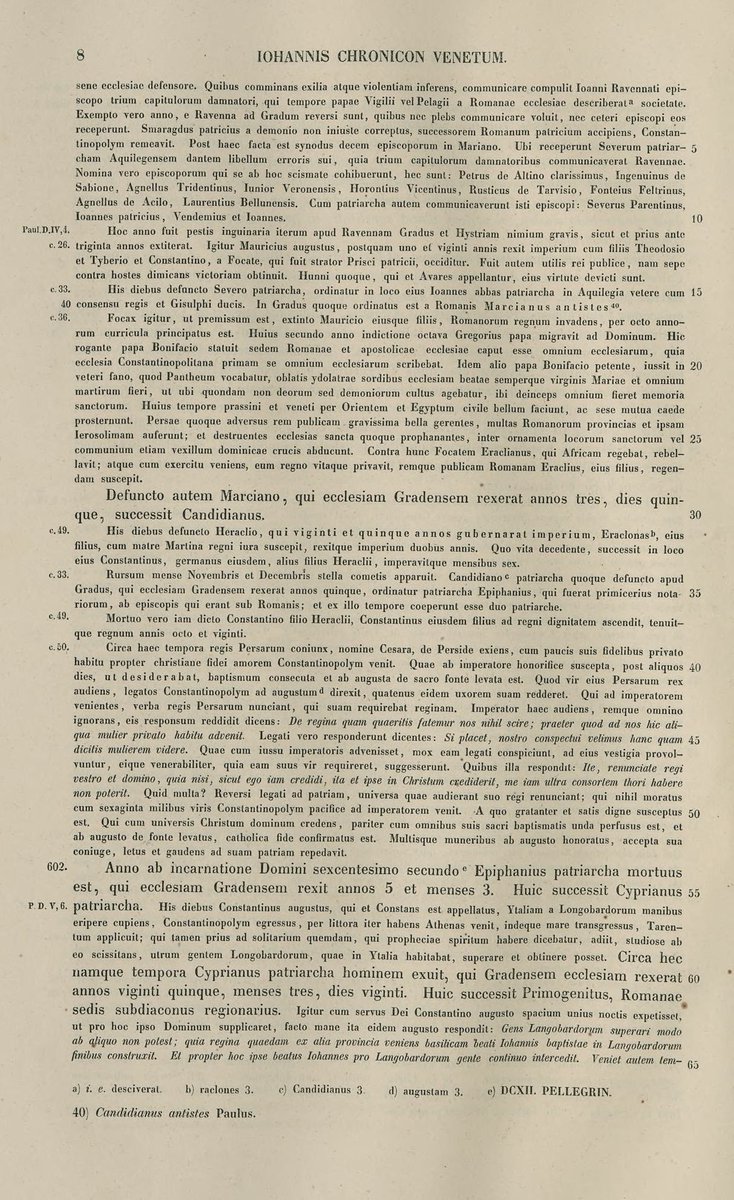
The only reason the Pantheon exists today in [relatively] pristine condition is because the idols were thrown out and the structure was converted into a church by Byzantine Emperor Phocas as a gift for Pope Boniface IV.
The gilded bronze tiles on the Pantheon's dome and the bronze or gilded finial at the top of the oculus were stipped off by order of Emperor Constans II in the 7th century and sent to Constantinople and Pope Urban VIII in the 17th century ordered the bronze from the portico ceiling to be melted down and used for the baldacchino of Bernini in St. Peter's Basilica as well as for cannons using in the fortification of Castel Sant'Angelo, but the main structure remained intact because it was stripped of all its pagan idols and dedicated to the Virgin Mary and Christian Martyrs.
Likewise, the main reason most of the ruins of the Roman Forum (which was once the bustling civic center of Rome) still stand today is because the Roman Forum became a "Campo Vaccino" ("cow field", i.e. a pasture for grazing cattle and other livestock).
As a result, the area became caked in 40 feet of mud, organic waste (mule droppings and cow dung) and silt from the flooding of the Tiber River.
Labourers did indeed set up lime kilns near the site and heavily plundered it for spolia, digging through the dirt & manure to break apart ancient marble statues, friezes, etc.; however, they never came close to finding everything because the ground level rose by around 40 feet.
In order words, the medieval labourers only found the rocks which were sticking-out & not the ancient structures.
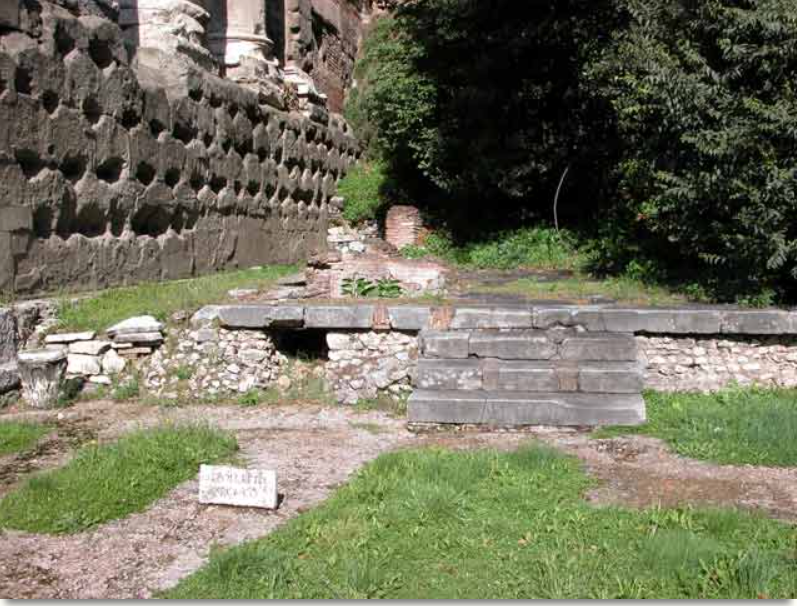
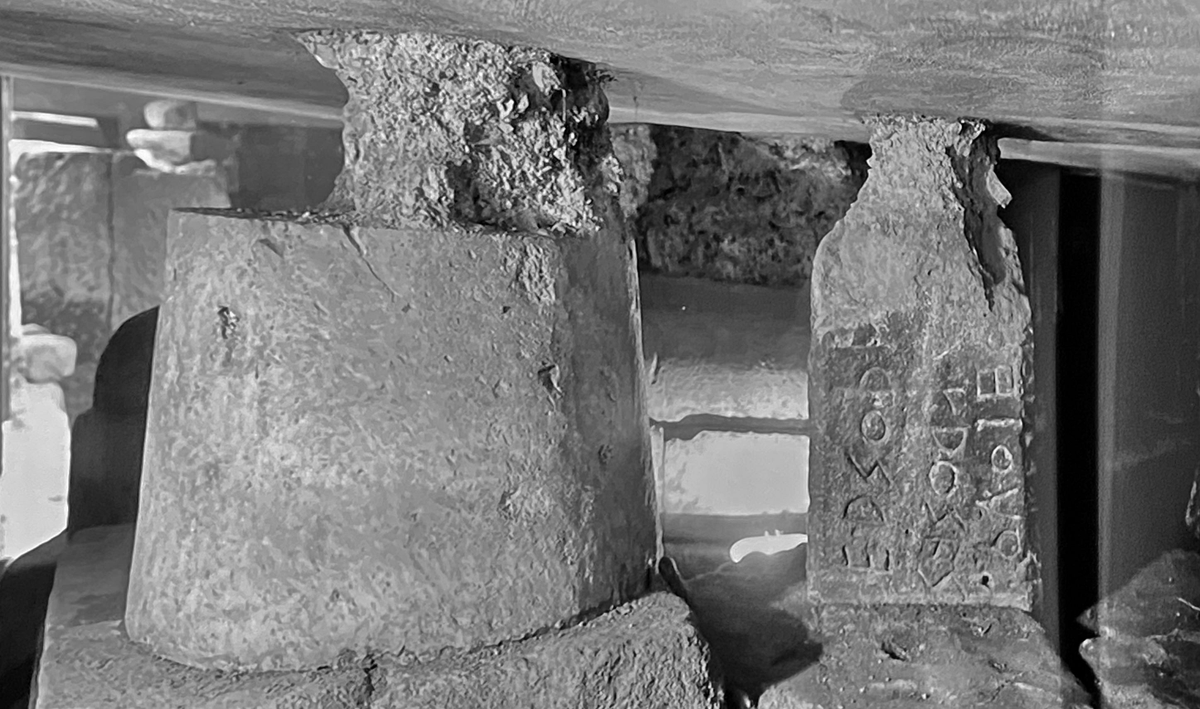
Eventually archaeologists in the early 20th century (Giacomo Boni and his team) would discover even more ancient structures at the site such as Volcanal (or "Lapis Niger shrine," named after the slabs of polished black marble which was used when the Romans paved over the site) dedicated to Vulcan/Hephaestus, which was associated with Romulus' death in antiquity and contains the famous cippus bearing a boustrophedon inscription dating to 6th century BC that warns against defiling the shine.
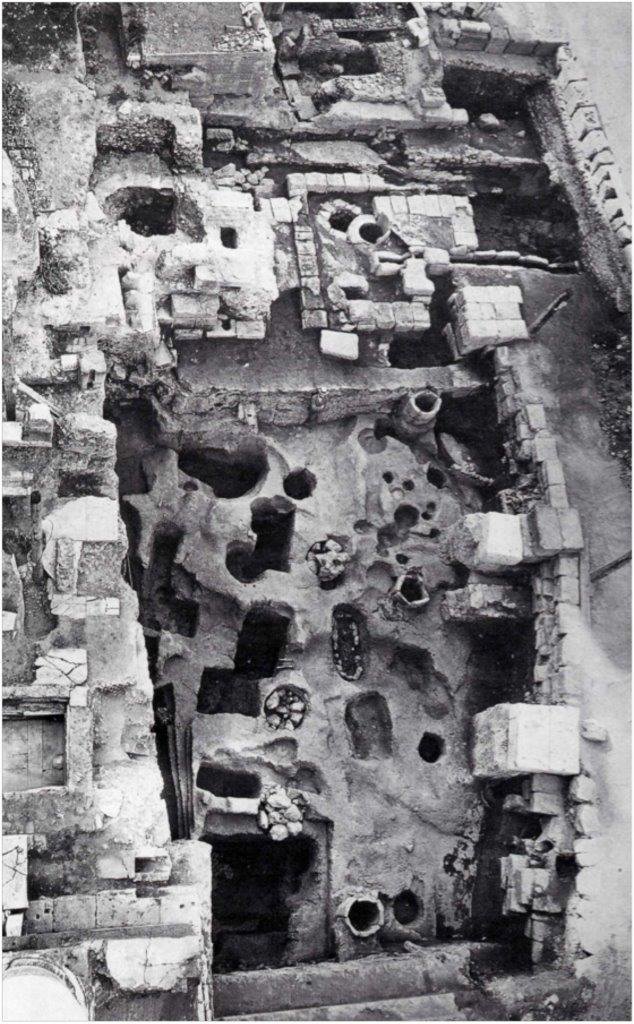
They also discovered the Sepulcretum (Sepolcreto del Foro Romano) with cremation tombs dating to 10th-century BC (the ashes of the deceased were placed inside hut-shaped pottery urns) and inhumation tombs dating to the 8th-7th century BC.

calling the wreckage of cultures caused by islam in the middle east as a "framework" is a misnomer.
JOIN FAMBASE GROUP LINK IN BIO 😈 retweeted

I love walking bare foot and my feet get really really dirty 💖🌸💘
Dirty feet wikifeet

29
103
1,581
14,040