
May 30
Make your weekend count💡
Instead of scrolling through mindless reels or spending hours on a movie, invest that time in upgrading your framework for understanding businesses.
Watch the recording of my 𝟮-𝗵𝗼𝘂𝗿 𝗴𝘂𝗲𝘀𝘁 𝗹𝗲𝗰𝘁𝘂𝗿𝗲 𝗱𝗲𝗹𝗶𝘃𝗲𝗿𝗲𝗱 𝗮𝘁 𝗕𝗜𝗧𝗦 𝗣𝗶𝗹𝗮𝗻𝗶, where I break down how to do fundamental analysis of multiple industries using a structured framework.
The 𝘃𝗶𝗱𝗲𝗼 𝗵𝗮𝘀 𝗻𝗼𝘄 𝗰𝗿𝗼𝘀𝘀𝗲𝗱 𝟵,𝟬𝟬𝟬 𝘃𝗶𝗲𝘄𝘀, with many students and budding analysts have reached out saying that this structured approach finally helped them connect the dots across different industries.
At the heart of the guest lecture session was a very simple function:
𝗦𝘁𝗼𝗰𝗸 𝗥𝗲𝘁𝘂𝗿𝗻𝘀 = 𝗳 (𝗚𝗿𝗼𝘄𝘁𝗵, 𝗥𝗲𝘁𝘂𝗿𝗻 𝗼𝗻 𝗖𝗮𝗽𝗶𝘁𝗮𝗹, Valuation)
And:
𝗥𝗲𝘁𝘂𝗿𝗻 𝗼𝗻 𝗖𝗮𝗽𝗶𝘁𝗮𝗹 = 𝗠𝗮𝗿𝗴𝗶𝗻 × 𝗖𝗮𝗽𝗶𝘁𝗮𝗹 𝗣𝗿𝗼𝗱𝘂𝗰𝘁𝗶𝘃𝗶𝘁𝘆
Once you reduce businesses to these core drivers, patterns across industries start becoming much clearer.
Different industries may follow the same underlying function, but different variables do the heavy lifting.
The key is identifying 𝘄𝗵𝗶𝗰𝗵 𝘃𝗮𝗿𝗶𝗮𝗯𝗹𝗲 — 𝙢𝙖𝙧𝙜𝙞𝙣, 𝙘𝙖𝙥𝙞𝙩𝙖𝙡 𝙥𝙧𝙤𝙙𝙪𝙘𝙩𝙞𝙫𝙞𝙩𝙮, 𝙜𝙧𝙤𝙬𝙩𝙝 — 𝗮𝗰𝘁𝘂𝗮𝗹𝗹𝘆 𝗱𝗿𝗶𝘃𝗲𝘀 value creation in a given industry.
In this BITS Pilani lecture, we focused on using this exact functional framework to decode entire industry structures, not just individual companies.
It’s also the structure I follow in my research content:
Function → Industry Structure → Company Analysis
𝗪𝗮𝘁𝗰𝗵 𝘁𝗵𝗲 𝗳𝘂𝗹𝗹 𝟮-𝗵𝗼𝘂𝗿 𝗹𝗲𝗰𝘁𝘂𝗿𝗲 𝗵𝗲𝗿𝗲:
👉 youtu.be/JxgPD6UqiGw?si=3094…
#investing #equityresearch #valuation #financialmodeling #businessanalysis #fundamentalanalysis #investandrise #FinancialStatementAnalysis #emergingmarkets #mentoring #BITSPilani

2
37
Feb 24
MASTERCLASS: How to do Fundamental analysis of Health / General / P&C insurers? #ICICILombard #StarHealth #CareHealth #GoDigit #NivaBupa
Putting Buffett wisdom in action — in simple lang
Combined Ratio FY23 FY24 FY25
New India Assurance 117.2% 120.9% 119.1%
GoDigit 107.4% 108.7% 108.6%
ICICI Lombard 104.5% 103.3% 102.8%
Star Health 95.3% 96.7% 101.1%
Niva Bupa 97.1% 98.8% 101.2%
The 𝗰𝗼𝗺𝗯𝗶𝗻𝗲𝗱 𝗿𝗮𝘁𝗶𝗼 𝗖𝗼𝗥 for general insurers is a simple way to measure how profitable an insurer is from its core business i.e., underwriting policies
CoR = claim payouts expenses an insurance company has, divided by the premiums it earns — expressed as %
CoR < 100% — Insurer is making a profit from underwriting
CoR = 100% — Break even
CoR > 100% — Underwriting losses (claims expenses > premiums)
So does that mean Star and Niva Bupa are the only profitable insurers and multiline insurers are incurring losses? No!
General insurers have another source of income — Interest Income on Float
𝗪𝗵𝗮𝘁 𝗶𝘀 𝗙𝗹𝗼𝗮𝘁?
Insurers collect premiums upfront, but often don’t have to pay a lot of claims until later — sometimes years later. During that time, they invest the remaining premium money (called "float") to earn interest income
Buffet calls 𝗳𝗹𝗼𝗮𝘁 the money, insurers hold, but don't own
The longer an insurer is able to hold float, the more interest income it makes.
Btw, how do you get a sense of the float holding period?
Insurers with total float size overtime >> premium collection in a year — have high float retention
New India Assurance, Go Digit and ICICI L — float size 2x premiums
Star Health, Niva Bupa — 1x
Multiline insurers seem to be retaining float for longer. Why do you think?
if 𝗖𝗼𝗥 > 𝟭𝟬𝟬% (i.e small losses in core business), insurer can still be overall very profitable if they have accumulated a lot of float overtime — thru good holding periods
e.g ICICI Lombard
if 𝗖𝗼𝗥 >> 𝟭𝟬𝟬% then the UW loss is significant and it eats into the interest income
e.g New India Assu., GoDigit
A low 𝗖𝗼𝗥 <= 𝟭𝟬𝟬% is always desired
e.g Star and Niva Bupa
but you have to be careful
Low CoR 𝘮𝘢𝘺 𝘣𝘦 because of low claim payouts much at the dismay of customers. If customers are not happy, they will stop renewing and hence float accumulation will slow down overtime
Summary
CoR <=100% overtime is always desired, but low does not always equate to good. So double click to ensure it isn't a lemon 🍋
CoR slightly >100% overtime is fine so long as the insurers has accumulated sizable float relative to premiums
CoR >> 100% and float is not significant relative to premiums — you have a🍋
——————————————————
Want to understand #WarrenBuffett method of evaluating a general insurer in detail? Watch this linked video:
youtu.be/XhK7HakNwxY?si=sLZ_…
I simplify #businessanalysis / #businessmodels. Reach out to me for guidance on #equityresearch #valuation #financialstatementanalysis
#investandrise #emergingmarkets #generalinsurance #nonlifeinsurance #healthinsurance

1
2
156

4 Aug 2025
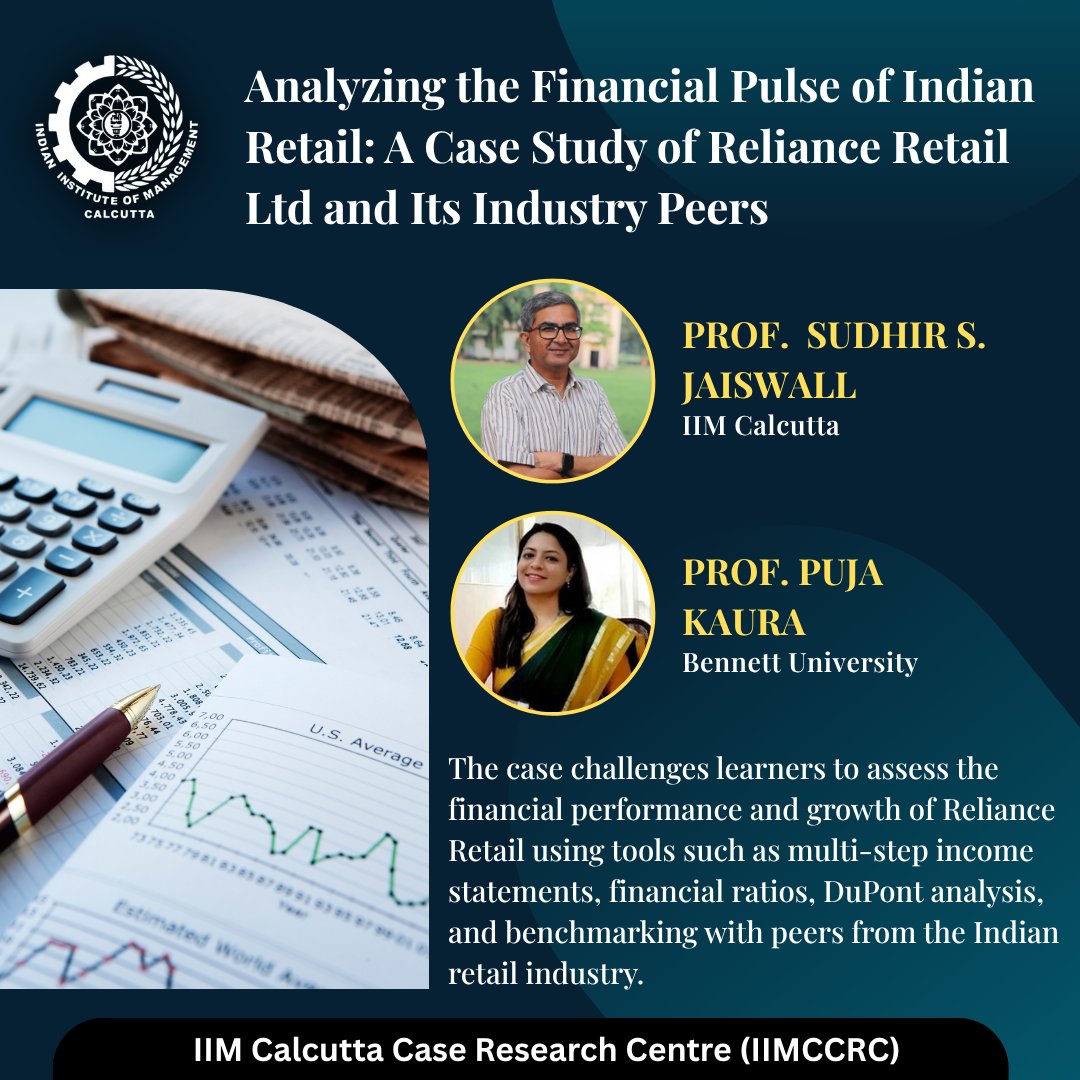
The case study by Prof. Sudhir S. Jaiswall, Finance and Accounting group at IIM Calcutta and Prof. Puja Kaura, Bennett University is on the financial statements and financial ratio analyses of Reliance Retail Limited (RRL) from the Indian retail industry. The case challenges learners to assess the financial performance and growth of Reliance Retail using tools such as multi-step income statements, financial ratios, DuPont analysis, and benchmarking with peers from the Indian retail industry.
Teaching Objectives:
- To help students understand how the multi-step income statement, common-size statement analysis, and ratio analysis provide valuable information for evaluating a company's financial performance.
- To enable students to comprehend how the retail industry functions as a whole by considering the financial performance of competitors.
- To help students interpret the results of common-size statement analysis and ratio analysis for a comprehensive financial evaluation.
This case is suitable for courses on financial accounting, financial analysis, and management accounting at both undergraduate and graduate levels. It can also be used for executive programs on financial accounting for managers, for middle and senior level managers.
Access the case here: rb.gy/2xkjqh
Please click on the thematic group –𝐅𝐢𝐧𝐚𝐧𝐜𝐢𝐚𝐥 𝐌𝐚𝐧𝐚𝐠𝐞𝐦𝐞𝐧𝐭/𝐀𝐜𝐜𝐨𝐮𝐧𝐭𝐢𝐧𝐠 to avail the case
#FinancialStatementAnalysis #MultistepIncomeStatement #FinancialRatios #FinancialAnalysis #StrategicAnalysis #GrowthAnalysis #RetailIndustry #businesscase #teachingcase #IIMCCRC
1
203
2 Jul 2025
𝗖𝗼𝗻𝗰𝗲𝗽𝘁 𝗼𝗳 𝗢𝗽𝗲𝗿𝗮𝘁𝗶𝗻𝗴 (𝗗𝗲)𝗟𝗲𝘃𝗲𝗿𝗮𝗴𝗲 𝗲𝘅𝗽𝗹𝗮𝗶𝗻𝗲𝗱 𝘁𝗵𝗿𝗼𝘂𝗴𝗵 𝗺𝗼𝘃𝗶𝗲𝘀!
Companies with relatively low incremental cost of serving additional customers typically have high 𝗢𝗽𝗲𝗿𝗮𝘁𝗶𝗻𝗴 𝗟𝗲𝘃𝗲𝗿𝗮𝗴𝗲.
Such companies have a higher proportion of their overall costs as fixed (and have lower variable costs).
𝗡𝗲𝘁𝗳𝗹𝗶𝘅 incurs large fixed costs such as content, licensing and tech infrastructure, however the cost of serving additional subscribers is very low.
As the platform adds more and more subscribers, the incremental revenue from them largely flows to the bottom line leading to margin expansion.
But, having high fixed costs is a double edged sword.
A decline in customers leads to margin erosion — this is called 𝗢𝗽𝗲𝗿𝗮𝘁𝗶𝗻𝗴 𝗗𝗲-𝗹𝗲𝘃𝗲𝗿𝗮𝗴𝗲.
𝗣𝗩𝗥 𝗜𝗡𝗢𝗫 has high fixed costs - rent, manpower, maintenance, utilities.
PVR has been experiencing significant Operating Deleverage due to declining footfalls (They still got to pay those high fixed costs even with low # of people returning to theatres). The low stock price is evident of the Operating Deleverage at play.
OTT releases and theatrical window compression isn't helping box office sales. Hope theatrical-only release of Sitaare Zameen Par turns around its fortune -- may be that would be hoping for too much.
Airlines, Utilities, Telecom, Hotels, Resorts, Asset Management and Technology companies have high operating leverage / de-leverage.
But companies do not break up costs as fixed and variable. Then, how do you identify fixed and variable costs?
Typically, cost of goods sold (COGS) or cost of services are variable and operating expenses SG&A in the P&L are a good proxy for fixed costs.
—————————————————
Explanation of operating leverage in this short video!
youtu.be/gPfKcd8EfOw?si=jvV8…
It is my honest endeavor to post quality and well researched education content on LinkedIn and on my YouTube channel @investandrise
youtube.com/@investandrise?s…
#investandrise #equityresearch #valuation #operatingleverage #financialmodelling #financialstatementanalysis #emergingmarkets #SitareZameenPar
——————————————————
Which industries / companies have low operating leverage?
Answer in the comments.

1
2
114
16 Jun 2025
The case study published by Prof. Arpita Ghosh on "𝐁𝐞𝐲𝐨𝐧𝐝 𝐭𝐡𝐞 𝐂𝐚𝐬𝐡 𝐅𝐥𝐨𝐰 𝐒𝐭𝐚𝐭𝐞𝐦𝐞𝐧𝐭𝐬: 𝐀𝐧 𝐈𝐧𝐭𝐞𝐠𝐫𝐚𝐭𝐢𝐨𝐧 𝐄𝐱𝐞𝐫𝐜𝐢𝐬𝐞" is a sequel to Case A - "Decoding the Cash Flow Statement". The Case (B) focuses on developing a comprehensive framework for holistically analyzing the financial health of companies from a lender's perspective. It builds on cash flow-based analysis performed in Case (A) and attempts to integrate this learning with additional insights from traditional financial ratios, as well as those from other financial metrics such as Altman's Z-score and accounting quality measures.
The case offers a unique opportunity by facilitating participants to focus on financial analysis without bothering about the mechanical computation of traditional financial ratios. Moreover, the participants must arrive at overall financial health scores, which requires them to combine their analytical skills with qualitative judgment. The case is directly relevant to corporate credit evaluations and lending decisions.
The case can be taught to undergraduate and MBA students and business executives in a core course on 'Financial Accounting'. It can also be used with Case (A) at the beginning of advanced courses, such as 'Financial Statement Analysis', 'Corporate Finance', or 'Business Valuation'.
Access the case here: rb.gy/2xkjqh
Please click on the thematic group – 𝐅𝐢𝐧𝐚𝐧𝐜𝐢𝐚𝐥 𝐌𝐚𝐧𝐚𝐠𝐞𝐦𝐞𝐧𝐭/𝐀𝐜𝐜𝐨𝐮𝐧𝐭𝐢𝐧𝐠 to avail the case
#FinancialStatementAnalysis #FinancialRatios #Cashflowstatement #AltmansZscore #Accountingquality #Businesscase #Teachingcase #IIMCCRC

1
2
221
15 Jun 2025
Resources to help investors, aspiring equity research analysts and finance focused strategy consultants
70 videos on my channel youtube.com/@investandrise
-- how to analyze and value businesses from different industries?
Insurance, Banking, NBFC, Asset Management, Healthcare, Retail, Infra & Industrial, Dairy, Technology etc.
-- how to do equity research?
-- learn business valuation
-- learn financial statement analysis
-- how to read annual reports, earning con calls?
It is my honest endeavor to post quality and well-researched equity research and valuation education content!
Gautam Rastogi
#investandrise #equityresearch #valuation #fundamentals #fundamentalanalysis #financialstatementanalysis #generalinsurance #healthinsurance #businessanalysis #sectoralanalysis

2
99
10 May 2025
How to analyze a general insurance business using Warren Buffett's method?
Learn to spot 🍋
Putting Buffett wisdom in action — in simple lang
Combined Ratio FY23 FY24 FY25
New India Assurance 117.2% 120.9% 119.1%
GoDigit 107.4% 108.7% 108.6%
ICICI Lombard 104.5% 103.3% 102.8%
Star Health 95.3% 96.7% 101.1%
Niva Bupa 97.1% 98.8% 101.2%
The 𝗰𝗼𝗺𝗯𝗶𝗻𝗲𝗱 𝗿𝗮𝘁𝗶𝗼 𝗖𝗼𝗥 for general insurers is a simple way to measure how profitable an insurer is from its core business i.e underwriting policies
CoR = claim payouts expenses an insurance company has, divided by the premiums it earns — expressed as %
CoR < 100% — Insurer is making a profit from underwriting
CoR = 100% — Break even
CoR > 100% — Underwriting losses (claims expenses > premiums)
So does that mean Star and Niva Bupa are the only profitable insurers and multiline insurers are incurring losses? No!
General insurers have another source of income — Interest Income on Float
𝗪𝗵𝗮𝘁 𝗶𝘀 𝗙𝗹𝗼𝗮𝘁?
Insurers collect premiums upfront, but often don’t have to pay a lot of claims until later — sometimes years later. During that time, they invest the remaining premium money (called "float") to earn interest income
Buffet calls 𝗳𝗹𝗼𝗮𝘁 the money, insurers hold, but don't own
The longer an insurer is able to hold float, the more interest income it makes.
Btw, how do you get a sense of the float holding period?
Insurers with total float size overtime >> premium collection in a year — have high float retention
New India Assurance, Go Digit and ICICI L — float size 2x premiums
Star Health, Niva Bupa — 1x
Multiline insurers seem to be retaining float for longer. Why do you think?
if 𝗖𝗼𝗥 > 𝟭𝟬𝟬% (i.e small losses in core business), insurer can still be overall very profitable if they have accumulated a lot of float overtime — thru good holding periods
e.g ICICI Lombard
if 𝗖𝗼𝗥 >> 𝟭𝟬𝟬% then the UW loss is significant and it eats into the interest income
e.g New India Assu., GoDigit
A low 𝗖𝗼𝗥 <= 𝟭𝟬𝟬% is always desired
e.g Star and Niva Bupa
but you have to be careful
Low CoR 𝘮𝘢𝘺 𝘣𝘦 because of low claim payouts much at the dismay of customers. If customers are not happy, they will stop renewing and hence float accumulation will slow down overtime
Summary
CoR <=100% overtime is always desired, but low does not always equate to good. So double click to ensure it isn't a lemon 🍋
CoR slightly >100% overtime is fine so long as the insurers has accumulated sizable float relative to premiums
CoR >> 100% and float is not significant relative to premiums — you have a🍋
——————————————————
Want to understand #WarrenBuffett method of evaluating a general insurer in detail? Watch this linked video:
youtu.be/BxbSEA6Oqzk?si=k5n3…
I simplify #businessanalysis / business models. Reach out to me for guidance on #equityresearch #valuation #financialstatementanalysis
#investandrise #emergingmarkets #generalinsurance #nonlifeinsurance
1
4
183
12 Apr 2025
𝗡𝗲𝘄 𝗬𝗼𝗿𝗸 🌆 𝗶𝘀 𝗼𝗳𝘁𝗲𝗻 𝗿𝗲𝗳𝗲𝗿𝗿𝗲𝗱 𝘁𝗼 𝗮𝘀 𝘁𝗵𝗲 𝗖𝗼𝗻𝗰𝗿𝗲𝘁𝗲 𝗝𝘂𝗻𝗴𝗹𝗲!
Concrete Jungle is one of the many colorful nicknames of the City.
Not just New York, any urban city with towering buildings gets this nickname.
But this post is not about cities and nicknames.
It’s about the rapid urbanization, real estate and infrastructure development theme.
Concrete is used to make buildings, roads, highways
Concrete in turn is made through both manual and mechanized process of mixing cement with water and other ingredients
More than 75% of the concrete made in India is through manual mixing.
Whereas in China, more than 75% of the concrete is made through mechanized mixing.
2 decades ago, China’mechanized mixing level was at where India is now.
Long growth runway of mechanized concrete equipment in India (and other emerging economies)
—————————————————
I studied this theme and a small Indian and some foreign companies present in this industry.
Video link:
youtu.be/Wp1YDIKwuc0
I simplify #businessanalysis / business models and mentor students / working professionals who intend to learn #financialstatementanalysis #equityresearch #valuation
#investandrise #emergingmarkets #concrete

1
2
130
22 Mar 2025
𝗨𝗻𝗿𝗮𝘃𝗲𝗹𝗶𝗻𝗴 𝗥𝗢𝗜𝗖 (𝗥𝗲𝘁𝘂𝗿𝗻 𝗼𝗻 𝗜𝗻𝘃𝗲𝘀𝘁𝗲𝗱 𝗖𝗮𝗽𝗶𝘁𝗮l)
𝗪𝗵𝗮𝘁 𝗶𝘀 𝗥𝗢𝗜𝗖 𝗮𝗻𝗱 𝗮𝗻𝗱 𝘄𝗵𝗮𝘁 𝗱𝗼𝗲𝘀 𝗥𝗢𝗜𝗖 𝗯𝗿𝗲𝗮𝗸𝗱𝗼𝘄𝗻 𝘁𝗲𝗹𝗹𝘀 𝘂𝘀 𝗮𝗯𝗼𝘂𝘁 𝗮 𝘀𝗲𝗰𝘁𝗼𝗿? — a common interview question.
A business creates value when the Returns on Invested Capital exceed the Cost of raising that Capital.
Consistently high ROIC (>> Cost of Capital) is a recipe of enormous shareholder value.
ROIC — also referred to as the measure of Quality of investment — is a function of
a. how efficiently capital is deployed ( measured as revenue generated per $ invested )
b. profitability
ROIC = Operating Profit (post tax) / Invested Capital
Re-arranging the formula
ROIC = Revenue / Invested Capital * Operating Profit (post tax) / Revenue
or
ROIC (pre-tax) = Capital Efficiency * Operating Margin
————————————————————-
Breaking down ROIC into Capital Efficiency and Operating Margin — tells us about sector characteristics.
Let's look at these metrics for a few sectors.
Sector:
Capital Efficiency * Operating Margin = Pre-tax ROIC
🛒 𝗥𝗲𝘁𝗮𝗶𝗹:
Dmart 3 * 6.7% = 20%
(revenue of ₹3 per ₹ of invested capital * EBIT margin of 6.7% = pre-tax ROIC of 20%)
What does this tells us?
High capital turns (low capital intensity), low margins — since this is a volume business.
Do this breakdown for a luxury retailer!!
🏥 𝗛𝗼𝘀𝗽𝗶𝘁𝗮𝗹:
Kovai Medical 1.1 * 20.6% = ~23%
Narayana 1.3 * 18.3% = ~24%
Medanta 1.0 * 18.3% = ~18%
Capital intensive sector (low revenue per ₹ of invested capital), good margins
👩💻 𝗜𝗧 𝗦𝗲𝗿𝘃𝗶𝗰𝗲𝘀:
Infosys 2.6 * 20.7% = ~54%
HCL 2.2 * 18.2% = ~40%
Low capital intensity, good margins
🏍️ 𝗔𝘂𝘁𝗼𝗺𝗼𝗯𝗶𝗹𝗲:
Eicher Motors 6.6 * 26.2% = ~173%
Hero Motocorp 2.8 * 12.1% = ~34%
TVS Motors 1.3 * 11.9% = ~16%
Eicher being a premium player enjoys both low capital intensity and healthy margins vs mass players
𝗧𝗲𝗰𝗵𝗻𝗼𝗹𝗼𝗴𝘆:
Microsoft 0.9 * 44.6% = ~40%
Netflix 1.0 * 23.8% = ~24%
High investments into intangibles/goodwill leads to high capital intensity; healthy margins
You need to double click on
a. Invested Capital — fixed assets, working capital, intangibles, goodwill, others assets — identify which of these is a large number that’s impacting capital efficiency.
b. Operating Profits — cost of goods, SG&A, depreciation — identify which of these is driving low/high profits.
It will give you a sense of the sector/business
———————————————————-
Learning to interpret financial statements and ratios tells you a lot about a business.
If the above explanation helped then consider watching the below playlist to comprehensively learn #financialstatementanalysis beyond what is covered in textbooks:
youtube.com/playlist?list=PL…
It is my honest endeavor to post quality and well researched education content on #equityresearch #valuation #businessvaluation #financialmodelling #businessanalysis
#investandrise #emergingmarkets
2
102

Finding the Cash Flow Statement a financial mystery? 📊💰
Check out - zurl.co/ONsS
The video helps you decode the story of a company's cash journey, from operations to investments and financing and helps you achieve financial success! 💡
#HDFCSky #SkyLearn #CashFlow #FinancialInsights #cashflowstatement #financialstatementanalysis
1
2
313

14 Aug 2023
I’m taking #ManagerialAccounting class this #summer…
1. **Introduction to Managerial Accounting:** Embark on a captivating journey into the realm of #ManagerialAccounting, where the compass guiding business decisions is finely tuned data. Delve into the dynamic interplay between financial and managerial accounting, understanding how the latter equips #DecisionMakers with precise insights to steer the ship of a company toward #BusinessSuccess.
2. **Cost Behavior and Cost-Volume-Profit Analysis:** Navigate the intricate currents of cost fluctuations and their correlation with volume changes through the lens of #CostVolumeProfit analysis. This compass aids in plotting a course for astute #PricingStrategies, enabling businesses to adjust sails and optimize revenue streams in response to shifts in production or sales volumes.
3. **Costing Systems:** Unveil the meticulous craftsmanship of #JobOrderCosting and the systematic flow of #ProcessCosting, two techniques that illuminate the intricate tapestry of costs within an organization. With their guidance, the fog of expense allocation lifts, revealing the #TrueCosts of products or services and enabling enterprises to make informed choices about resource allocation and pricing.
4. **Activity-Based Costing (ABC):** Peel back the layers to explore the world of #ABC, where costs are intricately mapped to the activities that drive them. This method provides a spotlight on the granular intricacies of expense distribution, leading to precise and equitable #CostAllocation. By engaging in this process, businesses gain deeper insights into their operations, empowering strategic decision-making.
5. **Budgeting and Variance Analysis:** Set a steady course with #Budgeting, a compass that guides financial planning and control. As the ship sails, analyze the variance between planned and actual performance, employing the #Variances as valuable signposts. These signals aid in fine-tuning operations, allowing captains of industry to nimbly adjust their strategies to ensure the vessel's course is optimized for peak #PerformanceManagement.
6. **Performance Measurement and Responsibility Accounting:** Gaze upon the stars of organizational performance through the lens of #PerformanceMeasurement and the mechanism of #ResponsibilityAccounting. By aligning individual and departmental objectives with overarching company goals, this celestial navigation system fosters #OrganizationalSynergy, ensuring that the ship's crew works in harmony to propel the enterprise toward shared success.
7. **Short-Term Business Decisions:** Navigate the turbulent seas of short-term decision-making with a calculated hand, considering #RelevantCosts that directly impact the choices at hand. Whether faced with #MakeorBuy decisions or crafting cunning #PricingTactics, this compass of financial evaluation ensures that each choice steers the company's ship closer to its desired financial destination.
8. **Capital Budgeting and Long-Term Investment Decisions:** Assemble the pieces of the investment puzzle using tools like #NPV, #IRR, and #PaybackPeriod. These navigational aids offer a holistic view of the potential return on investment, helping captains of industry discover the treasure trove of lasting value hidden within the vast ocean of possibilities.
9. **Financial Statement Analysis:** Equip yourself with a magnifying glass to delve into the nuances of financial statements, employing managerial accounting to enhance the depth of #FinancialInsight. By gaining a thorough understanding of the intricacies within financial statements, businesses can contribute to comprehensive #FinancialStatementAnalysis, revealing valuable insights into the company's financial health.
10. **Ethics and Sustainability in Managerial Accounting:** Chart a principled course by weaving the fabric of #EthicalPractices and #Sustainability into every decision.

3
108

30 Jun 2023
📊 Master the art of financial statement analysis to make informed decisions.
📚 Understand balance sheets, income statements, and cash flow statements.
Uncover a wealth of insights and unlock the true financial potential of your business. 💰
🔍 #FinancialStatementAnalysis
3
45

9 Jun 2023
Register Now at: viftraining.com/course/advan… Or call us at 971 4 4308394 | 971 58 130 8394.
#VIFM #Training #Vifmtraining #Istanbul #Turkey #Finance #Analysis #FinancialModeling #FinancialStatementAnalysis #Accounting

1
2
56
6 Jun 2023
Register Now at: viftraining.com/course/advan… Or call us at 971 4 4308394 | 971 58 130 8394.
#VIFM #Training #Vifmtraining #Istanbul #Turkey #Finance #Analysis #FinancialModeling #FinancialStatementAnalysis #Accounting

1
2
41




24 Jan 2023
3
10
985

9 Dec 2022
#EMBA Journey!
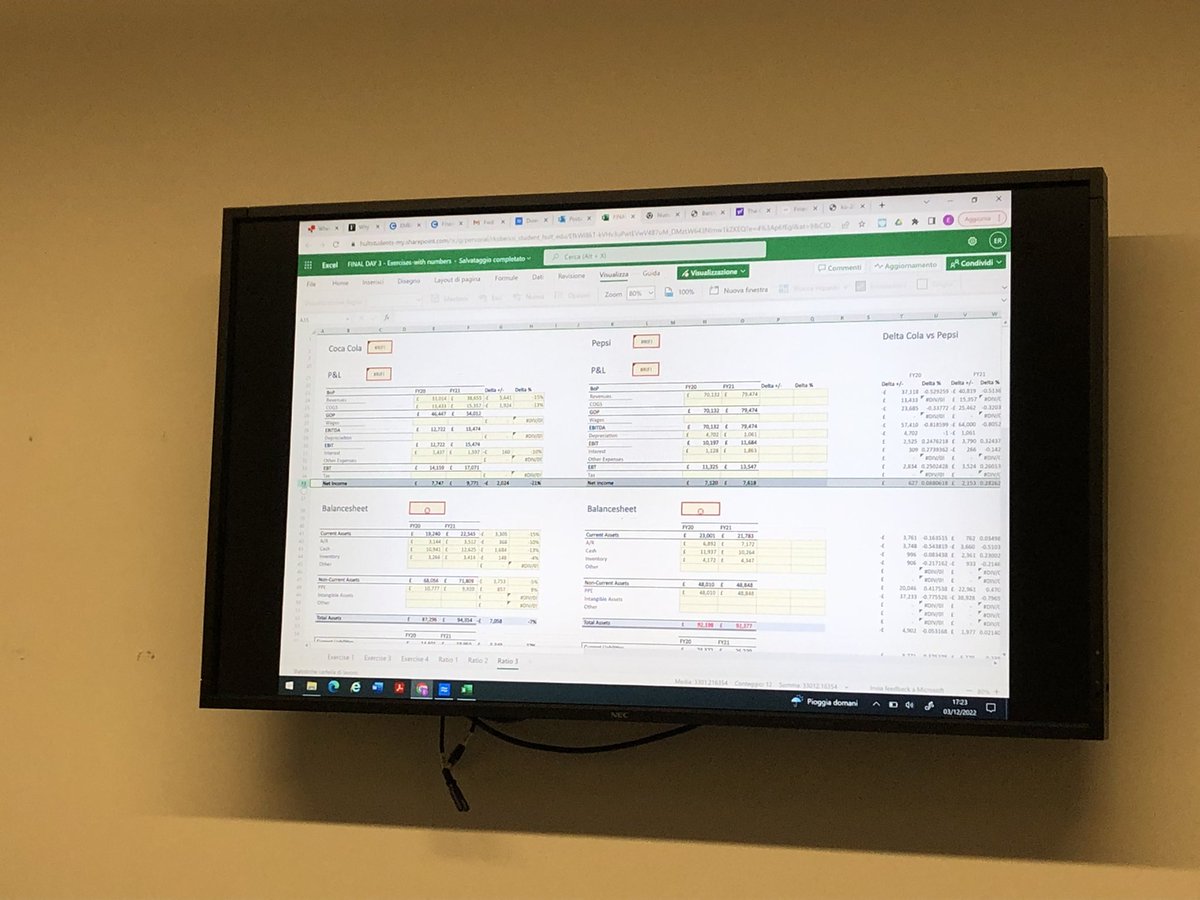
This finance course in our London campus was so challenging and exciting but definitely love it!
So grateful to have world class professor and brilliant classmates minds 🙌
#EMBA #hultian #hultlondon #financialstatementanalysis



1
2
2

24 Aug 2022
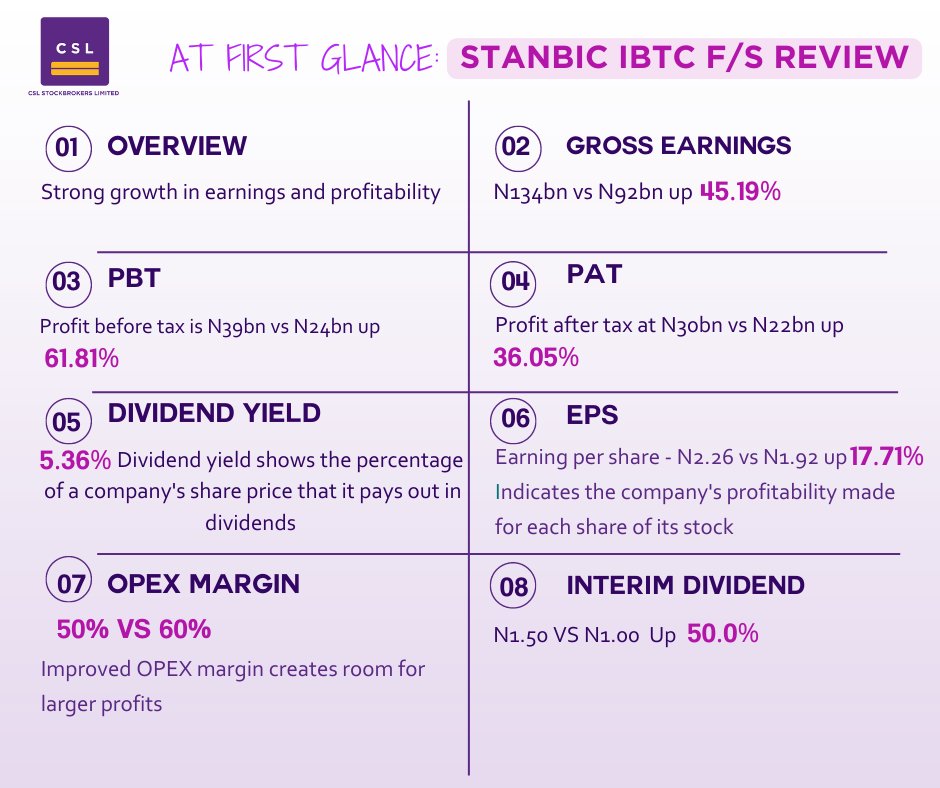
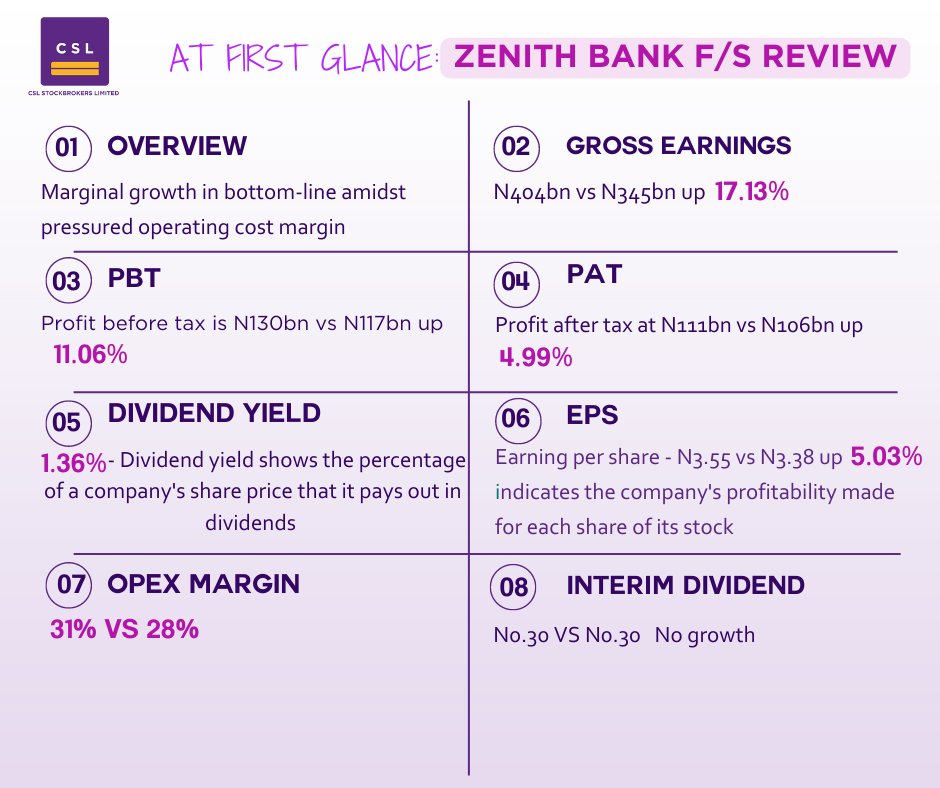
QUICK STOCK REVIEW AT FIRST GLANCE - @StanbicIBTC, @ZenithBank
Current prices at N28.00/s and N22.00/s respectively
Want to start your stock trading journey? Kindly send a DM
#financialstatementanalysis #StockMarket #StockToWatch #stockreview #investmentexpert #stocktrading
1
3

14 Mar 2022
Financial statements are a fantastic tool... if you know how to interpret them! 😉 Ron Coleman gives contractors advice on what to look for in the Winter issue of TIAC Times. @TIAC_ACIT #financialstatements #financialstatementanalysis #businessfinancials #thermalinsulation

1
2

15 Dec 2021
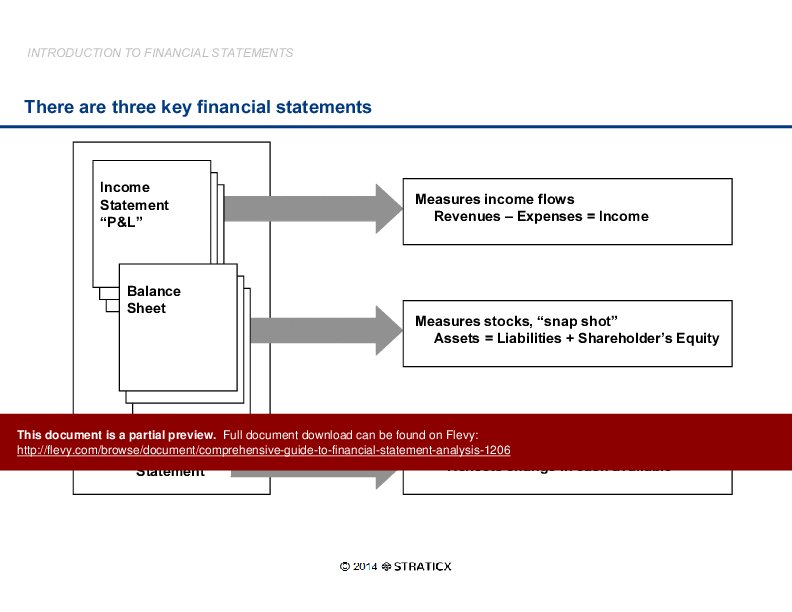
Comprehensive Guide to #FinancialStatementAnalysis - 89-slide deck flevy.com/browse/tweet/doc-1… #financialanalysis
#smb #lss x.com/flevydocs/status/14711… #strategy #smallbiz
1
1