mu:DD retweeted

Dudes be like you’re a great girl and I love spending time with you but I think my next hinge match could be my wife
22
271
5,437
80,060

all these sub 5 diddyfoids downloading hinge just to meet dudes from Bosnia C squad
6
ᥫ᭡ Nook Byori ৎ୭ 🌻🦋⚔️ retweeted

11h
had two girls match with me on hinge and they’ve both messaged me about each other…what do i even do here

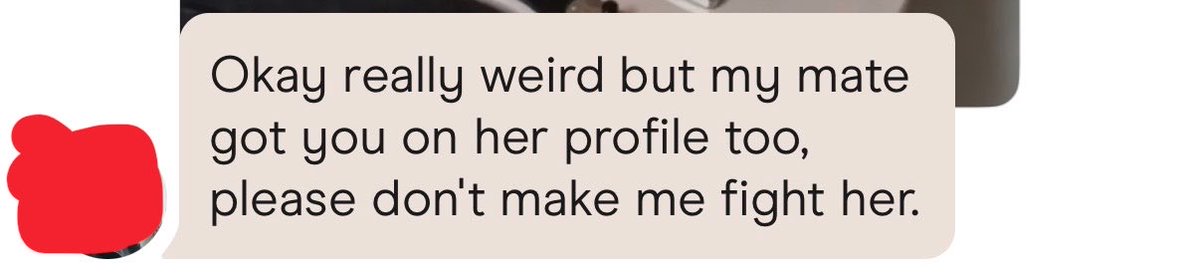
66
194
17,161
283,074

TV retweeted

Why tf would I want to take another look at this creature Hinge

103
25
2,252
136,480
cremé retweeted

he found me on hinge💔 do i do a rerun or do i kill myself
Jun 3

my 360 moment of being in a 2 year situationship to now posting on nsfwtwt😻😻😻
7
1
44
2,997

becomes another piece of evidence that the fearful heart will reinterpret wrongly.
And do not miss the mercy of God in allowing the fruit to be seen at all. He did not merely tell them, “Trust me,” and leave them with nothing visible. He gave them firstfruits. He gave them foretaste. He gave them something they could bring back to the camp and hold up as a witness. That means the later unbelief is not the unbelief of men who had no encouragement. It is the unbelief of men who had encouragement in their hands and still chose fear. This is why the passage is so severe. The fruit is a witness against them. It testifies that the land is real, the goodness is real, the promise is real - and still most of them refuse to move by faith.
Chapter Four: We Came Unto the Land… Surely It Floweth with Milk and Honey
When the spies return in verse 27, they begin well enough: “We came unto the land whither thou sentest us, and surely it floweth with milk and honey; and this is the fruit of it.” That is a true report. It is even a glorious report at first. They confirm the word of God. They acknowledge the land’s abundance. They point to the fruit as evidence. If the story stopped there, the nation could have marched forward in confidence. But the problem is not that they lie about the land. The problem is that they let a true statement become the prelude to a faithless conclusion.
This is one of the devil’s favorite strategies in the life of God’s people. He does not always need men to deny the blessing outright. He only needs them to put “nevertheless” in the wrong place. And that is exactly what happens in verse 28: “Nevertheless the people be strong that dwell in the land, and the cities are walled, and very great.” There is the pivot. The land is good - nevertheless. The fruit is real - nevertheless. God told the truth - nevertheless. And once that word “nevertheless” begins functioning as the hinge of the report, the promise has already begun to slide downward under the weight of visible opposition.
That is an enormously important spiritual lesson. Many people think unbelief only shows up in flat contradiction to God. But often unbelief begins by acknowledging the truth and then subordinating it to a larger fear. “Yes, God said that, but…” “Yes, I know the Bible says that, but…” “Yes, I know the Lord has promised, but…” That “but” becomes the place where unbelief builds its throne. The spies confirm the land and then use the realities of conflict to neutralize the practical force of the promise. That is how a truthful report can still become a faithless one. Facts are not enough. Facts need right interpretation under God’s word.
Chapter Five: Amalekites, Hittites, Jebusites, Amorites, and Canaanites
Verses 29 and following pile up the details of the opposition: Amalek in the south, Hittites, Jebusites, and Amorites in the mountains, Canaanites by the sea and by Jordan. In other words, the land looks crowded with enemies on every side. The report paints the inheritance as encircled, occupied, structured, and dangerous. The effect is psychological as much as military. The spies are giving the camp a map of difficulty. Every region has opposition. Every direction has adversaries. Humanly speaking, the land looks less like a gift and more like a nightmare.
Now again, the facts are not necessarily false. The inhabitants are there. The opposition is real. But the report is being organized in a way that overwhelms confidence in God. That is what makes it evil. Unbelief is often very detailed. It is skilled at cataloging reasons to retreat. It can tell you who is in the south, who is in the mountain, who is by the sea, and who is by Jordan. It can give you a fully developed geography of discouragement. And if you are not careful, all that apparent realism will look wiser than simple confidence in the word of the Lord.
This is why spiritual leadership is so vital. A people can be undone not only by lies, but by truth arranged in the
1
11

5 moyens de retrouver un profil sur Hinge
👉 youtu.be/nmOITrZlnvs
Meetic gratuit (alternative à Hinge) : e4d.fr/d8k4
Disons Demain gratuit ( 50 ans) : e4d.fr/97p0
#hinge #rencontre #rencontres #dating #célibataire
1
5

5 moyens de retrouver un profil sur Hinge
👉 youtu.be/nmOITrZlnvs
Meetic gratuit (alternative à Hinge) : e4d.fr/d8k4
Disons Demain gratuit ( 50 ans) : e4d.fr/97p0
#hinge #rencontre #rencontres #dating #célibataire
1
6

the love of your life is in the hidden tab of ur messages on hinge
3

So anyone who doesn’t like the film is a “YouTube ragebaiter” or a “TikTok attention muppet”? A movie with zero mystery that explains practically nothing outside of the childhood trauma they try to hinge the entire film on doesn’t need my full attention.

Are they? Only people I’m seeing complaining about the runtime are YouTube raigebaiters and TikTok Attention muppets. 20% is a good chunk of a movie that demands your full attention. Certainly enough time to miss important plot devices. But you do you.
6
Charles.e.Mc$hane retweeted

9 Jul 2025
Came out of retirement on hinge just to immediately get sent packing
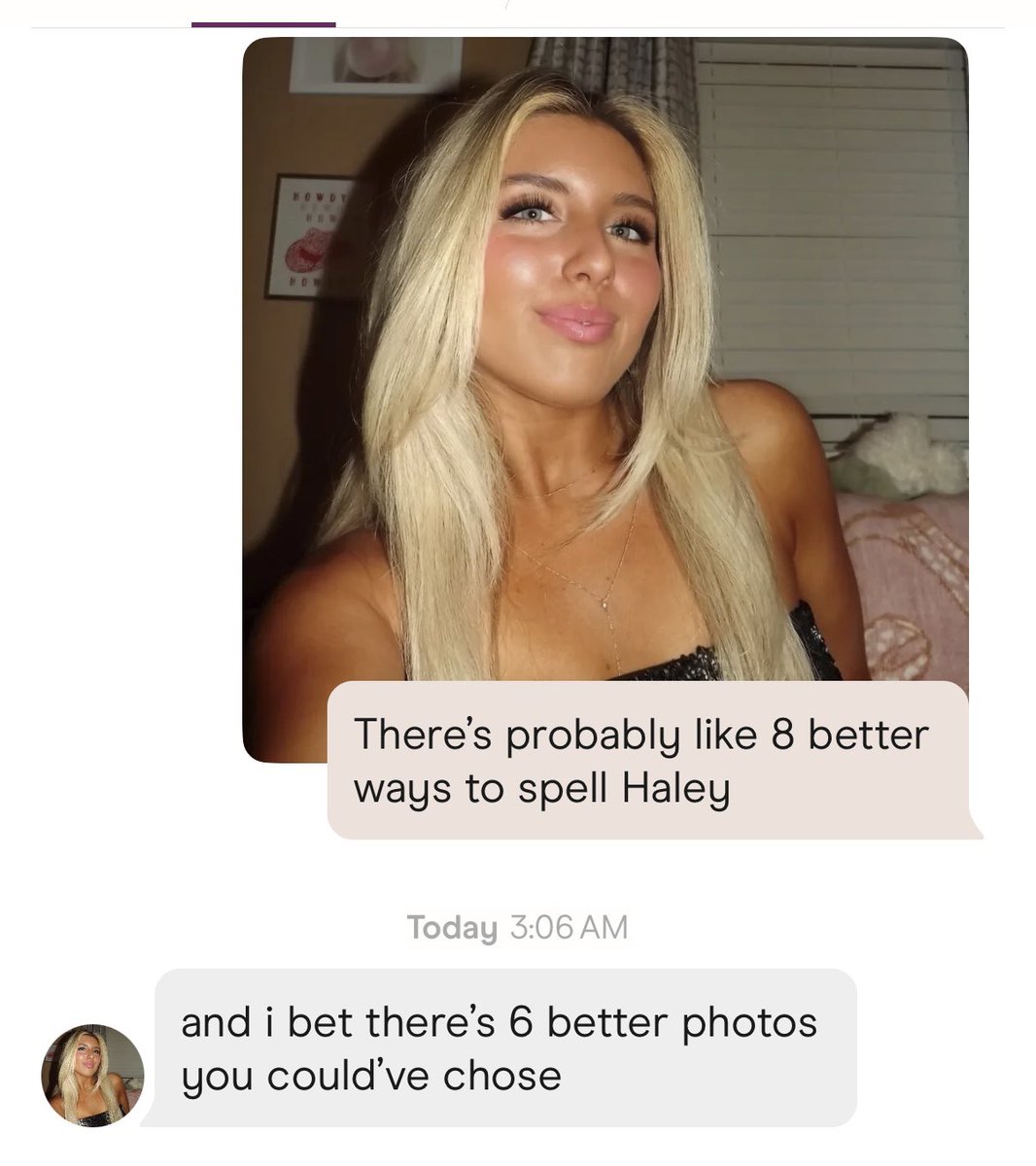

491
951
128,831
11,267,071