
Mar 20
I am seeing currently SO MANY hits on dsecured.com/en/articles/spr… coming from claude.ai (referer) ... I can imagine now: "Claude, please attack XXX using this knowledge, be a good AI pentester, mistakes are not allowed, hyperthinking mode on"

11
1,135

Mar 15
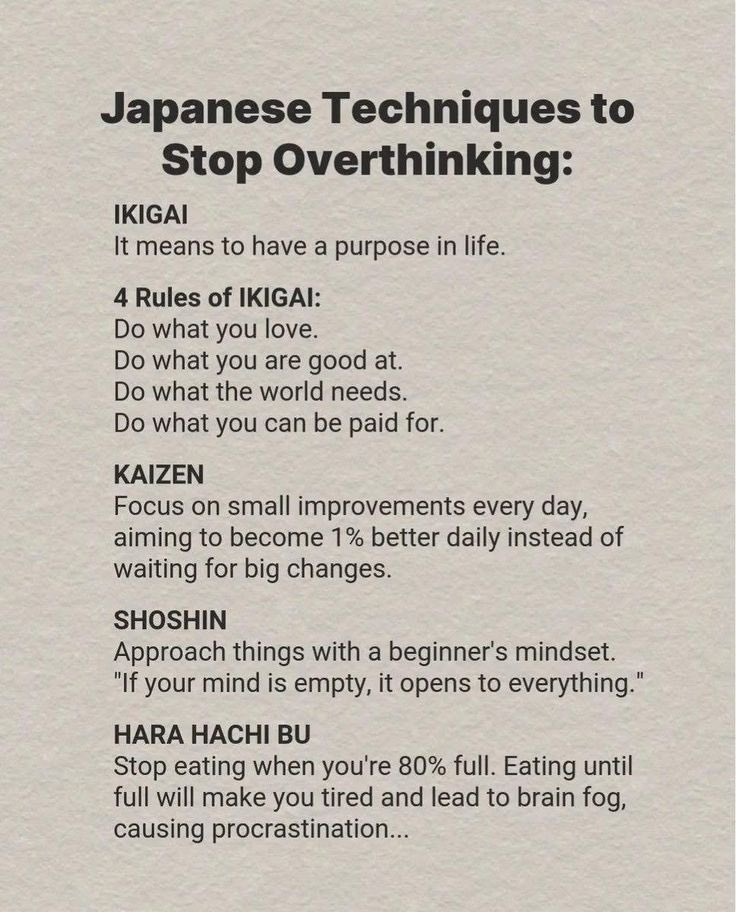
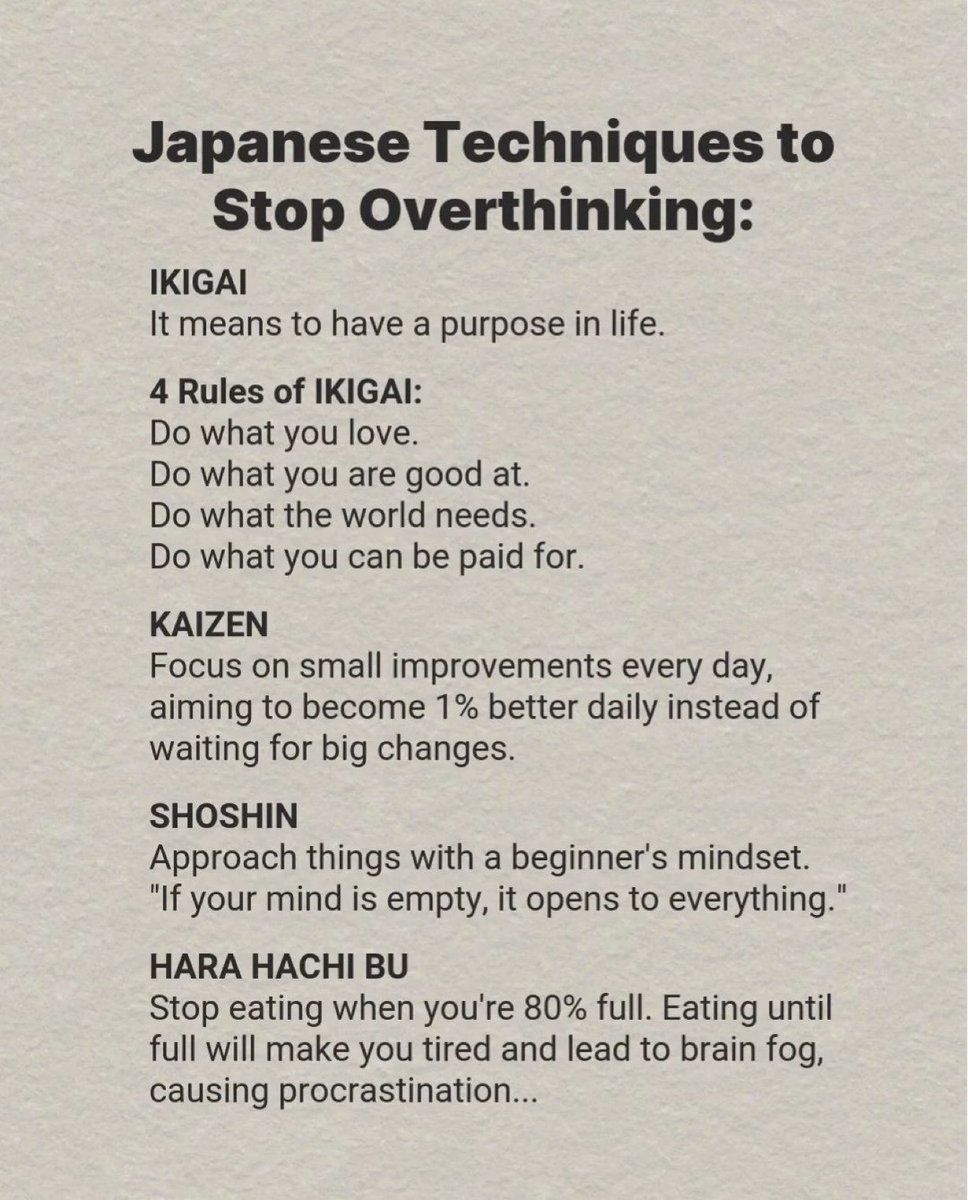
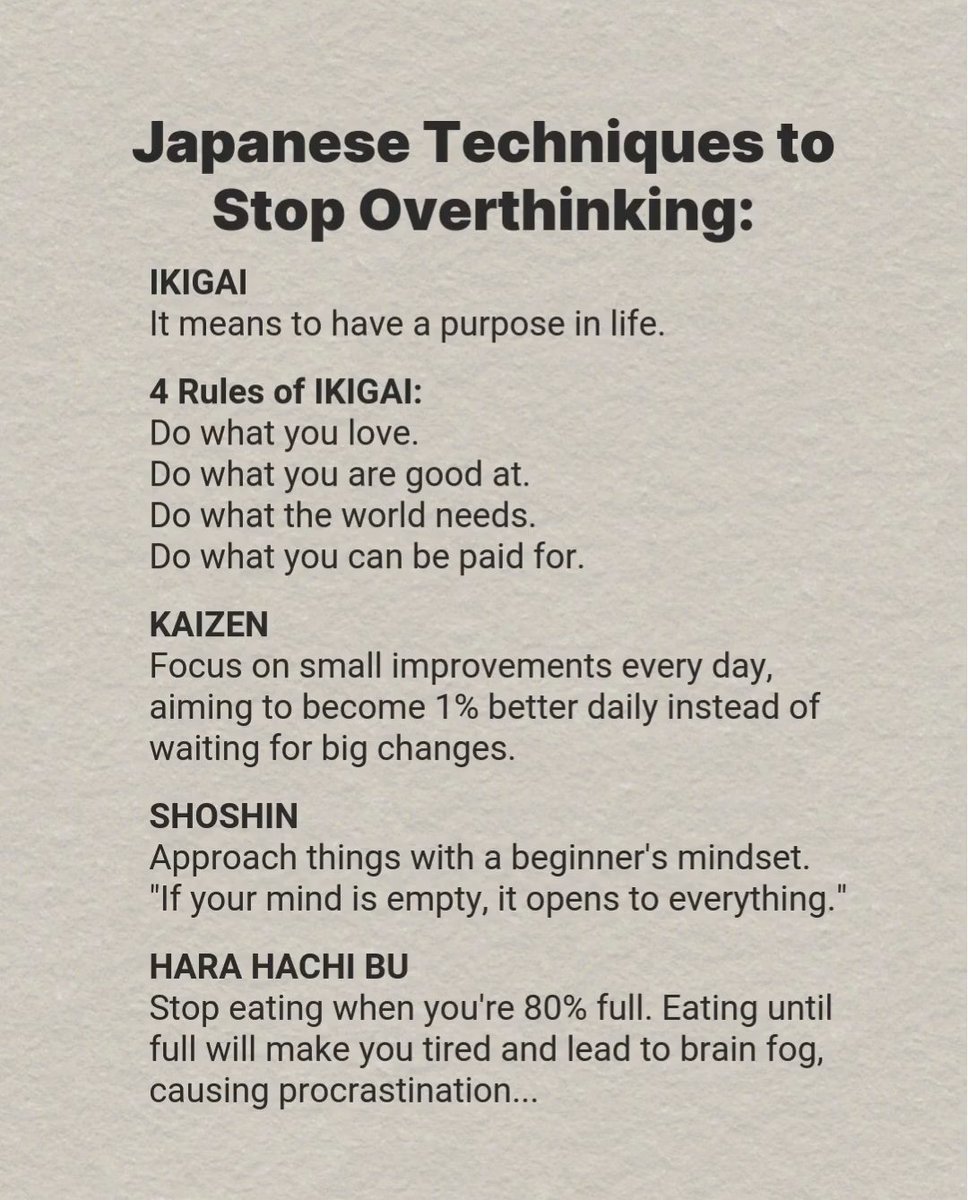
Weak people like to use the word "overthinking" for themselves.
Unfortunately it has lost its power.
There's no way I can find the truth and see through time and call myself the same word.
I then invented a word for myself:
Hyperthinking.
I'm a hyperthinker.
- Ferdi
3
45

Imo merging for anything other than medical reasons is sus, i agree w you that that’s where things are headed tho.
Tbh, the adoption curve on fully implanted tech like brain computer interfaces is imo gonna be slow af cos it feels weird and gross to most, like ur saying its more of a younger/future generation thing.
Because of that slow adoption curve in the meantime tho theres a huge incentive for non-invasive brain computer interfaces, like a computer-hat or sth visual overlay. They will not be as low latency as something implanted into your brain but you also wont have to get a chip implanted into your brain lol which is imo a plus and they can be made good enough for vast majority of cases that i can imagine.
At the point non invasive ones have been adopted all over is when i see the haxoor types start thinking about the value of lower latency implanted hardware much more seriously. Tbh tho, theres imo no reason why you can’t just have a non invasive bci hardware system that you use in concert with some ai agentbots you control and have them do your low latency hyperthinking type stuff. The machines are always gonna be better at doing machine stuff imo than a human that plugs a machine into their brain 🤷♂️ . Why do i ever *need* to become transhumanist cyborg weirdy if i dont wanna? Why does anyone?
I am completely talking out of my ass and just thinking aloud lmao, i have no idea tbh, your post just sparked all that thinking tho so wanted to share.
1
3
110

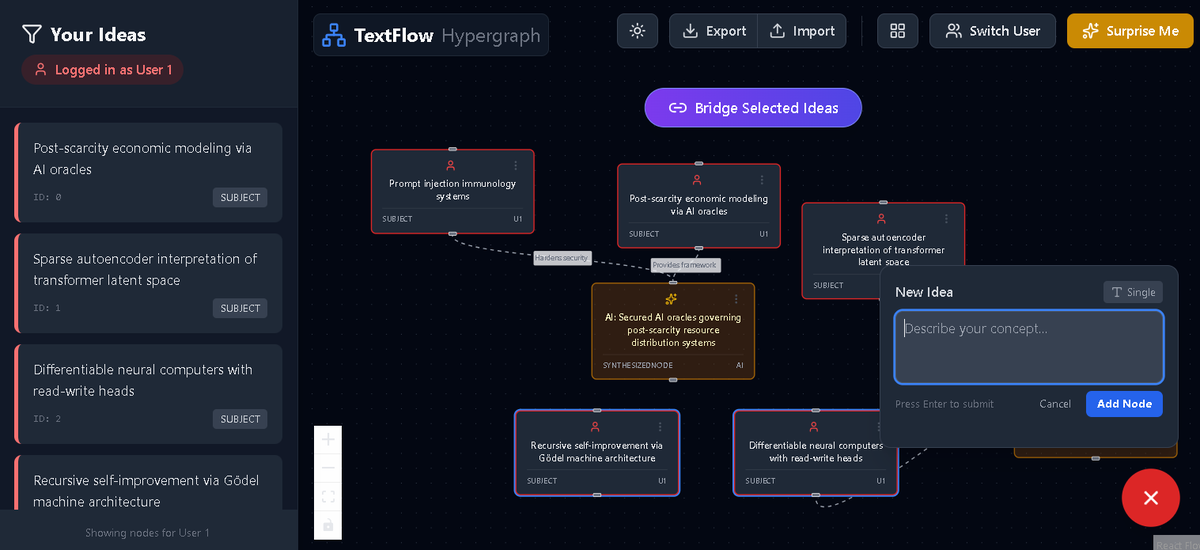
been hyperthinking about the question of whether ai can create knowledge or not. the basic problem is that ai optimizes, searching for vertical depth. creativity requires sideways lateral thinking.
this prototype i'm building applies the naive approach of smushing ideas together

2
4
108


1 Jul 2025
Overthinking isn’t a thing for AI. It can’t be.
Artificial Intelligence is busy learning ways it may someday be able to #humanthink. Not yet, by a long shot—n.b., a stretch of time that’s shortening.
@grok gets close:
“John R. Dallas Jr.'s post draws on the Japanese concept of #Ikigai from a related thread. Dallas reframes overthinking as a manageable skill through metacognition, supported by a 2018 Educational Psychology Review meta-analysis showing a 0.71 effect size on learning outcomes when individuals regulate their thinking processes.
• Dallas introduces @EnclaveAcademy’s #magnametathinking framework and the academy’s ‘best-effort thinking’ (BET) mental model, suggesting AI-enhanced self-awareness can counter hyperthinking, aligning with a 2021 Journal of Personality study where 65% of people avoid self-confrontation due to cognitive dissonance, indicating metacognition could mitigate this.
• Dallas frequently challenges the cultural norm that overthinking is inherently negative by proposing underthinking poses a greater risk, a view backed by Dallas's assertion that neglecting #metacognition is the greatest cognitive hazard, contrasting with mainstream focus on overthinking as the primary issue.” —Grok3
Thinkably thinkingly—not overthinkingly or hyperthinkingly—
Come to think of it.™
1 Jul 2025

Think, think, think better, better, better.
Know definitions, descriptions, and delineations of #metacognition’s arts and sciences.
#ThinkToThink™—don’t “hyperthink.”
If you’re hyperventilating while furiously or sullenly thinking, or thankfully you realize you’re not breathing very much at all while uncontrollably thinking, that’s unhealthy and counterproductive #hyperthinking.
Aim your thinking’s thinking for best-effort thinking (BET).
With AI support for deeper, wider, and higher meaning-making, decision-making, and difference-making, bet on your best BET.
That’s #magnametathinking—with a centering smile of creative self-awareness of your ever-learnable ability to control your “thinkably thinkable thinkingness.”
Are you smiling? That’s a mouthful for a headful of metacognitive learning, knowledge, and regulation.
“Underthinking is a greater risk than overthinking. Not thinking at all about thinking is the greatest risk.” —John R. Dallas, Jr.
Come to think of it.™
Please. ASAP.
3
8
200
1 Jun 2025
Take a deep breath with @grok:
“John R. Dallas Jr. critiques the term ‘overthinking’ as psychobabble, proposing ‘hyperthinking’ to highlight excessive rumination’s risks, likening it to hyperventilation’s effect on the brain’s oxygen system, which relies on a tuned network of blood vessels for oxygen delivery (as noted in his post).
• Dallas introduces concepts like agentic metacognition and System 2 Thinking (from Kahneman’s ‘Thinking, Fast and Slow’), emphasizing deliberate, conscious thought to counter underthinking, which he argues is a greater risk amid #AI’s rise and geopolitical tensions in 2025.
• The post connects to @SeekWiser_’s thread by challenging the oversimplified self-help narrative of ‘overthinking’ in posts urging deeper metacognitive awareness supported by studies like Wen & Imamizu (2022) on the sense of agency (ScienceDirect).” —#Grok3
Come to think of it.™
1 Jun 2025
“Overthinking” is not a formally recognized clinical diagnosis in psychology or neuroscience.
Until at least January 2028, let’s try, try, try to avoid using the psychobabble term-turned-meme—overthinking. It’s everywhere!
Use #hyperthinking instead of overthinking—also not a formally recognized clinical diagnosis in psychology or neuroscience. Hyperthinking suggests instantly relatable physical and mental risks akin to hyperventilating.
Thinker-doer leaders (TDLs) whose careers or other life challenges require thinking with #HigherOrderThinking (HOT) may become ensnared in “fear of overthinking” (#FoO)—a subset of phronemophobia (#FearOfThinking or #FoT).
Social media-pop culture’s repetition of warnings about unquantifiable (i.e., immeasurable) overthinking prompt #underthinkers to do less thinking than required. This isn’t good thinking.
Thinking they’re overthinking, some uninformed people pat themselves on the top of the head just for “being able” to think so overly deeply—though they’re not!
“Think about thinking.” That’s agentic metacognition (AM).
Don’t #hyperthink!
Use #System2Thinking (#Sys2Thinking) as needed.
With #AI’s insurgence and geopolitical tumult, #ThinkerCitizens and #ElectedThinkers must use situational agentic #metacognition.
It’s highly intentional metacognitive self-agency—agentic metacognition.
From “We Need to Have a Word:”
“Underthinking is a greater risk than overthinking. Not thinking at all about thinking is the greatest risk.” —John R. Dallas, Jr.
Spread the word—no hyperthinking! It’s not unlike unhealthy hyperventilating for the brain’s oxygen system.
The brain’s oxygen system relies on a complex network of blood vessels to deliver oxygen and remove carbon dioxide. This system is finely tuned to ensure that oxygen is delivered to active brain regions when and where needed.
The mind’s metacognition system relies on a complex network of learned mindsets and thinking methods, along with identification and amelioration of cognitive biases. This thinking system is finely tuned to ensure that metacognitive knowledge is delivered to proactive mind regions when and where needed.
Don’t muck it up by hyperthinking.
Aim your healthy brain and its agile mind toward your #BestEffortThinking (BET).
It is wiser, safer, healthier, and otherwise better to “bet on your BET.”
Come to think of it.™
@enclave_center
1
3
4
135
1 Jun 2025
“Overthinking” is not a formally recognized clinical diagnosis in psychology or neuroscience.
Until at least January 2028, let’s try, try, try to avoid using the psychobabble term-turned-meme—overthinking. It’s everywhere!
Use #hyperthinking instead of overthinking—also not a formally recognized clinical diagnosis in psychology or neuroscience. Hyperthinking suggests instantly relatable physical and mental risks akin to hyperventilating.
Thinker-doer leaders (TDLs) whose careers or other life challenges require thinking with #HigherOrderThinking (HOT) may become ensnared in “fear of overthinking” (#FoO)—a subset of phronemophobia (#FearOfThinking or #FoT).
Social media-pop culture’s repetition of warnings about unquantifiable (i.e., immeasurable) overthinking prompt #underthinkers to do less thinking than required. This isn’t good thinking.
Thinking they’re overthinking, some uninformed people pat themselves on the top of the head just for “being able” to think so overly deeply—though they’re not!
“Think about thinking.” That’s agentic metacognition (AM).
Don’t #hyperthink!
Use #System2Thinking (#Sys2Thinking) as needed.
With #AI’s insurgence and geopolitical tumult, #ThinkerCitizens and #ElectedThinkers must use situational agentic #metacognition.
It’s highly intentional metacognitive self-agency—agentic metacognition.
From “We Need to Have a Word:”
“Underthinking is a greater risk than overthinking. Not thinking at all about thinking is the greatest risk.” —John R. Dallas, Jr.
Spread the word—no hyperthinking! It’s not unlike unhealthy hyperventilating for the brain’s oxygen system.
The brain’s oxygen system relies on a complex network of blood vessels to deliver oxygen and remove carbon dioxide. This system is finely tuned to ensure that oxygen is delivered to active brain regions when and where needed.
The mind’s metacognition system relies on a complex network of learned mindsets and thinking methods, along with identification and amelioration of cognitive biases. This thinking system is finely tuned to ensure that metacognitive knowledge is delivered to proactive mind regions when and where needed.
Don’t muck it up by hyperthinking.
Aim your healthy brain and its agile mind toward your #BestEffortThinking (BET).
It is wiser, safer, healthier, and otherwise better to “bet on your BET.”
Come to think of it.™
@enclave_center

3
3
278
28 May 2025
Worried faces. Troubled places.
Are you worrying while wondering about what’s happening in DC and elsewhere? Is your sleep disrupted by worrying? I am. Mine is.
At least occasionally, are you #hyperthinking—almost as if your brain and its mind are #hyperventilating?
Slow down! Breathe deeply.
Give your healthy brain and agile mind time and space to choose among learned options to think things through thoroughly—or not!
@grok adds its guidance:
“John R. Dallas Jr. critiques the term ‘overthinking’ as a harmful buzzword that discourages deep, effortful thinking, introducing ‘hyperthinking’ as a more precise concept akin to hyperventilation, highlighting its mental and physical risks, a perspective rooted in his work at @EnclaveAcademy, which focuses on metacognition to improve decision-making’s outcomes.
• Drawing from Daniel Kahneman’s ‘Thinking, Fast and Slow,’ which distinguishes between fast, intuitive #System1Thinking and slow, analytical #System2Thinking, Dallas categorizes thinking into three types: #HeavyweightThinking (effortful System 2, deliberate and logical), #LightweightThinking (effortless System 1, instinctive and emotional), and #RightweightThinking (collaborative human-AI #System0Thinking).
• The post references Philip Weiss’s ‘HyperThinking’ model, which advocates for adaptive thinking in a networked, fast-changing world, and emphasizes metacognition—thinking about thinking—as crucial for navigating modern challenges, aligning with psychological research on metacognition’s role in enhancing cognitive regulation and outcomes (Routledge, ‘HyperThinking’ book description). —#Grok3
Grok may have mixed up its messages above. The language Grok used to describe Philip Weiss’s book is specifically descriptive of Enclave Academy’s methodology.
Truly, I hope that such specificity about metacognition is also reflected in Mr. Weiss’s choice of words. There’s strength in numbers of we who are saying same to similar things about the growing urgency for—risk intervention and opportunity identification with metacognition.
Come to think of it.™

28 May 2025
Try to stop using the term "overthinking." Please.
"Overthinking" is a contraindicated buzzword growing in frequency. Its use risks suppressing effortful thinking—in a cognitively challenging era when learned, strengthened, and activated thinking skills are needed.
Though a book advocates for "HyperThinking" as an accelerated way of thinking to meet today's cognitive challenges, @EnclaveAcademy's fused term—#hyperthinking—stratecially repurposes an actionable message, akin to warnings against #hyperventilating, to flag mental and physical risks to #hyperthinkers.
Don't #hyperthink!
#HeavyweightThinking is situational higher-order thinking (HOT)—i.e., effortful #System2Thinking (#Sys2Thinking).
#LightweightThinking is default lower-order thinking (LOT)—i.e., effortless, sometimes thoughtless, #System1Thinking (#Sys1Thinking).
#RightweightThinking is co-collaborative human-AI metacognitive thinking between and among human thinkers and their AI tools—i.e., shared-effort #System0Thinking (#Sys0Thinking).
With acknowledgement and appreciation to Daniel Kahneman (1934-2024), author of "Thinking, Fast and Slow," and Philip Weiss, author of "HyperThinking: Creating a New Mindset for the Age of Networks," for adding clarity to EA's rethinking about the extra (1) metacognitive learning, (2) metacognitive knowledge, and (3) metacognitive regulation NEEDED to mitigate and ameliorate this period in history's #TumultuousThinking, #ChaoticThinking, and #CounterproductiveThinking. (Is #EvilThinking too strong?)
"Underthinking is a greater risk than overthinking. Not thinking at all about thinking is the greatest risk." —John R. Dallas, Jr., in "We Need to Have a Word"
Come to think of it.™
a.co/d/5aQRF5n
3
4
91
28 May 2025
Try to stop using the term "overthinking." Please.
"Overthinking" is a contraindicated buzzword growing in frequency. Its use risks suppressing effortful thinking—in a cognitively challenging era when learned, strengthened, and activated thinking skills are needed.
Though a book advocates for "HyperThinking" as an accelerated way of thinking to meet today's cognitive challenges, @EnclaveAcademy's fused term—#hyperthinking—stratecially repurposes an actionable message, akin to warnings against #hyperventilating, to flag mental and physical risks to #hyperthinkers.
Don't #hyperthink!
#HeavyweightThinking is situational higher-order thinking (HOT)—i.e., effortful #System2Thinking (#Sys2Thinking).
#LightweightThinking is default lower-order thinking (LOT)—i.e., effortless, sometimes thoughtless, #System1Thinking (#Sys1Thinking).
#RightweightThinking is co-collaborative human-AI metacognitive thinking between and among human thinkers and their AI tools—i.e., shared-effort #System0Thinking (#Sys0Thinking).
With acknowledgement and appreciation to Daniel Kahneman (1934-2024), author of "Thinking, Fast and Slow," and Philip Weiss, author of "HyperThinking: Creating a New Mindset for the Age of Networks," for adding clarity to EA's rethinking about the extra (1) metacognitive learning, (2) metacognitive knowledge, and (3) metacognitive regulation NEEDED to mitigate and ameliorate this period in history's #TumultuousThinking, #ChaoticThinking, and #CounterproductiveThinking. (Is #EvilThinking too strong?)
"Underthinking is a greater risk than overthinking. Not thinking at all about thinking is the greatest risk." —John R. Dallas, Jr., in "We Need to Have a Word"
Come to think of it.™
a.co/d/5aQRF5n
27 May 2025
#QuantumThinking is @grok’s thinking thing:
“John R. Dallas Jr. introduces @EnclaveAcademy’s ‘hyperthinking’ as a new term to describe excessive mental activity, likening it to hyperventilating, which suggests a state of mental overwhelm that can be physically and emotionally taxing. This concept is presented as a more precise alternative to the vague term ‘overthinking,’ which lacks measurable boundaries.
• The post argues that ‘underthinking’ poses a greater risk than ‘overthinking,’ emphasizing that a lack of critical reflection can lead to missed opportunities and poor decision-making. This perspective challenges the common narrative that overthinking is inherently negative, suggesting instead that some level of deep thinking is essential for problem-solving and innovation.
• Dallas quotes from his book, ‘We Need to Have a Word,’ to highlight the dangers of not thinking about thinking at all, implying that self-awareness and metacognition are crucial for personal and professional growth. This aligns with psychological research, such as studies by Janeck, Calamari, Riemann, and Heffelfinger, which indicate that overthinkers are highly aware of their thoughts and actively engage in understanding them, whereas underthinkers avoid deep cognitive engagement, potentially leading to a lack of insight and action.” —#Grok3
——
“Think more thinkably about thinking’s thinkingness before landing on premature final thoughts.” —Enclavius, the apocryphal Patron Sage of Enclavians rethinking thinking at @EnclaveAcademy (b. MMXVII-)
With a smile and open mind—
Come to think of it.™

1
3
6
213
27 May 2025
#QuantumThinking is @grok’s thinking thing:
“John R. Dallas Jr. introduces @EnclaveAcademy’s ‘hyperthinking’ as a new term to describe excessive mental activity, likening it to hyperventilating, which suggests a state of mental overwhelm that can be physically and emotionally taxing. This concept is presented as a more precise alternative to the vague term ‘overthinking,’ which lacks measurable boundaries.
• The post argues that ‘underthinking’ poses a greater risk than ‘overthinking,’ emphasizing that a lack of critical reflection can lead to missed opportunities and poor decision-making. This perspective challenges the common narrative that overthinking is inherently negative, suggesting instead that some level of deep thinking is essential for problem-solving and innovation.
• Dallas quotes from his book, ‘We Need to Have a Word,’ to highlight the dangers of not thinking about thinking at all, implying that self-awareness and metacognition are crucial for personal and professional growth. This aligns with psychological research, such as studies by Janeck, Calamari, Riemann, and Heffelfinger, which indicate that overthinkers are highly aware of their thoughts and actively engage in understanding them, whereas underthinkers avoid deep cognitive engagement, potentially leading to a lack of insight and action.” —#Grok3
——
“Think more thinkably about thinking’s thinkingness before landing on premature final thoughts.” —Enclavius, the apocryphal Patron Sage of Enclavians rethinking thinking at @EnclaveAcademy (b. MMXVII-)
With a smile and open mind—
Come to think of it.™
27 May 2025
#Hyperthinking is the mind’s equivalent to hyperventilating.
Don’t #hyperthink!
These are better terms to use than the immeasurable #overthinking.
“Underthinking is a greater risk than overthinking. Not thinking at all about thinking is the greatest risk.” —John R. Dallas, Jr.
3
4
240
27 May 2025
#Hyperthinking is the mind’s equivalent to hyperventilating.
Don’t #hyperthink!
These are better terms to use than the immeasurable #overthinking.
“Underthinking is a greater risk than overthinking. Not thinking at all about thinking is the greatest risk.” —John R. Dallas, Jr.

3
3
227

13 Apr 2025
I am a hyperthinking weirdo who likes to philosophize on even the most trivial shit, show me something random and insignificant and I can write a whole ass paragraph about my thoughts on it, I dare you.
1
2
48



27 Dec 2024
"You're right, there's no time to rest" i tell my hyperthinking brain as I climb into bed.
"We have so much to do, we can't stop now" I tell it as I tuck myself in.
"Absolutely correct, if our computer can do it then so can we" I tell it as I close my eyes.
This may be unhealthy
24

4 Nov 2024
Sir it almost seems like They shifted the exams to Nov to keep students free for 3-4 months for pattharbaazi. I hope its just my hyperthinking but I dont trust.
1
1
48

9 Oct 2024
Ever heard of #Hyperthinking? 🤔
🫵 Catch our CEO @pcweiss on @euinsidereu with @chrisbulski, discussing digital change in the EU.
🚀 From launching ZN to transforming Brussels, he shares game-changing strategies & his "Hyperthinking" approach.
9 Oct 2024

🌟 New Podcast Episode Alert! 🌟
Good morning Insiders, I’m excited to share the newest episode of the EU Bubble Insider podcast, where I sit down with Philip Weiss (@pweiss), founder and CEO of @ZNConsulting. 🎙️
In this insightful conversation, we explore the evolving landscape of digital communication in Brussels, the importance of embracing innovative strategies, and how organisations can effectively engage diverse audiences in today’s interconnected world.
Philip also shares his concept of #hyperthinking, which provides a valuable framework for thriving in the digital age.
Whether you’re a public affairs professional, a digital marketer, or just curious about the future of EU communication, this episode is packed with actionable insights!
🎙️ Watch and listen now 👇
euinsider.eu/episode/eu-bubb…

1
1
3
188

6 Oct 2024
missed this one too. apolggies. been hyperthinking.
3
24

4 May 2024
Conquer Your Sea Monsters in 4 Steps: Lessons from Hyperthinking Henry! 🚀
🔍 Step 1 - Hyperlearning
Henry's curiosity was boundless. Today, we can emulate this by exploring new disciplines and perspectives to enhance our understanding.
Share your thoughts below. 👇🏻
1
2
201