
28 May 2025
Worried faces. Troubled places.
Are you worrying while wondering about what’s happening in DC and elsewhere? Is your sleep disrupted by worrying? I am. Mine is.
At least occasionally, are you #hyperthinking—almost as if your brain and its mind are #hyperventilating?
Slow down! Breathe deeply.
Give your healthy brain and agile mind time and space to choose among learned options to think things through thoroughly—or not!
@grok adds its guidance:
“John R. Dallas Jr. critiques the term ‘overthinking’ as a harmful buzzword that discourages deep, effortful thinking, introducing ‘hyperthinking’ as a more precise concept akin to hyperventilation, highlighting its mental and physical risks, a perspective rooted in his work at @EnclaveAcademy, which focuses on metacognition to improve decision-making’s outcomes.
• Drawing from Daniel Kahneman’s ‘Thinking, Fast and Slow,’ which distinguishes between fast, intuitive #System1Thinking and slow, analytical #System2Thinking, Dallas categorizes thinking into three types: #HeavyweightThinking (effortful System 2, deliberate and logical), #LightweightThinking (effortless System 1, instinctive and emotional), and #RightweightThinking (collaborative human-AI #System0Thinking).
• The post references Philip Weiss’s ‘HyperThinking’ model, which advocates for adaptive thinking in a networked, fast-changing world, and emphasizes metacognition—thinking about thinking—as crucial for navigating modern challenges, aligning with psychological research on metacognition’s role in enhancing cognitive regulation and outcomes (Routledge, ‘HyperThinking’ book description). —#Grok3
Grok may have mixed up its messages above. The language Grok used to describe Philip Weiss’s book is specifically descriptive of Enclave Academy’s methodology.
Truly, I hope that such specificity about metacognition is also reflected in Mr. Weiss’s choice of words. There’s strength in numbers of we who are saying same to similar things about the growing urgency for—risk intervention and opportunity identification with metacognition.
Come to think of it.™

28 May 2025

Try to stop using the term "overthinking." Please.
"Overthinking" is a contraindicated buzzword growing in frequency. Its use risks suppressing effortful thinking—in a cognitively challenging era when learned, strengthened, and activated thinking skills are needed.
Though a book advocates for "HyperThinking" as an accelerated way of thinking to meet today's cognitive challenges, @EnclaveAcademy's fused term—#hyperthinking—stratecially repurposes an actionable message, akin to warnings against #hyperventilating, to flag mental and physical risks to #hyperthinkers.
Don't #hyperthink!
#HeavyweightThinking is situational higher-order thinking (HOT)—i.e., effortful #System2Thinking (#Sys2Thinking).
#LightweightThinking is default lower-order thinking (LOT)—i.e., effortless, sometimes thoughtless, #System1Thinking (#Sys1Thinking).
#RightweightThinking is co-collaborative human-AI metacognitive thinking between and among human thinkers and their AI tools—i.e., shared-effort #System0Thinking (#Sys0Thinking).
With acknowledgement and appreciation to Daniel Kahneman (1934-2024), author of "Thinking, Fast and Slow," and Philip Weiss, author of "HyperThinking: Creating a New Mindset for the Age of Networks," for adding clarity to EA's rethinking about the extra (1) metacognitive learning, (2) metacognitive knowledge, and (3) metacognitive regulation NEEDED to mitigate and ameliorate this period in history's #TumultuousThinking, #ChaoticThinking, and #CounterproductiveThinking. (Is #EvilThinking too strong?)
"Underthinking is a greater risk than overthinking. Not thinking at all about thinking is the greatest risk." —John R. Dallas, Jr., in "We Need to Have a Word"
Come to think of it.™
a.co/d/5aQRF5n
3
4
91
28 May 2025
Try to stop using the term "overthinking." Please.
"Overthinking" is a contraindicated buzzword growing in frequency. Its use risks suppressing effortful thinking—in a cognitively challenging era when learned, strengthened, and activated thinking skills are needed.
Though a book advocates for "HyperThinking" as an accelerated way of thinking to meet today's cognitive challenges, @EnclaveAcademy's fused term—#hyperthinking—stratecially repurposes an actionable message, akin to warnings against #hyperventilating, to flag mental and physical risks to #hyperthinkers.
Don't #hyperthink!
#HeavyweightThinking is situational higher-order thinking (HOT)—i.e., effortful #System2Thinking (#Sys2Thinking).
#LightweightThinking is default lower-order thinking (LOT)—i.e., effortless, sometimes thoughtless, #System1Thinking (#Sys1Thinking).
#RightweightThinking is co-collaborative human-AI metacognitive thinking between and among human thinkers and their AI tools—i.e., shared-effort #System0Thinking (#Sys0Thinking).
With acknowledgement and appreciation to Daniel Kahneman (1934-2024), author of "Thinking, Fast and Slow," and Philip Weiss, author of "HyperThinking: Creating a New Mindset for the Age of Networks," for adding clarity to EA's rethinking about the extra (1) metacognitive learning, (2) metacognitive knowledge, and (3) metacognitive regulation NEEDED to mitigate and ameliorate this period in history's #TumultuousThinking, #ChaoticThinking, and #CounterproductiveThinking. (Is #EvilThinking too strong?)
"Underthinking is a greater risk than overthinking. Not thinking at all about thinking is the greatest risk." —John R. Dallas, Jr., in "We Need to Have a Word"
Come to think of it.™
a.co/d/5aQRF5n
27 May 2025
#QuantumThinking is @grok’s thinking thing:
“John R. Dallas Jr. introduces @EnclaveAcademy’s ‘hyperthinking’ as a new term to describe excessive mental activity, likening it to hyperventilating, which suggests a state of mental overwhelm that can be physically and emotionally taxing. This concept is presented as a more precise alternative to the vague term ‘overthinking,’ which lacks measurable boundaries.
• The post argues that ‘underthinking’ poses a greater risk than ‘overthinking,’ emphasizing that a lack of critical reflection can lead to missed opportunities and poor decision-making. This perspective challenges the common narrative that overthinking is inherently negative, suggesting instead that some level of deep thinking is essential for problem-solving and innovation.
• Dallas quotes from his book, ‘We Need to Have a Word,’ to highlight the dangers of not thinking about thinking at all, implying that self-awareness and metacognition are crucial for personal and professional growth. This aligns with psychological research, such as studies by Janeck, Calamari, Riemann, and Heffelfinger, which indicate that overthinkers are highly aware of their thoughts and actively engage in understanding them, whereas underthinkers avoid deep cognitive engagement, potentially leading to a lack of insight and action.” —#Grok3
——
“Think more thinkably about thinking’s thinkingness before landing on premature final thoughts.” —Enclavius, the apocryphal Patron Sage of Enclavians rethinking thinking at @EnclaveAcademy (b. MMXVII-)
With a smile and open mind—
Come to think of it.™

1
3
6
213
24 May 2025
Metaphors for metacognition predate Eve’s misthought sale to Adam of the first apple product.
“Think about your thinking” messages ring out from every fossilized remnant of earliest cognition—from survivalist to contrivance thinking, the brain is called from on high to higher-order thinking (HOT).
Discovery of thinking’s thinkingness far outweighs in value to humanity fire or “the wheel.”
Thinking precedes thoughts. Work on your thinking skills to improve your thoughts.
Metacognitive learning, metacognitive knowledge, and metacognitive regulation are immemorial thinking truths—as old as evidence of the first brain’s discerning mind.
Yes, there’s chicken-and-egg humor in some of @EnclaveAcademy’s metaphorical pleas for brains, minds, and bodies (BMBs) to be more strategically aligned for #AI’s clarion call for best-effort thinking (BET)—to capitalize on shared metacognition’s #System0Thinking.
Each morning, “make your head” with #System2Thinking’s agentic metacognition (AM)—before you make your bed in which you’ll sleep that evening with #System1Thinking’s passive metacognition (PM).
Even @grok has a bit o’ fun tucking-in our thinking’s sheets, covers, and comforters, while fluffing the king-size pillows in our minds:
“The post by John R Dallas Jr uses the metaphor of an Airbnb host preparing a property to highlight the importance of readying one’s brain, mind, and body (BMB) for effective thinking, drawing on the concept of metacognition—thinking about thinking—as a tool for self-regulation and growth, as described in the Ness Labs article from 2022.
• The image of a man in a suit making a bed symbolizes the meticulous preparation a ‘thinker-doer leader’ (TDL) should undertake, akin to how Airbnb hosts manage risks and rewards, a nod to the platform's growth challenges and leadership lessons outlined in the 2018 Medium article by Leigh Gallagher.
• The emphasis on BMB preparation ties back to Dallas’s earlier posts where he stresses aligning mental and physical states to avoid biases and achieve peak performance, reflecting a broader theme of consistency and effort also championed by @readswithravi.” —#Grok3
Come to think of it.™ …with a smile.
24 May 2025
Adults worry about an #AirBNB more than #TheirBMB—brain, mind, and body (BMB). As a host clears and cleans a property for customers, a thinker-doer leader (TDL) similarly prepares for the risks and rewards associated with preparing their BMB for efficient and rewarding #thinking.

3
3
257
3 May 2025
“Counterproductive thinking” is among better nonclinical terms than “overthinking” for healthy and agile minds to store and embrace as cognitive warning alerts and alarms.
“Underthinking” characterizes what very well could be the mind’s unconscious avoidance of #System2Thinking’s physical discomfort for its brain.
#ThinkingHurts.
Have you said, “My head hurts,” while thinking deeply or for an extended period? I trust you said, “Yes!”
Healthy brains can sometimes sense noticeable physical discomfort’s ratable 1-to-10 pain when their minds are engaged in effortful higher-order thinking (HOT), neuroscientific research suggests.
Pop culture’s annoyingly increasing warnings to “avoid overthinking” often mischaracterize—thus risk forestalling—#System2Thinking’s effortful “best-effort thinking” (BET) when it’s needed the most.
#Metacognition skills give you navigational tools and regulatory control to steer your cognitive course of thinking action for:
1. meaning-making,
2. decision-making,
3. difference-making, and
4. memory-making.
Use your metacognitive sensitivity to “spot” your mind’s heavy lifting of various levels of cognitive weight plates.
From underthinking’s dumbbells to #System1Thinking’s barbells and #System2Thinking’s weight machines, invite #AI’s chatbots to be your mental workout partners.
#System0Thinking names co-metacognition when humans and machines think together about the strengths of their combined thinking about thinking.
Is your mind saying to your brain, “Enough with this pain! Let’s take a break from this Dallas guy’s Metacognition Gym?” 😉
“No brain pain, no mind gain,” we quip during @EnclaveAcademy’s #ThinkToThink™ metacognition workouts.”
Come to think of it.™
en.m.wikipedia.org/wiki/Meta…
2
4
288
30 Apr 2025
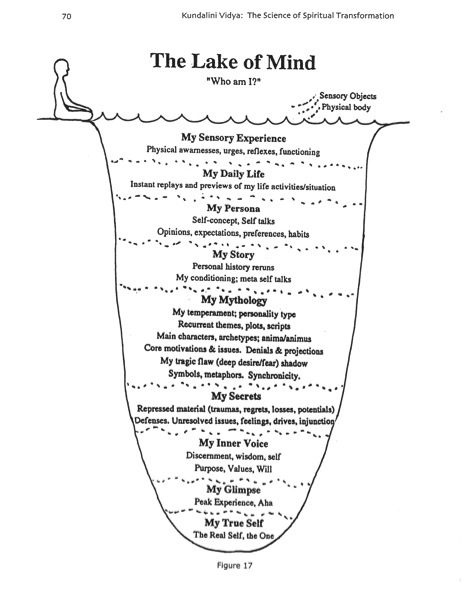
A #metacognition maps of this illustrative type draw us into deeper higher-order thinking (DHOT)—#BothAndThinking about thinking.
For thinking alongside #AI tools as co-thinking partners, #ThinkerDoers pause to switch thinking gears into #System2Thinking then #System0Thinking.

1
3
4
67
27 Apr 2025
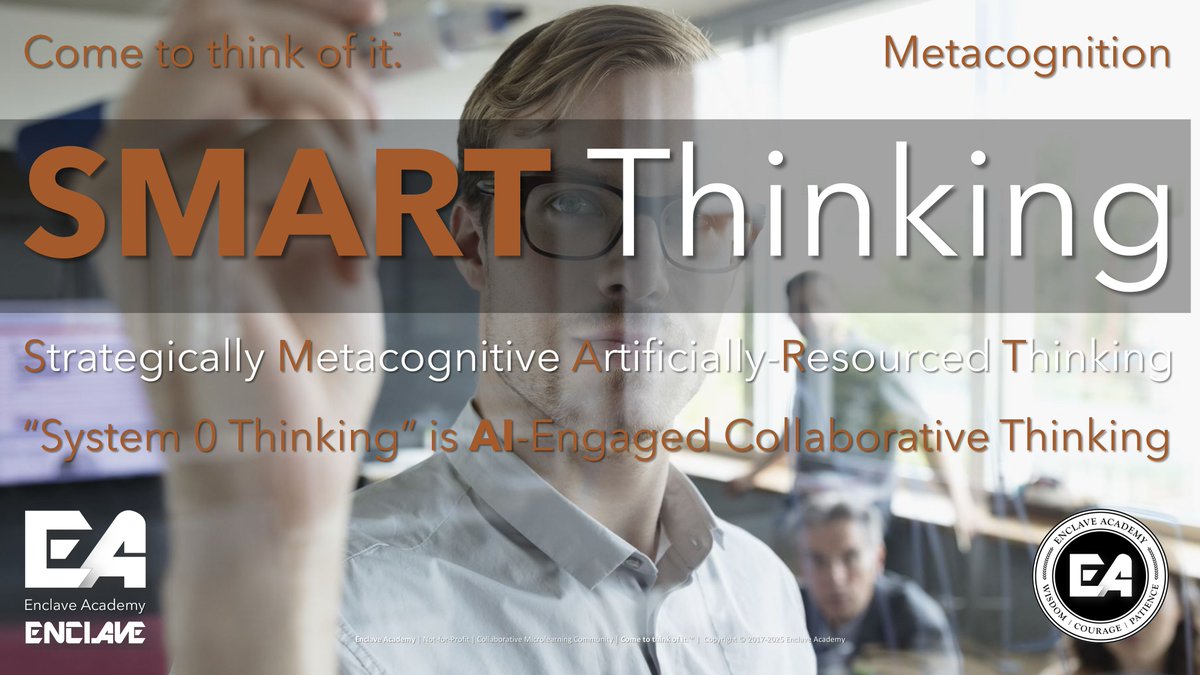
#SMARTthinking strengthens #System0Thinking.
Strategically Metacognitive Artificially Resourced Thinking (SMART) sets your mind settings for constructive collaborative thinking with #AI tools such as @ChatGPTapp, @perplexity_ai, @grok, @GoogleDeepMind, et al. Improve your #AIQ.
3
6
416
19 Apr 2025
From @grok, this interpretive PS:
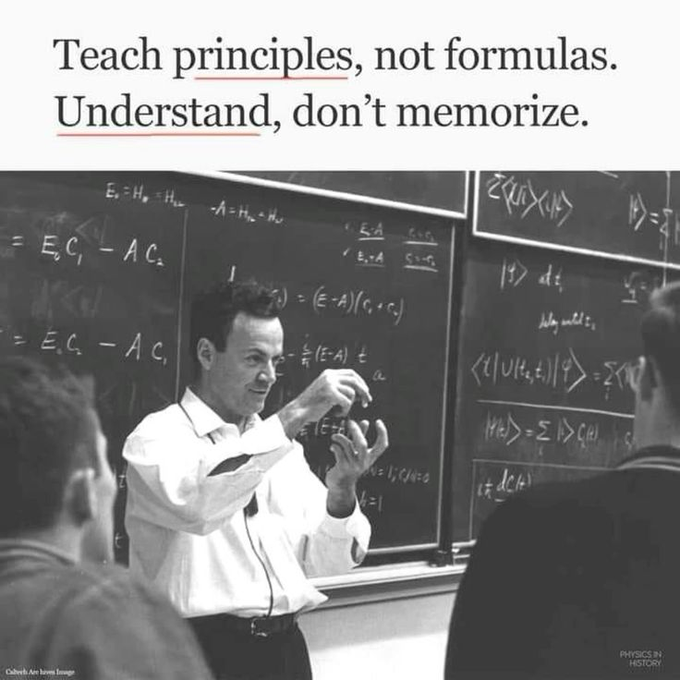
“The post by John R Dallas Jr emphasizes #metacognition—‘thinking about thinking’—to enhance #System2Thinking, which involves deliberate, analytical reasoning, as opposed to the intuitive less effortful #System1Thinking described in Daniel Kahneman's 2011 book ‘Thinking, Fast and Slow.’ It connects this to the quoted @ScholarshipfPhd post, advocating for understanding principles over rote memorization in education.
• Dallas introduces #System0Thinking, a concept tied to human-AI collaboration, suggesting that metacognitive skills can improve interactions with AI chatbots, aligning with @EnclaveAcademy's mission to foster collaborative learning through microlearning and workshops, as noted.
• Research supports this approach: a 2021 study in the ‘Journal of Cognitive Enhancement’ found that structured, non-religious rituals—like those used by Enclave Academy—can reduce anxiety and boost learning outcomes, reinforcing the post's focus on metacognitive engagement for better decision-making.” —#Grok3
With eternal gratitude for the metacognitive sensitivity taught by scientist-professor Richard Phillips Feynman (1918-1988).
Come to think of it.™
en.m.wikipedia.org/wiki/Rich…

19 Apr 2025
Teach thinker-doers metacognition’s “thinking about thinking” missions, methods, and means. Illuminating the “whys,” ways, and tools for #System2Thinking’s #HigherOrderThinking (HOT) moves minds into collaborative metacognitive engagement—for #System0Thinking with #AI’s chatbots.
3
3
96
19 Apr 2025
Teach thinker-doers metacognition’s “thinking about thinking” missions, methods, and means. Illuminating the “whys,” ways, and tools for #System2Thinking’s #HigherOrderThinking (HOT) moves minds into collaborative metacognitive engagement—for #System0Thinking with #AI’s chatbots.
19 Apr 2025

3
6
300
8 Apr 2025
Allow @grok the final whisper into your Hundred Acre Wood’s third ear:
“The X post by John R Dallas Jr uses A.A. Milne's Hundred Acre Wood from Winnie-the-Pooh as a metaphor for the human brain, suggesting that Milne's stories subtly teach metacognition—thinking about thinking—to help navigate life's uncertainties.
• Metacognition, as highlighted in the post, is backed by research from Ness Labs, which notes its role in enhancing self-regulation and creativity, allowing individuals to shift from confusion to clarity, a concept Dallas ties to Pooh's simple yet profound experiences.
• Dallas references Kahneman’s #System2Thinking and #System0Thinking, referencing cognitive science concepts where System 2 involves deliberate, analytical thought, and System 0 (a less common term) is AI-assisted thinking processes, urging readers to adopt new mindsets and thinking methods for modern challenges.”
#TaoOfPooh
a.co/d/7xhdLbo
8 Apr 2025
Carry Winnie-the-Pooh with you. I do.
Memory has A.A.Milne’s metacognitive sensitivity and intellectual generosity in our adult memory waiting to be discovered and reframed in the “Hundred Acre Wood”—#Milne’s luminescent metaphor for our human #brains and their metacognitive minds.
Did I hear you just say, “Oh! I hadn’t thought of that characterization of The Hundred Acre Wood?”
Keep hearing your thoughts.
Yes, we live in our own #HundredAcreWood—our unique brains and their agile minds—which Milne worked so diligently and deliberately to keep from being impenetrably wooden.
Read how @grok sensed the stealth metacognition-activation messages in Milne’s writing (and my related post):
“A.A. Milne's Winnie-the-Pooh, referenced in the post, often uses simple scenarios—like Pooh's fall in the quoted story—to explore deeper themes, such as self-awareness and problem-solving, which tie into metacognition, or ‘thinking about thinking.’
• The phrase ‘a piece of the Forest which had been left out by mistake’ symbolizes unexpected challenges in life, highlighting how metacognition helps individuals navigate uncertainty by reflecting on their thought processes.
• John R. Dallas, Jr. emphasizes metacognition as a tool to shift from ‘nothingness’ (confusion or lack of control) to ‘somethingness’ (clarity and agency), a concept supported by research from @ness_labs, which describes metacognition as a key skill for self-regulation and creativity.”
—-
This tumultuous era’s household-to-global (#H2G) socioeconomic and sociopsychological #rethinking that’s required for us to flourish—instead of languish—intensifies the need-to-urgency for learning additional codified mindsets, optional ways of thinking (#WoTs), and named cognitive biases that put at risk our intentional attempts at best-effort #System2Thinking and #AI-assisted #System0Thinking.
Pooh gets it. So does Grok. We can too, thinks Pooh. 😉

3
4
68
8 Apr 2025
Carry Winnie-the-Pooh with you. I do.
Memory has A.A.Milne’s metacognitive sensitivity and intellectual generosity in our adult memory waiting to be discovered and reframed in the “Hundred Acre Wood”—#Milne’s luminescent metaphor for our human #brains and their metacognitive minds.
Did I hear you just say, “Oh! I hadn’t thought of that characterization of The Hundred Acre Wood?”
Keep hearing your thoughts.
Yes, we live in our own #HundredAcreWood—our unique brains and their agile minds—which Milne worked so diligently and deliberately to keep from being impenetrably wooden.
Read how @grok sensed the stealth metacognition-activation messages in Milne’s writing (and my related post):
“A.A. Milne's Winnie-the-Pooh, referenced in the post, often uses simple scenarios—like Pooh's fall in the quoted story—to explore deeper themes, such as self-awareness and problem-solving, which tie into metacognition, or ‘thinking about thinking.’
• The phrase ‘a piece of the Forest which had been left out by mistake’ symbolizes unexpected challenges in life, highlighting how metacognition helps individuals navigate uncertainty by reflecting on their thought processes.
• John R. Dallas, Jr. emphasizes metacognition as a tool to shift from ‘nothingness’ (confusion or lack of control) to ‘somethingness’ (clarity and agency), a concept supported by research from @ness_labs, which describes metacognition as a key skill for self-regulation and creativity.”
—-
This tumultuous era’s household-to-global (#H2G) socioeconomic and sociopsychological #rethinking that’s required for us to flourish—instead of languish—intensifies the need-to-urgency for learning additional codified mindsets, optional ways of thinking (#WoTs), and named cognitive biases that put at risk our intentional attempts at best-effort #System2Thinking and #AI-assisted #System0Thinking.
Pooh gets it. So does Grok. We can too, thinks Pooh. 😉
8 Apr 2025
From A.A. Milne,
“…he only had time to #think to himself…” and
“…a piece of the Forest which had been left out by mistake….”
are brilliant #metacognition lessons.
Humans encounter uncomfortable #nothingness. Learned controls over ways we think lift us to “somethingness.”
3
6
191
5 Apr 2025
Or as @grok senses salience in the previous post:
“John R Dallas Jr delves into #metacognition, the process of thinking about thinking, emphasizing its role in understanding consciousness, as supported by research from the Teaching Learning Lab at @MIT, which highlights how experts use ‘metacognitive skills’ to reflect on and improve their learning strategies.
• Dallas builds on a thread discussing a @sciam article by Smriti Mallapaty, published April 4, 2025, where neuroscientist Mingsha Zhang identified the thalamus and prefrontal cortex as key brain structures filtering conscious thoughts, a finding from a study in @ScienceMagazine on April 3, 2025.
• The post connects to broader neuroscience discussions, including the challenges of studying consciousness as noted in @Nature, and references the journal @NeuroConsc which explores the biological basis of consciousness through empirical studies.”
Empiricists allow our intellectual curiosity, humility, and generosity to prompt us to frequently check-in with the #AI cognition of #Grok3 and our other mechanized #System0Thinking partners. —John
5 Apr 2025
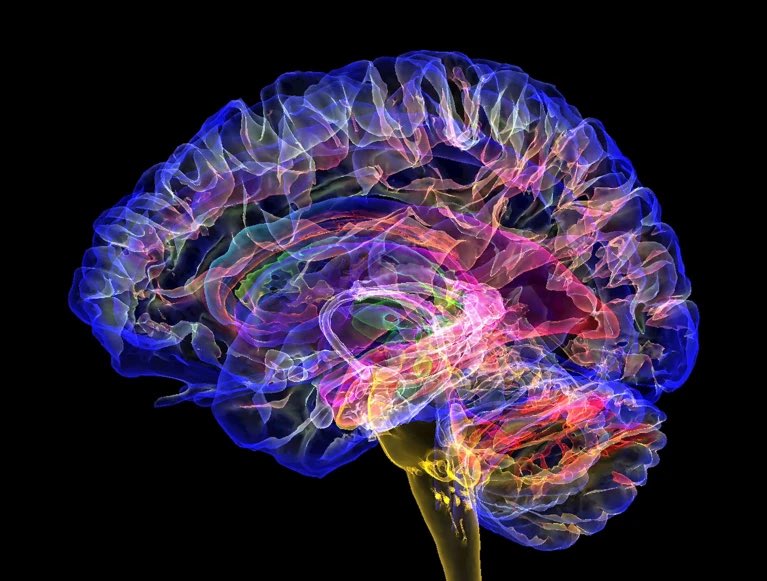
Imagine tackling the thinking about thinking required to think about consciousness—without being aware of the fundamentals of metacognition or metacognitive sensitivity. Metacognitive learning, knowledge, and regulation make consciousness more thinkably thinkable for us thinkers.
3
5
102
5 Apr 2025
Avoid #System1Thinking about “The Fluid Architecture of #CognitivePossibility.”
Follow @JohnNosta’s intellectual curiosity, humility, and generosity.
Note his metacognitive sensitivity regarding #AI-fueled #System0Thinking—to augment #System2Thinking.
psychologytoday.com/us/blog/…

5
10
674
3 Apr 2025
It’s not only that we’re humbly trying to think deeper, wider, and higher about #System0Thinking—within which AI tools and humans “think” together—@JohnNosta, @denislabelle, and other #rethinkers are also aiming for breakthrough insights to achieve more clarity in our #thinking.
3
6
92
31 Mar 2025
If it's important...Don't think it alone.™
With rapid acceleration and inculcation of #AI, thinking will never be the same. It never was! Thinking can't be stagnant.
Thoughts, however, can get stuck. #System0Thinking is collaborative human-AI thinking.
scitechdaily.com/ais-next-fr…

3
3
169
31 Mar 2025
Don’t think it alone. If it’s worth #BestEffortThinking (BET)—for whatever “it” is—invite the BET of fellow #System2Thinkers and #AI’s chatbots. Use “metacollaborative” #System0Thinking. For metacognition, human #rethinkers are never alone! AI’s thinking guides are at our sides.
31 Mar 2025
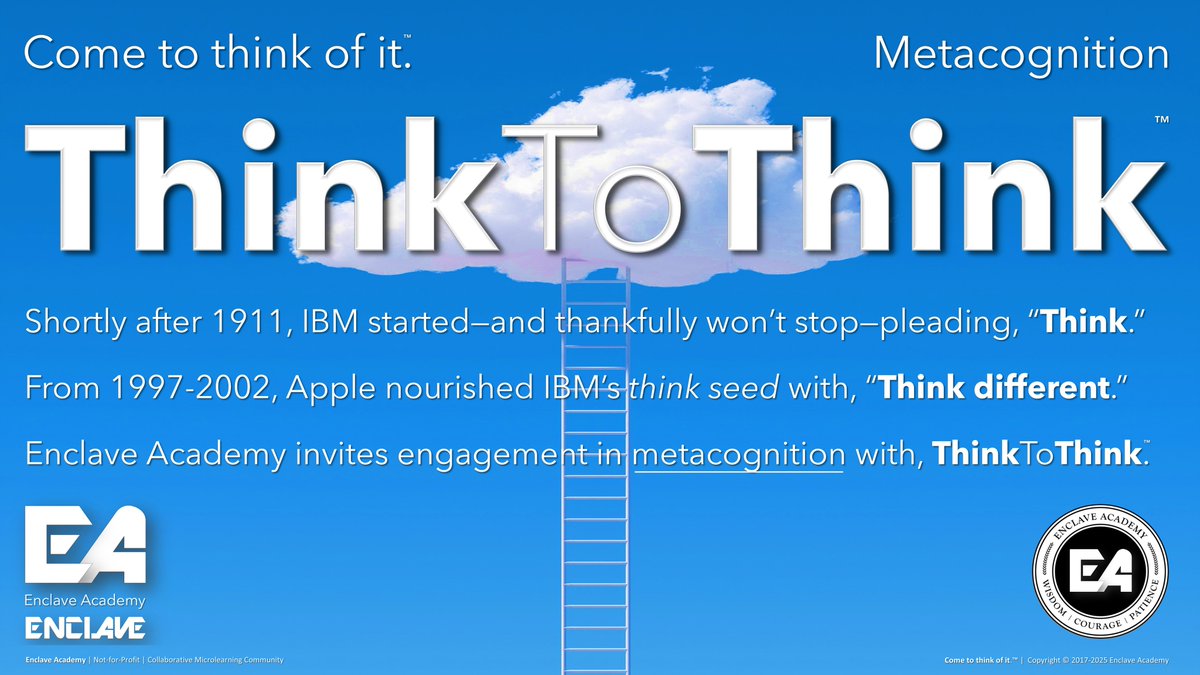
Consciously thinking about specific ways we humans are thinking is intentional—and effortful. To summon and strengthen our #BestEffortThinking, #PreDecisionMetacognition (#PDM) requires a momentary or longer pause to cognitively connect with our cognition. nature.com/articles/s41598-0…
3
4
72
31 Mar 2025
As @grok extrapolated the previous post:
“John R. Dallas Jr introduces ‘metacollaborative’ System0Thinking, a concept blending human metacognition with AI assistance, encouraging teamwork between System2Thinkers (deliberate, analytical thinkers) and AI chatbots for better decision-making.
• It builds on the thread’s focus on metacognition—thinking about thinking—highlighting how AI can act as a guide to enhance human reflection, a theme echoed in research about generative AI’s metacognitive demands.
• The hashtag #BestEffortThinking (BET) ties to the author’s broader advocacy for intentional, high-quality thinking, a recurring idea in the thread inspired by IBM’s historical ‘THINK’ slogan.”
Bet on #Grok’s BET. With which chatbots do you co-think to better your BET?
It’s not a slam dunk, this metacollaborative metacognition model (M3) for #System0Thinking.
The effort is worth the wee pangs of #BrainPain.
Yep, #ThinkingHurts—sometimes.
dl.acm.org/doi/10.1145/36139…

31 Mar 2025
Don’t think it alone. If it’s worth #BestEffortThinking (BET)—for whatever “it” is—invite the BET of fellow #System2Thinkers and #AI’s chatbots. Use “metacollaborative” #System0Thinking. For metacognition, human #rethinkers are never alone! AI’s thinking guides are at our sides.
3
4
85
27 Mar 2025
You know #SWOT. Get to know #ASWOT.
A is for anomalies—thoughts and things you can't yet (if ever) categorize among Strengths (S), Weaknesses (W), Opportunities (O), or Threats (T).
An ASWOT analysis keeps fully engaged minds alert and oriented (A&O) for the unexpected; the surprises of #System2Thinking and #System0Thinking (i.e., acts of #metacollaborative co-thinking with AI tools for supporting human thinking).
Less-alert #System1Thinking yields few surprises.
@Grok's post analysis algorithms appear to be sensibly ASWOT-sensitized.
For the attached post, from #Grok:
"John R. Dallas Jr. defines #IndependentThinking as self-driven metacognition, contrasting it with #DependentThinking and #GroupThink, through his work with Enclave Academy, which has promoted this concept for over 25 years.
The post quotes Peter Yang’s interview with Nat Eliason, where Eliason suggests that creating what you want ensures job security in an #AI-driven future, a theme that aligns with Dallas’s emphasis on self-determination.
Enclave Academy, as noted in related web content, uses its Metacognition Mission to teach #TetheredThinking, helping entrepreneurs enhance decision-making and adaptive reasoning skills in the context of AI’s opportunities and threats."
#Grok3Rocks.

27 Mar 2025
What is #IndependentThinking? Letting others do your thinking for you is #DependentThinking; collectively, #GroupThink. For 25 years, @EnclaveAcademy and its predecessors nudge thinker-doers to engage in "self-determination #metacognition"—self-energizing metacognitive thinking.
1
3
7
143
27 Mar 2025
News and views to use @EnclaveAcademy and I post are believed worthy of #System2Thinking. For decision-making, the rapid acceleration of #AI-assisted #System0Thinking makes risker #System1Thinking. Continually learn more ways to #think better. Your brain and mind will reward you.
27 Mar 2025
“…administration has moved fast—often too fast, not always #thinking through the consequences of its actions.” —@julianbarnes
Routinely remind teams to Think Things Through Thoroughly Together—#T5.
Use #PreDecisionMetacognition—#PDM—particularly for high-risk decision-making,

3
5
153
25 Mar 2025
Go for it! Aim higher. Take your thinking beyond higher-order #System2Thinking to #System0Thinking. Enjoy what @EnclaveAcademy calls #metacollaborative thinking with #AI tools—such as @grok’s #Grok3, @ChatGPTapp, @perplexity_ai, and other top-tier co-#metacognition tech partners.
23 Mar 2025

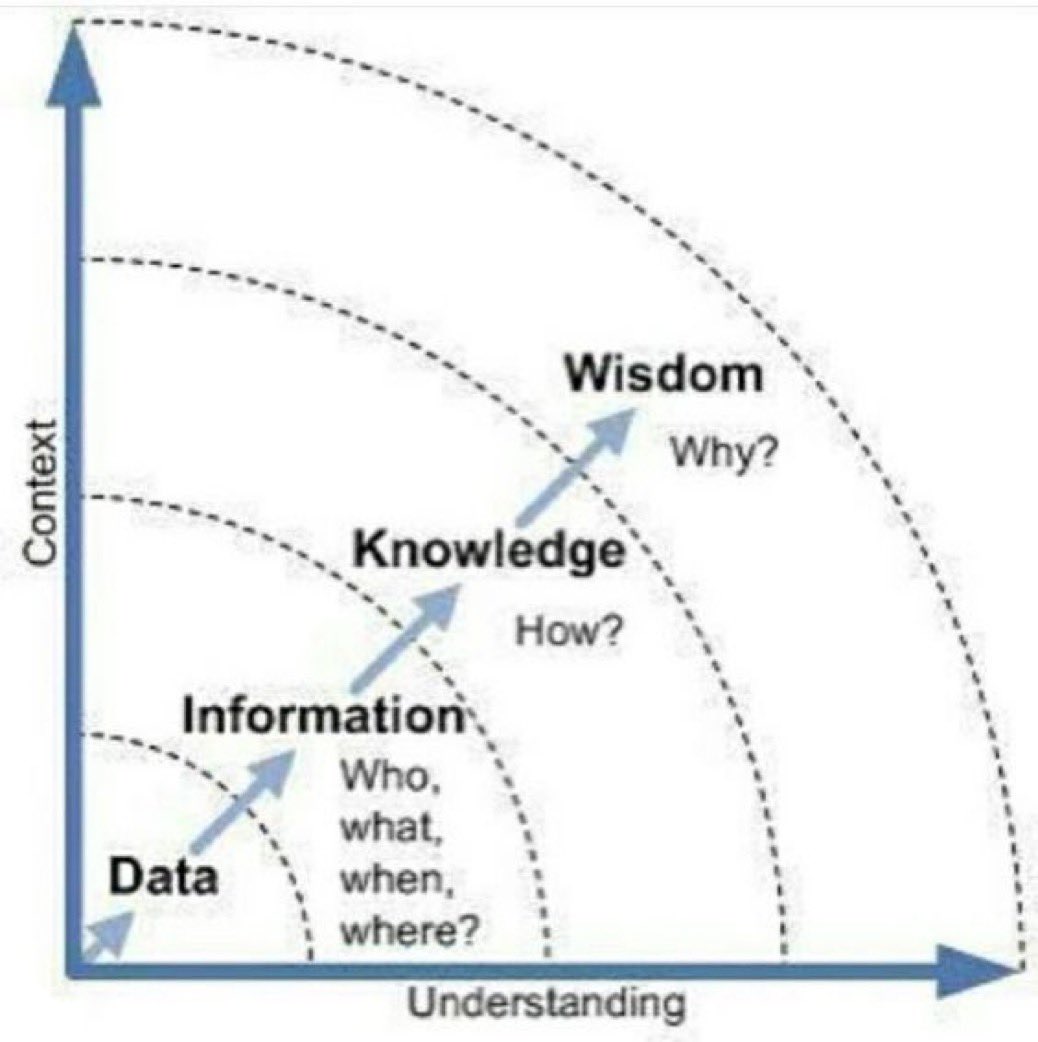
Allow posts from @ScholarshipfPhd to trigger your metacognition skills. As you’re thinking about a graphic of this type, instantly elevate your awareness of your thinking’s thinking. This is a map for metacognitive learning—a metamap to guide your mind toward #BestEffortThinking.
3
4
130