
If talent cannot move inside the company, it will eventually move outside it.
Internal mobility protects capability, reduces hiring cost, and strengthens resilience.
#InternalMobility #Talent #Recruitment #HRStrategy

1

Jun 8
.@PeopleScout says #internalmobility is about creating a dynamic ecosystem where talent can flourish, skills can be developed and organizational knowledge can be leveraged to its fullest potential...
peoplescout.com/insights/wor…
#HR #Talent #Mobility

29

The Case for Promoting From Within: Internally promoted employees are more loyal, more productive, and less likely to leave — especially during tough times.
ow.ly/jLA850Z7h09
#InternalMobility #EmployeeRetention #HiringTips #TalentAcquisition #MJMorganGroup
3

May 14
Promotion cycles are slow enough to create their own attrition.
If decisions drag, top talent assumes “not happening” starts interviewing.
👉Shorten the cycle with clearer criteria, faster calibration and visible growth signals
#InternalMobility #Retention #HRTech #VACHSS_LIVE

3
180
Apr 28
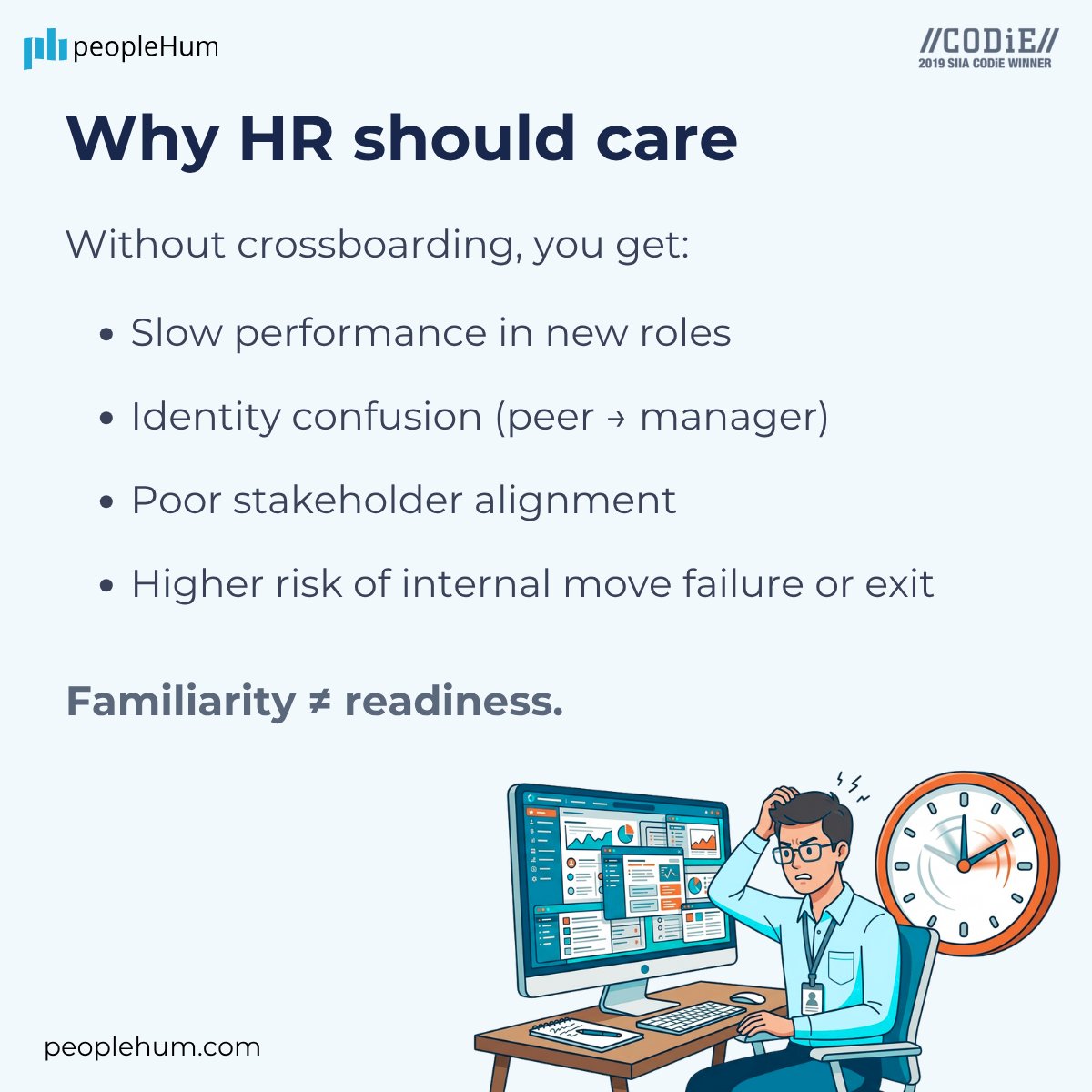
Crossboarding is onboarding for internal moves, when an employee switches teams, roles, or locations and needs a real ramp, not “you’ll figure it out.”
👉Read the full glossary here: peoplehum.com/glossary/cross…
#InternalMobility #Onboarding #WorkDesign #BabyNongZon #5SOSinManila



6
824
Apr 23
Games level you up when you play well.
Work often doesn’t.
That’s why people disengage.
👉Make growth visible with internal mobility and clear career paths using peopleHum.com
#InternalMobility #TalentDevelopment #CareerPathing #PerformanceManagement #LoveLeeJENODay

4
444
Apr 23
🎯Hiring should not feel like guesswork.
Add signal with peopleHum.com
#InternalMobility #CareerGrowth #EmployeeEngagement #TalentDevelopment

2
48

📢 Czy wiesz, że #pracownicy częściej odchodzą z powodu braku ścieżek rozwoju niż dla wyższych zarobków❓ W dobie #AI walka o talent to już nie tylko #rekrutacja, ale przede wszystkim #InternalMobility. tinyurl.com/yhbsw8mv #RECRUITMENTDAY #RynekPracy

2
1
2
16

29 Aug 2025
Internal Mobility = Faster, Cheaper, Better.
They know your culture.
They’re already trusted.
Retention improves.
Some companies advertise roles internally for 2 weeks before going external.
Worth thinking about.
#InternalMobility
1
2
3

From London to Paris to Melbourne-and soon, Sydney-Oscar Devred built a career that spans continents, departments, and disciplines all within AvePoint. His advice? Don't be afraid to have the conversation about your career goals. Learn more about his AvePoint journey ⬇️
avpt.co/46HKuC4
#AVPTsecure #CareerGrowth #InternalMobility

2
139

22 Jul 2025
Facilitating Greatness in the North
This week, I'm spending time with the incredible Team FNB Far North @FNBNamibia leading a powerful sessions on Interview Preparedness for Internal Candidates.
We're breaking down barriers, shifting mindsets, and equipping high-potential employees with the tools to own their career stories, speak with confidence, and show up ready for growth opportunities within their organisation.
This isn’t just about nailing an interview, it's about intentional career progression. When candidates understand how to position their value, align with business goals, and tell their professional story with clarity, that’s where the magic happens.
1. CVs and job applications
2. Answering interview questions with confidence
3. How to stand out even when they already know you!
Internal opportunities are just as competitive. Preparation is not optional, it’s strategic.
Thank you, FNB Far North for investing in your people. Your team is your brand.
#CareerDevelopment #InternalMobility #InterviewCoaching #FNBNamibia #LeadershipDevelopment #CoachedByLisa #RewritingCareerStories #PeopleFirst #MyCareerMyBusiness

1
5
25
1,766

18 Jun 2025
If your people have to resign to get rewarded…..
You don’t have a retention problem
You have a mobility crisis.
Fix the ladder before your best talent finds stairs elsewhere 🧠
#InternalMobility #Leadership
2
40

What if your next top performer is already on your team—but in the wrong role?
Skills visibility isn’t a luxury. It’s your competitive edge.
#InternalMobility #WorkforceTransformation #HRTech
1
1
89

1 May 2025
Tune in to the latest episode of The Talent Transformation Podcast featuring Rachel Raymond from Jack Henry! 🎙️
#Podcast #HR #Fintech #InternalMobility jkhy.co/4cZ0YGY
1
3
119

8 Apr 2025
Keeping top talent isn’t about salaries - it’s about #growth. Giving employees opportunities to explore new roles, skills, or shift departments keeps them engaged and loyal. But #internalmobility often gets blocked.
What’s the biggest barrier to internal mobility in companies?
67%
Lack of manager support
33%
No clear career paths
0%
Fear of losing top
0%
Employees don’t initiate
3 votes • Final results
1
4
19
19 Mar 2025
Internal mobility programs enhance retention and create a more agile workforce, yet many companies still struggle to implement them.
#InternalMobility #WorkforceAgility
1
2
58

8 Jan 2025
The idea of Canada merging with the United States, creating a single nation, often seems like a plot from an alternate reality novel. However, beneath the surface of this speculative notion lies a discussion worth exploring, particularly in the realm of legal, economic, and societal improvements for Canada. This article delves into the potential benefits of such a union, examining how Canada might enhance its legal systems by adopting or integrating with certain aspects of American law and governance, including the potential dissolution of the Court of King's Bench.
Legal Harmonization:
One of the most significant advantages of a merger would be the harmonization of legal systems between Canada and the U.S.:
Constitutional Rights: The U.S. Constitution, particularly its Bill of Rights, provides a robust framework for individual freedoms. Canada could potentially benefit from adopting or aligning more closely with these protections. For instance, the First Amendment's freedom of speech is often seen as more expansive than similar protections under Canada's Charter of Rights and Freedoms. Similarly, the Second Amendment could lead to a debate on gun ownership laws, offering Canadians an opportunity to reconsider current restrictions in light of American perspectives. #ConstitutionalRights #FreedomOfSpeech #SecondAmendment
Property Rights: In the U.S., property rights are strongly protected, offering a model where property disputes might be resolved more efficiently. This could streamline land use, real estate transactions, and environmental regulations, potentially reducing red tape and boosting development projects. #PropertyRights #RealEstate #LandUse
Criminal Law: The U.S. has a different approach to criminal justice, with states having significant autonomy. This could lead to a re-evaluation of Canada's criminal justice system, possibly adopting more localized approaches to law enforcement and corrections based on the varied experiences of different U.S. states. #CriminalJustice #LawEnforcement #CorrectionsReform
Impact on the Court of King's Bench:
Unification of Court Systems: One of the immediate effects of a merger would be the dissolution of the Court of King's Bench as we know it in Canada. The U.S. judicial system is structured differently, with a Federal Court system alongside state courts. Canada's Court of King's Bench, which serves as a superior trial court in provinces like Alberta, Manitoba, and Saskatchewan, would likely be absorbed into or reorganized under a new judicial framework:
Federal Courts: The equivalent of the Canadian Court of King's Bench at the federal level in the U.S. would be the District Courts, which handle most federal cases and could take over the role of hearing both civil and criminal matters currently under King's Bench jurisdiction.
State Courts: At the state level, the roles of Canada's provincial superior courts might be distributed among the various state-level courts, like Superior Courts or Circuit Courts, depending on the state. This would mean a shift from a system where provinces have their own superior courts to one where states within the new nation operate their judicial systems, potentially simplifying legal processes across regions.
Appeals: Appeals from what would have been King's Bench decisions would move to a unified Court of Appeals system, leading to a more streamlined appellate process, potentially reducing legal discrepancies between provinces/states. #JudicialReform #CourtSystems #LegalHarmonization
Economic and Taxation Reforms:
Taxation: The U.S. tax system, while complex, includes mechanisms like tax credits and deductions which could be appealing. A merger might lead to a reformation of Canada's tax policy, potentially lowering rates for individuals and businesses, sparking economic growth through increased investment and consumer spending. #TaxReform #EconomicGrowth #FiscalPolicy
Economic Integration: Eliminating trade barriers within a merged North America could create what would be one of the world's largest single markets, enhancing economic efficiencies, reducing costs for consumers, and boosting competitiveness on a global scale. #EconomicIntegration #FreeTrade #NorthAmericanMarket
Regulatory Simplification: Businesses would no longer need to navigate two separate regulatory environments, potentially leading to more innovation and growth, particularly in sectors like technology, finance, and manufacturing, where regulatory compliance can be burdensome. #RegulatoryReform #BusinessInnovation #Simplification
Healthcare and Social Services:
Healthcare System: Canada's universal healthcare system is both a source of national pride and criticism. Integrating with aspects of the U.S. system could introduce market competition, potentially leading to innovations in care delivery and possibly reducing wait times for procedures. However, this would also mean confronting the high costs and complexities of American healthcare, necessitating careful policy design to retain the best of both systems. #HealthcareReform #UniversalHealthcare #InnovationInHealth
Social Welfare: The U.S. has different approaches to welfare, including state-level variations that could offer lessons in efficiency or alternative models for social support systems. #SocialWelfare #WelfareReform #PolicyLearning
Security and Defense:
Military Integration: Canada could benefit from the U.S.'s military capabilities, reducing the need for Canada to maintain such an extensive defense force independently, which could redirect funds towards other public services or infrastructure. #MilitaryAlliance #DefenseSpending #SecurityCooperation
Border Security: With a merged nation, internal border security would be redefined, potentially simplifying cross-border movement for goods and people while enhancing security at the new external borders. #BorderSecurity #InternalMobility #NationalSecurity
Cultural and Political Implications:
Cultural Identity: While Canada and the U.S. share many cultural traits, there are distinct Canadian identities, especially in language, arts, and multicultural policies. A merger might challenge these distinctions, requiring careful policy to preserve cultural diversity within a larger union. #CulturalIdentity #Multiculturalism #CanadianCulture
Political Structure: The political landscape would undergo a seismic shift. Canada would need to negotiate its representation in a new federal system, potentially facing challenges in maintaining its unique political voice amidst a larger, more populous nation. #PoliticalIntegration #Representation #Federalism
Public Opinion and Sovereignty: Any merger would need to address deep-seated national pride and the desire for sovereignty in Canada. Public opinion polls, referendums, and extensive political dialogue would be crucial before any such monumental decision could proceed. #PublicOpinion #NationalSovereignty #Referendum
Conclusion:
While the concept of merging Canada with the United States presents intriguing possibilities for legal reform, economic integration, and enhanced security, it also brings forth complex challenges related to identity, politics, and cultural preservation. The dissolution of the Court of King's Bench would symbolize a significant shift towards a more unified judicial system, potentially offering more consistency in legal interpretations and practices across the continent. However, these benefits must be balanced against the potential loss of autonomy, cultural dilution, and the intricacies of merging two distinct legal and political systems. Such a merger would require not only legal and economic analysis but also a profound cultural conversation about what it means to be Canadian in this new, unified context. The path to any such union would be fraught with negotiation, compromise, and a redefinition of national identity on both sides of the current border. #CanadaUSMerge #LegalReform #EconomicProsperity #CulturalHeritage
2
51

7 Nov 2024
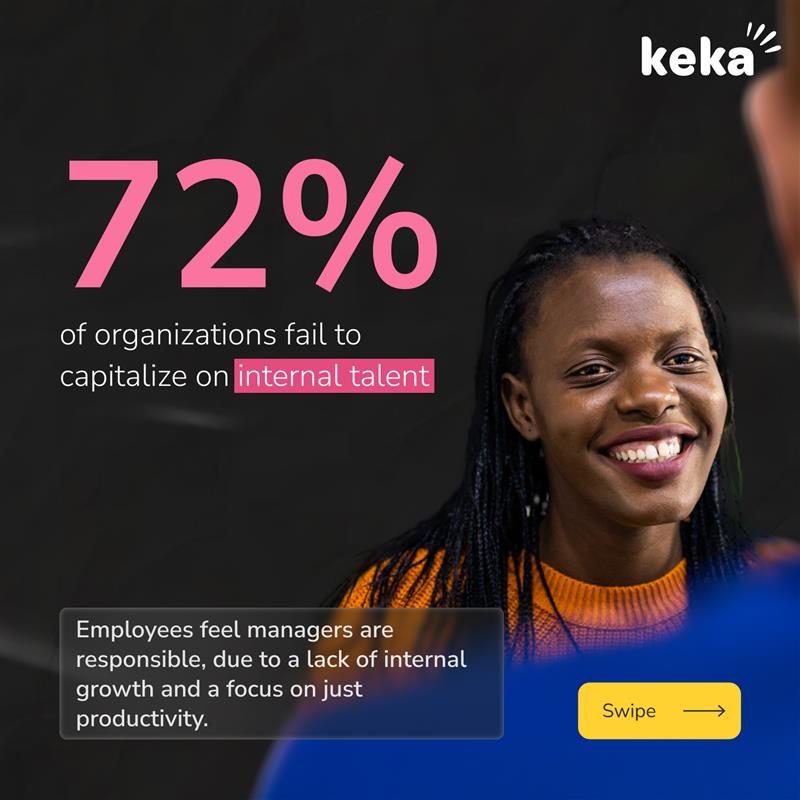
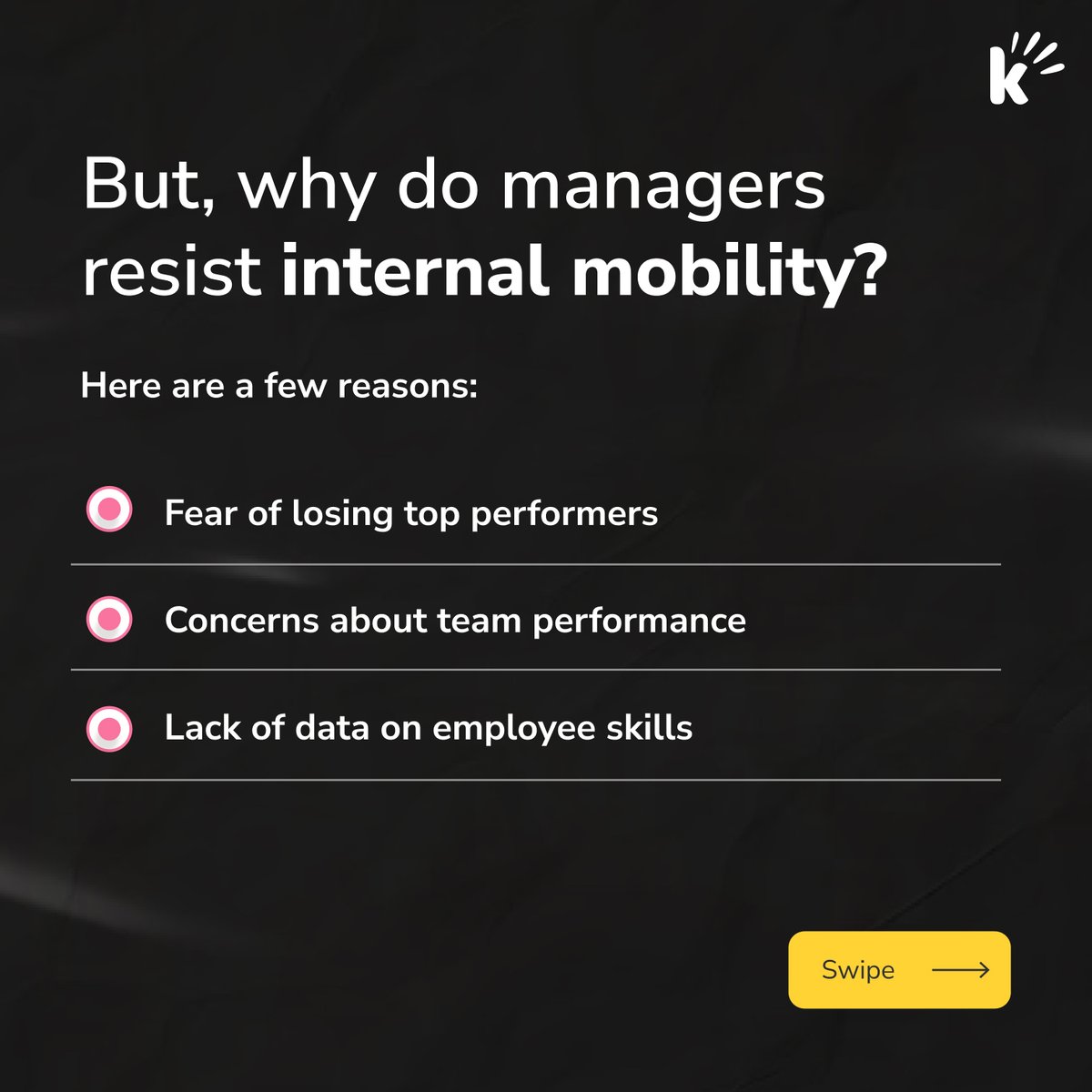
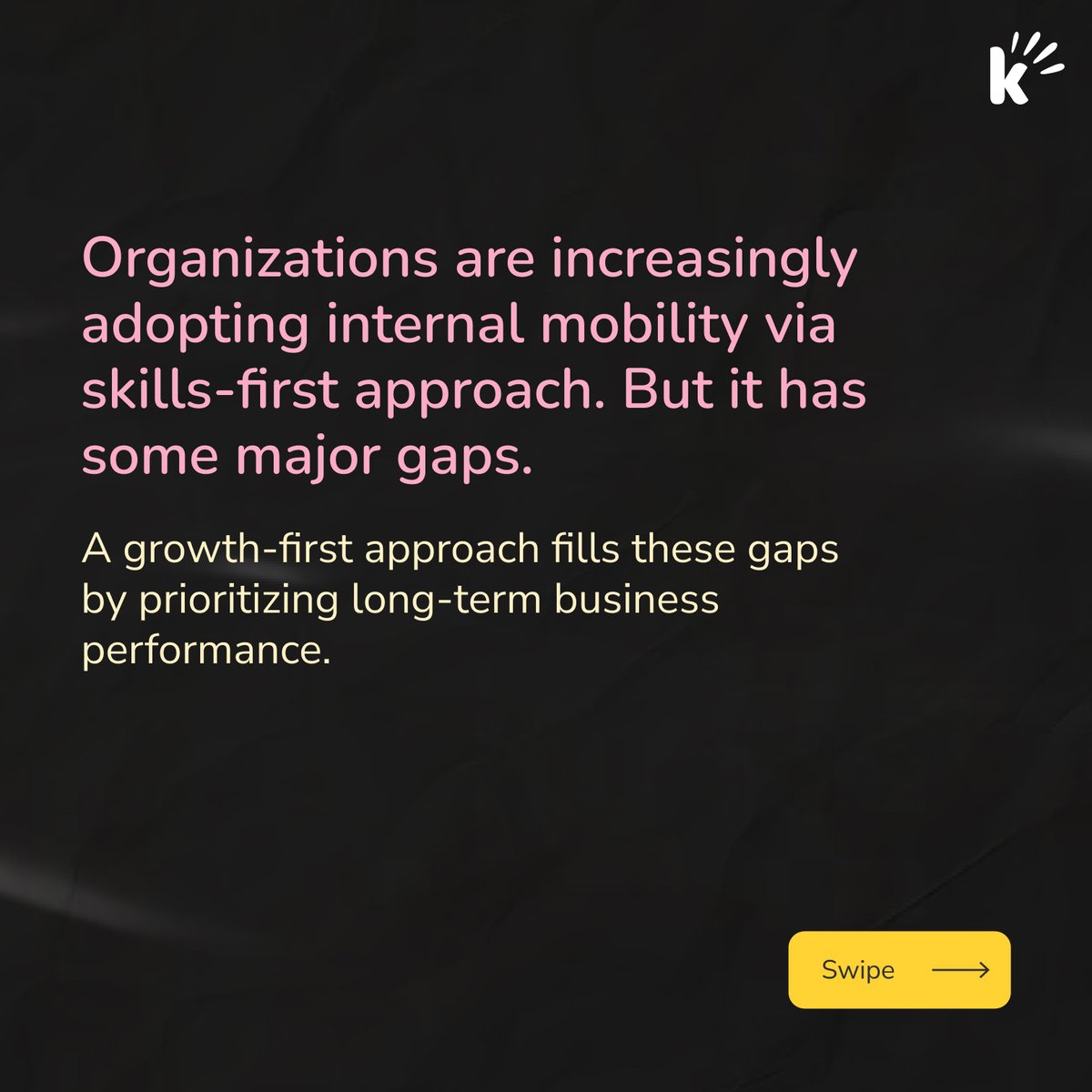
Only 24% of companies support internal mobility, yet it’s crucial to career growth! This gap fuels 94% of US quit rates as talent leaves for better opportunities.
Why resist? Discover how to embrace it in our latest blog: bit.ly/48BUxrb ⬅️
#InternalMobility #HR #Keka

2
57

29 Aug 2024
Companies that excel in promoting internal mobility witness remarkable benefits, not just for their employees, but for the organization as a whole.
#LeadershipDevelopment #EmployeeRetention #LearningAndDevelopment #InternalMobility #TalentManagement #EmployeeEngagement
3
52

23 Aug 2024
🔍 Yetenek yönetiminde "İç Mobilite" (Internal Mobility) trendi yükselişte! Yeteneği elde tutma, verimlilik ve uyum, maliyet tasarrufu ve çalışan memnuniyeti ve bağlılığı gibi çok yönlü avantajları olan iç mobiliteyi uygulamanın yolu ise kariyer gelişim programlarından geçiyor.
Teedo olarak, hem mevcut mesleki yetkinlikleri geliştiren hem de yeni beceriler edindiren kariyer odaklı, canlı ve online eğitimlerimizle; bireylerin kariyer yatırımlarını, şirketlerin ise çalışan yatırımlarını destekliyoruz. 💼🎓
#BeceriGelişimi #İşeAlım #Teedo #KariyerGelişimi #KariyerYatırımı #OnlineEğitim #YetenekYönetimi #Upskill #Reskill #İçMobilite #InternalMobility

1
1
46