
Kudwafter was developed during the same era as Rewrite. A-chan’s sprite was first introduced in Kudwafter and was later backported into LBCE on newer PlayStations and eventually into Steam’s LBEE✨✨💃
1
2
11
735

26 Nov 2025
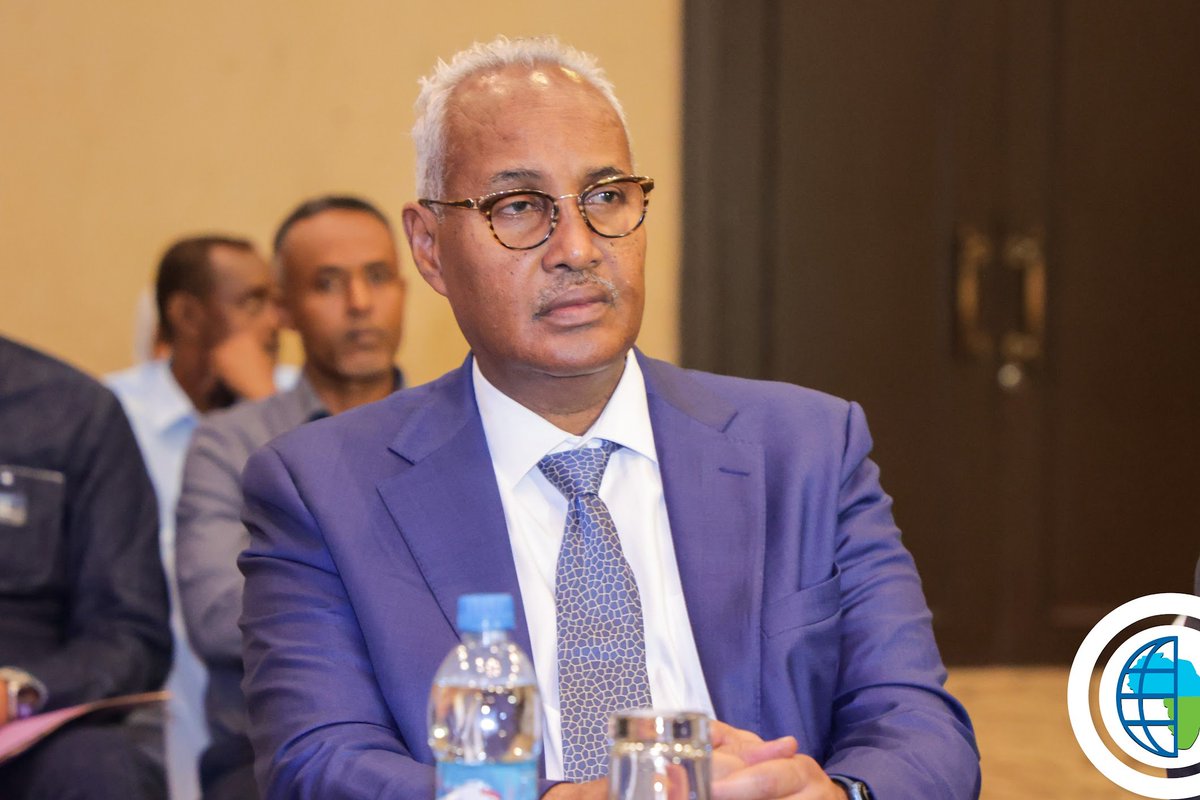
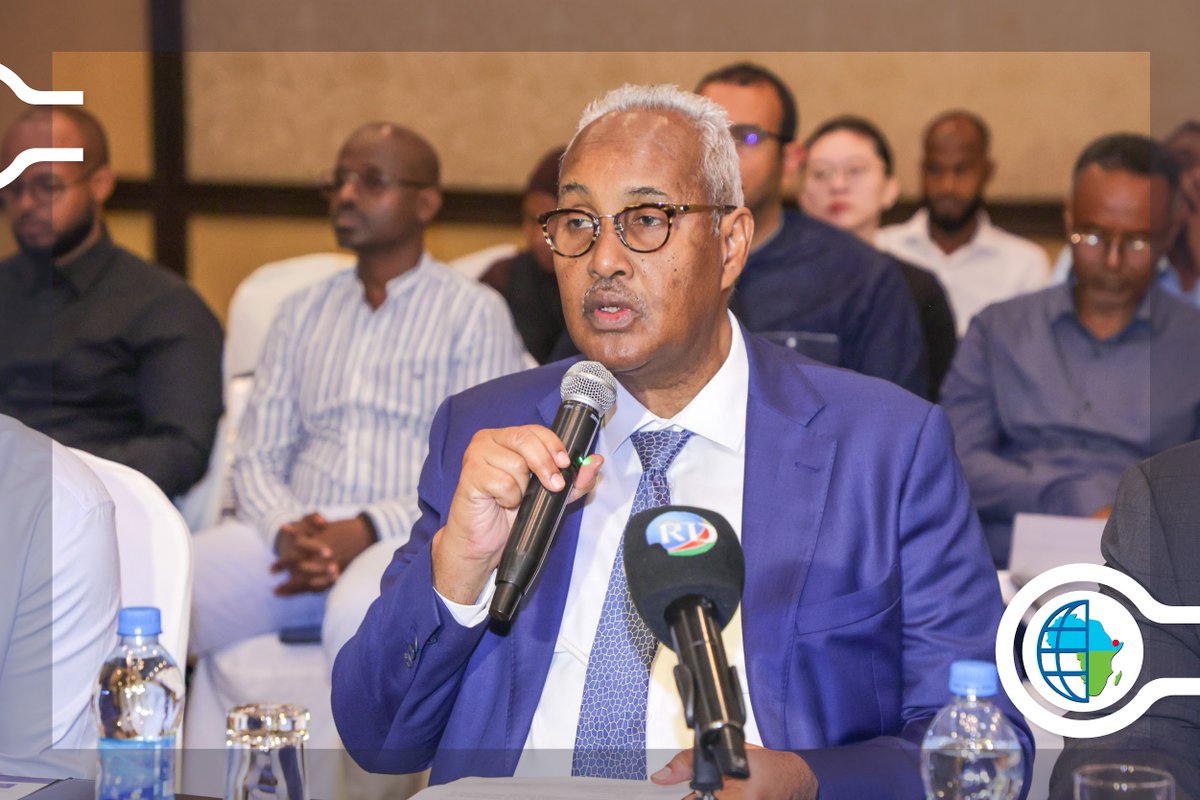
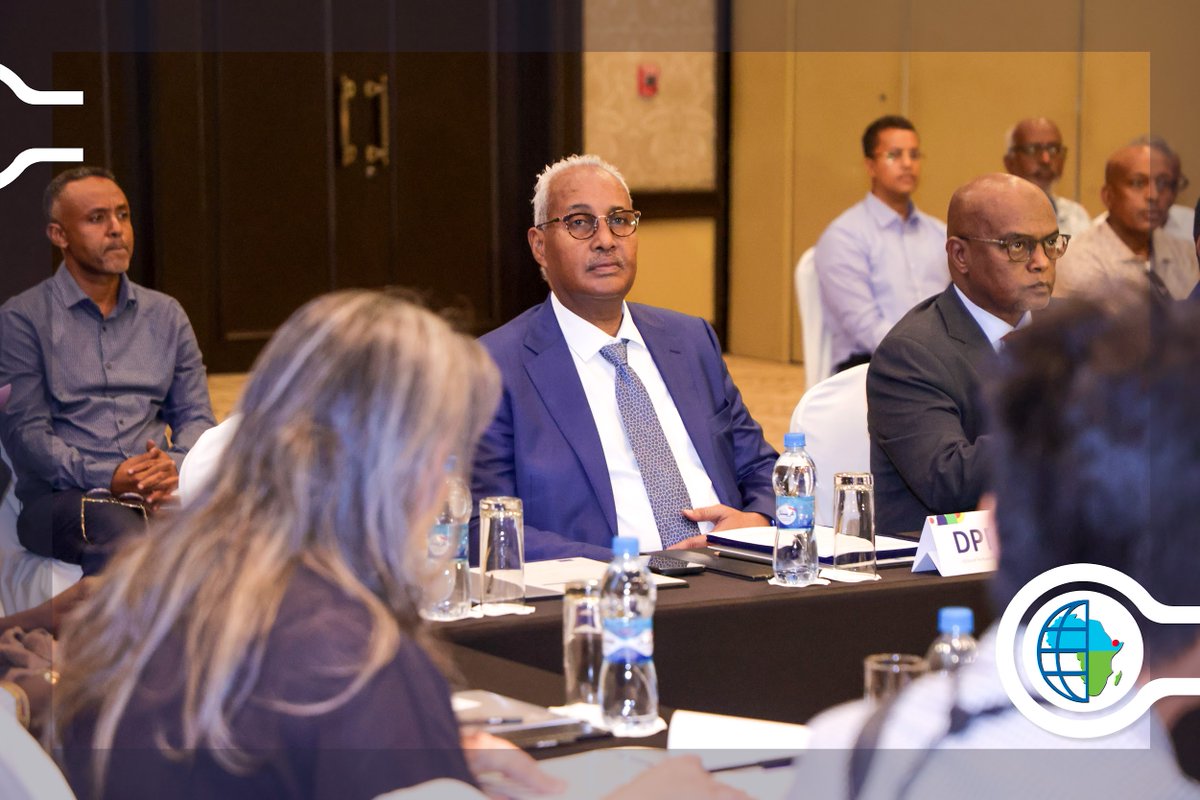
This morning, the Chairman participated to the round table on the implementation of Trade Facilitation Reforms, organized by the Minister of Commerce and Tourism, His Excellency M. Mohamed Warsama Dirieh.
Were also present the Minister of Budget, H.E M. Isman Ibrahim Robleh, and the Ambassador of the European Union to Djibouti and to IGAD, Mme. Denisa-Elena Ionete.
In his address, Chairman highlighted the WTO Trade Facilitation Agreement, ratified by the Republic of Djibouti in 2017, which underscores a fundamental principle of global trade: efficient procedures, transparency, visibility, and digitization which are decisive as well as physical infrastructures.
Djibouti Ports and Free Zones Authority has embodied this principle through the Djibouti Port Community System (DPCS). This electronic single-window platform is mandatory for all documentation linked to import, export, and transit operations. DPCS connects all key institutions involved in cargo movement, including:
-Port operators
-Customs
-Shipping agents
-Freight forwarders
-Importers and exporters
-Free zone operators
-The Corridor Agency
- and regulatory bodies (LAANA, CAMME, LBCE, etc.)
Chairman reminded that one of DPCS’s greatest strengths is its full end-to-end integration, seamlessly linking physical operations, regulatory processes, and private-sector activities within a unified digital ecosystem. The platform connects shipping lines, freight forwarders, free zone companies, transporters, financial institutions, and public administrations.
It also processes more than 675 million DJF in online transactions every month.
This integration provides complete transparency, enabling real-time tracking of vessel arrivals, loading and unloading operations, administrative formalities, and all movements entering or leaving the ports and free zones. Through DPCS, shipping lines submit the Summary Declaration (Manifest), specifying all cargo on board, as well as the Delivery Order (DO) and the NIF code.
DPCS is also interconnected with the Corridor’s RFID fleet-management system managed by TradeMark and financed by the European Union allowing the tracking of trucks well beyond national corridors up to the last mile.
The efficiency of this system has been recognized by the World Bank and the International Association of Ports and Harbors (IAPH), both ranking DPCS among the top Port Community Systems globally. This recognition has prompted several countries to undertake benchmarking missions in Djibouti, including Ivory Coast in September 2024 and Namibia in August 2025. A delegation from the Democratic Republic of Congo is expected in December to study the system as well.
Looking ahead, with the forthcoming launch of the Djibouti Commodities Exchange in the first quarter of 2026, Djibouti Ports and Free Zones Authority is committed to strengthening continental and global trade by connecting commodity markets within the free zones under the CIF and FOB Djibouti basis.
Through his participation in this event, Chairman showed DPFZA’s support to the Government in fully implementing the Category C measures required to achieve comprehensive Trade Facilitation Reforms.
@omar_hadi
@MBdjibouti
@TradeMarkAfrica
@UEaDjibouti
@DenisaIoneteEU
@wto
@NOIweala
@AFD_France
@WorldBank

3
7
28
3,609

31 Jul 2025
[#artfight for enkie]
last attack for now! i do have one more sketch for something a bit more produced, but we will see if i can pull it off for tomorrow uwu
REALLY happy with my attacks this year, lbce AF is over i will post a small recap of all of them :3c hope u enjoyed it!

1
8
87

19 Jul 2025
LBCE(様)ちゃんのパパ…これどこで売ってるの…?🥺
2
826

29 May 2025
You will be a millionaire 💥📷 🚀 #babydoge x.com/__Babydoge_Coin/status… #BabyDoge #btc #MemeCoinSeason #bullrun #lbce

2
8
129

24 Apr 2025
EpitopeTransfer: a Phylogeny-aware Transfer Learning Framework for Taxon-specific Linear B-cell Epitope Prediction
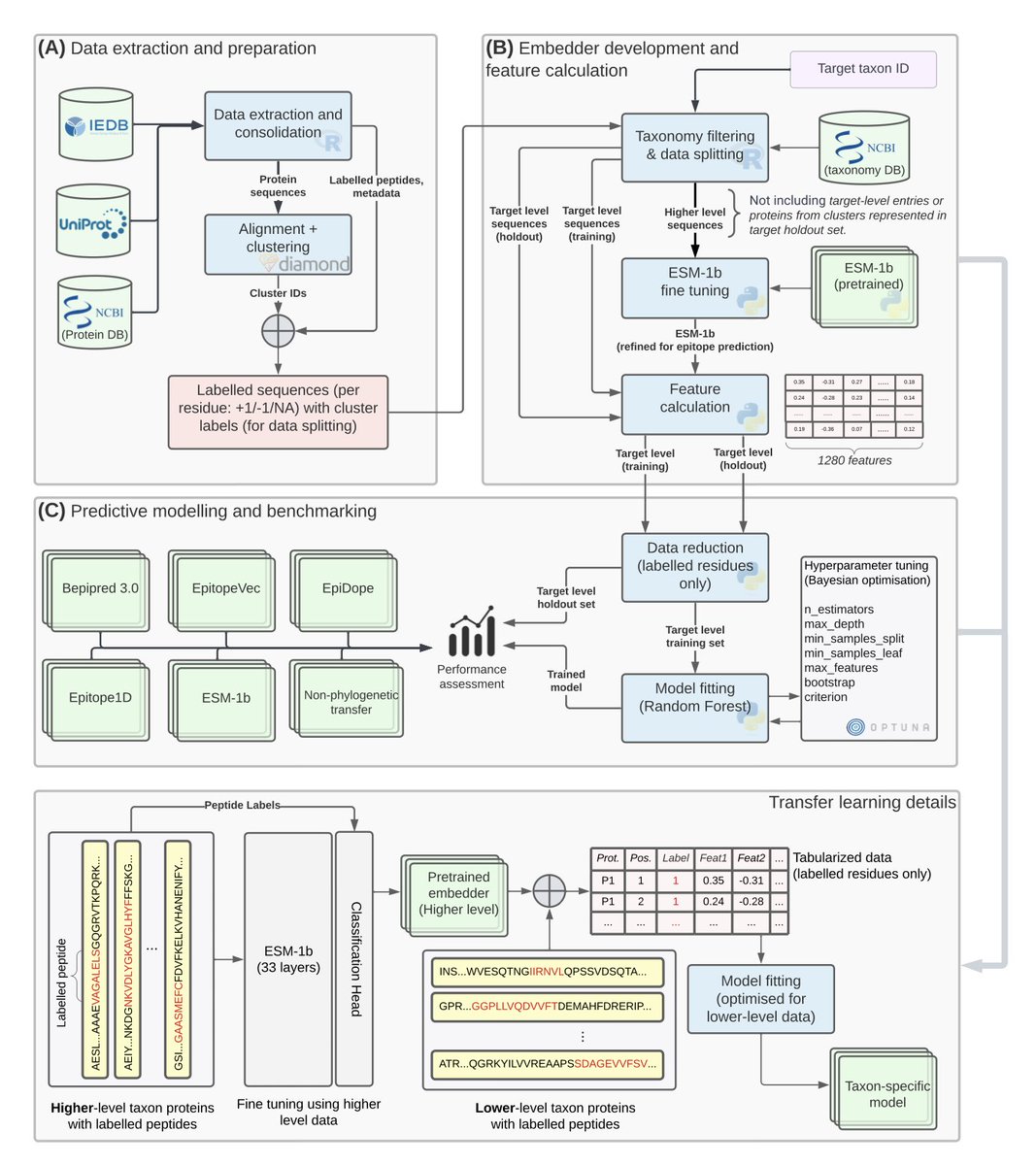
1. EpitopeTransfer introduces a novel phylogeny-aware transfer learning framework that fine-tunes protein language models (pLMs) for taxon-specific linear B-cell epitope (LBCE) prediction, improving accuracy for underrepresented pathogens.
2. The framework fine-tunes ESM-1b, a 650M parameter pLM, using epitope data from higher-level taxa to create enhanced embeddings, which are then used to train taxon-specific classifiers, significantly boosting LBCE prediction performance.
3. EpitopeTransfer achieves up to 25% AUC improvement over state-of-the-art generalist LBCE predictors like BepiPred 3.0, EpiDope, and EpitopeVec, and also outperforms the taxon-specific predictor epitope1D across multiple datasets.
4. The method shows that phylogeny-aware fine-tuning—using data from related taxa—yields substantial gains over non-phylogenetic transfer learning, especially in metrics like specificity and Matthews Correlation Coefficient (MCC).
5. EpitopeTransfer consistently delivers higher predictive performance across a diverse set of 20 viral, bacterial, and eukaryotic pathogens, demonstrating its broad applicability in immunodiagnostics, vaccine development, and therapeutic antibody design.
6. In specific cases like Filoviridae (e.g., Ebola), Lentivirus (e.g., HIV), Plasmodium falciparum, and Enterobacteriaceae (e.g., E. coli), EpitopeTransfer models achieve AUCs up to 0.97, far surpassing existing methods and providing highly reliable epitope predictions.
7. The modular design of EpitopeTransfer allows easy adaptation to other epitope prediction tasks, including T-cell epitopes or conformational B-cell epitopes, by modifying the embedding or classifier components.
8. By leveraging evolutionary relationships, EpitopeTransfer enables the creation of optimized models for emerging or neglected pathogens, addressing data scarcity challenges in epitope prediction.
9. The framework demonstrates that fine-tuning protein language models on related epitope data enriches their contextual understanding, translating into more accurate residue-level predictions for specific pathogens.
10. With its phylogeny-aware strategy, EpitopeTransfer offers a scalable, effective approach for advancing immunoinformatics tools, providing a foundation for better-targeted immune interventions against infectious diseases.
💻Code: github.com/fcampelo/epitopet…
📜Paper: biorxiv.org/content/10.1101/…
#EpitopePrediction #ProteinLanguageModels #TransferLearning #VaccineDesign #Immunoinformatics #ComputationalBiology #AI4Science
1
1
12
1,616

18 Mar 2025
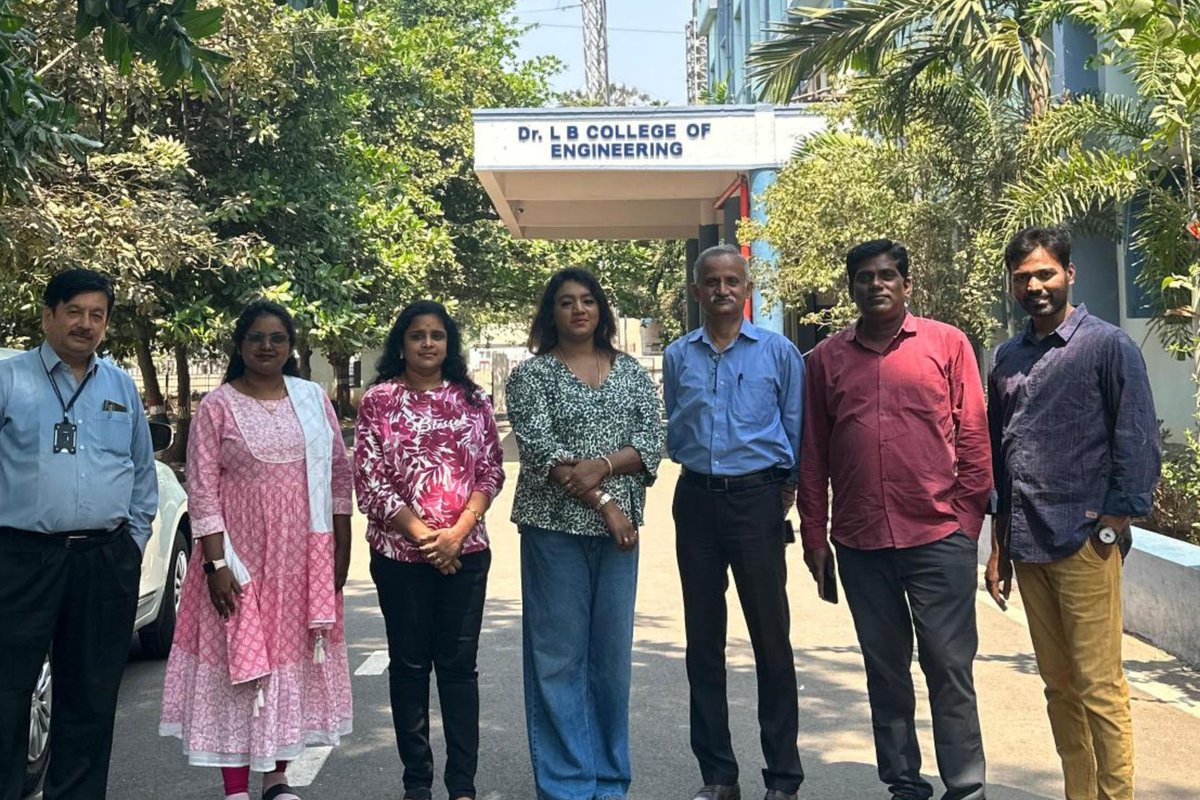
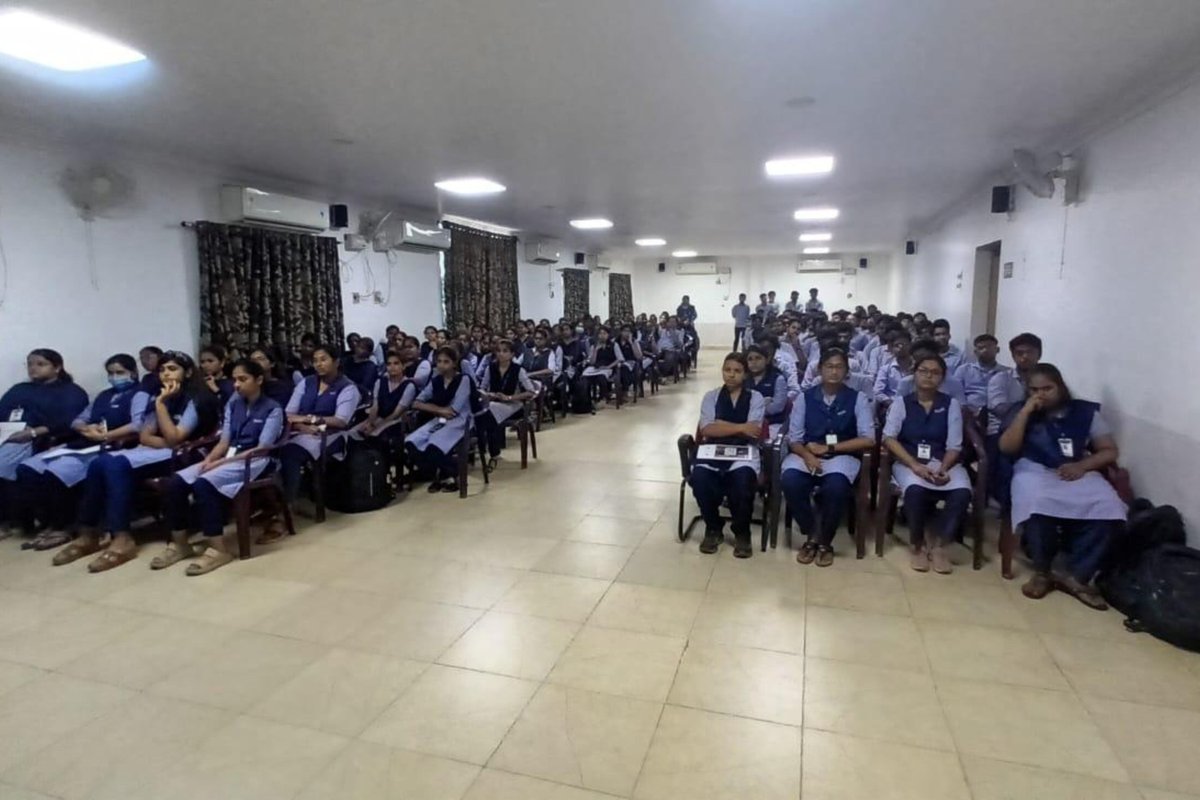
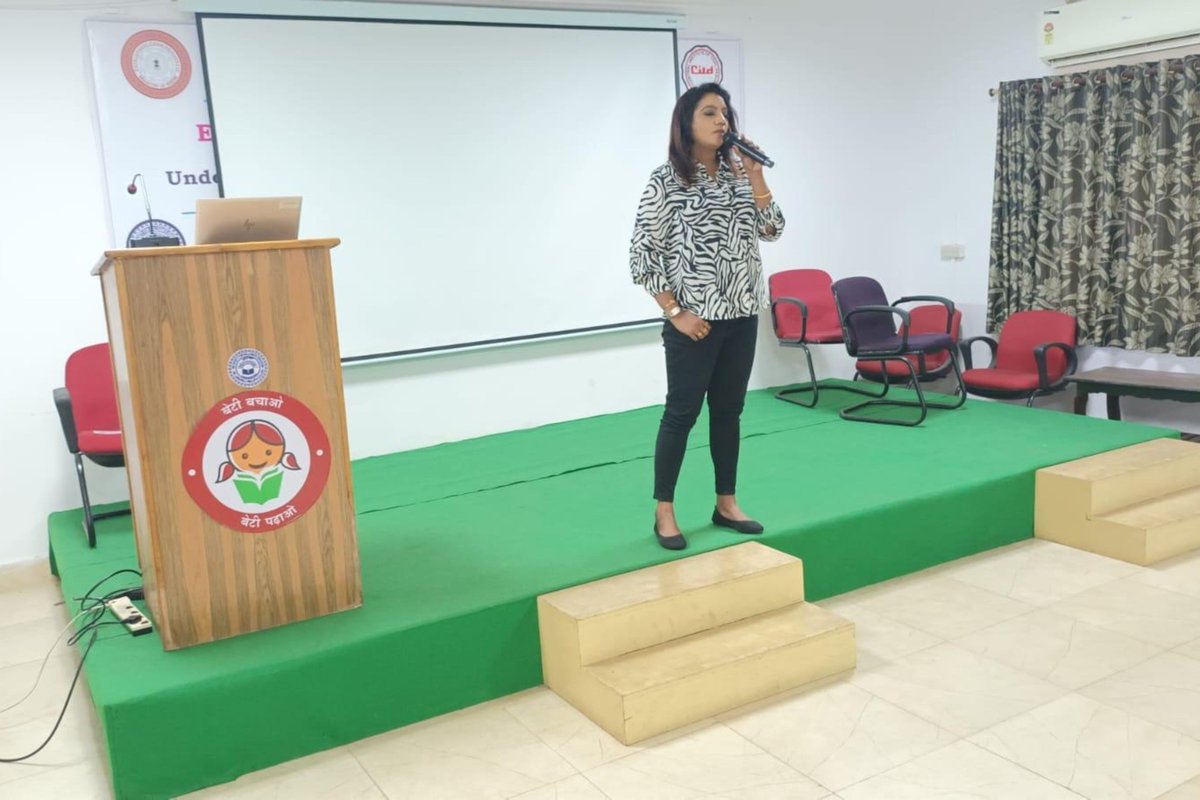
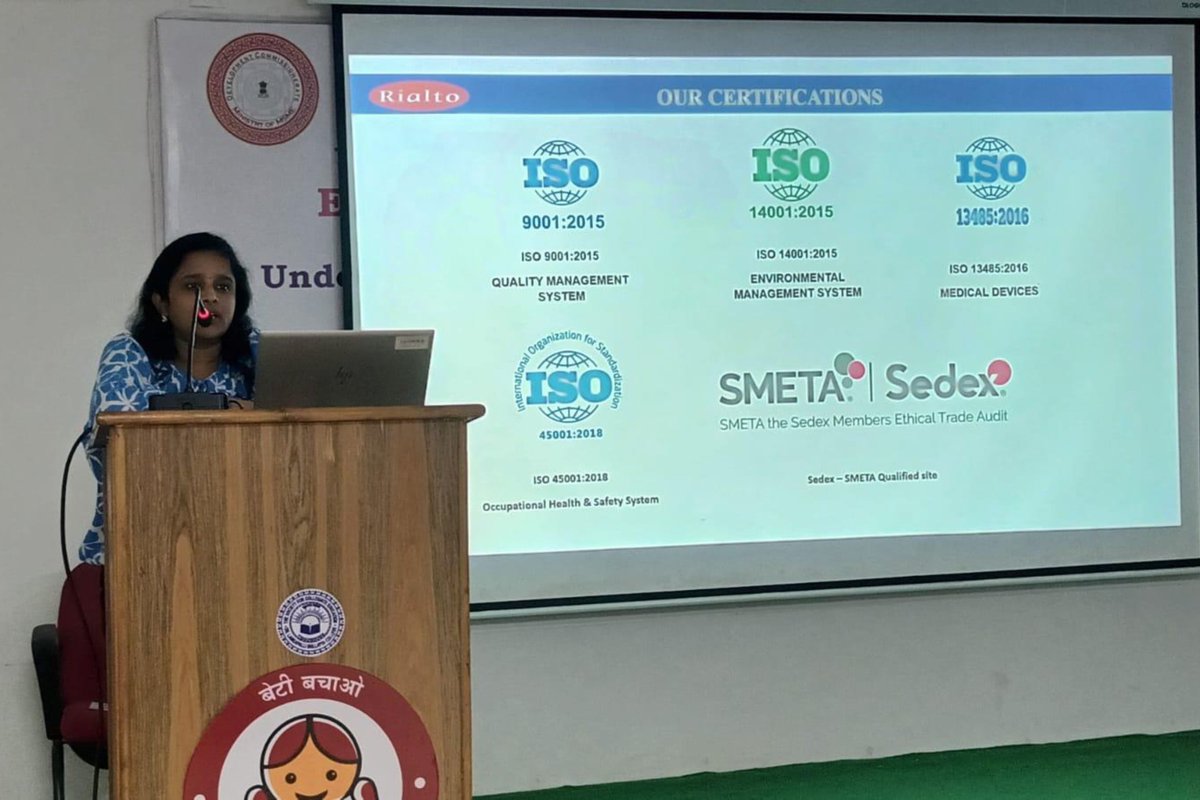
A proud moment for L&T EduTech learners at Dr.Lankapalli Bullayya College (LBCE), Visakhapatnam, as 80 students secured job offers from Rialto Enterprises Pvt Ltd (P&G) during a campus drive held on 12th and 13th March 2025.
#LnT #LnTEduTech #SkillExchange #LBCE #JobReadiness
1
2
63

25 Nov 2024
最早有あーちゃん的Vita版LBCE
&最新有あーちゃん的Switch版LBCE

1
14
122
5,797

11 Nov 2023
Sorry friend. I'm calling LBCE (Light Bright & Customs Enforcement)
5
956

2 May 2023
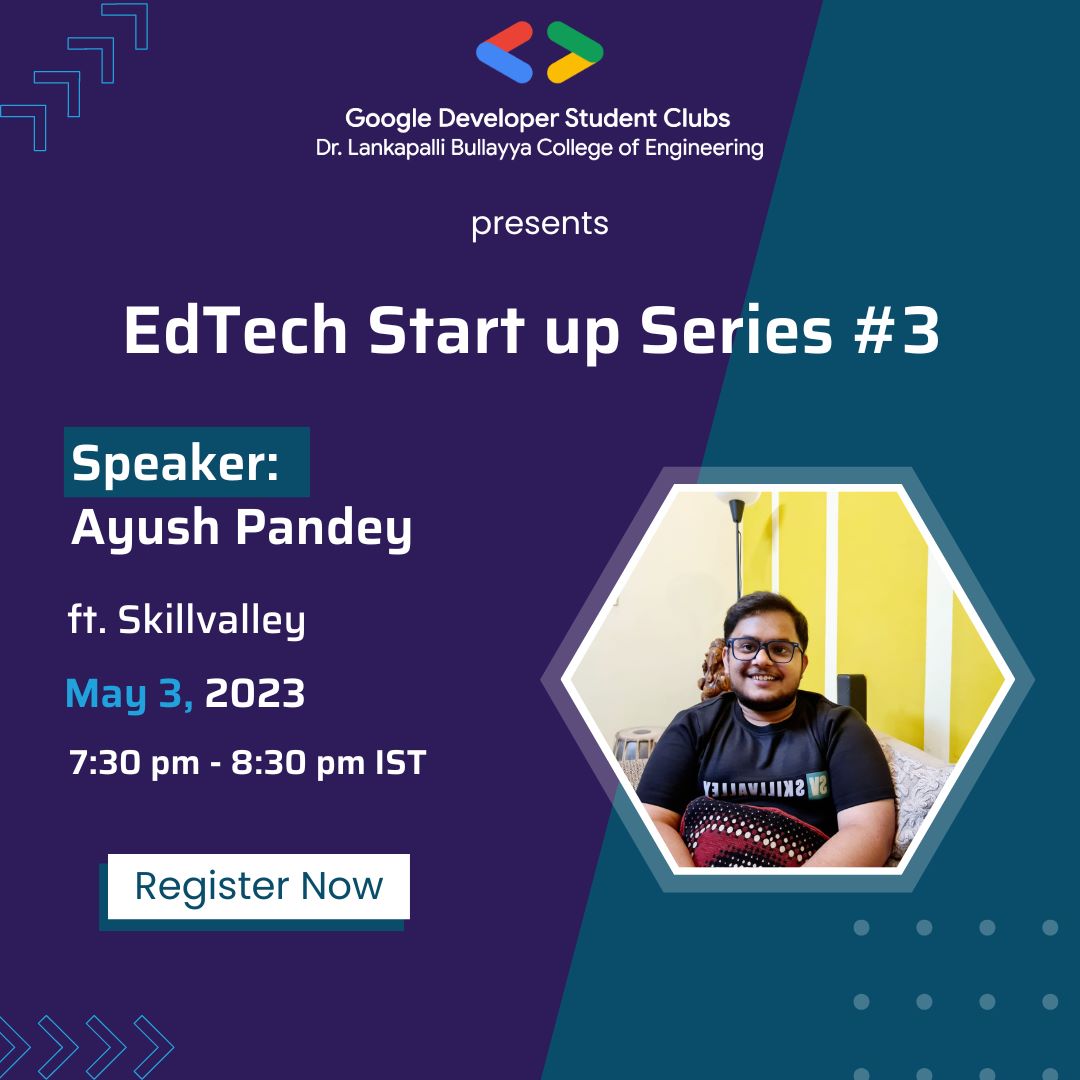
I'll be sharing my journey of building Skillvalley with the amazing folks at GDSC LBCE.
I can't wait to connect with other like-minded individuals and hear their stories as well.
@GdscLbce X @skillvalley_in
1
14
274

9 Apr 2023
I am making a carrd for the LBCE and I'm showing it to my boss.
1
3
127

1 Feb 2023
If you are using LB, you should move to SAMMI, the new rebranded version of LBCE, with 100s of new features and qol improvements. And it's free!
1
3
181

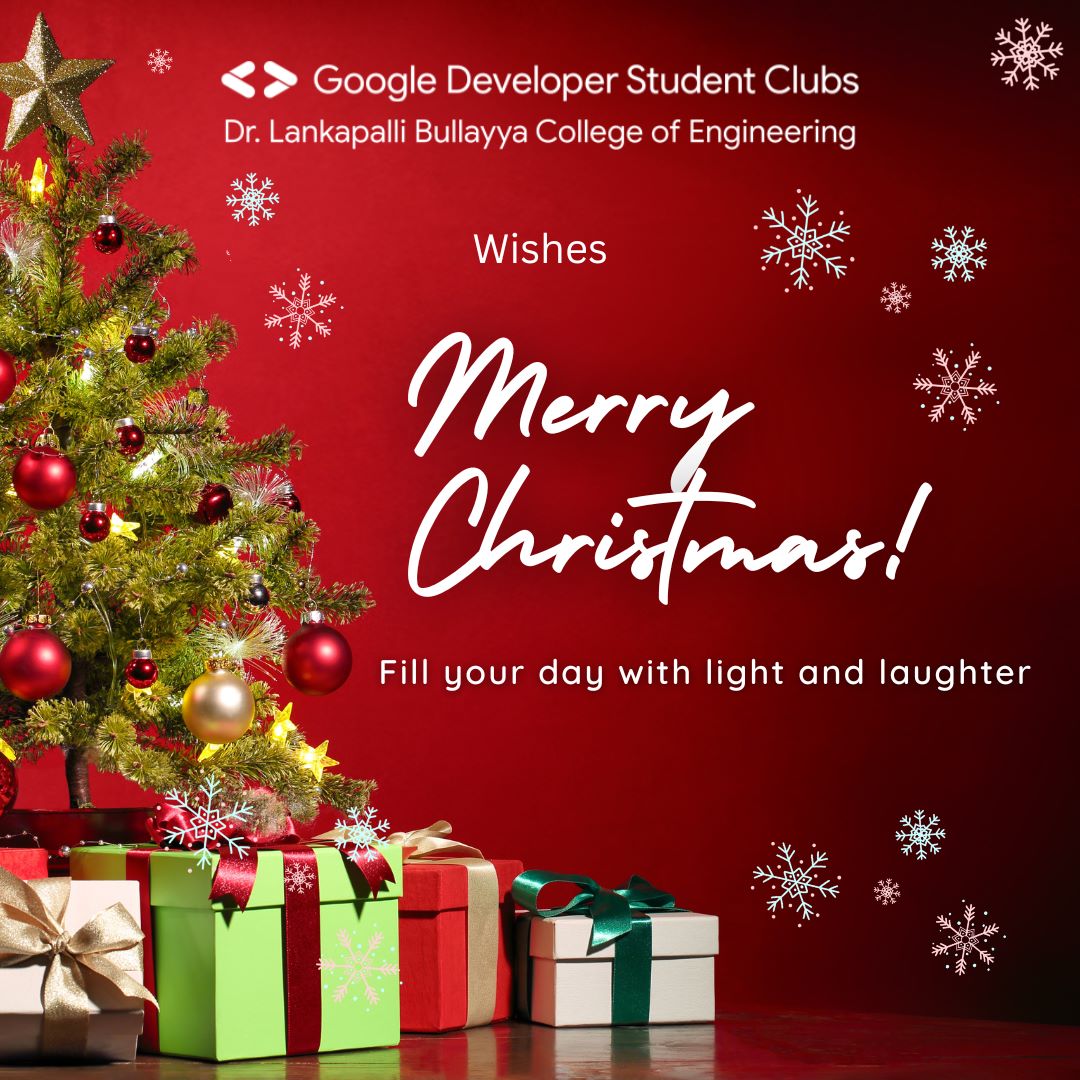
God never gives someone a gift they are never capable of receiving. If He gives us the gift of Christmas, it is because we all have the ability to understand and receive it.
❈✧ 🎀 𝑀𝑒𝓇𝓇𝓎 𝒞𝒽𝓇𝒾𝓈𝓉𝓂𝒶𝓈 🎀 ✧❈
#merrychristmas #gdsc #gdsc_lbce
Regards,
GDSC LBCE
2
34

Hello, folks!!
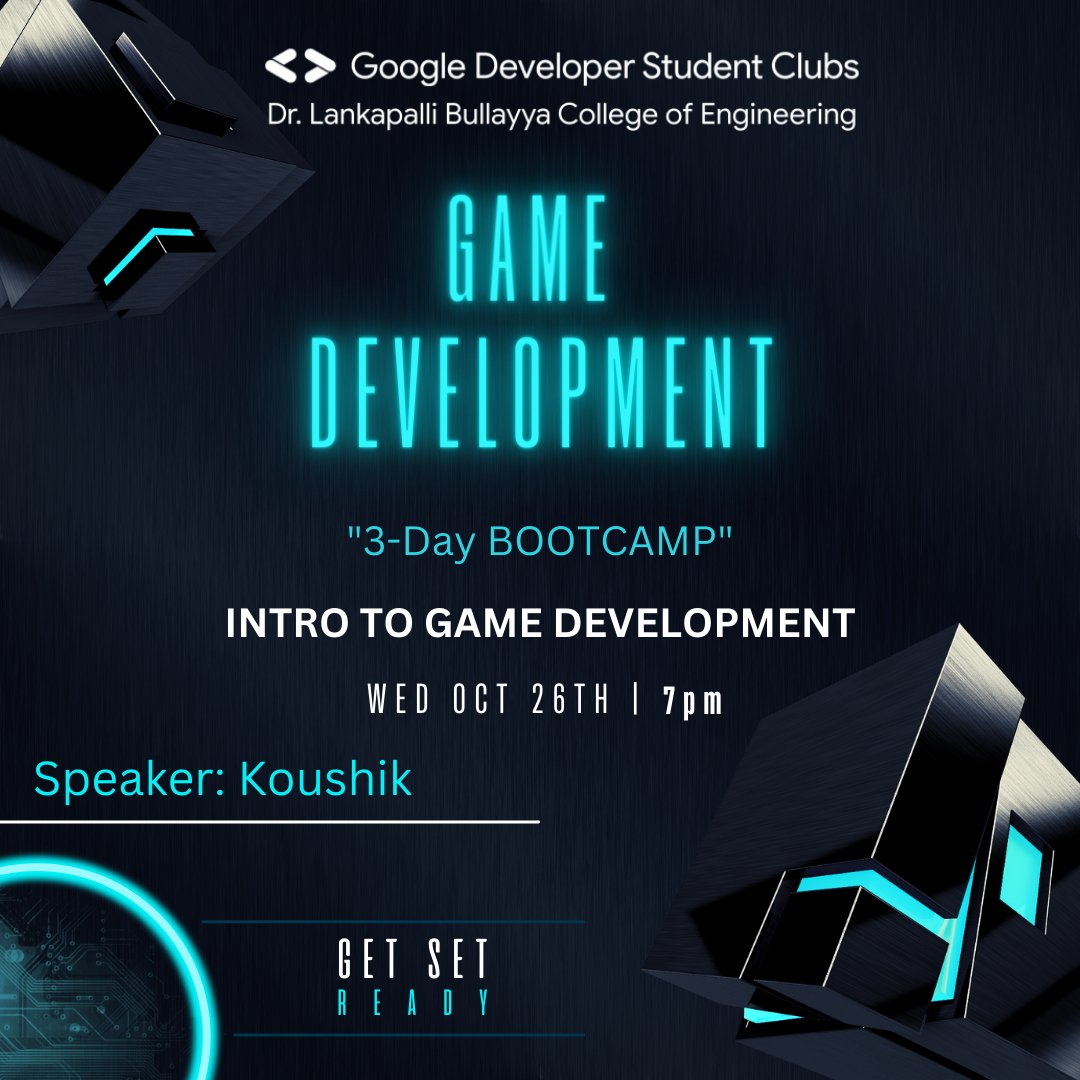
GDSC LBCE has come up with a wonderful 3- Day Game Development Bootcamp for you🥳
So, why late❓
RSVP Now👾: lnkd.in/gfqzBCzH
In this session you will be introduced to Basics of Game Development.
#gdsclbce #gdsc #google #gameDevelopment #bootcamp #workshop
1
3

Evidently lBCE” and “CE” hasn’t popped up in his reading
1