Re Rulle retweeted

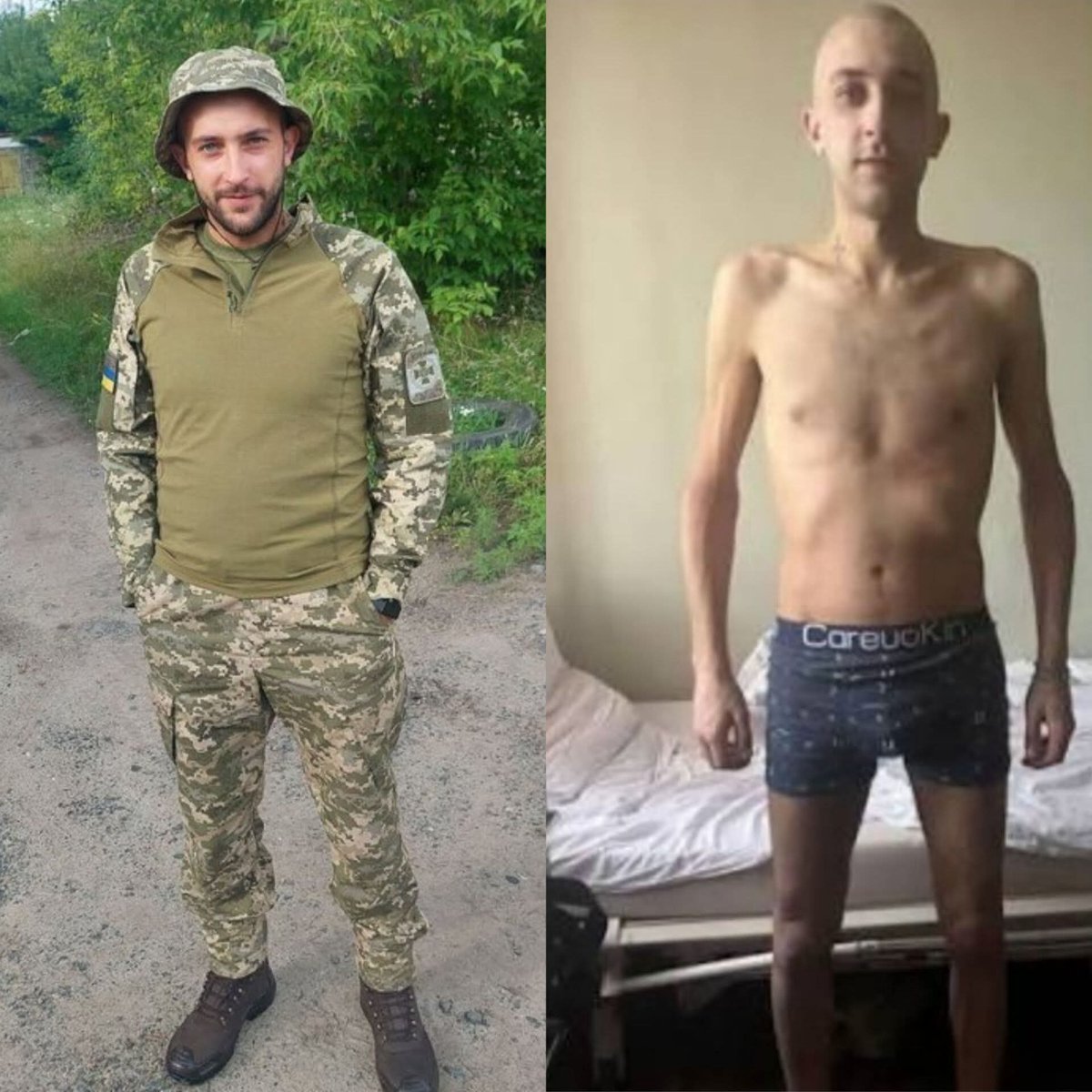
😔 They tore the skin from his back while he was alive, beat prisoners to death, and locked them naked in a padded torture cell: the story of border guard Yevhenii Sholudko, who survived Russian captivity.
Yevhenii is 28 years old and comes from the Sumy region of Ukraine.
In July 2023, he joined the military and became a border guard.
Less than six months later, on December 9, 2023, he was captured by Russian forces. It happened near the border when Yevhenii and six other soldiers were moving to their position.
The day before, they had been warned that a sabotage and reconnaissance group had entered the area. A firefight broke out, and then a voice came from the forest: “Drop your weapons and surrender.”
On May 25, 2024, Yevhenii was transferred to a penal colony in Kamensk-Shakhtinsky, Rostov Region.
There, they were greeted with what the guards called a “reception” — a brutal beating during which the skin on prisoners’ backs was ripped off with a metal rod fitted with metal balls.
Yevhenii had a habit of helping others. He would run naked to unconscious fellow prisoners and help them get back on their feet. For this, a guard named Nikita kicked him so hard twice that he could barely stand.
The same guard, Nikita, beat another prisoner to death by destroying his internal organs.
Prisoners were marched to the dining hall while being forced to sing Russian songs, and they were beaten as they marched — sometimes to death.
On September 12, 2024, Yevhenii was transferred to a detention center in the town of Kizel, Perm Krai, in the Ural region.
There, a camera monitored prisoners constantly, a loudspeaker blared orders, and talking was strictly forbidden.
During ten months in Kizel, Yevhenii lost 29 kilograms (64 pounds). Hunger was constant.
Because speaking was prohibited, prisoners developed mental routines to stay sane. Yevhenii would count the houses and people in his parents’ village over and over in his mind.
In Kizel, prison authorities created a special punishment room known as the “rubber room” — a padded cell without windows, a sink, or a toilet.
Prisoners were sent there naked for the smallest infractions, such as refusing to sing the Russian national anthem.
Psychologically, the hardest part was the complete lack of news from home. Letters from his wife never reached him.
One day, a cellmate received a letter containing drawings from his young daughters. The picture showed their father, mother, and children standing together. Yevhenii looked at those drawings fifteen times a day and cried.
Before a prisoner exchange, the Russians began to “prepare” Yevhenii — feeding him porridge floating in oil so he would gain weight and stopping the beatings to ensure there would be no bruises or visible wounds.
On July 23, 2025, Yevhenii was released as part of a prisoner exchange.
When he stepped off the plane in Gomel, he realized it was finally over. On the bus, there were bags filled with food — waffles, sweets, and Coca-Cola.
One of his friends, overwhelmed by hunger, ate two cans of stewed meat and ended up being transported by ambulance from Chernihiv to Kyiv.
In Chernihiv, Yevhenii was met by his mother, father, sister, and wife. He was so emaciated that his relatives recognized him only by the shape of his eyebrows.
For months after returning home, he still could not feel full. The constant hunger ingrained by captivity would not let go.
He and the other former prisoners in the hospital ward would stay awake at night eating. Only after several weeks did he experience the feeling of being truly full for the first time.
1
9
23
247
Surprise 🇿🇦 retweeted

12 Jun 2024
•Ig stopped showing people's activities
•WhatsApp can be locked
•Likes on here can be hidden
•Apps can be hidden completely or disguised with custom icons
Enjoy dating in this era guys.
866
11,950
98,828
6,650,143
mommastreds retweeted

🚨🚨 ELECTION INTEGRITY BOMBSHELL IN CALIFORNIA! 🚨🚨
CAUGHT RED-HANDED: Shasta County Election Worker BREAKS INTO Locked Ballot Cabinet — Then Copies SENSITIVE VOTER DATA and Hands It Straight to Clerk Clint Curtis!
While reconciling the June 2 primary, an insider was busted sneaking documents out of a SECURED cabinet. They made unauthorized copies packed with:
• Names
• Addresses
• Dates of Birth
• Phone Numbers
• Signatures
• And MORE private voter info!
Extra ballots already handed out early. Voter data now compromised. Originals “didn’t leave” — but this shady handoff screams TAMPERING and total betrayal of trust!
This is the exact corruption Americans have been warning about. California elections are a complete JOKE — and the Secretary of State is now involved.
How much more evidence do we need?!
SHARE this far and wide. DEMAND a FULL independent investigation, arrests, and TRANSPARENCY NOW!
Our Republic is under attack from within. Will you stand up or stay silent?
Drop your thoughts below 👇
#ElectionFraud #ShastaCountyScandal #ClintCurtis #StopTheSteal #ElectionIntegrity #CaliforniaCorruption #SaveOurVotes
67
1,899
3,111
51,005
- ̗̀NEW JOE 97 ̖́ retweeted

I was the product marketing manager for @GearsofWar 2. We did zero focus testing on the ads. The team was locked in together. Total trust in each other and in what we were making. Taste and confidence.

225
994
12,296
244,181

20s
If these fighters agree to go on RAF, they can’t be going for chokes lmao. Danis literally locked a full on guillotine on Khamzat once he realized he was screwed. Danis didn’t care about getting in trouble or wrestling, he was just trynna choke Khamzat out on live TV. Don’t blame Khamzat at all!


Focusing on the camera, turned my body & show my attractive face. Keeping my deepest gaze locked for a more captivating shot. My hair was slightly slicked back, I wore a leather jacket and only had a white undershirt. Keywords: 𝗮𝘁𝘁𝗿𝗮𝗰𝘁𝗶𝘃𝗲.

2
Haze 𓅊 retweeted

Brunson locked up FMVP tonight even if this series goes to a sixth game. The gap in his performance and everybody else tonight was just way too wide
1
10
37
768

✨DIAMOND SEMIFAST P1 SANRIO✨
120 💎 28.000
288 💎 65.000
500 💎 110.000
552 💎 123.000
1000 💎 218.000
1104 💎 250.000
✅ available tumpuk
✅ estimasi maks 2 x 24 jam
❌ allreg kec my sg rs (locked reg)
1
Shark retweeted

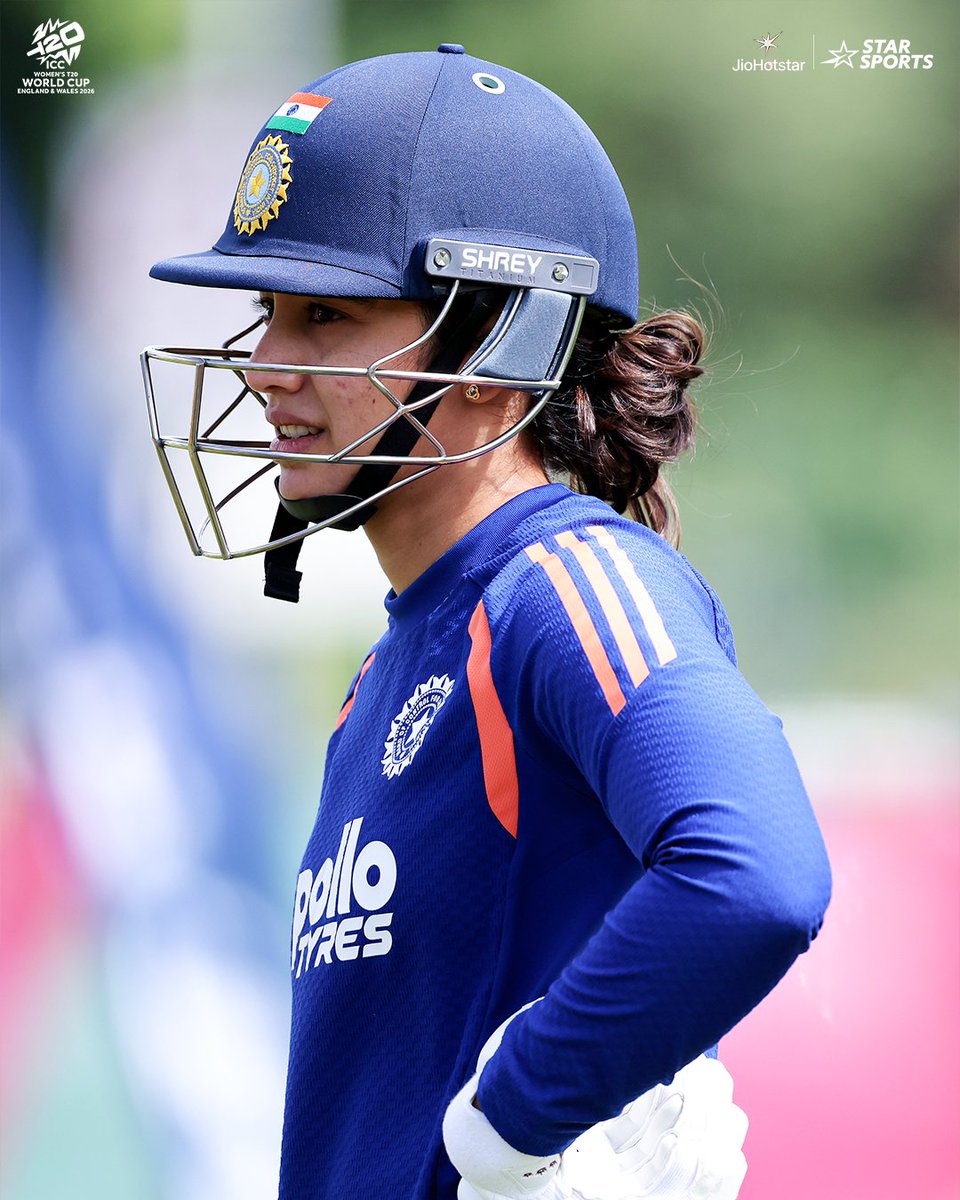
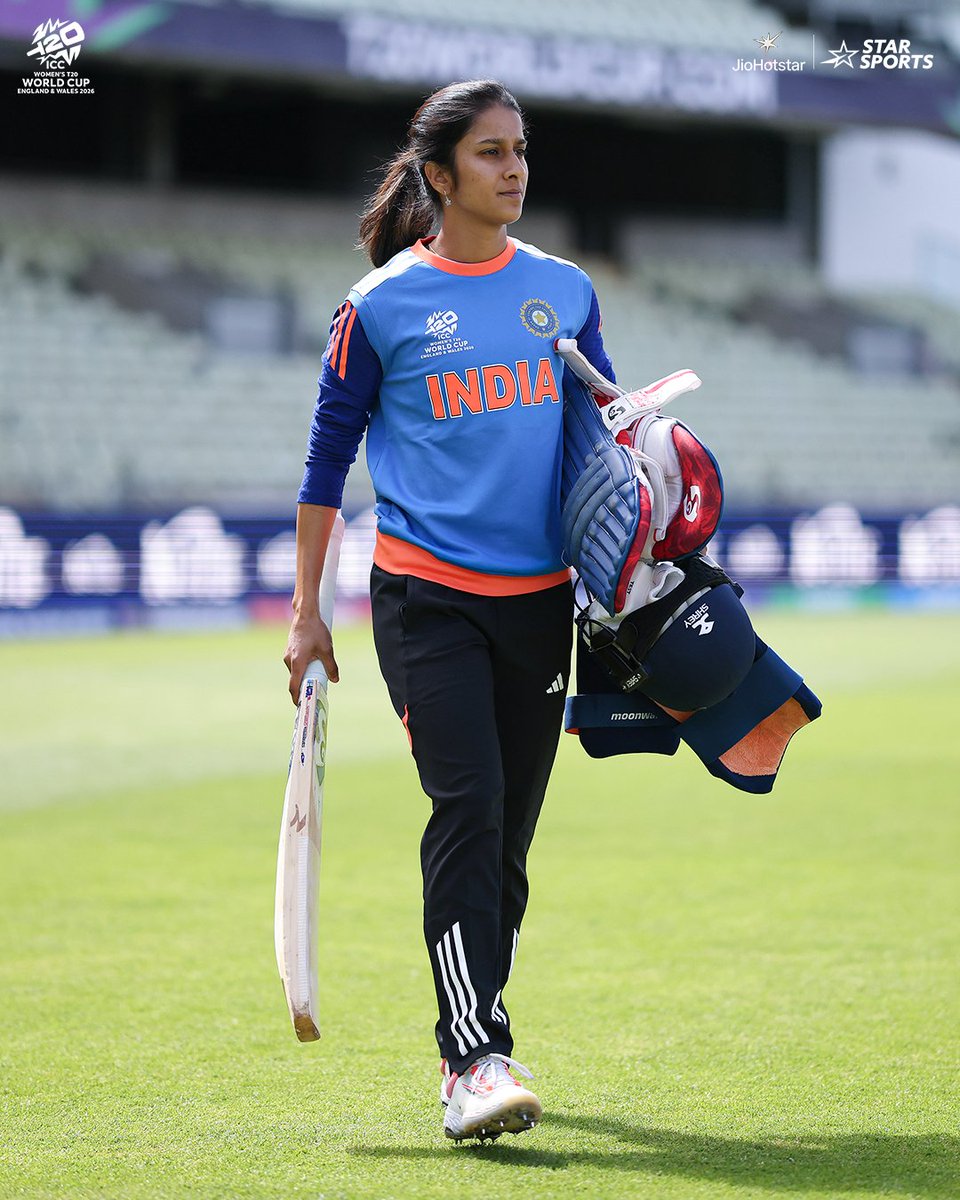
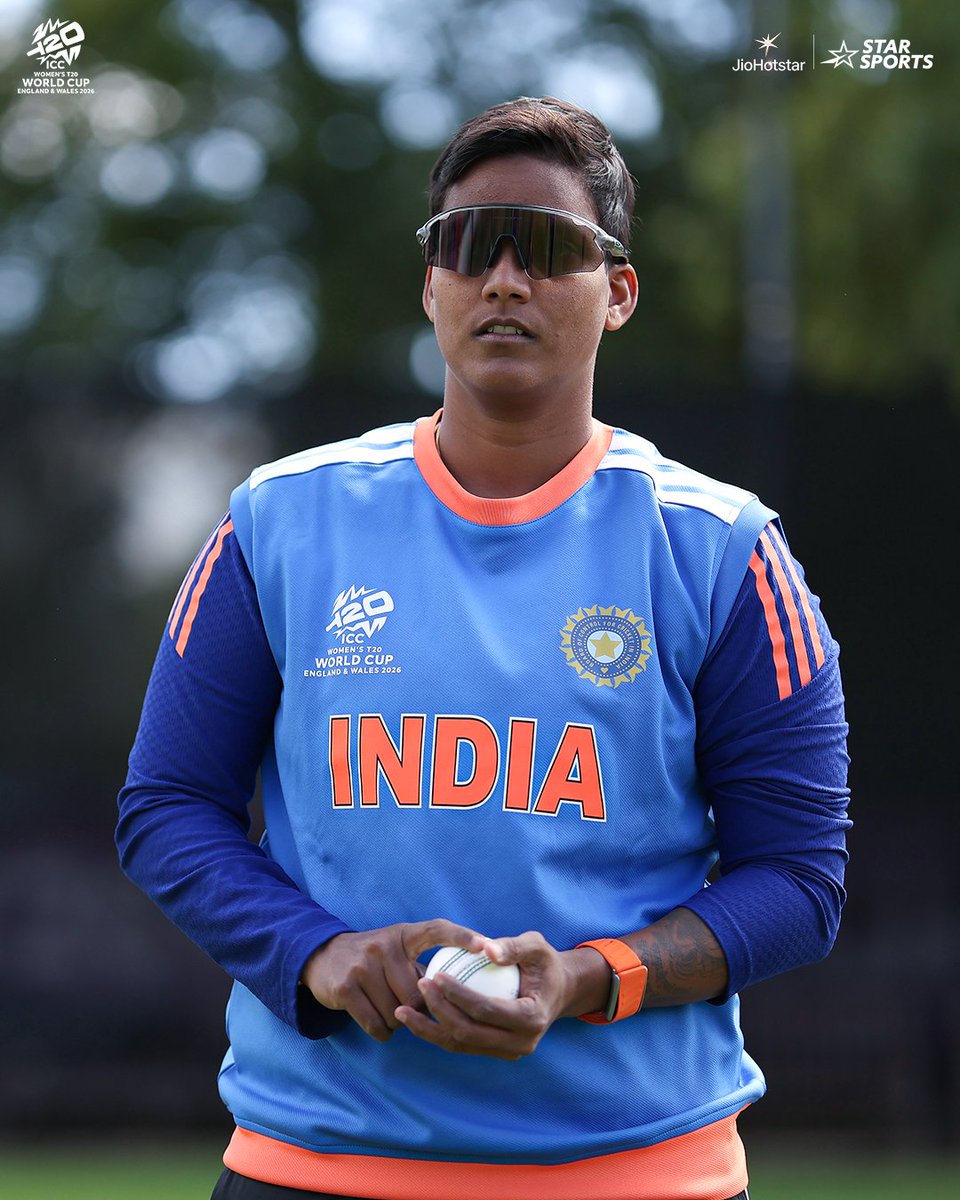
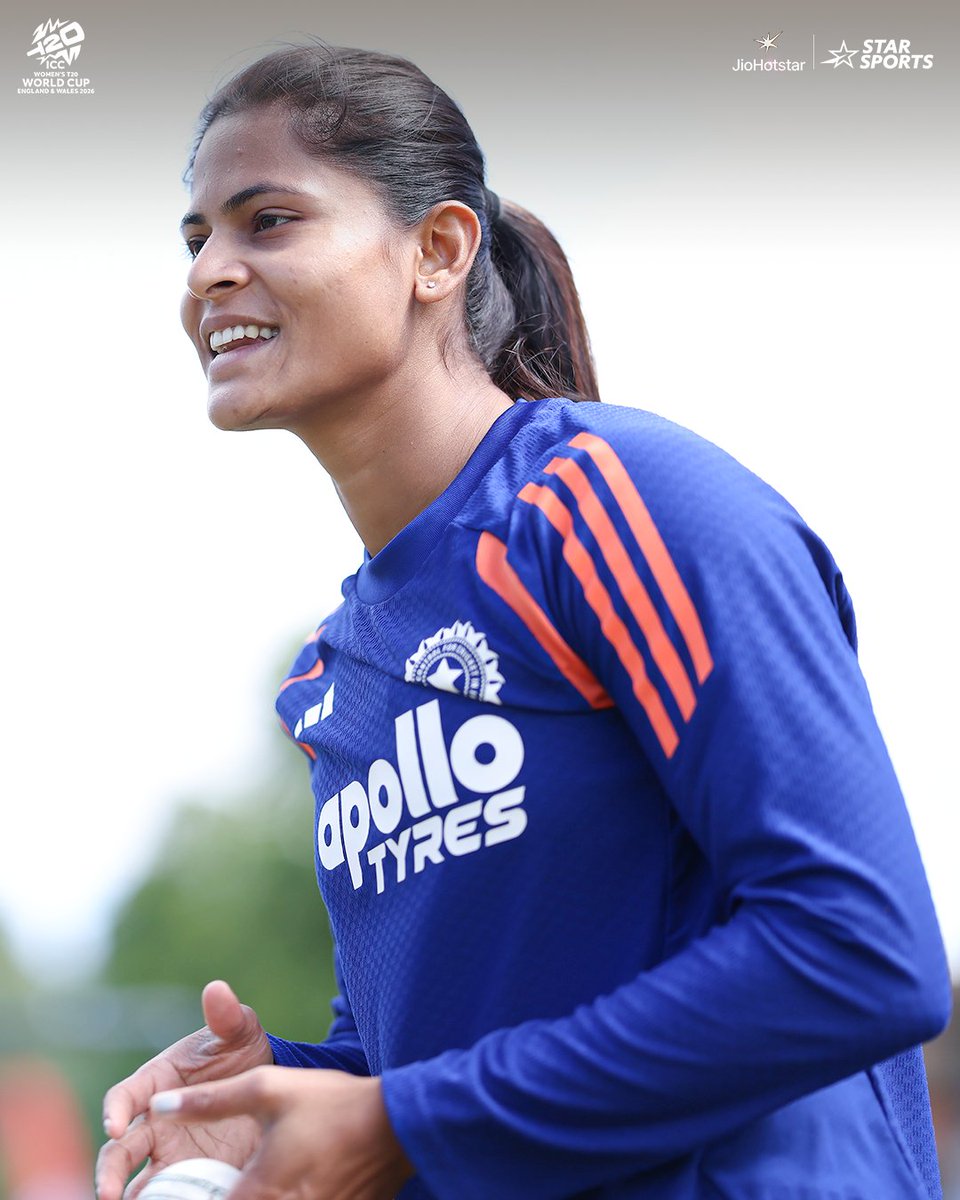
𝐅𝐨𝐜𝐮𝐬𝐞𝐝. 𝐋𝐨𝐜𝐤𝐞𝐝. 𝐑𝐞𝐚𝐝𝐲. 💪
#TeamIndia prepare ahead of the Greatest Rivalry #INDvPAK in the ICC Women's #T20WorldCup ⚔️
Watch them in action on SUN, 14th June, 6 PM.
2
10
240
4,700

That’s still not an answer. Whose copyright would he infringed? Nintendo is infringing on Nintendo’s copyright?
The Switch and PS4 and many other consoles are not region locked. Does capitalism just not exist for those consoles? Or like all PC software which is not region locked?
2

haniee retweeted

EVERYONEEEE LOCKED INNNNN FOR THE SECOND TIMEEEEEE

📢 INKIGAYO LIVE VOTING TODAY 🚨
Please make sure you have at least 250 Rubies or 25 Diamonds ready in your account before the broadcast starts.
⏰ Be on standby at 12:30 PM KST and be ready to vote immediately once live voting opens.
We're hoping TREASURE secures a spot in the Top 3 nominees and gets another chance to fight for the win.
Let's stay alert, be prepared, and give TREASURE our strongest support. 💎🔥
#TREASURE @treasuremembers
23
42
840

Kyler Hawk retweeted

15 Feb 2023
Even my friends make fun of my husbands small locked cock
33
757
3,473
525,359

Blessed for the recognition and exposure! Keeping my head down and locked in. The work doesn't stop. 💼 Locked in for a big season at Lithia Springs! @RecruitMatador"

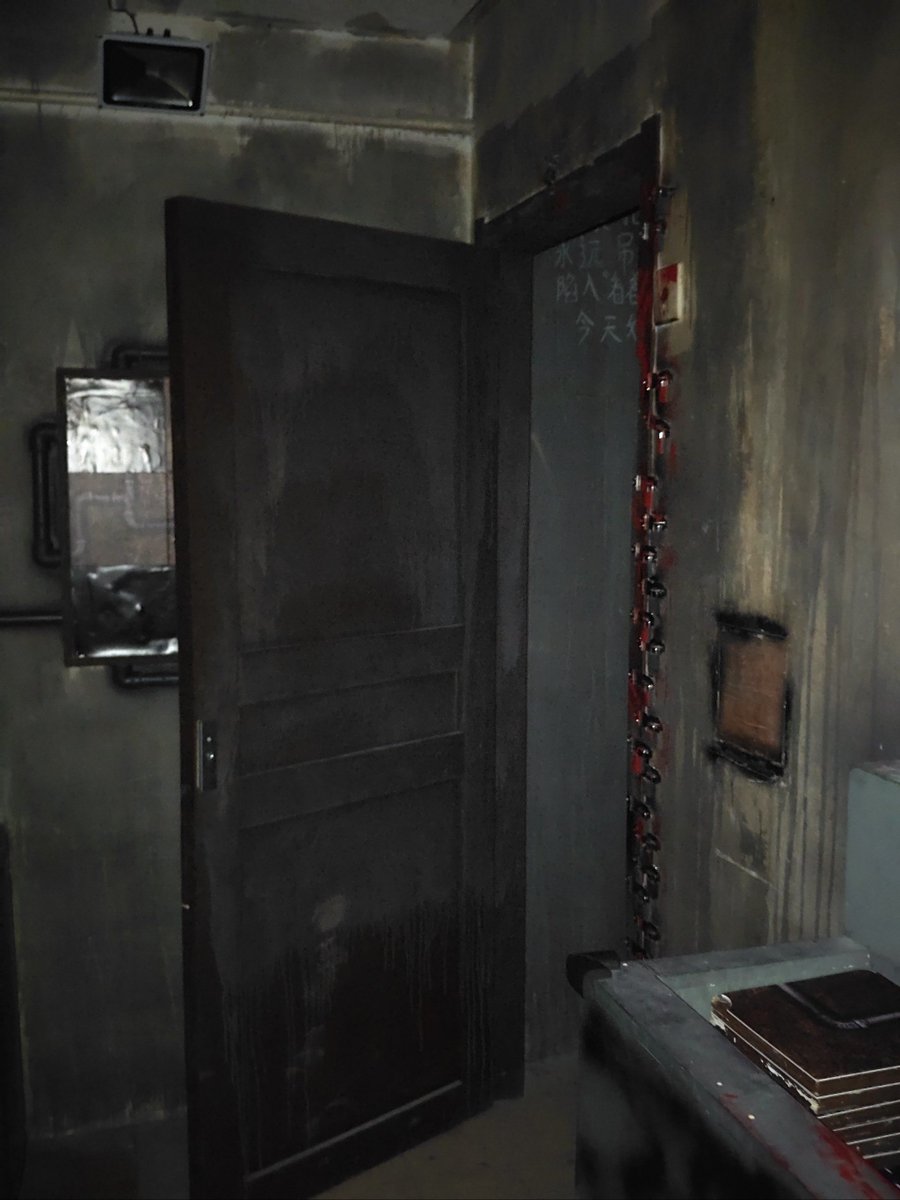
Locked in a room with only a clock, a crumpled note and a rusted key—can you crack the code in 10 minutes #EscapeRoomChallenge