
The kind of man who an rebuild a window has to be a good millworker, an excellent painter, and an adept waterproofer with superior mechanical talent to the average tradesman. He will cost you.
1
9

Middle class in the 80’s was just a millworker Dad with a stay at home Mom. Yearly vacation. Weekend getaways. Two vehicles and a recreation vehicle.
5

May 31
I lived at home through the 70’s and mid-80’s. My dad was a welder/pipe fitter. I remember he was laid off a lot. The year I graduated (‘82) my dad had been laid off for 9 months. I had to put myself through college because the only help my parents could give me was free room and board. My fiancé and I paid for our wedding with no help from either set of parents (his dad was a millworker and was also out of work a lot).
GenZ has zero clue what the economy was like back then. But go ahead, whine some more.
2
1
20
498

Nope, just the son of a girl who was the daughter of a millworker who was the son of about 200 years of sheep and dairy farmers raised in a town built on dairy cattle, sheep and Morgan n quarter horses. Just your average little bit rock ‘n’ roll little bit country small town kid.
2
97

LOVED woodshop. I made a bunch of bullshit that demonstrated that I'll never be a millworker!
1
3
35

Millworker/ James Taylor
youtu.be/z8Ryzrbdu78?si=TtnM…

8
114

it’s a pretty straightforward custom millwork package that would have gone to a millworker, not the GC. everything would’ve been site verified and then shop dwgs (done by the millworker) would be sent to the design team for review and redlines. none of this is complicated
4
2,928


Apr 14
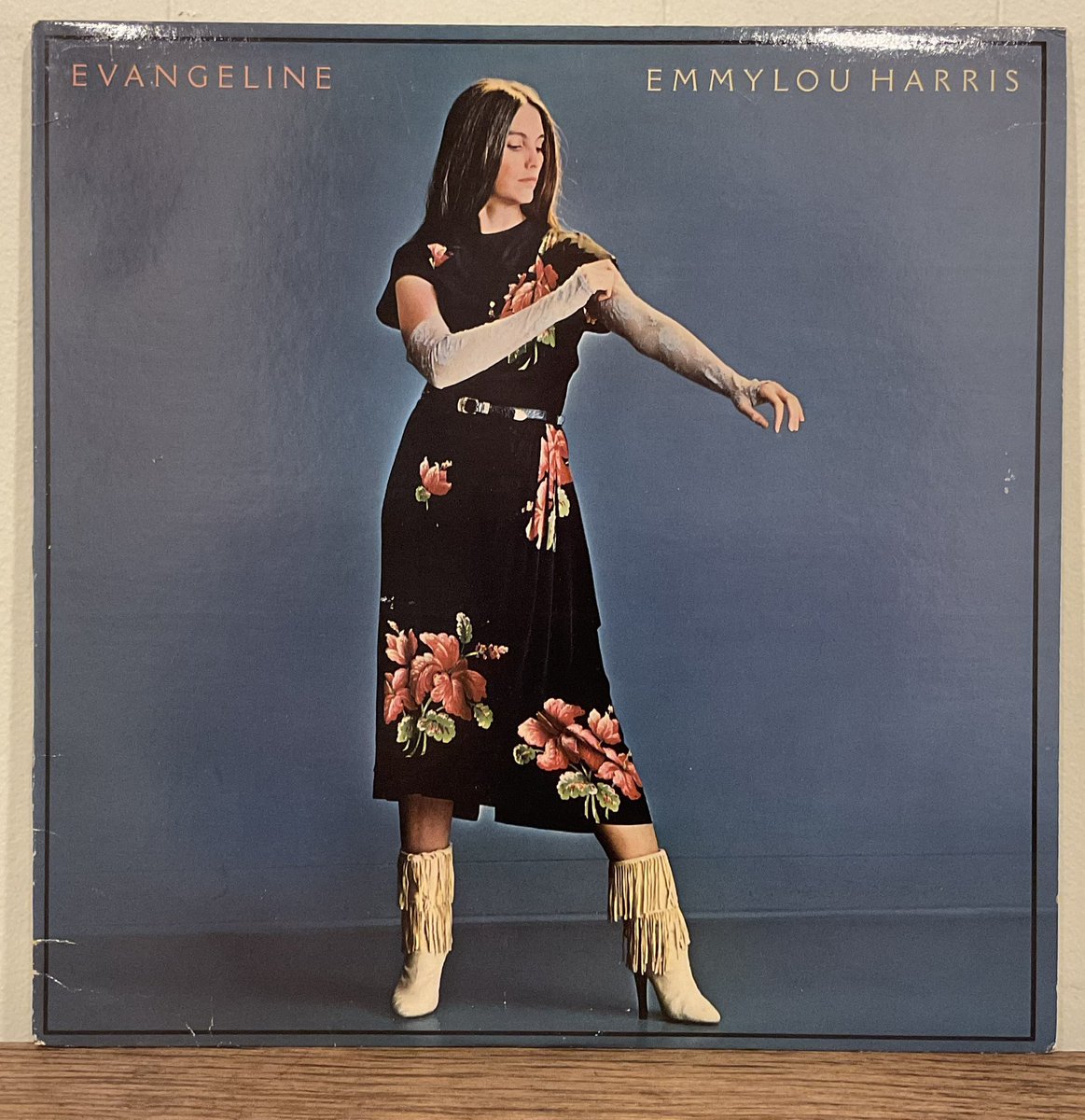
Some Emmylou to soften the day!
Evangeline
Emmylou Harris
8th LP, released in 1981
10 tracks
I Don’t Have to Crawl
How High the Moon
Spanish Johnny
Bad Moon Rising
Evangeline (with Dolly Parton & Linda Ronstadt)
Hot Burrito #2
Millworker
Oh Atlanta
Mr. Sandman
Ashes By Now
5
3
61
623

Apr 14
Why the everloving fuck are this knob’s banal opinions reported? I can get them at my local tap from some nicotin-reeking millworker inhaling his fifth Canadian Club.
6
293


Apr 2
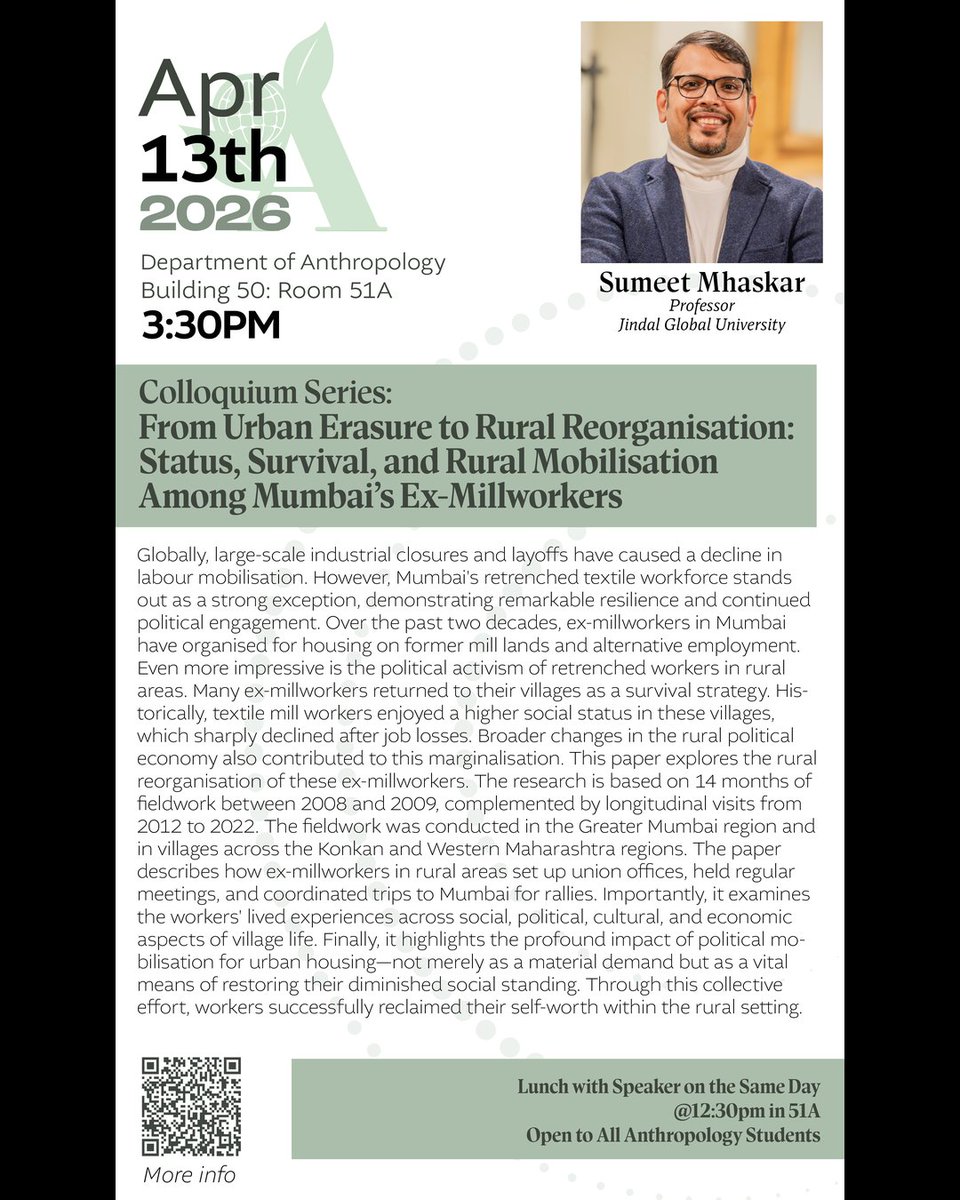
Next Monday, I'll be discussing the return migration of Mumbai's textile mill workers at Stanford's Department of Anthropology Colloquium!
#deindustrialization
#returnmigration
#mumbai
#millworker
@Stanford @StanfordAnthro
4
14
604


Mar 24
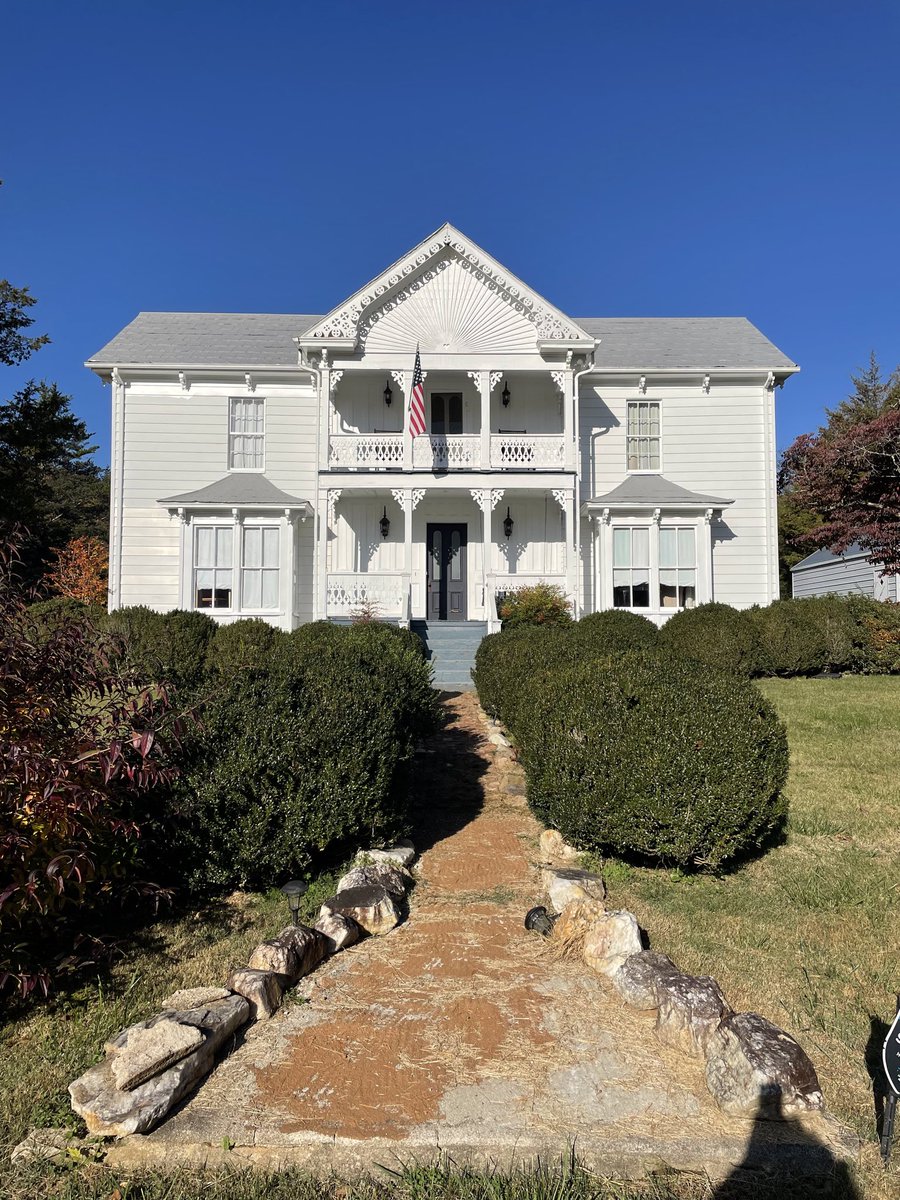
Our restoration of an 1892 farmhouse in North Carolina. Still has its original millworker and roof.
1
1
7
50

Mar 22
Love me some Menards except getting lumber is a pain in the ass.
1. Tell the millworker desk what you want
2. Take the receipt to the front and pay
3. Get in your vehicle and drive to the back and scan your barcode for access
4. Load your stuff
5. Security checks receipt and items before you leave....
It's absolutely insane.
2
2
92


Mar 18
also to be clear, no shade on the millworker. the design is trash. FIVE different depths across a single 310 cm elevation is insane. pick one or two and commit. no unifying datum line, no continuous horizontal that ties it together… it looks like a mishmash of ikea units
2
105
3,025
Mar 18
guaranteed that millworker took one look at the sketch and said “ok … yeah I’m gunna throw this out and do it the right way”
1
72
3,229

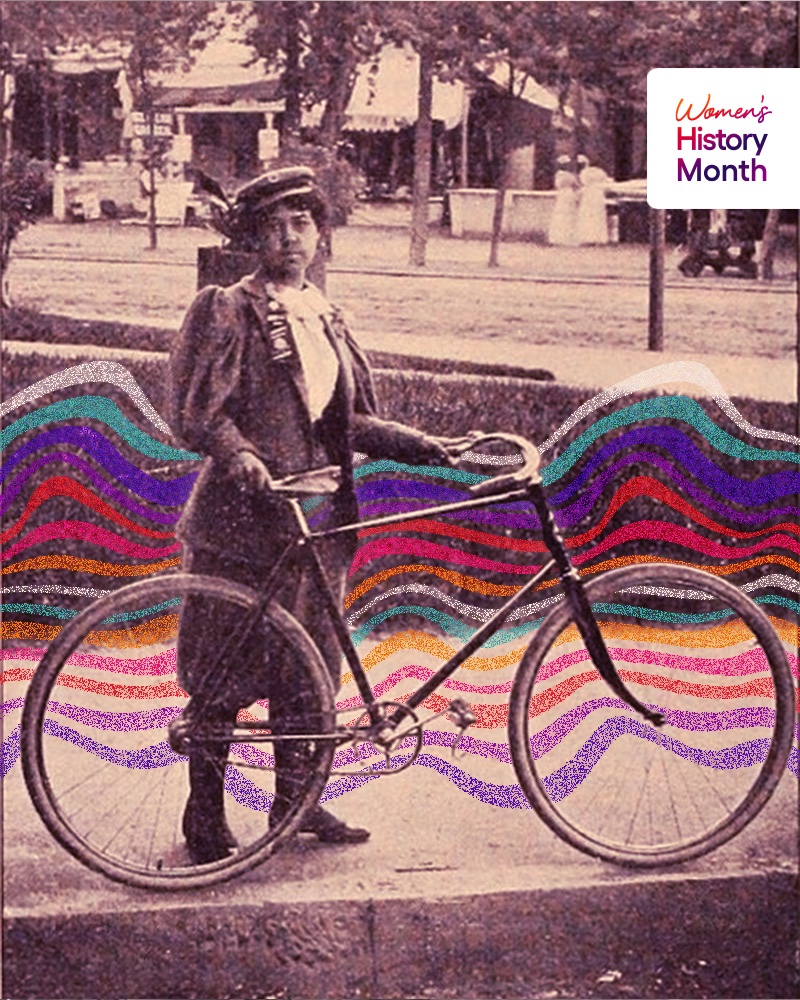
Kittie Knox didn’t just ride a bicycle, she rode straight through the boundaries of race, gender, and expectation.
Next in our Women’s History Month series, we’re honoring Kittie Knox, a trailblazing cyclist whose quiet determination helped reshape who belonged on the road.
Born in Massachusetts in 1874, Kittie was the daughter of a Black tailor and a white millworker. After her father died, her family moved to Boston’s West End, where opportunities were scarce.
Kittie worked as a seamstress, but her creativity didn’t stop at the sewing table. She designed her own cycling kit, stitching together style, function, and freedom.
Then, in 1893, she joined the League of American Wheelmen, becoming the first African American member of the national cycling organization at a time when few women were welcomed at all. A year later, the League changed its constitution to restrict membership to just white riders. The rule was not retroactive, so Kittie kept her place and was determined to show just how wrong that rule was.
She completed grueling century rides, raced across Massachusetts, and won a League meet in Waltham. But the road was rarely smooth. But, even when she was denied entry to races and refused service at hotels and restaurants while traveling, she still showed up, again and again.
At a time when women were expected to cycle in long skirts, Kittie chose baggy trousers, prioritizing movement over convention. At the time, newspapers often commented more on her clothes than her speed. But history remembers both the bold style and the stronger spirit behind it.
Kittie was a true pioneer whose legacy extends to every modern-day race.
This Women’s History Month, we celebrate the riders who refused to stay in their lane, and the paths they opened for the rest of us.
1
2
7
468