
Jun 9
Sourwood, Sorrel Tree, or Titi (Oxydendrum arboreum)…GrownByYou
The native range of Sourwood is North America from the southern Appalachian mountains to the Gulf Coast, @USDA zones 5–9. They are a single-species genus in the Ericaceae, or Heath family.🌿
They have two seasons of great beauty.🌿
In summer, they bloom with dangling clusters of fragrant, lily-of-the-valley–like, cream-white, bell-shaped flowers.🌿
In autumn, they first ripen leathery green fruit caps containing seed. Next, their foliage turns orange, purple, red, or yellow before leaves fall for winter, leaving their brown-gray branches bare.🌿
Visit the "Sourwood Planting and Care Guide" for full information about growing sourwood:
🔗grownbyyou.com/ornamental-tr…
GrownByYou: Expert Plant Information.℠
#trees #sourwood #sorreltree #tititree #OxydendrumArboreum #plantingideas #landscaping #southerntrees #nativetrees #heath #urbangardening #GardeningX
2
6
159

पानी, जंगल और पर्यावरण कभी “सरकारी परियोजना” भर नहीं रहे, ये हमेशा समाज की जीवित परंपरा रहे हैं।
राजस्थान इसका सबसे बड़ा उदाहरण है…
ओरण, कुए-बावड़ियाँ, तालाब-जोहड़ और थार की खेजड़ी-आधारित चरागाह , बीड़ व्यवस्था किसी आदेश से नहीं, बल्कि समाज के अनुशासन और संरक्षण से सैकड़ों साल तक टिके रहे।
जहाँ समाज ने जिम्मेदारी उठाई, वहाँ प्रकृति संतुलित रही और जहाँ इसे केवल परतंत्र पर छोड़ दिया गया, वहाँ गलत प्रजातियाँ, गलत हस्तक्षेप और असंतुलन की समस्याएँ खड़ी हुईं।
इसलिए समाधान टकराव नहीं है। सरकार का काम प्रकृति का “मालिक” बनना नहीं, बल्कि समाज की पारंपरिक पर्यावरणीय व्यवस्था की सहायक भूमिका निभाना होना चाहिए।
#TharDesert #RajasthanEnvironment #TraditionalEcologicalKnowledge #CommunityConservation #WaterManagement #ProtectNature #NativeTrees #BiodiversityMatters #OranConservation @RajCMO
Jun 9

सरकारें ये पेड़ पौधे लगाने के जितने भी अभियान चला रही है…
हाथ जोड़कर निवेदन है कि ये सारे अभियान बंद कर दो
आपके द्वारा लगाया गया एक भी पेड़ नहीं टिकता…
पेड़ पौधे हम जनता खुद लगा लेंगे…
और सार सँभाल भी कर लेंगे…
आप तो बस अगर पेड़ काटना बंद कर दोगे…
तो आपका भगवान भला करेगा…!!
71

Jun 8
GCCI Suggests Sustainable Roadside Plantation Plan for Goa’s Green Mission
#Goa #TreePlantation #GCCI #GreenGoa #Environment #Sustainability #ClimateAction #NativeTrees #GoaGovernment #PramodSawant #Biodiversity #EcoFriendlyGoa #GreenInitiative #GoaNews #PlantForFuture

15

Jun 5
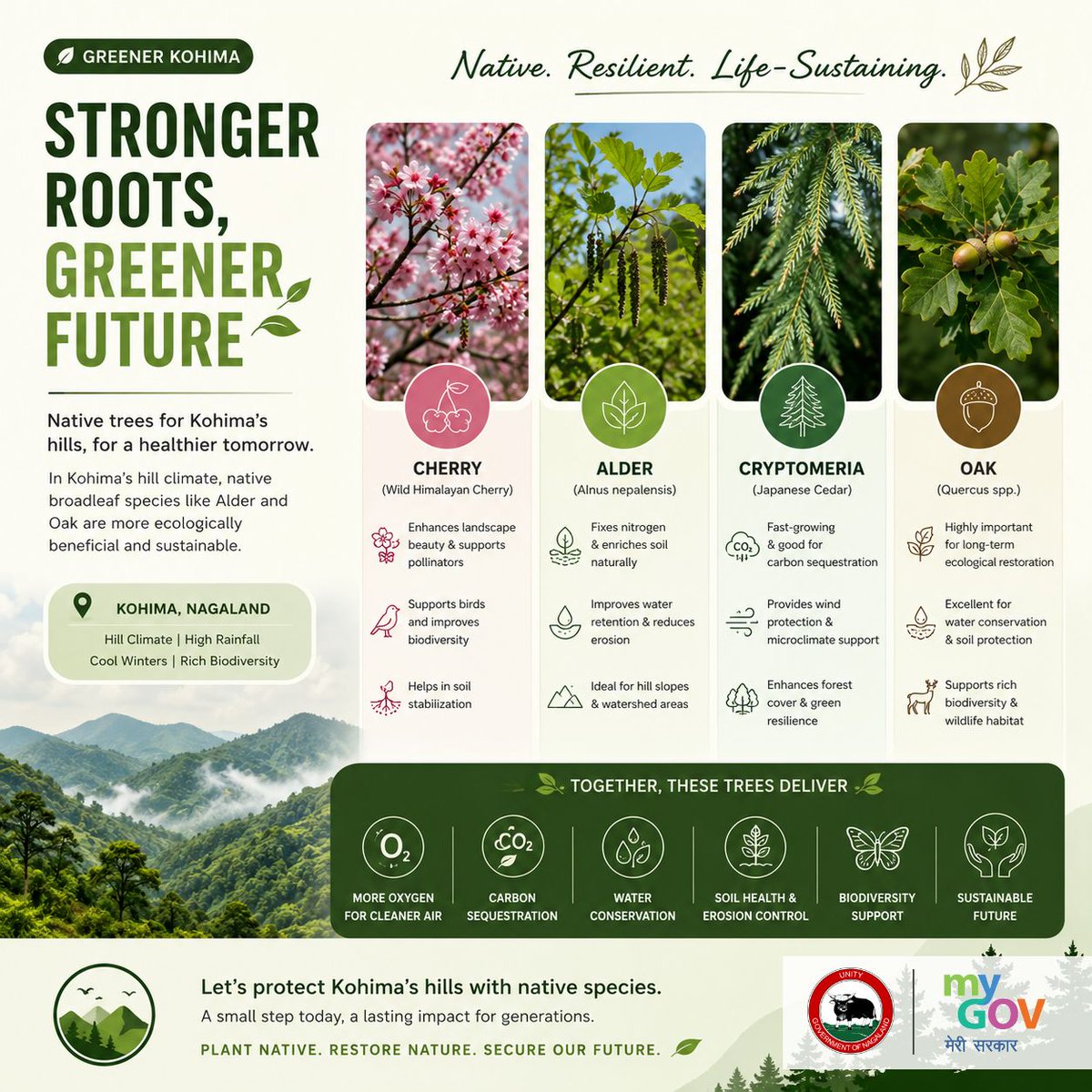
🌎 This #WorldEnvironmentDay, let's invest in Greener Future for Nagaland.
Native trees strengthen our hills, conserve water, support biodiversity and build climate resilience.
🌱Plant Native. Restore Nature. Secure Our Future.
#GreenNagaland #NativeTrees
#ClimateAction
6
20
476

May 27
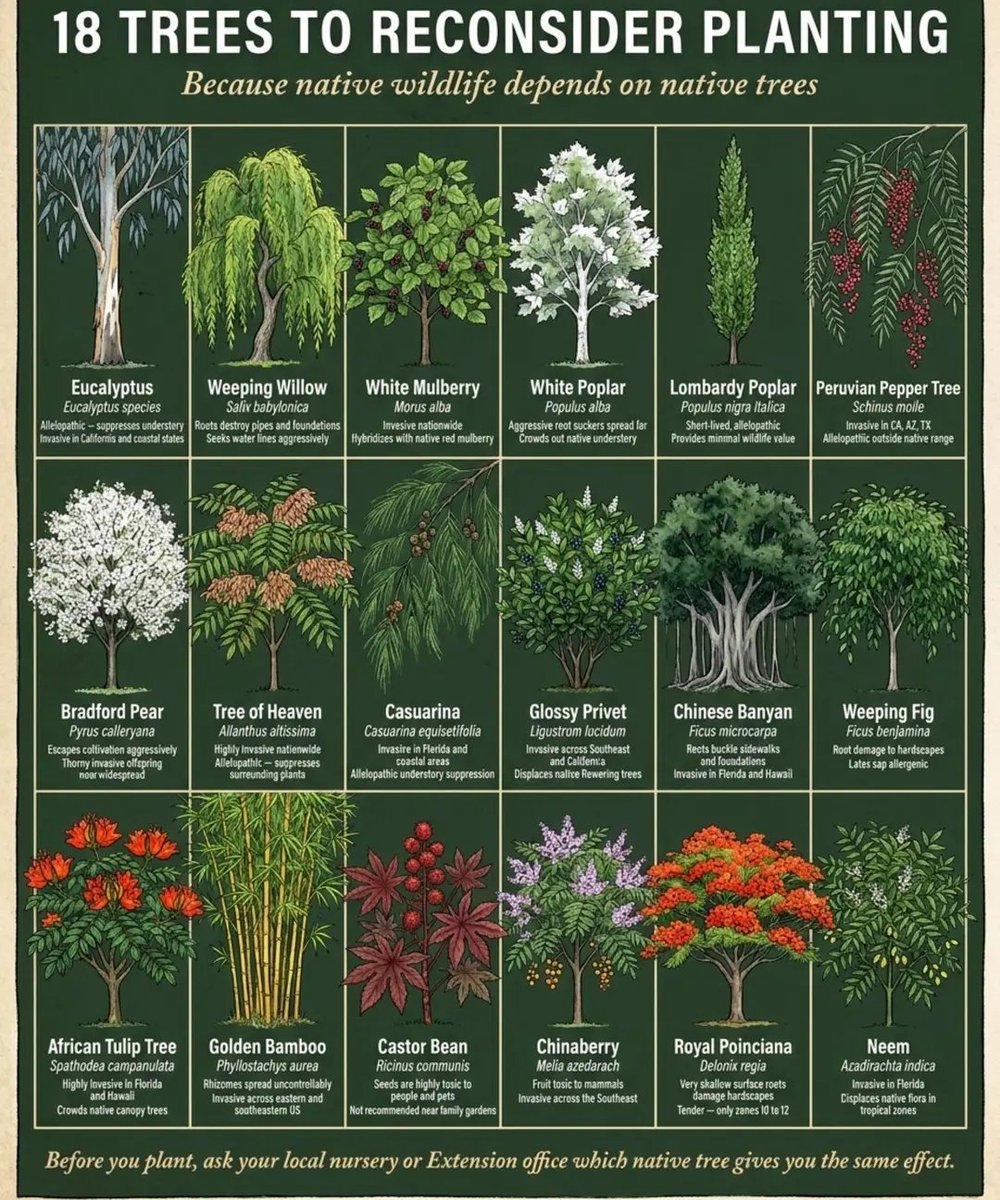
The birds, butterflies, and native bees in your yard depend directly on the trees you plant. Non-native trees that support little local wildlife aren't neutral — they're taking up a slot that a native tree could fill. 🌿
The US standouts worth knowing about, grouped by what they actually do:
Aggressive spreaders that displace native plants:
- Tree of heaven (Ailanthus altissima) — one of the most invasive trees in the country, spreads by seed and root sprouts, allelopathic
- Bradford/Callery pear — beautiful spring flowers, but spreads freely into wild areas and its thorny offspring are now a serious invasive problem across the eastern US
- White mulberry (Morus alba) — crowds out native red mulberry, hybridizes with it, widely naturalized
- Chinaberry, glossy privet, golden bamboo (Phyllostachys), and African tulip tree — all invasive in the South, Southeast, and Hawaii
Root and infrastructure damage in tight spaces:
- Weeping willow — roots seek water lines and foundations; better choices exist for wet sites
- Chinese banyan (Ficus microcarpa) — trunk-buckling roots, serious infrastructure problem in warm-climate zones
- White poplar — aggressive root suckers spread far from the trunk
Allelopathic — chemically suppresses nearby plants:
- Eucalyptus (especially in California) — drops allelopathic leaf litter that limits understory growth
- Tree of heaven — same problem on top of invasiveness
- Peruvian pepper tree — invasive and allelopathic in California, Arizona, and Texas
Toxic in family gardens:
- Castor bean — seeds are highly toxic to people and pets
- Chinaberry — fruit is toxic to mammals 🌱
Better choices for the same jobs: native oaks for shade and wildlife value, redbud and serviceberry for spring flowers, bald cypress or buttonbush for wet spots, pawpaw or native plum for edible fruit, eastern red cedar for screening.
Before you buy, ask your local nursery or Extension office what native tree gives you the same effect.
#NativeTrees #InvasivePlants #WildlifeGardening #NativePlants #GardenWildlife
8
35
830

May 20
From Open Land to Lasting Impact!
Introducing SUNDHARAVANAM 2.0 - a 1 Acre Sustainable Development Collaboration Space in Sriperumbudur.
ARAN invites corporates, SIPCOT industries, Rotary clubs, institutions and government bodies to collaborate in creating a greener and more sustainable future through the plantation of 500 native trees and long-term environmental development initiatives.
As the implementation partner, ARAN will take care of:
✅ Land Preparation
✅ Native Tree Plantation
✅ Watering & Irrigation
✅ Maintenance & Upkeep
✅ Monitoring & Sustainability
Together, let’s transform this space into a thriving urban green ecosystem for future generations.
📍 Sriperumbudur
🌳 500 Native Saplings
📞 Contact: 7708248679
📧 Email: contact@aranvolunteers.org
#Sundharavanam2 #UrbanForest #SustainableDevelopment #GreenInitiative #TreePlantation #EnvironmentalConservation #ARAN #Sriperumbudur #UrbanGreening #NativeTrees #ClimateAction #CommunityImpact

1
2
33

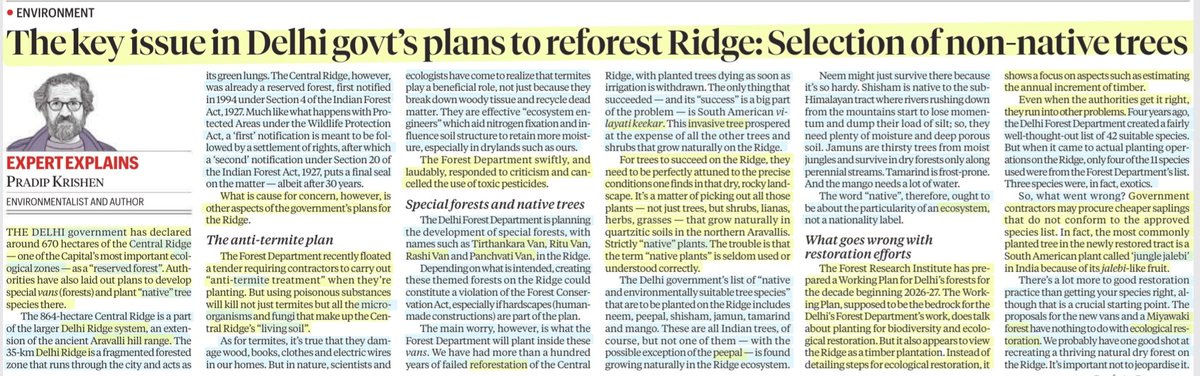
The key issue in Delhi Govt's plans to reforest Ridge: Selection of non-native tree
:An Insightful article by Sh Pradip Krishen
#Delhi #DelhiRidge #CentralRidge #Aravalli #Reforestation #NativeTrees
#Ecosystem
#EcologicalRestoration
#Policy
#UPSC
Source:IE
5
26
359

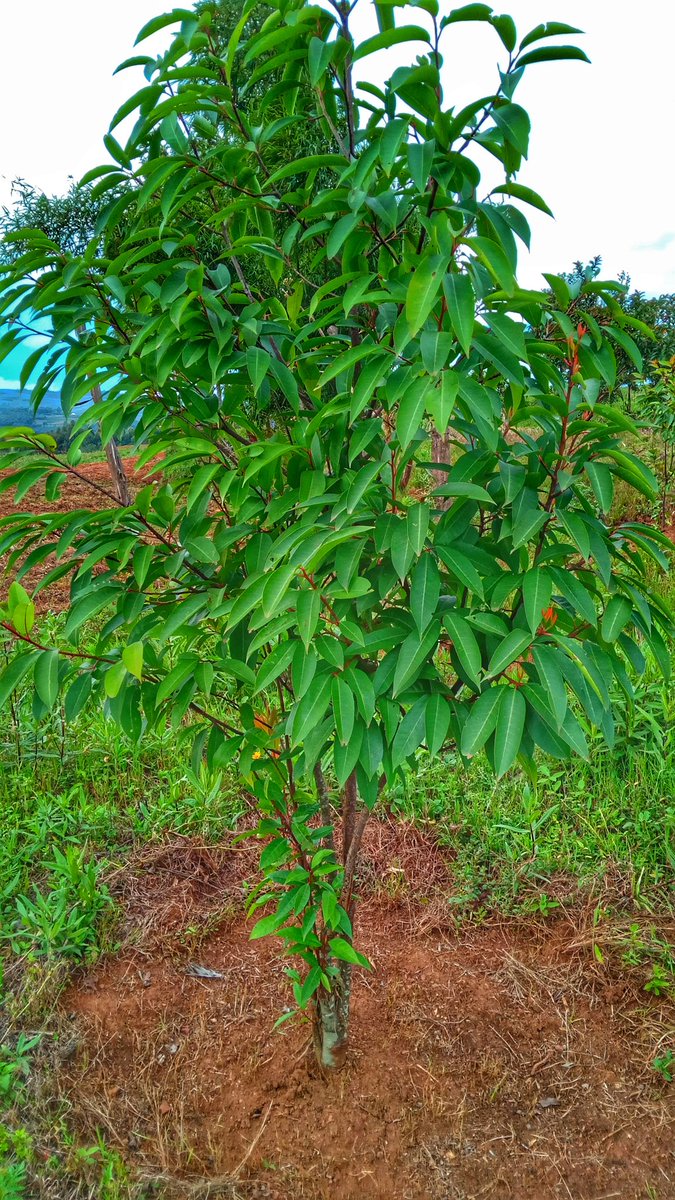
People who get excited about trees are my people 🌱🌳🌏🍀
And Prunus africana is my favourite.
#Dendrophileslifestyle #LoveTrees #NativeTrees #ThinkTree #TreeClub #EarthWeek #ClimateAction
1
1
3
91
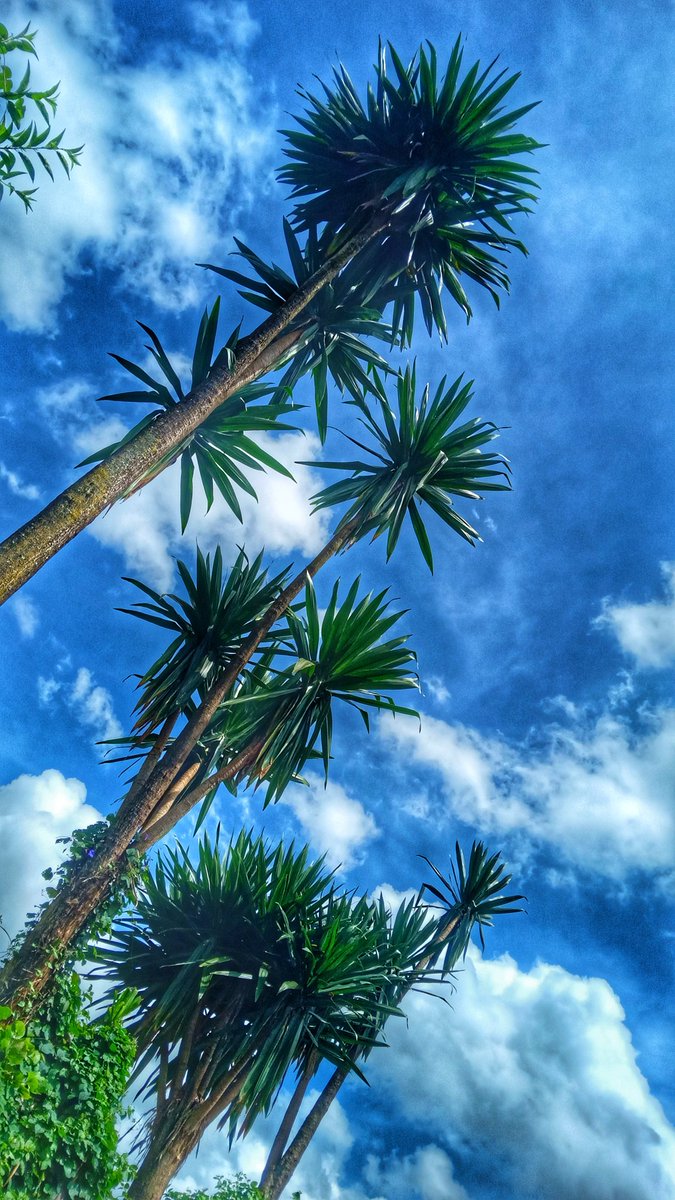
Dracaena steudneri looking extremely beautiful with dappled sky.
I really loved this.
#Dendrophileslifestyle #LoveTrees #TreeClub #Ecoliving #PlantMoreTrees #NativeTrees #EarthWeek #EarthDay
4
397

Apr 18
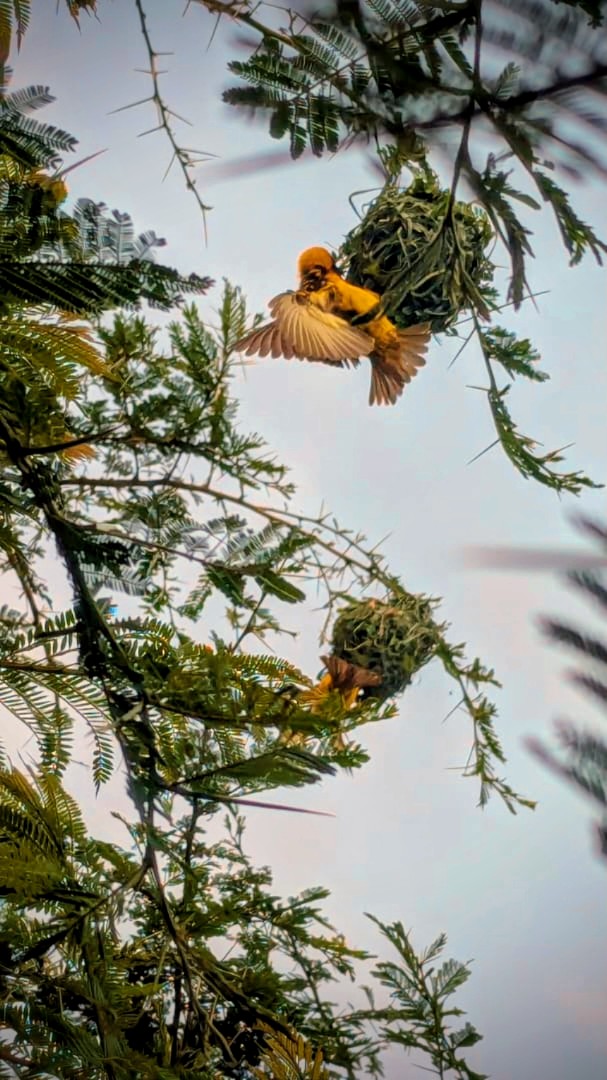
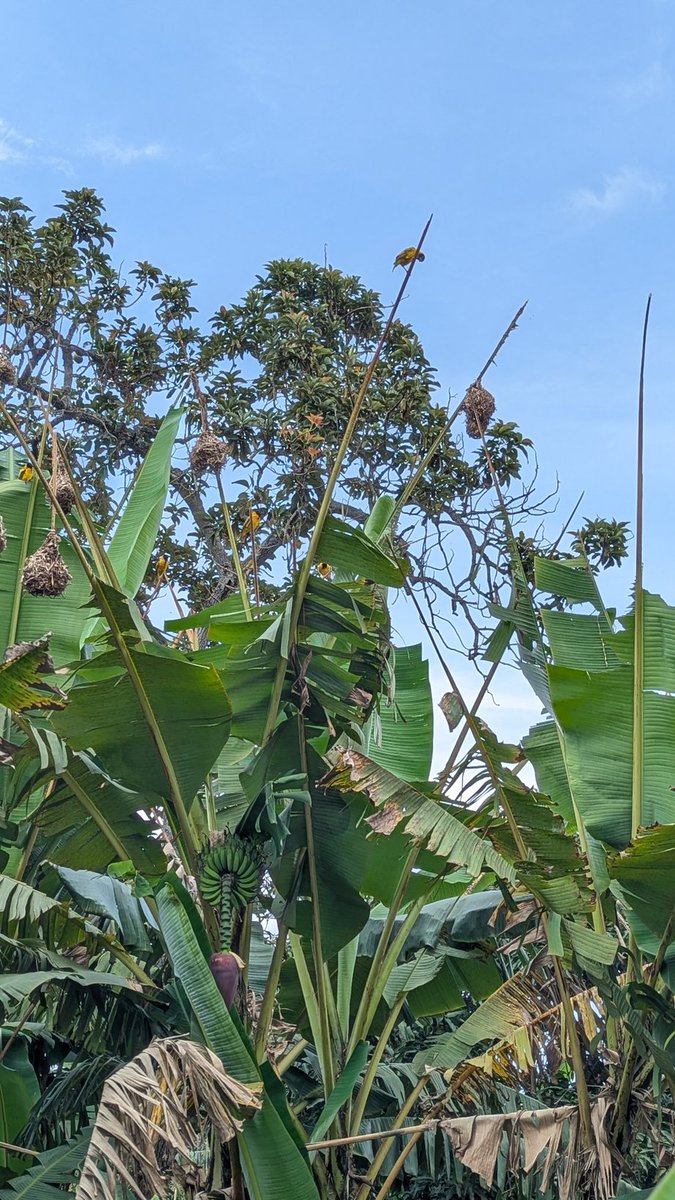
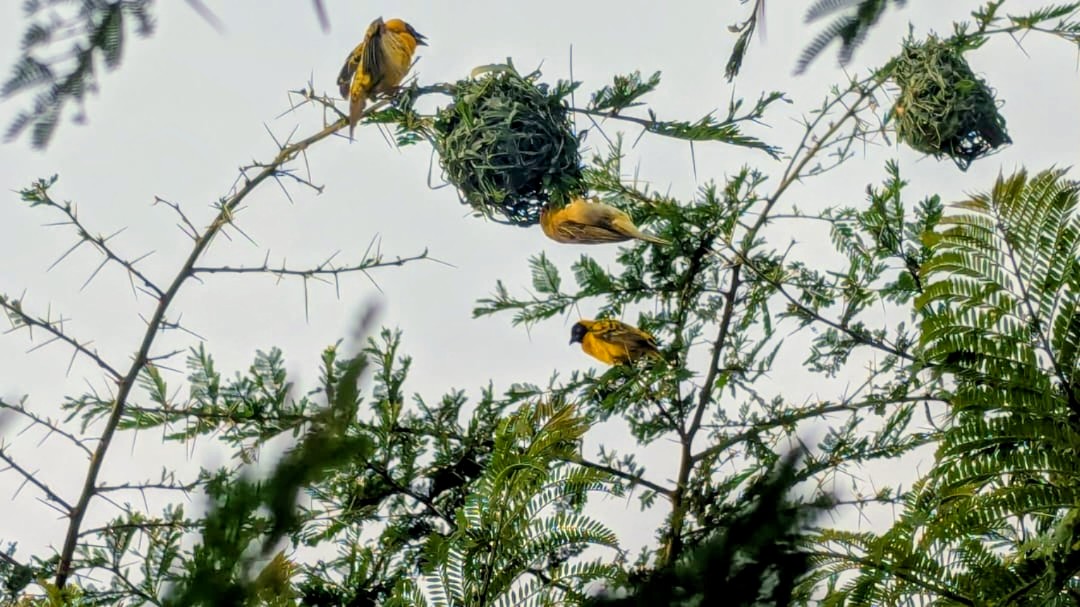
Native trees are the foundation of life.From shelter to snacks, they provide everything local wildlife needs to flourish.
#NativeTrees #Biodiversity #NatureFirst
1
6
118

Apr 6
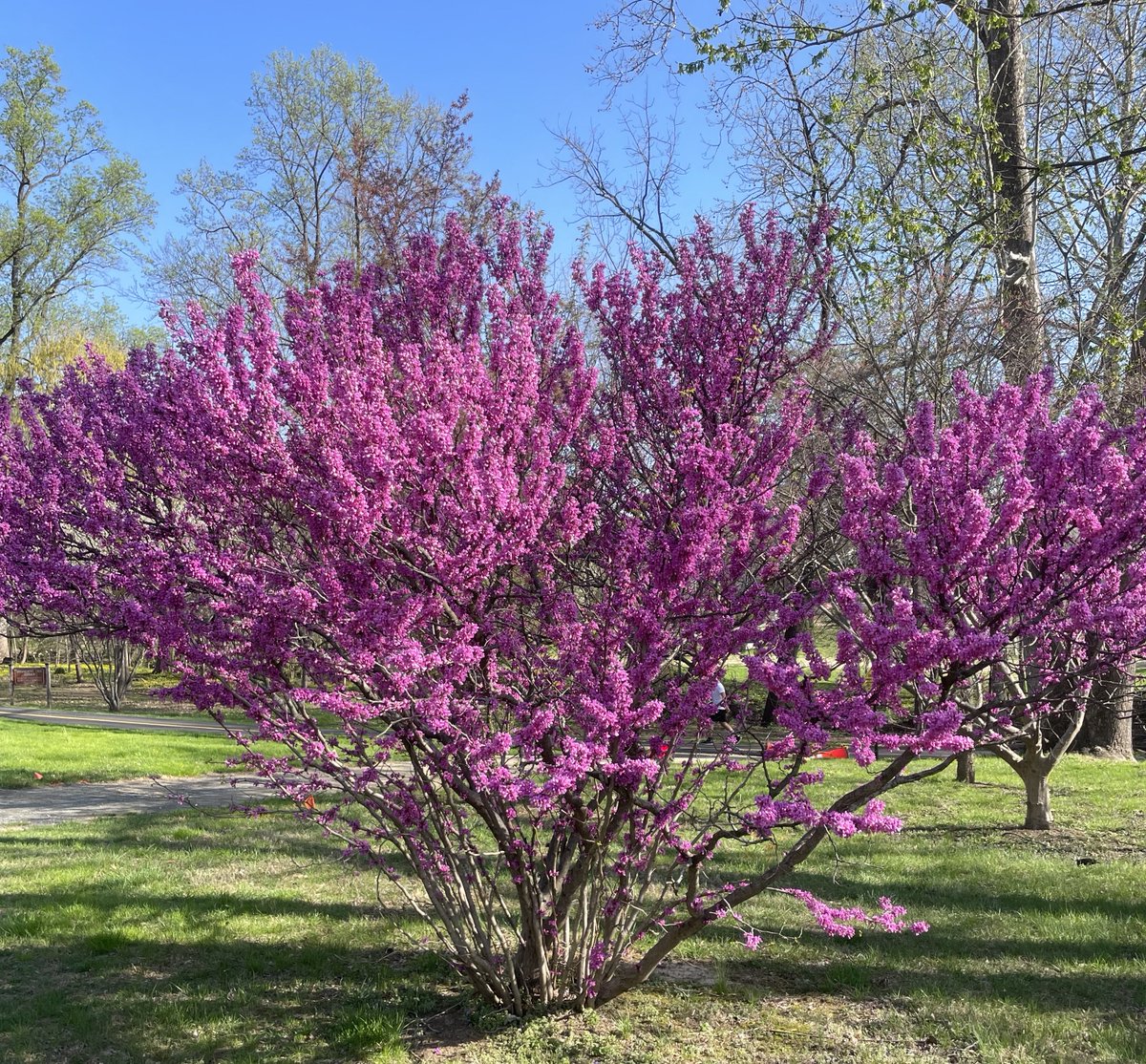
Our beloved Virginia Redbud tree 🩷 they light up the landscapes every year at Easter time! #MagentaMonday 🌸 #NativeTrees
5
5
70
518

Mar 24
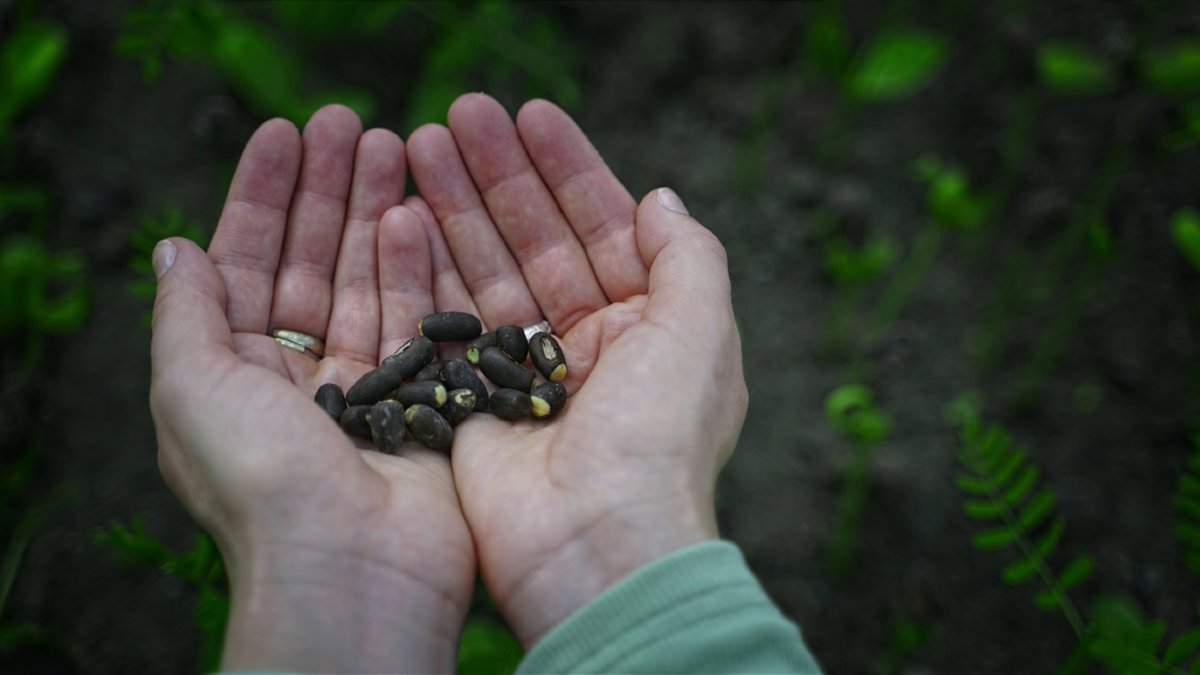
This is how a forest starts.
Not with a headline.
With a handful of these.
#Seeds #NativeTrees #PlantTrees #ForestRestoration
1
2
8
188
Mar 20
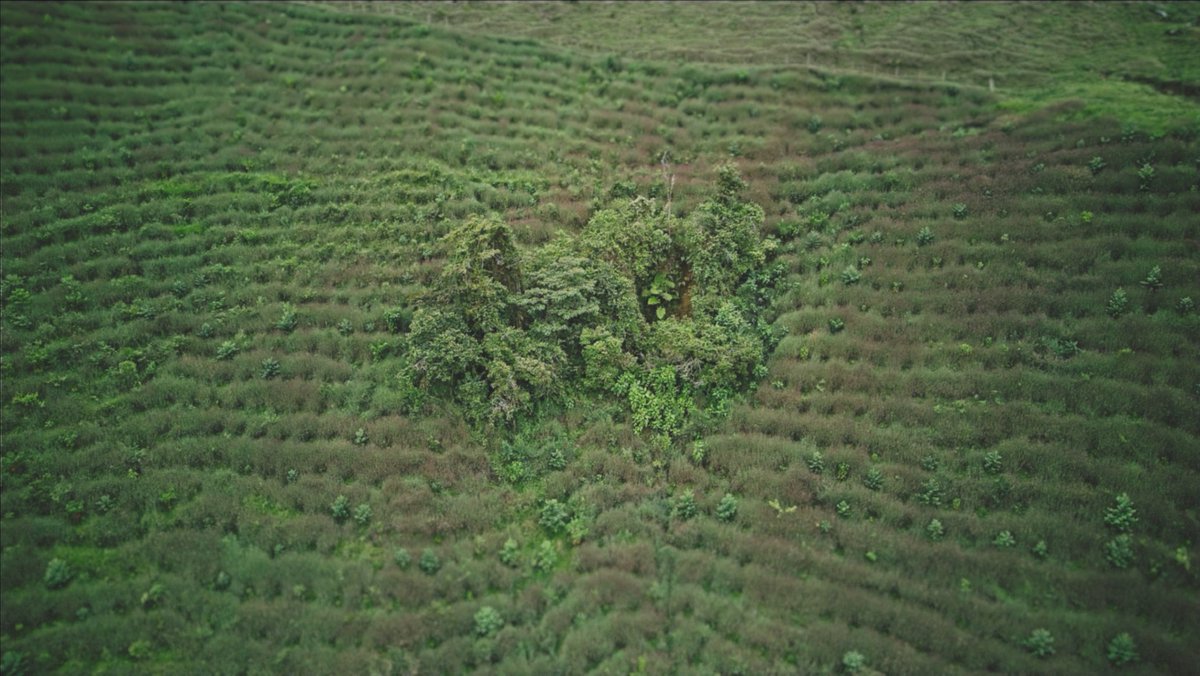
One tree held this hillside's memory.
We gave it ten thousand neighbors.
#NativeTrees #ForestRestoration #Reforestation
2
1
4
138

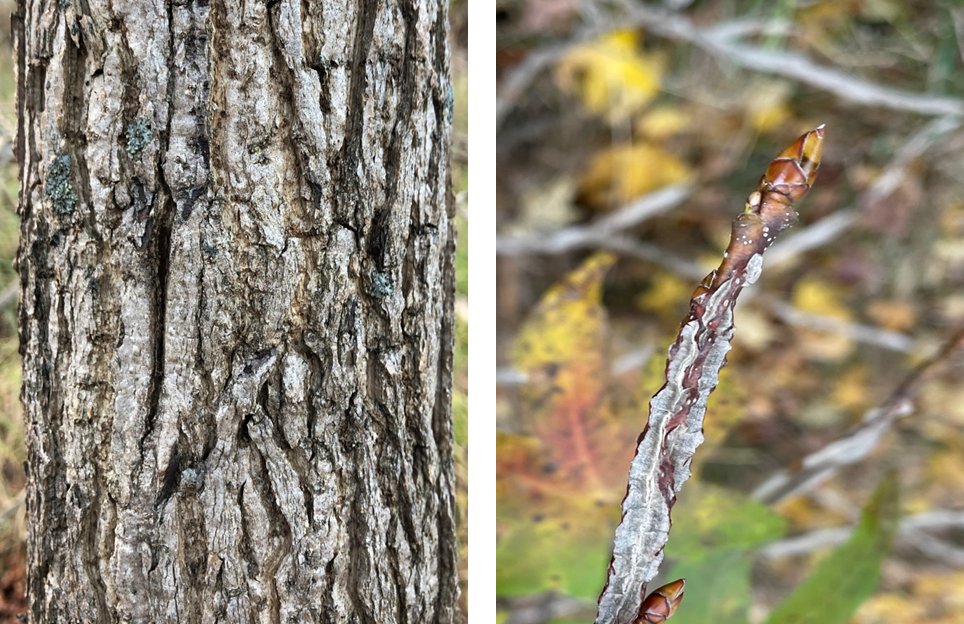
🌳 Tree of the Week: Sweetgum (Liquidambar styraciflua)
🔴 Spiky seed balls make it easy to spot in winter
💧 Thrives in moist soils
⭐ Star-shaped leaves brilliant fall color
A fast-growing standout across southern forests!
#TreeOfTheWeek #NativeTrees #Ecology
2
74
Mar 19
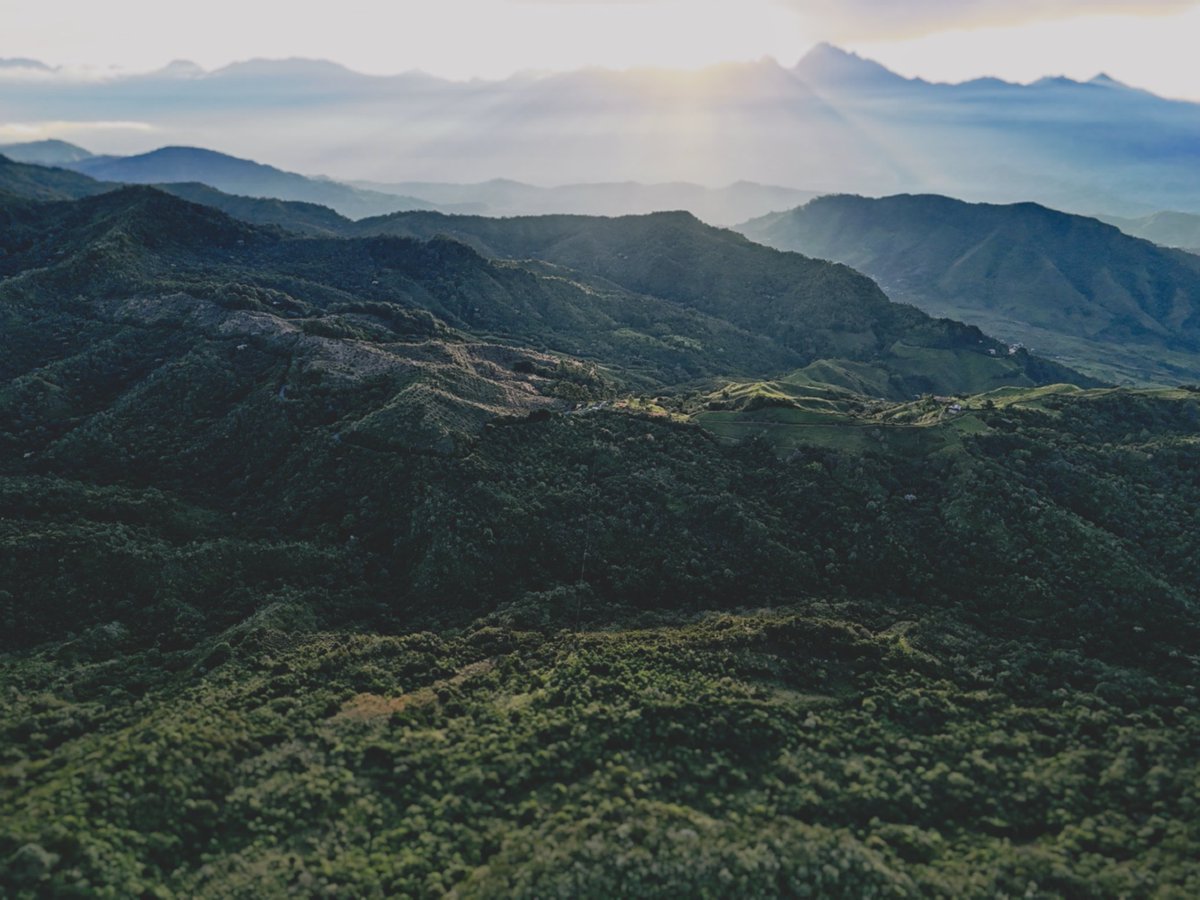
"through beautiful lands where green is made of all colors,
the winds sing through Colombia."
— Aurelio Arturo, Morada al Sur
We're helping bring the green back.
#Reforestation #NativeTrees #ForestRestoration #ColombianPoet #Colombia
1
2
6
1,080

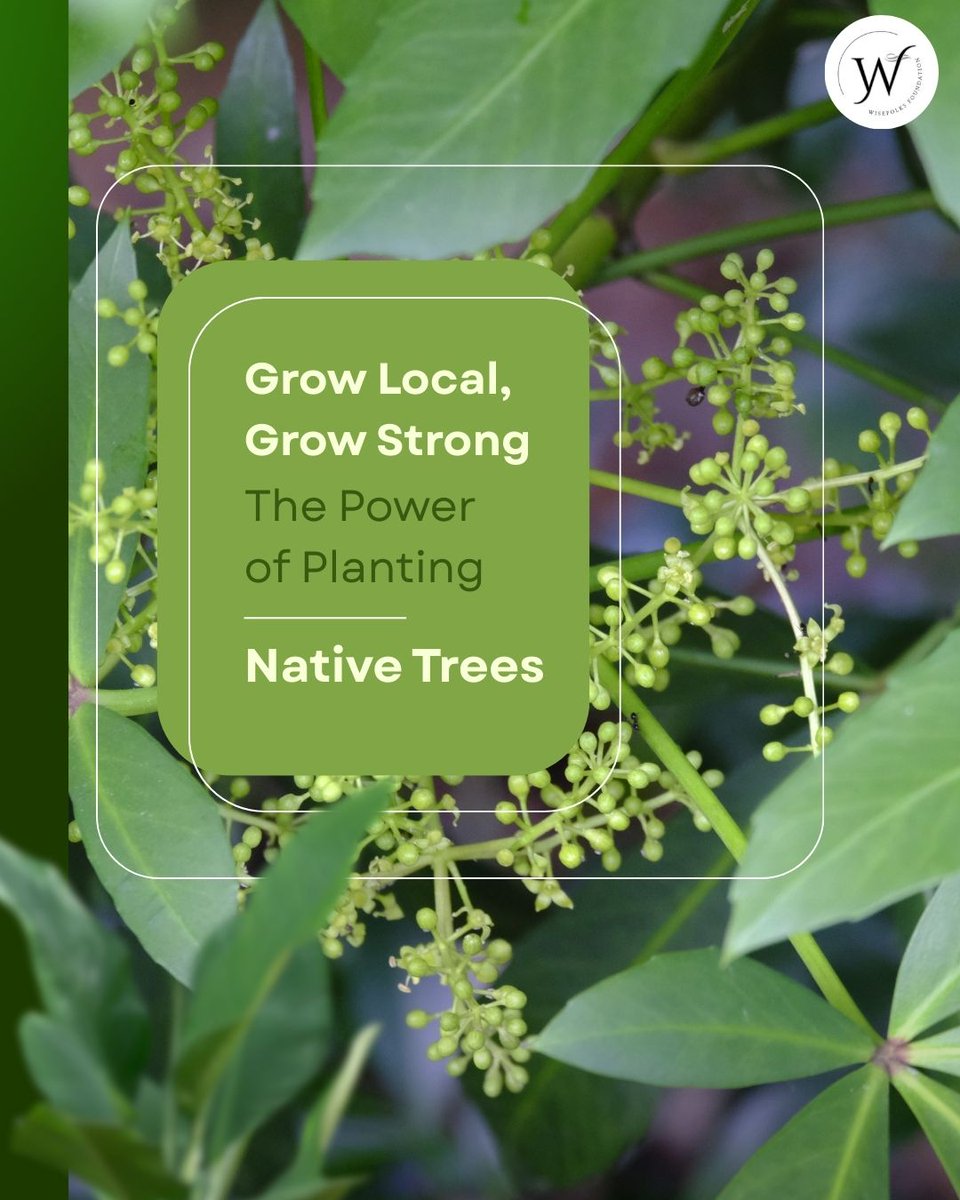
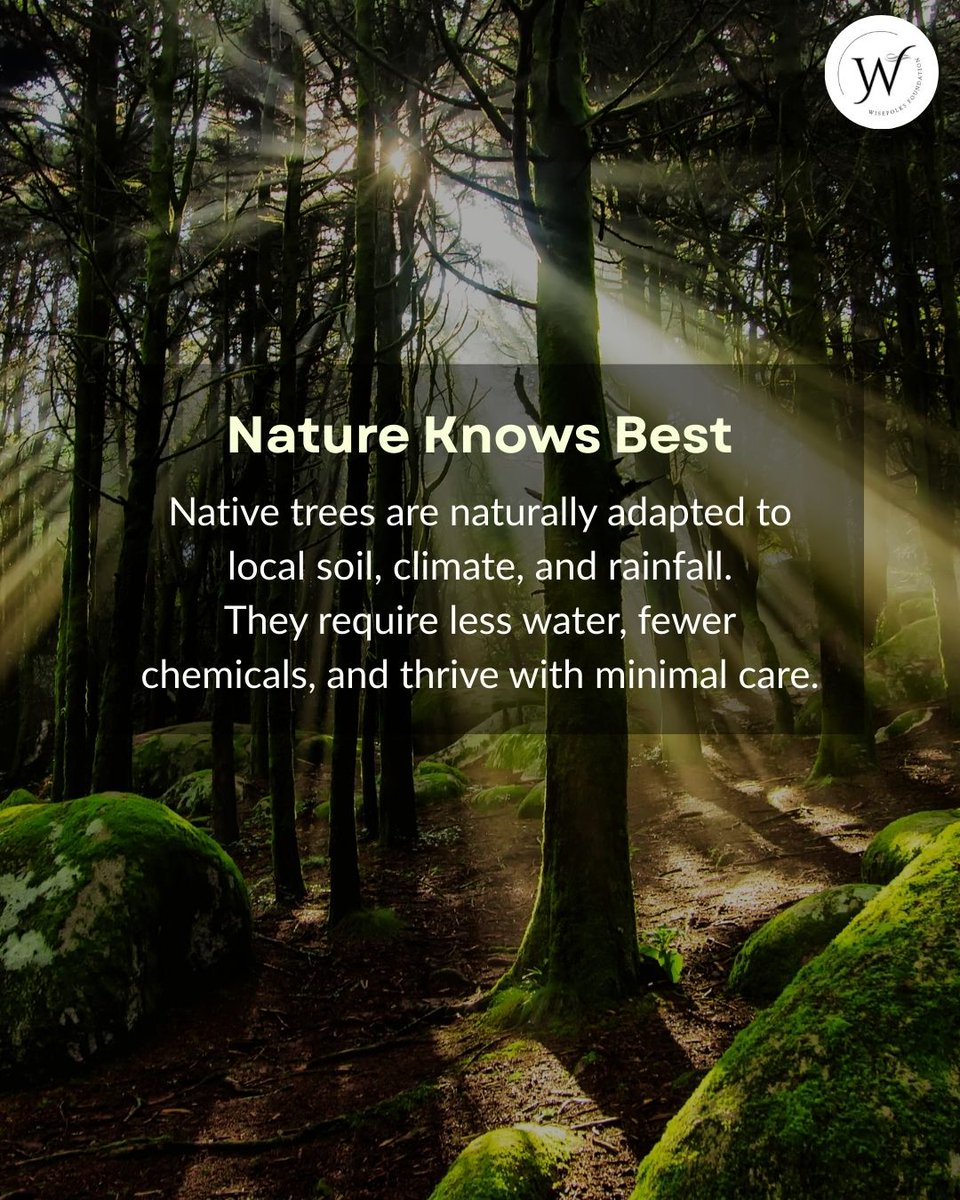
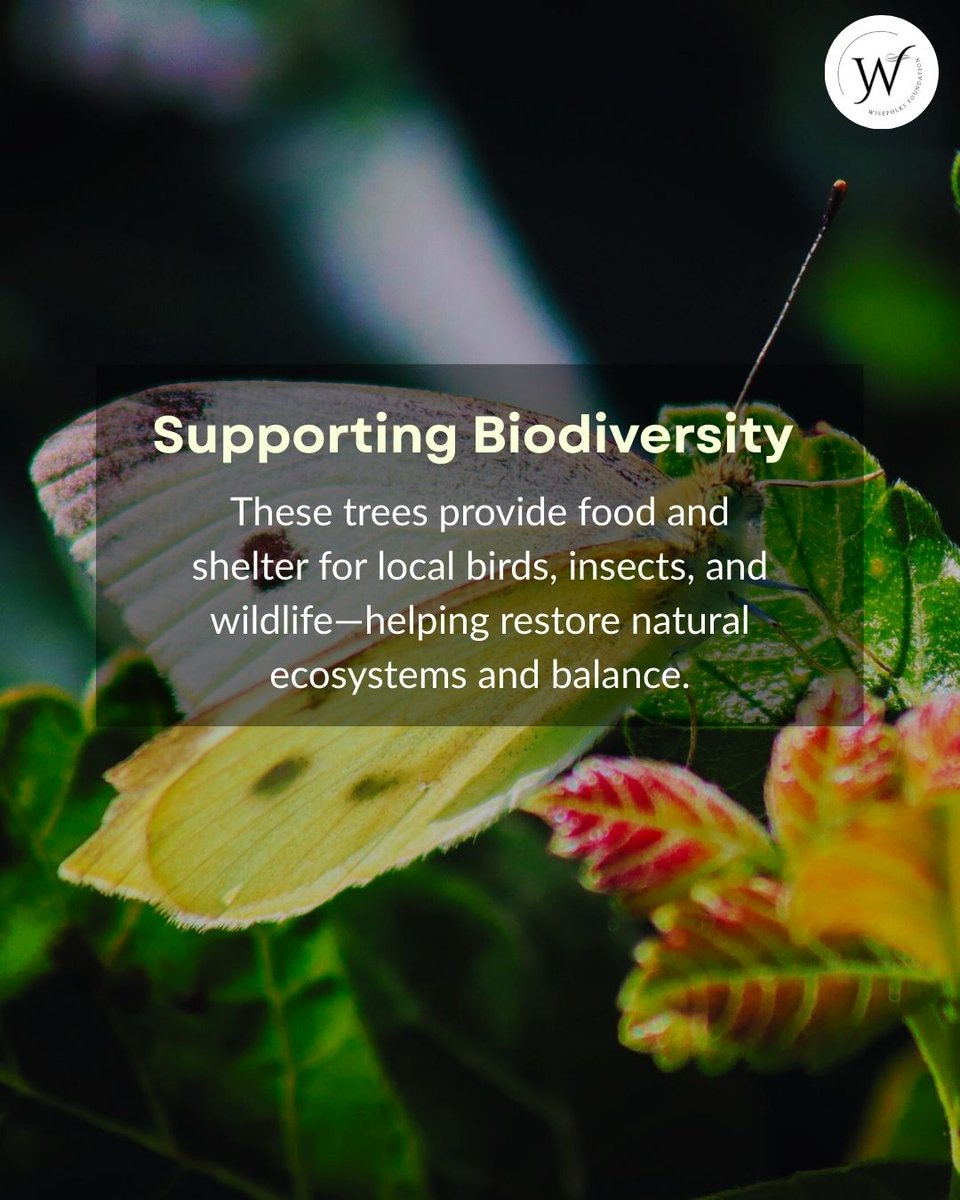
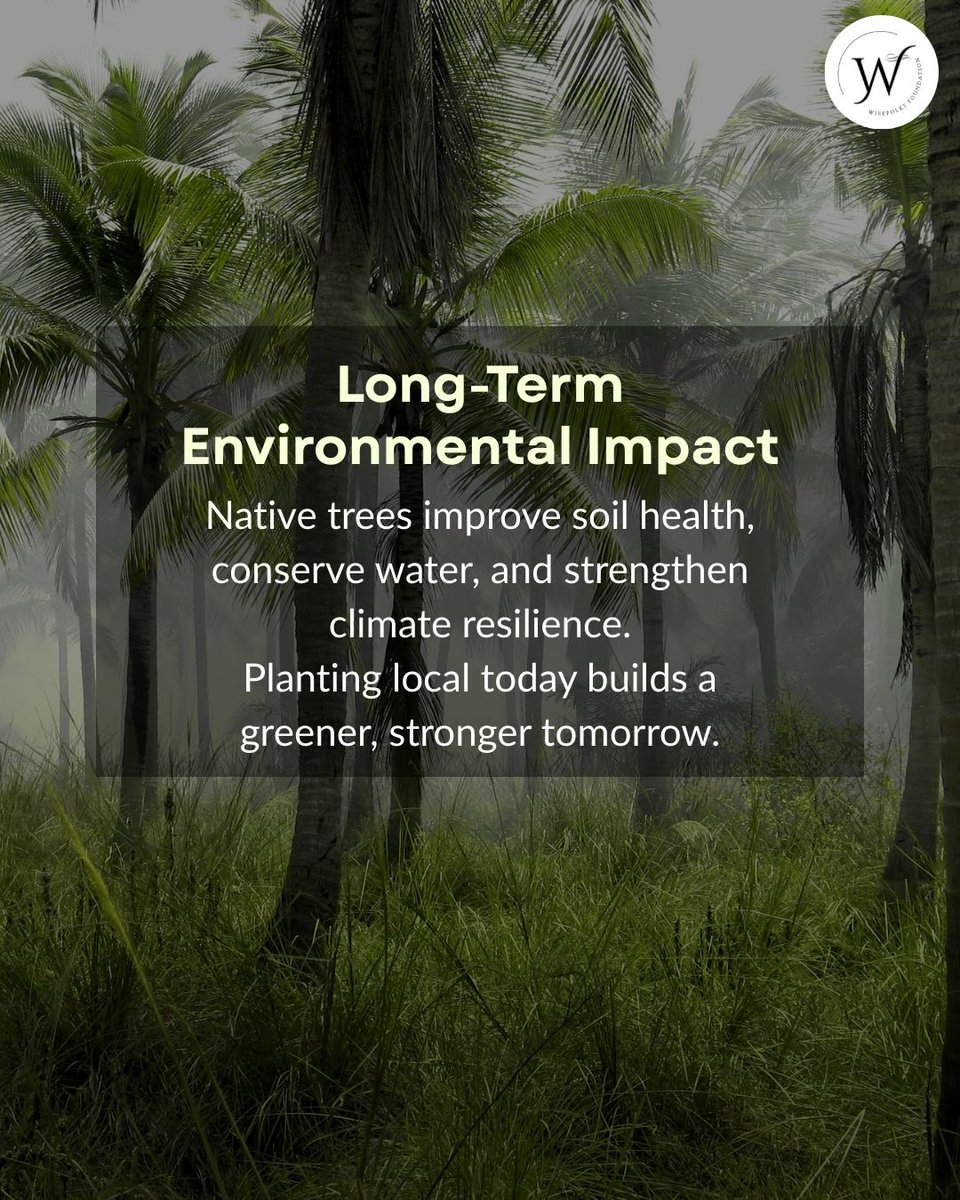
Not all trees are equal. Planting native species supports local ecosystems, saves resources, and creates lasting environmental impact. Go local—because nature works best with its own.
#NativeTrees #Biodiversity #SustainableLiving #PlantLocal #GreenFuture
5
10
19
467

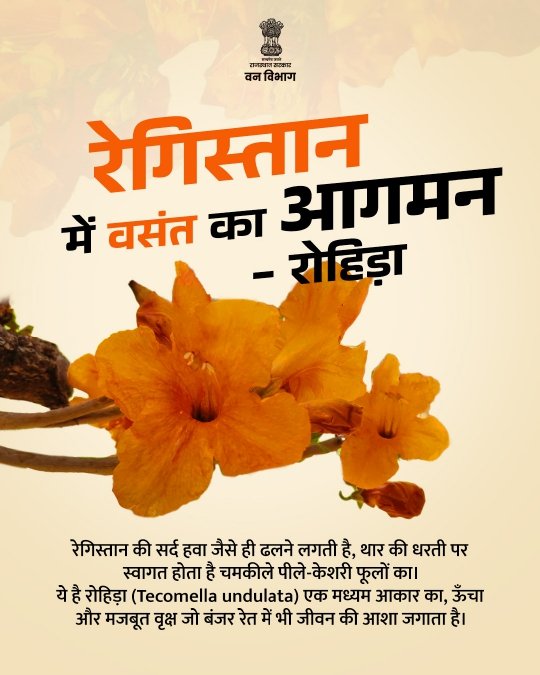
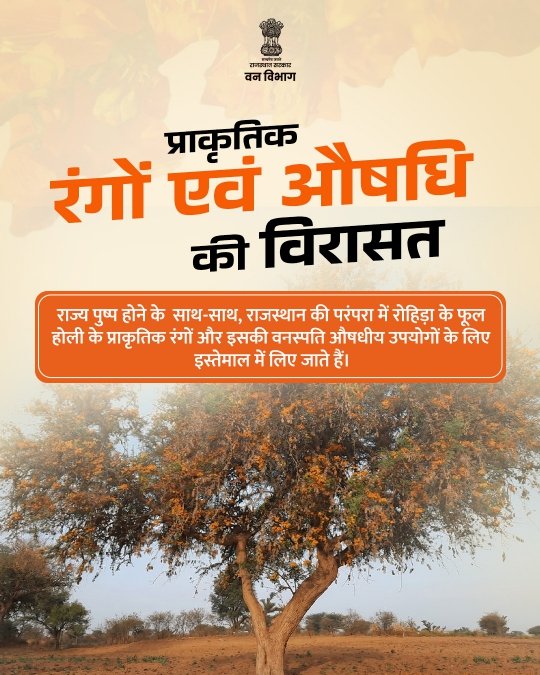
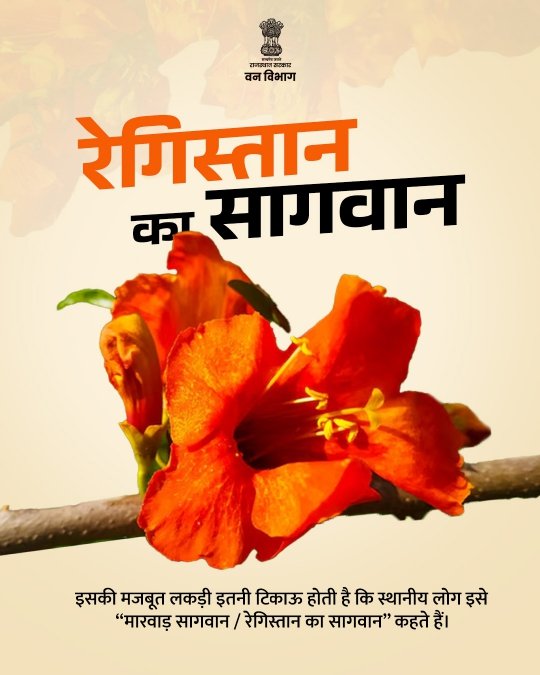
रोहिड़ा (Tecomella undulata) राजस्थान के शुष्क और अर्ध-शुष्क क्षेत्रों में पाया जाने वाला एक महत्वपूर्ण देशी वृक्ष है। अपने आकर्षक नारंगी-लाल फूलों के कारण इसे अक्सर “मरुस्थल का सागौन” भी कहा जाता है। यह वृक्ष न केवल मरुस्थलीय परिदृश्य की सुंदरता बढ़ाता है, बल्कि कई पक्षियों और कीटों को भोजन व आश्रय भी प्रदान करता है।
इन देशी वृक्षों का संरक्षण करना हम सभी की साझा जिम्मेदारी है।
#Rohida #DesertTrees #Biodiversity #RajasthanForests #NativeTrees
4
99
566
21,702
Mar 13
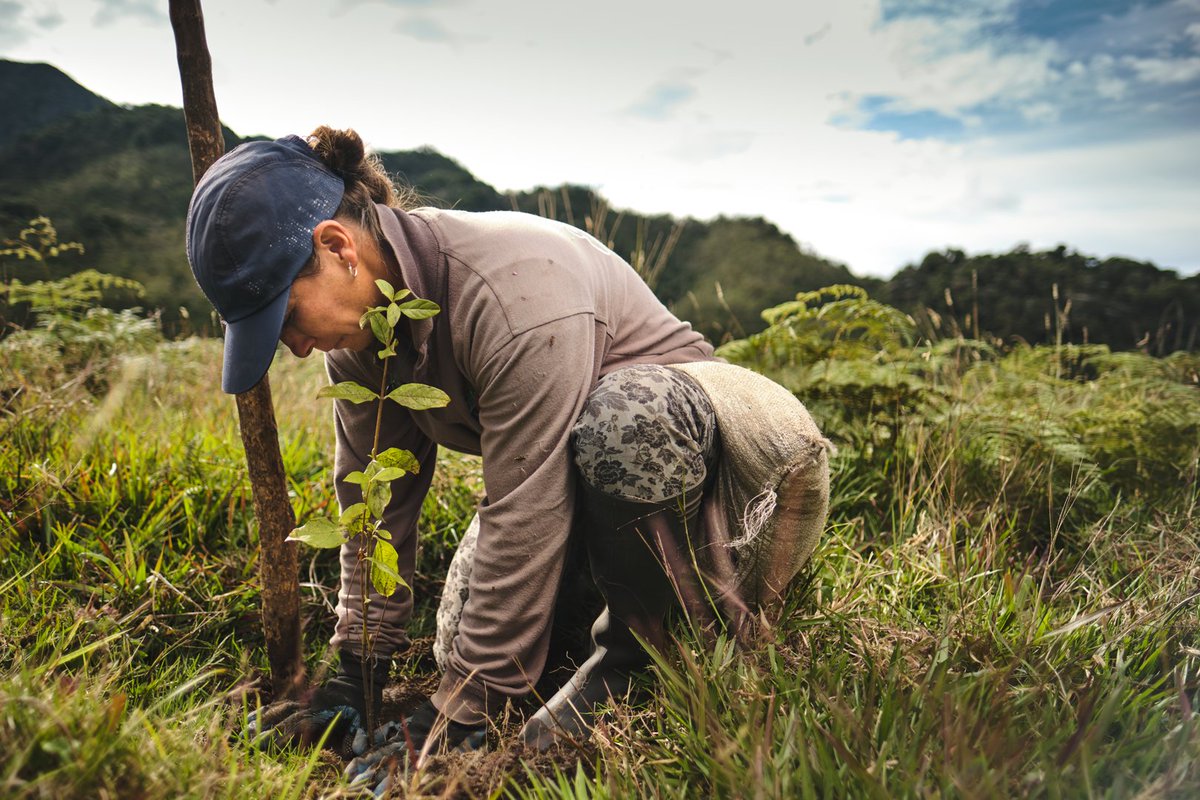
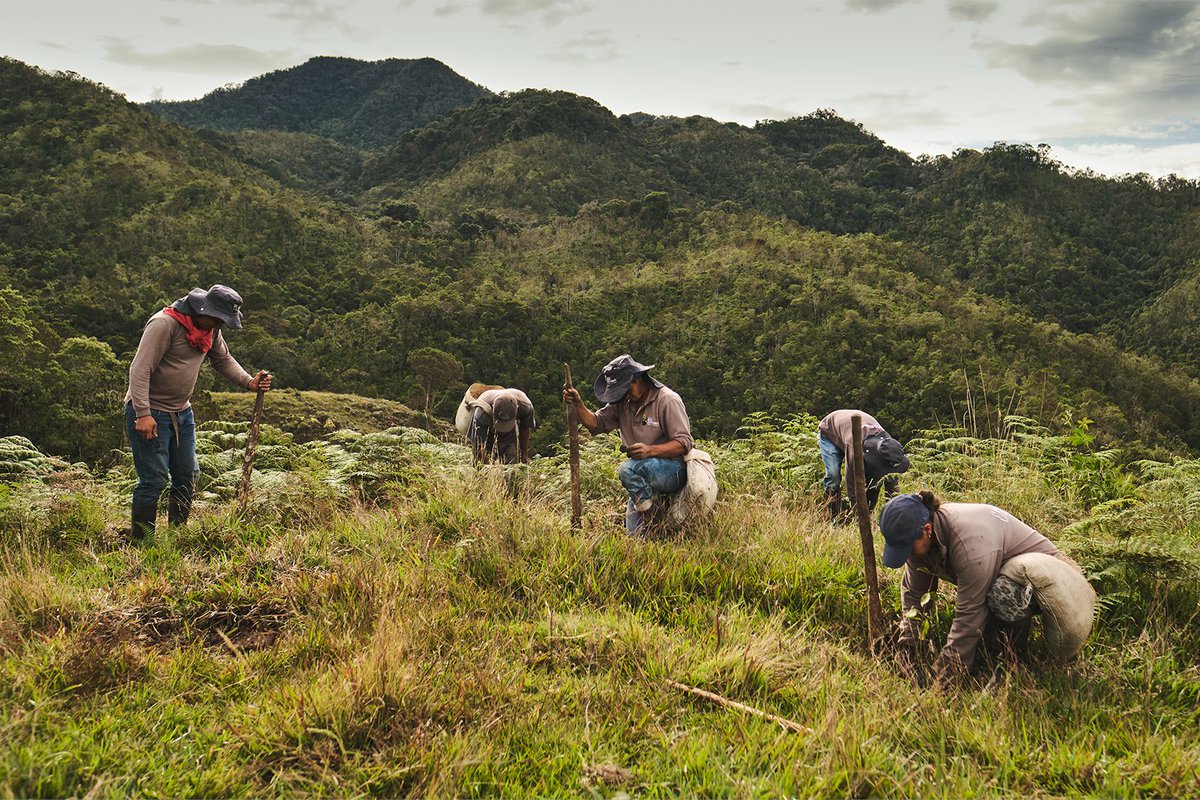
The net zero targets are behind. Forest pledges are behind. And too much of what governments are counting as "restored" is monoculture.
This is what restoration that actually counts looks like: native species, steep terrain, local hands, no shortcuts.
Nature doesn't negotiate deadlines. It either recovers or it doesn't. #netzero #NativeTrees #ForestRestoration #Colombia
1
1
3
137

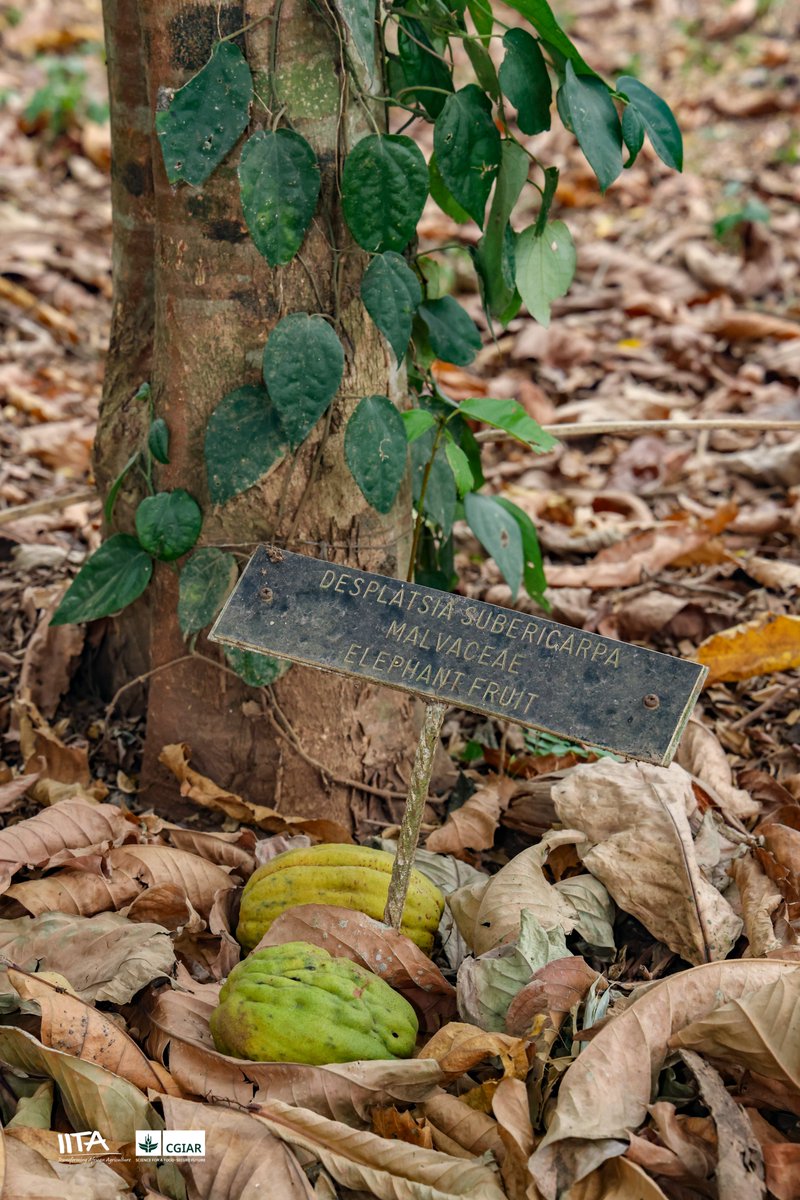
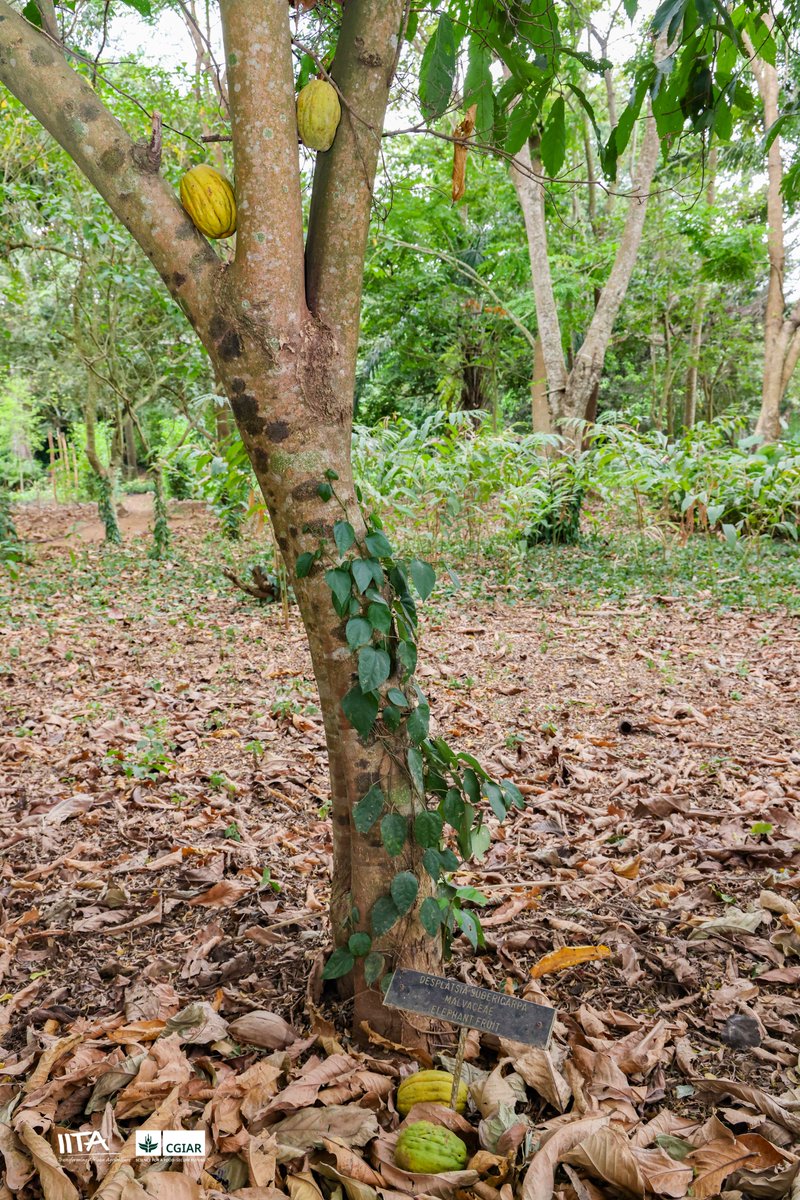
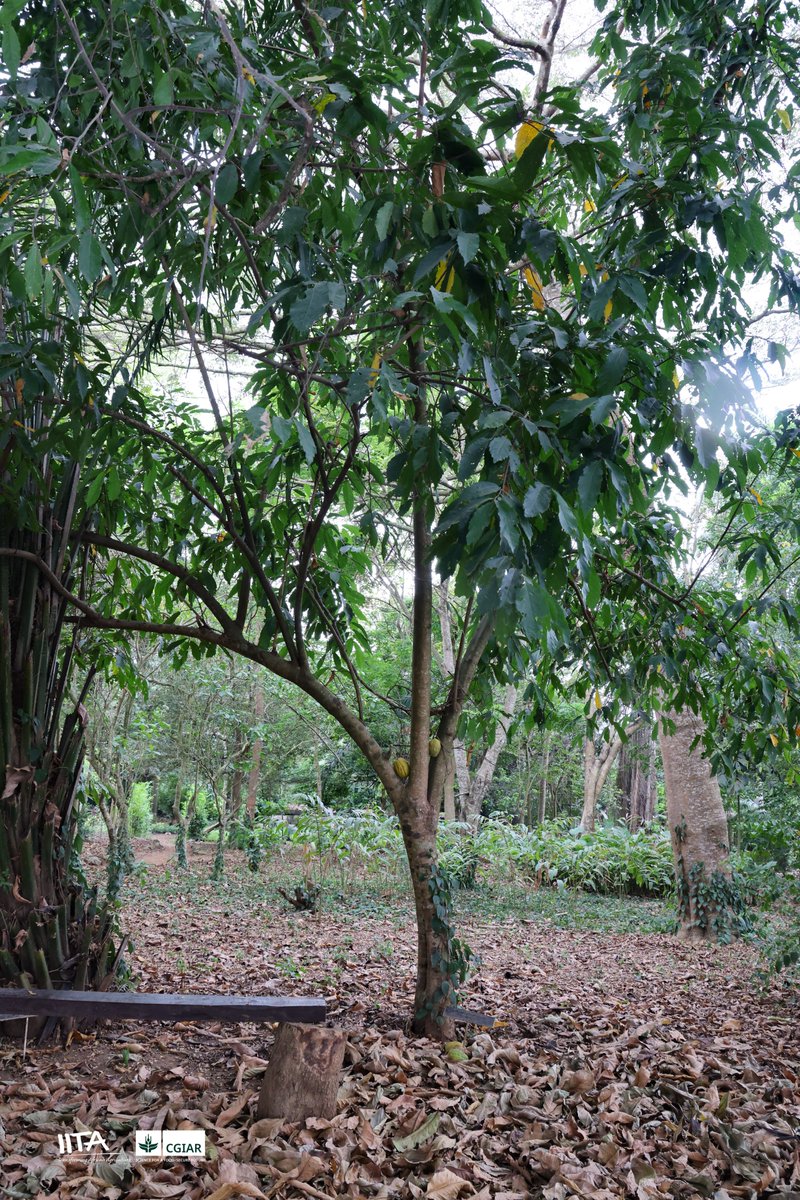
🌿 Meet Desplatsia subericarpa (Elephant Fruit)!
This native forest tree not only supports biodiversity but also serves as a natural support for Uziza—Piper guineense—a nutritious and aromatic vegetable growing in the #IITAForestCenter Ethnobotanic Nursery.
#nativetrees #bios🌱
1
1
8
159
Mar 9
Studies confirm: native forests support far more biodiversity — and store more carbon long-term — than fast-growing monoculture plantations.
Our team in the Colombian Andes is proving it, one native tree at a time. 🌿
This is what real restoration looks like. Drop 🌳 if you're with us.
#NativeTrees #ForestRestoration #ClimateAction
3
4
173