
#Shenzhen is witnessing a dramatic wealth boom driven by the #AI wave and the surge in #MemoryChip prices. Five storage-related companies now have a combined market value of over RMB 800 billion. Some stocks rose tenfold in 14 trading days, while some firms reported nearly 50x net profit growth in Q1. Media call it Shenzhen’s “hardware comeback,” but the core truth is less glamorous.
These so-called #StorageGiants are not real chip wafer manufacturers. Global #NAND and #DRAM wafer production is still dominated by #Samsung, #SKHynix, #Micron, #Kioxia and #WesternDigital, which control over 95% of global wafer output. Shenzhen’s rising stars mainly make storage modules: they buy wafers, add controllers, package them into #SSD, USB drives and memory products, then sell them.
Their real advantage is not deep technology, but cycle timing. They stockpile inventory before prices rise and clear inventory before prices fall. Like bakeries profiting from rising flour prices, they benefit from the cycle but do not produce the “flour” themselves. In this boom, some module makers’ gross margins exceeded 50%, rivaling #TSMC levels.
The bill is paid by downstream buyers: #ByteDance, #Tencent, #Alibaba, AI servers, data centers, smartphone brands and PC makers. As #DRAM and #NAND prices surge, storage costs rise sharply, forcing device makers to cut configurations, delay upgrades or freeze IT budgets.
The deeper risk is valuation distortion. Investors see “chip” and “storage” and treat module packagers like high-tech semiconductor leaders, ignoring the gap between #StorageChips and #StorageModules. Some valuations have become extreme, with chip-sector PE ratios exceeding 100x and certain stocks reaching thousands of times earnings.
Meanwhile, true hard-tech players like #CXMT spend huge capital on #DRAM wafer manufacturing and strategic bottleneck breakthroughs, but earn far less in the short term than inventory-cycle speculators.
Goldman Sachs and #TrendForce expect the #NAND price cycle to peak around late 2026, with supply-demand balance returning by 2027. When the tide goes out, the key question is: will Shenzhen’s storage boom leave real core technology, or only volatile stock charts and another round of luxury-home reshuffling?
#Shenzhen #AIInfrastructure #Semiconductors #MemoryCycle #ChipStocks #WealthBoom #TechBubble
26

Jun 15
Contact with your brand both physically and digitally is where the rubber meets the road. If you’re a product company the designers and packagers have a huge impact. Services, front line sales. And for everything Social is often the 1st touch point with huge leverage. . .
34

Jun 14
YOU DUMB FUCK!
Which part of the food producing process emits more than 50,000 metric tonnes of CO2 per year?
Farmers?
Buyers?
Packagers?
Trucking?
Which part produces more than 50,000 tonnes of CO2?
So again tell me how $0.0006/litre CT on large emitters affects food prices?
Jun 14

2hats the matter do u disagree taxes get passed on to the consumer do u disagree the farmer gets taxed and its not passed on to the processor the shipping taxes gets passed on to the processor then all that gets passed on to the retailer then that all gets passed on to the
1
2
11
327
Jun 14
YOU DUMB FUCK!
Which part of the food producing process emits more than 50,000 metric tonnes of CO2 per year?
Farmers?
Buyers?
Packagers?
Trucking?
Which part produces more than 50,000 tonnes of CO2?
So again tell me how $0.0006/litre CT on large emitters affects food prices?
1
1
5
34

Jun 13
were you born to live wearing cement packagers as shoes in job sites, is that quality of life she wants?
Then head to eat at a smoky Kibanda and call that employment or its survival?
1
125

Jun 13
cut taxes and price will stay the same, only more money for producers and packagers
7

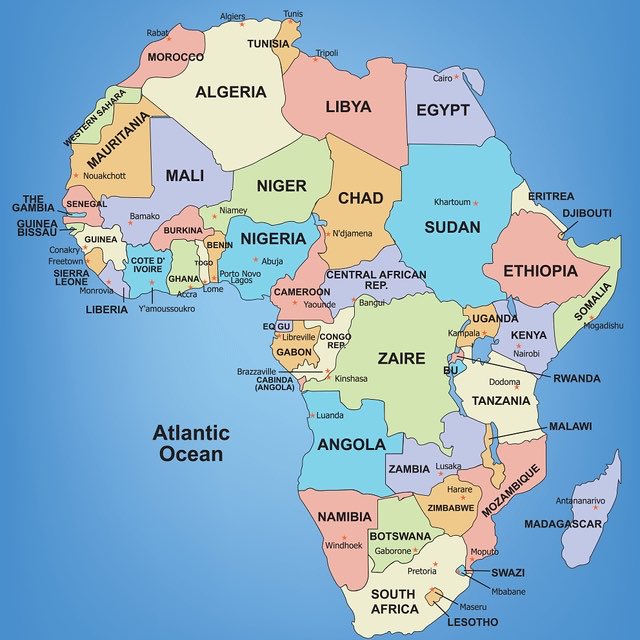
@Akon @KingJames yess!!! now... the way to do this correctly is to get ahold of the black billionaires and get them in on this. ive googled a few in my original intercontinental railroad plan for you kids where lebron sets up his international NBA, moves all the talent and secures tv network syndication from what might be considered 3rd world stations as far as companies that have channels in common but never land the big contracts. well now we can. because its fuck NBC and all the usa whitey companies time. hire local black tv talent. move it with you to run things on a black network that syndicates locally here from africa. get the billionaires to copy and setup their own shipping and receiving like amazon with trucks and packagers and have it also handle your mail system. copy EVERYTHING from USA you can. have AI go through the shit with you step by step. bls dot gov for economy data. incorporate it all with tech pros willing to help you. design blueprints for a city. get the locals to build the initial infrastructure such as piping and basements and everything for a whole city and by the time the system is built and ready, big money can show up and build the houses and warehouses and businesses with AI automated tech and vending based retail in every facet from food to clothing so workers are automated and people locally can handle a large cities worth of things for low cost and service the 60million youll have in this new wakanda like environment. low wages and promised equity for work from locals and migration will be the determining factors. this can be done while still making money locally to feed your incomes from local usa businesses. you need to get contact info on every black person in the country and @elonmusk and doge will be happy to help assuming they can legally ::wink wink::
Jun 12

Rapper Akon says his goal is to “get as many African Americans back home to Africa” as possible.
Follow: @DissidentWire

122

Jun 11
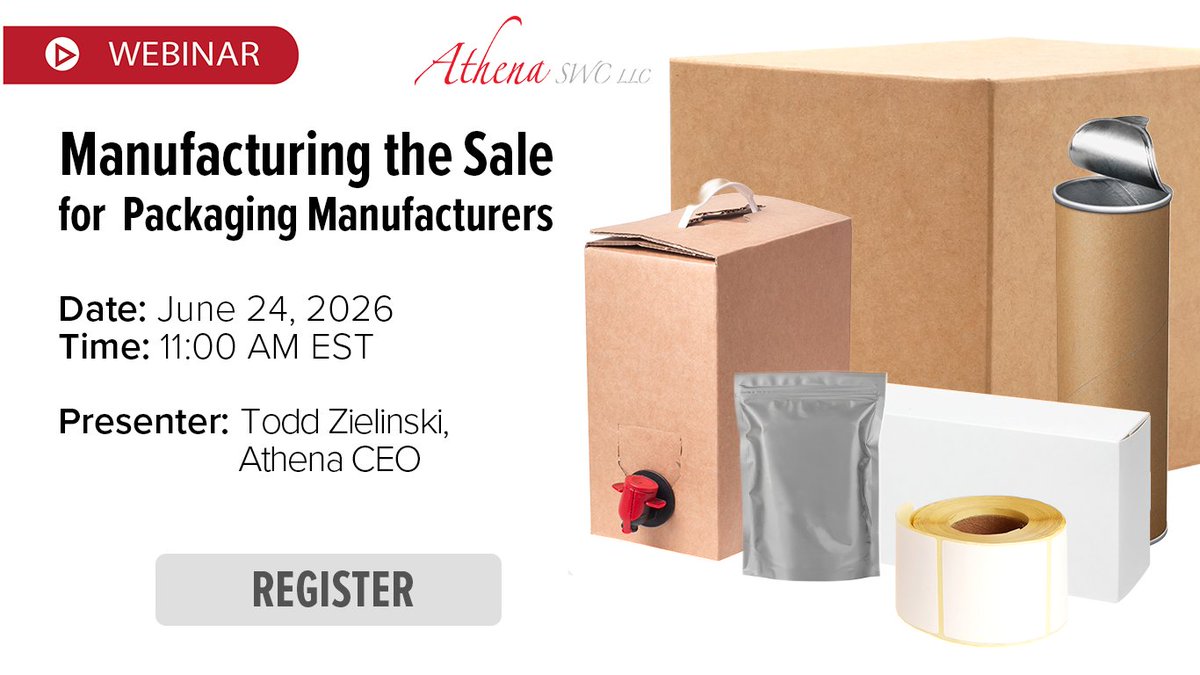
Join us for a 60-minute webinar that looks at the current sales environment and the common issues facing contract packagers and manufacturers in complex technical sales environments.
Date: June 24, 2026
Time: 11:00 am EST
Don’t miss the chance to... vbt.io/athena-swc/Post/Tweet…
9

Jun 11
4/7
Participant behavior reveals the bigger picture.
Figure is internalizing origination instead of sourcing loans externally. This collapses the old chain: underwriting → funding → tokenization → distribution. At the same time, Sixth Street is moving institutional capital directly into the creation layer through the joint venture, rather than only buying finished tokenized products.
Under the previous separated model, traditional originators and post-origination packagers each captured their slice of value. The new integrated model allows Figure and its partners to capture value across the entire stack.
1
8

Jun 10
If these two are the “packagers” I’m not surprised their selection was the nazi tattoo seemingly predatory “candidate” spending time insulting veterans who survived deployment while riding in PTSD as a reason for his ills .. scary stuff not surprising
 Washington Free Beacon
9
Jun 10
It’s no different then in the uk with mcsweeney the Mandelson’ s mentee who was packaging Keir Starmer …
This is the low skill low options version on the packagers and the potential package …

Yes: They found him via a video he had done on a local issue and approached him and convinced him to run for Senate.
16

Jun 10
Broadcom and Marvell can design complex AI chips and get them successfully through the fabs and packagers and onto system boards where they can be embedded into systems
nextplatform.com/compute/202…
45

Jun 9
This will punish Europeans as fishing off of the coasts of EU nations are already severely restricted ... fish will jump in price ... research which @EU_Commission leads own shares in fishing stocks and packagers and fish farmers.
5
107


Jun 6
no-no-no, .exe is produced by the software developer
distro packagers are usually _3rd party people_ who have to do often unpaid job to package it for the distro. Thus increasing the supply chain and making it much more vulnerable.
5
17
1,136
Jun 6
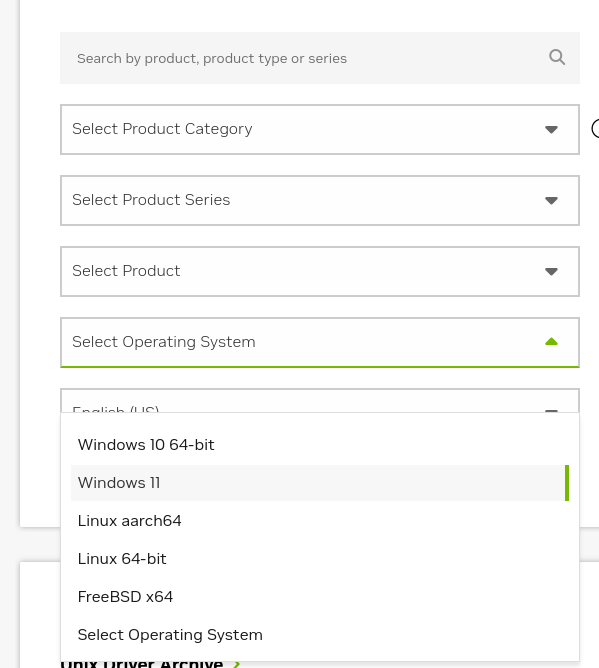
Honest answer - different download links for target OS and architecture. Not the installer that will run shady uname -a | sed kind of scripts and then download hopefully the right thing.
If software is for normies - must be as self-contained as possible. If it's for power-users you could maybe provide something lighter and let them install dependencies themselves. But the pattern where you download 2k lines of bash that will then, in turn, download stuff, maybe from 3rd-party domains, is extremely bad for many reasons.
If your software is successful enough, maybe you could offload the burden to distro packagers, and maybe they even package it correctly for their distro. But this increases potential supply chain.
Pic is Nvidia driver download page, which I find acceptable
9
2
36
8,391

Jun 6
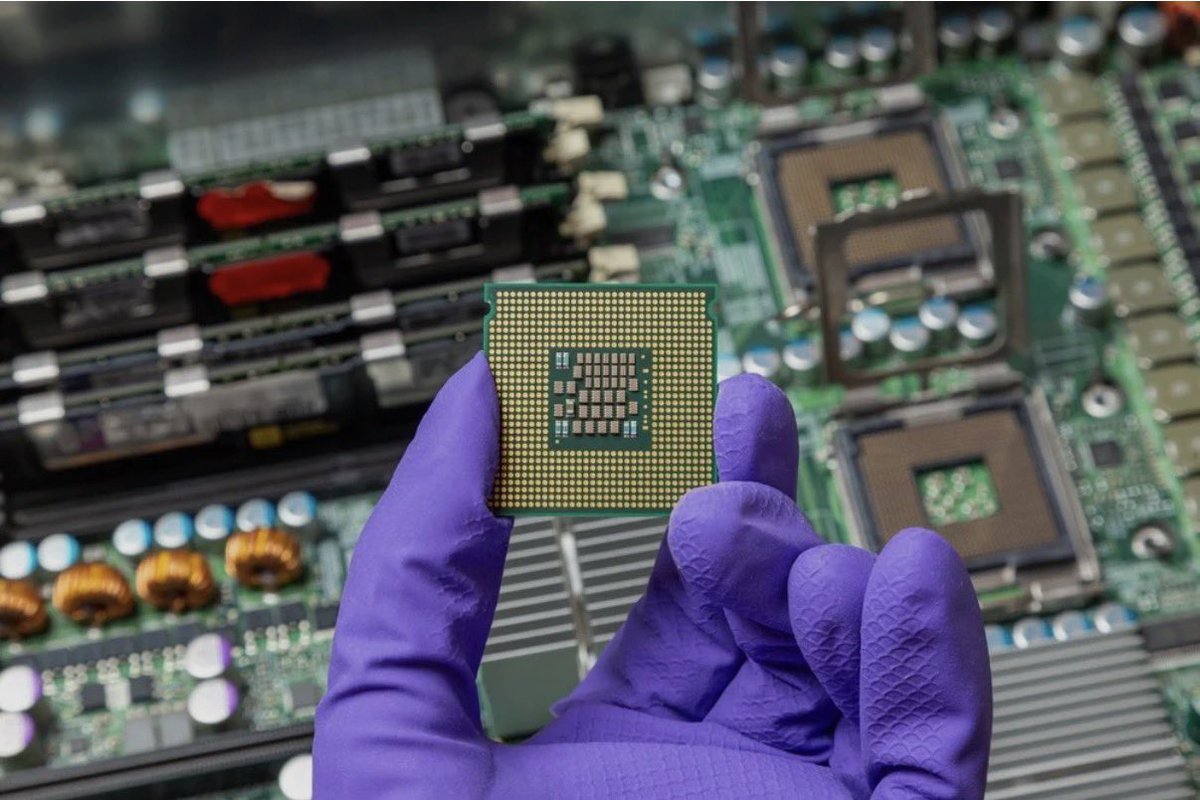
India’s Semiconductor Moment, We can design, fab and package but can we connect ?
Design, fabrication, and packaging of semiconductor chips now exist on Indian soil.
The hard part is connecting them getting Indian fabs to serve Indian designers, Indian packagers to price for Indian volumes, and Indian OEMs to specify Indian chips.
Odisha is charging ahead 👇
First SiC fab advanced 3D Glass Substrate packaging unit
O-CHIP programme new
semiconductor policy push.
Quick Lessons for students and tech folks 👇
1-: Go full stack: Master VLSI/RTL understand packaging and supply chain.
2-: SiC and advanced packaging = India’s smart play (EVs, AI, power electronics).
3-: Fabless startups state incentives = lowest barrier entry.
How India can fixes It 👇
OEMs commit volumes for local pricing.
Align incentives to India first sourcing.
Build specialized hubs (design in South, fab in East/West)
Massive upskilling long term offtake guarantees like European Chips Skills Academy (ECSA)
This is Semiconductor Atmanirbharta 2.0. The decade belongs to those who bridge the gaps.
Note- Check in first comment how I have started a learning curve for this space., your suggestions and inputs are welcome.
2
1
13
737
Jun 6
Packagers are way too opinionated, and will often do stuff like cut out part of the program if they don't like the license, or apply some patches that will break it in weird ways. This particular crashout is brought to you by Arch packagers who removed browser source from official OBS package, for example. There are many others.
3
22
2,439

Jun 5
ISM 1.0 focused on building capacity.
ISM 2.0 must focus on building linkages:
• Designers ↔ Fabs
• Fabs ↔ Packagers
• Product companies ↔ OEMs
• Indian chips ↔ Indian markets
1
1
6
689

May 30
Maybe packagers don’t want people to resell 🤷🏻♂️. Resellers ruining the hobby. Kids can’t get cards unless their parents overpay.
1
2
1,001