
Jun 11
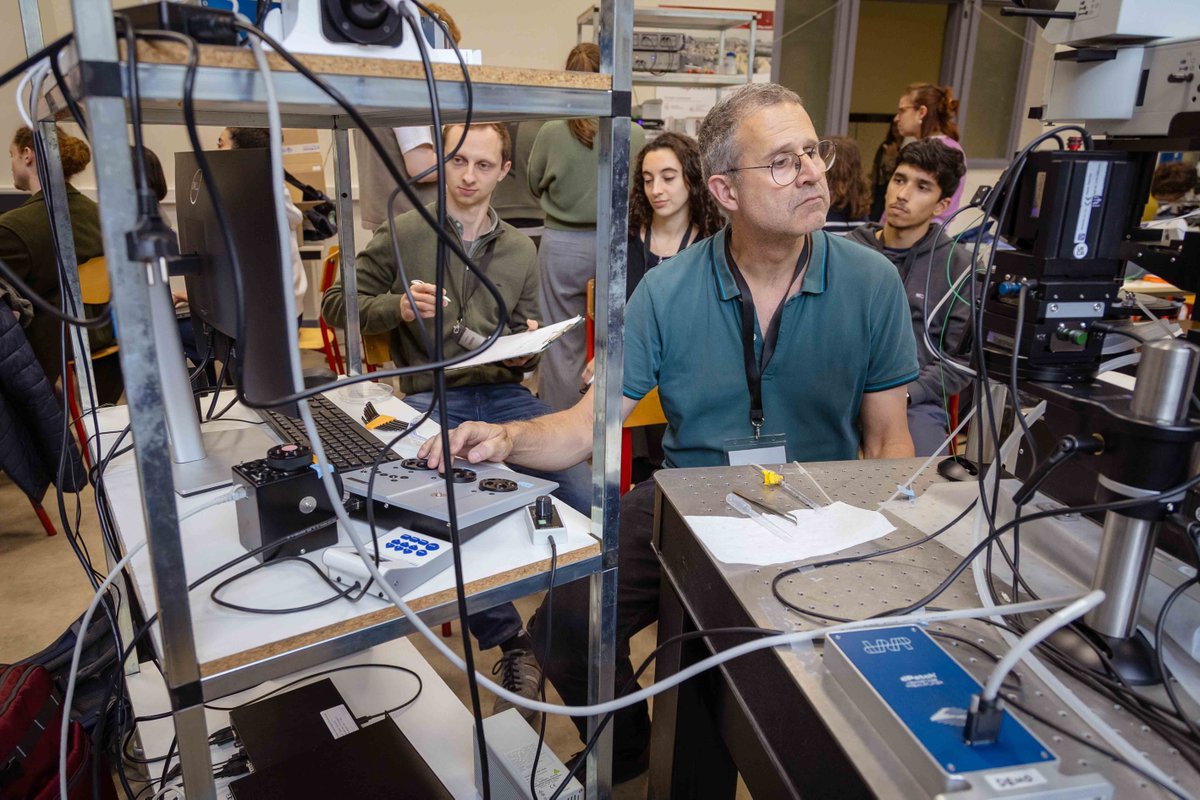
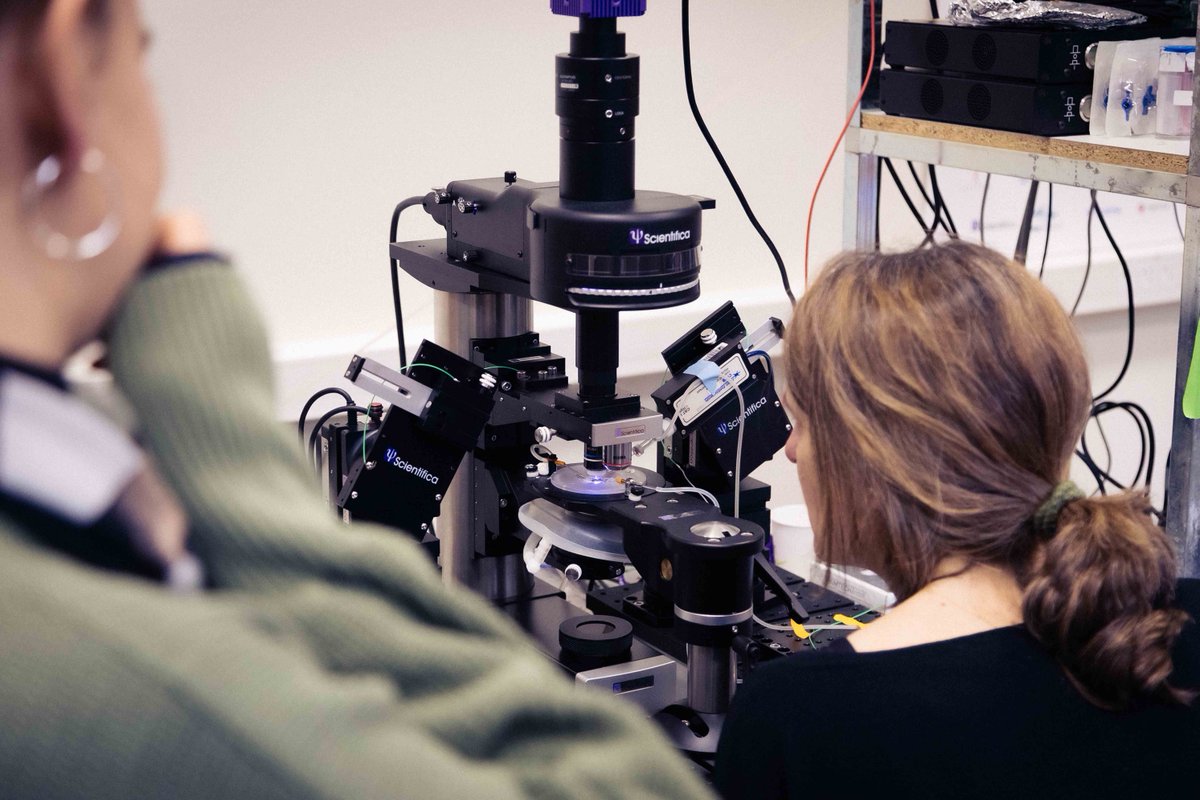
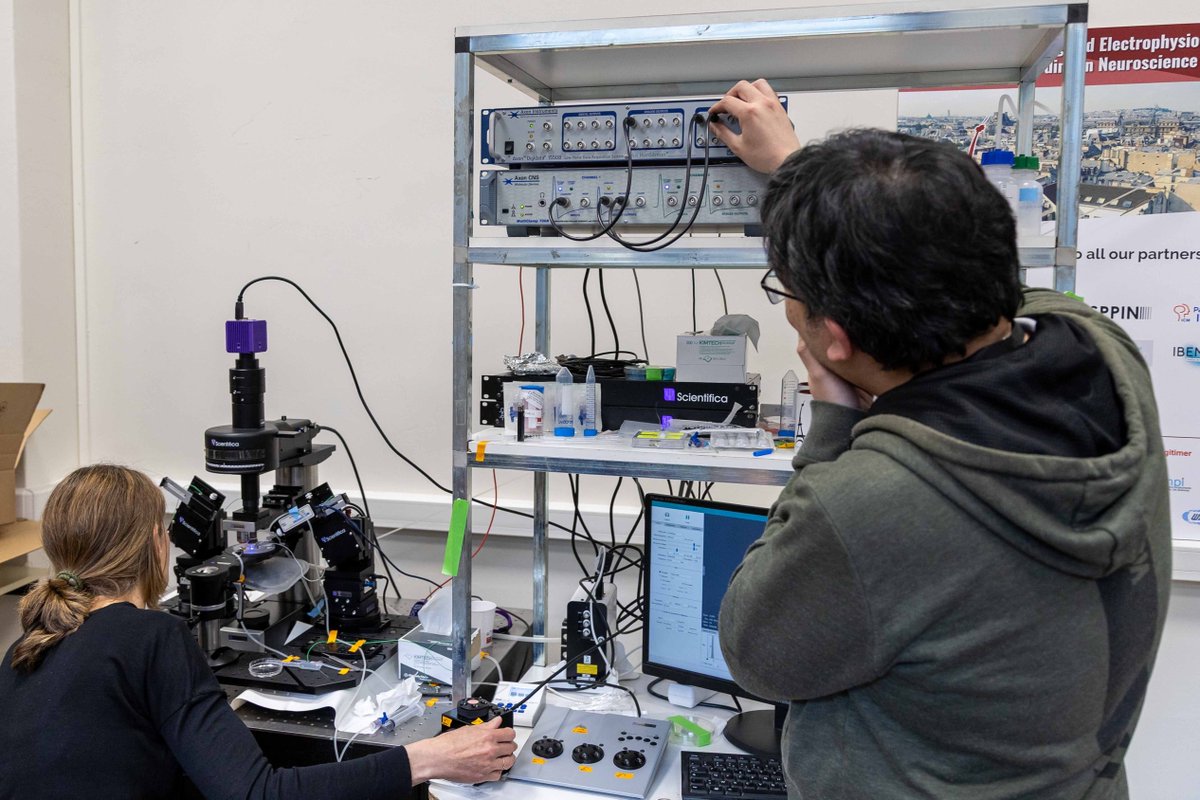
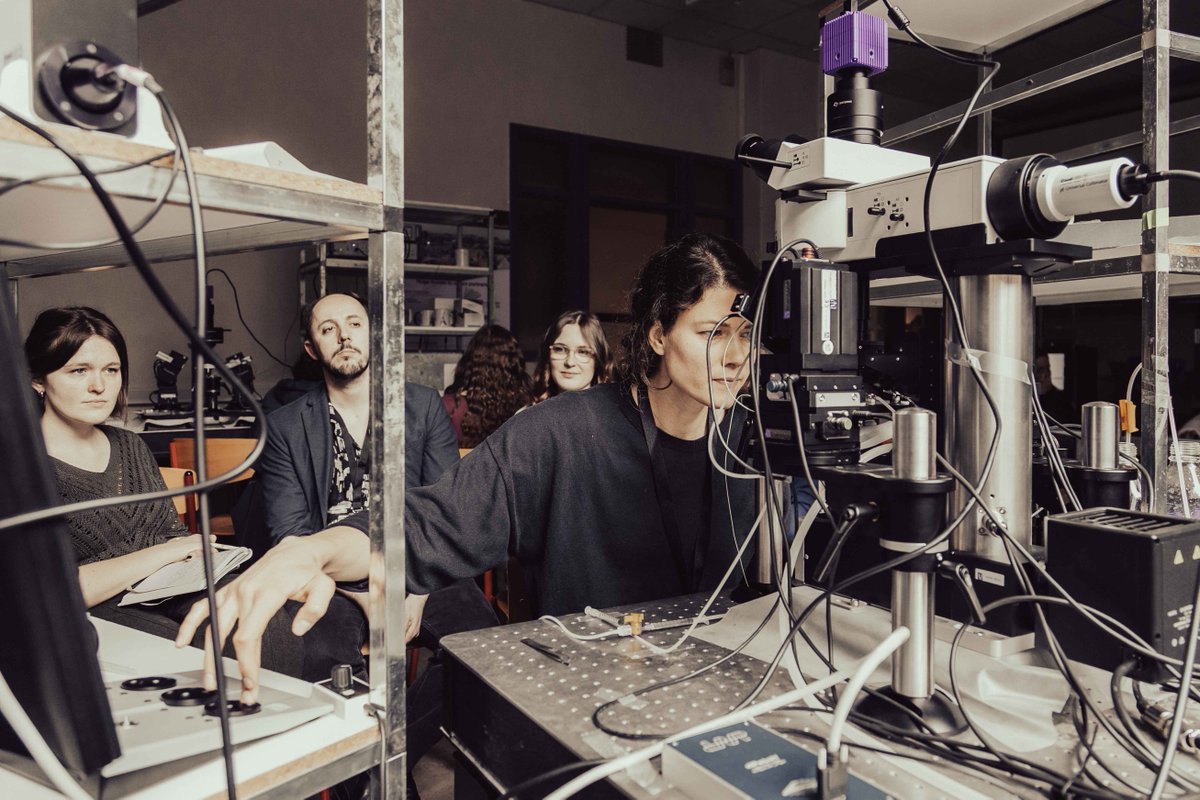
Thanks to the team at ParisNeuro for sending us these great photos from the recent 'Optical Imaging and Electrophysiological Recording in Neuroscience' course, as the students learnt patchclamping on the Scientifica SliceScopes.
#neuroscience #Patchclamp #electrophysiology
42




Just published:
nature.com/articles/s41467-0…
Delighted to have contributed to this exciting work led by Przemysław Radwański @nanoEPlab. By combining #MINFLUX #nanoscopy with #singlechannel #patchclamp, we identified cooperative gating of clustered NaV1.5 #sodiumchannels.
2
2
5
261
Apr 23
New webinar with @BritishNeuro: 'Introduction to in-vivo patch clamp electrophysiology' - from technique to discovery, explore how in-vivo #patchclamp #electrophysiology is shaping modern #neuroscience research. 20th May 2026 | 12:00–13:00 BST
Register> buff.ly/NCQZtjD
1
2
86
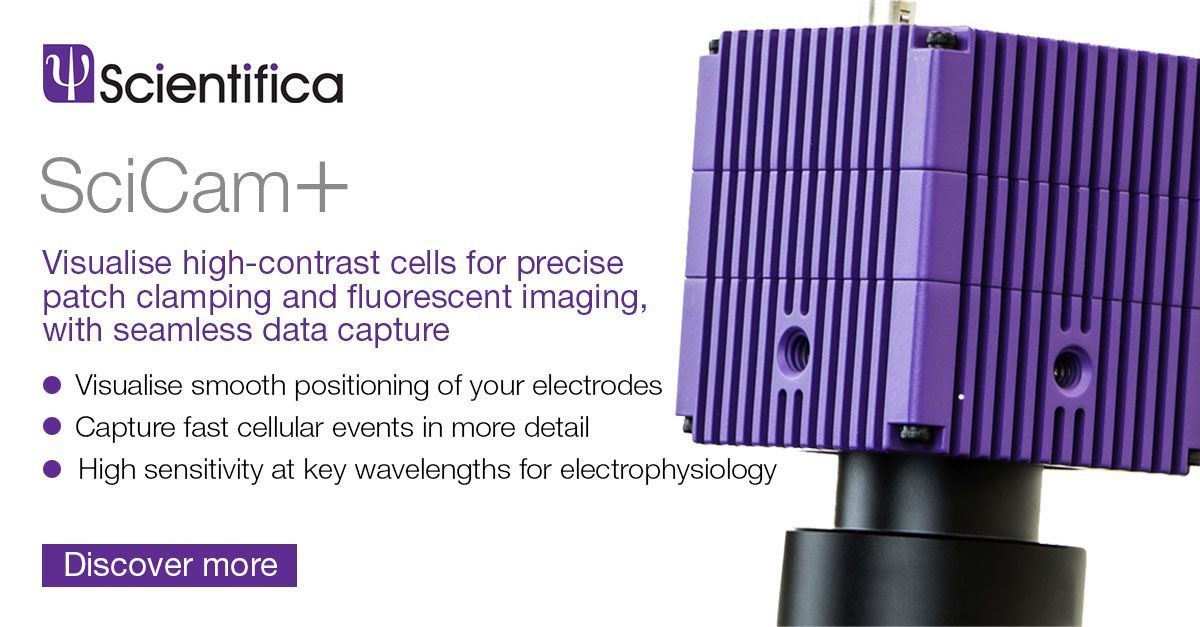
Why choose the Scientifica SciCam Camera for your #patchclamp experiments? Real-time 40fps imaging provides precise, smooth pipette positioning in delicate environments, ensuring accuracy and control where it matters most. Learn more > buff.ly/NpqUda3 #Electrophysiology
1
2
109

Apr 2
Alzheimer’s disease patient-derived high-molecular-weight tau impairs bursting in hippocampal neurons: Cell
#Bioelectricity #Patchclamp #Dementia #Alzheimers cell.com/cell/fulltext/S0092…
1
3
289

Mar 18
🧠 PhD Opportunity | Human Neuroscience: Neurons & Circuits of Human Cognition – VU Amsterdam 🇳🇱
A fully funded PhD position is available at the Center for Neurogenetics and Cognitive Research (CNCR), Vrije Universiteit Amsterdam, working with live human brain tissue to uncover the cellular and circuit mechanisms that make human cognition unique.
🔬 What you'll research:
Funded by a European Research Consolidator Grant, this project investigates two specialised human cortical neuron types — layer 3 Pyramidal Neurons and Double Bouquet Cells — which are selectively lost in Alzheimer's disease. You'll map how these neurons function and form circuits, and how their activity translates to efficient cognitive computation. Techniques include:
• Single- and multi-cell patch-clamp recordings in live human brain tissue (from neurosurgery)
• Viral labelling tools in organotypic slice cultures
• Bioinformatics analysis of existing datasets
• Computational modelling of circuit function
📋 Requirements:
• MSc in life sciences, biomedical sciences, biophysics, or neuroscience
• Prior experience in cellular electrophysiology / patch-clamp in brain slices
• Programming and data analysis skills
• Excellent English communication and writing skills
• Experience in computational modelling or molecular biology is a plus
💰 Salary: €3,059 – €3,881/month (fully funded, 4-year contract)
📍 Location: Amsterdam, Netherlands (VU Campus, Zuidas)
📅 Application deadline: 1 June 2026
👩🔬 Supervisor: Dr. Natalia Goriounova, Associate Professor
📧 Enquiries: n.a.goriounova@vu.nl
⚠️ Apply only via the VU application system — not by email
🔗 Full details & apply: phdscanner.com/opportunities…
♻️ Share with anyone interested in neuroscience & brain research!
#PhD #PhDOpportunities #Neuroscience #HumanBrain #Electrophysiology #PatchClamp #Cognition #Alzheimers #ComputationalNeuroscience #VUAmsterdam #Netherlands #DoctoralResearch #AcademicJobs #ResearchJobs #BrainResearch #ERCGrant
4
539

Feb 24
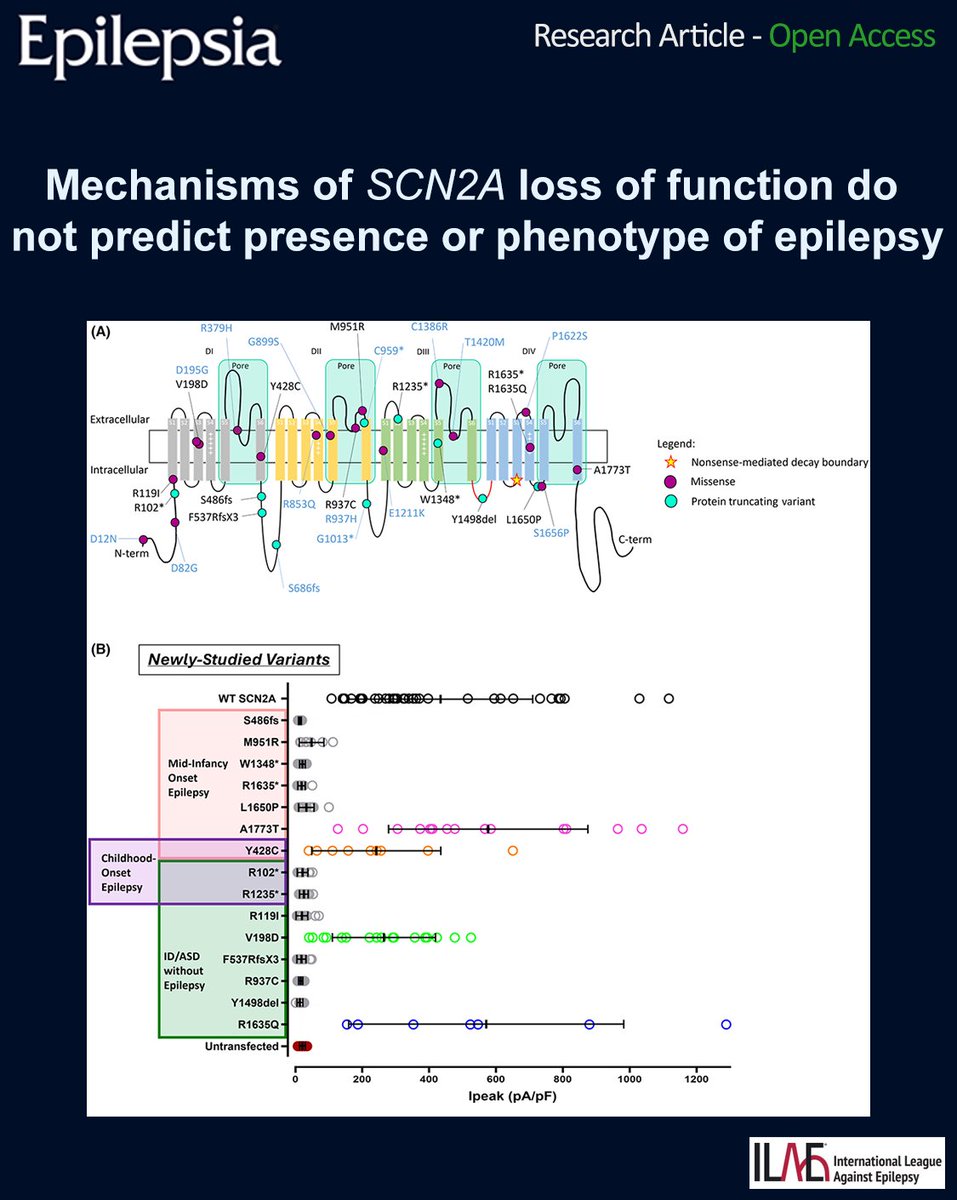
A novel SCN2A LoF phenotype—episodic ataxia with or without cognitive impairment—was linked to the L1650P variant.
doi.org/10.1002/epi.70100
#epilepsy #ILAE #epilepsiajourn #clinicalphenotype #denovovariant #lossoffunction #Nav12channel #patchclamp #SCN2A
1
3
241
Feb 21
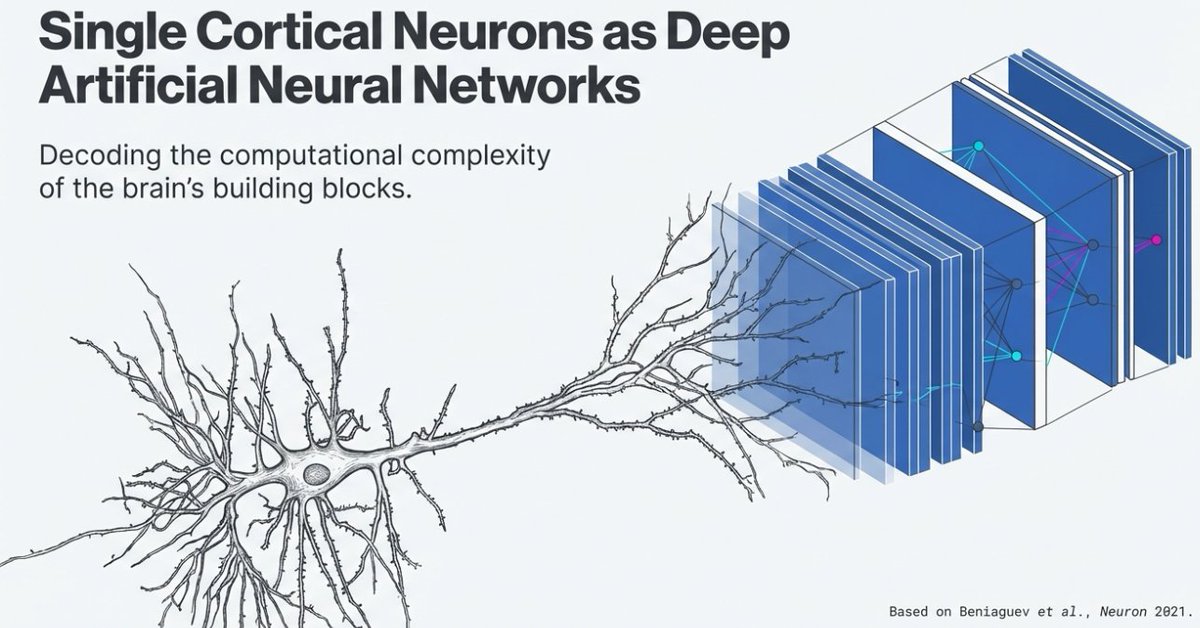
45/ Next top 100 #BioAI paper is a #NeuroAI paper that might be an important read for the #deep_learning and AI community as this paper challenged current deep learning models : Single cortical neurons as deep artificial neural networks sciencedirect.com/science/ar…
Summary: The 2021 @NeuroCellPress paper, Beniaguev, Segev, and London showed that deep neural networks (DNNs) can accurately replicate the complex input–output behavior of individual biological neurons at millisecond precision. By training artificial networks on detailed biophysical simulations, the authors showed that while a simple integrate-and-fire neuron can be modeled with just a single hidden layer, realistic cortical pyramidal neurons require much deeper architectures—up to five to seven layers—to faithfully reproduce their voltage dynamics and spike timing. A central discovery of the work is that NMDA receptor nonlinearities and dendritic morphology are major drivers of this computational depth: when NMDA conductances were removed, the equivalent artificial model became dramatically simpler. Using temporal convolutional networks, the researchers achieved highly accurate predictions of both subthreshold membrane voltage and spiking output, revealing that dendritic branches operate as nonlinear spatiotemporal processing units. Overall, the study reframes single neurons as intrinsically deep, multi-layered computational entities and introduces a quantitative framework for estimating a neuron’s computational power based on the size and depth of its equivalent digital model.
Why this top100 #BioAI_paper?
This paper is important for the broader AI community because it challenges a foundational assumption: that depth in intelligence primarily comes from stacking layers in large networks. The study shows that a single biological neuron (because of unique dendritic structure and NMDA-dependent nonlinearities) already implements computations equivalent to a multi-layer deep network. This suggests that intelligence can emerge from rich internal structure, not just parameter scale. For AI, this opens new directions: incorporating compartmentalized computation, voltage-like state dependence, nonlinear local processing, and structured spatiotemporal integration into architectures. Instead of only scaling models bigger, we may need to rethink what a “neuron” should be.
Follow this thread for more info: x.com/NeuroAI_Nexus/status/2…
#Singleneuron_biophysics #Ionchannels #Deeplearning #BioAI #NeuroAI #Electrophysiology #Patchclamp #Biophysical_neuronmodels #Neuralnetworks #Biological_neuralnetworks #Bioelectricity #NMDAreceptors
Feb 21

We often assume deep learning = more neurons more hidden layers.
This paper challenges that belief. Maybe intelligence isn’t about scale alone about biological structure of #neuron compartment and #Ionchannels biophysics
Just i reread @NeuroCellPress paper that I read almost 4 years ago
Single cortical neurons as deep artificial neural networks
sciencedirect.com/science/ar…
Follow this thread for more info
#Singleneuron_biophysics #Ionchannels #Deeplearning #BioAI #NeuroAI #Electrophysiology #Patchclamp #Biophysical_neuronmodels #Neuralnetworks
2
2
4
666
Feb 21
We often assume deep learning = more neurons more hidden layers.
This paper challenges that belief. Maybe intelligence isn’t about scale alone about biological structure of #neuron compartment and #Ionchannels biophysics
Just i reread @NeuroCellPress paper that I read almost 4 years ago
Single cortical neurons as deep artificial neural networks
sciencedirect.com/science/ar…
Follow this thread for more info
#Singleneuron_biophysics #Ionchannels #Deeplearning #BioAI #NeuroAI #Electrophysiology #Patchclamp #Biophysical_neuronmodels #Neuralnetworks
3
2
14
826
Feb 20
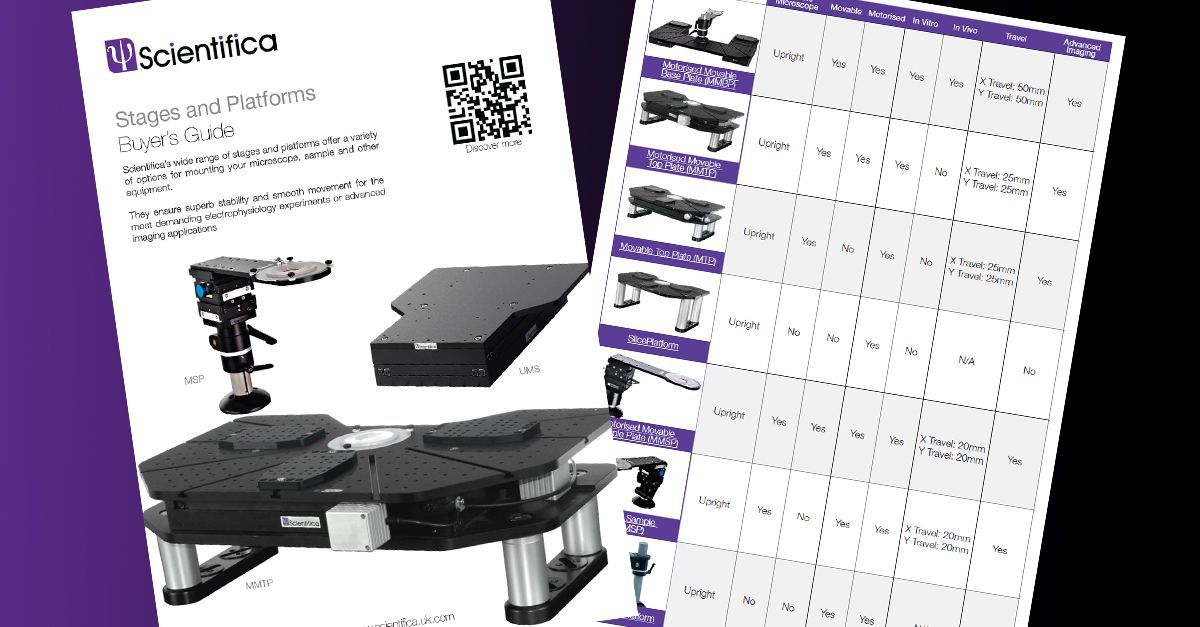
Versatility and stability are essential for every successful experimental setup.
Download the Stages & Platform Buyer’s Guide to find the right solution for your lab >>
buff.ly/L5pZUCH #neuroscience #patchclamp #cardiovascular
2
59

21 Oct 2025
🎧✨ "Listening to a neuron while shaping its activity."
This image shows a cortical neuron 🧠 during a whole-cell patch-clamp experiment.
🔬💡 The glowing pipette introduces controlled currents into the soma, while simultaneously recording the cell’s voltage responses ⚡📈.
With this technique, researchers can:
🧩 Map how neurons fire
🔁 Understand how they integrate inputs
🧠 Reveal how they transform electrical signals into neural computations — the very basis of brain function 💭💻
By combining electrical stimulation with dye-filling 🎨⚡, patch-clamp bridges structure and function — letting us see 👁️ and hear 🎧 how single neurons contribute to the brain’s vast and complex circuitry 🌐🧠.
#Neuroscience #PatchClamp #Electrophysiology #BrainFunction #Neurotech #ResearchTools #CellularNeuroscience #BrainVisionCenter
2
4
232

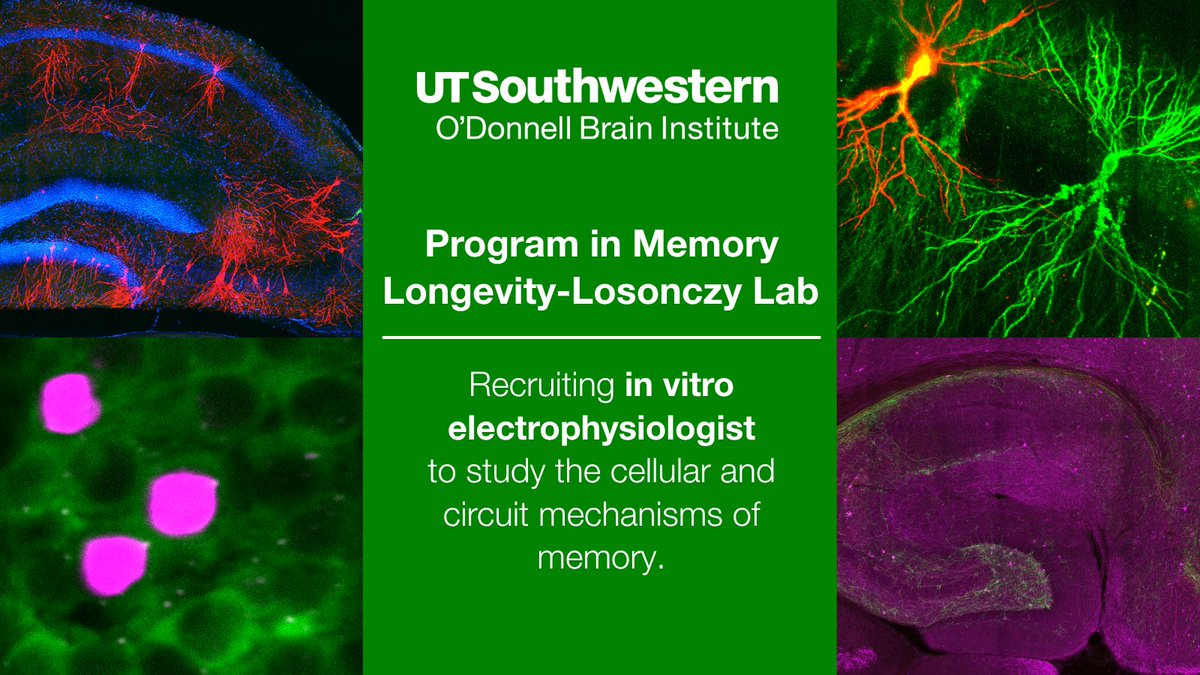
The Losonczy Lab in the new OBI Program for Memory Longevity seeks #postdocs, including an in vitro #electrophysiologist to explore the synaptic and dendritic basis of learning using physiological and imaging tools. #optical-imaging #PatchClamp Learn more: bit.ly/3L0sry3
8
13
1,940
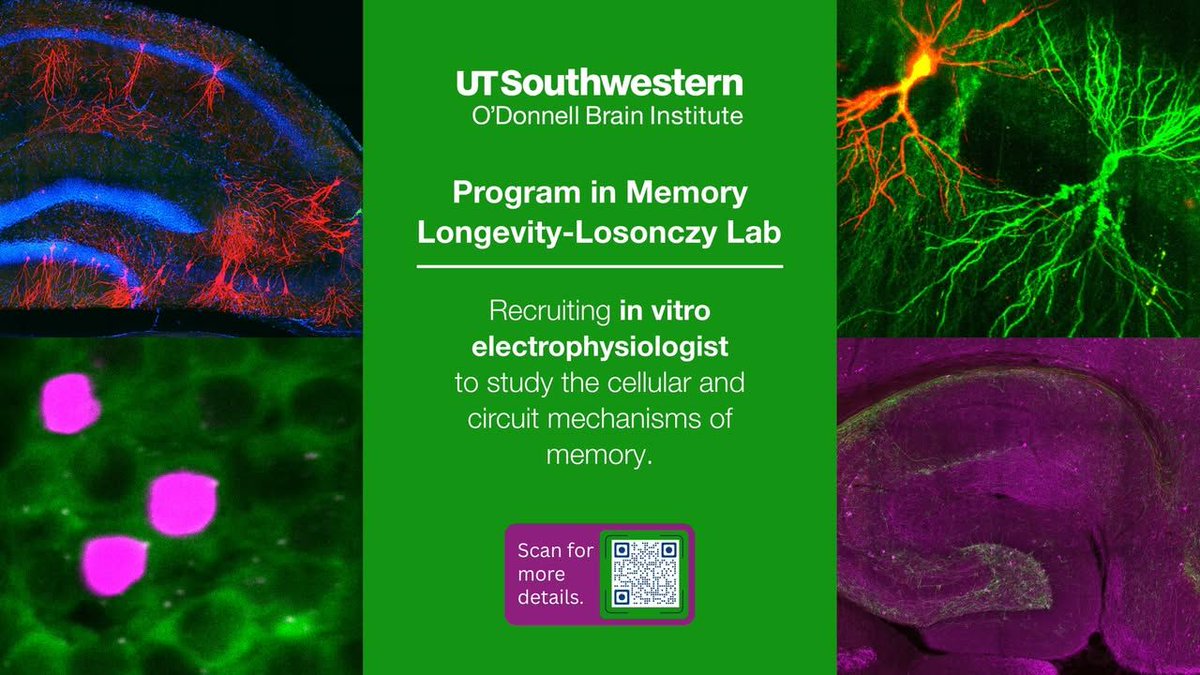
The Losonczy Lab in the OBI Program for Memory Longevity seeks #postdocs, particularly an in vitro #electrophysiologist to explore the synaptic and dendritic basis of learning using physiological and imaging tools. #optical-imaging #PatchClamp Learn more: bit.ly/4n79EOQ
1
6
1,053

27 Sep 2025
First paper from my time with the Patel lab! I can't believe this was submitted within just a year of joining the lab and now it's finally out :))) #alcohol #interneuron #prelimbic #patchclamp
🧵 below
27 Sep 2025

📜📜📜New lab paper:: Alcohol withdrawal effects on interneuron physiology in the PFC!!! sciencedirect.com/science/ar…
1
1
2
240

23 Sep 2025
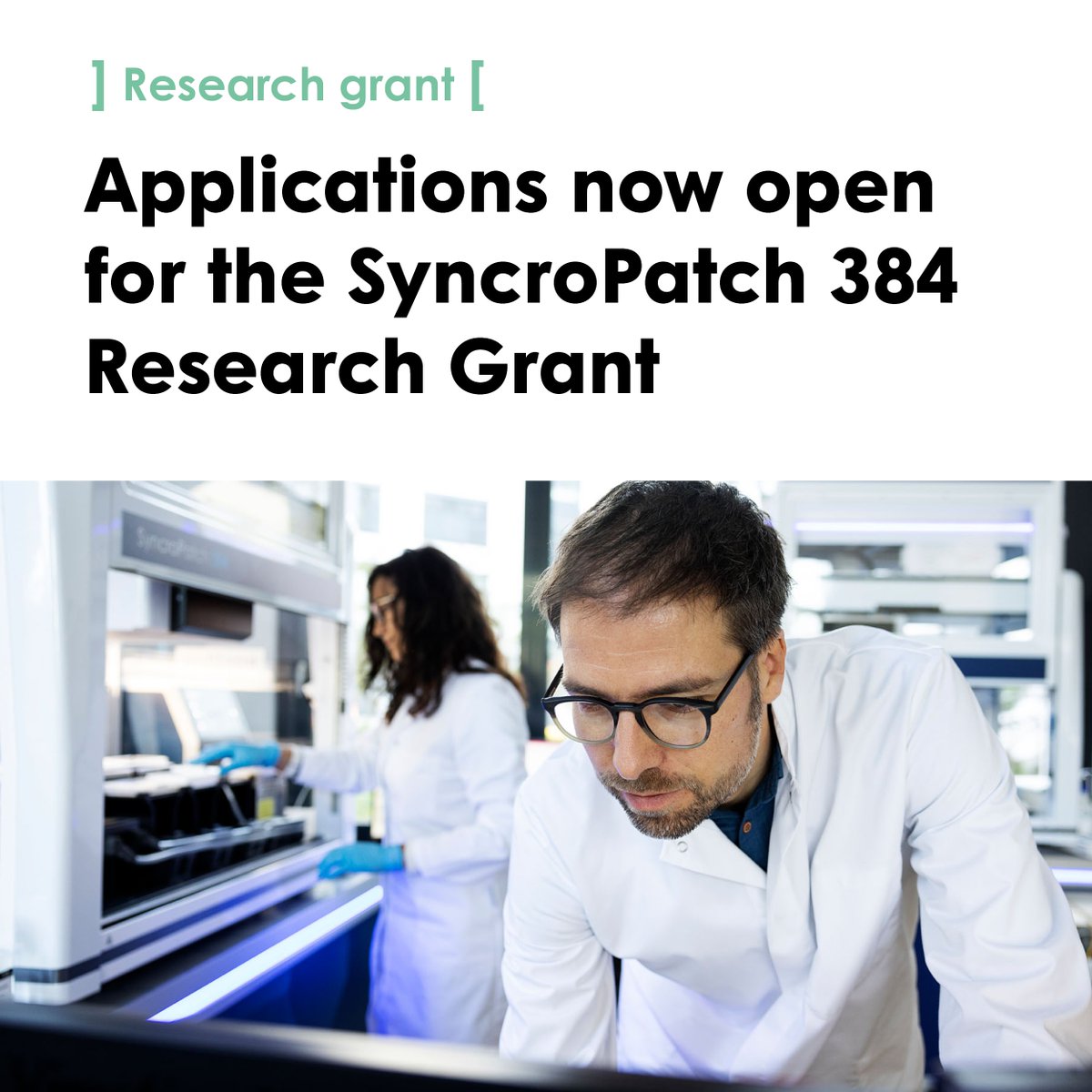
𝗔𝗽𝗽𝗹𝗶𝗰𝗮𝘁𝗶𝗼𝗻𝘀 𝗮𝗿𝗲 𝗻𝗼𝘄 𝗼𝗽𝗲𝗻 𝗳𝗼𝗿 𝘁𝗵𝗲 𝗦𝘆𝗻𝗰𝗿𝗼𝗣𝗮𝘁𝗰𝗵 𝟯𝟴𝟰 𝗥𝗲𝘀𝗲𝗮𝗿𝗰𝗵 𝗚𝗿𝗮𝗻𝘁
What if you could have 384 patch clamp experts in your lab?
With this grant, you can.
The award includes:
▪️ 9 months with the SyncroPatch 384 in your lab
▪️ NPC-384 consumables
▪️ Full training assay development support
Perfect for validating new targets, developing assays, or generating the data you need for your next funding application.
📅 𝗗𝗲𝗮𝗱𝗹𝗶𝗻𝗲: 𝗢𝗰𝘁𝗼𝗯𝗲𝗿 𝟯𝟭
📄 Apply now or tag a colleague who should!
👉 ow.ly/9gx050X0OOW
#PatchClamp #Electrophysiology #IonChannels #SyncroPatch384 #HTS #AcademicResearch #DrugDiscovery #ResearchGrant
1
3
60

1 Sep 2025
Planning to record LTP or LTD in acute brain slices with whole-cell patch clamp? Give my latest article a look! buff.ly/O5BK83u #plasticity #patchclamp #electrophysiology #ephys 🔬🪄⚡️
21 Aug 2025

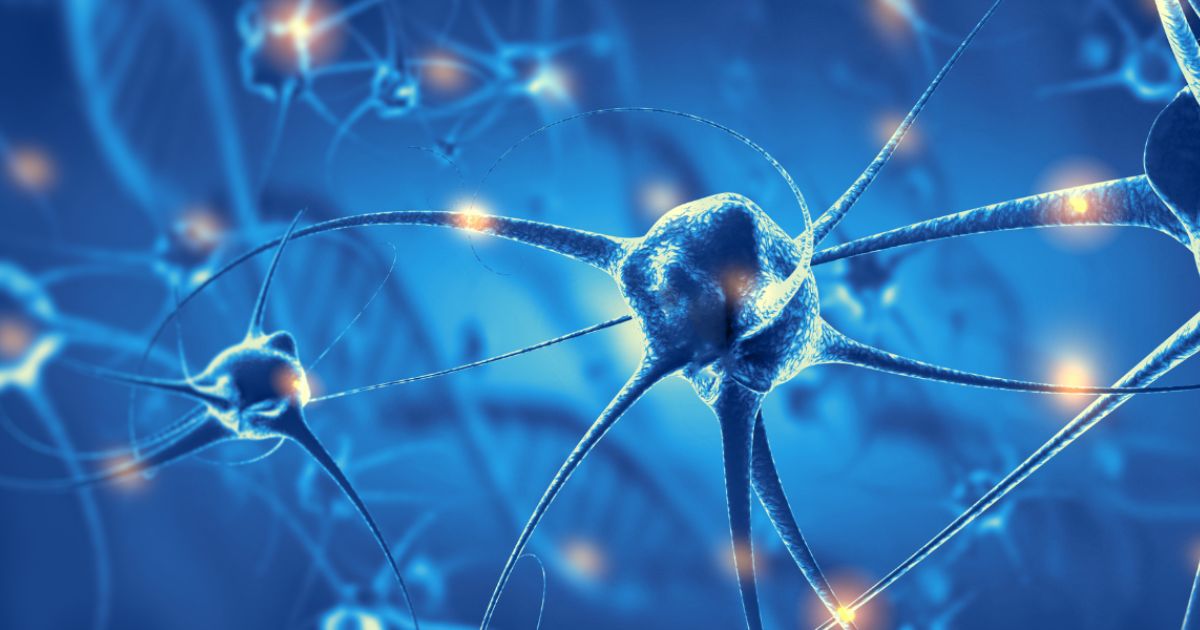
How do neurons "learn"?
By strengthening (LTP) or weakening (LTD) their synapses. In this article, @emily_winson, @GrubbLab explains how to record these fundamental processes using whole-cell #patchclamp. Read the guide here: buff.ly/O5BK83u
2
137
20 Aug 2025
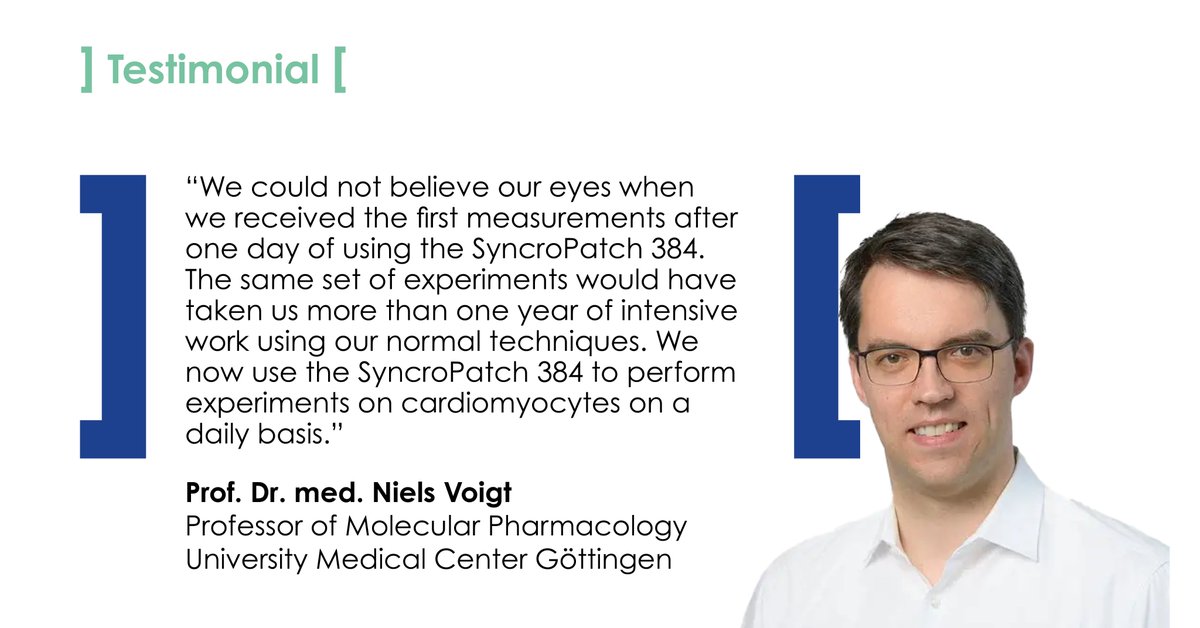
𝗔 𝗻𝗲𝘄 𝘀𝘁𝗮𝗻𝗱𝗮𝗿𝗱 𝗳𝗼𝗿 𝗰𝗮𝗿𝗱𝗶𝗼𝗺𝘆𝗼𝗰𝘆𝘁𝗲 𝗲𝗹𝗲𝗰𝘁𝗿𝗼𝗽𝗵𝘆𝘀𝗶𝗼𝗹𝗼𝗴𝘆 𝗶𝗻 𝗮𝗰𝗮𝗱𝗲𝗺𝗶𝗰 𝗹𝗮𝗯𝘀
Now used daily in the lab of Prof. Niels Voigt at the UMG, the SyncroPatch 384 supports studies on both iPSC-derived and primary cardiomyocytes.
Why it works so well in academic labs:
✅ High-quality data from small cell preps
✅ Efficient 32-well mode for assay development
✅ Reduced cost per data point—no compromise on results
“We now use the SyncroPatch 384 to perform experiments on cardiomyocytes on a daily basis.” — Prof. Niels Voigt
Read how SyncroPatch 384 is advancing cardiac research at the UMG ow.ly/aOfG50WIOen
#Electrophysiology #CardiacResearch #iPSC #PatchClamp #IonChannels #SyncroPatch384 #AutomatedPatchClamp #Cardiomyocytes #AcademicScience
4
2
66

Postdoc Fellow in ion channel research at Saint Louis University
Saint Louis University Department of Biochemistry and Molecular Biology
See the full job description on jobRxiv: jobrxiv.org/job/saint-louis-…
#fluorescencemicroscopy #ionchannels #membraneproteins #patchclamp #Proteinlipidinteraction
#ScienceJobs
jobrxiv.org/job/saint-louis-…
1
2
838
8 Aug 2025
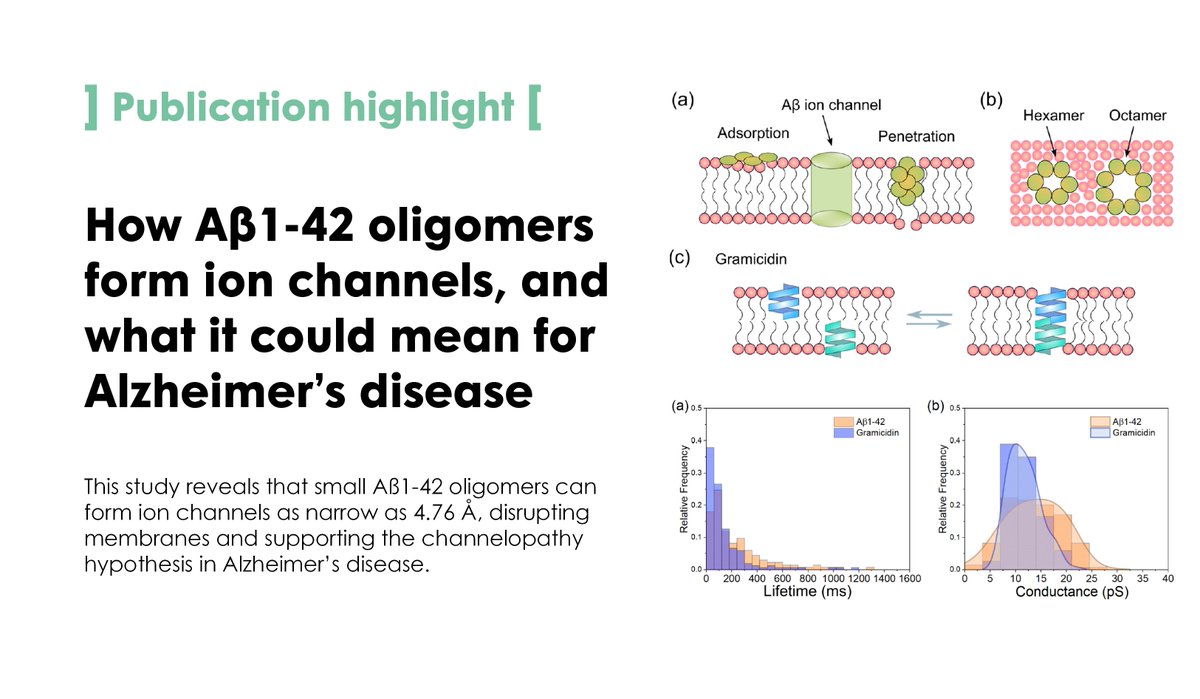
𝗛𝗼𝘄 𝗔β𝟭-𝟰𝟮 𝗼𝗹𝗶𝗴𝗼𝗺𝗲𝗿𝘀 𝗳𝗼𝗿𝗺 𝗶𝗼𝗻 𝗰𝗵𝗮𝗻𝗻𝗲𝗹𝘀, 𝗮𝗻𝗱 𝘄𝗵𝗮𝘁 𝘁𝗵𝗶𝘀 𝗰𝗼𝘂𝗹𝗱 𝗺𝗲𝗮𝗻 𝗳𝗼𝗿 𝗔𝗹𝘇𝗵𝗲𝗶𝗺𝗲𝗿’𝘀 𝗱𝗶𝘀𝗲𝗮𝘀𝗲
A new study shows they can form ion channels as small as 4.76 Å, similar in size to gramicidin pores.
Using black lipid membrane electrophysiology (Nanion’s Orbit Mini) and AFM, researchers observed distinct current signals: spikes, bumps, and steps.
Step-like currents (the most frequent and stable) mirrored those created by gramicidin, suggesting genuine pore formation by small Aβ1-42 oligomers.
These channels may disrupt membrane integrity long before plaques appear.
This supports the “channelopathy” hypothesis and opens new ways to target early Aβ toxicity.
Want to learn more?
We wrote a short blog summarizing the findings, and the full publication is linked too.
ow.ly/mtLz50WBRG6
#AlzheimersResearch #AmyloidBeta #IonChannels #PatchClamp #MembraneBiology #Electrophysiology #Neurodegeneration
6
99