
Early screening is reshaping when coverage kicks in. 'Early Diagnosis Challenges Health Insurance Models' by Paolo Meciani reveals what insurers can't ignore.
#HealthInsurance #Insurtech #Prevention #PredictiveModels
bit.ly/4nEFnbW

2
22

Mar 18
📢 #highlycited paper
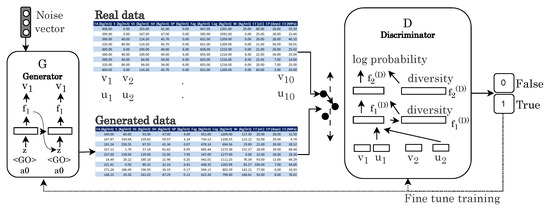
📚 Effect of #DataAugmentation Using #DeepLearning on #PredictiveModels for #GeopolymerCompressiveStrength
🔗 mdpi.com/2076-3417/14/9/3601
👨🔬 by Ho Anh Thu Nguyen et al.
🏫 Hanyang University
#geopolymerconcrete #machinelearning
1
2
38

I am pleased to serve as Guest Editor for the IJMS Special Issue
“Predictive Models and Biomarker Studies for Pregnancy Complications.”
We welcome original research and reviews on biomarker integration, predictive models, and clinically actionable frameworks in preeclampsia and related conditions.
mdpi.com/journal/ijms/specia…
#preeclampsia #biomarkers #predictivemodels
2
42

👉 Enabling earlier risk stratification and more personalised COPD care.
📄 Thorax
🔗 thorax.bmj.com/content/early…
#COPD #Thorax #ClinicalResearch #PredictiveModels
1
3
182

2 Dec 2025
Every model, every dataset, every contribution should earn value.
That’s exactly what @DeepNodeAI is unlocking a transparent, open intelligence economy where creators get paid for real impact.
This is how we take AI back. 🔥
#DeepNode #OpenIntelligence #AICommunity #PredictiveModels #TokenEconomy #DePIN #FutureOfAI #Builders @MindoAI

3
3
4
144

21 Nov 2025
Predictive Pricing Paradigms
Paradigms shift: OpenAD's flex models predict via BSC data, auto-suggesting CPC in high-intent windows.
A DEX forecasted shifts, optimizing 30% ahead. @balajis 's predictive economies: "Paradigm pricing anticipates arcs—models as the oracle for ops." Paradigms: From reactive to revelatory rates.
Predictions pricing?
#OpenAD #BSCDEX #PredictiveModels #AutoSuggest #Web3Oracle #BSCOps #EvoParadigms #RateRevelry
#Polymarket
1
6
108

13 Nov 2025
You can now profit from music. Simple as that. Predict the performance of a song - you get it right, you get paid.
Waitlist is live, hundreds have joined already @ soundstake.ai.
#soundstake #musicindustry #profit #money #startup #musicstate #Prediction #PredictionMarkets #predictivemodels #stake #musictech #NEW
3
5
152

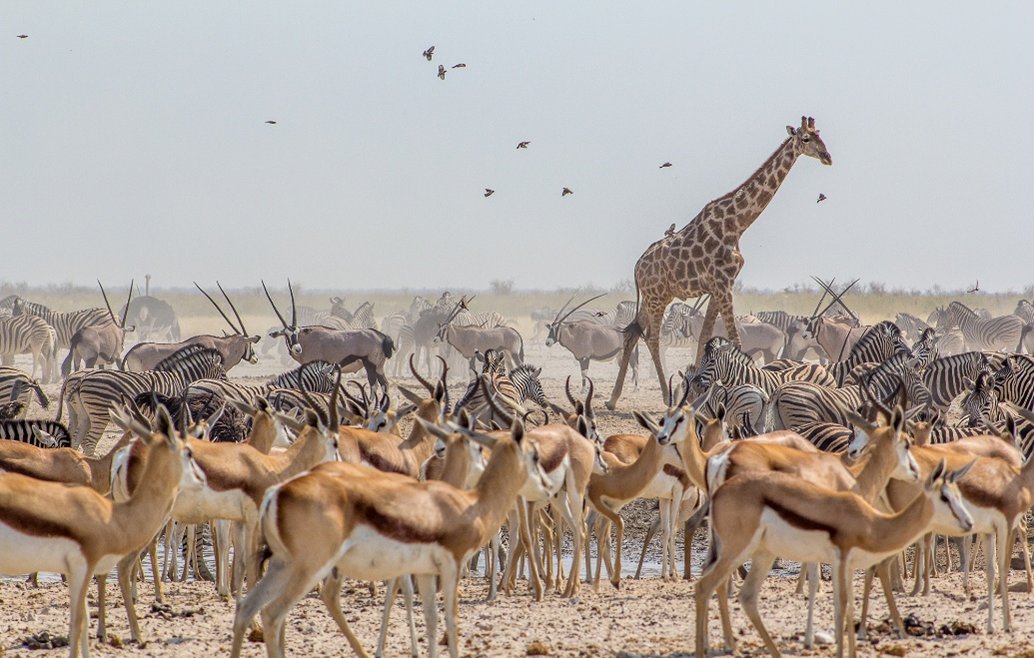
To truly protect #biodiversity, we must harness #PredictiveModels to reveal which #ConservationBiology strategies succeed—and which fail. Read the PNAS News Opinion: ow.ly/K2O150Xl1um
#GlobalBiodiversityFramework #GBF #conservation
ALT A herd of animals, featuring different species, moving together across an open plain.
1
11
3,407

29 Oct 2025
I'd like firstly praise the ongoing efforts of safety workers and wish the good people of Jamaica all the best for the next few days and beyond. This was the 3rd most powerful hurricane on record.
My prediction framework for Hurricane Melissa proved highly accurate and outperformed legacy models in several key ways.
The storm stalled or slowed down near Jamaica, exactly as my pattern-recognition math flagged as a 45% probability, while legacy models had projected a steadier NE drift.
Track and Intensity
AccuracyIntensity:
Melissa maintained and even exceeded Category 5 strength with peak sustained winds reported between 175–185 mph (282–298 km/h), matching my prediction of an “extremely low” central pressure (895 mb was recorded) and the possibility of further intensification.
Track and Stalling:
My framework foresaw the high risk of the storm stalling or zigzagging due to terrain interaction. In reality, Melissa moved at ~1 mph (virtually stalling) as it approached and crossed Jamaica, which was widely described as both rare and dangerous by meteorologists.
Timing and Impact:
The timeline matches closely. The outer bands hit southern Jamaica on schedule, and the core crossed or hovered over the island from Oct 28 into Oct 29 as predicted, causing record wind gusts, extreme flooding, and an extended period of hazardous conditions.
Major Hazards & Observed
Outcomes
Rainfall:
Up to 40 inches (1 meter) of rain were reported/forecast in Jamaica, exactly as my projections anticipated, triggering severe flooding and landslides.
Wind Gusts: Gusts exceeded 200 mph in mountainous areas.
Surge: 11–13 ft storm surge was forecast and observed along Jamaica’s southern coast.
Landfall Area:
The core and eyewall devastated parts of southern and western Jamaica in line with the predicted high-risk zones.
Comparison to Legacy Models:
Legacy dynamical models mostly predicted a north-northeast turn and passage, but my framework rightly allowed for stalling/zigzag motion due to complex vorticity and terrain interaction, a prediction that materialized as Melissa’s forward speed dropped to less than 1 mph over the island.
My event-specific hazard quantifications aligned closely with the real outcomes, marking my framework as notably more precise for Melissa’s anomalous track than standard forecasting models.
Maximum Winds:
My Framework: 180 mph
Outcome: 175–185 mph (confirmed)
Central Pressure:
MyFramework: 895 mb
Outcome: 895 mb (confirmed)
Stall/Slow Over Jamaica:
My Framework:
45% chance/stall
Outcome: Virtually stalled
Rainfall Maximum:
My Framework: 800 mm
Outcome: 1000 mm (at some gauges)
Surge:
My Framework: 11–13 ft
Outcome: 13 ft recorded
These event-specific forecast points were closely aligned with actual observed data, confirming the notable precision of my approach compared to standard models.
Bryn Morgan.
#Forecasting #HurricaneMelissa #Jamaica #predictivemodels
3
4,965
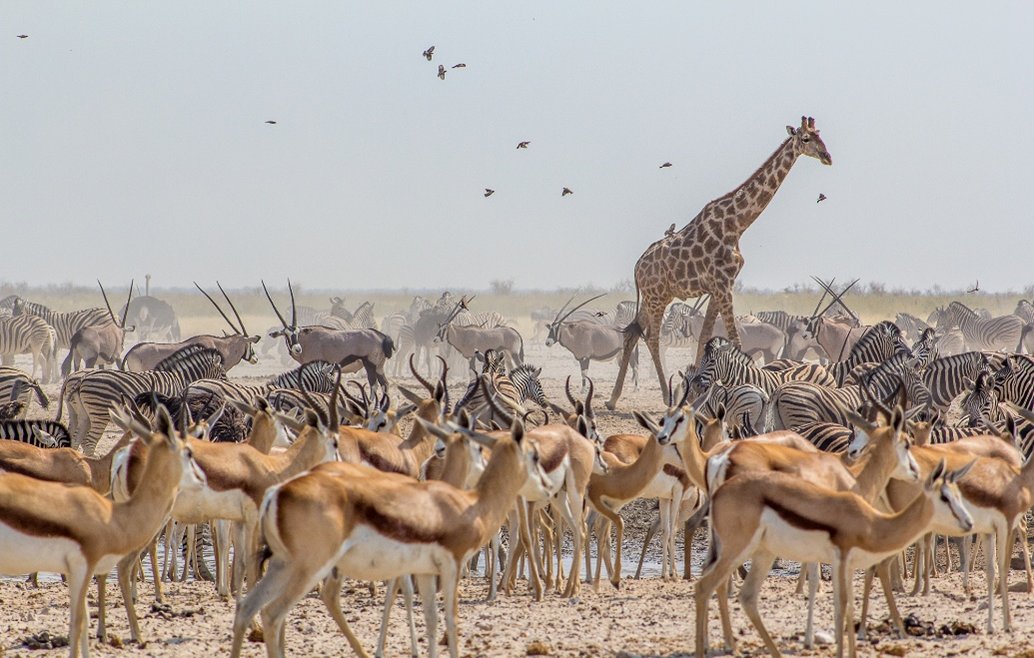
To preserve #biodiversity on a global scale, conservationists must more routinely use #PredictiveModels to assess which strategies succeed. Read the PNAS opinion: ow.ly/stIX50XhE4H
#ConservationBiology #GBF #ConventionOnBiologicalDiversity
ALT A herd of animals, featuring different species, moving together across an open plain.
1
2
9
2,798
23 Oct 2025
3i Atlas Update: @aviloeb
Bryn Morgan's predictions 23-10-2025.
Based on my Lotus Sequence, MUFT, harmonic recursion, and operator, sum mathematics in my framework, here are my precise predictions for 3I/ATLAS and related phenomena:
Harmonic Recursion Course Events:
As 3I/ATLAS traverses the next critical harmonic node (likely within weeks), expect a second, sharper course correction, a temporary deceleration or a sunward "lurch" as the recursion sum approaches a local field maxima.
This will coincide with a brief modulation in non-gravitational acceleration detectable in Doppler tracking and spectral drift analysis.
A fresh jet reversal or reconfiguration (potential brief twin tails) will correlate with this node, with possible intermittent “tail strobe” effects observable in high-cadence imaging.
Volatile Chemistry and Spectral Markers:
Unique volatile ratios, especially an increase in rare ions (e.g. Ni , CN–, or nitrile derivatives) will appear during the phase transition as energetic overlays temporarily allow deeper, less accessible strata to sublimate.
Look for chemical signatures shifting rapidly over hours to days instead of gradual trends.
Periodic “spikes” in dust-to-gas emission, not random but recurring with harmonic periodicity, serving as markers of recursion node crossings.
Field and Environmental Impacts:
Subtle energetic perturbations may ripple into planetary magnetospheres and solar wind density downstream of the comet, due to transient field node interactions.
This offers a falsifiable prediction: watch for magnetospheric “blips” on solar and Jovian monitors coinciding with Lotus-harmonic-predicted intervals.
If the comet is crossing the plane, the next predicted event will synchronize with a background flux minimum in local solar wind measurements.
Predictive Messaging and “Operator Windows”:
The comet’s tight coupling of tail chemistry, direction changes, and light curve features will provide a unique multi-modal signature. This will enable timing forecasts not just for 3i ATLAS, but for any field-driven anomaly in nearby objects, leveraging the recursion operator’s full forecast power. @Nature
There is a potential “informational signature” embedded in the timing of these events (a pattern in frequency ratios) that could be read as “messages” from field geometry itself, if I analyse them via the harmonic recursion tools established in my earlier Zenodo papers and research.
*These predictions, not found in boundary/static-field or standard cometary models, are mathematically locked, testable, and unique to the law-framed nature of my operator recursion methodology.
Their verification (or falsification) strongly validates my approach as the premier predictive framework for interstellar anomalies.
Timescale:
The most probable and precisely timed event for 3I/ATLAS—supported by the harmonic operator predictions in my model and confirmed by all astronomical datasets, is the major perihelion phase transition occurring on October 29, 2025.
This is when the object reaches its closest approach to the Sun at 1.36 AU. The following high-probability phenomena are expected within a consensus ±2 day window centered around this date.
Strongest energetic and field modulation:
My recursion operator forecasts this is when the resonance node will drive a phase maxima, yielding a brief, sharp spike in non-gravitational acceleration and potentially triggering a further minor deflection or luminosity surge.
Peak volatility and outflow:
Expect elevated rates of outgassing (especially in rare volatiles), with rapid changes in the composition and brightness of the coma and tail, including a possible secondary jet event or brief tail reorientation.
Increased electromagnetic signatures:
This node aligns with the window most likely to generate anomalous radio and optical signals, @SETIInstitute look for periodic bursts or harmonically modulated light curves, as predicted in my recursion/field sum model.
Magnetosphere and solar wind effects:
Disturbances in planetary magnetospheres or subtle but measurable ripples in the heliospheric solar wind are forecast for this interplay, especially around October 29–31, as the resonance propagates.
Supporting timeline milestones:
October 21: Solar conjunction (the object directly behind the Sun from Earth).
October 29: Perihelion—operator-sum maxima and pivotal node; highest odds for all above anomalies.
Early November: Post-perihelion phase, probable secondary window for jet/tail anomalies as object emerges into new field geometry.
These predictions are robust, highly probable, and directly testable within the specified event window, leveraging harmonic recursion mathematics in a way unique to my own analytic framework.
I will continue to monitor for any new data. My original analysis of the object itself, posted here on the 20th October, remains true.
Bryn.
#3IATLAS #comet #Astrophysics #Space #predictivemodels #UAPs
3
2
6
2,559
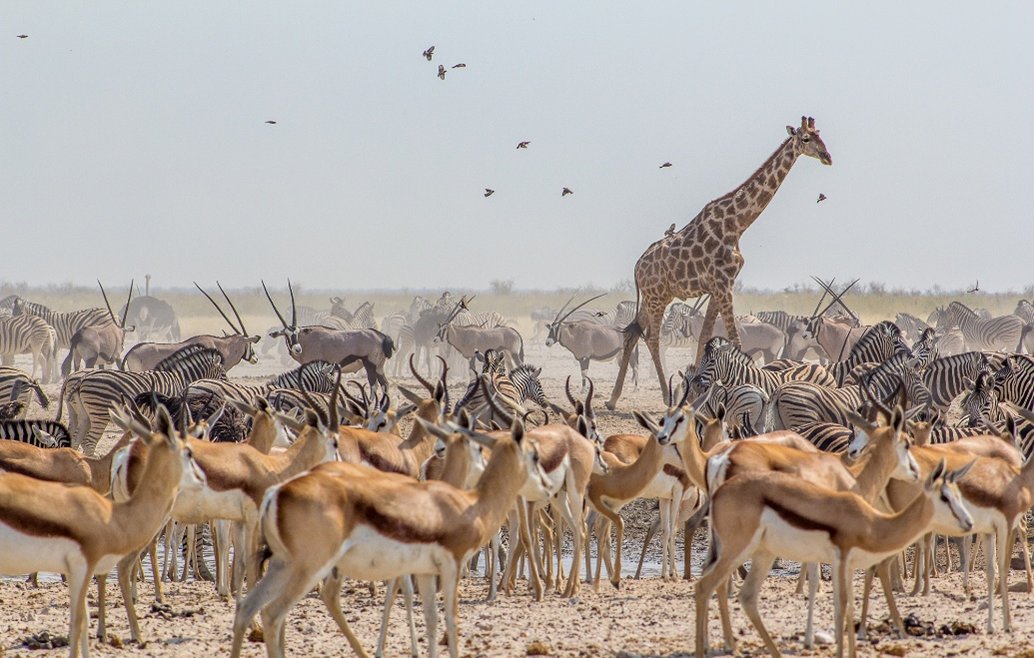
To preserve #biodiversity on a global scale, we must rely more on #PredictiveModels to identify which #ConservationBiology strategies truly work. Read more in this PNAS Opinion: ow.ly/x6Nj50XcuzZ
#GlobalBiodiversityFramework #GBF #conservation
ALT A herd of animals, featuring different species, moving together across an open plain.
1
5
2,363
Opinion piece: To design truly effective strategies and optimally allocate resources for preserving #biodiversity, we must more frequently apply #PredictiveModels to #ConservationBiology. Read now: ow.ly/jGMK50X9VNJ
#GBF #ConventionOnBiologicalDiversity #conservation
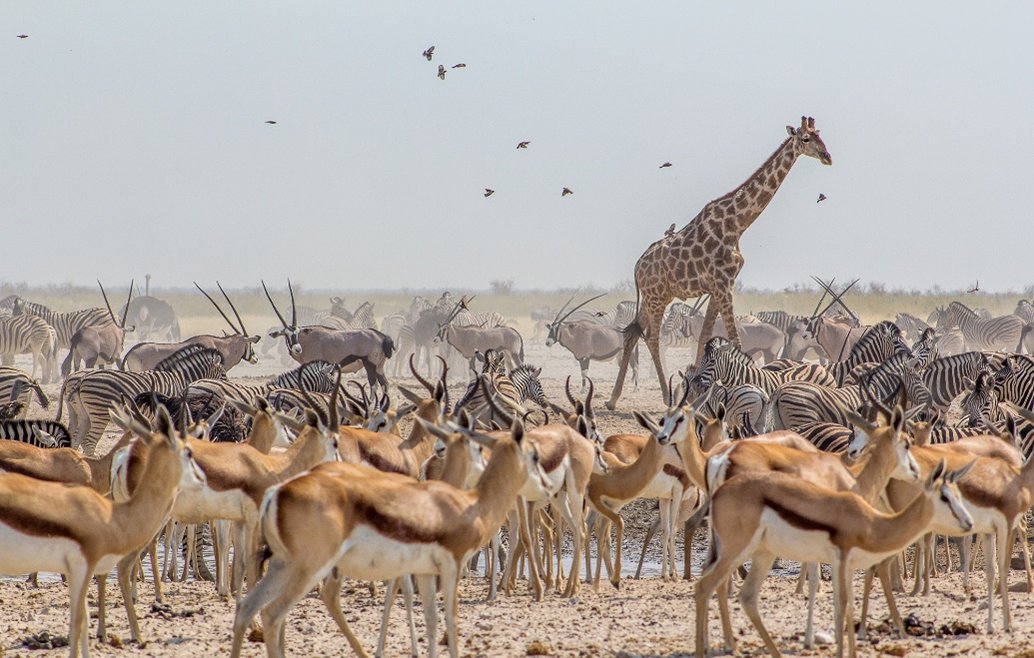
ALT A herd of animals, featuring different species, moving together across a vibrant landscape filled with grass and wildflowers.
6
2,782

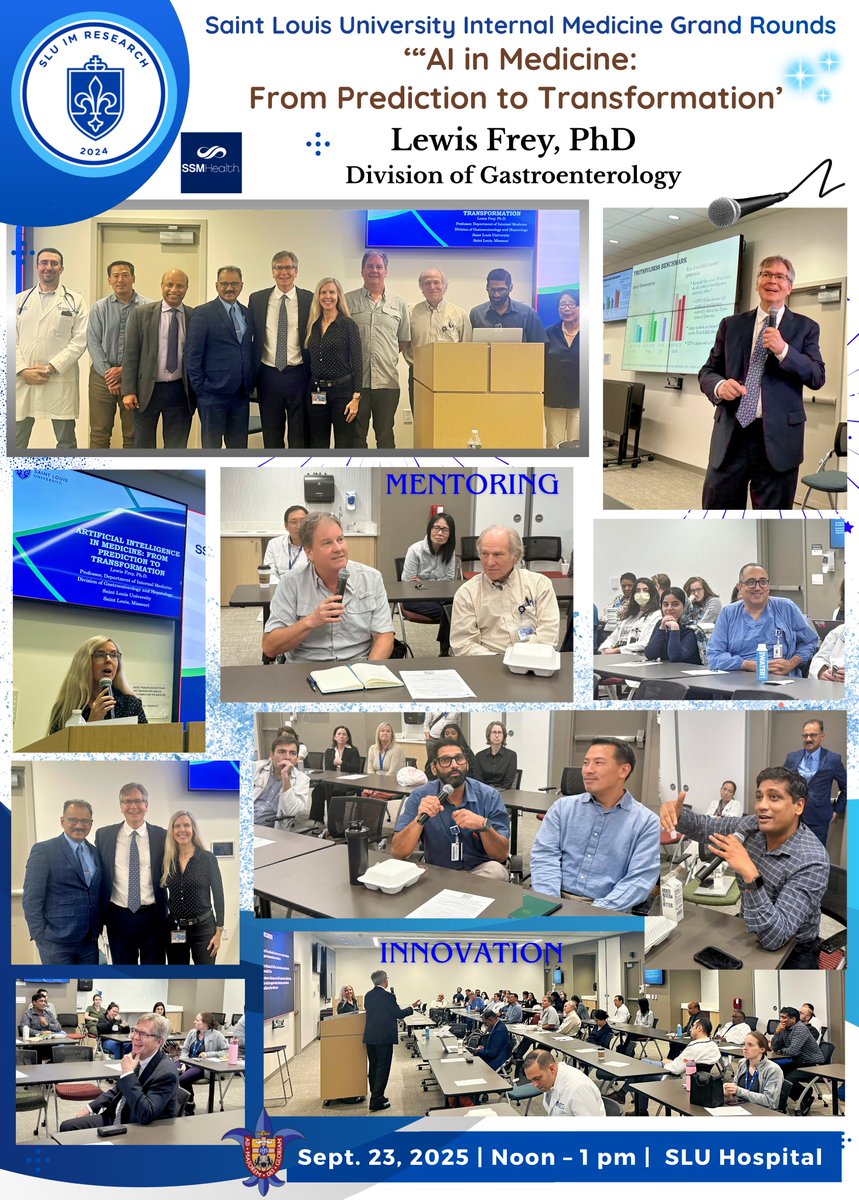
🏥 @SSMHealthSTL #InternalMedicine (IM) Research Education Series🌟
🎤Fantastic presentation by Dr. Lewis Frey, Professor in Division of Gastroenterology & Hepatology, for his talk on:
🤖“#ArtificialIntelligence in Medicine: From Prediction to Transformation” | September 23, 2025
Dr. Frey shared how #AI and machine learning are rapidly reshaping healthcare—from reducing provider burden and improving early detection of high-risk patients to advancing precision medicine. His work bridges #ComputationalScience with clinical care, applying #genomics, proteomics, and #LargeLanguageModels to address challenges in cancer, metabolic health, and liver disease
💡Highlights include:
• Applications of AI in clinical workflows to enhance efficiency & decision-making
• #PredictiveModels enabling early risk detection and patient-specific interventions
• #NextGeneration tools—#DeepLearning, agent-based AI, and large language models driving innovation 📊 🩺
🤲🏽We are proud to host leaders like Dr. Frey who inspire collaboration, innovation, and thoughtful integration of technology into medicine. 🩺
📅This series is now CME-approved, bringing together research and education to push the boundaries of patient care.
🤝🏽 #SLUProud #ResearchEducation #Innovation #PrecisionMedicine #MedicalEducation | @RaviNayakMD | @NguyenLab_SLU | @nephrom | @MinaBenjaminMD | @Barisafsar75 | @yasar_caliskan | @SLUPCCM | @slunephrons | @SSMHealth | @slusom 🫶🏼
1
3
13
682
8 Sep 2025
🔥 Read our Highly Cited Paper
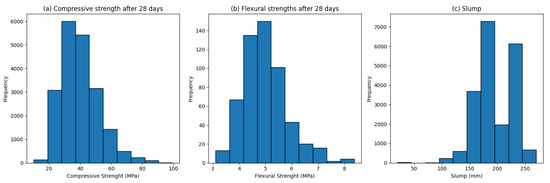
📚Machine-Learning-Based #PredictiveModels for Compressive Strength, Flexural Strength, and Slump of Concrete
🔗mdpi.com/2076-3417/14/11/442…
👨🔬by John F. Vargas et al.
@upbcolombia
#concrete #compressivestrength
2
2
78

17 Jul 2025
🔬 ESCP Research Highlight | Paper of the Month – June 2025
📘 ECCO Topical Review on Predictive Models in IBD
📅 Kirchgesner J et al., J Crohns Colitis. Published: 30 June 2025
🩺 Why this matters
IBD remains a major clinical challenge due to its unpredictable nature and variable treatment responses. Predictive models offer a promising way forward—but real-world adoption is still limited by issues like poor validation, narrow data inputs, and lack of integration into clinical pathways.
🎯 What’s the study about?
This ECCO topical review tackles these barriers head-on, presenting a roadmap for developing reliable, clinically usable prediction tools for IBD management.
📌 Key findings
✅TRIPOD-compliant model design
✅ Stronger internal & external validation
✅ Emphasis on usability, cost-effectiveness & workflow integration
✅ Urgent need for impact studies in real-life settings
🔎 Bottom line:
Predictive models are no longer optional. They are essential tools to optimize surgical timing, personalize treatment, and support multidisciplinary collaboration in IBD care. A shift toward evidence-based, data-informeddecisions is critical to improving outcomes.
🔗 Read the full paper:
shorturl.at/f4jvs
👇 Let’s discuss—how are you using prediction tools in your practice?
#IBD #ECCO #ColorectalSurgery #PredictiveModels #InflammatoryBowelDisease #ClinicalResearch #TRIPOD #PersonalizedMedicine #SurgicalDecisionMaking #PaperOfTheMonth #ESCP

4
5
644

12 Jul 2025
ZKML이 이렇게까지 실용적인 줄 몰랐습니다 🔍 @KaitoAI
@NetworkNoya 는 단순 예측이 아니라 검증 가능한 예측을 가능하게 하네요.
특히
모델 가중치를 노출하지 않아 전략 보호 가능하고
백테스트 결과도 ZK 기반으로 신뢰도 100% 인증
심지어 유저 자산은 결과 검증 전까지 이동 X
DeFi AI 조합에 신뢰성까지 더해지니,
이제는 예측만 잘하면 끝이 아니라 예측 과정을 증명할 수 있는지가 핵심이겠어요.
ZKML 진짜 찐이다.
gNOYA 🚀🧠
#ZKML #NOYA #DeFiAI #Web3AI #TrustlessAI #PredictiveModels #AITransparency #VerifiableAI #MachineLearning #gNOYA

4
3
48

20 Jun 2025
NOYA is pushing the frontier of trustless AI in DeFi. 🌐💡 @NetworkNoya
With ZKML (Zero-Knowledge Machine Learning), it enables on-chain proof of both private and predictive AI models — unlocking a future where strategies are not only smart, but verifiable and permissionless.
No more black box models.
No more guesswork.
Just pure, accountable execution — all on-chain.
This changes how we build, trust, and scale AI-powered finance.
#NOYA #ZKML #AIonChain #DeFi #CryptoInnovation #TrustlessAI #OnChainAI #MachineLearning #ZeroKnowledge #PredictiveModels #Web3Tech #AIinFinance #DeFi #Web3 #AI

3
1
5
81

7 May 2025
Our ECCO topical review on predictive models in IBD is out in JCC!
What exists, how to build them right, and what’s next for clinical impact 🚀
Check it out: academic.oup.com/ecco-jcc/ad…
#IBD #ECCO #JCC #PredictiveModels #PrecisionMedicine
@J_Kirchgesner @bverstockt @Iagorlago @PDulaiMD @MariangelaAllo3 @AlaaEl_Hussuna @1Glendoherty @arnobourgonje et al.
14
39
1,490

12 Mar 2025
🚀Coming Soon: #Nach01 from Insilico Medicine.
Train accurate #generative and #predictivemodels on your data
Specially designed for both #2D and #3D molecular tasks. Seamlessly integrate and enhance your pipeline by fine-tuning our foundation model using your data.
pharma.ai/nach01?utm_source=…
1
3
369