
The floppy disk changed computing forever. And it started with just 80KB.
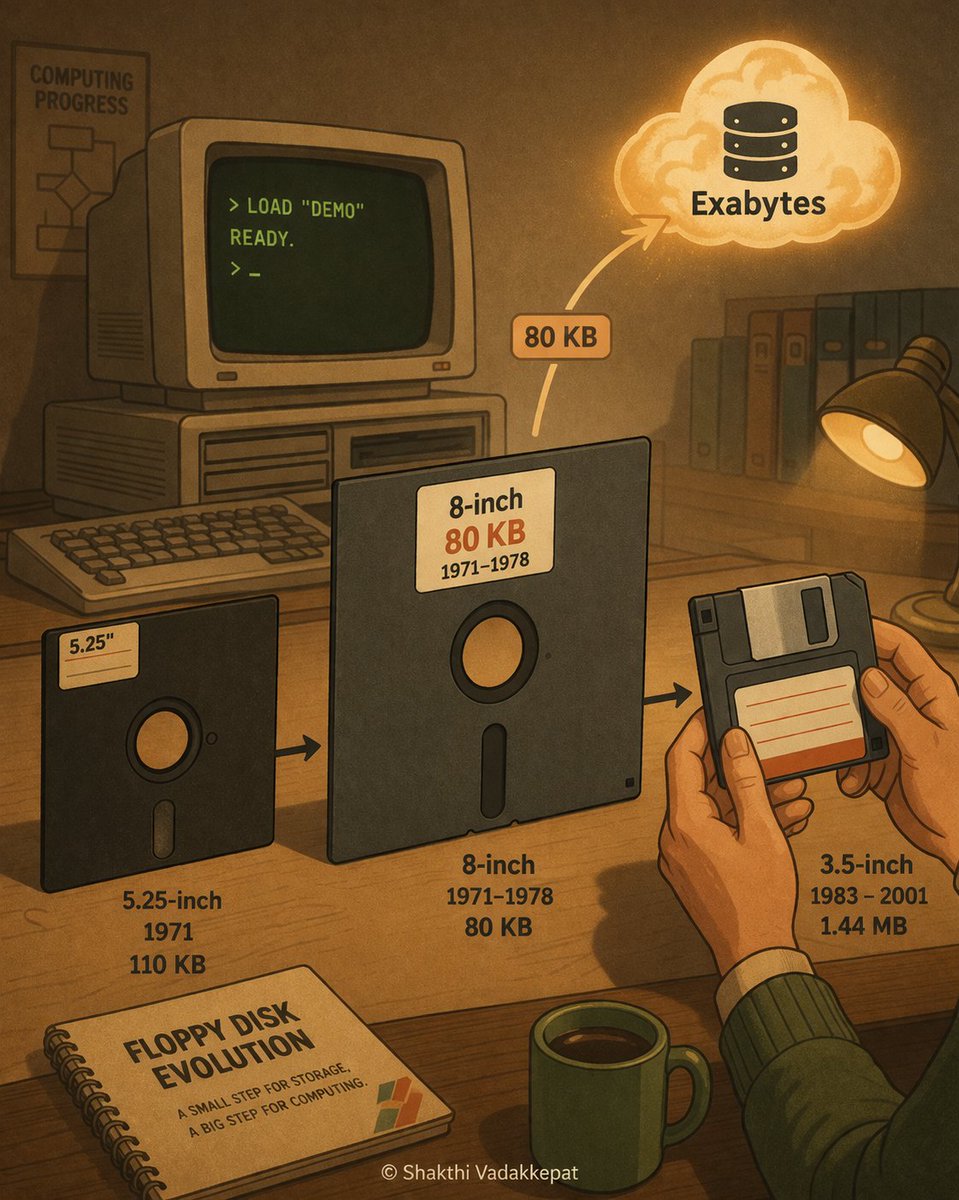
IBM introduced the first floppy disk in 1971. An 8-inch magnetic disk that could hold 80 kilobytes of data. To put that in context, a single emoji today is larger than what that disk could store. Yet it was the most significant storage breakthrough of its era.
Before it, software and data moved on punched cards and magnetic tape. Both were slow, fragile, and completely impractical for everyday computing. The floppy changed the equation. You could carry data in your hand. You could share programs between machines. That was not a small thing. That was the beginning of software as we know it.
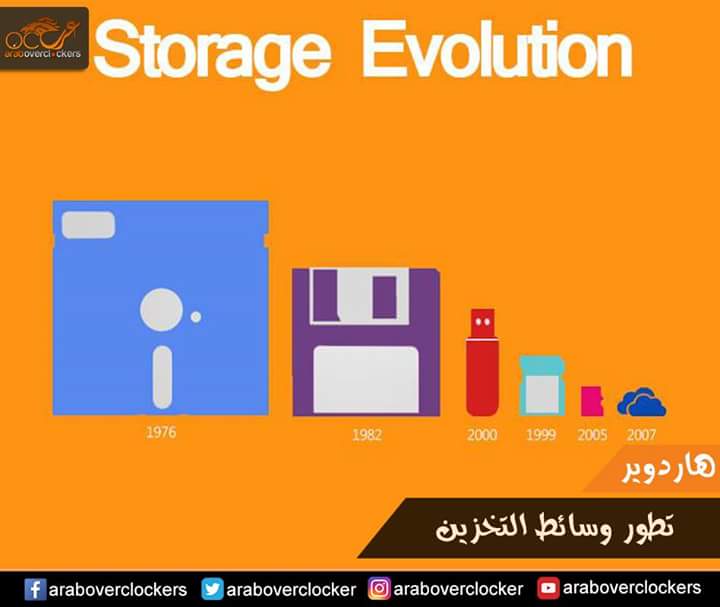
The 8-inch gave way to the 5.25-inch in 1976. More portable, 360KB of storage. Then came the 3.5-inch in 1982, eventually reaching 1.44MB. That hard plastic shell with the sliding metal cover became the universal symbol of computing for a generation of engineers and architects.
What I remember is the sound. The mechanical whirring when a machine read the disk. The nervous pause before the data appeared. You knew something real was happening inside that drive.
The floppy also gave us the save icon. Every piece of software still uses it. Generations of engineers click that icon daily without ever having held a physical disk. That is how deeply this technology embedded itself into computing culture.
80KB was the beginning. The cloud stores exabytes today. But the architectural idea was the same: make data portable, shareable, and independent of the machine it was created on.
That idea did not change. Only the scale did.
#FloppyDisk #ComputingHistory #TechNostalgia #EnterpriseArchitecture #SoftwareHistory #IBM #StorageEvolution #TechLeadership #DigitalTransformation
1
69

18 Mar 2025
The Evolution of SSDs: Then vs. Now
Over the past decade, SSDs have made huge leaps in durability, speed, and lifespan.
But just how much have they improved? Let’s compare:
▶ TBW (Total Bytes Written)
10 years ago: 100–200TBW (limited write endurance)
Today: Over 2000TBW—longer lifespan and fewer replacements needed
▶ Write Speed
10 years ago: 500MB/s (SATA)
Today: 7000MB/s (NVMe)—over 14x faster!
▶ Durability
10 years ago: Limited write cycles and concerns over data retention
Today: Advanced NAND technology enhances longevity and data protection
Once considered fragile, SSDs now outlast HDDs and deliver blazing-fast performance.
With storage technology evolving rapidly, what do you think the future holds for SSDs?
#SSD #StorageEvolution #HighSpeed #DurabilityBoost #TechInnovation

3
43

6 Oct 2024
Think your smartphone is small? The first hard drive ever built in 1956 weighed over a ton and could store only 5 MB of data. We've come a long way since then! 💾 #TechProgress #StorageEvolution
1
24

18 Sep 2024
Fun Fact #9: The first 1GB hard drive, introduced in 1980, weighed over 500 pounds and cost $40,000! Now, you can fit 1,000 times that storage in your pocket for a fraction of the price. 📦📷
#TechHistory #FunFact #StorageEvolution
(Representational image, not real)

2
80

Join the exclusive coverage of "The Next Generation of Storage" brought to you by theCUBE and Pure Storage! 🎙
thecube.net/events/pure-stor…
🔍 We'll spotlight key milestones, delve into the integration of artificial intelligence, and analyze the game-changing innovations in data security from some of the biggest experts in the field.
🌐 Gain firsthand insights into modern techniques supporting storage automation, sustainability, and more!
Save the date and be part of this enlightening broadcast on Jan.10 📅✨
#StorageEvolution #NextGenStorage #TechTalks #PureStorage @PureStorage
2
18
7,035

25 Aug 2023
Adaptive Storage Approach Unveiled! Responding to evolving user patterns, Dropbox shifts its Advanced plan with a metered model. Explore the enhanced Dropbox experience!
#StorageEvolution #Dropbox
finwatchers.com/2023/08/drop…
3
16

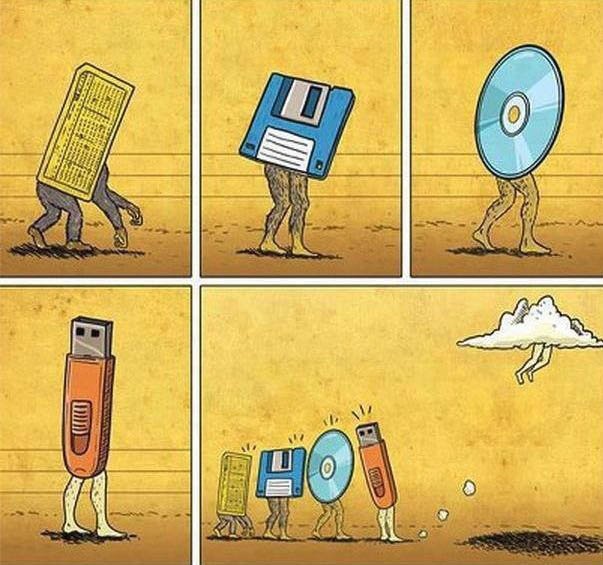
Survival of the fittest file! 💾 → 💽 → ☁️
#Zesty #AWS #Cloud #StorageEvolution
#storage #server #cd #floppydisk #usb #usbdrive #flashdrive #cloudstorage #evolution

6
101

17 Oct 2018
This is the evolution of storage – and now it is off to the cloud.👍😁😂
#justforlaughs #storageevolution #cloudbase
1

28 Aug 2018
Had fun today with @storageswiss and the Storage Switzerland crew. Full video coming soon. NGD Systems, Inc.
A #ComputationalStorage primer with a twist. Or in their case a whiteboard flip.
#Compute2Data #NVMe #StorageEvolution #video #whiteboarding lnkd.in/g6JQqqP
2
24 Jul 2018
Great seeing @NGDSystems and #ComputationalStorage making the list with some other great brands and products! #StorageEvolution x.com/storageio/status/10214…
1
2

23 Jun 2018
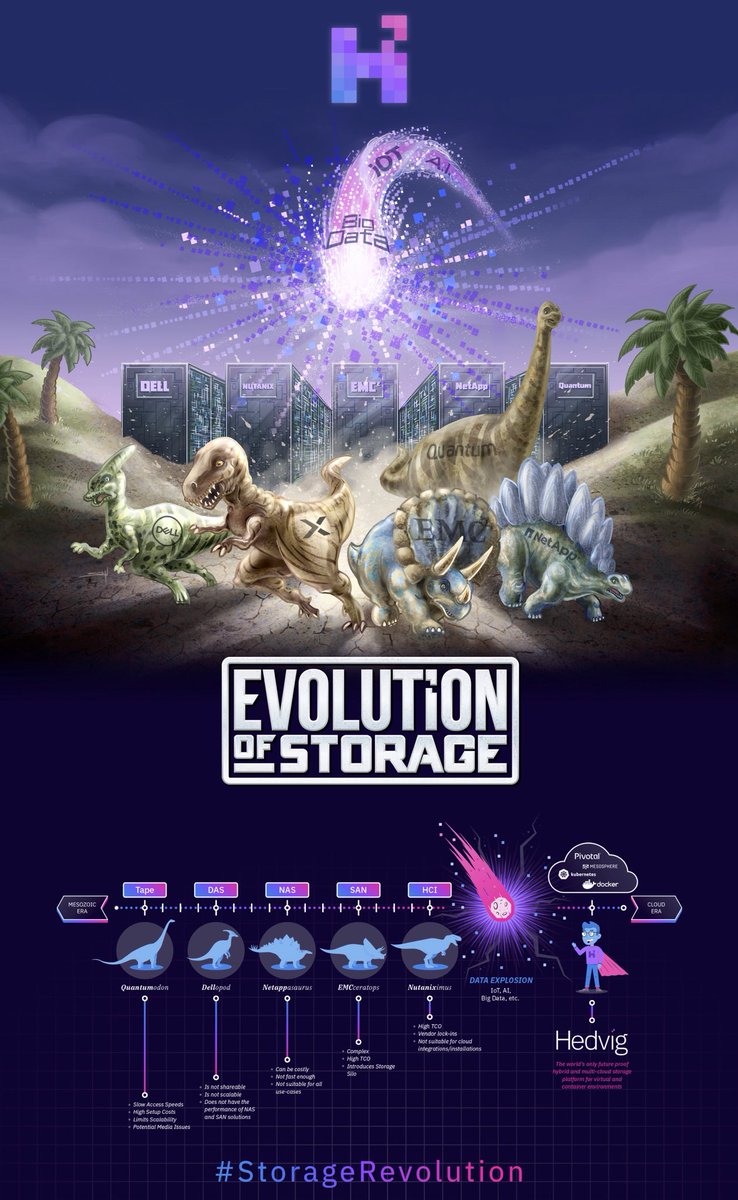
Successful Jurasssic world movie premiere sponsored by #Hedvig at Chicago #softwaredefined #sds #storagerevolution and #storageevolution @HedvigInc 🦖🦕🦖🦕🦖🦖

4

26 May 2018
1
1

4 Apr 2017
تطور وسائط التخزين من اقراص 5.25 بوصة عام 1976 الى النخزين السحابي عام 2007
#StorageEvolution #Storage #ArabOverclockers
1

30 Sep 2016
Remember those paper index cards used to locate each book in the library? #StorageEvolution bit.ly/2bUzLLq

1
1

3 Sep 2015
@SandC_UK @FuturEnergy_ #StorageEvolution is here #AllGrid has launched in #Australia with the support of @AusSolarQuotes @AdelaideCity