Jan Romes retweeted

Jun 7
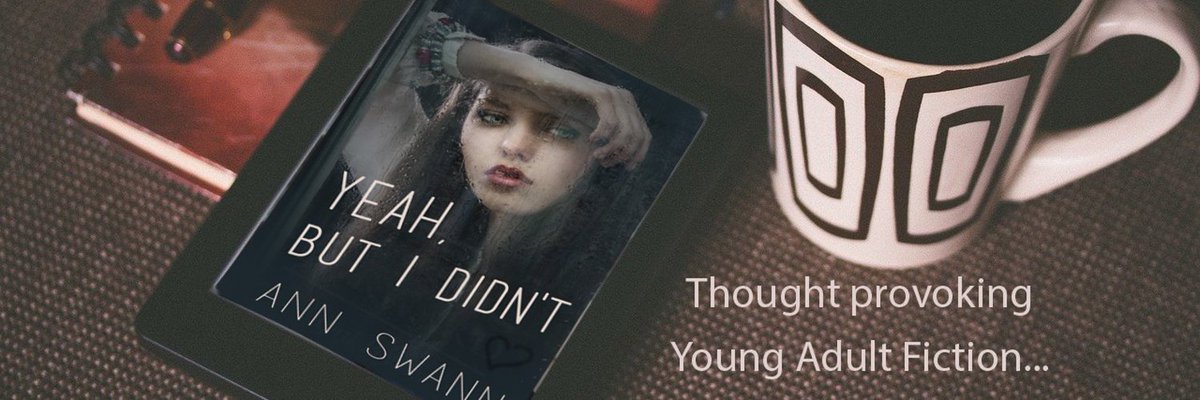
Young adult #YA Realistic fiction #familydrama #triggerwarnings #suicide #mentalhealth wordcrafts.net/ann-swann/ #WeTellStories
1
1
29

i have many thoughts i've just been posting tamer things recently bc i was trying to figure out if i could even post darker ones but then i remembered about #triggerwarnings
3
224


May 8
If you need a trigger warning to read a book, sometimes the issue is the book and sometimes the issue is somewhere else. I want to talk carefully about that distinction because it matters more than the loudness of the current debate suggests.
Let me start by saying clearly what I think trigger warnings do well, because the topic is loaded and skipping over the legitimate cases would be dishonest. Combat veterans with diagnosed PTSD should not have to walk into a Vietnam novel without knowing what the chapters contain. Survivors of specific traumatic violence should not be ambushed by detailed scenes of that exact violence in the middle of a book that gave no signal. Those are legitimate uses of the warning. Specific. Bounded. Functional. They serve real people with real medical conditions. I support them without reservation. Anyone who pretends otherwise is not paying attention to actual trauma.
That is not what I want to talk about today.
I want to talk about the broader cultural drift, which is something else. We have moved over the last decade from warnings that protect specific medical conditions to warnings that protect against any emotional discomfort. We now see warnings for grief, for breakups, for death of fictional characters, for unhappy endings, for any moment in a story that might make a reader feel something other than affirmation. The category quietly expanded from clinical to comfort, and most of us did not notice the shift while it was happening because each individual addition seemed reasonable at the time.
I lived this myself in a small way that I want to share. Two years ago I taught a one-week writing workshop at a small literary program. I assigned a short story by a Polish writer about a man losing his daughter. The story was harrowing in the way good literature about grief is harrowing. Three of my eight students filed complaints because I had not warned them adequately. They were not survivors of child loss themselves. They had simply found the experience of reading the story too difficult and felt that difficulty had been inflicted on them without consent.
I sat with those complaints for a long time. I did not dismiss them. The students were earnest. They were not bad people. They genuinely believed they had been harmed by encountering a difficult story without preparation.
But I also could not agree that what had happened was harm in the way the word usually means. They had been moved. They had been disturbed. They had been forced to think about something terrible. Those are exactly the things literature has done to readers for three thousand years. The Greek tragedies are not pleasant. The Russian novels are not comforting. The Bible is full of scenes that would require warnings if applied today.
If we extend the protective framework so far that the encounter with serious literature itself becomes the harm, we are saying something significant about what we want literature to be. We are saying we want it to confirm us rather than challenge us. We are saying we want it to feel like home rather than like travel.
That is a legitimate desire. Comfort literature exists and it serves real human needs. But if it becomes the default expectation, the entire form loses something important. Books are one of the few remaining places where a stranger can put a thought into your head that you would not have generated yourself. That capacity depends on the book being able to disturb you without asking permission first.
I want to be careful about the next part because this is where the conversation usually gets heated. I am not saying readers should toughen up. I am not saying sensitivity is weakness. I am not saying any of the things that are usually said in essays like this one and that polarize the debate without resolving anything.
What I am saying is more modest. Different readers genuinely need different things at different points in their lives. Some readers, in some seasons of life, need comfort and should pursue comfort literature without apology. Other readers, in other seasons, need to be challenged and should pursue difficult literature without expecting it to soften itself for them. Both are legitimate. Both are part of what reading is for.
The mistake I think we are making collectively is collapsing those two needs into one. We are training a generation of readers to expect that all literature should serve the comfort function and that any book that does not is failing them. That trains the nervous system to register difficulty as danger across the board, when actually difficulty in a controlled fictional setting is one of the safer ways humans have ever developed to practice handling difficulty.
I want my own children, if I had them, to have access to both. Comfort literature when they need it. Difficult literature when they are ready for it. And the wisdom to know which they need on which day. That second category, the difficult kind, only stays available if we keep the cultural space open for books to disturb us.
So here is what I would say to readers struggling with this question. Pay attention to which kind of book you actually need today. Do not confuse a season of needing comfort with a permanent dietary restriction against difficulty. Do not let the current cultural moment convince you that being moved is the same as being harmed. They overlap sometimes. They are not the same thing. Preserving the difference is part of how you stay a serious reader over a lifetime.
And if you are going through a genuinely hard moment in your life, give yourself permission to read easy books for a while without guilt. Comfort is real. Comfort matters. The challenging books will still be there when you are ready for them again.
Both can be true at the same time.
That is most of what good cultural conversation requires. Holding two true things at once without forcing one to defeat the other.
I do not have a perfect answer to where we draw the line. I do not think anyone does honestly. But I think we are better served by talking about it openly than by either dismissing the warning culture as foolish or treating any pushback as cruelty.
The book is not always the problem. Neither is the reader. Sometimes it is just that we have stopped having the patience to figure out which is which on a case by case basis.
We can do better than that.
We have time to figure it out together.
#NoahDaren #TriggerWarnings #3AMThoughts #QueensNY #WritingLife #ThoseWhoCameFromTheCode #BothCanBeTrue #ReaderToReader #WhatLiteratureIsFor #SeasonsOfReading

ALT Two years ago I taught a workshop. Assigned a Polish story about a man losing his daughter. Three students filed complaints. They had not been ambushed. They had been moved. The encounter with serious literature itself had become the harm. I sat with their complaints for a long time. I still do not have a clean answer. But I think we can do better than dismissing each other.
1
2
4
174

Should Books Have Content Warnings? Authors weigh in, with @Howard_Lovy & @RachelintheOC / @BadRedheadMedia via @IndieAuthorALLI ow.ly/qxzr50UKt2h
"Disclaimers and trigger warnings serve a simple purpose: to prepare readers for what’s ahead."
#TriggerWarnings

8
5
78
Should Books Have Content Warnings? Authors weigh in, with @Howard_Lovy & @RachelintheOC / @BadRedheadMedia via @IndieAuthorALLI ow.ly/qxzr50UKt2h
"Disclaimers and trigger warnings serve a simple purpose: to prepare readers for what’s ahead."
#TriggerWarnings

ALT Should Books Have Content Warnings? Authors weigh in, with @Howard_Lovy & @RachelintheOC / @BadRedheadMedia via @IndieAuthorALLI https://selfpublishingadvice.org/content-warnings/ "Disclaimers and trigger warnings serve a simple purpose: to prepare readers for what’s ahead." #TriggerWarnings
7
7
58

Jeg blokkerer dig snart Baron! Sidste advarsel!
Det er ikke til at opretholde min vrangforestilling og fantasiverden, når du absolut skal poste fakta, som ikke stemmer med MIN virkelighed!
Hvor er triggerwarnings?!? Godt jeg har FB 🥰
1
5
61

Mar 29
"yeah dude putting incest and SA to your game makes it SEXXXYYY and FINNNENEEEE
oh and lets not put ANY TRIGGERWARNINGS to make it a good good surprise!!!
im sure they wont mind it since its an otome game!!!"

Here's a reminder!
1. Love and Deepspace is JUST an otome game.
2. Xavier, Zayne, Rafayel, Sylus and Caleb are JUST pixel characters.
3. The storyline, lore, backgrounds are everything fictional.
4. Lastly, please learn the difference between fiction and reality.
Thank you!
1
11
275

Mar 19
/☆/ it's finished and more triggerwarnings were added. Sorry Gabriel.
3
106

Feb 27
Nou ja vooral voor ouders met kleine kinderen, dat dient gezegd. Maar voor de rest ben ik niet zo van het gebruiken van triggerwarnings. Ik bedoel mensen bepalen zelf of ze wel of niet naar bepaalde dingen kijken.
1
2
62

My Mind is still recovering from it!
Amazon: a.co/d/inozfiu
#tbr #tbrpile #tbrlist #tbrstack #readinglist #readingtime #readingcommunity #readingaddict #readingrecommendations #bookaholic #darkpsychologicalthriller #triggerwarnings
4
36
5 Reasons to Read Enemy Self
Amazon: a.co/d/inozfiu
#tbr #tbrpile #tbrlist #tbrstack #readinglist #readingtime #readingcommunity #readingaddict #readingrecommendations #bookaholic #darkpsychologicalthriller #triggerwarnings #thursdayvibes #Thursdayfeeling
4
105

Goed punt. Misschien moet het NOS Journaal voortaan ook vooraf icoontjes tonen.
Wat een geneuzel van Kijkwijzer. Amsterdamned2 is een crimi, dus er gebeuren dingen. Mensen die triggerwarnings nodig hebben kunnen beter Bambi kijken. Oh nee, wacht. Patriarchy en femicide. 🤦♂️
1
1
3
30

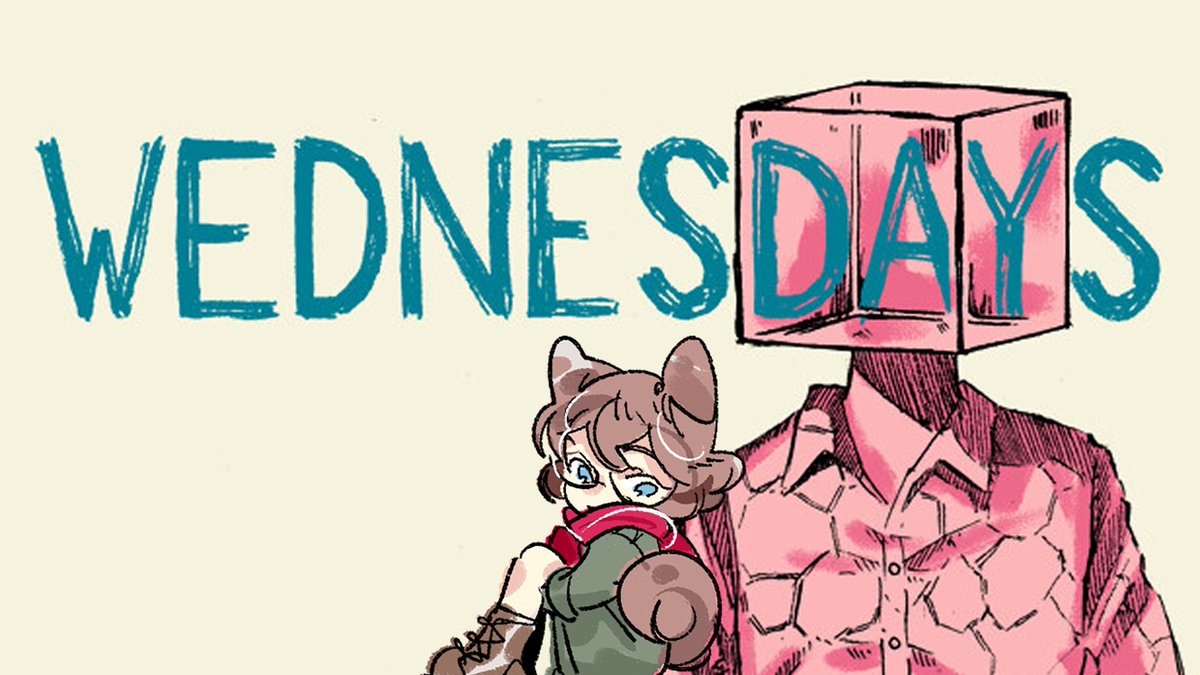
❤️🩹WEDNESDAYS❤️🩹
Heute ab 12 Uhr begeben wir uns auf einen Pfad der Hoffnung & der Heilung~
⚠️BITTE BEACHTET UNBEDINGT DIE TRIGGERWARNINGS⚠️
Danach bauen wir zur mentalen Beruhigung noch ein paar Klemmbausteine zusammen!
twitch.tv/yoshiko_vt
#Stream #Shikolive #GERVtuber
2
350

Books you can look up reviews or triggerwarnings. Fics you cannot. If an artist doesn't tag and I waste my time, I will not be reading anymore from that artist. I search by tag. If I like your work I will read EVERY work you write for the fandom I found you for.
4
23
697
14,093

9 Sep 2025
📣 New Podcast! "Episode #212-“#Throwback Trigger Warnings”" on @Spreaker #children #gay #gaybcs #gom #grumpy #grumpyoldmixtape #lgbt #thegrumpyway #throwback #trigger #triggerwarnings spreaker.com/episode/episode…

2
1
275

4 Sep 2025
Whilst we’re all getting our knickers in a twist with #triggerwarnings it’s time to roll out this Benny Hill classic.
youtu.be/8Y1QdNmoX1s?si=KfKh…

5
2
41